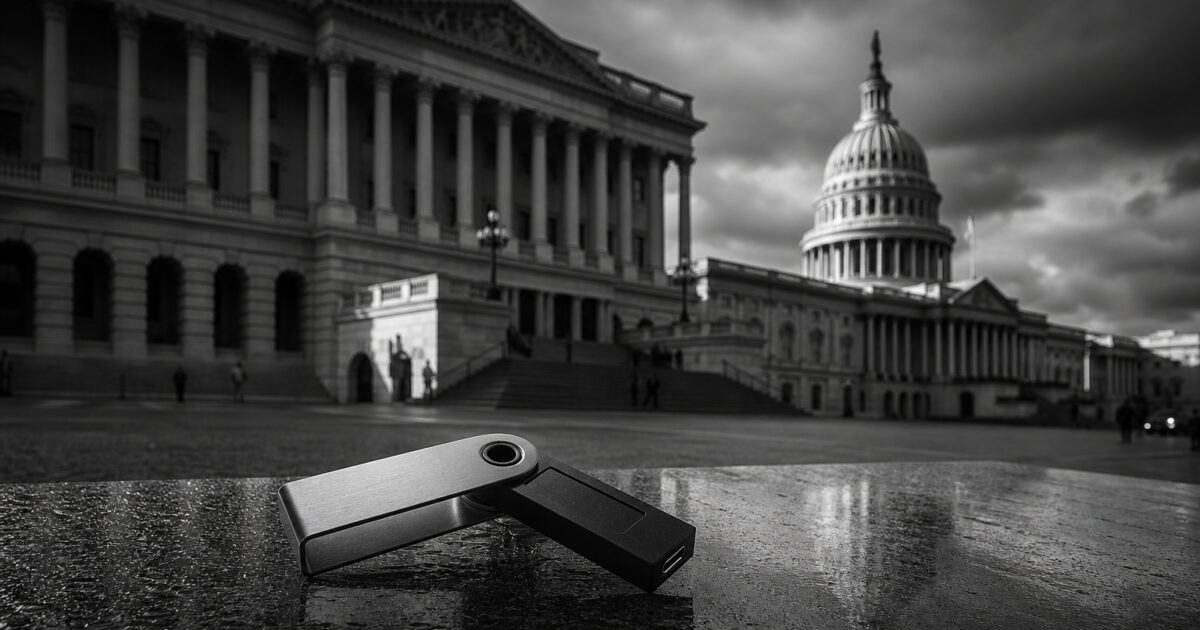
Nobody likes the idea that their data might be for sale. However, most Americans’ details, including their address, phone number, shopping habits, and even health information, is bought and sold by data collectors online everyday. These agents use this information to fuel everything from aggressively targeted ads to identity theft and AI deep fake frauds.
According to Senate reports and data from government officials, breaches and loss of control of personal information is something that affects millions of people. For this reason, it is a hot issue in 2026.
What are data brokers?
Data brokers are essentially any company that gathers personal information from internet browsing activity, apps, purchases, or websites and then packages it and sells it to another third party, sometimes without individual users’ knowledge or consent. Data brokers are used all the time by top social media companies and search engines. Many of the big firms use these companies behind the scenes to gather more information about online internet users for profit.
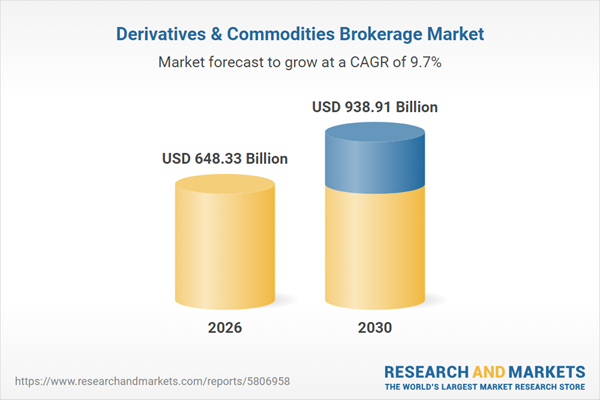
Currently, the industry is worth more than $200 billion and growing all the time. As such, their capacity to collect data is expanding.
Why it matters now
Data brokers have been around for a long time. However, Senate reports link them to more than $20 billion worth of consumer losses, amplifying the risks of going online and sharing information. Currently, AI and deepfakes are reaching the news cycle.
Interestingly, the FTC is also warning about the sales of individual data to foreign adversaries. Foreign governments can potentially use information collected by data brokers as well. This is all possible because of the hidden power that many data brokers have. Often information is created and collected automatically and passed through various systems to arrive in broker databases. Removing it is also a complex process when consumers and internet users try to do it manually. They may not know their rights under the law or how to even approach the process of getting their data deleted.
Protect My Data is a company that assists consumers and businesses in dealing with data brokers. “We constantly monitor and scan 300+ data brokers preventing unwanted spam calls, emails and identity theft. It’s part of our mission,” the company says. “Our goal is to give our clients back their privacy and keep them protected online.”
Big developments from California’s DROP platform
Currently, the situation is moving in favor of regular Internet users strongly, attributable to California’s DROP platform, also called the DELETE Act. This tool launched in January 2026 and was the first in the nation. All Californians need to do is submit a single form to demand deletion and to opt out of hundreds of registered brokers at once. As a consequence, they don’t have to contact them individually anymore. Furthermore, brokers must start honoring these requests by the summer of 2026. If they don’t, they’ll face sweeping fines for non-compliance.
Such a development in California is seen as a model for other states. The belief is that giving power back to individual Internet users may restore the balance online and prevent their data from being stolen and used against them.
Those interested in the California DROP tool can find it easily by searching online. If this isn’t available in a particular area, then data removal services can take up the slack. These essentially automate the data removal process by contacting brokers on behalf of internet users. As of 2026, about 20 states have comprehensive consumer privacy laws on the books, requiring companies to honor certain consumer privacy rights
The price and value of data
The sheer price and value of an individual’s data is extraordinary. So far, it’s been a driving force behind the development of many of the biggest businesses in America and the rest of the globe. Once data can be leveraged, it can then be used to target marketing more efficiently and improve operations at companies. It can also be used to profile people and learn more about them, their priorities, and what they’re doing.
Recently, there have been several changes in legislation, including the DROP Act. The idea is to give people back ownership over their data so that they are no longer at the behest of large corporations seeking to use and leverage it against them. Therefore, in 2026, privacy is more than just a technology issue; it’s about personal security.
Most people now have online banking, online health, and transmit other sensitive information across the Internet. When data brokers collect this data and create profiles, it undermines privacy and creates excessive transparency, which works against the interests of Internet users.
“Many data brokers are not the big tech names that the average person knows,” explains Protect My Data. “Instead, they are behind-the-scenes firms with hundreds registered across the country, many of which are stationed in California. When they package and sell information, they do it without people’s consent, which is something that many people aren’t aware of. But when they use data protection services that fight back against data brokers, they can regain control over their digital footprint.”
The United States does not have a federal law governing all data protection and privacy for the general public. Instead, it has several laws at different levels to protect people.
The Privacy Act of 1974 was one of the first pieces of legislation designed to regulate how companies and agencies can handle records about individuals, including US citizens and permanent residents. It put in place various safeguards to protect those records so that individual rights would remain unharmed.
In the 1990s, the Health Insurance Portability and Accountability Act came through. This focused specifically on the information that health care providers held about their patients, improving patient-doctor confidentiality in the U.S. This system remains tightly regulated to this day, and health care providers have to pay fines if they fail to sufficiently protect users’ data. Whether a new law is required for today’s data-rich world remains to be seen.
VentureBeat newsroom and editorial staff were not involved in the creation of this content.