A recent surge in Isa millionaires has been driven by investors with a bias towards UK assets, according to two leading investment platforms, following a bumper year for the FTSE 100.
Hargreaves Lansdown, the UK’s largest “DIY” investment site, said it had seen more than a 70 per cent increase in the number of Isa millionaires between December 2024 and December 2025, largely due to investment outperformance in the UK.
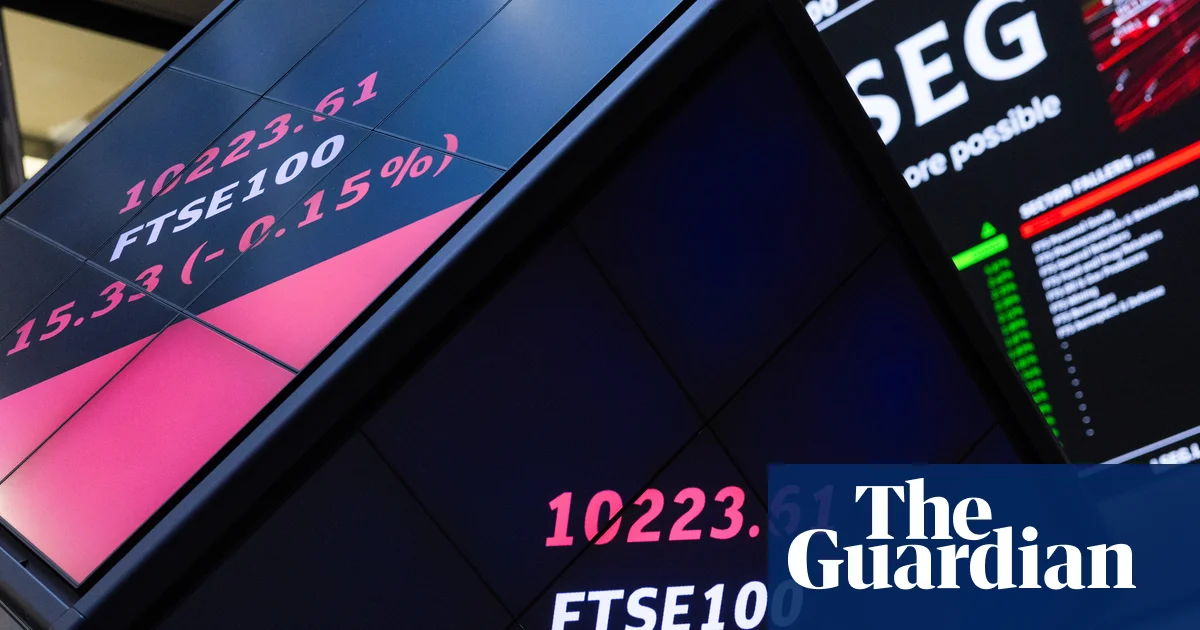
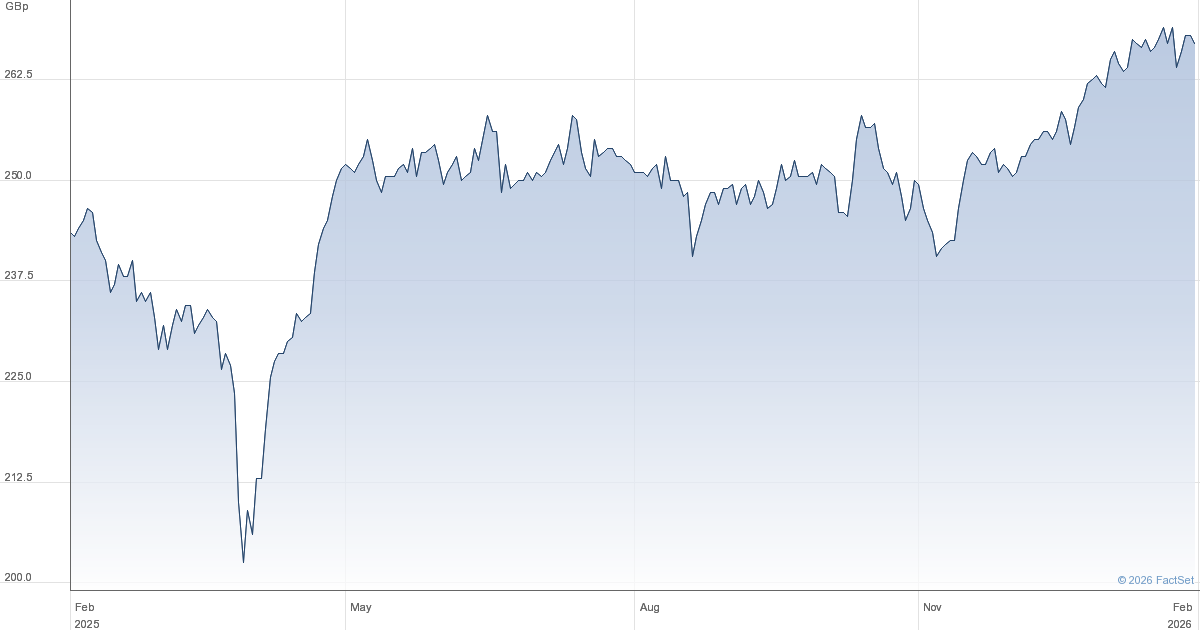
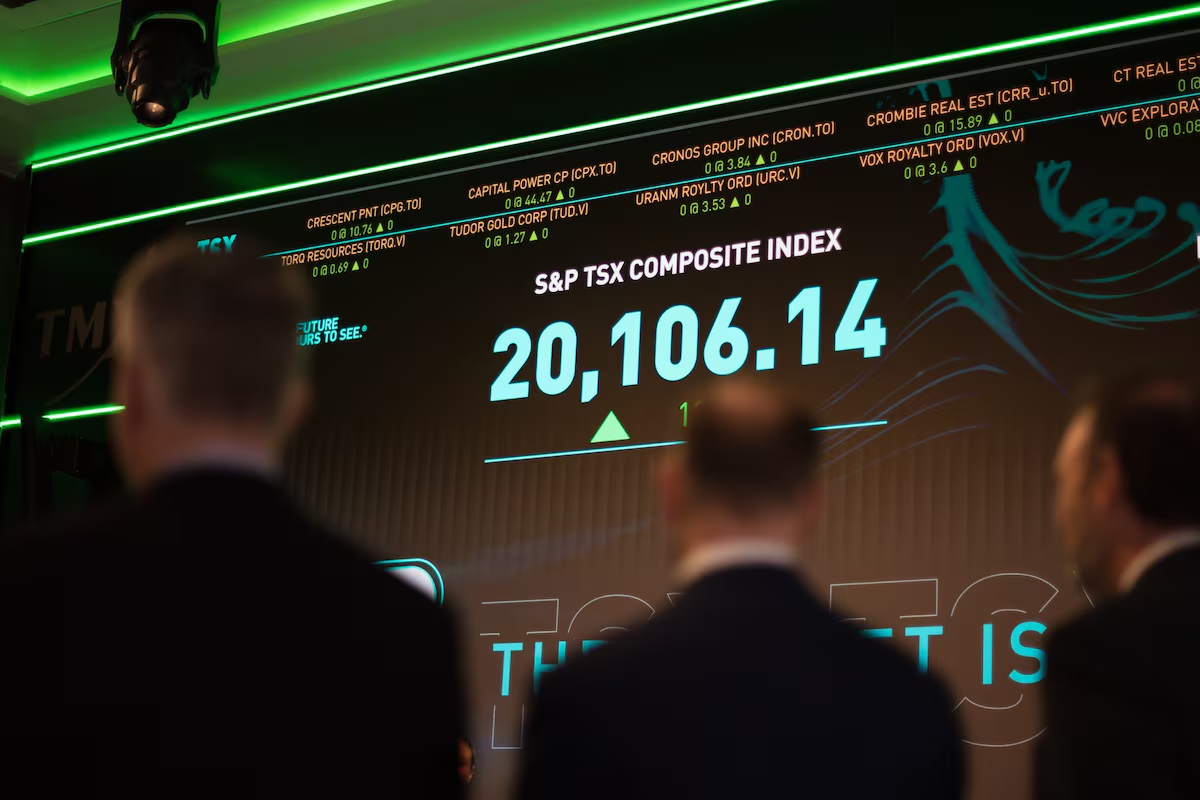
Emma Wall, Hargreaves Lansdown chief investment strategist, said the millionaires had made their money through the 27-year-old tax-free investment wrapper “by investing in UK equities”. Total returns in sterling for the FTSE 100 last year were 24.7 per cent, compared with 8.7 per cent for the S&P 500, according to Bloomberg.
“While there are a smattering of global funds, and some big US tech names in HL’s Isa millionaires’ portfolios, of the 20 biggest holdings, more than half are direct UK equities or funds invested in domestic companies,” she added.
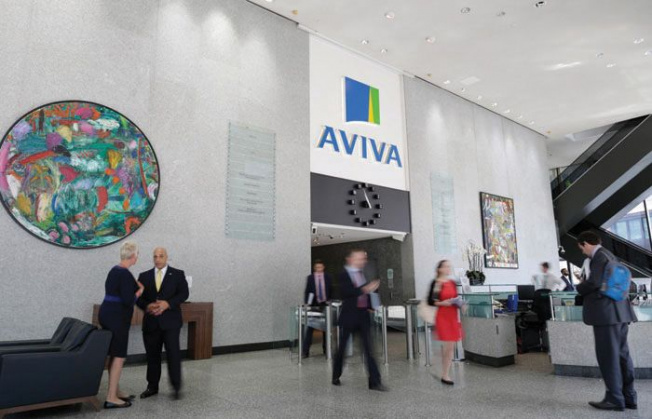
The Bristol-based company said that among its customers’ most popular equity investments were UK household names such as Lloyds, HSBC, Rolls-Royce, Shell, Aviva and the National Grid.
These equities were also some of the most popular with Isa millionaires at rival platforms including AJ Bell, which saw its number of Isa millionaires increase by 74 per cent from December 2024 to December 2025.
Dan Coatsworth, head of markets at AJ Bell, said: “Stocks were the most favoured investments among our Isa millionaire cohort and the majority hailed from the FTSE 100, which beat the S&P 500 last year, with a succession of records broken.”
However, industry experts are concerned that a bias towards UK assets could leave investors vulnerable to market shocks this year as the conflict in the Middle East continues and a fresh wave of inflation risk returns.
Nimesh Shah, chief executive of tax adviser Blick Rothenberg, said: “Concentration in one market could be risky and it is an uncertain time in the markets with conflict in the Middle East . . . We have already seen the UK markets experience a downward movement in the last few weeks.”
Shah added that, while the UK market outperformed in 2025, “it is worth remembering that this is following several years of modest [or even flat] growth”.
Duncan Ferris, an analyst at stock trading app Freetrade, said: “The FTSE is unusually international which, along with the index’s heavy weighting towards financials, energy and materials, makes it vulnerable to global trade shocks and commodity price fluctuations.
“Perhaps the real lesson here is the importance of diversification,” he added.
Jane Sydenham, senior investment director at wealth manager Rathbones, agreed the importance of diversification was “especially pronounced” given current “geopolitical uncertainty”.
She also questioned whether a “true ‘home bias’ really exists”, given that around three-quarters of FTSE 100 companies’ revenues are generated overseas.
John Moore, wealth manager at RBC Brewin Dolphin, said: “The UK has a higher than average weighting to oil and commodities, which has proved helpful. However, in the current context of market turmoil, it is important to recognise that there are many other opportunities elsewhere too.”
The impact of the Iran war has seen shares in FTSE oil majors BP and Shell rise by over 15 per cent in the past month.
Of those HL users to reach the £1mn mark, the top 20 investments were not solely weighted to the UK. Diversification came in the form of large US tech companies such as Tesla, Apple and Nvidia, as well as several global funds including the L&G International Index Trust and Artemis Global Income.
Isa millionaires also gained exposure to SpaceX, which is set to launch an initial public offering later this year, through the Scottish Mortgage Investment Trust.
Jason Hollands, managing director at Evelyn Partners, said: “A high bias to the UK market used to be very common for private investors and this may be reflected to some degree among longstanding Isa investors.”
The majority of Isa millionaires across investment platforms are in their 60s and 70s, having built up their portfolios over decades and benefited from compounding. But AJ Bell said its youngest Isa millionaire was just 33 years old.
Hollands added that while those with high relative exposure to UK equities would have had a good year in 2025, “the same would be true of any clients with overweight exposure to Asia or emerging markets, Europe and Japan — basically those with lower weightings to the US”.