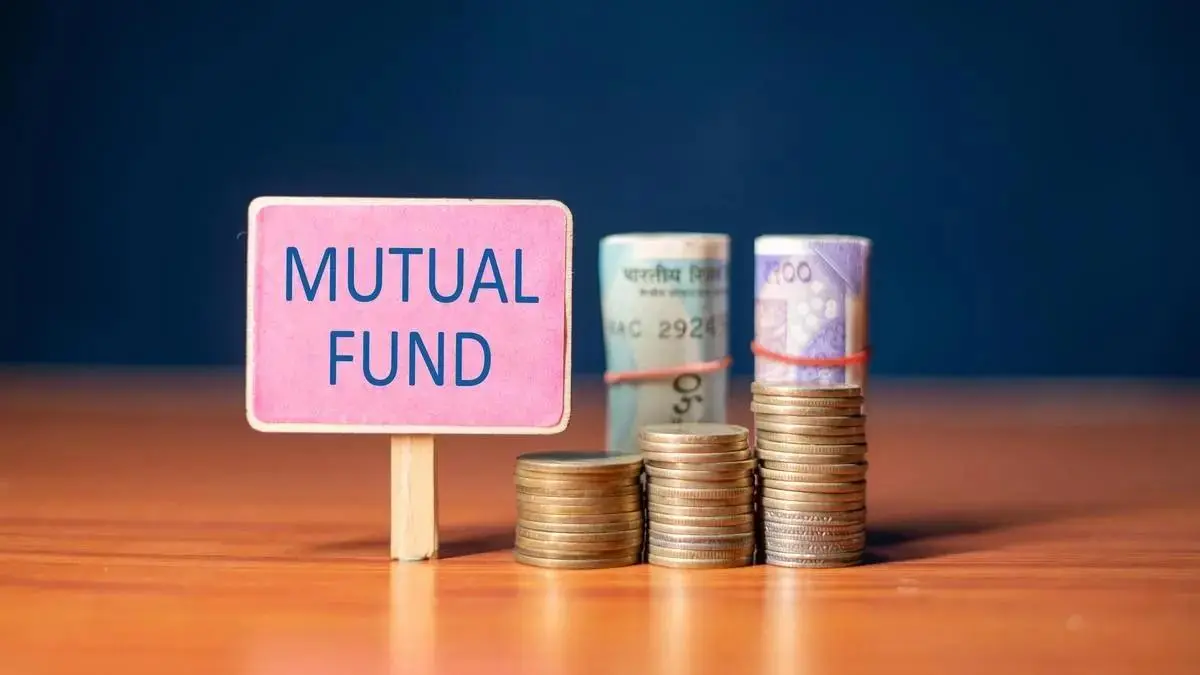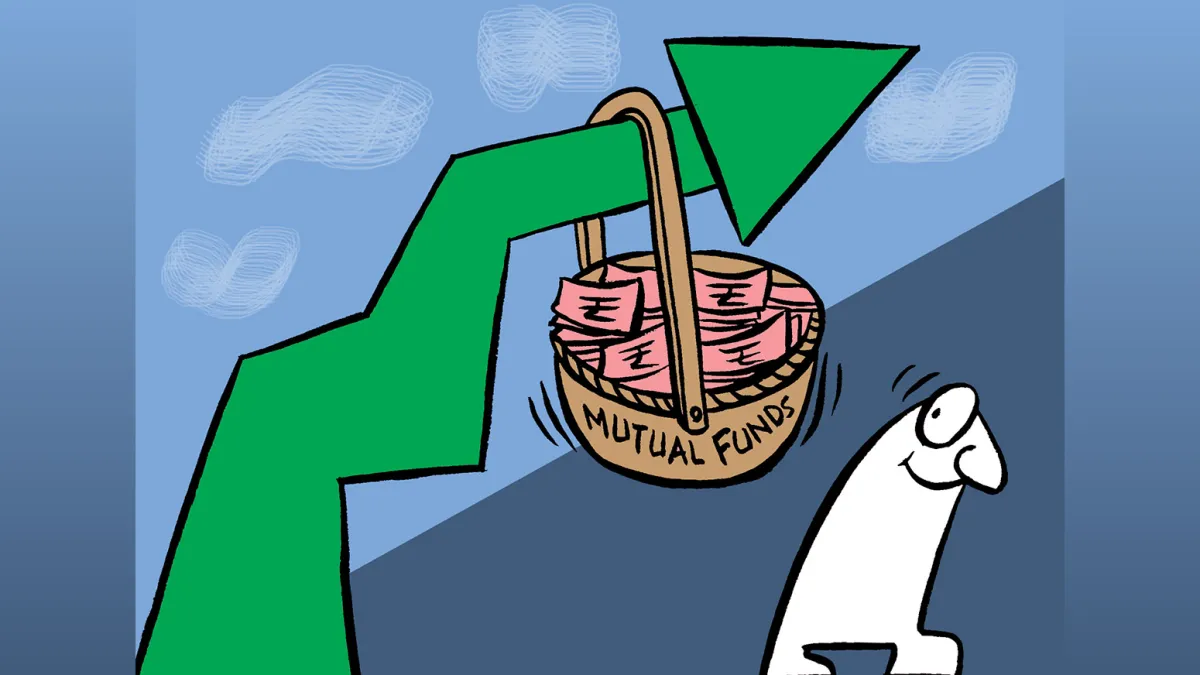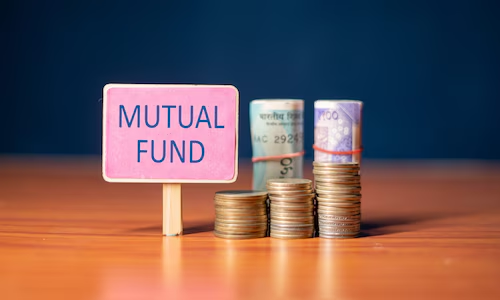
Capital market regulator on Friday issued a circular detailing intraday borrowing rules for mutual funds under its ‘Mutual Funds Regulations 2026’ framework. The rules define how mutual funds may borrow funds to meet redemption payouts or other investor payments if redemption payouts occur before incoming cash flows.
The proposed changes will take effect from April 1.

According to the SEBI circular dated March 13, a standard ceiling at 20 per cent of scheme net assets will be applicable to the amount that mutual funds will be able to borrow under this arrangement.
The borrowing will be for a period of six months.
Intraday borrowings will qualify for exemption from the 20 per cent cap in cases where SEBI-set conditions are followed. Intraday borrowing refers to borrowing and repaying within on the same trading day.
Why do fund houses need intraday borrowing?
The need for intraday borrowing occurs when redemption payouts are required to be executed on the morning of T+1 day, whereas maturity proceeds from instruments like Triparty Repo Dealing and Settlement System (TREPS) — an instrument commonly used by fund houses to park their idle funds overnight — arrive evening of the ‘T+1’ day.
This timing mismatch creates the need for temporary borrowing.
The intraday borrowing policy will have to be approved by the AMC’s board and trustees.
Fund houses will have to publish the borrowing policy on their websites, in line with the governance and transparency requirements.
Under which conditions will AMCs be allowed intraday borrowing?
According to the regulator, the option will be allowed under any of the following circumstances:
- Redemption payments
- Unit repurchases
- Interest payouts
- IDCW payments
The borrowing limit will be linked with receivables. No amount higher than the guaranteed receivables expected the same day from entities such as government, RBI or Clearing Corporation, will be allowed to be borrowed.
The following receivables will be eligible for borrowing against:
- TREPS maturity proceeds
- Reverse repo proceeds
- G-Sec, T-bill, SDL and STRIPS maturity proceeds
- Interest on G-Sec/SDL
- Sale proceeds of government securities
Costs and risks to be borne by AMCs
According to SEBI, fund houses will be required to bear the following costs or risks under this borrowing window:
- Any cost of intraday borrowing
- Any loss due to delays in realising receivables
Additionally, for index funds and exchange-traded funds (ETFs), borrowing due to under-execution of sell trades will be allowed only for participation in the closing auction session, according to SEBI.
This rule will take effect after the market regulator’s new closing auction mechanism comes into force, from August 3.
Here are answers to frequently asked questions (FAQs) on the subject:
When will the intraday borrowing rules for mutual funds take effect?
The rules will take effect from April 1.
In case of index funds and ETFs, borrowing due to under-execution of sell trades will be permitted only for participation in the closing auction session, from August 3.
Why do mutual funds need to borrow funds?
AMCs borrow to bridge cash shortfalls when redemptions are due on T+1 morning, but some inflows arrive only that evening.
SEBI’s incoming rules will enable AMCs to handle timing mismatches in cash flows.
What changes for AMCs from April 1?
They will be able to borrow up to 20 per cent of scheme net assets for up to six months to cover redemptions or payouts when cash inflows lag, under certain conditions.
What changes for investors?
From April 1, investors will gain smoother redemption processing via formalised intraday borrowing rules. This will ensure timely T+1 payouts.
Will investors have to borrow any additional costs once these MF rules take effect?
No. SEBI has shielded investors from any additional costs.
Its incoming rules will require AMCs to absorb all intraday borrowing costs and receivable delay losses.