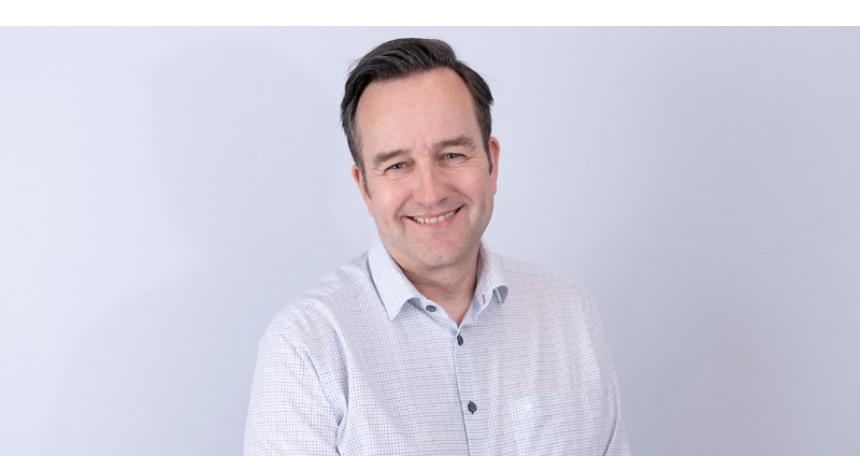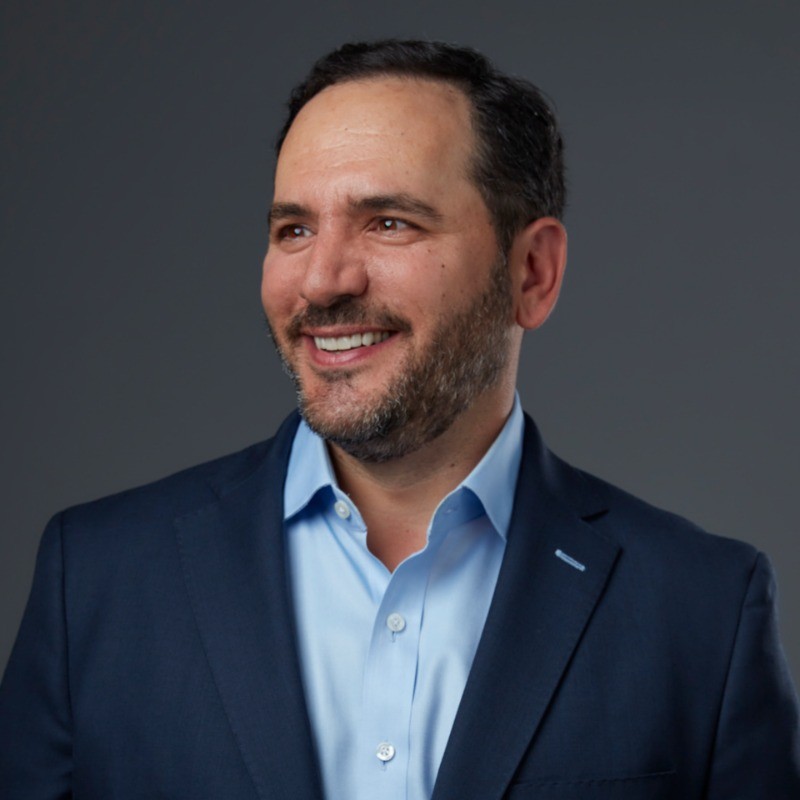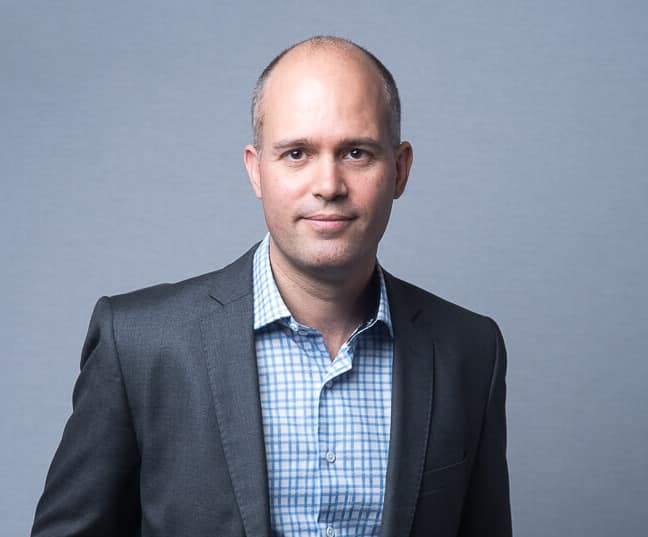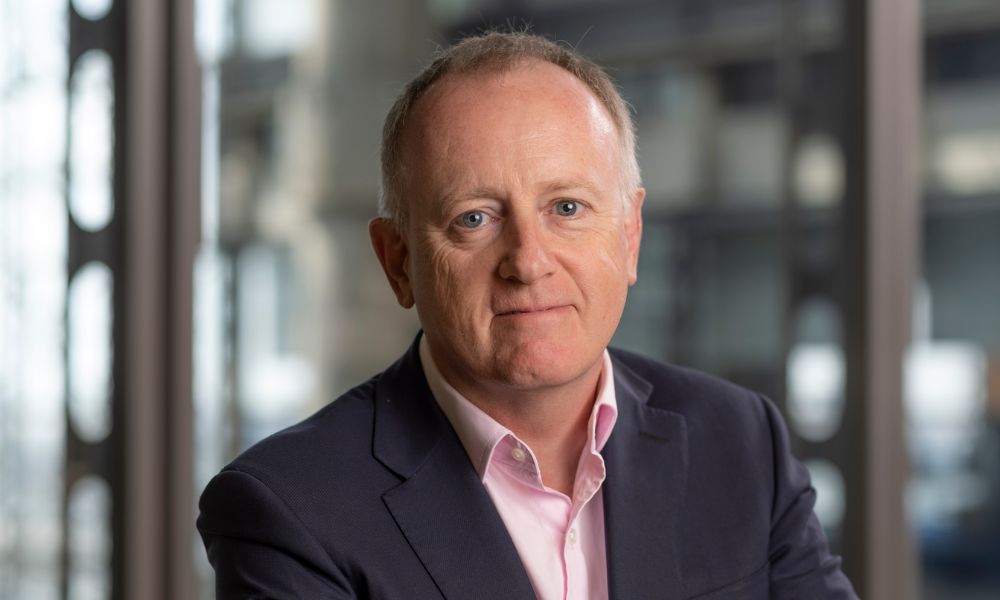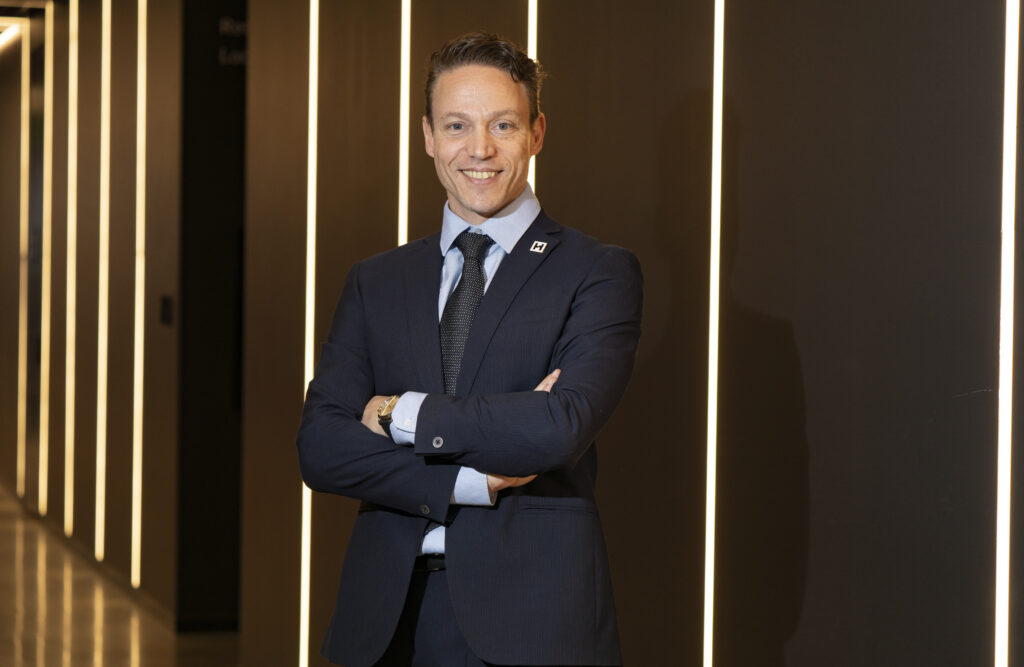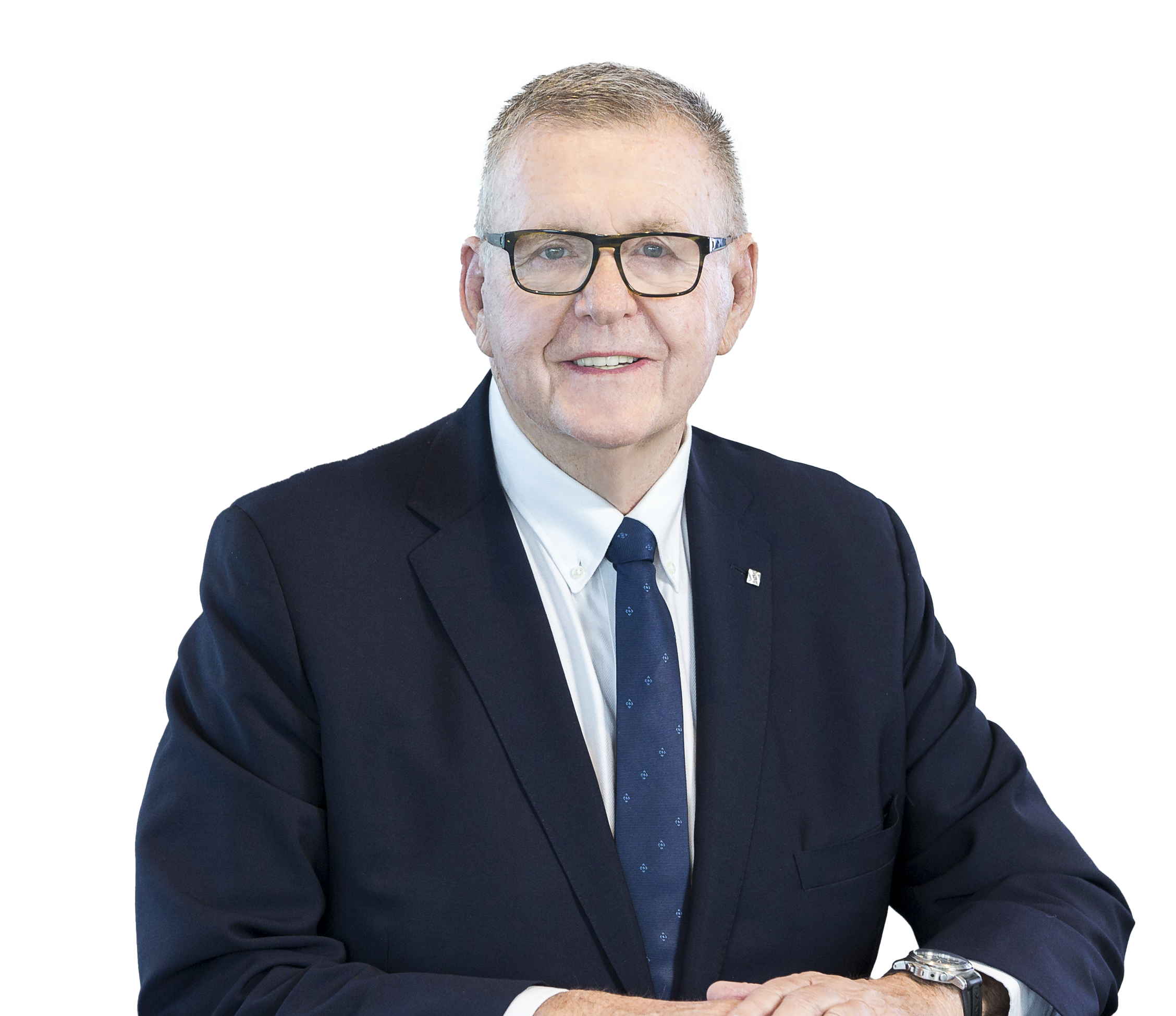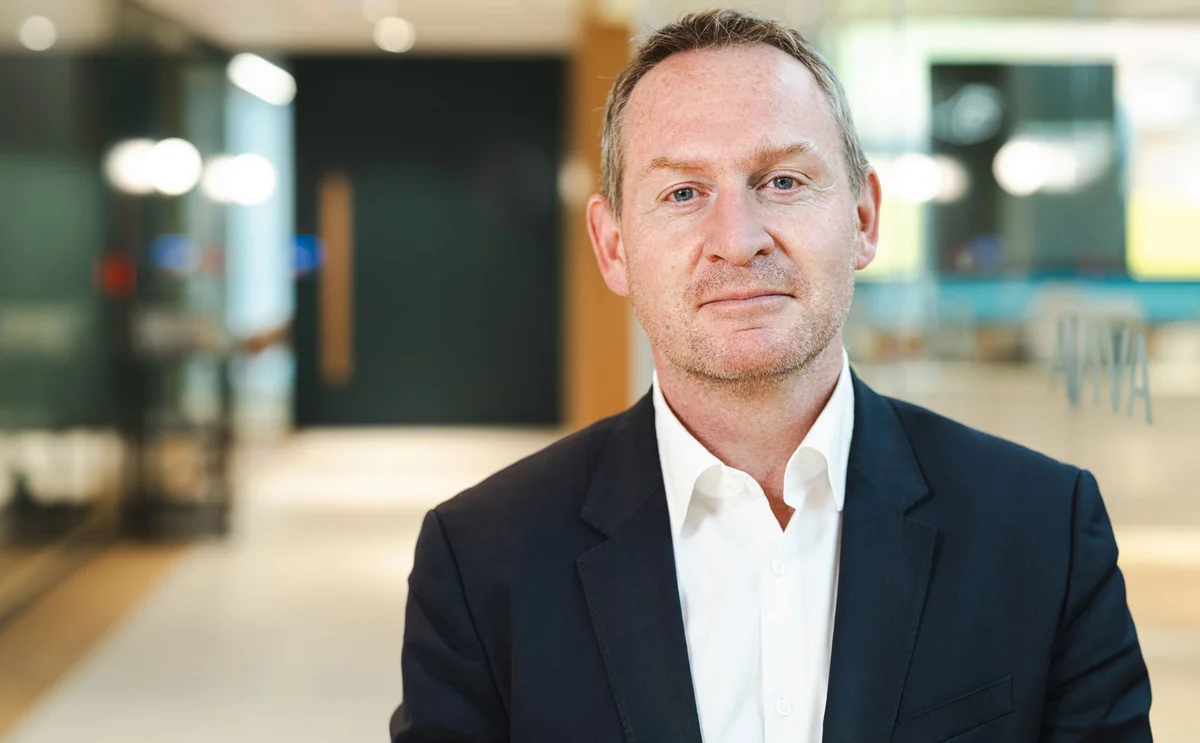
Jay Moghe, Head of Sales, Prime Brokerage and Investment Solutions at CGS International, outlined how the firm is positioning itself to deliver institutional-grade trading infrastructure to smaller hedge funds, family offices and private clients. Speaking during the Hubbis session, Moghe focused on bridging what he described as a structural gap between large institutional investors and smaller or boutique allocators seeking comparable execution, financing and portfolio support.
His remarks centred on a core proposition: enabling investors managing even below USD 5 million to access the same breadth of tools, counterparties and execution capabilities typically associated with multi-billion-dollar hedge funds. By operating an omnibus prime brokerage model supported by global custodians and financing partners, CGS International aims to provide a structure agnostic integrated trading and portfolio services within a single platform.
Positioning CGS International Within the Global Brokerage Landscape
Moghe began by introducing CGS International Securities Pte. Ltd. (CGS International) and its market positioning. While the firm may be less familiar to some allocators outside its core markets, it forms part of a larger institutional infrastructure. “CGS International has a track record of 46 years in Southeast Asia,” he said, noting its long-standing regional presence.
Starting in Singapore as G.K Goh Stockbrokers in 1979, it was later acquired by Malaysia’s CIMB Bank before leading mainland securities firm, China Galaxy Securities (CGS), entered the picture in 2017. Today, the company is wholly-owned by CGS and known as CGS International.
CGS is owned by China Investment Corporation (CIC), one of the largest sovereign wealth funds in the world. It is publicly listed in both Hong Kong and Shanghai, with a market capitalisation of approximately USD$22 billion. Together with CGS, CGS International is now trusted by over 18 million customers worldwide and ranked amongst the top securities houses in Asia. This scale, Moghe suggested, provides the financial strength and infrastructure necessary to support institutional trading services across global markets.
While retail brokerage remains a core component of the broader group, Moghe’s focus was on the firm’s prime brokerage and institutional capabilities, particularly for clients that may not meet the minimum size requirements of the largest global prime brokers.
An Omnibus Prime Brokerage Model
A central feature of CGS International’s offering is its omnibus prime brokerage structure. Rather than acting as a standalone counterparty for all transactions, the firm integrates multiple global custodians, brokers and financing providers into a unified platform.
“We have about 25 different counterparties,” Moghe said. This network enables CGS International to access execution and custody infrastructure typically associated with larger prime brokers.
“When you come to trade with us, you are not necessarily using us directly,” he explained. Instead, client trades may be executed through major global prime brokers, with custody provided by established financial institutions such as BNY Mellon, Standard Chartered, or Citibank.
This structure allows CGS International to act as an intermediary, aggregating institutional-grade services and making them accessible through a single relationship. “We’re basically an omnibus prime,” Moghe said.
By leveraging external counterparties while maintaining client relationships internally, the firm aims to combine execution breadth with operational simplicity.
Integrated Multi-Asset Trading Platform
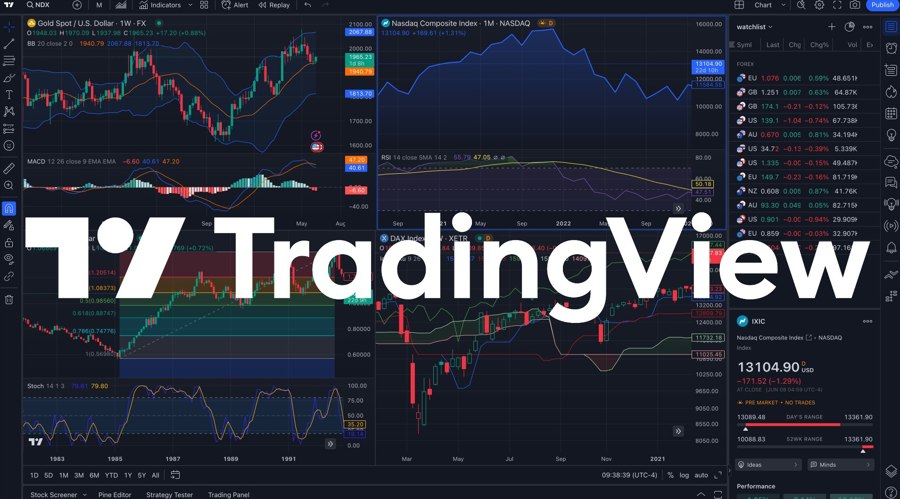
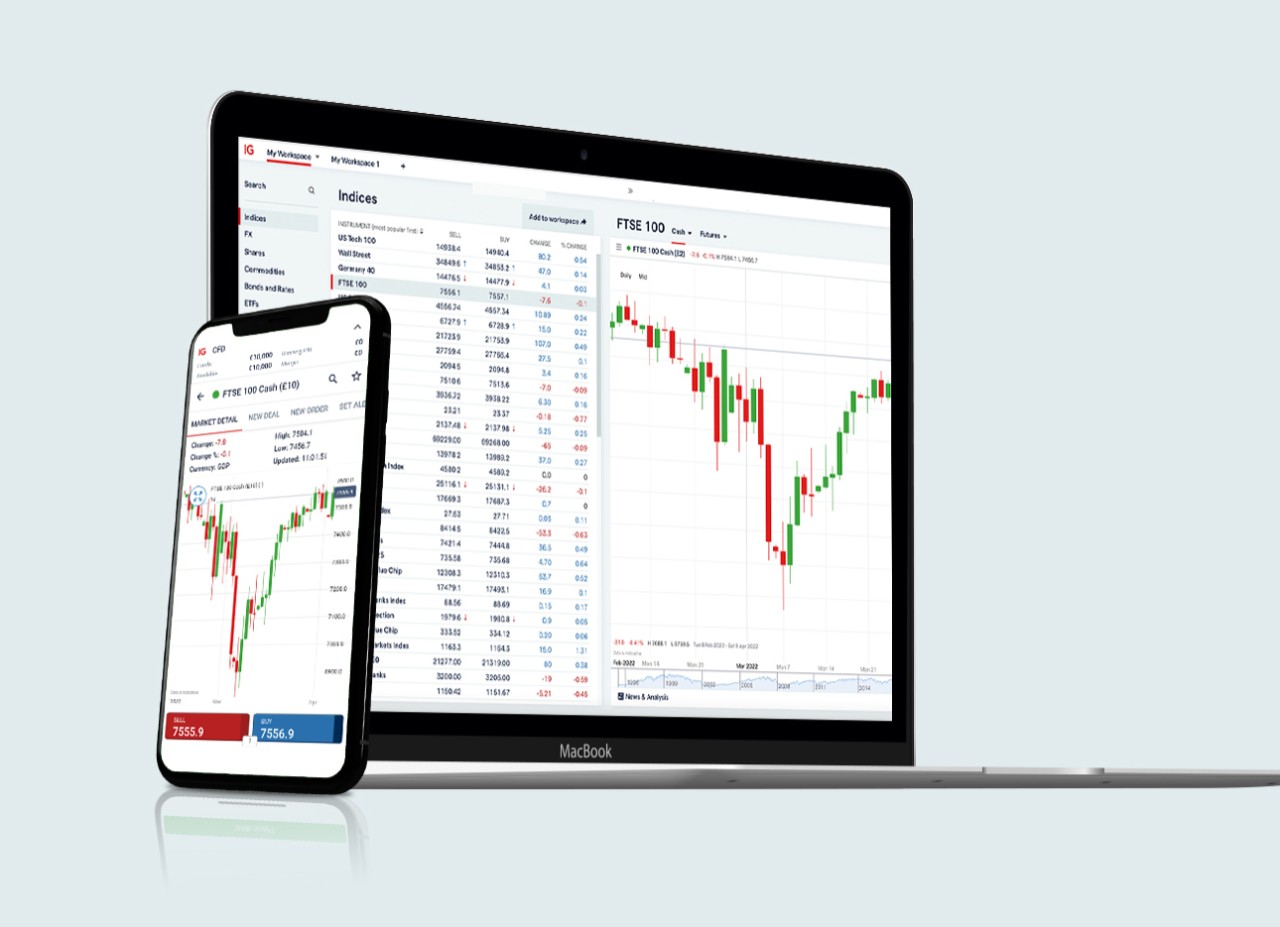
Moghe emphasised that the platform provides access to a broad range of asset classes across global markets. “You have a fully integrated platform and can trade virtually any asset class worldwide,” he said.
The available asset classes include equities, bonds, futures, commodities and structured products. By consolidating these capabilities within one platform, CGS International seeks to provide a comprehensive trading environment.
This integrated approach reflects growing demand among family offices and smaller hedge funds for multi-asset capabilities. Historically, such investors may have required multiple broker relationships to access different markets and instruments. Moghe positioned the firm’s platform as a solution to this fragmentation.
“Equities, bonds, futures, commodities, structured products, all on one platform, really the true prime,” he said.
For allocators seeking flexibility in portfolio construction and trading execution, this multi-asset access is a key component of the firm’s value proposition.
Financing and Leverage Solutions
In addition to execution, Moghe highlighted financing as a critical component of the offering. Access to leverage and financing arrangements is often a defining feature of prime brokerage relationships, particularly for hedge funds and active trading strategies.
“When it comes to financing, we cover full spectrum of client needs,” he said. This includes single stock financing, portfolio financing and derivatives-based financing structures. Available mechanisms include margin financing, contracts for difference (CFDs) and swaps.
He emphasised that financing solutions are offered on a bespoke basis, tailored to individual client requirements. “Talk to us. We’re ready to discuss the right solution for you.”
This flexibility is particularly relevant for smaller allocators, which may face challenges accessing financing from larger prime brokers due to minimum size thresholds or operational constraints.
Moghe highlighted that CGS International’s model enables smaller clients to access financing capabilities typically reserved for larger institutions. “These capabilities are available to your private clients and boutique hedge funds,” he said.
Service Model Combining Technology and Human Execution
While the platform supports electronic trading, Moghe emphasised that CGS International recognises the importance of human accessibility. “Relationship management remains critically important in Singapore, which is why we have inbuilt this as a core component of CGS International’s CFD offerings.” he said.
The firm operates a dedicated trading desk to assist clients with execution and operational support. “We have an experienced team of multi-asset traders,” Moghe noted, highlighting the availability of experienced personnel who manage trades directly.
“There are three important factors when it comes to customer relationship management. Execution reliability of the broker, clear and consistent risk frameworks as well as proactive communication during crisis,” he said.
This hybrid service model reflects differing client preferences. While some allocators prefer fully electronic execution, others value direct interaction with trading desks, particularly for complex or large transactions.
By combining technology and human expertise, the firm aims to accommodate a range of client needs.
Extending Beyond Execution into Investment Solutions
Moghe also highlighted the firm’s investment solutions capability, which extends beyond traditional brokerage services. “We have a dedicated investment solutions franchise within CGS International,” he said.
This function allows CGS International to assist clients with portfolio allocation and investment management. “We can manage a portion of client assets as well,” Moghe explained.
In practice, this may involve allocating client capital to external fund managers or investment strategies. “We work with established global fund houses and allocate capital into strategies that align with our client’s risk profiles,” he said.
This capability reflects demand among some clients for integrated services that combine execution, financing and portfolio management. Rather than limiting the relationship to trading infrastructure alone, the firm can also support broader portfolio implementation.
For family offices and smaller hedge funds, such integrated solutions may help streamline operational complexity and consolidate service providers.
Addressing Structural Gaps in Prime Brokerage Access
A recurring theme in Moghe’s remarks was the disparity between the services available to large institutional investors and those accessible to smaller allocators.
Large hedge funds, particularly those managing billions of dollars, typically maintain relationships with global prime brokers that provide comprehensive execution, financing and operational support. Smaller allocators, by contrast, may struggle to access comparable services.
Moghe framed CGS International’s offering as a response to this gap. “Funds even as small as 5 or 10 million dollars can expect the same institutional-grade offering that a USD10 or 20 billion funds would receive.”
By aggregating global counterparties and providing integrated services, the firm aims to extend institutional-grade infrastructure to clients across a wider size spectrum.
This approach reflects broader changes in the asset management landscape, where family offices and smaller hedge funds are playing an increasingly prominent role. As these allocators seek greater sophistication in trading and portfolio management, demand for accessible prime brokerage services has grown.
Positioning Within a Competitive Market
Prime brokerage remains a competitive segment, dominated by large global banks but also including specialised providers and independent platforms. CGS International’s omnibus prime model represents one approach to serving clients that may fall below the scale requirements of the largest providers.
By combining execution access, financing solutions and investment support within a single platform, the firm seeks to provide a comprehensive service offering.
In closing, Moghe emphasised the firm’s openness to engaging with wealth managers, family offices and hedge funds seeking enhanced trading and portfolio capabilities. His presentation underscored the firm’s focus on enabling smaller allocators to access institutional infrastructure traditionally reserved for much larger market participants.
As global capital markets continue to evolve, the ability to provide scalable, integrated prime brokerage services across client segments may become increasingly important. Moghe’s remarks positioned CGS International as a participant in this shift, aiming to extend institutional trading capabilities to a broader range of investors.