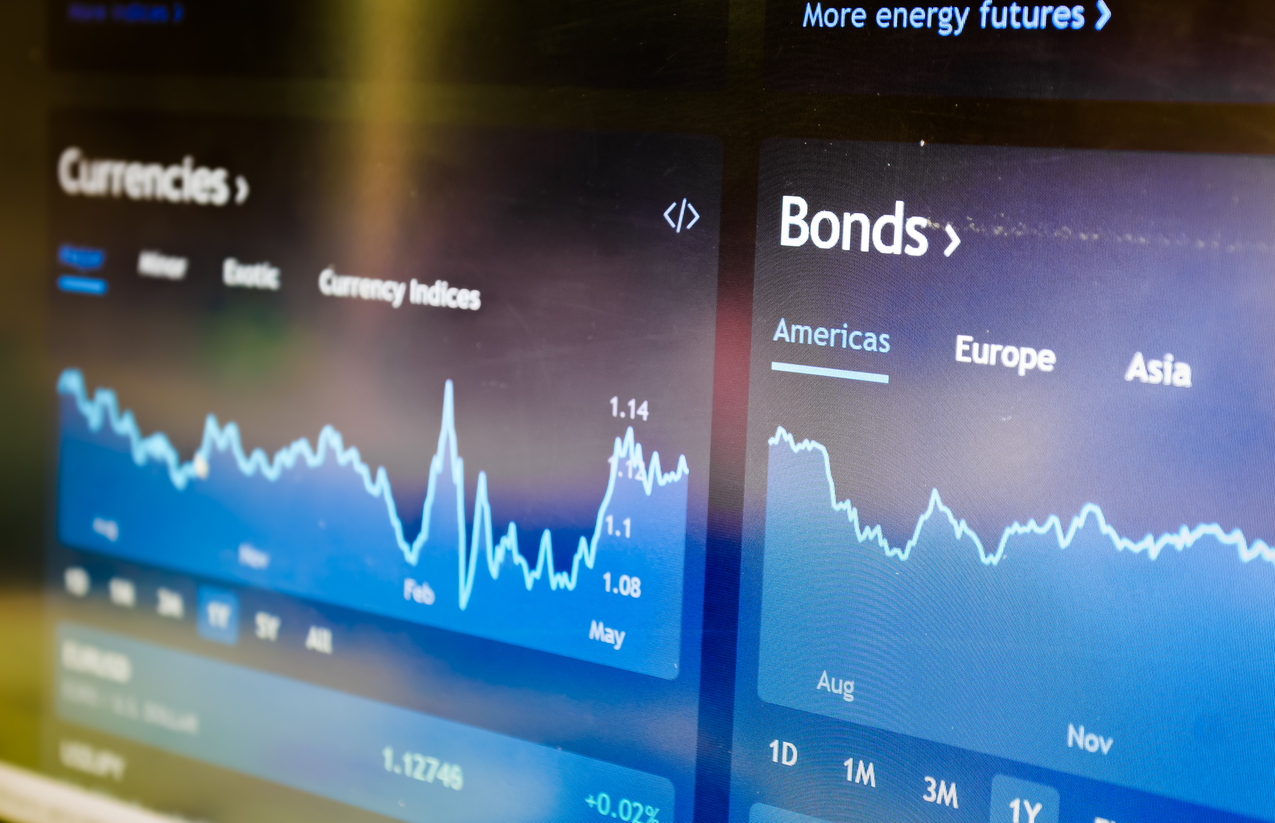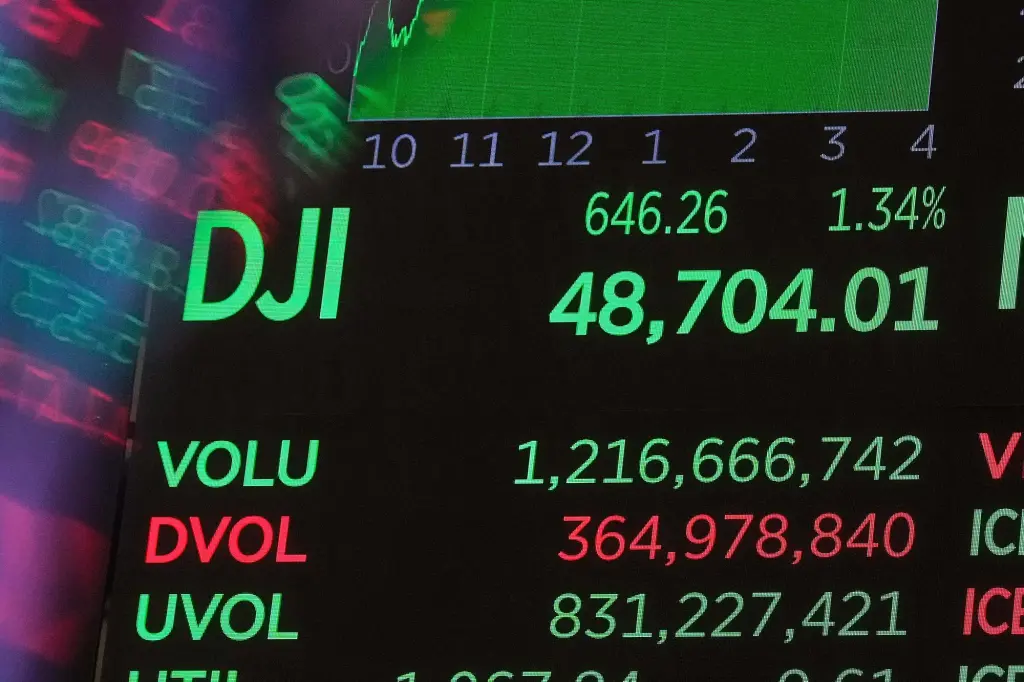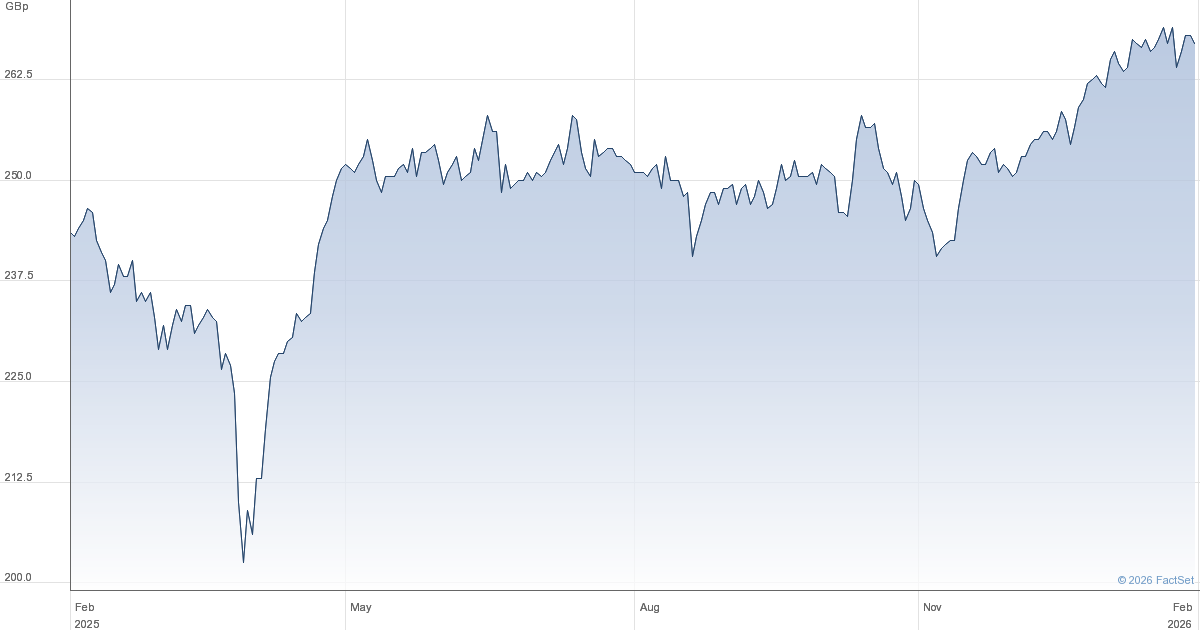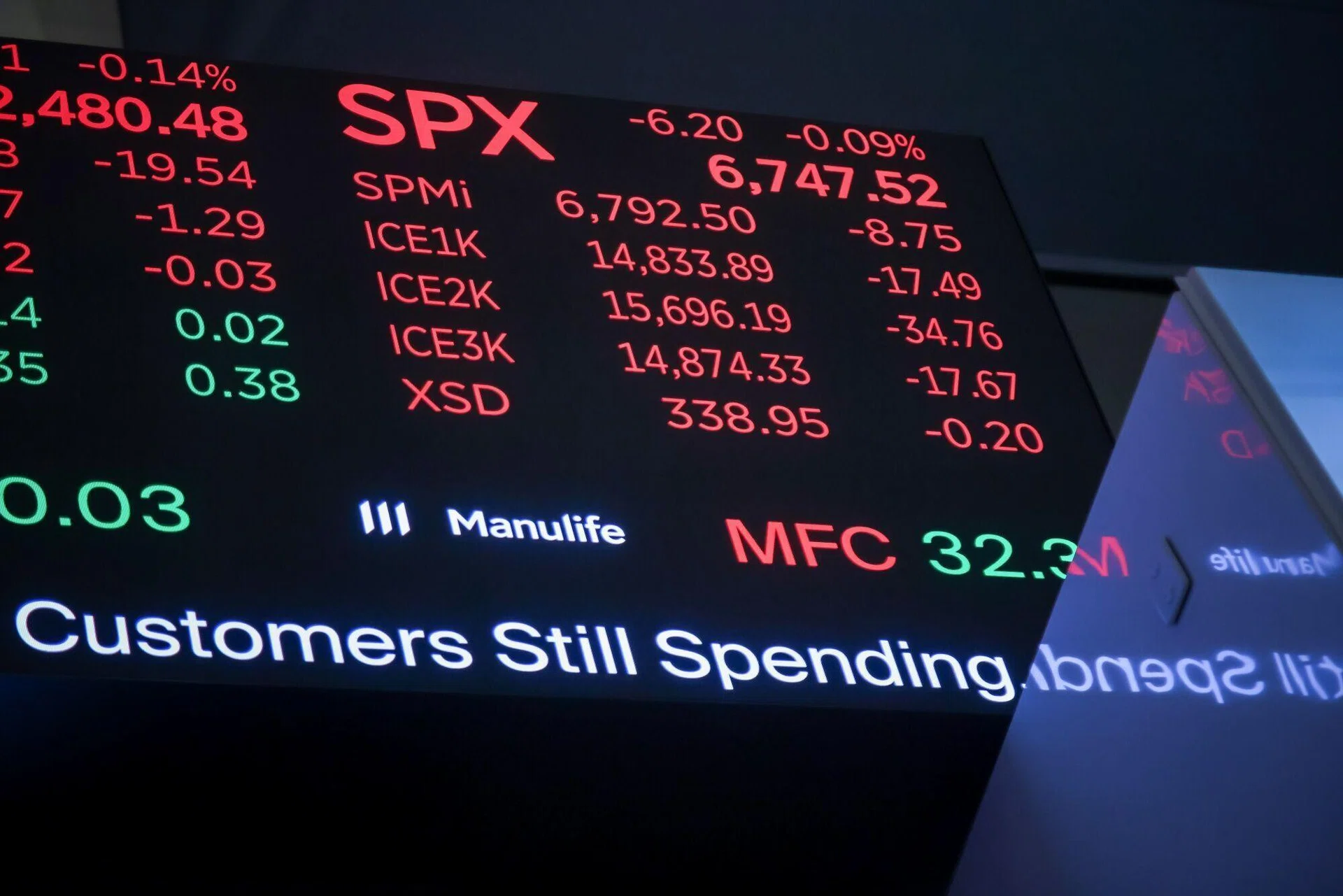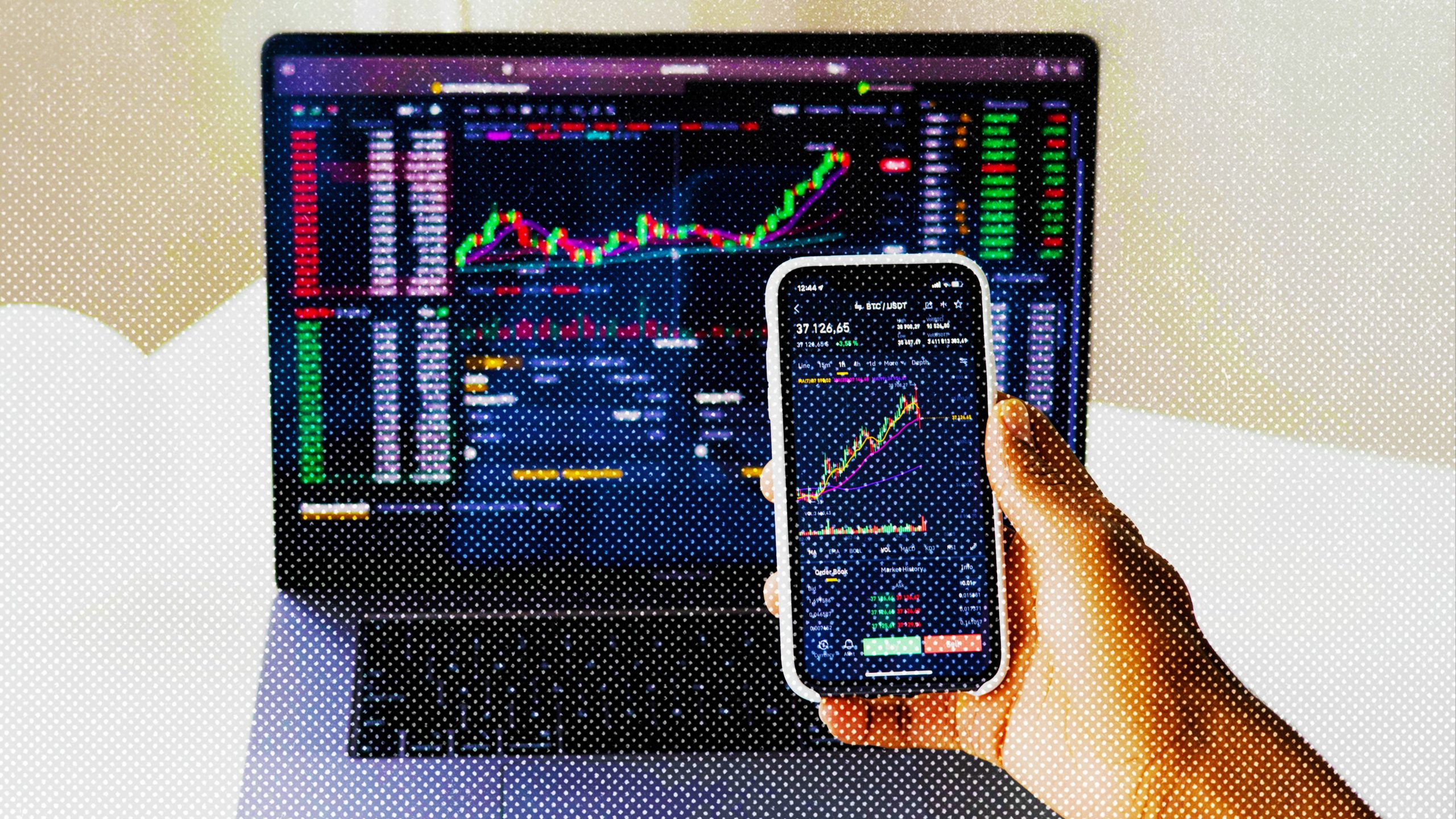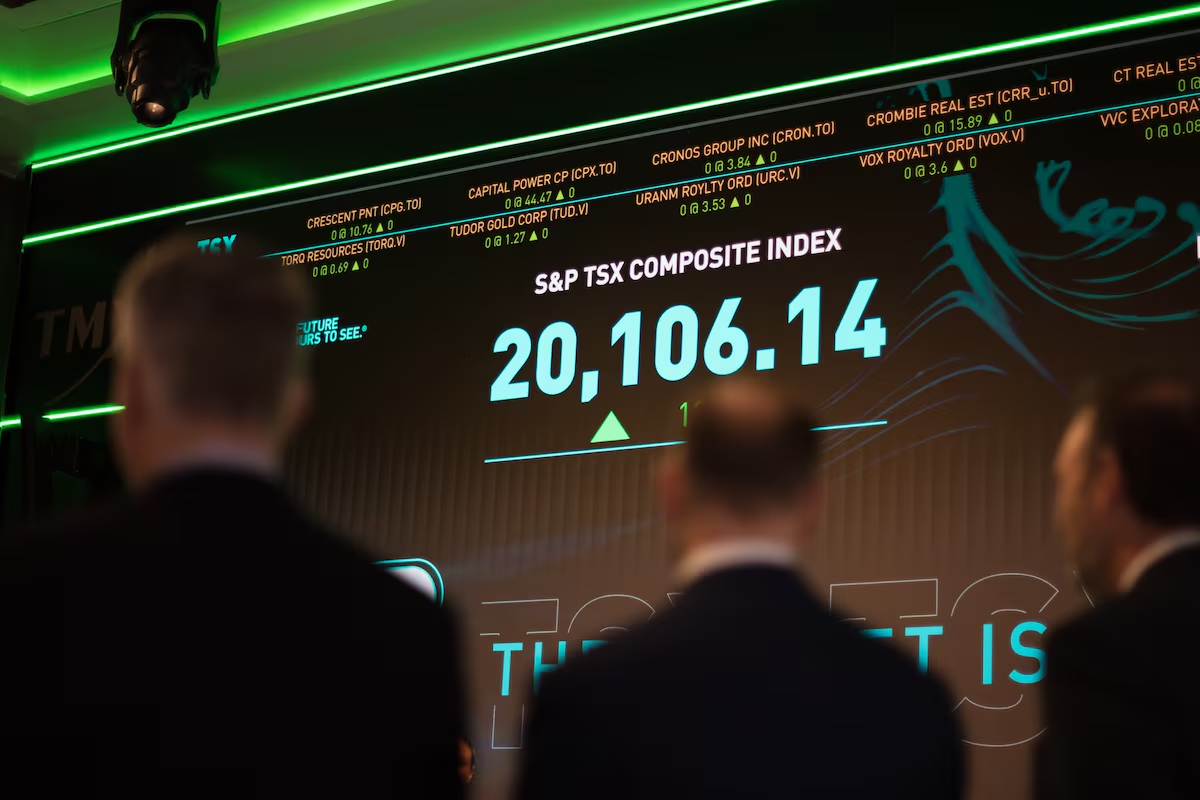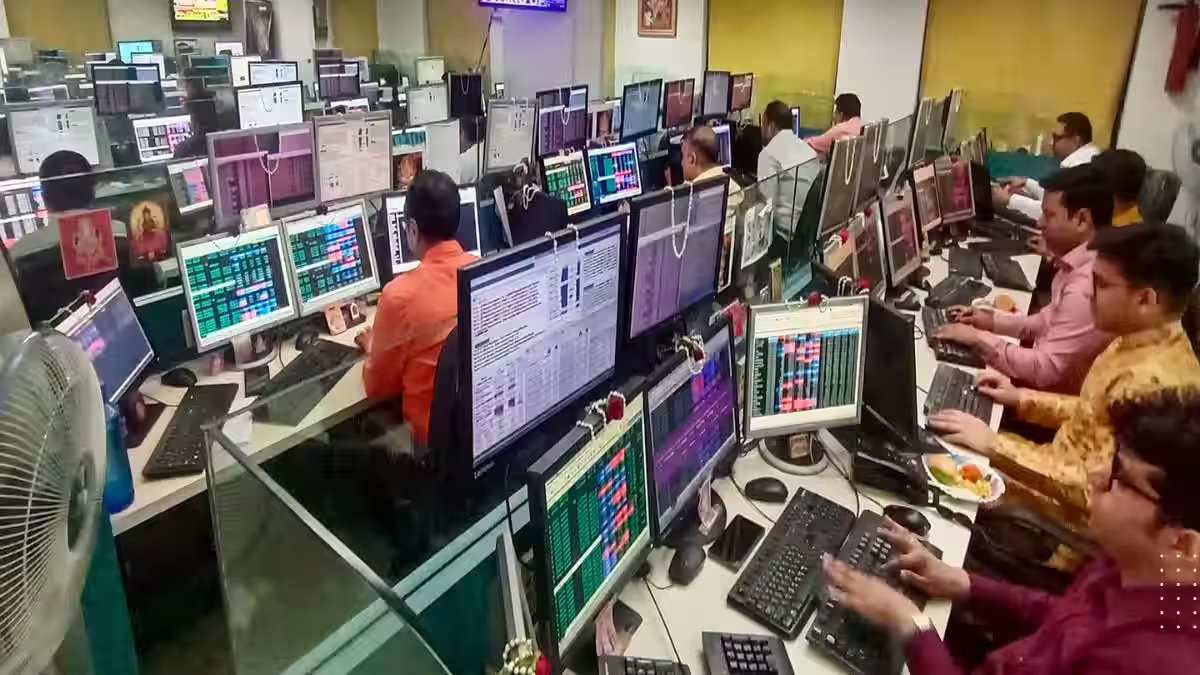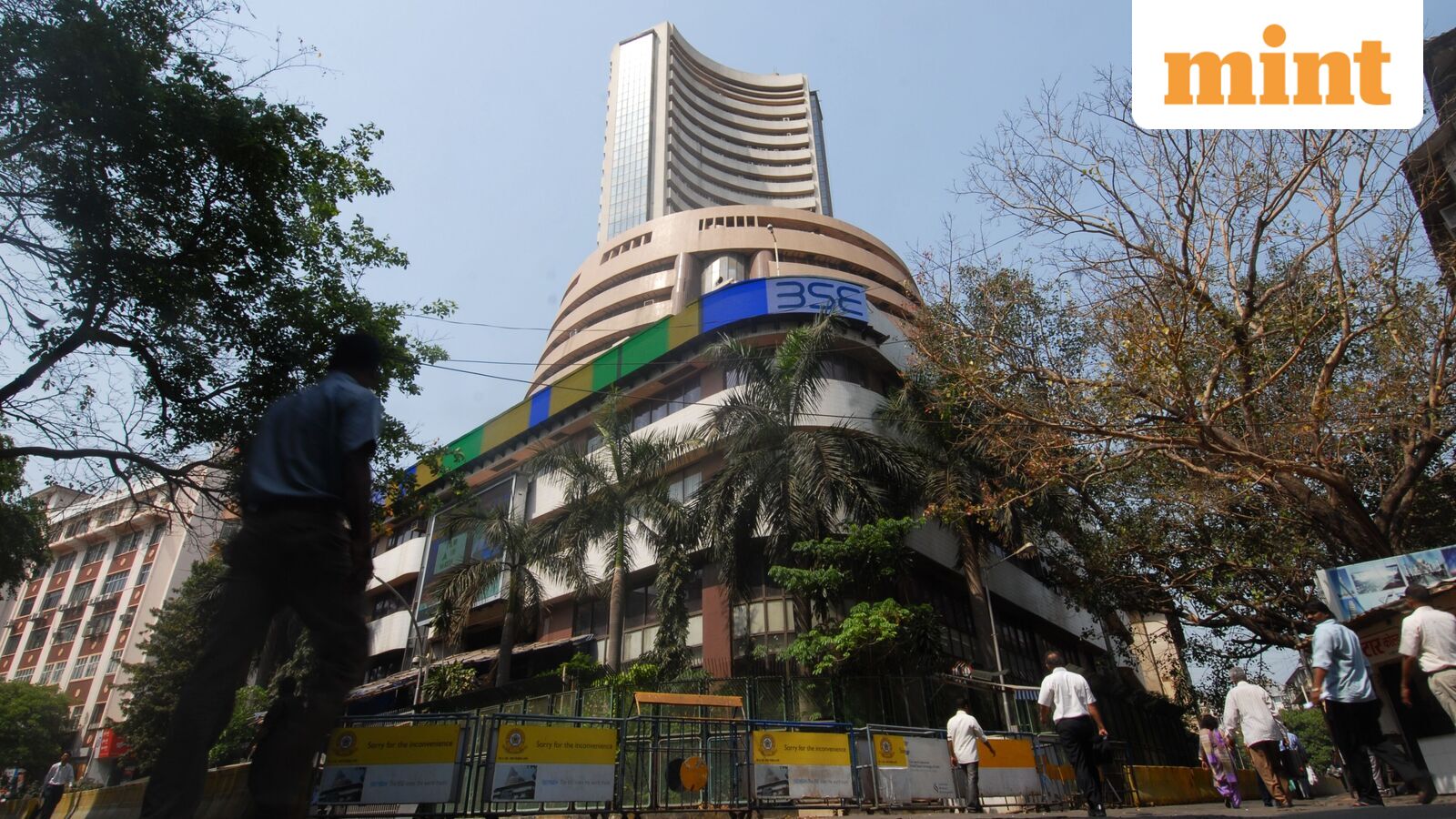
Indian equity market benchmarks Sensex and Nifty have seen wild swings over the past couple of years amid global uncertainties. After recovering strongly and hitting 52-week highs in December last year, the markets have once again corrected by around 6% from those levels.
Recent volatility in Indian equities has again been driven by geopolitical tensions such as the US-Iran conflict, raising inflation concerns amid surging crude oil prices. Rising oil prices also put pressure on the rupee and has led to a correction in the markets.
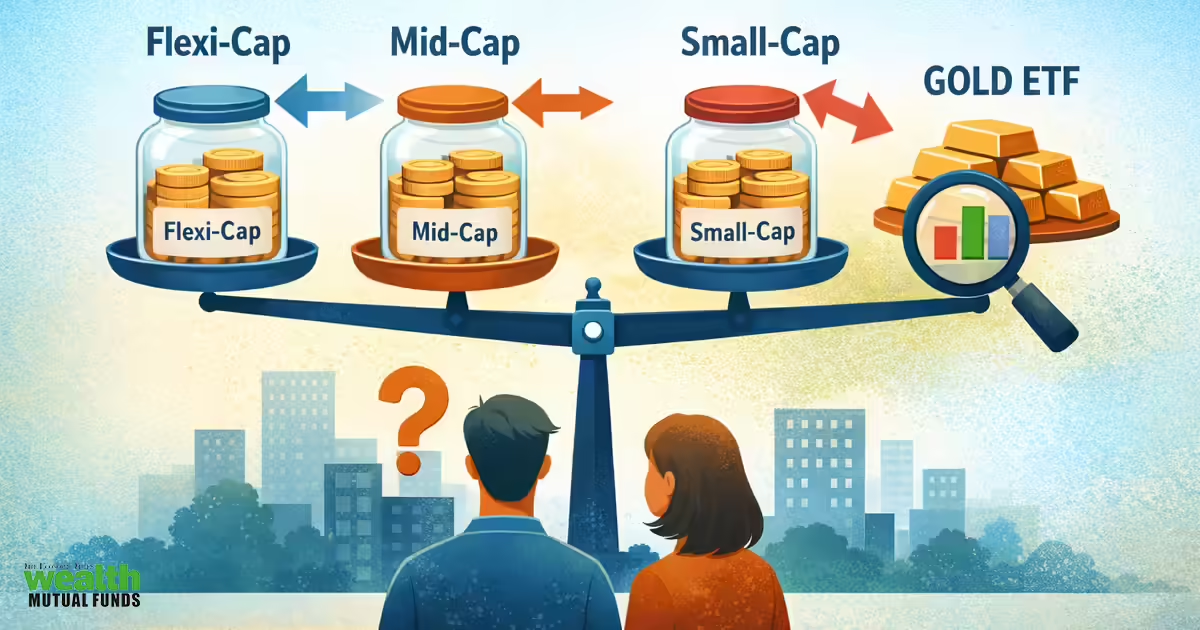
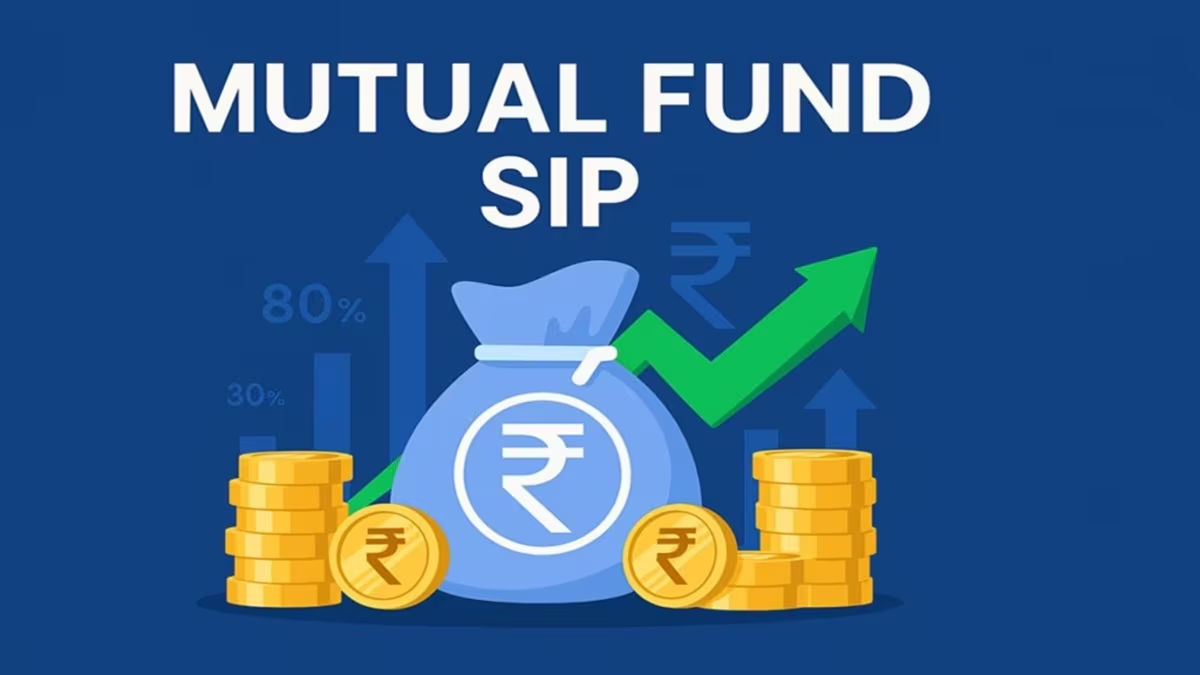
This volatility has also affected the performance of equity mutual funds. During such phases, a common debate resurfaces among investors — should they stop their SIPs during market corrections, and which strategy works better in volatile markets: SIP or lump sum investing?
Amfi data highlights the steady growth in systematic investing among mutual fund investors. The total monthly SIP contribution stood at Rs 31,002 crore in January 2026, marking a 17% increase from Rs 26,400 crore in January 2025. The number of SIP accounts has also grown significantly, reaching 10.29 crore, with 74.11 lakh new SIP registrations recorded during the month.
At the same time, SIP assets under management (AUM) rose 24% year-on-year to Rs 16.36 lakh crore. The average SIP ticket size increased to around Rs 3,012 per month, reflecting continued investor participation despite market volatility.
The continued rise in SIP participation suggests that despite volatile markets, retail investors are largely continuing with systematic investing. However, many investors still struggle to decide whether investing a lump sum amount or spreading investments through SIP works better when markets swing sharply.
Lump sum vs SIP: Understanding the two strategies
In mutual fund investing, both lump sum and SIP approaches are widely used, but they work differently.
A lump sum investment means investing a large amount of money in a mutual fund at one time. This strategy is often used by investors who have surplus funds available to deploy.
On the other hand, SIP allows investors to invest smaller amounts at regular intervals—usually monthly. This method helps investors gradually build their investment portfolio over time.
Both strategies have different risk profiles, timing implications and suitability depending on the investor’s financial situation and market conditions.
How volatility affects lump sum investing
Lump sum investing can potentially generate higher returns if the investment is made at favourable market levels. However, in volatile markets, it carries higher timing risk. If markets fall immediately after a lump sum investment is made, the investor may face larger short-term losses. At the same time, if markets recover quickly after the investment, lump sum investors may benefit more from the upside.
According to Mohit Basant Bagdi, Founding Member & Head of Investment Research at MIRA Money, investors should avoid reacting emotionally to market fluctuations.
“Before getting into the debate of Lumpsum vs SIP in a volatile market, one universal rule to know is, do not panic, unless your investment was not made on fundamental thought process and there is no major probability on that fundamentals to go bust in a single event. Volatility rewards investors who stay invested, not those who keep guessing the next move.”
Bagdi also points out that predicting market turning points is extremely difficult.
“To know what works better in a volatile market is all about you knowing till when the market will stay volatile. Answer to which is you might never know, because had you known this is the bottom, then Lumpsum would always be your answer. But since we know markets can be unpredictable, instead of guessing what to do, it is better to strategize your allocations.”
Why SIP is often preferred in volatile markets
SIP investing is generally considered more suitable during volatile phases because it follows the principle of rupee cost averaging.
When markets fall, the same SIP amount buys more units, while in rising markets it buys fewer units. Over time, this averaging effect helps reduce the impact of short-term market fluctuations and lowers the risk of investing at the wrong time.
SIP also helps investors maintain discipline by investing regularly without trying to time the market.
Bagdi emphasises that investors should not stop their SIPs when markets turn volatile. “Final point to note, never stop existing SIPs during volatile markets.”
He adds that investors can even increase their SIP allocation during such periods to take advantage of lower market levels.
“In case you do not have lumpsum money to deploy, and SIP is all what you can do, to maximize your allocation during a volatile time could be step-up SIPs for 3-6 months (for e.g. increase your current SIP amount and you may adjust from future SIP if needed), or you may choose to allocate your monthly SIPs on weekly basis (to capture low market levels in case market rebounds quickly).”
When lump sum investing may still make sense
Despite the risks, lump sum investing is not always unsuitable during volatile markets.
It may work well when:
Markets have already corrected significantly
The investor has a long investment horizon
There is surplus capital available for deployment
Bagdi suggests that instead of investing the entire amount at once, investors can stagger their investments.
“One of the better ways to do it is if you have a lumpsum money available to be deployed, stagger it for a reasonable period and in frequent intervals, for e.g. stagger for 3 months period deployed on a weekly basis.”
He also prefers gradually shifting funds into equities. “One of my most preferred ways of staggering lumpsum money is from moderate risk BAF (balanced advantage fund) / equity savings fund to equity only fund. This helps reduce the risk of timing the market with time in the market along with reduced equity only risk.”
Hybrid approach gaining popularity among investors
Many investors are increasingly adopting a hybrid strategy that combines both lump sum and SIP investing.
For example, an investor may deploy a part of the capital immediately while investing the rest gradually through SIPs. Another commonly used strategy is a Systematic Transfer Plan (STP), where funds are first parked in liquid or low-risk funds and then gradually transferred to equity funds.
Such approaches help reduce timing risks while ensuring that the money enters the market gradually.
Factors investors should consider before choosing
Before deciding between SIP and lump sum investing, investors should consider several key factors.
These include current market valuations, investment horizon, risk tolerance and availability of surplus funds.
As Bagdi notes, rather than trying to predict short-term market movements, investors should focus on a disciplined investment strategy suited to their financial situation.
Summing up…
Market volatility often creates uncertainty for investors, but it also presents opportunities for disciplined investing.
While SIP tends to work better during uncertain and volatile periods due to its averaging benefits, lump sum investing can deliver stronger returns if timed well.
Ultimately, the right strategy depends on an investor’s risk appetite, investment horizon and financial goals—but experts agree on one key principle: staying invested and avoiding panic during market swings is often the most important factor for long-term success.
Disclaimer: The above content is for informational purposes only. Mutual Fund investments are subject to market risks. Please consult your financial advisor before investing.