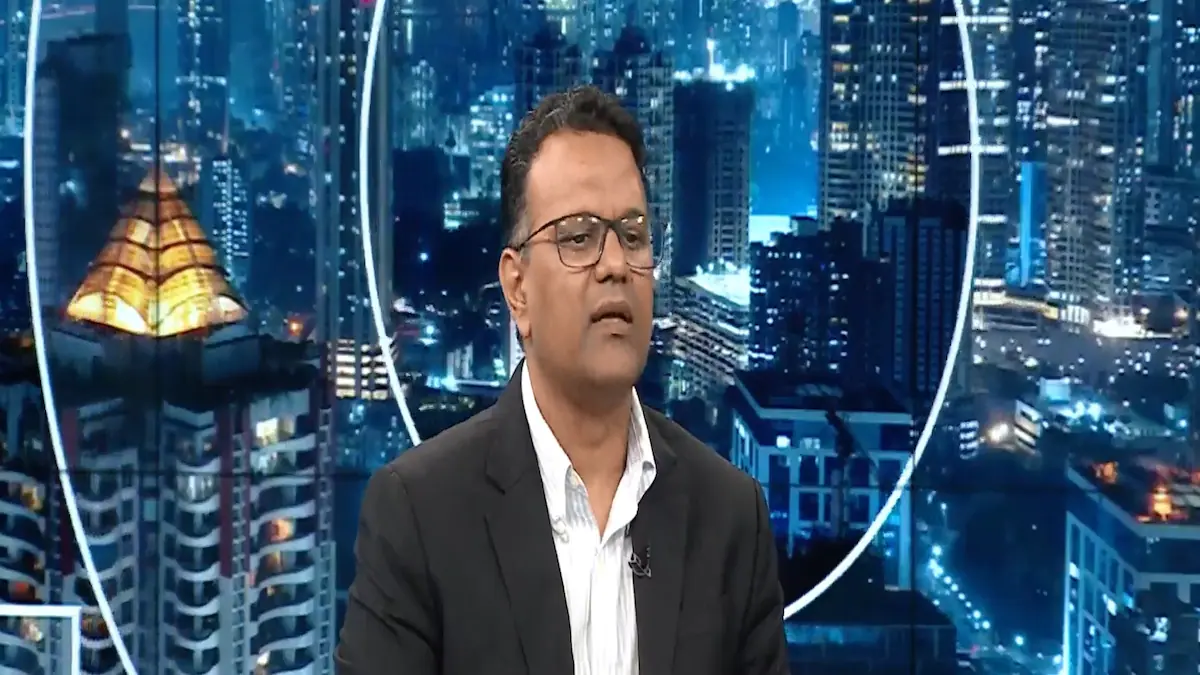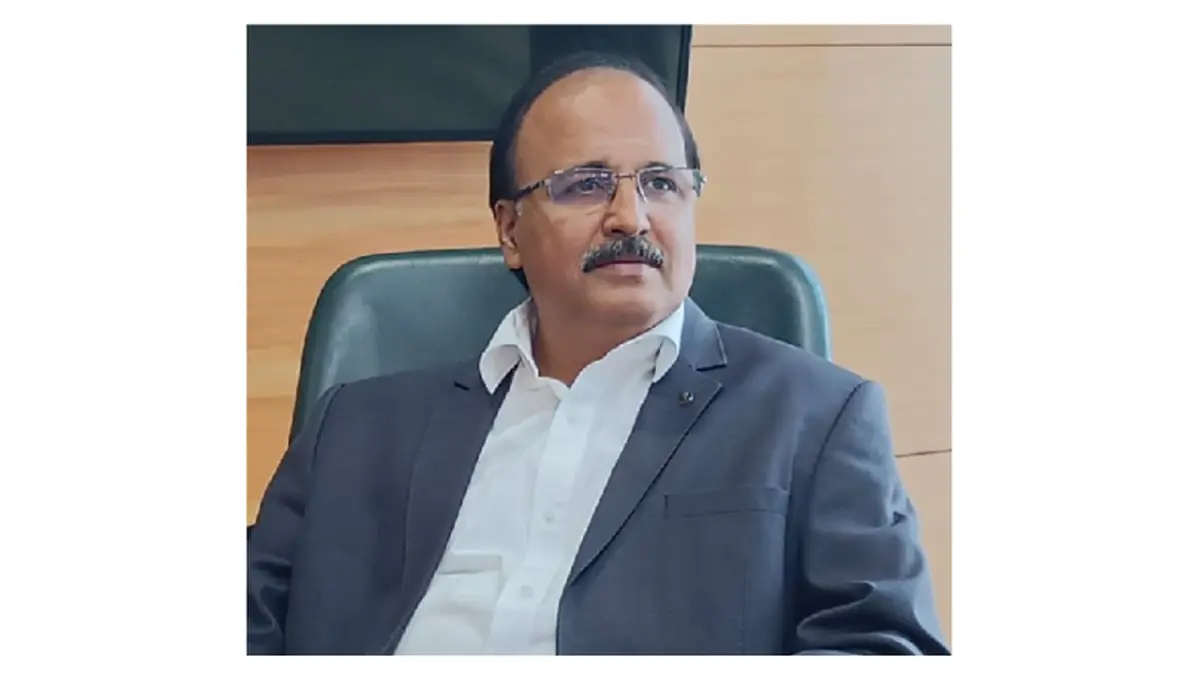
FIDx CEO Rich Romano says operational friction, compliance complexity and fragmented workflows, not lack of demand, are holding advisors back from delivering guaranteed income solutions at scale.
As annuities move closer to the center of retirement income planning, many RIAs find themselves caught between growing client demand and the practical realities of implementation.
In a conversation with InvestmentNews, Rich Romano, CEO of FIDx, argued that the industry’s biggest obstacle is not skepticism about annuities themselves, but the operational systems surrounding them.
Advisors increasingly recognize the role guaranteed income can play as retirement demographics shift, yet adoption has not kept pace.
According to Romano, the disconnect stems from how difficult annuity transactions have historically been compared with traditional investments.
“The demand is absolutely there,” he said. “With a record number of Americans reaching retirement age, more than 4.1 million turning 65 each year through 2027, and ongoing market volatility reinforcing the value of protected income, clients are actively seeking these solutions even if they don’t ask for ‘annuities’ by name.” He added that “the gap isn’t interest; it’s process.”
Advisors frequently avoid or delay annuity recommendations because execution remains cumbersome. “The amount of hoops one must jump through to sell an annuity versus a traditional investment is night and day,” Romano said, noting that limited integration between insurance carriers and wealth platforms compounds the problem. “When annuity assets are held away from the overall account, it becomes difficult to deliver the holistic financial plan clients expect.”
The result, he argued, is that advisors who see value in guaranteed income solutions often default to easier alternatives. “You have advisors who recognize the value but are deterred by operational friction, and that means better options are being left on the table for clients who need them.”
Operational complexity slows scale
For RIAs attempting to incorporate annuities more systematically, Romano said the barriers quickly multiply.
“There are several [hurdles], and they compound each other,” he explained. “First, there’s no consistency across carriers. Each insurance company has its own paperwork requirements, its own processes, its own contacts.” Expanding carrier relationships therefore requires significant administrative effort, discouraging advisors from broadening product access.
Integration challenges further complicate reviews and client reporting. “Assets are typically held away from the client’s primary account, which means quarterly reviews become disjointed: you’re pulling up one screen for the portfolio and logging into a carrier’s website for a separate statement,” Romano said.
Licensing structures create another barrier. Many RIAs lack insurance licenses or broker-dealer affiliations, forcing them historically to outsource annuity transactions. “That’s a non-starter for most independent advisors,” Romano said, because it requires surrendering fiduciary control. Even after a sale, servicing remains labor-intensive. “Making sure the annuity stays aligned with a client’s evolving goals still involves too much manual work and too many bottlenecks.”
Compliance: Necessary safeguard or workflow barrier?
Compliance requirements add another layer of friction because annuities sit between insurance and securities regulation.
“Compliance is one of the most persistent friction points,” Romano said. Advisors without insurance licenses “have historically had to outsource the entire recommendation and transaction process to third parties, which introduces fiduciary control concerns and additional compliance risk.”
Even licensed advisors face operational headaches. “Every carrier has different application requirements, and without robust upfront data validation, applications frequently come back ‘not in good order,’ meaning errors weren’t caught before submission, creating delays and rework,” he said.
Technology, however, is beginning to address these issues. Romano pointed to platforms that incorporate “real-time suitability and compliance checks built into the workflow,” alongside pre-fill capabilities and continuous validation designed to prevent errors before submission. “Many advisors are still operating with fragmented processes that make compliance feel like a barrier rather than a safeguard,” he added, but modern digital workflows are reducing error rates and processing times.
Where execution breaks down
Even when advisors identify annuities as appropriate solutions during planning discussions, Romano said the process often stalls at the transition from recommendation to execution.
“It usually breaks down at the point of action,” he explained. Financial planning software may identify guaranteed income needs, and clients may express interest, but “there are no options to click into different annuity offerings for consideration.”
Instead, advisors must exit their workflow entirely. “The advisor has to leave the planning environment, open a separate carrier system, and start a whole new process. That interruption kills momentum,” Romano said. The subsequent paperwork and manual back-and-forth frequently lead advisors to revert to simpler products. “The intent is genuine, but the infrastructure to act on it seamlessly hasn’t been there.”
Closing that gap, he argued, means making annuities as easy to transact as any other investment. “Making annuities as easy to research, compare, select, and transact as any other investment in an advisor’s toolkit” is essential to wider adoption.
Technology reshapes advisor–carrier relationships
Romano believes technology is fundamentally redefining how advisors interact with insurers.
“Historically, advisors had to establish and maintain separate relationships with each carrier, learning each company’s systems, paperwork, and processes individually,” he said. That limited most advisors to only a handful of carriers and restricted client choice.
Digital marketplaces are changing that model. Platforms connecting multiple carriers in one environment allow advisors to “research, compare, and transact across the market without the overhead of managing each relationship independently,” Romano said. E-delivery, e-signature capabilities, and digital application processing have already reduced reliance on manual paperwork.
He also highlighted emerging structures such as Insurance Overlays. “Carriers are becoming more comfortable with annuity structures that don’t require a transfer of assets, allowing the advisor to maintain control of client assets while adding guaranteed income or protection benefits. That’s a fundamental shift.”
In Romano’s view, the advisor-carrier dynamic is evolving rapidly. “The advisor-carrier relationship is evolving from a transactional, paper-heavy process into a digital, integrated partnership, and that’s opening the door for advisors who previously wouldn’t have considered annuities at all.”
What advisors should look for in integration platforms
As firms evaluate technology solutions, Romano said several criteria should guide decision-making.
“First, breadth of access: can the platform connect you to a wide range of carriers and product types, including fee-based and commission-based annuities?” he said. Equally important is integration with existing workflows. “The platform should fit into the advisor’s current workflow, not require them to adopt an entirely separate process.”
Compliance infrastructure is another critical factor. Advisors should seek systems offering “real-time checks, upfront pre-fill capabilities, and continuous data validation that prevent errors before they happen rather than catching them after submission.” Romano also emphasized lifecycle management — from product research through servicing and beneficiary changes — within a single dashboard.
“The goal should be to make the annuity experience as seamless as managing any other investment in the portfolio,” he said.
From niche product to core planning tool?
Looking ahead, Romano sees annuities becoming increasingly mainstream within the RIA toolkit.
“We firmly believe annuities are moving toward becoming a standard part of the toolkit, and the trajectory is already clear,” he said, pointing to declining pensions and longer lifespans as structural drivers. “With traditional pensions declining, every generation working and living longer, and clients increasingly focused on retirement income certainty, the case for annuities in a diversified portfolio is only getting stronger.”
Innovation is accelerating that shift. Outsourced insurance desks enable RIAs without licenses to maintain fiduciary oversight, while Insurance Overlays allow income guarantees without transferring assets. Unified managed account structures are also helping annuities appear alongside other investments rather than as disconnected holdings.
“What’s been holding them back isn’t a lack of value; it’s a lack of accessible infrastructure,” Romano said. “We believe the question is no longer whether annuities belong in the RIA toolkit, but how quickly the remaining operational and perceptual barriers come down. And with the pace of innovation we’re seeing, that’s happening faster than most people expect.”