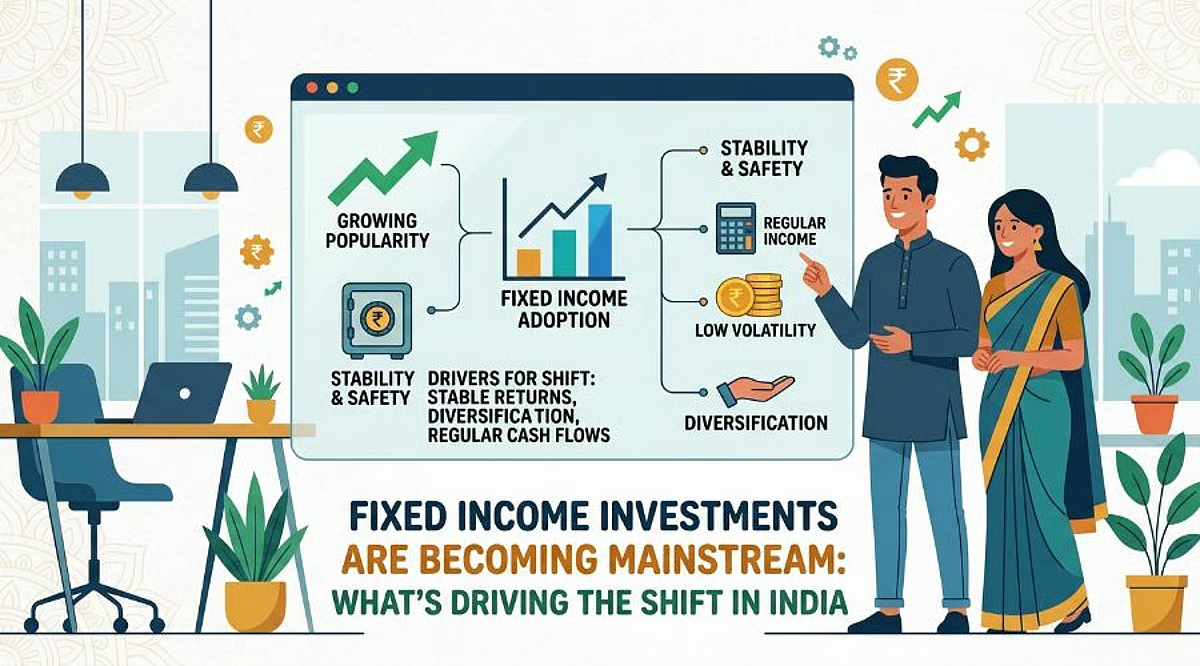
When most investors in India think of safe investments, the first thing that comes to mind is bank fixed deposits (FDs). FDs are considered safe, simple, and reliable. However, with changing interest rate cycles, rising inflation, and evolving tax rules, relying solely on FDs is increasingly being questioned.
If your goal is stable income with better post-tax efficiency, it may be time to move beyond traditional FDs and build a diversified fixed-income portfolio.
Why just an FD may not be enough
FDs do offer capital protection and predictable returns. But the real question is — what do you earn after tax and after adjusting for inflation?
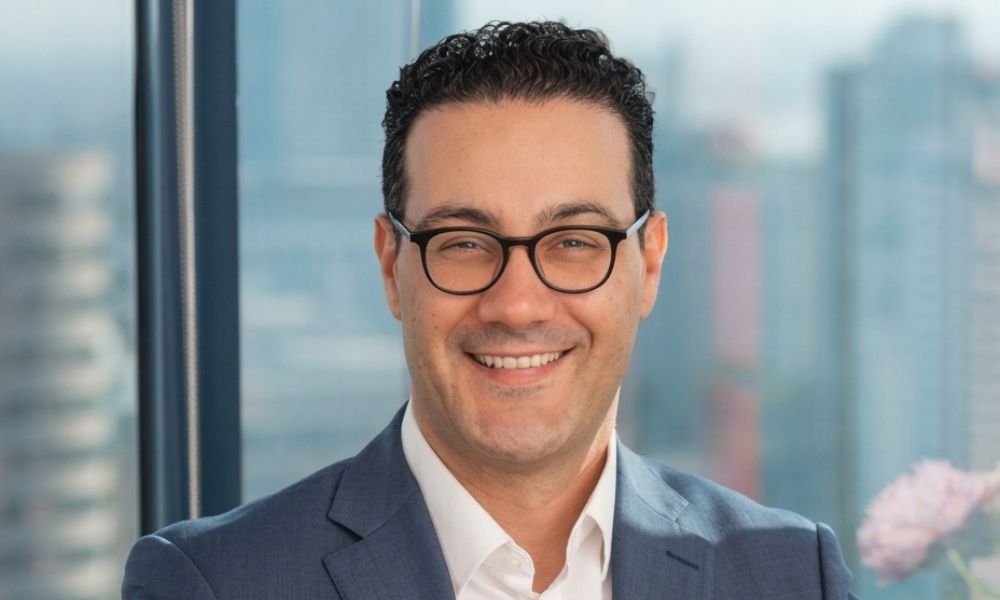
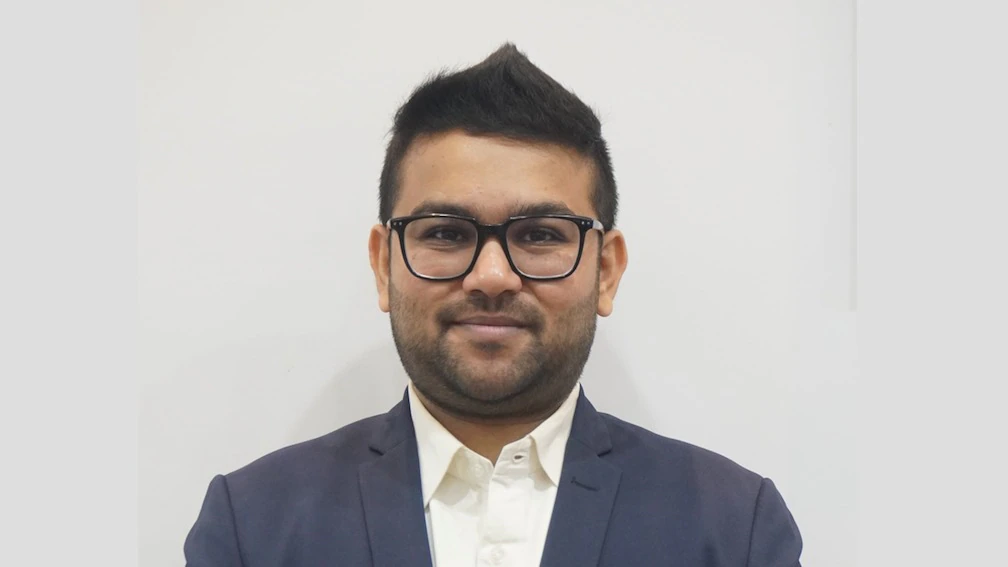
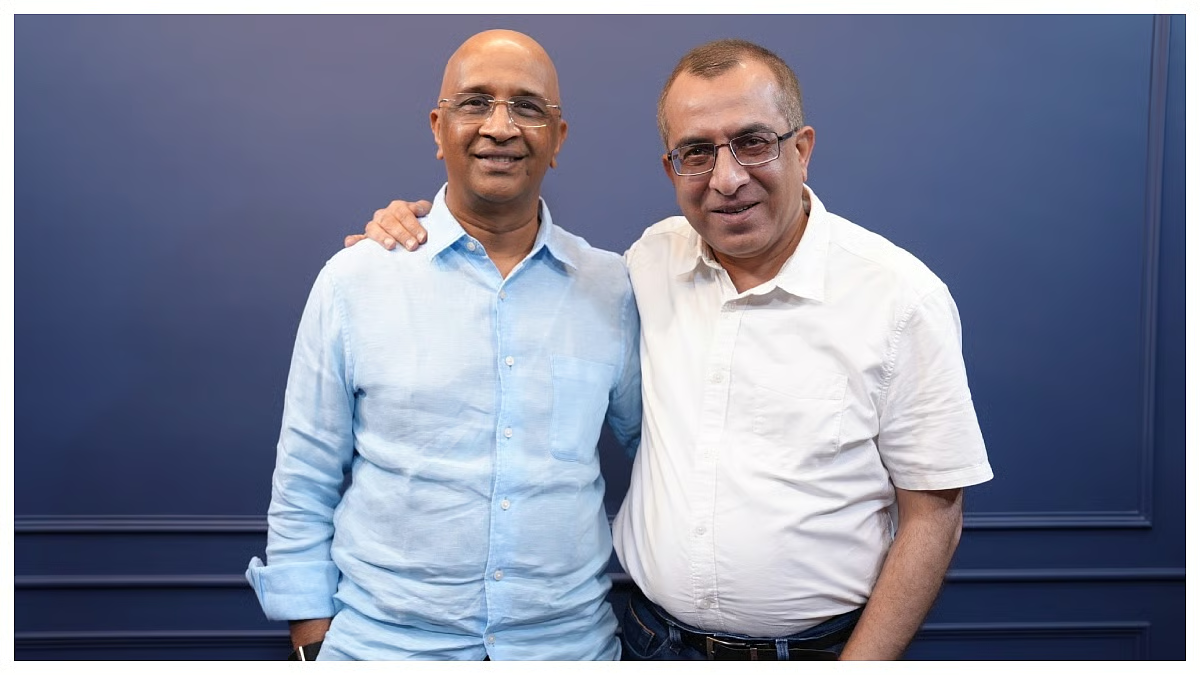
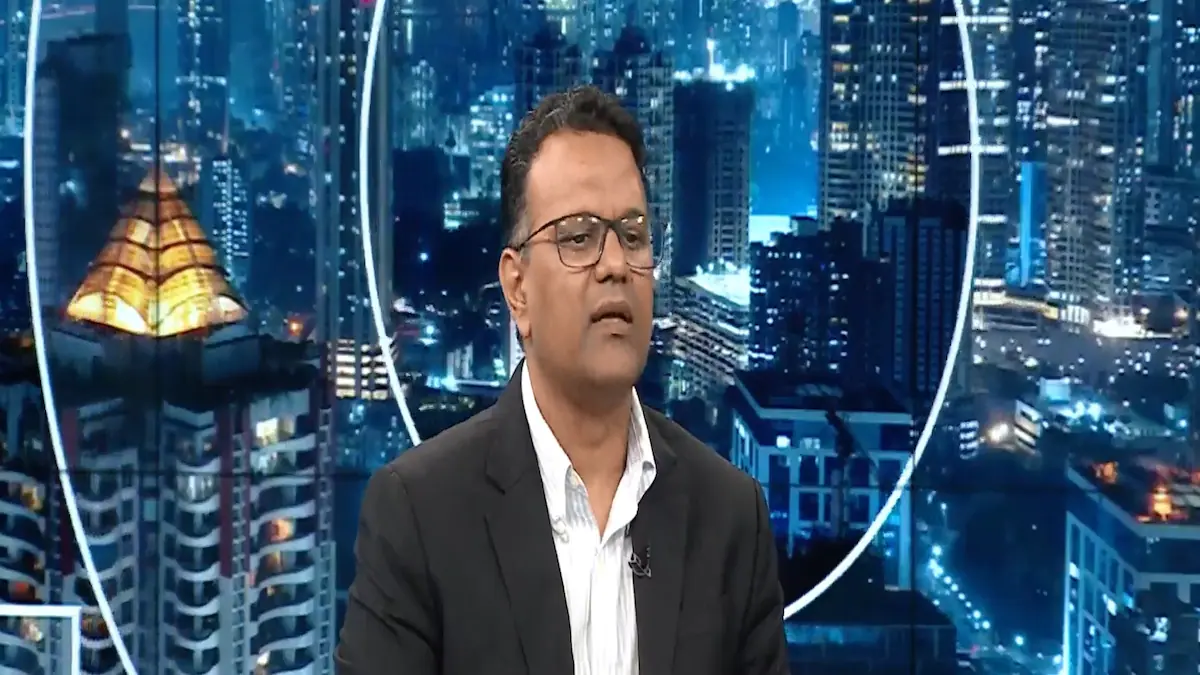
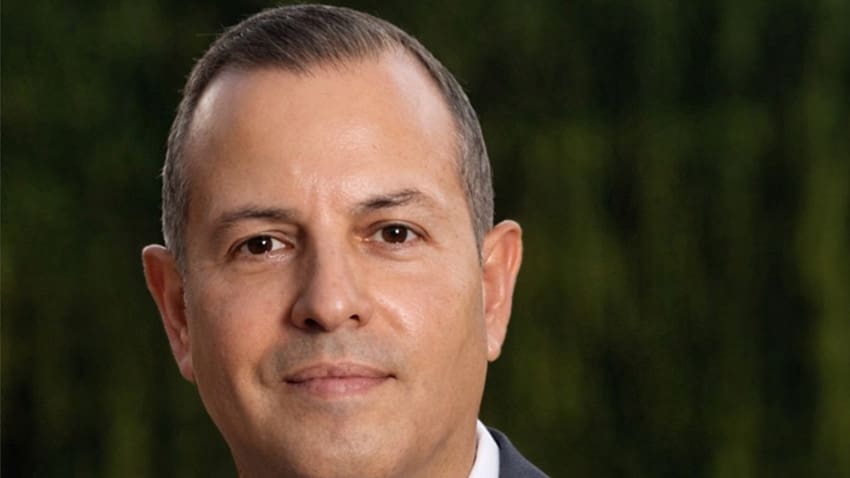
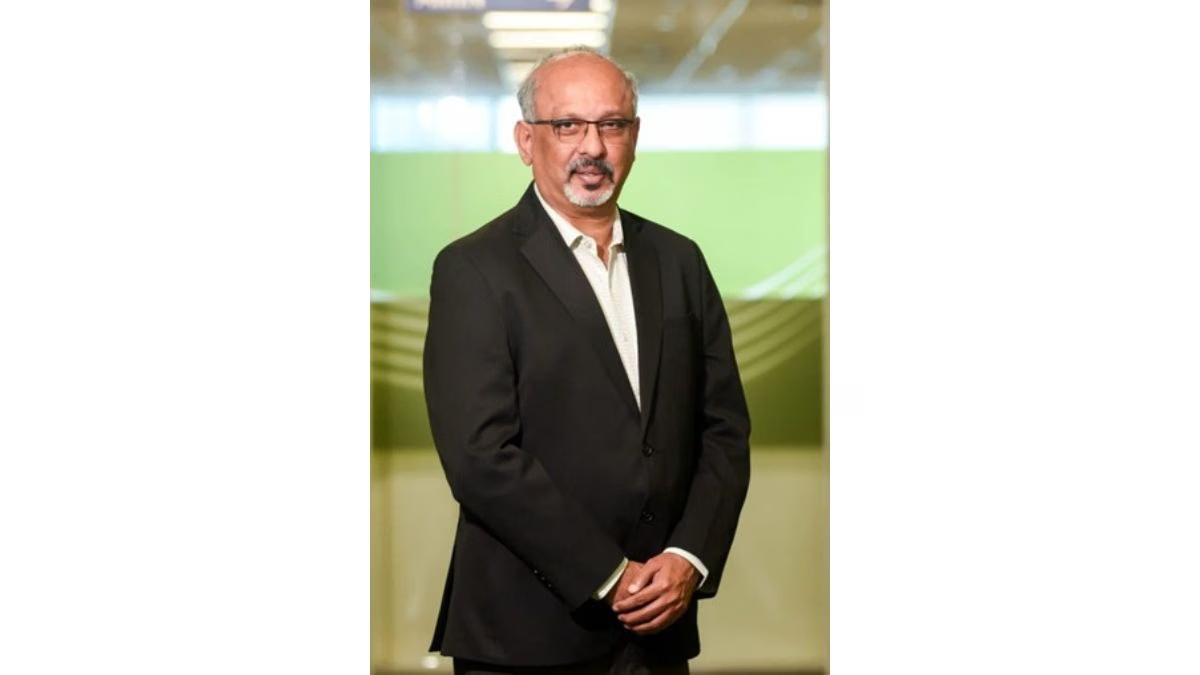
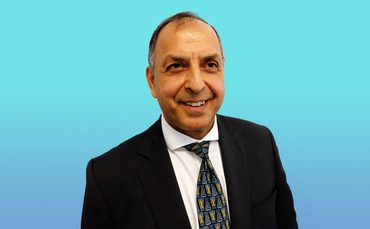
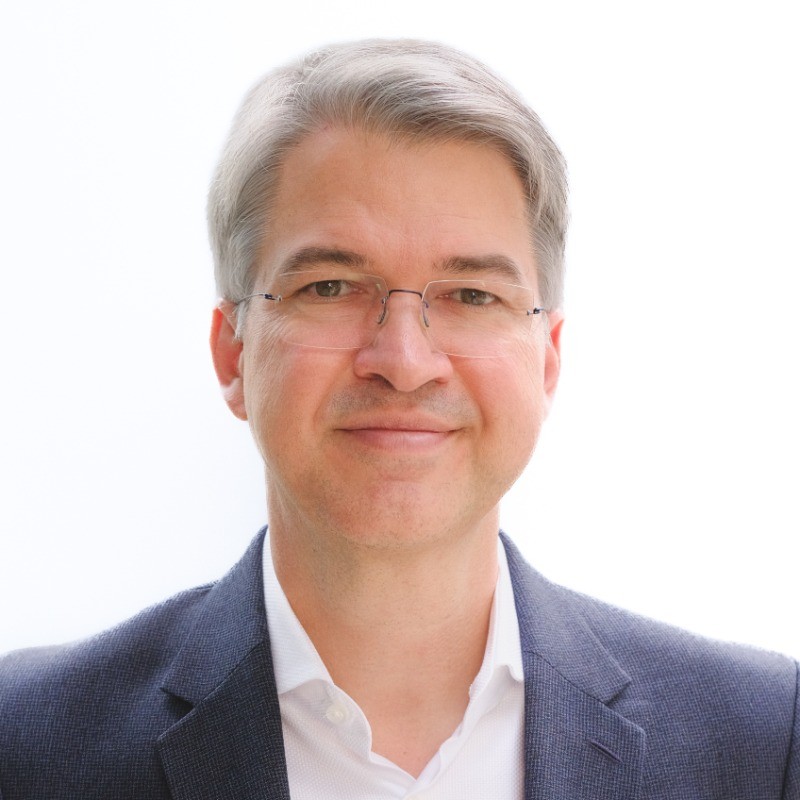
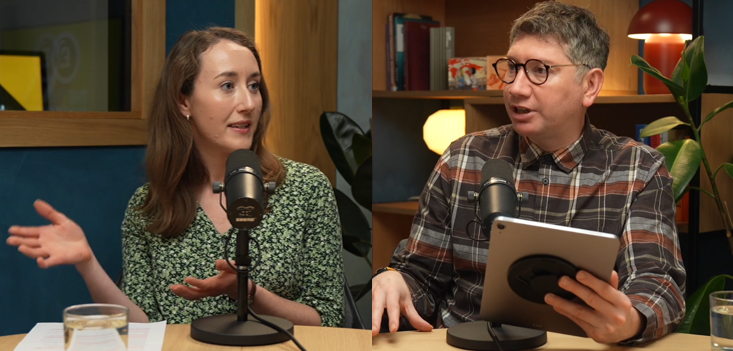
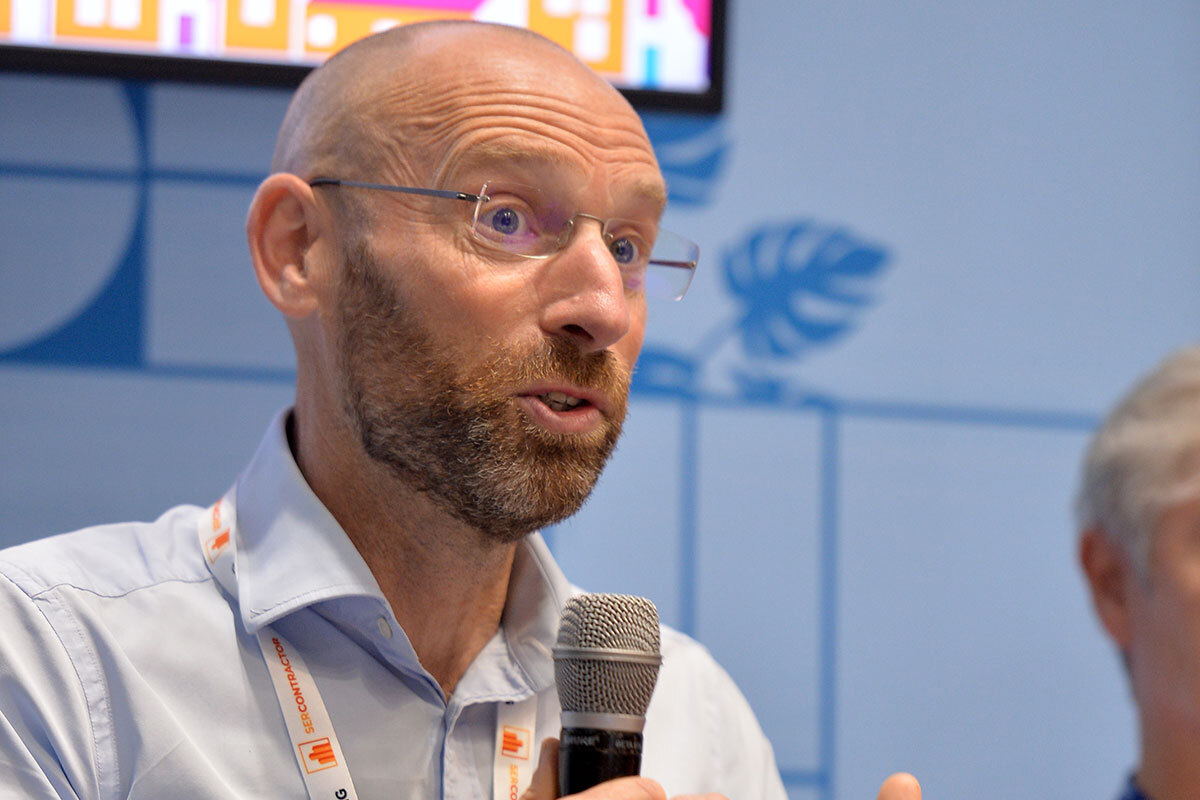
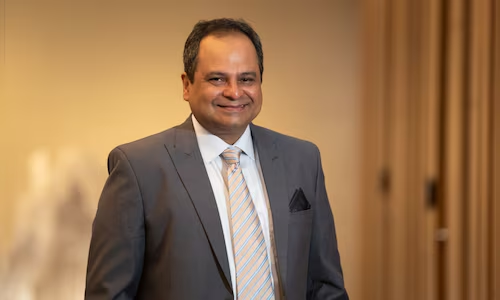
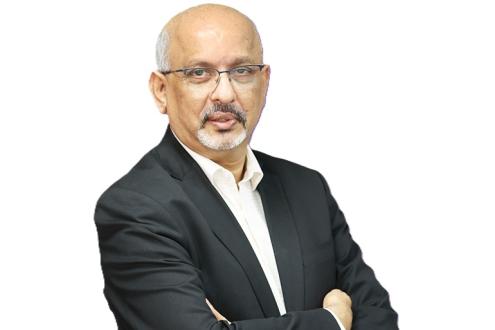
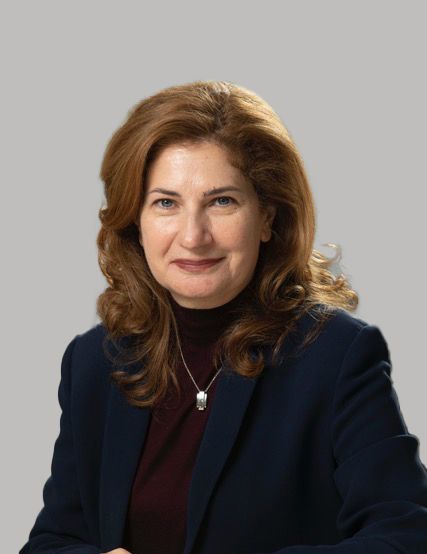
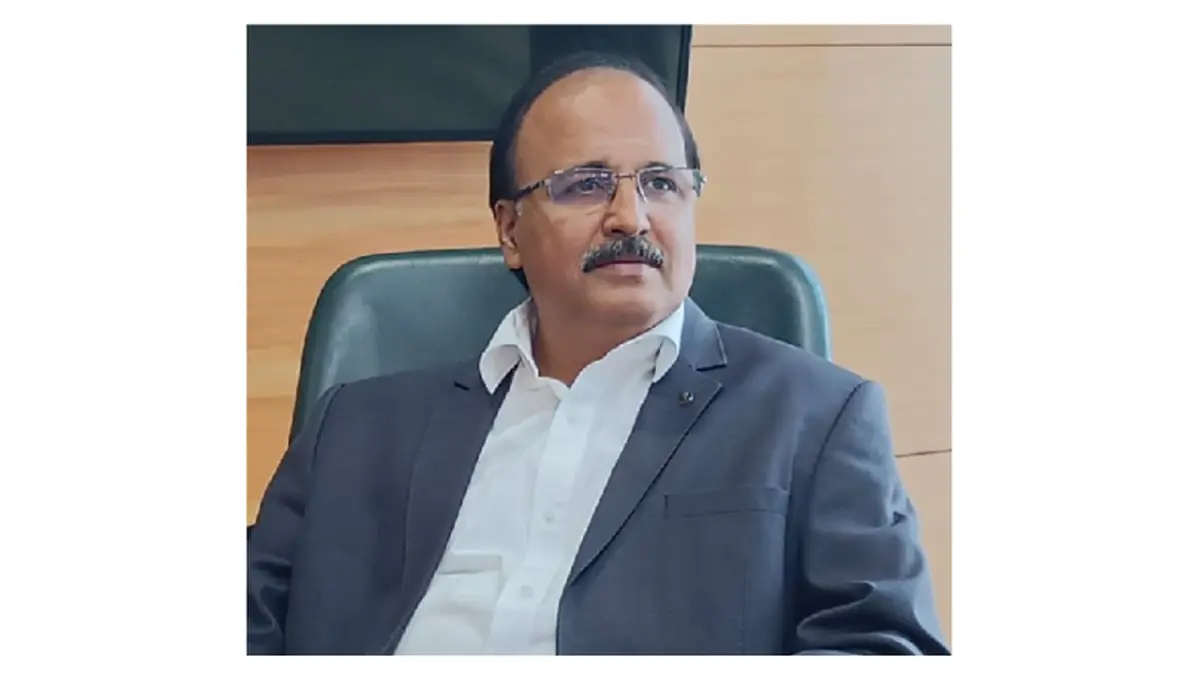
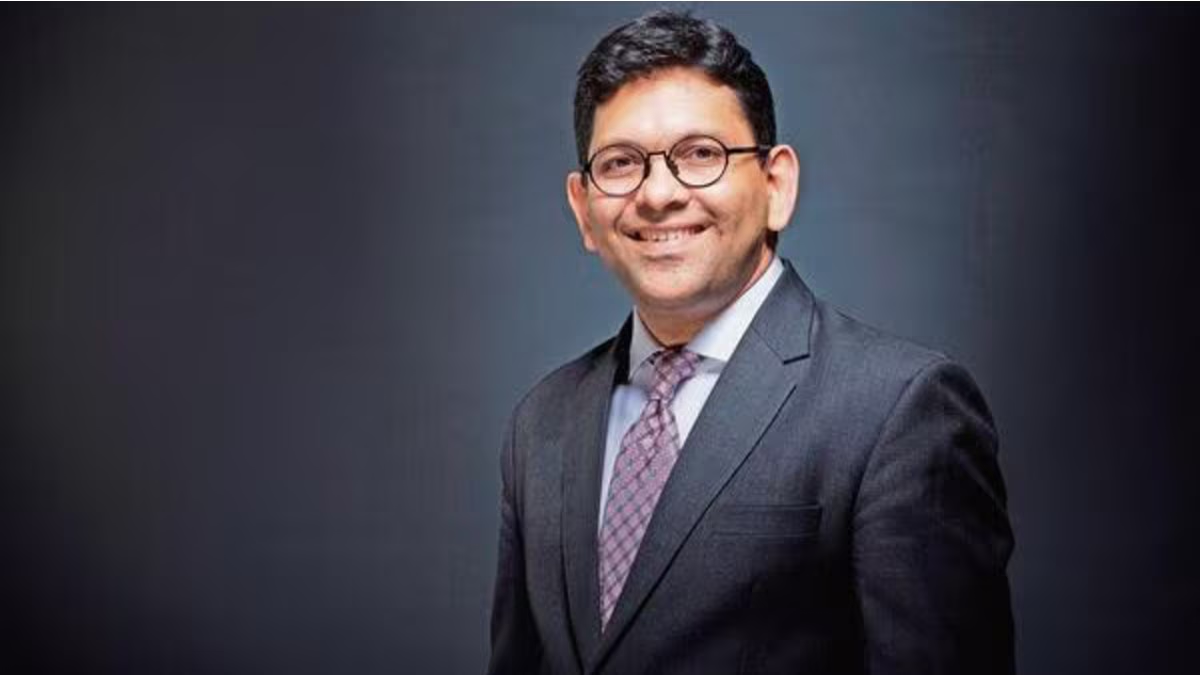
Rohan Goyal, Investment Research Analyst at MIRA Money, explains the concern clearly:
“For decades, people in India generally prefer FDs to build their fixed income portfolios, while FDs offer capital protection, but they are taxed at income tax slabs. For someone in the 30%+ tax bracket, FDs don’t even beat inflation post taxes.”
This highlights a key issue. While safety is important, preserving purchasing power is equally crucial. If your returns do not beat inflation after tax, your money may appear safe — but it is quietly losing value.
He further adds: “Investors with a time horizon of two years or more can consider building a diversified fixed-income portfolio that balances stability, liquidity, and tax efficiency.”
In other words, diversification within fixed income is not about taking excessive risk — it is about smarter structuring.
What can a diversified fixed-income portfolio include?
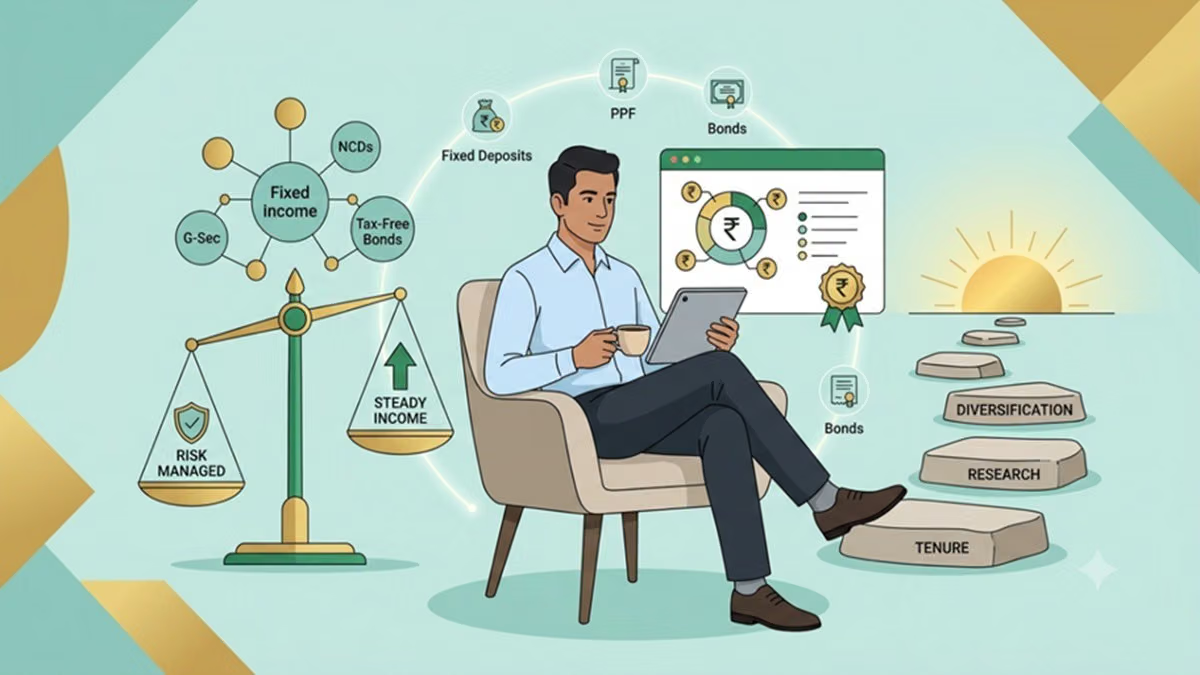
Today, investors have far more options beyond traditional FDs. A balanced portfolio may include bank FDs, Post Office Time Deposits, Government Securities (G-Secs), Debt Mutual Funds, Income + Arbitrage Funds, Arbitrage Funds and Equity Savings Funds.
Goyal points out that there are now more efficient alternatives available: “There are now various other, better solutions for investors to look at while building their fixed income portfolios.”
He outlines some structured approaches.
G-Secs & Debt Mutual Funds
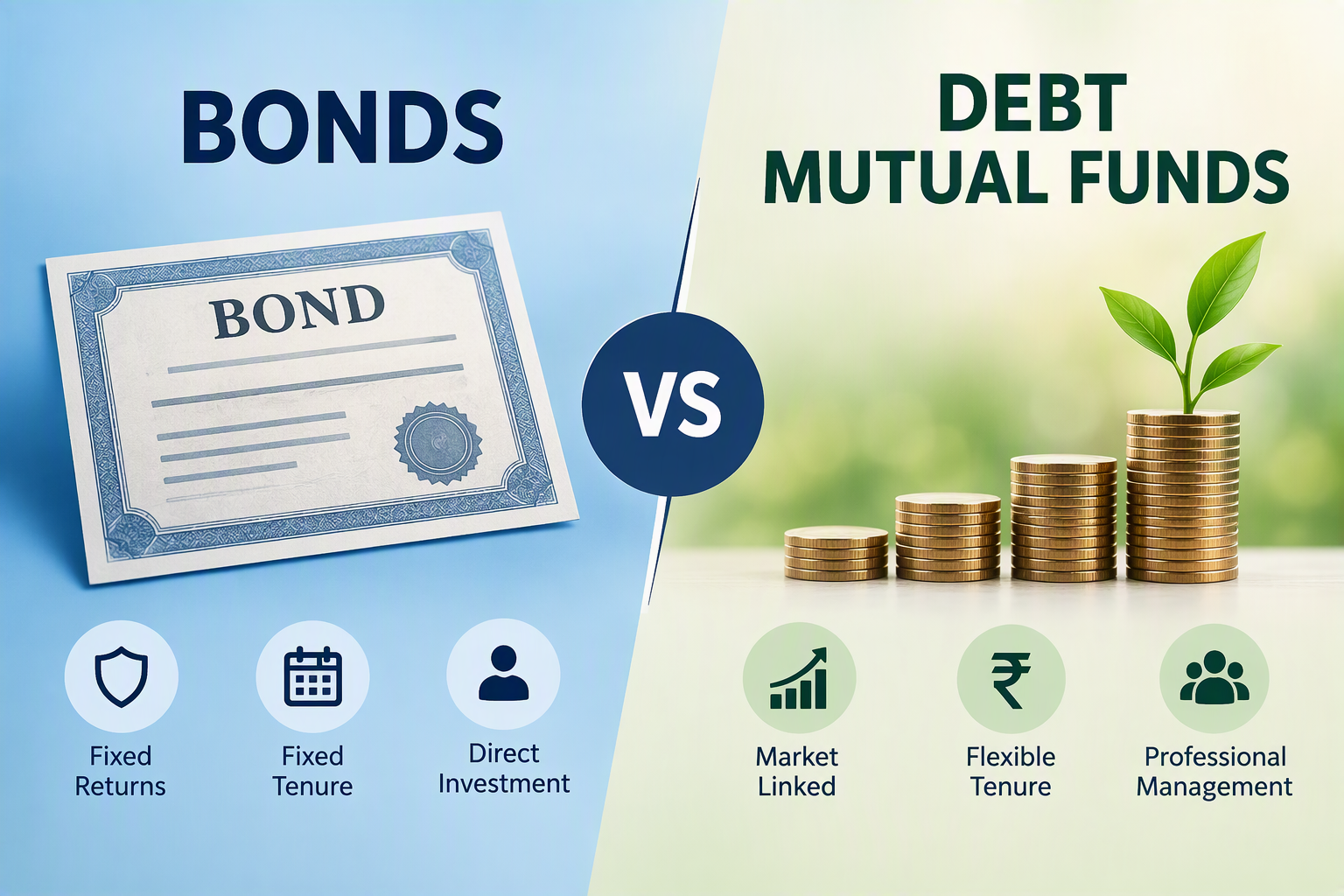
“G-Secs & Debt Mutual Funds – A core allocation to G-secs and debt mutual funds provide stability with some flexibility to the portfolio. G-secs offer sovereign-backed safety and help lock-in interest rates during favorable interest rate cycles. Actively managed debt mutual funds help in duration and credit management helping investors navigate interest rate cycles more efficiently.”
This combination provides sovereign safety along with professional management of interest rate risk.
Income + Arbitrage Funds
“Income + arbitrage funds – A new category of mutual funds called income + arbitrage fund of funds has now been launched which have around 50-60% debt and the rest 40-50% of the portfolio is allocated to arbitrage strategies which are actively managed by the fund manager. For someone with a time horizon of 2yrs+ this is a good category because it offers equity taxation of Long-term capital gains of 12.5% beyond a holding period of 2yrs compared to income tax slab rates of FDs.”
This category attempts to combine stability with tax efficiency, especially for investors in higher tax brackets.
Arbitrage or Equity Savings Funds
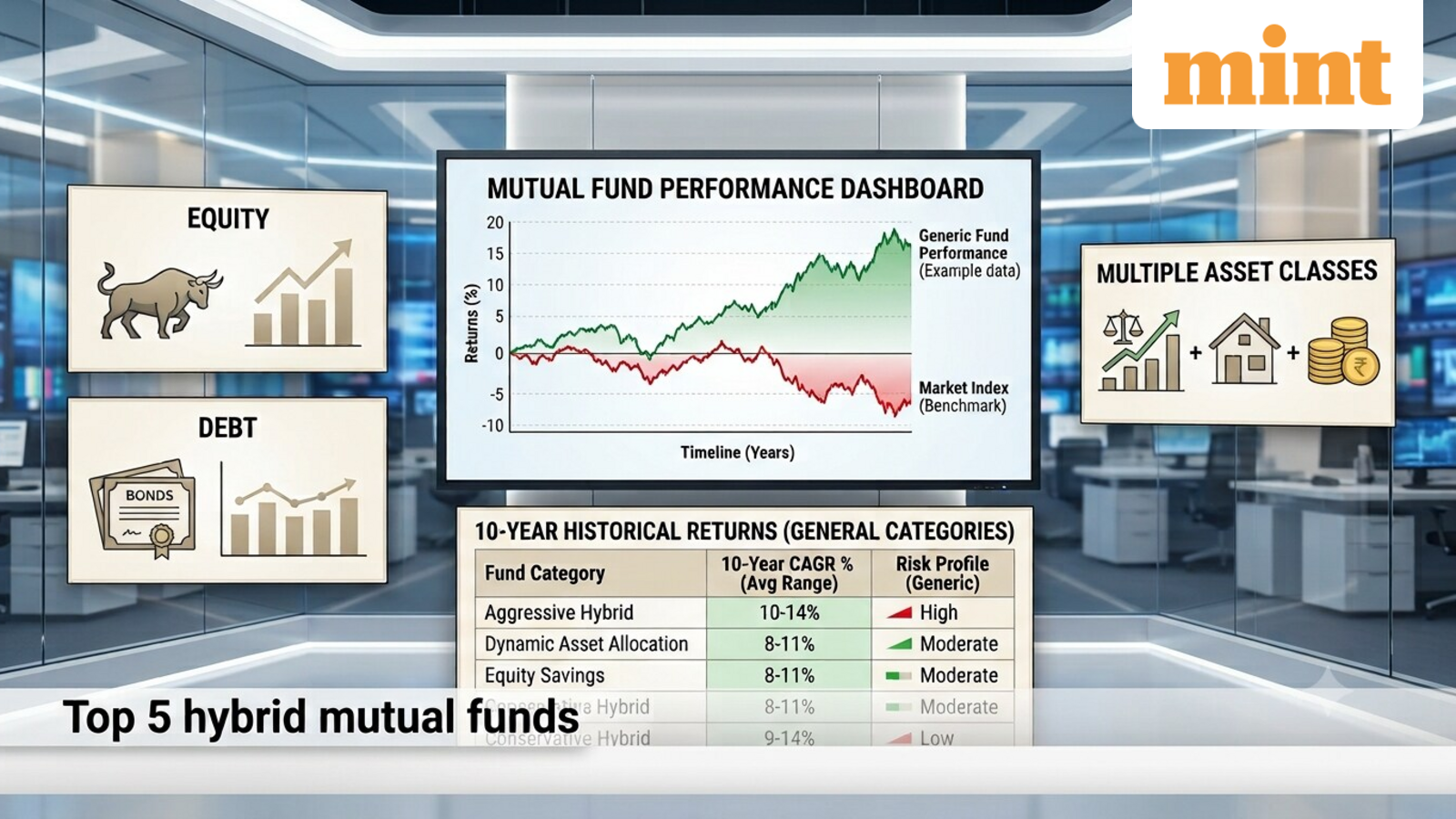
“Arbitrage or Equity Savings – Investors who are comfortable with a small amount of risk can even look at arbitrage or equity savings funds. These funds blend debt & arbitrage strategies with a small amount of direct equity exposure aiming to keep volatility low while trying improve returns compared to FDs.”
For investors willing to accept slightly higher but controlled risk, these funds may offer relatively better post-tax returns than traditional FDs.
How much and where to allocate?
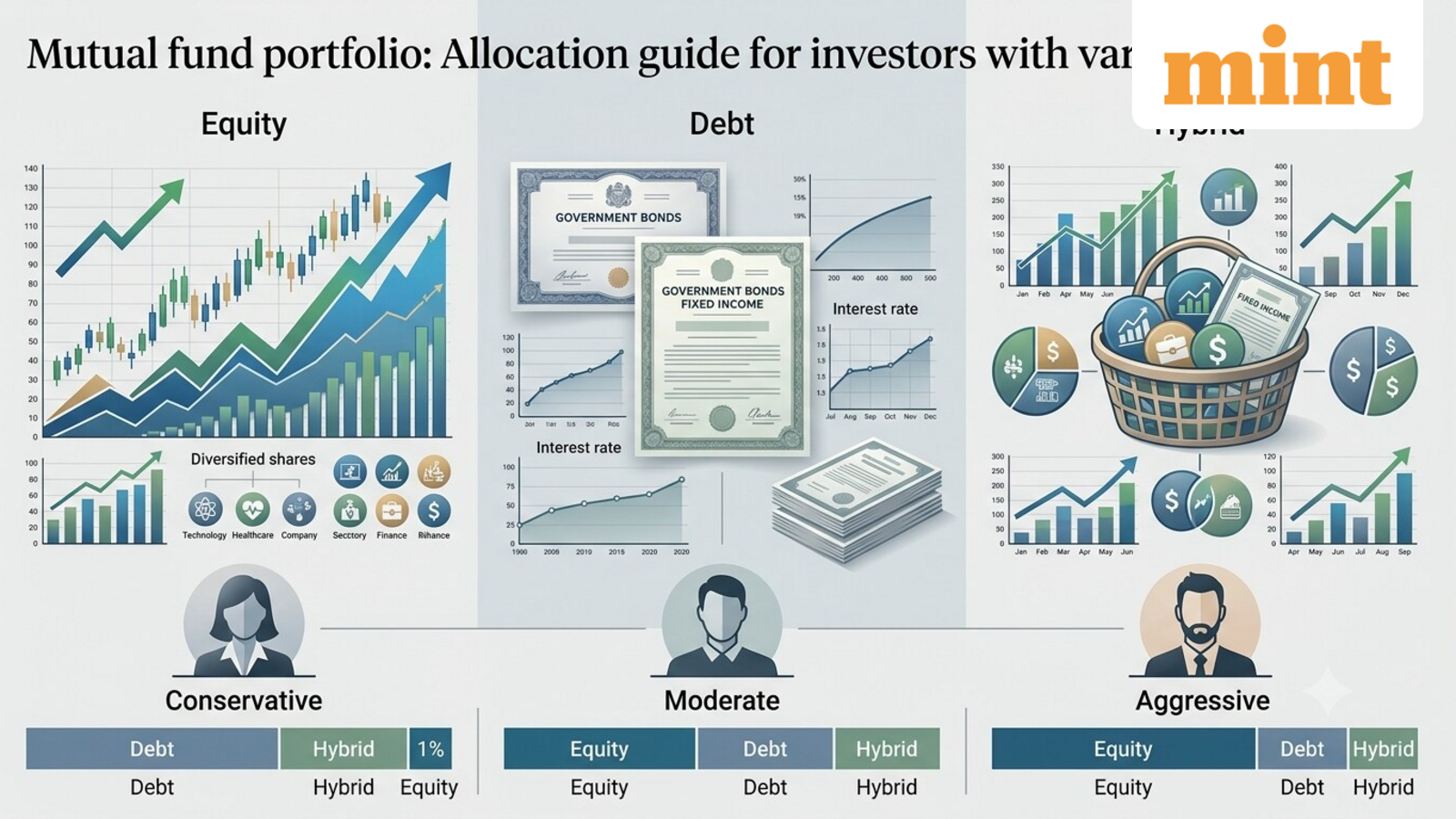
There is no one-size-fits-all formula. Allocation depends on time horizon, tax bracket, risk appetite, and income needs.
Younger investors with a longer time horizon may include a slightly higher allocation to debt mutual funds or hybrid fixed-income strategies.
Those nearing retirement may prefer a larger allocation to G-Secs, high-quality debt funds, and limited exposure to structured hybrid options.
The key lies in structured asset allocation — not random product selection.
The real objective: Protect capital and beat inflation
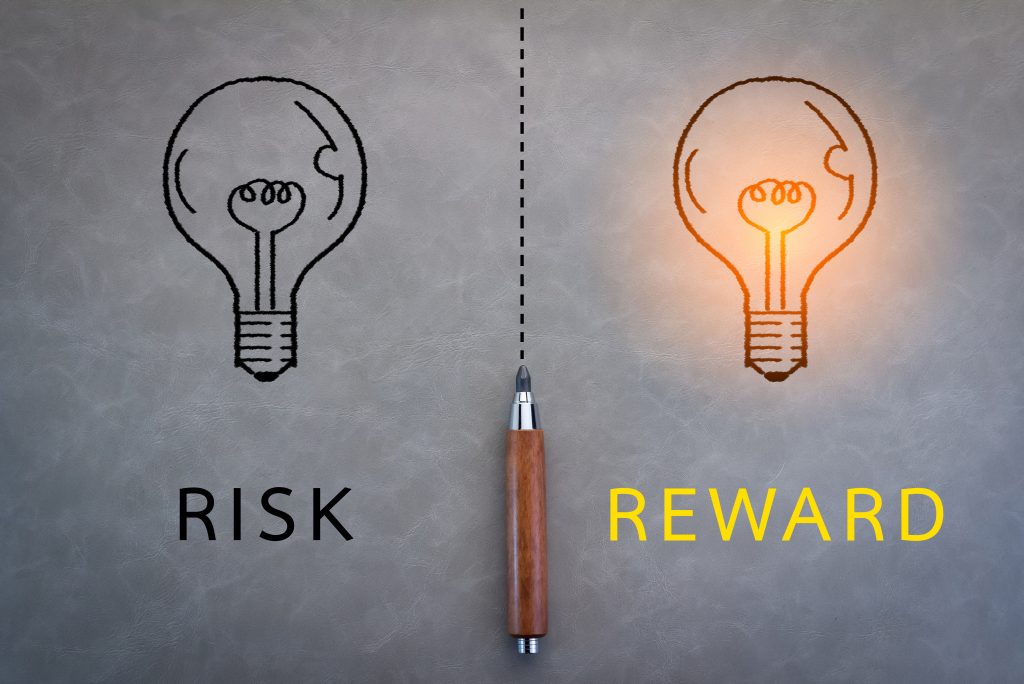
The purpose of diversification is not to chase high returns or compromise safety. It is to protect capital while ensuring that inflation does not erode wealth.
Goyal summarises the objective clearly: “The objective of choosing a combination of these funds is not to move away from safety but instead to look at products or build a portfolio which not only helps you protect your capital but also beat inflation so that you are effectively not losing money while trying to keep risk and volatility of the portfolio low.”
This reinforces the central idea — fixed income investing today requires structure, tax awareness, and diversification.
Conclusion: Don’t abandon FDs — rebalance wisely
FDs still have a place in a fixed-income portfolio. They provide certainty and simplicity.
However, depending entirely on them may not be optimal in today’s tax and inflation environment. A diversified fixed-income portfolio — combining sovereign-backed instruments, professionally managed debt funds, and tax-efficient hybrid strategies — can help investors achieve stability, liquidity, and better post-tax returns.