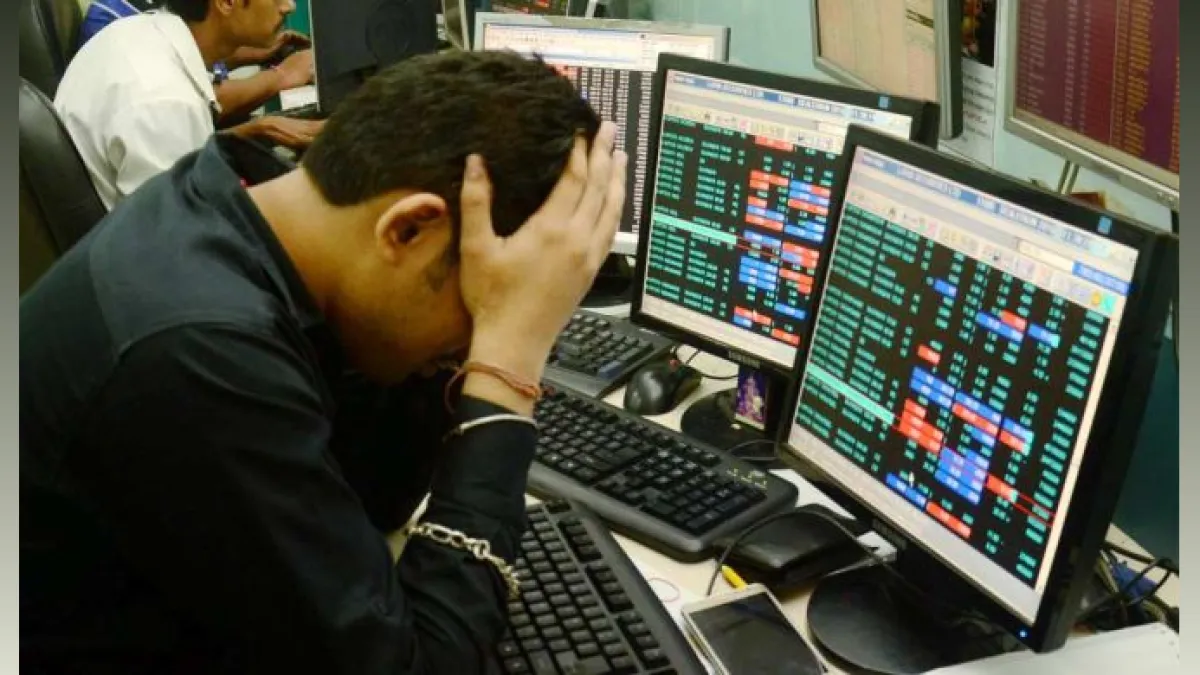
The continuity of financial trading has quietly shifted from a back office concern to something closer to strategy. In India, where millions of retail traders sit alongside professionals in global currency markets, staying connected during disruptions now matters as much as market insight. Power cuts, transport strikes, patchy regional internet, sudden volatility at odd hours. It adds up fast. Trade continuity planning exists because trading does not politely pause when real life gets messy.
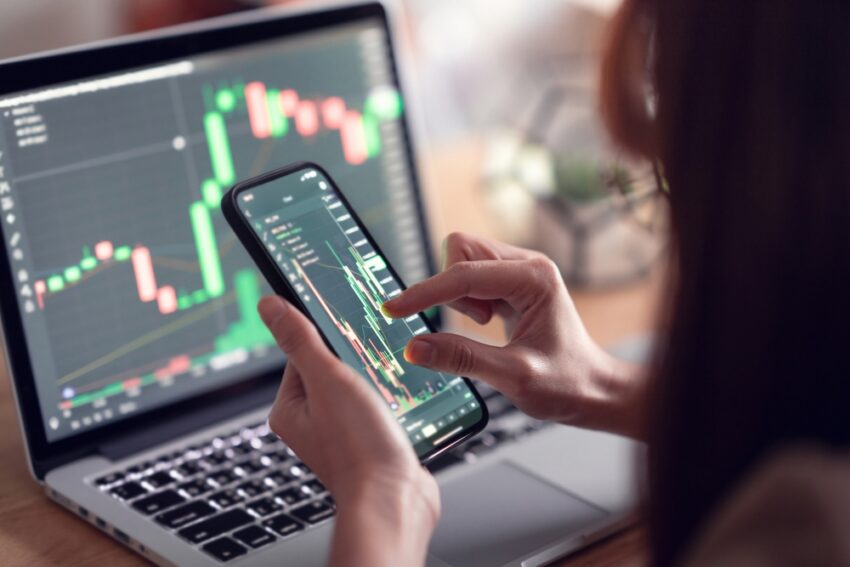
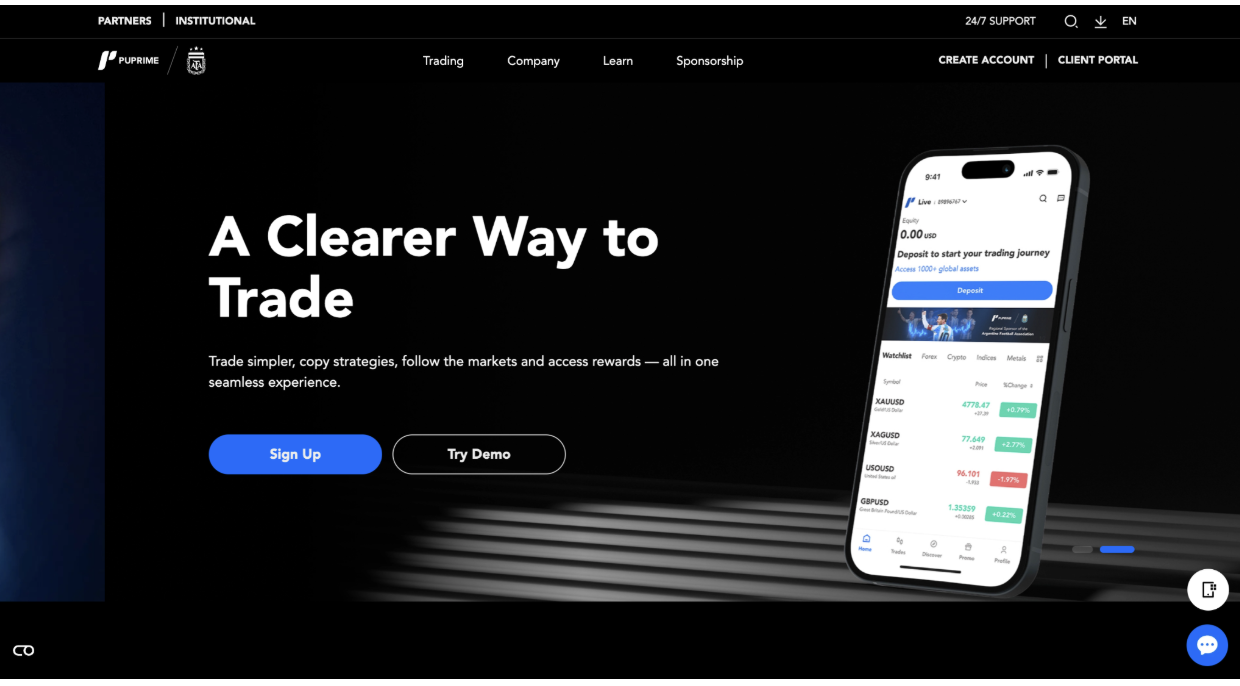
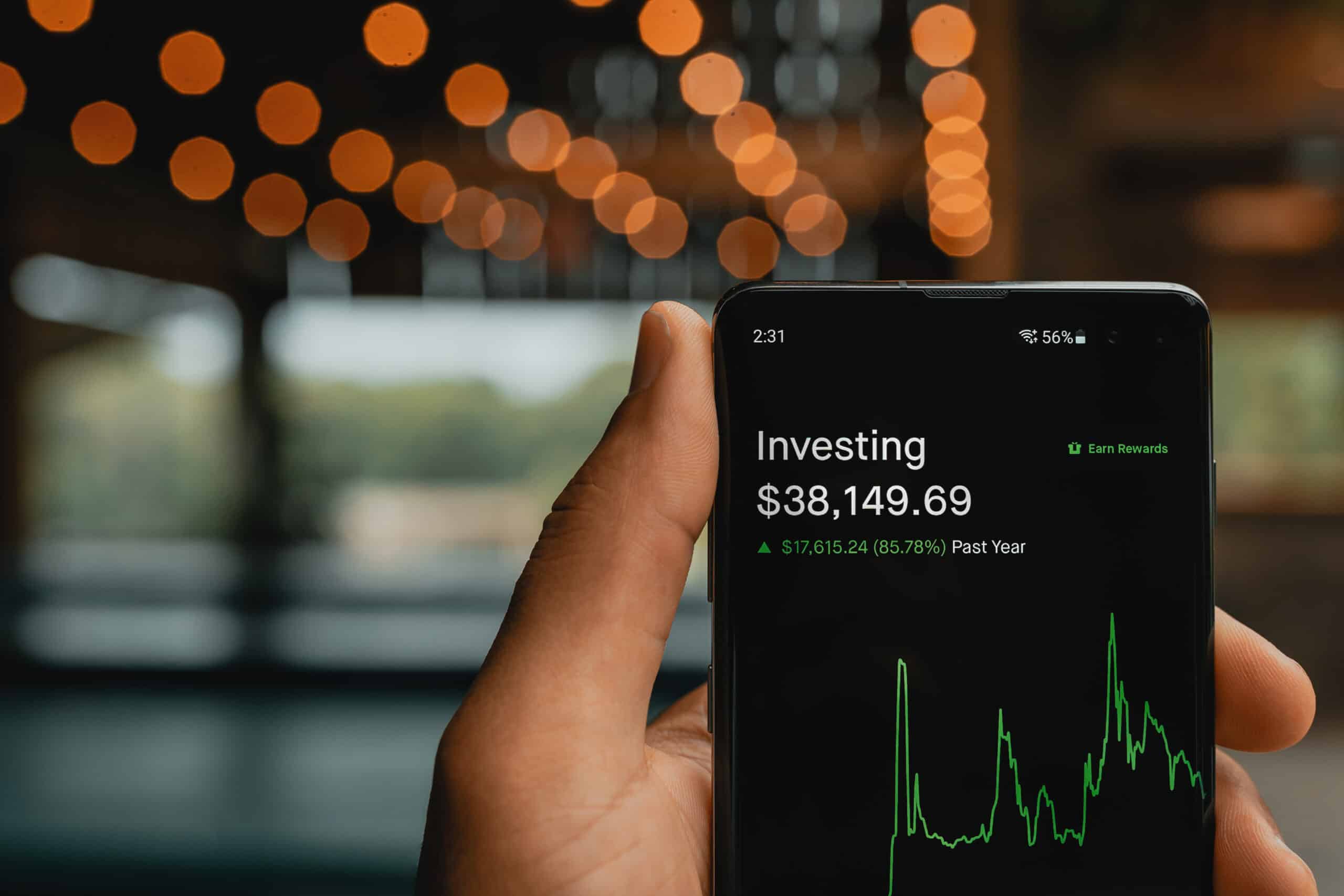
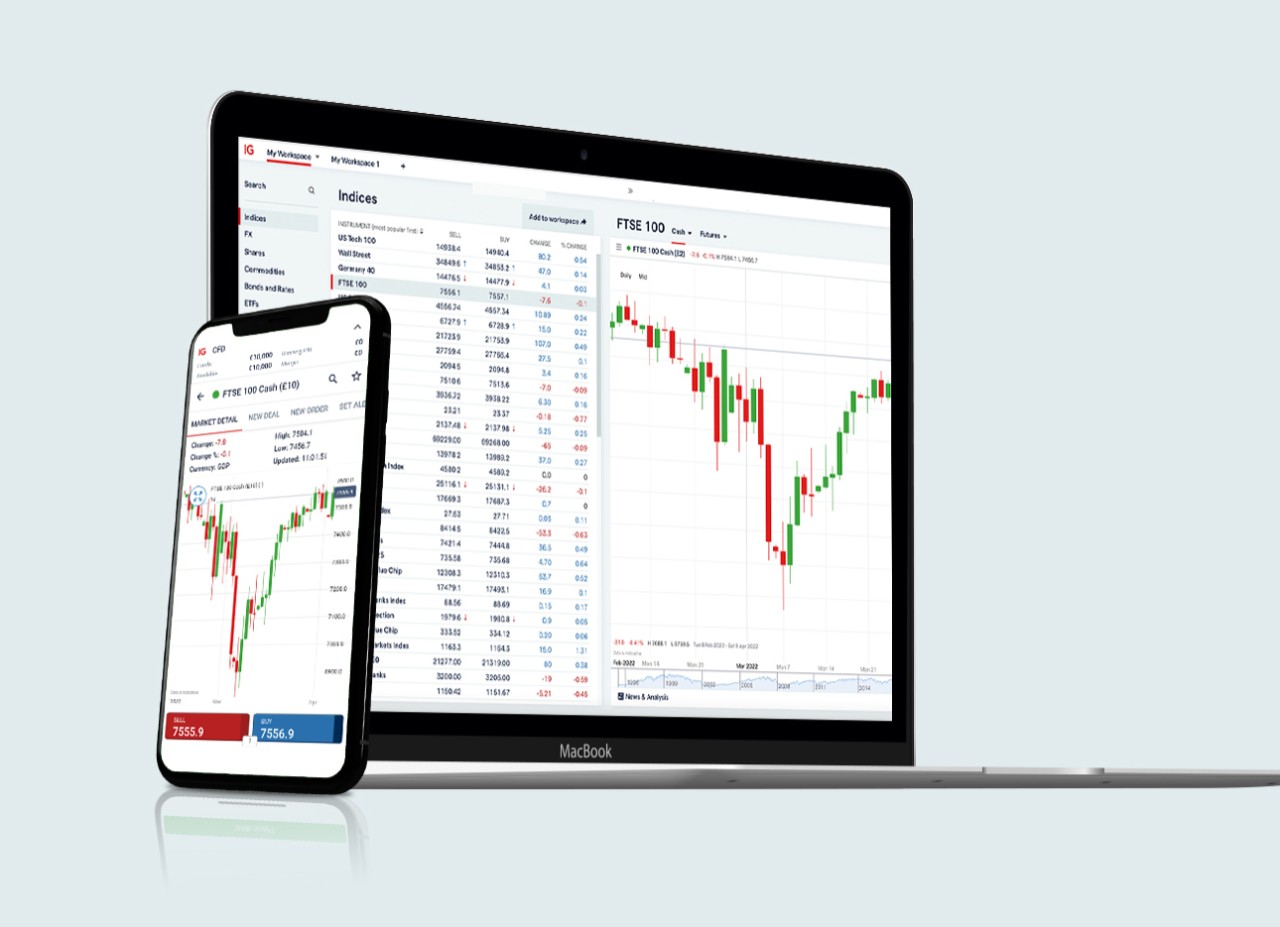
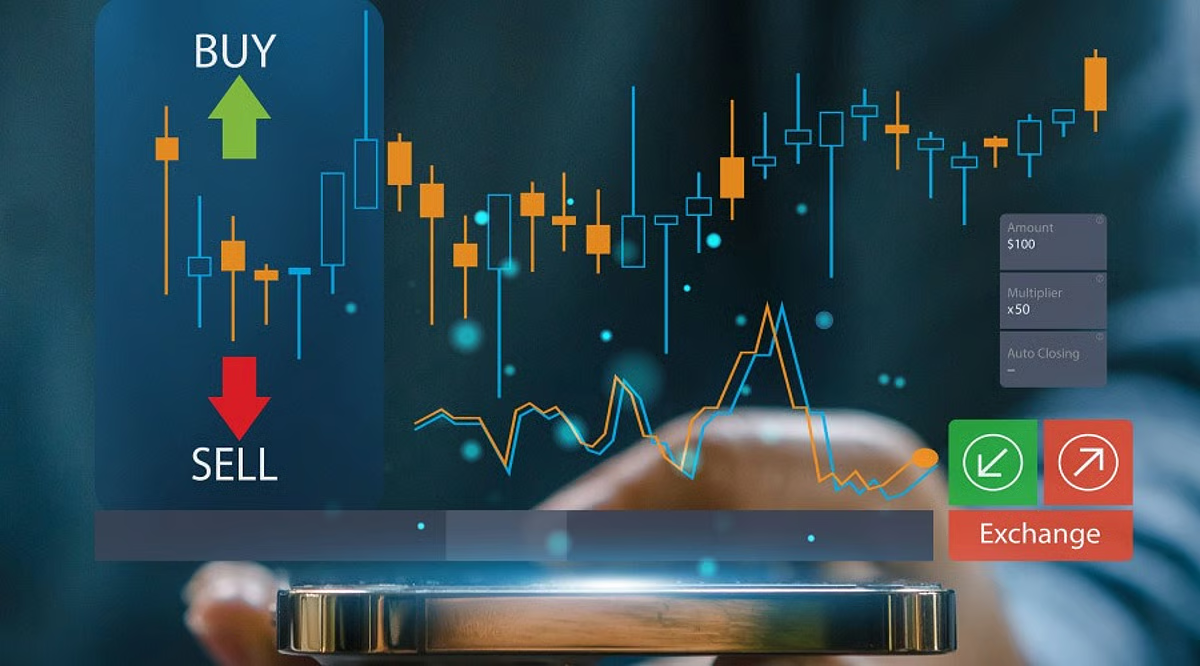
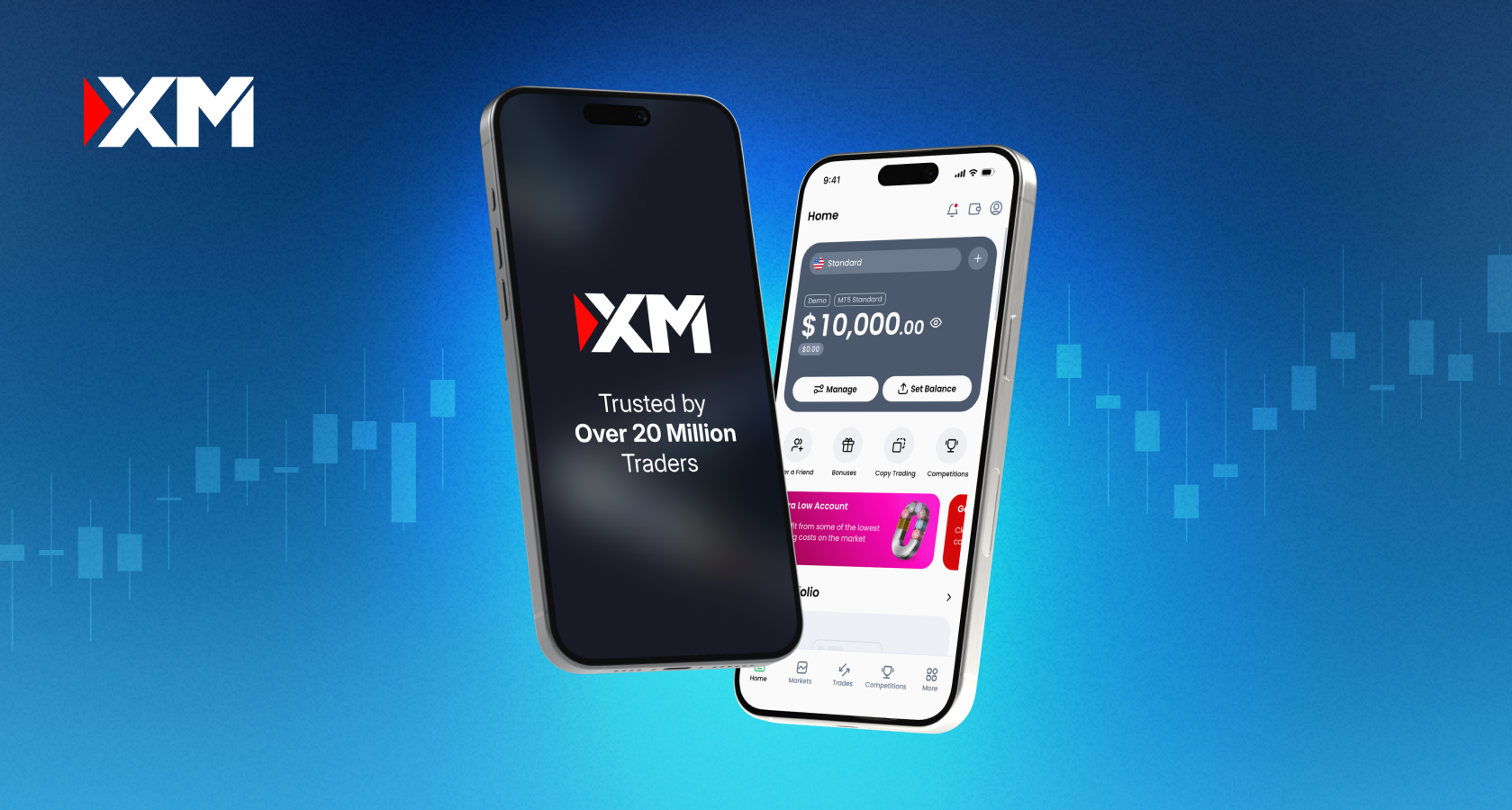
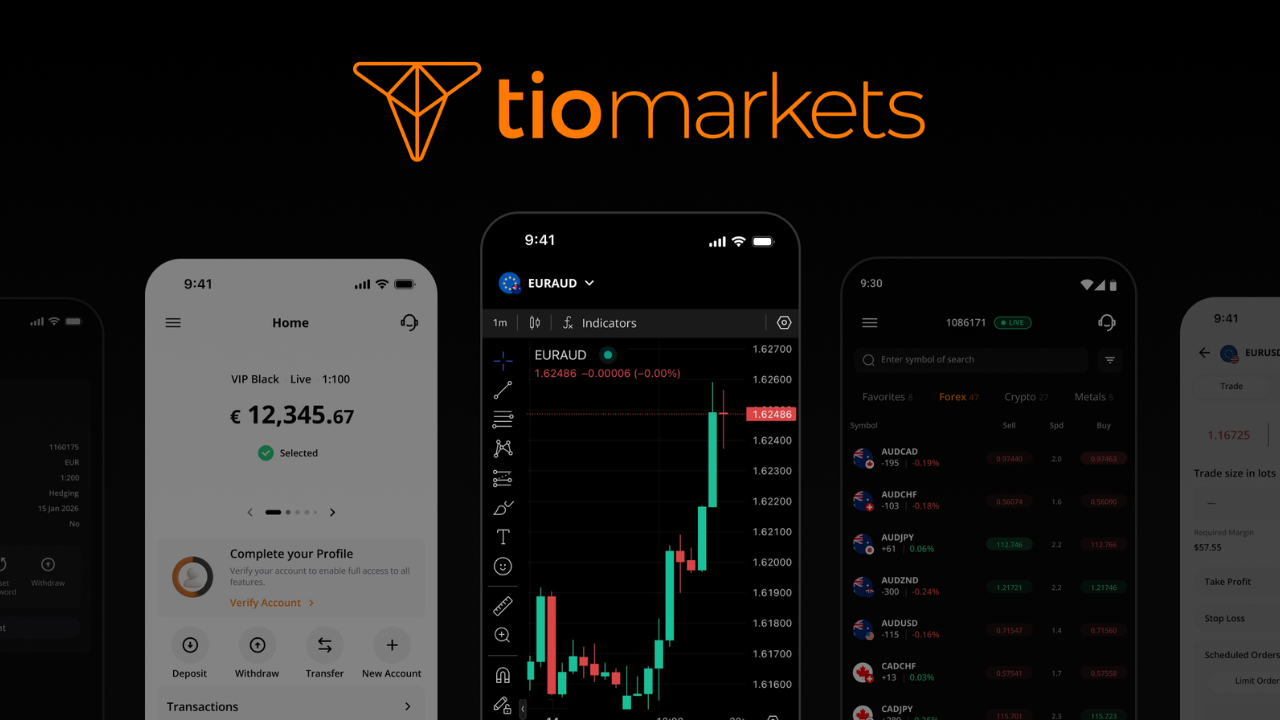
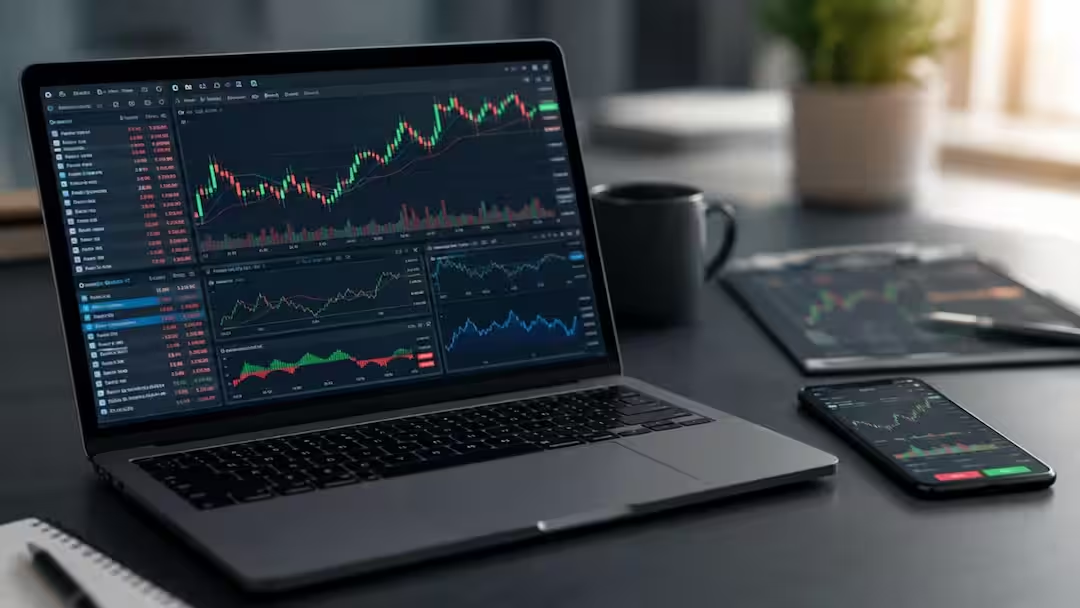
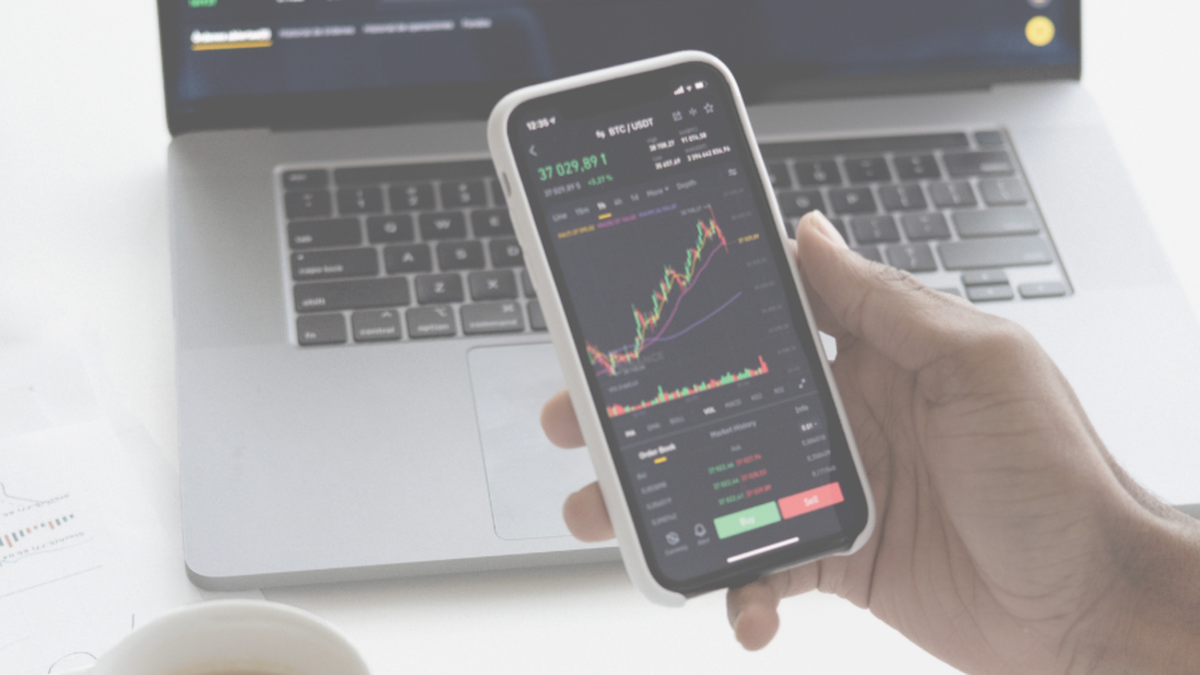
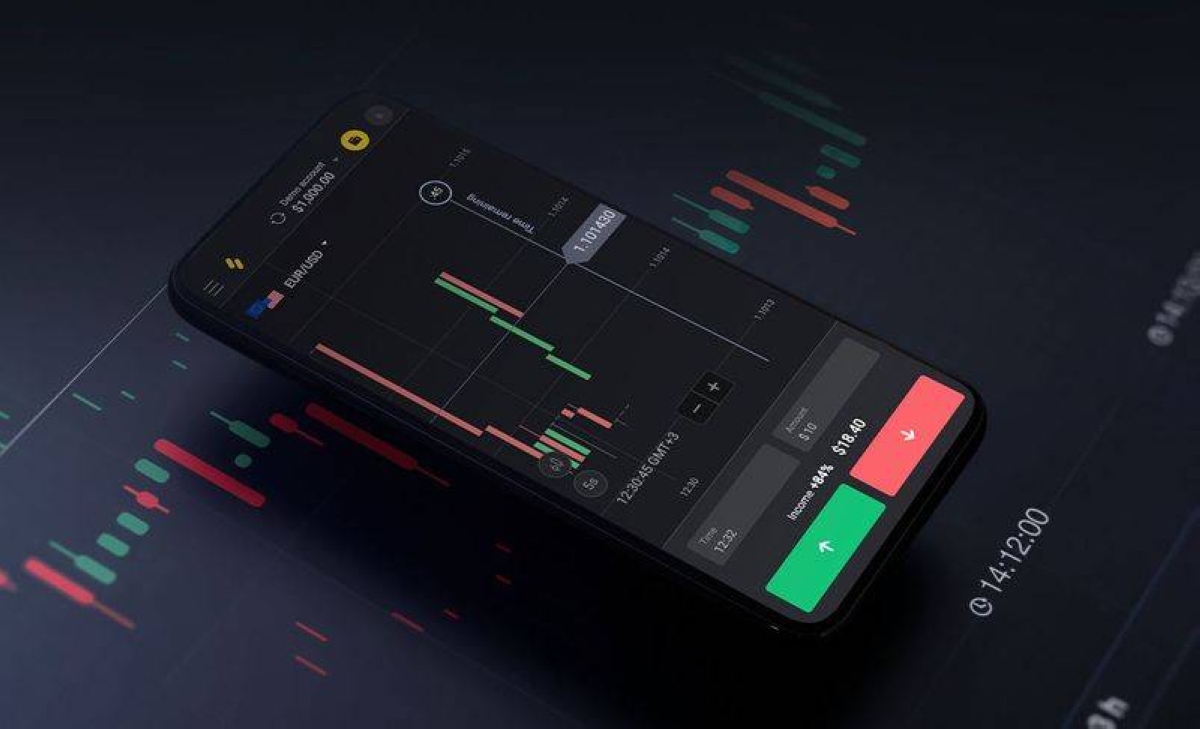
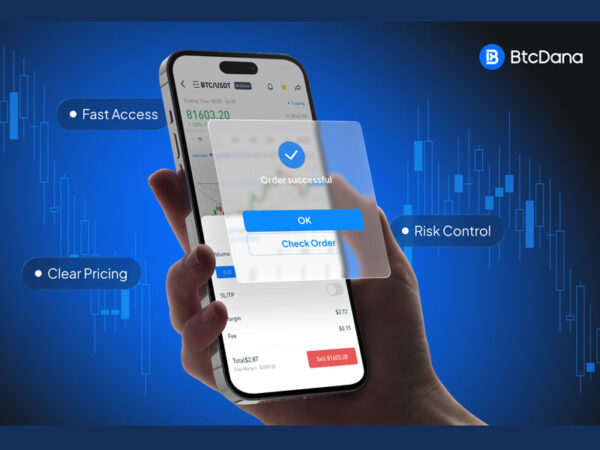
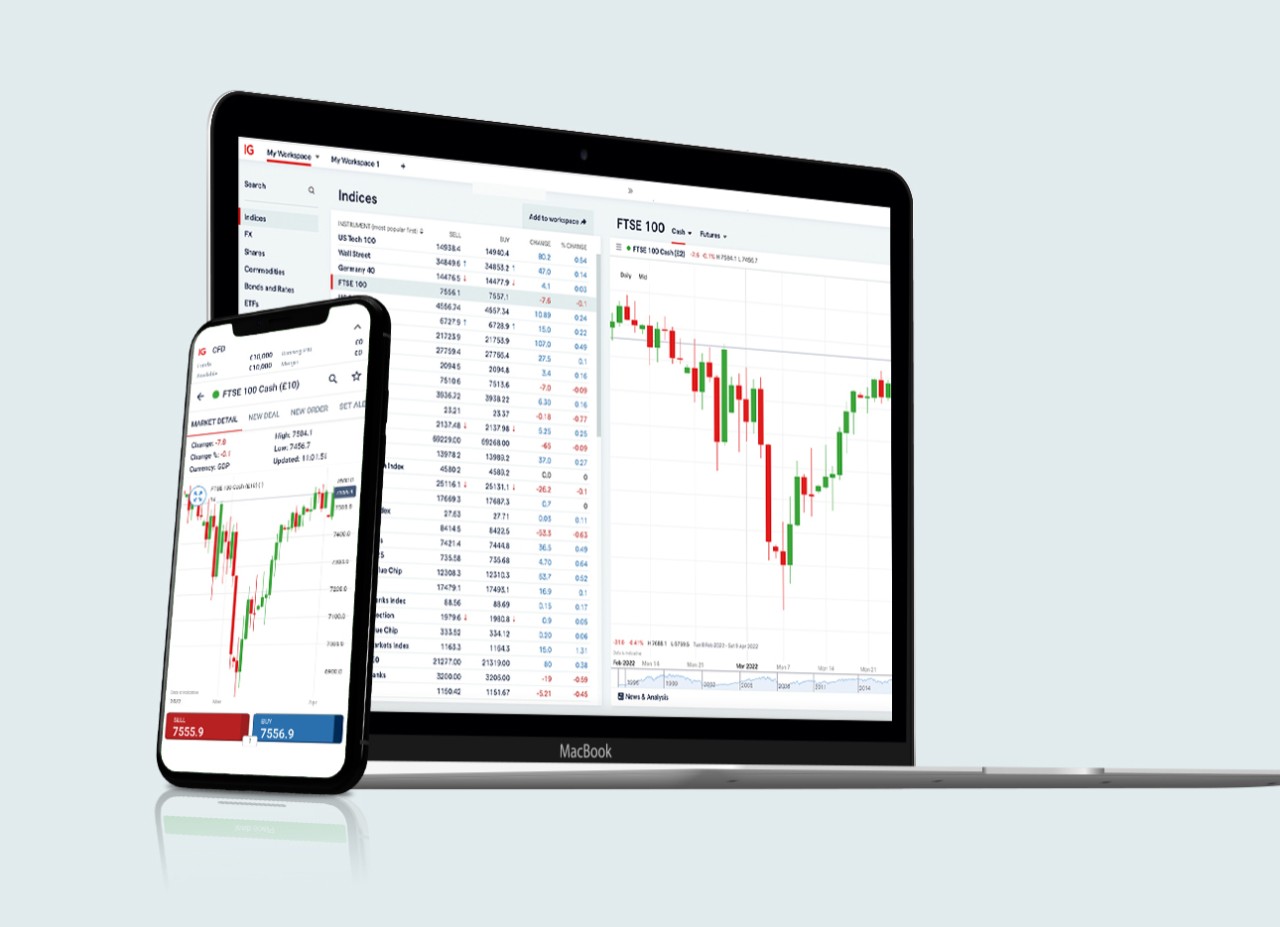
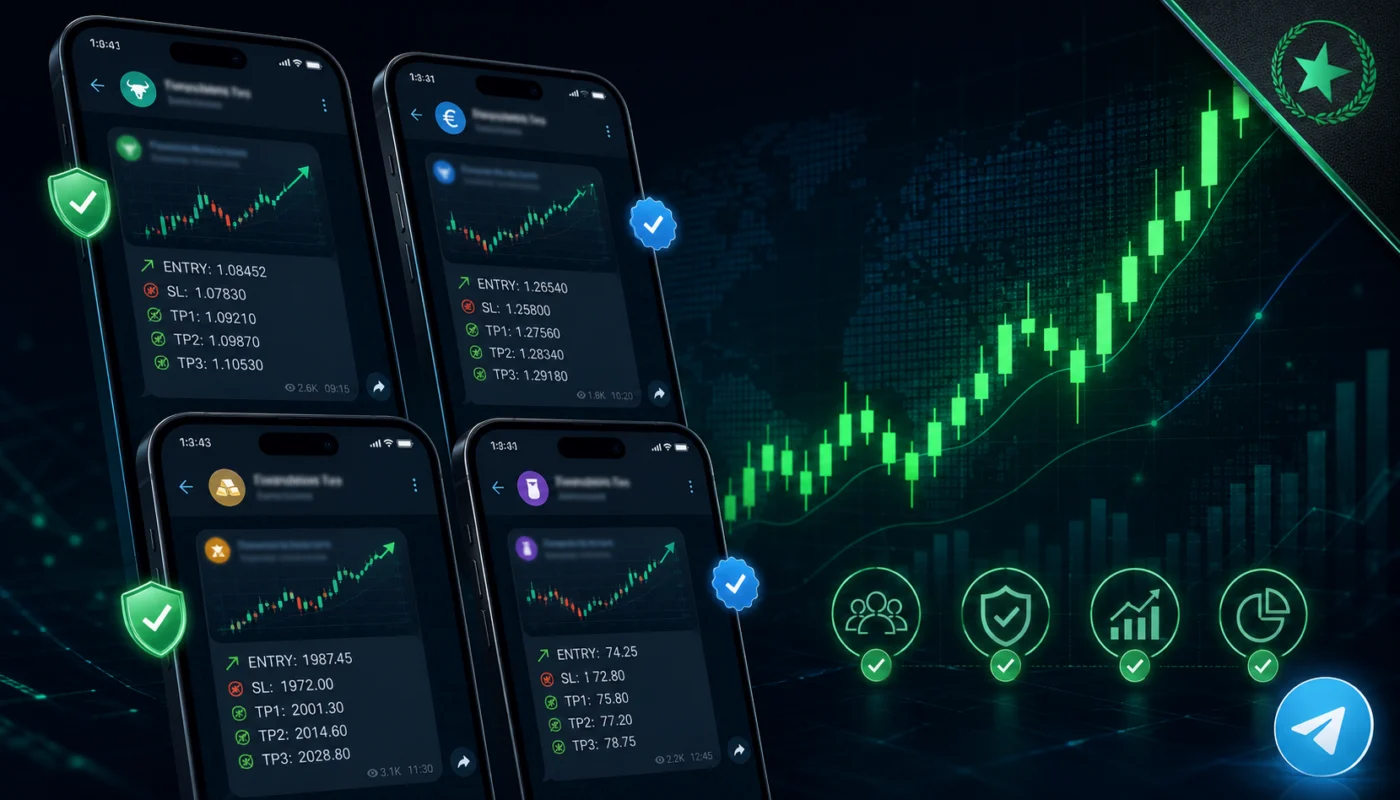
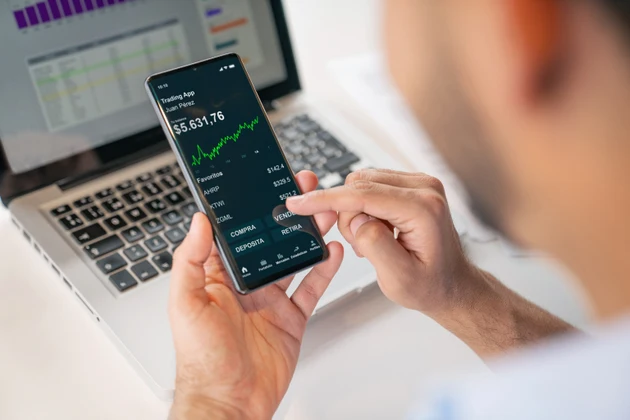
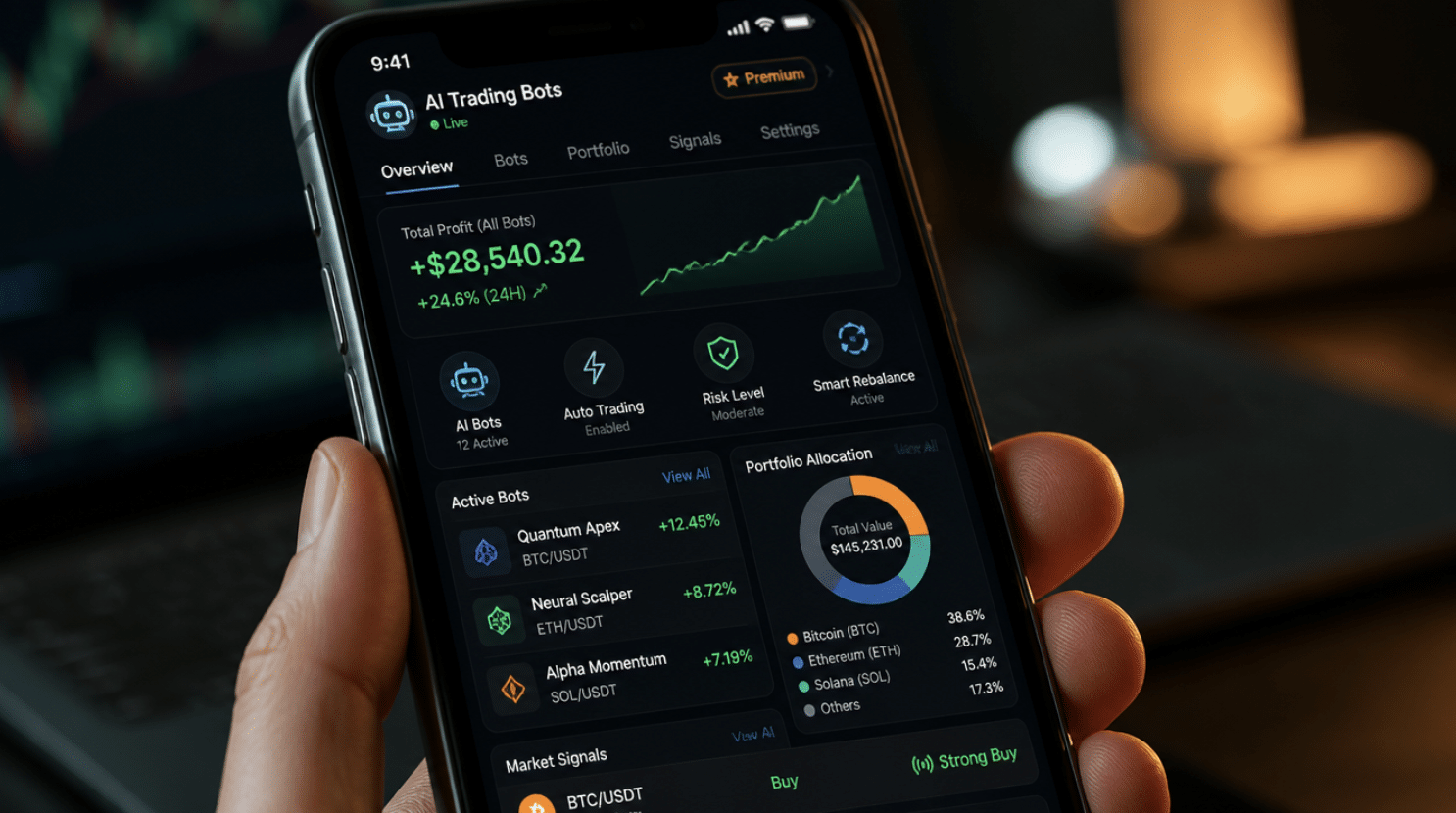
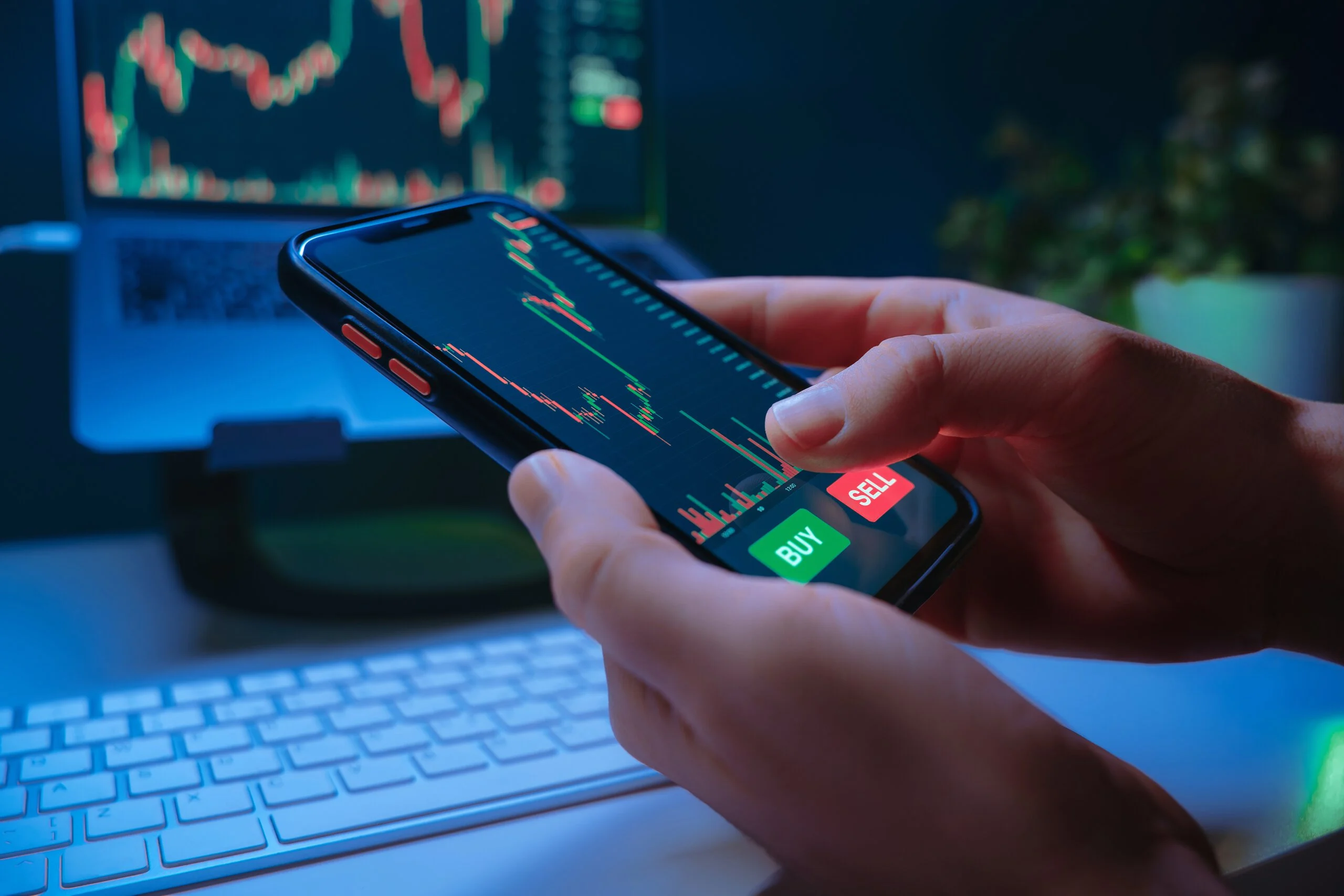
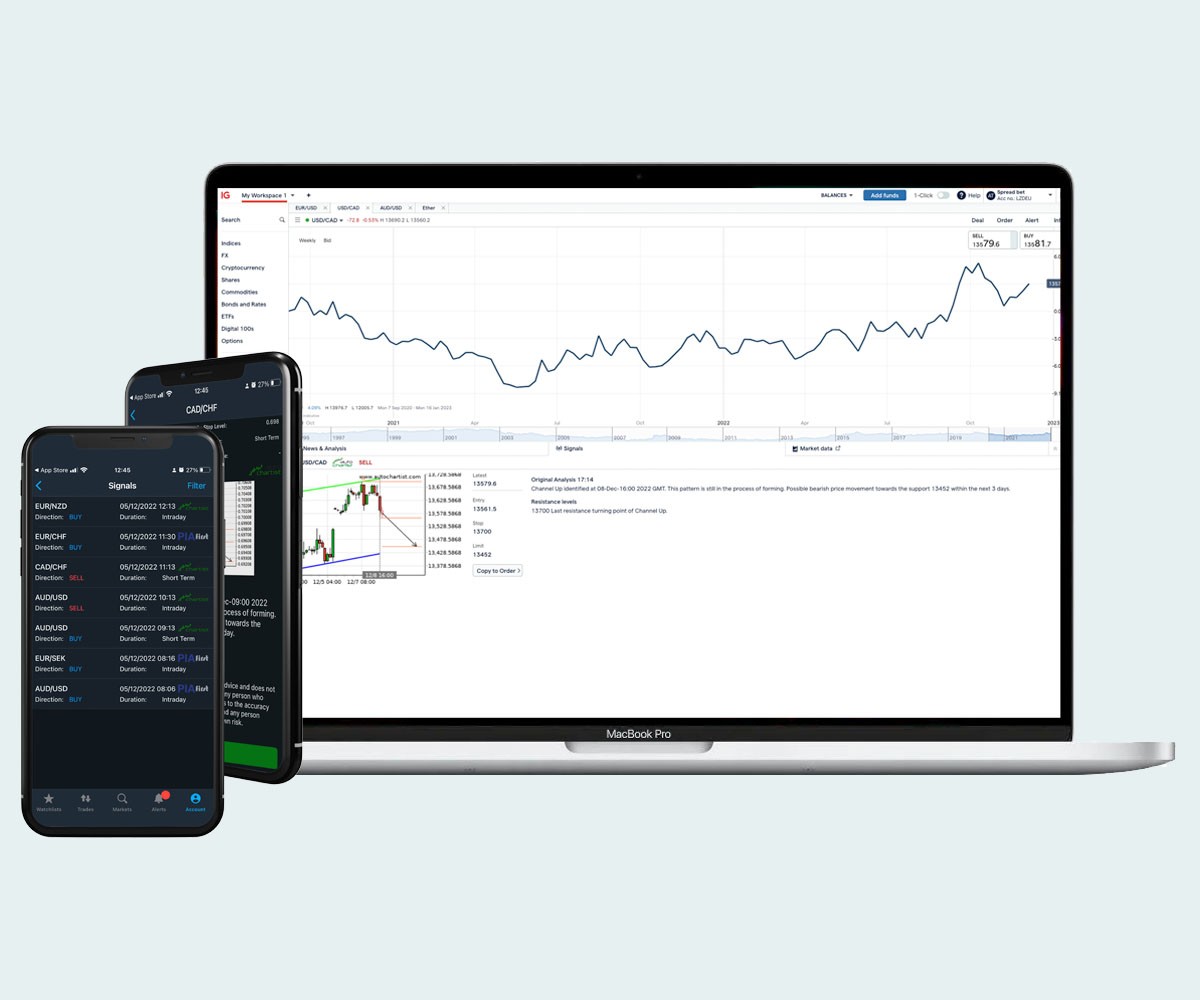
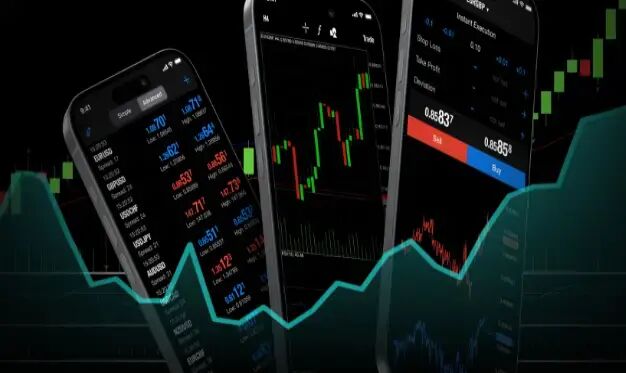
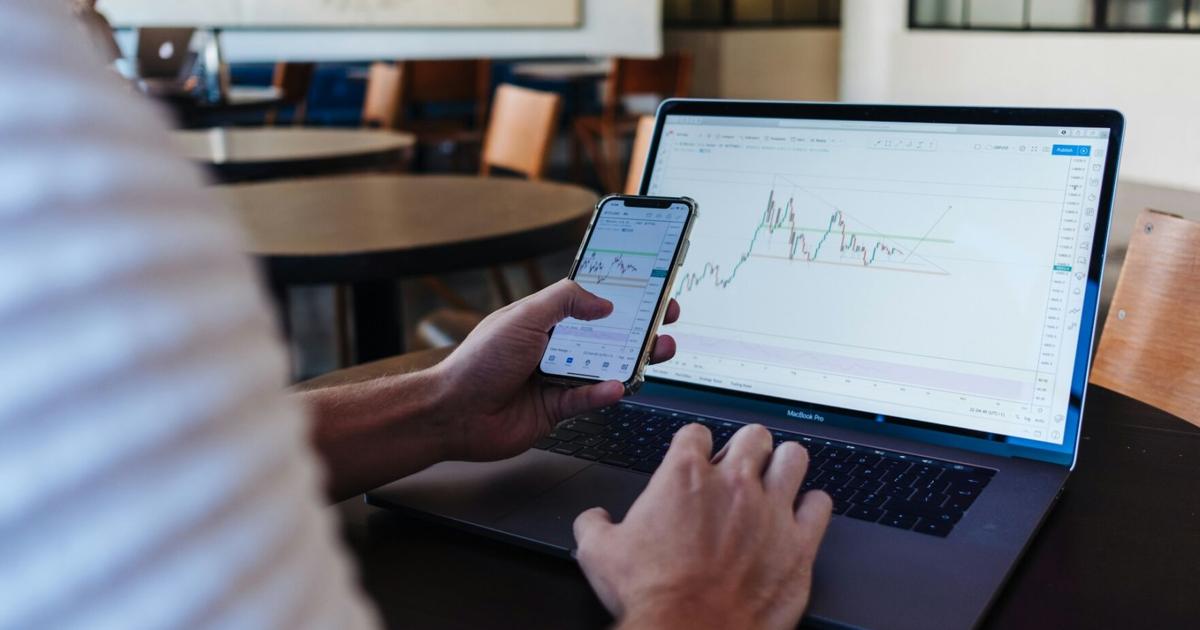
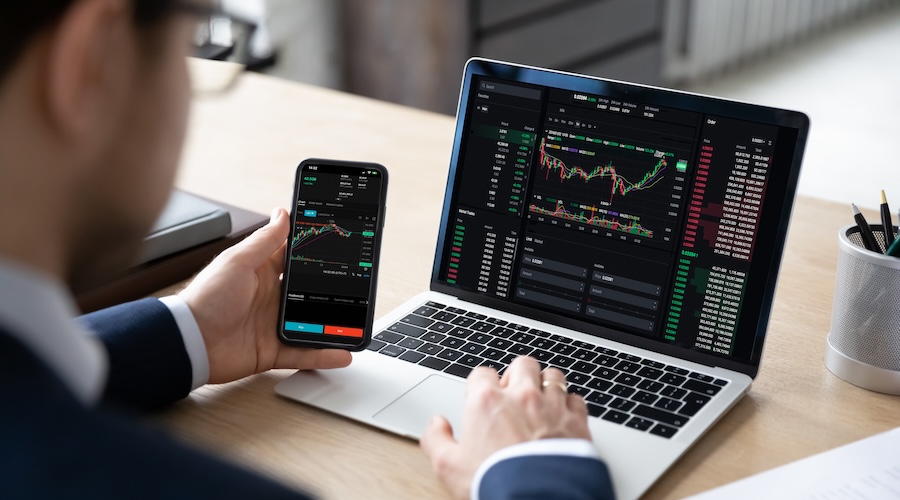
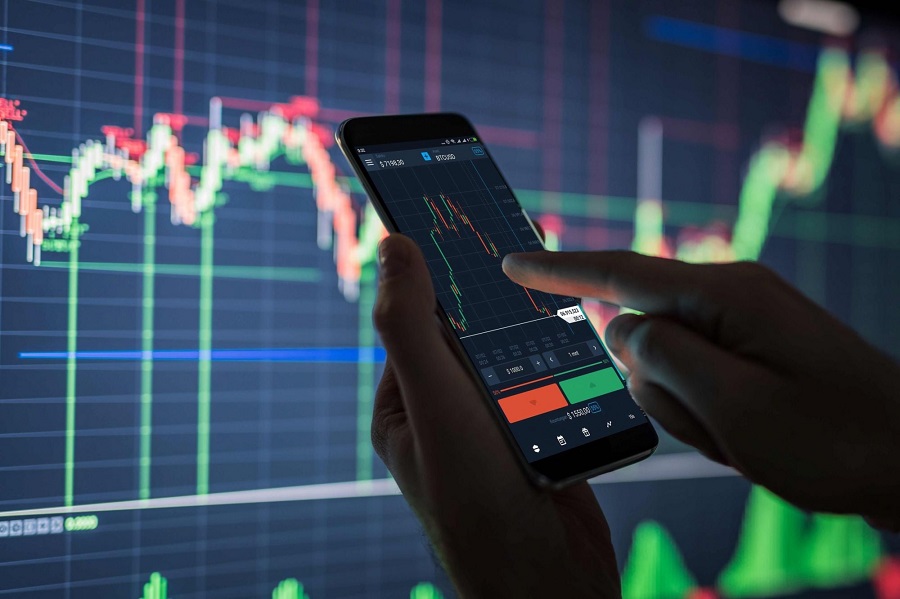
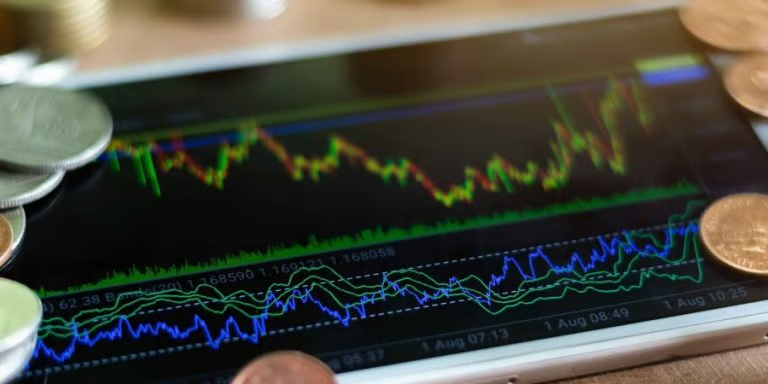
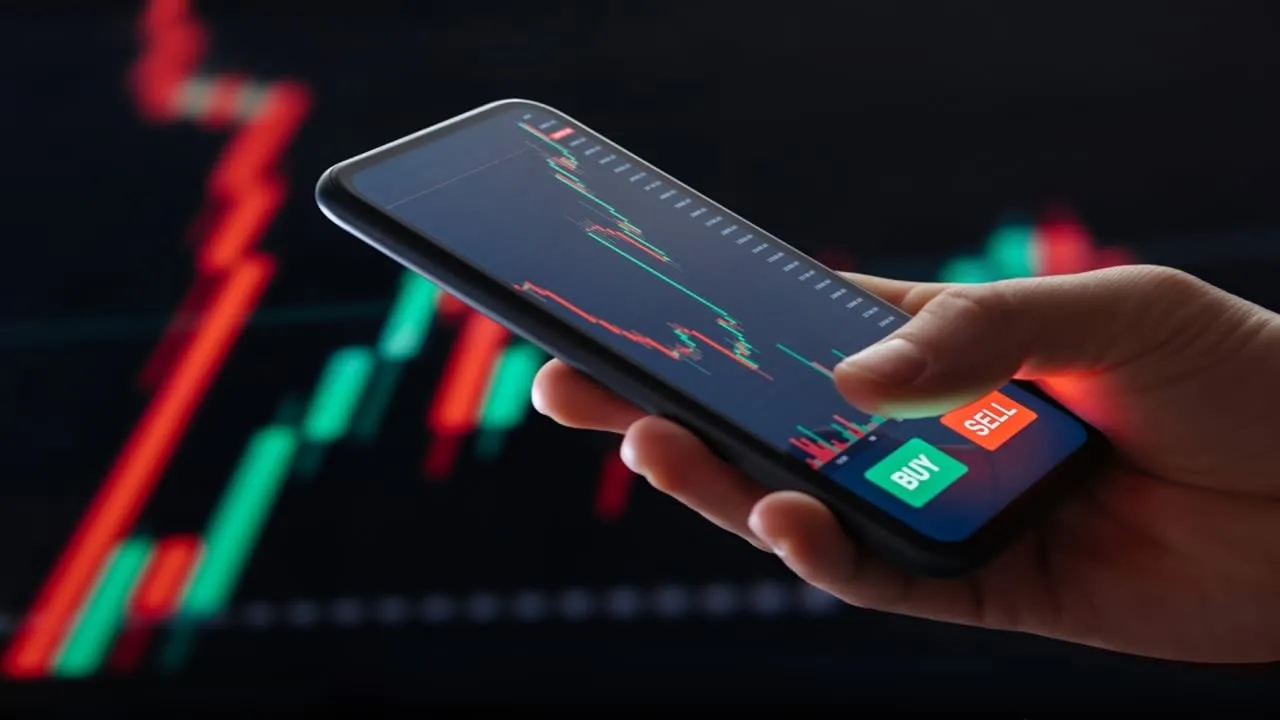
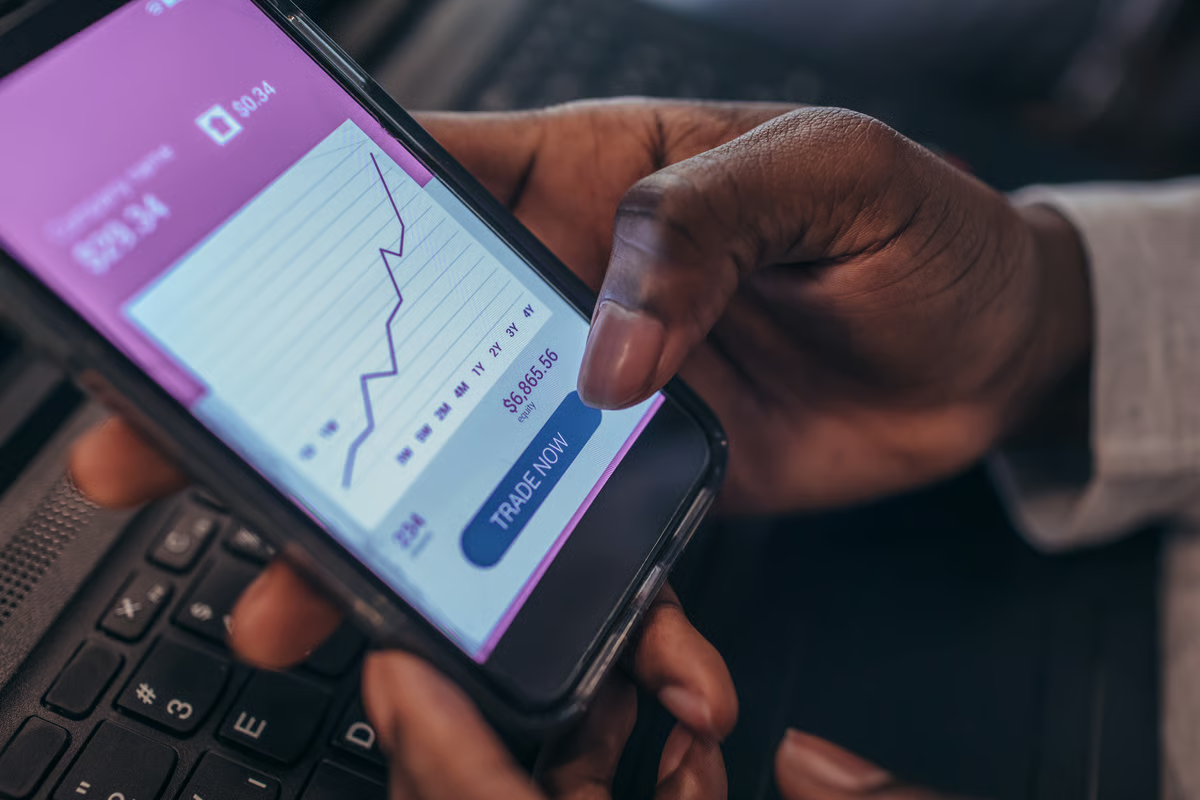
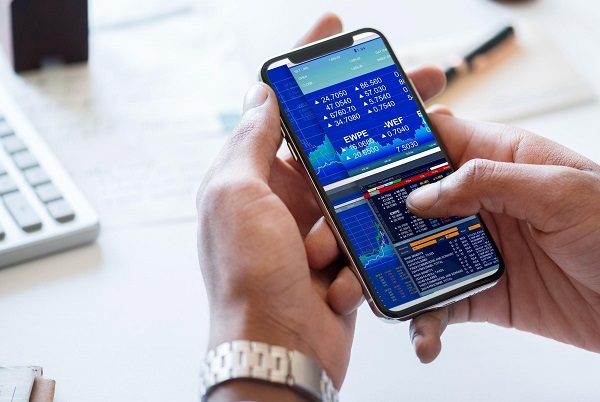
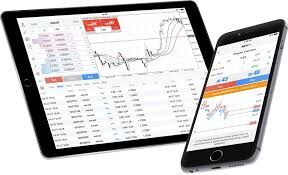
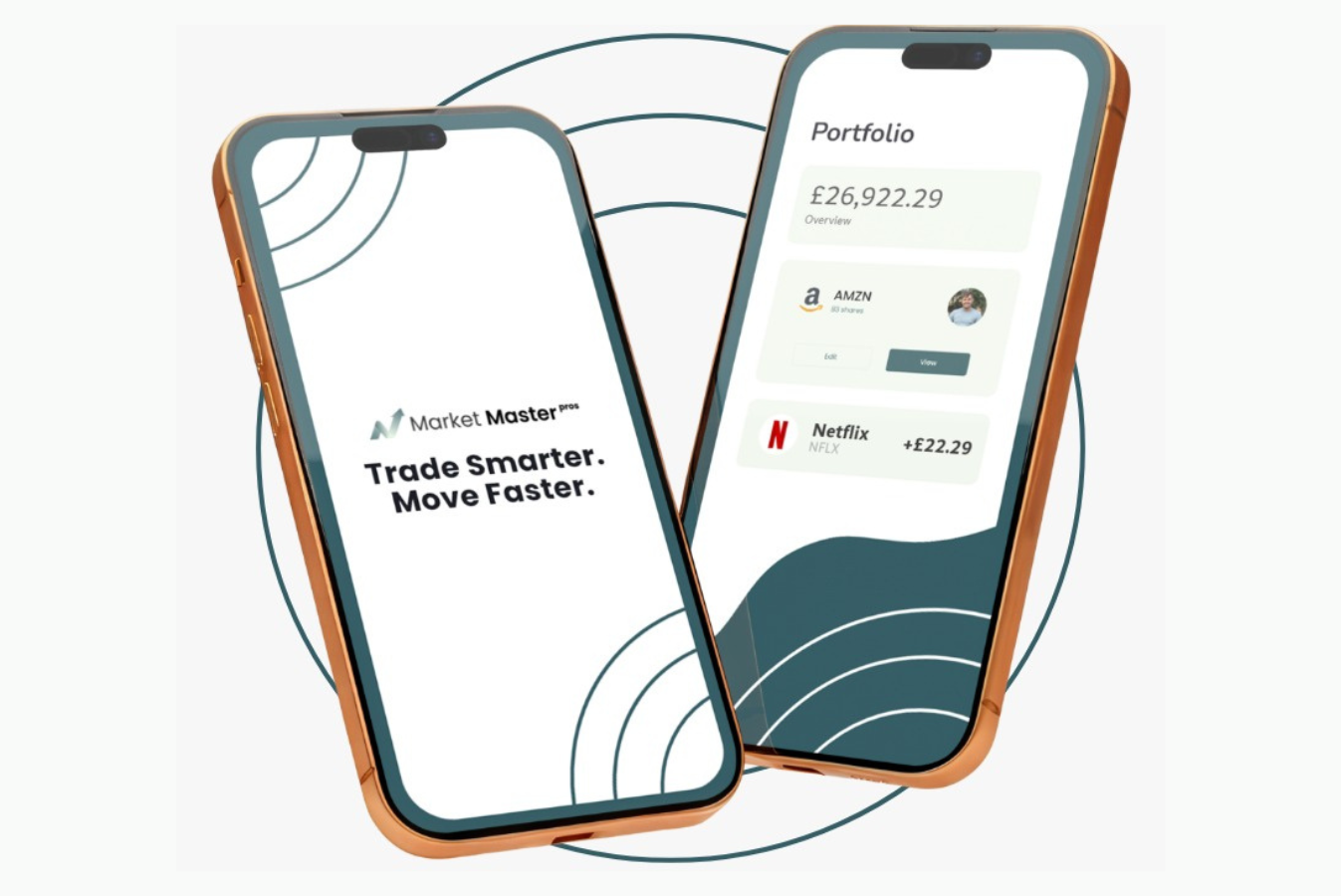
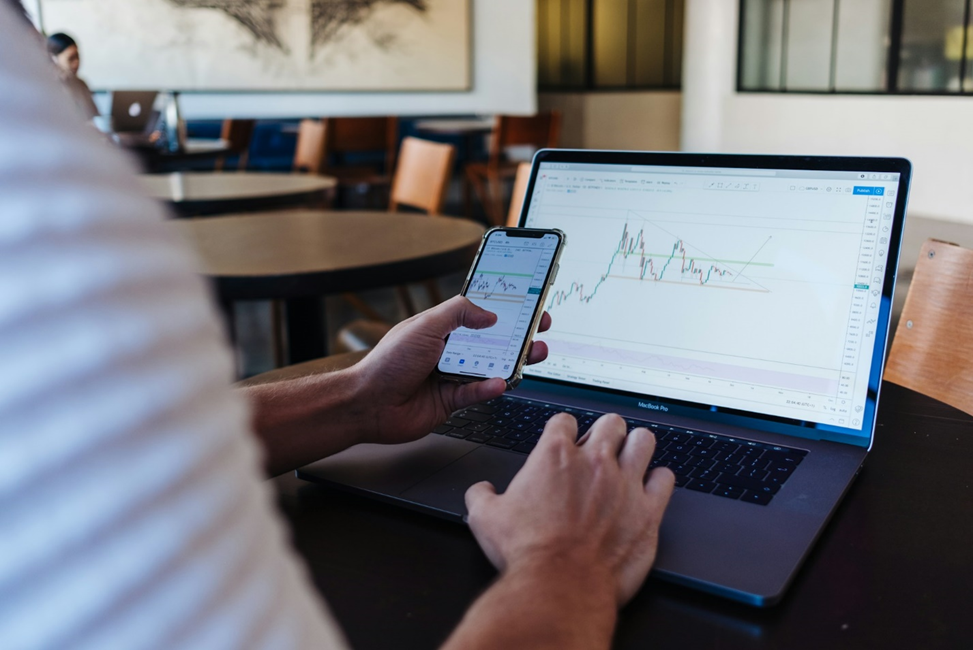
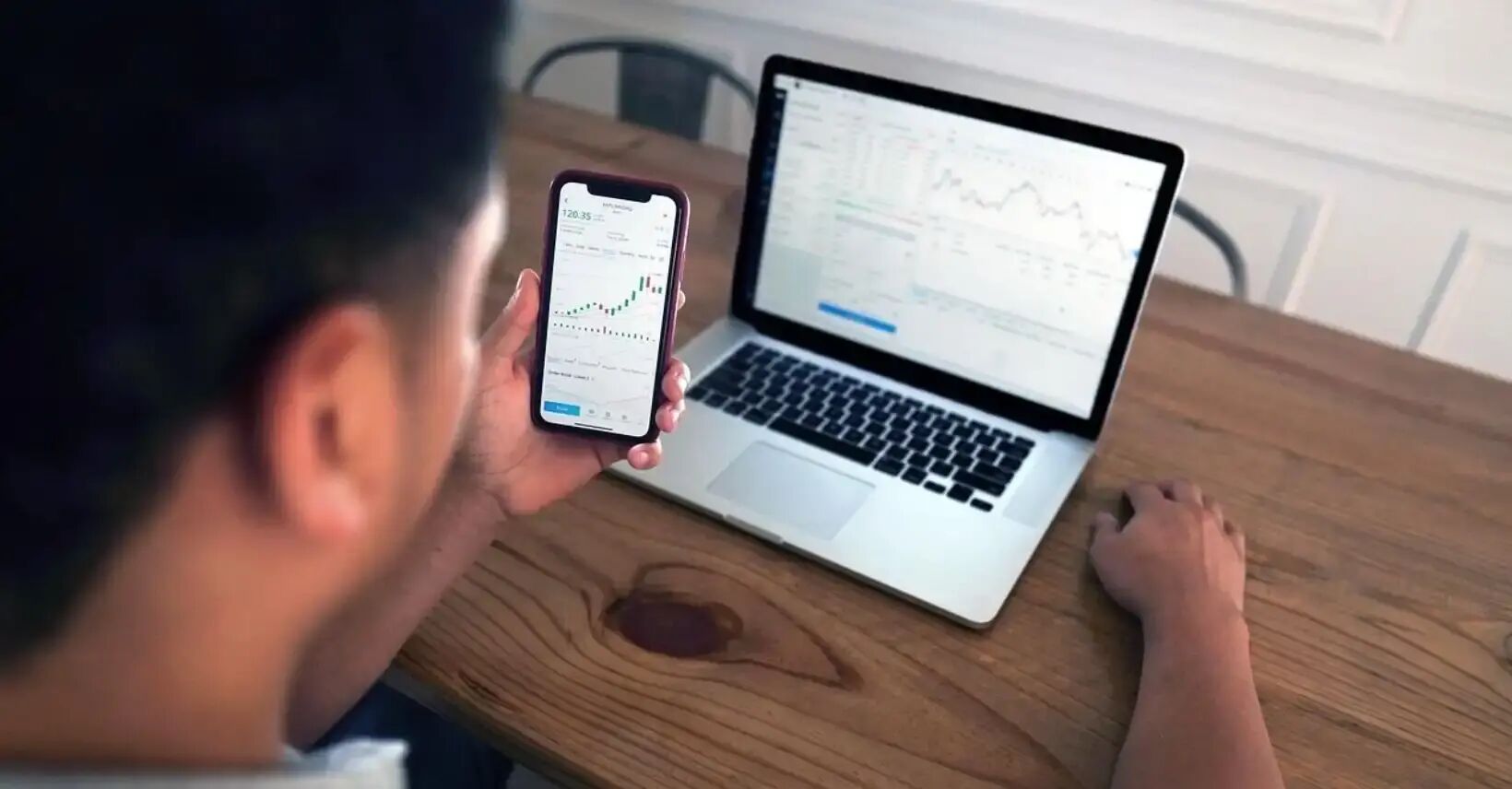
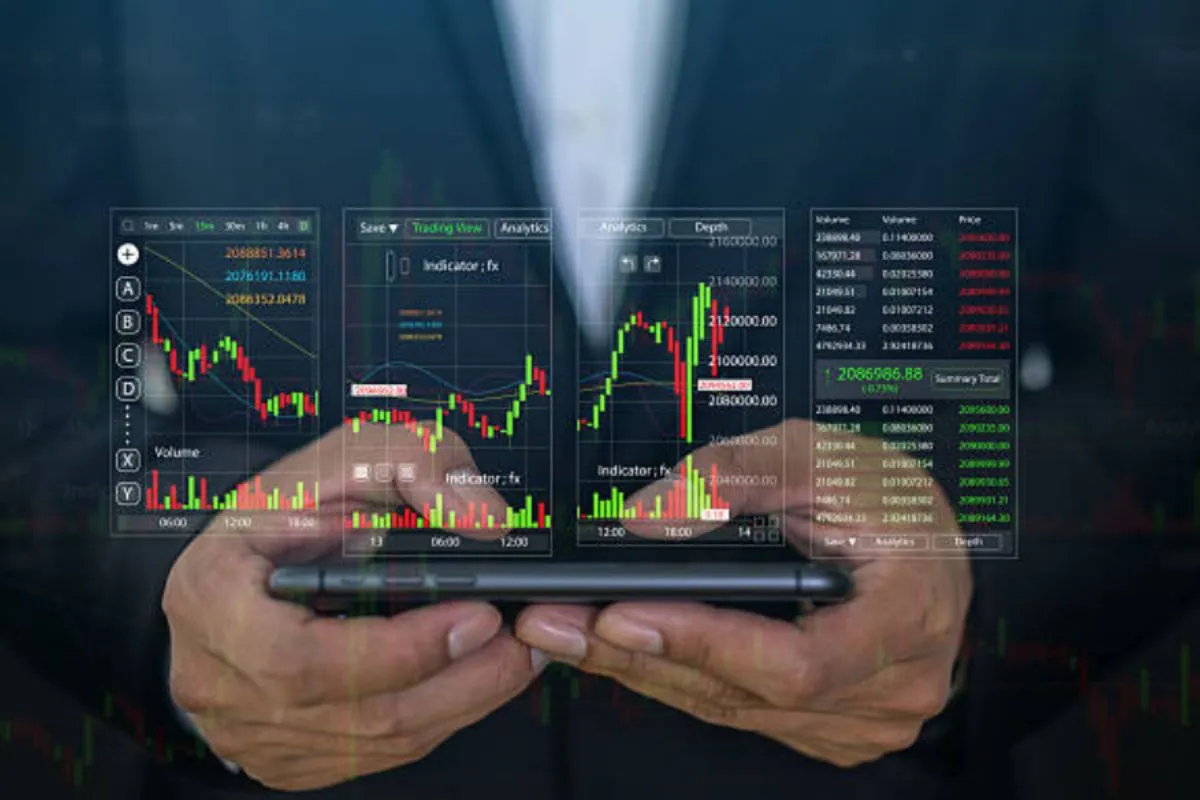
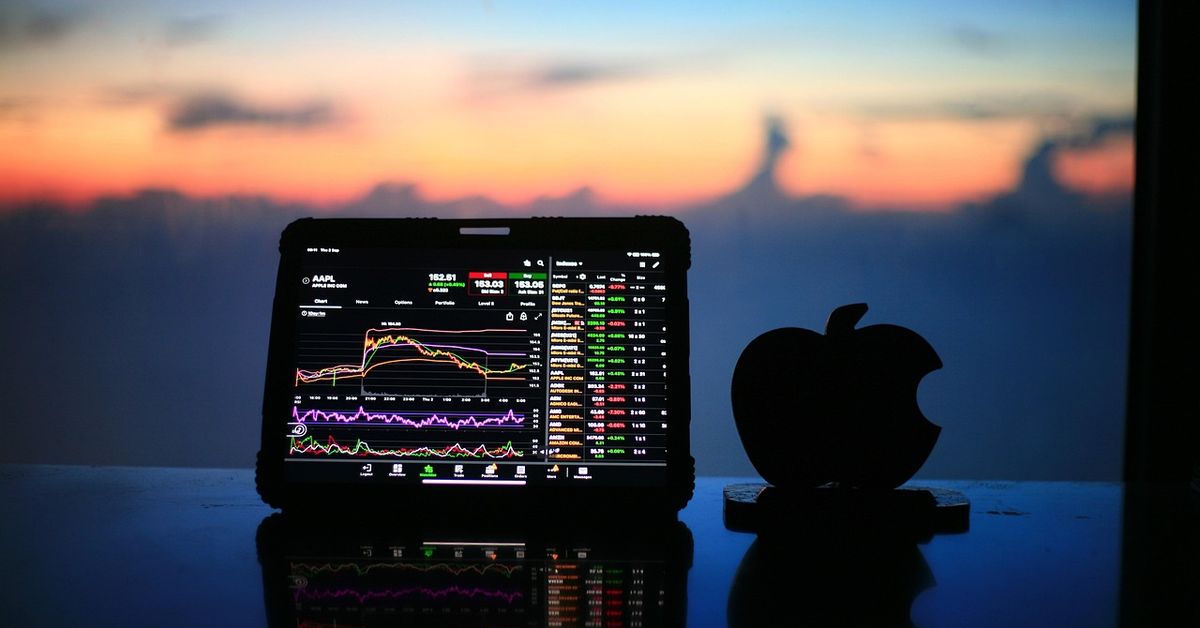
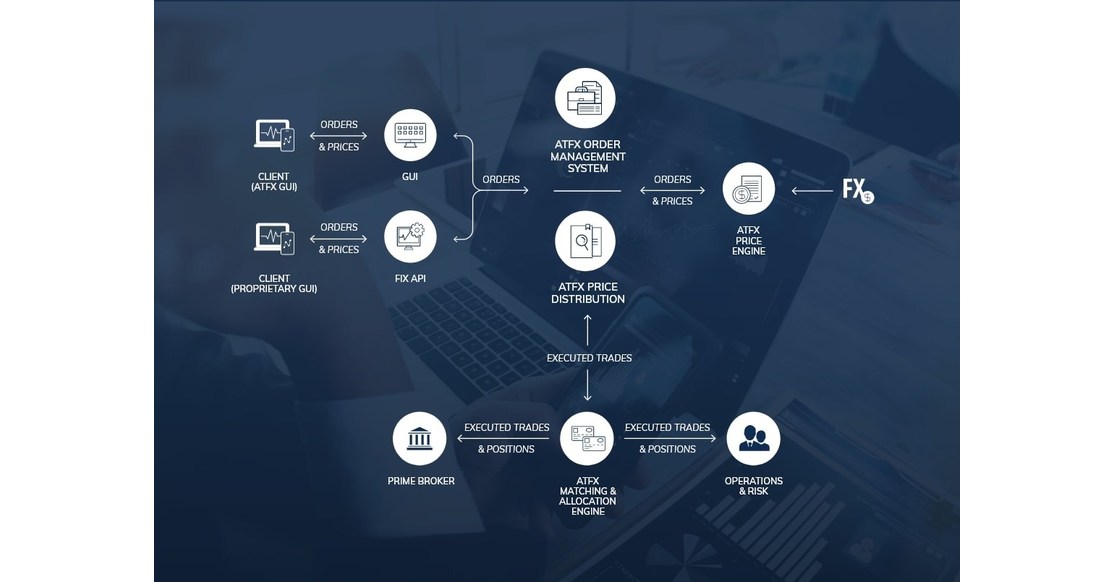
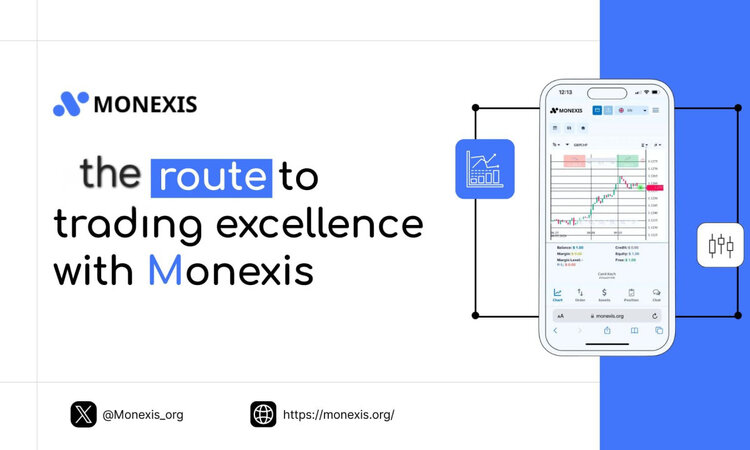
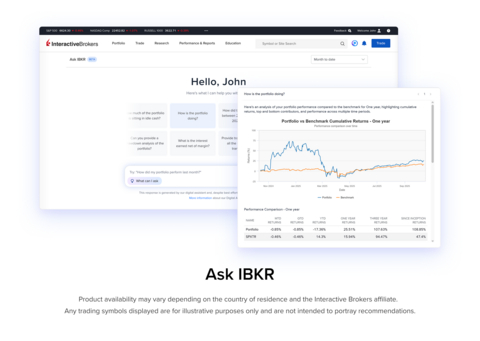
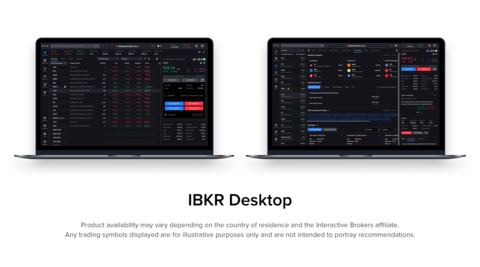
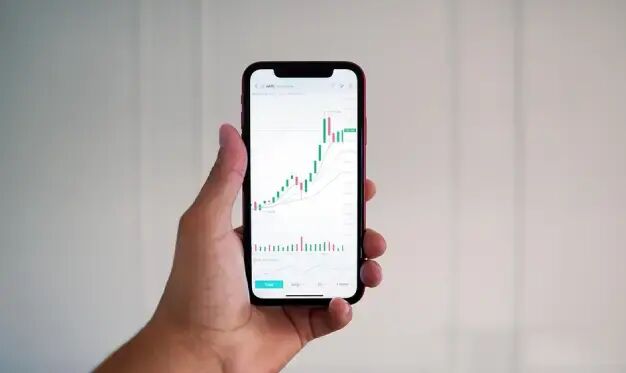
For a growing number of Indian traders, a dependable forex trading app has become the hinge point in that planning. Desktop terminals still dominate formal setups, no question. But mobile access fills the gap when traders are away from their desks, or when desks are not an option at all. This mirrors how digital participation works across urban and semi urban India, where mobile first access is often the default. Well, not entirely across every segment, but close enough for our purposes.
Trade continuity planning in the Indian forex landscape
At its core, trade continuity planning is about making sure trading operations survive disruption. In India, that planning reflects uneven infrastructure, overlap with global market hours, and a surge in independent participation. If you have ever tried to manage a live position while stuck in traffic or dealing with a dead router, you already know the drill.
Market access beyond fixed locations
The old model of trading from one fixed setup carries obvious risk. One hardware failure or internet outage, and timely action disappears. Mobile based access lets traders change locations without losing sight of open positions. That sounds basic. In reality, it is often the line between managing risk and watching a trade unravel in slow motion.
Managing global market overlap
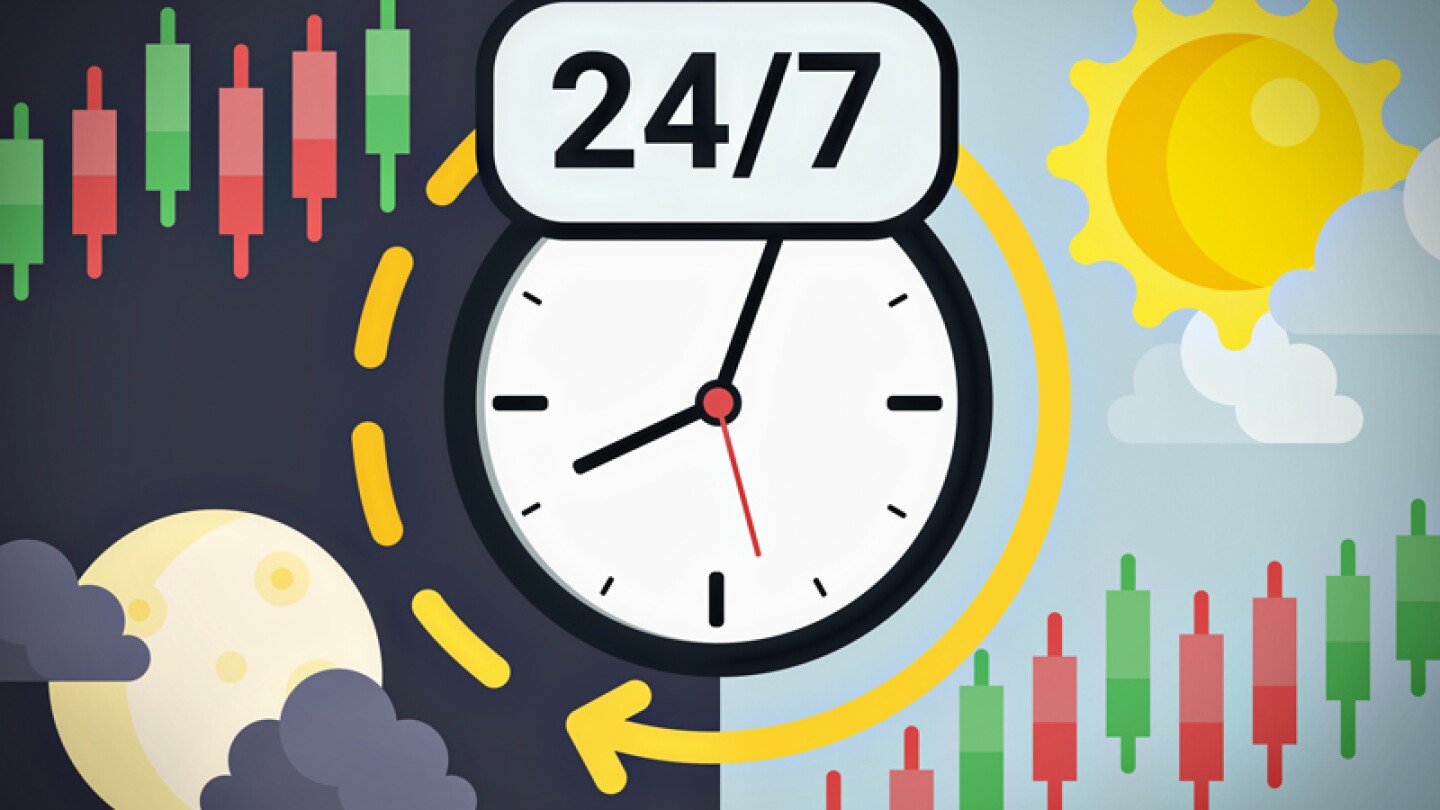
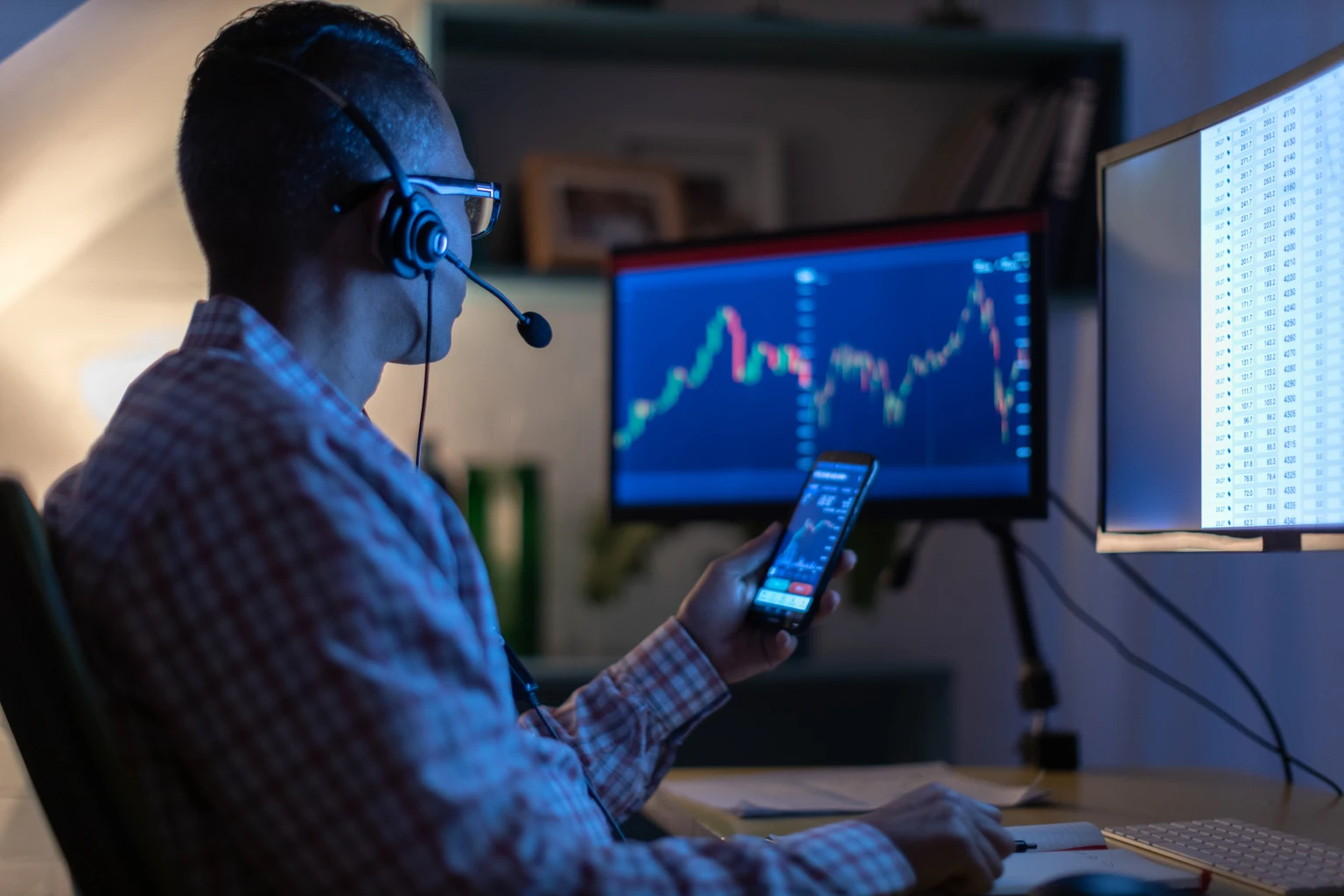
Forex does not respect local schedules. Indian traders routinely track activity during late night US sessions or early morning Asia opens. Mobile access supports that flexibility without chaining traders to a workstation. Think of it like carrying a spare tyre. You hope you never need it. Until the road proves otherwise.
Trade continuity planning, then, depends on tools that move with real world unpredictability rather than fight it.
The evolving role of mobile technology in forex participation
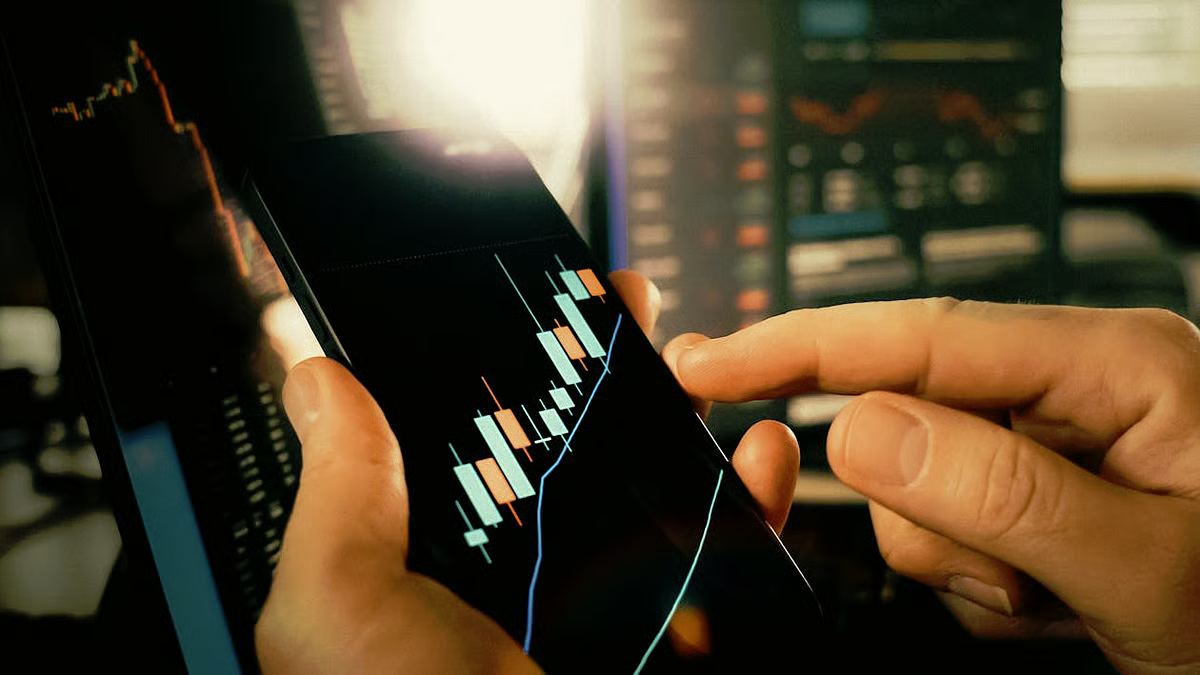
Mobile technology in India has matured fast, helped along by low data costs and widespread smartphone adoption. What started as convenience has turned into operational resilience. This is not about comfort. It is about staying functional when routines break down.
Real time visibility during disruptions
Travel delays, weather issues, local outages. These things do not check market hours first. Mobile access keeps traders connected to positions, margins, and price action in real time. No guessing. No blind hope. Just visibility.
Faster response to volatility
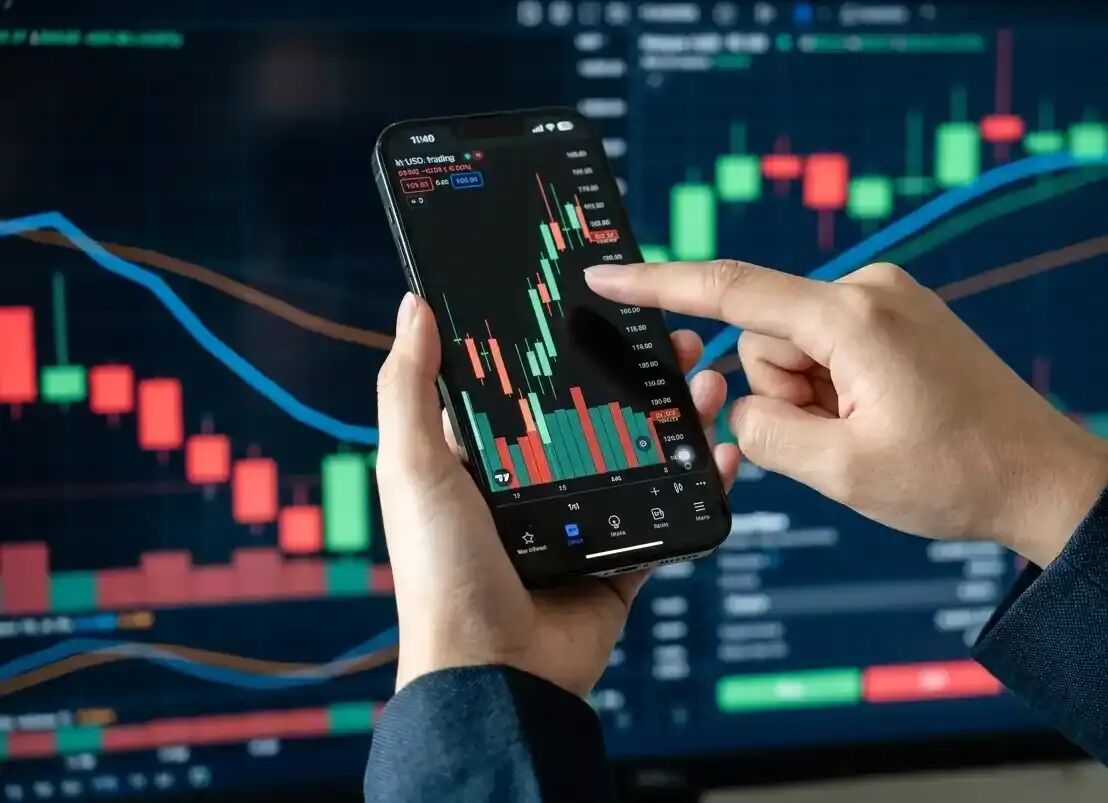
Sharp market moves demand quick decisions. Having trading tools in hand shortens reaction time and supports disciplined risk management outside planned sessions. Markets can swing like a loose door in a strong wind. If your access lags, you feel it immediately.
This is why mobile trading is no longer a backup. It has moved into the core of continuity planning.
Risk management and execution consistency
Continuity and risk management are tightly linked. Losing access at the wrong moment can turn a manageable position into a costly mistake. One moment things look fine. The next, they are not.
Monitoring open positions
Continuous access allows traders to adjust stops, close exposure, or scale down risk when conditions change suddenly. This is where the app earns its place, because the right move taken too late is usually the wrong move.
Execution reliability
Consistency across devices matters more than many traders admit. Orders placed during disruption need to follow the same rules as those placed in calm conditions. Same order types. Same risk parameters. Same clarity on fills. Otherwise continuity slides into improvisation, and improvisation gets expensive fast. Just look at how quickly things unraveled during the SVB collapse in March 2023.
For Indian traders balancing domestic obligations with global exposure, this consistency supports discipline over time.
Regulatory awareness and trader confidence in India
India based traders operate with a strong sense of personal responsibility and regulatory awareness. Confidence in trading systems grows from transparency and access. If you cannot see what is happening, you cannot manage it. Simple as that.
Visibility into account activity
Mobile platforms allow traders to review history, margin usage, and account status whenever needed. That transparency matters most under stress, when memory fills in gaps it should not.
Psychological continuity
Knowing markets remain accessible during emergencies reduces emotional decision making. This psychological layer is often overlooked in continuity planning. Traders who feel trapped tend to act rashly. Traders who feel connected tend to stay measured. Not always. But more often than not.
Accessibility builds confidence, and confidence feeds performance.
Integrating mobile access into a broader continuity strategy
Strong continuity planning treats mobile trading as a planned layer, not an emergency toy. If the first serious use of the app happens during chaos, that is where it gets tricky.
Parallel access models
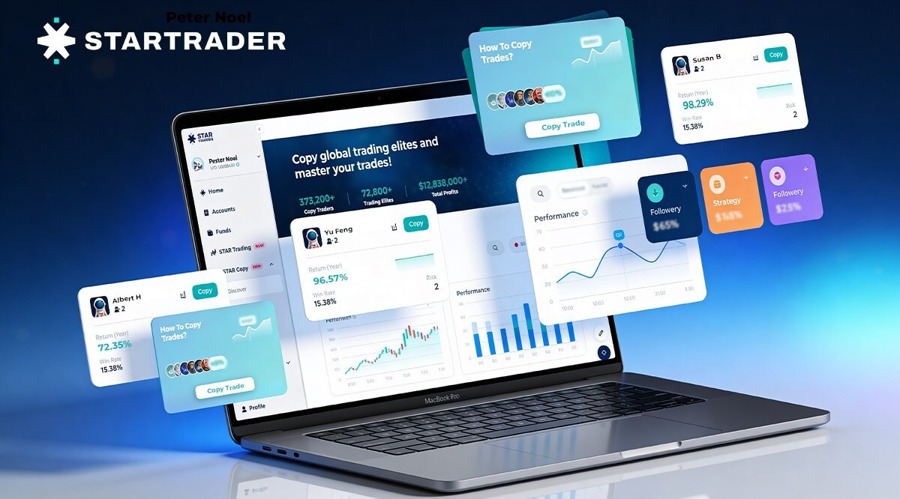
Maintaining both desktop and mobile access creates redundancy. When one fails, the other holds. It is basic resilience, yet many traders still treat it as optional.
Routine testing and familiarity
Regular use of mobile platforms builds muscle memory. Familiarity reduces errors when pressure spikes. The goal is not raw speed. The goal is being correct while moving fast.
Handled properly, mobile access becomes a structural part of resilience, not a last resort.
Conclusion
In the Indian forex trading environment, continuity planning is no longer optional. Participation now stretches beyond fixed locations and predictable schedules. A dependable trading app plays a quiet but critical role in keeping traders connected, informed, and in control when disruptions hit. By enabling mobility, cutting reaction time, and reinforcing risk management, mobile access has become foundational to trade continuity planning. If you have traded through even one rough cycle, you know this already. Those who integrate it deliberately tend to stay standing when the market starts pushing.