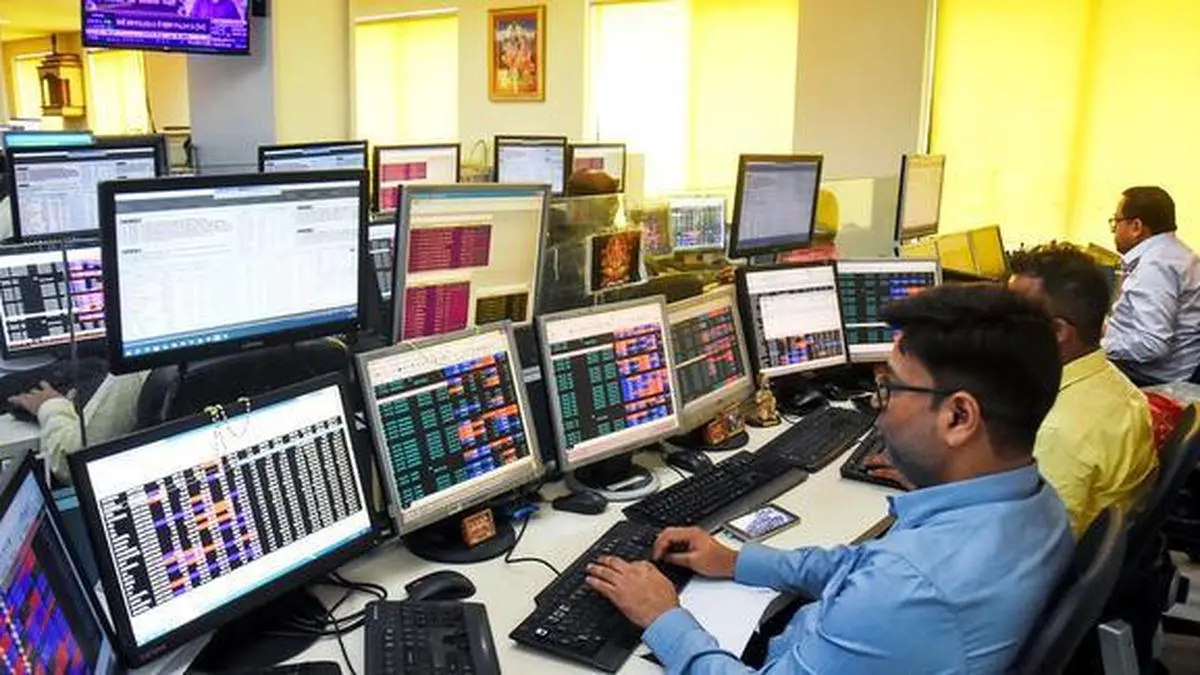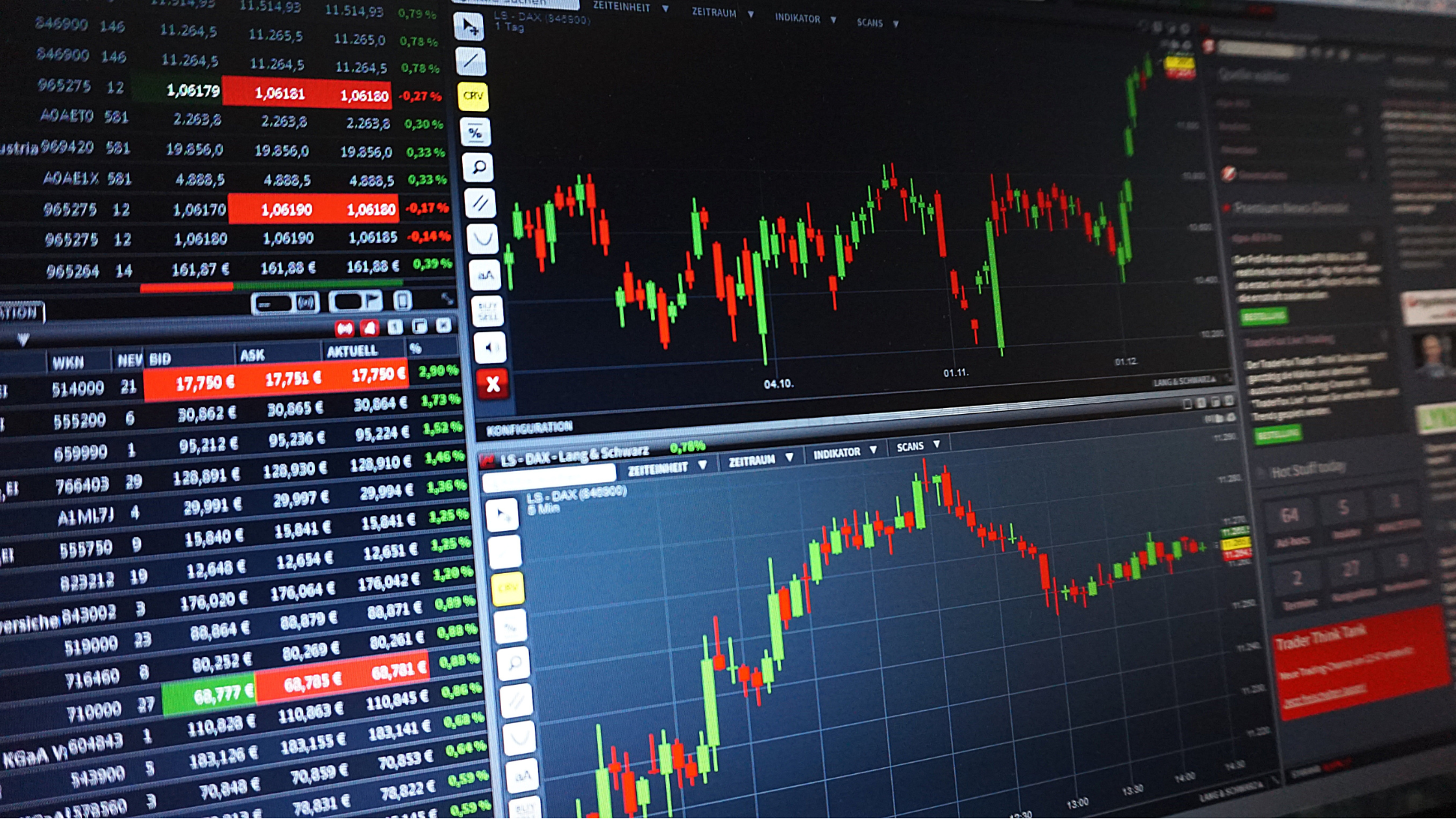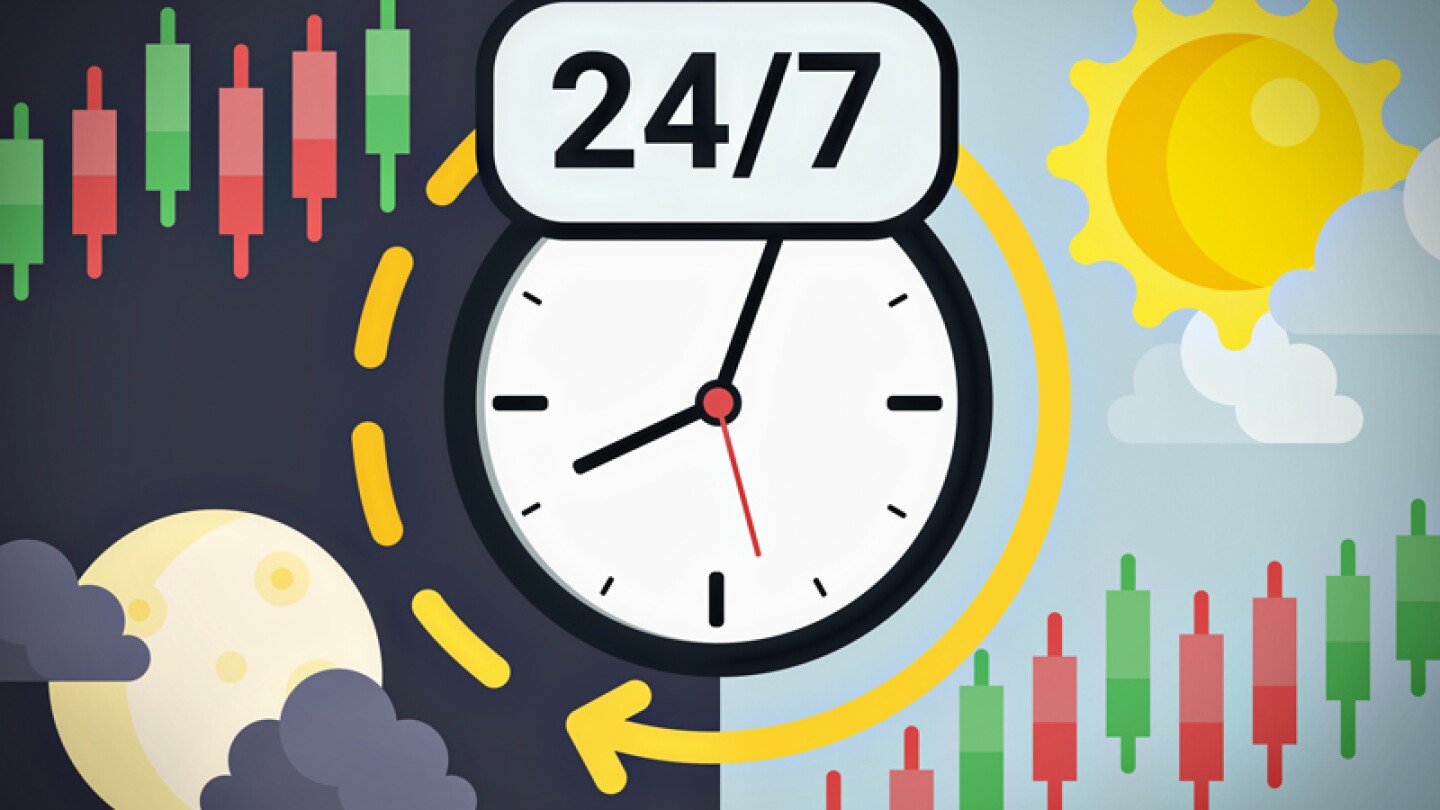
The Commodity Futures Trading Commission (CFTC) is proposing to expand agricultural futures trading hours to a 24/7 schedule. CFTC says the change would make the market more vibrant, while brokers and commercial hedgers say it would lead to more volatility and more costs.
CFTC says the proposal is one that better reflects the changing dynamics of the markets.
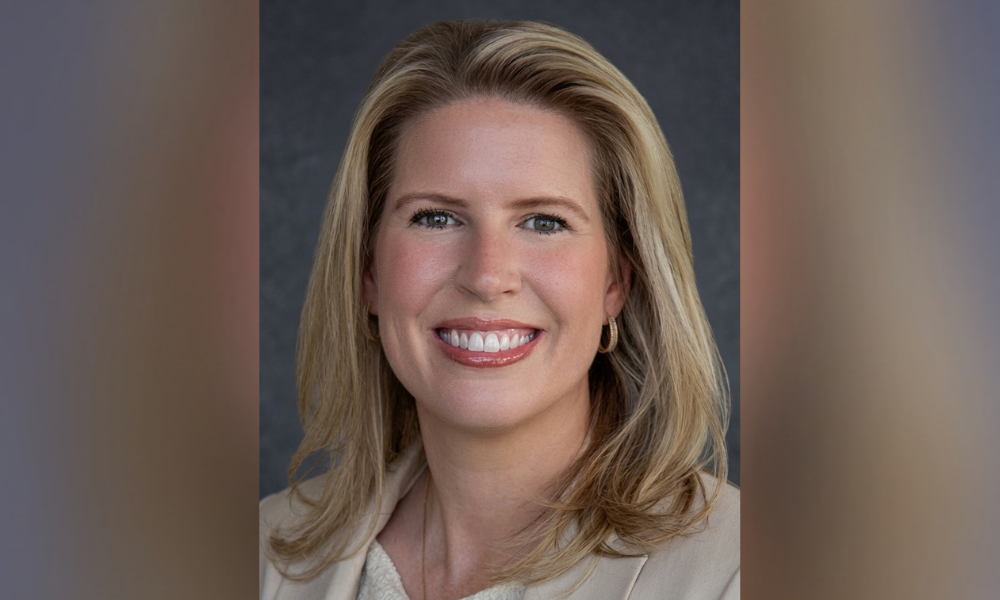
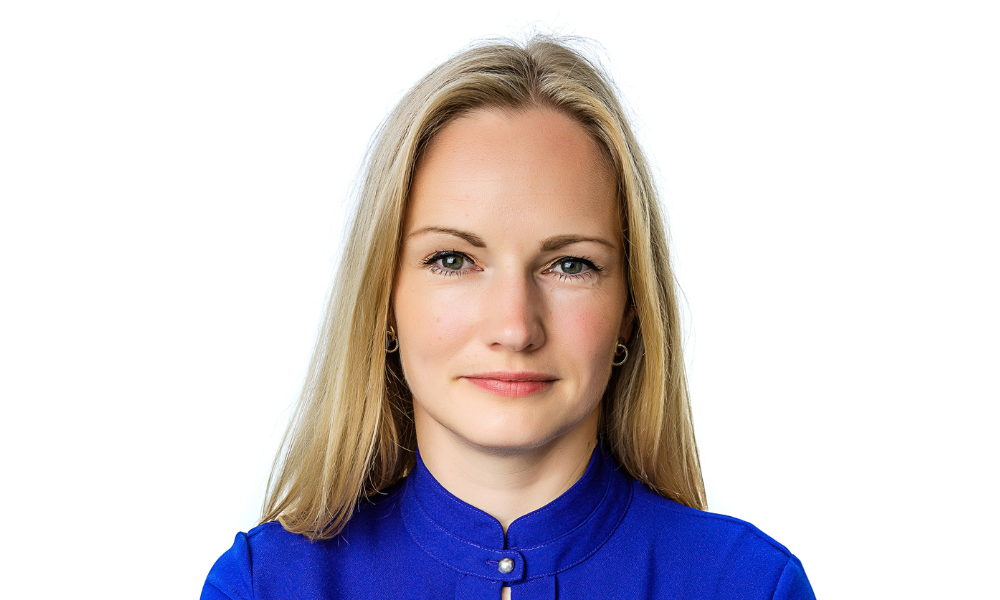
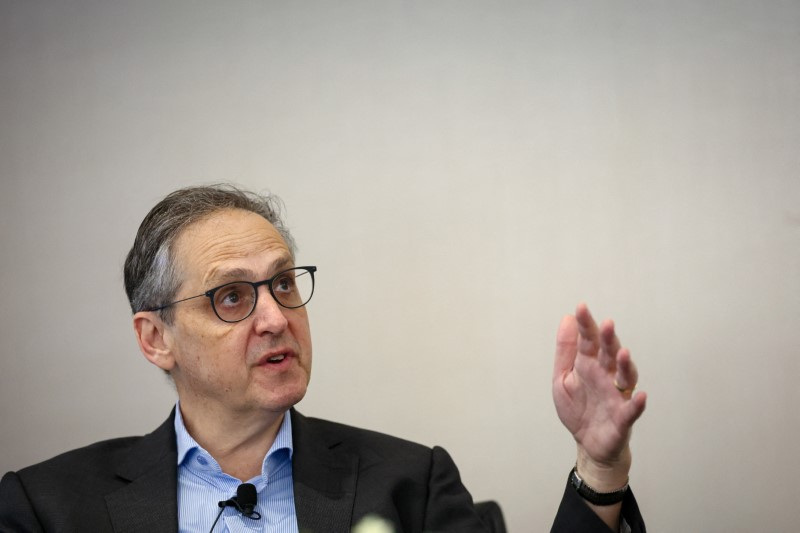
“As I have long said, the CFTC must take a forward-looking approach to shifts in market structure to ensure our markets remain vibrant and resilient while protecting all participants,” says acting Chairman Caroline D. Pham. “One evolving trend is the move to 24/7, 24/6 or 24/5 trading hours. I look forward to the public comments on this market innovation.”
According to the National Grain and Feed Association (NGFA), who opposes the change, the move to expand trading hours would increase costs and spur more volatility.
“Our members have been clear — expanding trading hours to 24/7 would disrupt current risk management practices, increase operational costs, and create unnecessary exposure,” says Mike Seyfert, president and CEO of NGFA, an organization with commercial hedgers as part of its membership base. “We hope the CFTC will recognize that longer trading hours do not equal stronger markets.”
The proposal is currently in a comment period. In NGFA’s feedback and formal letter, the organization listed five reasons why it is against the proposal, including:
- Spreading liquidity across a wider trading time frame would create unnecessary volatility, potentially widen bid/ask spreads and expand potential for market manipulation.
- The underlying cash market does not trade 24/7, thus having futures markets open for more hours while cash markets are closed would create additional exposure and risk for our members.
- Its members perform their daily reconciliation functions when markets are closed. This function is critical in managing risk and exposure in cash markets.
- A pause in trading in futures markets is essential for physical deliveries. This pause allows those involved in physical deliveries to assess what is changing in cash markets as well as in futures markets and ultimately their delivery economics. NGFA says that actions in the delivery market are what lead to convergence, and convergence is a critical function of the agricultural futures contracts that benefits it members.
- Staffing costs for its members would unnecessarily increase to add monitoring of futures markets during the expanded weekday hours and weekends.
Market Analysts Weigh In
Brian Splitt of AgMarket.net agrees with NGFA’s analysis, saying expanded trading hours has been tested before in livestock, and it led to more volatility.
“It sounds like a nightmare to me,” Splitt said on U.S. Farm Report. “There’s a reason that the exchange tightened the trading hours for livestock. We used to trade livestock overnight, similar to what we do with the grains, and the volatility was just ridiculous. It didn’t take a lot of contracts to make the market move quite a bit. And so, I think the market just needs a rest period. I don’t see a reason why the market needs to trade 24 hours a day.”
Splitt argues the markets need some type of pause, especially with fewer traders who participate in the overnight markets. And with fewer traders, it takes fewer individuals to influence the market, which Splitt argues is dangerous.
“I agree with Brian, I think it’d be horrible,” says DuWayne Bosse, a farmer who also is the founder of Bolt Marketing. “I think the trading hours are actually too long right now. We have this kind of long pauses in between market news that the market just gets pushed and shoved by algos and volume traders, and that makes what I would call kind of wrong technical pictures on the chart. So, I think it would be a mistake.”
Comments on the proposal, which could be submitted electronically through the CFTC Comments online process, were accepted through May 21.