Fixed income is one of the most structurally inefficient segments of investor portfolios. Monthly income distributions create a steady stream of unavoidable ordinary income taxes and cash that needs to be reinvested, often reducing after-tax returns by 1.2% to 1.5% per year. That drag compounds over time, quietly eroding the very stability and predictability investors expect from their bond allocations. The portfolio may look stable on the surface, but the after‑tax experience tells a different story. A significant portion of the yield never compounds because it’s siphoned off each month through taxable events.
Tax efficiency has been a central theme in equity investing; however, few funds address it in fixed income. A new class of rotational fixed‑income ETFs is looking to address this structural problem directly. These strategies can maintain the same exposure, duration and yield profile as the traditional funds they replace, but they change the timing and character of how returns are realized. By rotating out of positions before each dividend date, they prevent income distribution in the first place. The exposure stays intact, and the tax friction disappears.
This approach converts recurring ordinary income into deferred capital gains. Instead of paying taxes every month at the highest marginal rate, investors allow the return to accumulate inside the fund and choose when to recognize it later—potentially at lower long‑term rates. Modeling shows that this structural shift can generate roughly 90 basis points of annual tax alpha without altering the risk profile of the underlying fixed‑income exposure.
The mechanics matter. No distributions means no reinvestment drag. No current taxes means more of the portfolio continues to compound. And the transformation of income into growth gives investors more control over when taxes are realized. The strategy doesn’t rely on forecasting rates, timing markets, or taking additional credit risk. The value comes from implementation.
Taxes can now be aligned with an investor’s needs rather than dictated by a fund’s distribution calendar. In a system where timing often determines the real after‑tax outcome, the ability to choose when to take the tax hit becomes a meaningful source of efficiency in its own right. It can open up opportunities for financial planning to further improve financial outcomes. For example, investors may be able to do larger Roth conversions in low-income years than they otherwise would have to further improve the tax efficiency of their investments.
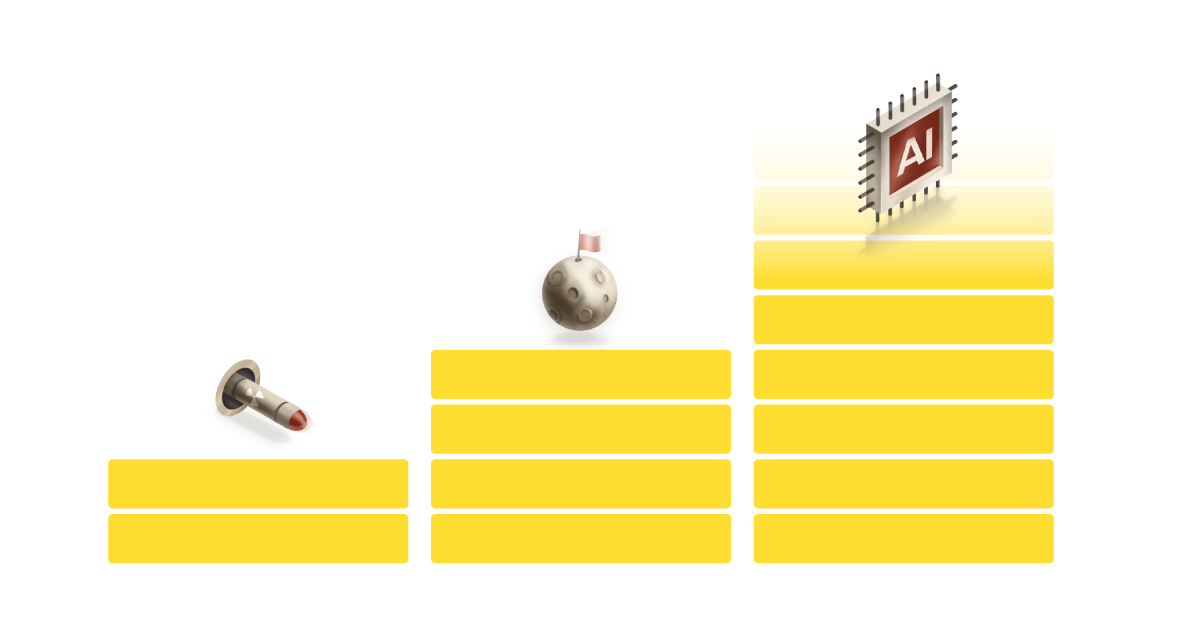
This evolution mirrors a broader trend across asset management: investors are increasingly focused on after‑tax outcomes rather than pre‑tax performance. Equity ETFs have already demonstrated how structural efficiency can reshape an entire asset class. Fixed income is now beginning to follow the same path, driven by implementation experts who develop smarter designs.
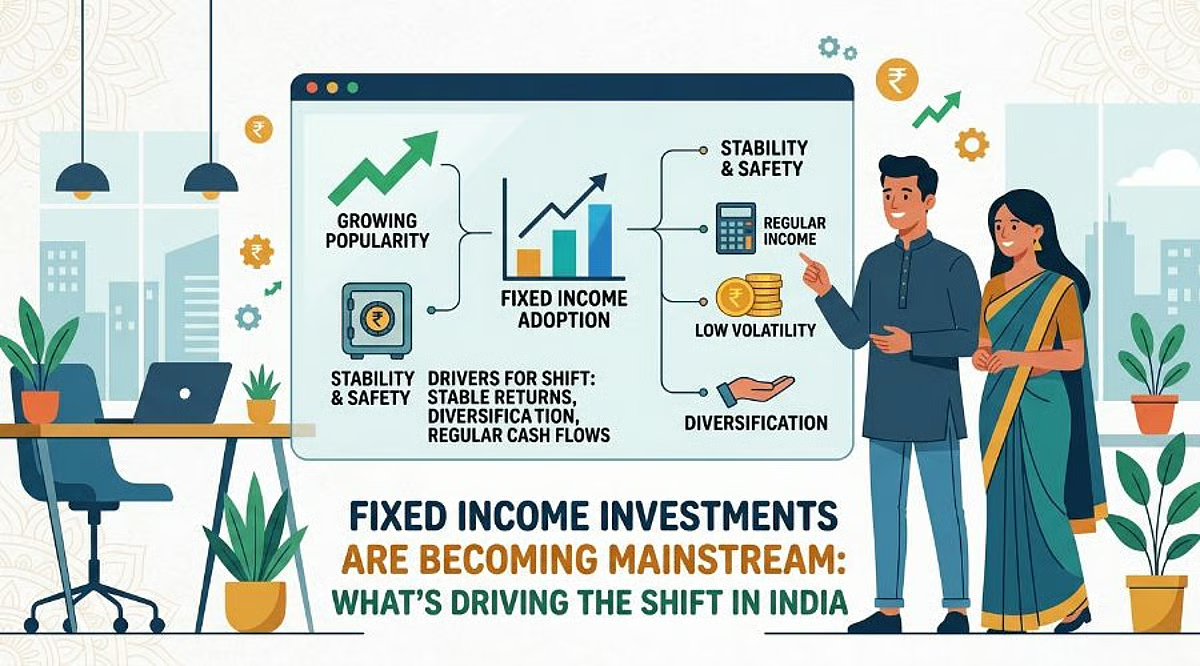
Taxable bond allocations have long been treated as a necessary component of diversified portfolios, yet their tax treatment has lagged behind modern portfolio construction. Rotational fixed‑income ETFs offer a way to preserve the role of bonds- stable returns, lower volatility, and diversification- while removing the predictable tax drag that has weighed on returns for decades.The fixed‑income landscape is changing. In a world where every basis point matters, redesigning the implementation of taxable fixed income may be one of the most meaningful improvements available to investors today.