Acton noted that in the monetary policy report’s even-handedness, there may have been something downplayed about the growth impacts we may see from fiscal stimulus. He noted that the near-term impact on growth from new government spending may not be significant, though long-term there could be some growth tailwinds. There may also be long-term productivity growth from corporate adoption and implementation of AI, which Acton notes will be difficult for the BoC to forecast at this point. For his part, he’ll be watching earnings reports and CEO commentaries to determine if spending on AI is resulting in meaningful improvements to productivity and profit margins.
“The statement carried a subtle dovish bias, particularly with the addition that uncertainty has increased and risks are being monitored closely,” said Dustin Reid, Chief Strategist for Fixed Income at Mackenzie Investments. “When combined with the Bank’s explicit concern around upcoming USMCA negotiations and potential spillovers to trade and growth, the message is that the BoC is increasingly sensitive to downside risks.”
Given the uncertainty that the BoC highlighted around trade negotiations, Acton notes that there is a possibility for market volatility as the pace and noise of CUSMA dealing increases. Clarity on trade, conversely, could see some pent-up spending by corporate leaders unleashed.
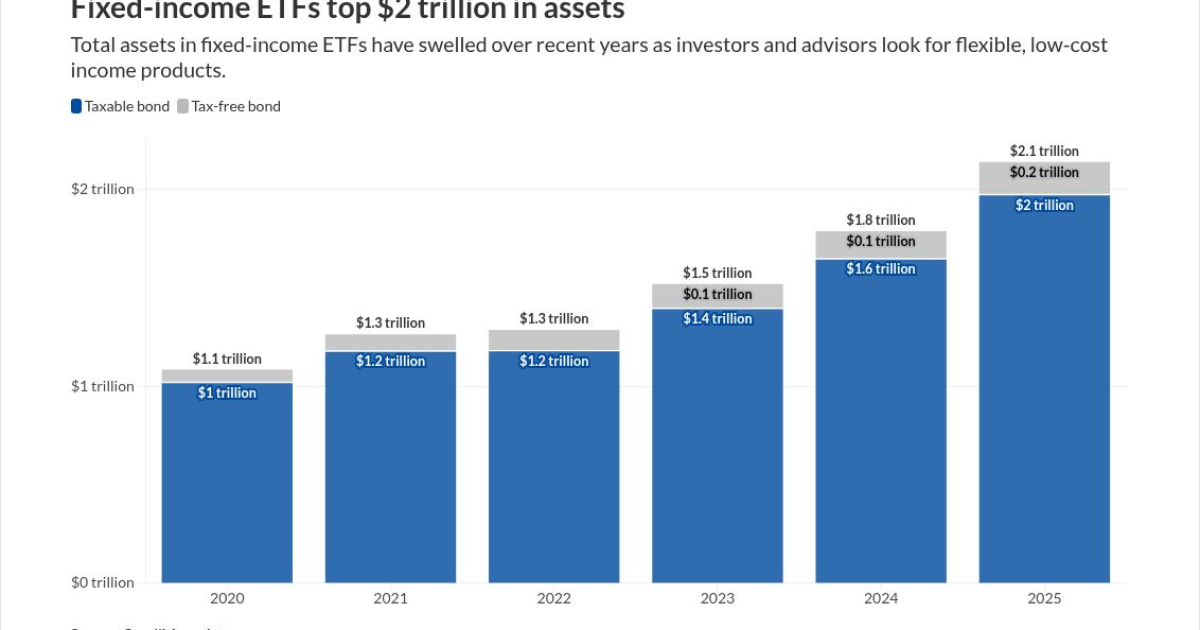
Looking at fixed income markets, Acton says his team expects some further steepening of the yield curve as part of a broad global theme of large fiscal deficits and oversupply of government bonds. He argues that shorter-duration bonds, therefore, offer a better risk-reward metric. Given his, and Ried’s, view of central bank sensitivity to downside risks, the expectation is that there may be cuts if labour markets and GDP growth begin to weaken. Acton also notes that with credit spreads currently at the very tight end of their ranges, there can be upside in staying shorter duration and higher quality. There may even be opportunities for event-driven situations that could provide some idiosyncratic alpha.
Large fiscal deficits continue to be a risk for fixed income investors, in Acton’s view. Should markets demand a greater risk premium for government debt, yield curves could steepen further. There is also the risk that fiscal stimulus proves inflationary and forces rate hikes once again. Looking at credit, Acton sees little value in passive strategies because of how tight spreads are, though short-duration and high quality exposures may still be worth investors’ interest.