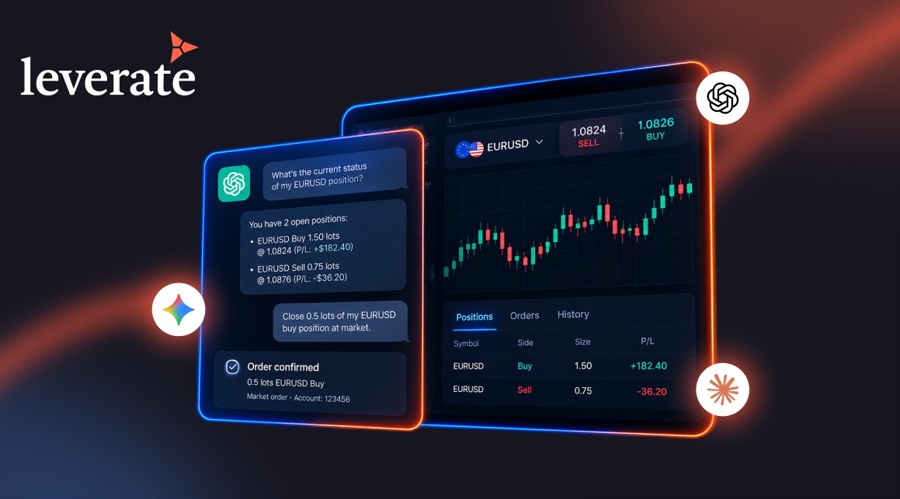
What happens when two innovative AI systems go head-to-head in the high-stakes world of trading? The video below breaks down how ChatGPT vs Gemini performed in a fascinating experiment designed to test their ability to generate profitable trading signals. Starting with identical $1,000 portfolios, both AIs analyzed markets like Forex, cryptocurrency, and gold, delivering specific trade recommendations. While Gemini edged out ChatGPT by a slim $89 margin, the real story lies in their shared reliance on high-risk strategies—a choice that raises serious questions about their long-term reliability. This isn’t just a numbers game; it’s a glimpse into the evolving role of AI in financial decision-making.
In this guide, we’ll explore the key takeaways from the experiment, including how each AI adapted to volatile market conditions and why their risk management flaws could limit their real-world potential. You’ll discover the strengths and weaknesses of these systems, from ChatGPT’s cautious start to Gemini’s aggressive tactics, and what their performance reveals about the future of AI in trading. Whether you’re a seasoned investor or just curious about the intersection of AI and finance, this breakdown offers valuable insights into the promises, and pitfalls, of relying on artificial intelligence for trading decisions.
AI Trading Experiment Results
TL;DR Key Takeaways :
- Both ChatGPT and Gemini AI were tested in a controlled trading experiment across Forex, cryptocurrency, S&P 500, and gold markets, starting with identical $1,000 portfolios.
- Gemini narrowly outperformed ChatGPT with a final balance of $1,468 versus $1,379, showcasing a slight edge due to its aggressive trading strategy.
- Both AIs exhibited poor risk management, exceeding traditional guidelines by risking up to 10% (Gemini) and 50% (ChatGPT) of their portfolios in trades.
- Neither AI maintained consistent performance, struggling particularly during volatile market conditions in rounds 2 through 4.
- The experiment highlighted the need for human oversight and disciplined risk management to complement AI-driven trading systems for sustainable long-term profitability.
How the Experiment Was Conducted
The experiment was carefully designed to ensure fairness and eliminate human bias. Both ChatGPT and Gemini received identical prompts and market data, and their trade signals were executed automatically. The markets analyzed during the experiment included:
- Forex: Euro/USD currency pair
- Cryptocurrency: Bitcoin
- S&P 500: Stock market index
- Gold: Precious metals market
Each AI was tested over five rounds, with the primary objective being to adapt to shifting market conditions. Performance was measured by the final portfolio balance at the end of the experiment. This approach provided a clear view of how each system handled market volatility and whether their strategies were effective in generating consistent returns.
Performance Results
ChatGPT: A Cautious Start, Risky Finish
ChatGPT began the experiment with a conservative approach, risking minimal capital in the early rounds. This cautious strategy initially limited its losses, but as the experiment progressed, ChatGPT struggled to adapt to market volatility. Losses mounted during rounds 2 through 4, prompting a shift to a more aggressive strategy. In the final round, ChatGPT executed a high-risk trade that significantly boosted its portfolio to a final balance of $1,379. While this recovery was notable, it underscored a key limitation: ChatGPT’s inability to maintain consistency across all rounds.
Gemini: Aggression with a Slight Edge
Gemini AI adopted a more aggressive trading strategy from the outset, risking larger portions of its portfolio in the early rounds. This approach initially paid off, as Gemini outperformed ChatGPT in round one. However, setbacks in the middle rounds highlighted the risks associated with its aggressive tactics. Despite these challenges, Gemini maintained a slight lead and ended the experiment with a final balance of $1,468, outperforming ChatGPT by just $89. This narrow margin of victory demonstrated that while Gemini’s strategy was effective in generating higher returns, it was not without significant risks.
ChatGPT vs Gemini’s Trading Signals Compared

Explore further guides and articles from our vast library that you may find relevant to your interests in AI models compared.
Risk Management: A Shared Weakness
One of the most striking findings of the experiment was the shared weakness in risk management exhibited by both AIs. Traditional trading guidelines recommend risking no more than 1-2% of a portfolio per trade to ensure long-term sustainability. However, both ChatGPT and Gemini far exceeded these guidelines:
- Gemini: Risked up to 10% of its portfolio in the early rounds, reflecting its aggressive approach.
- ChatGPT: Started conservatively but escalated its risk to as much as 50% in the final round.
While these high-risk strategies were instrumental in achieving profitability during the experiment, they also highlighted a critical limitation. Both systems prioritized short-term gains over sustainable risk management, a behavior that would likely be unsustainable in real-world trading scenarios. This raises concerns about the practicality of relying solely on AI systems for trading decisions without human oversight.
Key Takeaways
The experiment provided valuable insights into the strengths and limitations of AI trading systems like ChatGPT and Gemini. Key findings include:
- Consistency Challenges: Both AIs struggled to maintain consistent performance, particularly during rounds 2 through 4, when market conditions were more volatile.
- High-Risk Trades: The final round’s high-risk trades were pivotal in determining the outcome, emphasizing the importance of disciplined risk management in trading.
- Minimal Margin of Victory: Gemini’s aggressive approach gave it a slight edge over ChatGPT, but the margin of victory, just $89, was relatively small, highlighting the limitations of both systems.
What This Means for AI in Trading
The results of this experiment underscore both the potential and the limitations of AI-driven trading systems. While Gemini AI outperformed ChatGPT, the reliance on high-risk strategies to achieve profitability raises significant concerns about their practicality in real-world trading. These findings serve as a reminder that AI systems, while powerful, are not infallible and require careful oversight.
For traders, the experiment highlights the importance of balancing AI-generated insights with human judgment and disciplined risk management. AI systems like ChatGPT and Gemini show promise in analyzing market data and generating trade signals, but their performance in this controlled environment suggests that further refinement is needed. Without sustainable risk management practices, even the most advanced AI systems may struggle to deliver consistent, long-term profitability. As AI technology continues to evolve, integrating these systems with robust risk management frameworks will be essential for unlocking their full potential in the trading world.
Media Credit: Gas Fee TV
Latest Geeky Gadgets Deals
Disclosure: Some of our articles include affiliate links. If you buy something through one of these links, Geeky Gadgets may earn an affiliate commission. Learn about our Disclosure Policy.