During periods of economic uncertainty being able to communicate clearly the benefits and risks of investing in an asset to clients is very important.
Fixed income is no different.
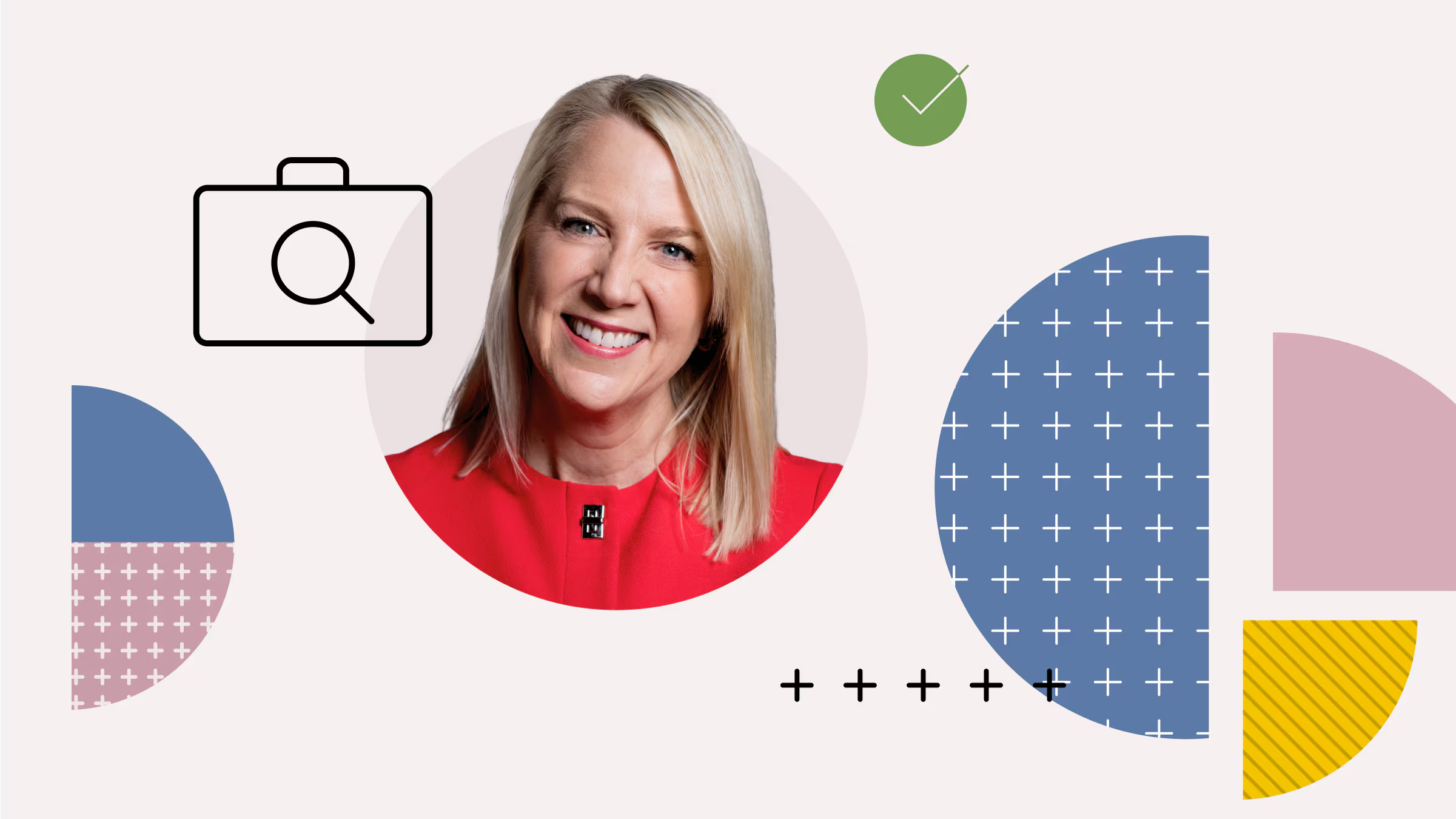
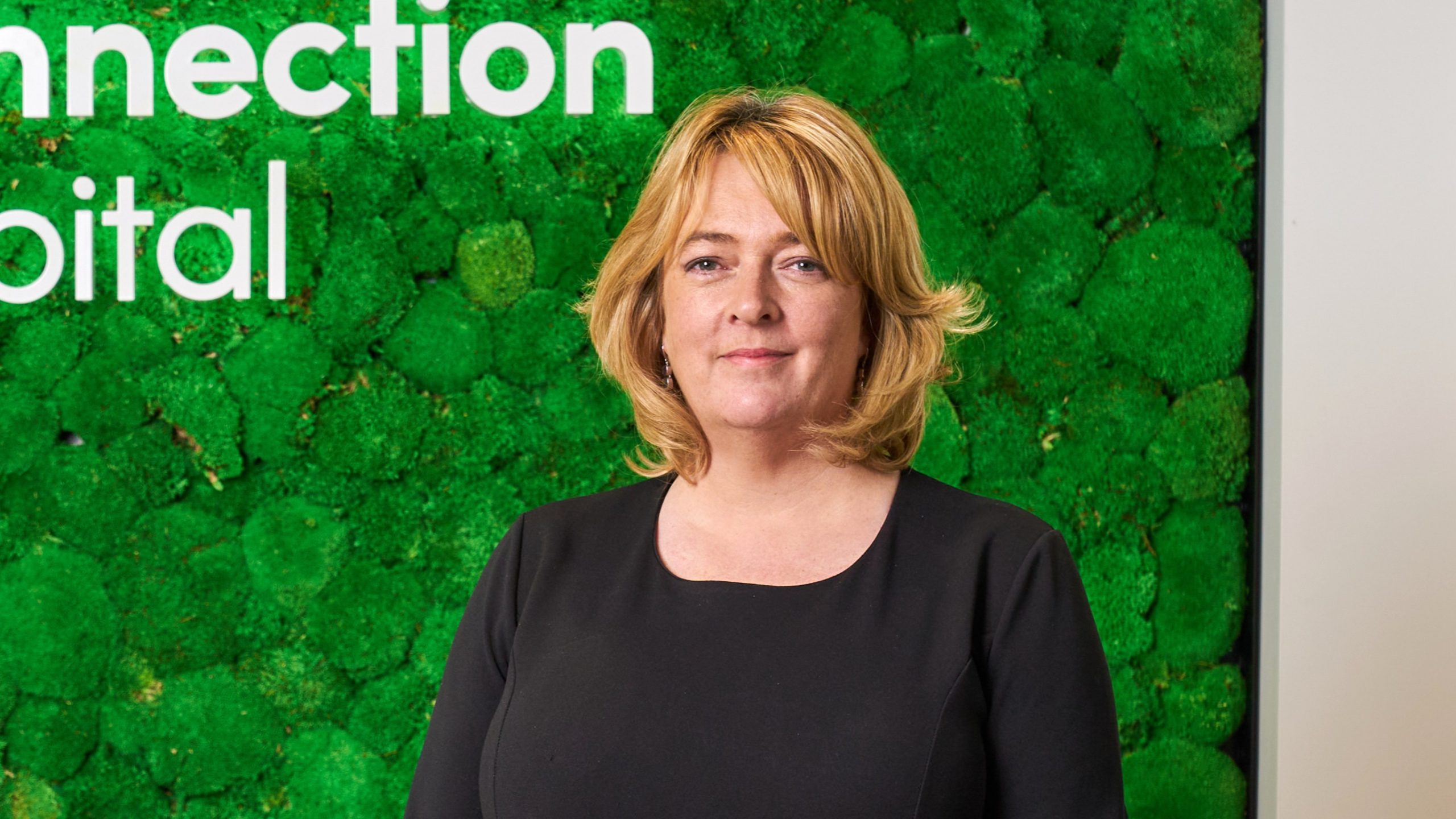
Ellie Clapton, portfolio specialist at Ninety One, says having a flexible approach to duration management is key.
Clapton adds: “Fixed income is so called because these securities offer regular income payments fixed in advance. Through time yield has explained nearly half of global equity returns – nearly 70 per cent of UK equity returns – and all the performance of bonds.
“It is this characteristic that leads ‘compounding’ often to be called the eighth wonder of the world. This does not mean bonds are without risk, especially if they are issued by companies with weak balance sheets, but the return on developed sovereign bond markets will typically equal its yield if held to maturity.
“It is then managing the journey that becomes important, and here, having a flexible approach to duration management is key. Overall, the greater certainty of payment and the known amount that is owed makes their returns more predictable, and hence less risky, than equities, where dividend payments are not fixed.”
To educate clients about the trade-offs between yield and safety in their investment choices, Clapton says broadly speaking, investors should assume higher yields come with more risk and take this into account when making their choices.
Investors should look for a sweet-spot where the yield level is compelling but reliable.
She adds: “Yield exists to compensate investors for lending their money to bond issuers for a period of time. Riskier borrowers have to offer more to persuade investors to lend to them.”
So how should IFAs address common client concerns, when recommending fixed income products?
Clapton says advisers can point to the reliable return stream offered by developed market sovereign bonds.
She says: “They can point out that a diverse range of government debt is available, outside of just gilts, and that conservative hedging strategies can be used to balance upside and downside risks.
“Overall, showing how different strategies have performed during the past 10 years can be a useful illustration of performance in periods of significant bond up and downside.”

Yield exists to compensate investors for lending their money to bond issuers for a period of time. Riskier borrowers have to offer more to persuade investors to lend to them.
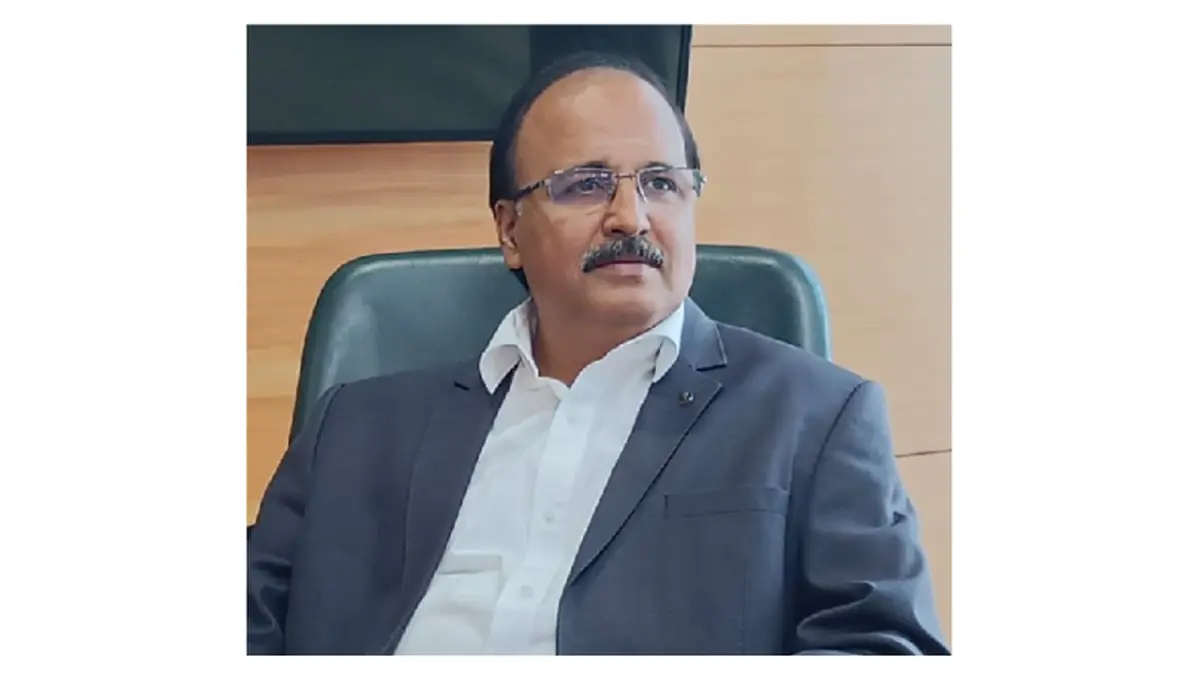
To advise clients on fixed income in uncertain times, Charles Tan, co-chief investment officer of global fixed income at American Century, says: “Show historical correlations and performance of fixed income investments during periods of volatility and market corrections such as 2020 and 2008. Show longer-term performance for fixed income to reduce recency bias.