 Listen to this article
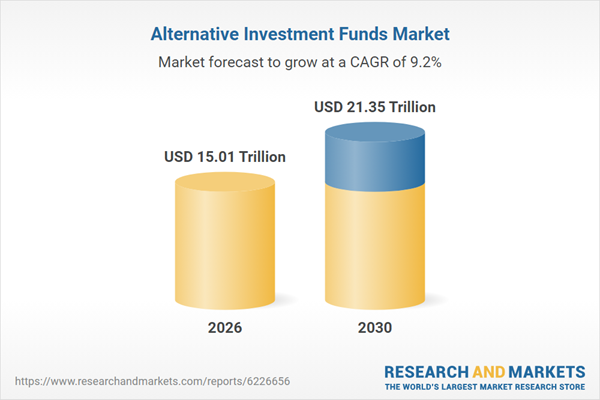
 Three significant trends have transformed the financial services marketplace in recent decades. The defined contribution plan has replaced the defined benefit plan as the principal retirement vehicle provided by most employers in the private sector. New asset classes, such as digital assets, have entered the marketplace. Financial products and services have generally become more and more complex. The confluence of these trends has shifted more risk to investors in an increasingly complex financial marketplace. At the same time, there has been an increasing demand for “alternative investments,” a category that generally encompasses assets other than stocks, bonds and cash (Alternatives). Alternatives offer different risk/return possibilities and have typically been used by institutional and high net worth investors to diversify their investment portfolios. In this column we look at the current state of the marketplace for Alternatives and a new initiative announced by the Trump Administration that aims to provide access to Alternatives for participants in defined contribution plans.
The appeal of alternatives
Alternatives offer risk/return possibilities that differ from investments in stocks, bonds and cash. They have typically been used by institutional and high net worth investors to diversify their investment portfolios. Access to these investments may be direct or indirect through pooled investment vehicles such as private equity, private debt, real estate funds and, of course, hedge funds. They are not generally correlated with the public securities markets. Because they are generally less liquid than securities traded in the public markets, they are difficult to value. Investor access to the private securities markets has been limited by a regulatory framework that seeks to maintain appropriate investor protection while also promoting capital formation. As a result, access has primarily been limited to high net worth individuals and institutional investors.
The Trump initiative
On August 7, 2025, President Donald Trump issued an Executive Order that seeks to “democratize” access to alternative investments. The Order notes that while many wealthy Americans and government workers who participate in public pension plans can invest in, or are the beneficiaries of investment in Alternatives, the vast majority of the 90 million Americans who participate in employer-sponsored defined contribution plans do not have access to these growth opportunities. The Order articulates a new policy that every American preparing for retirement should have access to funds that include investments in Alternatives when “the relevant plan fiduciary determines that access provides an appropriate opportunity for plan participants and fiduciaries to enhance the net risk-adjusted returns on their retirement assets.”
The Order:
- Directs the Secretary of Labor to reexamine the Department of Labor’s guidance on a fiduciary’s duties regarding alternative asset investments in ERISA-governed 401(k) and other defined-contribution plans.
- Instructs the Secretary of Labor to clarify the Department of Labor’s position on alternative assets and the appropriate fiduciary process associated with offering asset allocation funds containing investments in alternative assets.
- Directs the Secretary of Labor to consult with the Secretary of the Treasury, the Securities and Exchange Commission, and other federal regulators to determine whether parallel regulatory changes should be made at those agencies to give effect to the purpose of the Order.
- Directs the Securities and Exchange Commission to facilitate access to alternative assets for participant-directed defined-contribution retirement savings plans by revising applicable regulations and guidance.
The Trump Order could provide 401(k) participants with new opportunities for growth. It could also provide private fund sponsors the opportunity to expand their sources of capital beyond their usual base of institutional, professional and “accredited” investors. The pool of capital that could be available to this industry sector is estimated to be upwards of $12 trillion. However, as the industry recognizes the “retailization” of private funds as a significant emerging trend, we can expect regulators to proceed with caution. Even if the Trump initiative moves forward, plan sponsors and industry participants should be mindful of the fact that the emergence of the defined contribution plan as the principal retirement vehicle for employers in the private sector already places some degree of investment risk on plan participants. A typical 401(k) plan provides plan participants with the opportunity to choose from a menu of investment options provided by the plan sponsor. This feature places the ultimate responsibility for investment decisions on the plan participants who have varying degrees of investment experience and sophistication.
Current opportunities for retail investors
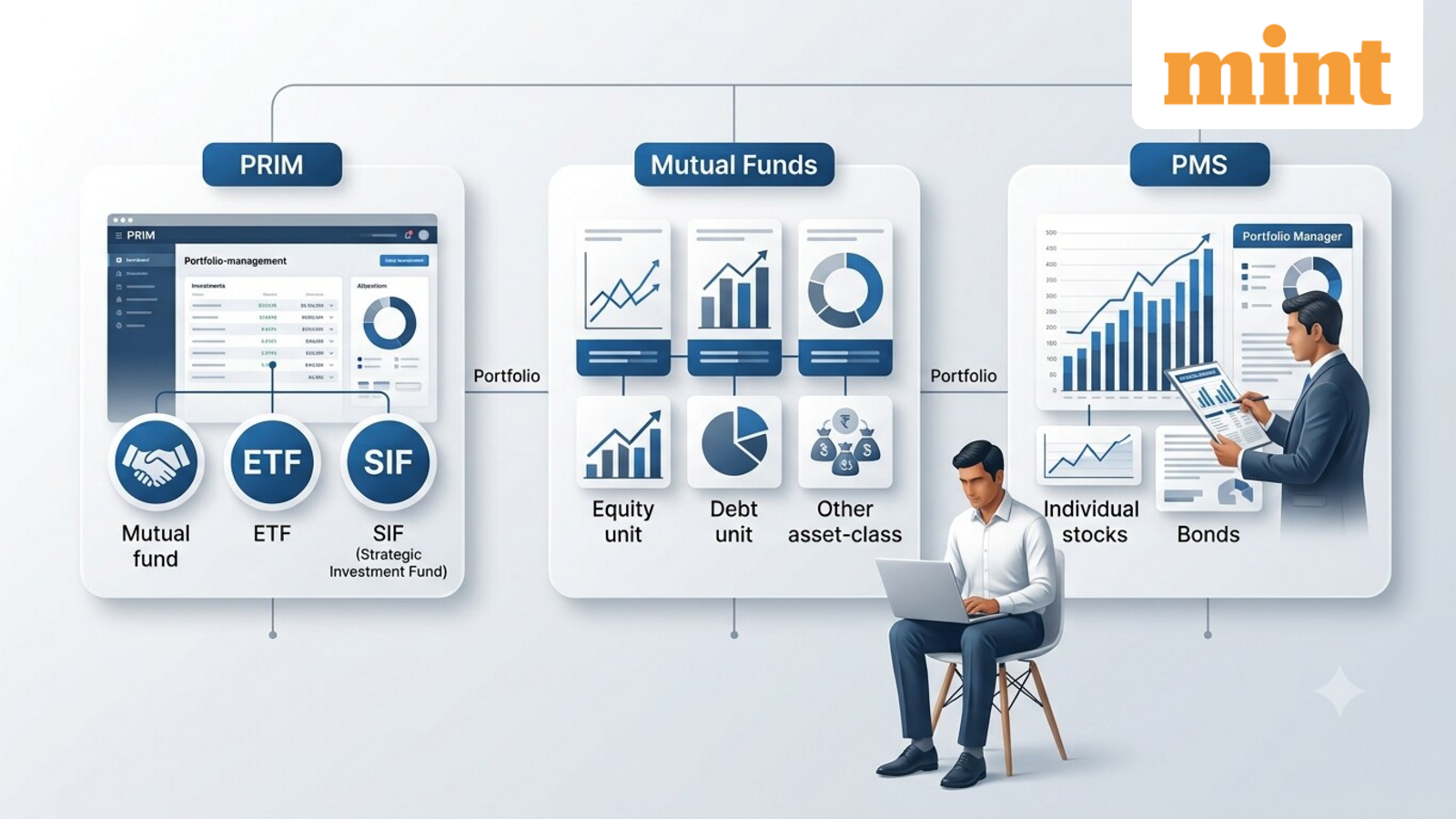
Mutual funds: Open-end funds registered under the Investment Company Act of 1940 (1940 Act) provide investors with access to a professionally managed portfolio at a reasonable cost and the ability to redeem shares on a daily basis when the New York Stock Exchange is open. Indeed, the defining feature of the “open-end” mutual fund is the fact that it issues redeemable securities. The corollary, of course, is that the mutual fund must at all times hold a sufficient amount of readily liquid securities in order to meet redemption requests on a daily basis. Under the Liquidity Risk Management Rule adopted by the Securities and Exchange Commission in 2016, the Commission established a 15% limit on the amount of illiquid investments that a mutual fund may hold. Nevertheless, a mutual fund may invest in certain Alternatives as outlined in its prospectus. Valuation is an important consideration because mutual funds are required to calculate a net asset value on a daily basis. For most portfolio holdings market quotations readily available on a daily basis. With respect to those securities for which market quotations are not readily available, a “fair value” must be established by the board.
Interval funds: Interval funds are generally registered as closed-end funds under the 1940 Act. These funds provide investors with access to a professionally managed portfolio and may provide access to certain Alternatives. However, shares of interval funds are not redeemable on a daily basis. Redemptions occur at specified intervals. i.e. on an annual, semi-annual, quarterly or monthly basis, as specified in the fund’s prospectus.
Additional thoughts
The “retailization” of private funds has been one of the industry’s most significant trends in recent years, with fund managers seeking sources of capital beyond their usual institutional, professional and sophisticated investor base. We encourage investors and investment professionals to carerfully evaluate existing and forthcoming opportunities. Caveat Emptor!
This column is a collaborative effort between Patricia Foster and Jesse Cramer. Patricia is a corporate/securities law attorney and a Certified Securities Compliance Professional. Her experience includes representation of clients in various sectors of the financial services industry, including broker-dealers, investment advisers and investment companies. Jesse is a Financial Advisor at CAPTRUST. He hosts the podcast, *Personal Finance for Long-Term Investors*, sharing retirement planning ideas with over 15,000 listeners every month. The information in this column is provided for educational purposes and does not constitute legal or investment advice.
© 2025. Patricia C. Foster. All Rights Reserved.
l