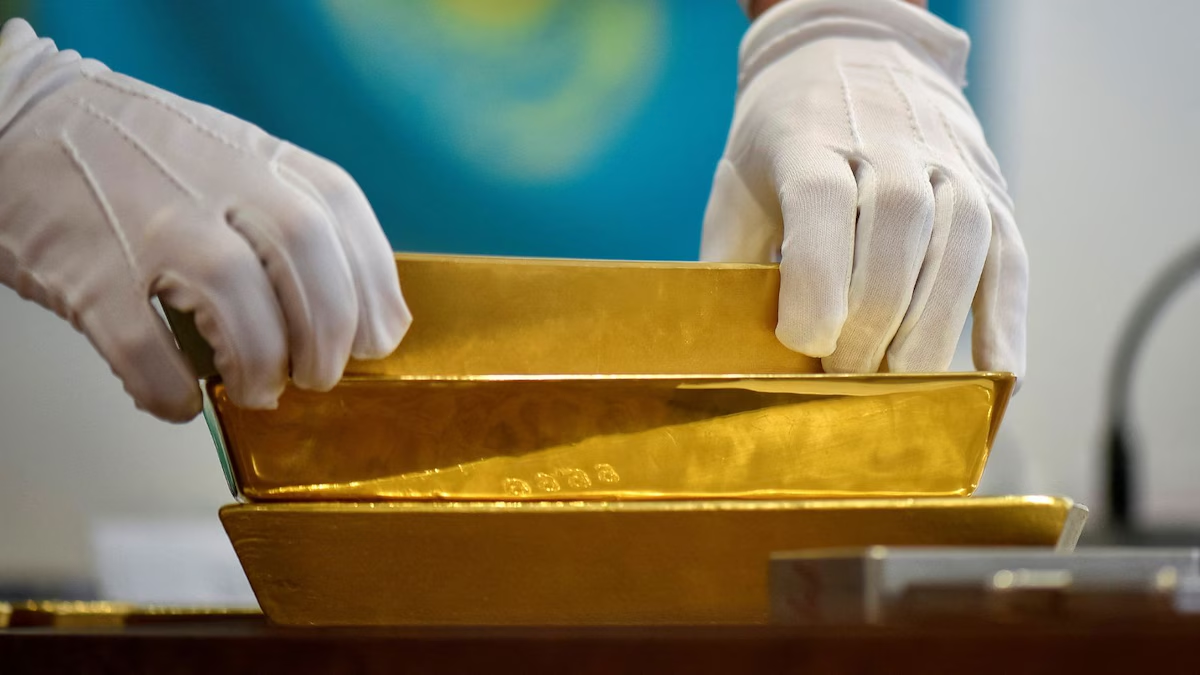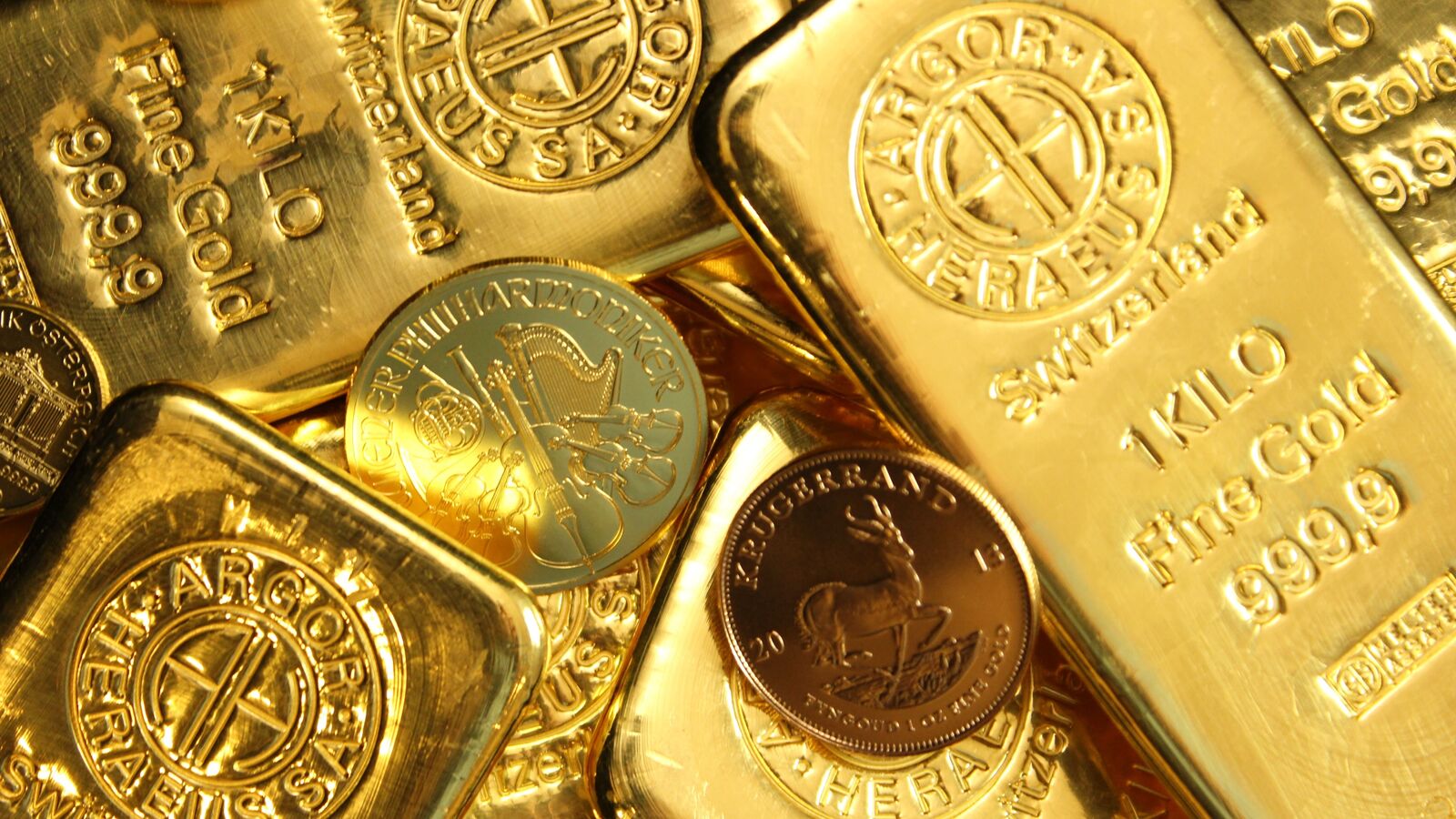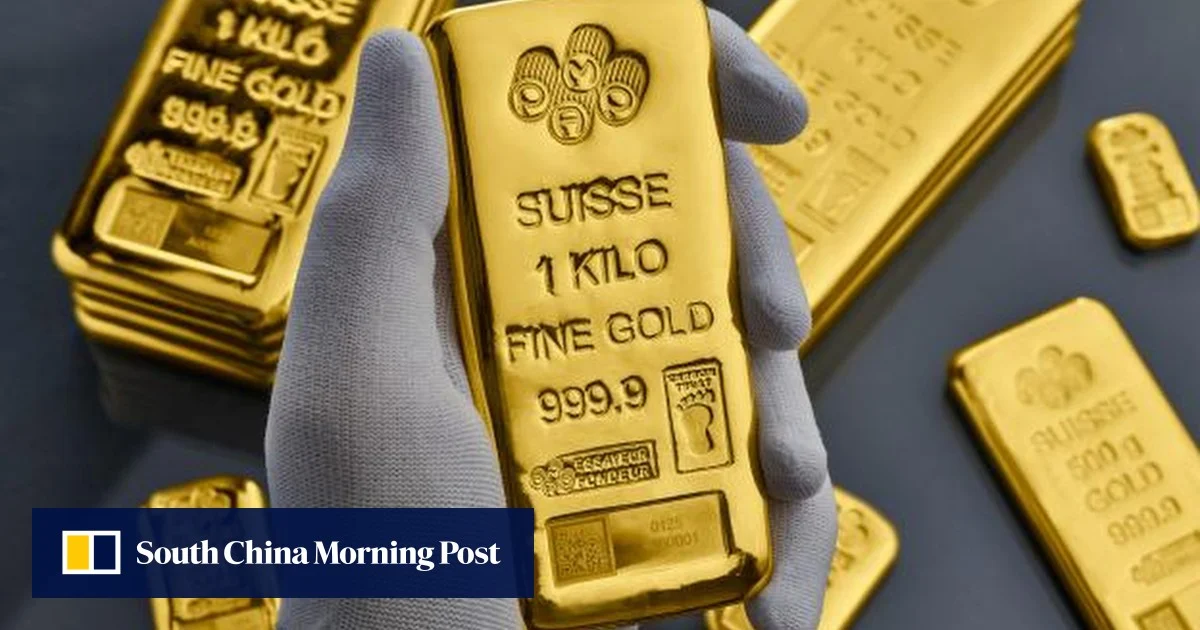
As we move through 2025, more investors and businesses are reassessing how gold fits into their wider plans. It’s less about chasing quick gains and more about keeping a safety net in place. For plenty of market participants, particularly those trading gold CFDs, it’s become a practical way to balance risk while still staying active in volatile markets.
Why Gold Refuses to Fade Away
There’s a reason gold has lasted thousands of years as a financial safe zone. It doesn’t promise growth; it promises security. And right now, that’s worth more than ever.
A reliable constant
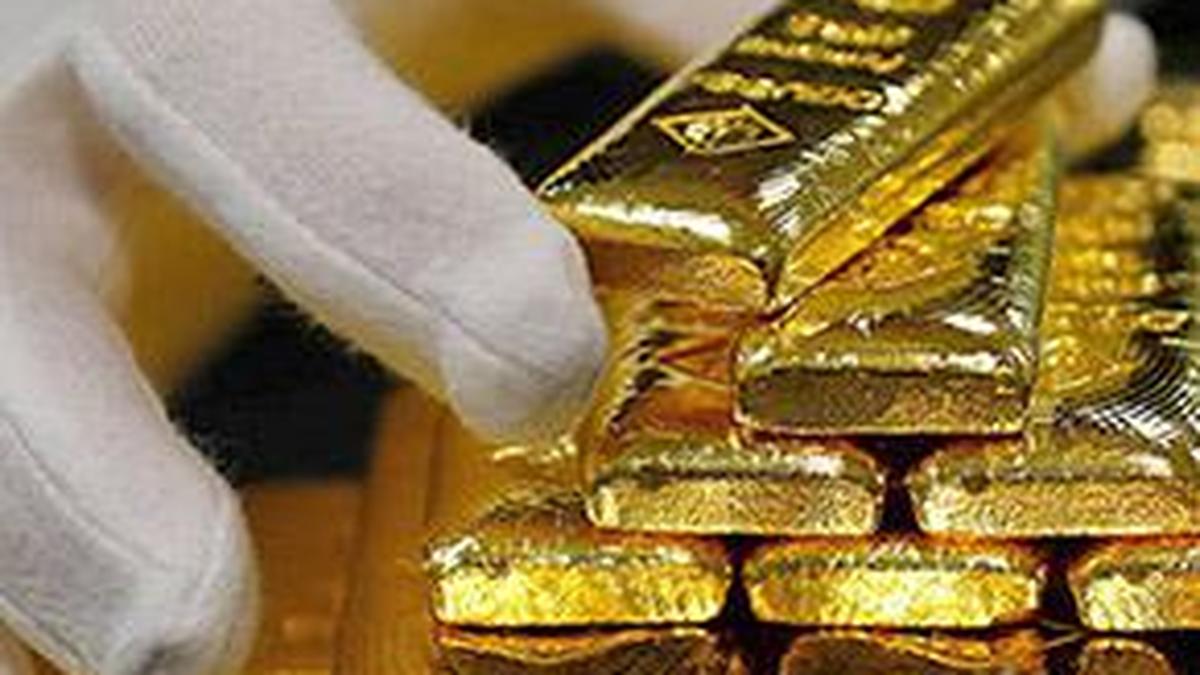
Unlike digital assets or corporate bonds, gold doesn’t rely on confidence or good management. It exists. It’s physical, it’s limited, and it doesn’t default. That makes it useful when uncertainty creeps in, and 2025 is giving us plenty of that.
The different ways people use it
Gold means different things to different investors:
- For traders, it’s a hedge against market swings.
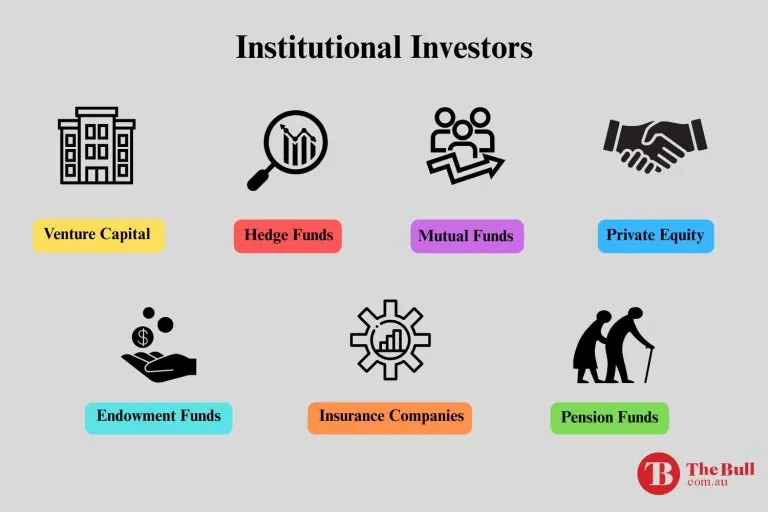
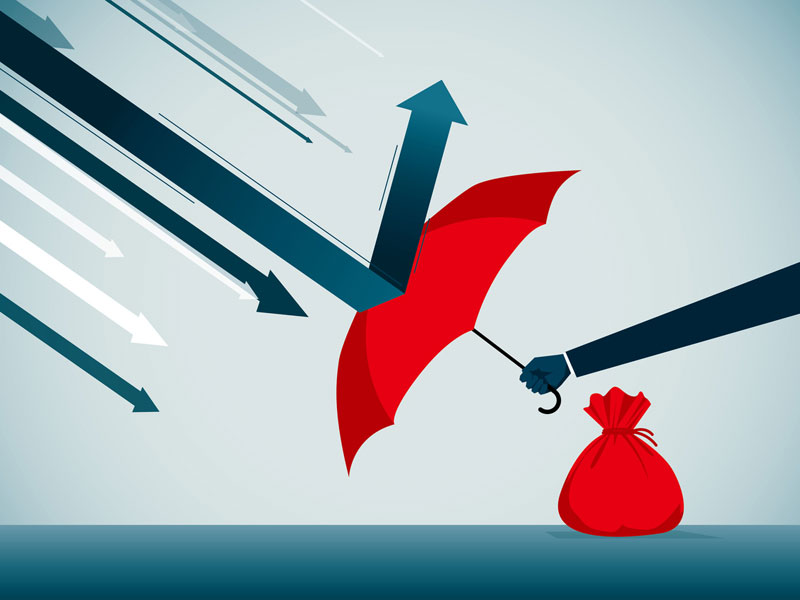
- For institutions, it’s a buffer that lowers portfolio volatility.
- For businesses, it’s a tool to offset rising costs or currency shifts.
It’s not about excitement. It’s about having one asset in your mix that doesn’t move to the same rhythm as everything else.
What’s Shaping the Market This Year
You can’t talk about gold without looking at the bigger picture. Its price reflects how the world feels about risk, policy, and growth.
Inflation still hanging around
Yes, inflation isn’t running wild like before, but it’s also not going away. Wage growth and energy prices keep it stubborn. Central banks are hinting at rate cuts, but if they move too early, inflation could flare again, and gold usually reacts fast to that.
Political nerves everywhere
Conflict, trade disputes, and elections are keeping investors cautious. Whenever uncertainty rises, safe-haven buying picks up. Gold doesn’t always explode higher straight away, but demand tends to build quietly in the background.
The dollar connection
Gold often moves opposite to the US dollar. When the dollar weakens, gold usually benefits. That relationship still matters, especially as global currencies shift and trade balances evolve.
Supply is tightening
Mining is getting more expensive and slower. With ESG pressure, tougher approvals, and rising costs, fewer projects are coming online. Less new supply means any bump in demand has a bigger effect.
Why Businesses Care About Gold Too
It’s not just investors watching gold. Many businesses depend on stable input costs, and gold prices can be one of those hidden variables that affect margins.
Protecting profit margins
Jewellery makers, electronics firms, even dental suppliers… they all use gold. A sudden spike can wreck budgets, so a lot of them hedge using futures or ETFs to lock in prices ahead of time.
Treasury diversification
Some corporations hold small amounts of gold in their reserves. Not as a speculative play, but as part of broader risk management. If markets tumble, that slice of gold helps offset the impact.
Long-term planning
Gold often performs well when the economy slows down. For companies operating across different regions or currencies, it’s a small but valuable piece of insurance.
Understanding the Commodity Cycle
Commodities like gold move through cycles that usually track economic phases. Knowing where we are in that loop helps shape strategy.
When times are good
During strong growth, investors prefer equities. Gold might drift or trade sideways, which is often when the smart money quietly adds to positions.
When things heat up
Once inflation climbs or markets start feeling stretched, gold gains attention. Demand rises as people look for something solid while others get nervous.
When things turn

In a slowdown or recession, gold shines brightest. Investors want security more than yield, and demand usually spikes sharply.
Spotting where we sit in that rhythm doesn’t need perfect timing; it just helps avoid chasing gold when everyone else already has.
How Different Investors Are Approaching It
Gold attracts everyone from central banks to retail traders. Each group uses it differently, but together they shape the flow of the market.
Short-term traders
They chase movement. News on inflation, jobs, or interest rates often triggers quick trades. For them, gold is about volatility, not value storage.
Long-term holders
Pension funds and institutions treat gold like an anchor. They don’t trade in and out; they hold steady positions as part of risk control.
Everyday investors
Access has widened. Fractional trading means people can now own a piece of gold with minimal capital. It’s easy to get started, which has made the market more active but also more reactive to headlines.
Building a Practical Strategy
The trick to a good gold trading strategy this year is to keep things realistic. You’re not trying to outguess the market, just position sensibly.
Don’t go all-in
A modest allocation is enough. Gold works best when it supports a portfolio, not when it dominates it.
Use flexible tools
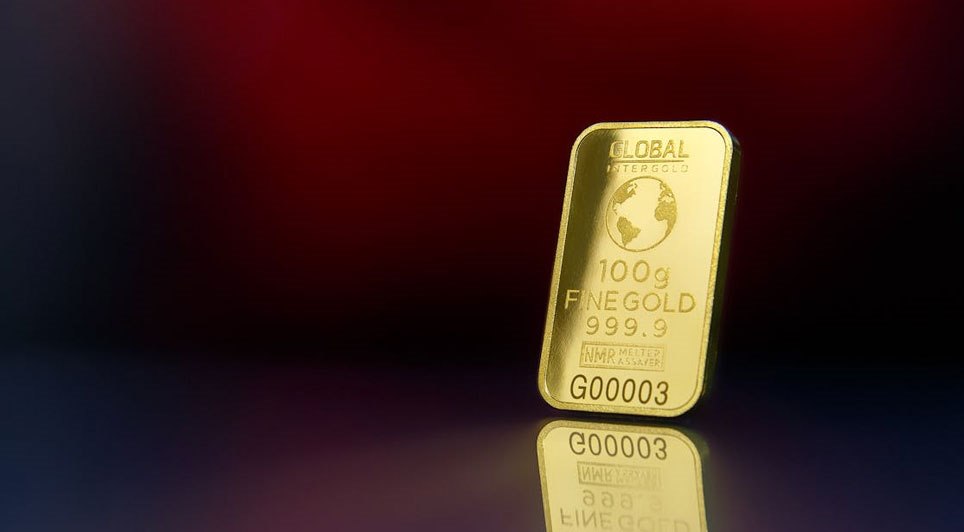
Physical gold, ETFs, and futures all serve different needs. The key is matching the method to your purpose, i.e. storage, liquidity, or quick trading.
Focus on triggers
Keep an eye on inflation numbers, central-bank moves, and currency shifts. Gold reacts less to hype and more to macro data.
Think in cycles, not headlines
If you plan with cycles in mind, you’re less likely to overreact when markets jump or dip. That mindset matters more than any single indicator.
How Tech Is Changing Gold Trading
The way people trade gold today is completely different from a decade ago. The biggest shift is access and speed.
Real-time data
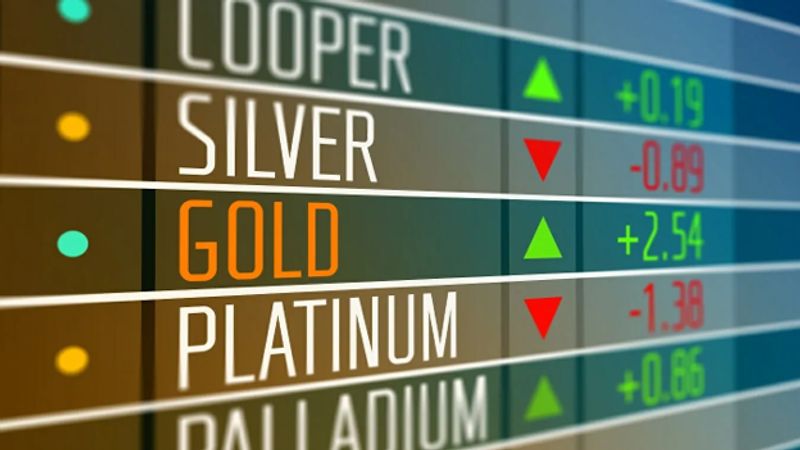
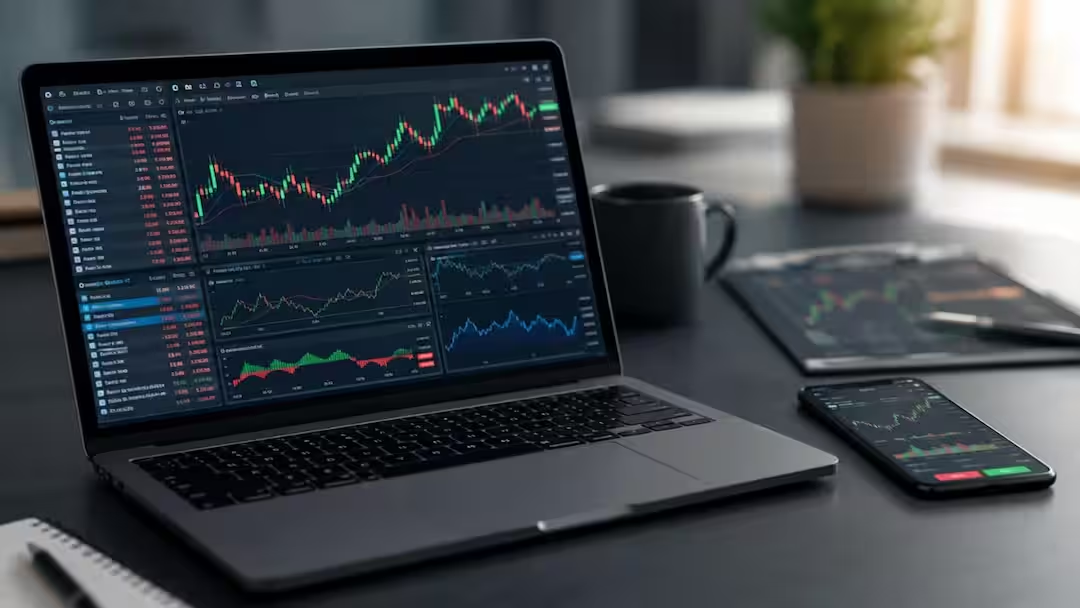
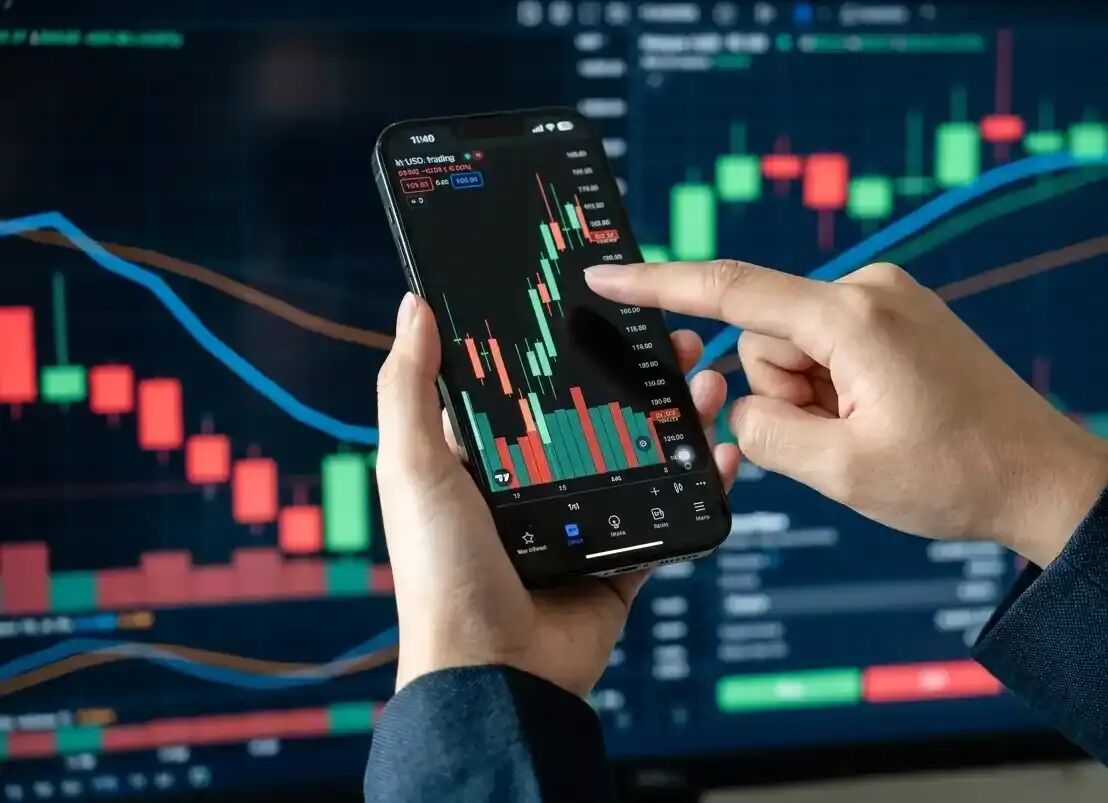
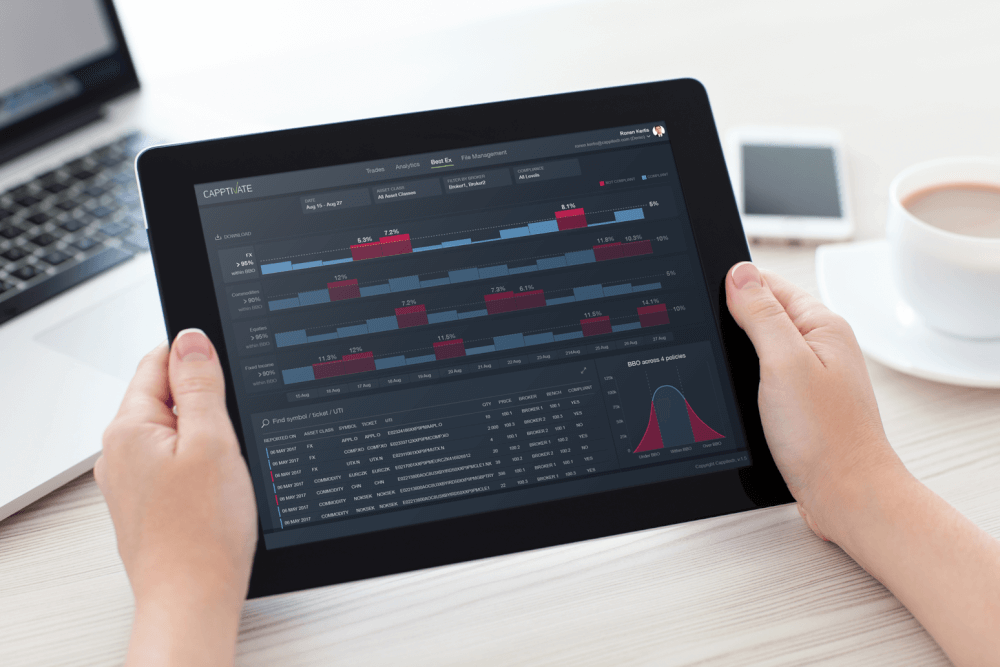
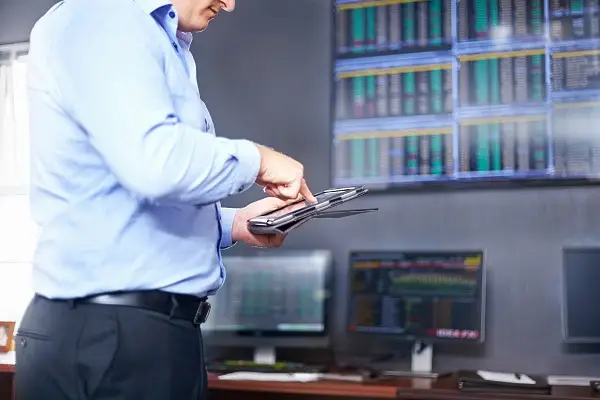
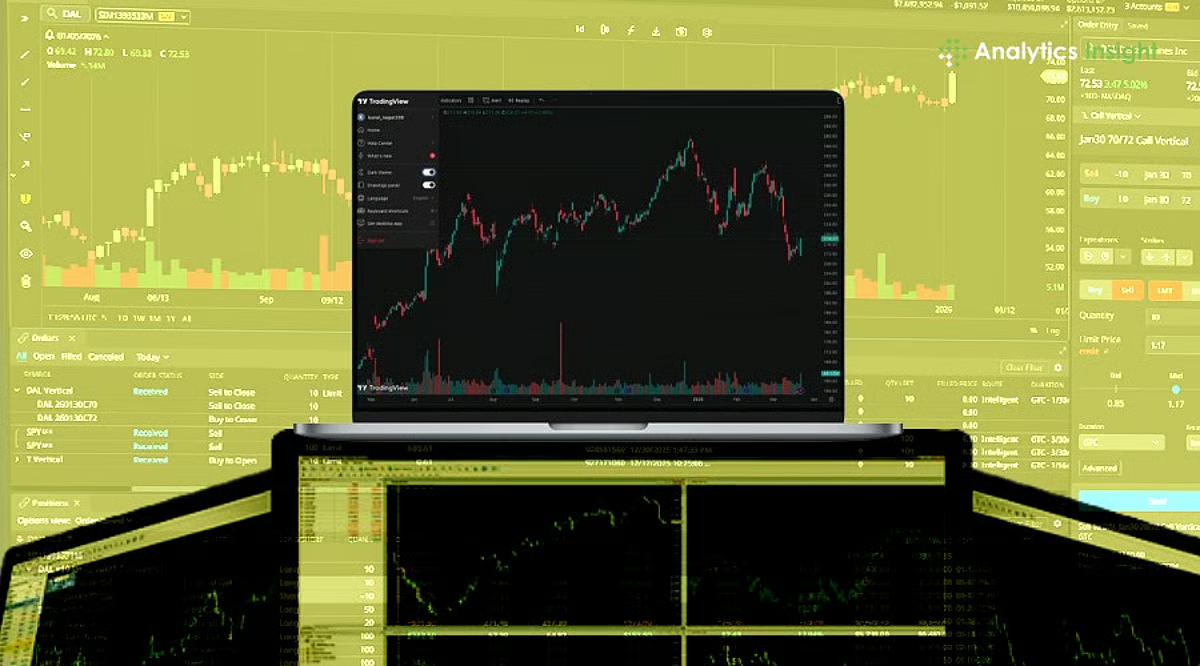
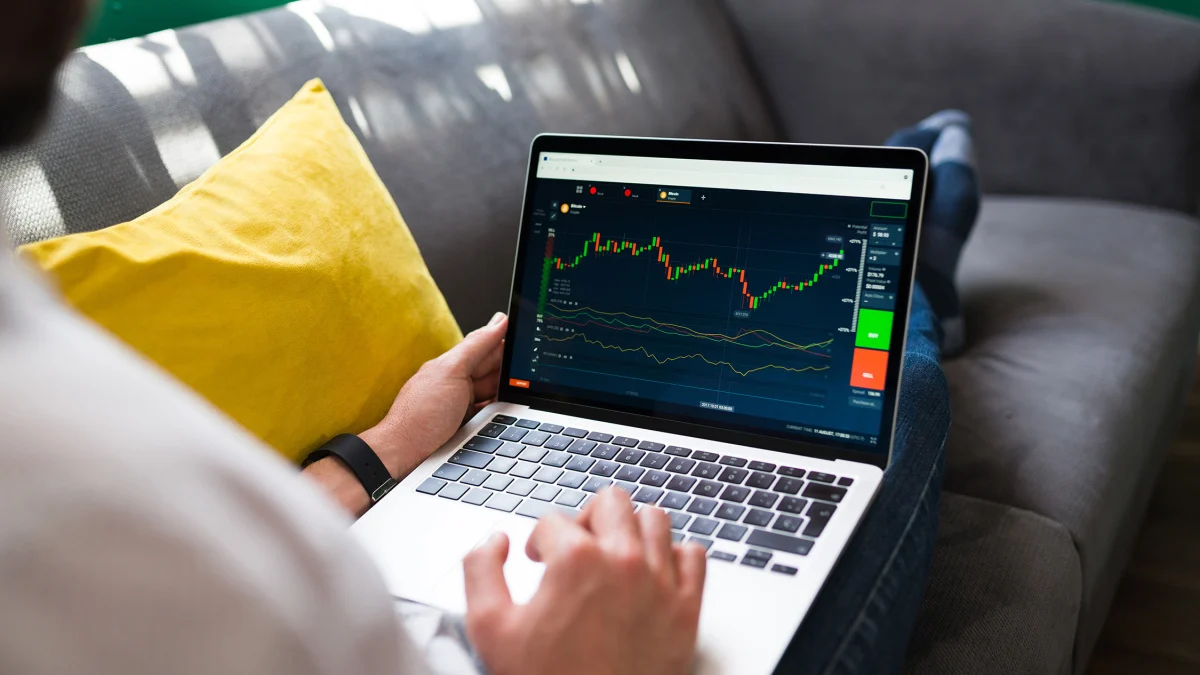
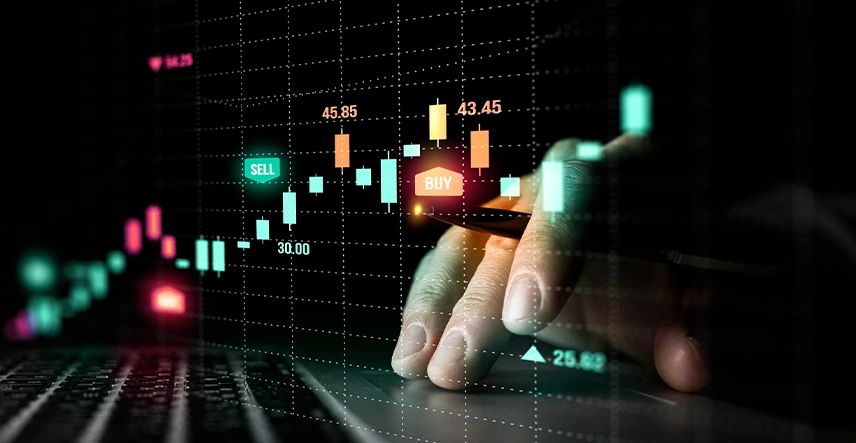
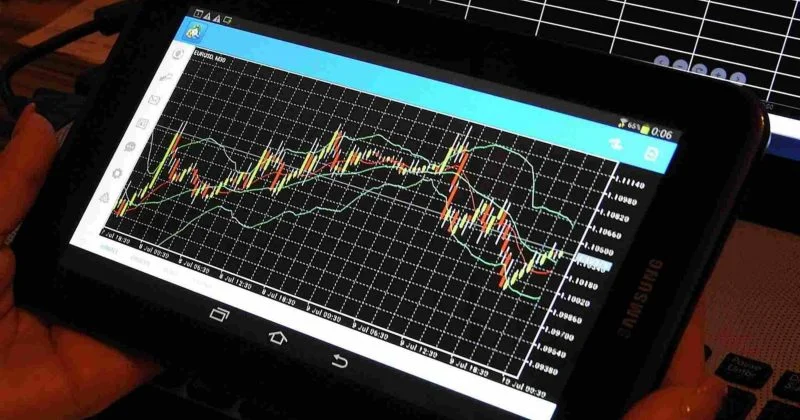
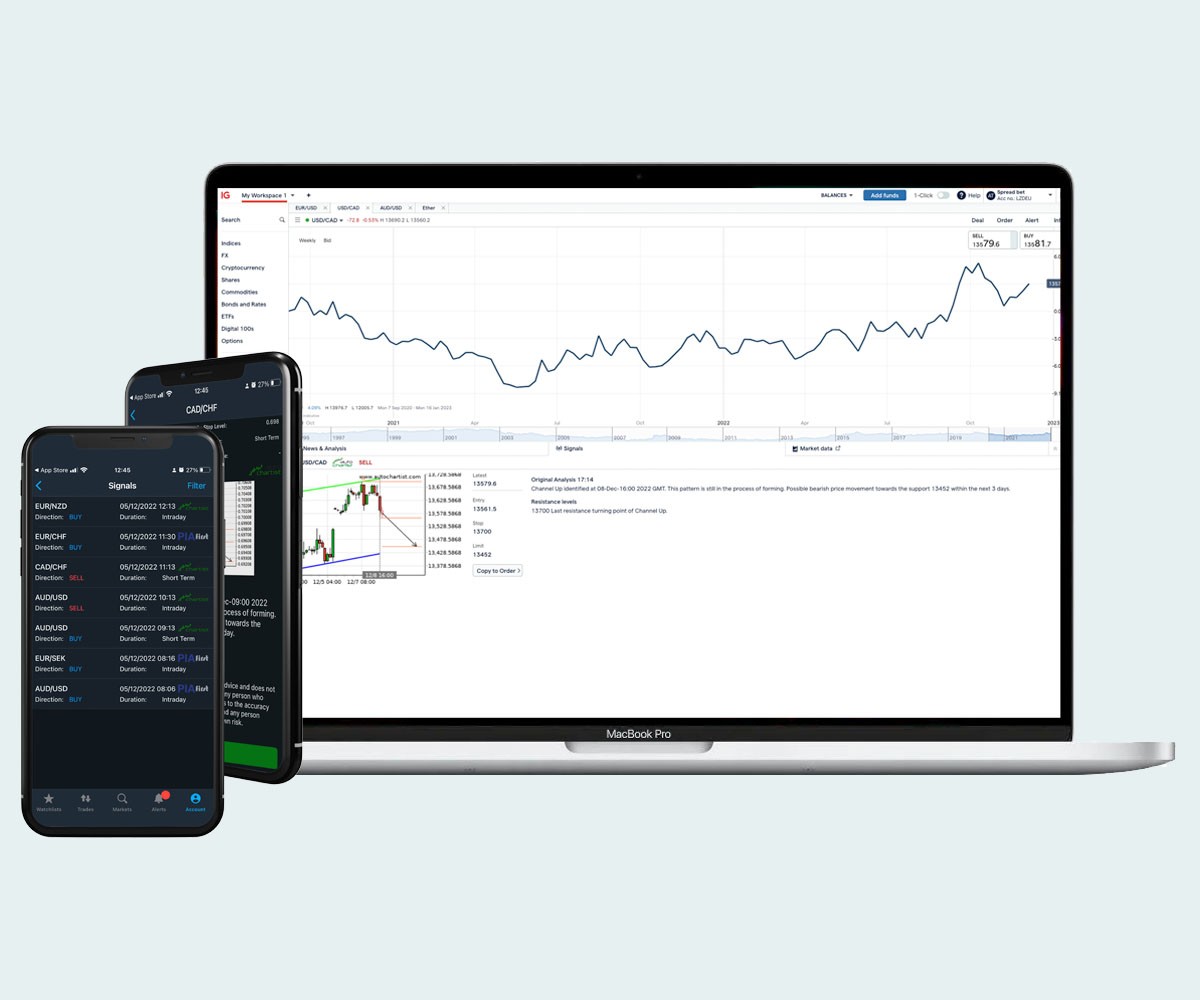
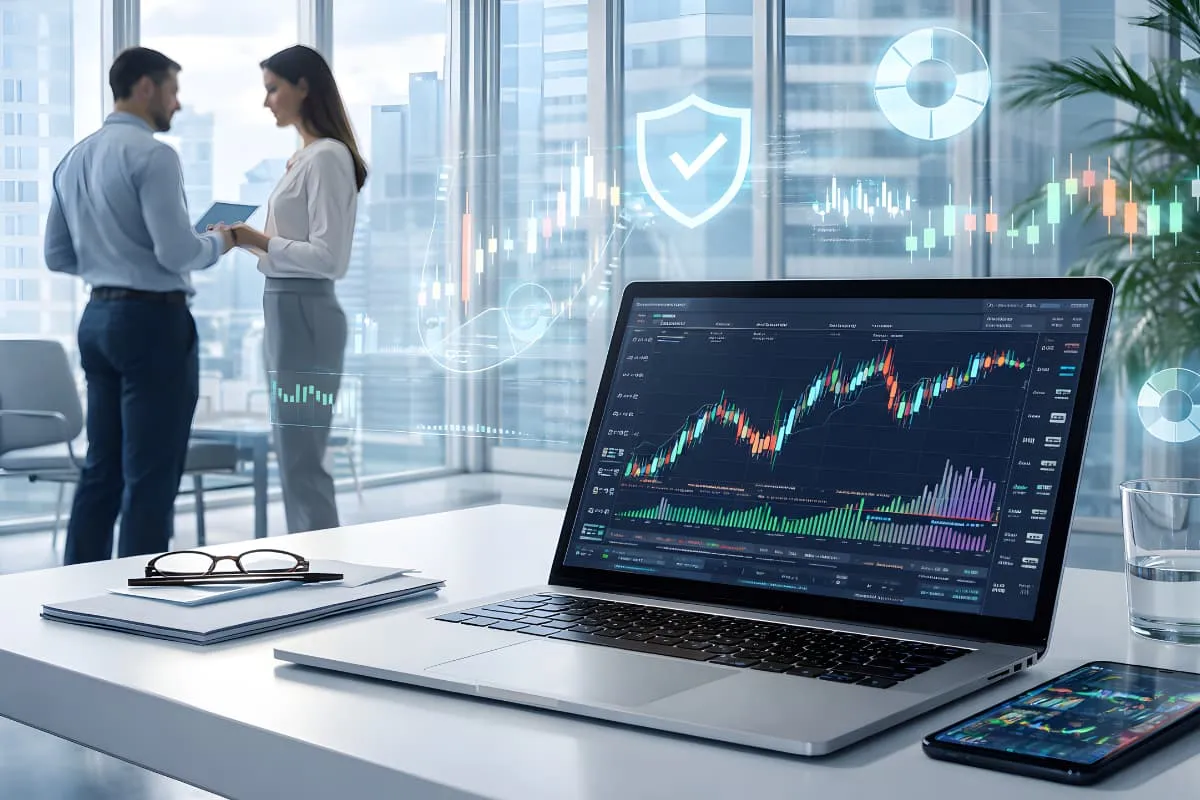
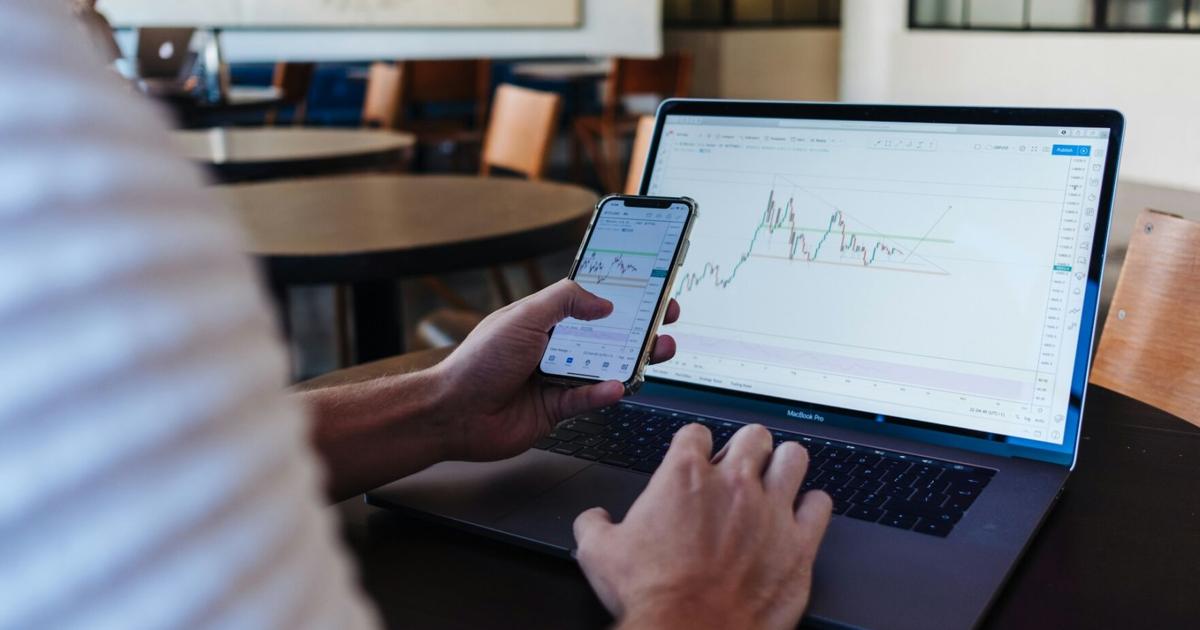
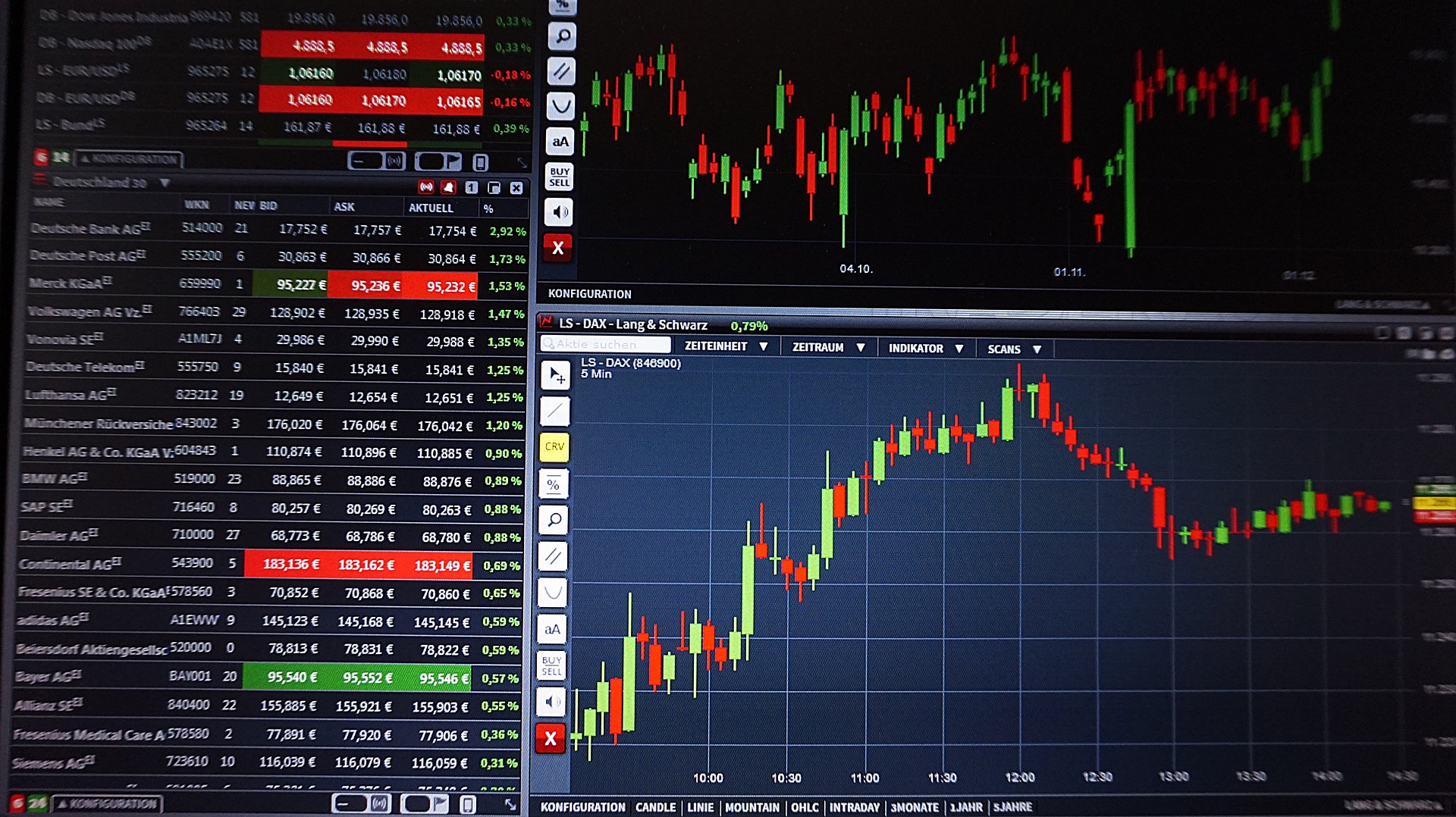
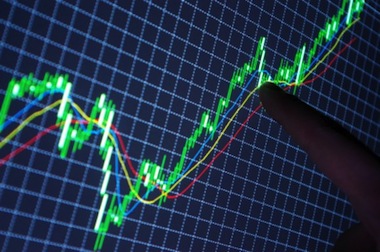
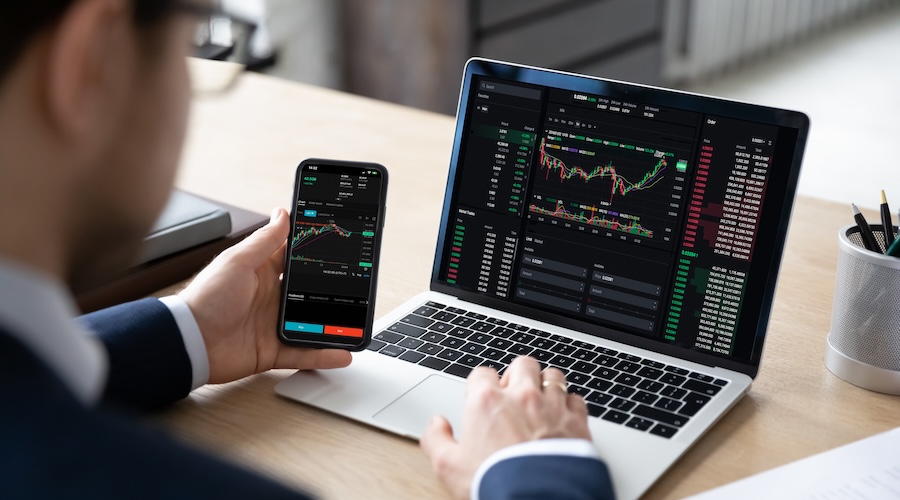
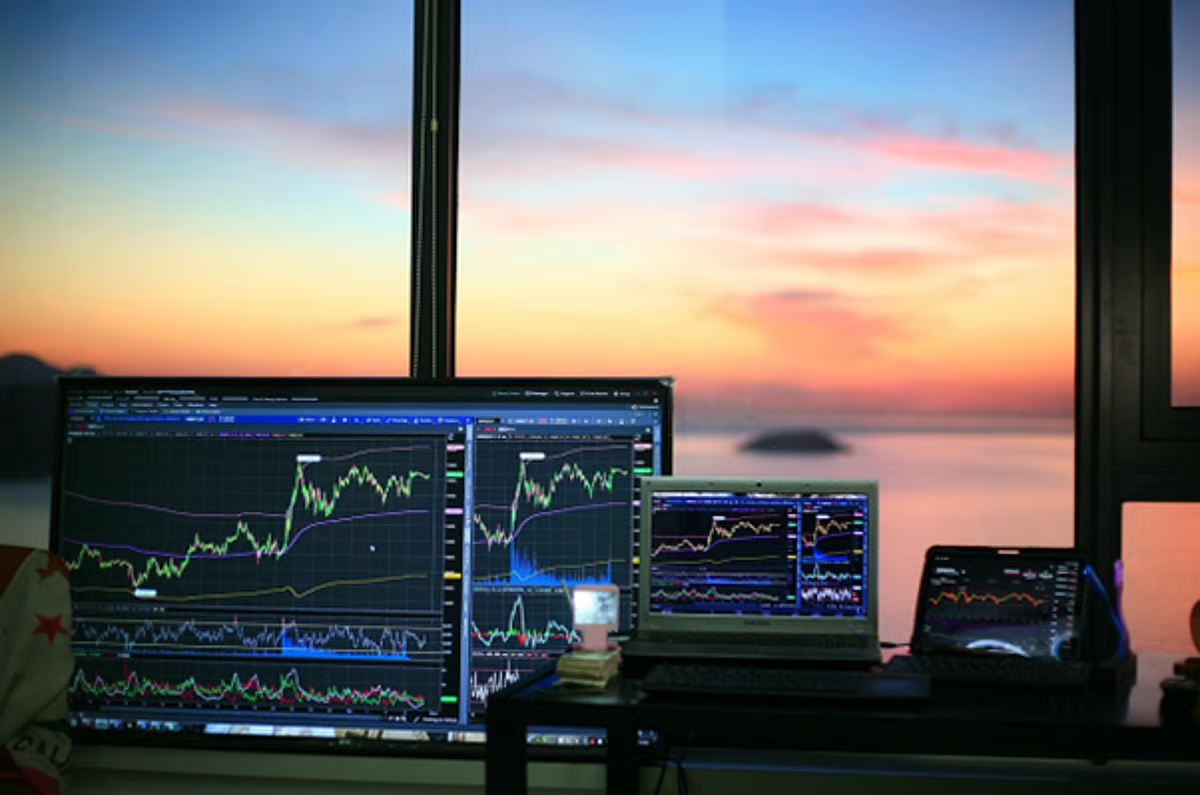
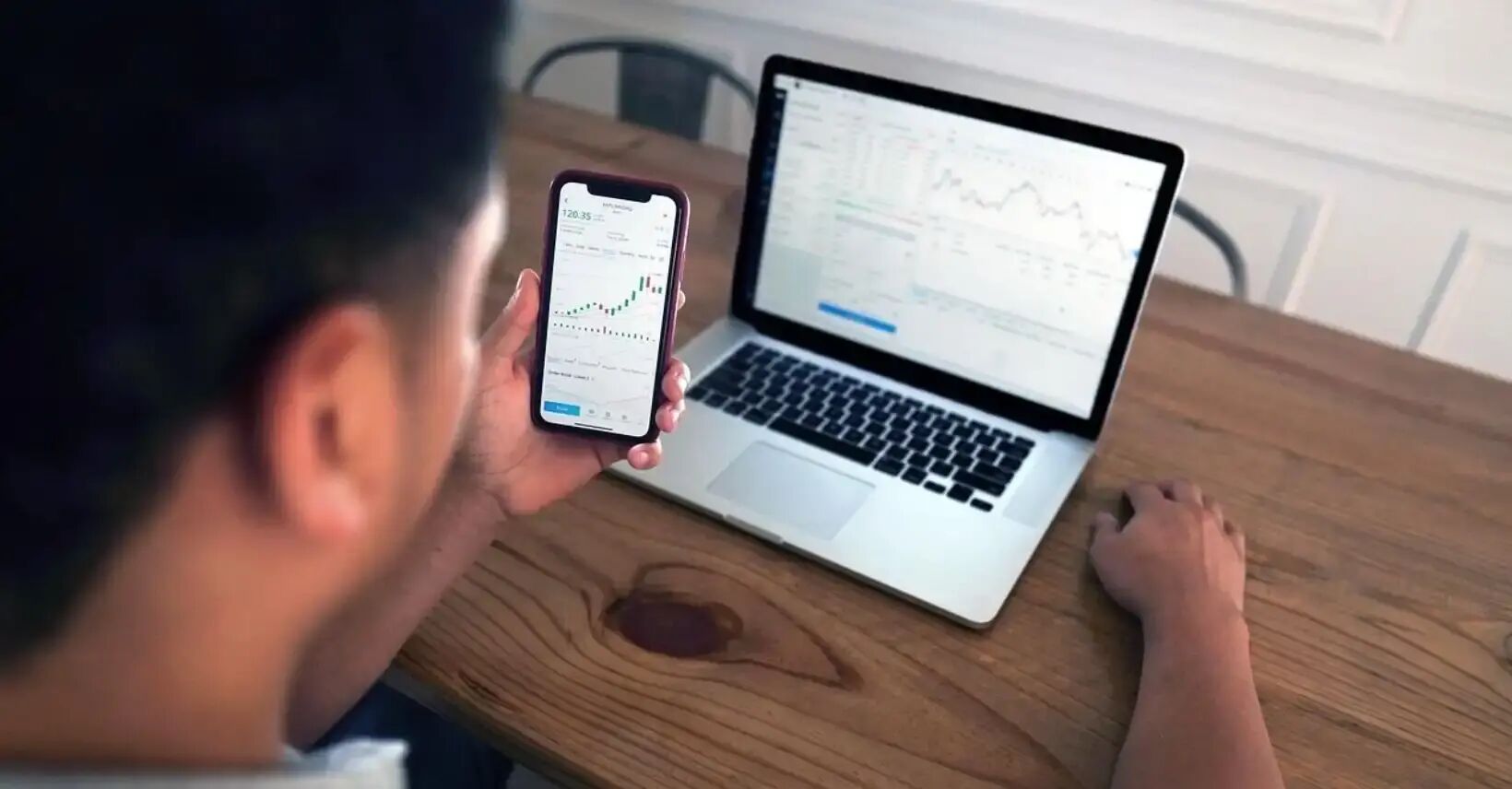
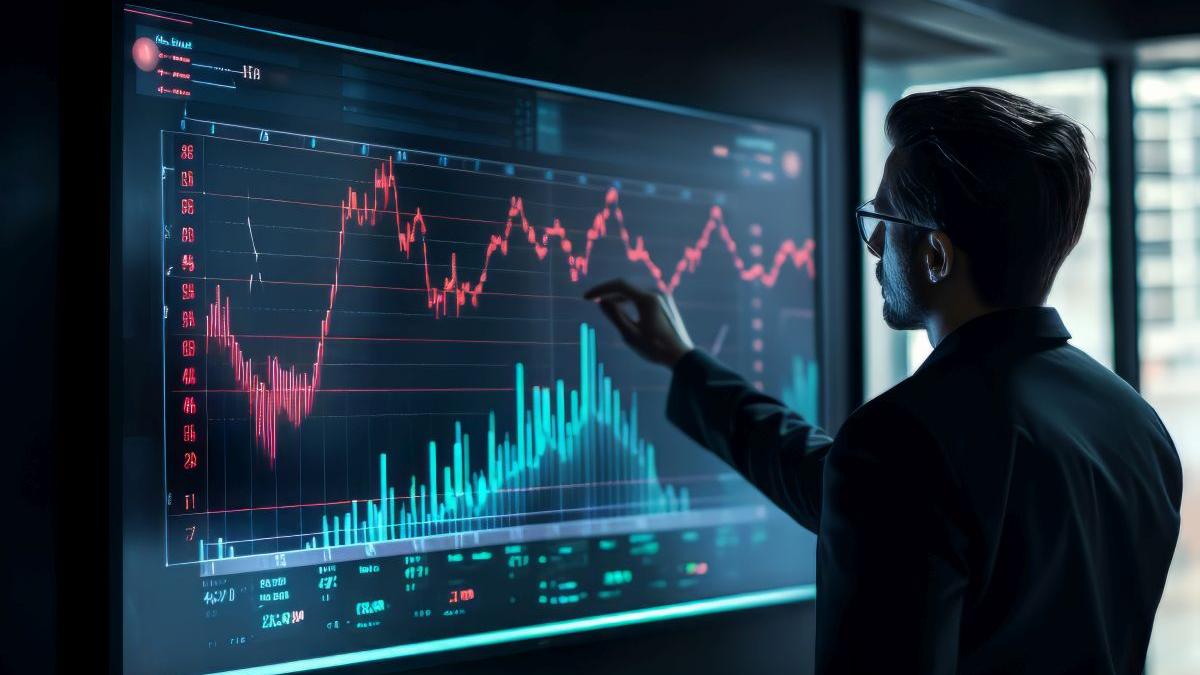
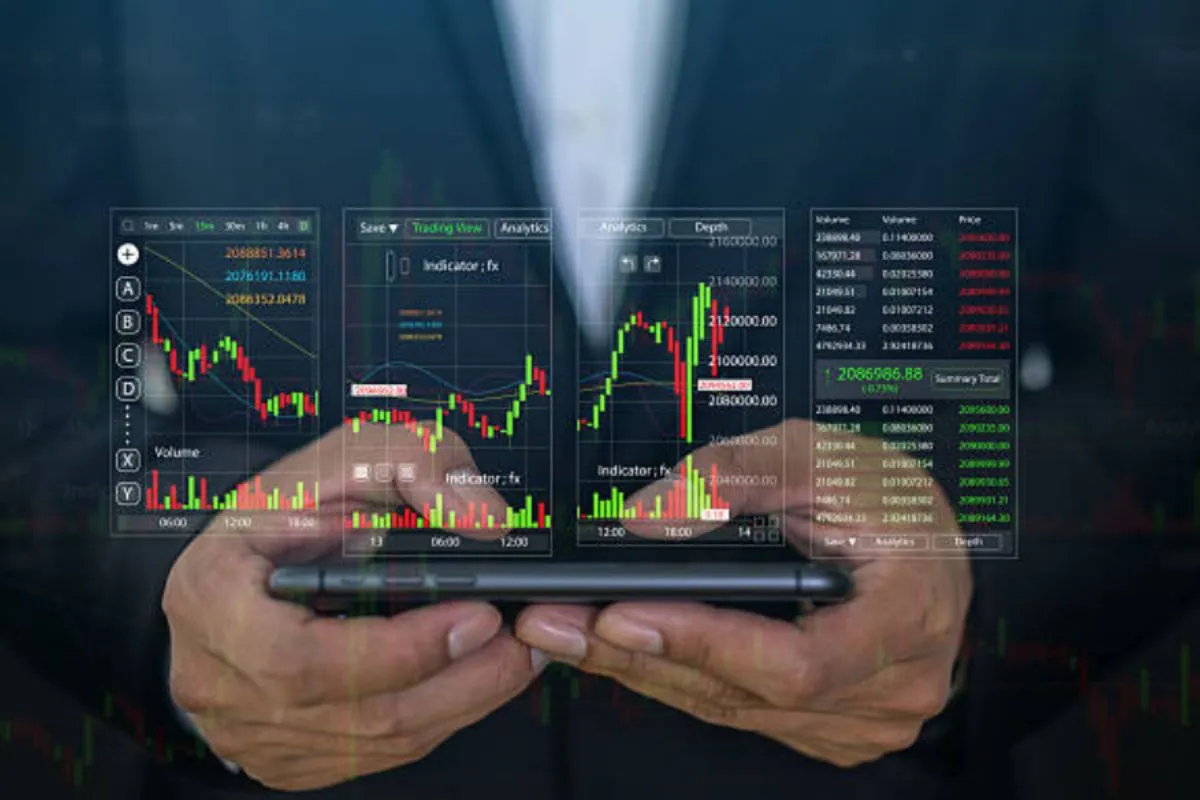
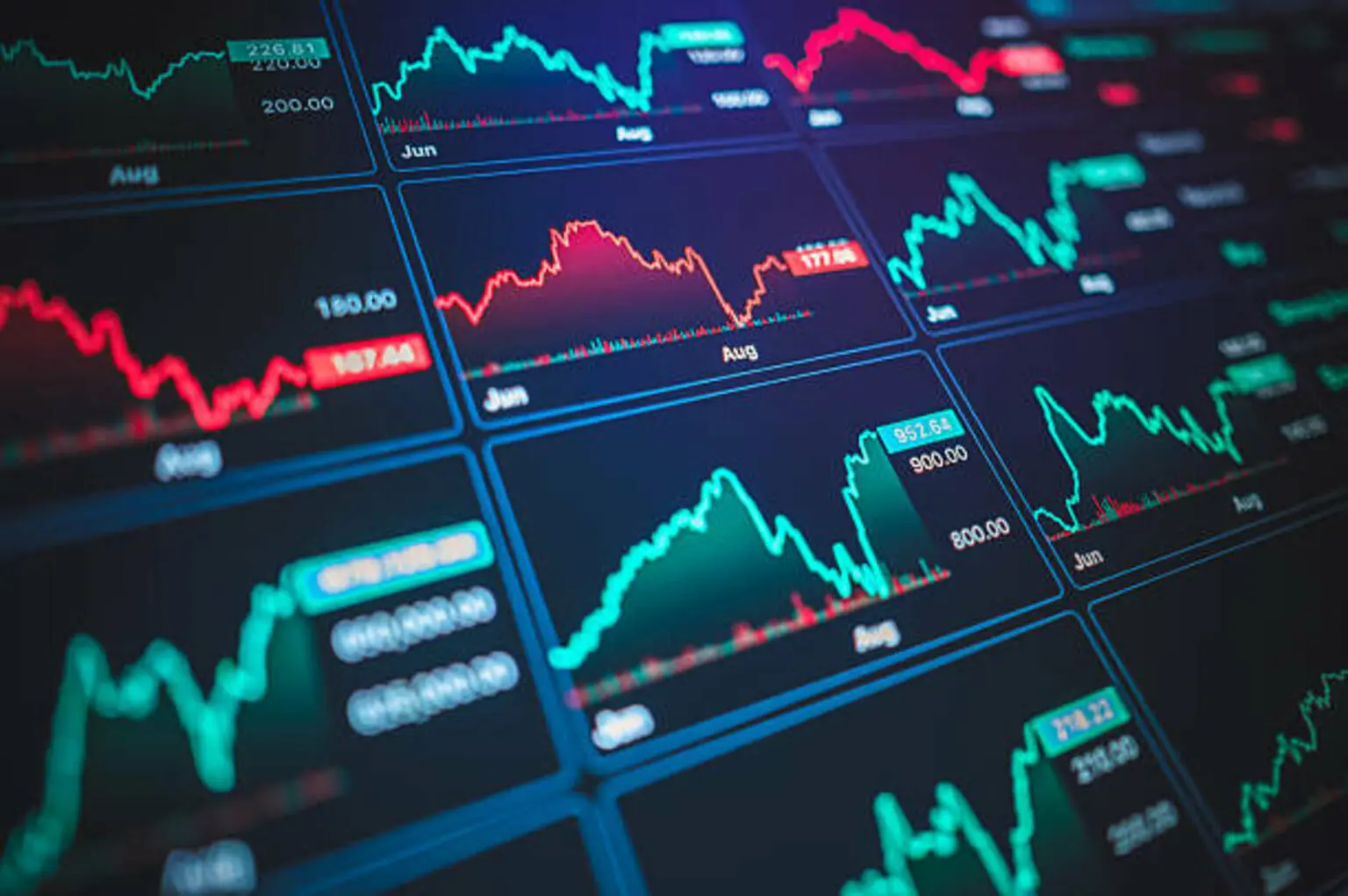
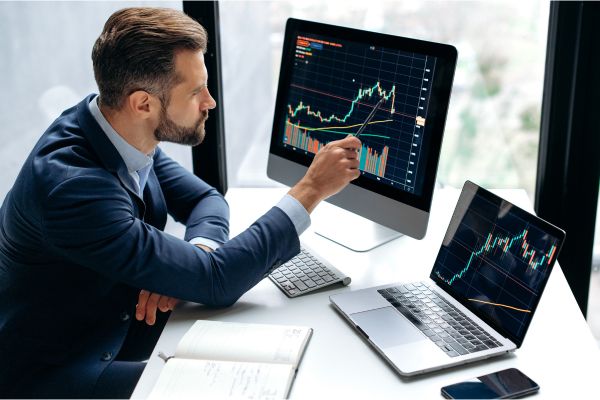
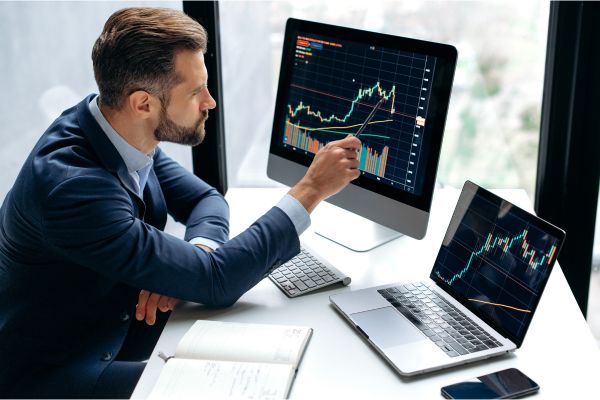
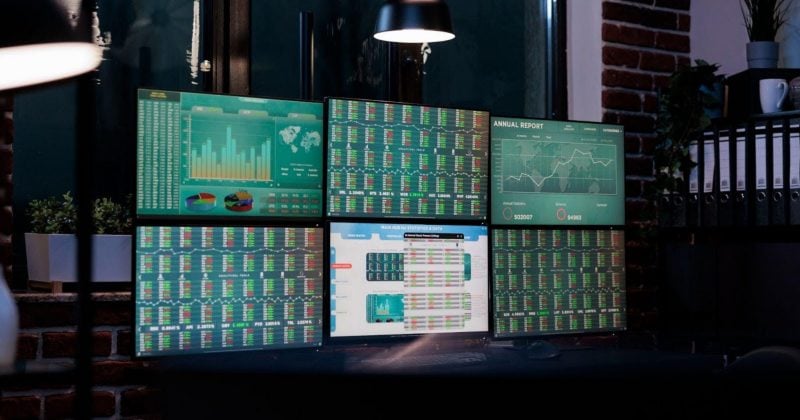
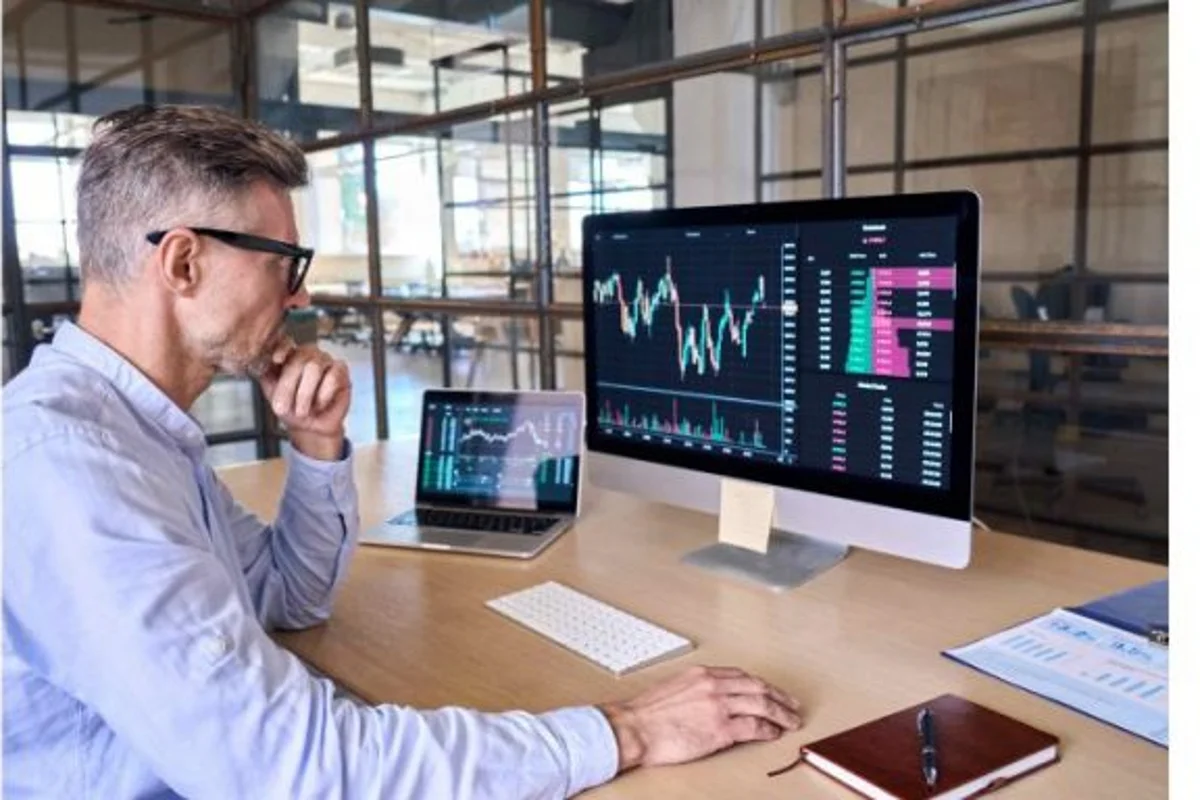
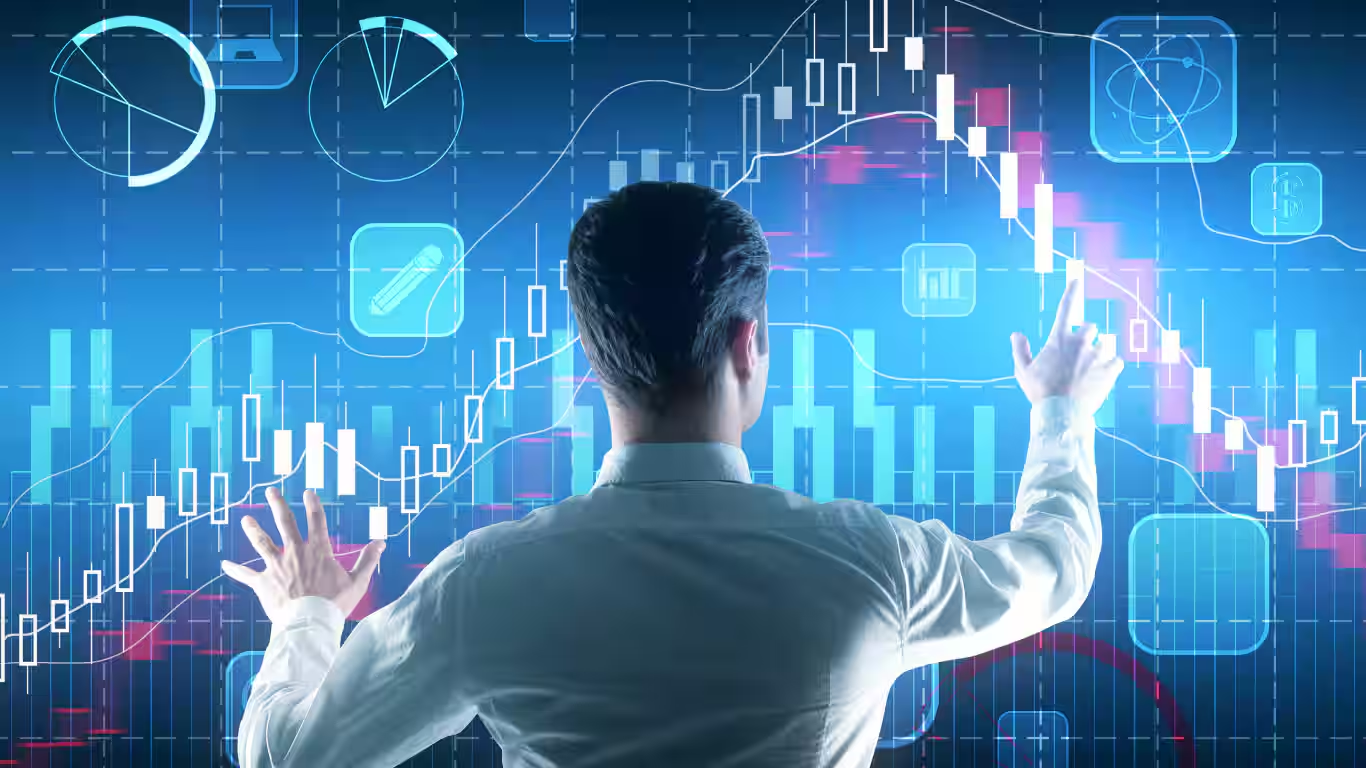
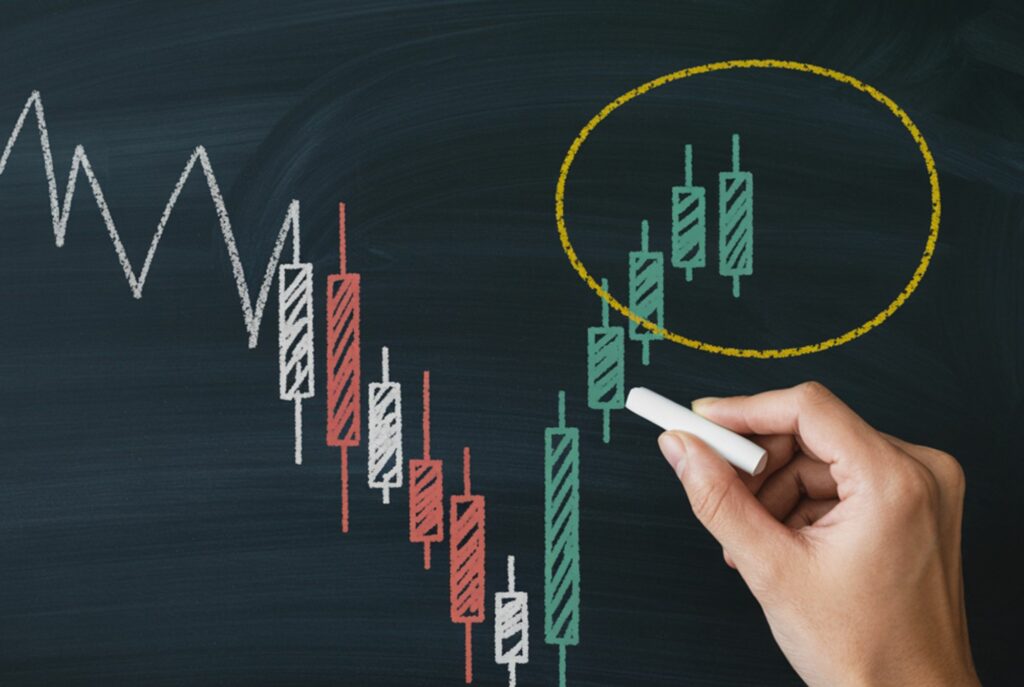
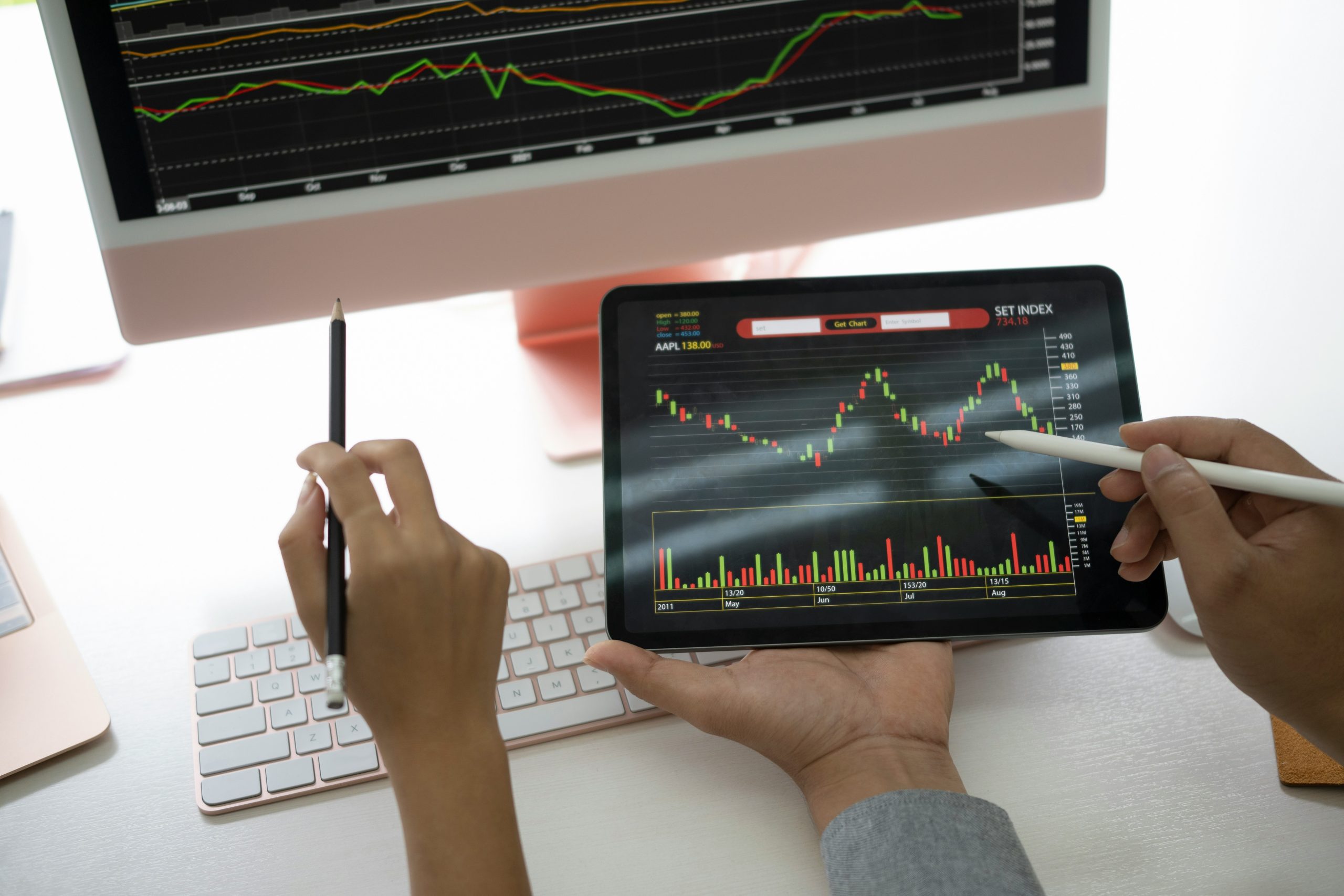
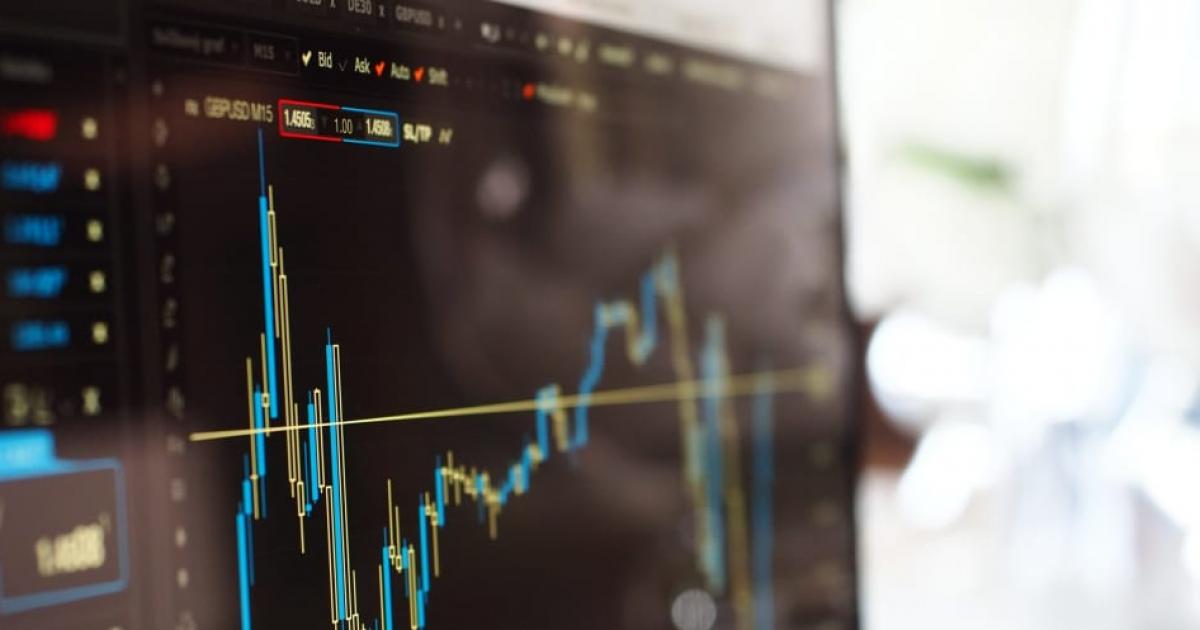
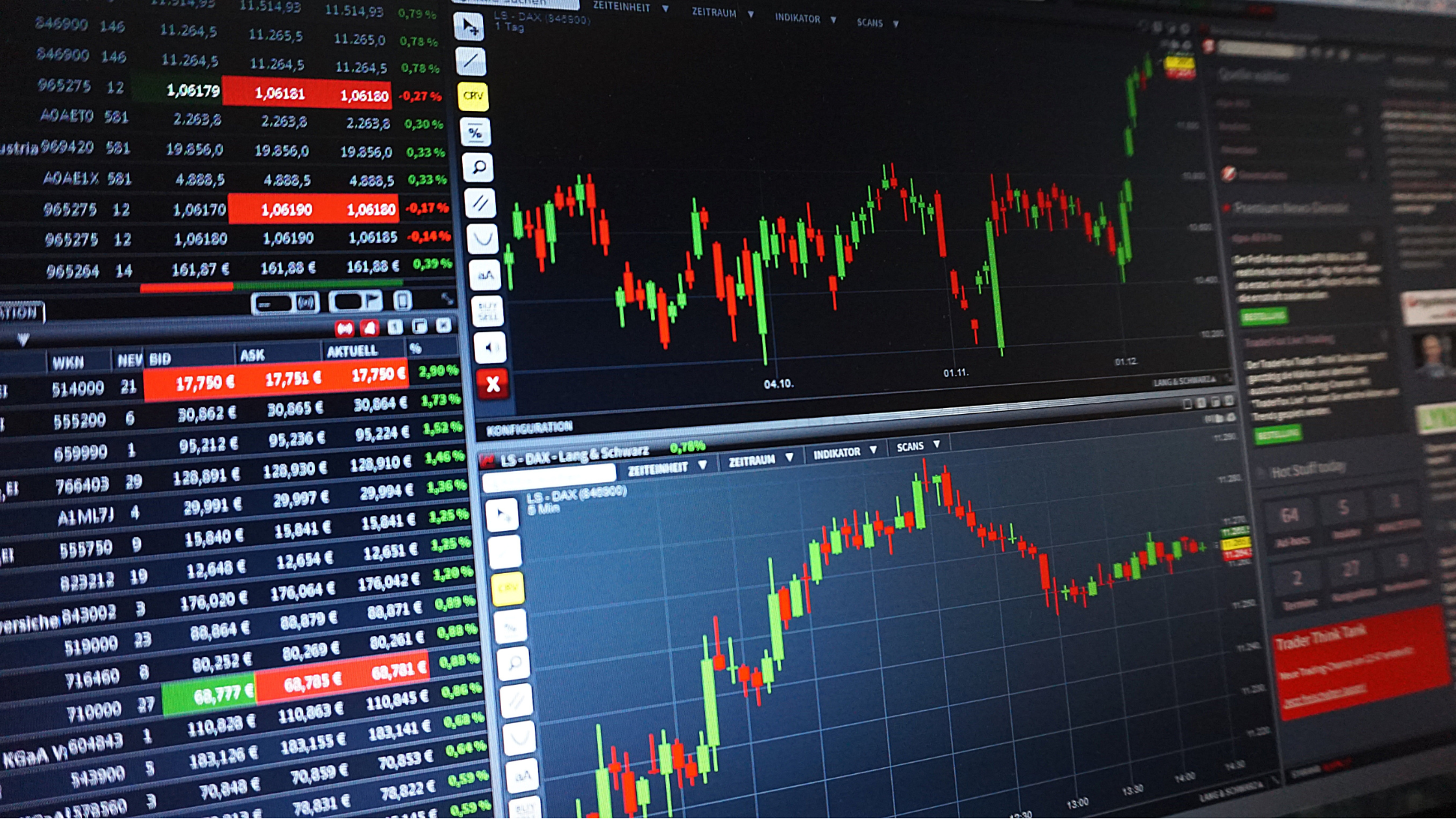
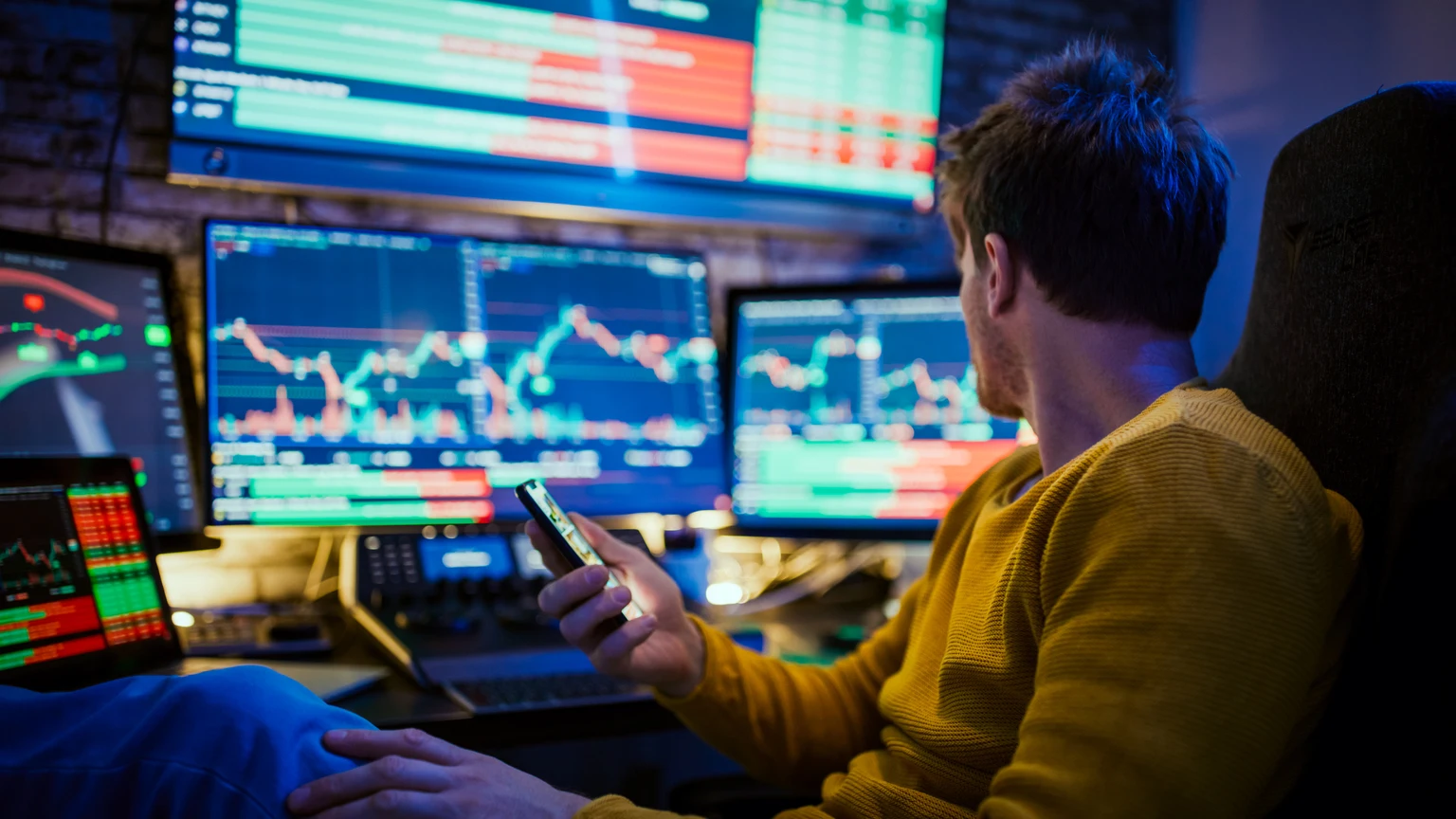
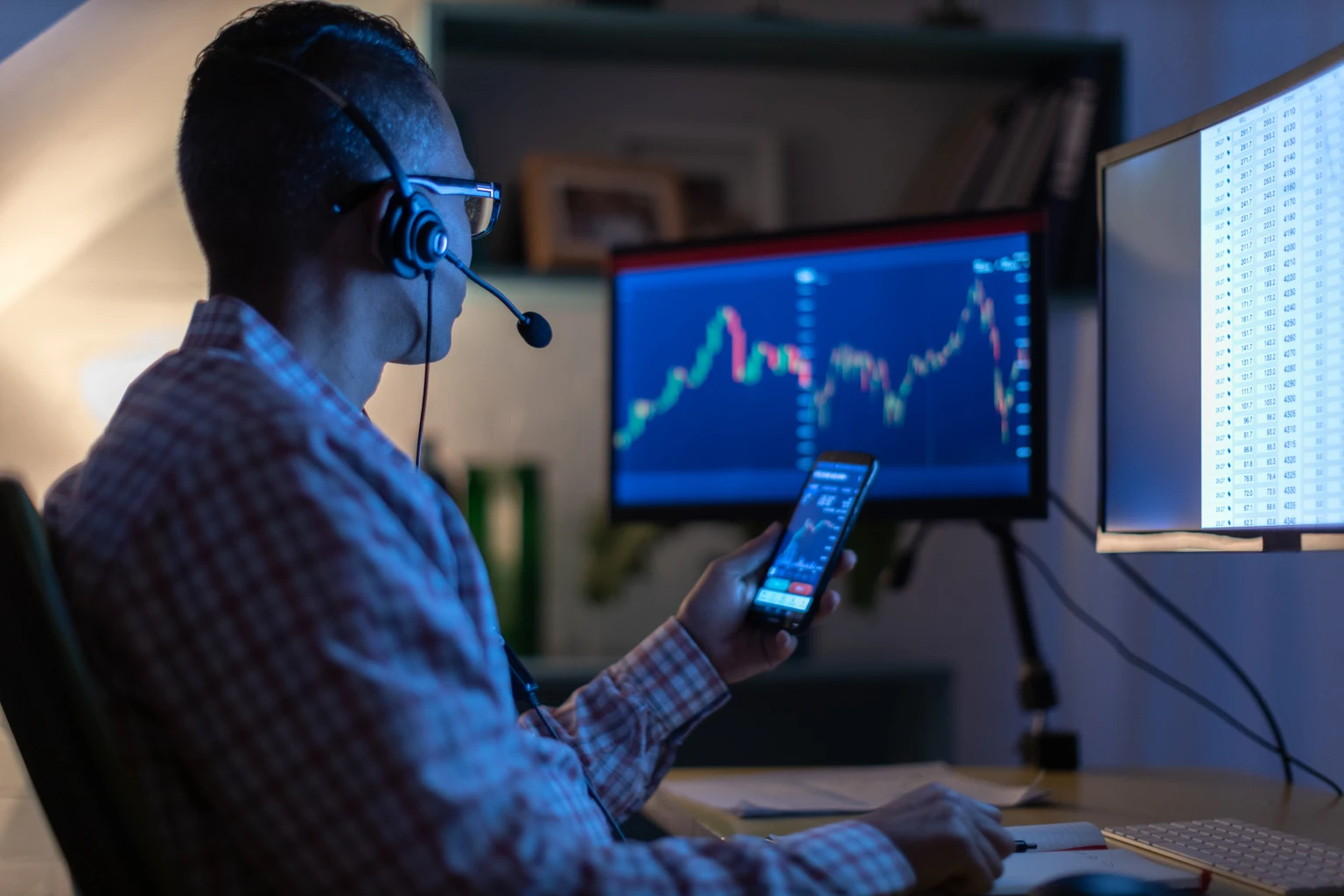
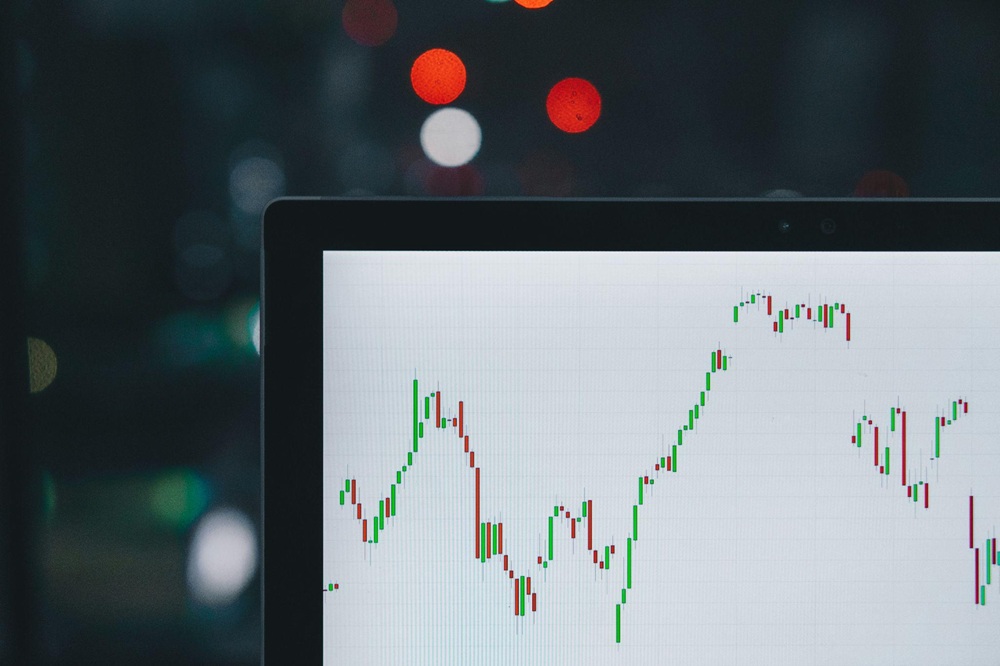
Most serious traders now track gold’s relationship with yields, inflation, and energy prices through live data dashboards. It’s not guesswork anymore; it’s pattern-based decision-making.
Tools that save time
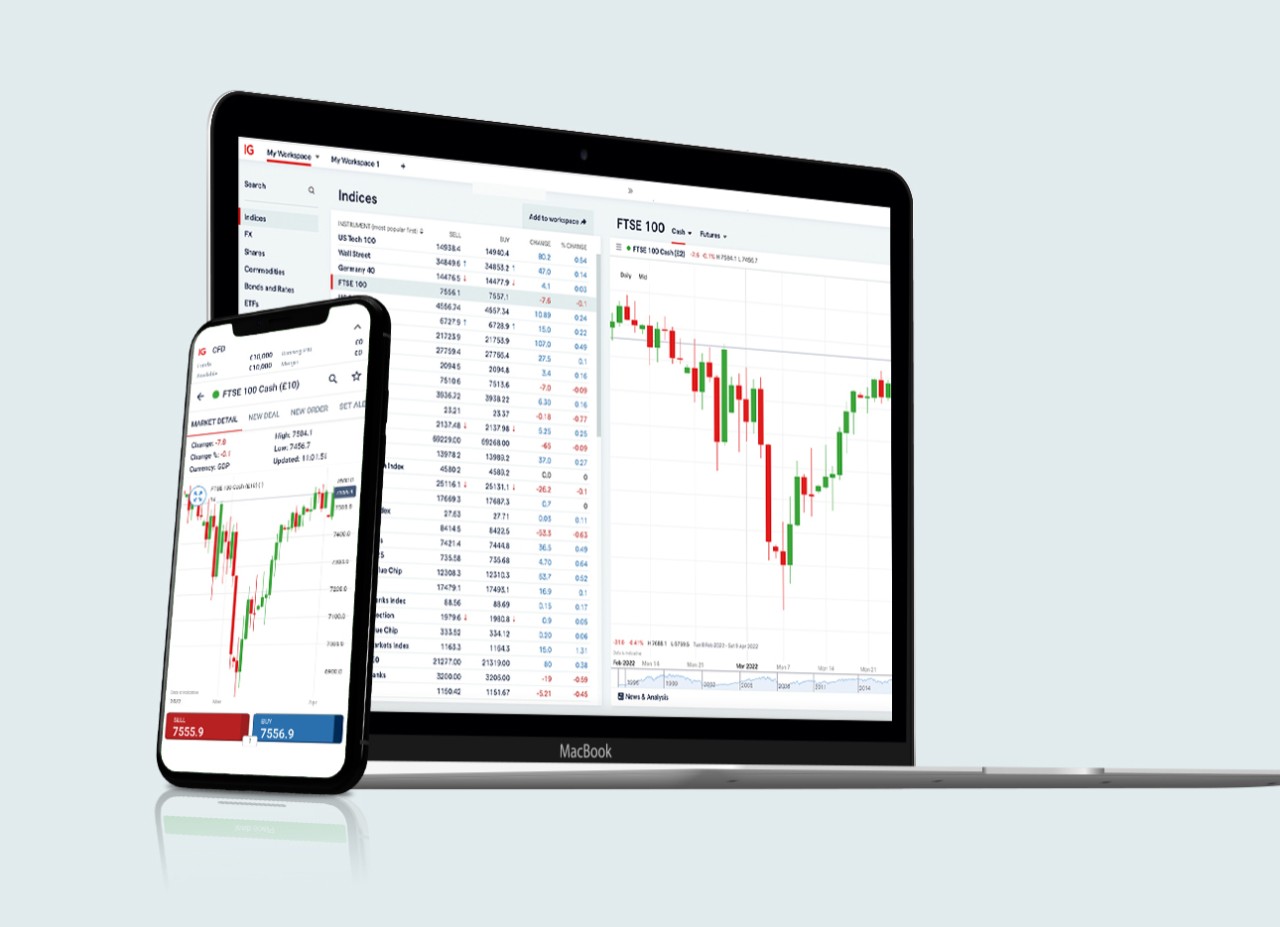
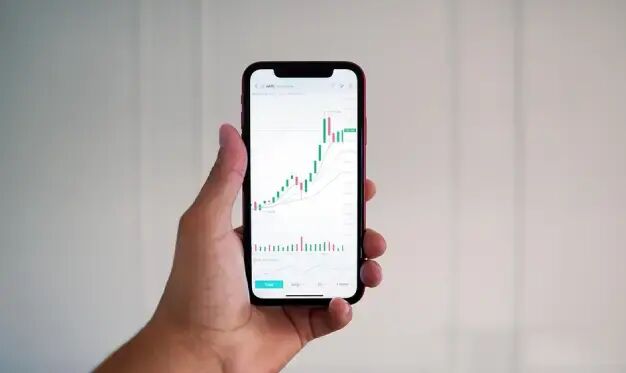
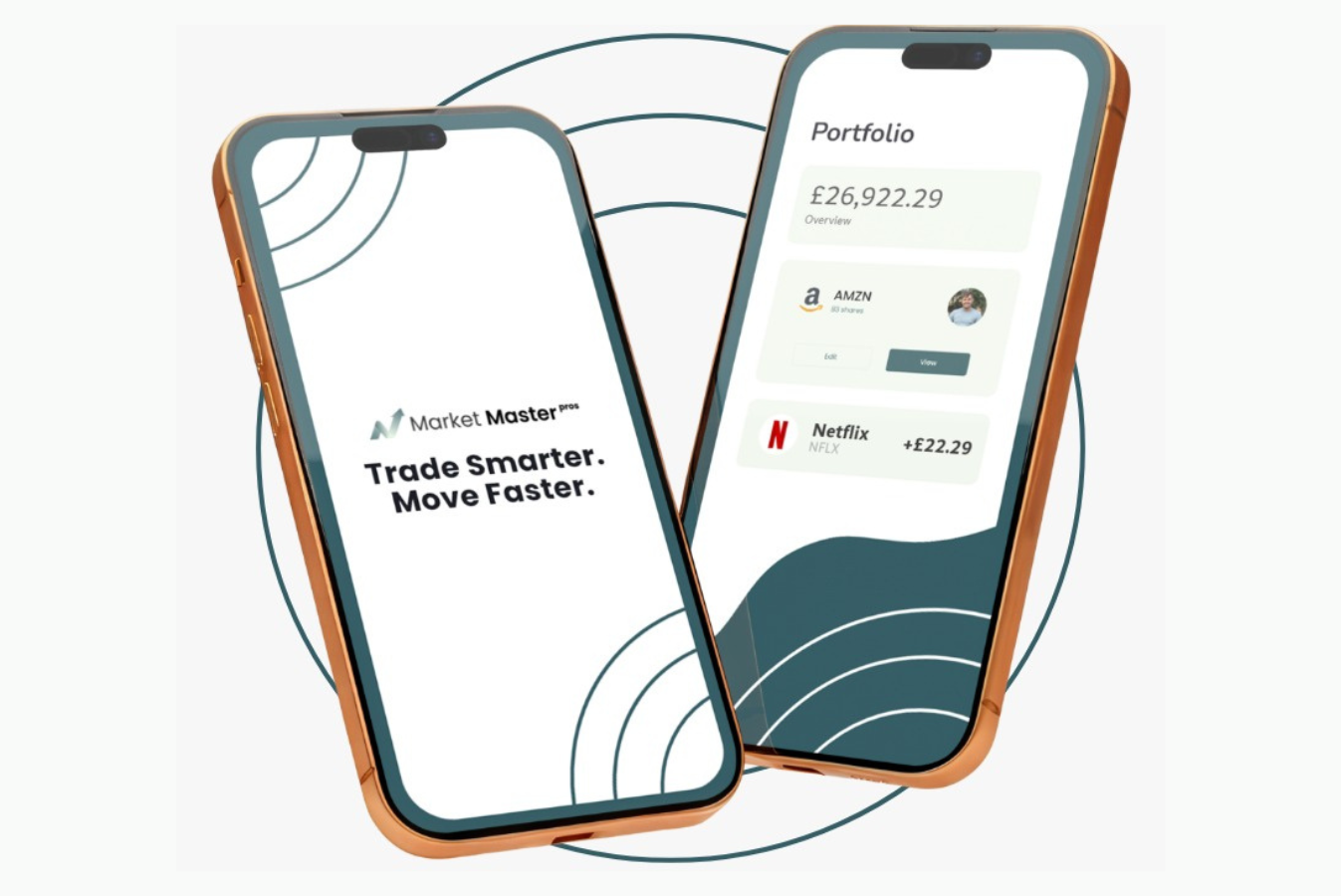
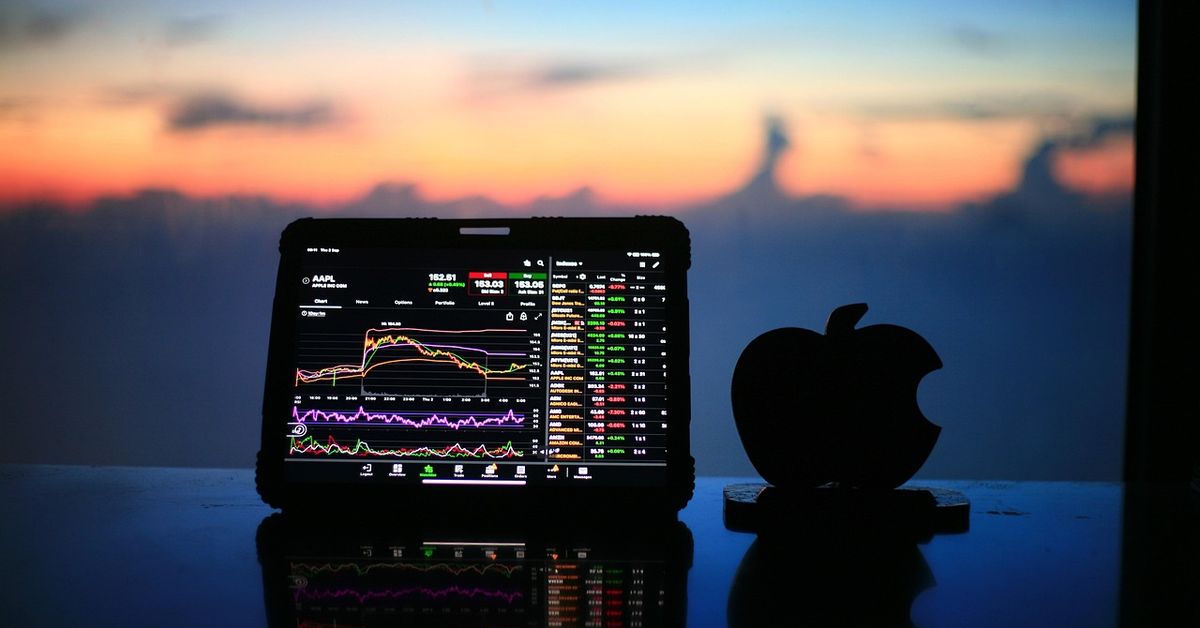
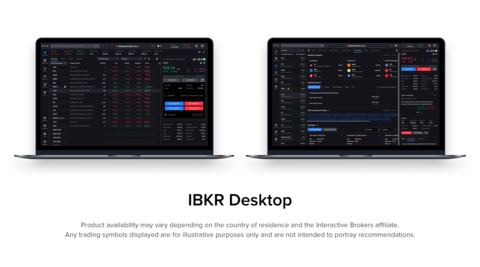
Modern platforms, such as those available at ThinkMarkets, give traders charting tools, alerts, and analytics that highlight potential setups as they form. You don’t need to sit watching every tick. Alerts do the work.
The digital crossover
Tokenised gold is also growing. Each digital unit represents real gold stored in vaults. It’s early days, but it shows how technology and traditional commodities are blending.
The Risks People Forget
Gold’s reputation as a safe asset sometimes hides its own risks. It’s steady overall, but not immune to surprises.
Sudden pullbacks
When fear fades, gold can drop quickly. Investors who chased rallies without stop-losses often find out the hard way.
Product gaps
Not every gold fund tracks spot prices exactly. Liquidity, fees, and custody details matter, especially when markets turn volatile.
Ethical sourcing
Environmental and human-rights concerns now influence investor choices. Many funds are shifting to verified, responsibly sourced gold to meet ESG standards.
Being aware of these details helps you avoid mistakes that come from assuming gold is “always safe.”
The Bigger Picture
At its core, gold is a confidence barometer. When trust in financial systems dips, gold rises. When optimism returns, it quietens down.
That’s why it’s not about predicting short-term prices. It’s about understanding behaviour. A balanced position, a bit of patience, and awareness of global shifts can go a long way.
Gold doesn’t need to be exciting. It just needs to be there when everything else stops working.
FAQs
Why does gold still matter in 2025?
Because global uncertainty, inflation, and currency swings keep it relevant. It’s one of the few assets that still works when confidence fades.
Is gold a better hedge than crypto?
They’re different tools. Crypto trades like risk assets. Gold, historically, holds up better during panic.
When’s the best time to buy gold?
Usually, when sentiment is quiet and prices feel dull, that’s when patience pays off later.