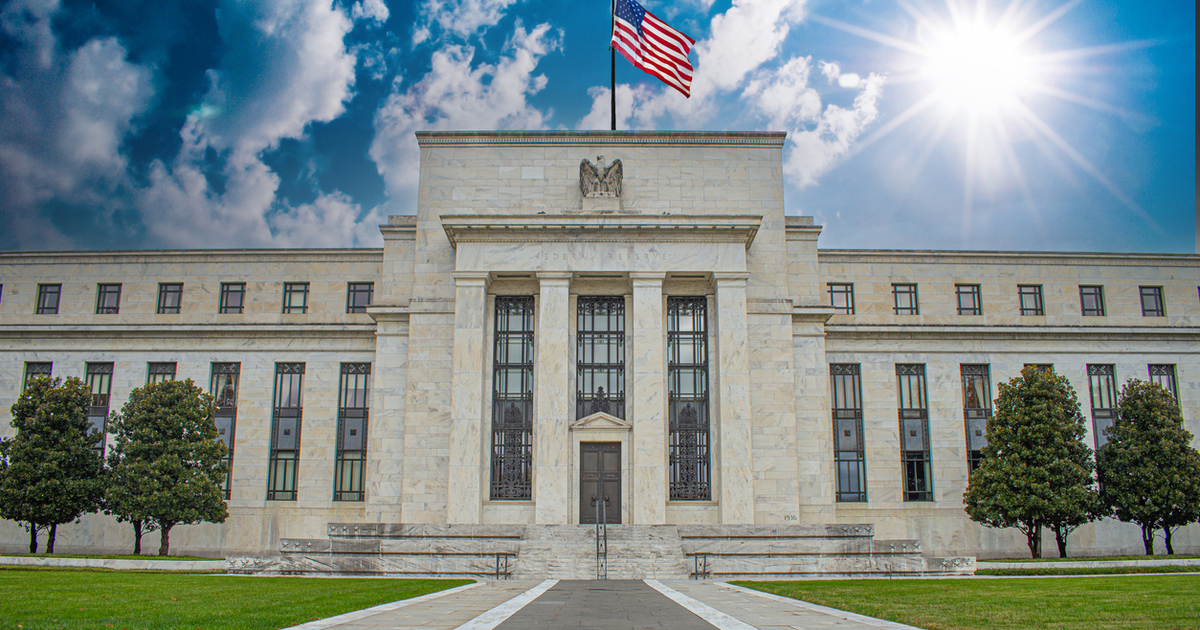
The period from the global financial crisis of 2008 to the first interest rate rise by the US Federal Reserve in 2022 will probably be known to history as the quantitative easing era.
QE pushed the prices of bonds upwards (and so the yields downwards) and also boosted equity and property markets.
When all of those asset classes were going up at the same time it presented a dilemma for investors, as the textbooks from which they obtained their professional qualifications were all framed around the premise that bonds and equities move inversely to each other.

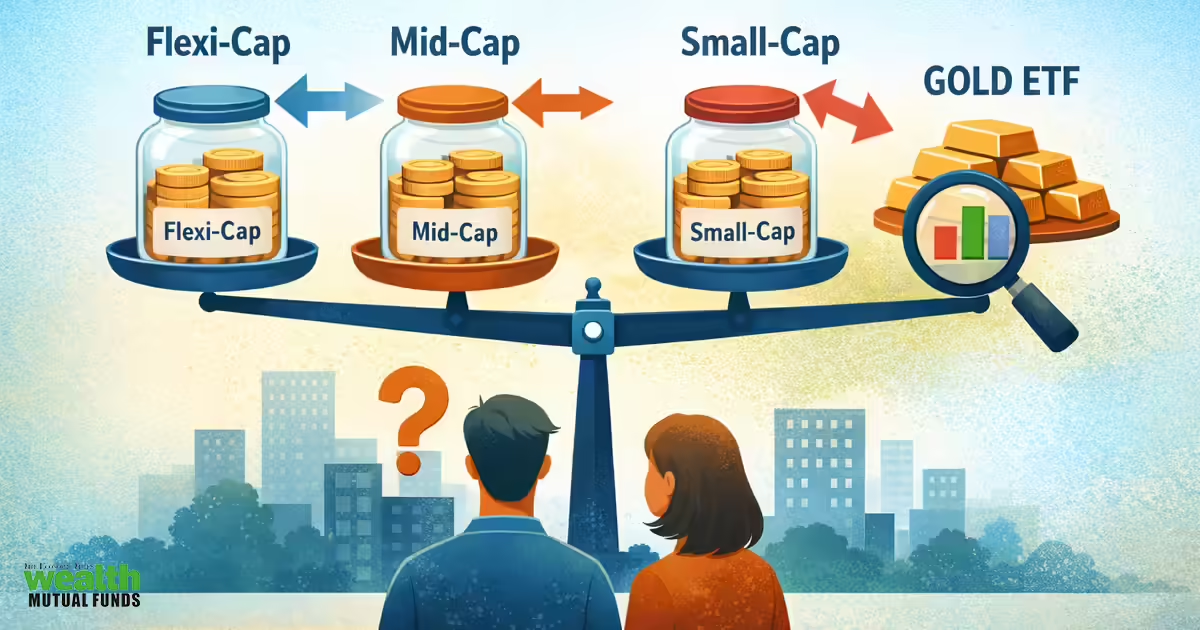
Alternative investments were really born out of zero interest rate policy, and marketing teams of fund houses salivated as they rolled out a plethora of funds that targeted the vulnerable.
Amid these market conditions, investors turned to alternative assets in search of diversification, and, in some cases, in search of the income not readily available from the mainstream asset classes.
And so emerged funds that invest in music royalties and aircraft leasing, student property and healthcare, hedge funds and long/short funds.
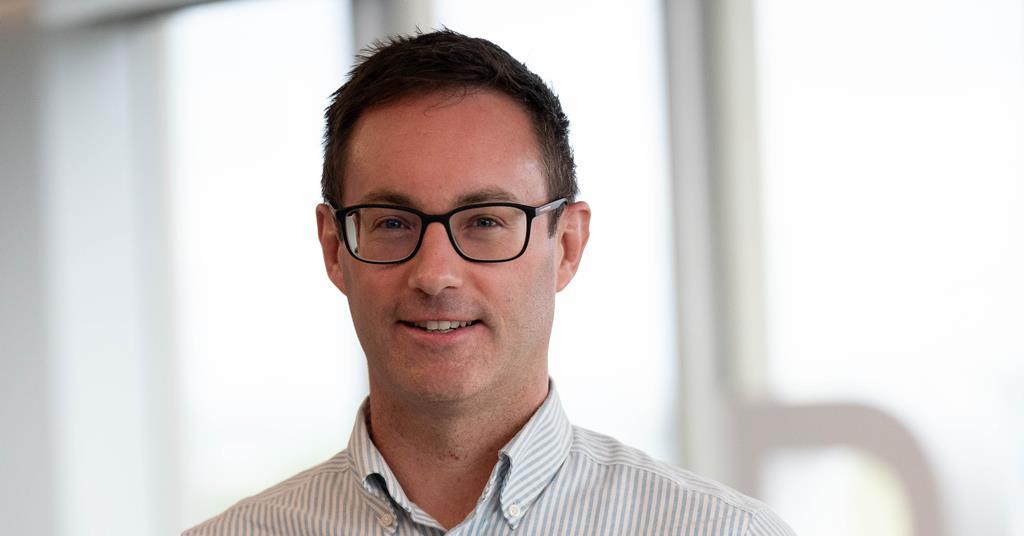
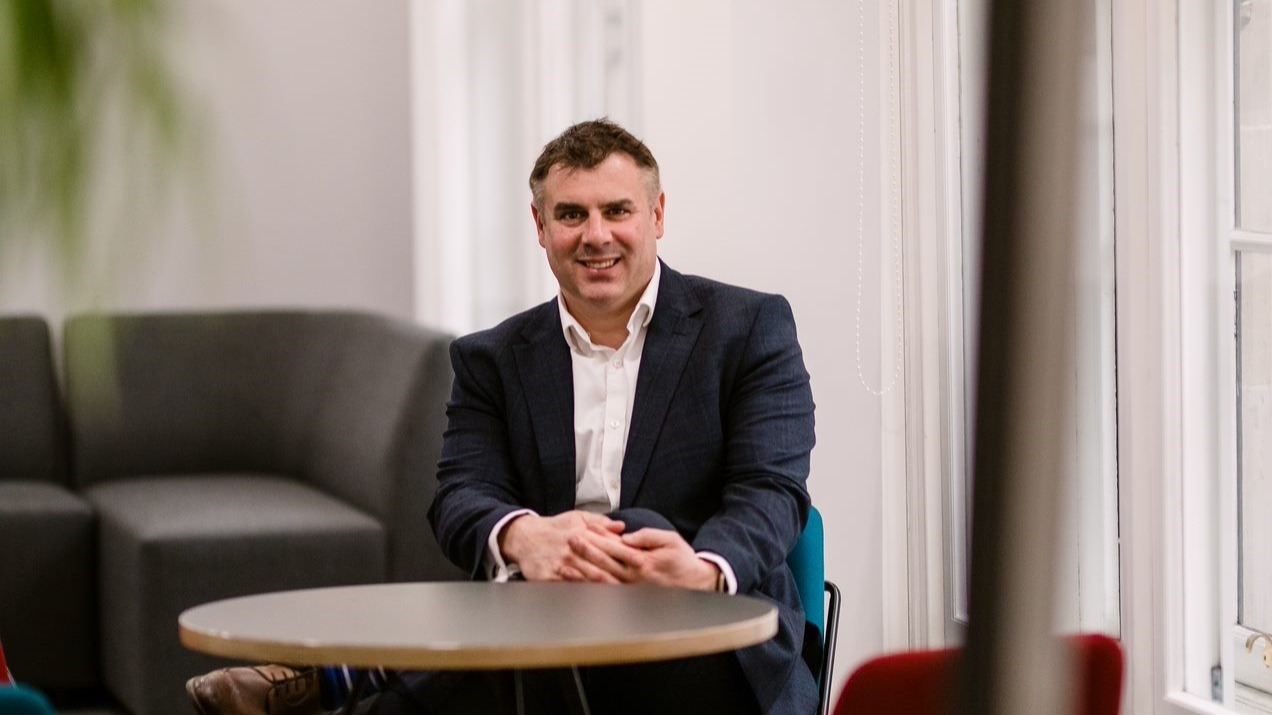
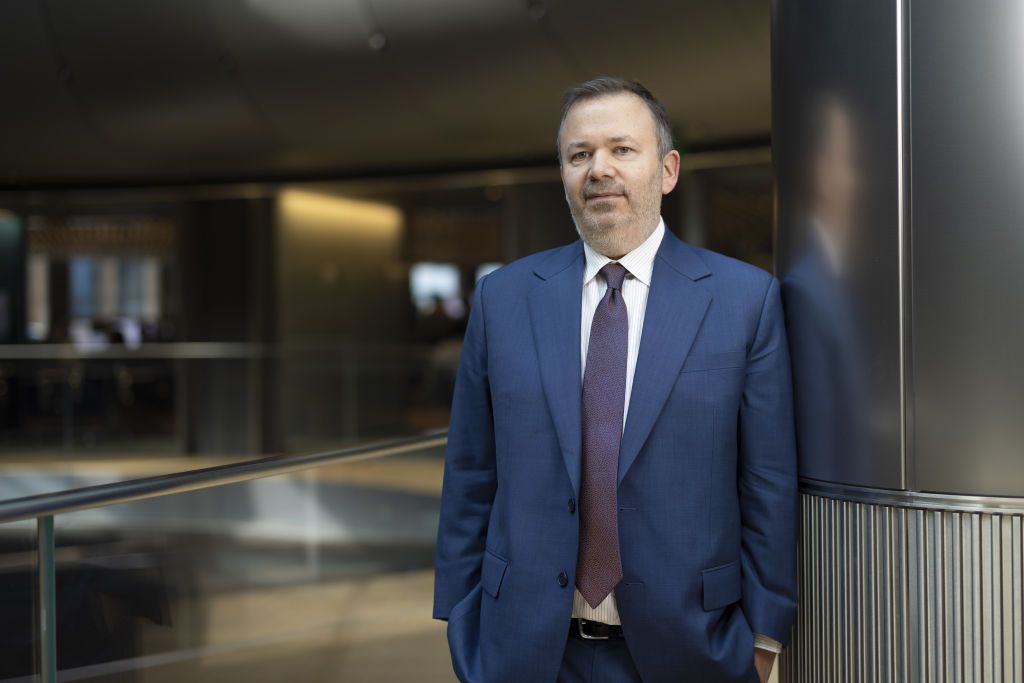
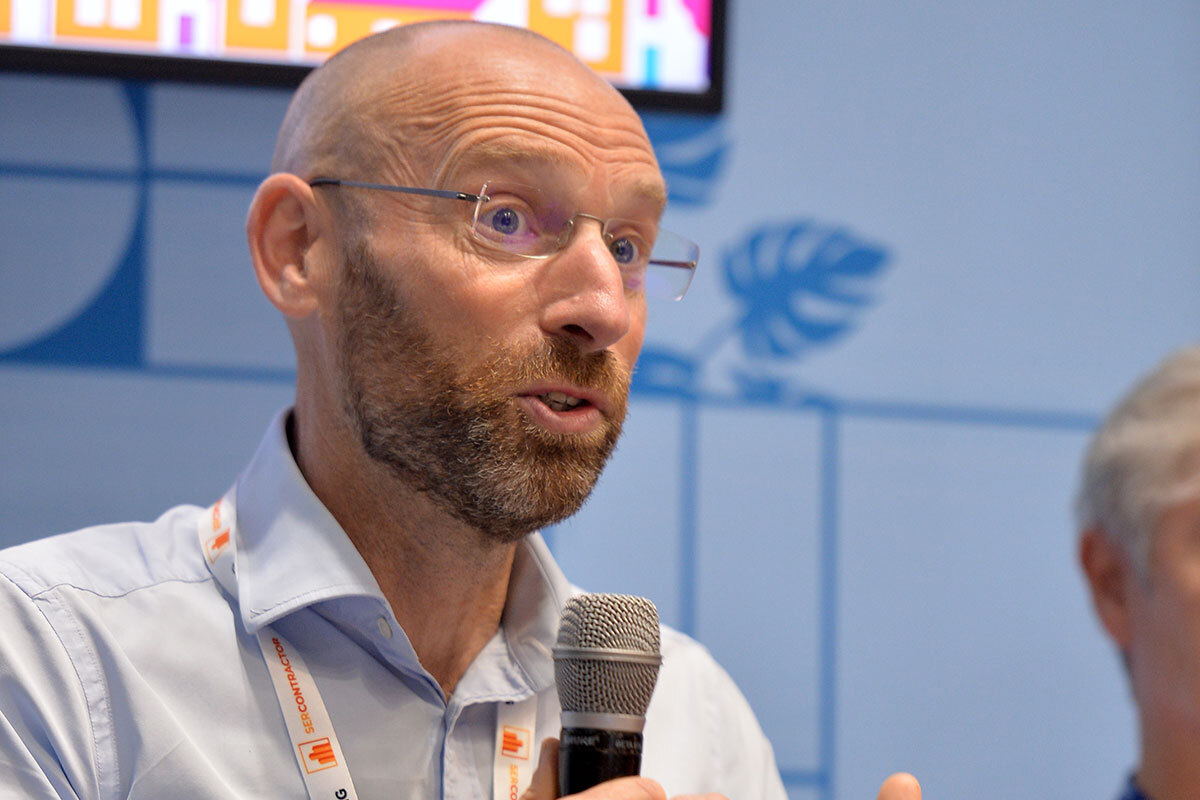
David Coombs, head of multi-asset funds at Rathbones Unit Trust Management, says: “Ultimately, those things aren’t really alternative. All investments are either buying a share of the future cash flow of an asset, so its equity, or lending money to someone, which is debt. And really, that’s how one should think of it.
“How confident are you in the reliability of the cash flows on offer, and are those attractive to buy at the current price? And when it comes to debt, ask yourself, do you want to lend to them?
“And it’s not about saying all of those things are bad investments all of the time, just so that investors need to understand what it is they are owning if they invest in these assets.”
Higher interest rates globally mean investors can now access a potentially meaningful level of income via cash or government bonds, and the textbook correlation between fixed income assets may be restored, with both of those factors denting the appeal of alternative investments.
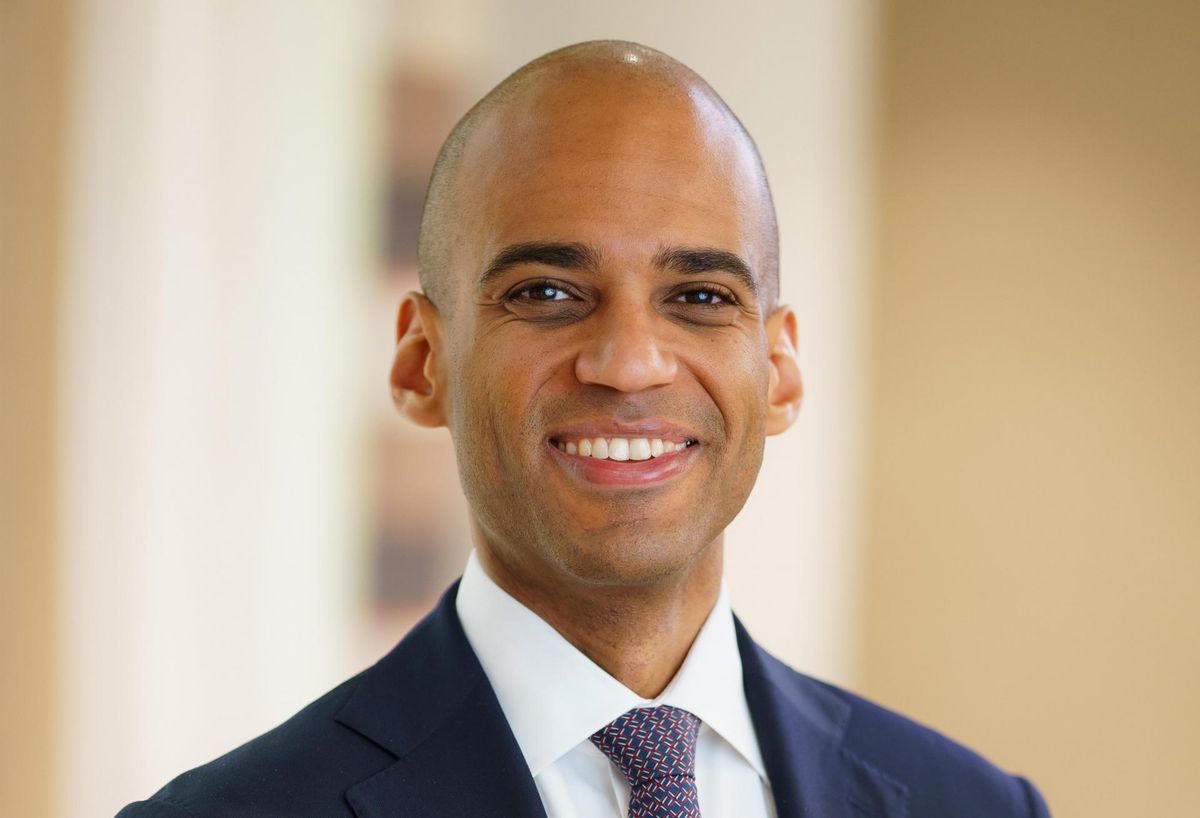
James Sullivan, head of partnerships at Tyndall Investment Management, is another who is sceptical of the investment case for alternatives.
He says: “Alternative investments were really born out of zero interest rate policy, and marketing teams of fund houses salivated as they rolled out a plethora of funds that targeted the vulnerable: those in need of returns with a bond-like dynamic.
“There remains a place for alternatives, and the investment universe is more colourful with their presence, but for once in their short existence, they have a very credible challenge from the risk-free rate that is T-bills.