SINGAPORE: They are not as well-known as big names like Nvidia, but more mid-cap tech companies from around the world are looking to Singapore as a base, and a government outfit is out to woo them.
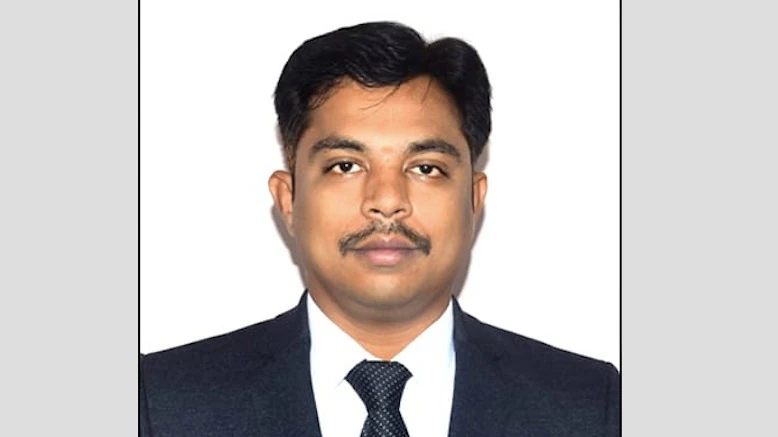
These firms, which could be making S$260mil (US$200mil) in annual revenues, are seeking launchpads into new markets, said Philbert Gomez, executive director of Digital Industry Singapore (DISG).
When they drill down their shortlist of places to invest in, Singapore wants to be “at least” one of the two finalists standing.
Gomez, who is also a senior vice-president at the Economic Development Board (EDB), cited three firms as examples: workflow automation company Workato, financial and technology (fintech) firm Wise, and data security provider AvePoint.
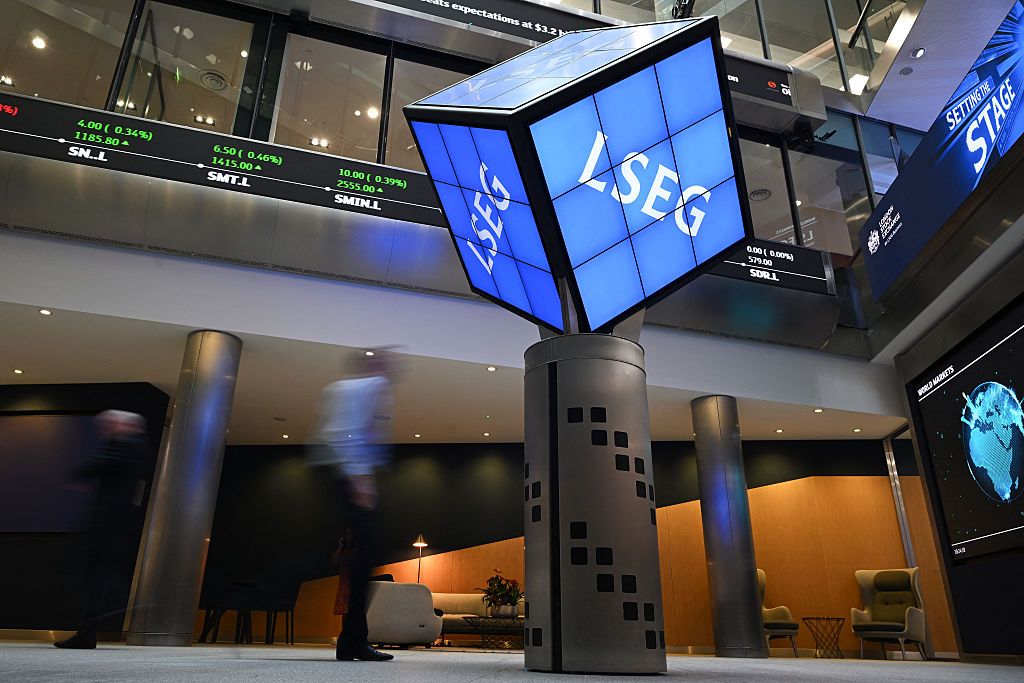
In September, Nasdaq-listed AvePoint completed its secondary listing on the Singapore Exchange, after having its office here since 2009.
The New Jersey-based firm, reporting over US$320mil in annual revenue, has also made Singapore its Asia headquarters and international research hub.
“The trends are positive, but they have different resource needs, so we are positioning ourselves to be appealing to them,” Gomez said.
Competing with billion-dollar-revenue tech giants for top talent, these firms hire through niche strategies, such as appealing to candidates job-hunting in a specific industry, or through alliances with universities and polytechnics.
Workato has committed to expanding its 130-strong team here with 700 more hires in Singapore in 2025, while Wise employs around 600 people.
“These are not small numbers,” Gomez said, adding that these mid-sized firms bring opportunities that benefit local start-ups and workers.
Since its establishment in 2019, DISG, an office comprising officers from EDB, Enterprise Singapore (EnterpriseSG), and Infocomm Media Development Authority (IMDA), has served as the one-stop interface for the technology sector.
It leads the Republic’s push for enterprises to set up artificial intelligence (AI) centres of excellence, a cornerstone of Singapore’s digital growth strategy.
These centres involve companies committing resources, talent, and expertise to create new AI products and applications.
Singapore has indicated a goal of 100 such centres, a number derived from a market study in 2023.
More than 50 have opened in the past 20 months, with the government providing up to 50% in funding support.
“It’s about one innovation centre being set up every two weeks. That gives you a sense that companies are keen. They are investing in Singapore,” Gomez said.
Asked if some investors are simply leveraging Singapore’s pro-business benefits and tax regime, Gomez added: “We have sharp indicators internally.”
These centres must be scoped for multi-market adoption and led by a designated leader and dedicated teams, he said.
“And the size of the team matters. We also look at the skill sets that the people have.”
Firms with global mandates, operating out of Singapore with large workforces, have committed to building these facilities, he said.
They include credit card issuer American Express, insurer Prudential, and software company SAP.
Local ride-hailing leader Grab and gaming specialist Razer are also involved.
Drawing research and innovation here is just the first step to get the whole Singapore Inc onto the AI ship.
DISG is the lead agency tasked with driving the Enterprise Compute Initiative (ECI), a S$150mil programme launched in 2025 to move companies “from AI ambition to action”, by helping them develop viable AI use cases and scale them up.
It has helped pair around 1,000 firms with hyperscalers Google Cloud, Microsoft Azure, and Amazon Web Services, who are supplying cloud credits, AI toolkits, and engineering expertise, to implement their AI pilots.
Eligible companies can receive subsidies to hire programme consultant partners.
The government is monitoring progress, said Gomez, but is open to fine-tuning participation and the programme budget.
Being a multi-agency office helps, said Gomez, who began helming DISG in September 2024.
He said: “It can determine what programmes, what incentives, what interventions these three agencies have, and then pull them together to serve as one.
“It is meant to be that turnkey. It is meant to be the one-stop.”
To expedite adoption among mainstream companies, there is also the idea of leveraging each agency’s programme.
One instance is EnterpriseSG and IMDA’s SMEs Go Digital initiative, which aims to help 15,000 small and medium-sized enterprises (SMEs) use AI-enabled solutions by 2026.
SMEs make up over 99% of enterprises here.
“Maybe some of the 15,000 there can get access to ECI. For them to be ready, their data must be sorted. They must have a digital plan. We are excited about scaling it,” Gomez added.
Feedback from firms on the biggest challenge to launching AI, he said, is finding experienced AI talent, given the nascent stage of the technology.
He said: “They’re also looking for individuals who have existing skill set experience in a certain domain.
“So, we’re excited when consulting firms PwC, Accenture, set up these centres of excellence because they have got experience across multiple industries, multiple domains, and they are helping their clients quickly hire individuals who’ve got these skill sets to deploy.”
Asked if he benchmarks the success of adoption, he said other countries do not have the same barometers as Singapore. — The Straits Times/ANN