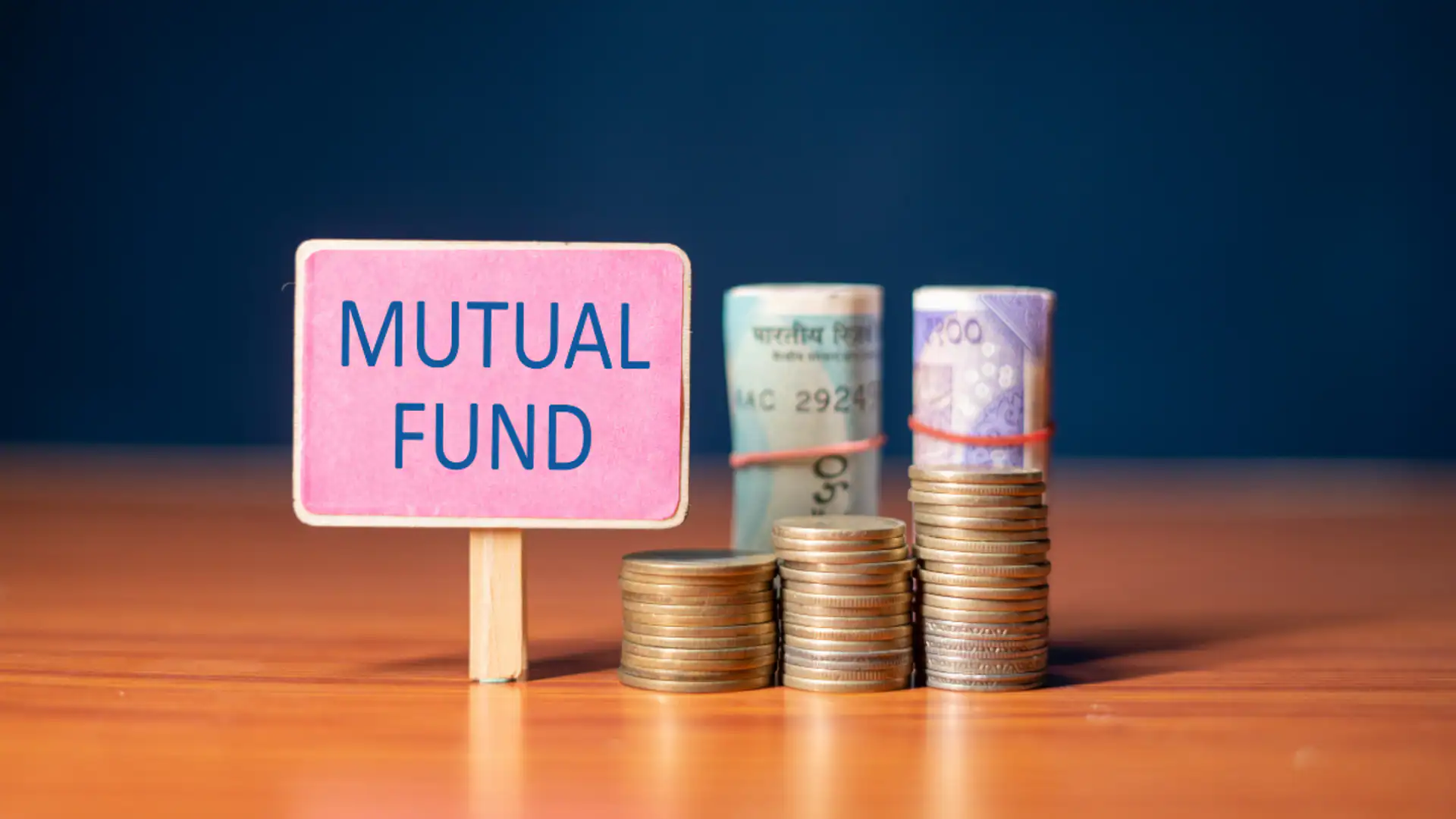
When bankers talk of a “win-win” situation, it pays to be wary. On the face of it, though, that is what the newest hybrid securities offer.
Like their preferred share ancestors, they hover between debt and equity, but can be cleverly – and legitimately – sculpted to look like whichever of the two a particular viewer favours. Their latest incarnation has regulators and rating agencies seeing mostly equity. Pretty much everyone else, including the tax man, sees debt that is just a little riskier than usual.
The financial case is clear. A traditionally financed investment grade company could raise new capital using equal parts equity and debt at a blended after-tax annual cost of perhaps 8 per cent. An equivalent hybrid, yielding between a half and one percentage point more than debt, would cost a little over half that. If hybrids replaced 20 per cent of a company’s capital, that saving could translate into an overall reduction in cost of capital of well over half a percentage point – in theory equivalent to a valuation boost approaching 10 per cent.
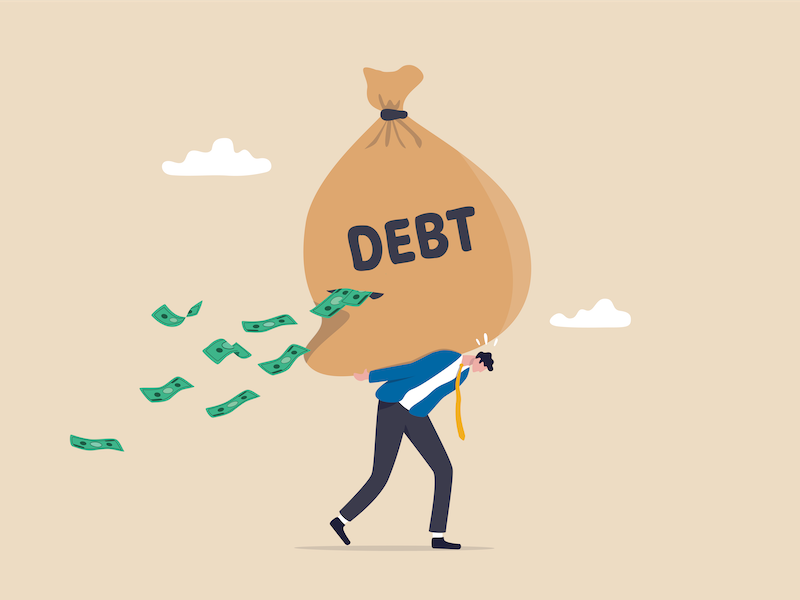
Few will worry that the tax man may lose out a bit by allowing the regular payments on hybrids to be set against revenue, like interest. A greater concern is that investors could be underestimating their risk. If rating agencies and regulators are saying the new hybrids are equity, why are they priced more like debt? One explanation is that, across the financial spectrum, investors are scratching around for extra yield – even if it means taking on additional risk. The balance of risk and reward in hybrids may be no worse than, say, in junk bonds.
But it is hard to escape a nagging feeling that these chameleon-like products could have a surprise or two in store for investors when their issuers face real-life financial difficulties. The new hybrids are not yet hardy perennials.