Before starting a mutual fund investment journey, it helps to understand how funds move and what factors may influence these movements. These factors may not be limited to short-term market trends but also include broader megatrends. Megatrends represent long-term structural shifts that may shape industries and economies over time.
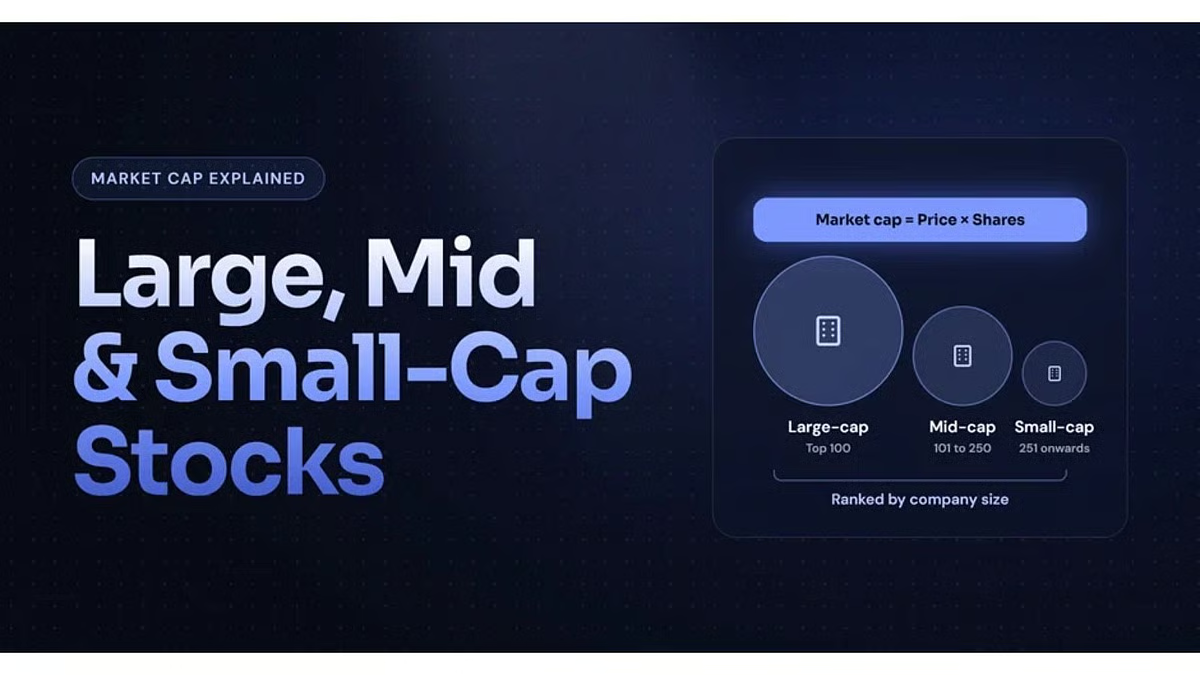
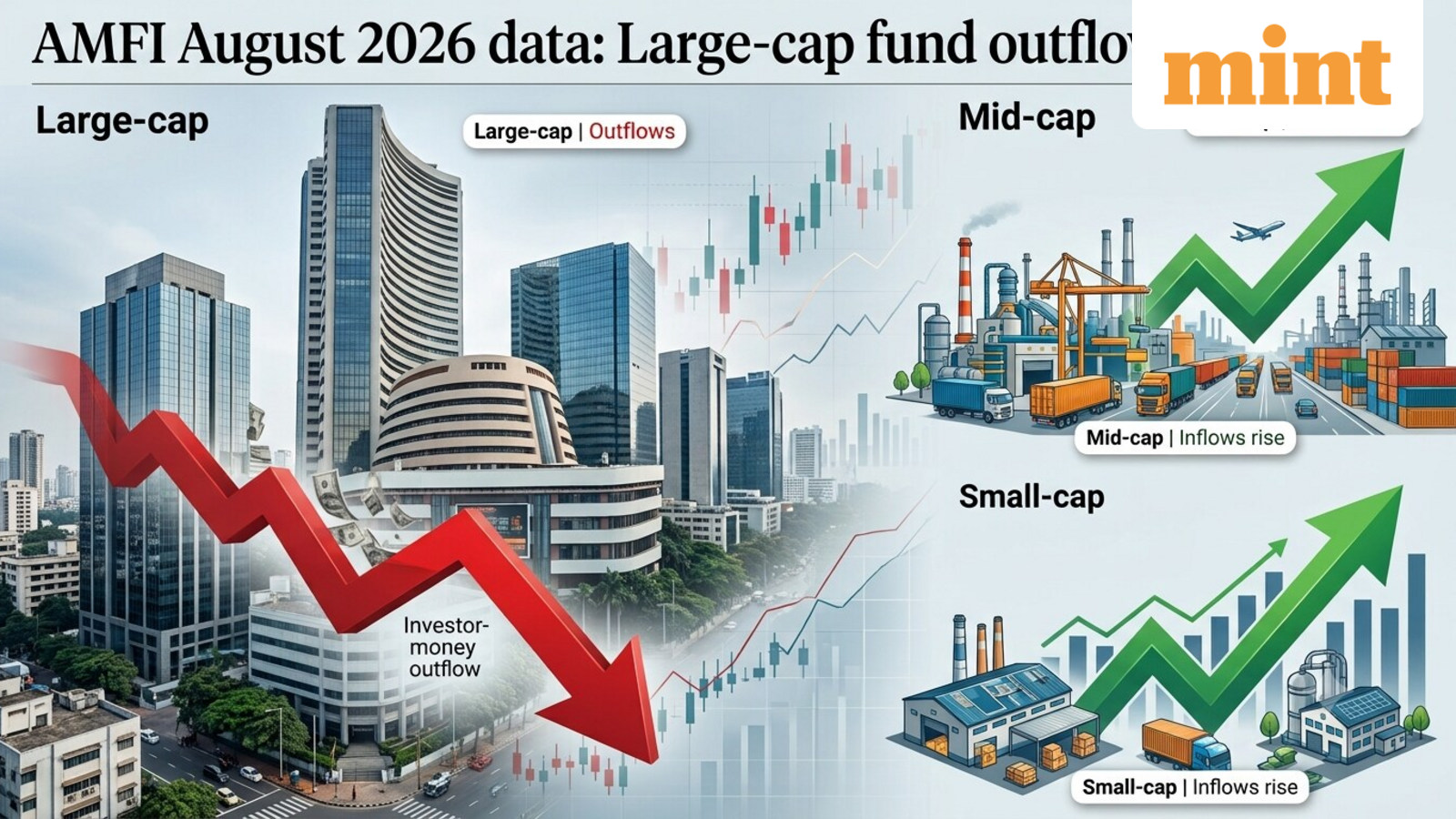
For investors, aligning with megatrends may provide exposure to evolving opportunities while also maintaining diversification. This is where a flexi cap fund comes in. Unlike funds restricted to a specific market cap, a flexi cap fund allows investment across large cap, mid cap, and small cap companies. With this flexibility, fund managers may capture potential long-term growth opportunities linked to megatrends while balancing relative stability.
Launched in August 2023, the Bajaj Finserv Flexi Cap Fund follows this approach by structuring its portfolio around megatrends that could influence India’s potential economic and corporate growth in the years ahead. Since inception, the fund has grown steadily, reaching Assets Under Management (AUM) of Rs. 5,640.18* crore as of September 30, 2025. During this period, it delivered a Compound Annual Growth Rate (CAGR) of 18.84%* in regular growth plan, and 20.55%* under the direct plan.
Let’s explore the megatrends driving the Bajaj Finserv Flexi Cap Fund, one at a time.
Technology trends
Digitalisation, automation, and advances in IT software and fintech may influence companies’ efficiency and reach. The fund may invest in firms leveraging technology to enhance competitiveness, aiming to capture potential growth linked to technological adoption. Currently, the fund holds 81 stocks across large cap, mid cap, and small cap segments, providing potential exposure to innovative technology companies.
Regulatory trends
Government initiatives supporting domestic manufacturing, infrastructure development, and financialisaton may shape potential corporate growth. Companies aligned with such regulatory changes may be potential investment candidates for the fund. Sector allocation includes industrial products, banking, and financial services, reflecting areas influenced by regulatory and economic trends.
Economic trends
Economic trends refer to the patterns and changes in the economy over time, such as growth in GDP, inflation, interest rates, employment levels, and trade balances. Understanding these trends helps investors make informed decisions, anticipate market opportunities, and mitigate potential risks arising from economic fluctuations.
Demographic trends
Demographic trends analyse changes in population characteristics, including age distribution, birth and death rates, migration patterns, and urbanization. These trends are crucial for planning in sectors like healthcare, education, housing, and workforce management, as they directly influence demand, consumption patterns, and long-term societal needs.
Nature trends
Nature-related trends examine environmental factors, ecological balance, and natural resource management. These trends are crucial for businesses and policymakers, as they influence sustainability, risk management, and long-term strategic planning, shaping opportunities in sectors like energy, agriculture, and manufacturing.
Social trends
Social trends describe evolving behaviours, values, lifestyles, and cultural norms within a society. They impact consumer preferences, communication styles, and community engagement, guiding businesses, governments, and organizations to adapt their strategies, products, and services to align with shifting social expectations and cultural dynamics.
Conclusion
The Bajaj Finserv Flexi Cap Fund has steadily grown since its inception, surpassing Rs. 5,640.18* in AUM. Its strategy, focused on megatrends across technology, regulation, demographics, environment, and society, seeks potential opportunities across large, mid, and small cap stocks while maintaining portfolio diversification. Investors may use tools such as a compound interest calculator to understand potential growth patterns.
The calculator is an aid, not a prediction tool. It may provide only an indicative picture.
*Source: Internal Data As on 30th September 2025 (Since Inception Annualised Return). Past performance may or may not be sustained in future.
Mutual Fund investments are subject to market risks, read all scheme related documents carefully.
“This article is part of the sponsored content programme.”