The journey of wealth creation through equities is a long-term marathon, not a sprint. Looking at market history over the last two decades, Indian equities have shown a remarkable ability to create wealth despite significant global volatilities, such as the Lehman crisis, the Eurozone debt crisis, or the Pandemic.
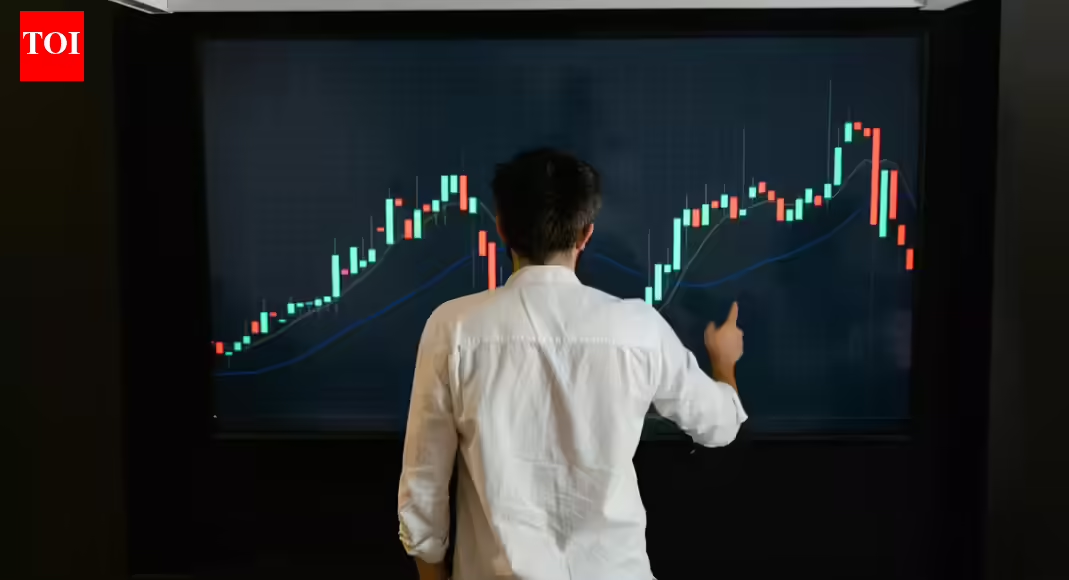
In the current environment, markets remain “always on the move,” influenced by shifting Foreign Institutional Investor (FII) flows, currency fluctuations, and geo-political uncertainties. However, for many individual investors, the “DIY” (Do-It-Yourself) dream of entering the right market segment at the perfect time often leads to a cycle of chasing past performance rather than securing future gains.
Rotation of champions
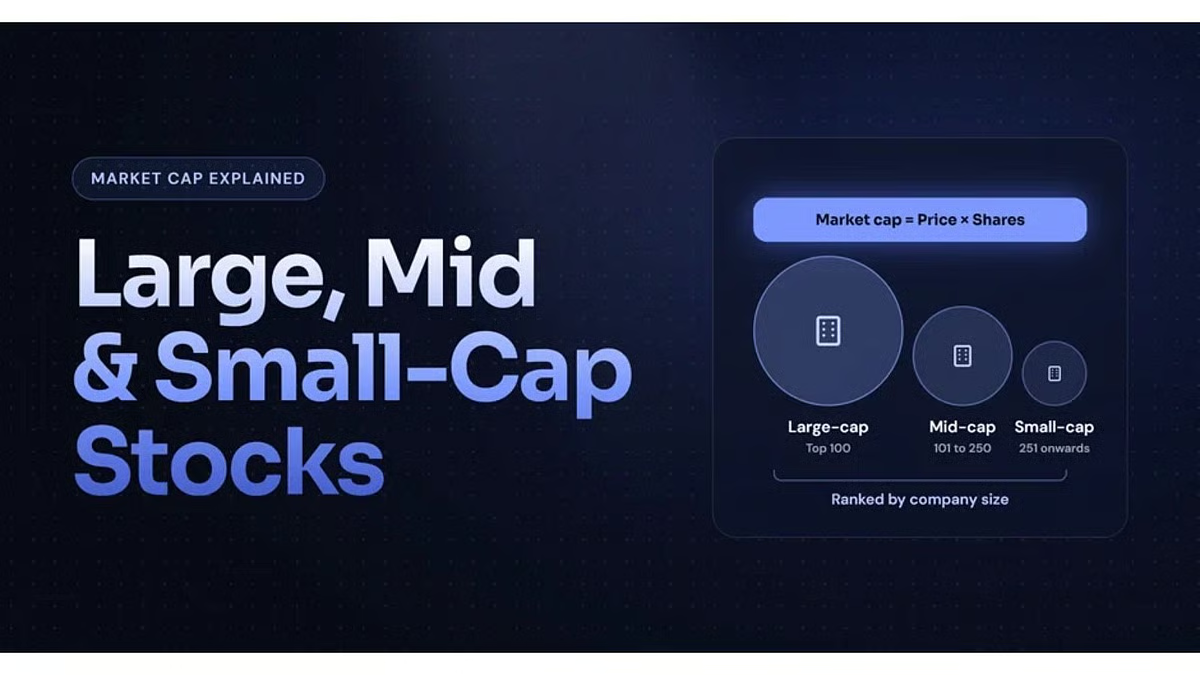
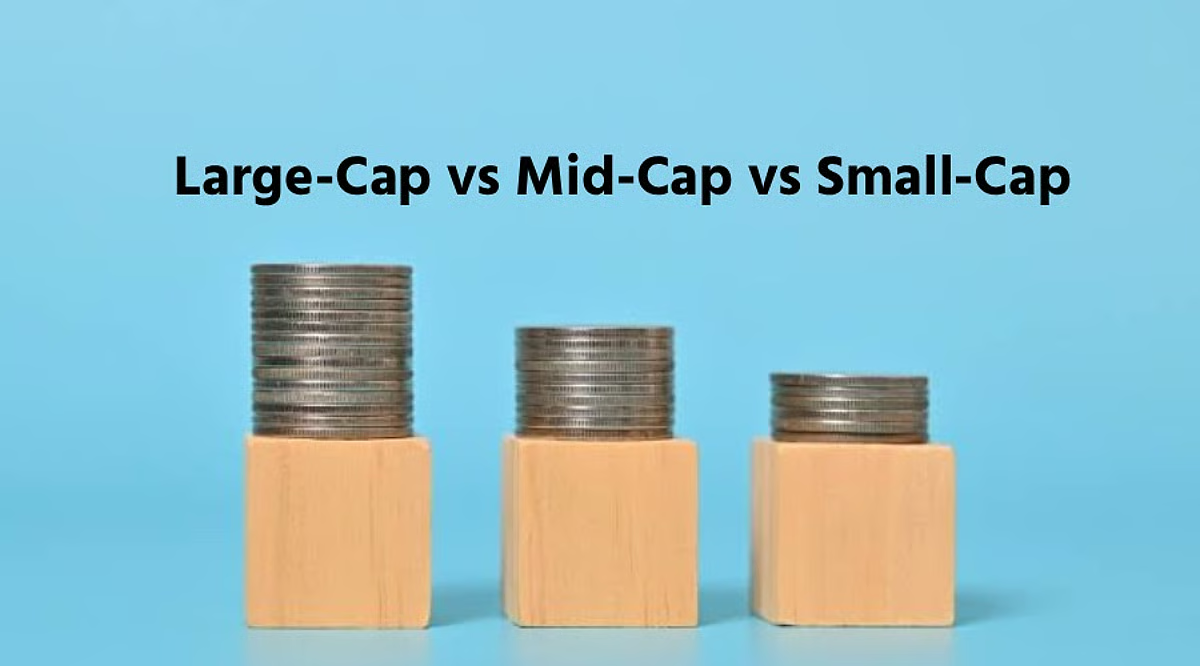
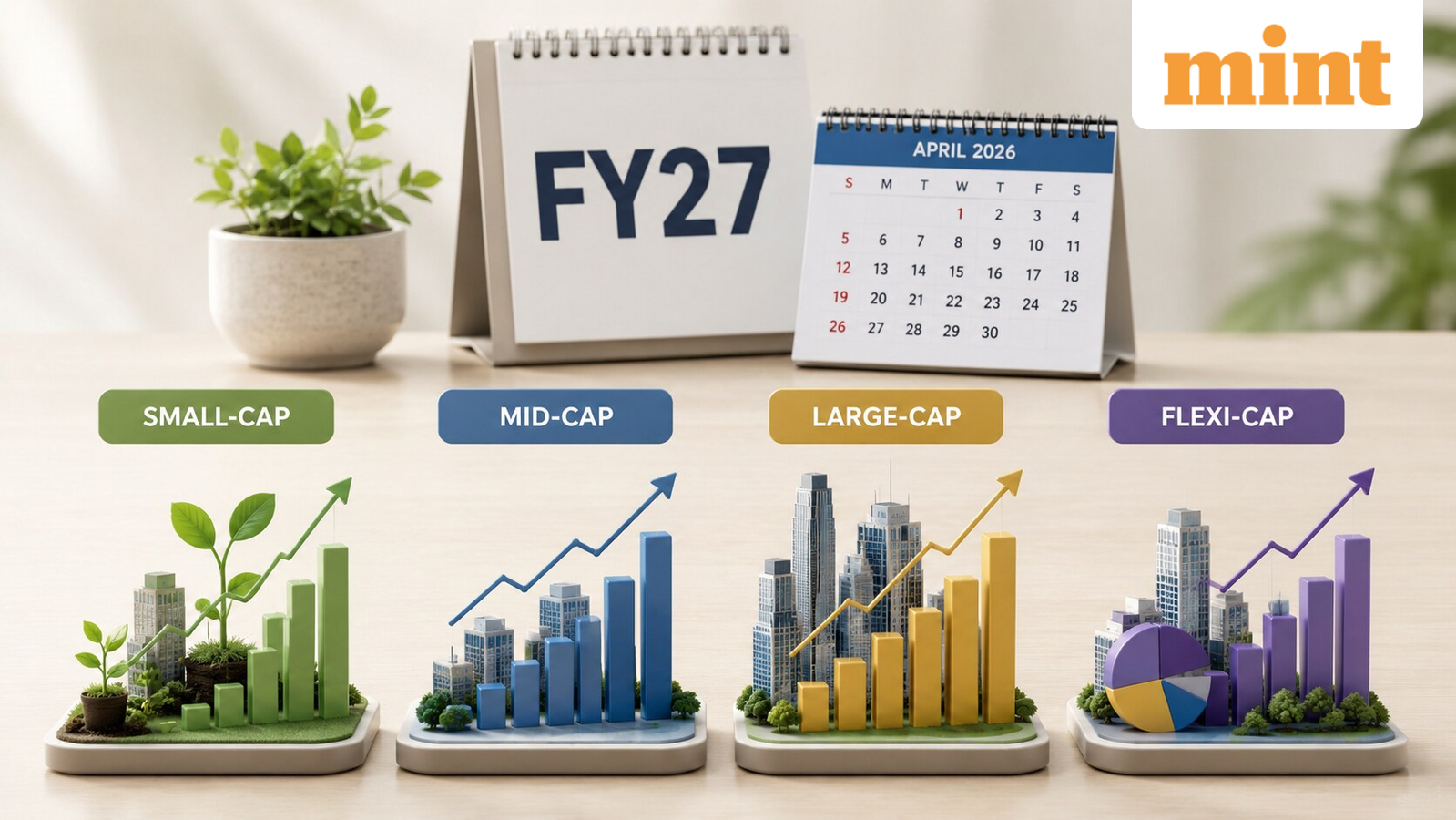
A fundamental truth of the equity markets is that “champions rotate”. No single market capitalization, whether Large, Mid, or Small cap, consistently stays at the top. Historical data shows that these segments take turns leading. For instance, in 2007, Small caps (Nifty Smallcap 250 TRI) delivered a massive 97% return, only to see a 69% drawdown in 2008. Higher upside often brings higher volatility, as Mid and Small caps deliver sharper rallies but also face steeper corrections. Conversely, while Large caps might seem more stable, they often underperform when other segments are in a high-growth phase.
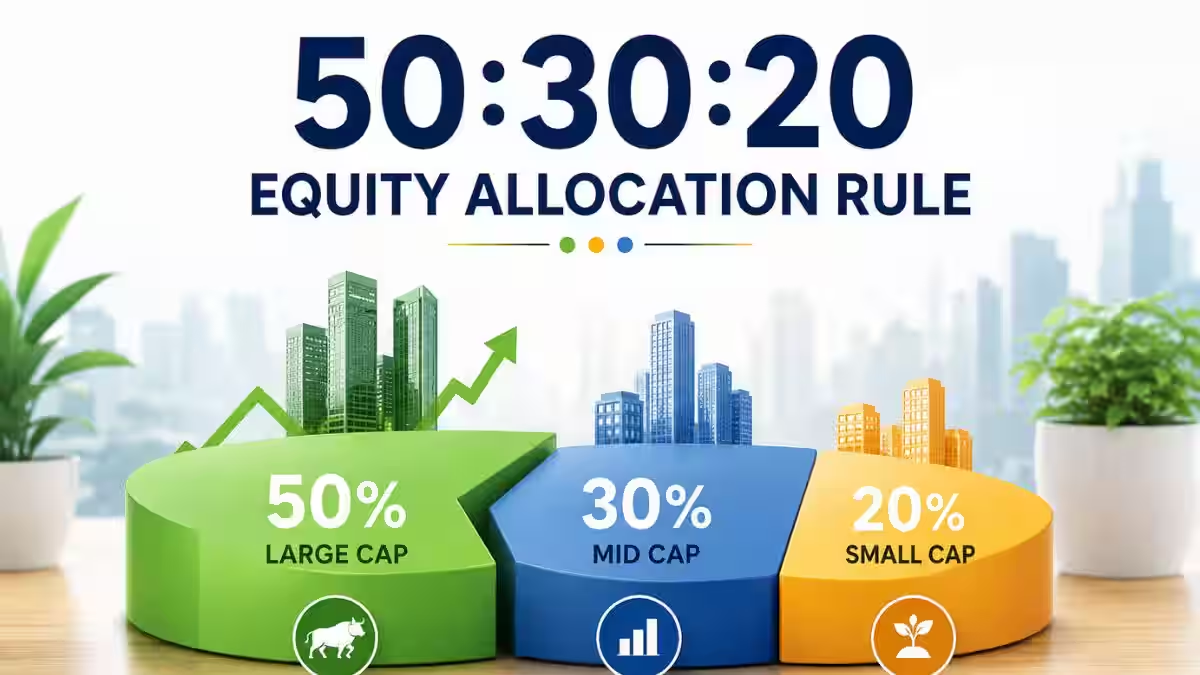
Attempting to guess which segment will lead next is a high-risk strategy that often leads to disappointment. Whereas an all-cap approach is more resilient because underperformance in one segment is frequently offset by strength in another.
Reality of chasing performance
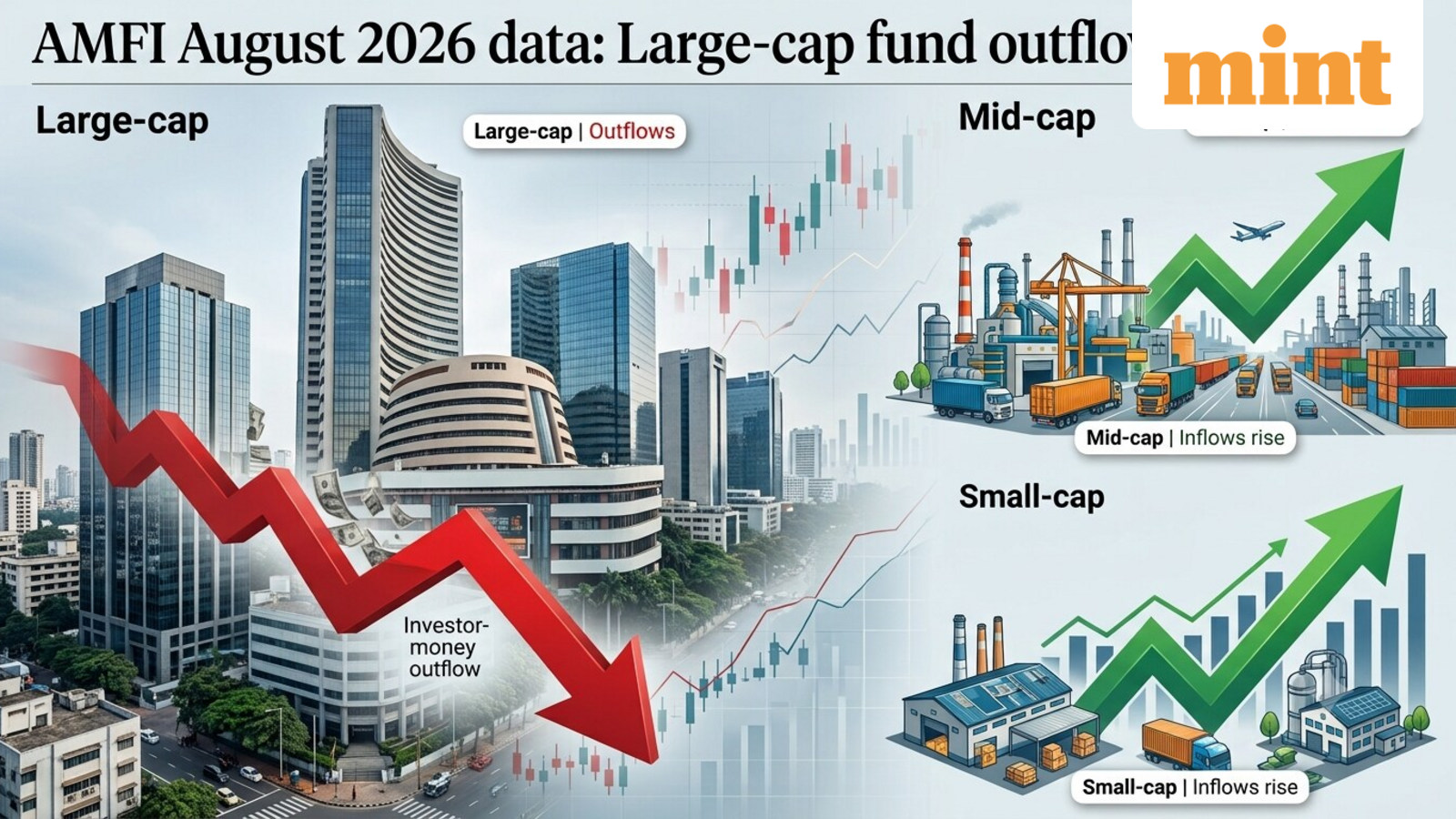
Data suggests that many investors enter specific segments only after they have already seen superlative returns. Between 2006 and 2017, the Small cap category saw its Assets Under Management (AUM) grow by a staggering 1668% as sentiments turned positive due to performance. However, following this peak, the category saw a return drop of 19.2% in 2018.
Similarly, the Mid cap category saw AUM grow 579% by late 2017, followed by a 12.1% drop in returns the next year. This simple historical illustration shows the classic pitfall of “flows chasing performance,” where emotional decision-making leads to buying trending segments at their peak rather than following a disciplined plan.
Limitations of the DIY approach
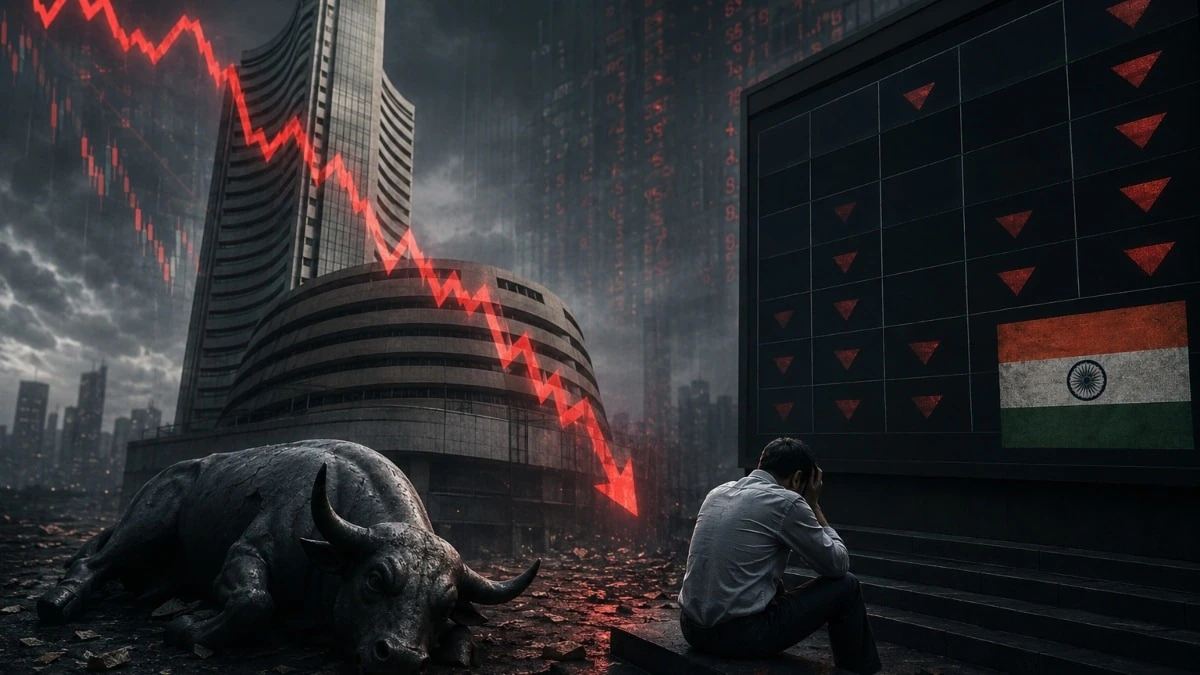
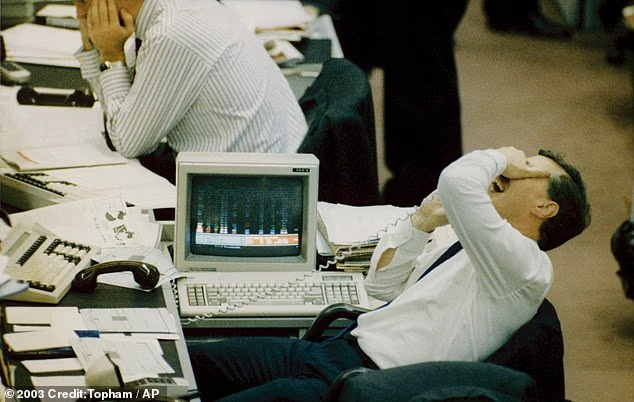
Beyond poor timing, DIY investors often lack the experience required to handle market volatility. This leads to “panic selling” during corrections and missing out on eventual opportunities. Without professional oversight, portfolios often drift away from their original intended asset allocation, increasing risk during market shifts.
Furthermore, the high costs and inefficiencies associated with frequent switching, such as taxes and exit loads, can significantly erode long-term returns.
A resilient alternative
To counter these behavioral biases, a diversified all-cap strategy offers a more stable path.
A Diversified Equity All Cap Oriented Fund of Funds (FOF) approach simplifies this by investing in a portfolio of underlying active schemes based on varied market caps. This professional structure may utilise a dynamic in-house framework to determine market-cap lucrativeness. This can be based on different parameters like P/E and P/B valuations, market-cap to GDP ratios, and technical indicators like the Relative Strength Index (RSI).
By seasoning the portfolio with multiple investment styles, professional management can navigate “choppy” markets where superlative returns have moderated. For long-term capital appreciation, shifting from a “timing” mindset to a structured, diversified mindset is often the most critical step an investor can take.
“This article is part of sponsored content programme.”
Published on March 11, 2026