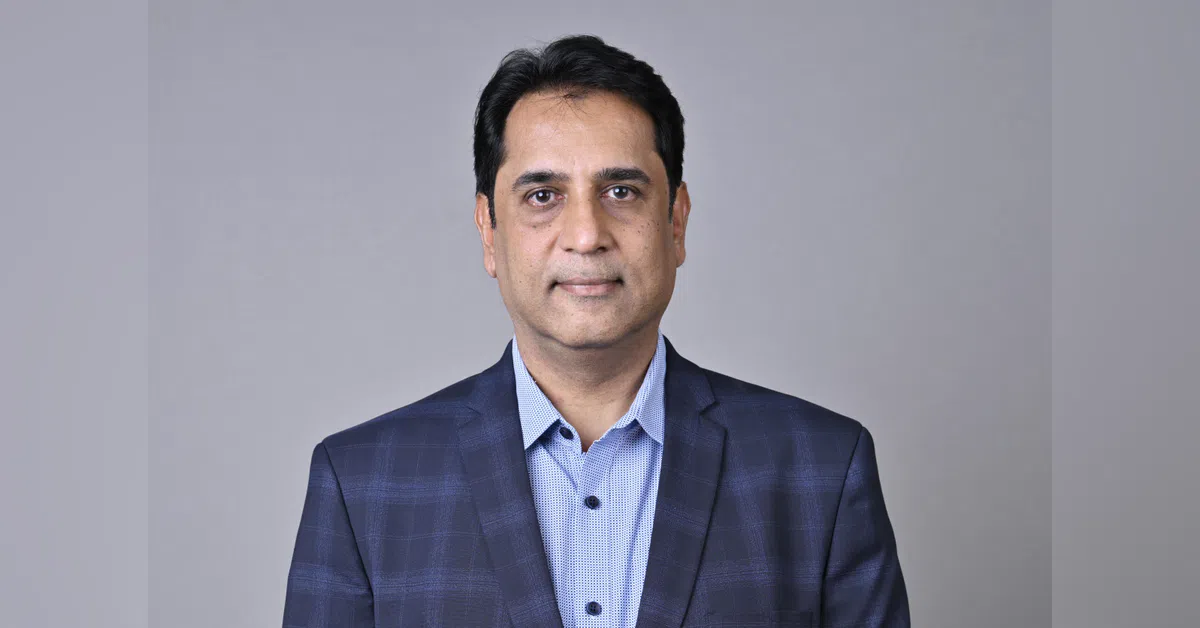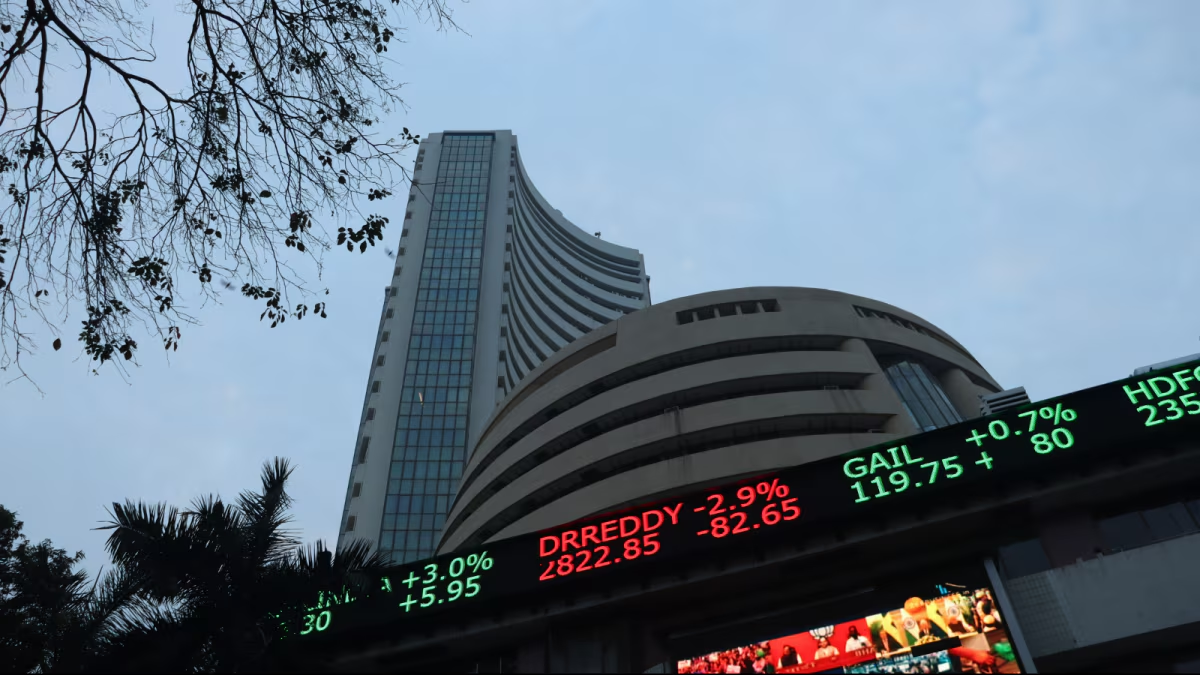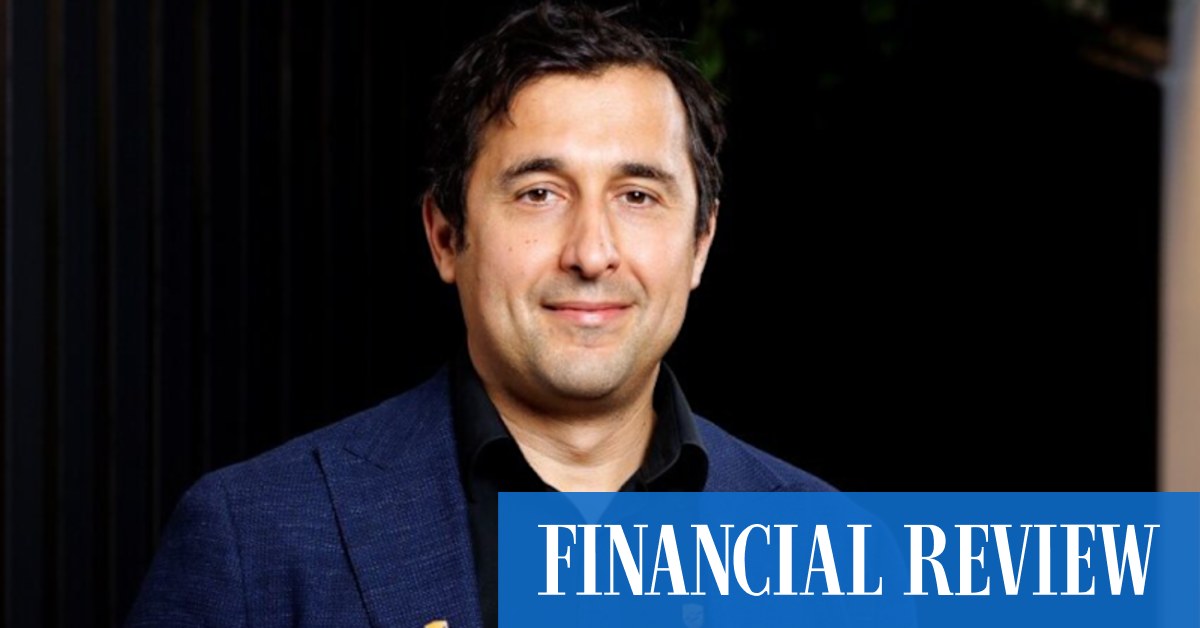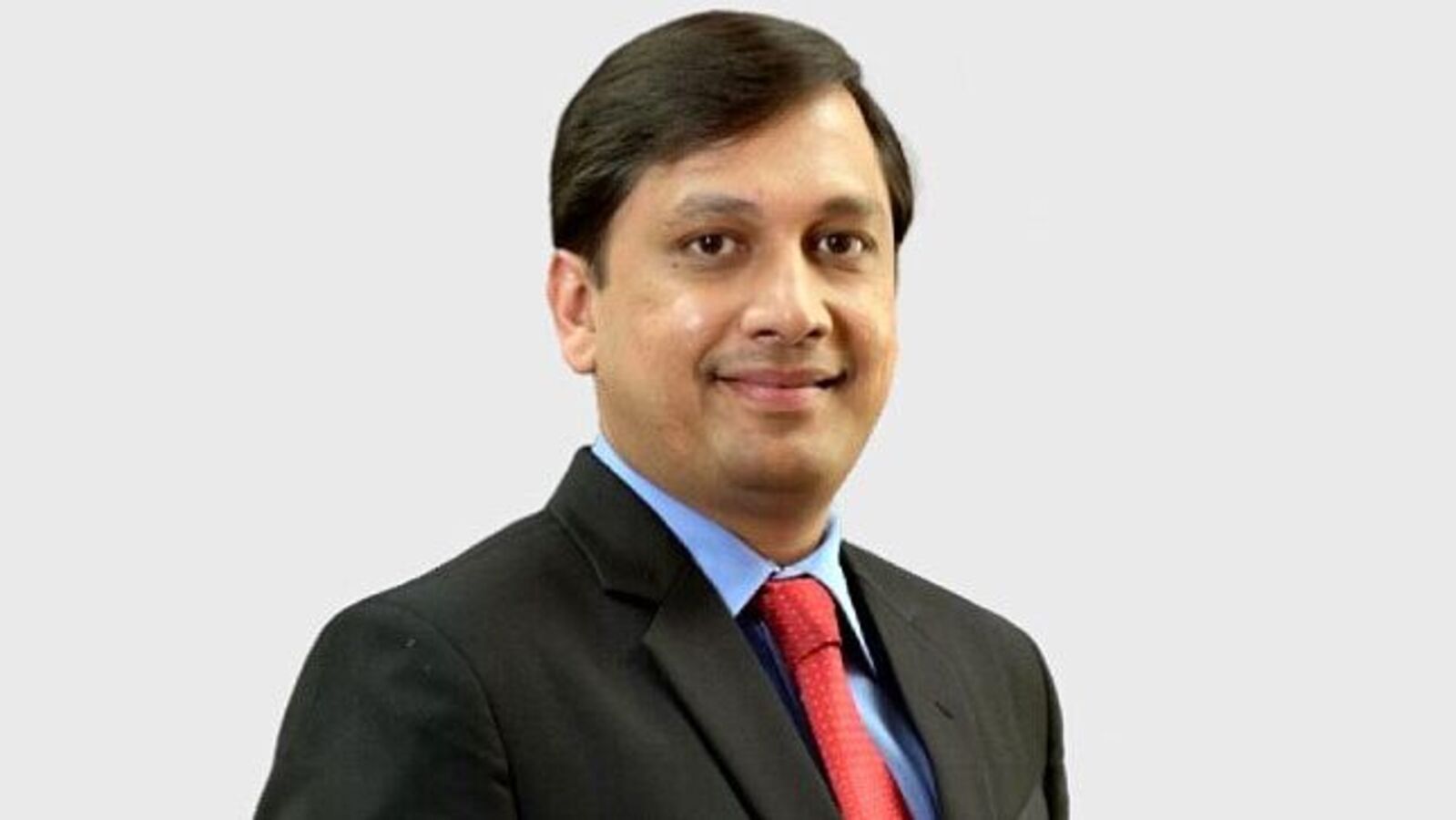
Harsha Upadhyaya, Chief Investment Officer, Kotak Mahindra Asset Management Company, believes the Indian stock market is in a healthier place than it was a year ago. He tells Mahesh Nayak that froth in large-caps has eased and valuations in mid-caps look more balanced. However, small-caps remain stretched. Excerpts:
How do you read the current market setup?
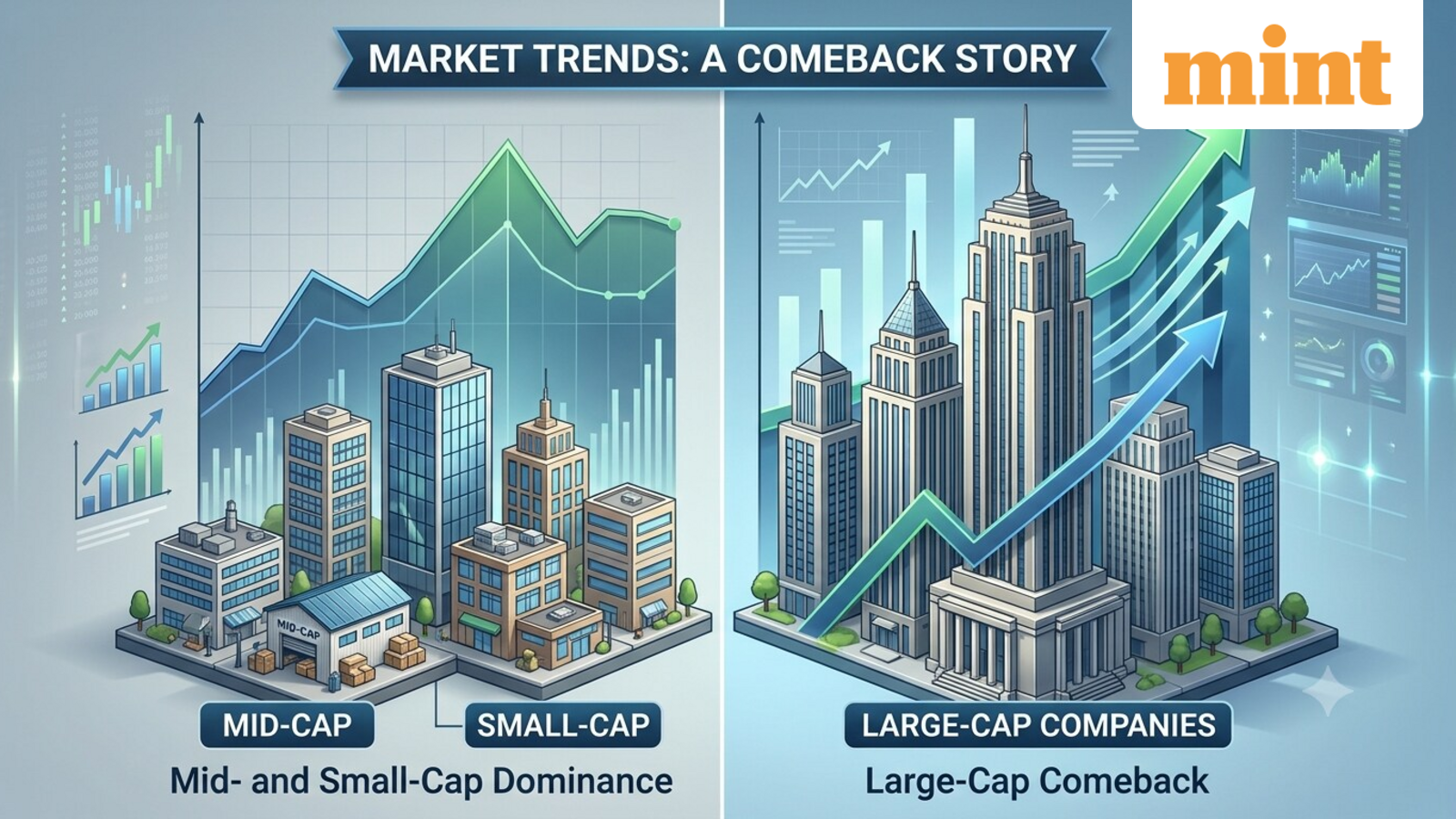
On the domestic side, most indicators are supportive of growth. We have had 125 basis points (bps) of rate cuts, a fairly predictable policy environment, and corporate earnings that appear to be bottoming out. Large-cap valuations have corrected meaningfully, which means much of the earlier froth has been taken out of the system. Add to that strong monsoons, controlled inflation, and the GST rejig that’s boosting consumption, and the fundamentals look stable. The volatility we’re seeing is essentially being imported from outside India — tariffs, geopolitical tensions, and global rate concerns. Once those uncertainties subside, I expect market conditions to strengthen further. Compared to where we were last year, I feel more positive today.
What is your view on the broader market — mid and small caps?
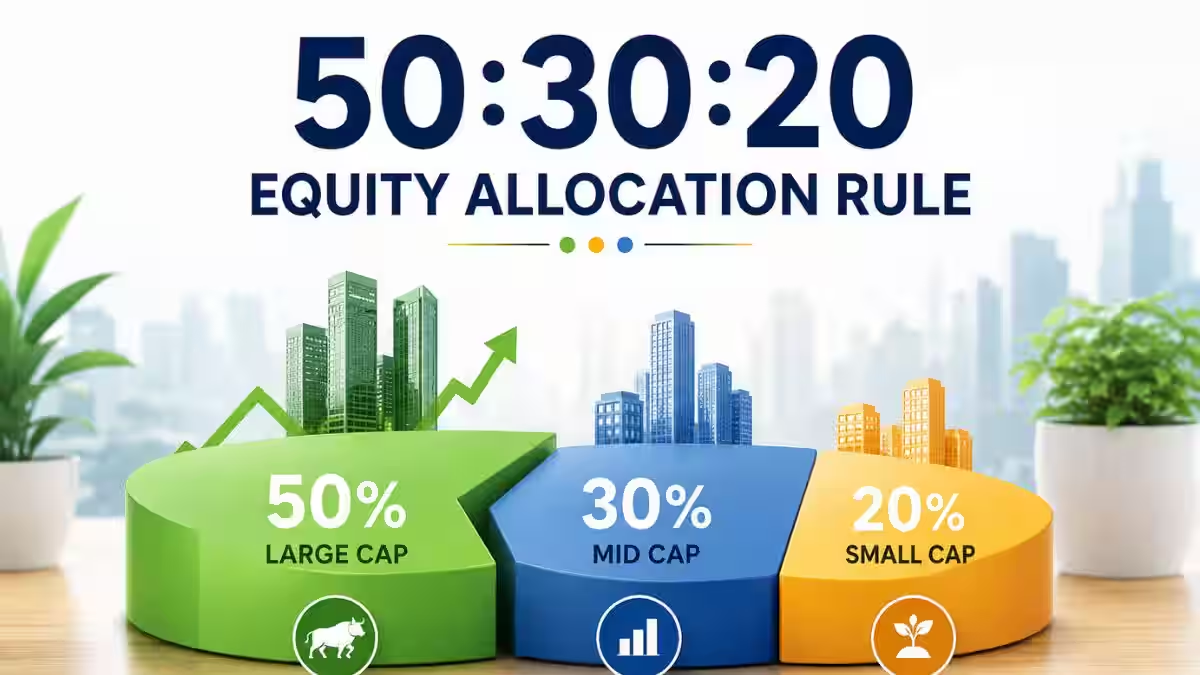
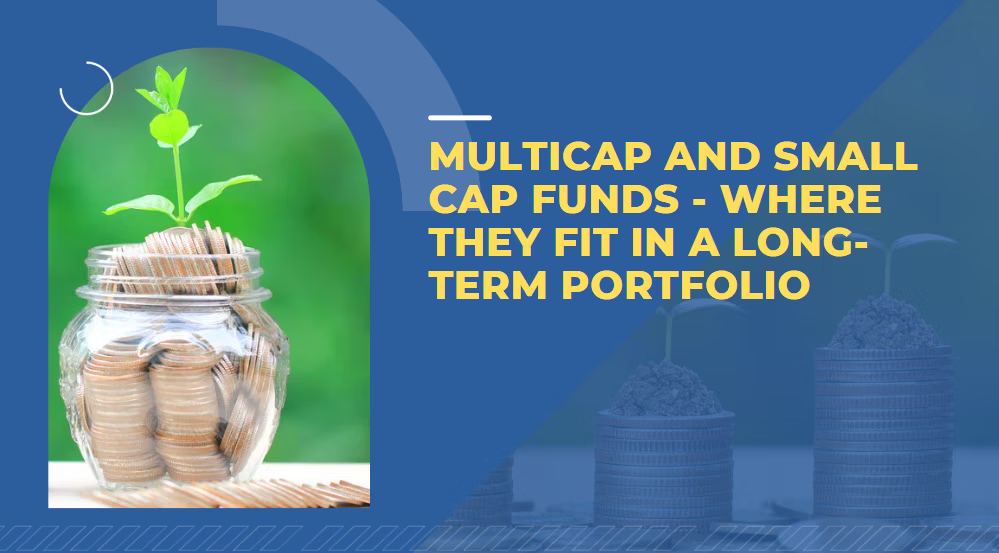
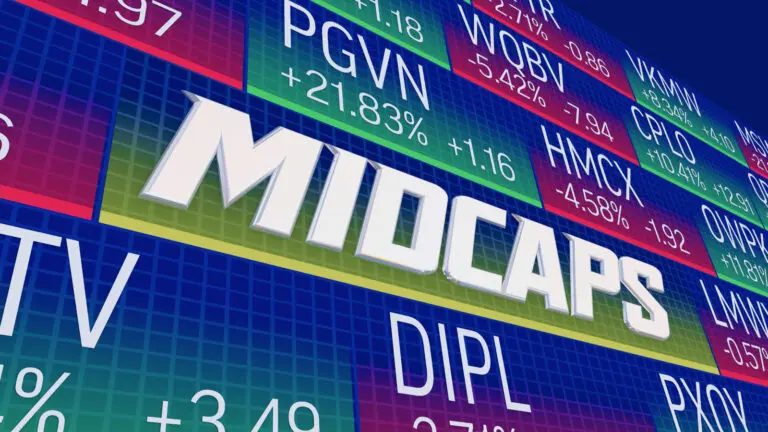
When I look at the broader market beyond large caps, small caps remain expensive. They are currently trading at about a 40% premium to their 10-year average, which makes me cautious. This segment is likely to see sharper volatility and larger disappointments, given how stretched valuations are. Mid-caps, on the other hand, are at a 10–12% premium, but they come with slightly higher earnings growth, so the valuation gap feels more justifiable. My comfort zone is a portfolio tilted toward large and mid-caps, with only selective exposure to small caps.
Is the pain over for the IT sector, and how do you see AI impacting the sector?
I don’t think the pain is fully behind us. What we are seeing now is the unwinding of a two‑year overhang—AI‑driven disruption fears layered on top of already muted earnings. The market is reacting to the same structural worries that have been around for a while. AI will create new opportunities but also cannibalise existing services. Profitability could come under some constraint… the net impact is still not known. Near‑term, there are no significant earnings triggers for IT. We have been underweight IT for last 1.5–2 years, not because of AI but because earnings growth was anyway expected to lag the market.
Where should investors allocate in this market?
We like large and mid-caps with a three‑year view. We always say equity investors should take at least a three‑year call. With earnings expected to revert to mid‑teens (14-15%) growth and valuations now reasonable, we believe investors entering today should be able to capture corporate profitability as returns. On commodities, we remain positive on gold and silver, supported by central‑bank buying, dollar concerns, and structural silver deficits. However, one should be careful, once you have seen very strong returns (bullion) in a bunched‑up fashion, you should be careful.
Which sectors are you overweight and underweight?
For nearly two years, we have tilted toward domestic sectors— banking & financials, autos, cement, and capital goods. Domestic growth has been more resilient than global growth. On the flip side, FMCG remains an underweight. Valuations are rich, volume growth muted, and discretionary consumption is where GST benefits and rising incomes are showing up. You are unlikely to use more soaps or shampoo just because rates fall. Discretionary categories — autos, white goods, travel, entertainment — are seeing stronger tailwinds.
What are the key risks and triggers investors should watch?
The key risks are largely external. Tariffs, geopolitical tensions, and the broader global growth outlook still dominate the risk matrix, while domestic vulnerabilities are far more contained. The real swing factor is earnings visibility. Q3 delivered a modest 2% sequential uptick, and Q4 should be incrementally better, but investors will want to see that trend sustain. On the positive side, if global conditions stabilise and FPI flows return, sentiment can turn quickly. The early signs of a private‑capex revival are also encouraging, helped by lower rates, strong corporate balance sheets, and rising capacity utilisation. The building blocks are in place; it’s just that a full‑scale revival will take time to play out.