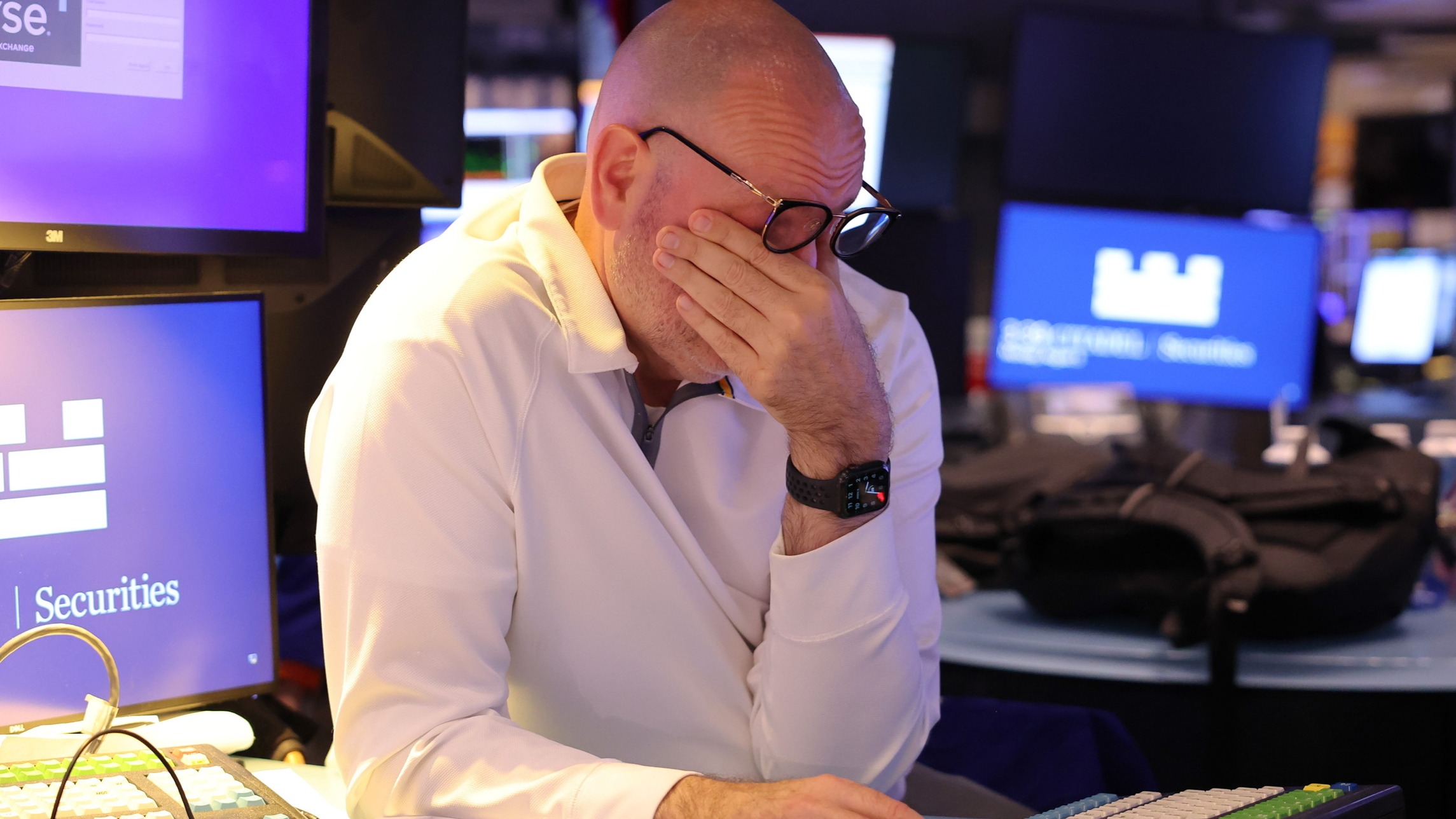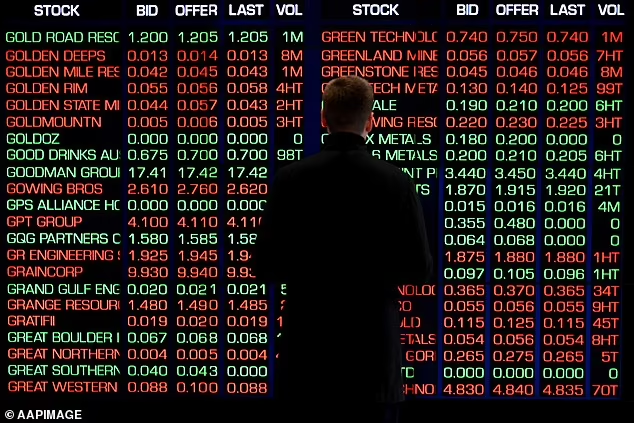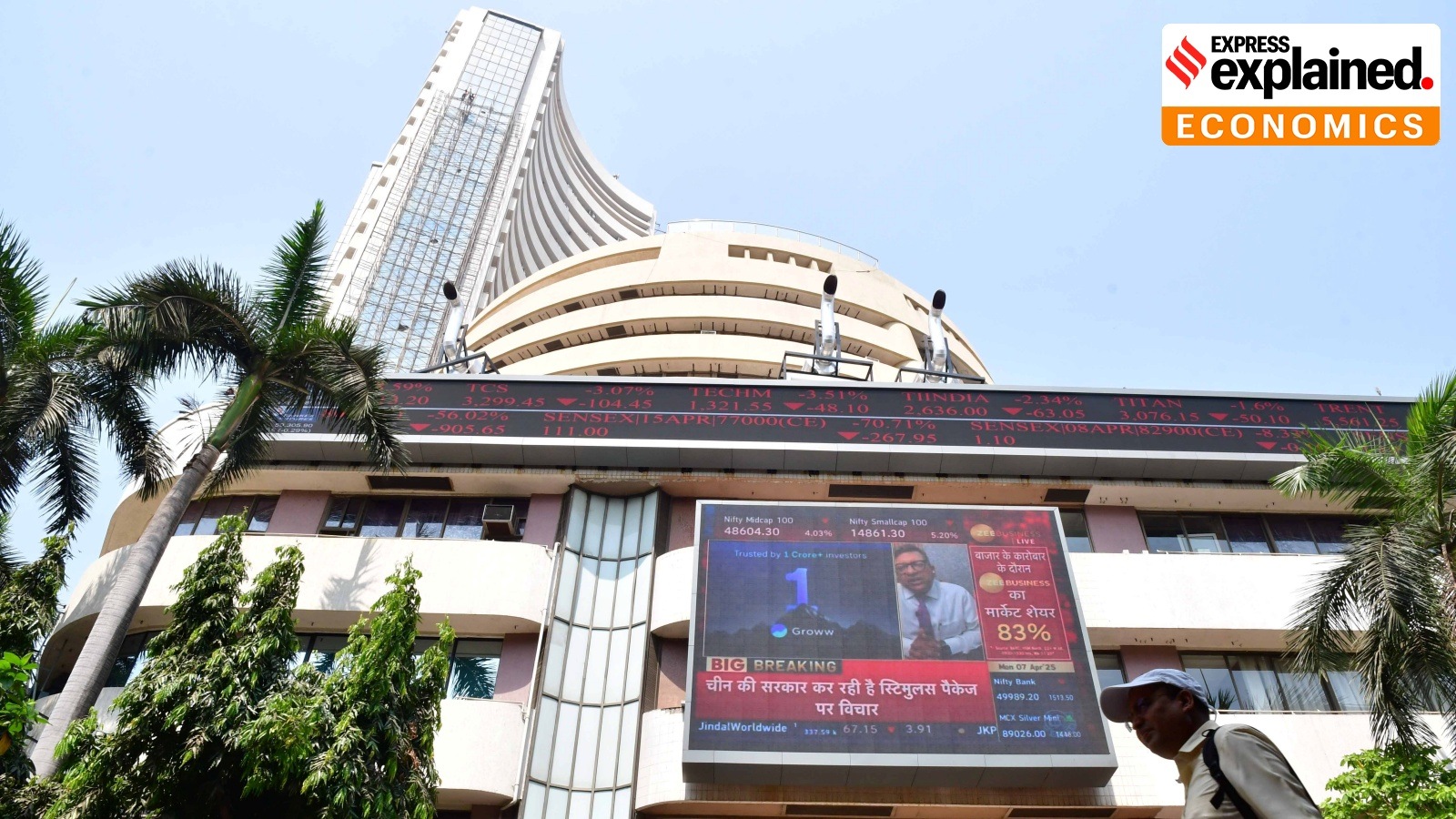
Small- and mid-cap stocks have been facing intense selling pressure, weighed down by continuing worries over high valuations and lacklustre quarterly earnings.
In January 2026, so far, the BSE Smallcap index has fallen around 7 per cent, while the BSE Midcap index has tanked around 4 per cent. Market experts believe that small- and mid-cap stocks are likely to experience further corrections and have advised investors to be selective when investing. While small-cap indices have registered declines in the latter half of 2025, the slide in January is sharper than it was in November and December, 2025.

How have small- and mid-cap indices performed?
The BSE Smallcap index shed 3,649 points, or 7.08 per cent, so far in January, closing at 47,876.05 on January 22, from 51,525.46 on December 31, 2025. The NSE Smallcap 100 declined 5.85 per cent, or 1,037 points, in the current month, settling at 16,677.25 on January 22.
Similarly, the BSE Midcap index tumbled 4.3 per cent, shedding 2,009 points, through the first 16 trading sessions of 2026. It closed at 44,945.48 on January 22, down sharply from 46,954.34 on the last trading session of 2025. The NSE Midcap 100 slid 3.79 per cent so far in January this year.
Small-cap stocks have been witnessing relentless selling pressure over the last three consecutive months. The BSE Smallcap index declined 3.4 per cent in November 2025, followed by a further 1 per cent fall in December.
“It has been a one-way fall for the small-cap index since the start of November last year. Even in the current month, from January 1st, the small-cap index has fallen by about 7.5 per cent,” said N Aruna Giri, CEO of TrustLine Holdings.
A large number of stocks are down 40–50 per cent. In fact, one could argue that nearly half the market, particularly across the small-cap spectrum, has seen drawdowns of this magnitude, he said, adding that the pain in mid-cap stocks is equally intense.
Concerns over stretched valuations
Story continues below this ad
After posting negative returns in 2018 and 2019, small- and mid-cap stocks drew heavy inflows during the Covid period, led by increased participation from individuals and households in the country’s capital markets through direct (trading in the stock market) and indirect (mutual funds) routes. During 2020, while the BSE Midcap rose 20 per cent, the BSE Smallcap index soared 32 per cent. The trend continued until 2024, with small- and mid-cap indices surging more than two times and 1.6 times, respectively, during the four years. Heavy inflow was due to a surge in retail participation, coupled with strong market performance between 2020 and 2024.
The sell-off in small- and mid-cap stocks started at the beginning of 2025, as investors turned cautious amid concerns over excessive valuations resulting from years of sustained inflows.
“The fact is that mid and small-cap stocks continue to remain overvalued even now. The main factor weighing on small and midcap stocks is the high valuation because the domestic investors had started investing huge amounts of money (in these stocks),” said V K Vijayakumar, Chief Investment Strategist, Geojit Investments Ltd.
Strong inflows were primarily supported by better corporate earnings. After an impressive 24 per cent compound annual growth rate (CAGR) between 2020 and 2024, corporate earnings declined to 5 per cent in fiscal 2025, triggering outflows from small and midcap stocks.
Story continues below this ad
In the long run, the market trend is dictated by earnings growth. When there is no earnings growth, the market will decline. A vast majority of retail investors lost money last year as their portfolios were skewed in favour of small and midcaps, Vijaykumar added.
What strategy should investors adopt now?
Market experts advise adopting a prudent strategy amid elevated valuations of small- and mid-cap stocks and ongoing selling pressure.
“Given the extent of the fall and the brutality of the correction, the obvious question arises: Has this become a buy-on-dips market? Unfortunately, the answer is no. Valuations remain meaningfully above historical averages,” said Aruna Giri of TrustLine Holdings.
Story continues below this ad
Before the present correction, the small-cap index was trading at around 28–30x trailing earnings. Post the fall, valuations have moderated to about 25–26x, but this is still a huge premium to long-term averages. So at a broader market level, small and midcaps continue to look expensive, and it would be naïve to rule out more pain in the space, he said.
“Does that mean investors should simply sit on the fence and wait for much lower levels? That approach is equally not prudent. At the stock-specific level, for truly bottom-up and selective investors, many compelling opportunities are emerging across small and midcaps, provided one is extremely choosy,” he noted.