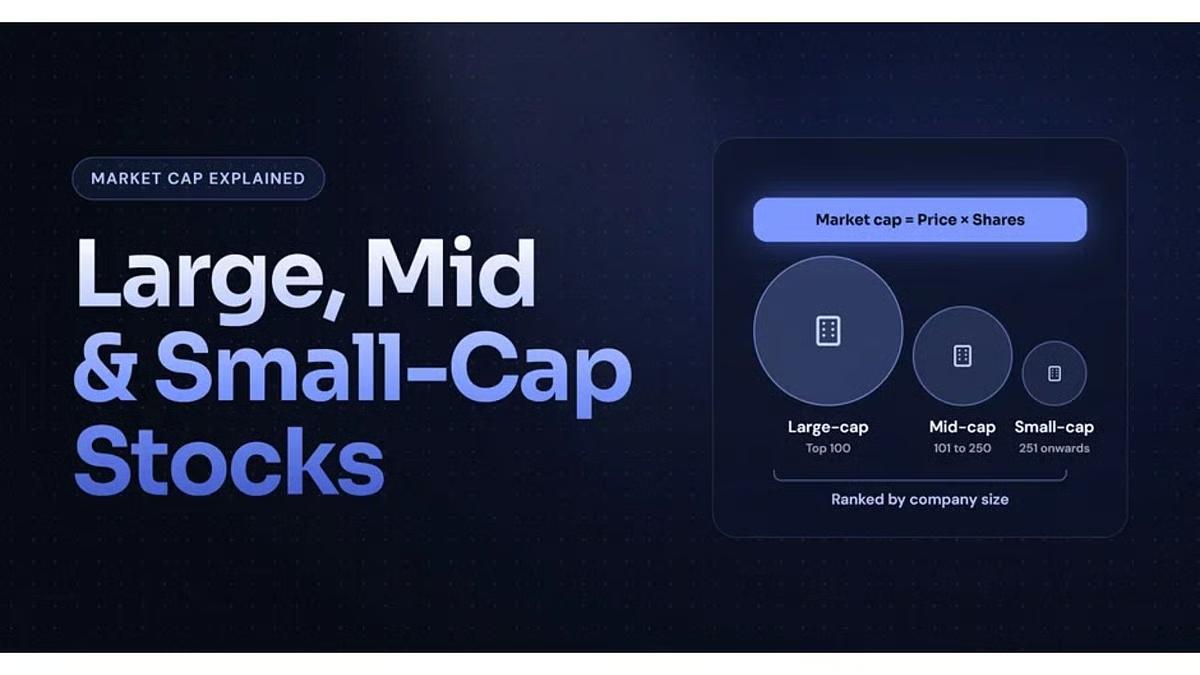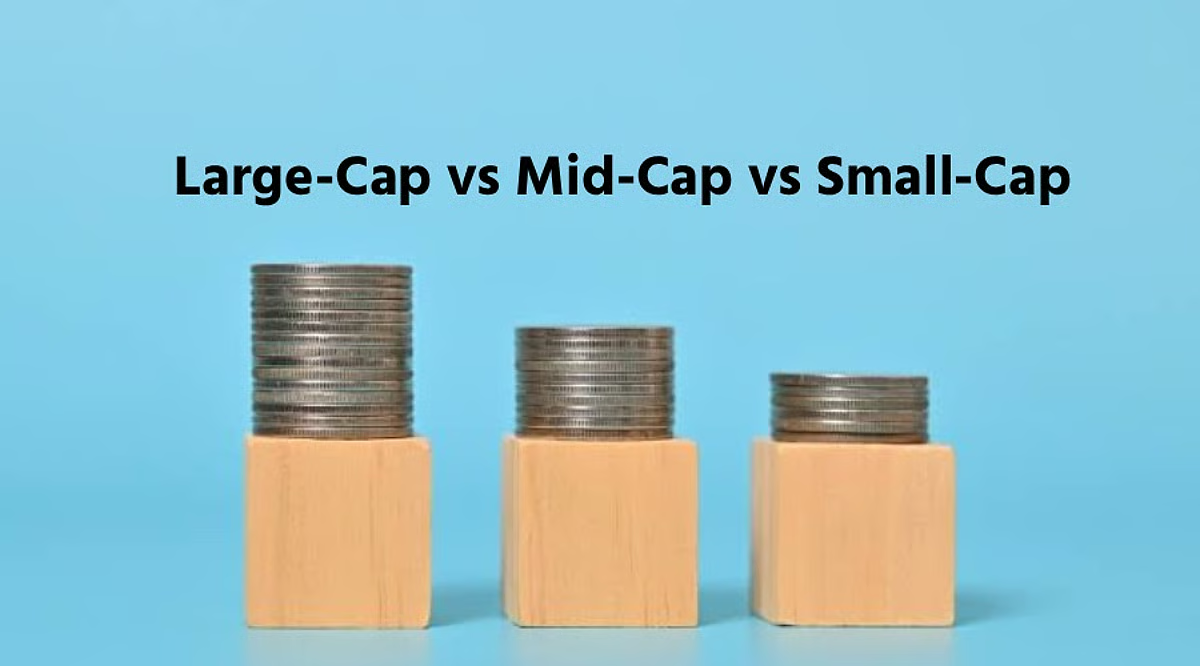
Canadian mid-cap stocks are attracting attention as investors look for companies positioned to benefit from industry consolidation, demographic tailwinds and improving commodity markets.
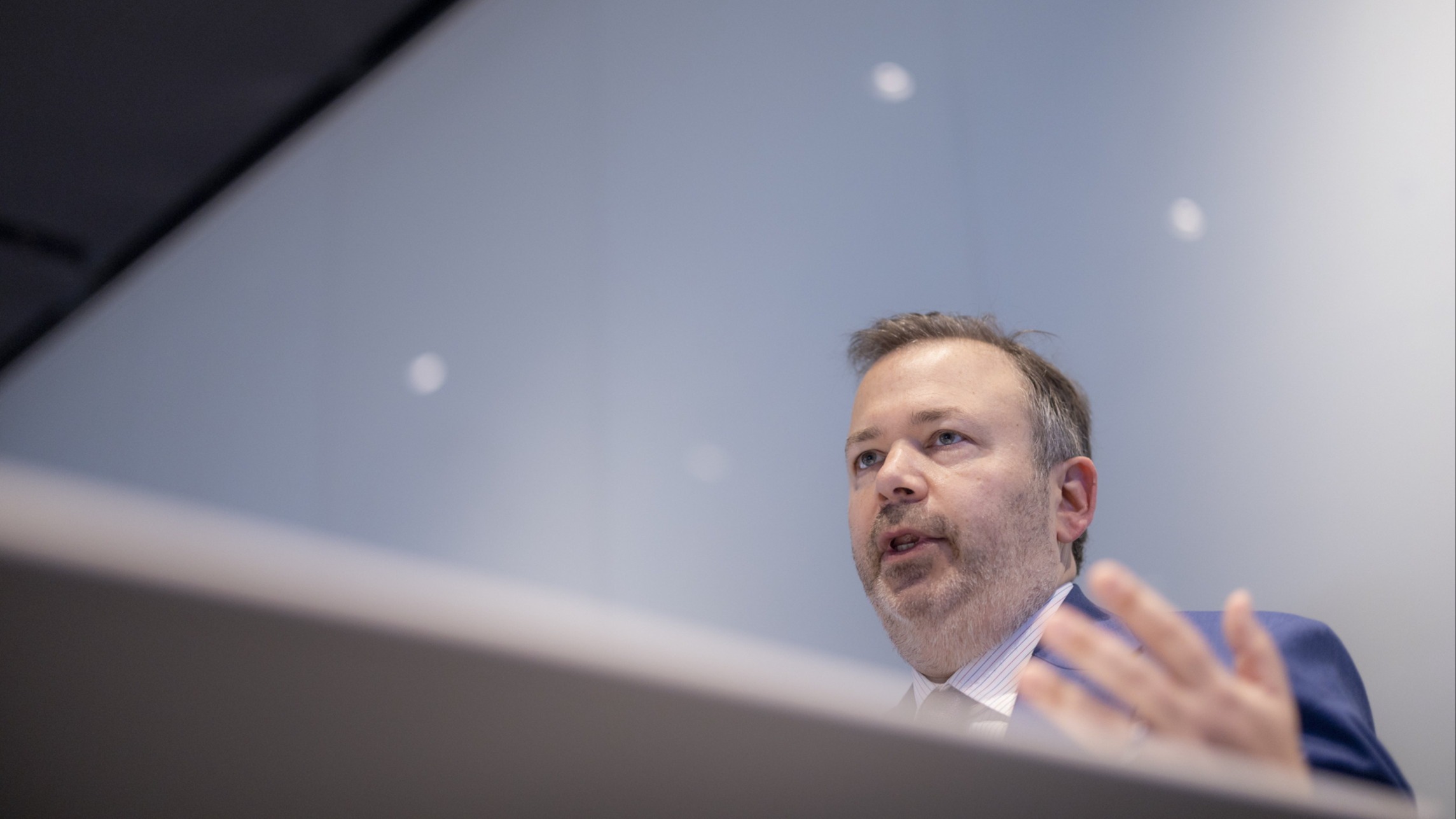
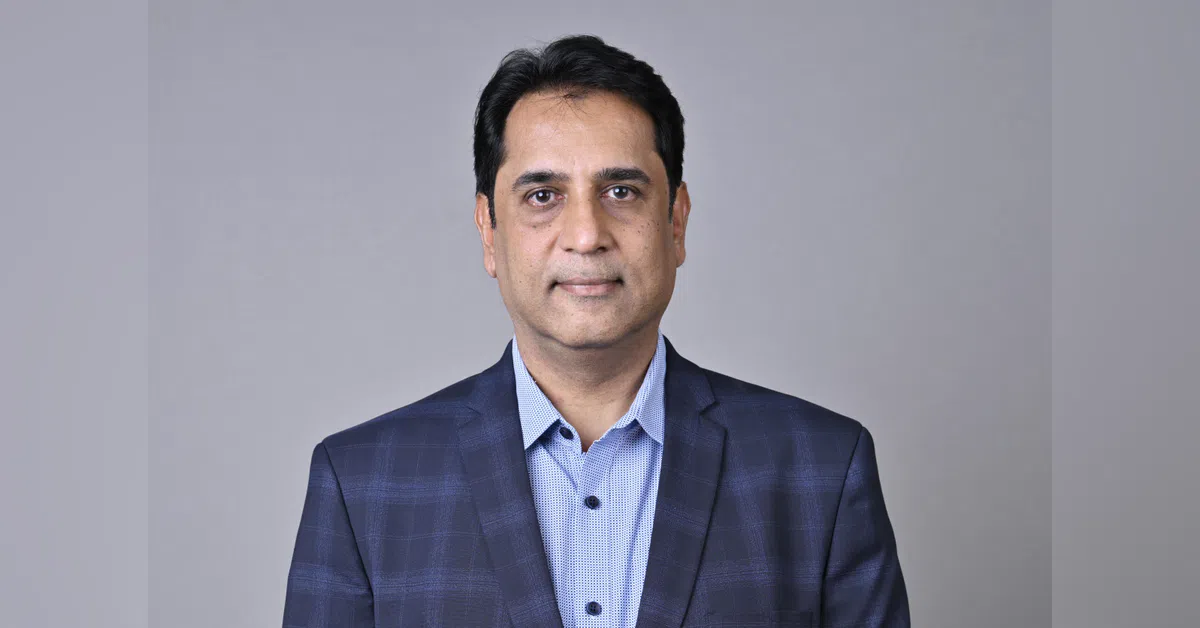
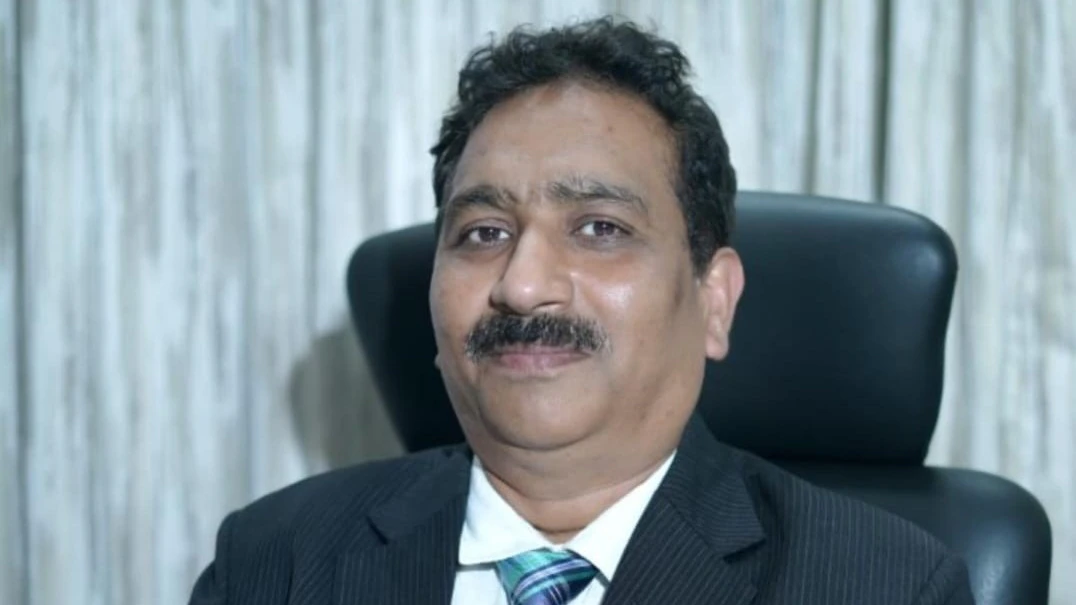
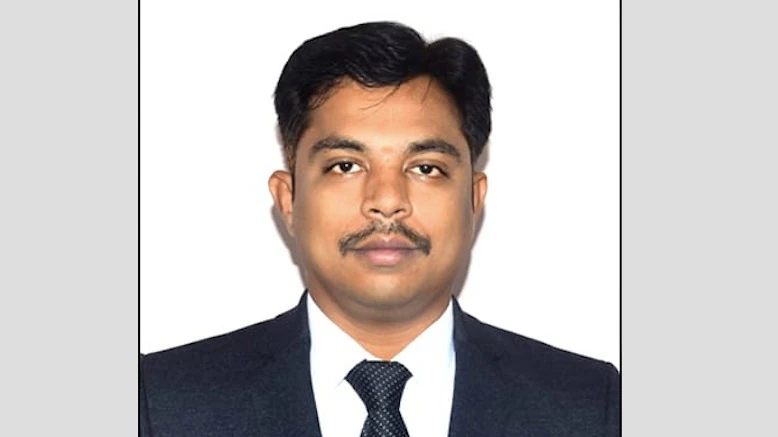
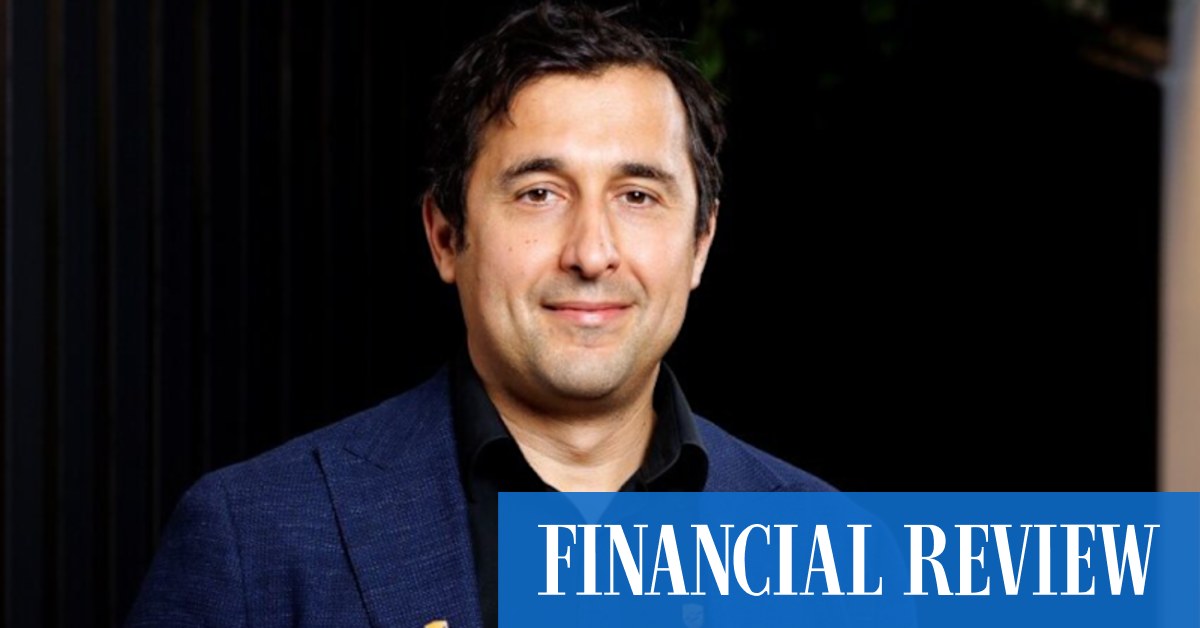
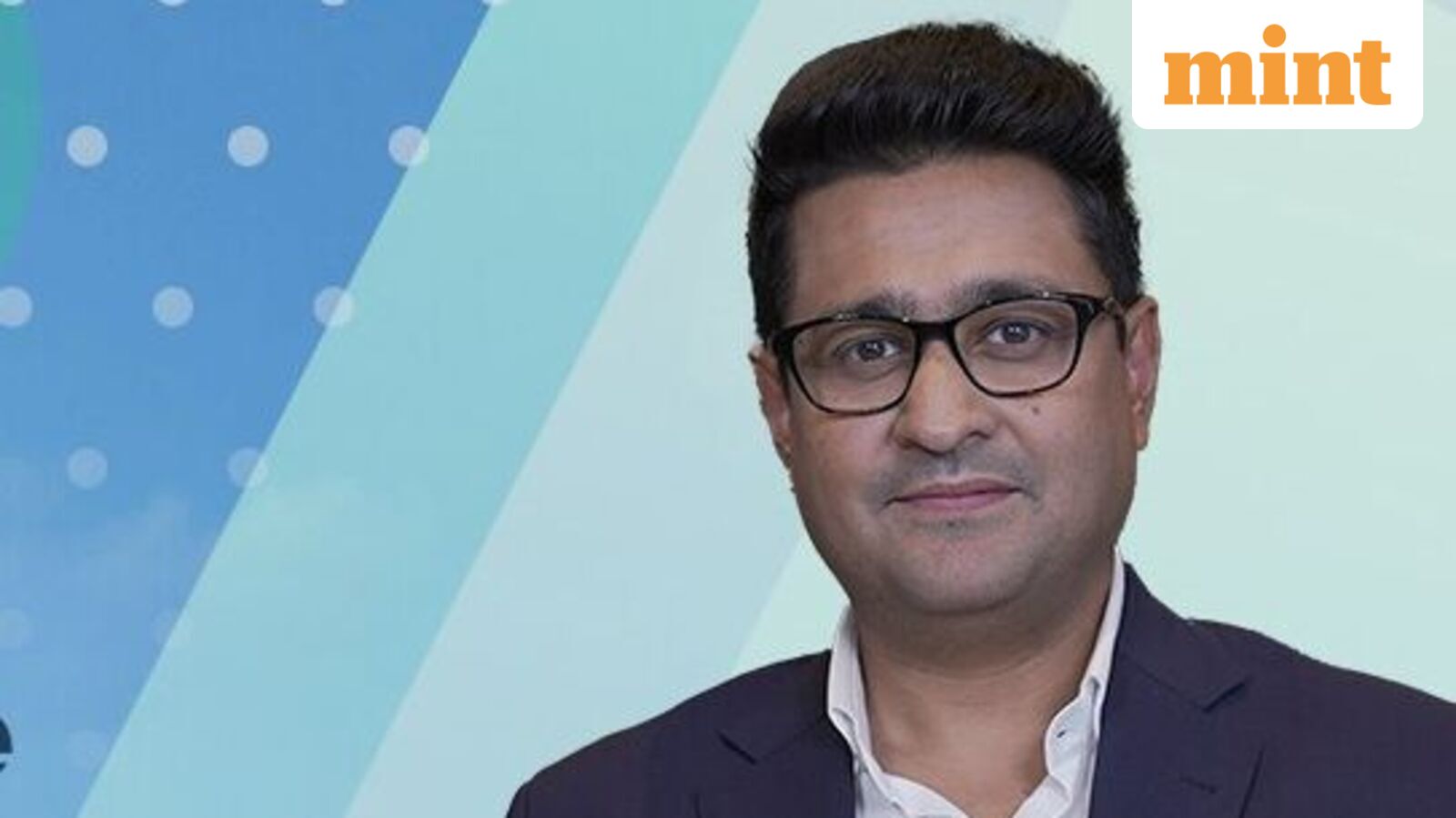
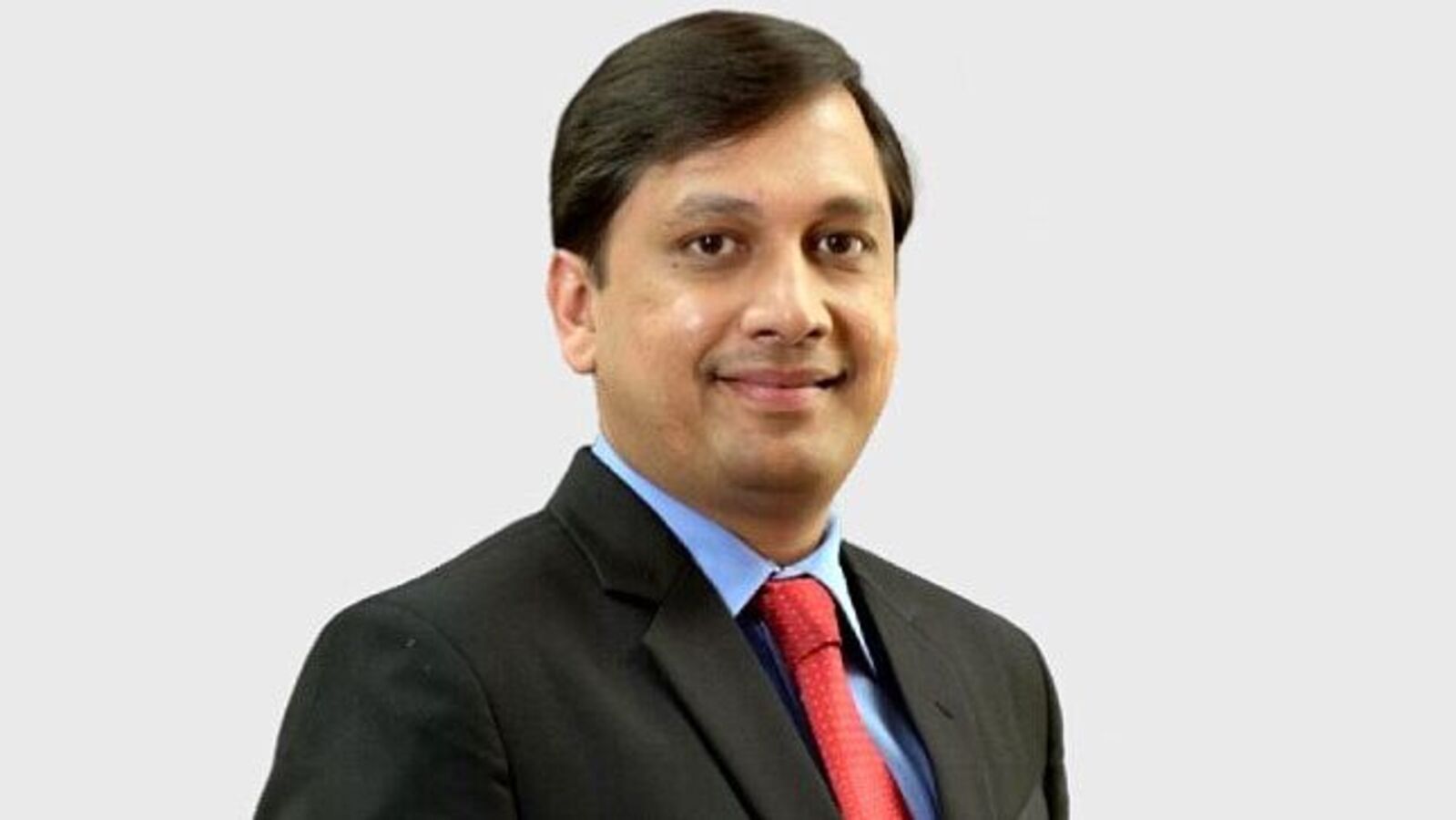
BNN Bloomberg spoke with Graeme Kreindler, analyst at NewGen Asset Management, about several Canadian mid-cap names he believes are entering favourable growth phases driven by operational inflection points and sector-specific catalysts.
Key Takeaways
- Consolidation in fragmented industries can create long-term growth opportunities for scale leaders.
- Aging demographics in Canada continue to support demand for health-care and senior-focused services.
- Business model transitions are attracting attention where growth and margins are improving.
- Precious metals equities remain leveraged to commodity prices but have lagged recent gains.
- Valuation gaps versus peers and historical levels remain a key driver of investor interest in mid-caps.

Read the full transcript below:
ANDREW: Time for Hot Picks in Canadian mid-caps. Our guest has Boyd Group, a North American chain of collision repair centres, as his top pick. We are joined by Graeme Kreindler, analyst at NewGen Asset Management. Graeme, thanks very much for joining us. Really appreciate it. Just remind us about Boyd Group, a major operator in North America.
GRAEME: Thanks for having me on the program, Andrew. It is great to be back. Starting with Boyd Group, as you mentioned, it is the only pure-play collision repair company available in the public markets. We like the stock because we look for companies at inflection points, and the industry has been in a challenging period.
Over the past five quarters, Boyd has posted negative same-store sales growth. That was driven by higher insurance premiums and declining used car prices, which made repairs more expensive and caused consumers to delay fixing their vehicles. What we are seeing now is the industry exiting that downturn. Boyd posted positive same-store sales growth in its most recent quarter, and the trend continued to improve in October. That gives us confidence in the organic growth outlook.
The company also completed a transformative acquisition of Joe Hudson’s Collision Center for about US$1.3 billion. This is a highly fragmented industry, with the top three players controlling only about 25 per cent of the market. Boyd’s consolidation strategy positions it well to roll up smaller operators. Management has outlined a plan to double EBITDA by 2029, and we believe that target is credible based on both organic growth and M&A.
ANDREW: We have heard that cars are now packed with sensors, and even a minor accident can sometimes lead to a vehicle being written off. Does that have implications for Boyd?
GRAEME: We do not see widespread scrapping as the main issue. What we are seeing instead is the average cost of repair increasing over time. Higher parts and labour costs are largely passed through, which supports same-store sales growth. As vehicle complexity increases, services such as scanning and calibration of sensors become more important. Those are higher-margin revenue streams for Boyd and create additional growth opportunities.
ANDREW: Your next idea is Extendicare. Senior care is clearly a growth industry.
GRAEME: Absolutely. If you look at Canadian demographics, the population aged 85 and older is growing at about four per cent per year, which provides a strong foundation for demand. Extendicare operates long-term care facilities, where wait lists remain long, and it also has a growing home health-care business.
Home health care, which involves delivering care in the home, is growing at roughly 10 per cent annually. That growth helps alleviate pressure on long-term care facilities. We expect Extendicare to grow faster than the broader industry as a result.
The company also acquired CBI Health, significantly expanding its home health-care operations. That deal increased Extendicare’s employee base by more than 65 per cent, and more than half of its profits now come from the higher-growth, higher-margin home health-care segment. Many investors still view Extendicare primarily as a real estate-focused long-term care operator, but we see it in the middle of a transition that is not yet fully appreciated by the market.
Another important point is the dividend. Extendicare raised its dividend last year for the first time in a decade. With the company’s improved balance sheet and changing business mix, we believe it can continue to deliver a stable and growing dividend over time.
ANDREW: The dividend yield is around 2.25 per cent right now, if I am not mistaken.
GRAEME: That is right. The key for us is the signal that comes from restarting dividend growth after a long pause. We will be watching how that trend develops.
ANDREW: And just to confirm, roughly half of profits are now coming from home health care?
GRAEME: That is correct. On a pro forma basis following the CBI acquisition, home health care now represents the majority of profits, making Extendicare more exposed to the faster-growing segment of the industry.
ANDREW: Let’s turn to your final pick. Highlander Silver. What do they do, and why does it stand out to you?
GRAEME: In the current market environment, it is hard not to talk about commodities. Investors see gold and silver prices at record highs and wonder whether they have missed the move. We see opportunities in equities that have lagged the underlying commodities.
Over the past six months, silver prices have risen sharply, while silver equities have underperformed. Highlander Silver is a TSX-listed developer with assets in Peru. One of the first things we look for in a commodity company is the quality of the people backing it. Highlander is supported by well-known investors in the resource space, including Eric Sprott, the Lundin family and the Augusta Group, which gives us confidence in the team.
The company’s flagship San Luis project is one of the highest-grade precious metals deposits in the world. Highlander also acquired Bear Creek Mining, adding the Corani project, which is one of the largest fully permitted silver projects globally. That combination provides significant scale and optionality.
From a valuation perspective, the stock trades at roughly 30 per cent of net asset value, compared with peers at closer to 60 per cent. That implies meaningful upside. The valuation is based on conservative silver price assumptions, and higher prices could further enhance that upside. Potential catalysts include a U.S. listing and inclusion in mining indexes, which could improve liquidity and investor awareness.
ANDREW: Graeme, thanks very much for your time.
GRAEME: Thanks for having me.
ANDREW: Graeme Kreindler, analyst at NewGen Asset Management.
| DISCLOSURE | PERSONAL | FAMILY | PORTFOLIO/FUND |
|---|---|---|---|
| BYD TSE | N | N | Y |
| EXE TSE | N | N | Y |
| HSLV TSE | N | N | Y |
—
This BNN Bloomberg summary and transcript of the Jan. 16, 2026 interview with Graeme Kreindler are published with the assistance of AI. Original research, interview questions and added context was created by BNN Bloomberg journalists. An editor also reviewed this material before it was published to ensure its accuracy and adherence with BNN Bloomberg editorial policies and standards.