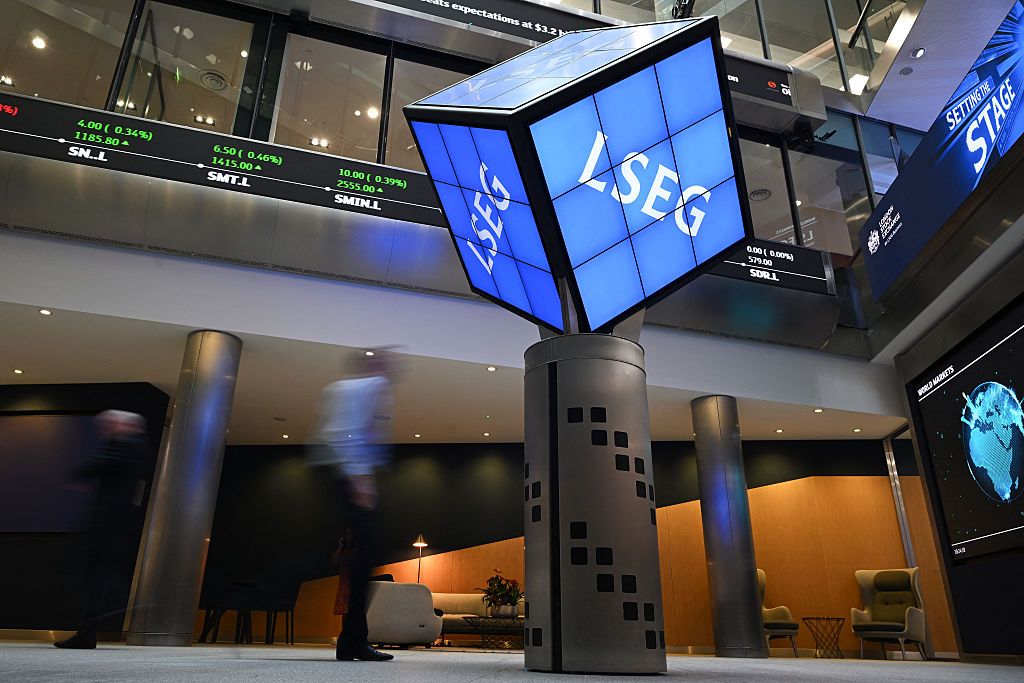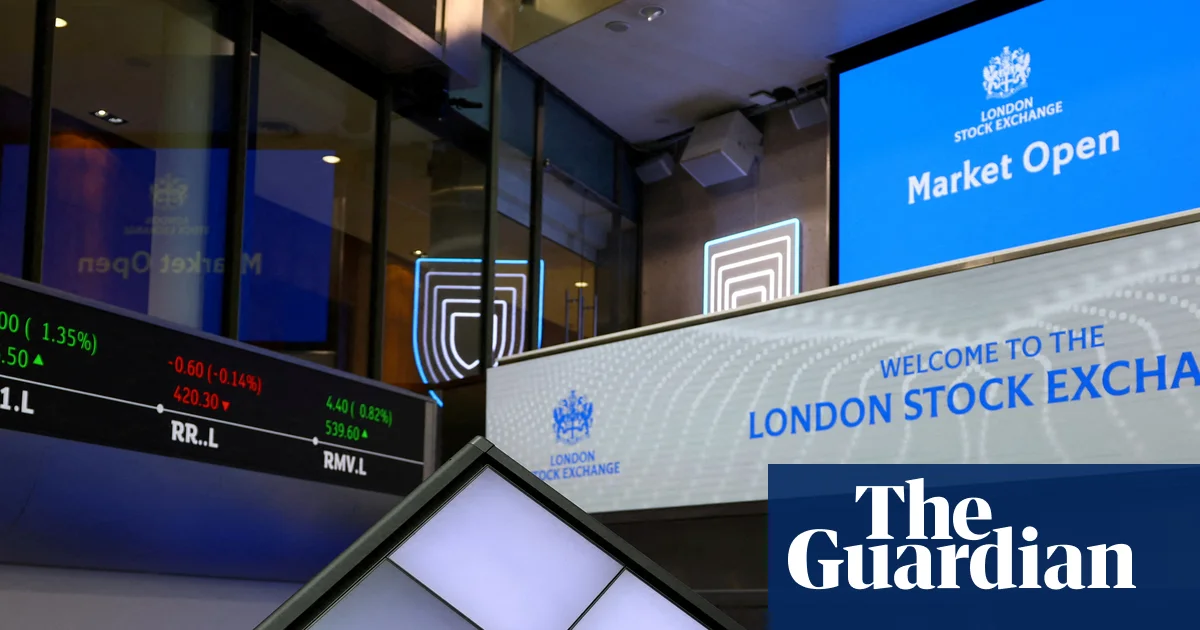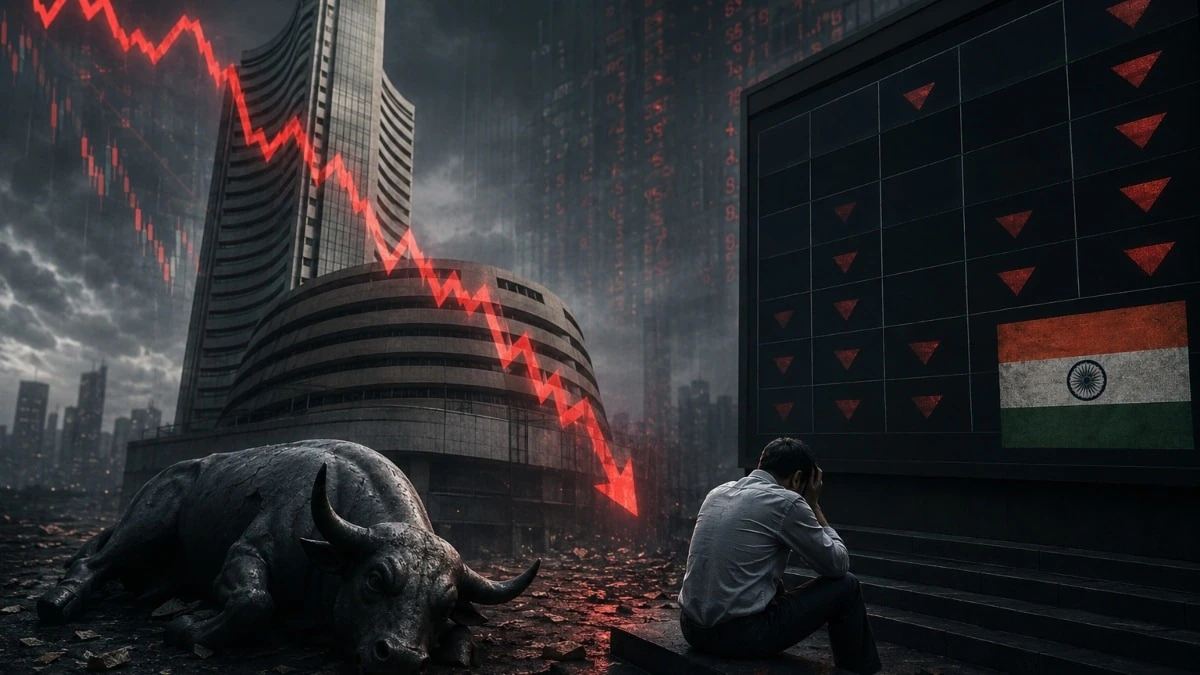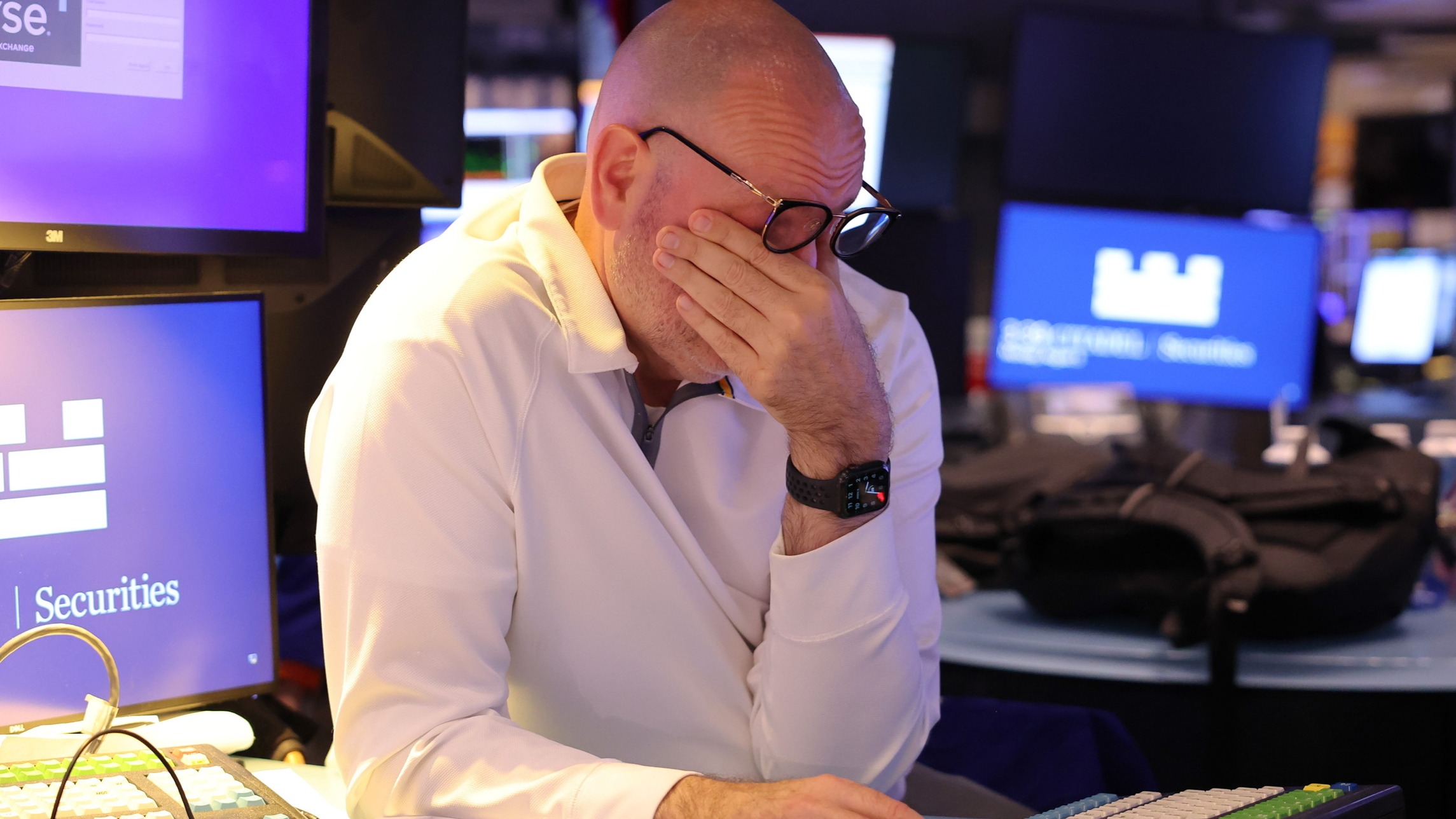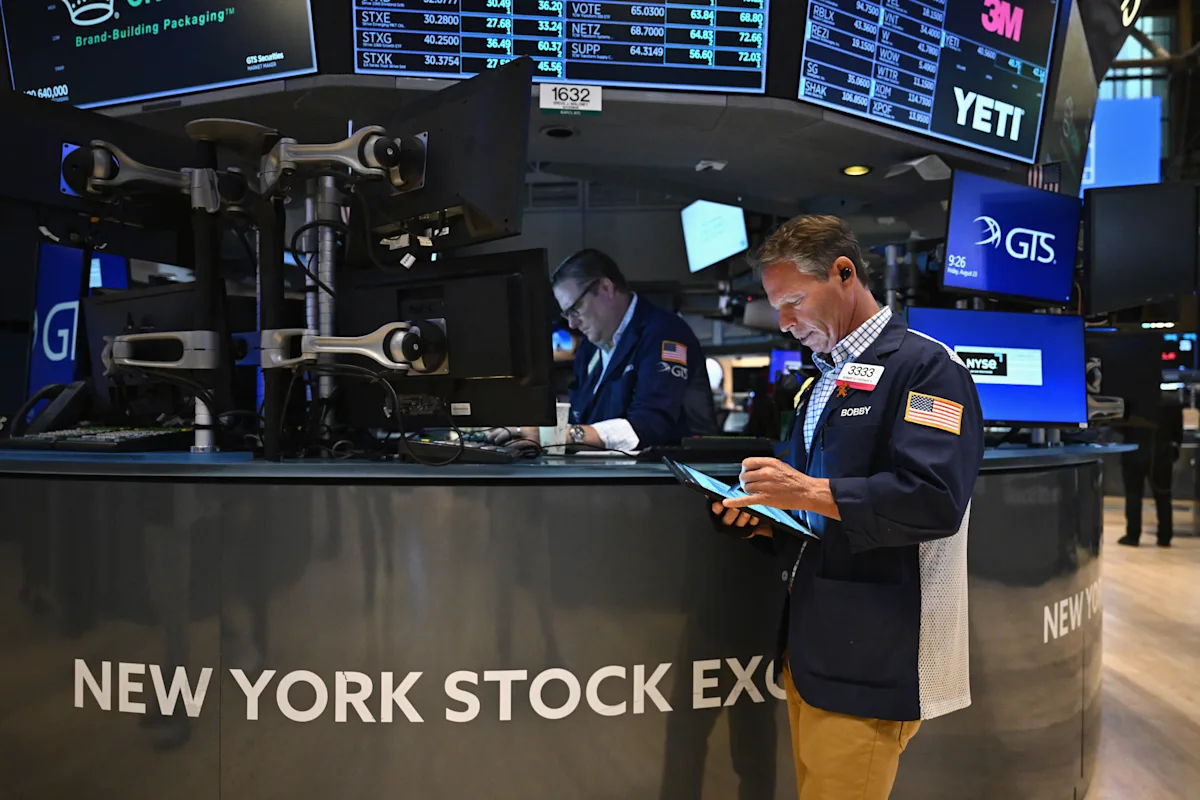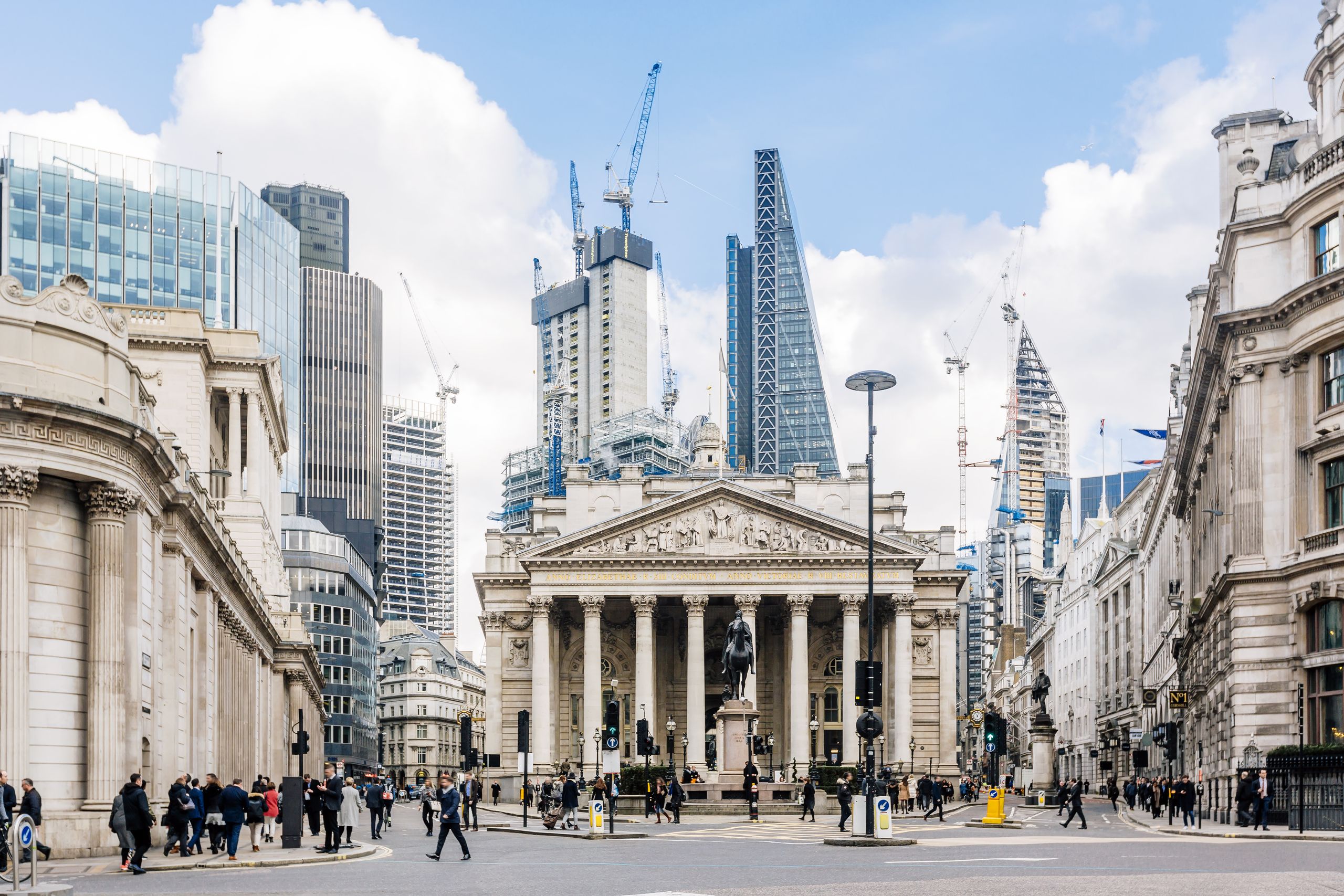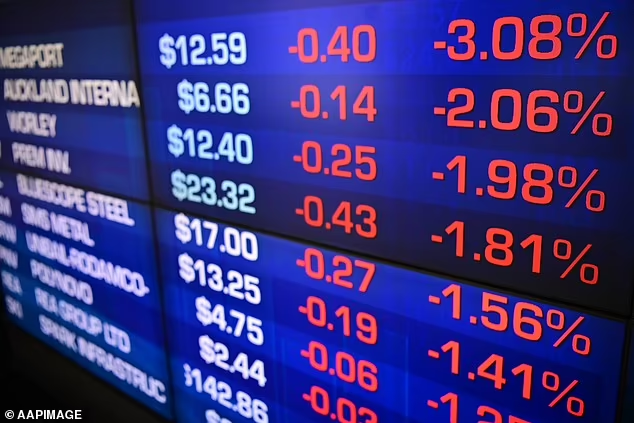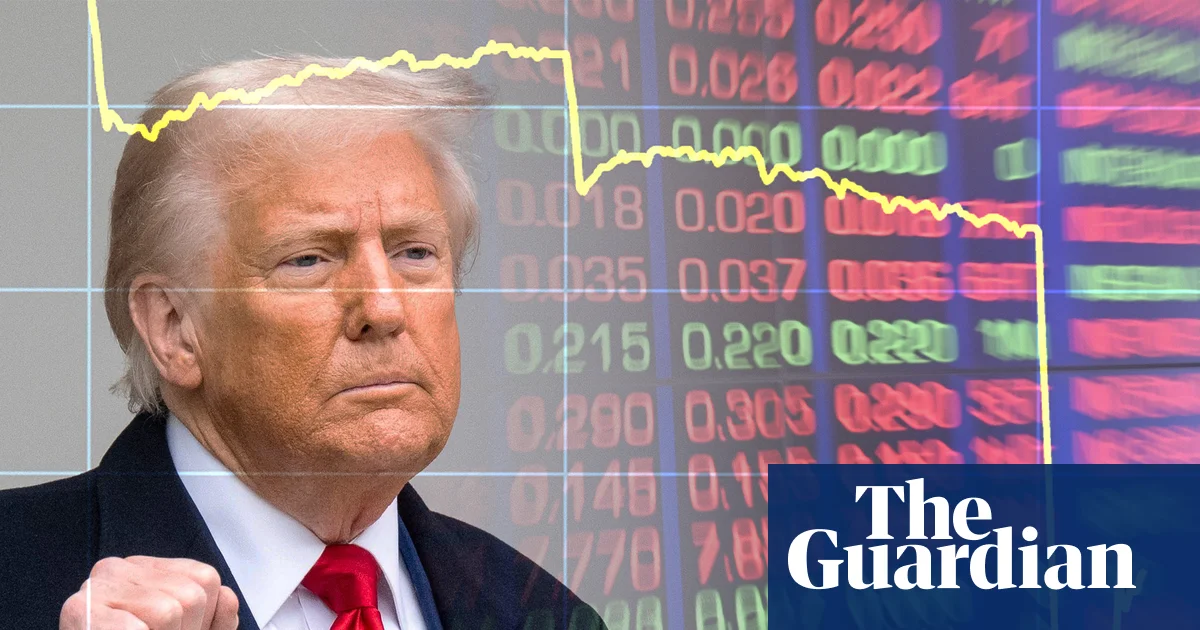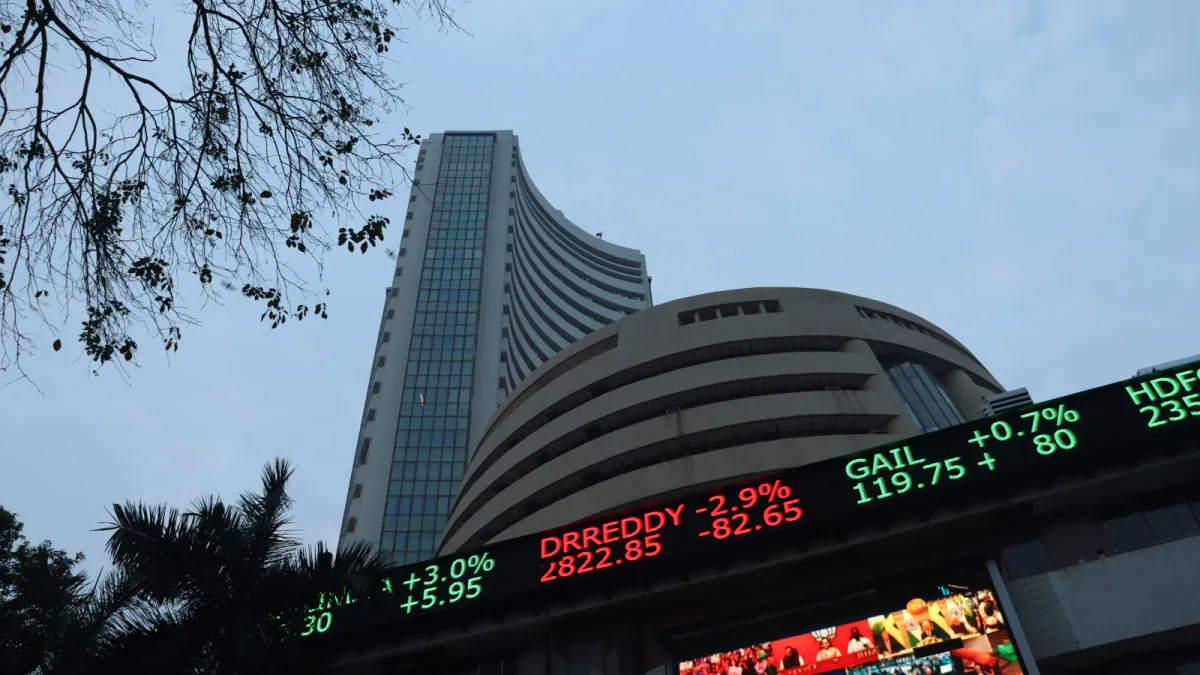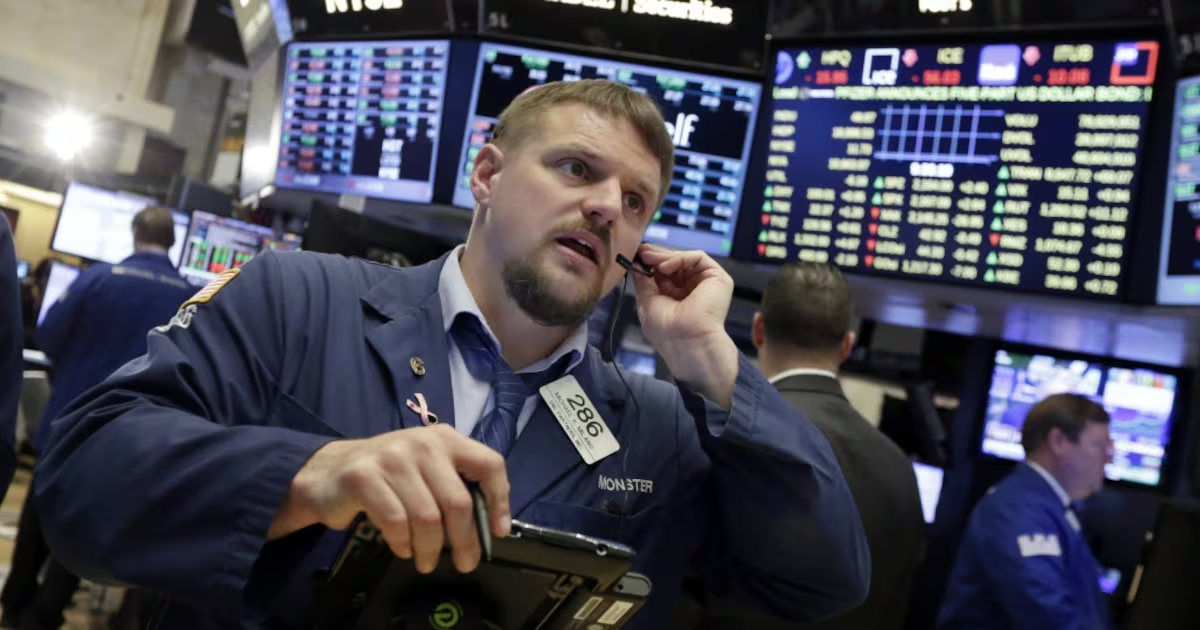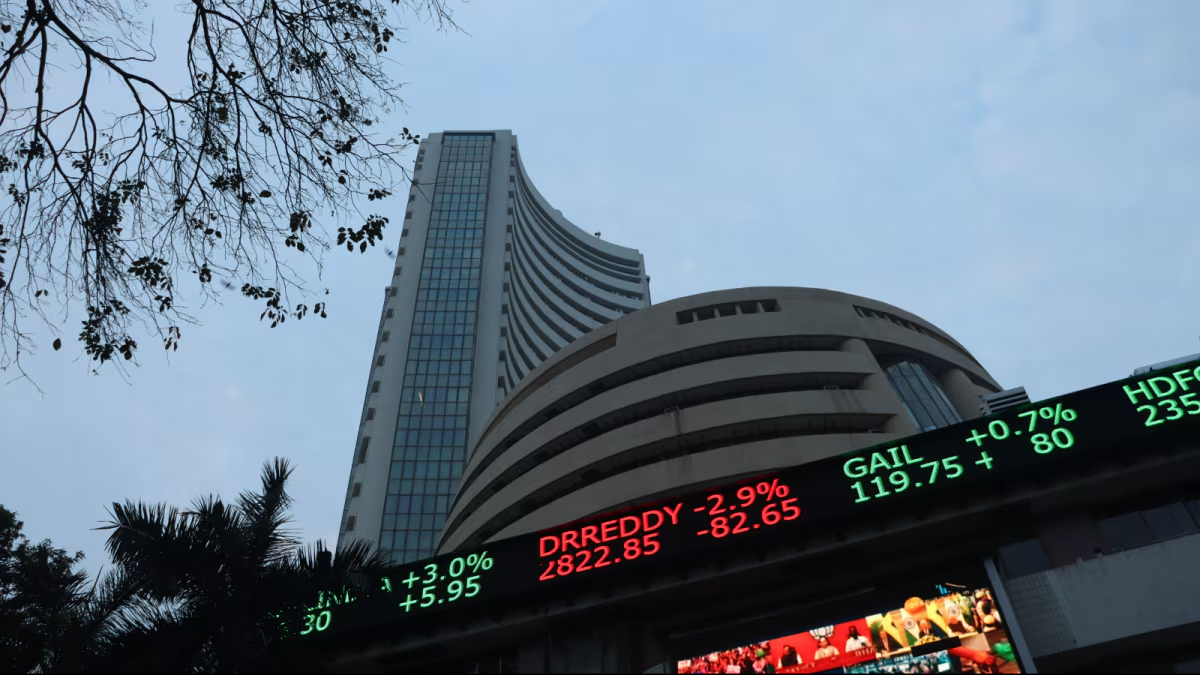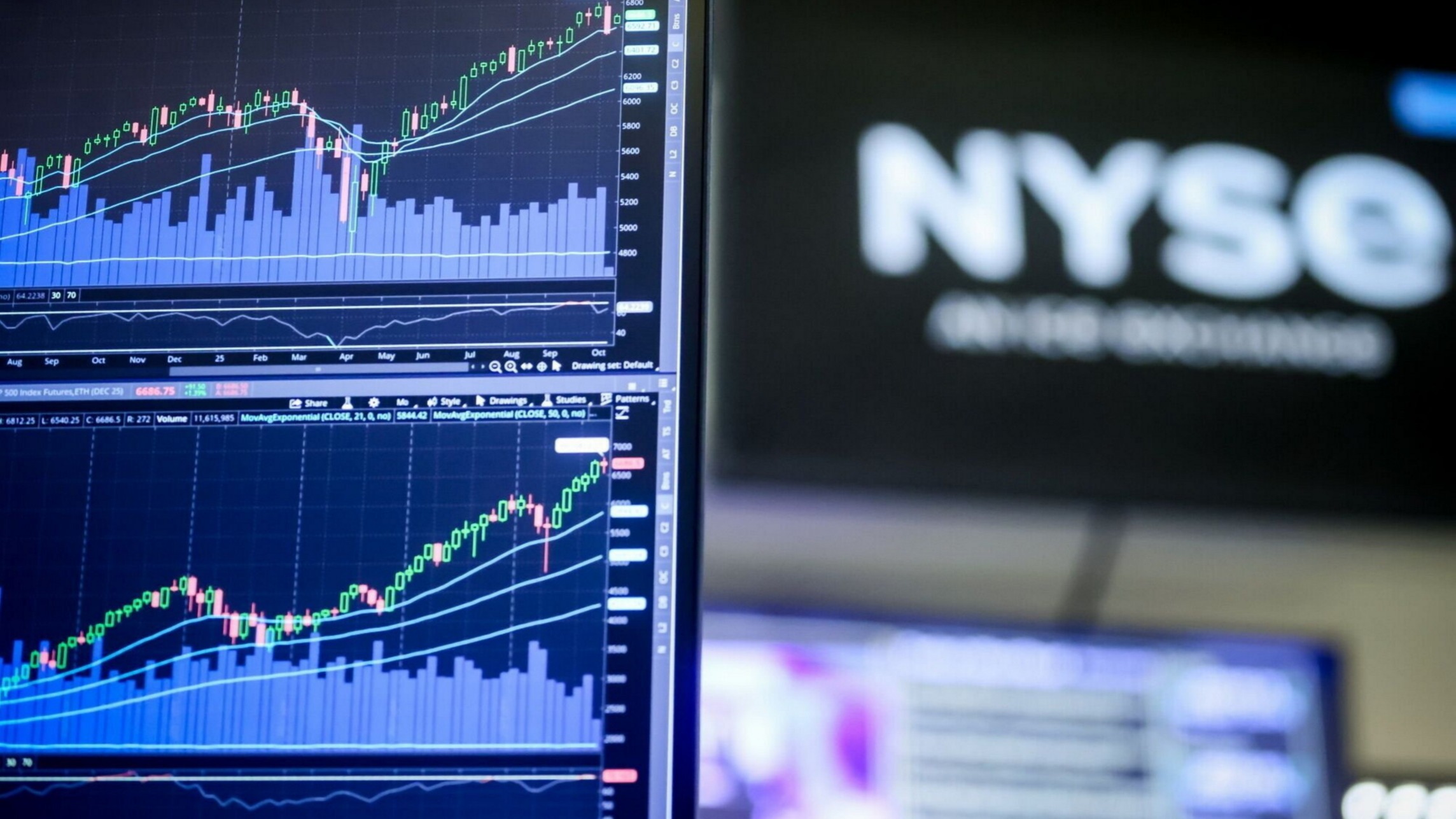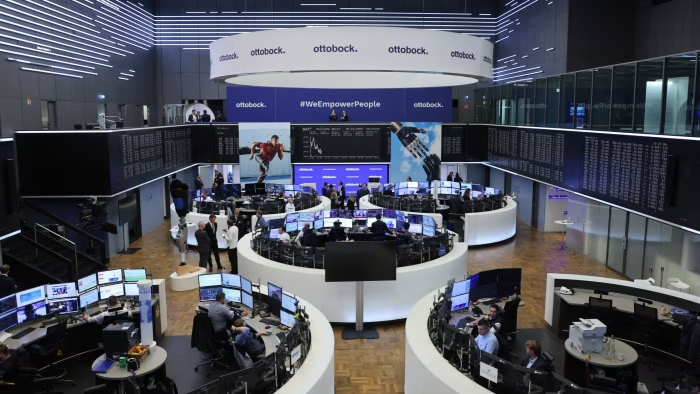

After a sharp dip at the end of last week, the UK stock market is stabilising. The UK’s flagship index, the FTSE 100 (^FTSE), slipped to 9,698 points on 14 November after falling around 3% throughout the week.
Earlier in the week, it had climbed to record levels near 10,000 points. So what’s really going on with the stock market right now? And more importantly, where might it head in 2026?
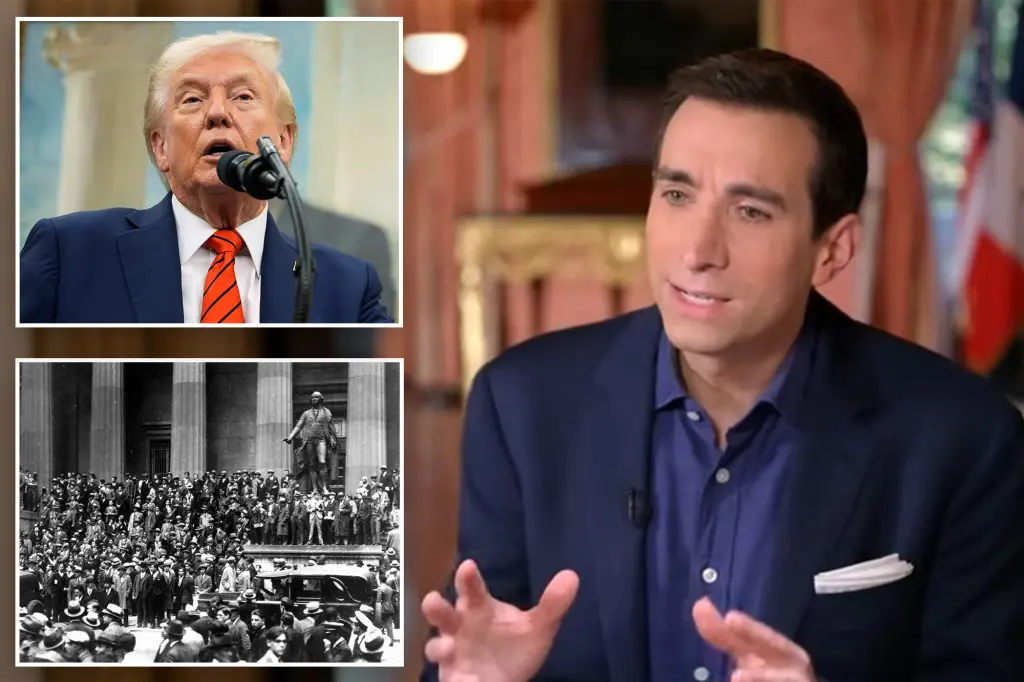
Goldman Sachs (GS) CEO David Solomon recently suggested that investors shouldn’t be surprised if there’s a market pullback within the next 12-24 months. JP Morgan‘s (JPM) Jamie Dimon has echoed similar concerns, pointing to high valuations, geopolitical uncertainty and government spending as key risks.
But that doesn’t guarantee a crash. If inflation cools and interest rates keep falling, corporate earnings could catch up with valuations, potentially deflating bubble concerns without a dramatic correction.
The reality is that timing the market is incredibly difficult, even for the pros.
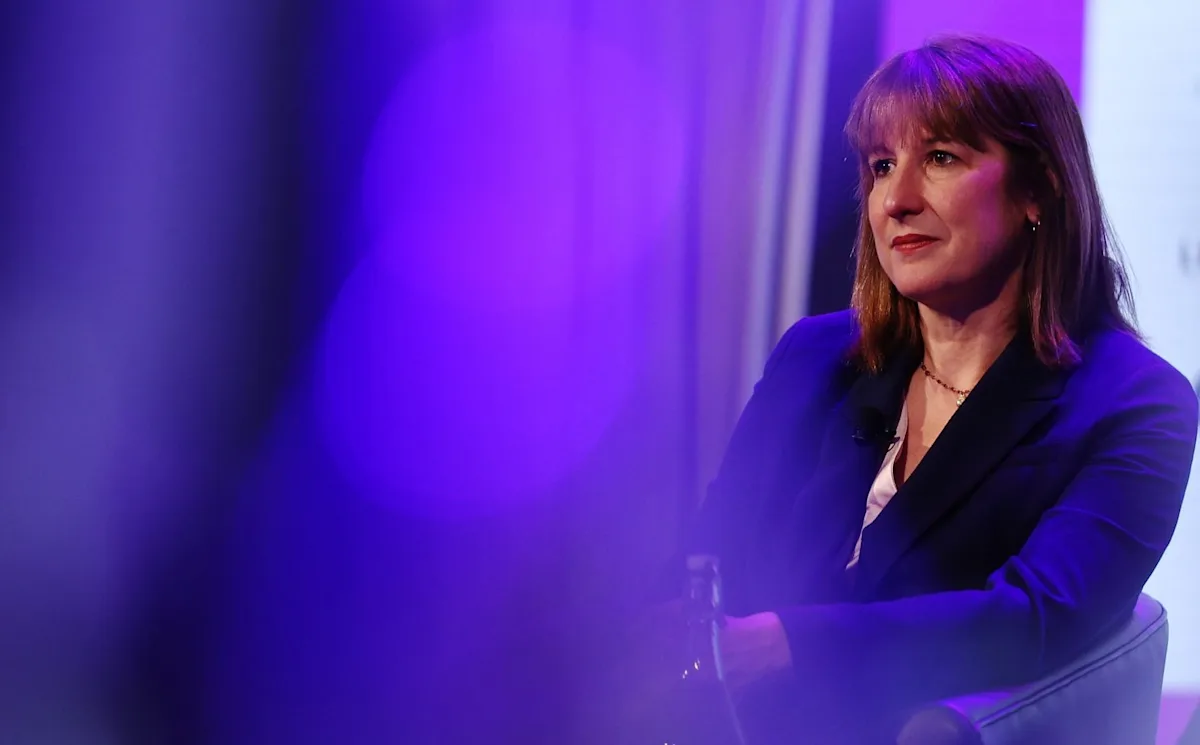
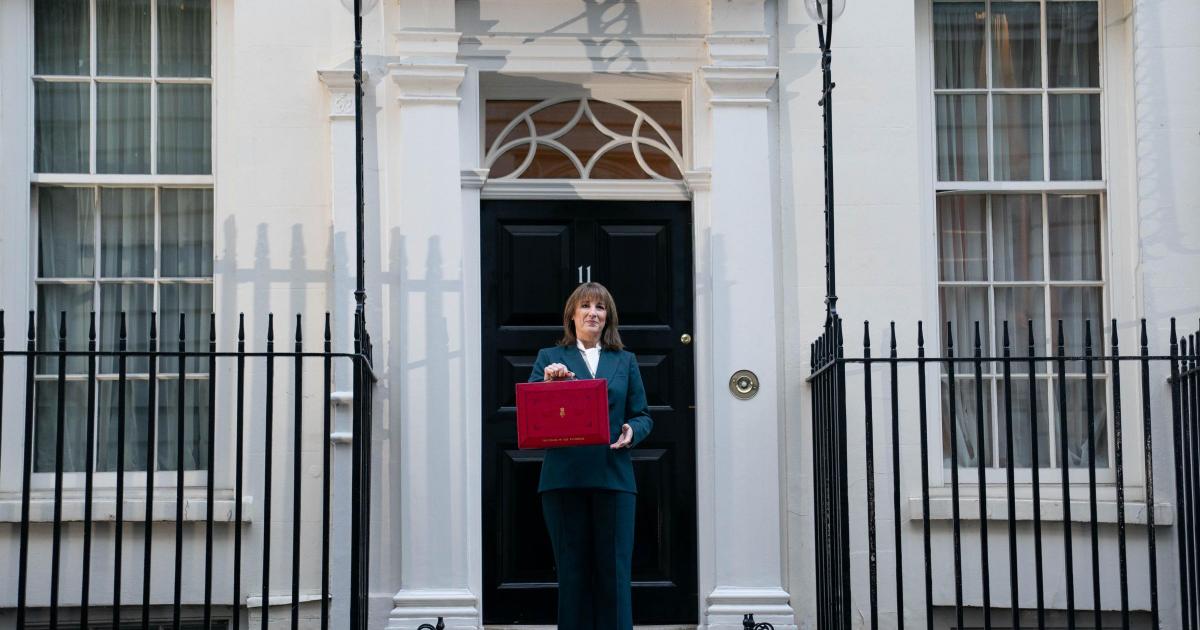
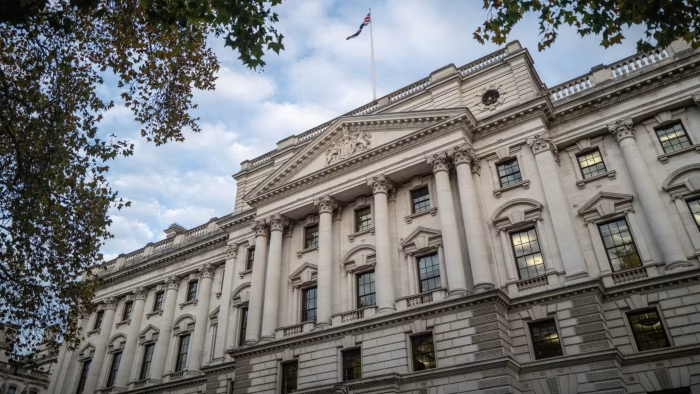
All eyes are now on Chancellor Rachel Reeves and what she’ll announce on 26 November in her Autumn Budget. Analysts are expecting the government to fill a fiscal gap estimated at between £30bn and £40bn, with the burden likely falling on a mix of tax rises and spending adjustments.
Reports suggest income tax and corporation tax won’t change, but other taxes could rise. Some experts have also suggested the possibility of changes to income tax thresholds or National Insurance contributions.
For the stock market, the big question is how these measures will affect consumer spending and business confidence. Retail, hospitality and property sectors could be particularly vulnerable if household budgets get squeezed further.
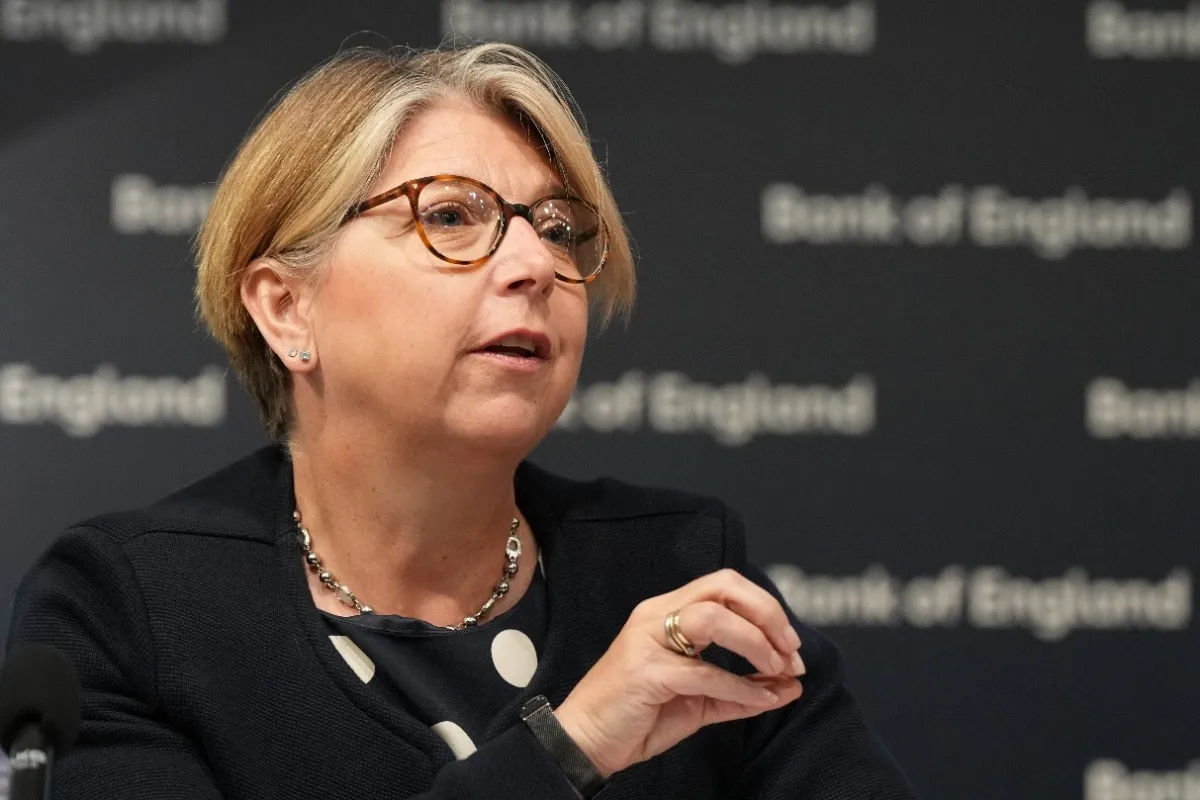
Lower interest rates are another factor that could boost the economy. This month, the Bank of England voted to hold the interest rate at 4%, but markets are now pricing in a 60%-65% chance of a rate cut in December.
UK banks haven’t had the easiest week, with Barclays (BARC.L), HSBC (HSBA.L) and Standard Chartered (STAN.L) dipping earlier this week. Meanwhile, advertising giant WPP (WPP.L) saw its shares jump 5% after reports emerged that it had attracted takeover interest from French rival Havas (HAVAS.AS) and private equity firms Apollo (APO) and KKR (KKR).
One of the FTSE 100’s most interesting stories has been 3i Group (III.L). The private equity giant saw its share price tumble by around 20% in just five days following its latest results.