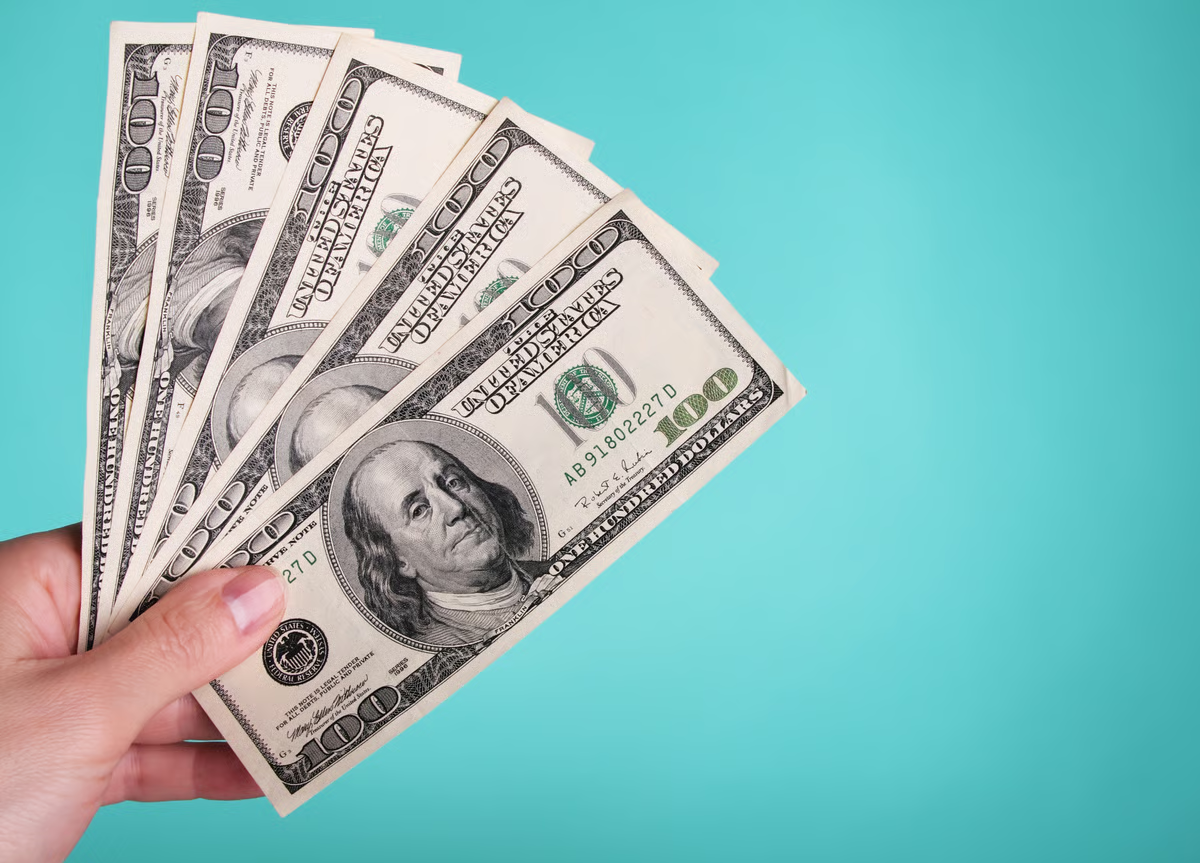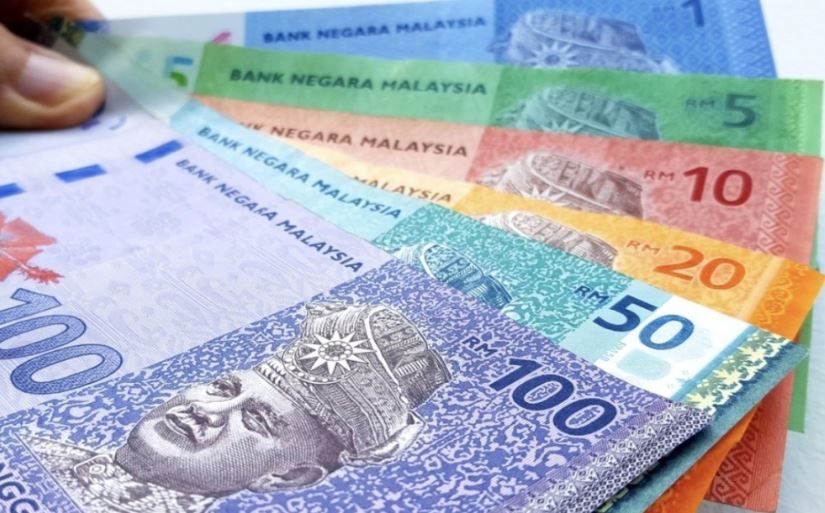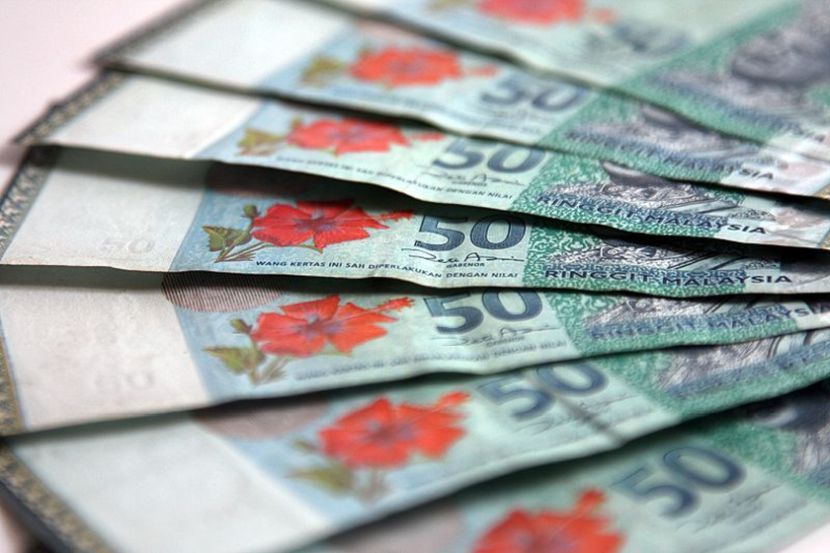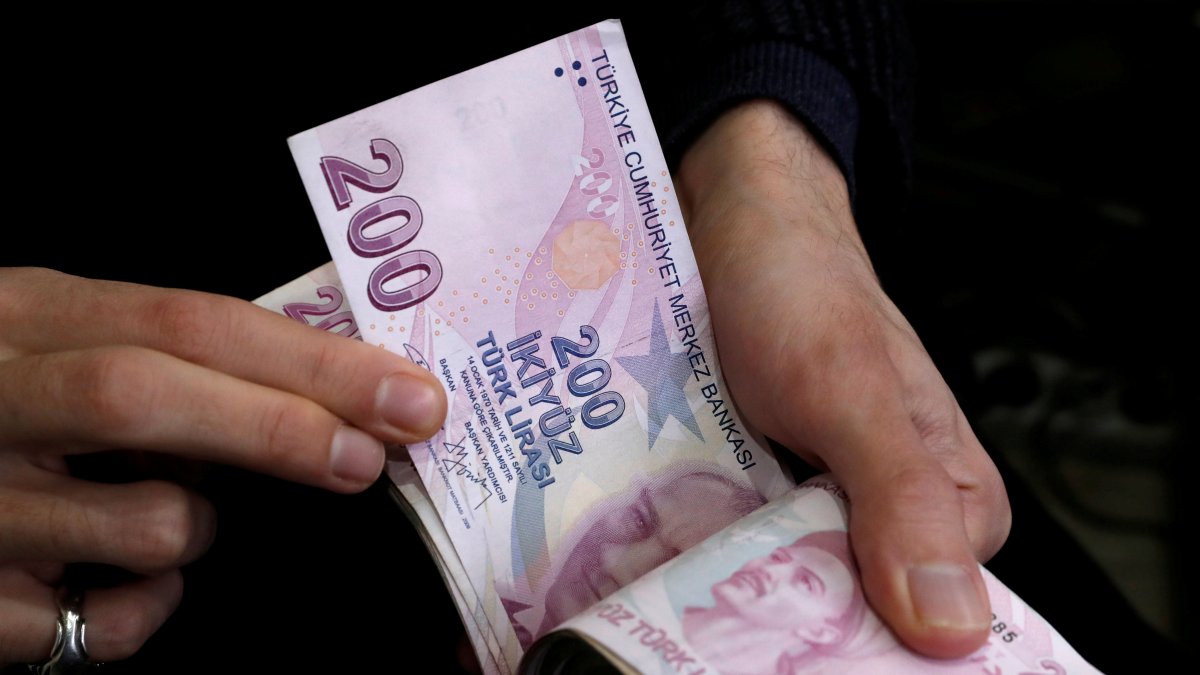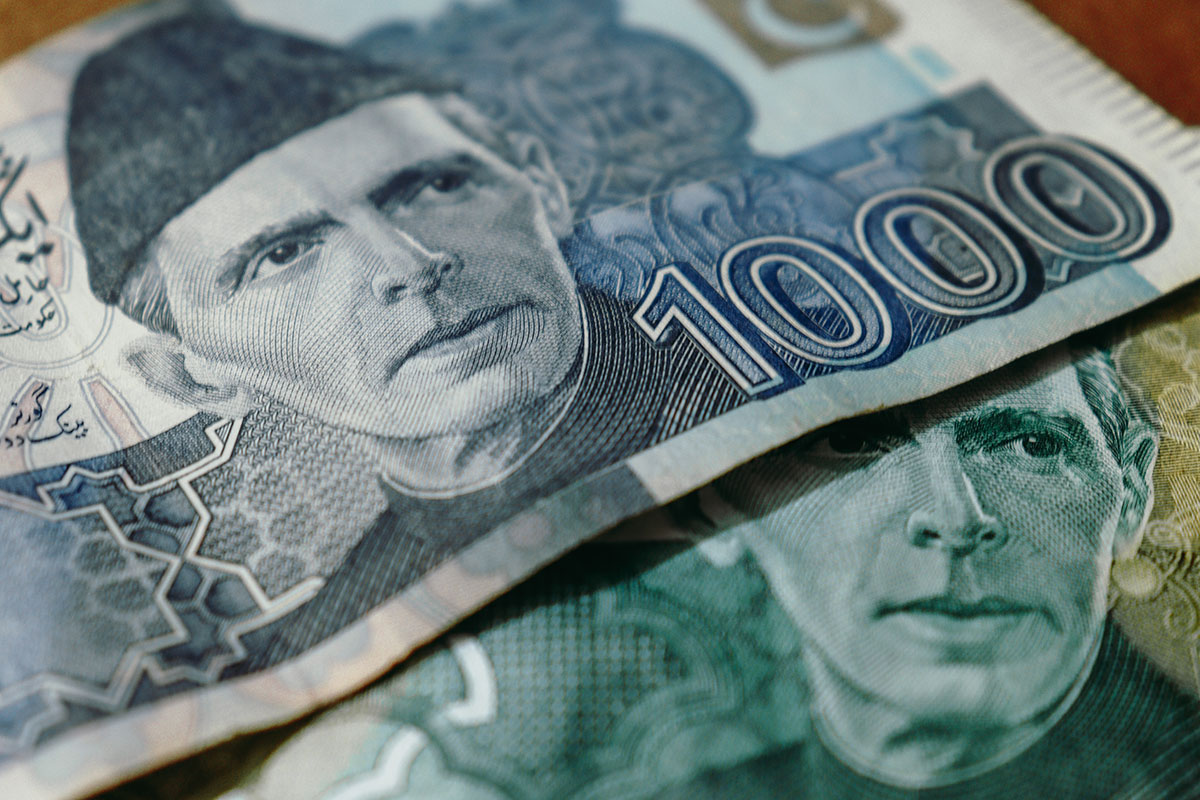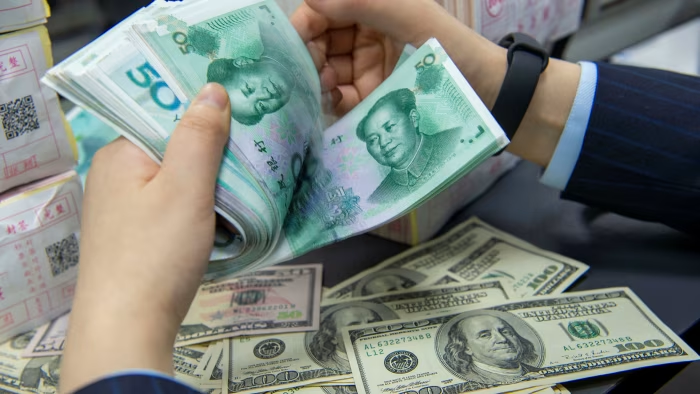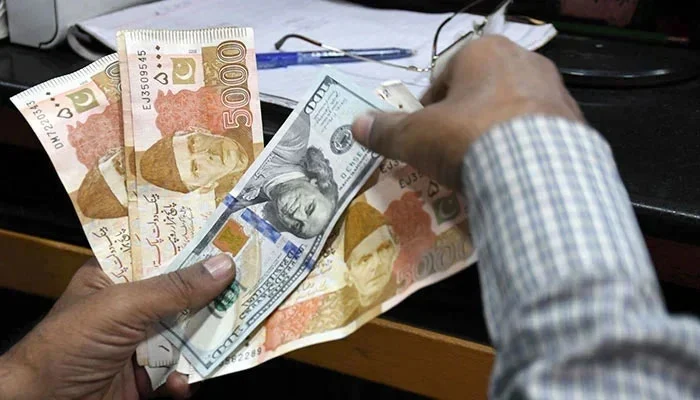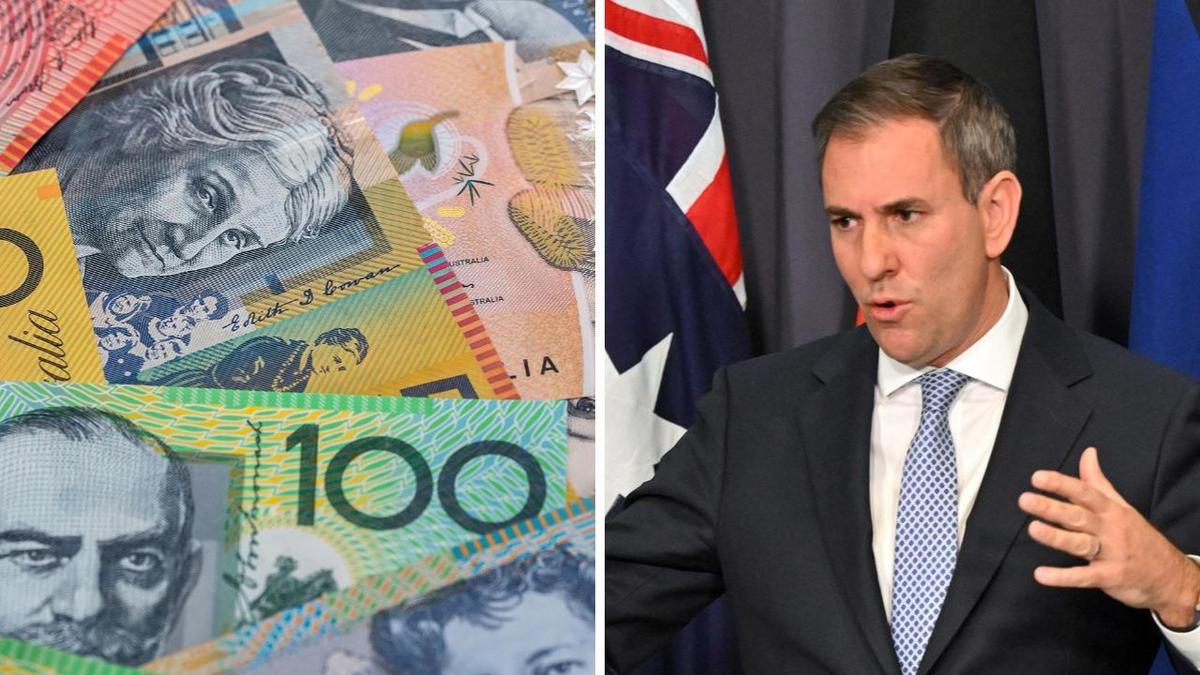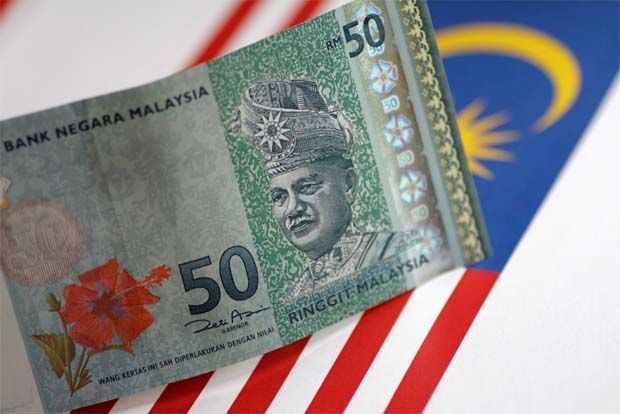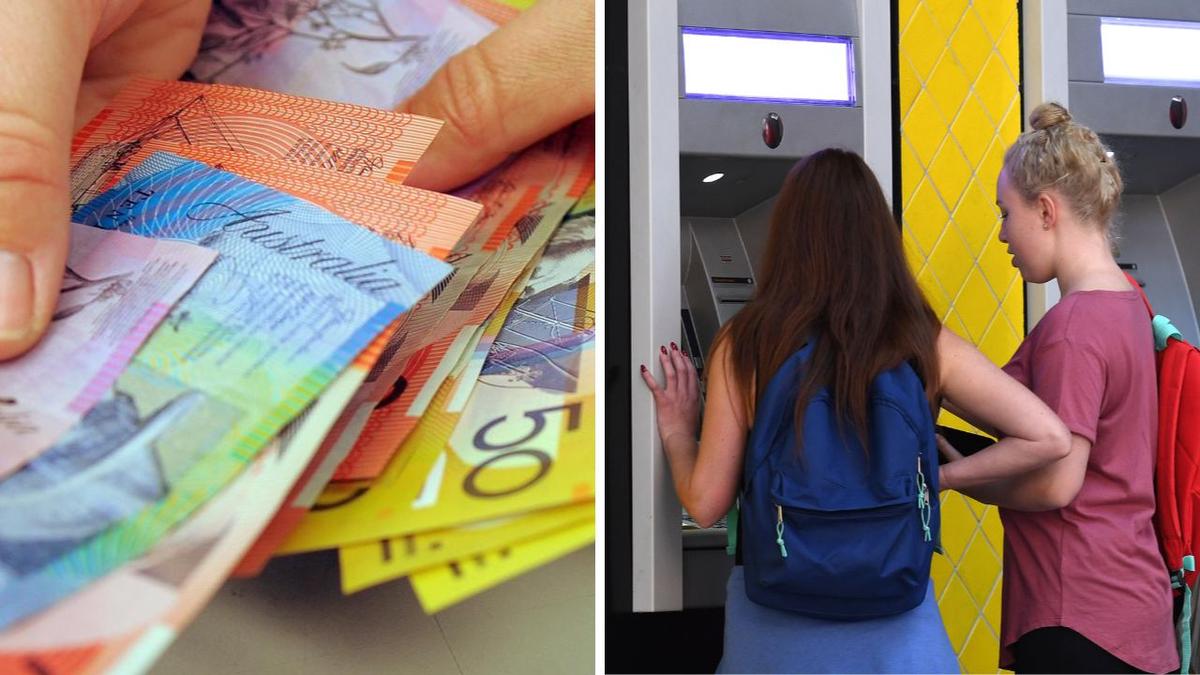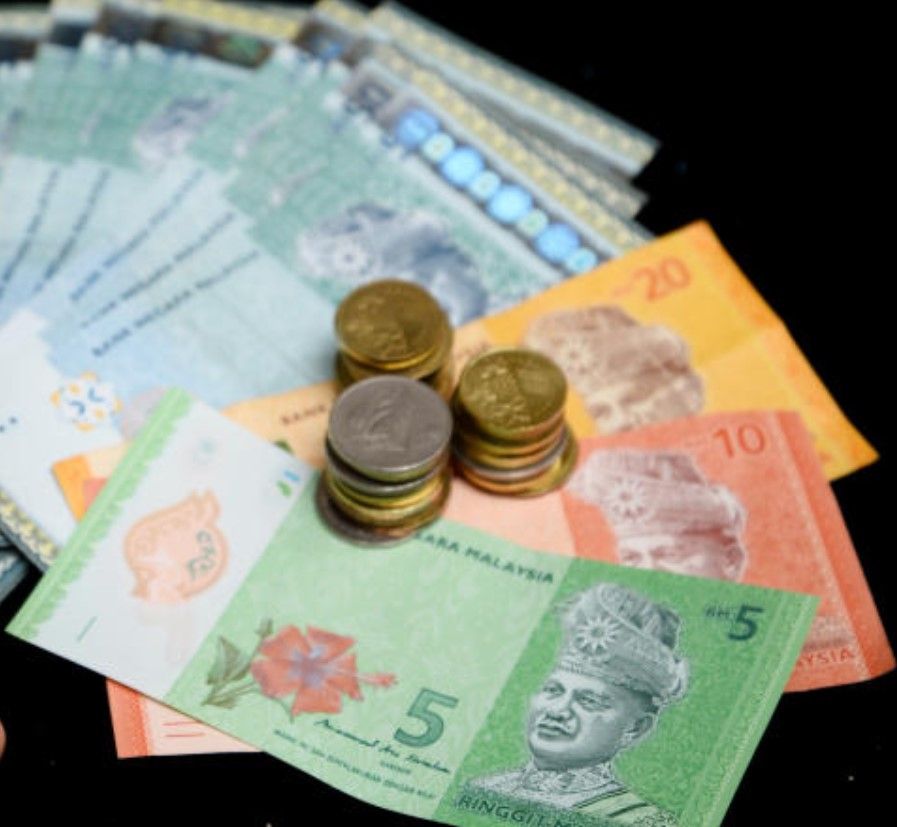
There’s no question about it – cash is king when it comes to short-term needs. It’s what keeps our lives moving: it pays for groceries, school fees, and the unexpected car repair. Every investor should hold enough liquidity for emergencies and short-term goals. That’s just good risk management.
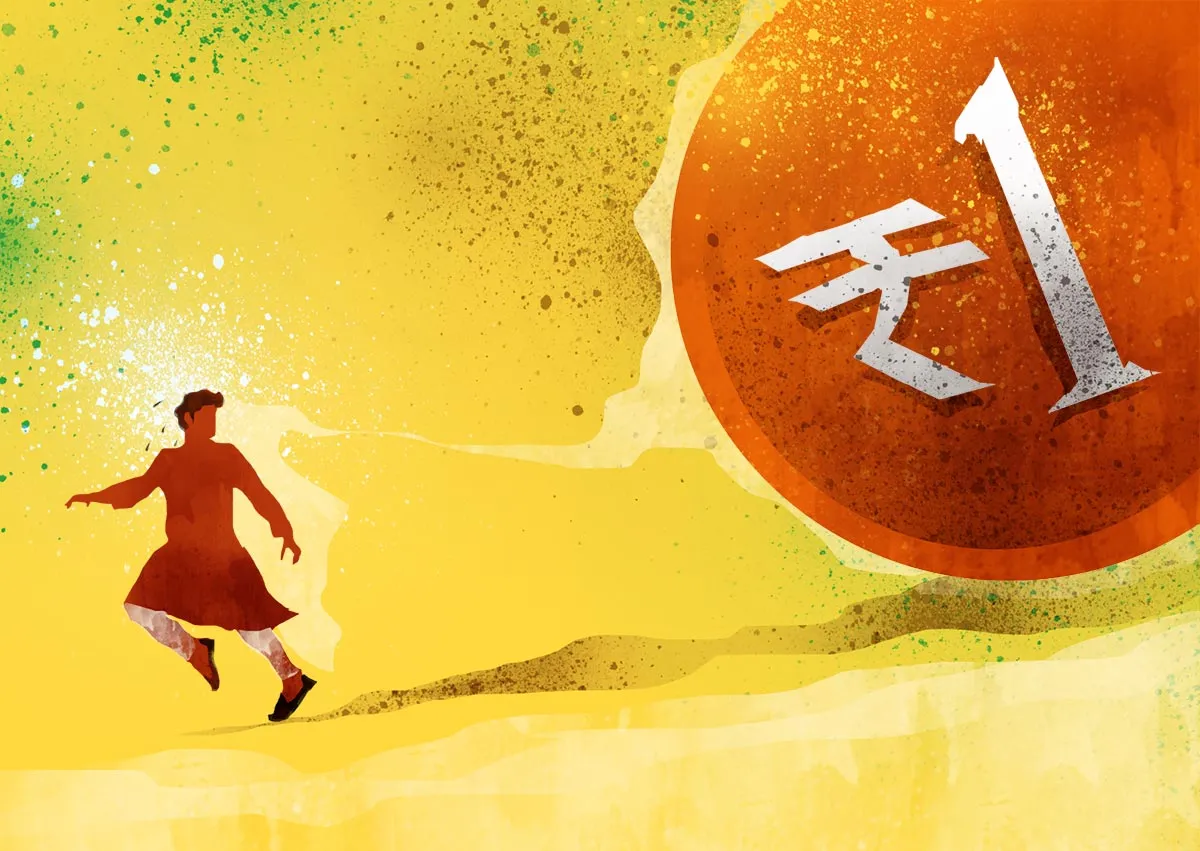
But here’s the problem: beyond that safety buffer, cash quietly loses value every day. Inflation, by design, chips away at purchasing power – and over time, it is relentless.
ADVERTISEMENT
CONTINUE READING BELOW
The built-in flaw of modern money
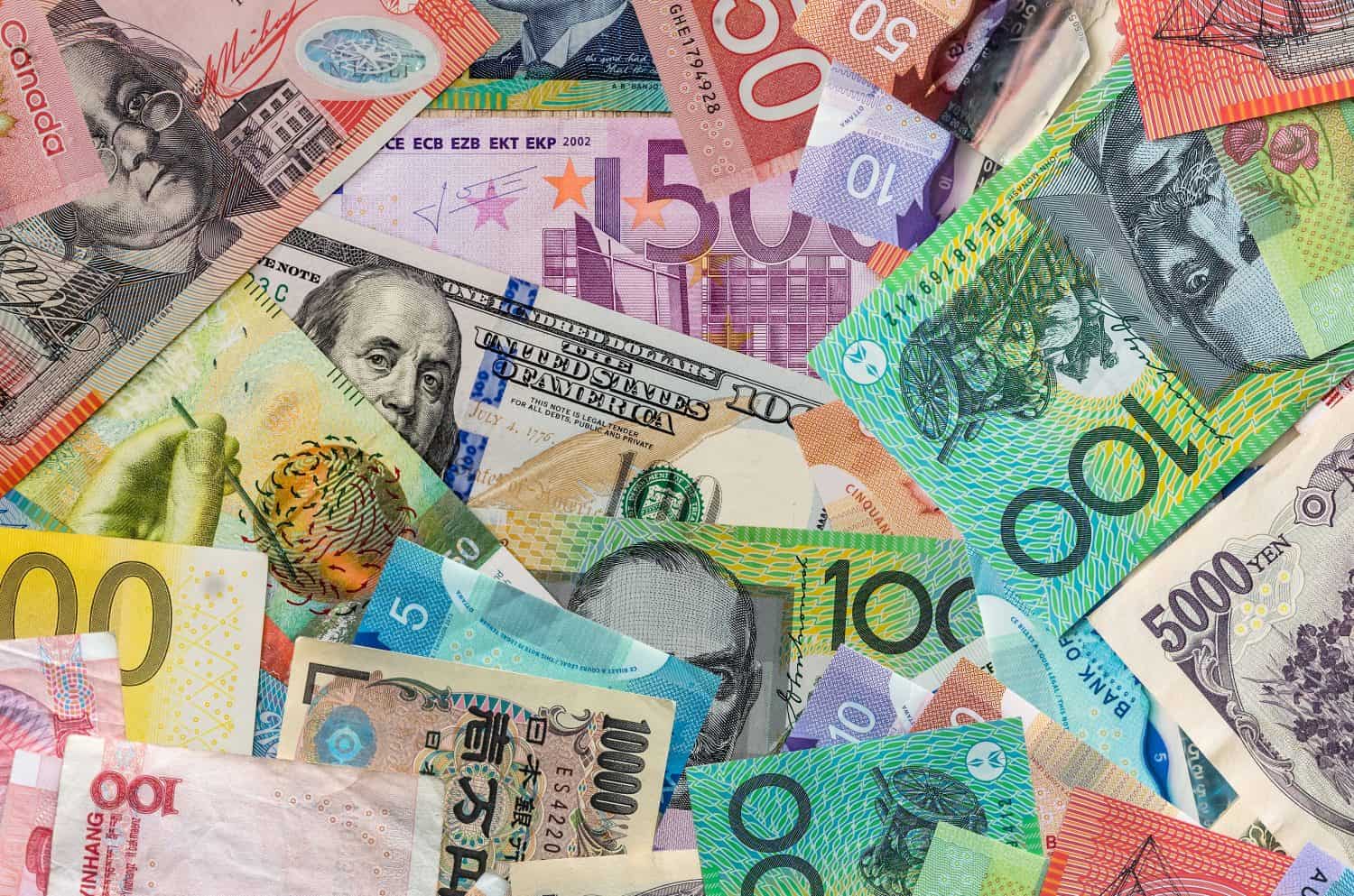
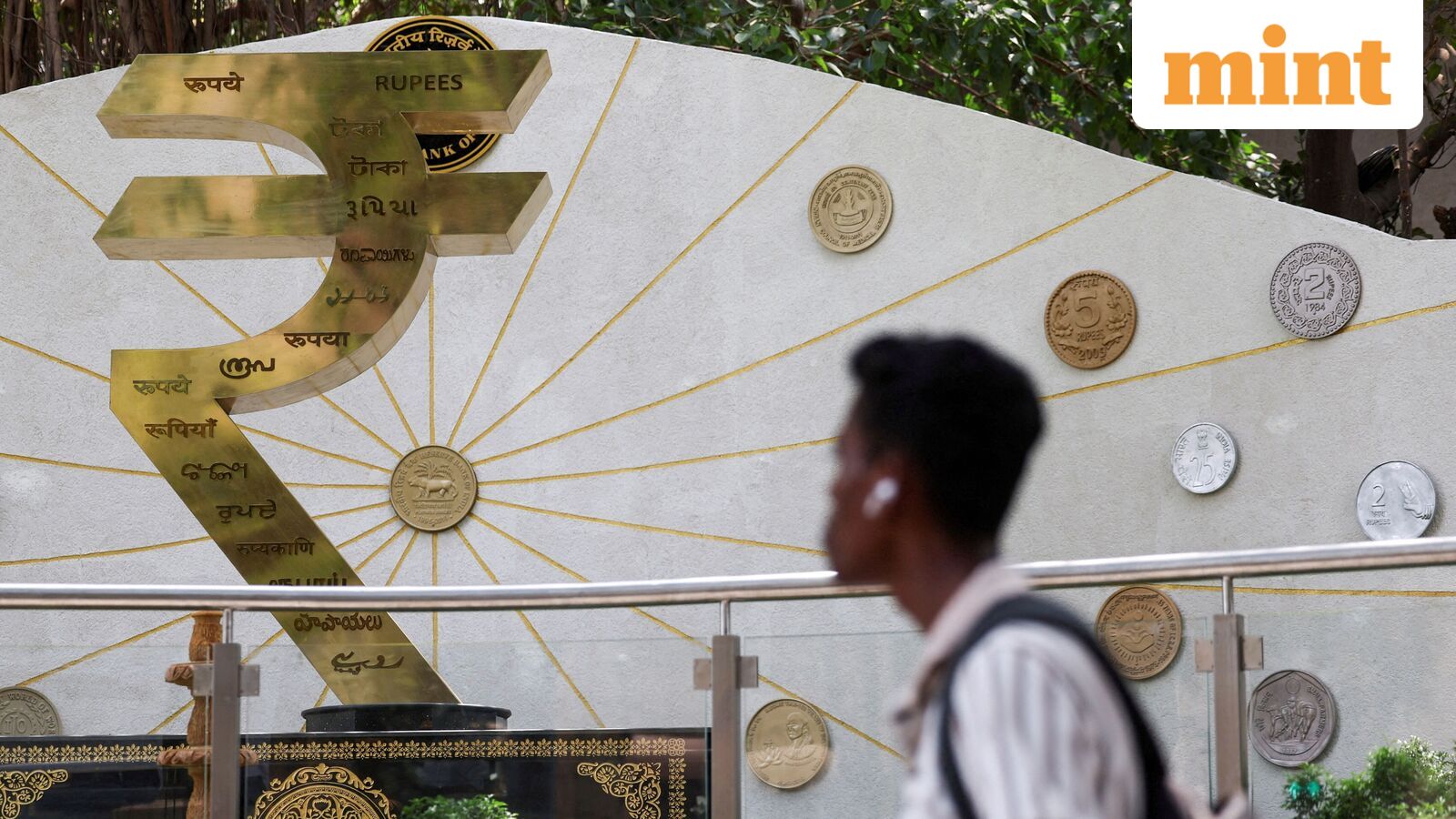
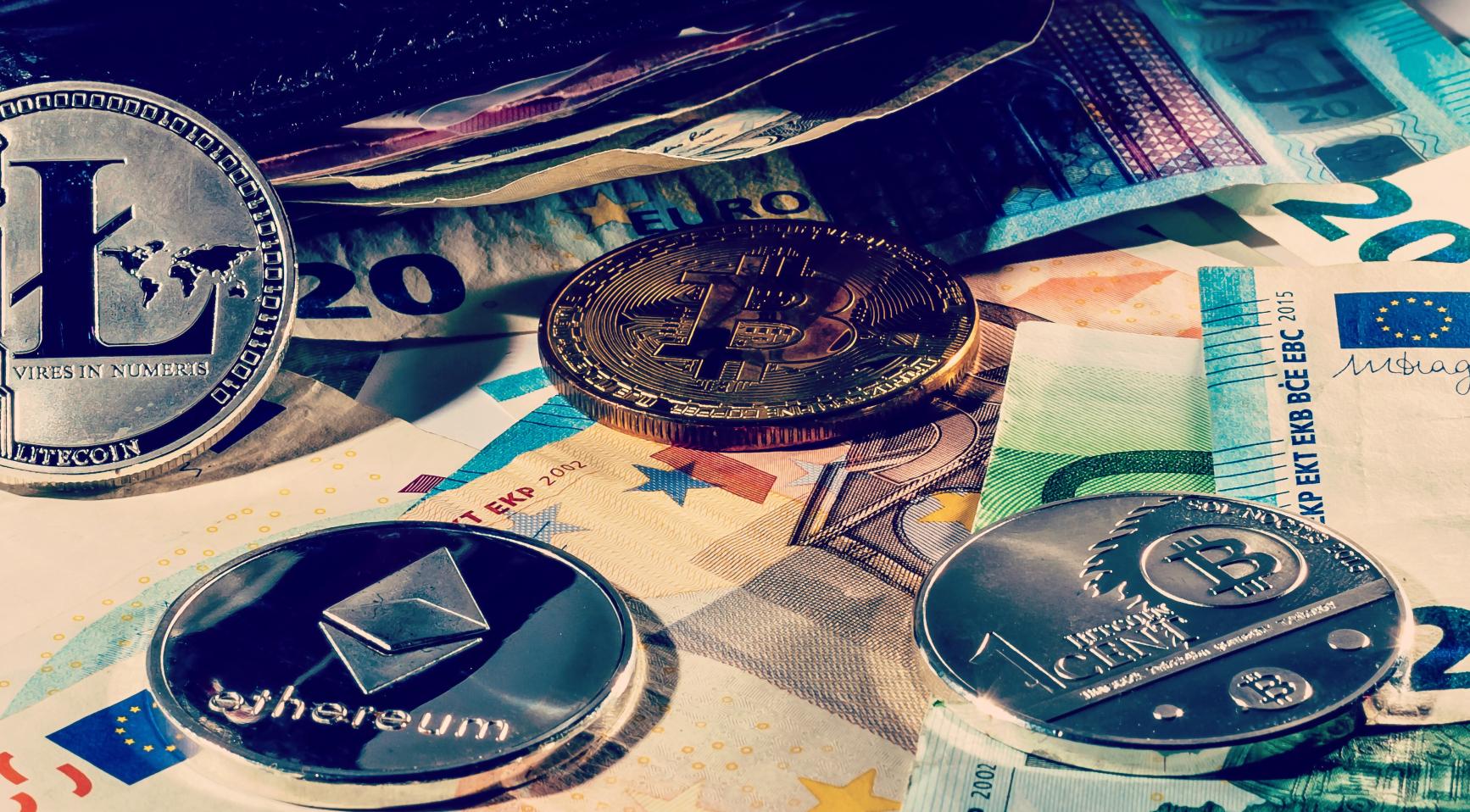
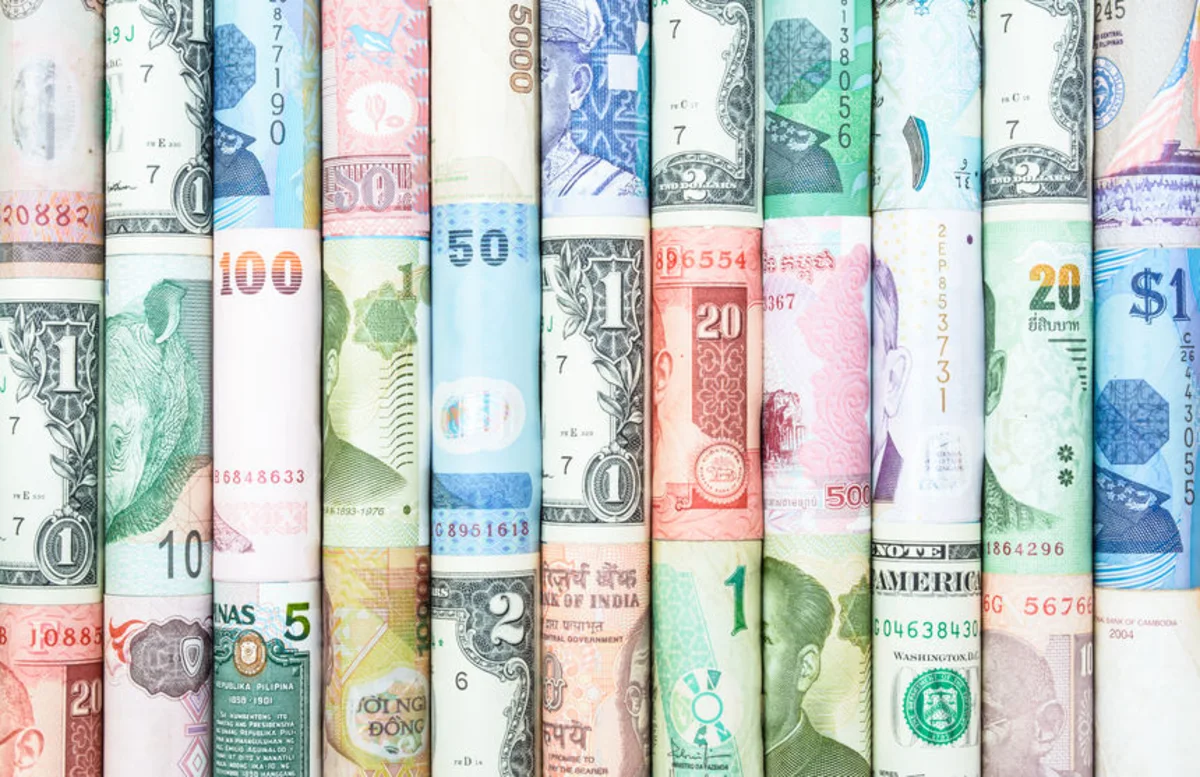
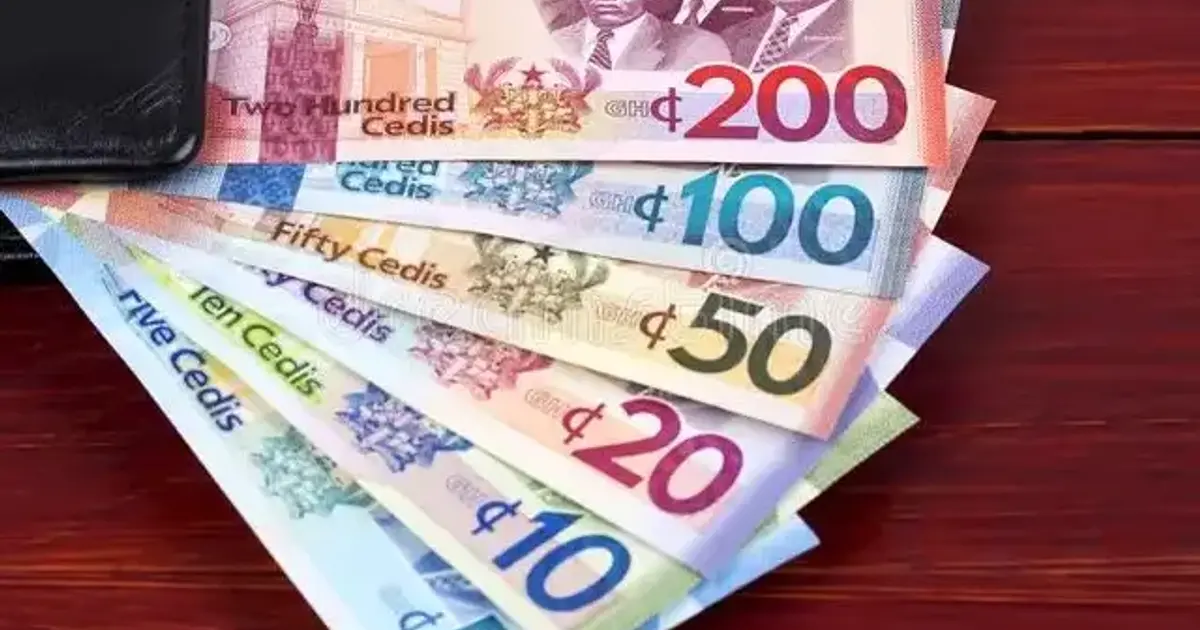
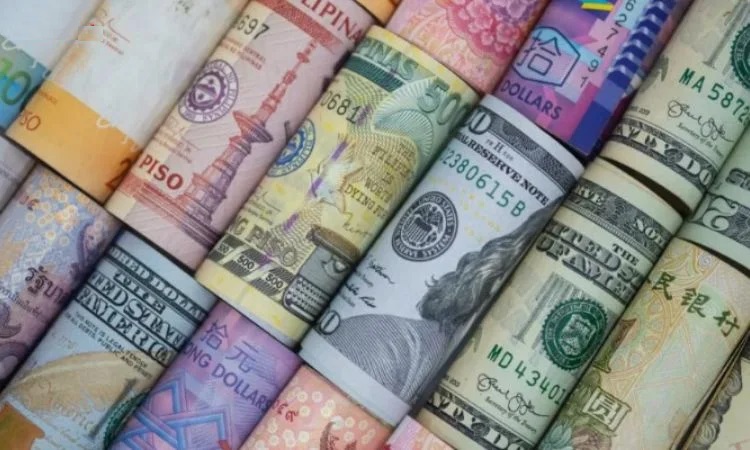
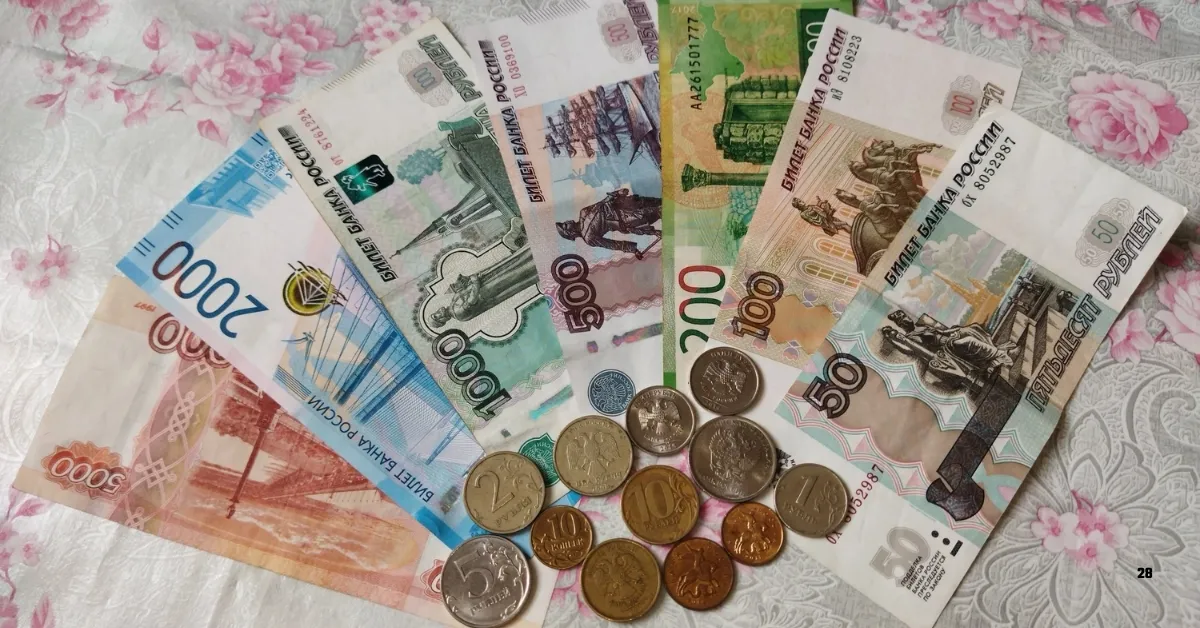
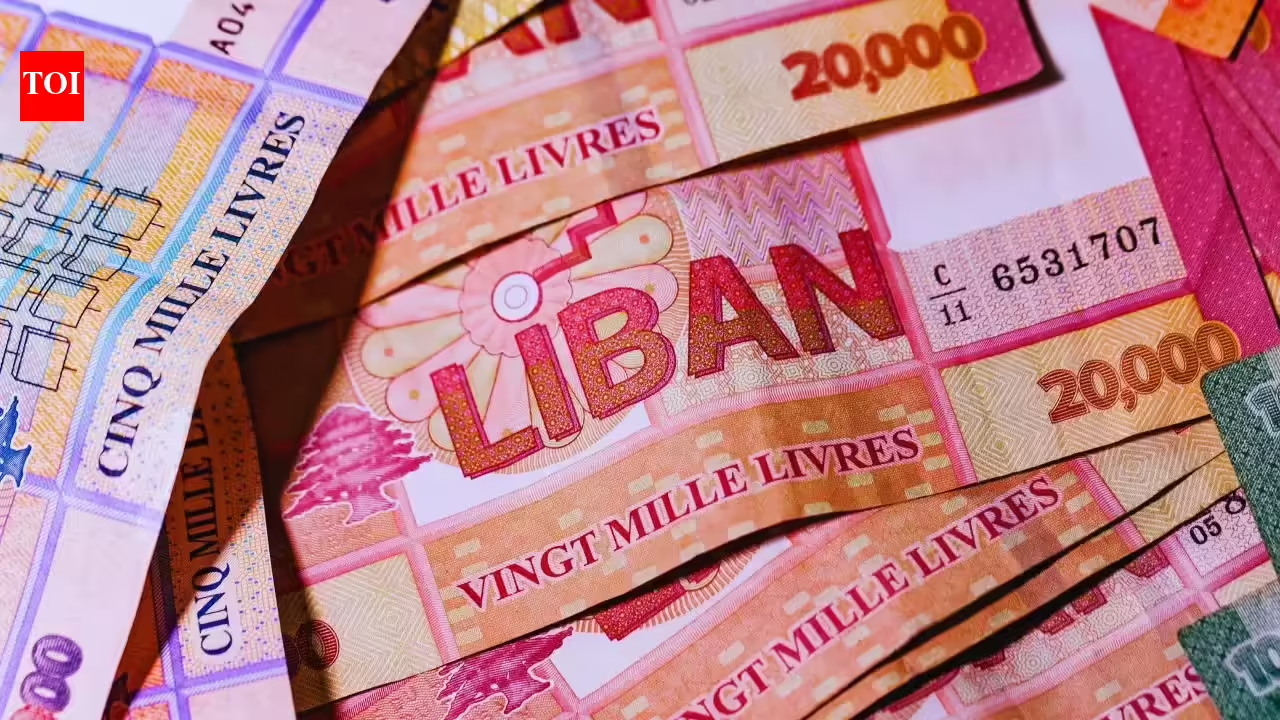
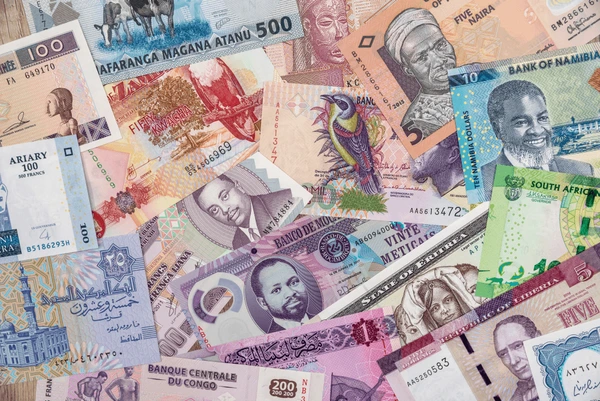
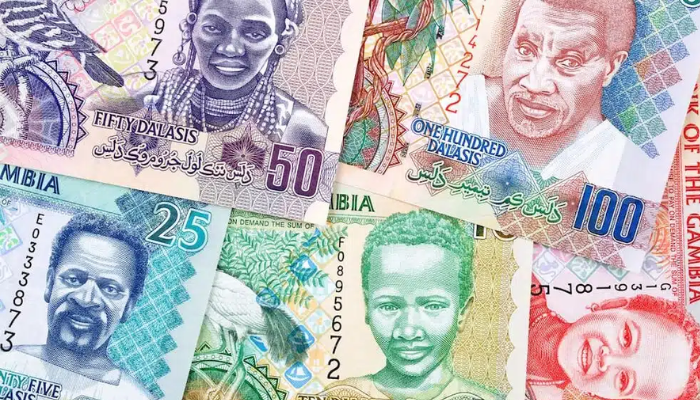
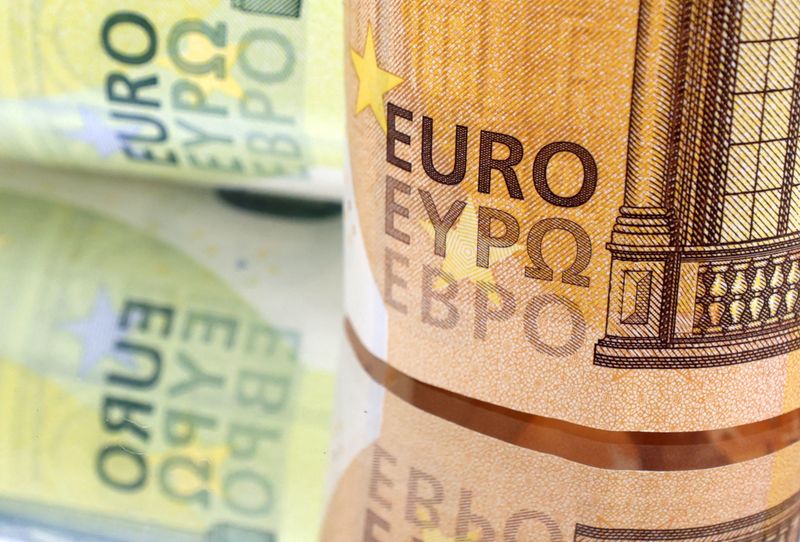
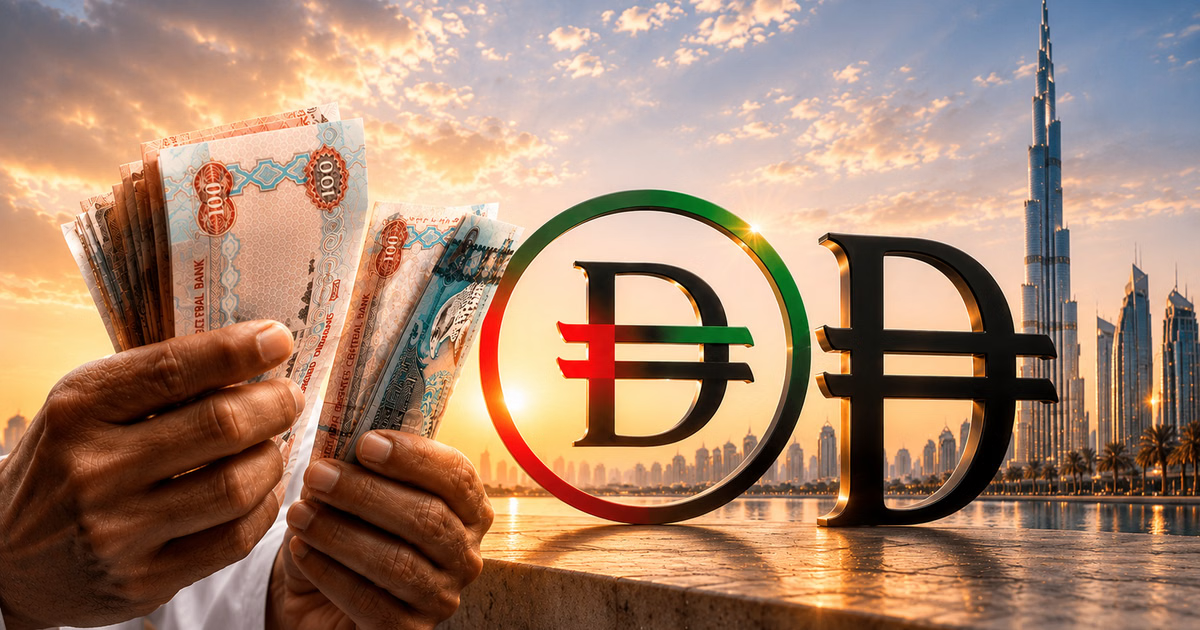
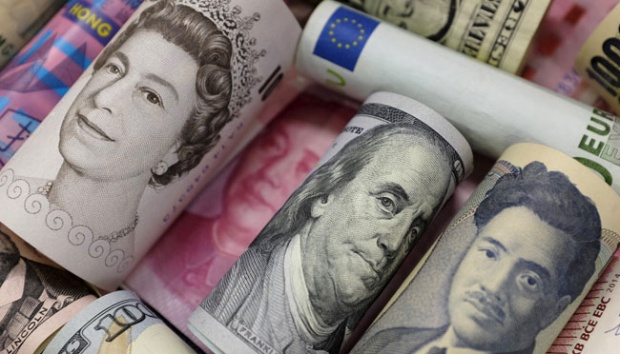
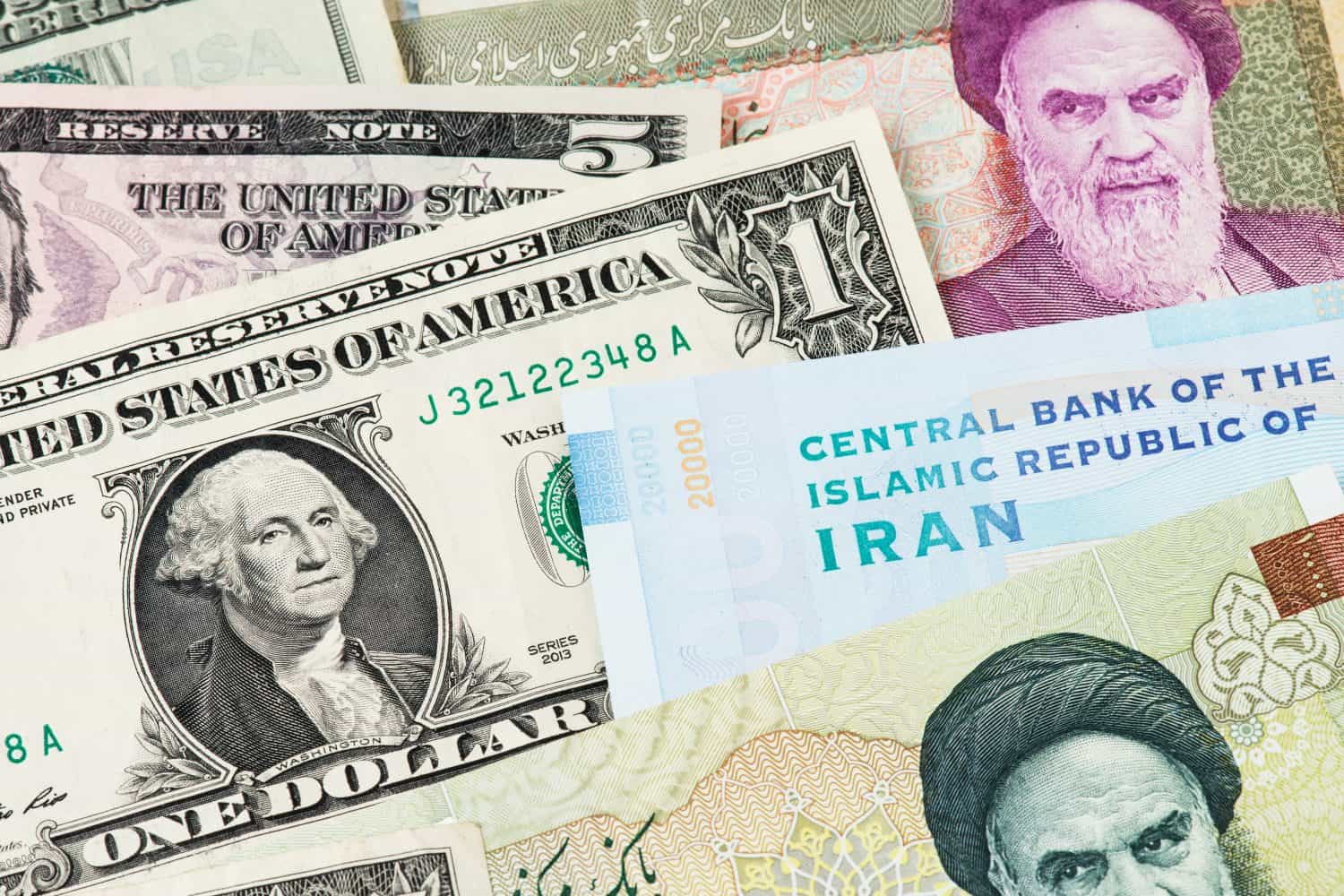
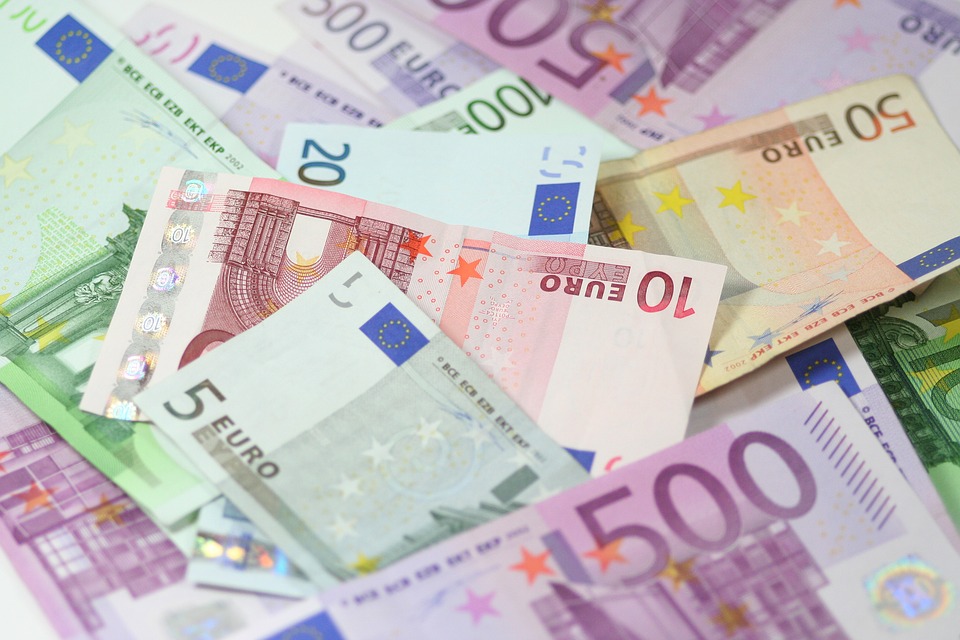
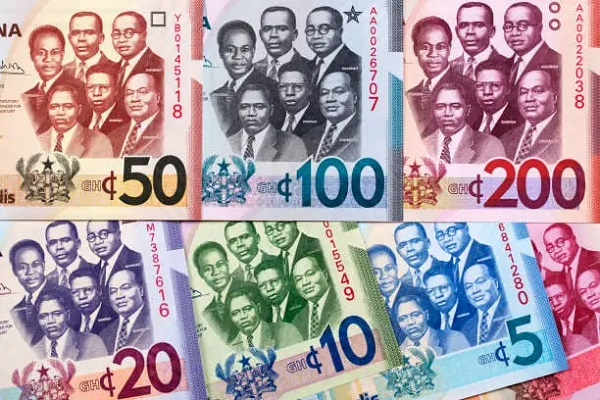
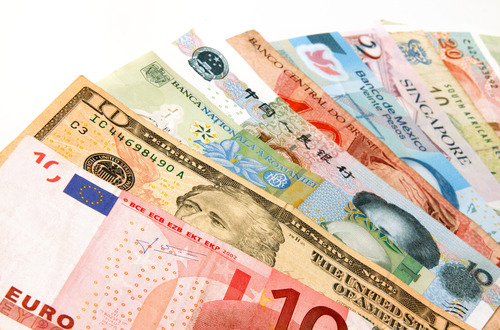
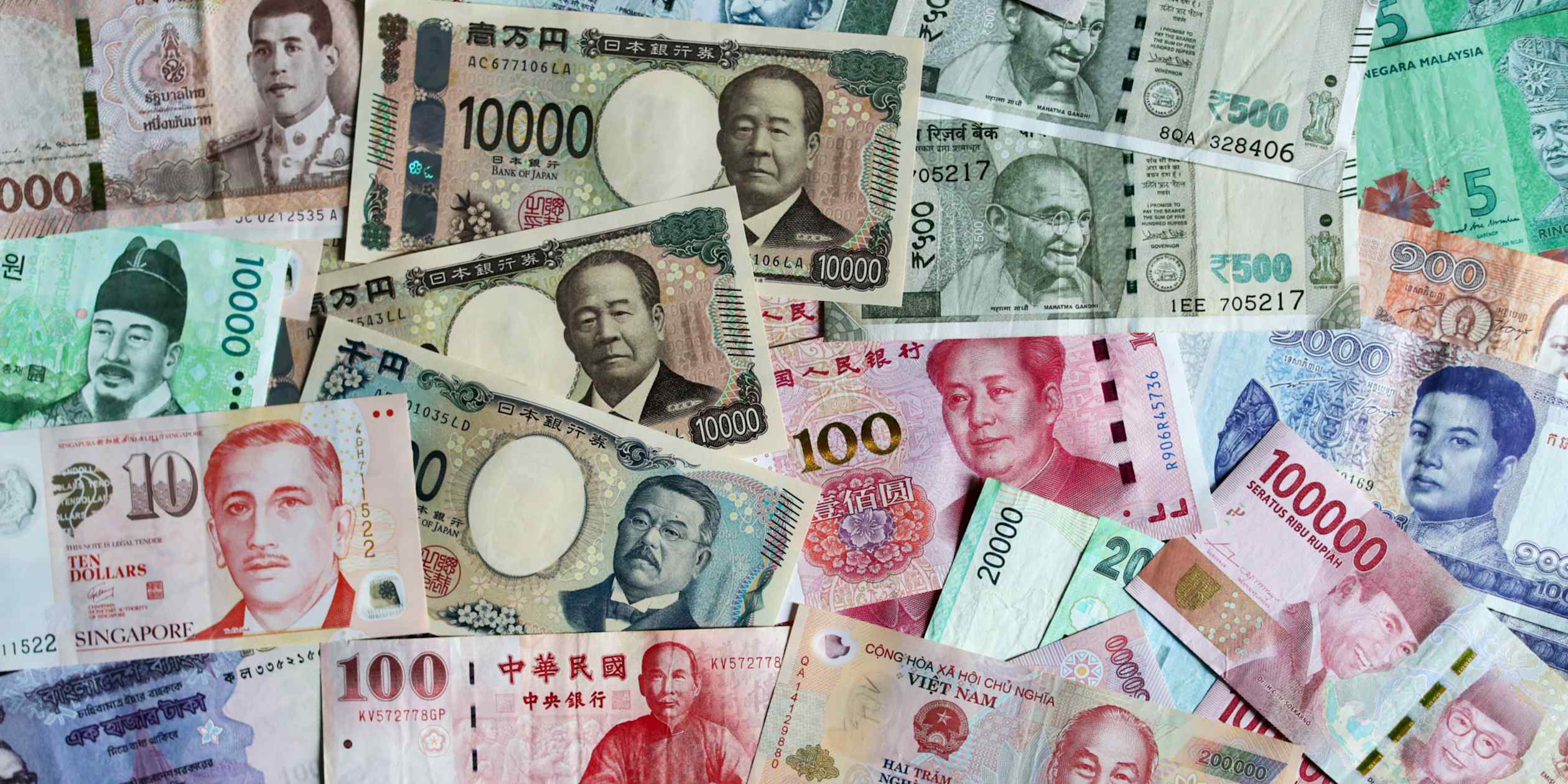
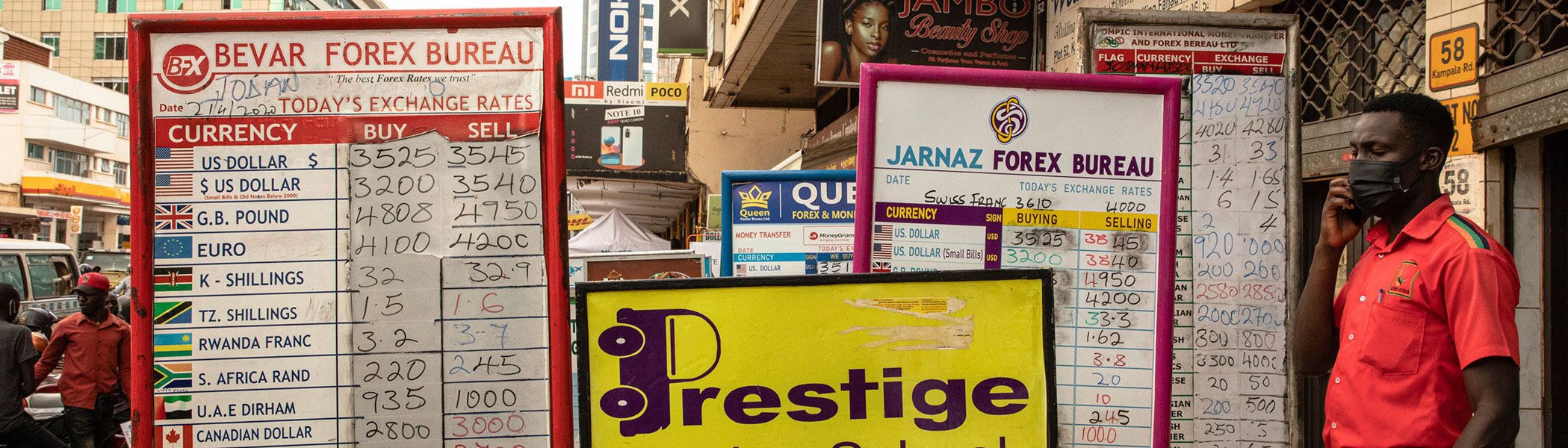
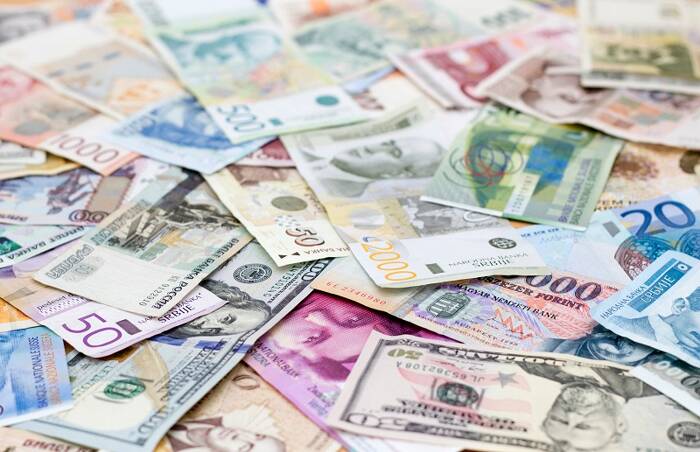
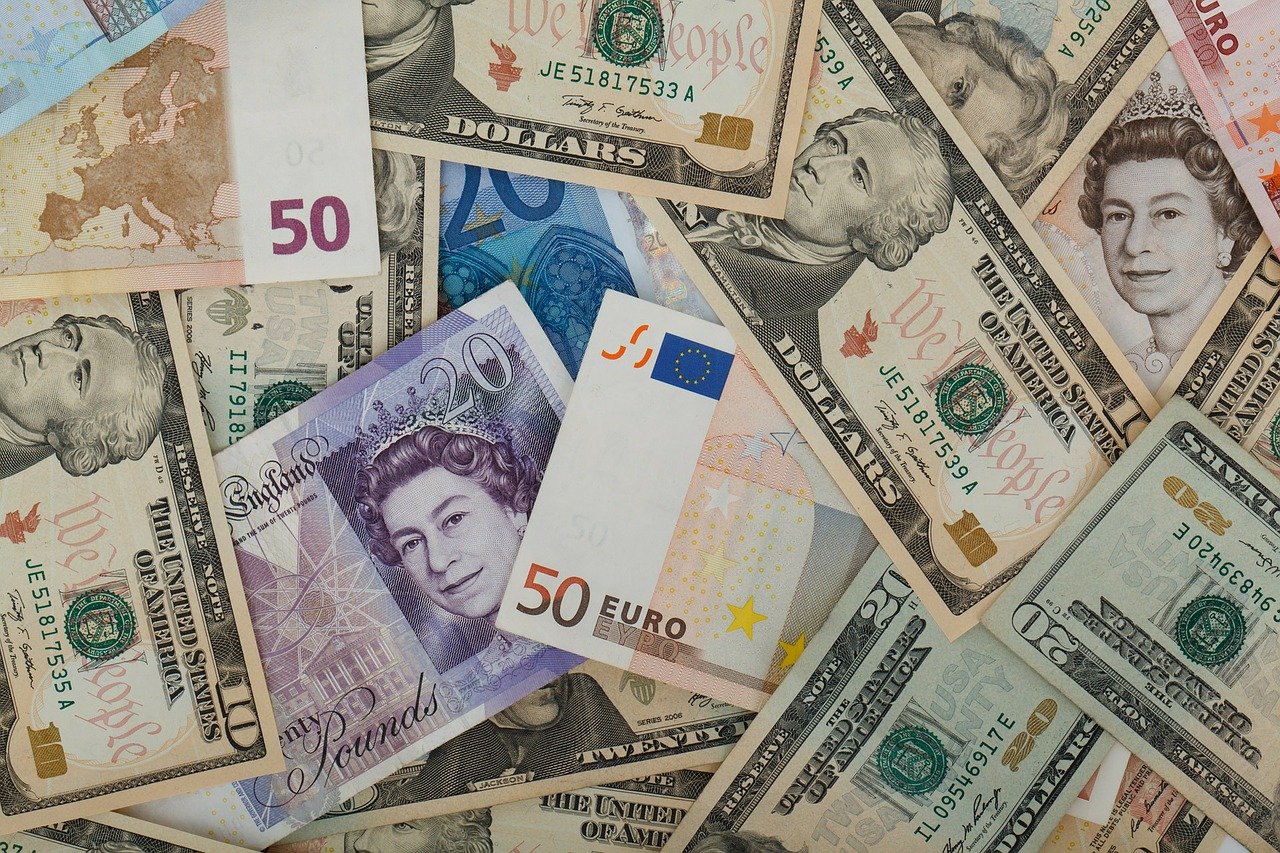
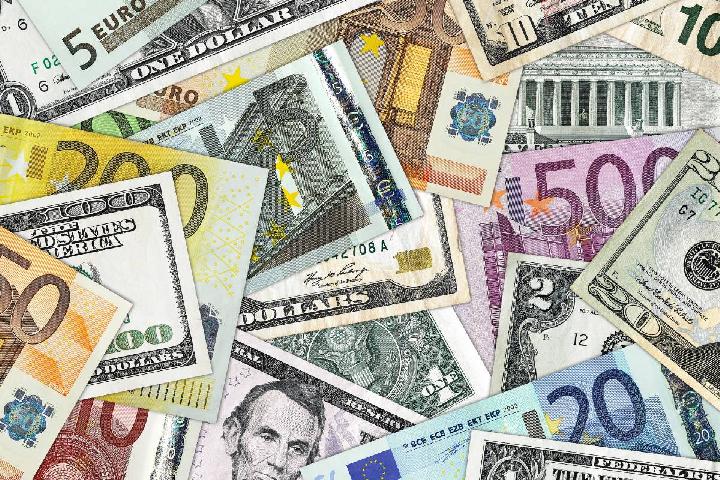
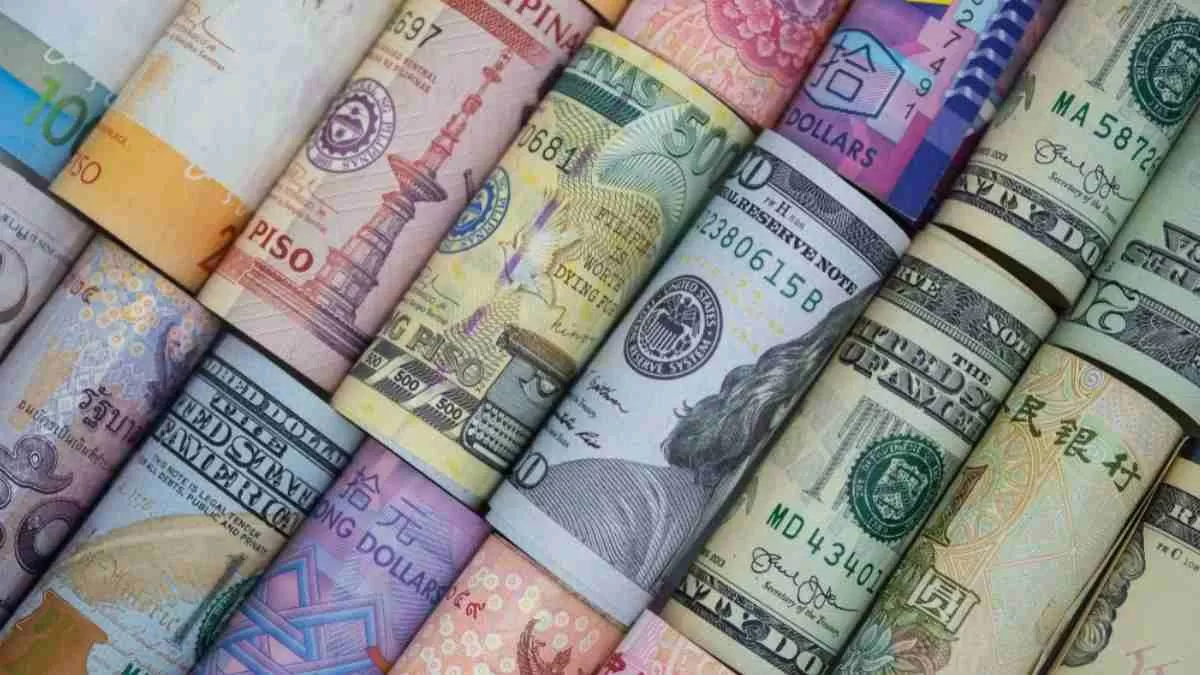
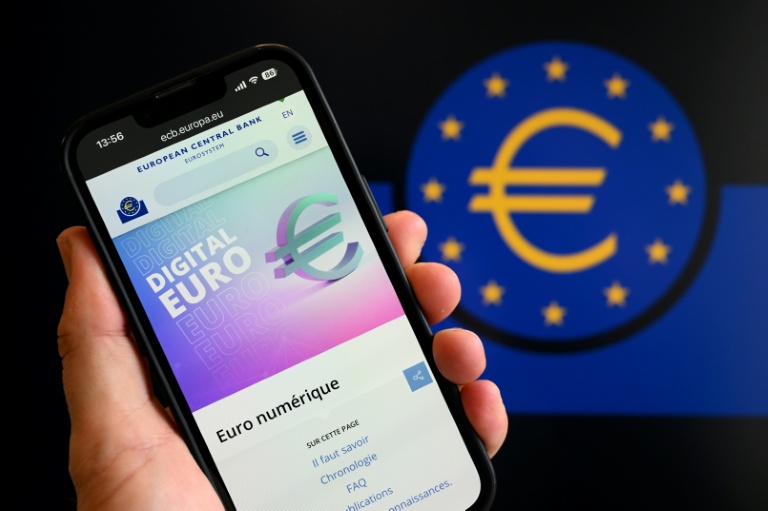
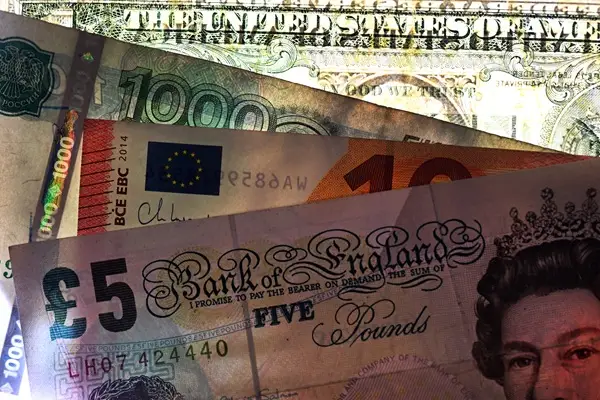
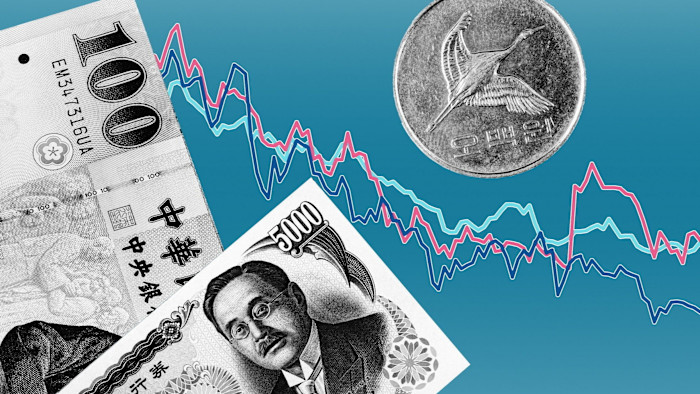
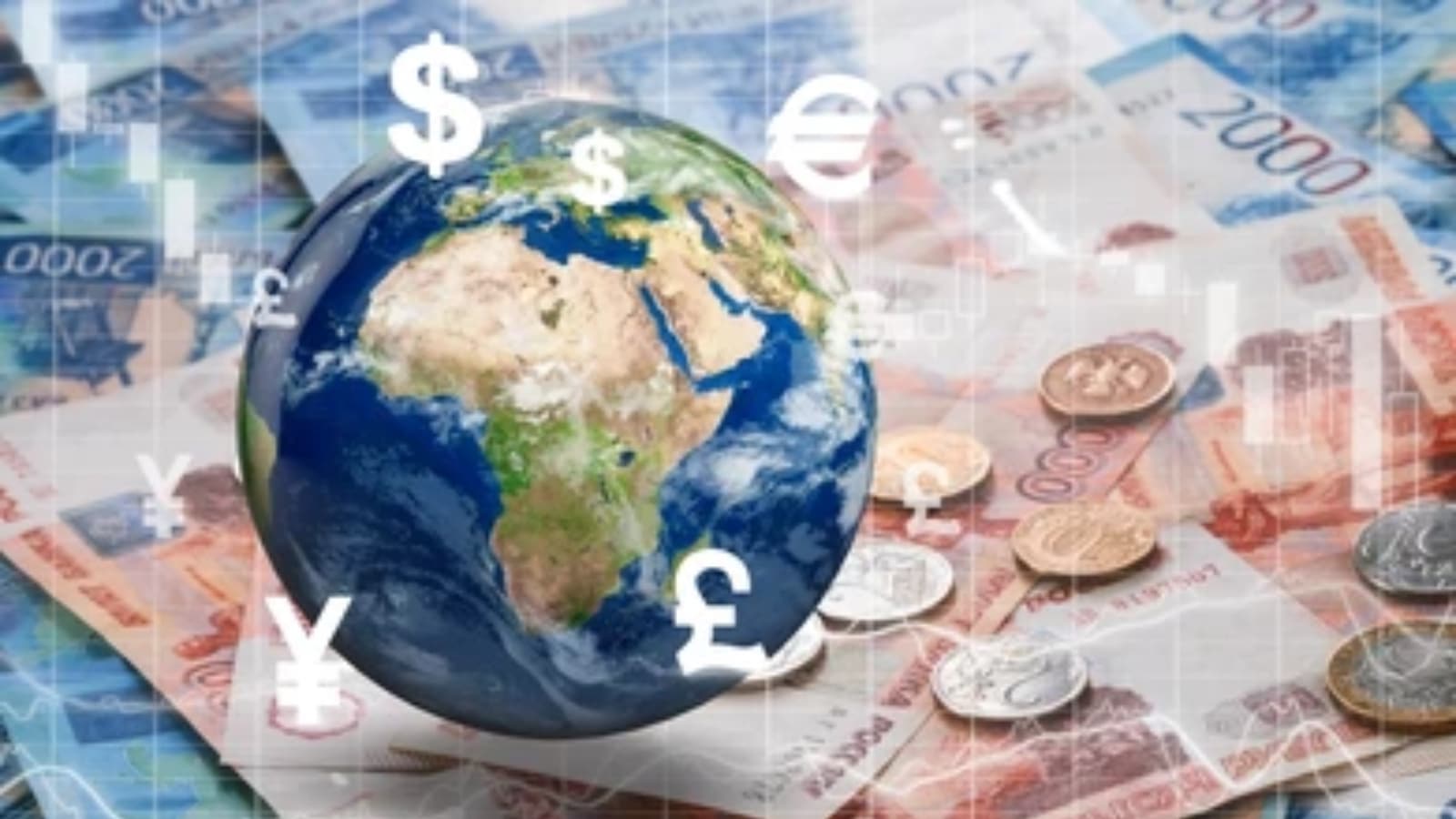
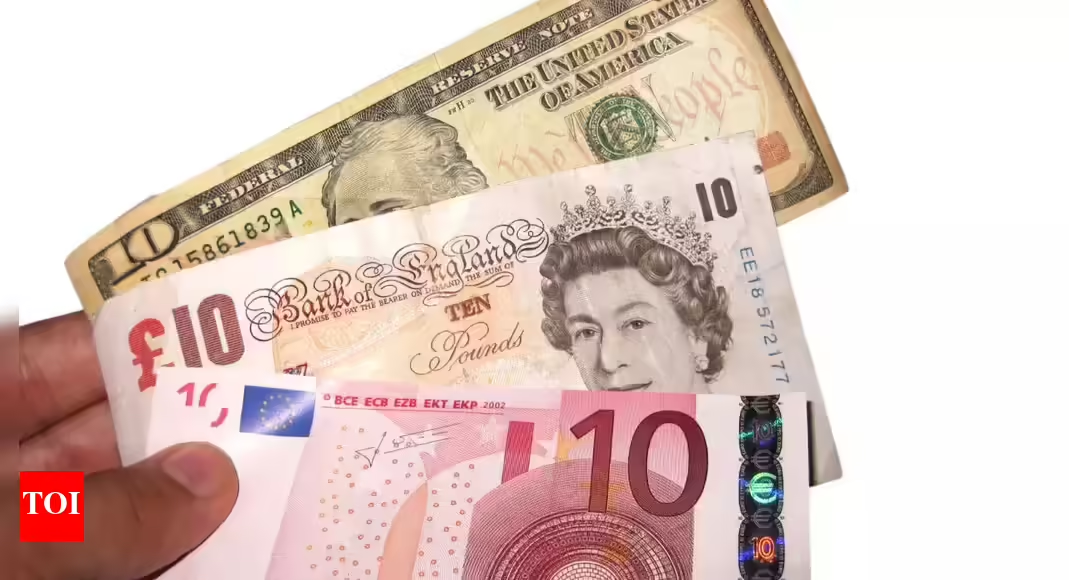
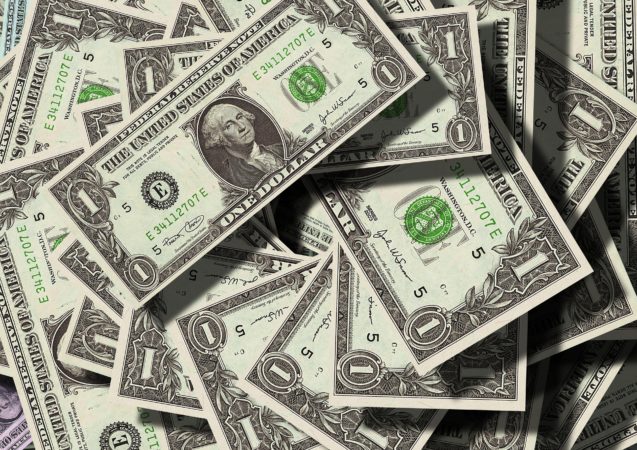
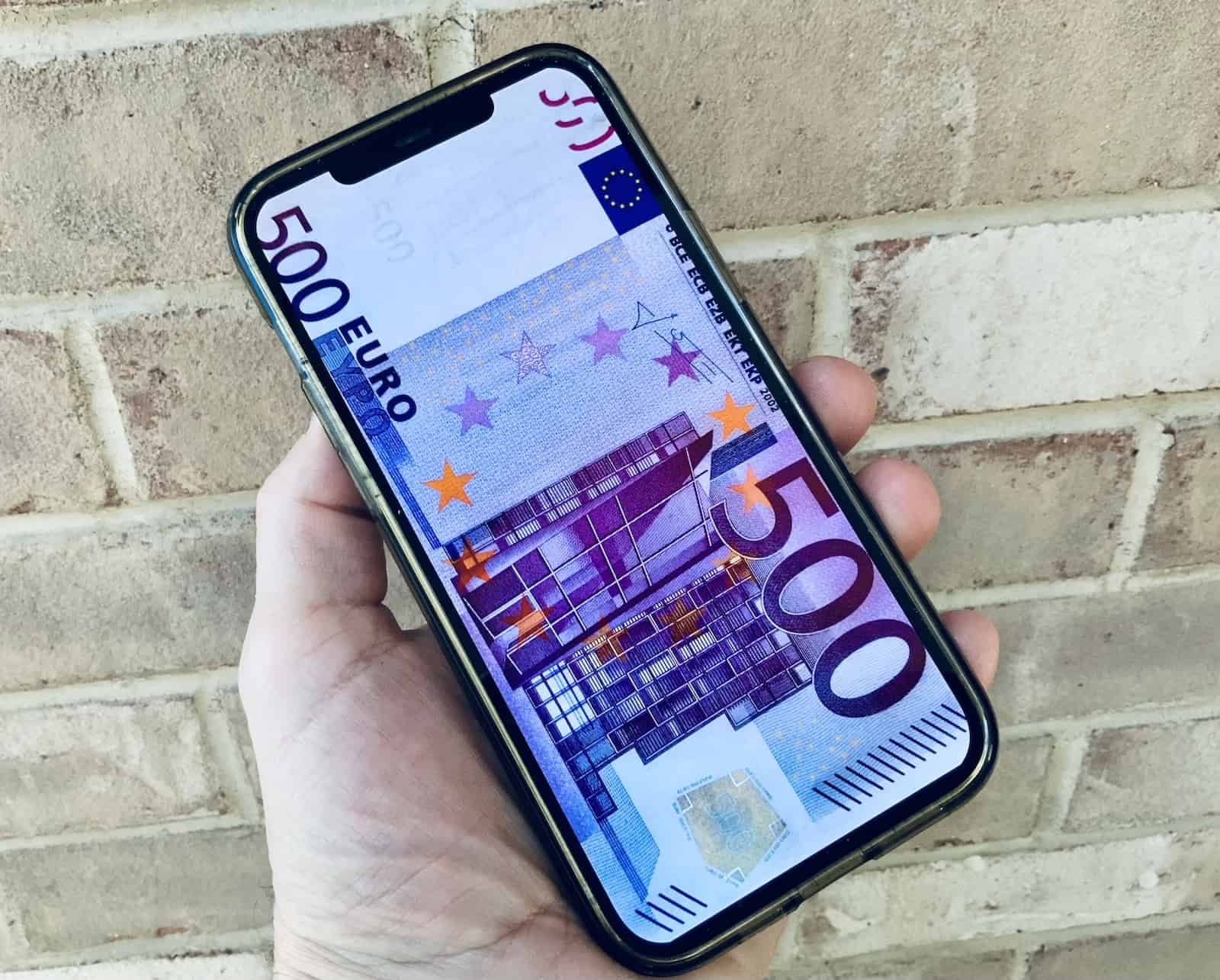
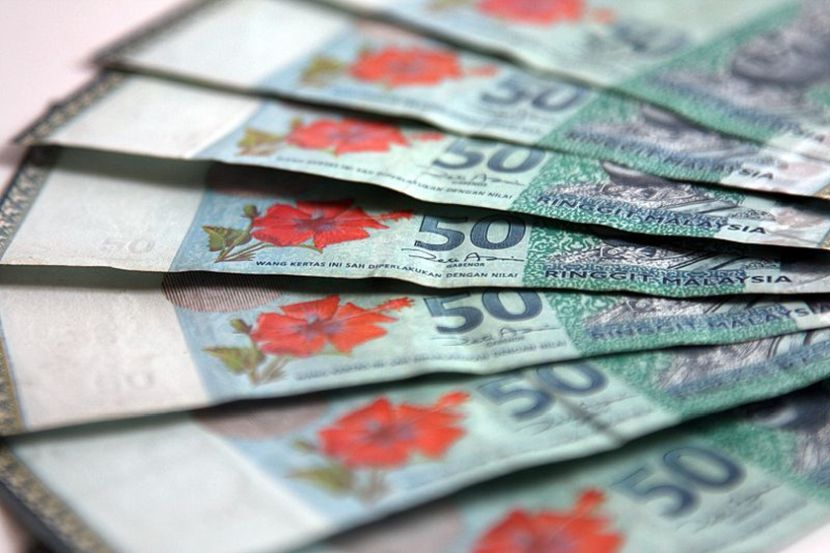
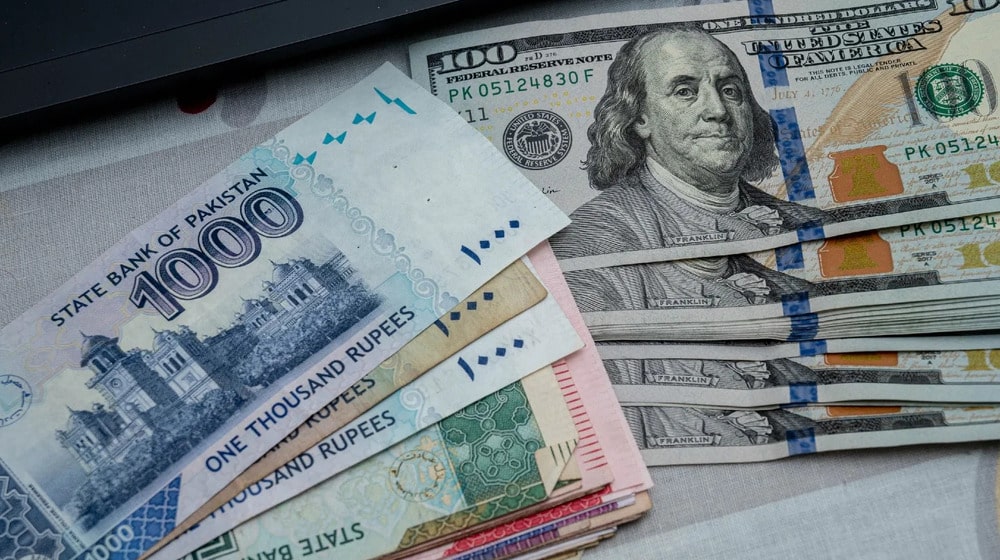
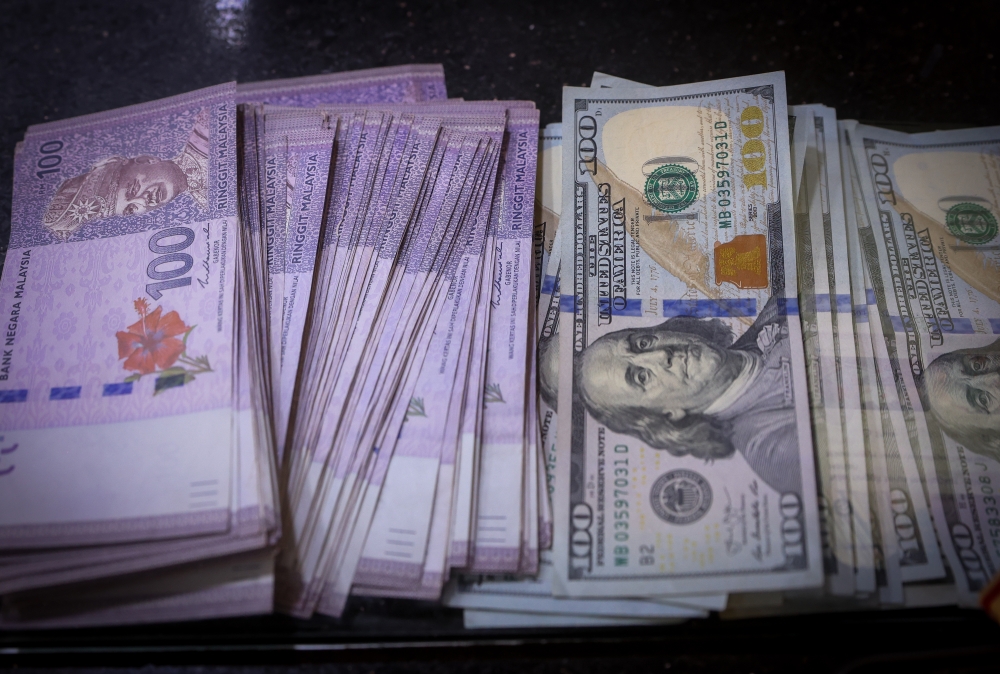
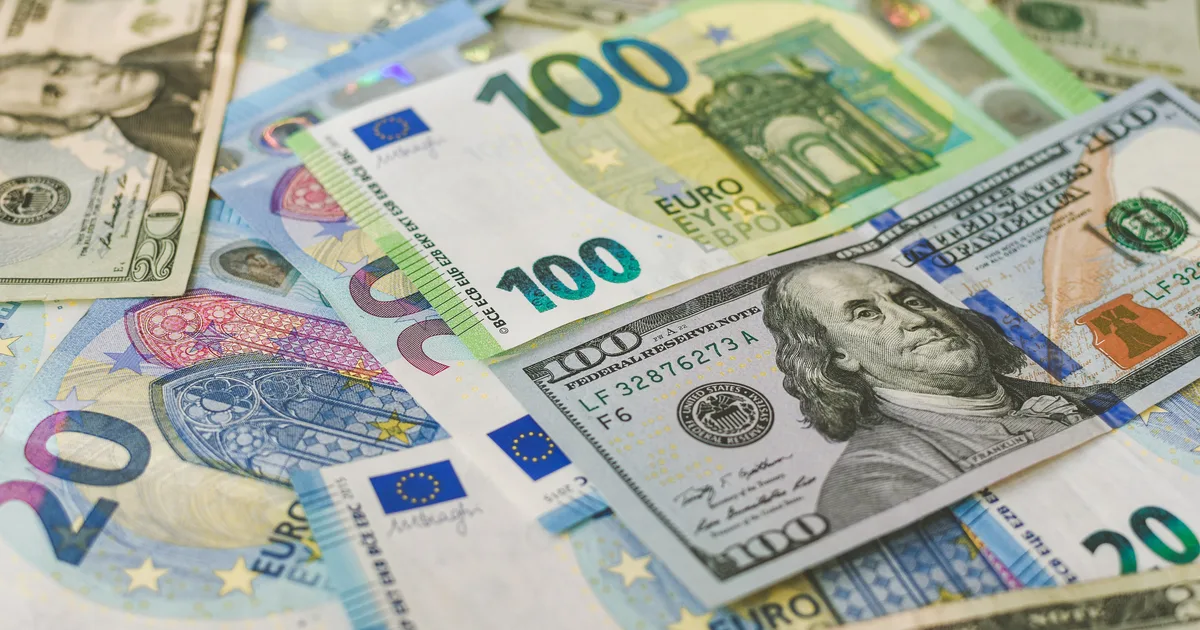
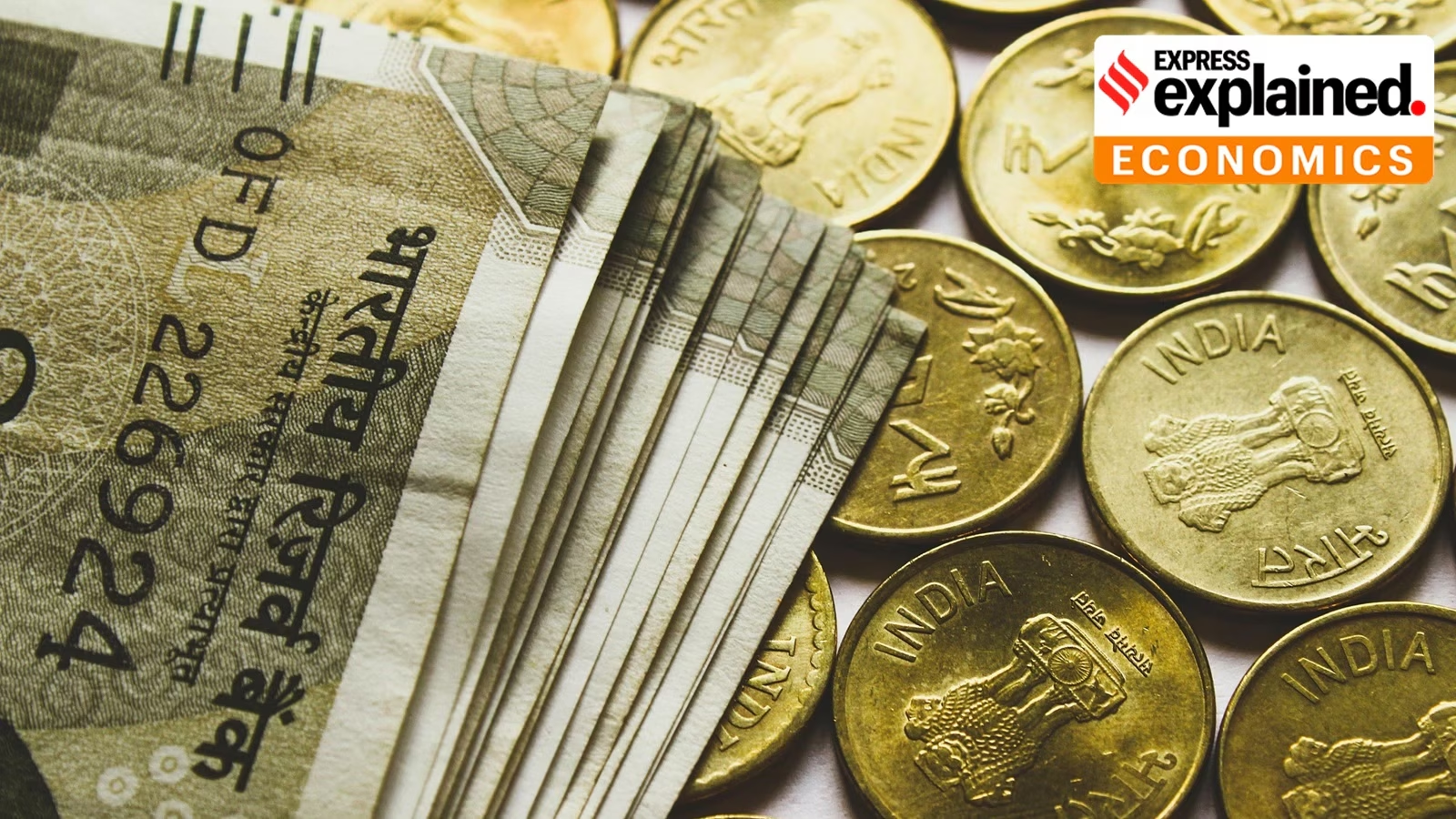
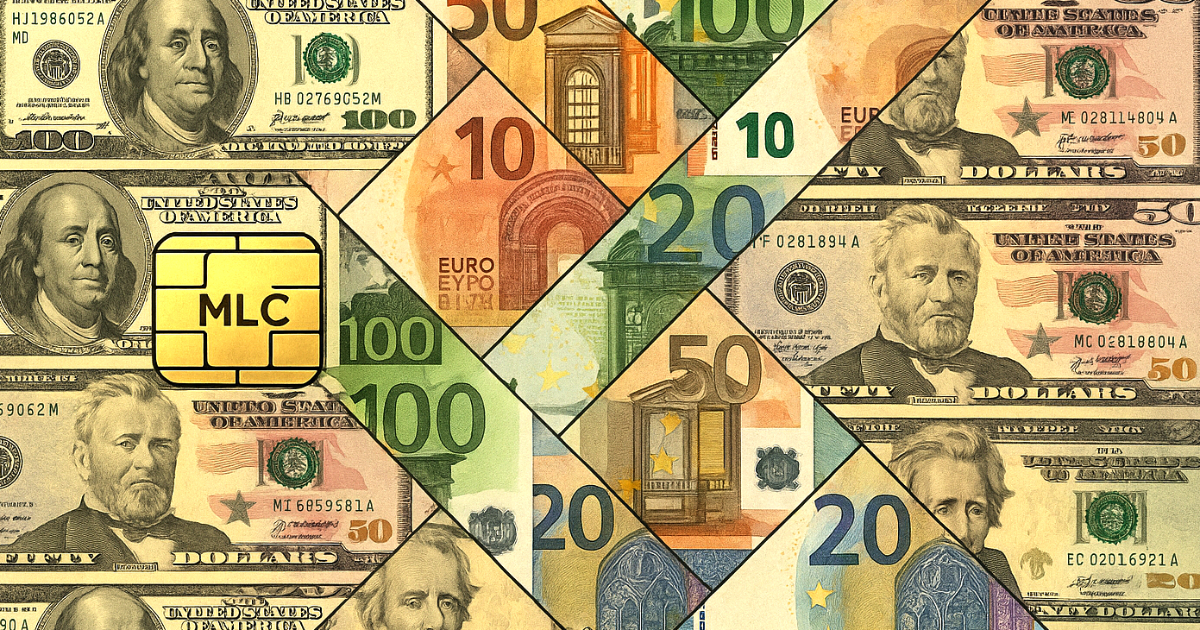
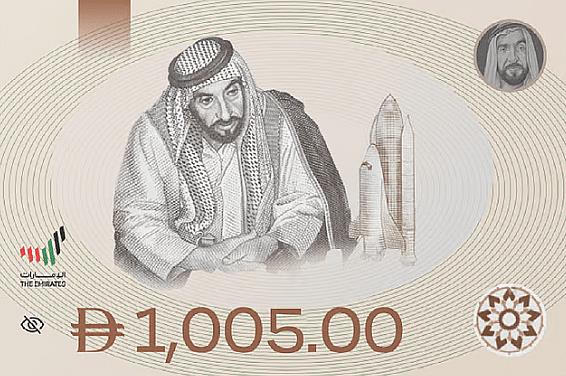
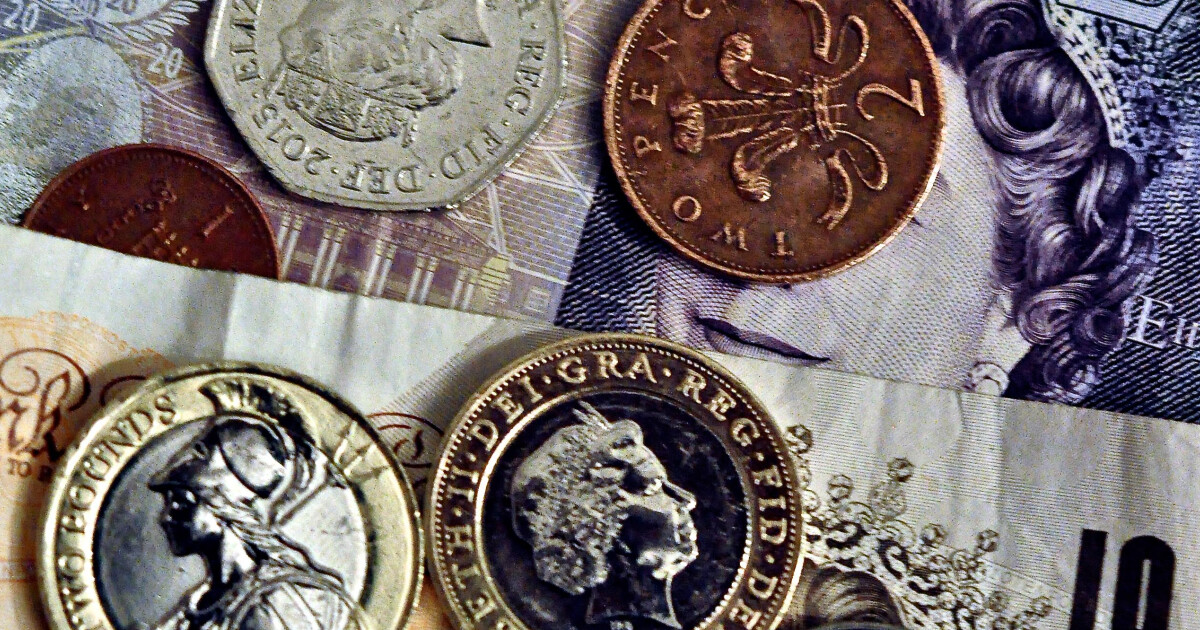
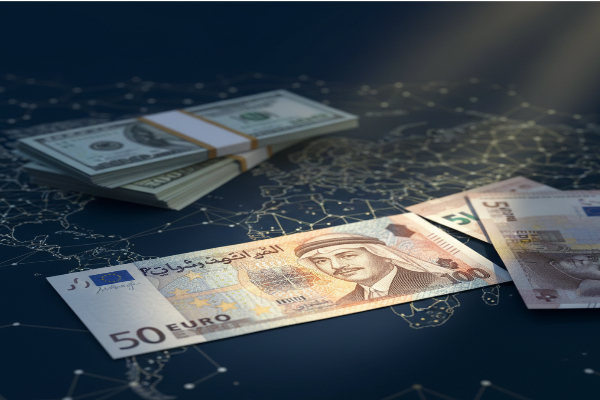
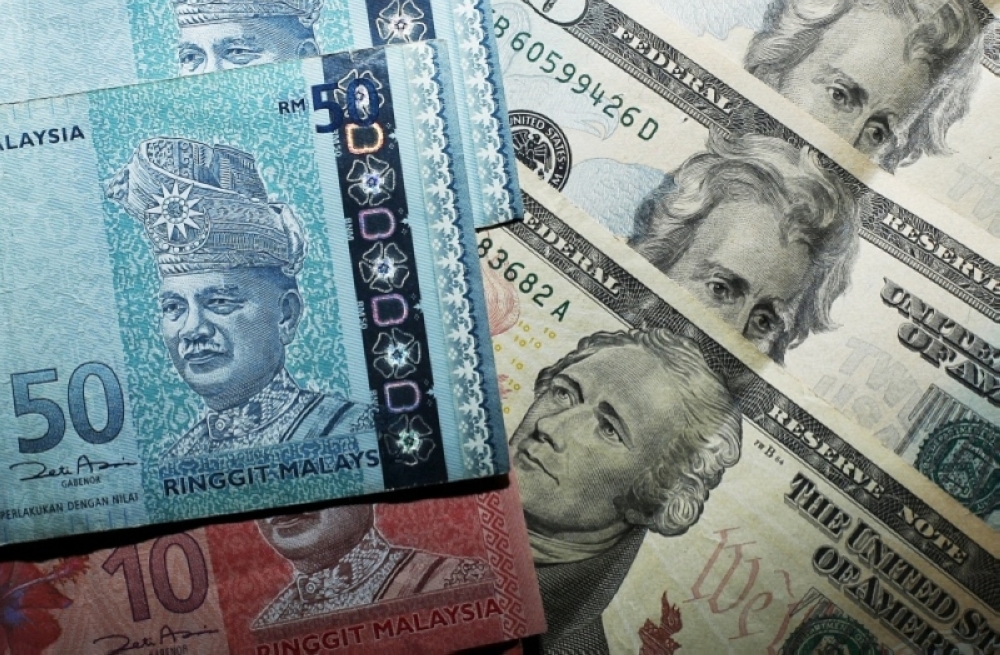
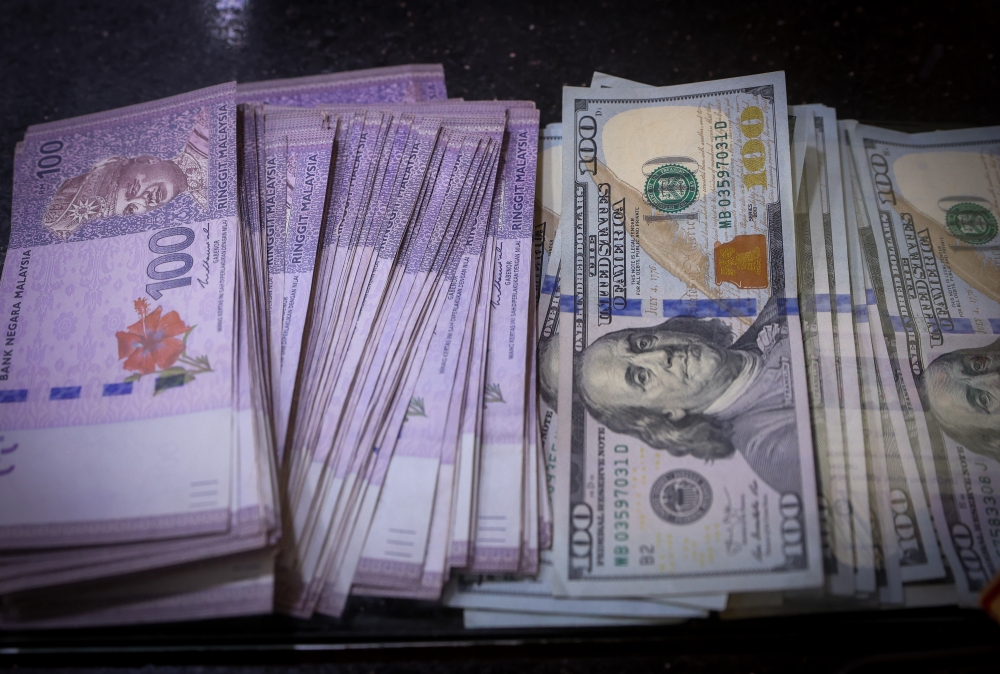
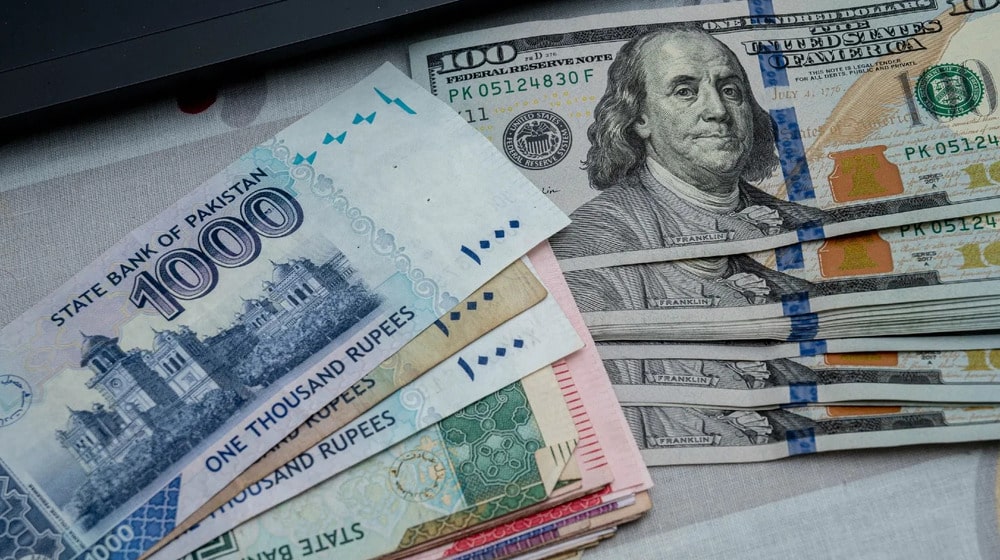
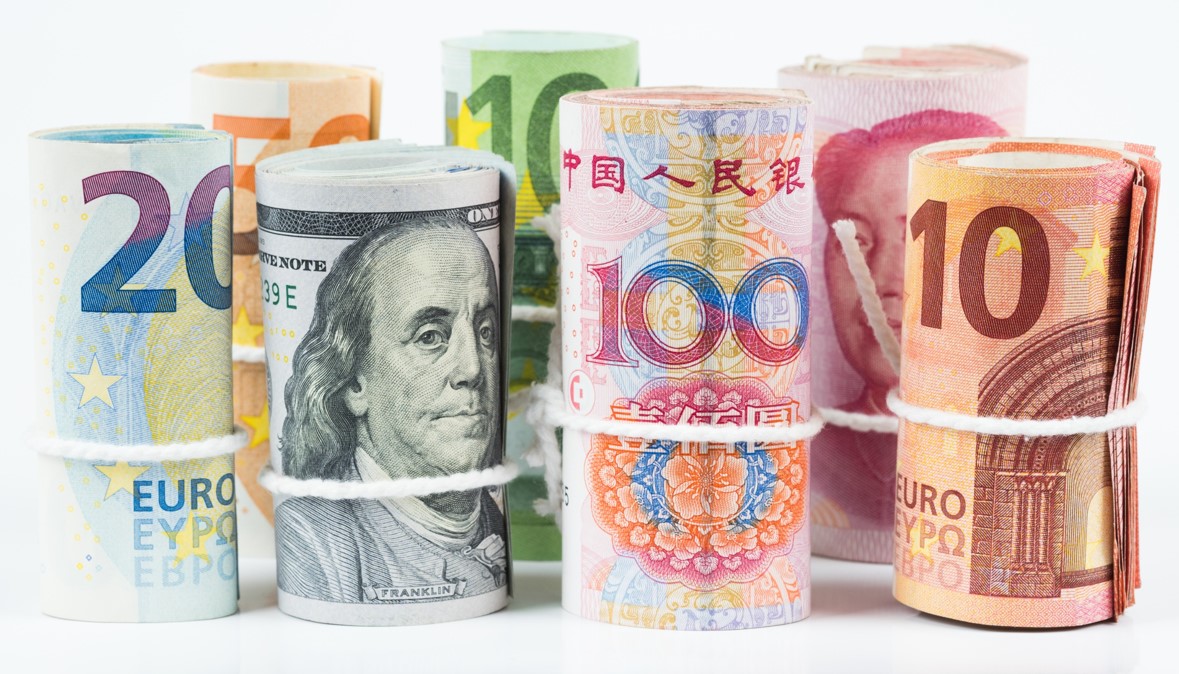
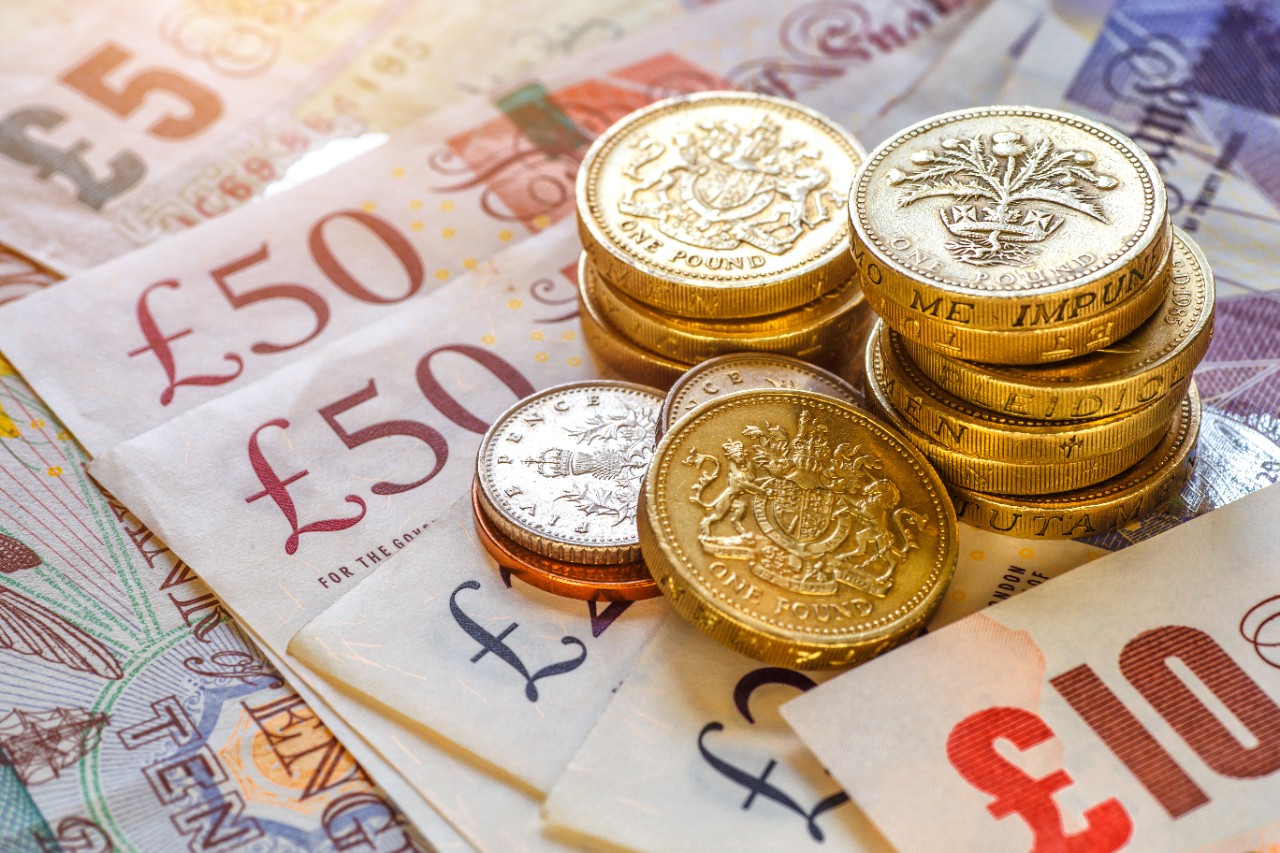
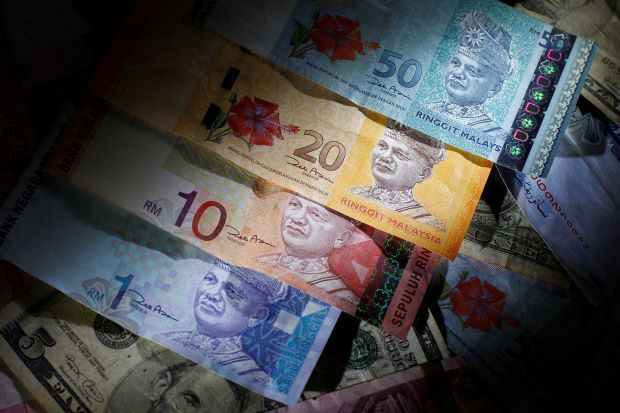
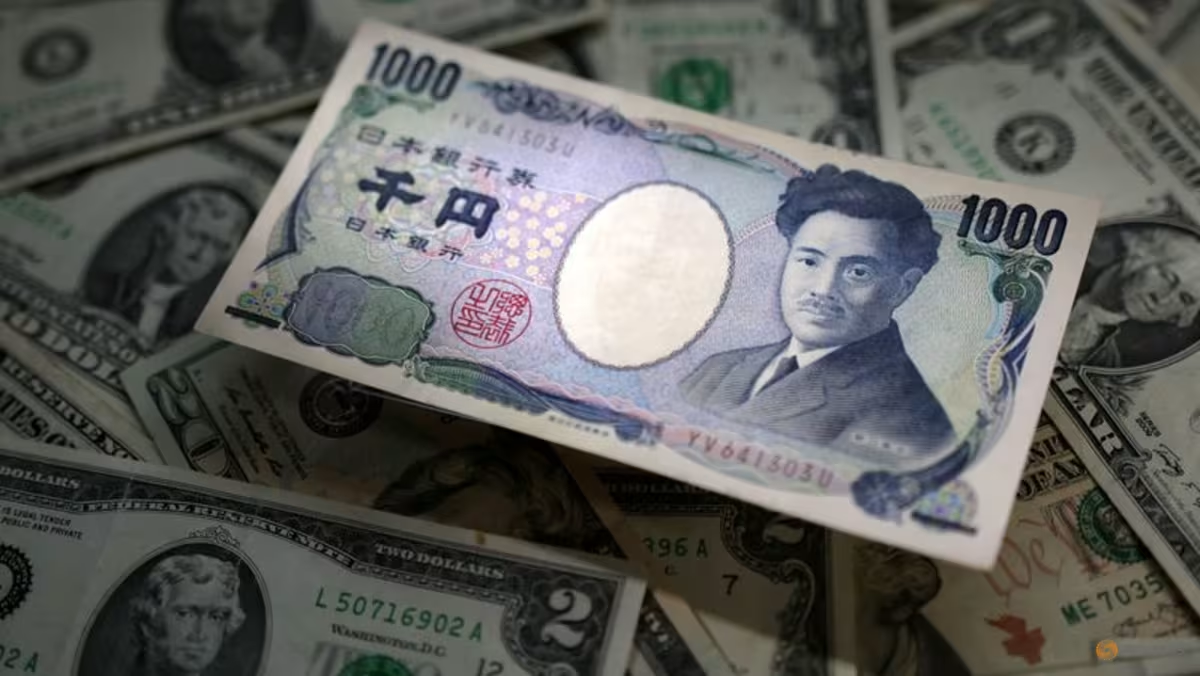
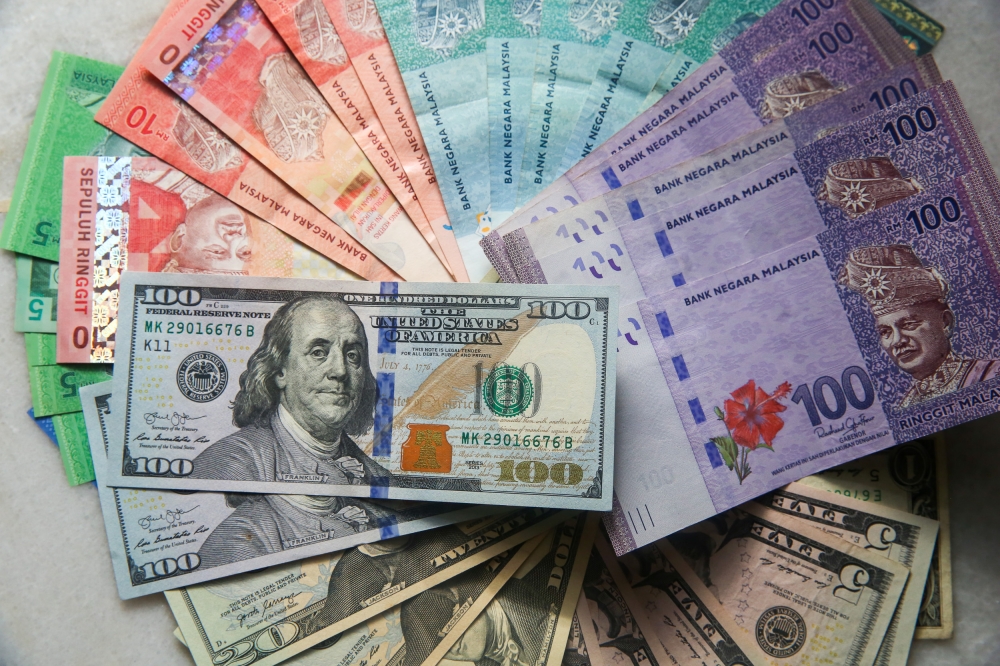
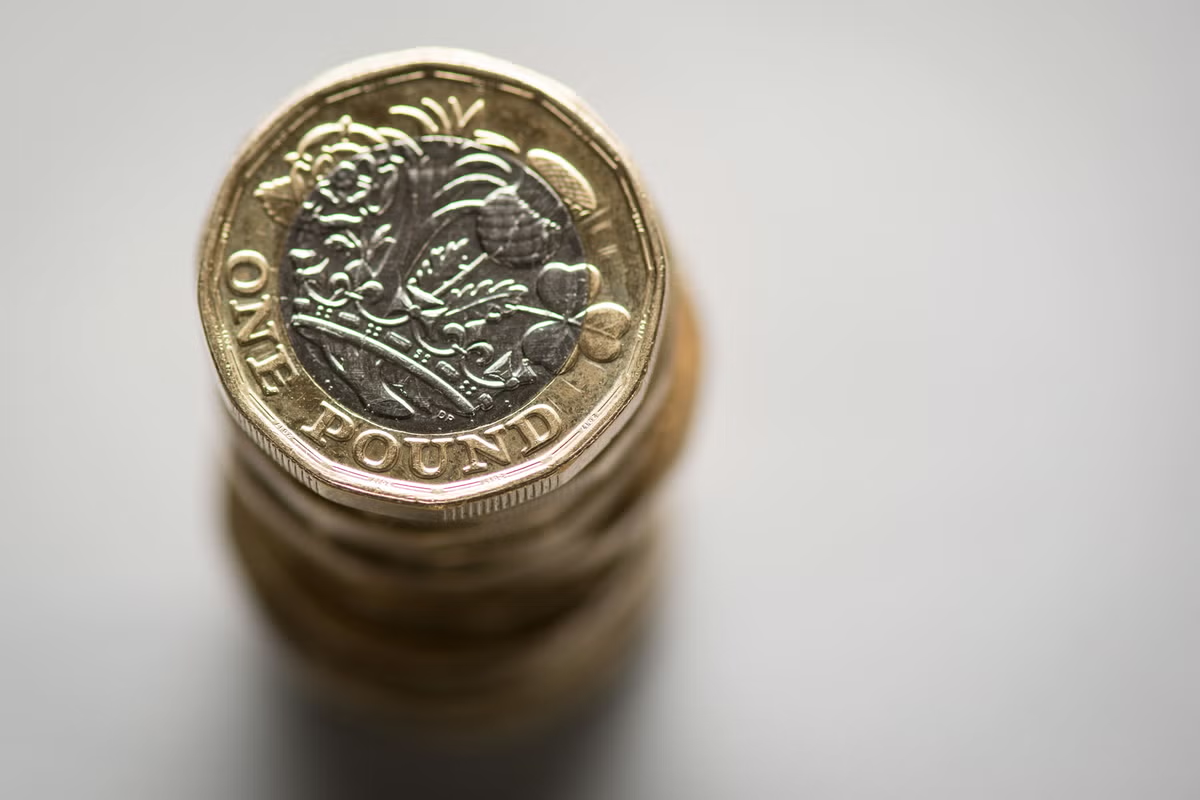
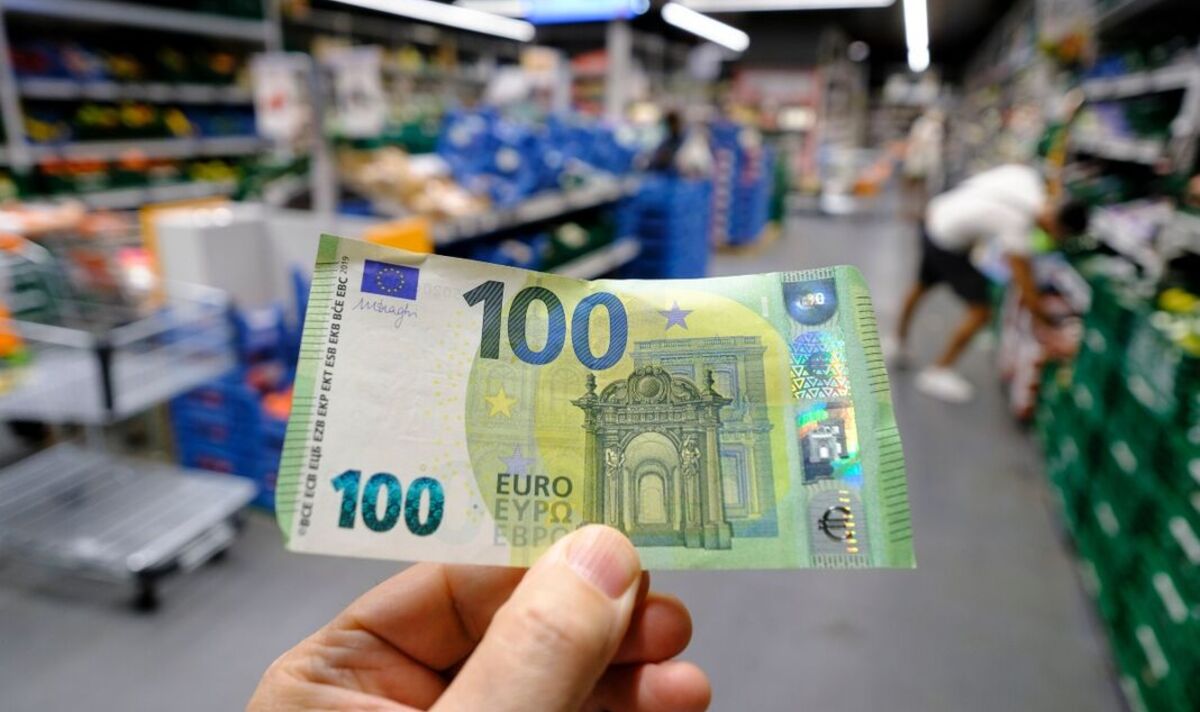
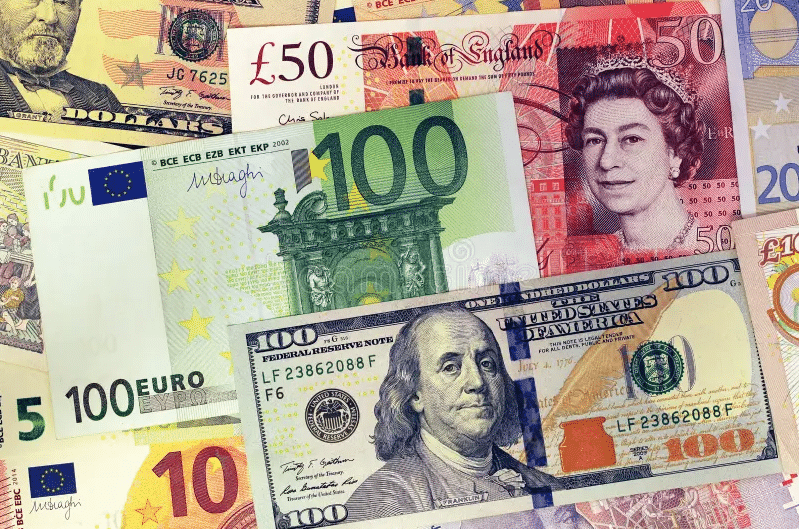
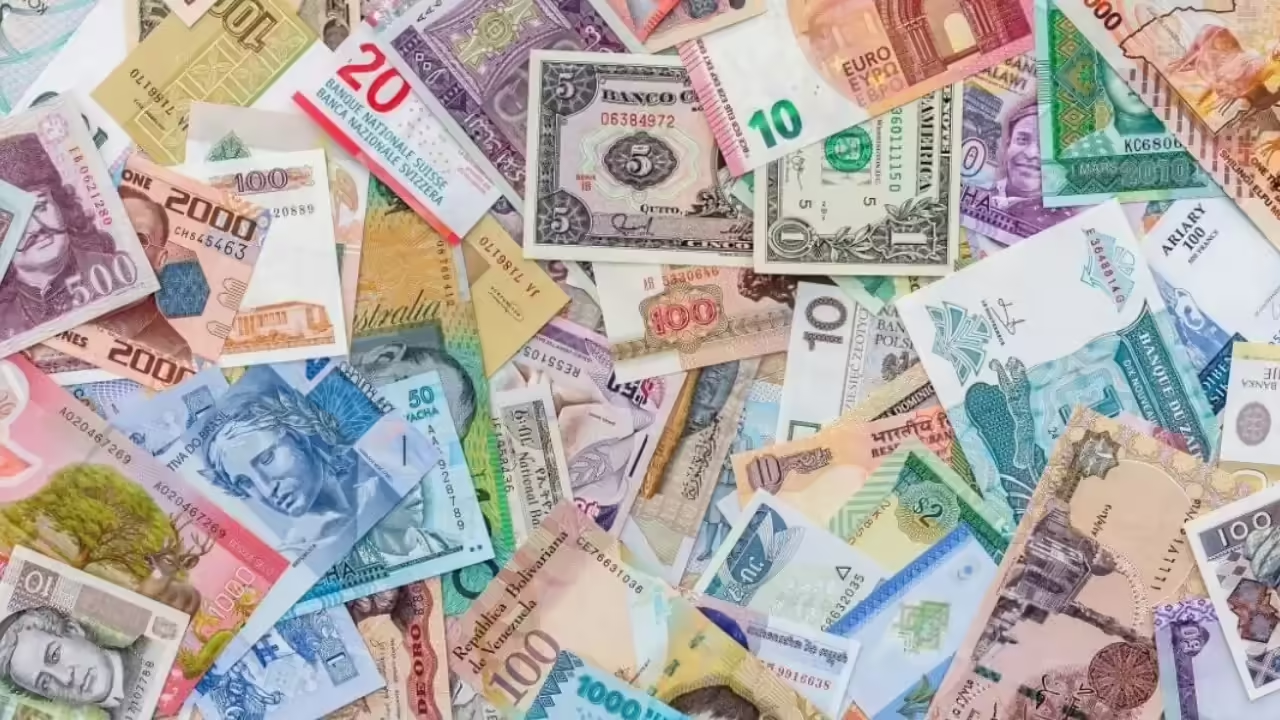
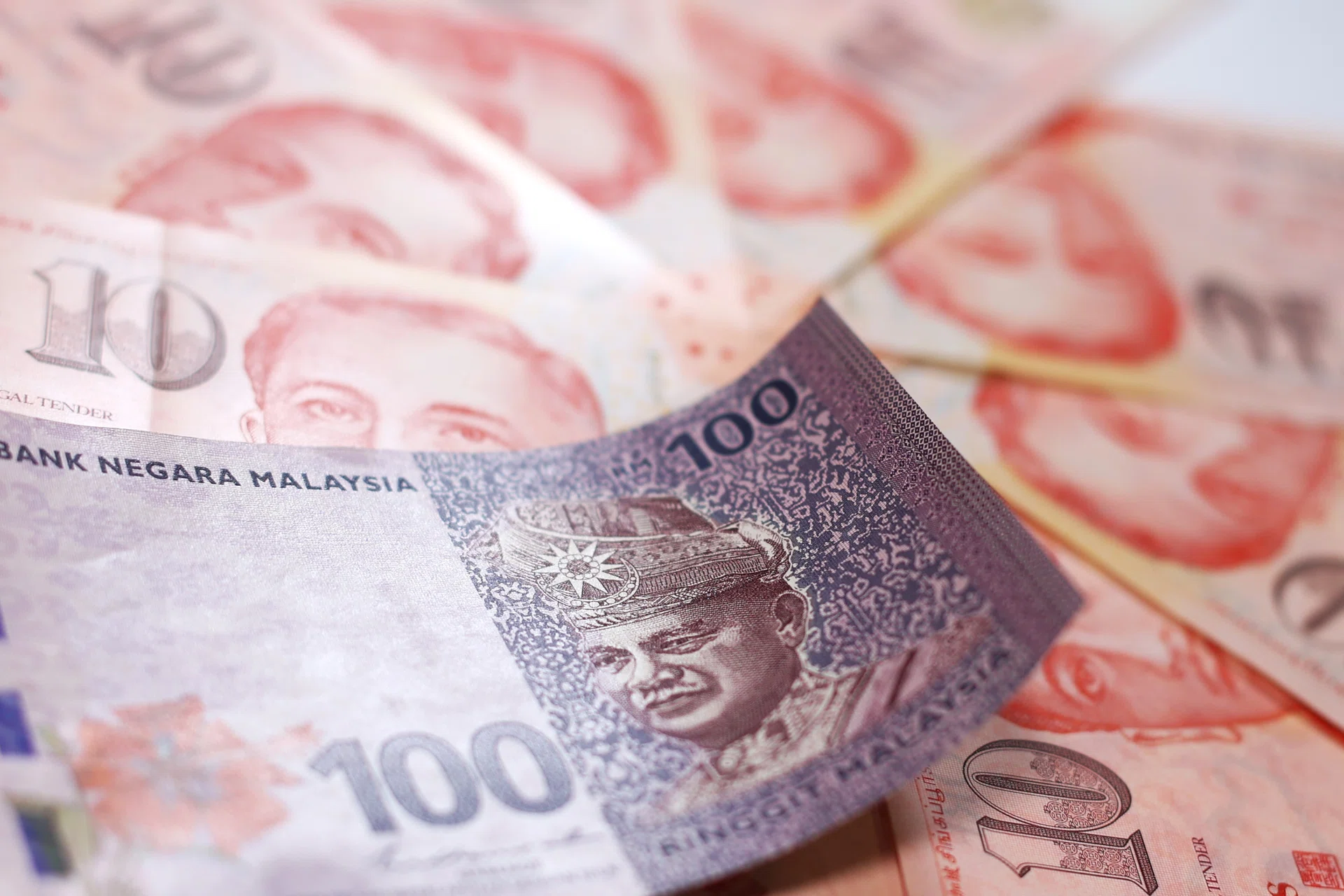
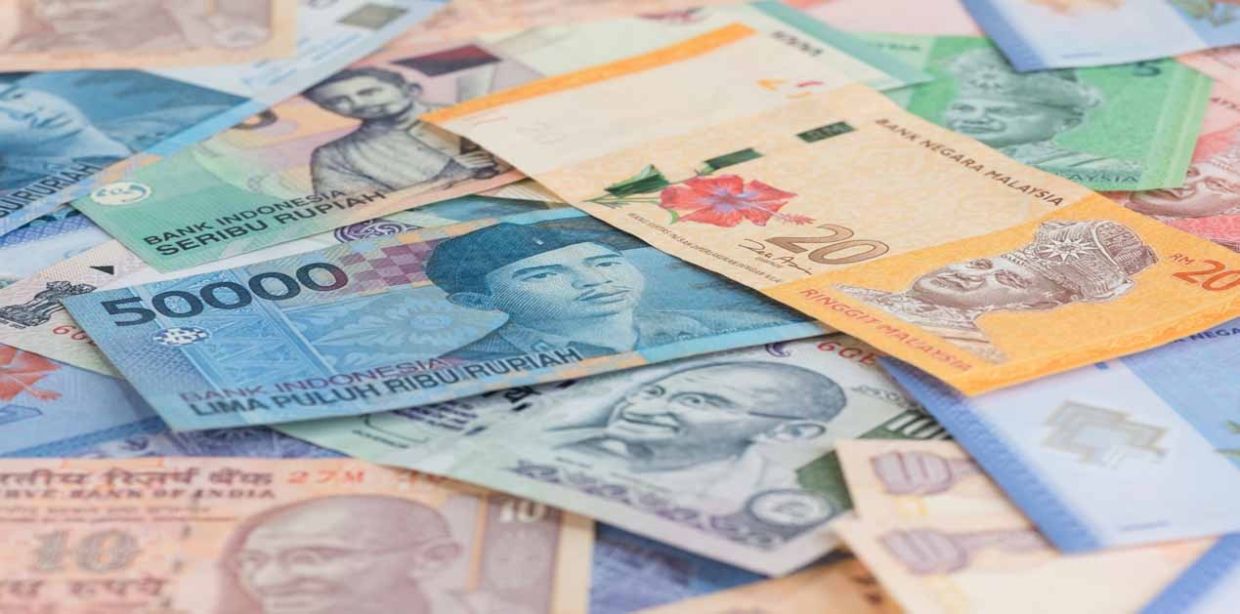
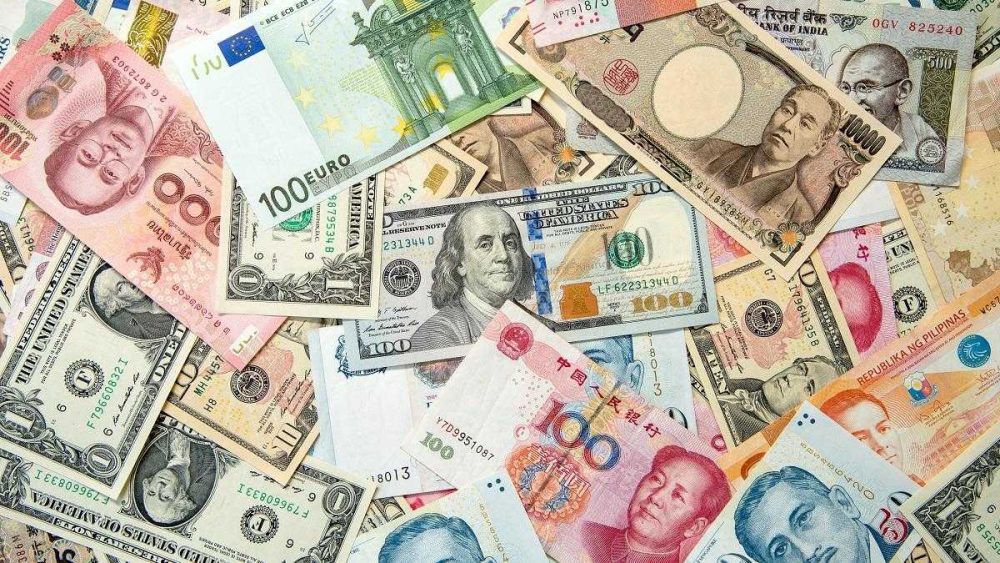
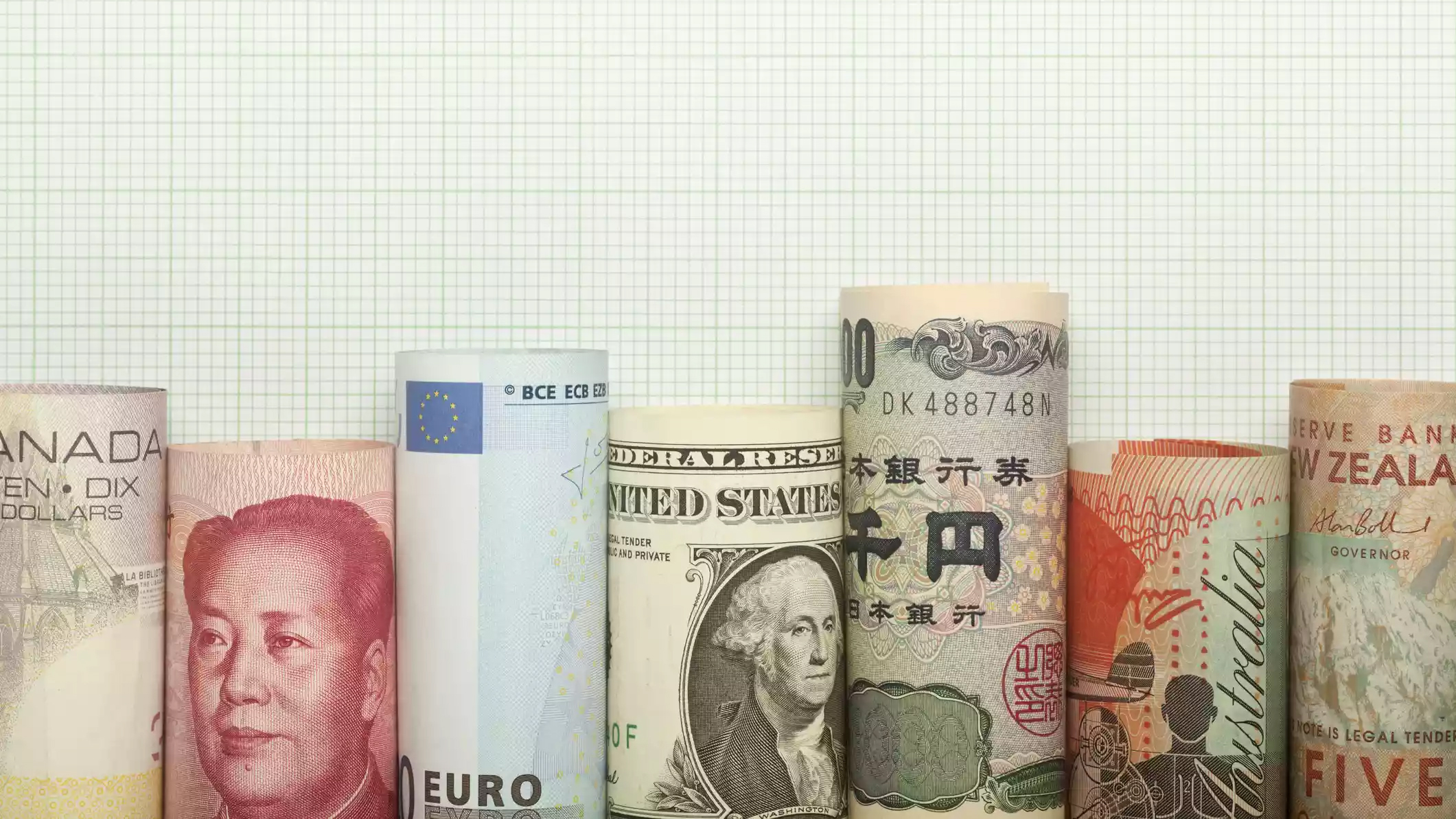
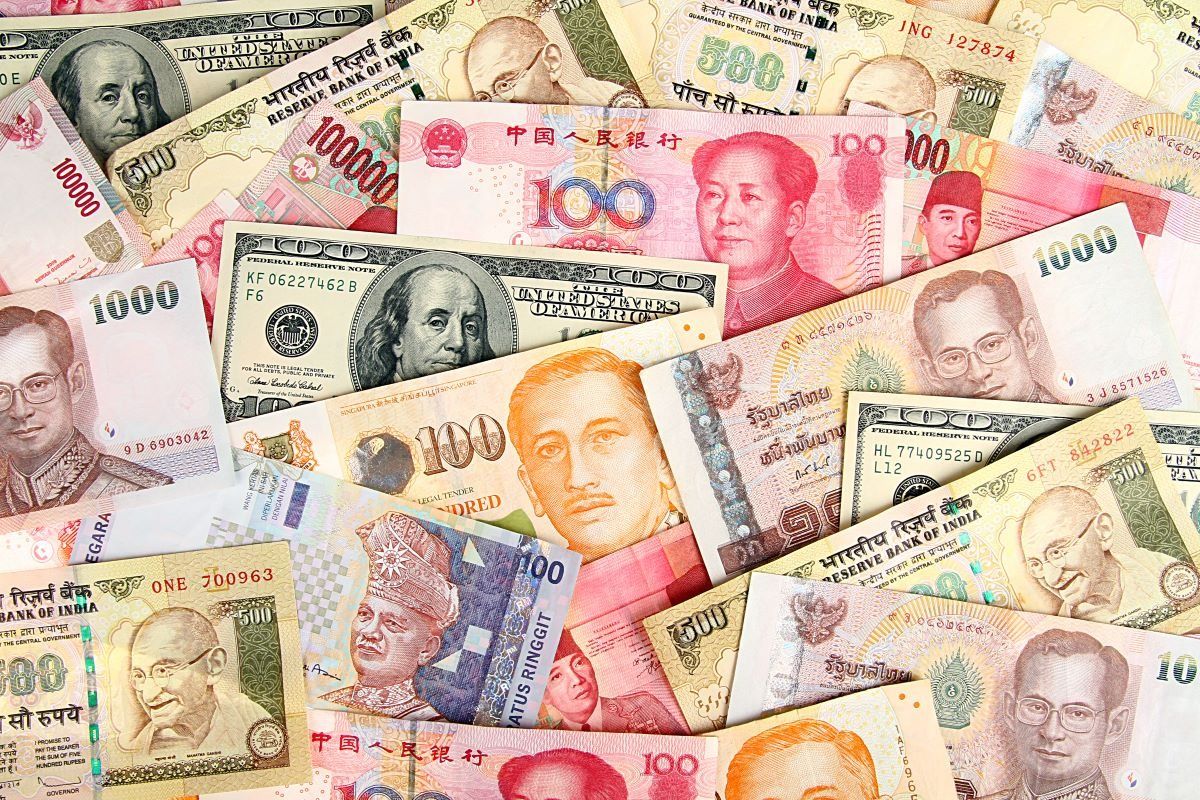
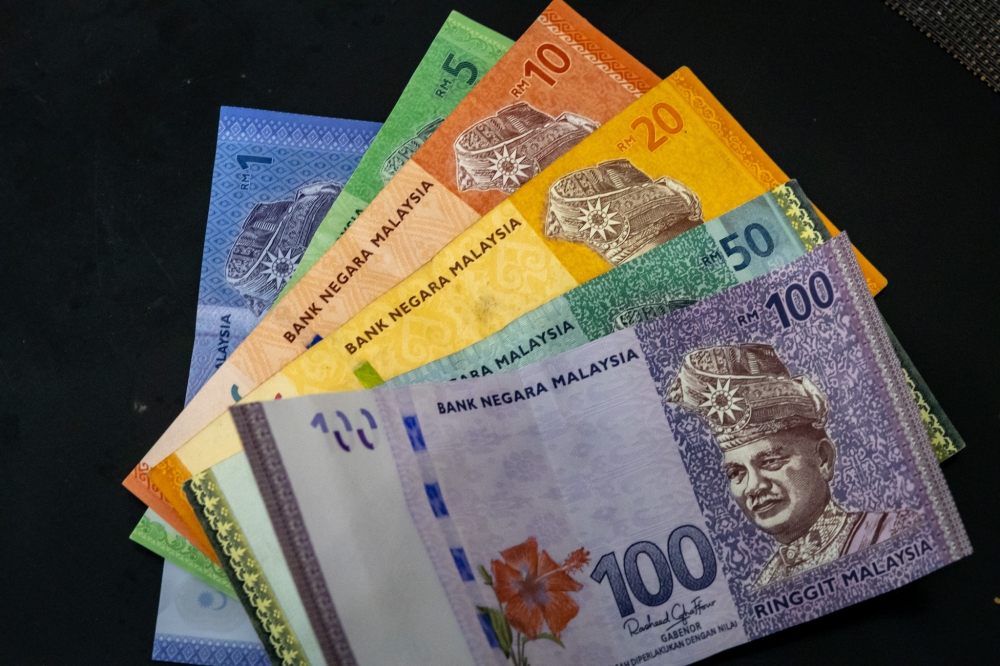
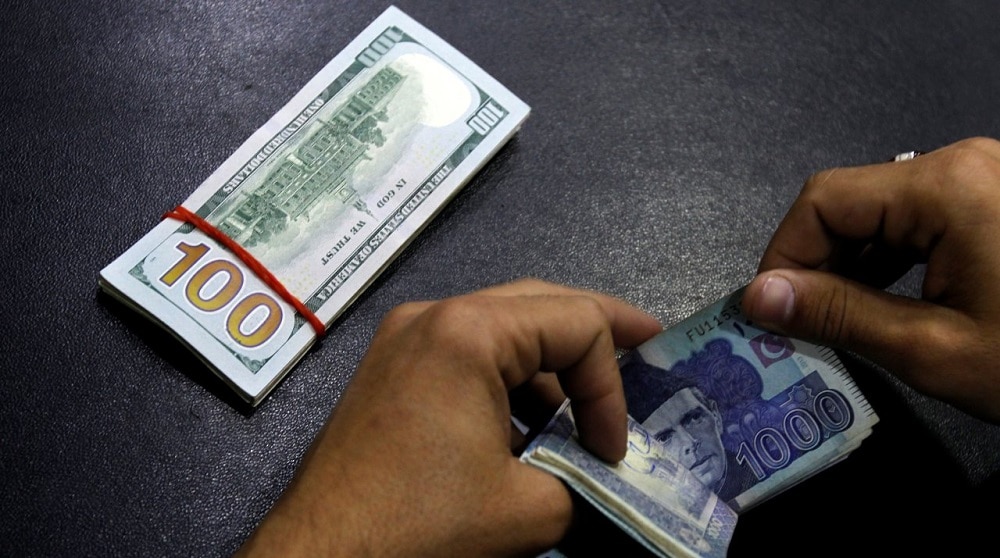
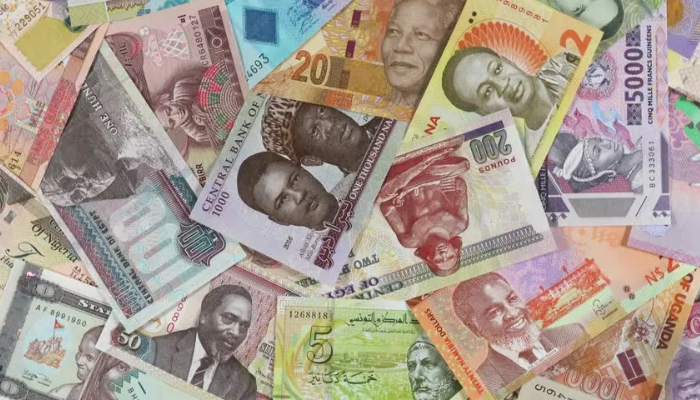
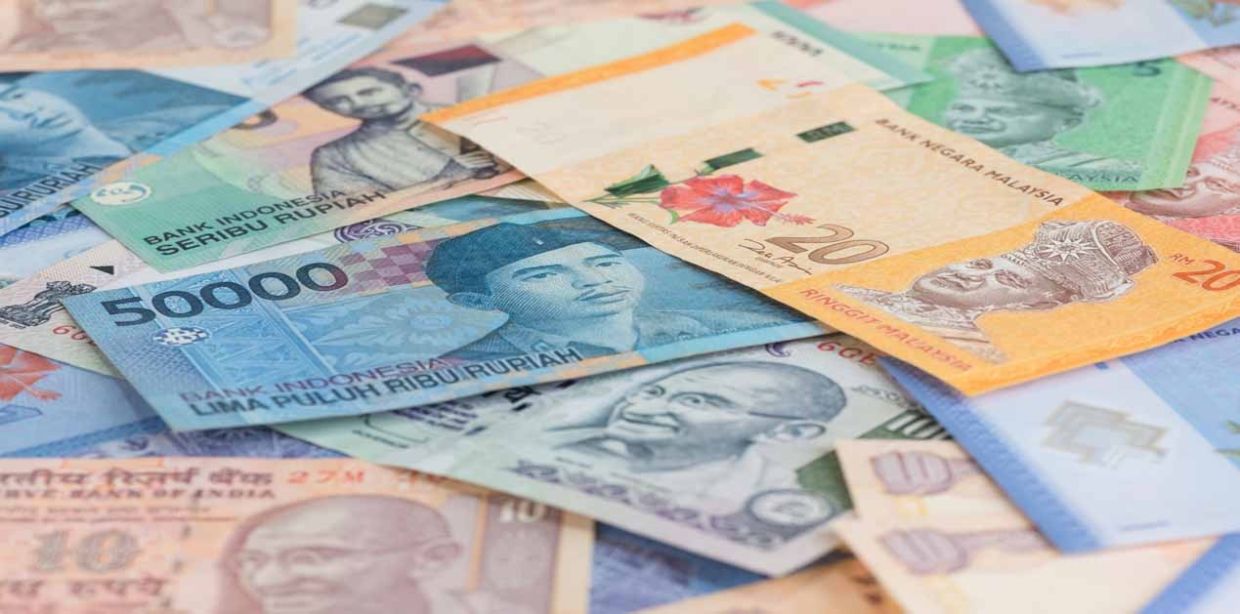
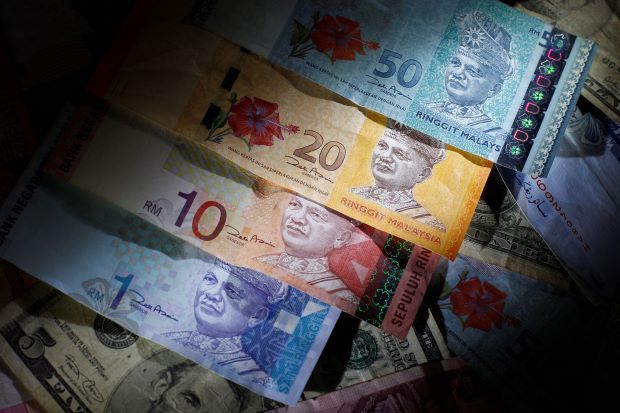
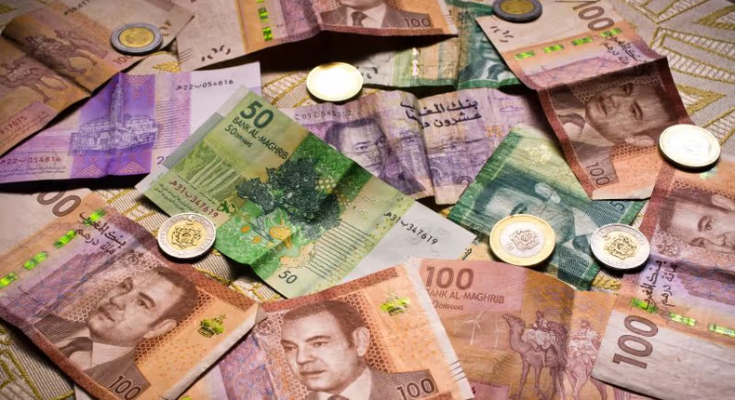
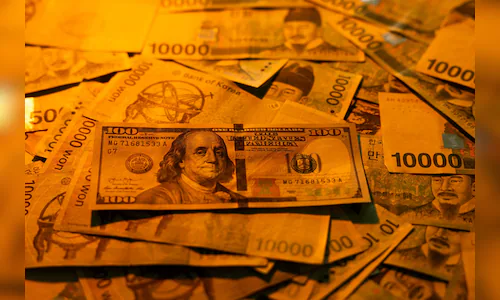
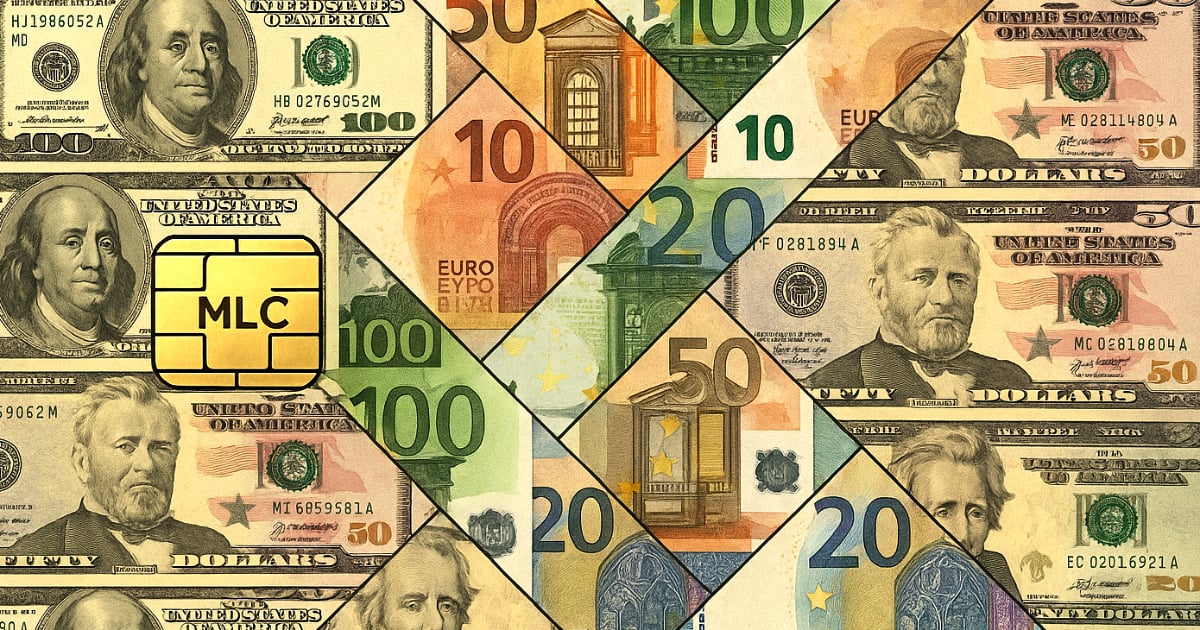
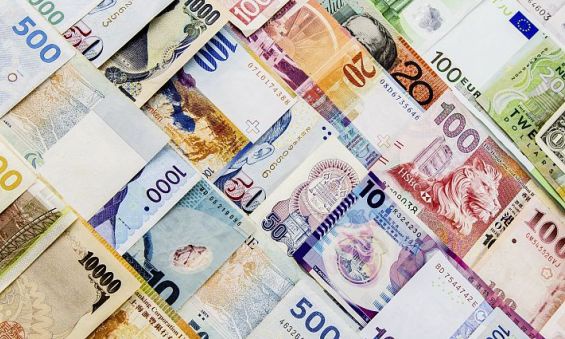
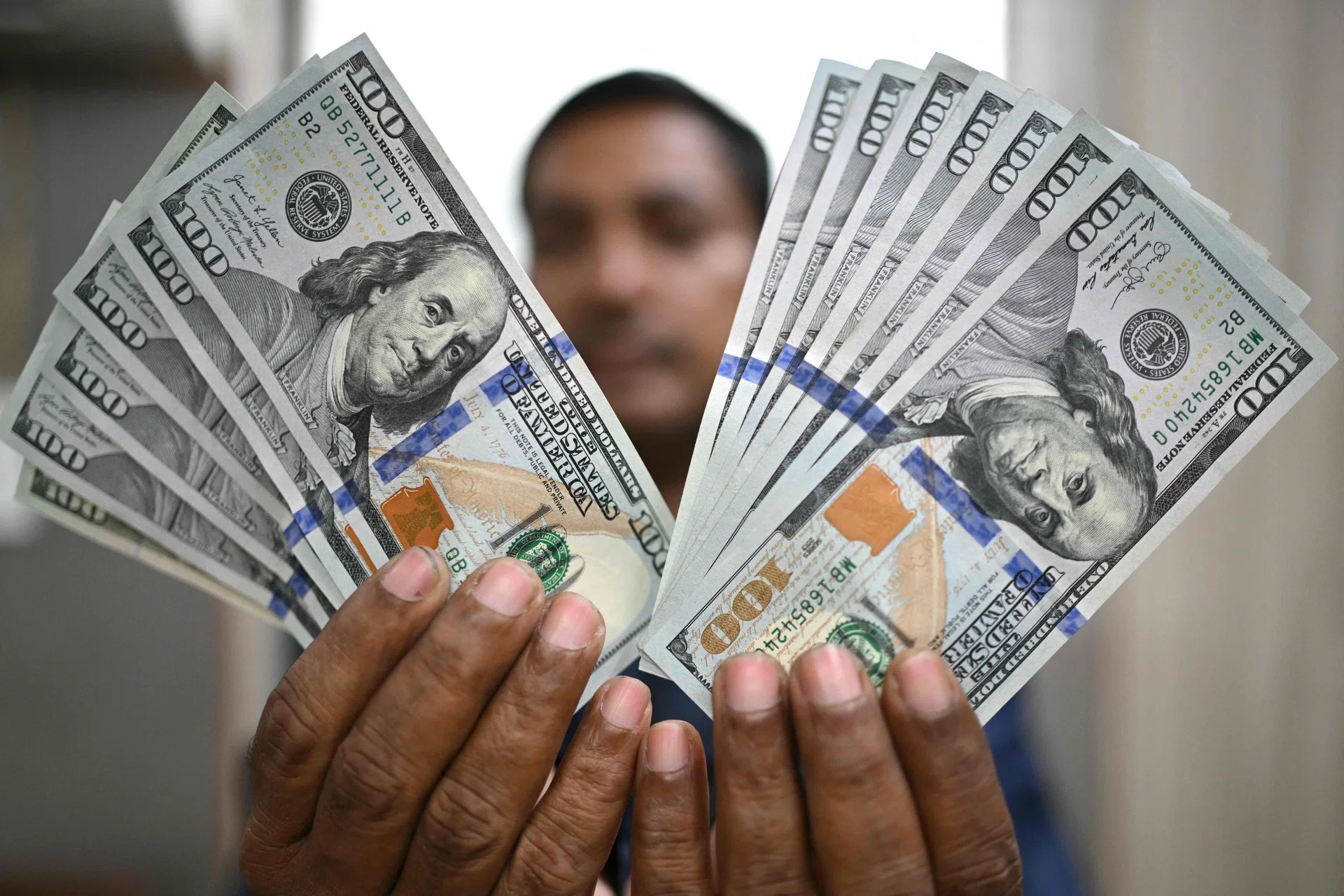
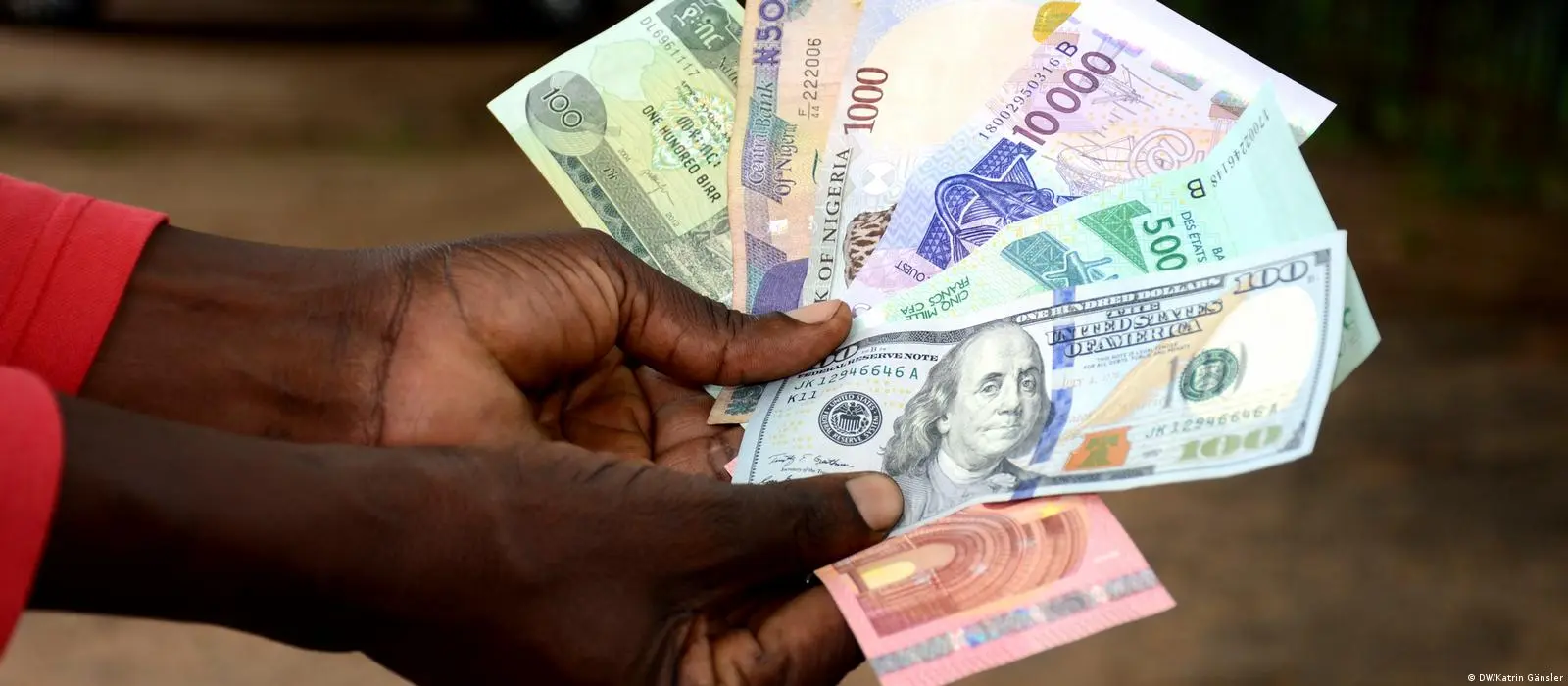
All the world’s major currencies – the dollar, the euro, the pound, and even the rand – are fiat currencies, meaning they’re backed only by confidence in the issuing government, not by any physical commodity like gold.
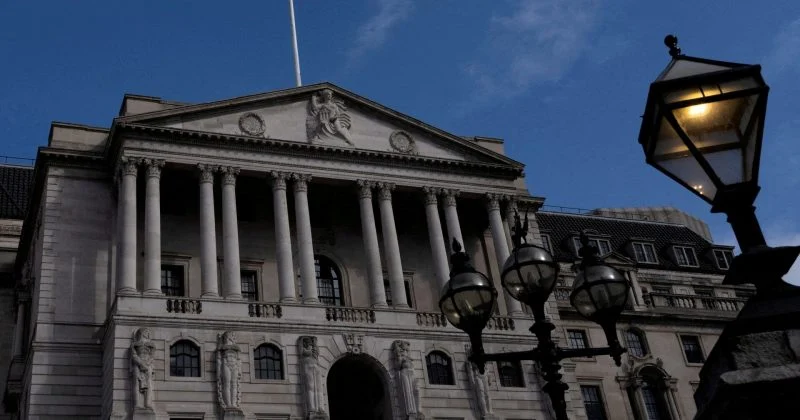
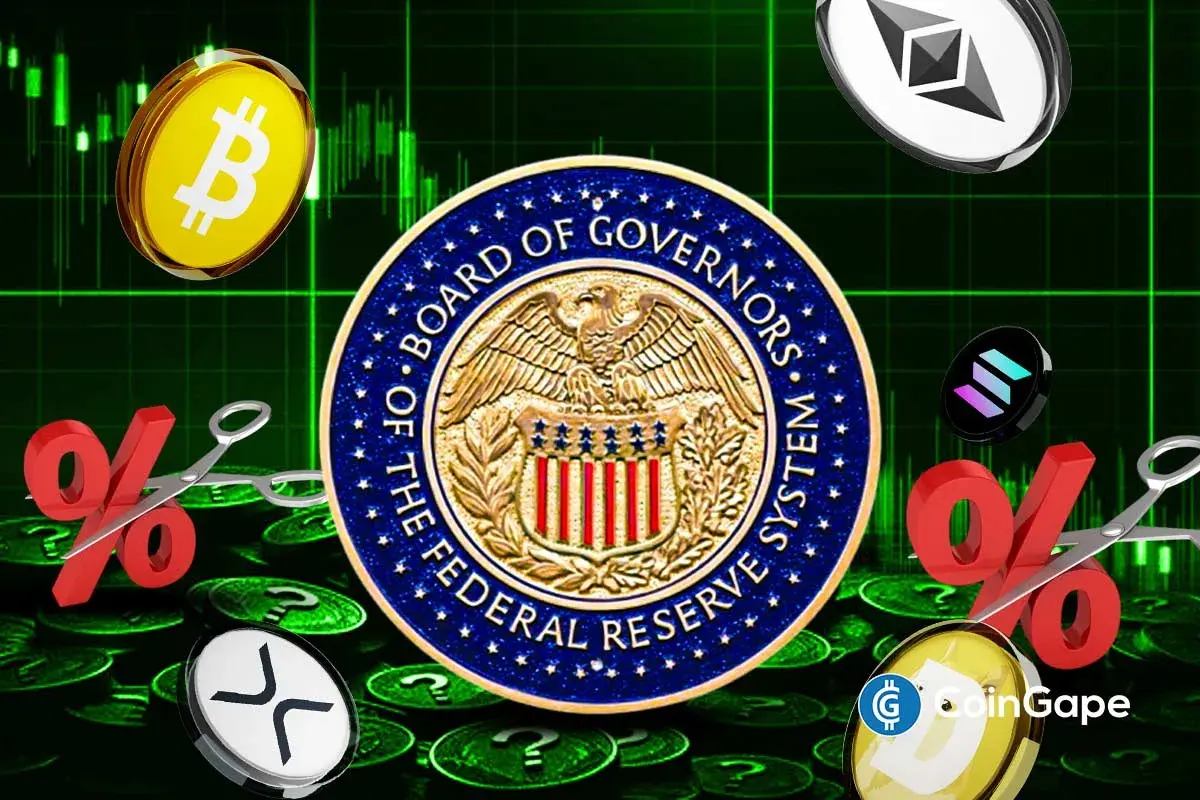
And when economies slow, central banks globally do what they’ve always done: they print more money, lower interest rates, or launch quantitative easing to stimulate growth.
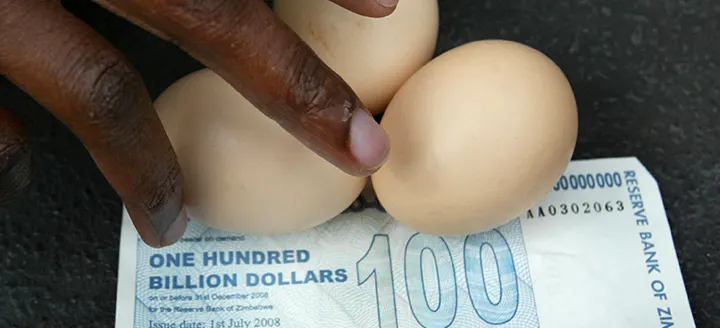
While that might help in the short term, it’s devastating in the long run. More money in circulation means each unit is worth less. It’s why your grocery bill today is higher than it was two years ago – even if your lifestyle hasn’t changed.
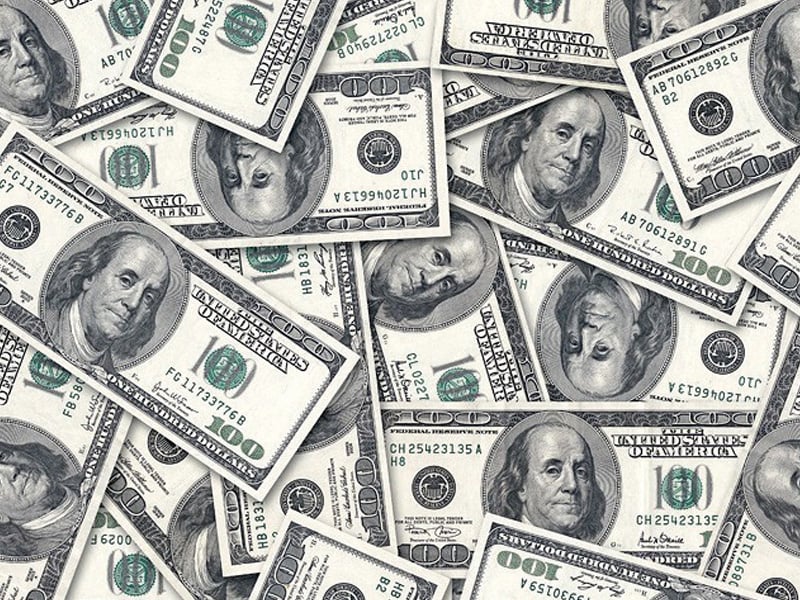
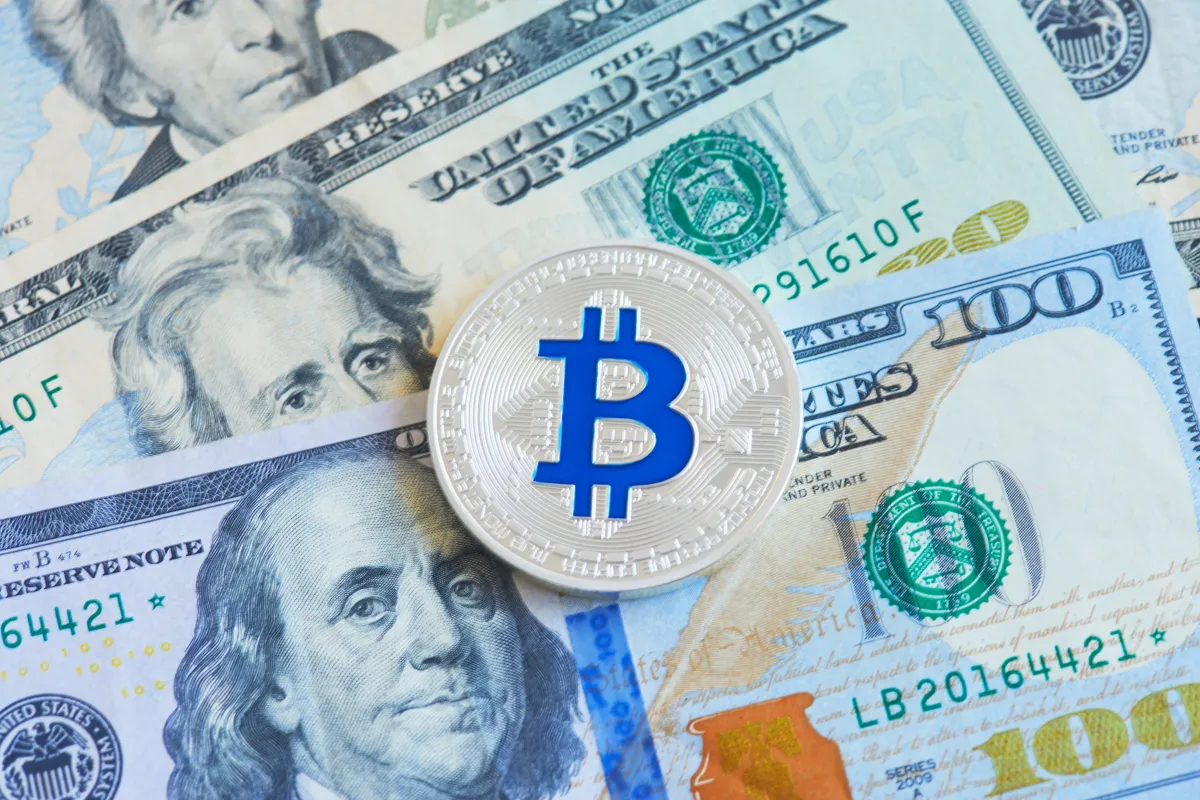
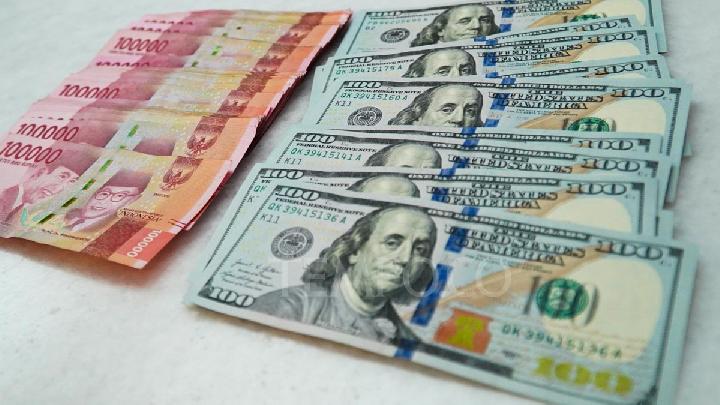
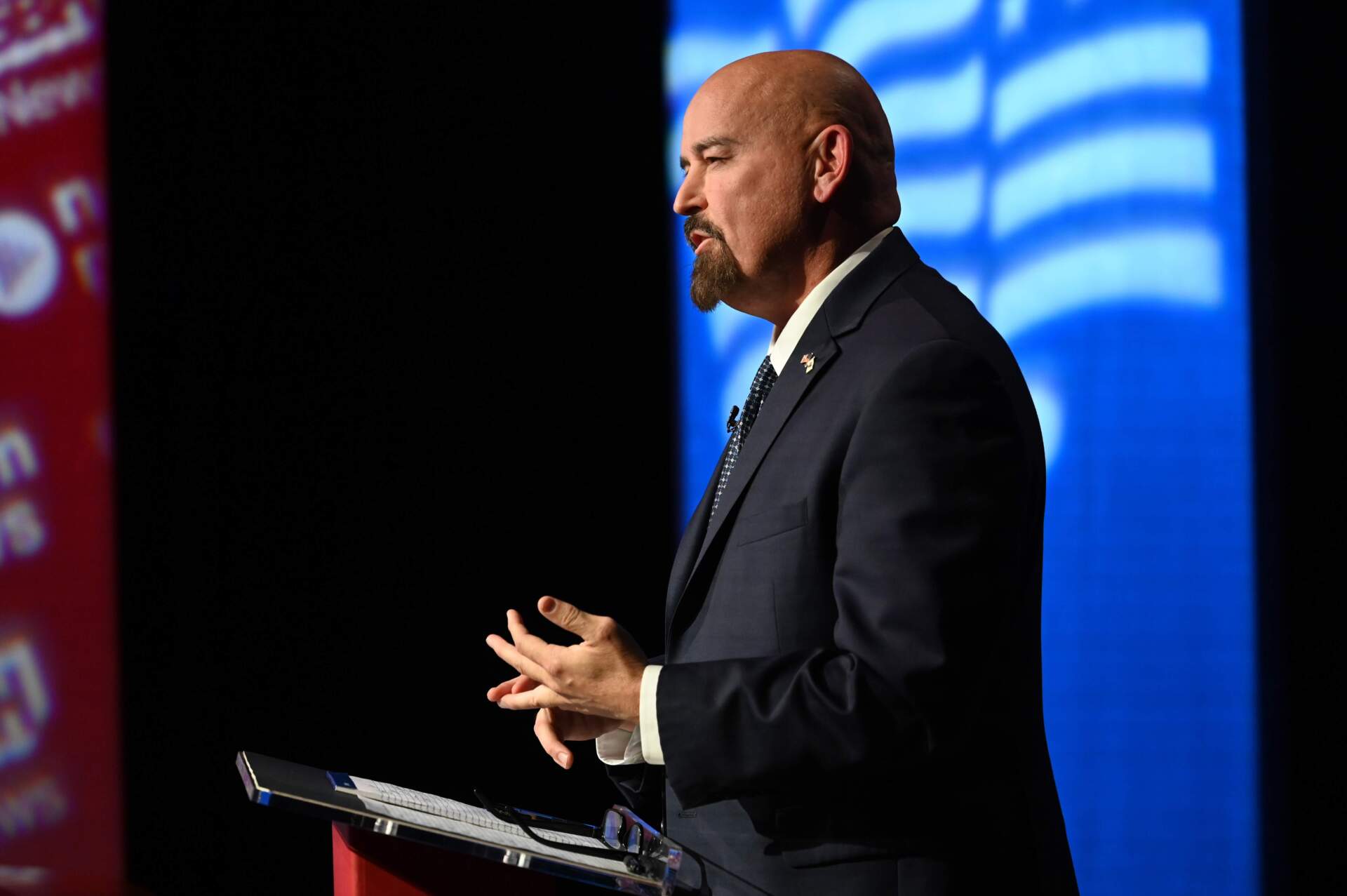
To quote Dr Thomas Kaplan in his interview on Kitco news: “All fiat currencies are essentially like toilet paper, the US dollar is double ply.” Useful for short-term needs but not built to store value forever, and if that’s true, then the US dollar is the “double-ply” version – slightly stronger, more durable, and still the global standard.
Why the dollar still matters
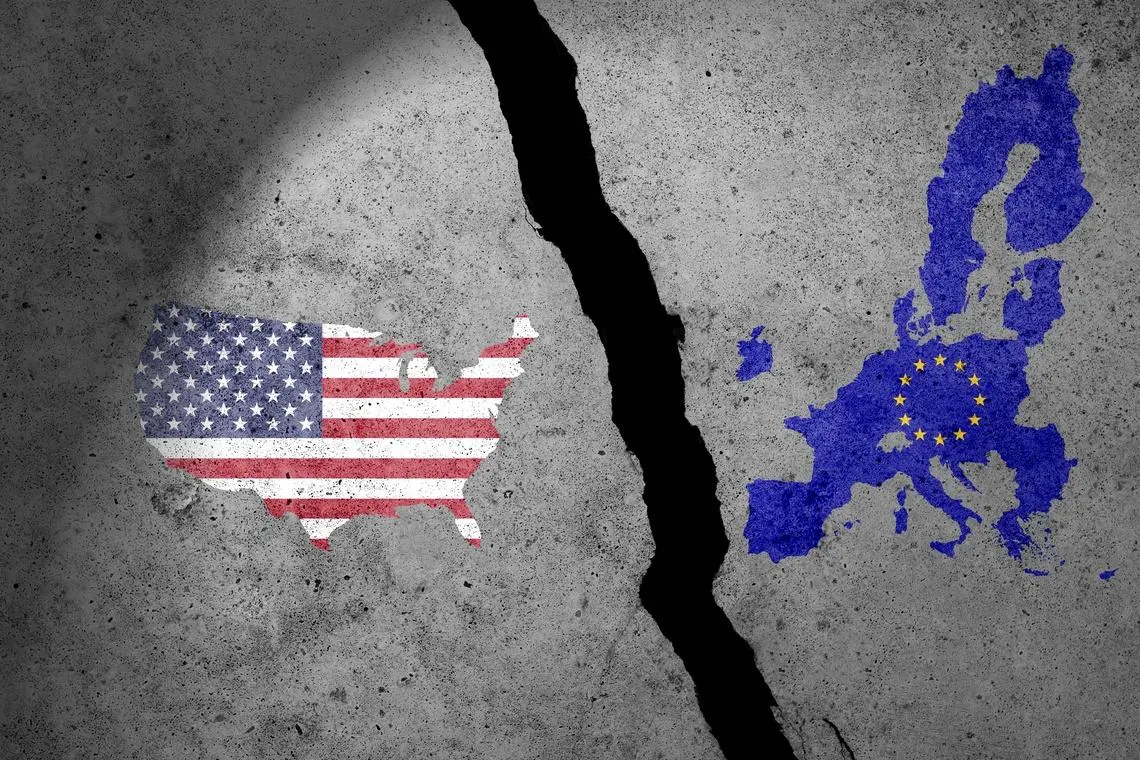
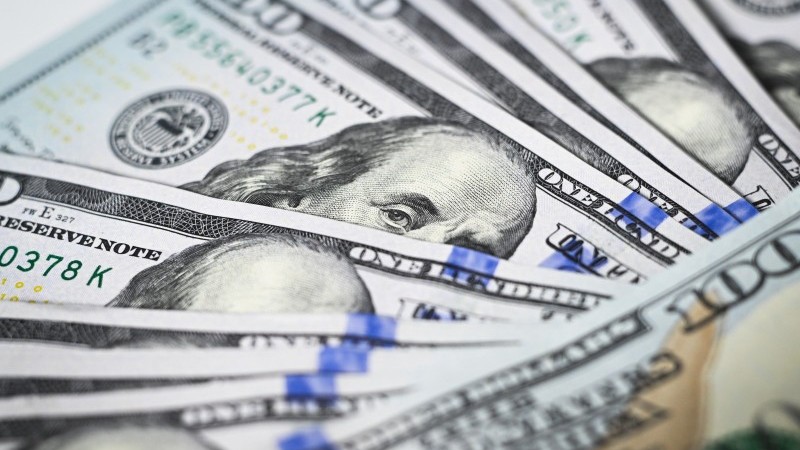
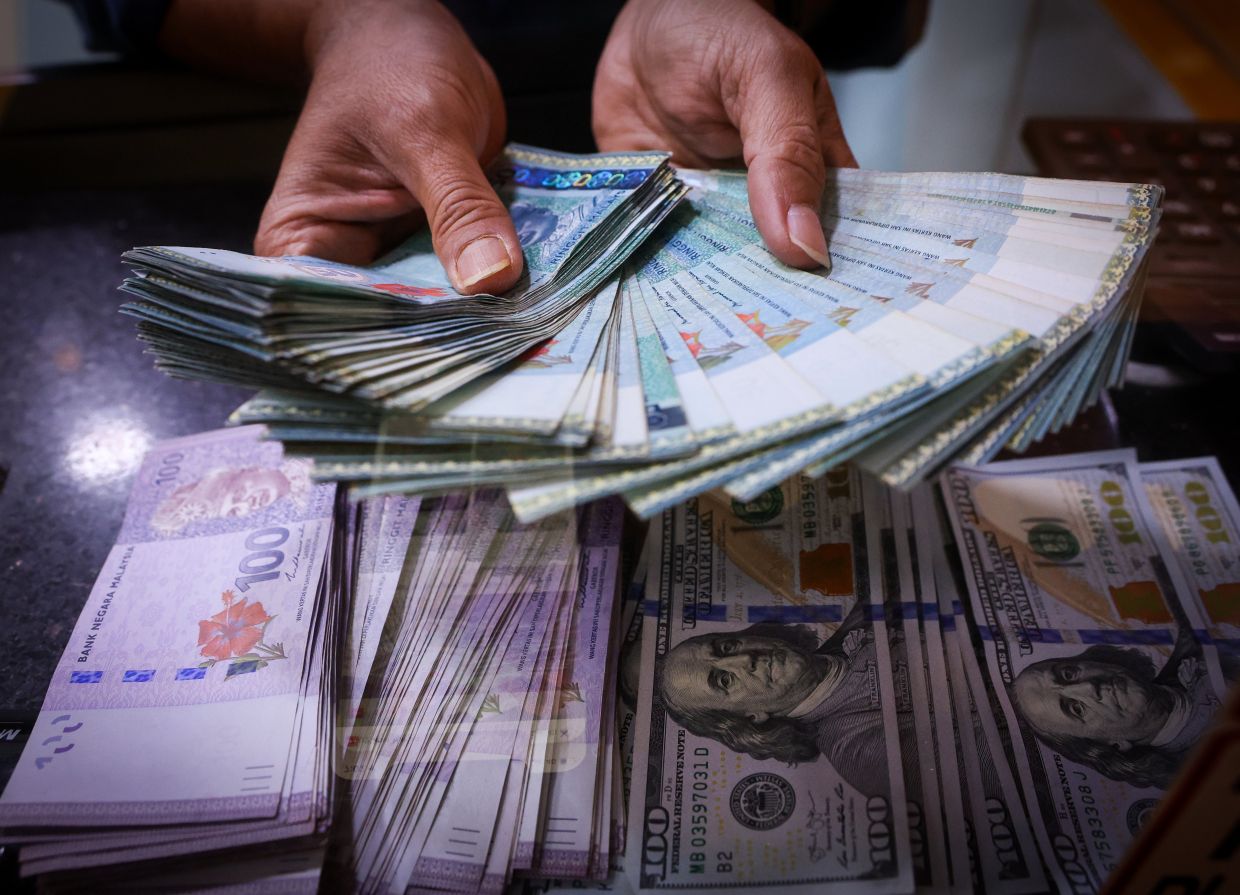
For decades, the U.S. dollar has held the coveted title of world’s reserve currency.
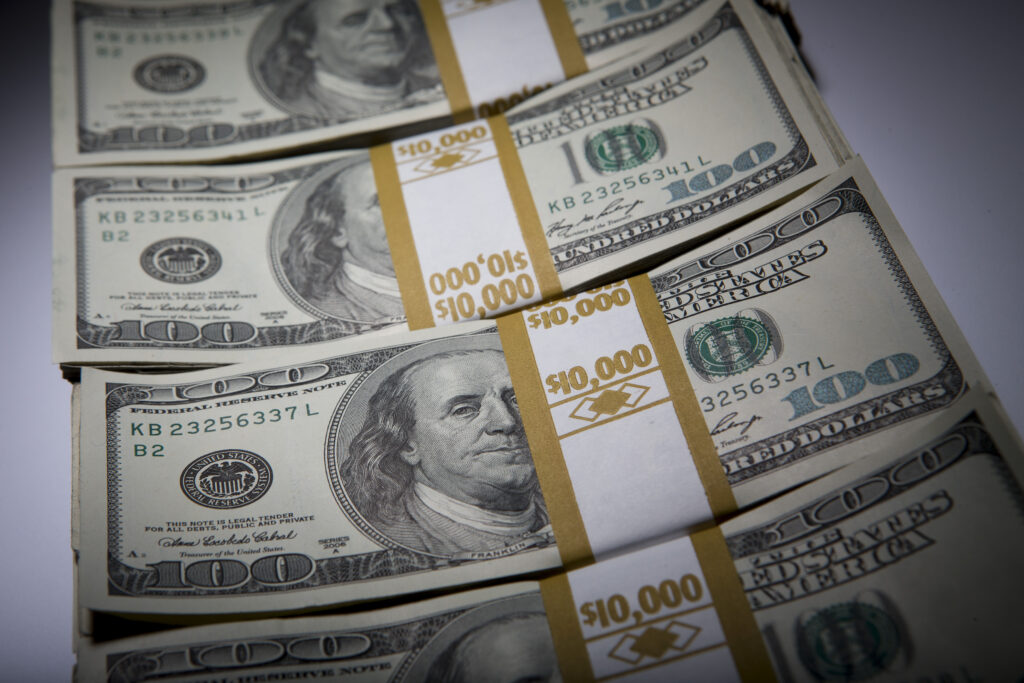
It is the unit through which most global trade is settled and the fiat currency investors rush to when uncertainty strikes. That “safe-haven” status has given the US enormous advantages – the ability to borrow cheaply, attract capital easily, and maintain global credibility even during its own downturns.
So, while the dollar has softened recently, it remains the strongest among developed-market currencies – the least flawed of an imperfect system.
How the US is trying to keep it that way
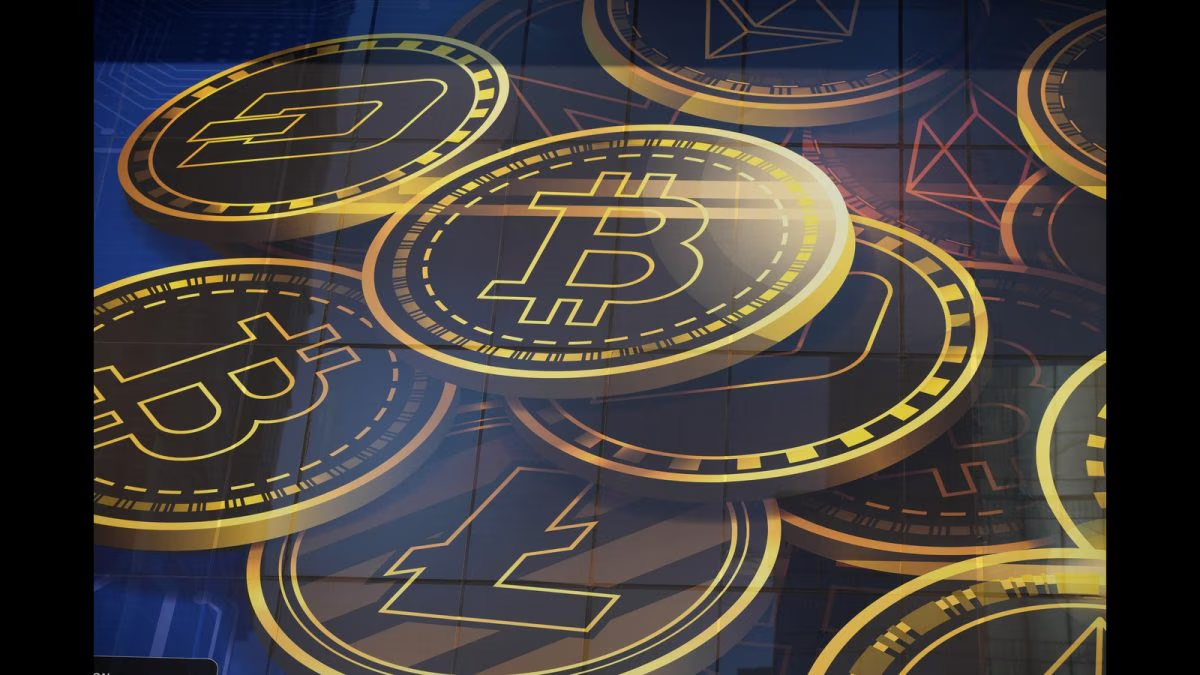
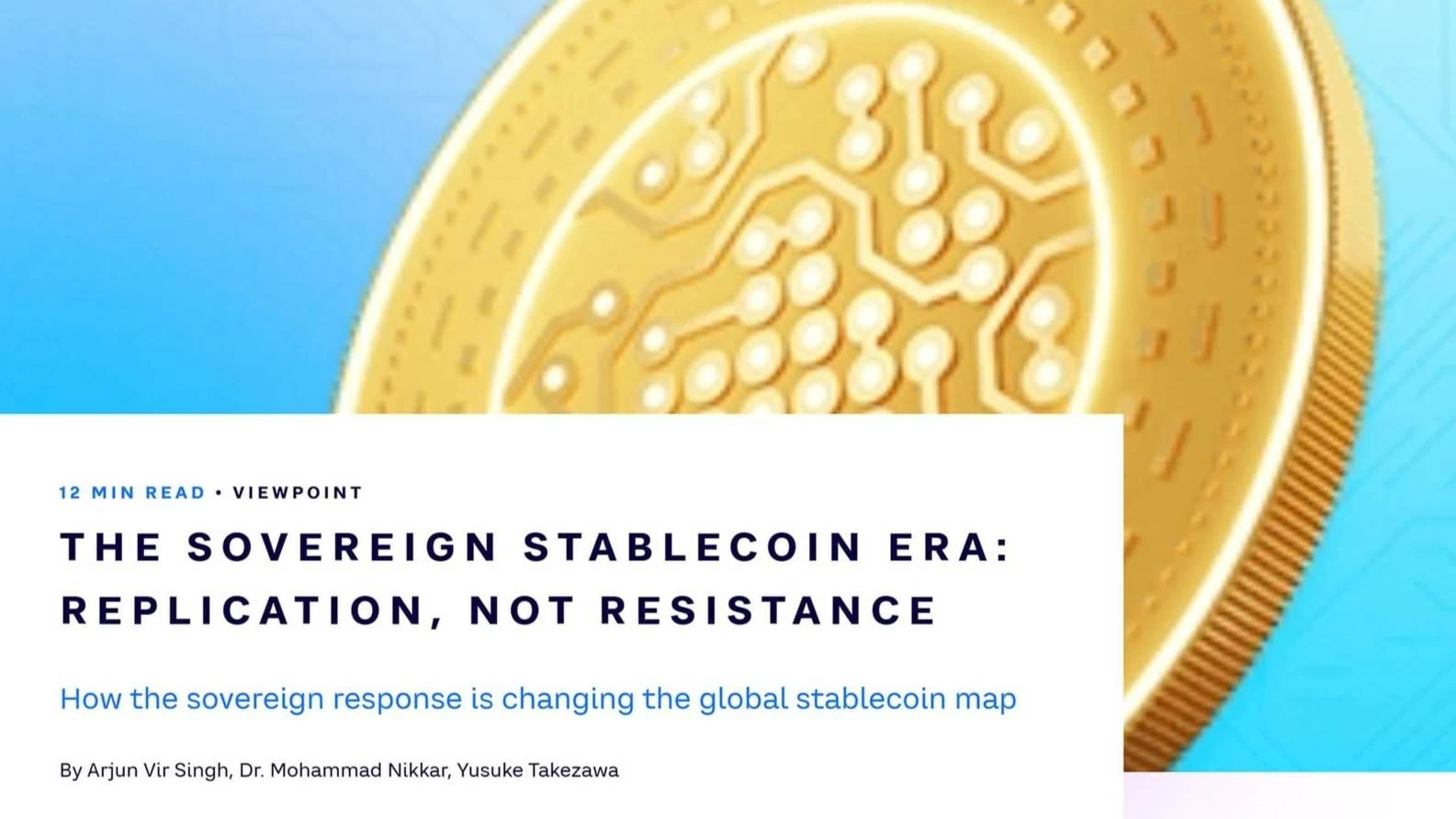
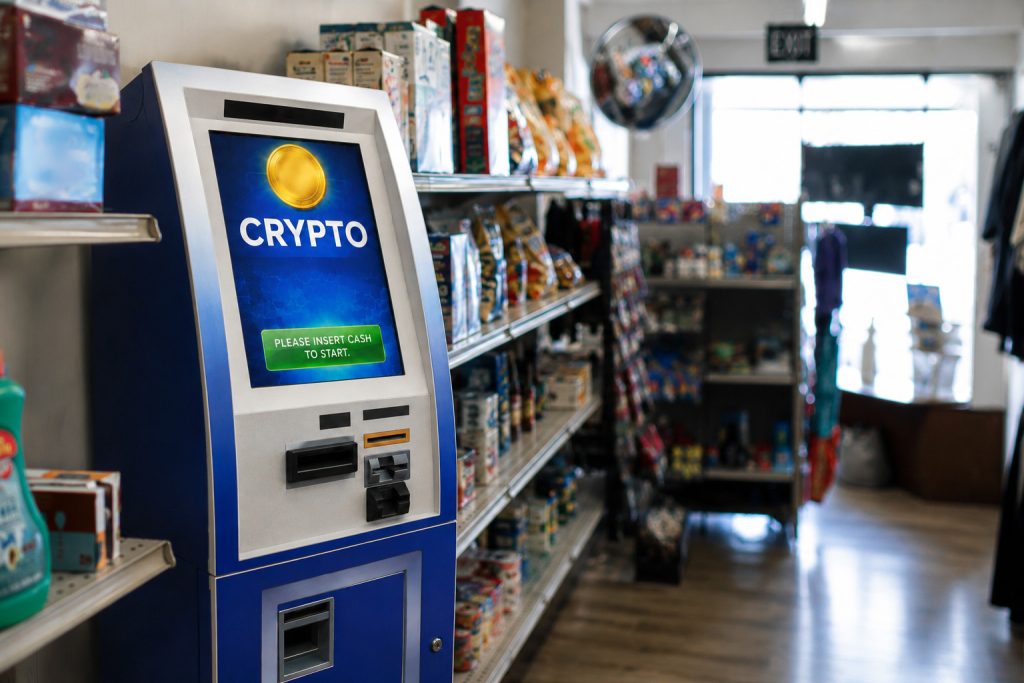
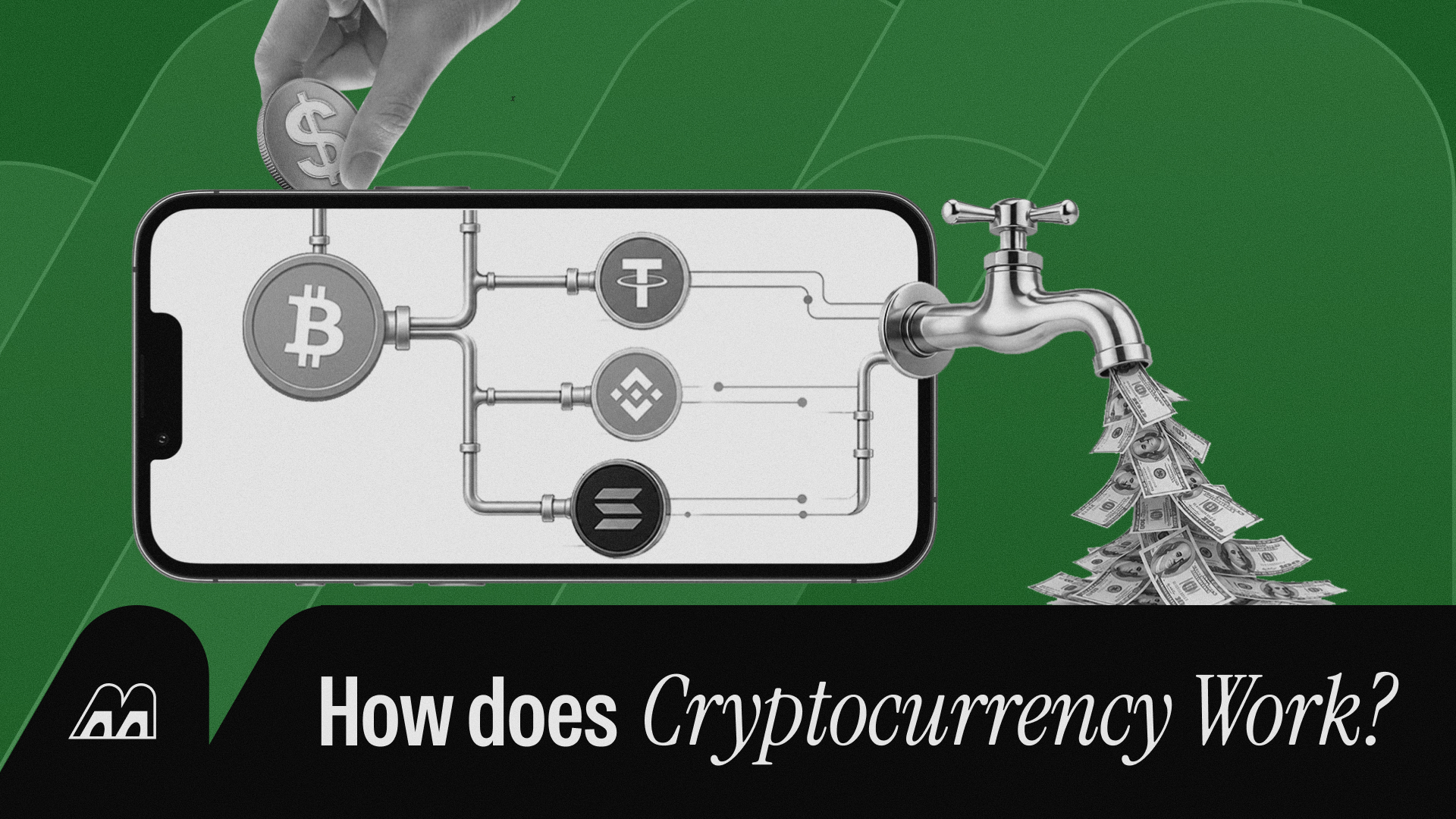
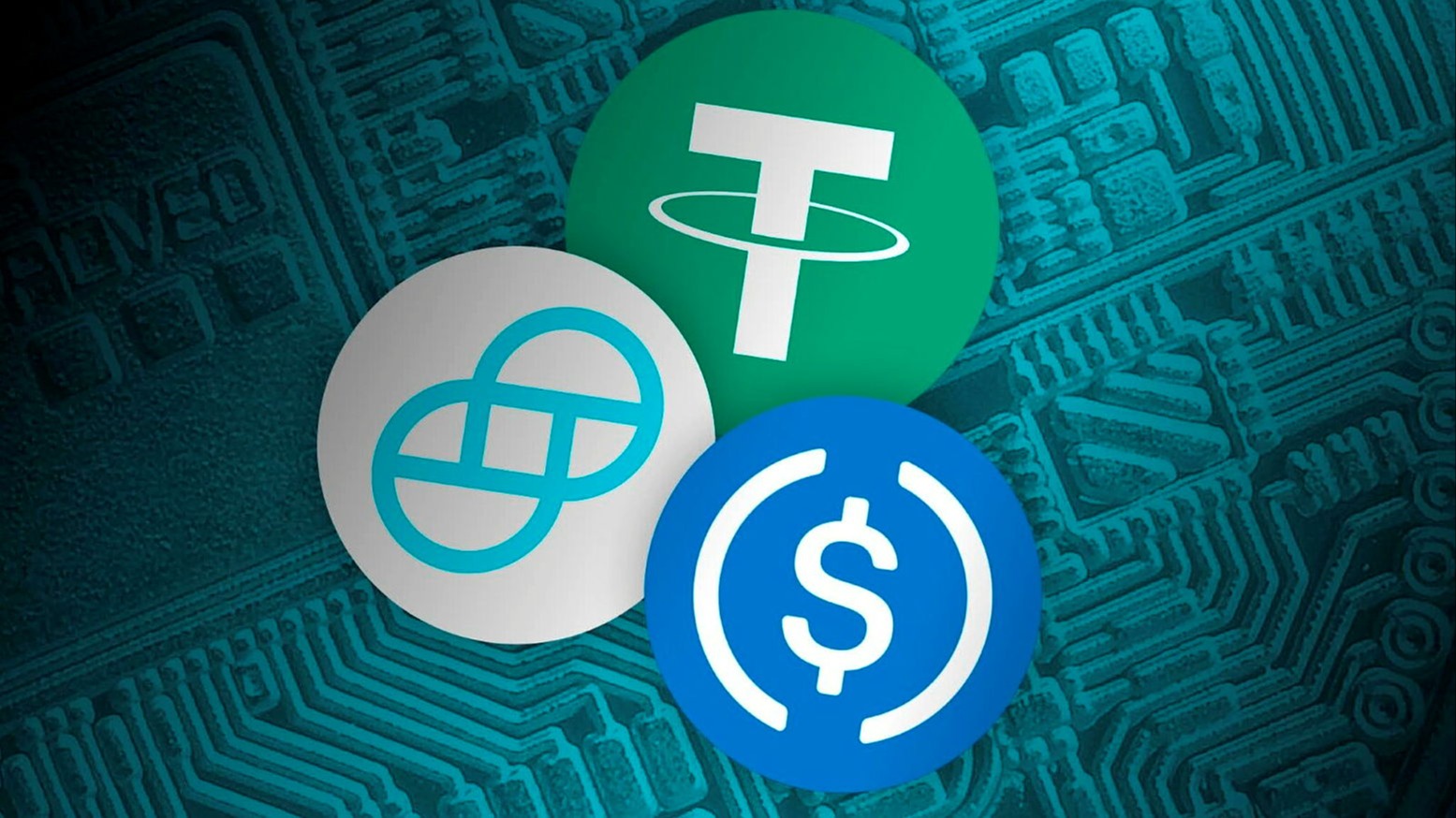
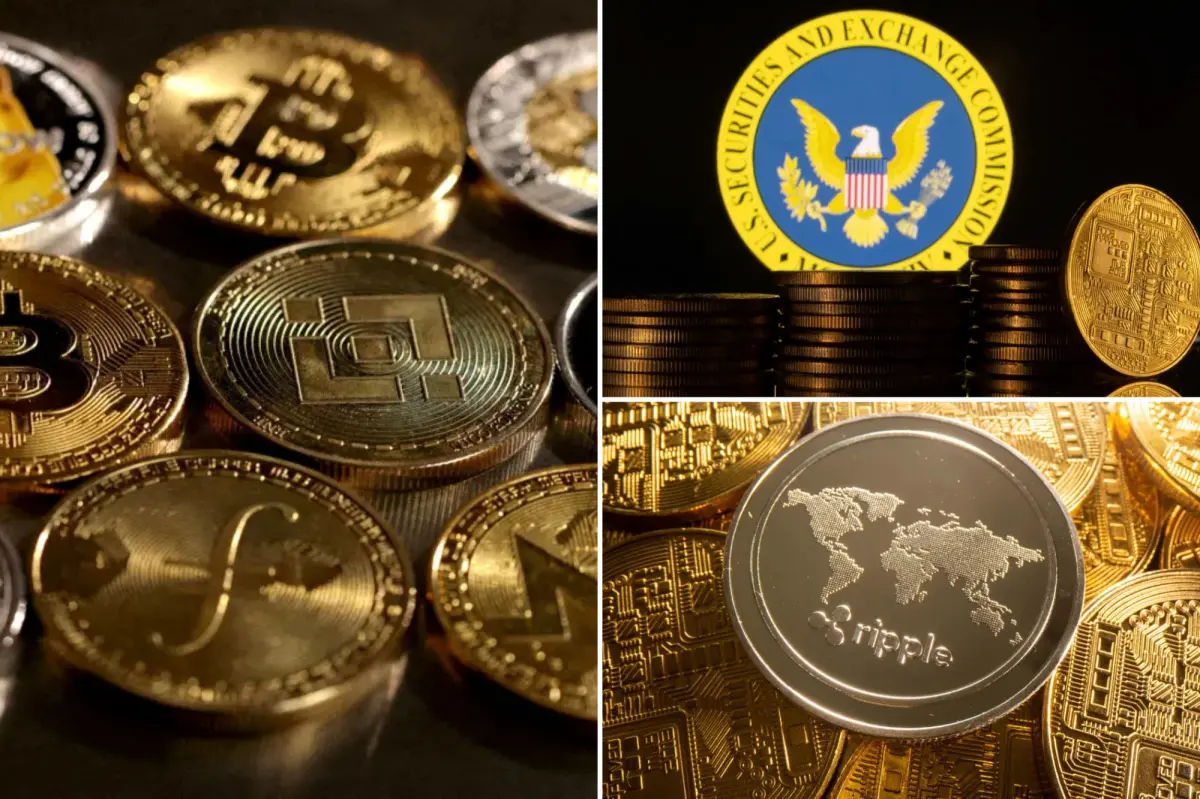
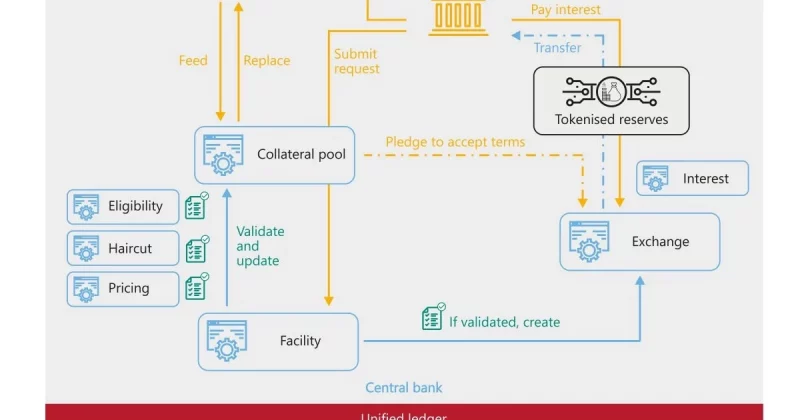
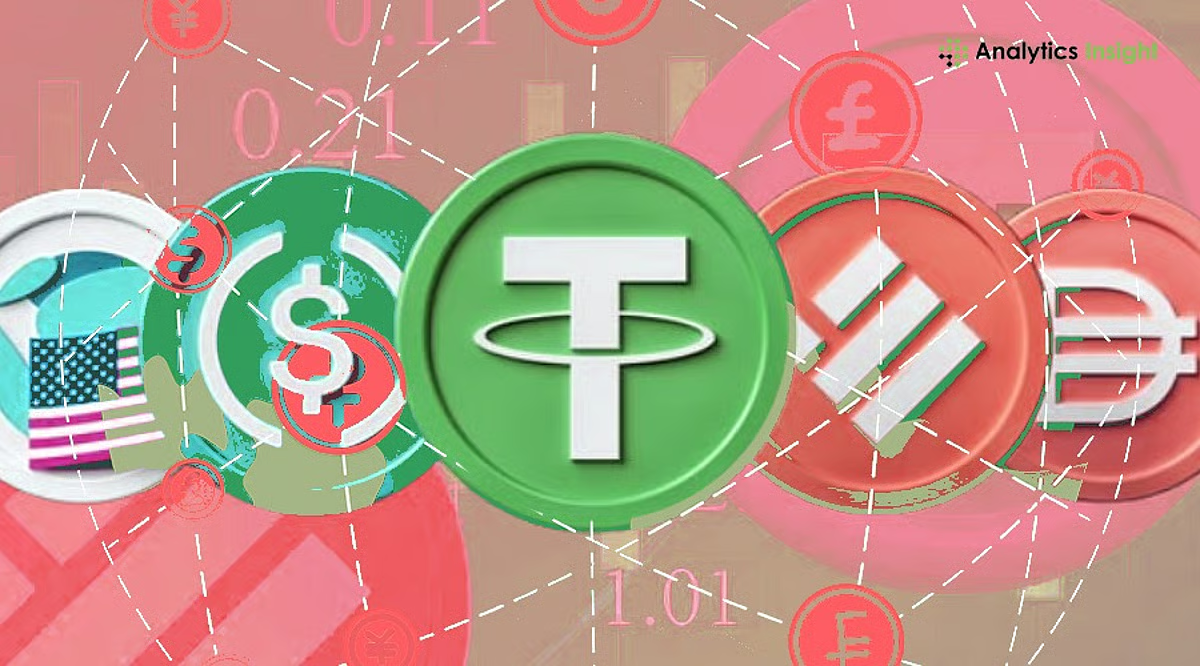
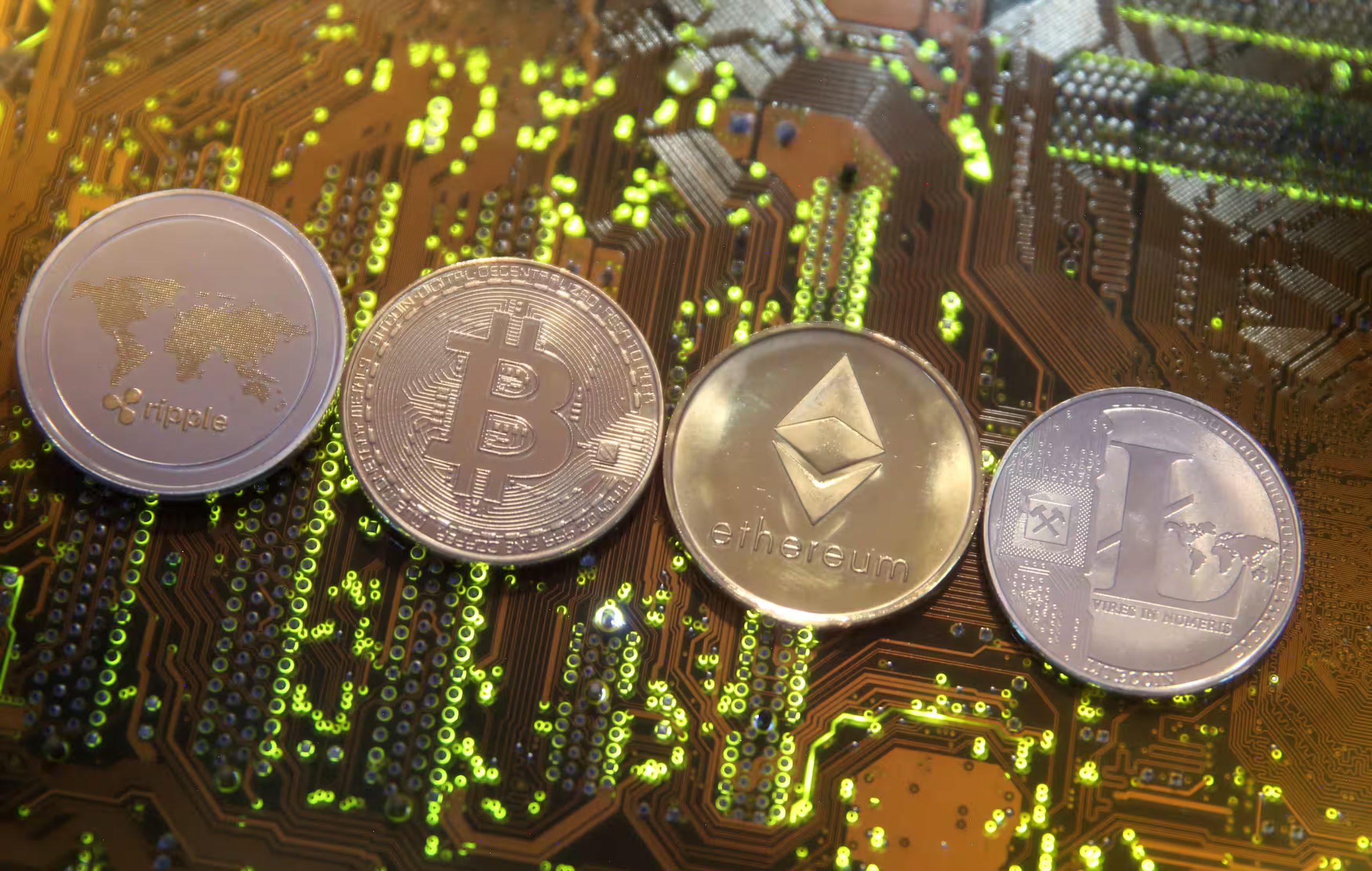
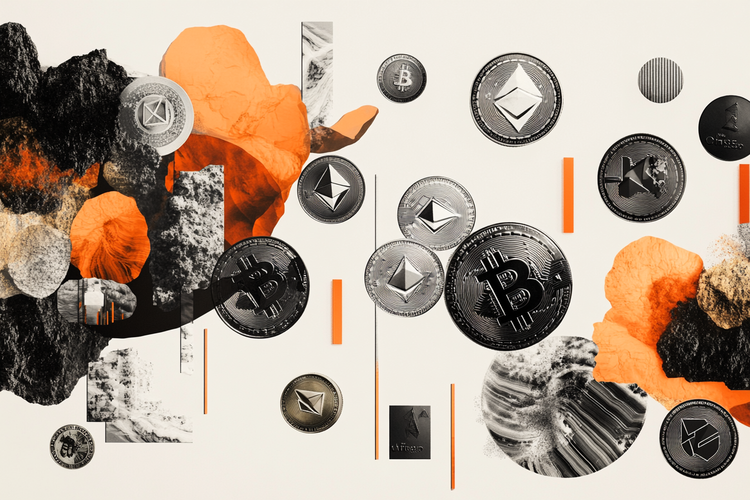
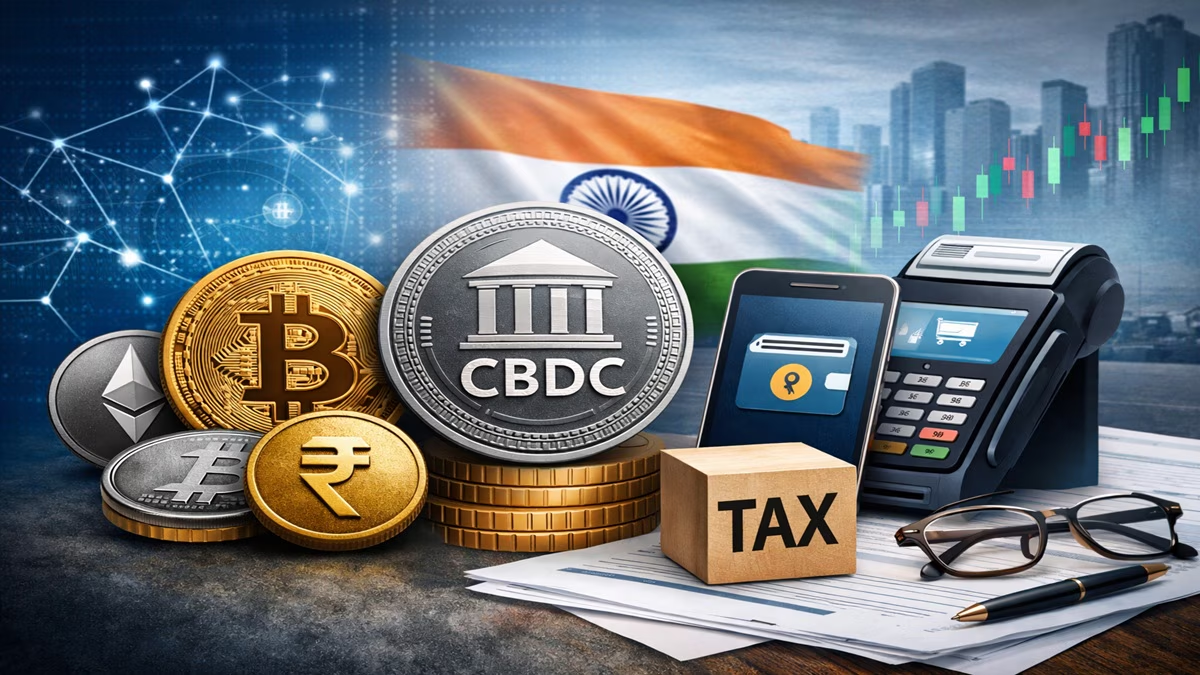
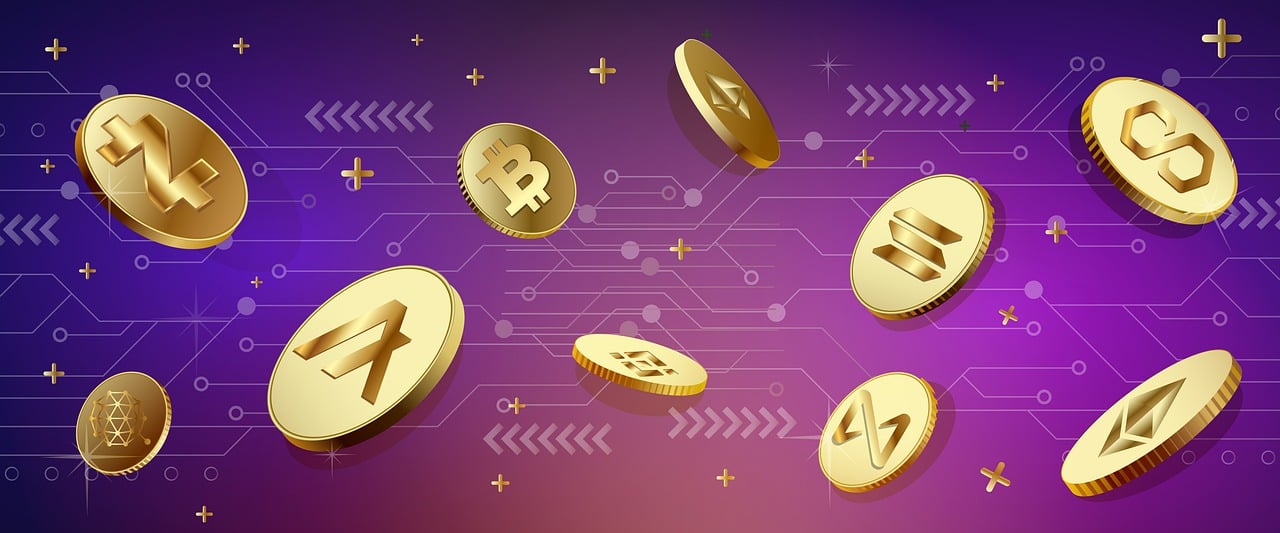
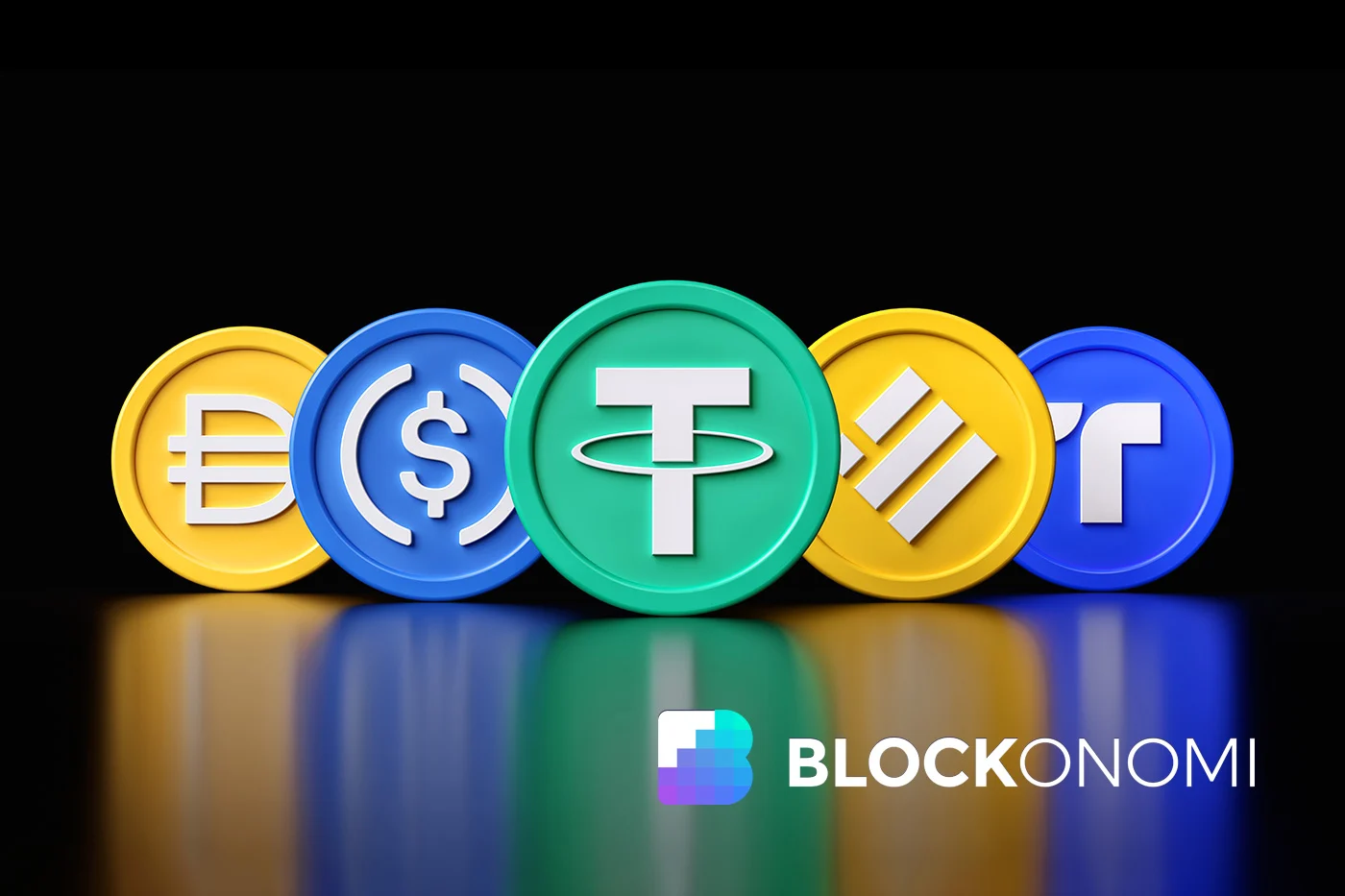
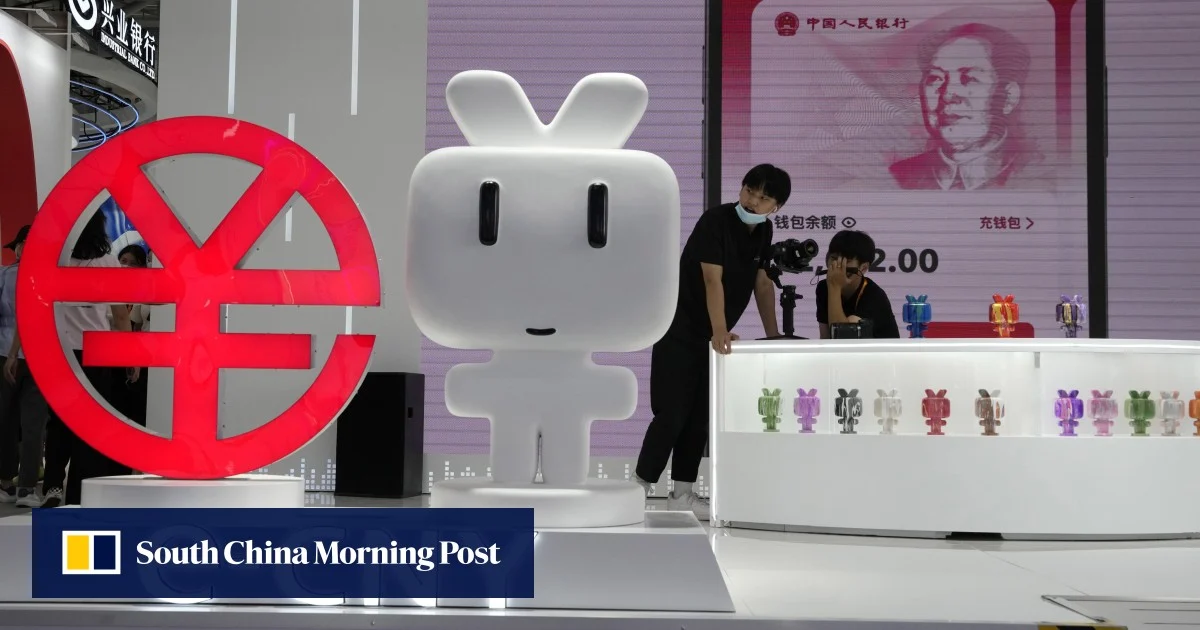
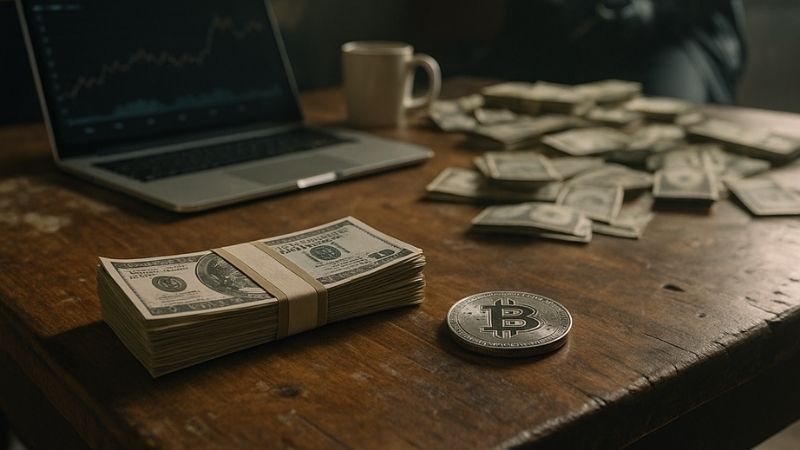
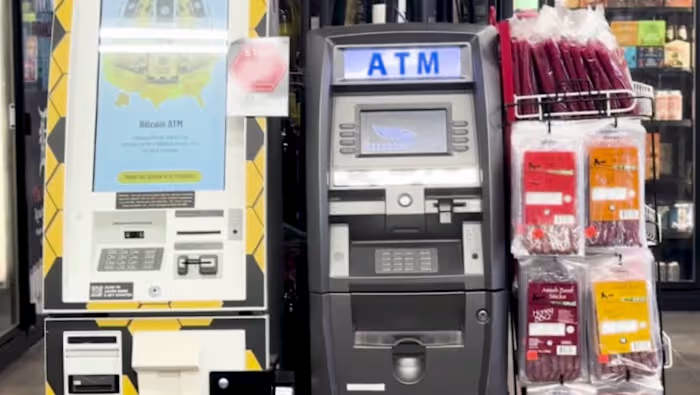
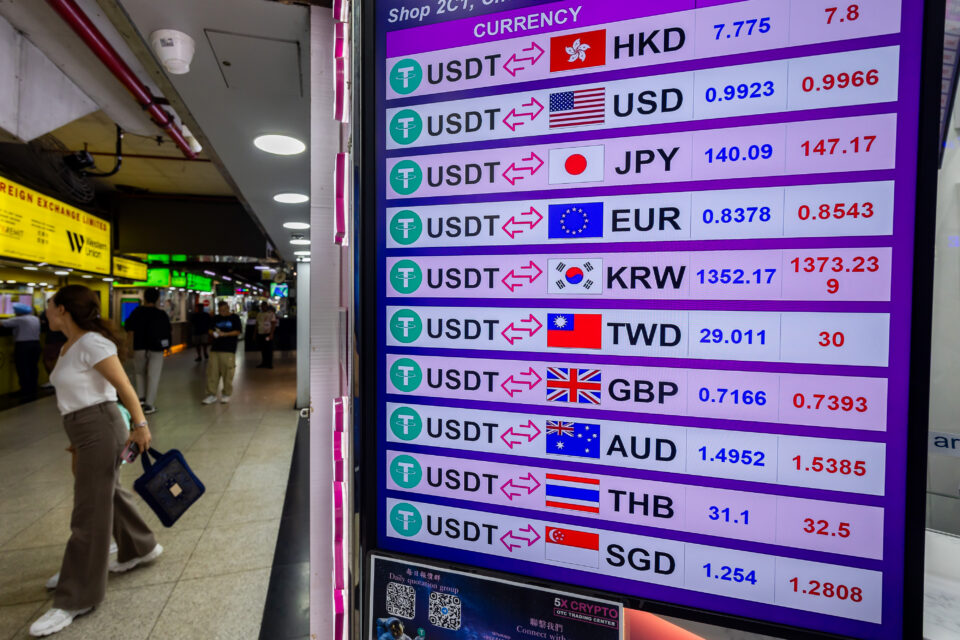
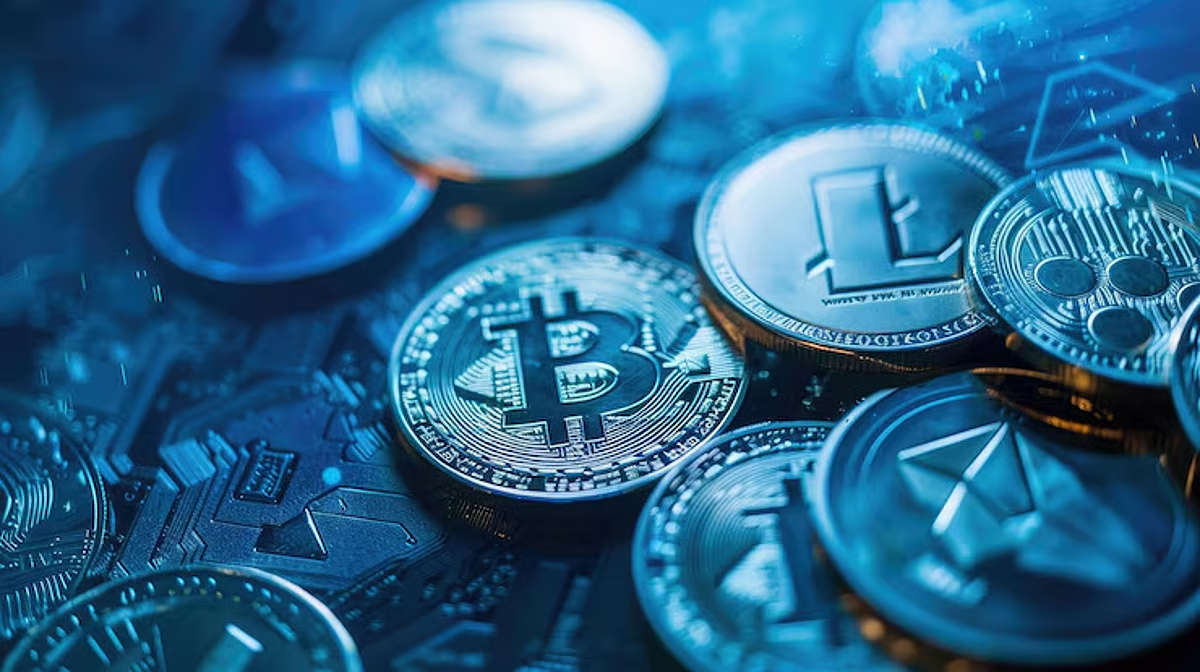
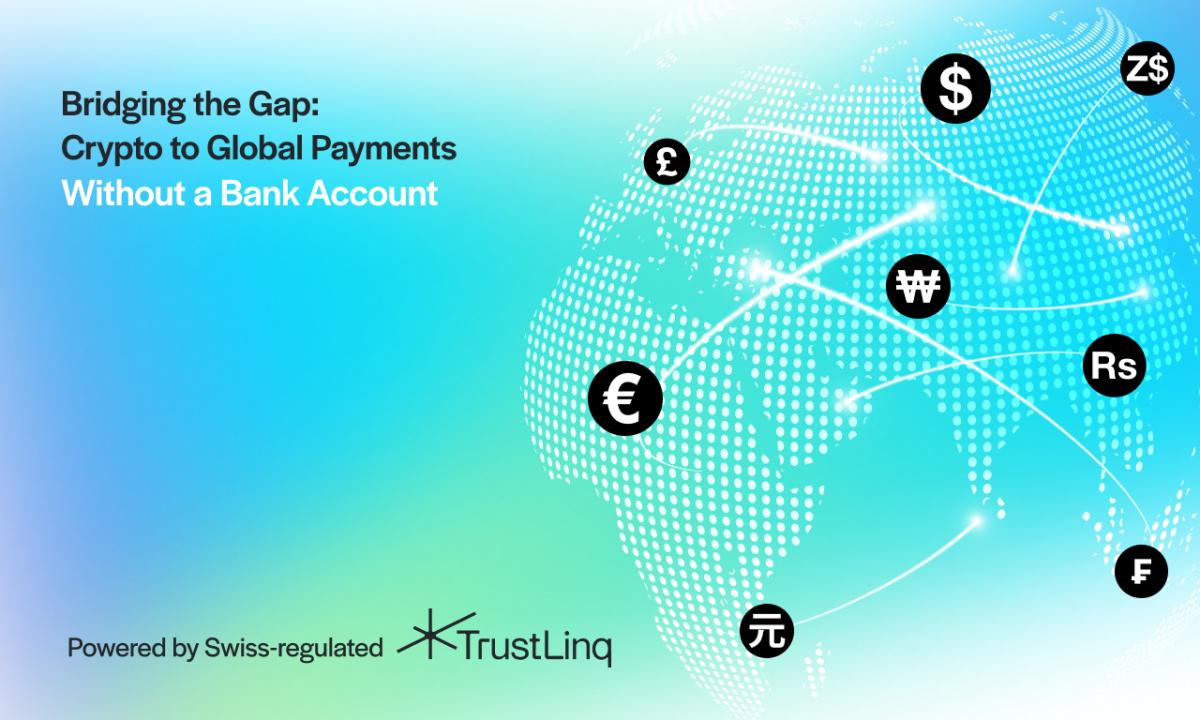
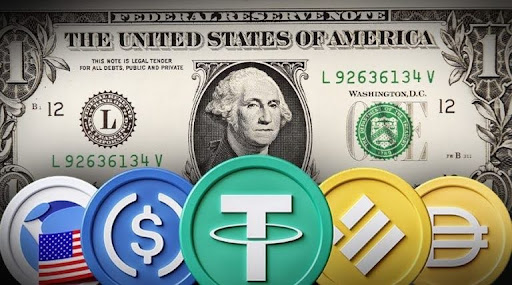
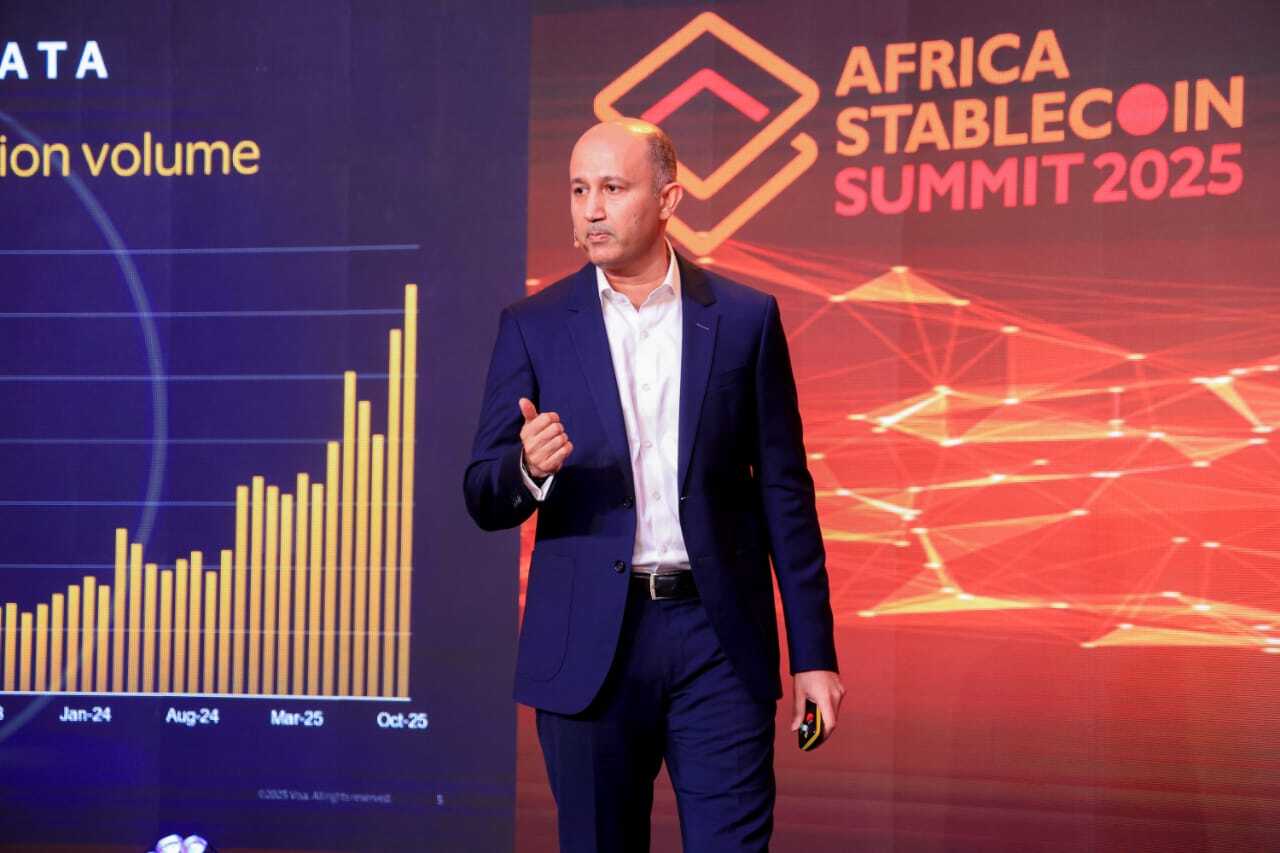
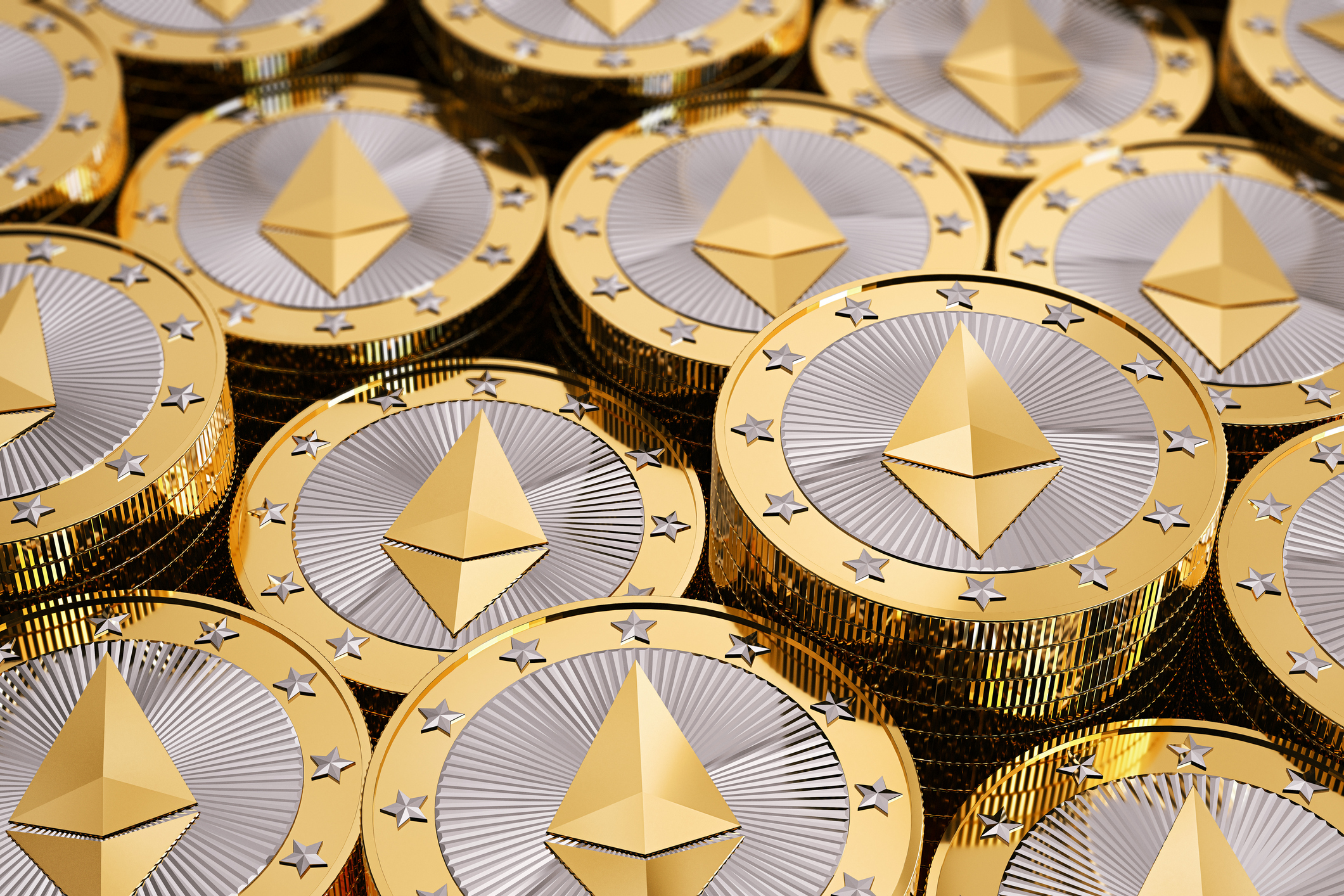
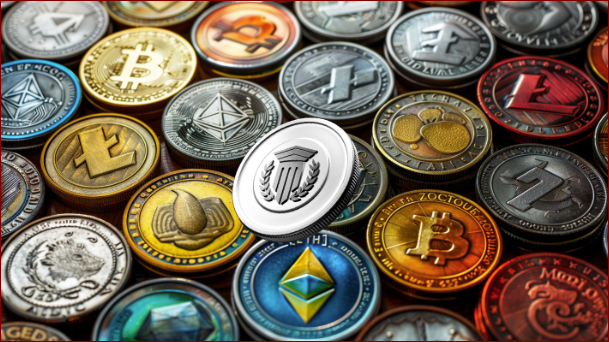
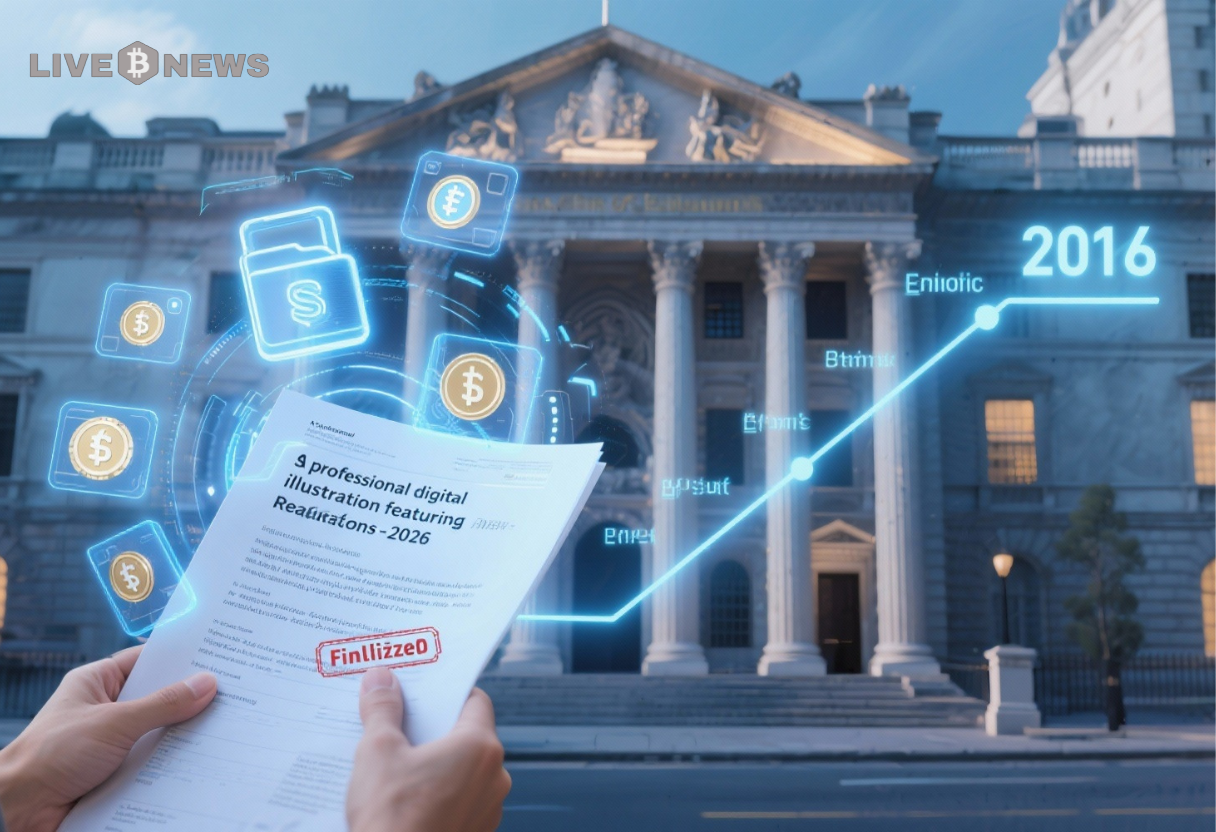
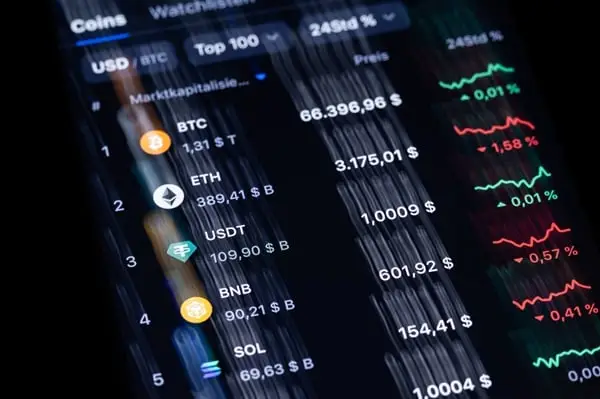
Another way the US is trying to maintain that dominance is through the digital era – the US is trying to become the first country to regulate stable coins. A good example is the GENIUS Act, a recent piece of legislation that regulates the issuance of stablecoins – digital tokens designed to track the US dollar. For every stablecoin created, the issuer must hold an equivalent amount of US dollars or Treasuries as backing. That means when global demand for stablecoins rises, so does demand for the underlying real dollars and US Treasuries and bonds that support them.
In effect, this regulation ties the growth of digital finance directly to the strength of the US dollar – a clever way of reinforcing its reserve-currency role in an evolving system.
Why hard assets win over time
ADVERTISEMENT:
CONTINUE READING BELOW
Cash is for short-term stability and day-to-day needs. However, hard assets – those with intrinsic or productive value – are what protect and grow wealth in the long term.
Think:
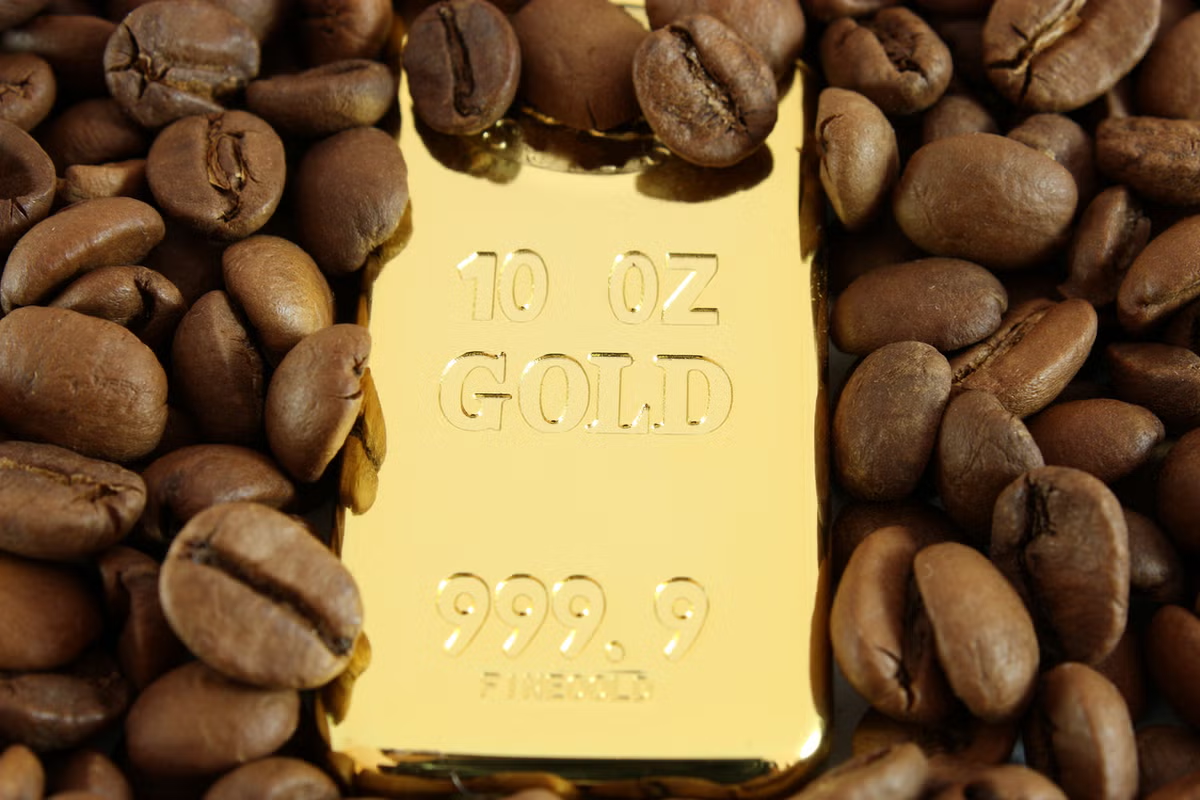
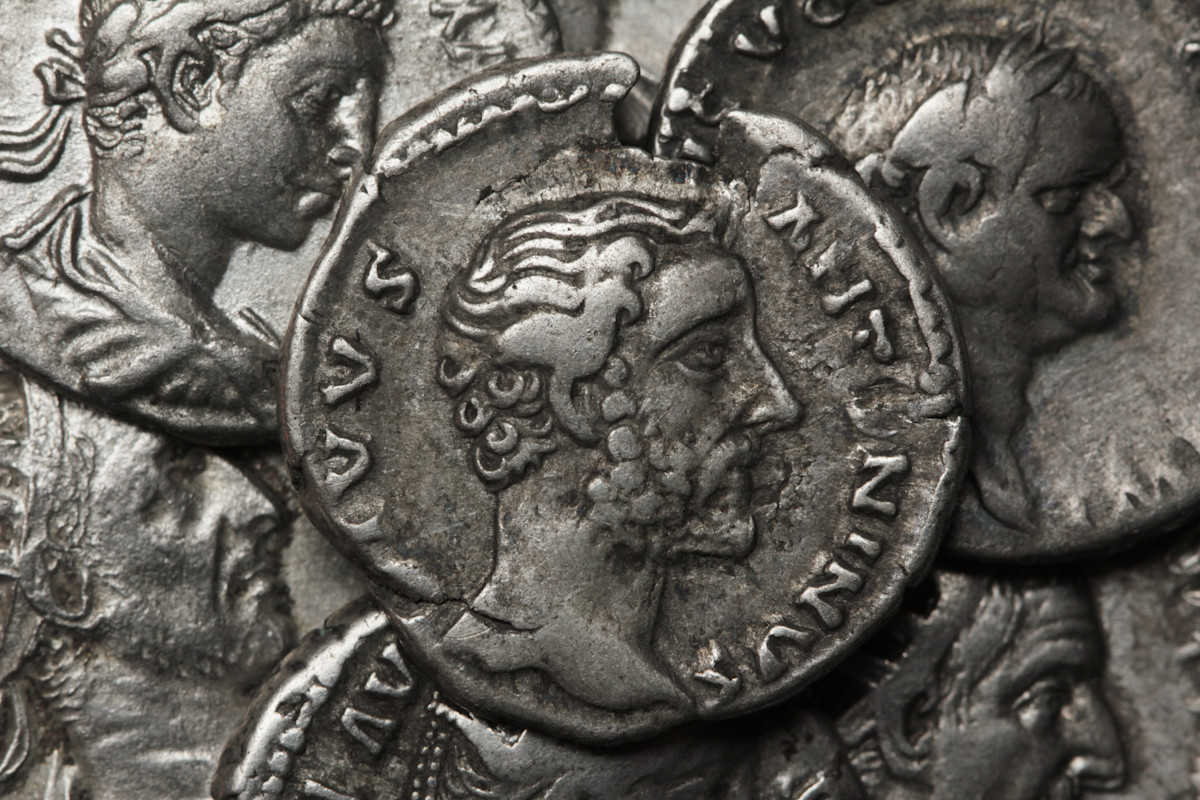
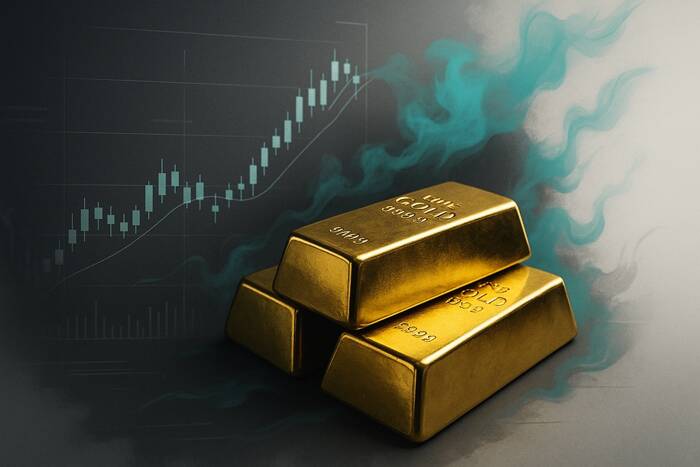
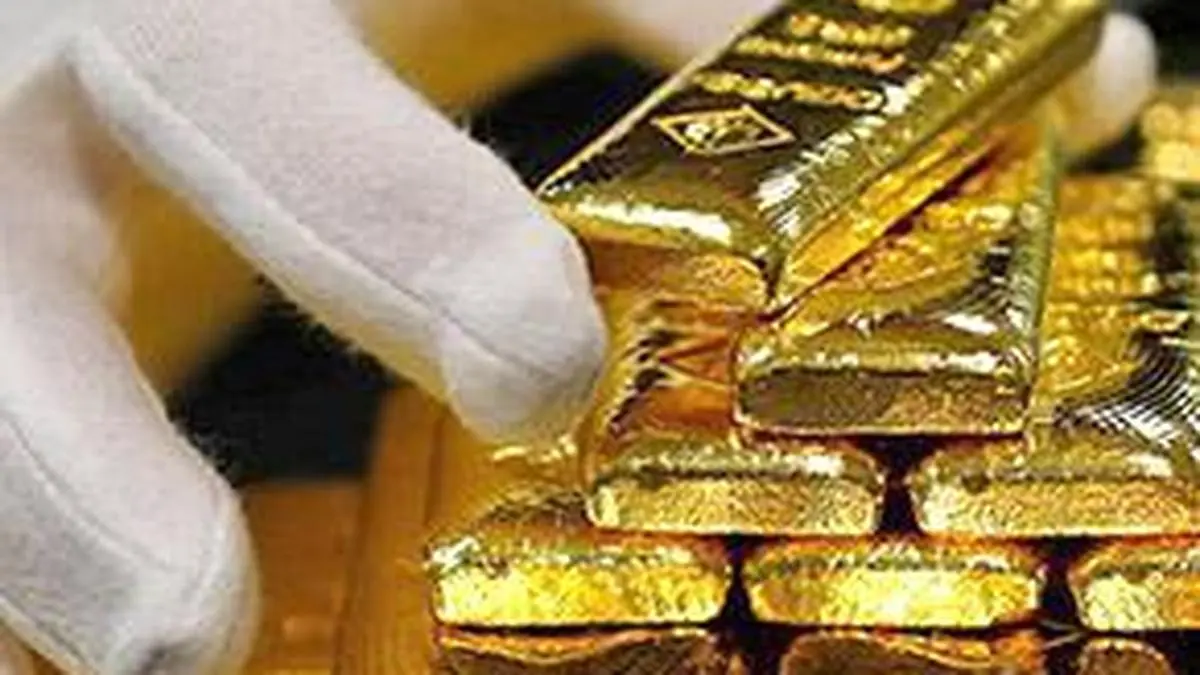
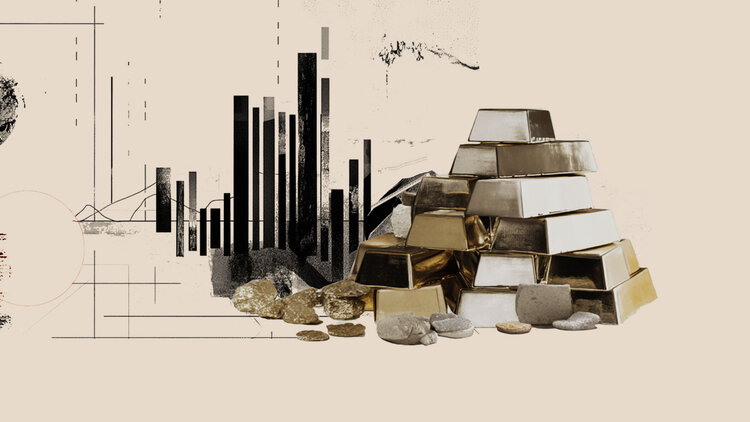
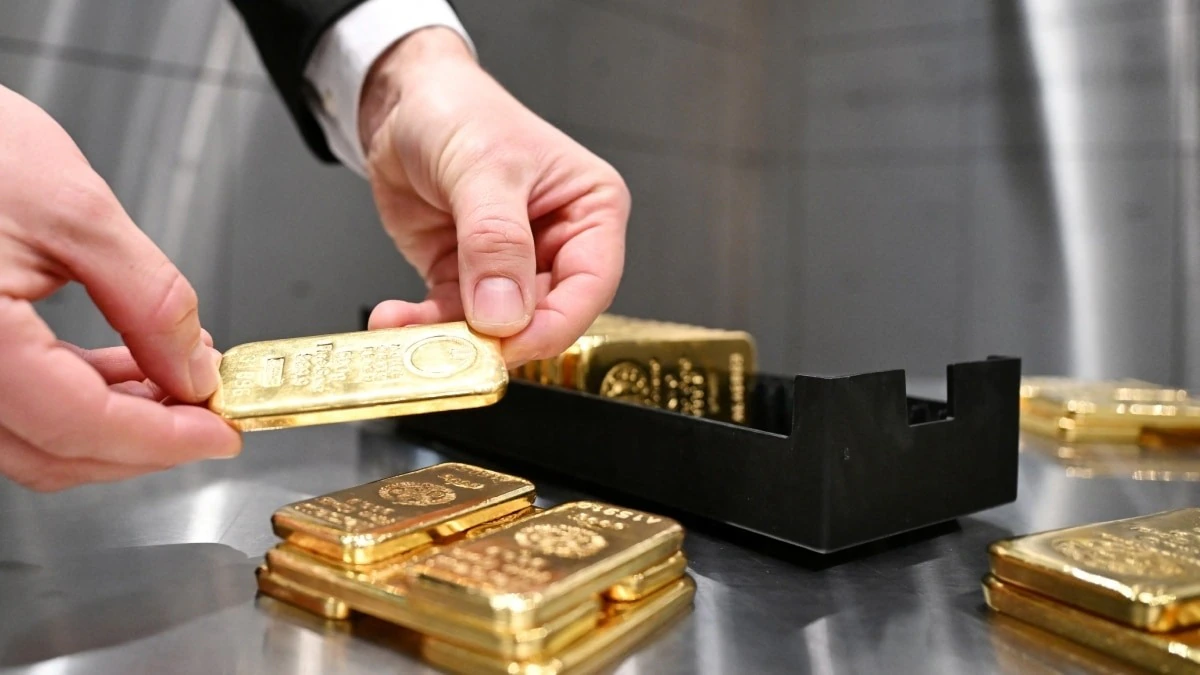
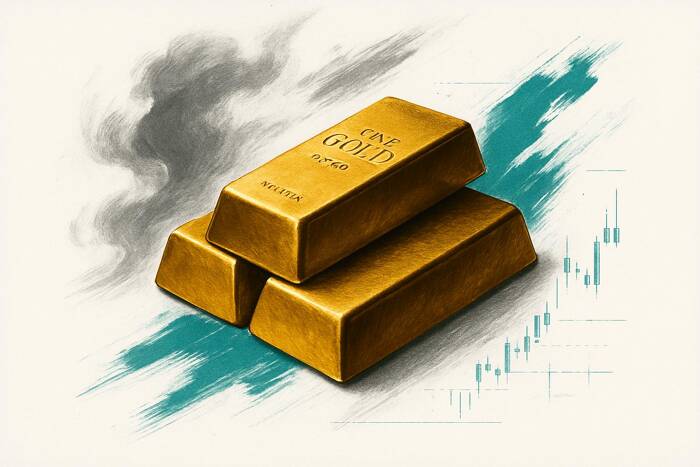
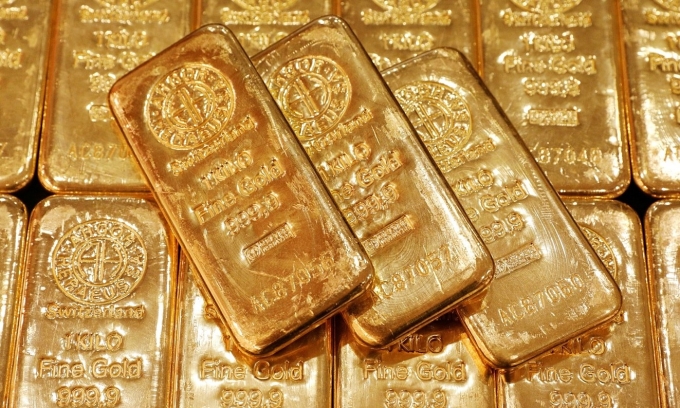
- Gold, which has stored value for millennia.
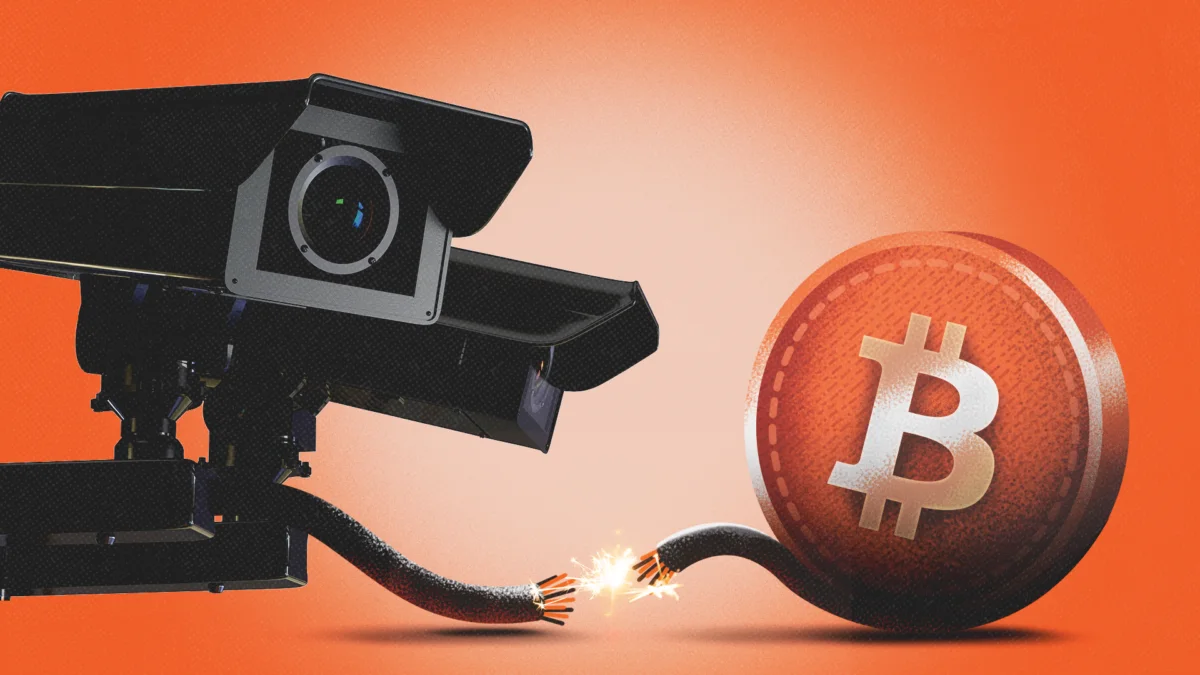
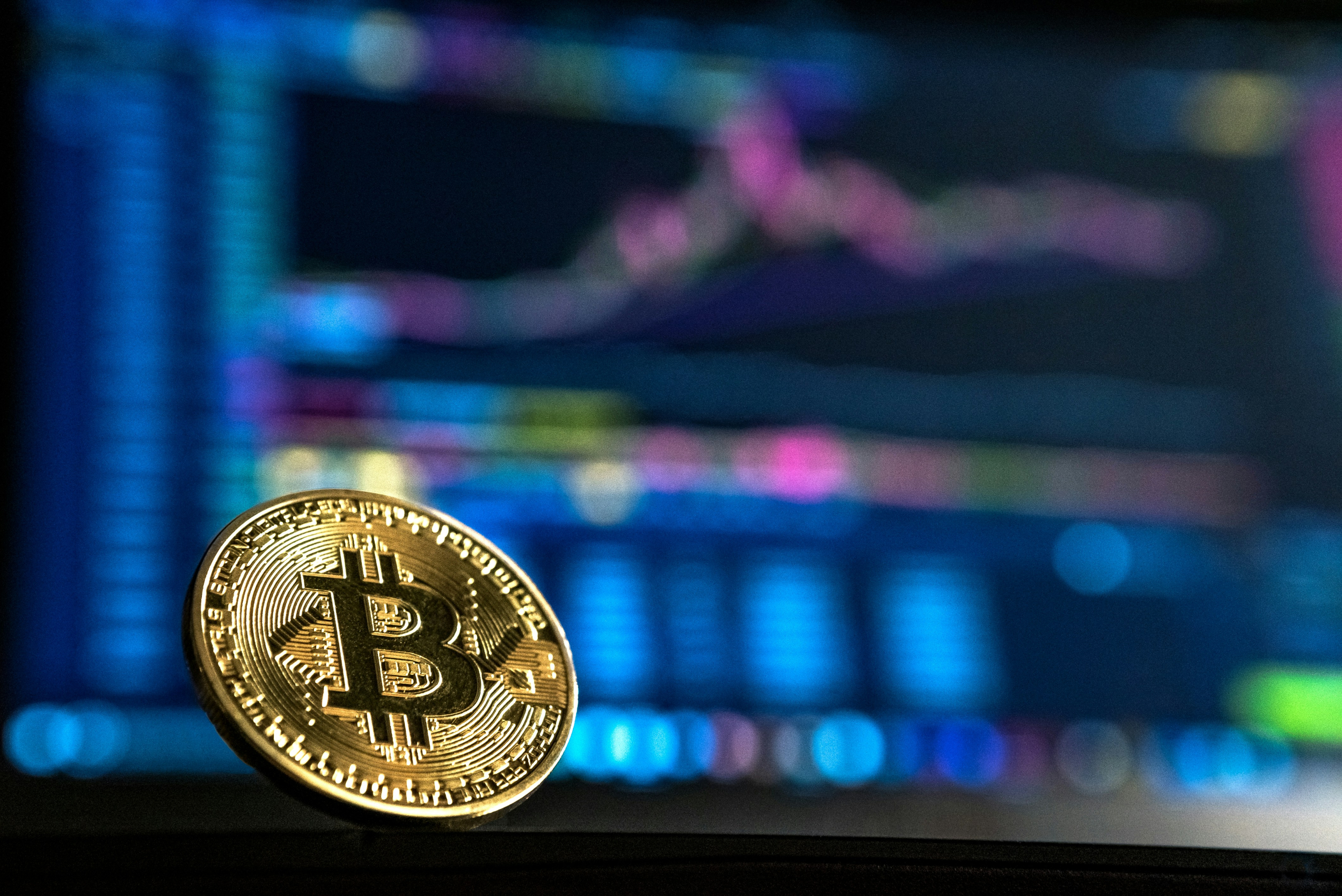
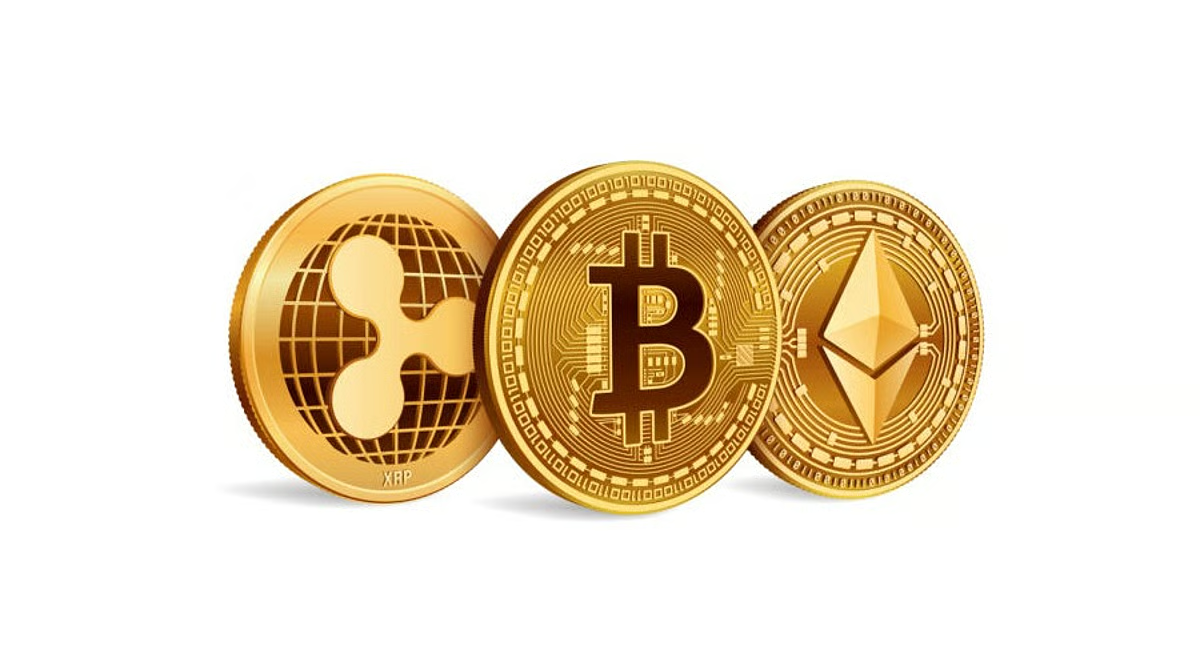
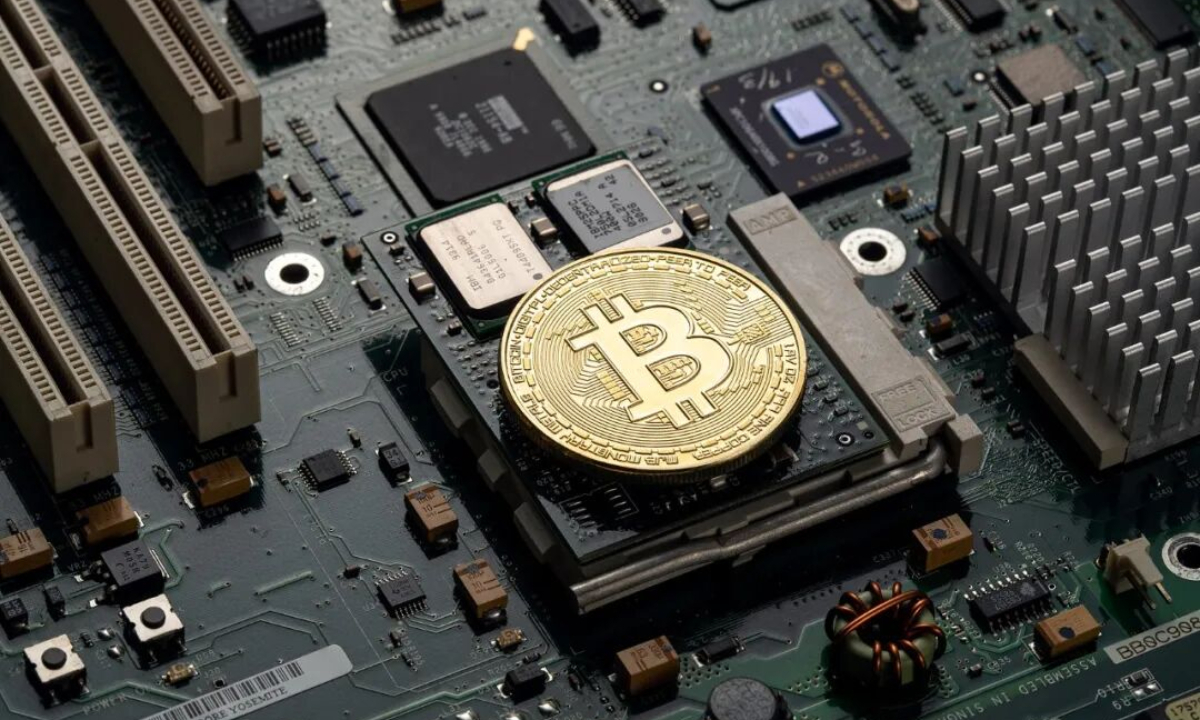
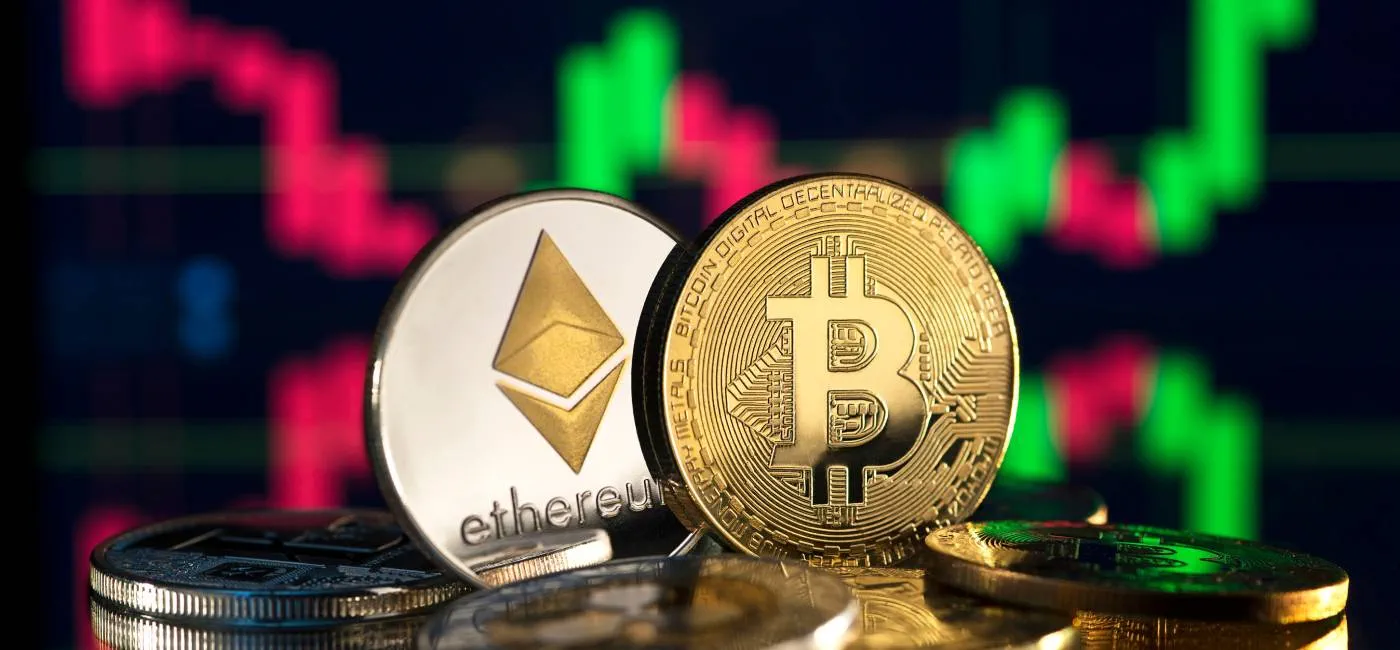
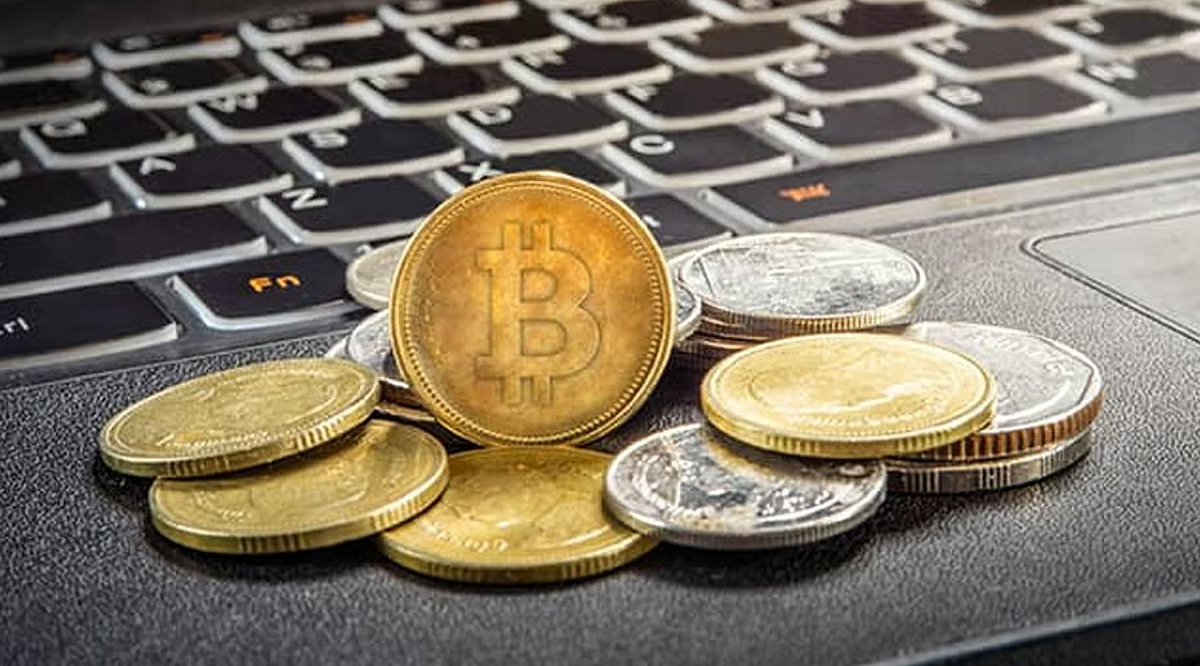
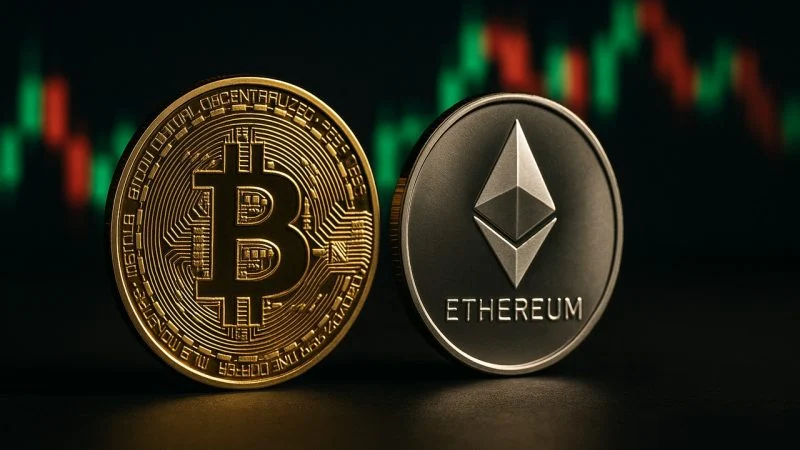
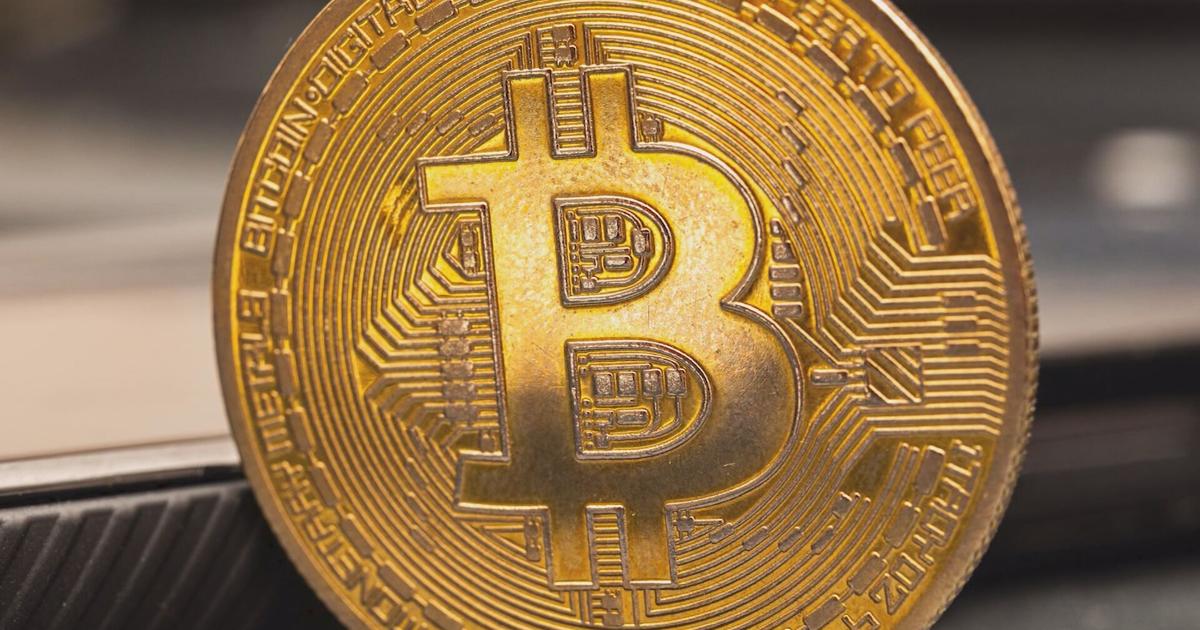
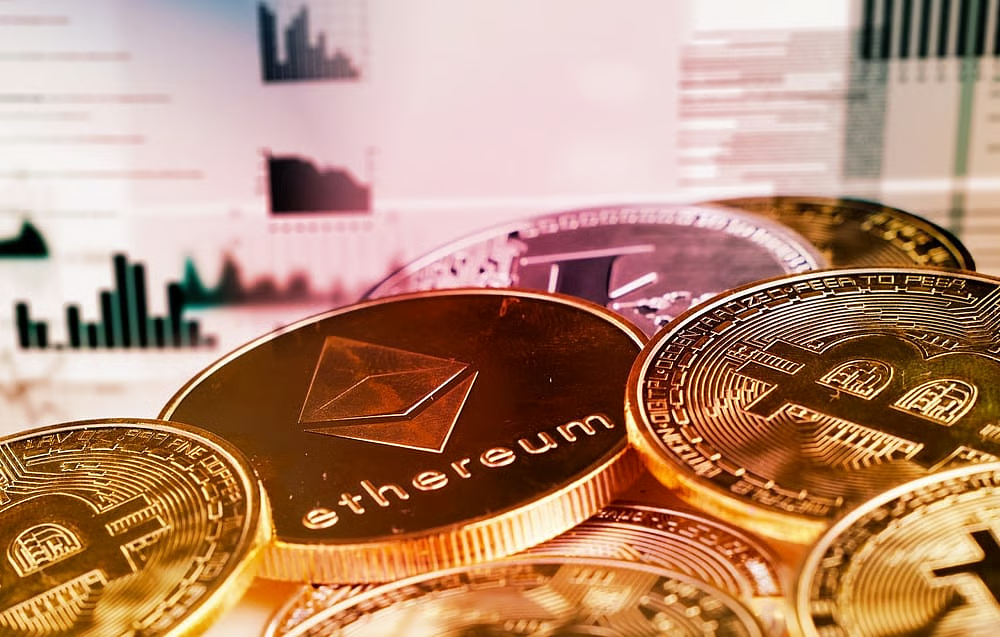
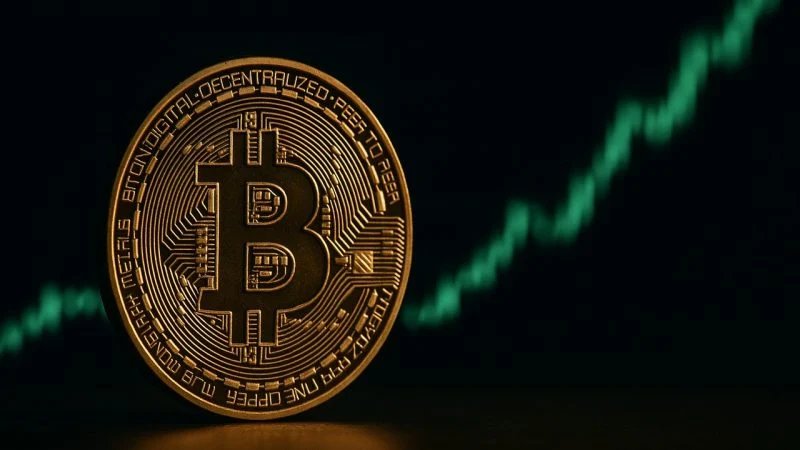
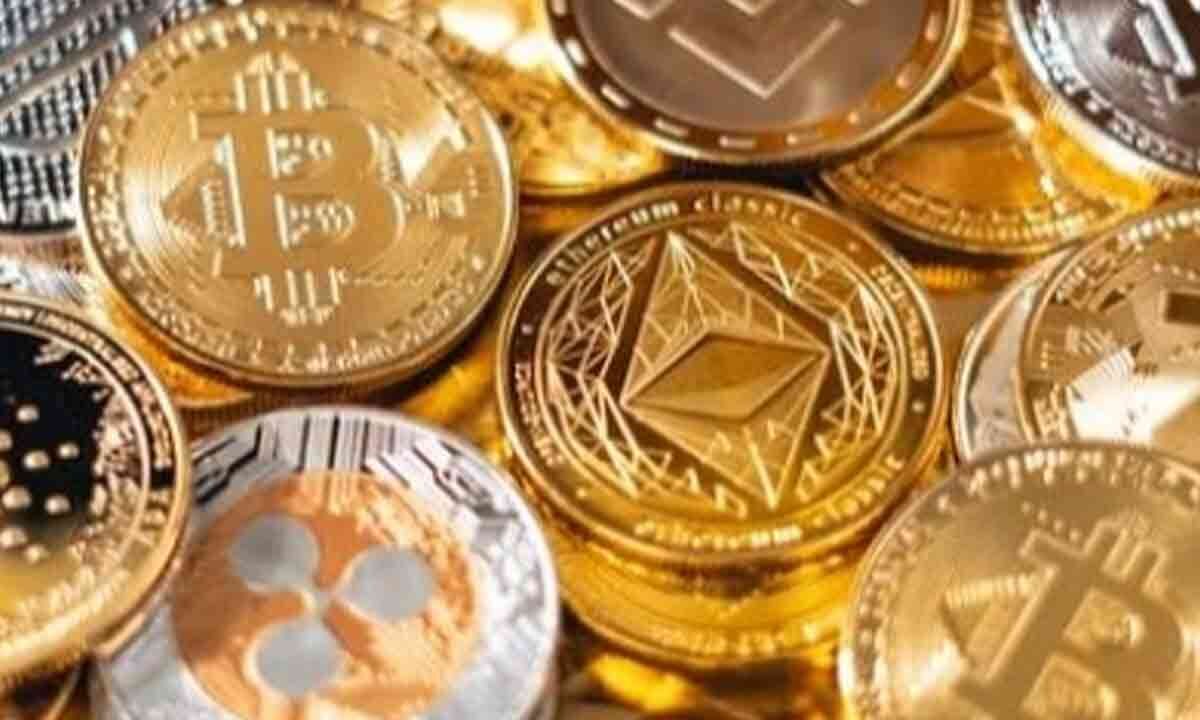
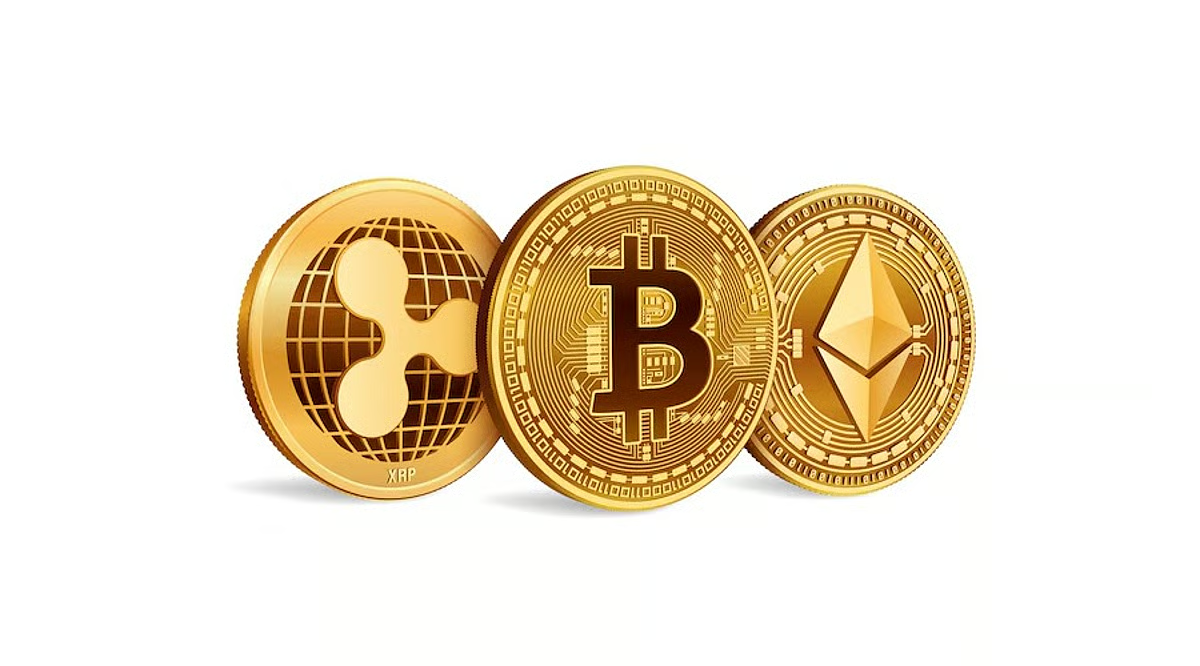
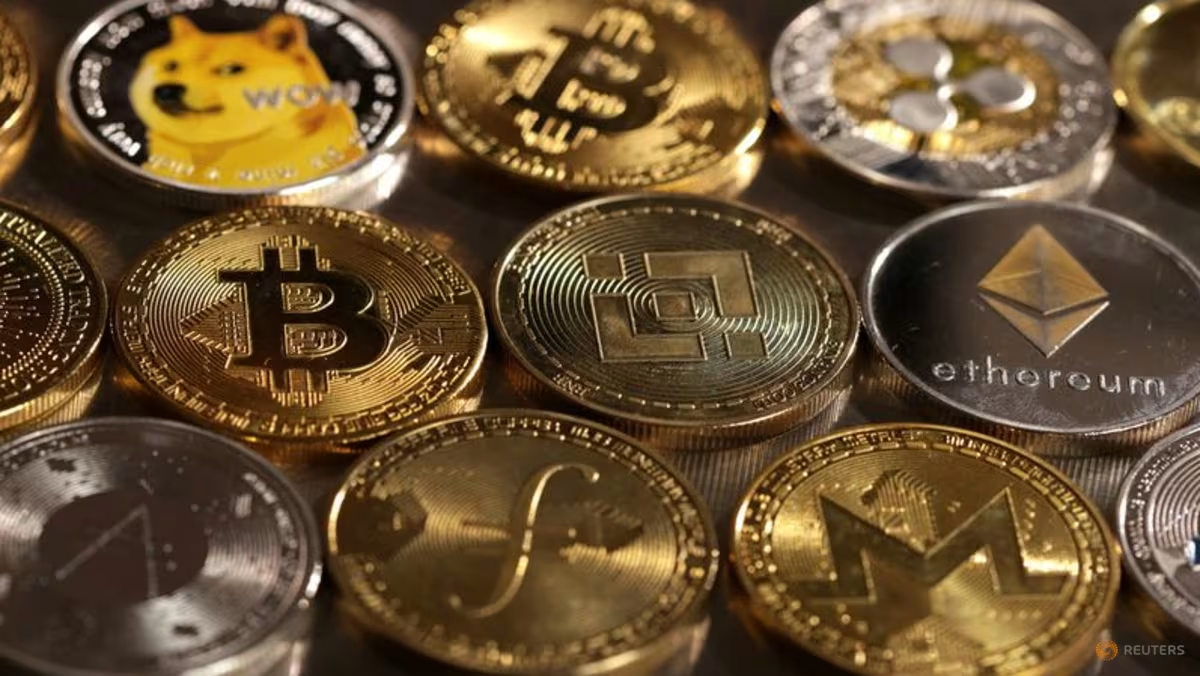
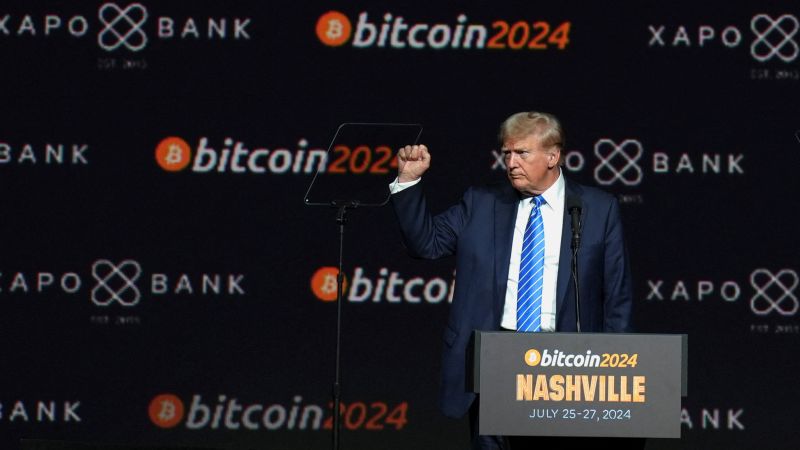
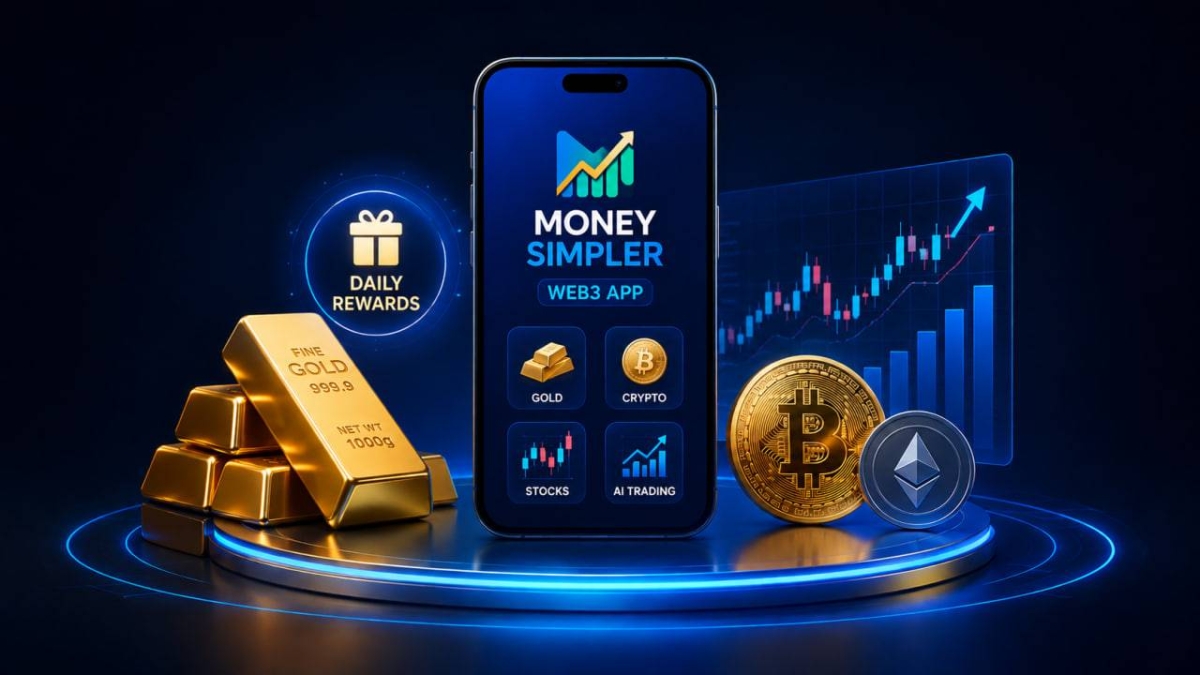
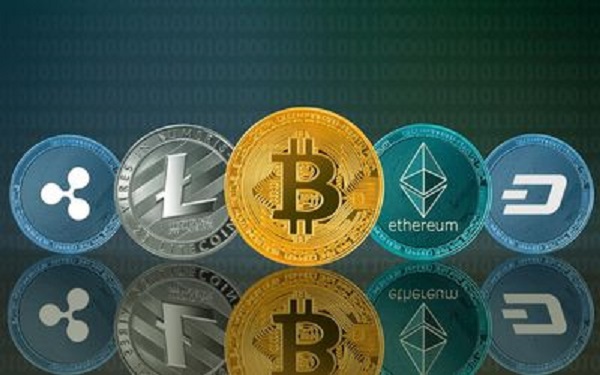
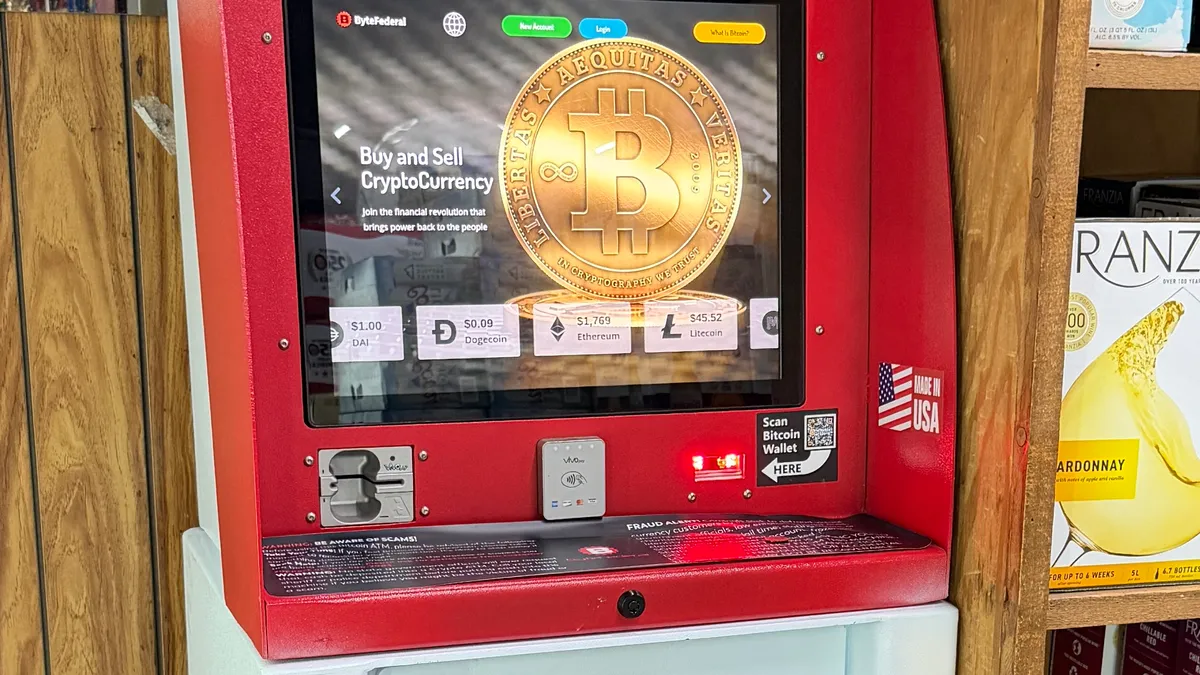
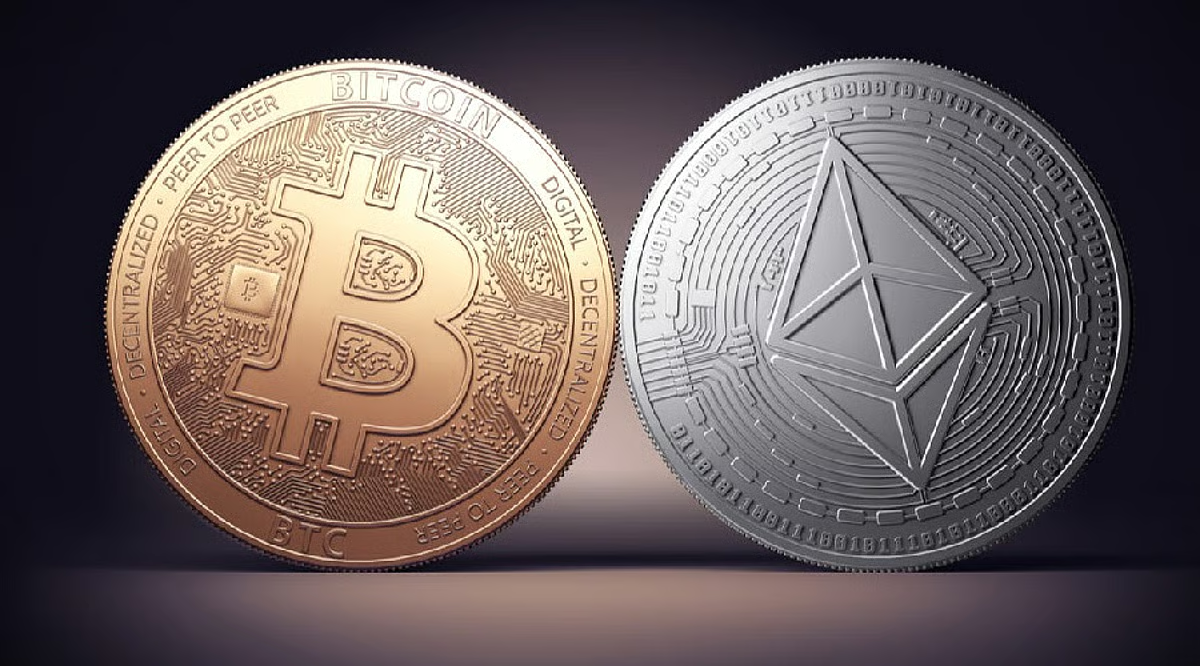
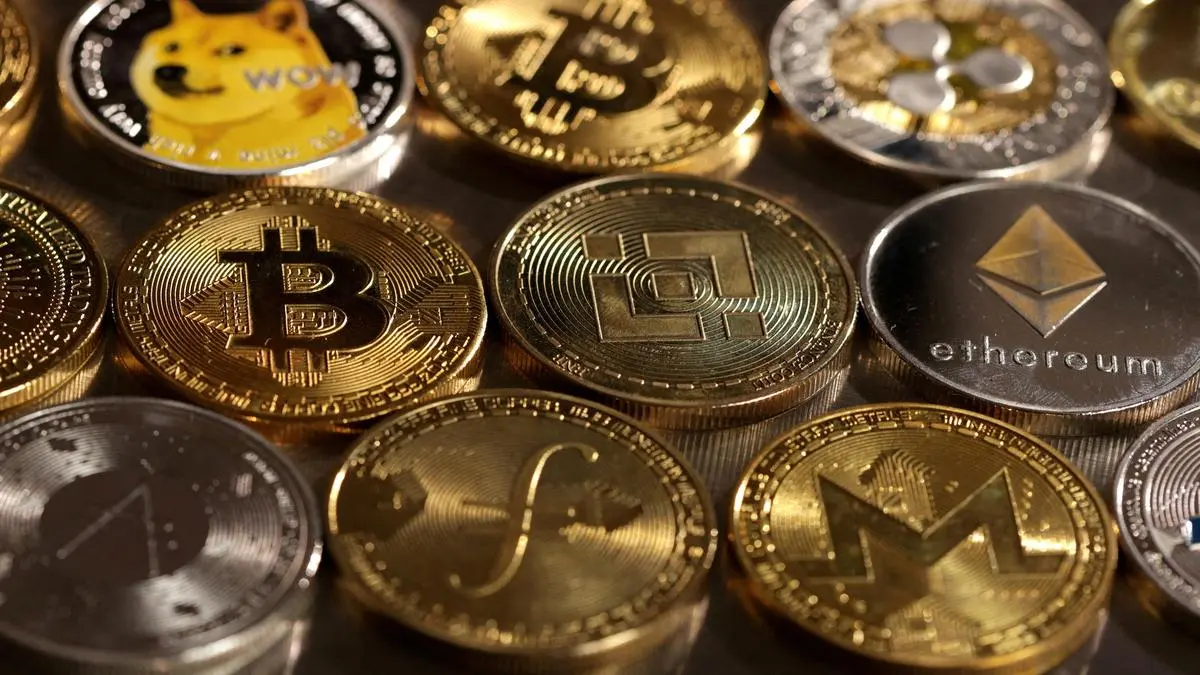
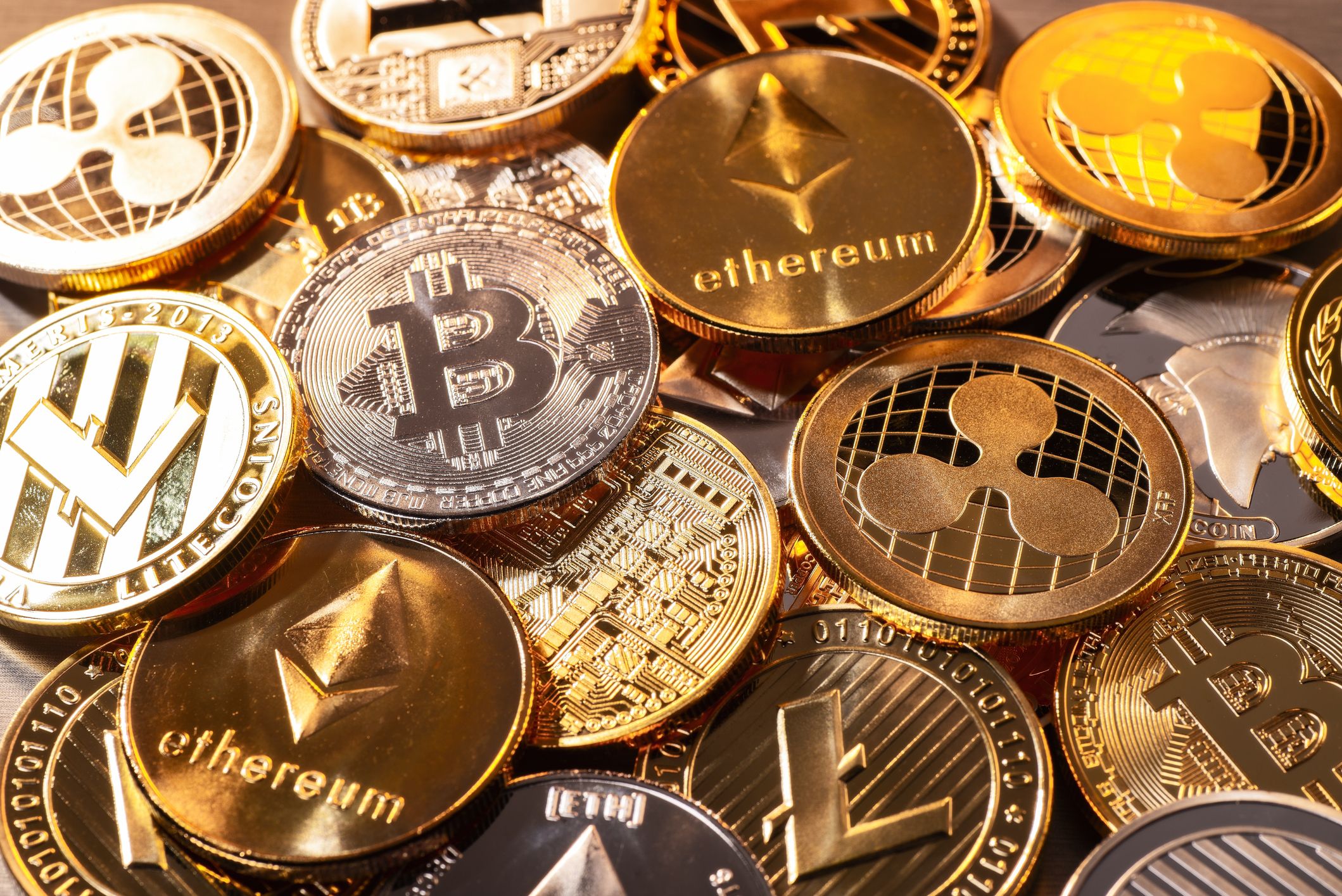
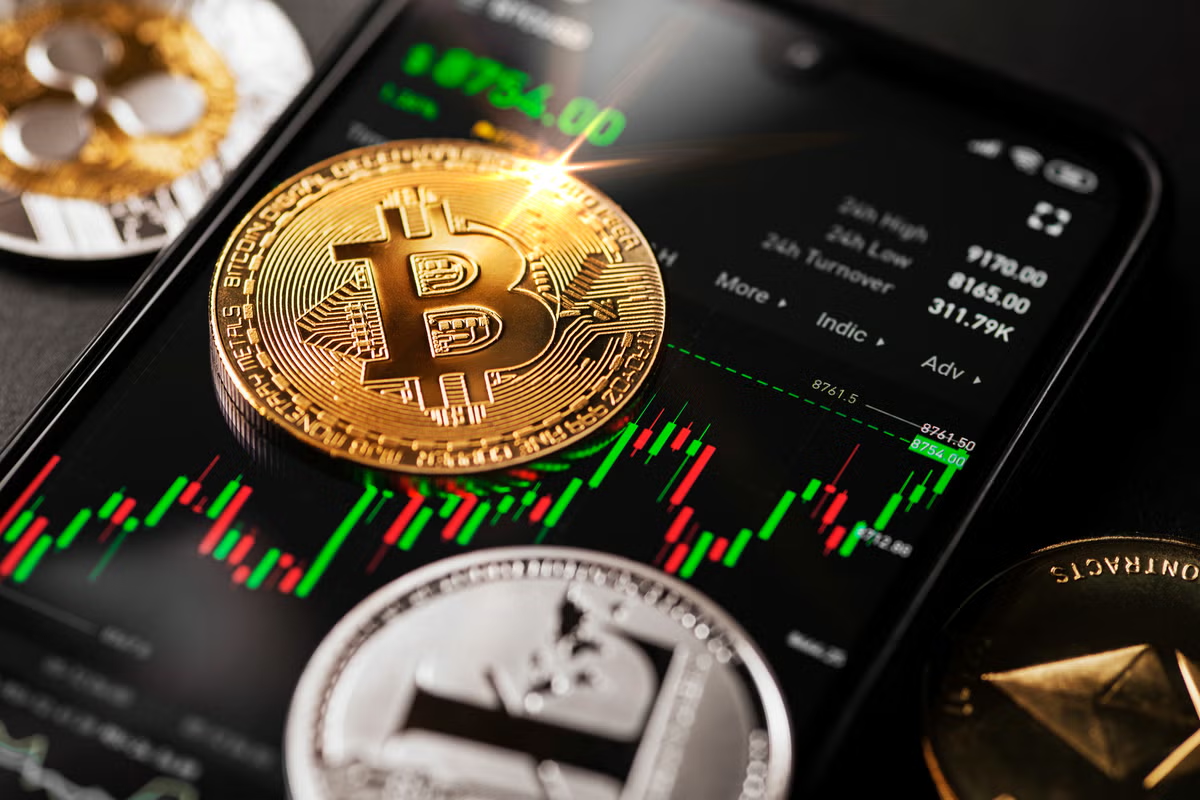
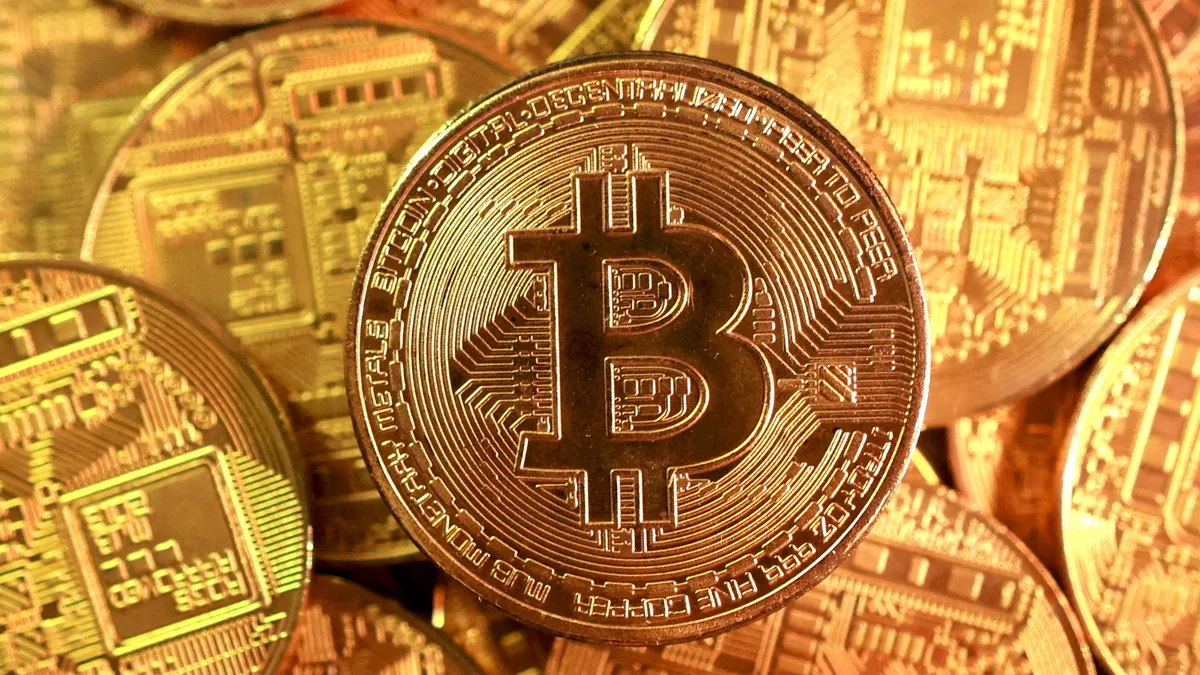
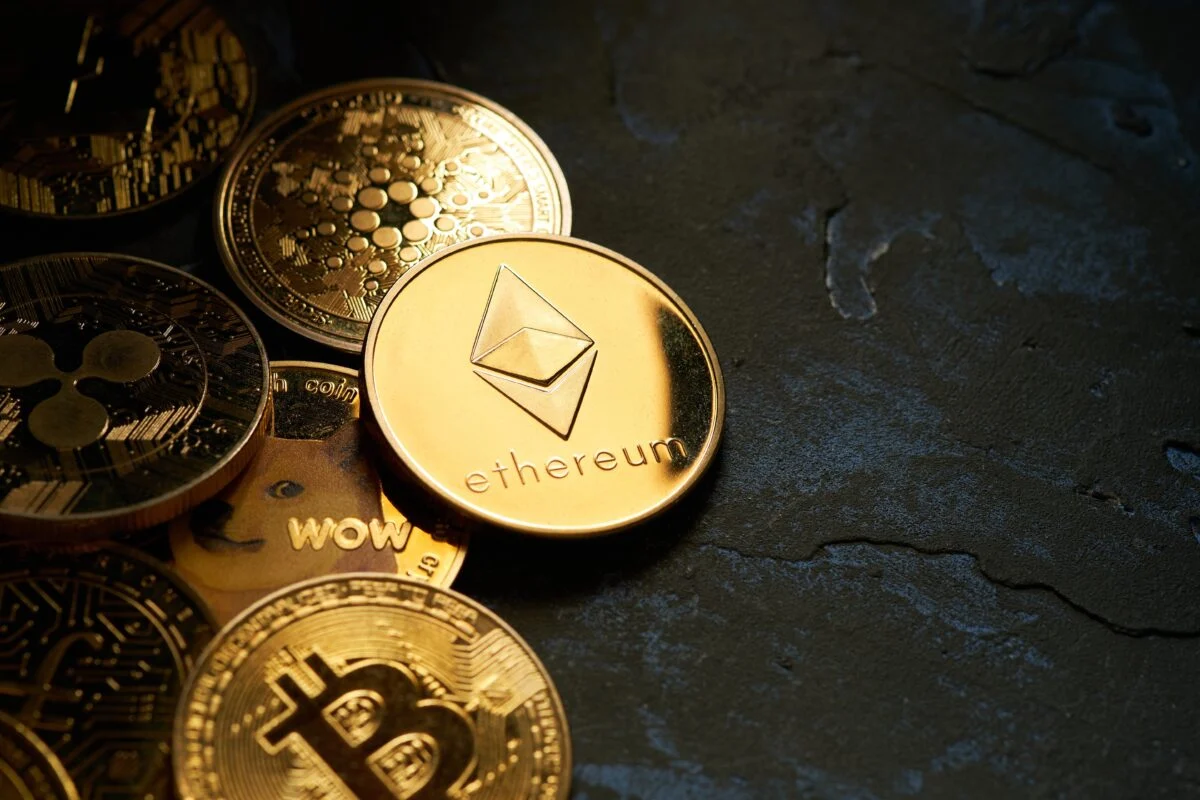
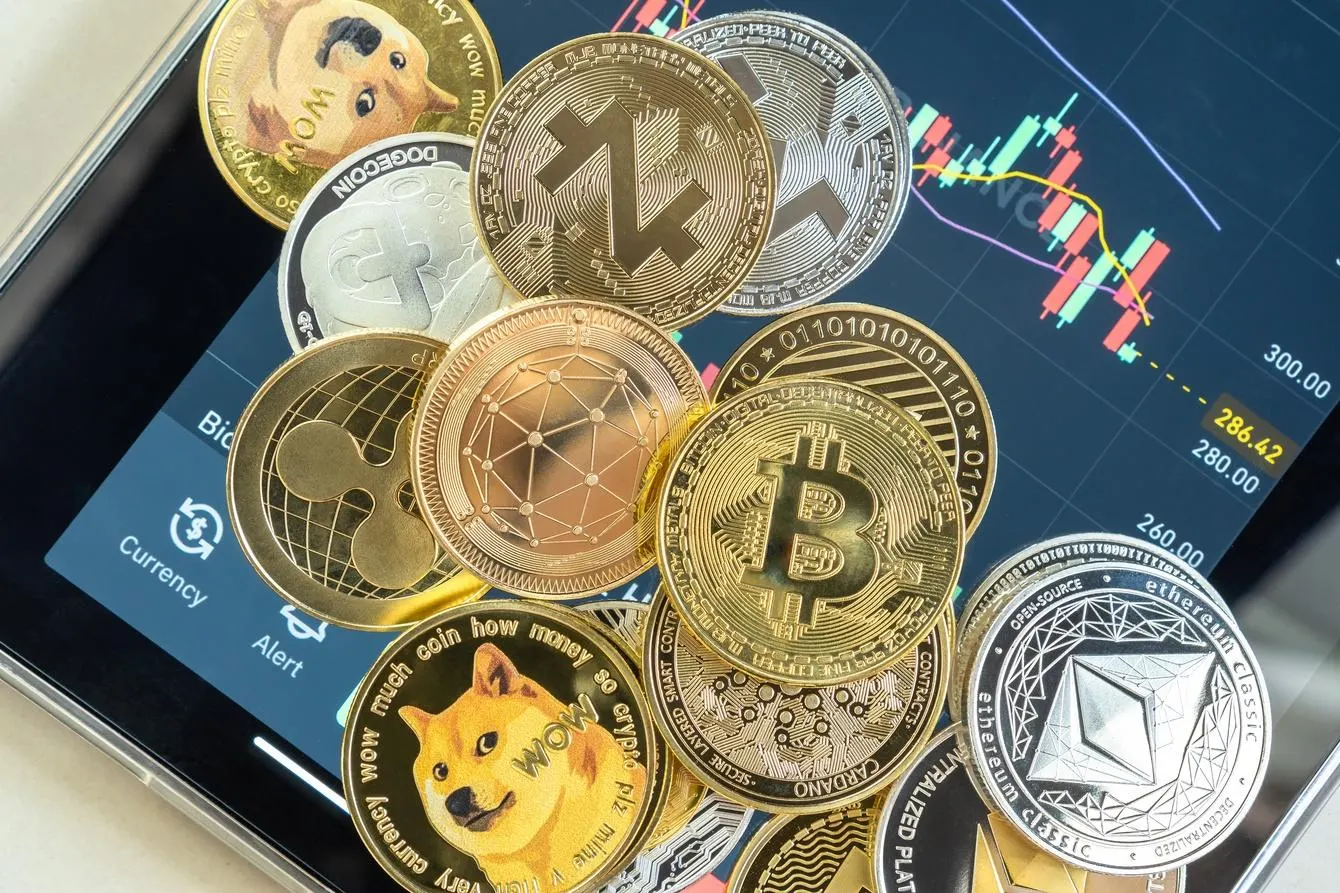
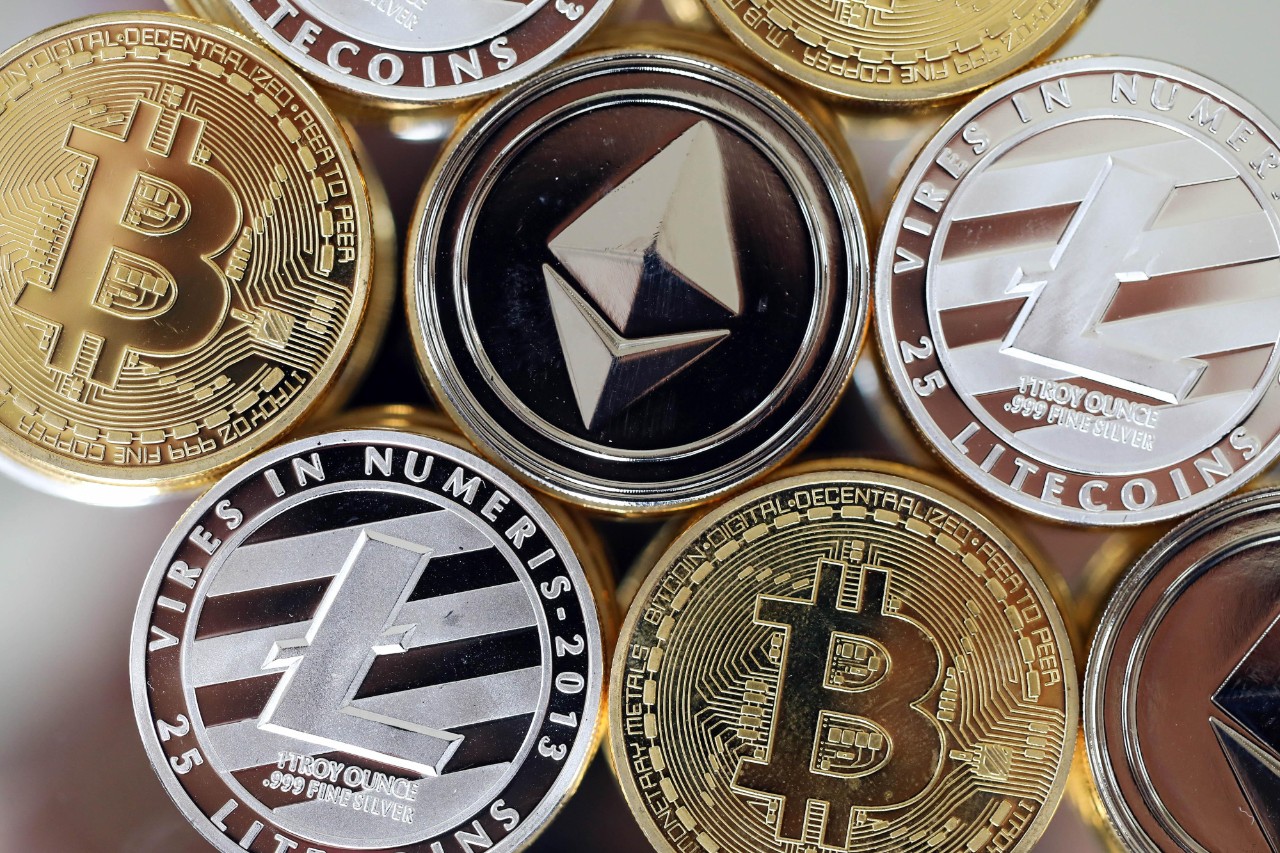
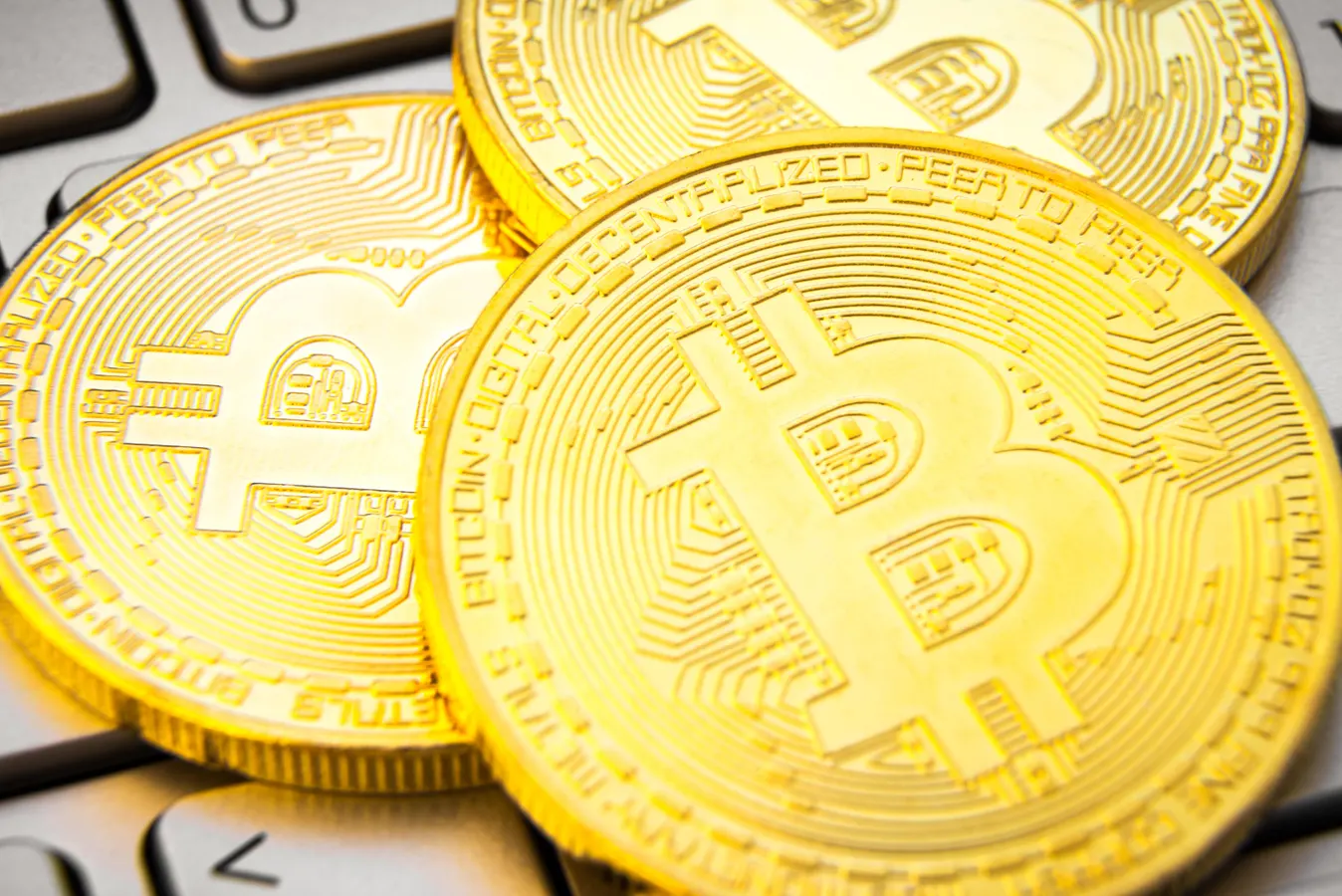
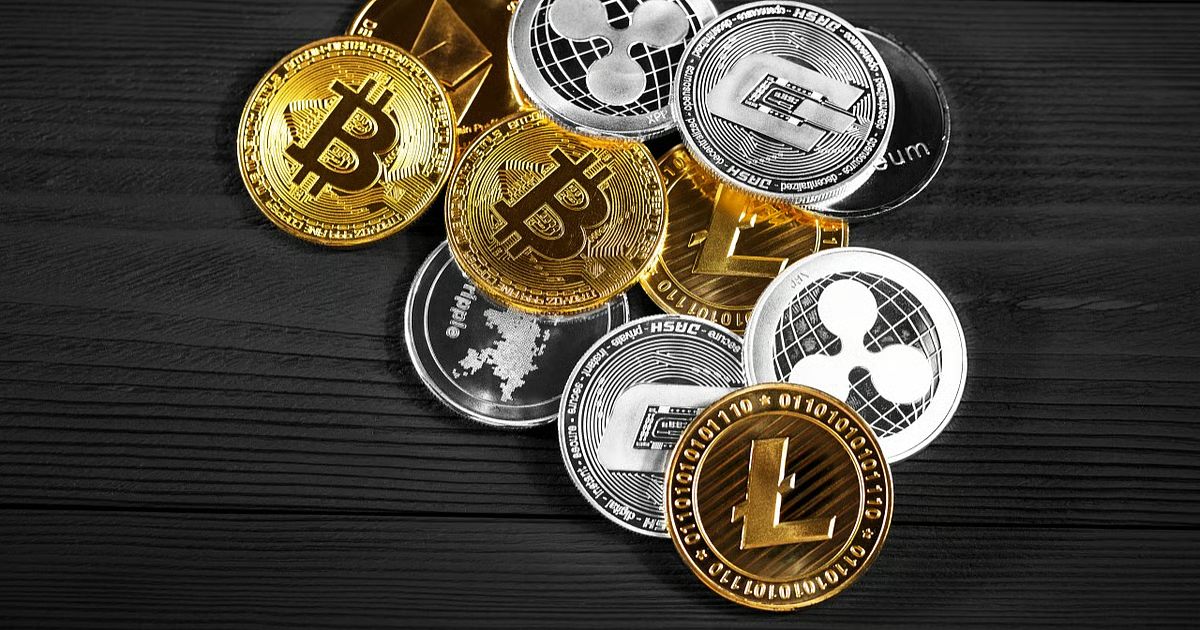
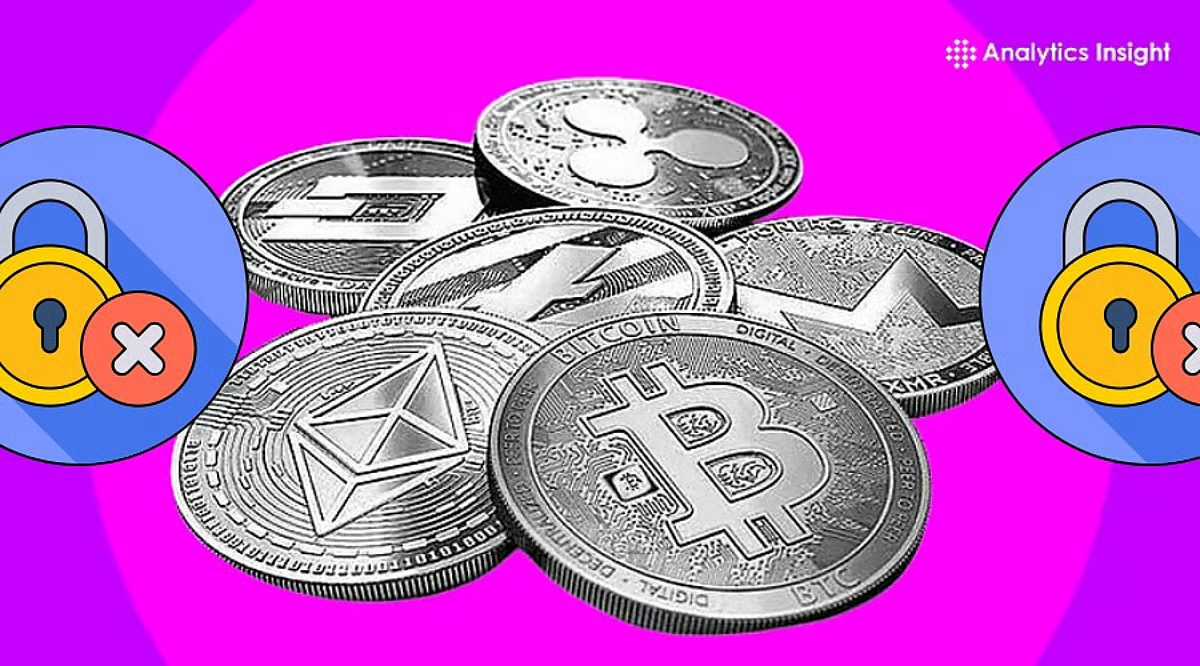
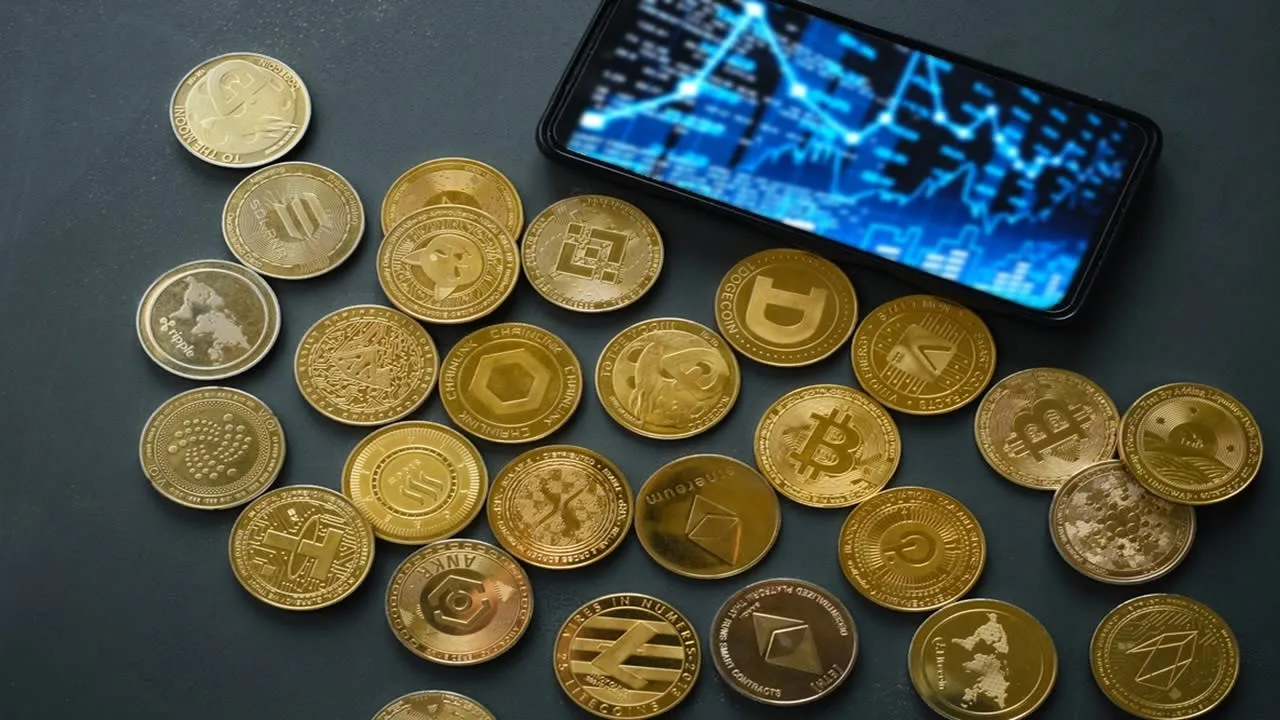
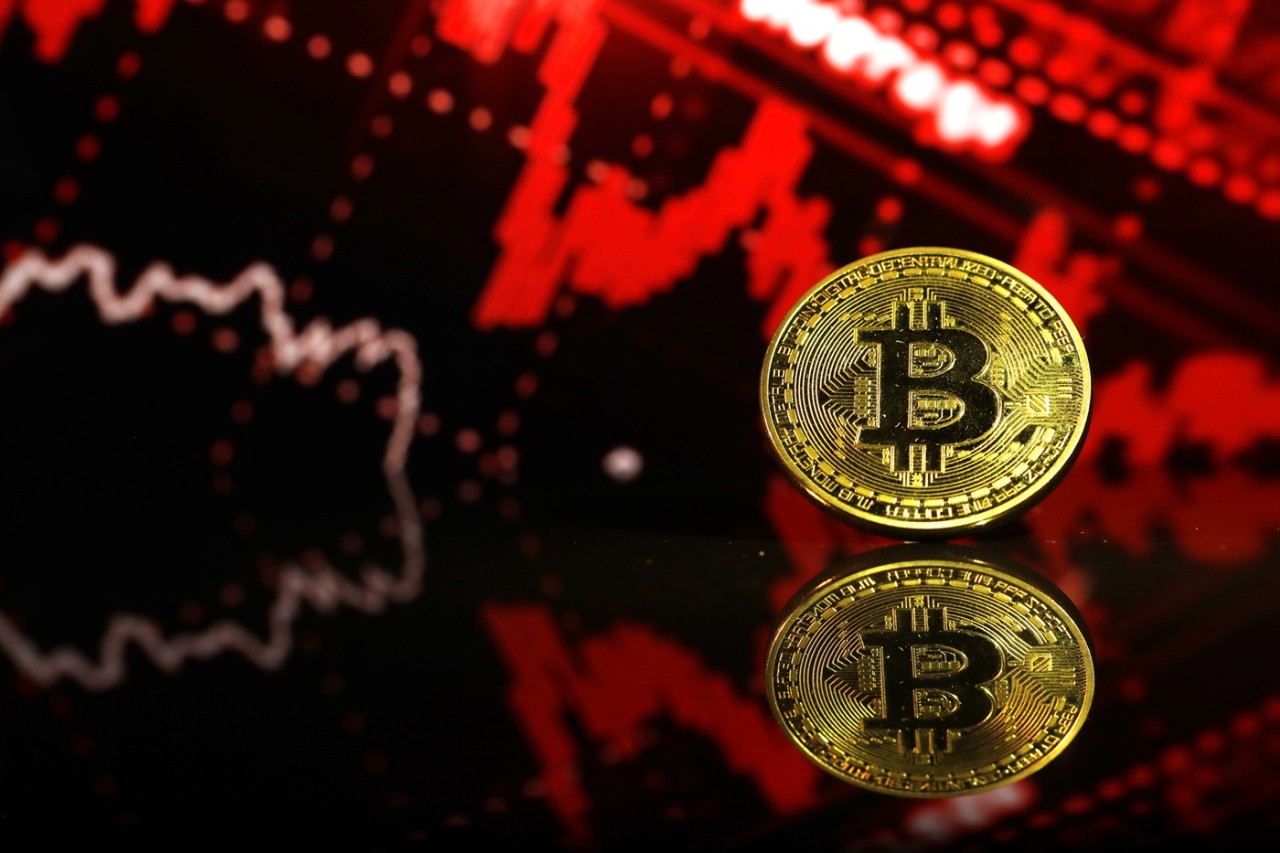
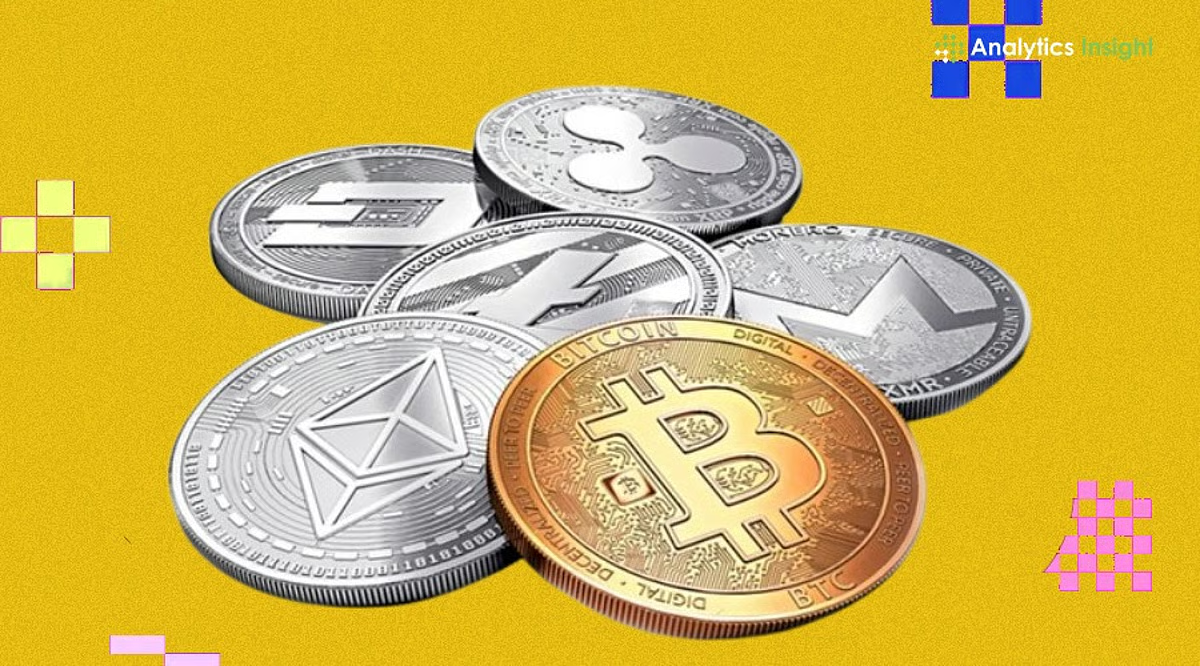
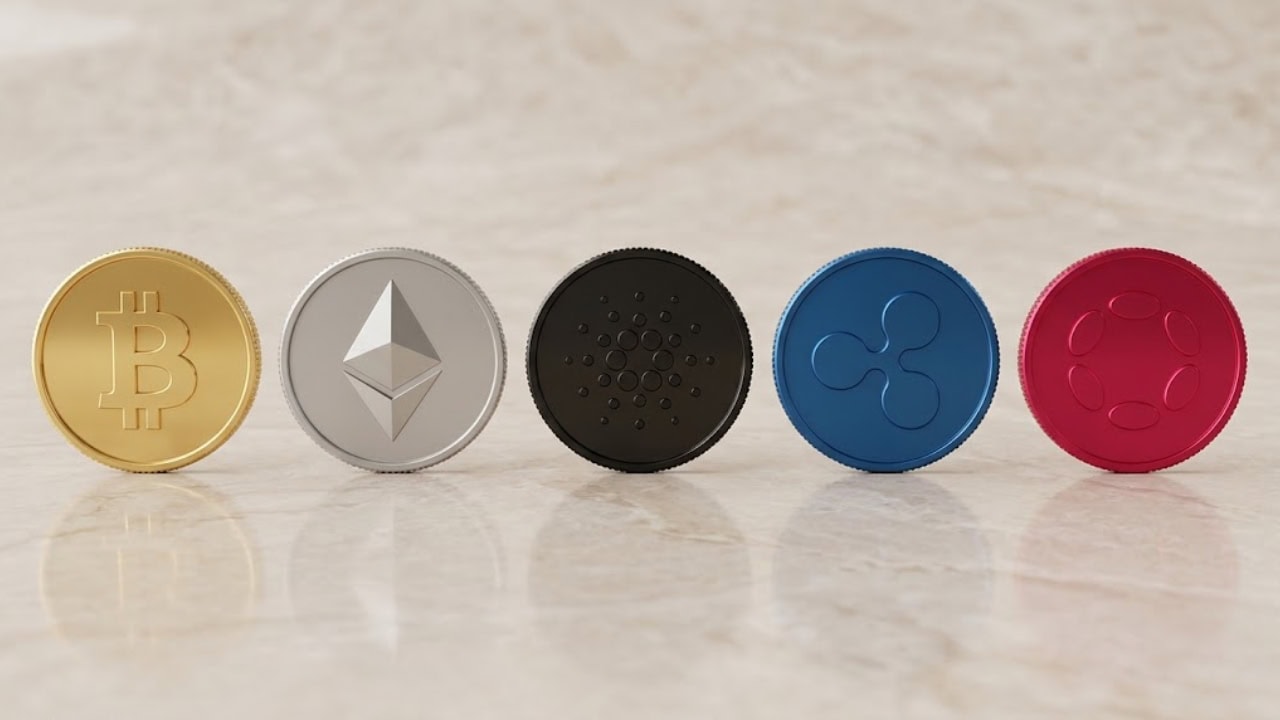
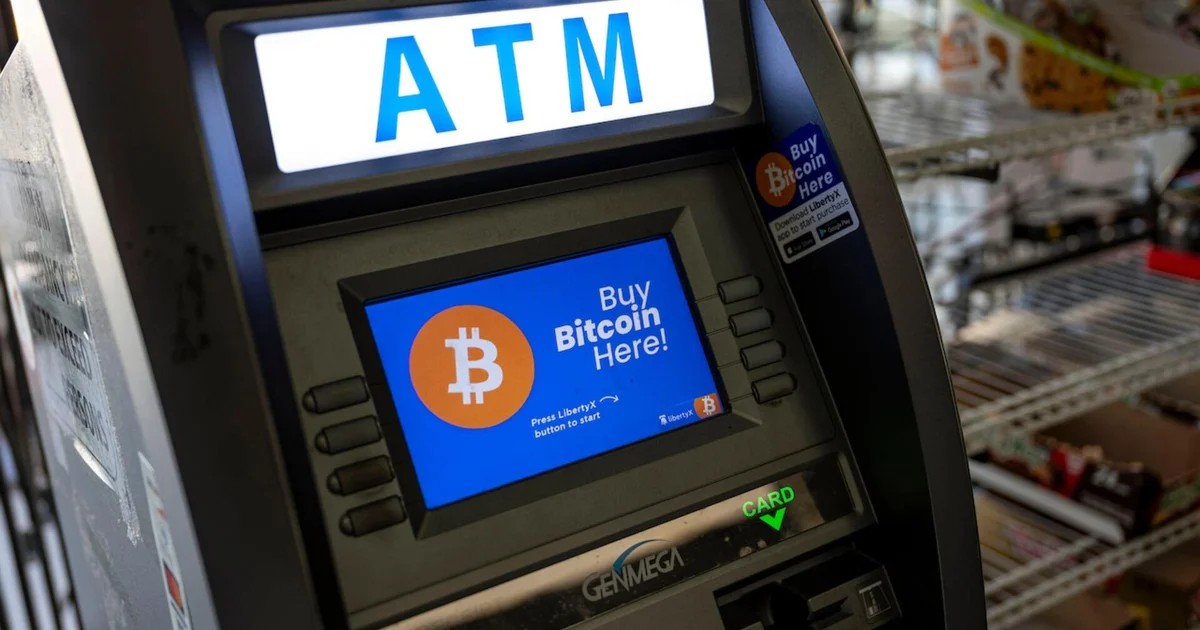
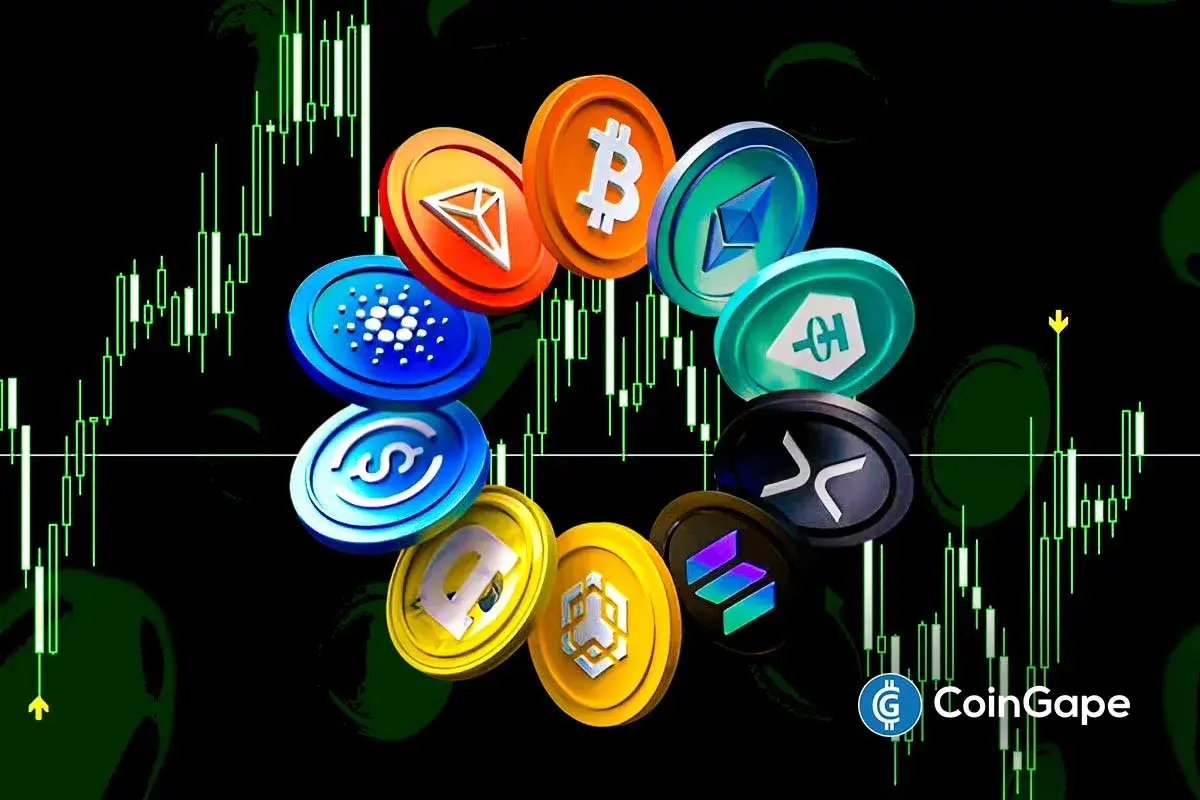
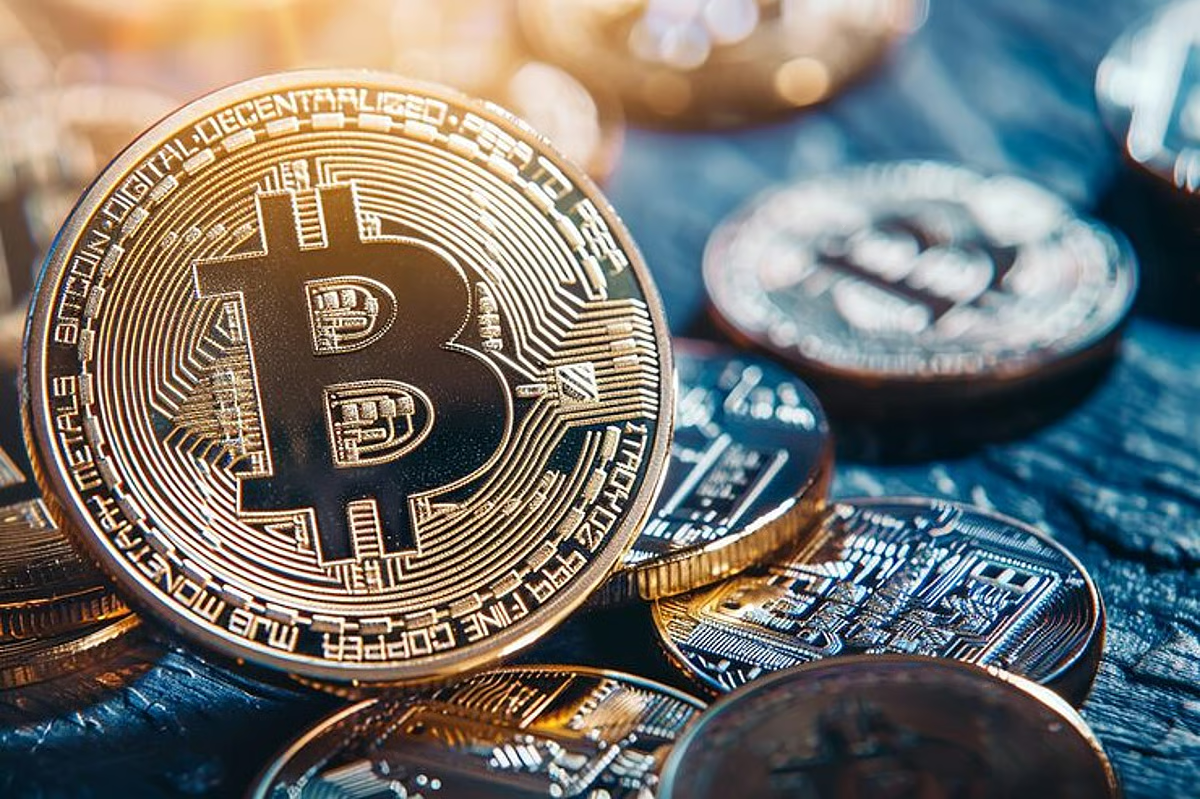
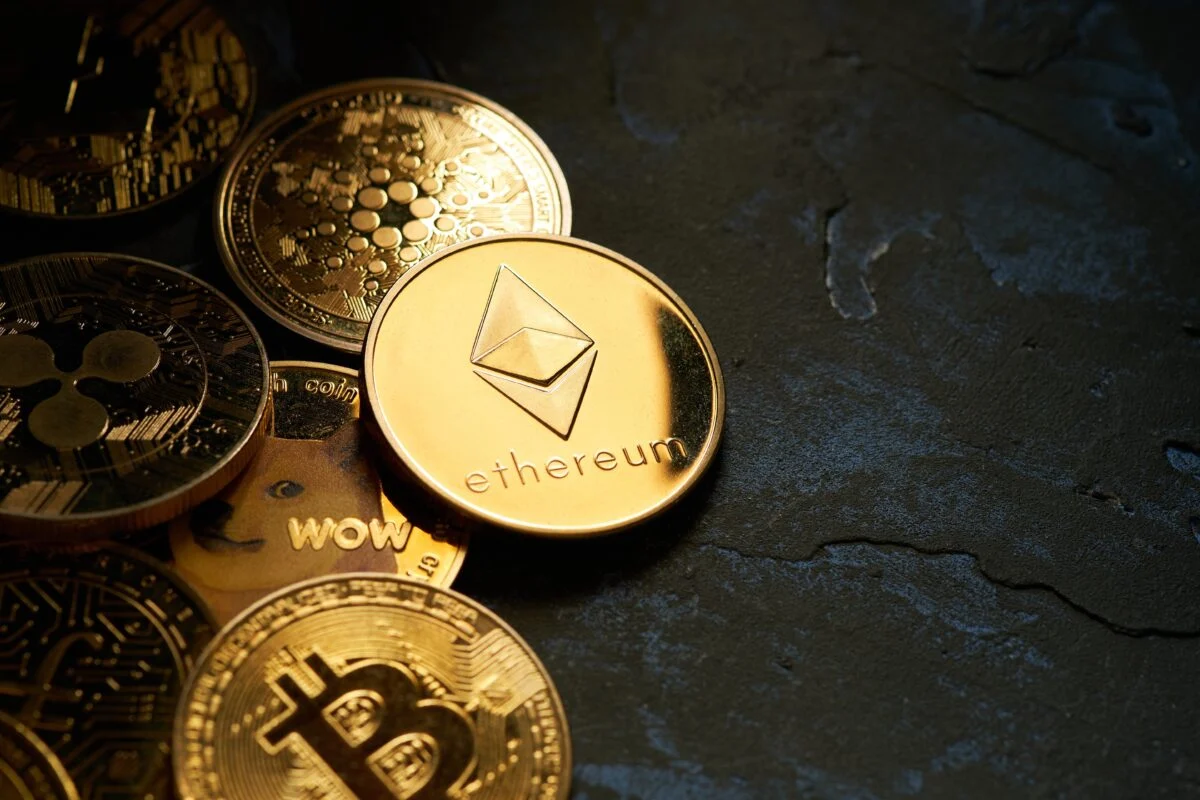
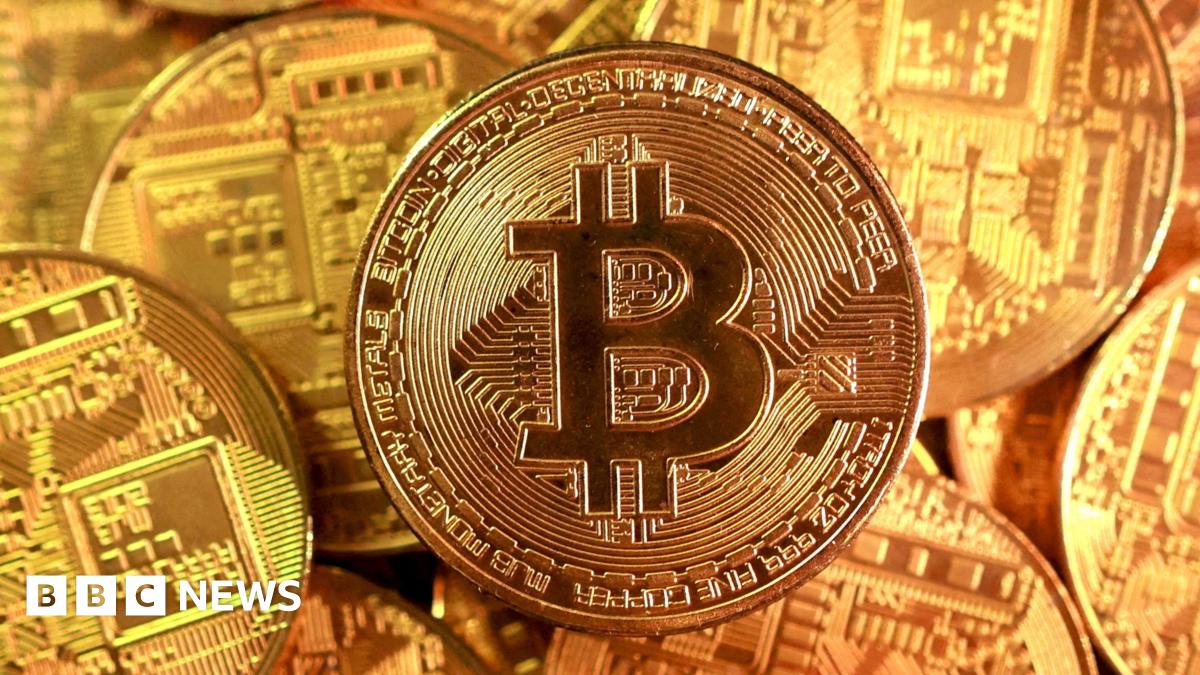
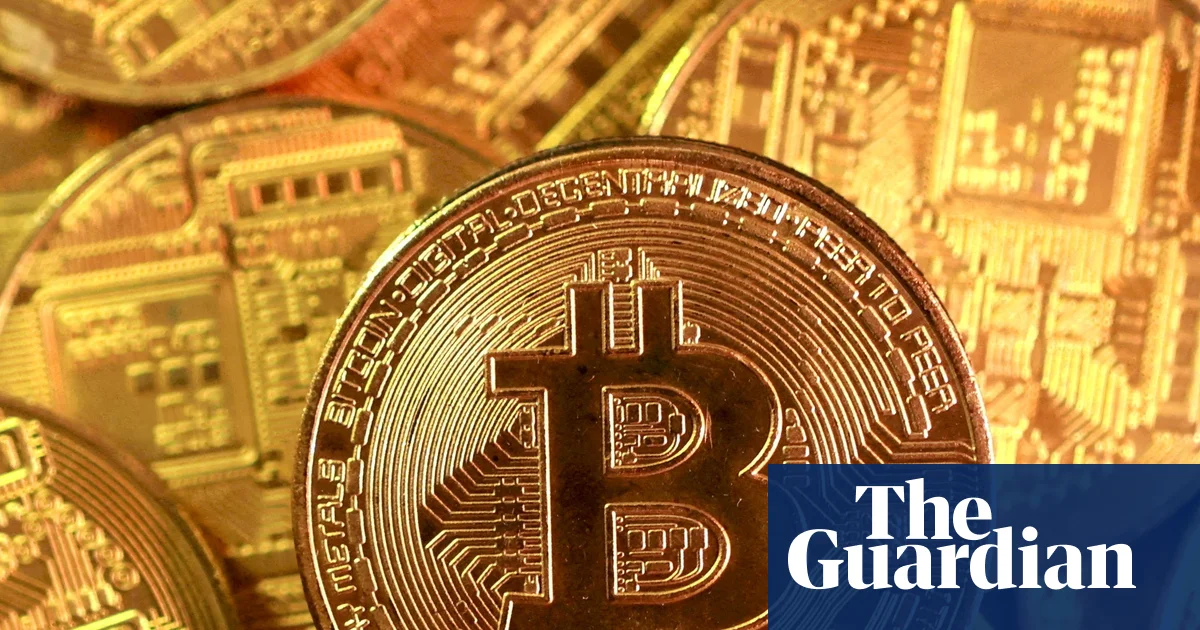
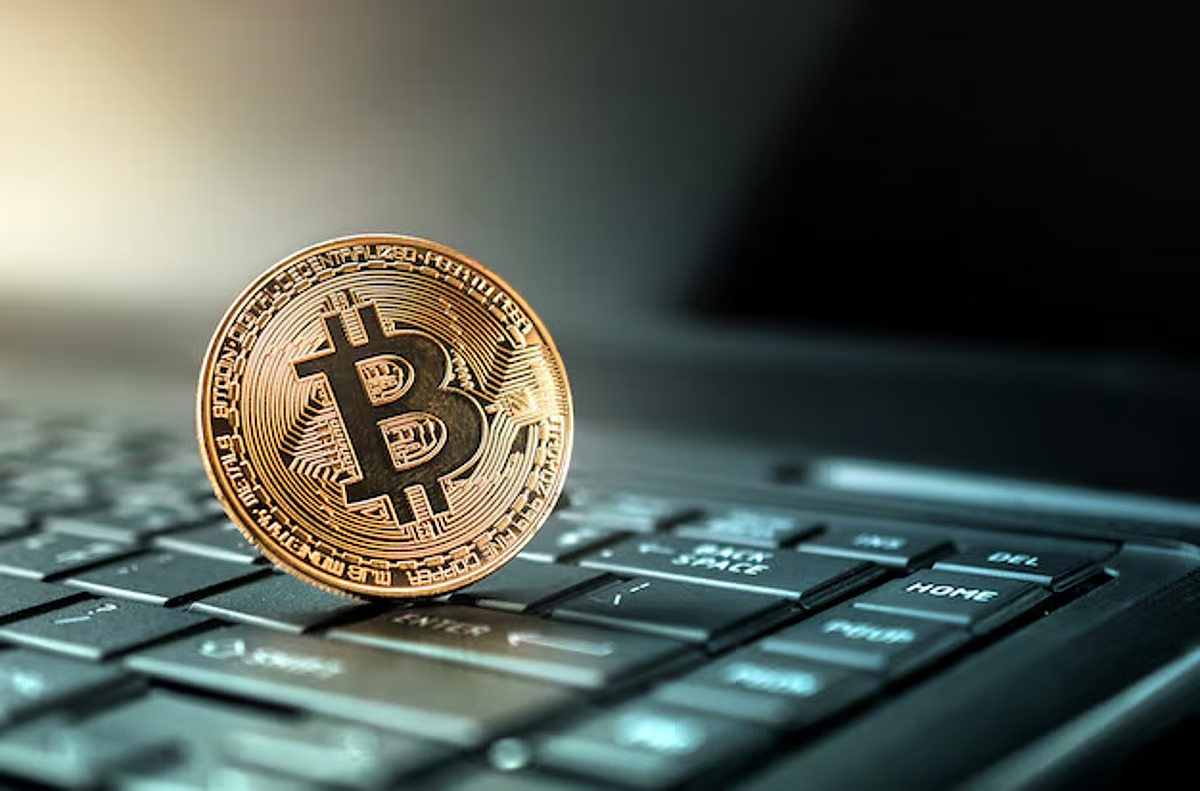
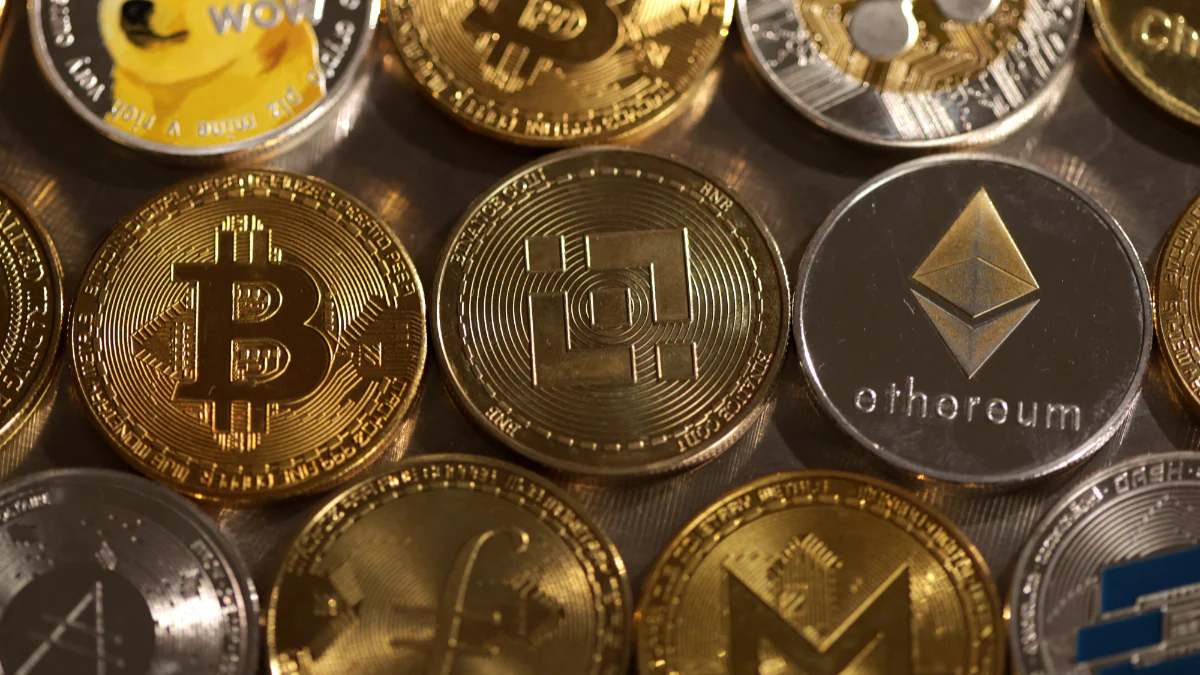
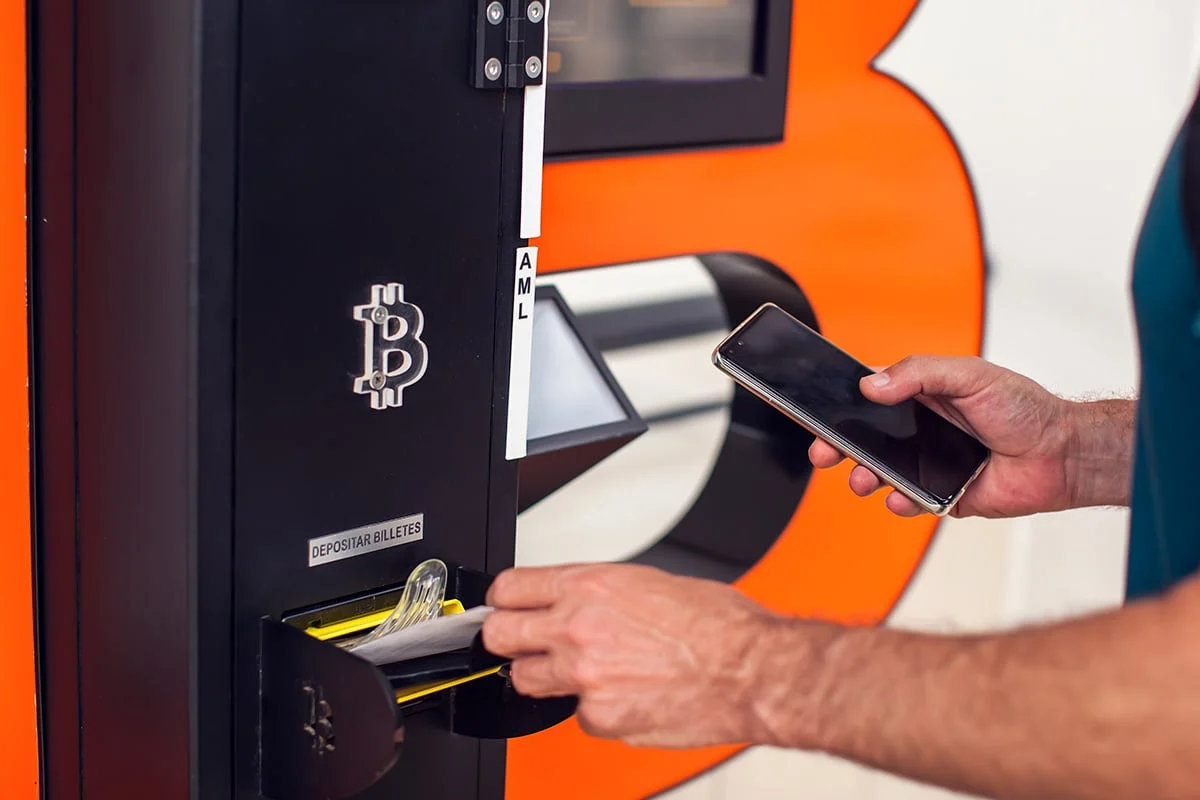
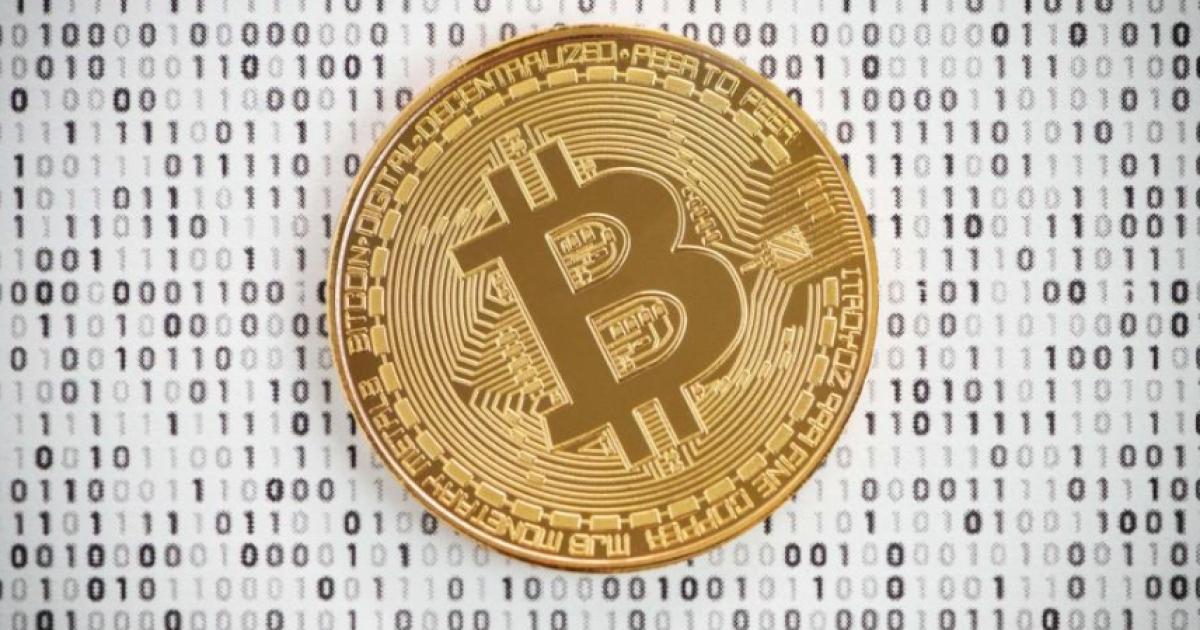
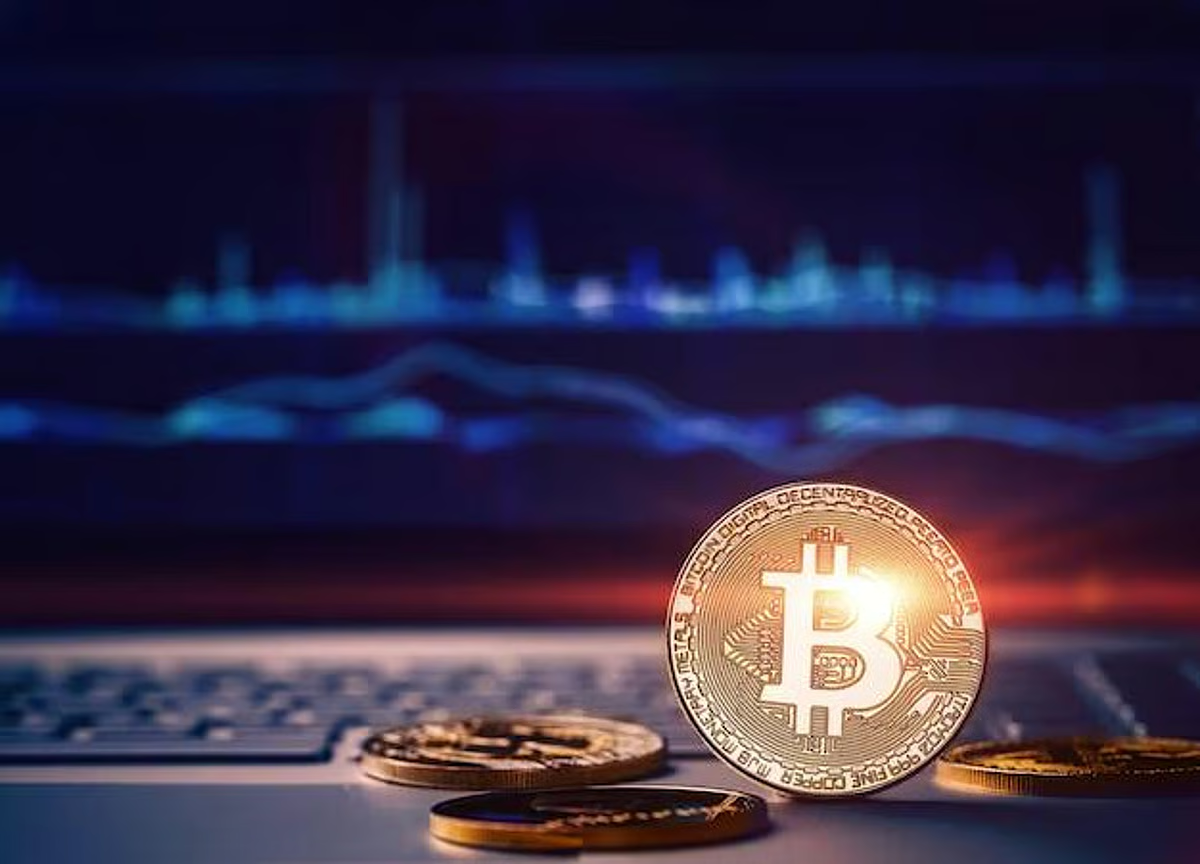
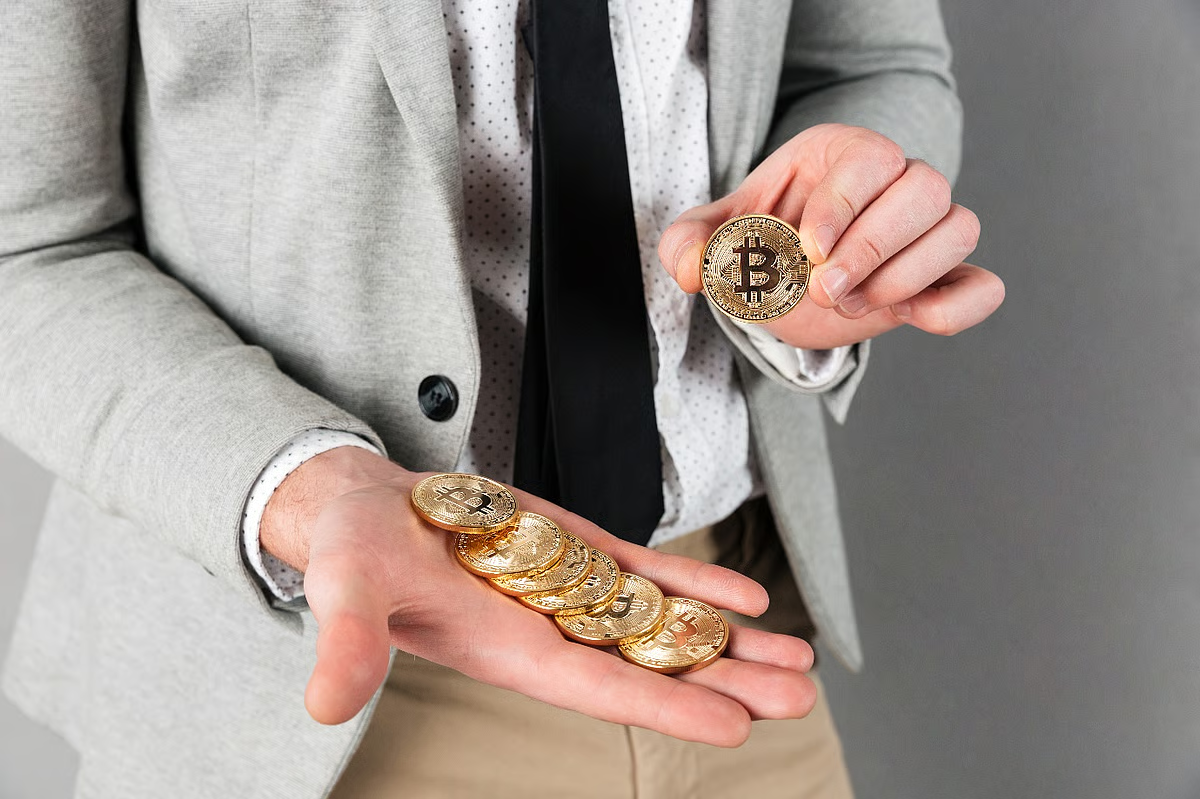
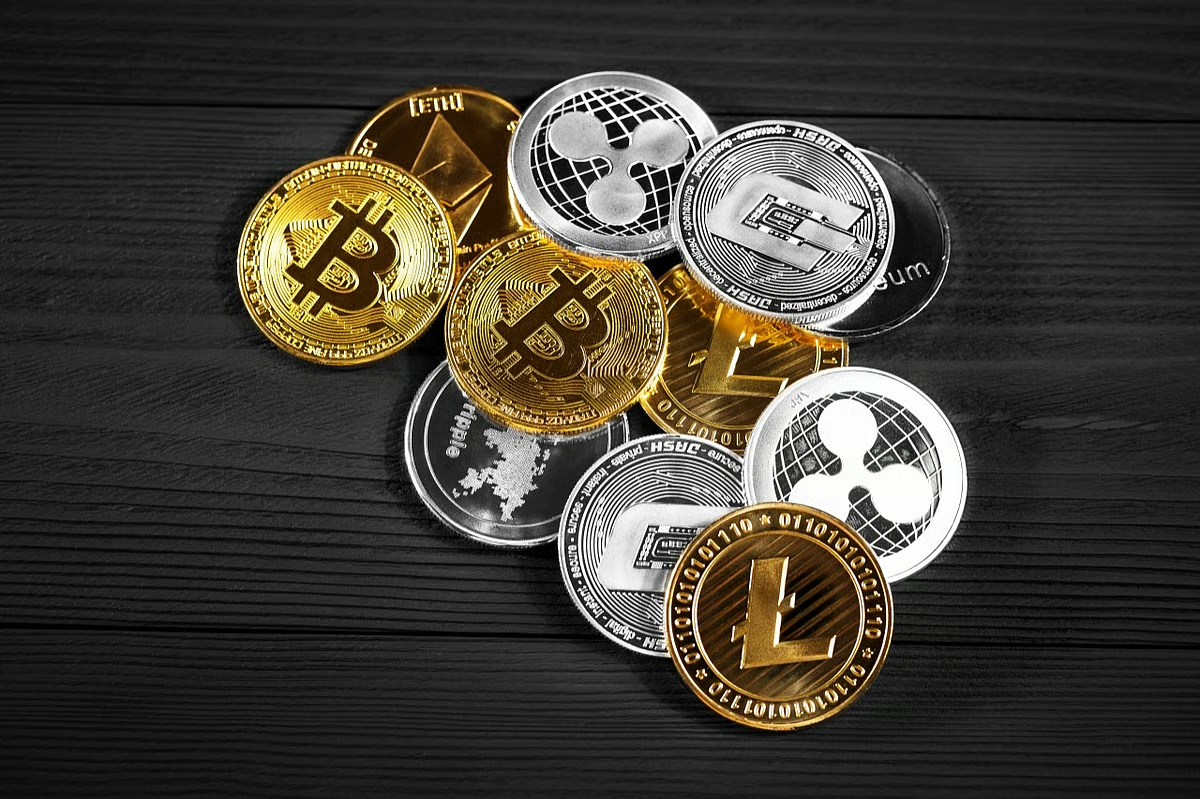
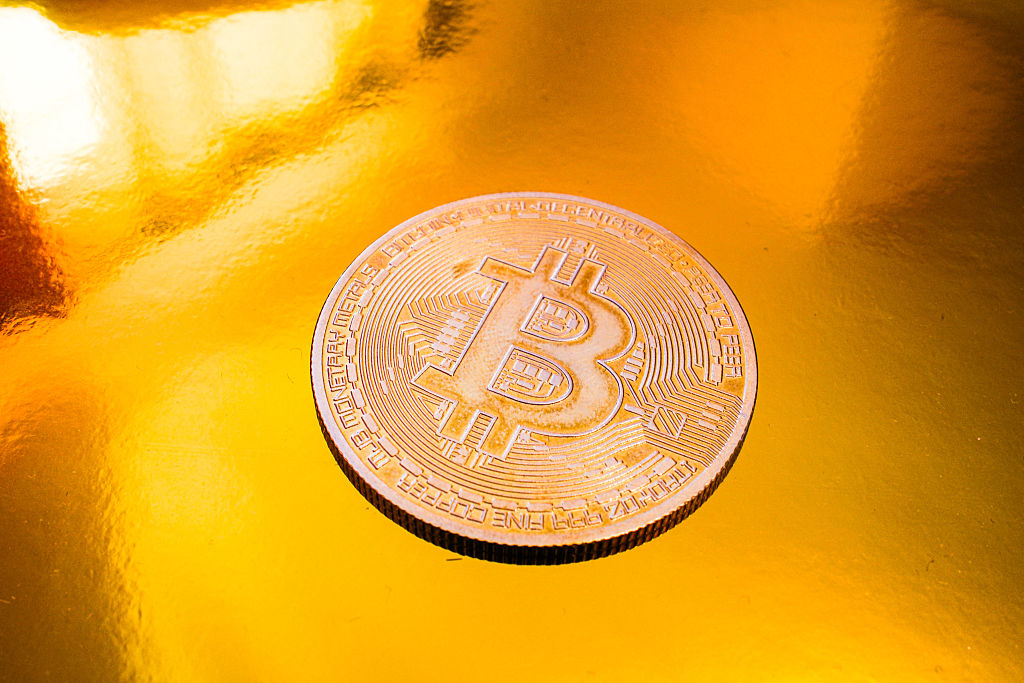
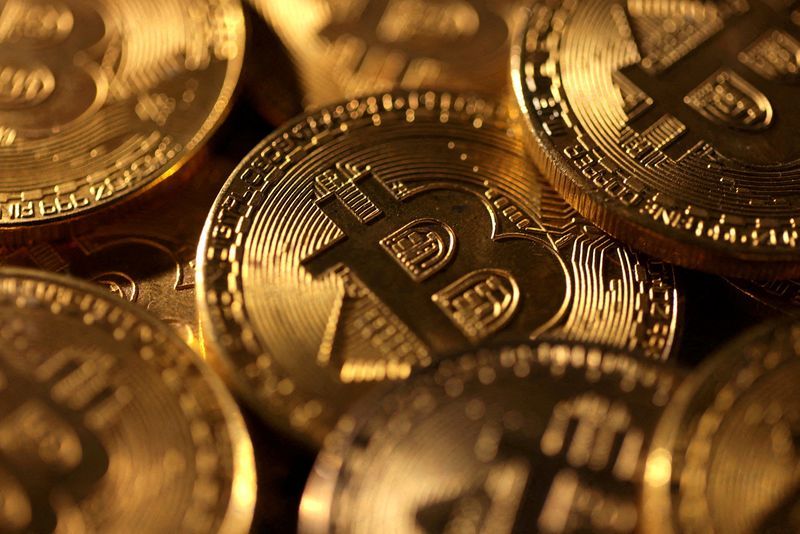
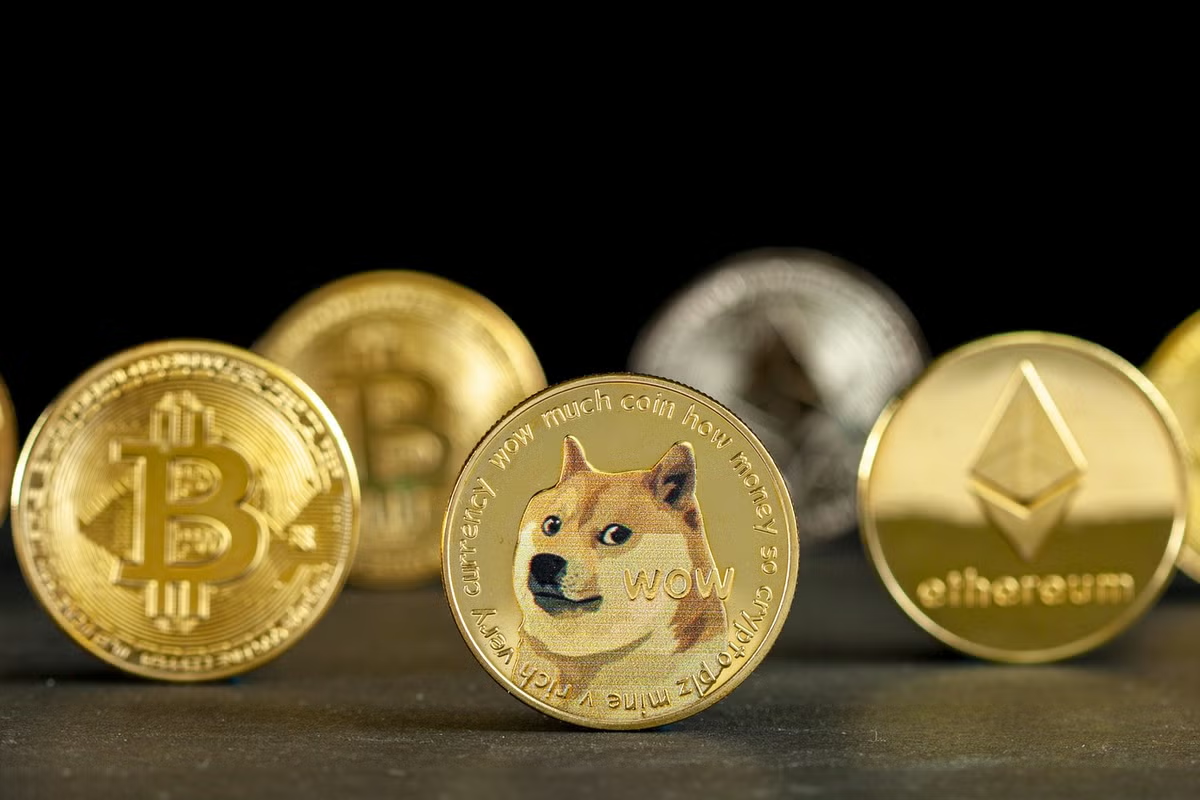
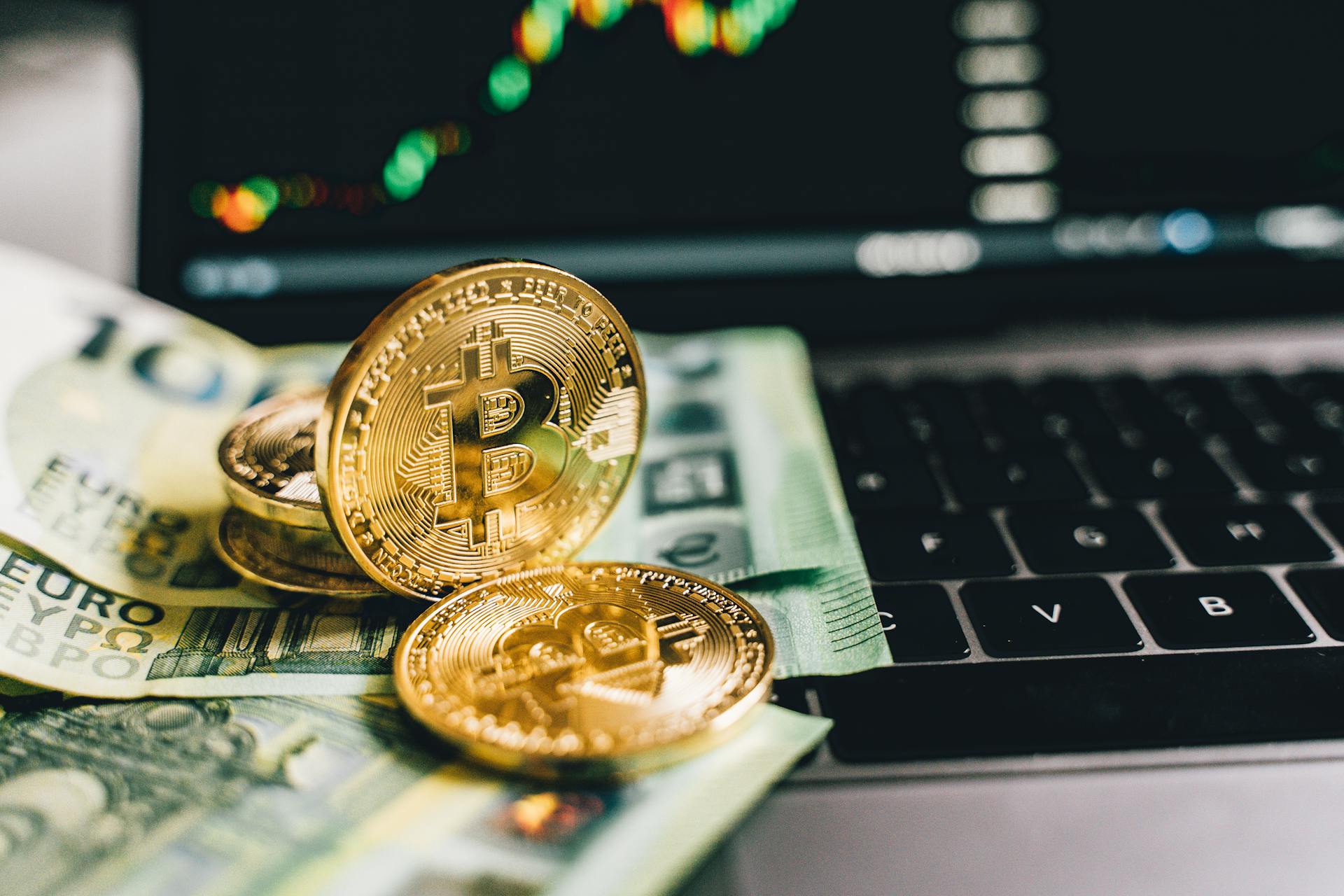
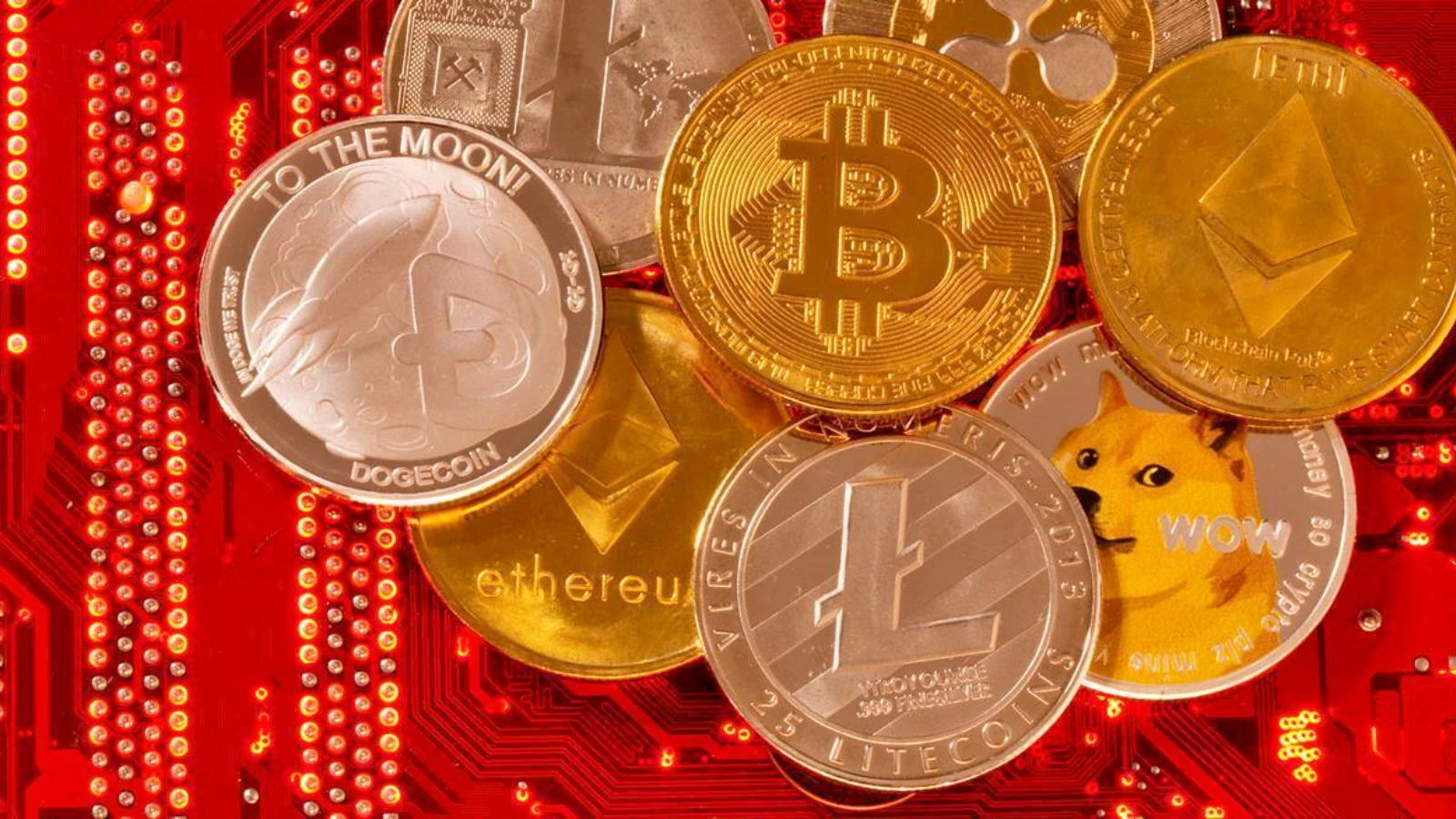
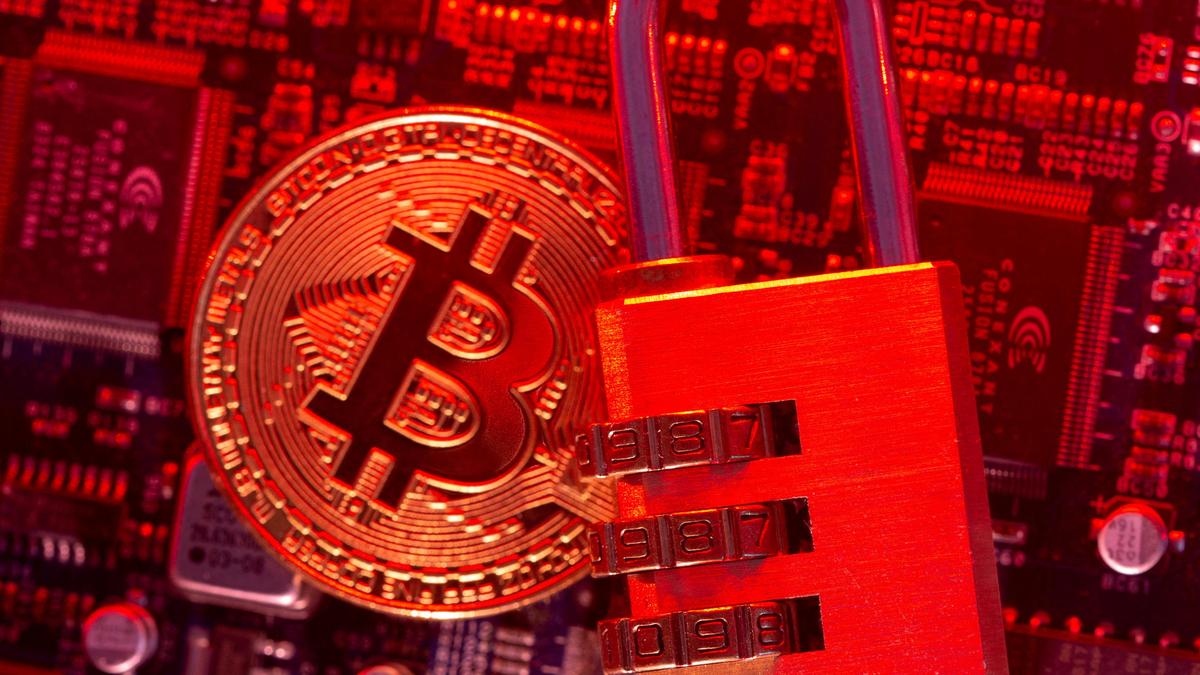
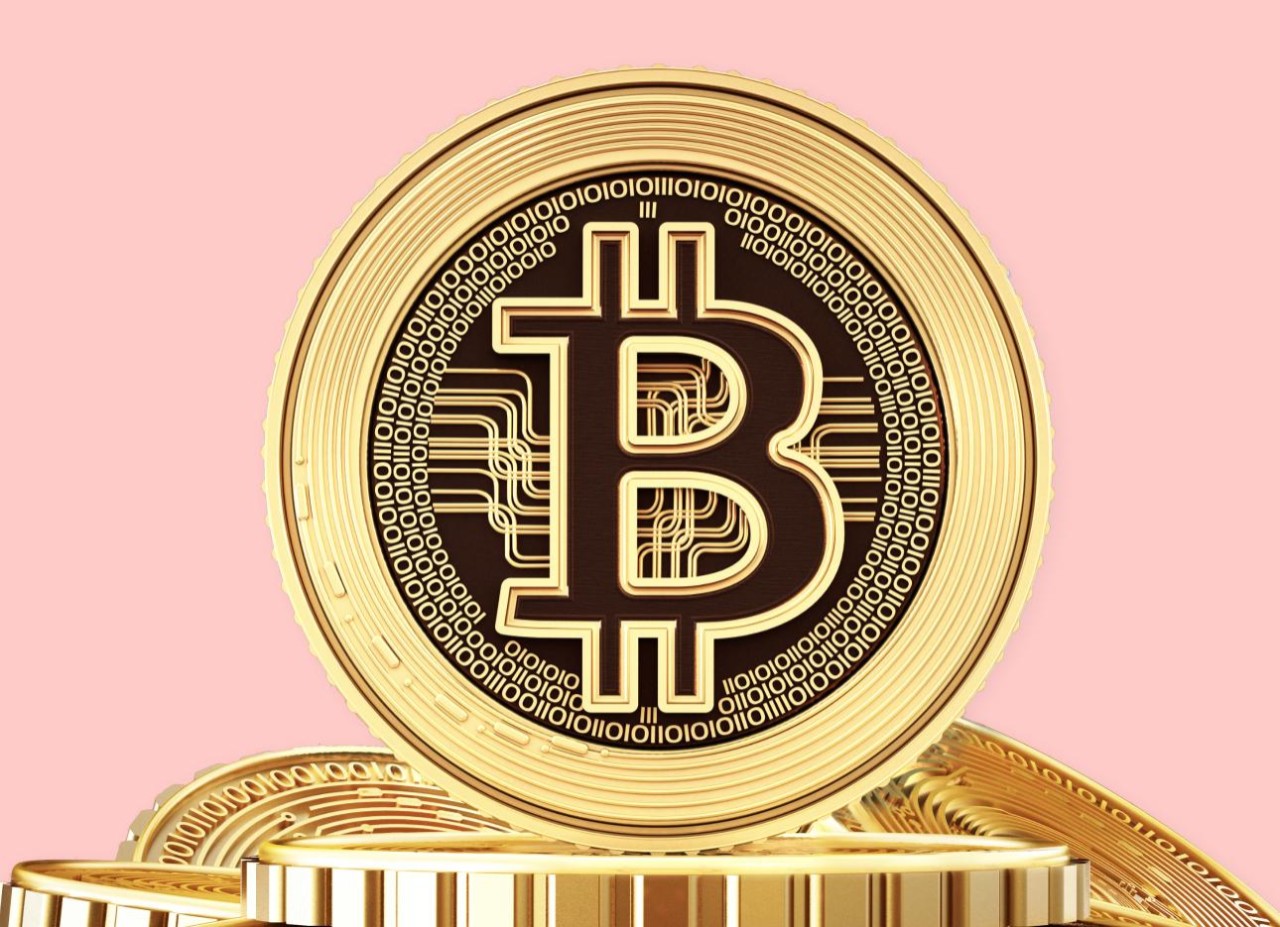
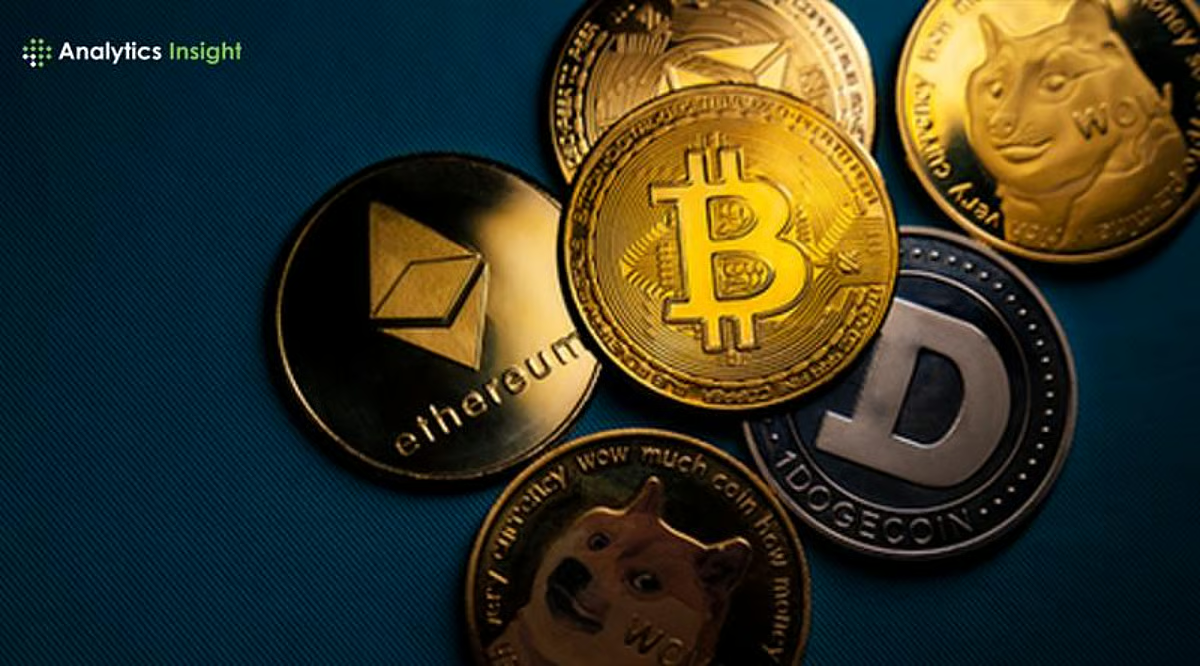
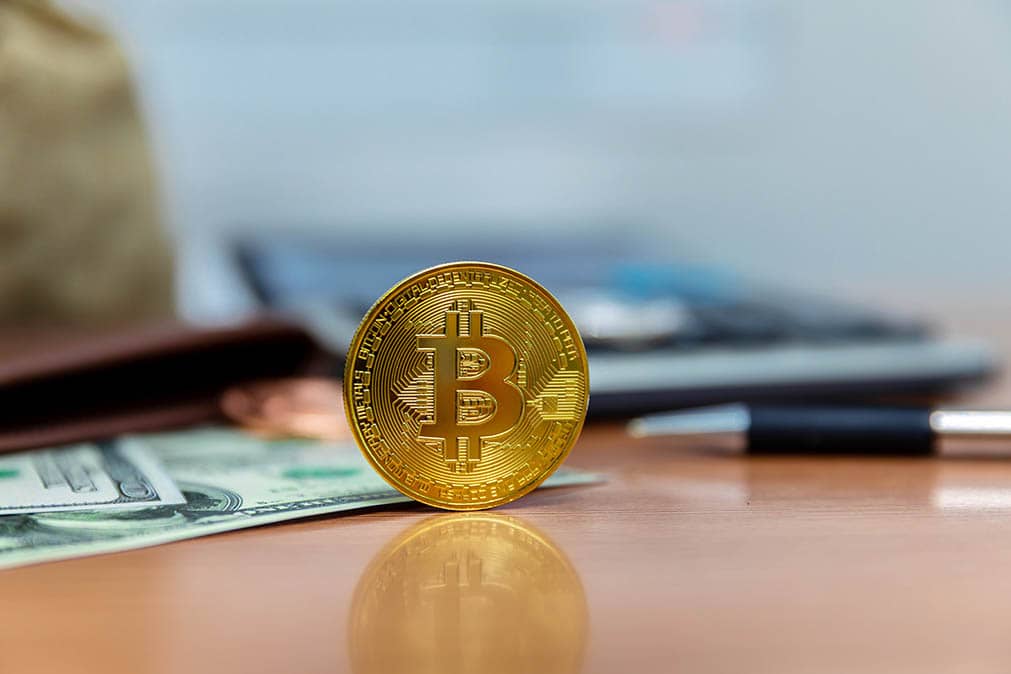
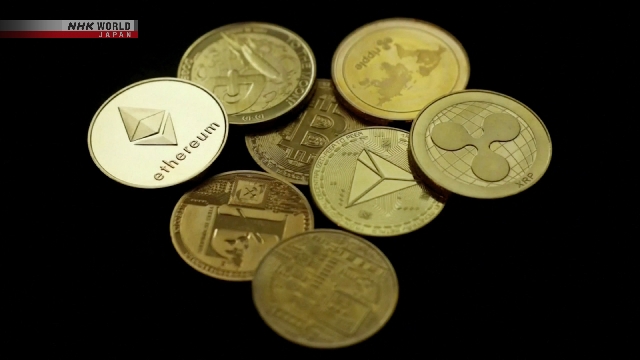
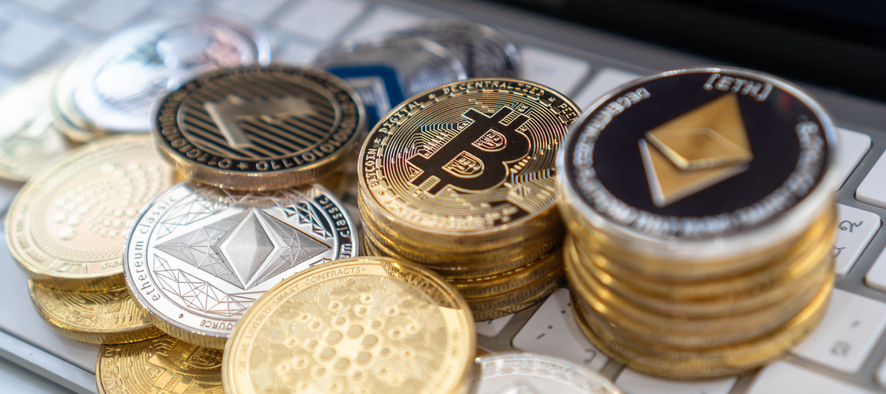
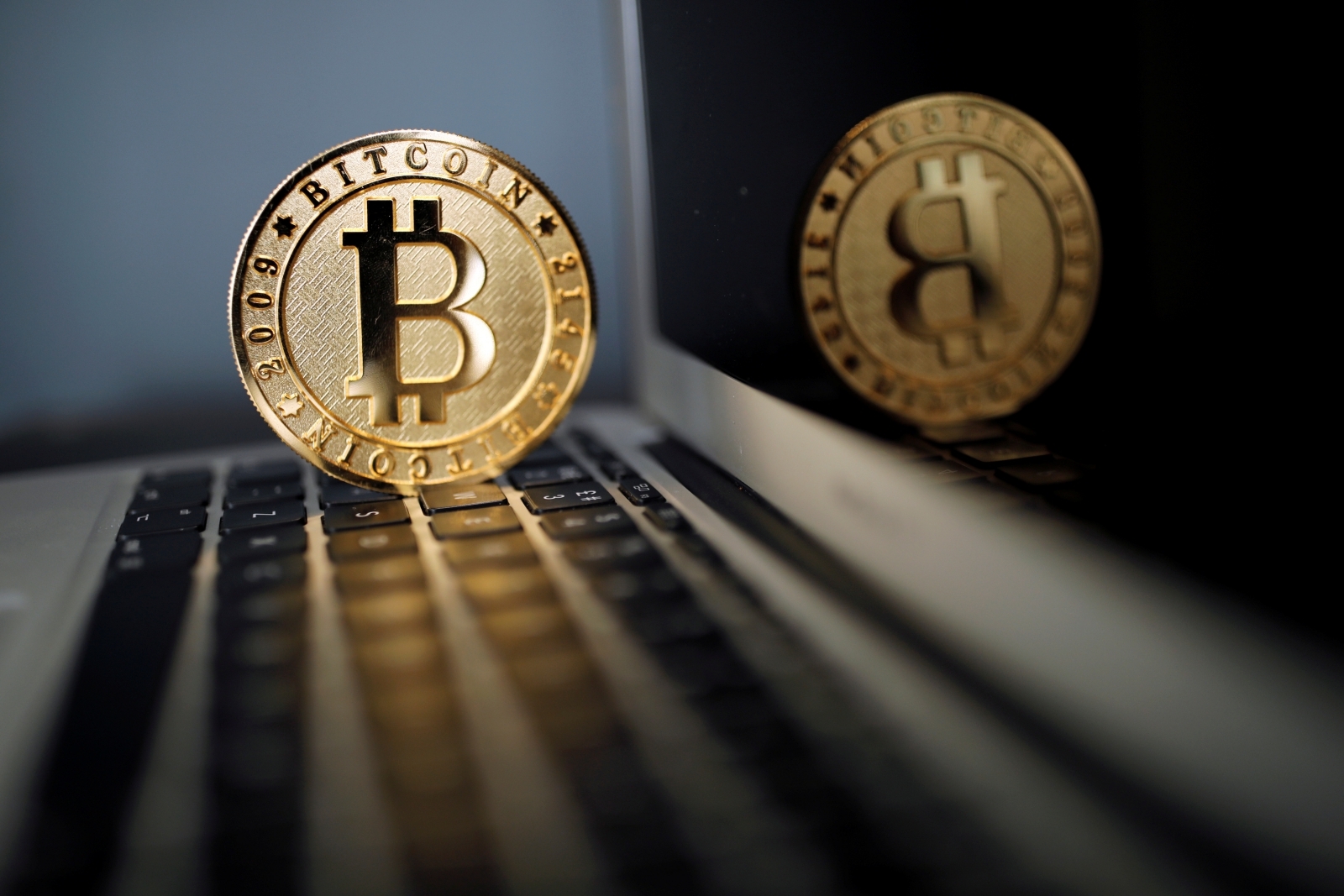
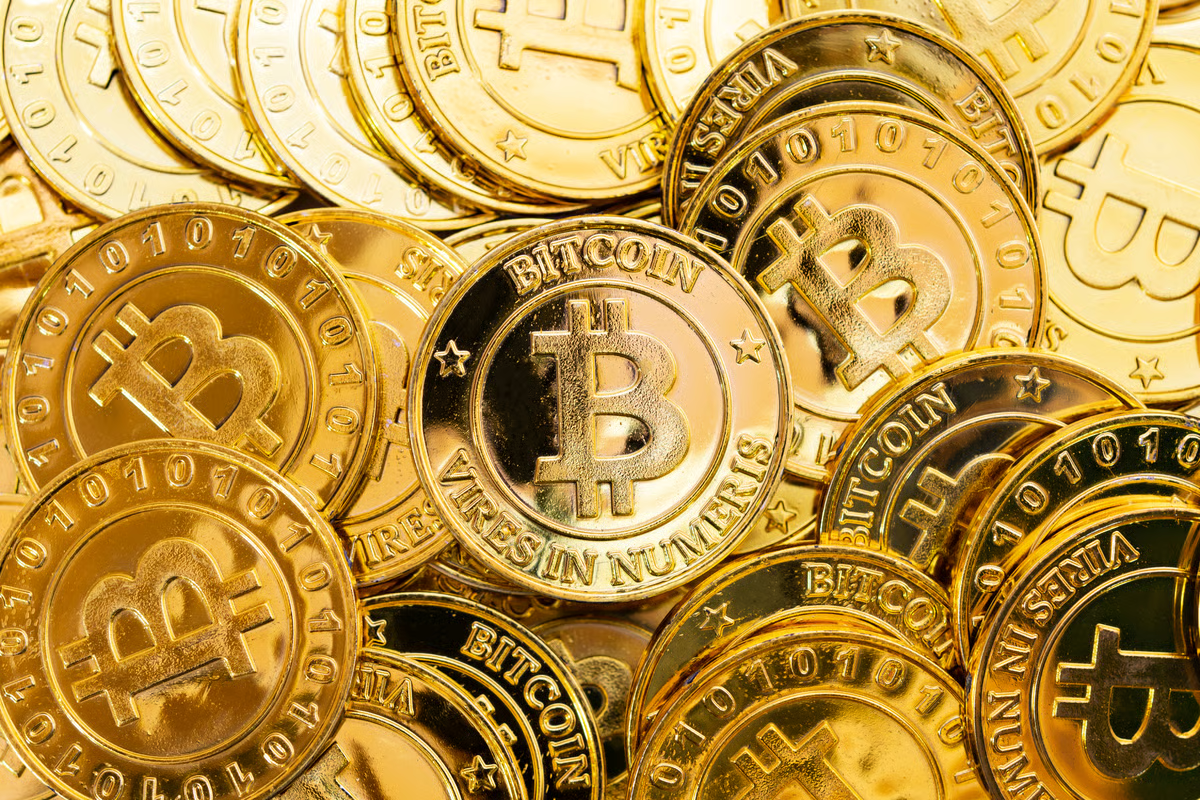
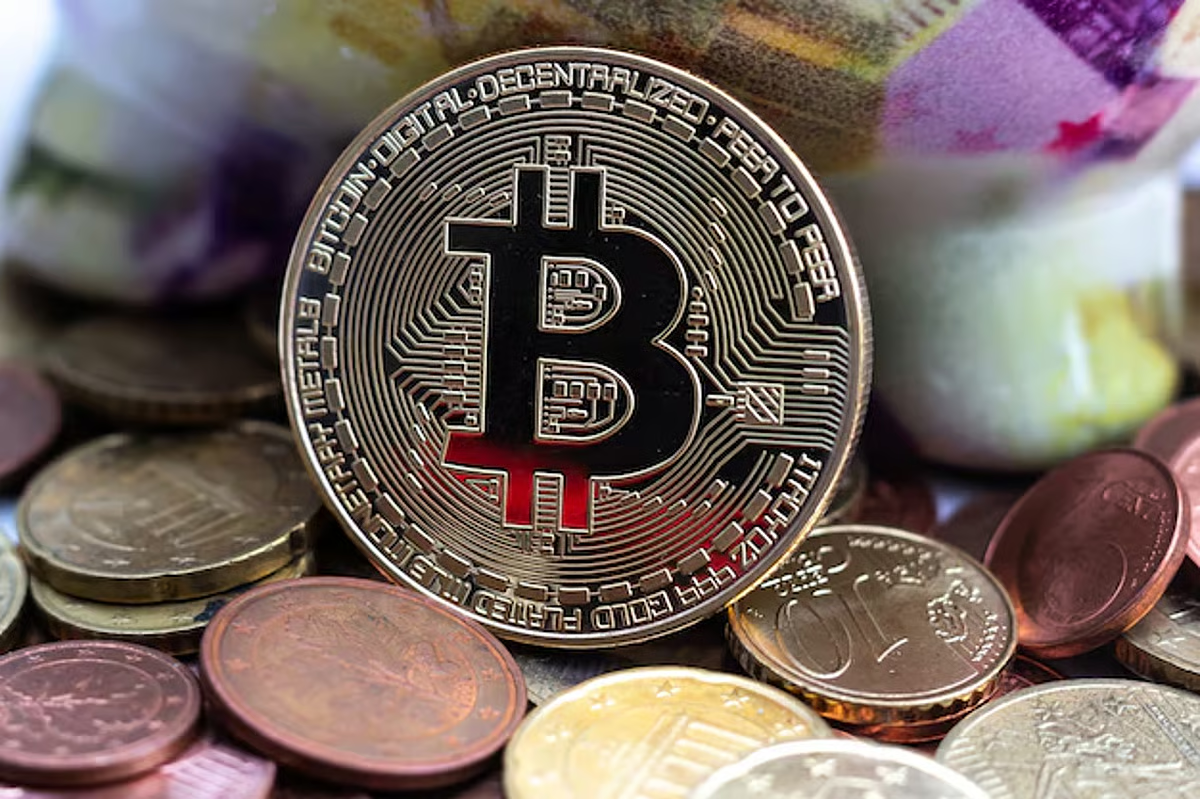
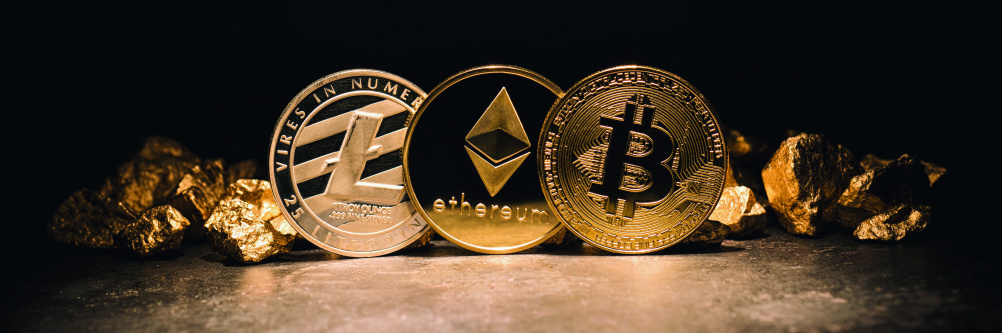
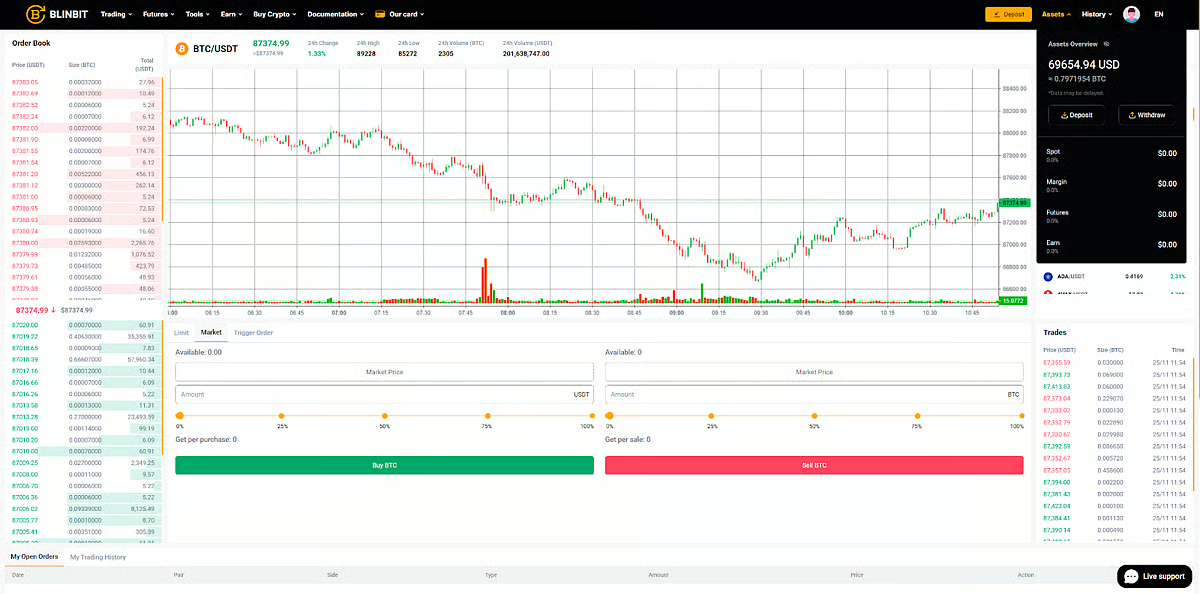
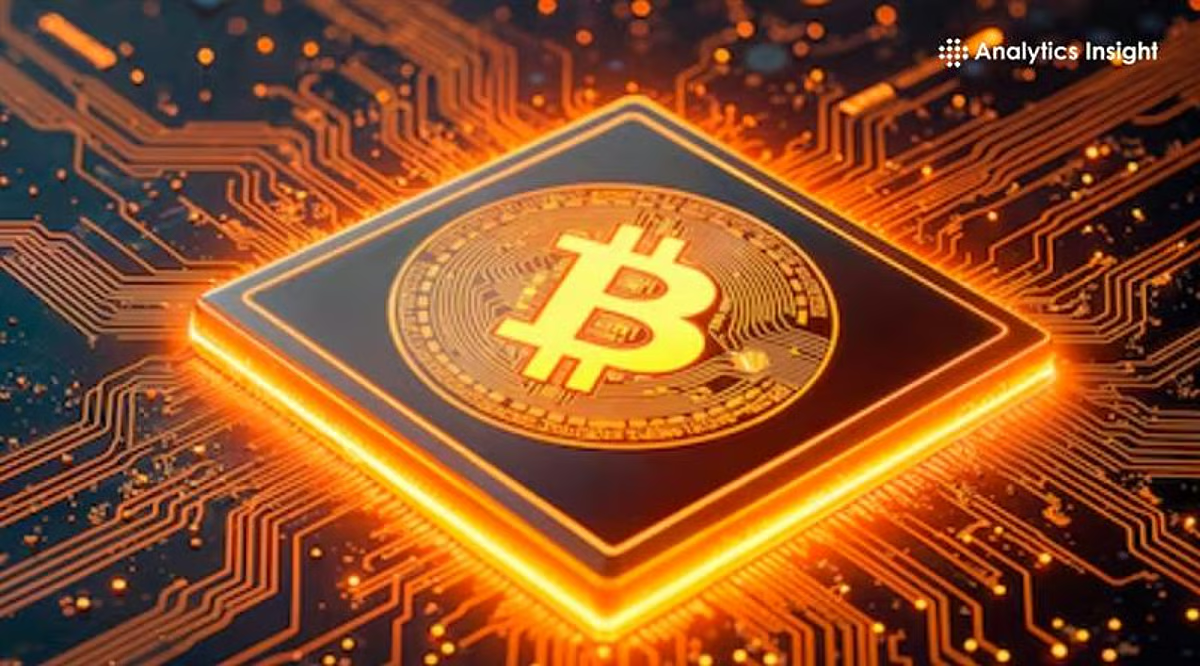
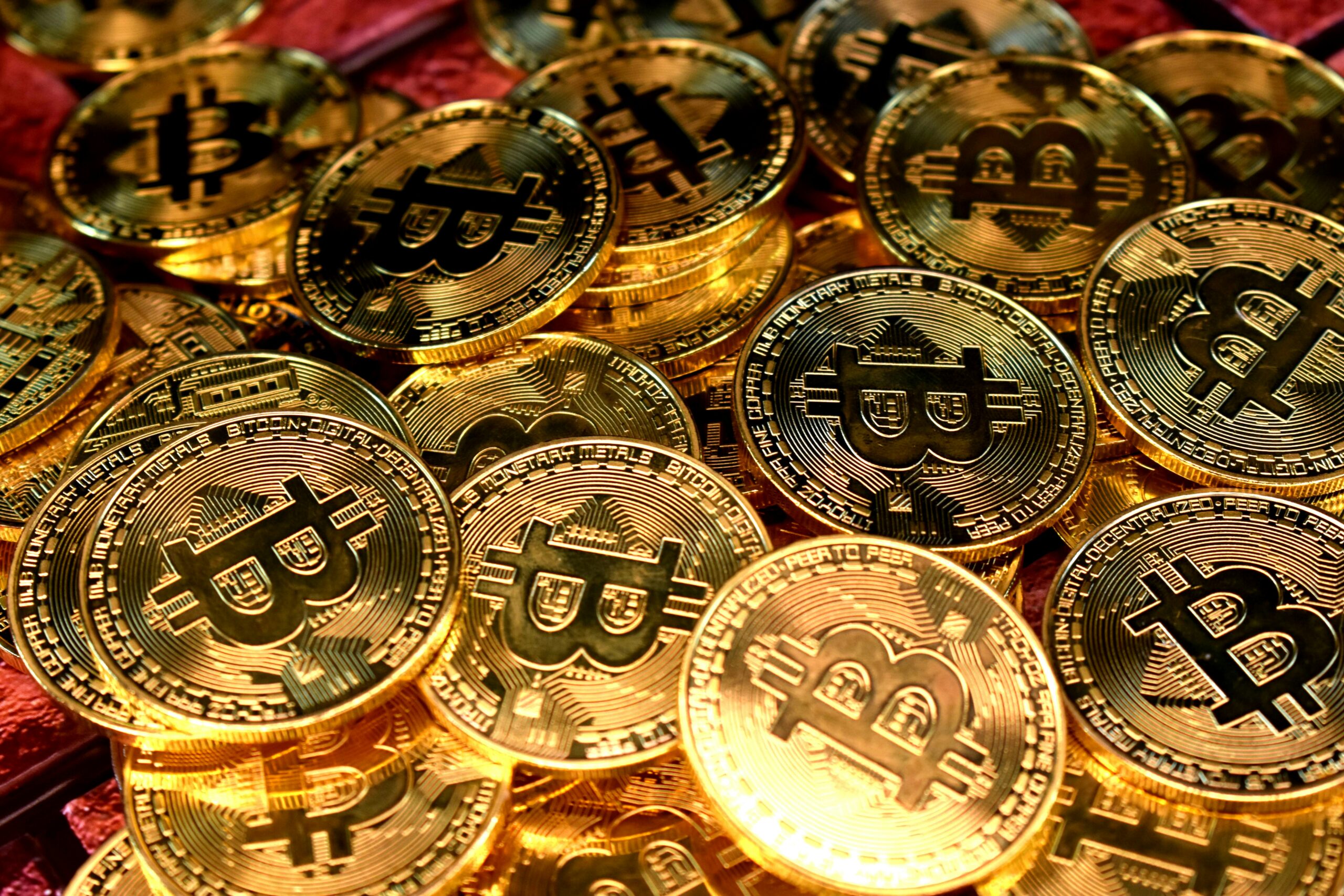
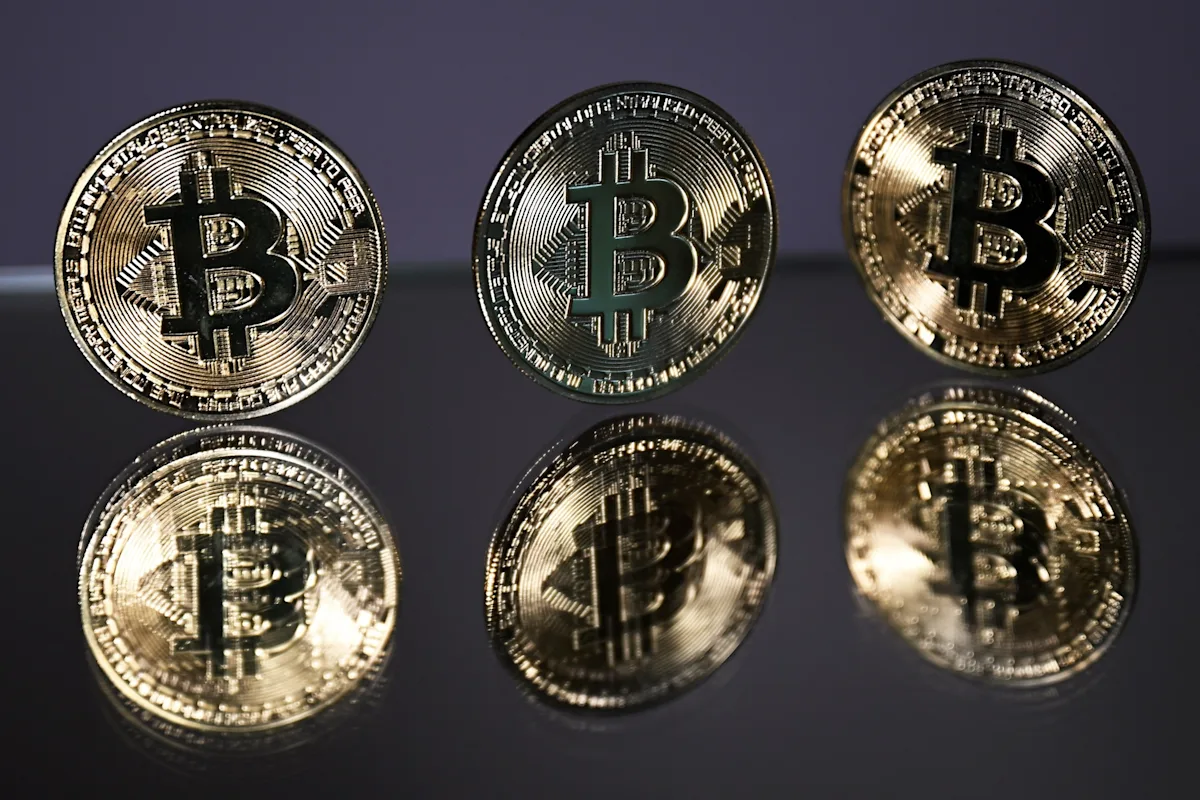
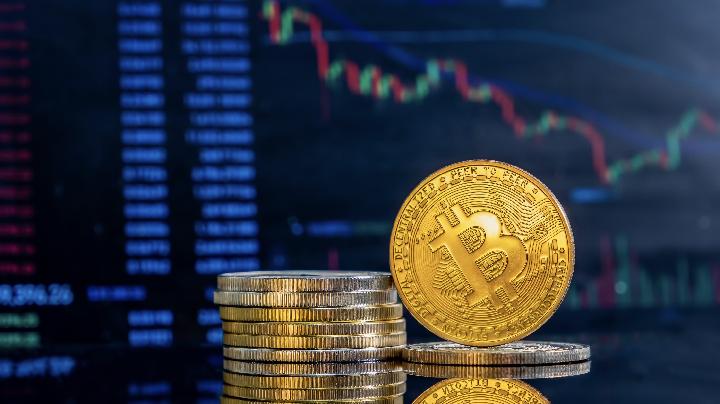
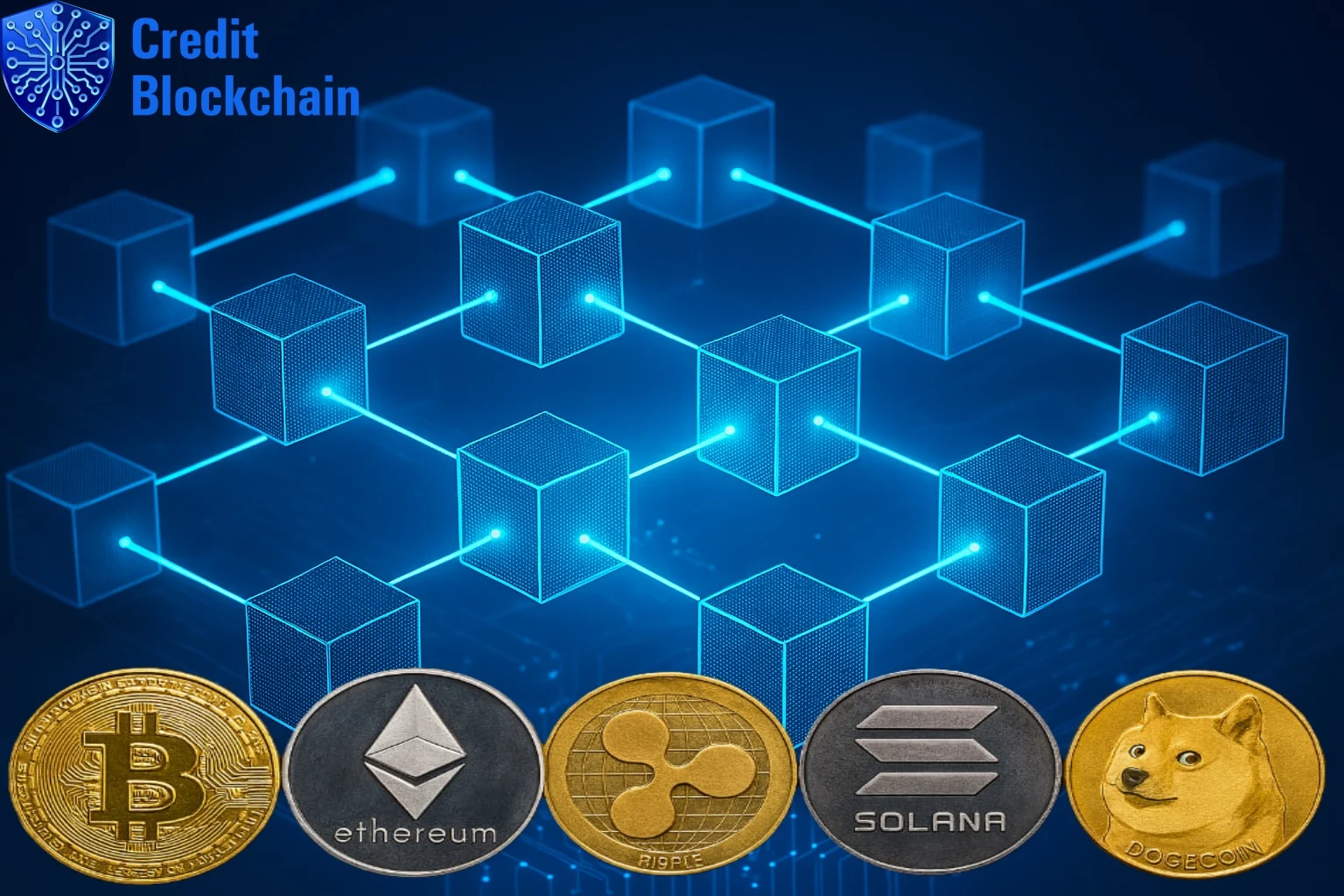
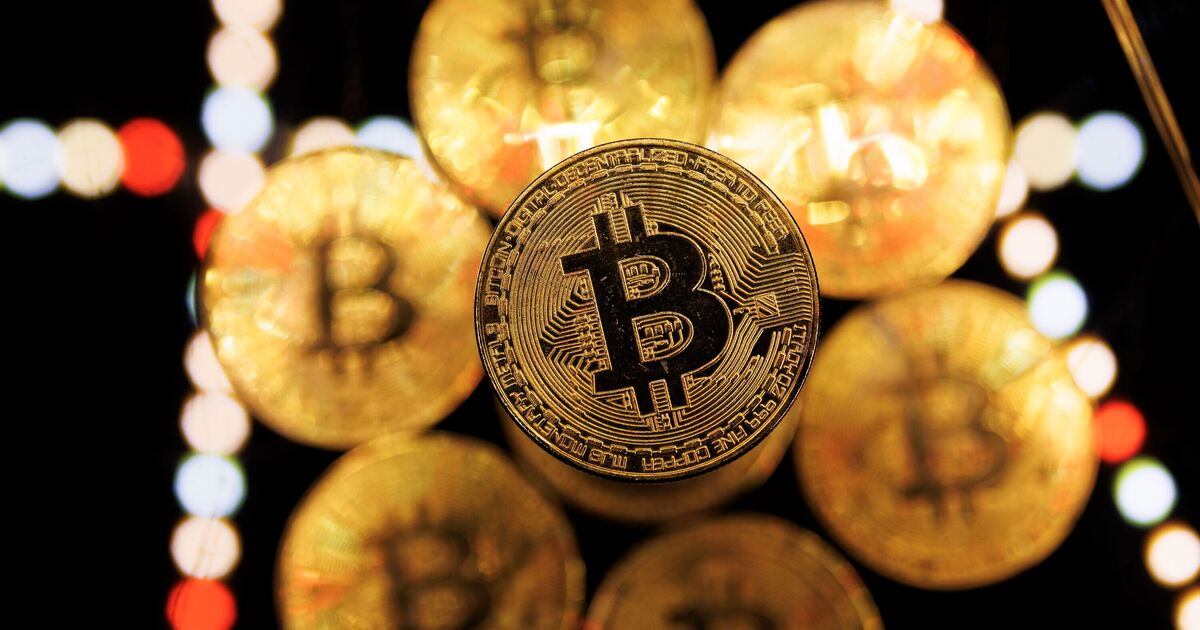
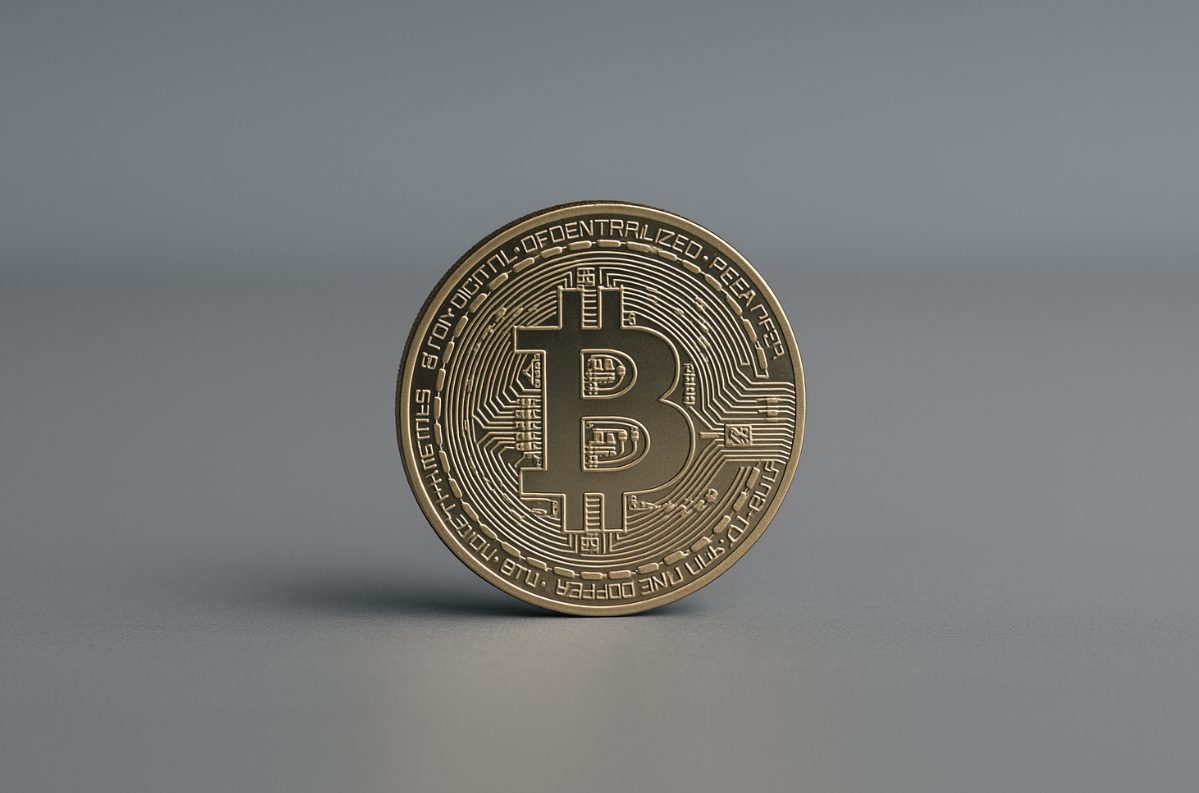
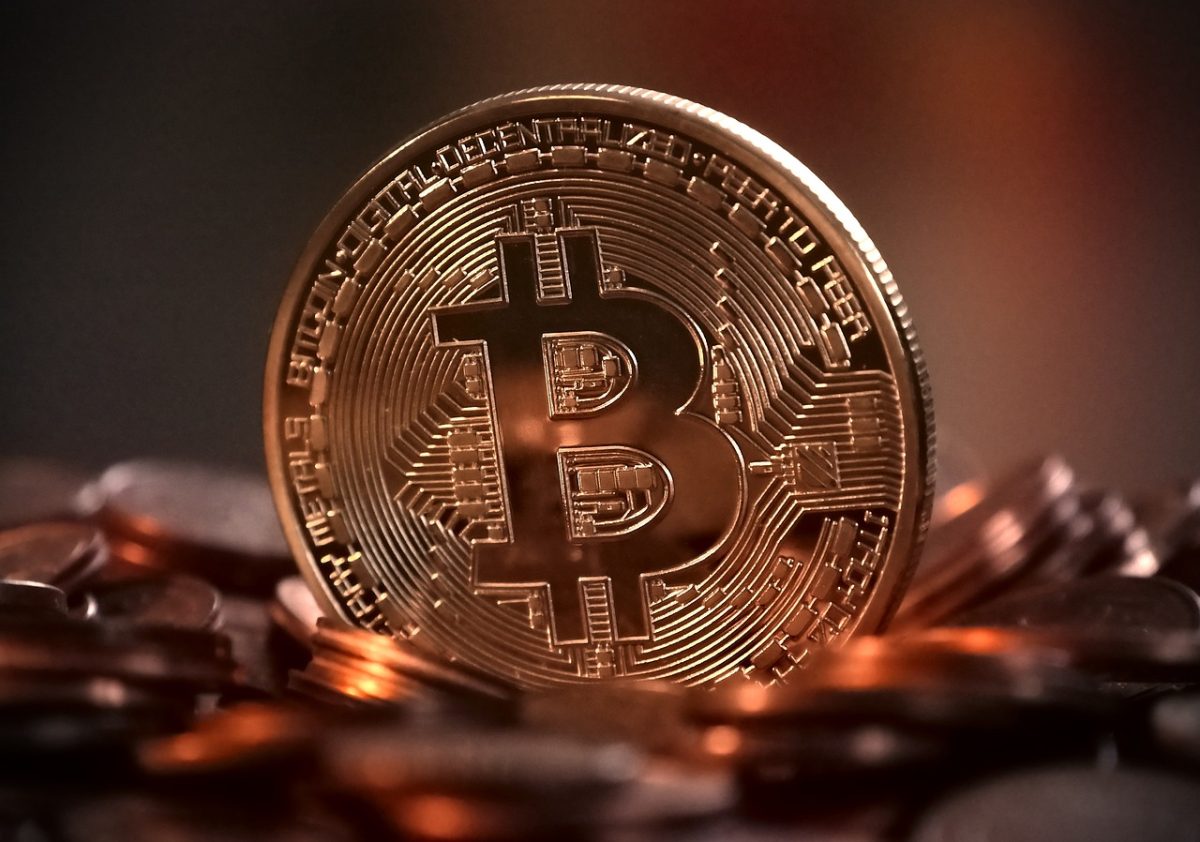
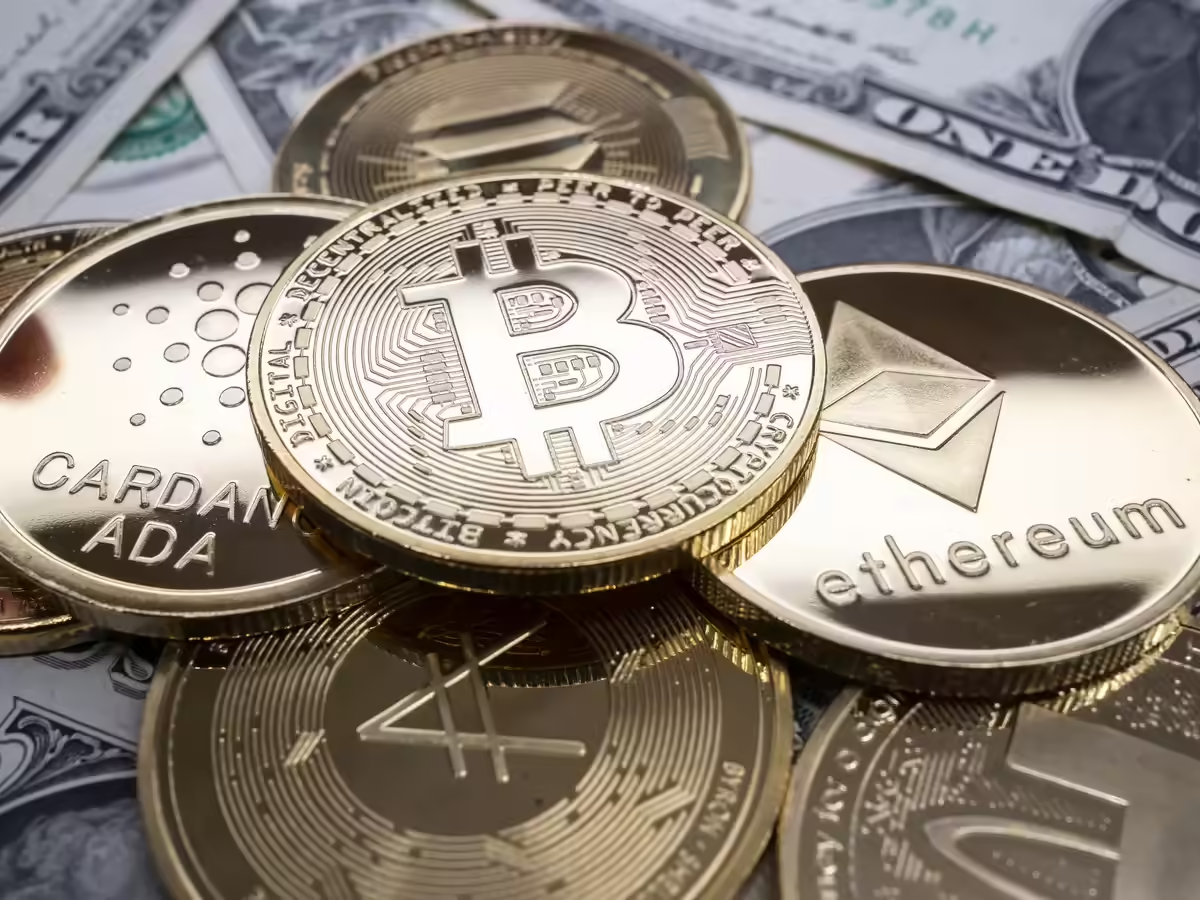
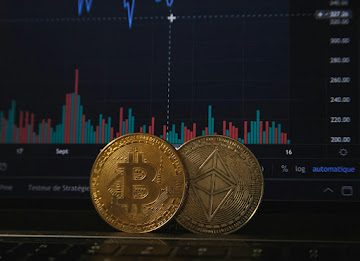
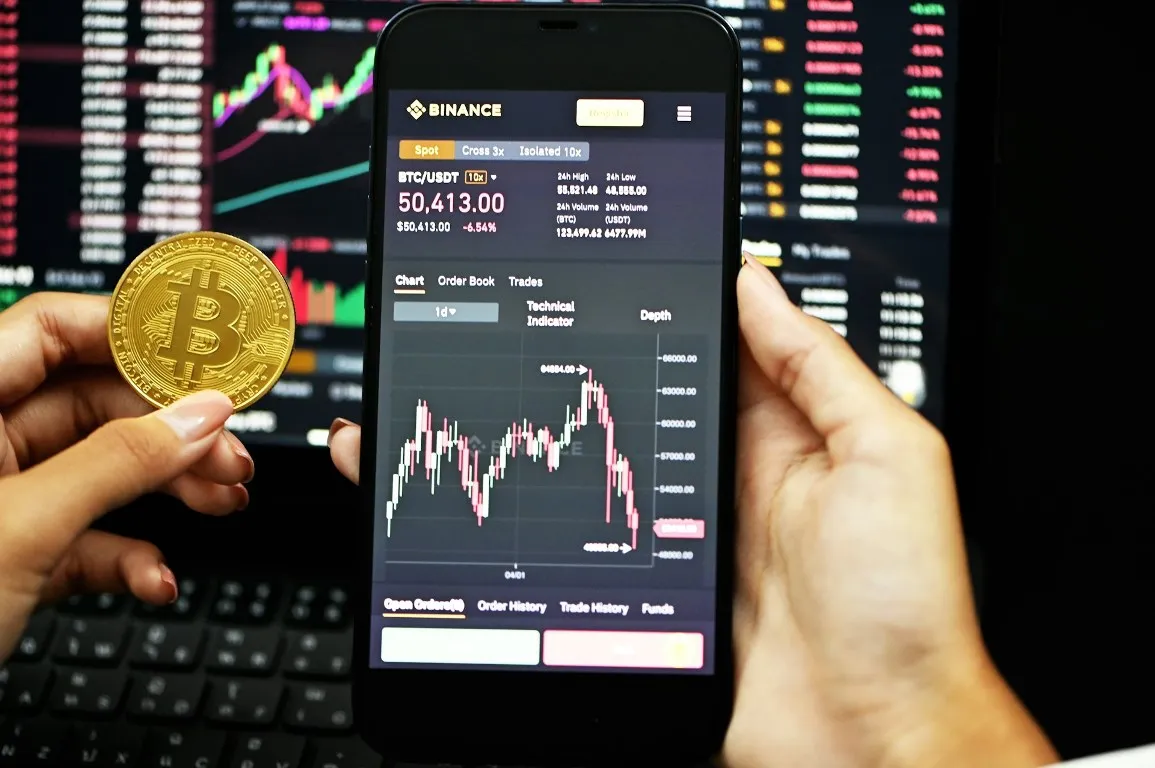
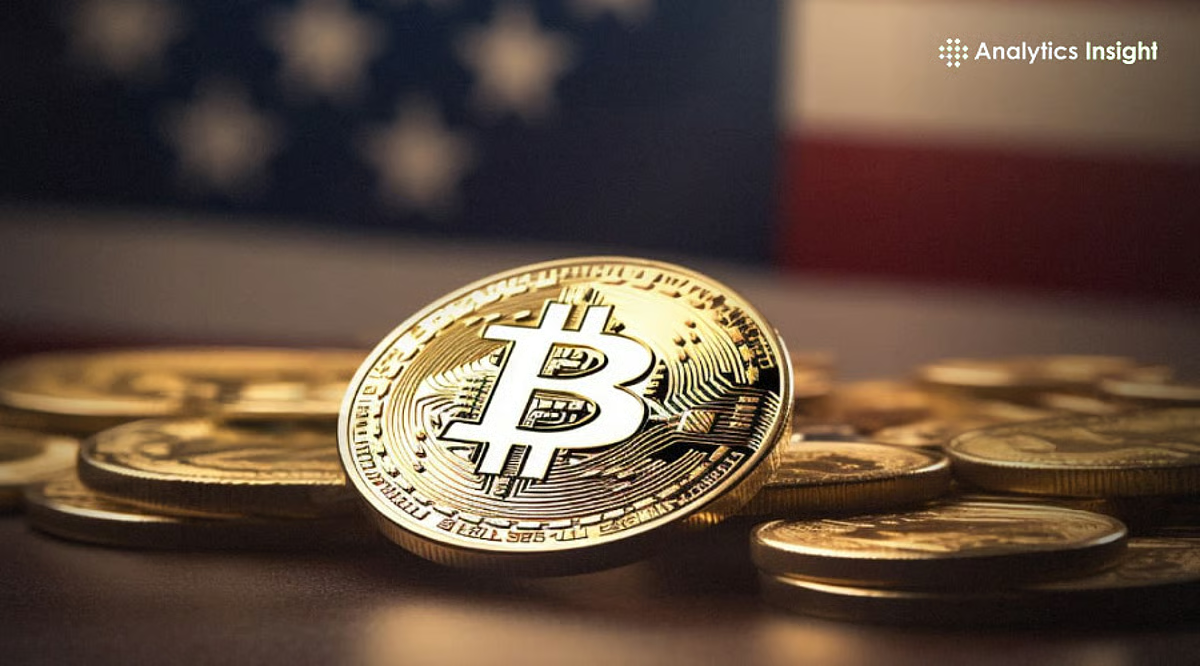
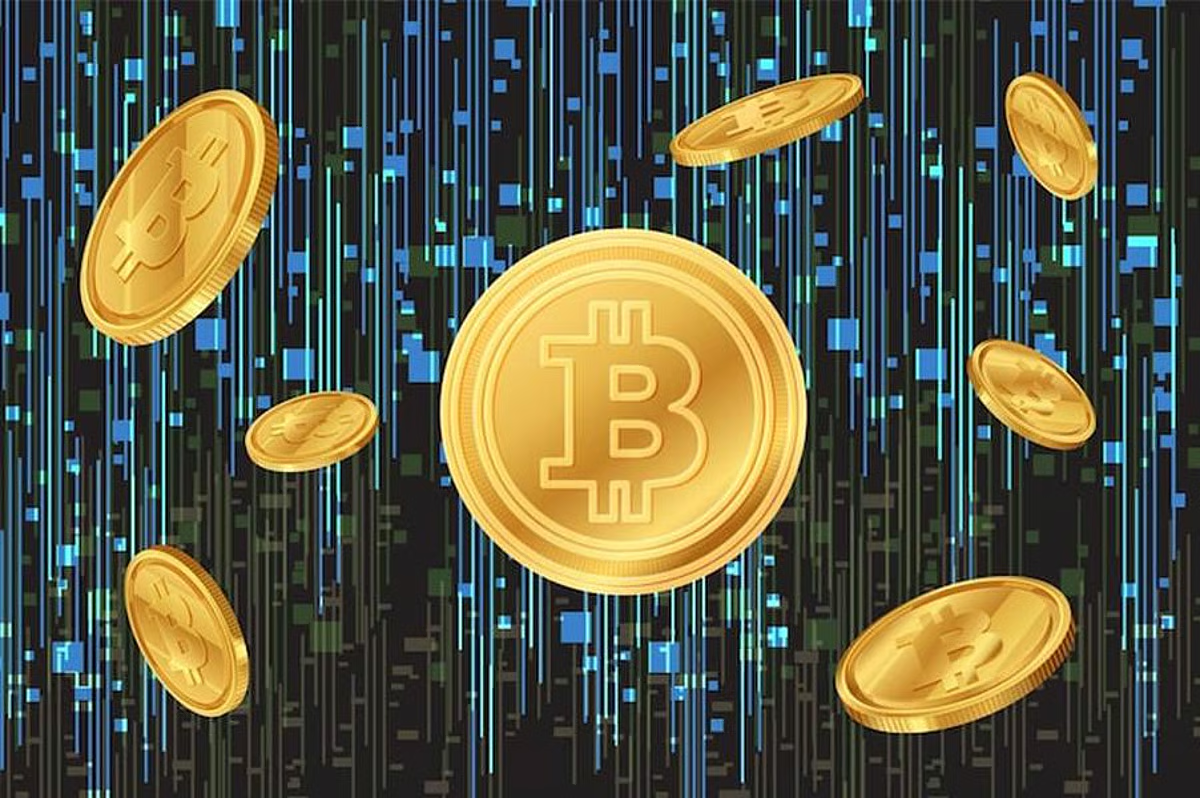
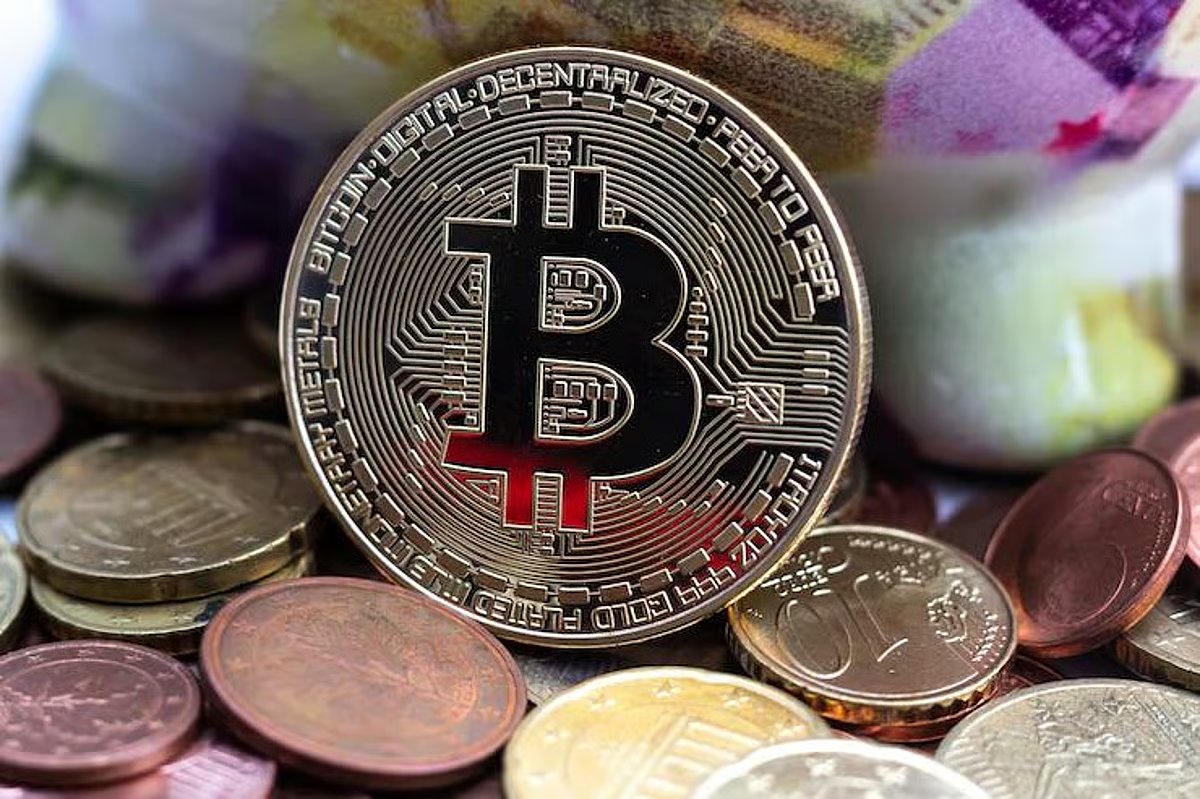
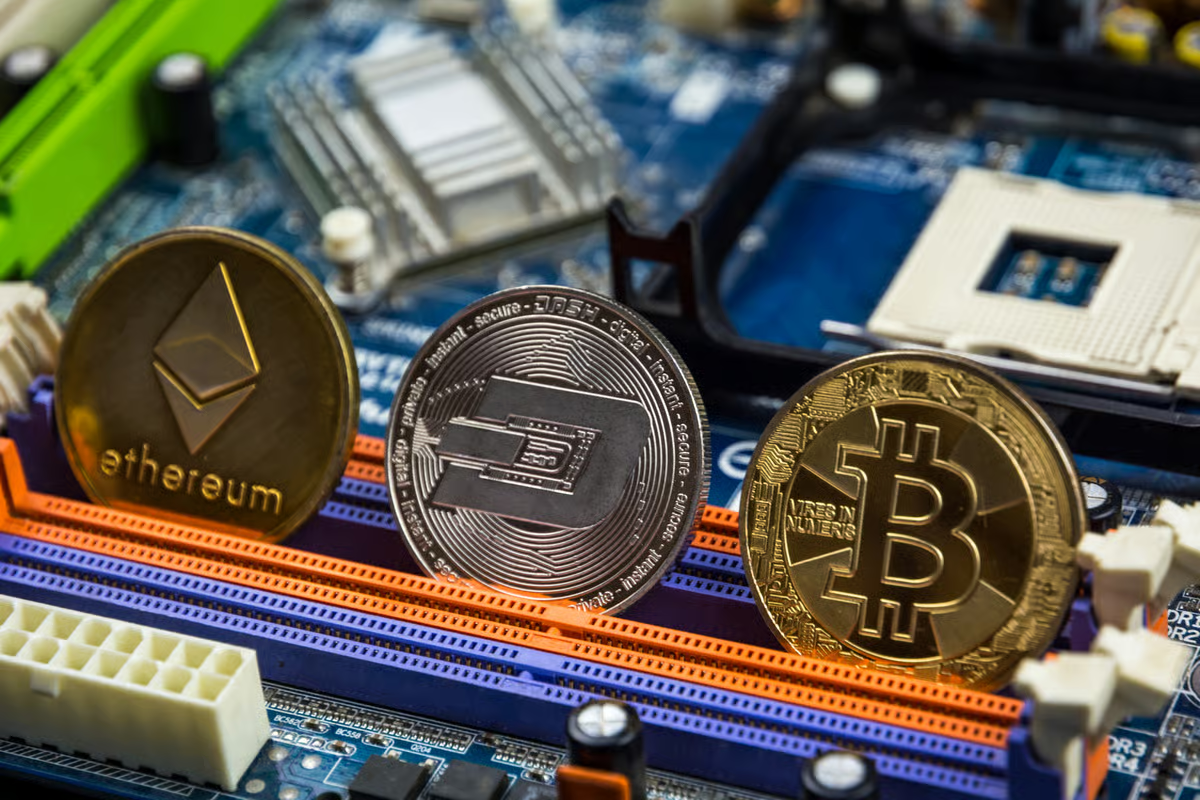
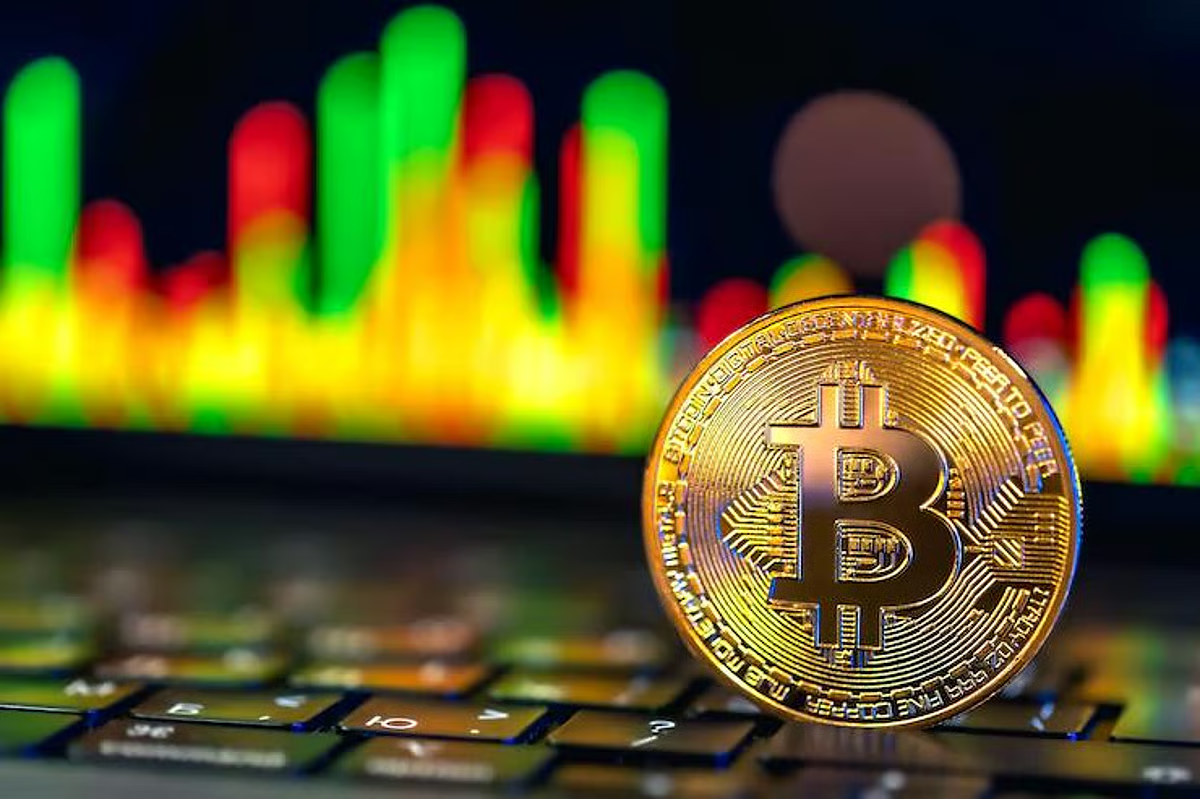
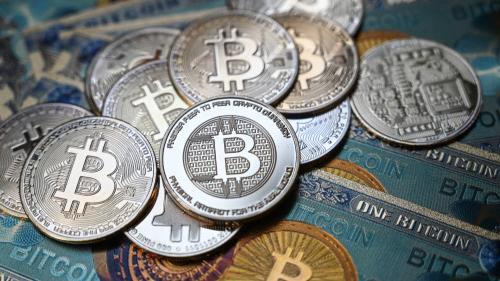
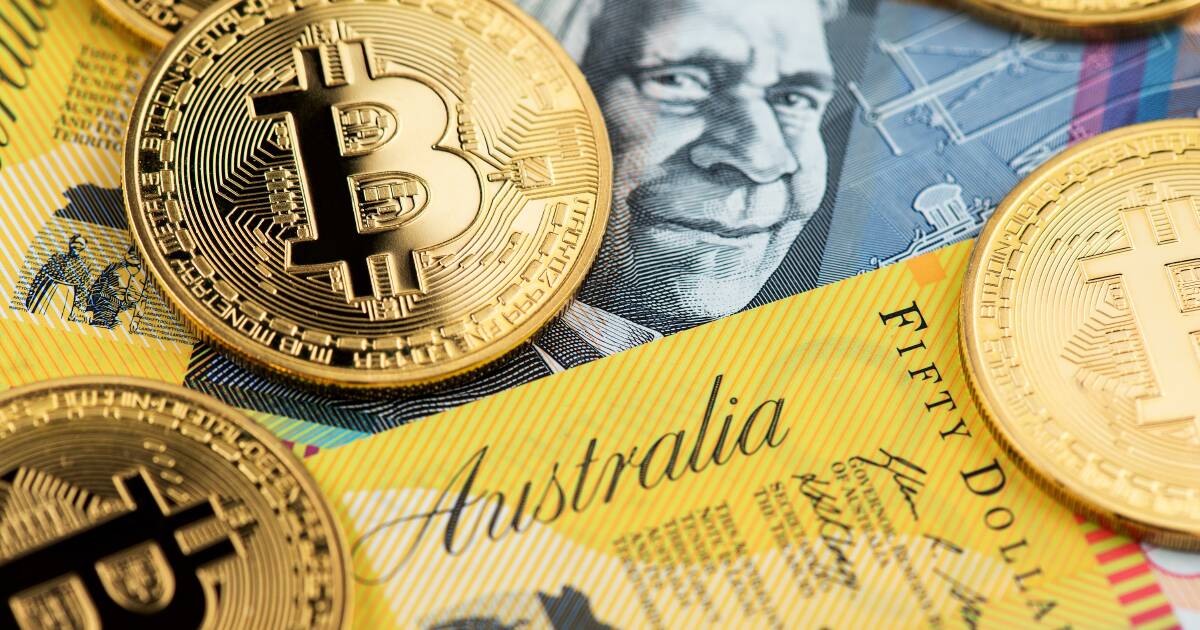
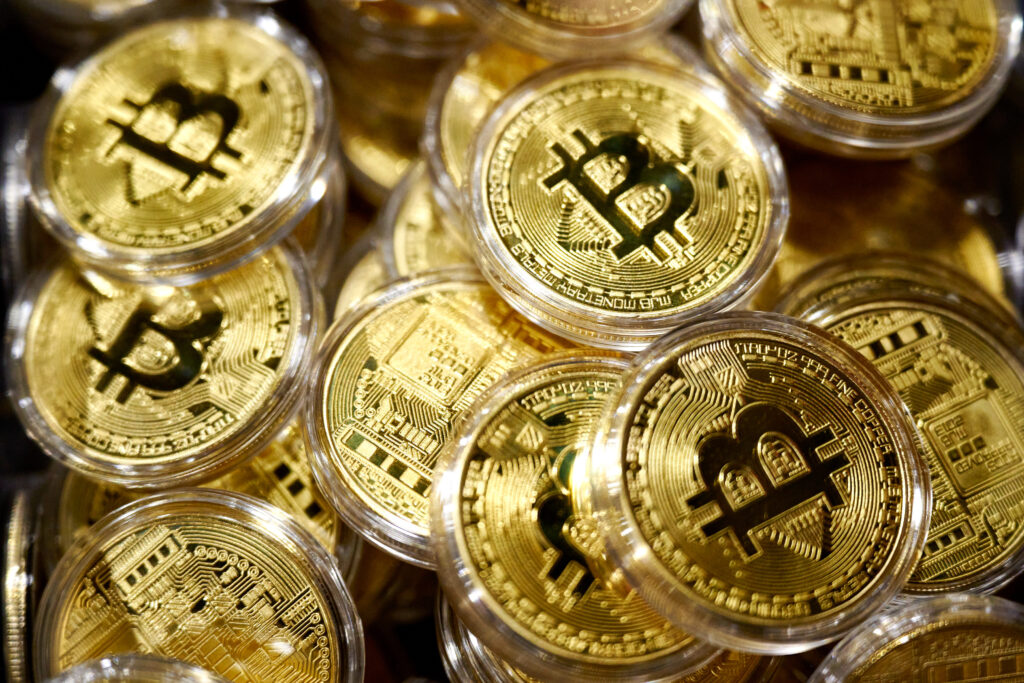
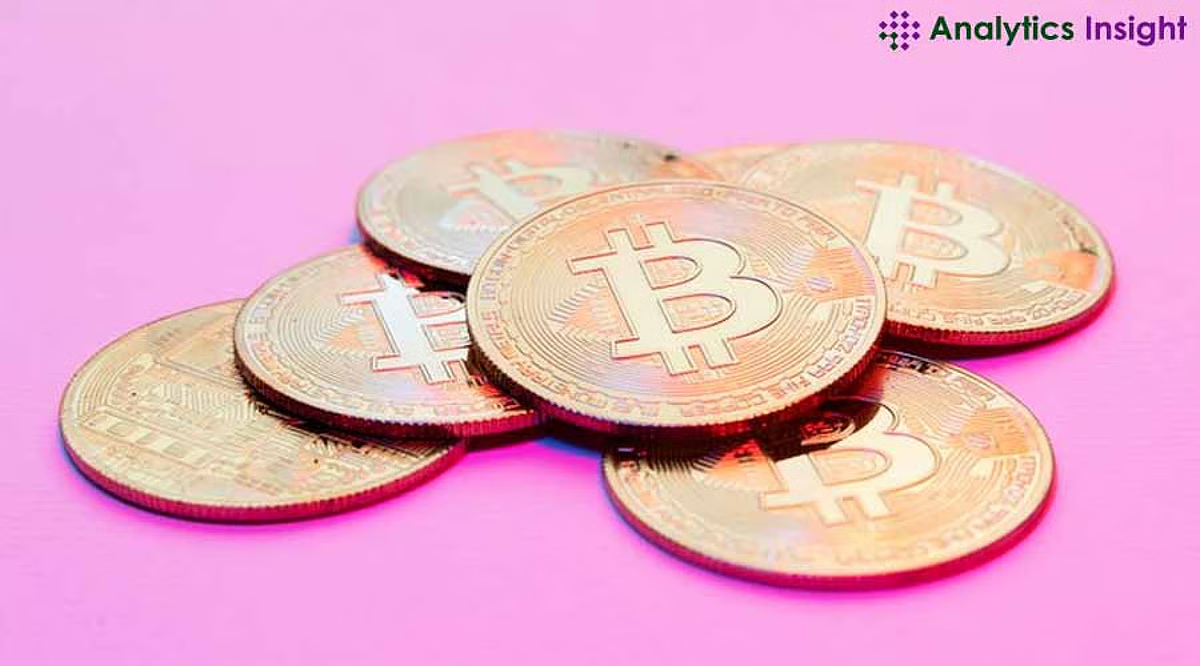
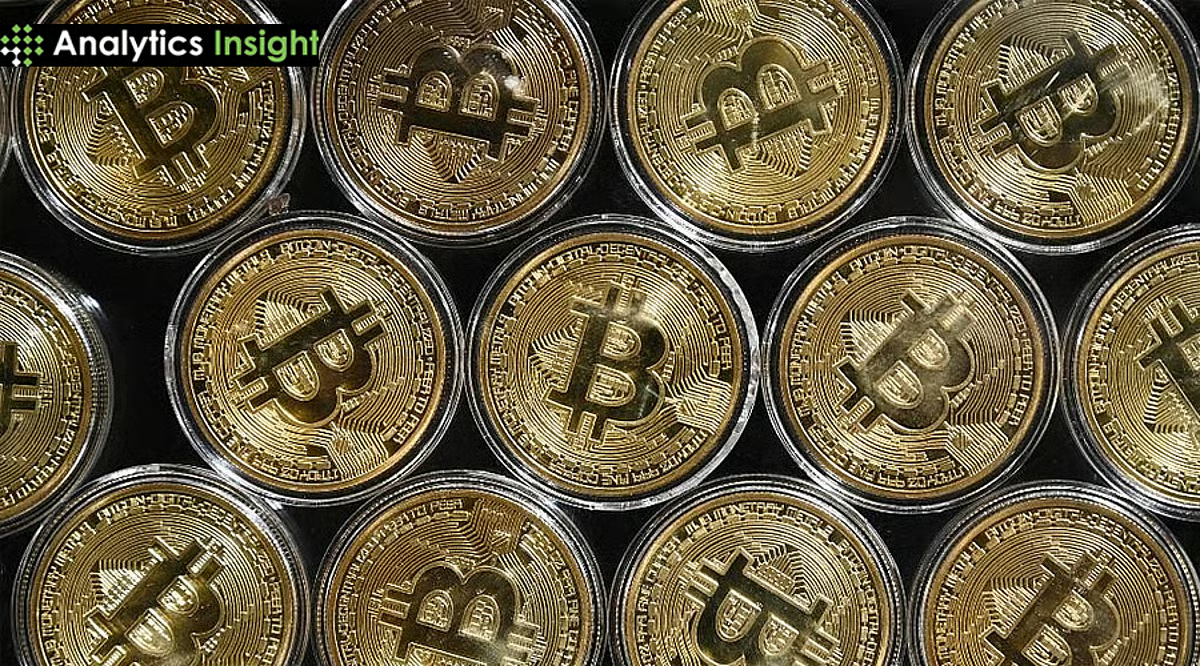
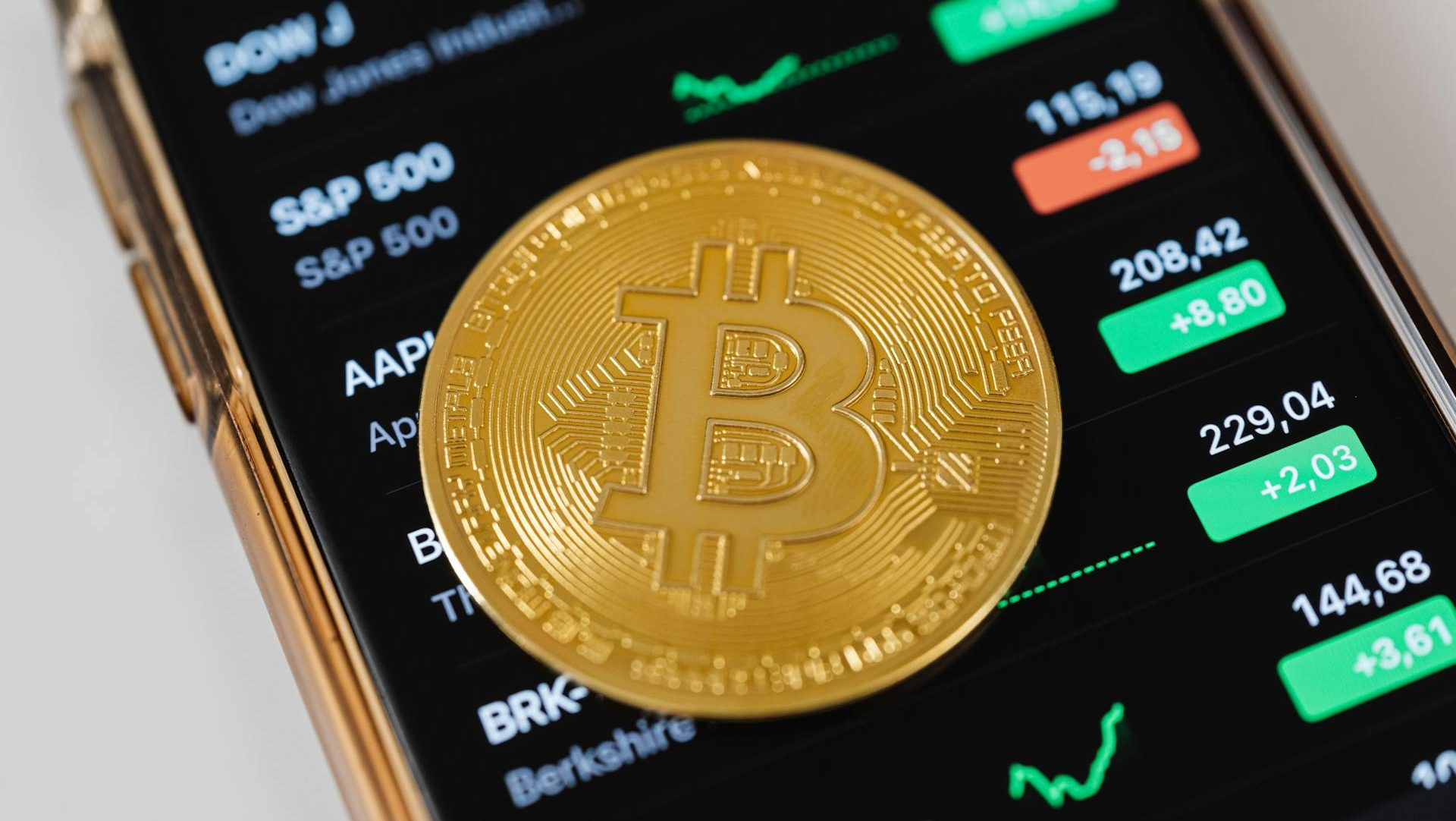
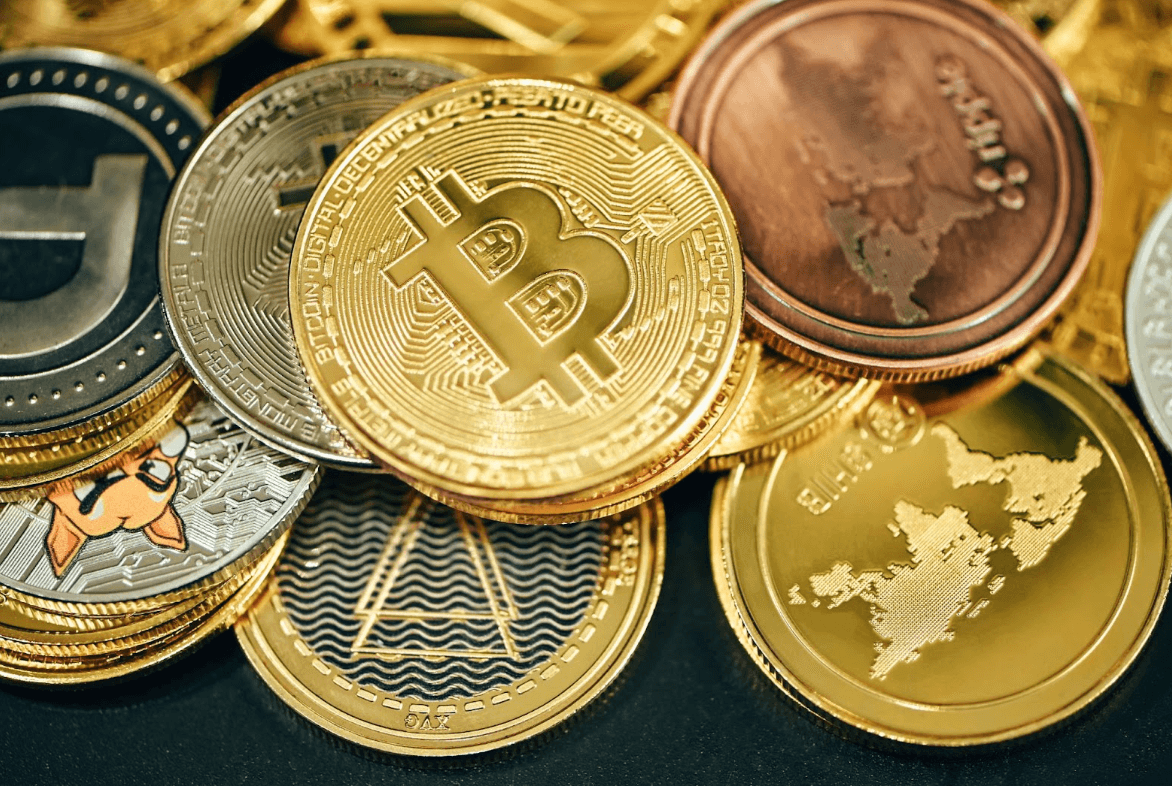
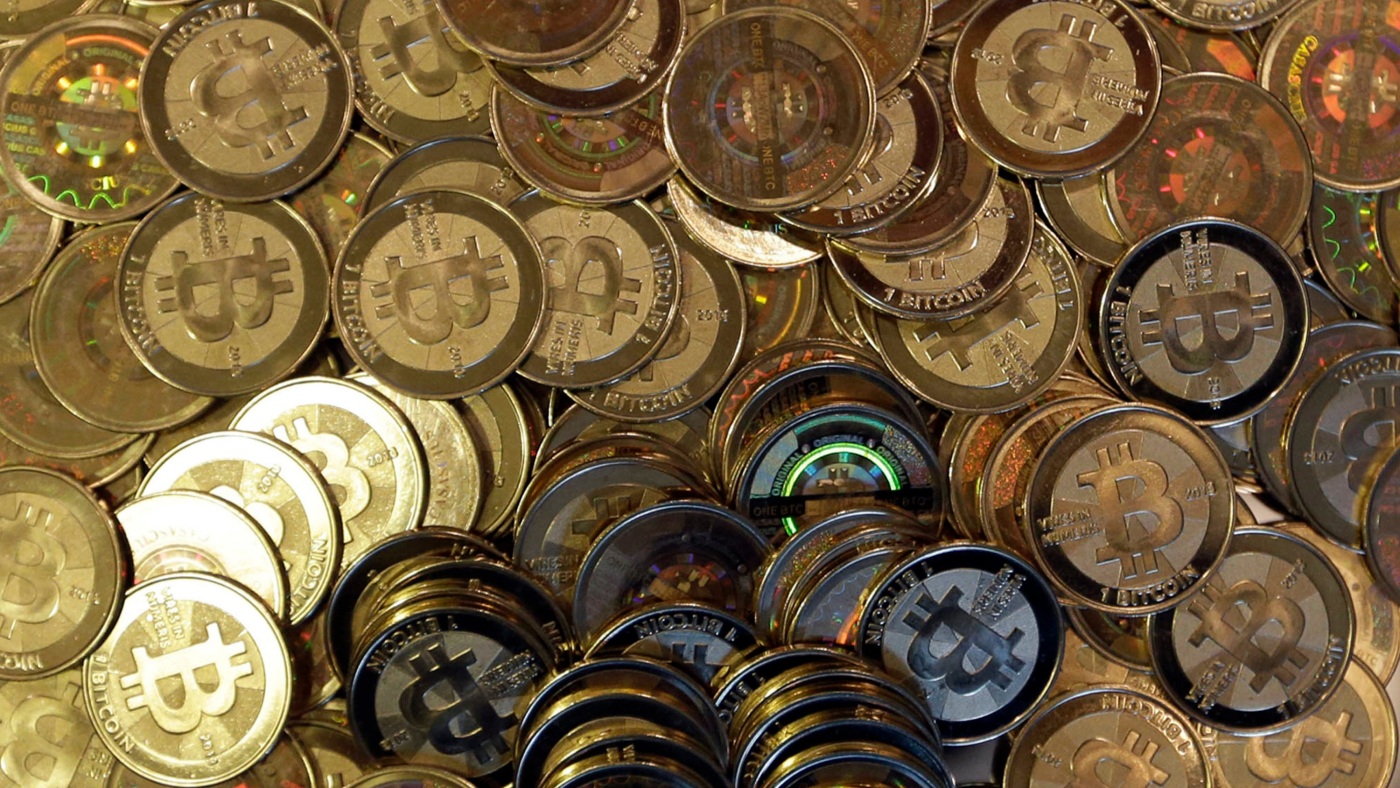
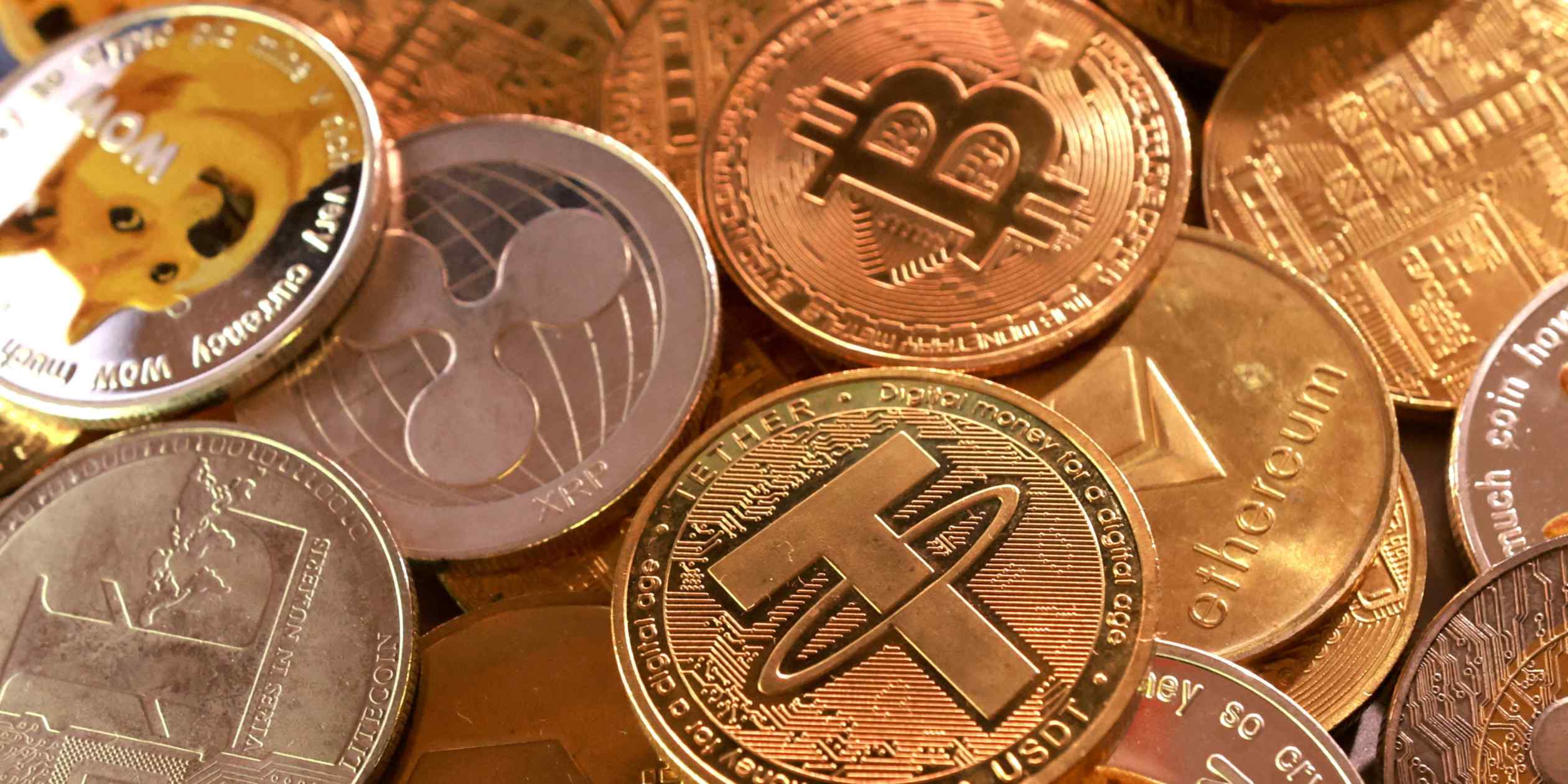
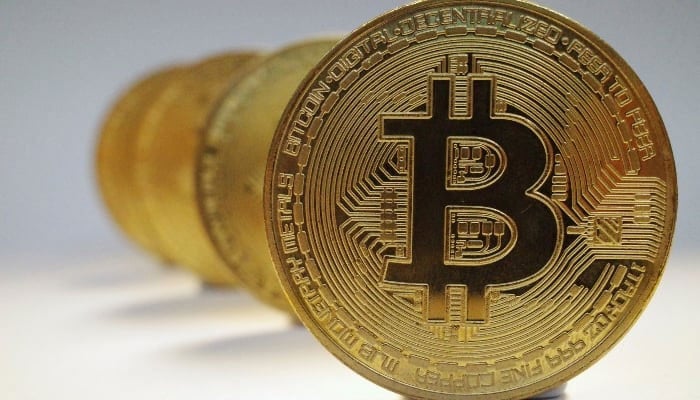
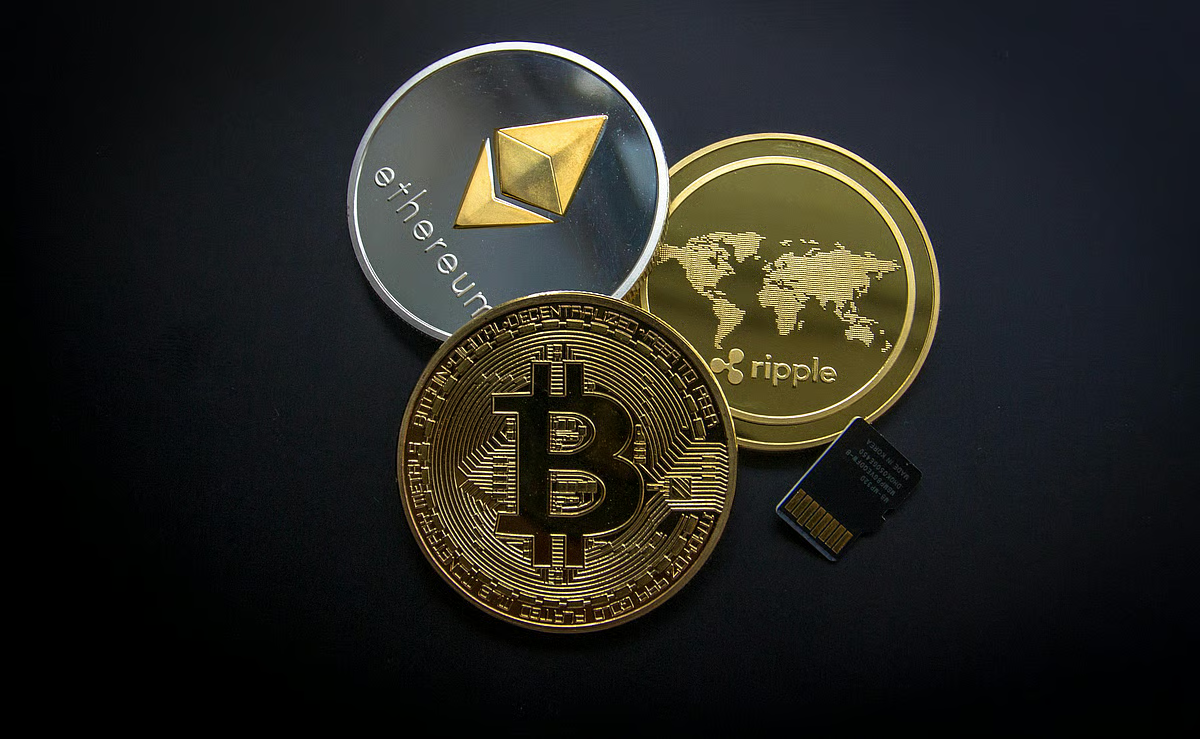
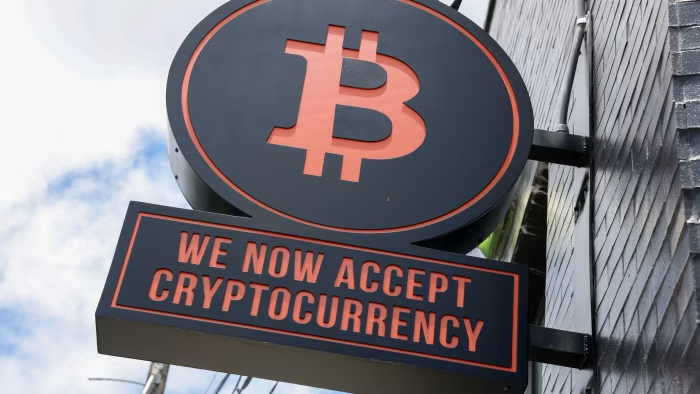
- Bitcoin, a decentralised asset with a hard-coded supply limit, functions as a modern, digital form of gold and store of value.
- High-quality companies, whose prices rise along with the cost of their goods and services.
Owning assets that can raise prices, generate income, or appreciate over time allows your portfolio to keep pace with inflation and achieve real growth. It’s also more tax-efficient than continually earning and spending interest on cash that is losing value.
Should we worry about the dollar losing its reserve status?
It’s a fair question – and one that surfaces often. Will the dollar remain the world’s reserve currency forever? Probably not. When will that change? Nobody knows. And that is perfectly okay.
Because if your portfolio is globally diversified and invested in quality companies, the system naturally adjusts with time. If the reserve currency was ever to shift, which would take time, companies whose earnings are denominated in that new global standard would rise in relative value, and so would your exposure to them.
That’s the beauty of diversification – it’s self-correcting over time. There’s no need to rush out of the dollar tomorrow. The best safeguard remains the same: own a broad mix of real assets and world-class businesses that grow with – and adapt to – the changing global economy.
The goal isn’t to avoid cash – it’s to use it intentionally. Hold what you need for flexibility and peace of mind. But let your long-term capital work harder in assets that can outpace inflation and create growth.
Because central banks will keep printing. Inflation will keep eroding. And fiat currencies – whether the dollar, the euro, or the rand – will continue to thin over time.
So yes, all fiat currencies may be toilet paper, but for now, the dollar is still the best two-ply version on offer. The key is to hold just enough of it to live comfortably – and enough hard assets to live freely in the future.