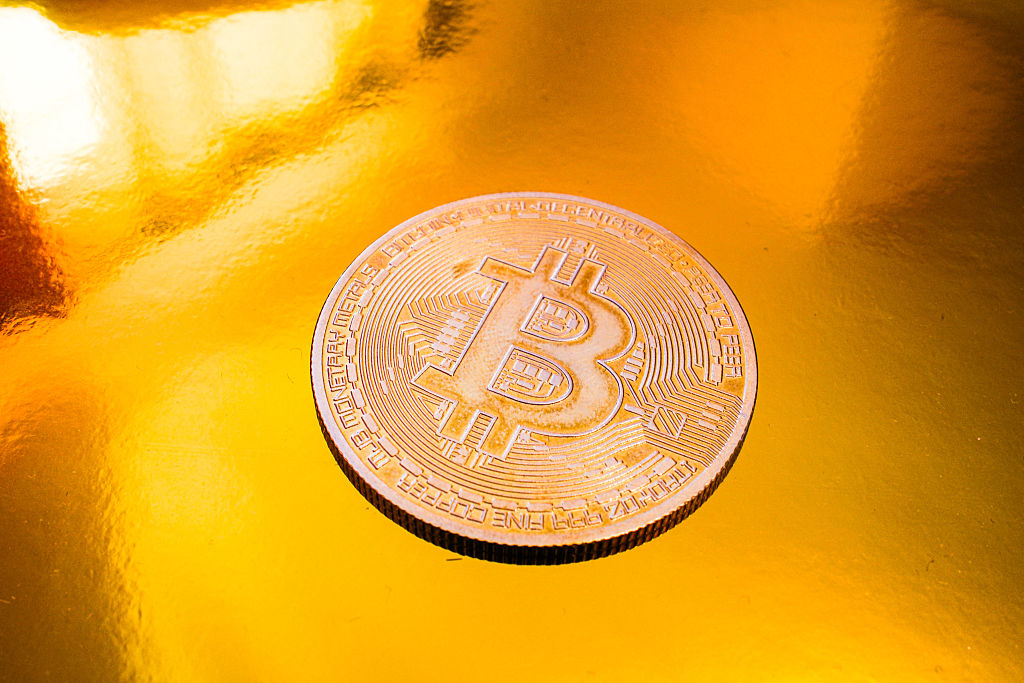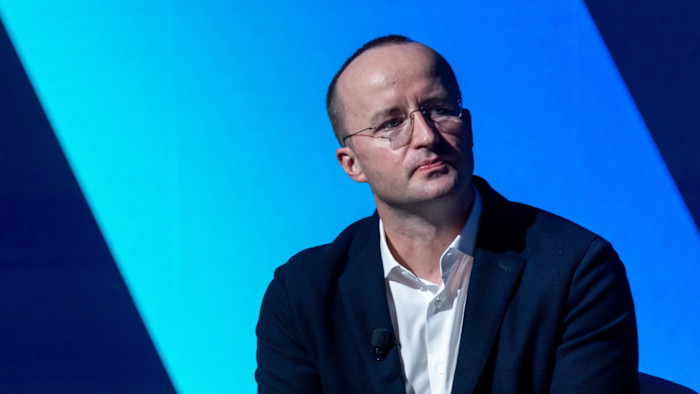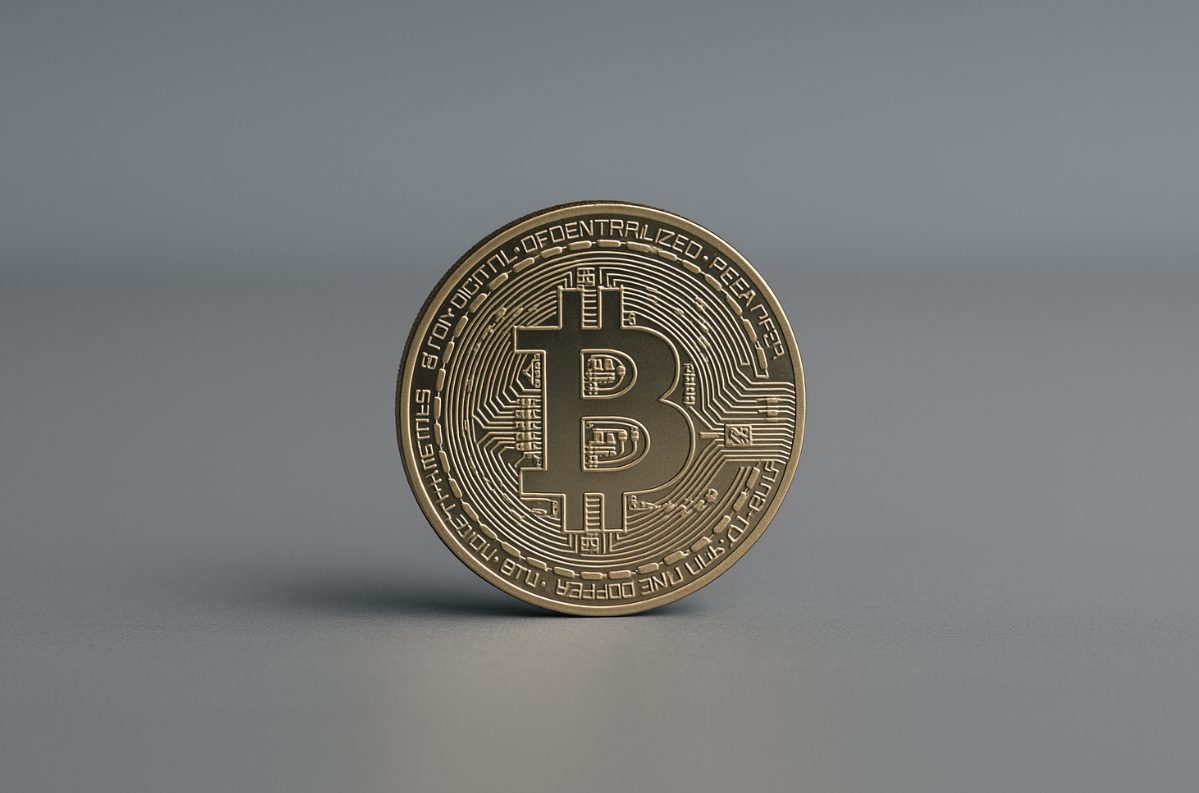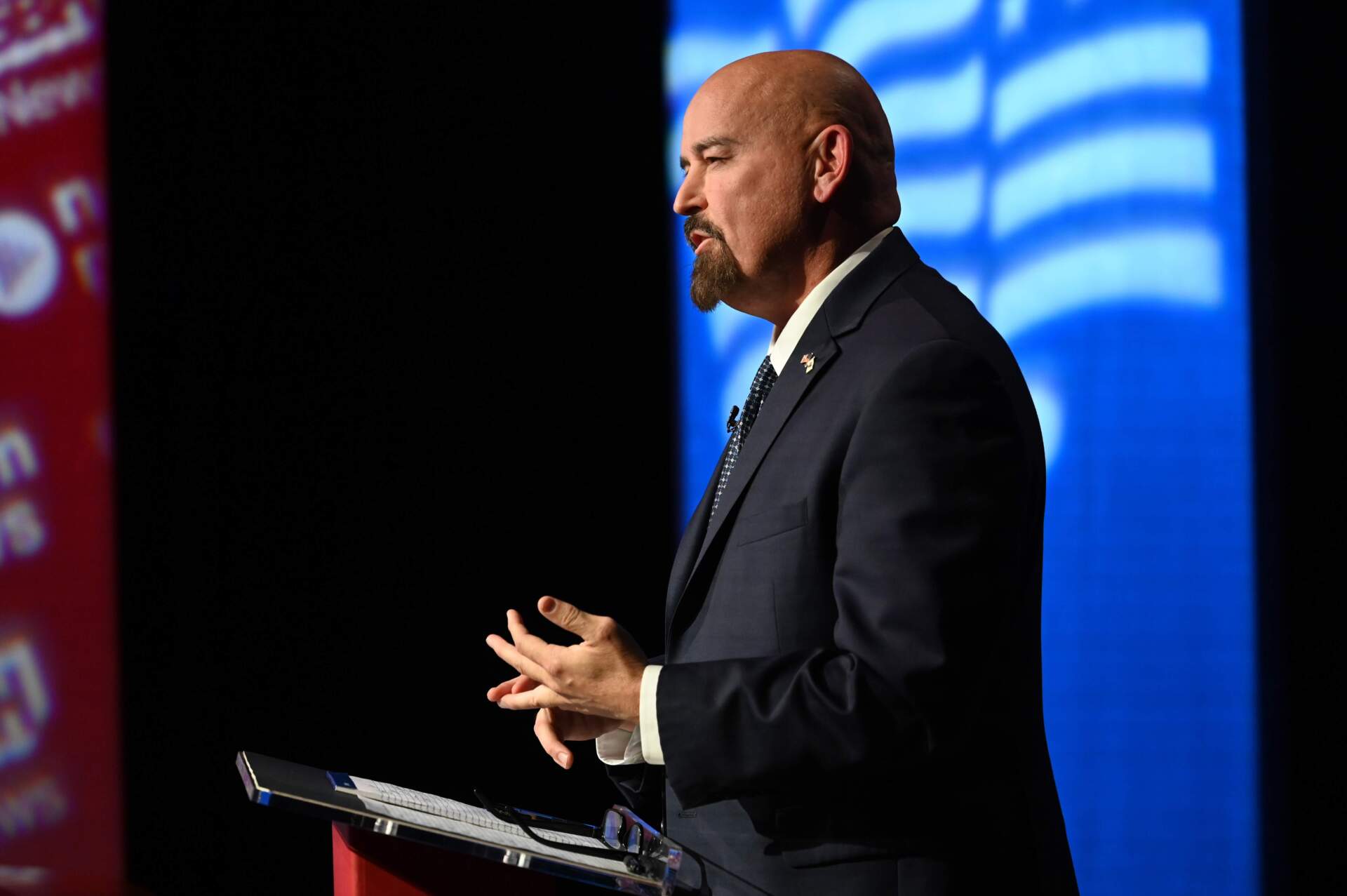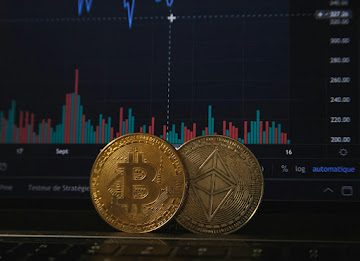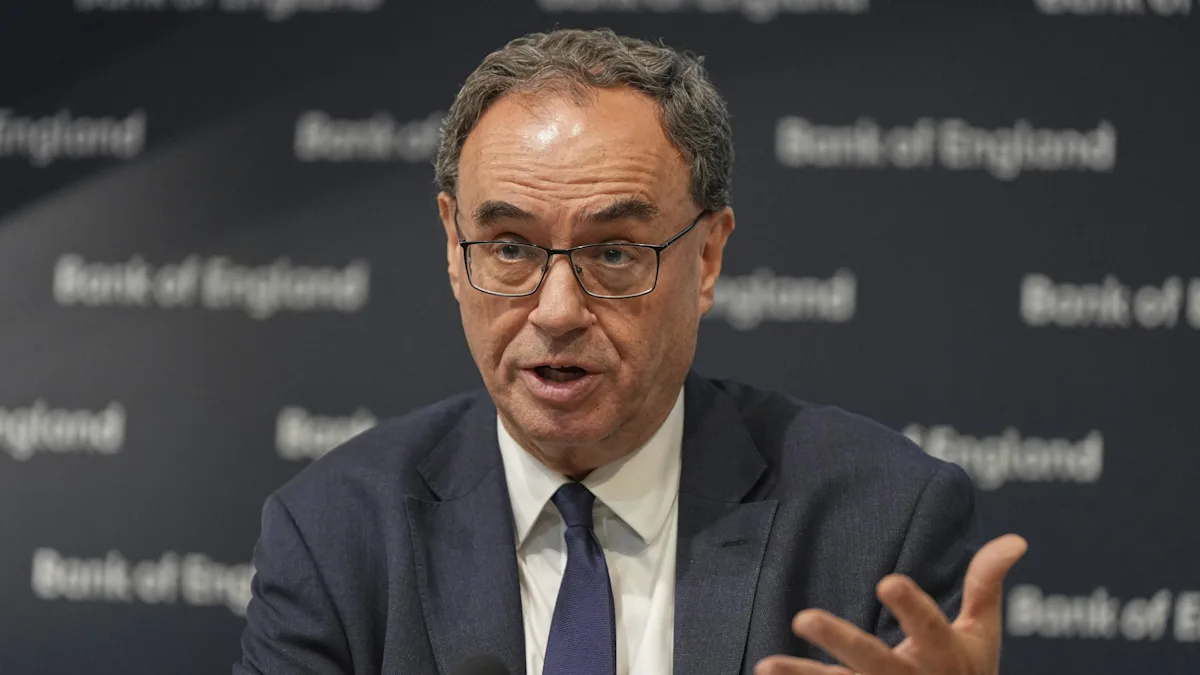
VanEck’s head of digital assets research, Matthew Sigel, recently made some price predictions that will be welcome news to Bitcoin (BTC 1.04%) investors. In May, he said that the leading cryptocurrency could rise to $160,000, and over the long haul, he’s forecasting that it will reach seven figures.
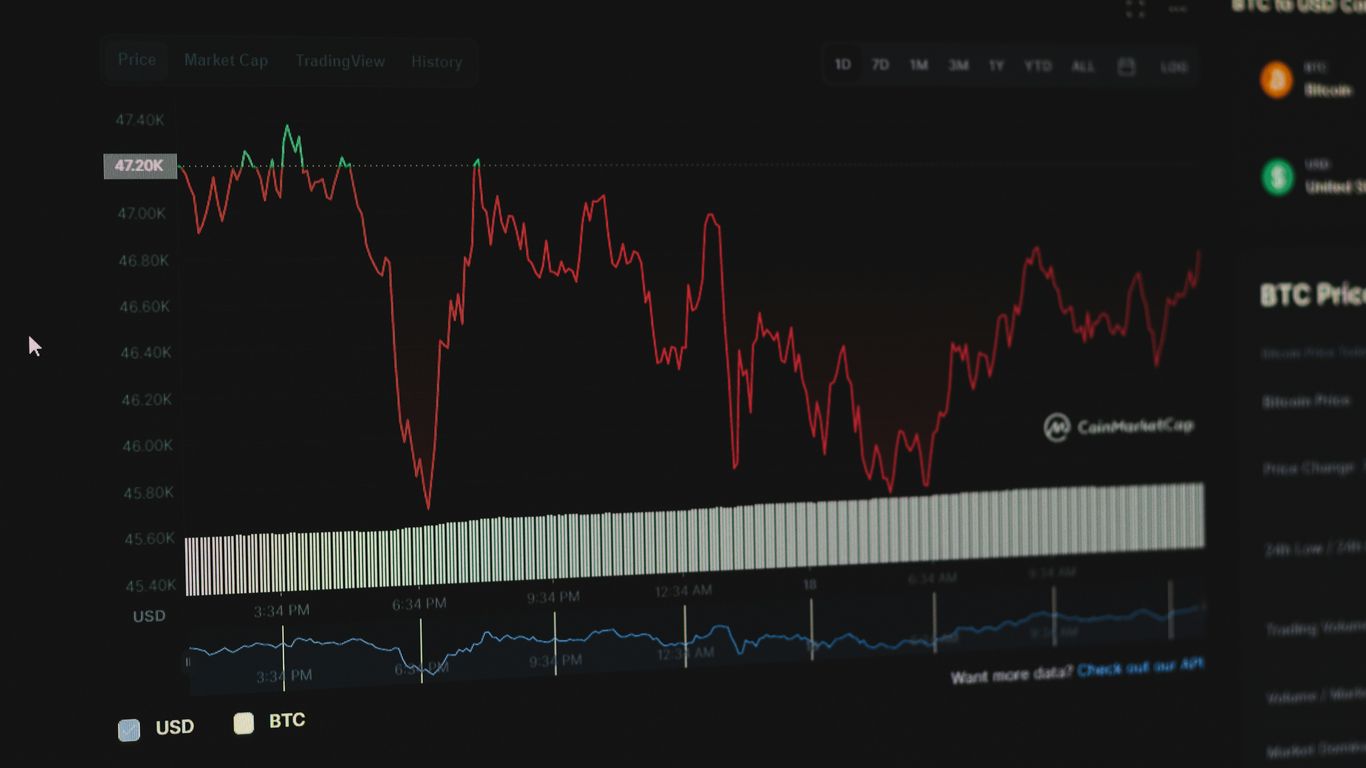
Bitcoin trades at about $60,000 as of June 29, down more than 50% from its all-time high of $126,000 in October 2025. Are Sigel’s predictions worth taking seriously, or are they wishful thinking? Here’s what he said, along with the reasoning behind it.

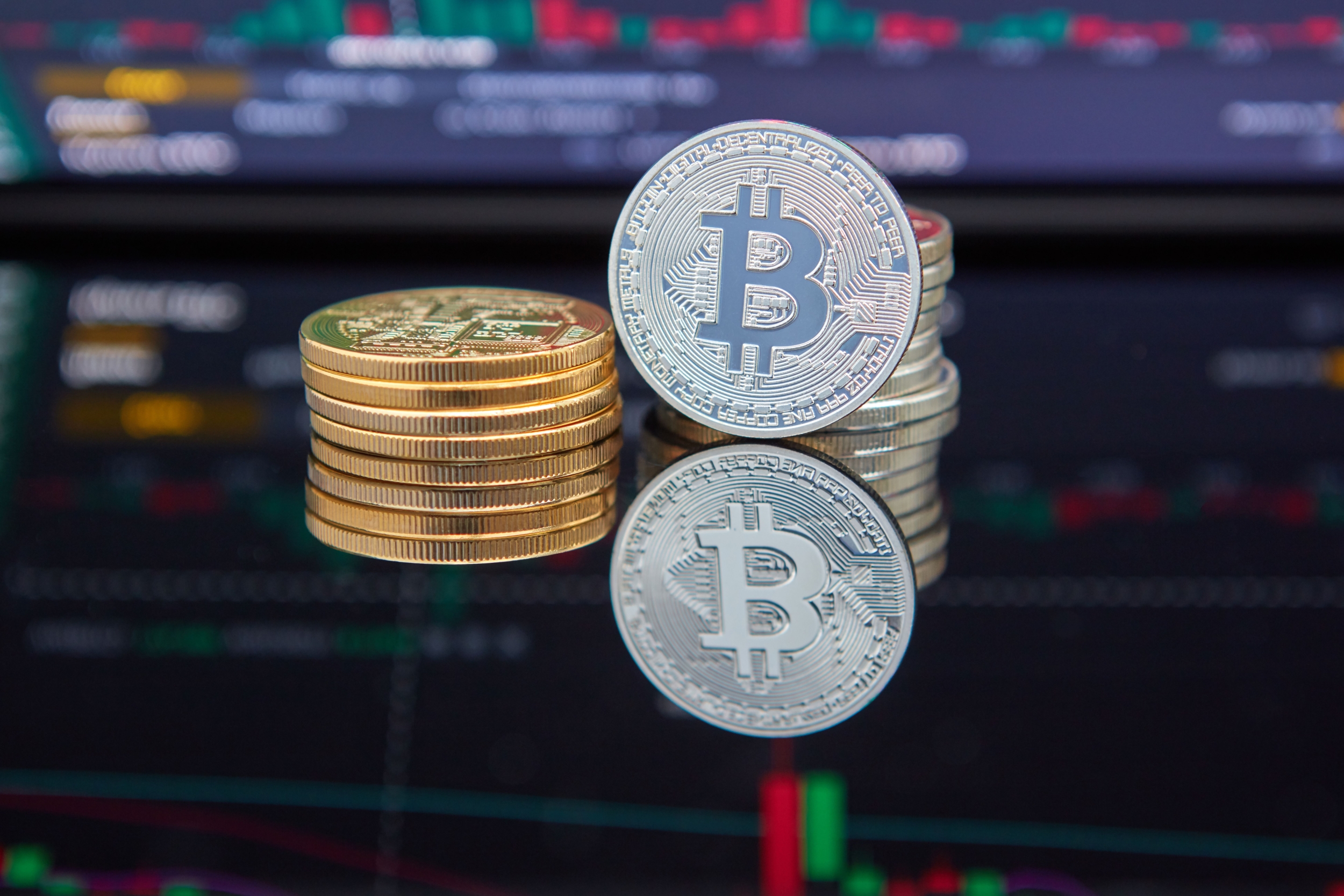
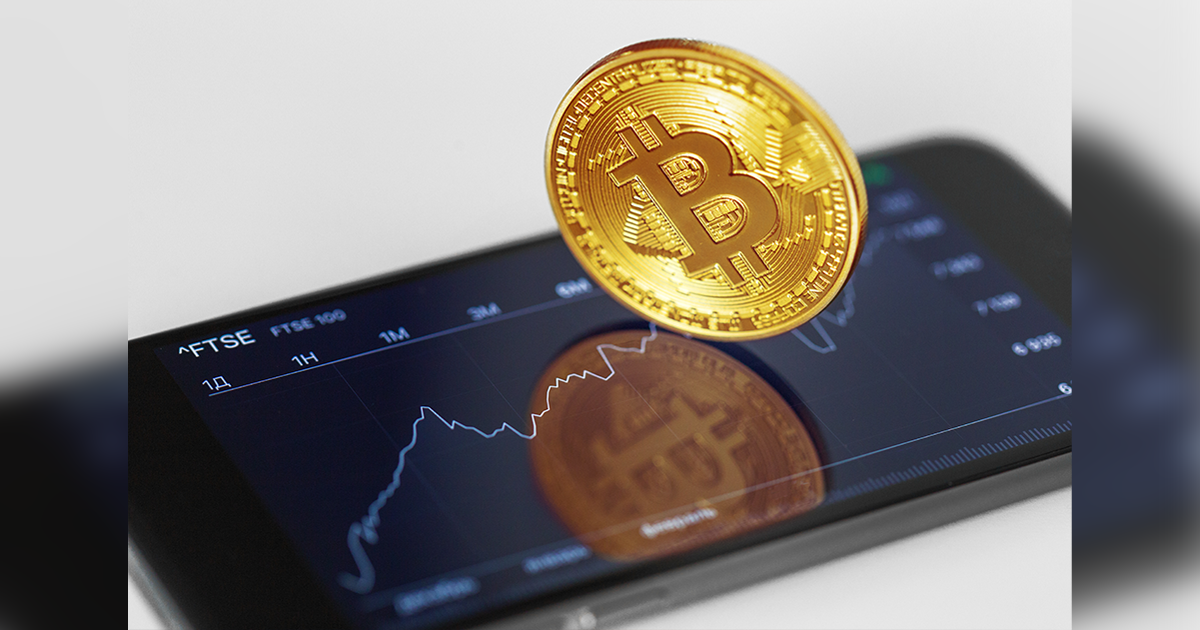
Image source: Getty Images.
Sigel’s latest Bitcoin forecasts
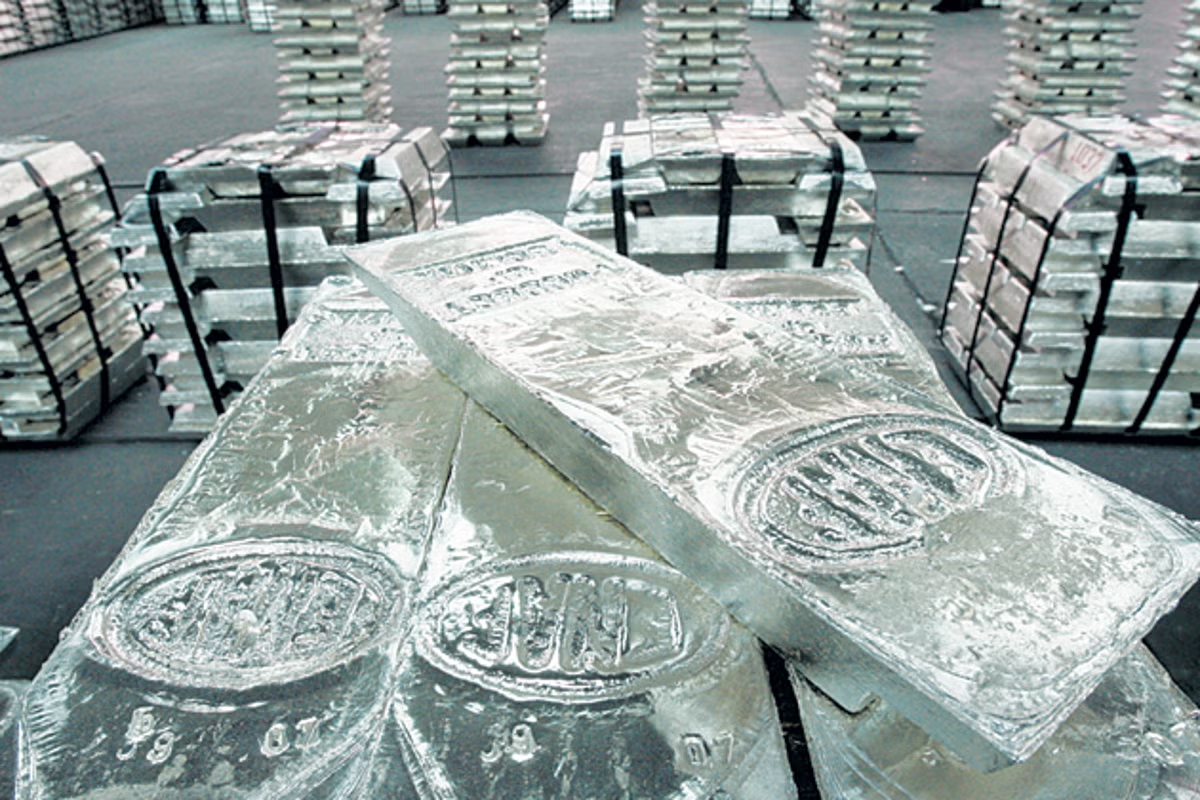
Let’s go through Sigel’s predictions this year from smallest to largest. His call for $160,000 would represent a 170% increase, and he based it on Bitcoin’s valuation relative to gold, which was a multiple of 17.1 at the time (it has since fallen to about 14.9). A recovery to a multiple of 35, the level implied by market conditions, would put it at $160,000 per token.
Just a few days earlier, he said that Bitcoin could reach $1 million during the next several years as the crypto’s user and investor base is still in its early stages and should continue to expand.
He made the comparison between Bitcoin and video games, which were originally popular with kids but became a mainstream activity as those kids grew up. Young adults were the first to use the crypto. As those early adopters get older and more young adults invest, the number of people holding it grows.
Lastly, there’s Sigel’s Bitcoin analysis for VanEck that was published in January. He projected a 15% compound annual growth rate for the cryptocurrency, resulting in a price of $2.9 million by 2050. The valuation is based on predictions that it will become the settlement currency for 5% to 10% of global trade and a reserve asset making up 2.5% of central banks’ balance sheets.
The cases for and against Bitcoin
The main bull argument for Bitcoin is its supply cap of 21 million coins. Most cryptocurrencies have much higher caps or even unlimited supplies. With Bitcoin, there can never be more than 21 million, with most (about 20 million) having already been mined. This limited supply is one of the factors that give it value. If there’s demand for the digital coin, the price should continue to rise because so few new coins can be generated.
However, Bitcoin doesn’t produce anything. It has no earnings, doesn’t pay holders a dividend, and although it was originally intended as a decentralized digital currency, it’s not ideal for that purpose. Newer cryptocurrencies can process transactions in seconds for transaction fees of less than $0.01, making them much more efficient ways to send money.
How realistic are Sigel’s predictions?
Sigel’s $160,000 call for Bitcoin is optimistic but defensible. The crypto has risen to new highs after every bear market, reaching $19,000 in 2017, $69,000 in 2021, and $126,000 in 2025. If it rebounds again, it could blow past $160,000 and potentially even $200,000, although it may take several years.

Today’s Change
(-1.04%) $-620.68
Current Price
$59266.00
Key Data Points
Market Cap
$1.2T
Day’s Range
$59023.00 – $60644.00
52wk Range
$58188.67 – $126079.89
Volume
31.5B
Predictions of $1 million and beyond are where everything becomes highly speculative. At that point, Bitcoin would have a market cap of at least $20 trillion to $21 trillion, depending on exactly when it happens and how many coins have been mined. That’s approaching the market cap for all the gold in the world, which is estimated to be worth about $28 trillion.
As often as Bitcoin has been referred to as digital gold, I have my doubts that it can rival gold’s total value. Humans have valued gold for thousands of years, and the precious metal has real-world uses. Bitcoin has been around for less than 20 years and is only useful as a digital currency, where there are more efficient options available.
Given the crypto’s built-in scarcity, it could continue to appreciate, and Bitcoin or Bitcoin exchange-traded funds are worth considering for investors seeking exposure to digital assets. But limit it to a small portion of your portfolio and keep your expectations reasonable. It may surpass $160,000 in the next five years. However, even if it continues to have periods of explosive growth, it probably won’t reach $1 million in the next five to 10 years.