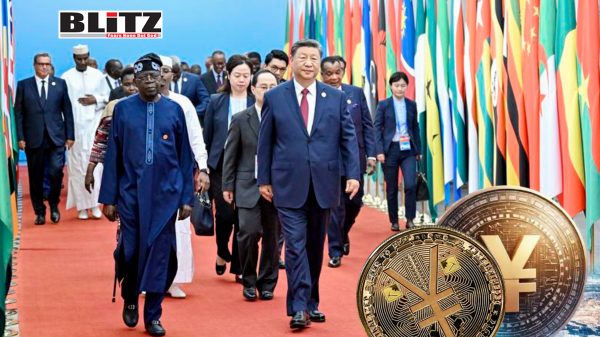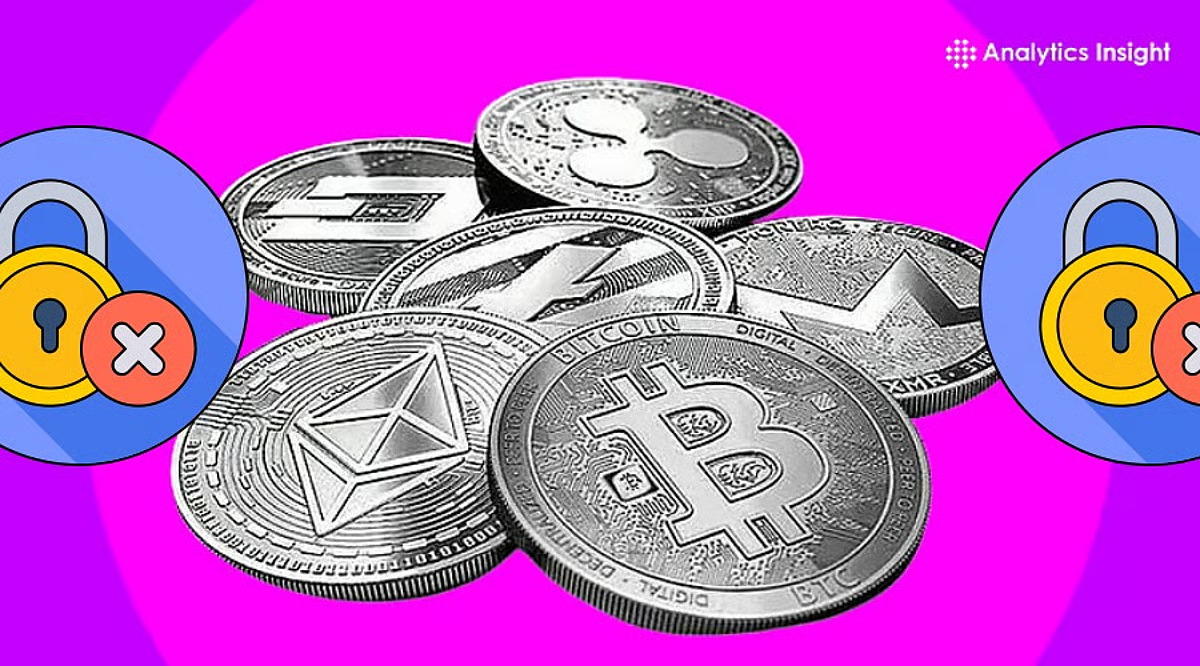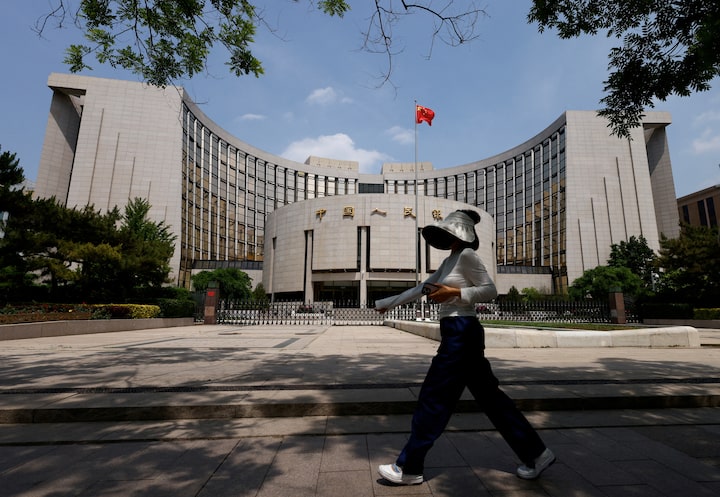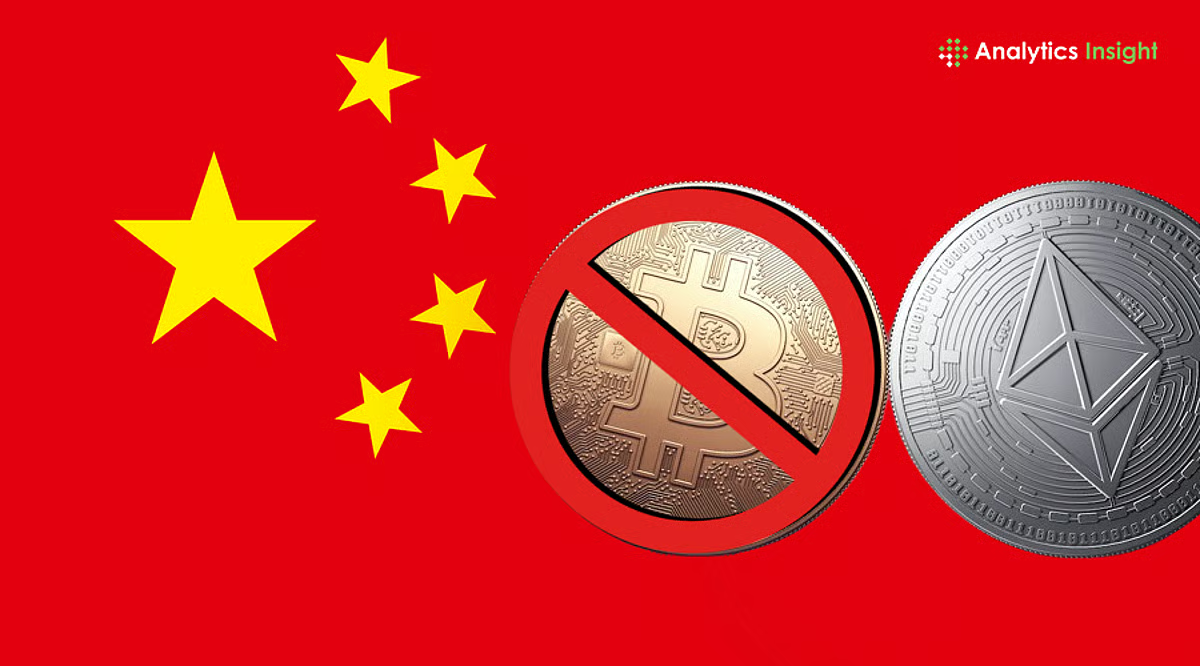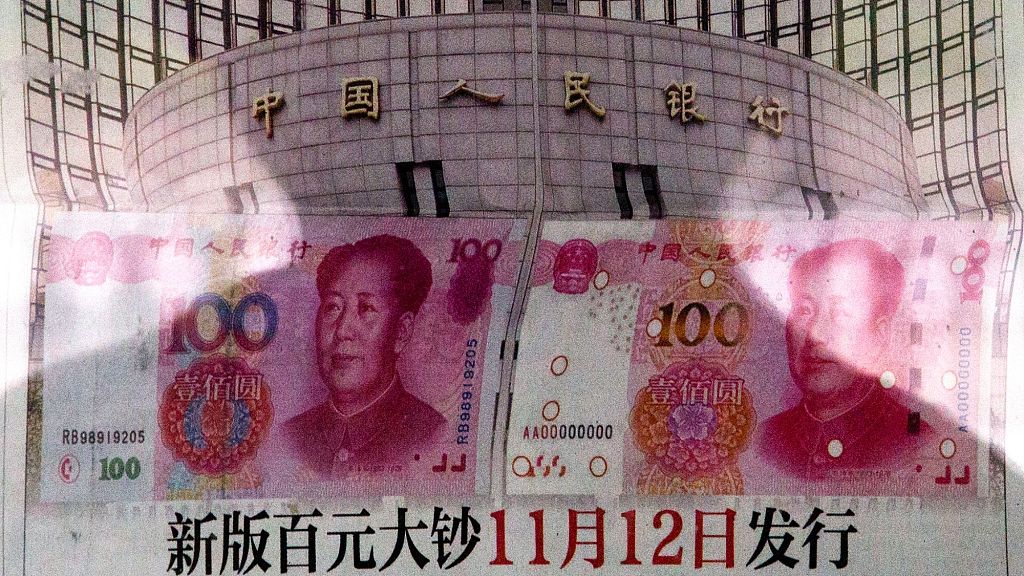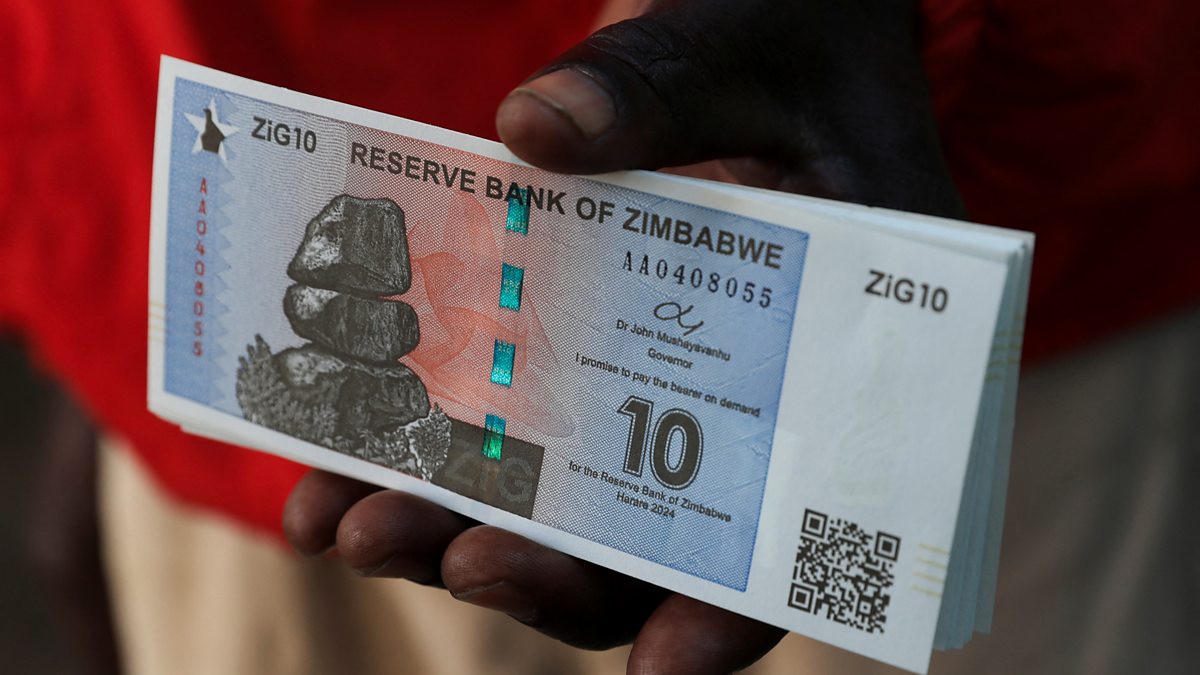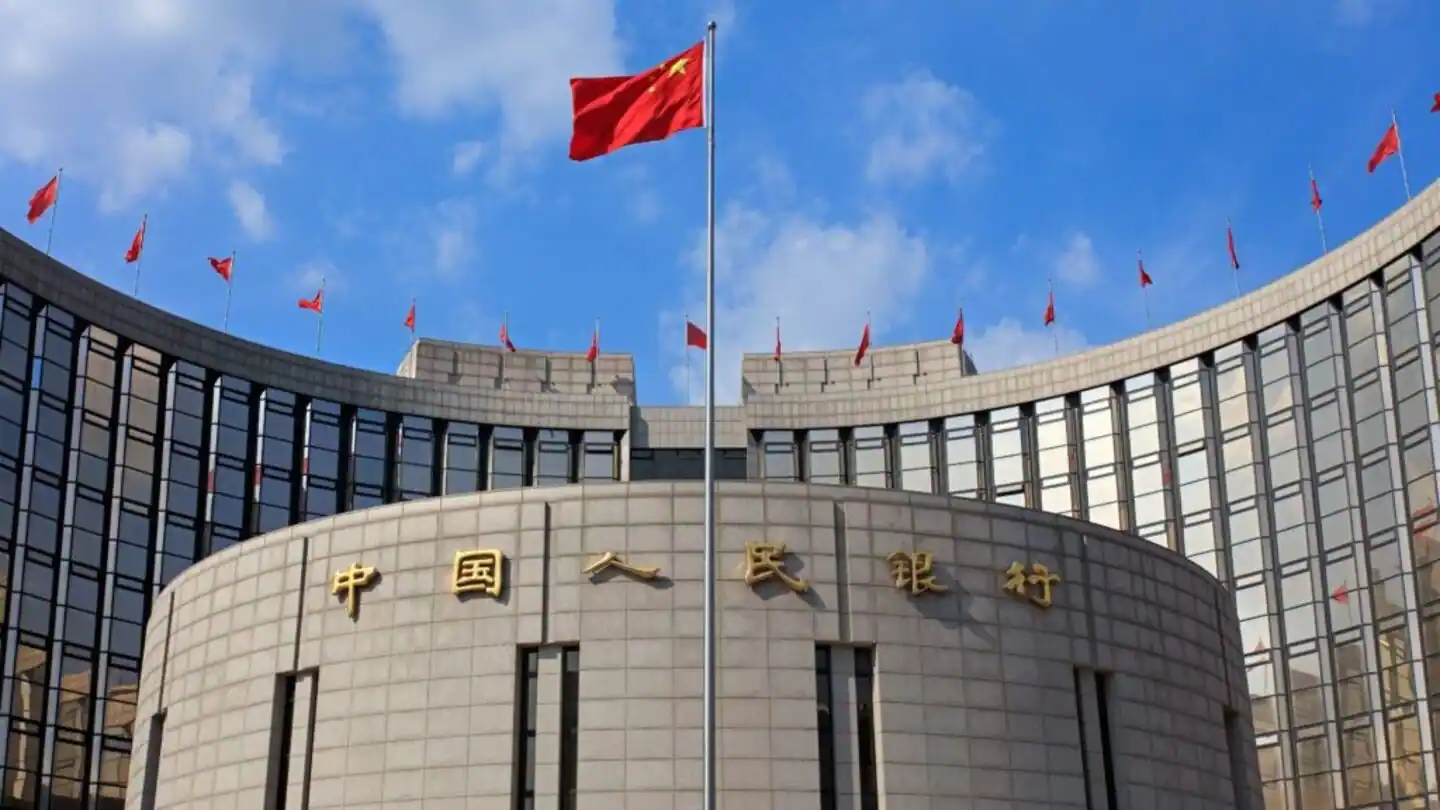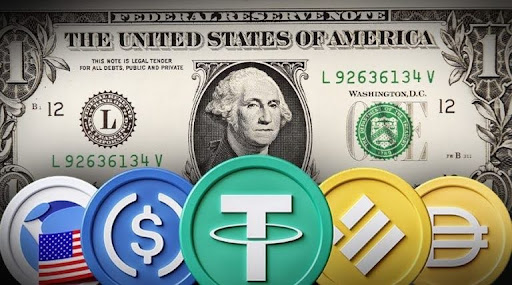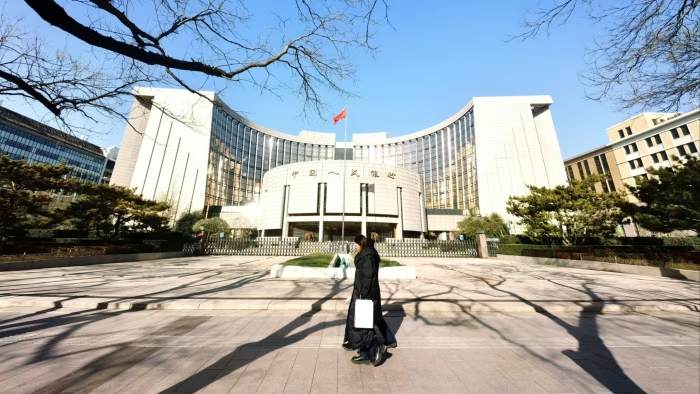
China’s latest salvo against virtual currencies looks, at first glance, like another turn of the regulatory screw. A joint notice from the People’s Bank of China and eight other ministries tightening oversight of stablecoins and offshore token issuance would seem to confirm the mainland’s long hostility to crypto.
Look closer. This is less a blanket ban than a reassertion of control.
Alongside the crackdown came guidance from the China Securities Regulatory Commission on the issuance of asset-backed securities tokens tied to domestic assets overseas. Read together, the measures sketch out what Newfire Technology, a Hong Kong-listed virtual asset manager, calls a “restructuring of digital sovereignty”.
The key lies in language. By elevating renminbi-linked stablecoins to the level of “monetary sovereignty”, Beijing is signalling that any digital representation of its currency is a state matter. Private-sector RMB stablecoins, particularly those circulating offshore, risk diluting capital controls and monetary authority. They are, from Beijing’s perspective, a leak in the system.
The response is to build what Newfire describes as a “sovereign firewall”. Unauthorised issuance is explicitly banned. But at the same time, space is carved out for “authorised financial infrastructure”. That exemption matters. It implies that tokenisation and digital settlement are not inherently suspect, only unsanctioned versions are.
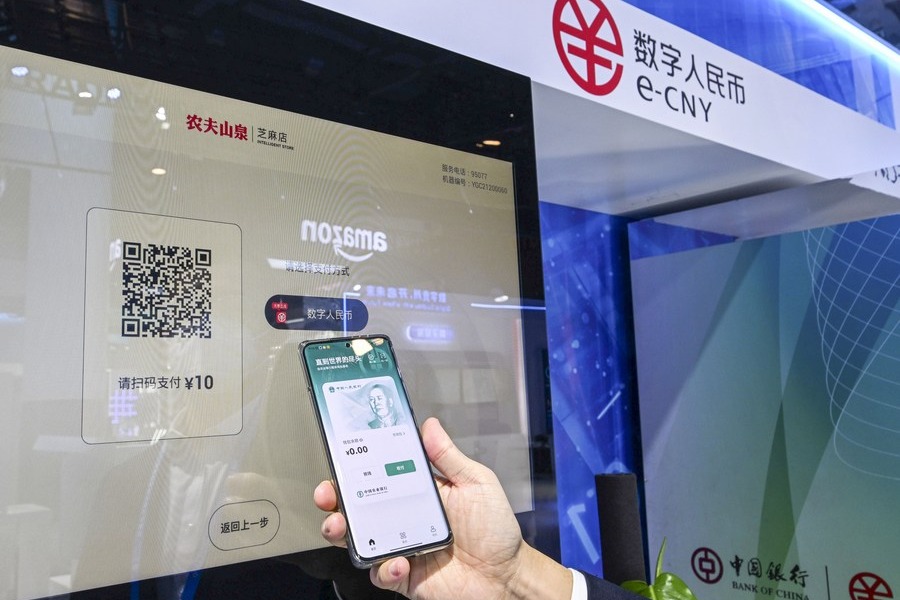
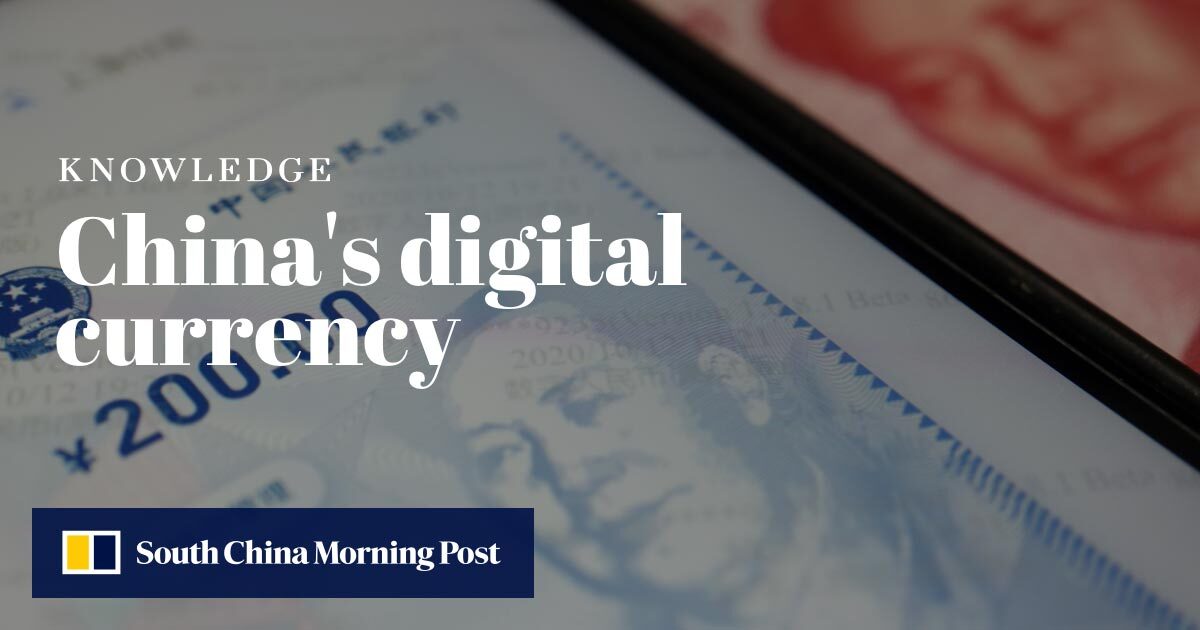
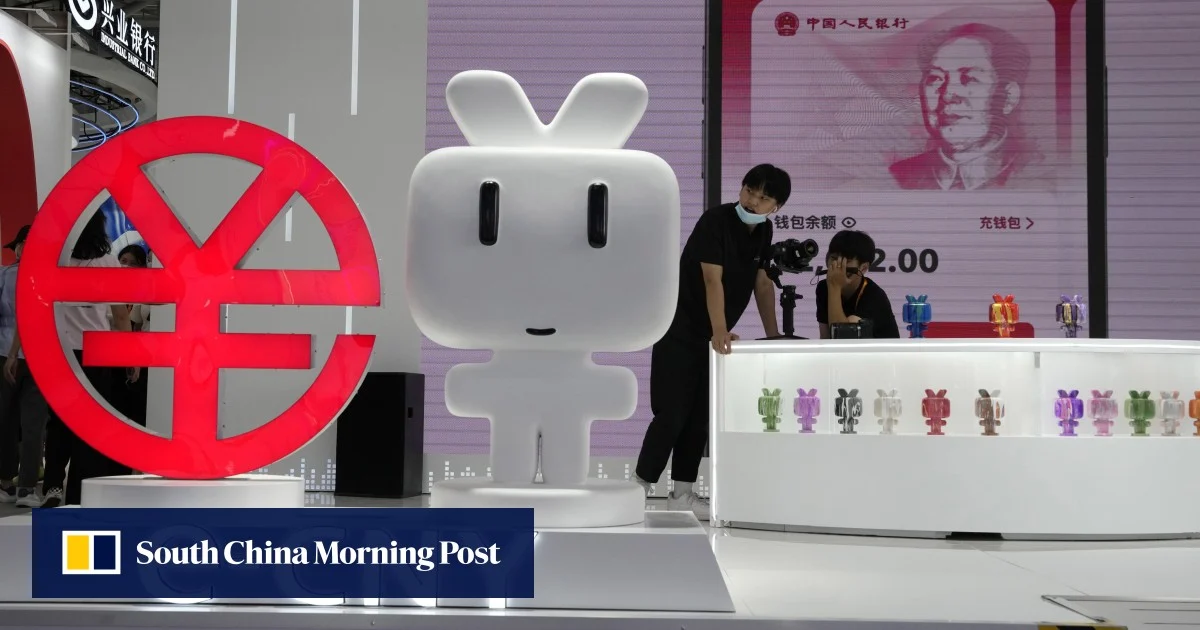
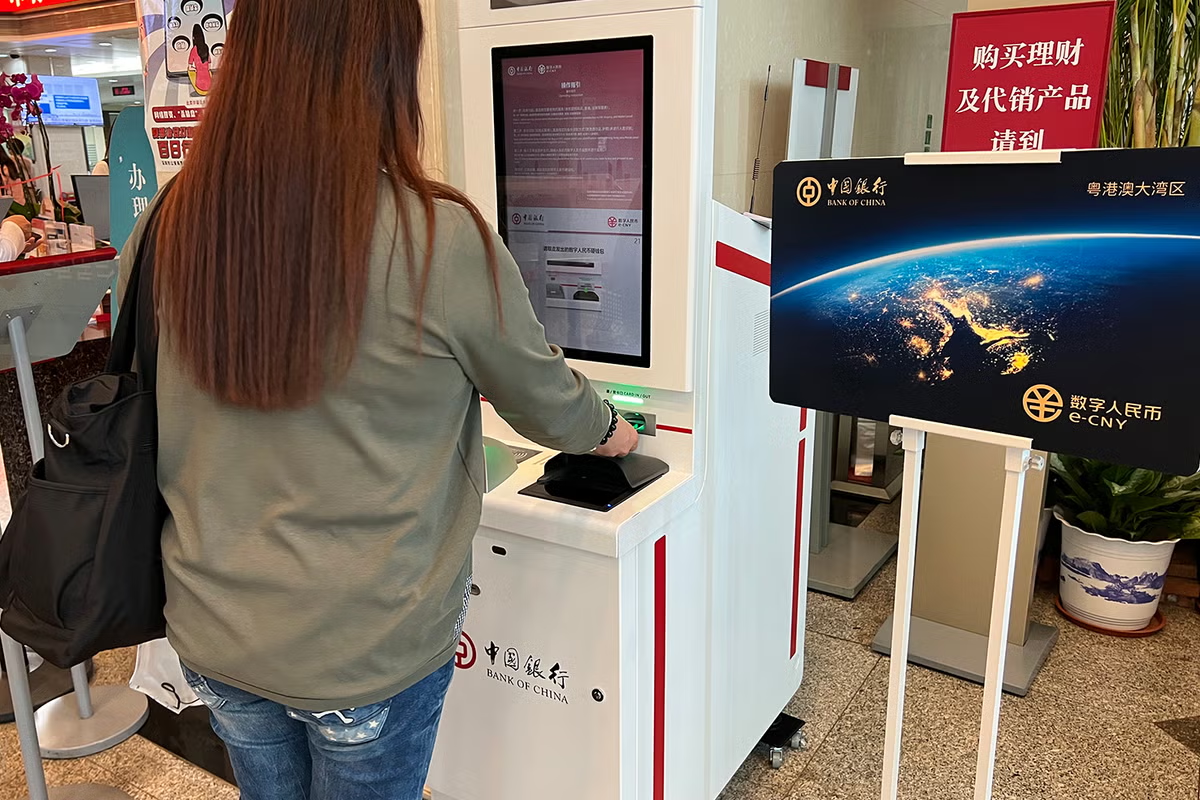
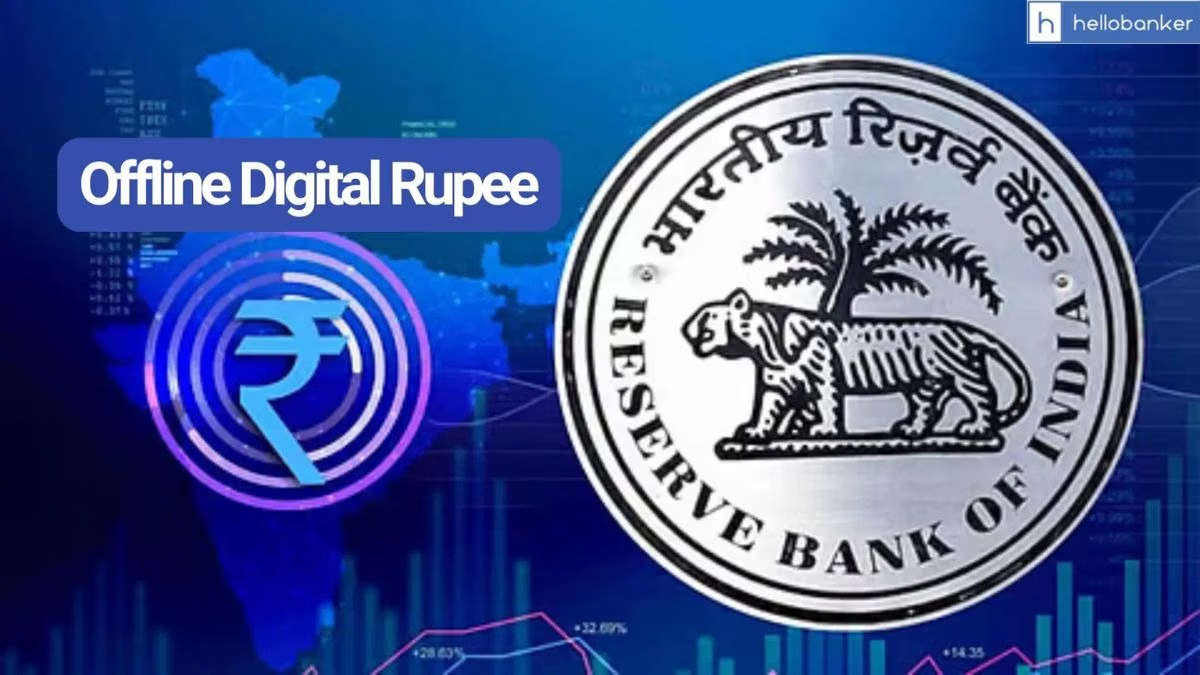
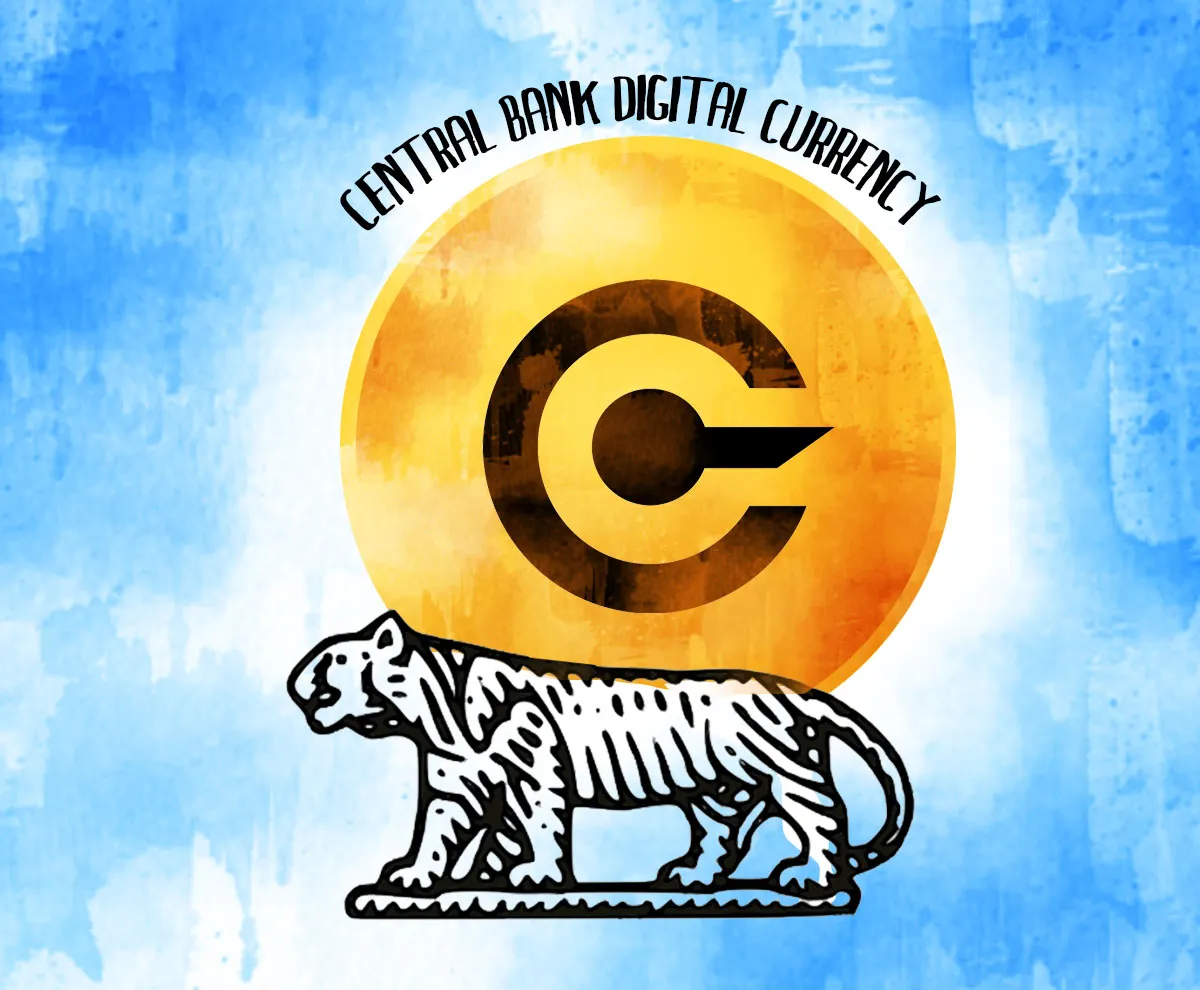
This is consistent with a broader strategic push. China has spent years piloting its central bank digital currency, the e-CNY. Cross-border usage remains limited, but the direction of travel is clear. If private stablecoins are squeezed out, the digital yuan faces fewer competitors in trade settlement and capital market experimentation.
In that sense, the policy is less about suppressing innovation than about channelling it. The CSRC’s guidance on asset-backed token issuance by domestic assets overseas formalises a pathway: “onshore assets, offshore compliance”. Mainland-originated real-world assets can be tokenised, but through licensed, regulated venues, notably Hong Kong.
For Hong Kong, that is an opportunity disguised as constraint. The territory has positioned itself as a regulated hub for digital assets, with a licensing regime overseen by the Securities and Futures Commission. Firms such as Newfire Technology [1611.HK], which holds Type 1, 4 and 9 licences as well as a trust or company service provider licence, are betting that compliance will become a competitive moat.