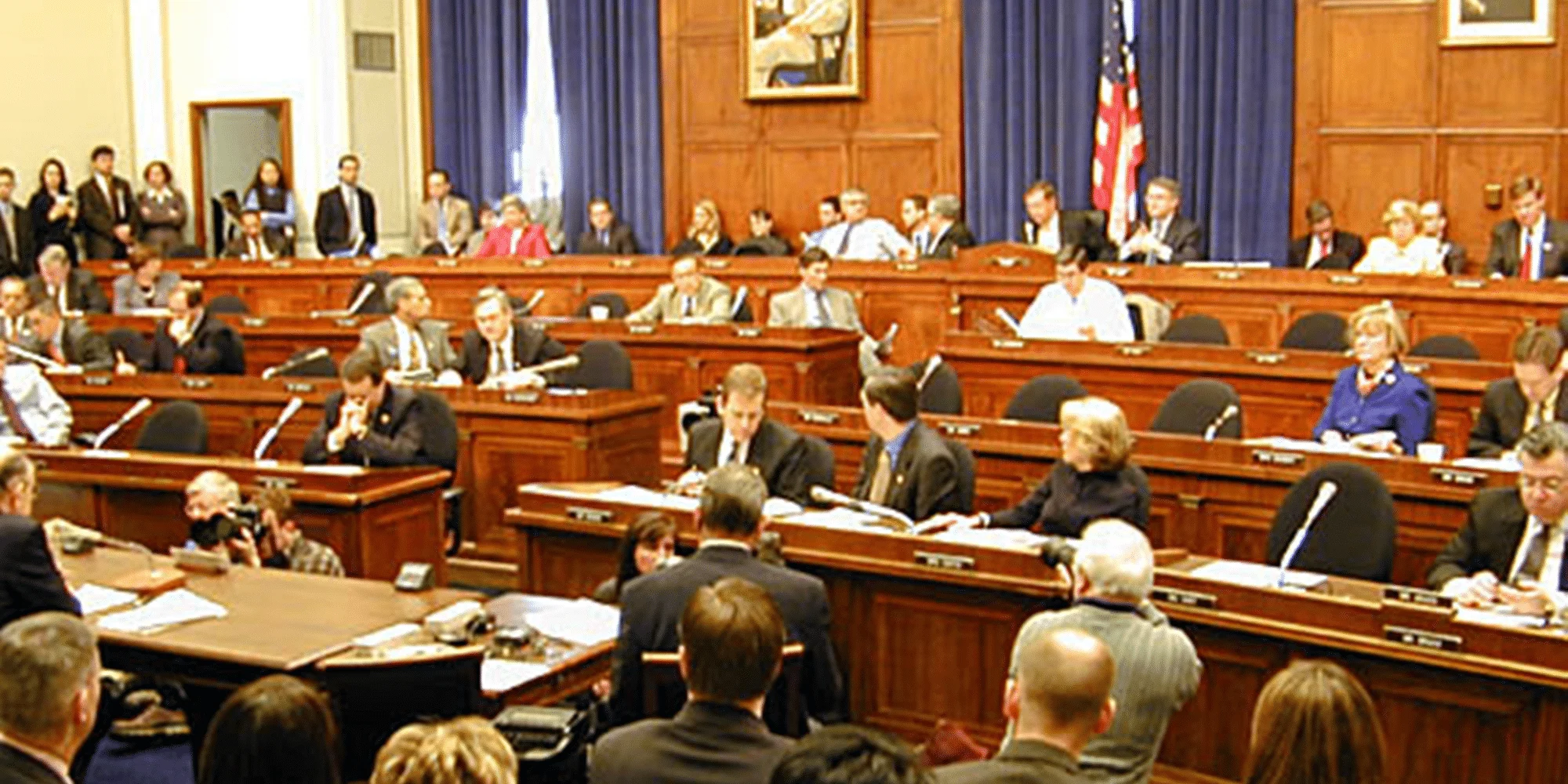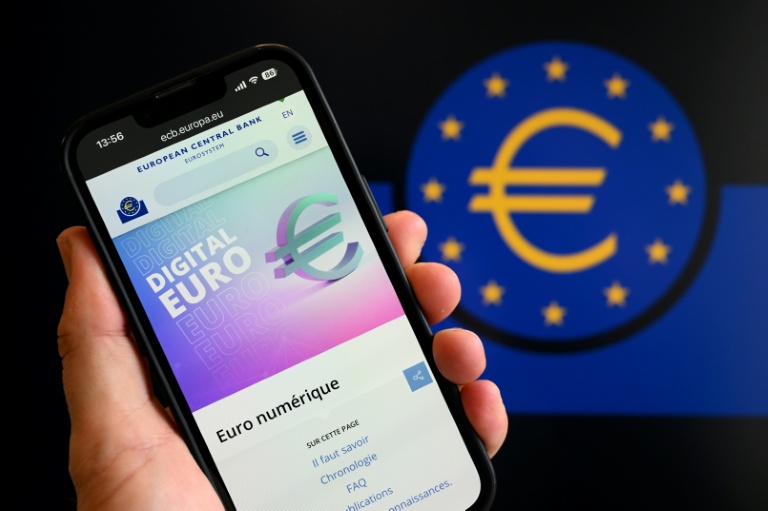
The EU Parliament’s Committee on Economic and Monetary Affairs (ECON) adopted its position on the digital euro on Tuesday. With a clear majority, the MEPs voted for the legal basis of a digital European central bank currency. Parliament’s negotiators had already achieved a breakthrough at the beginning of June. The prestige project thus takes the next formal hurdle.
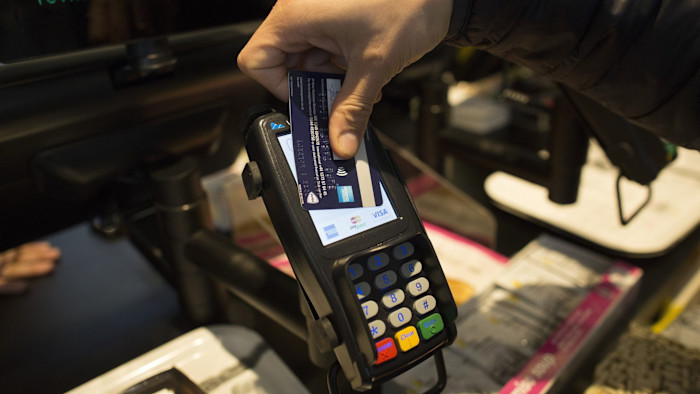
The “single currency package” advocated by the economic policymakers consists of three draft laws, which, in addition to the digital euro itself, also regulate its provision in non-euro EU states and the protection of physical cash. In the future, the digital currency will function as an innovative, secure, and free-of-charge alternative for consumers to non-European payment service providers such as Visa, Mastercard, or PayPal.
A pillar of the draft is the integration of data protection directly into the technology (Privacy by Design). The digital euro is intended to function both online and offline, with the offline variant designed for local storage on end devices such as smartphones. For this mode, the MEPs demand a level of protection equivalent to that of printed cash. Modern cryptographic methods, such as zero-knowledge proofs, are to be used to verify transactions without personal data having to be disclosed.
The European Central Bank would therefore not have access to users’ identity data. However, since offline use functions like cash, this also means that if the storage medium is lost, the balance on it is lost.
Limits on Savings
In order not to endanger the stability of the traditional financial system, the committee’s position provides for strict upper limits on the holding of digital euros by private individuals. This upper limit is to be set by the EU Commission based on recommendations from the European Central Bank (ECB) and reviewed every two years. The EU Parliament demands a say in this.
Furthermore, companies will generally not be allowed to hoard the digital currency as a store of value, but can only accumulate incoming payments for a maximum of 24 hours. According to the vote, the digital euro will generally not bear interest. The system is to be distributed nationwide by banks, e-money institutions, and even regulated crypto service providers. Most merchants will be obliged to accept it, except small businesses and self-employed individuals if they do not accept any digital payments anyway.
MEPs attach particular importance to the basic functions being free of charge for consumers and to a clear separation of the ECB’s role from its traditional monetary policy. Before the actual launch, which is to be followed by an introductory phase of at least two years, the central bank must extensively test the technical infrastructure in practice. The people’s representatives want to rule out risks such as the double spending of offline money. At the same time, they emphasize that the digital euro is only intended to complement, not replace, cash.
Euro countries will be legally obliged to ensure widespread access to coins and banknotes and to prohibit purely “no cash” bans by merchants. This is intended to prevent vulnerable groups, such as seniors, from being left behind. According to the plan, every EU citizen will have the right to a digital euro account. “This also means protection against politically motivated sanctions,” explains Volt MEP Daniel Boeselager. “Activists, judges, or human rights defenders can no longer simply be excluded from payment services because someone dislikes them.”
Interoperability in Focus
“With the single currency package, we are protecting citizens’ freedom to choose how they want to pay,” emphasizes rapporteur Fernando Navarrete Rojas (EPP), who views the project with skepticism. No one should be pushed away from cash or be left without a secure, crisis-proof, and genuinely European digital payment option. Europe does not have to choose between the digital euro and successful private payment solutions; both can coexist: “Existing standards and infrastructures should be reused as much as possible. This allows European payment solutions to be linked to a common acceptance infrastructure and become interoperable across borders.”
The negotiation mandates for the three legislative texts will be officially announced at the beginning of the plenary session in July. This will be followed by the final talks with the EU Council. Only after an agreement with the government representatives can the regulatory framework then enter into force.
(wpl)