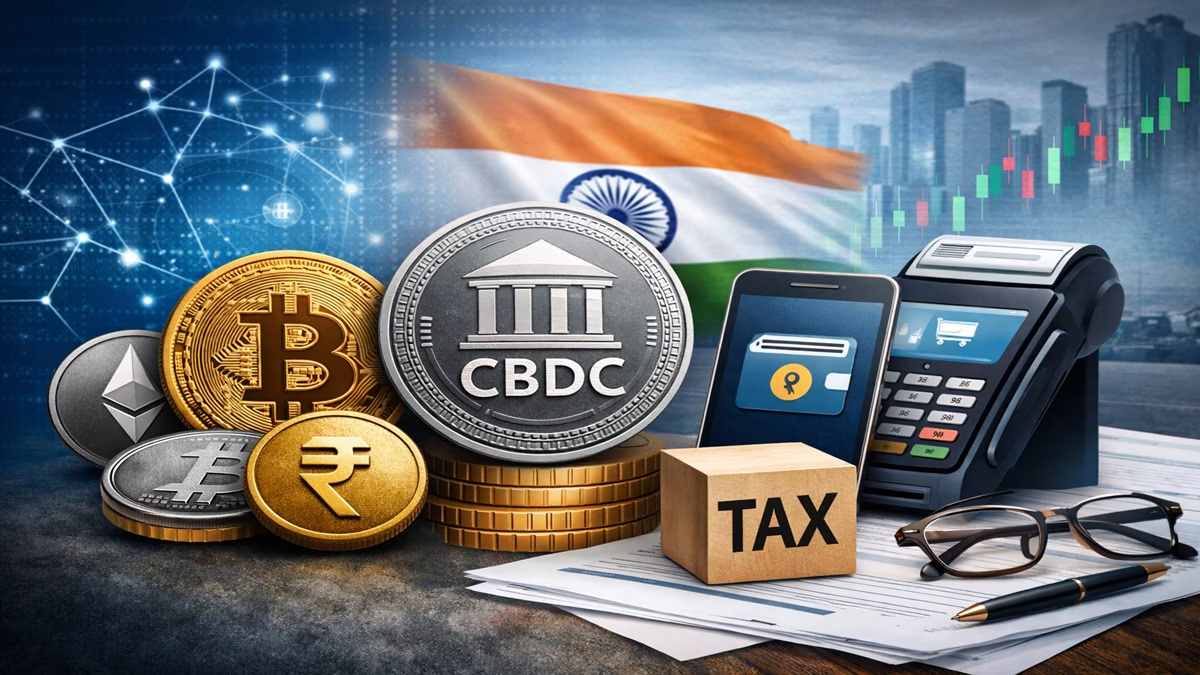
The government has amended the Income-tax Rules to expand the scope of financial reporting by banks and other institutions, bringing crypto assets, electronic money products and central bank digital currencies (CBDCs) within the reporting framework.
The amendments have been notified by the Central Board of Direct Taxes (CBDT) through Notification No. 19/2026, which modifies rules related to reporting of financial accounts under the Common Reporting Standard (CRS). The changes have come into effect from January 1, 2026.
The move is aimed at strengthening tax transparency and aligning India’s reporting framework with evolving global standards on digital assets and electronic payment systems.
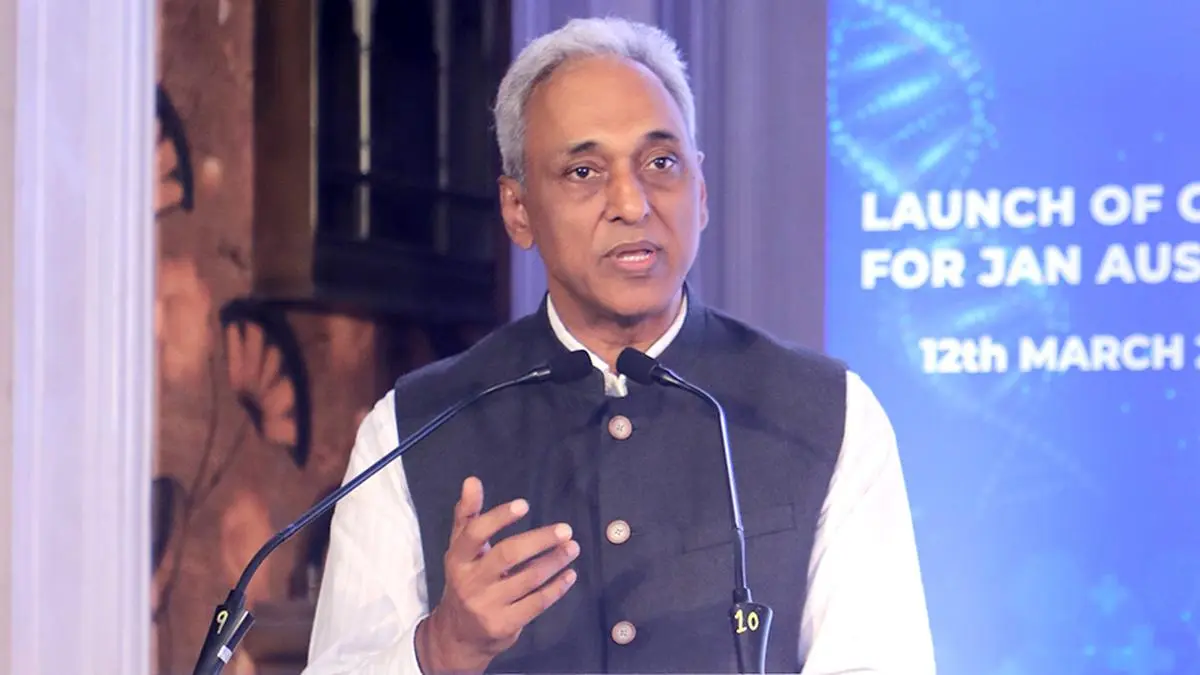
Commenting on the development, Sandeep Bhalla, Partner, Dhruva Advisors, said: “India has strengthened its tax transparency regime by amending Rules 114F–114H of the Income-tax Rules, 1962, effective 1 January 2026, aligning FATCA/CRS reporting requirements with OECD-led developments such as the Crypto-Asset Reporting Framework (CARF).”
Crypto assets now treated as financial assets
One of the key changes is that the rules now explicitly include relevant crypto-assets within the definition of financial assets for reporting purposes.
As the notification states: “For an account other than a U.S. reportable account, ‘financial asset’ shall also include any interest… in a relevant crypto-asset.”
This means that certain crypto-asset holdings or related interests may now fall within the reporting obligations of financial institutions.
The rules also define what constitutes a “relevant crypto-asset”, broadly covering digital assets that are not central bank digital currencies or specified electronic money products, unless they cannot be used for payment or investment purposes.
Bhalla said the amendments expand the scope of the reporting framework significantly.
The amendments to Rule 114F significantly expand the scope of financial accounts and institutions under the CRS framework by bringing crypto-assets, central bank digital currencies (CBDCs) and specified electronic money products within the reporting ecosystem, he said.
“At the same time, certain low-risk accounts such as incorporation accounts, low-value e-money accounts with an average 90-day balance not exceeding USD 10,000 and qualified non-profit entities have been excluded to reduce compliance burden. Overall, the rule aims to capture emerging digital financial products while adopting a risk-based approach to reporting.”
Central bank digital currencies brought under the framework
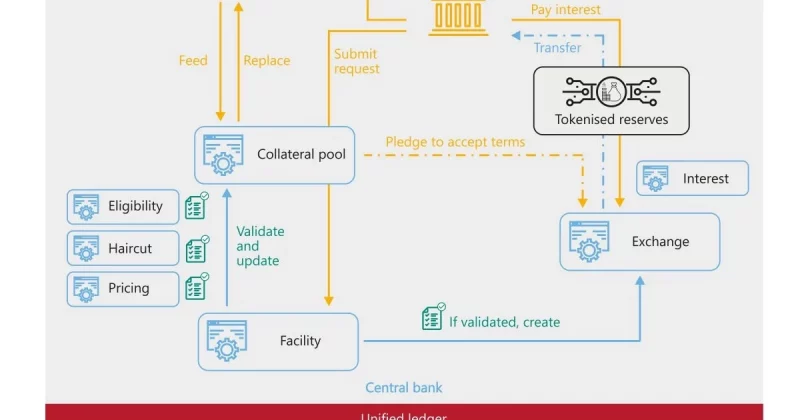
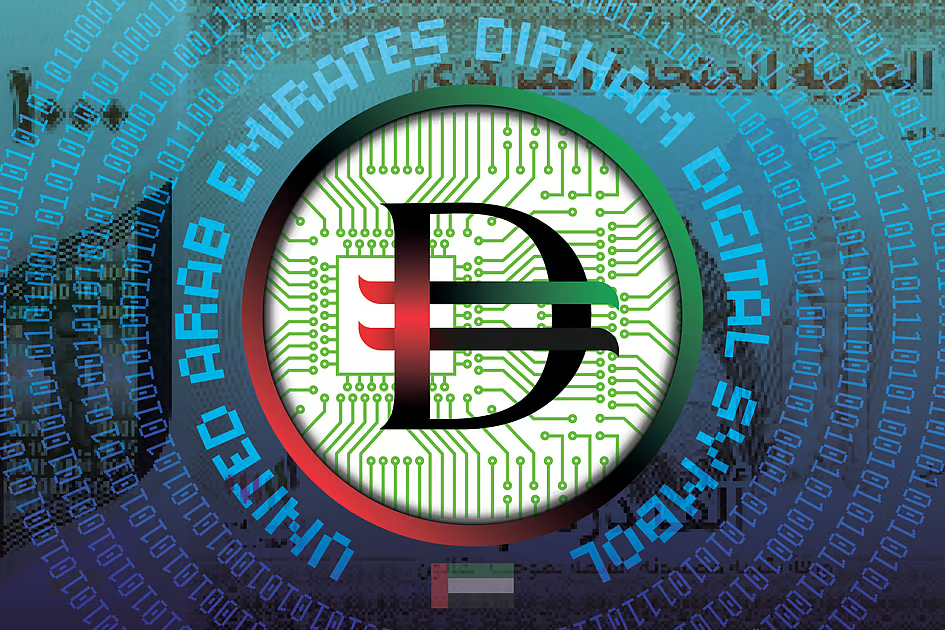
The amendment also formally introduces a definition of Central Bank Digital Currency (CBDC) in the rules.
According to the notification: “Central bank digital currencies means any digital fiat currency issued by a Central Bank.”
Accounts holding CBDCs for customers can now be treated as depository accounts, bringing them under the reporting regime. This is significant as many countries, including India, are experimenting with digital currencies issued by central banks.
Electronic money products also covered
The rules also introduce the concept of “Specified Electronic Money Product.” Such products are defined as digital representations of fiat currency issued after receiving funds for payment transactions and redeemable at par value in the same currency.
The notification explains: “Specified Electronic Money Product means any product that is a digital representation of a single fiat currency… issued on receipt of funds for the purpose of making payment transactions.”
However, products created only to facilitate transfer of funds between customers are excluded from this definition.
Additional reporting obligations for financial institutions
Financial institutions will now need to report additional information about financial accounts.
For accounts other than US reportable accounts, institutions will need to report whether the account holder has provided valid self-certification, the account is a joint account and the number of joint account holders.
The rules say: “A reporting financial institution shall also maintain and report whether the account holder has provided a valid self-certification… and report whether the account is a joint account, including the number of joint account holders.”
Institutions must also report the type of account and whether it is a pre-existing account or a new account.
Explaining the impact of these changes, Bhalla said: “The changes to Rule 114G strengthen the reporting and documentation requirements for Reporting Financial Institutions (RFIs).”
Institutions will now need to maintain additional information such as valid self-certification status, joint account details, the role of controlling persons and the classification of accounts as new or pre-existing, he noted.
“These changes enhance beneficial ownership transparency and improve the accuracy of cross-border tax information exchange, while also preventing duplicate reporting where transactions are already covered under the Crypto-Asset Reporting Framework.”
Reporting of controlling persons in entities
The amended rules require financial institutions to identify and report the role through which a person controls an entity.
This applies particularly in cases where a reportable person is a controlling person or equity interest holder in an investment entity structured as a legal arrangement.
Relief where crypto reporting already done
The government has also introduced a practical relief provision. Where the gross proceeds from sale or redemption of financial assets are already reported under the Crypto-Asset Reporting Framework, financial institutions may not need to report them again under CRS rules.
New definitions for non-profit entities
The rules also introduce a definition of “Qualified Non-Profit Entity.” Such entities must operate for charitable, educational, religious or social welfare purposes; be exempt from income tax in India; have no shareholders or members benefiting from their income or assets.
Assets of such entities must also be transferred to another eligible entity or the government if the organisation is dissolved.
Changes in due diligence timelines
The amendments also modify certain due diligence timelines for reportable accounts, particularly where accounts become reportable due to amendments in the Common Reporting Standard.
In such cases, accounts may be treated as financial accounts on or after January 1, 2026.
Bhalla further said: “The amendments to Rule 114H clarify the due diligence procedures for identifying reportable accounts, particularly in cases where accounts become financial accounts due to updates in the CRS framework.”
The rule aligns identification procedures with AML/KYC standards under the Prevention of Money Laundering Act, and provides limited flexibility where self-certifications cannot be obtained immediately for new accounts, he said adding that these changes aim to ensure consistent due diligence while providing practical relief during the transition period.
“Collectively, these amendments significantly expand India’s CRS reporting framework to cover emerging digital assets while maintaining a risk-based compliance approach.”