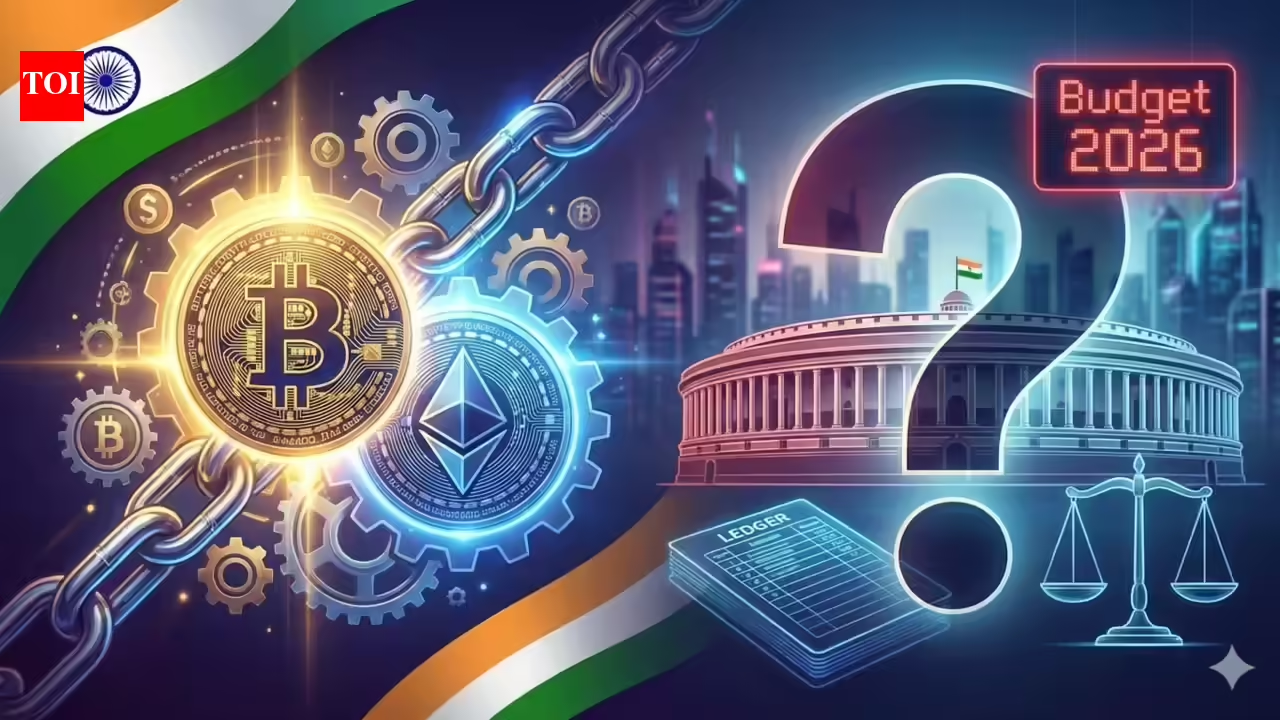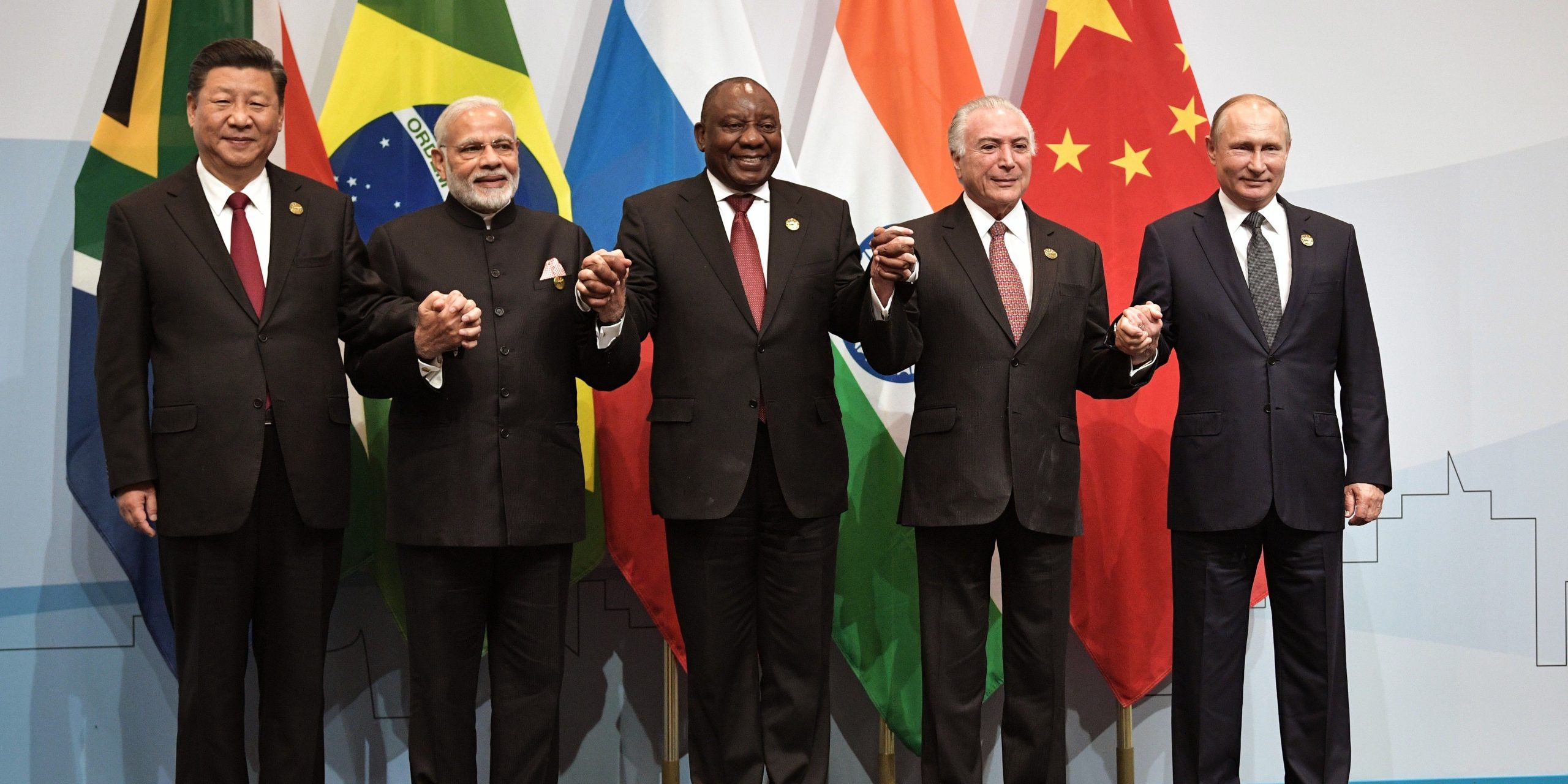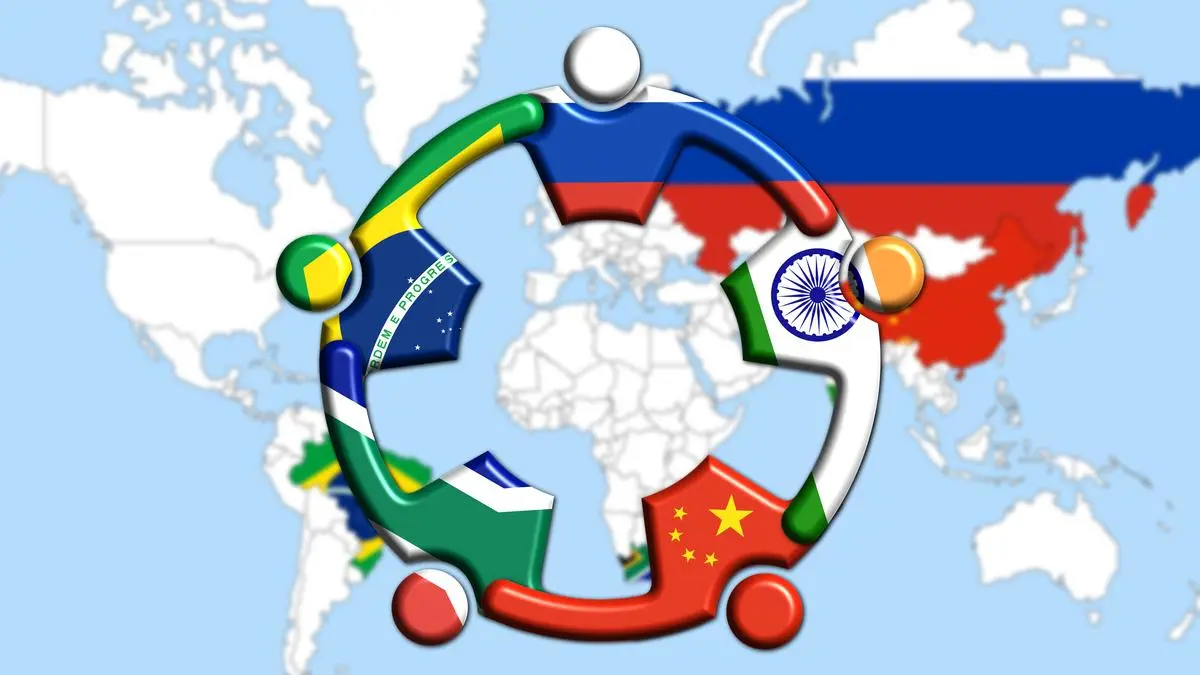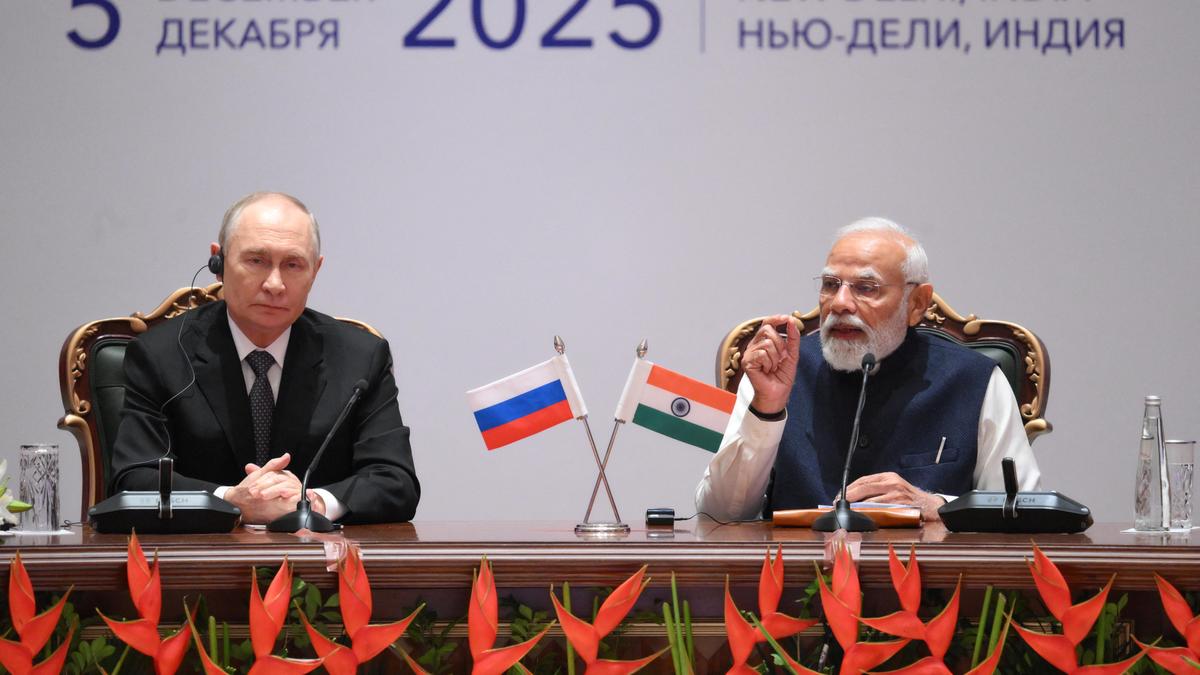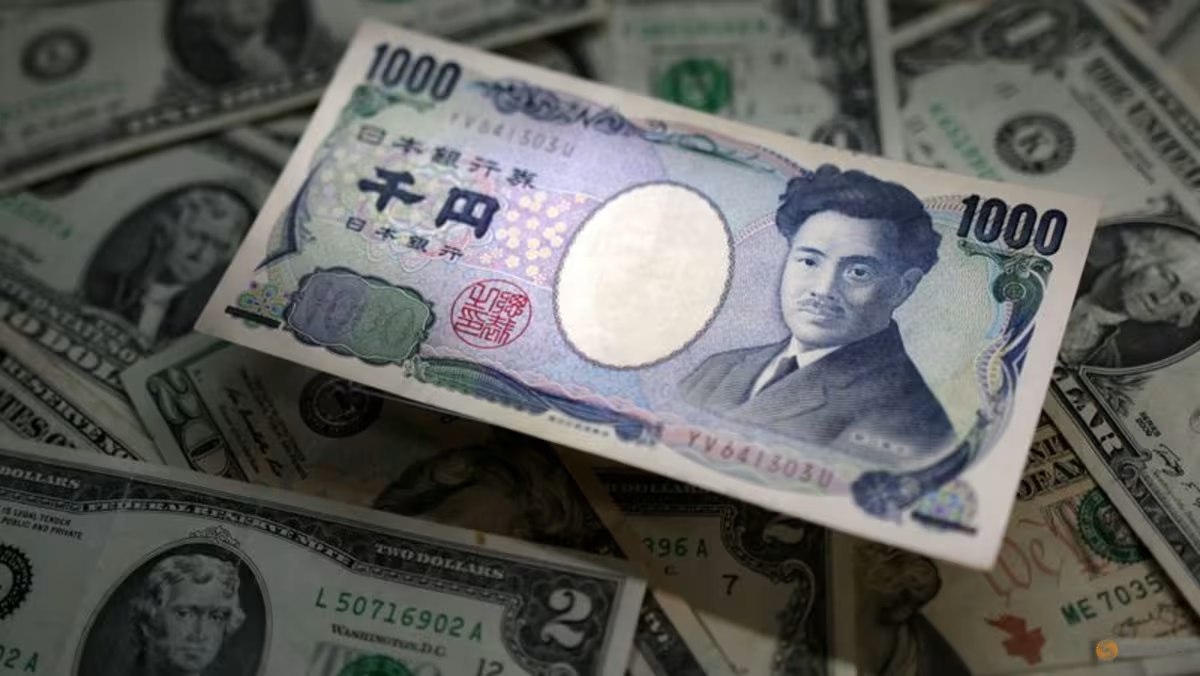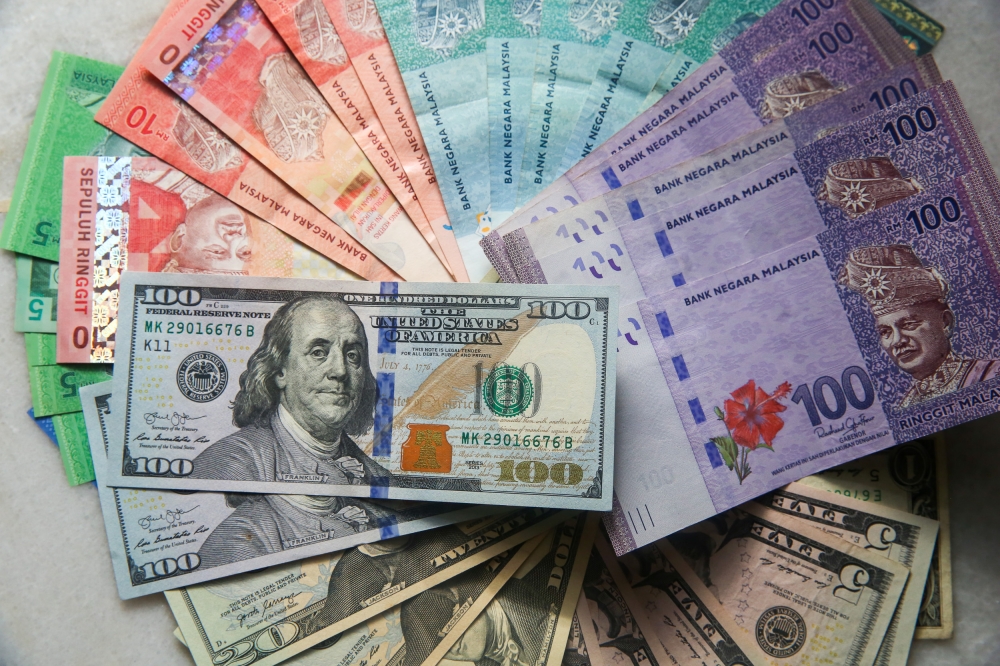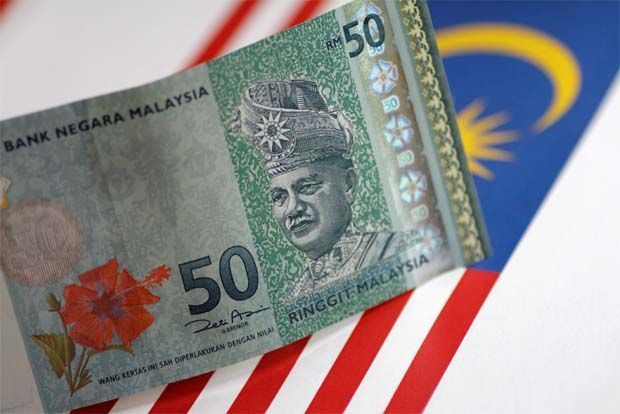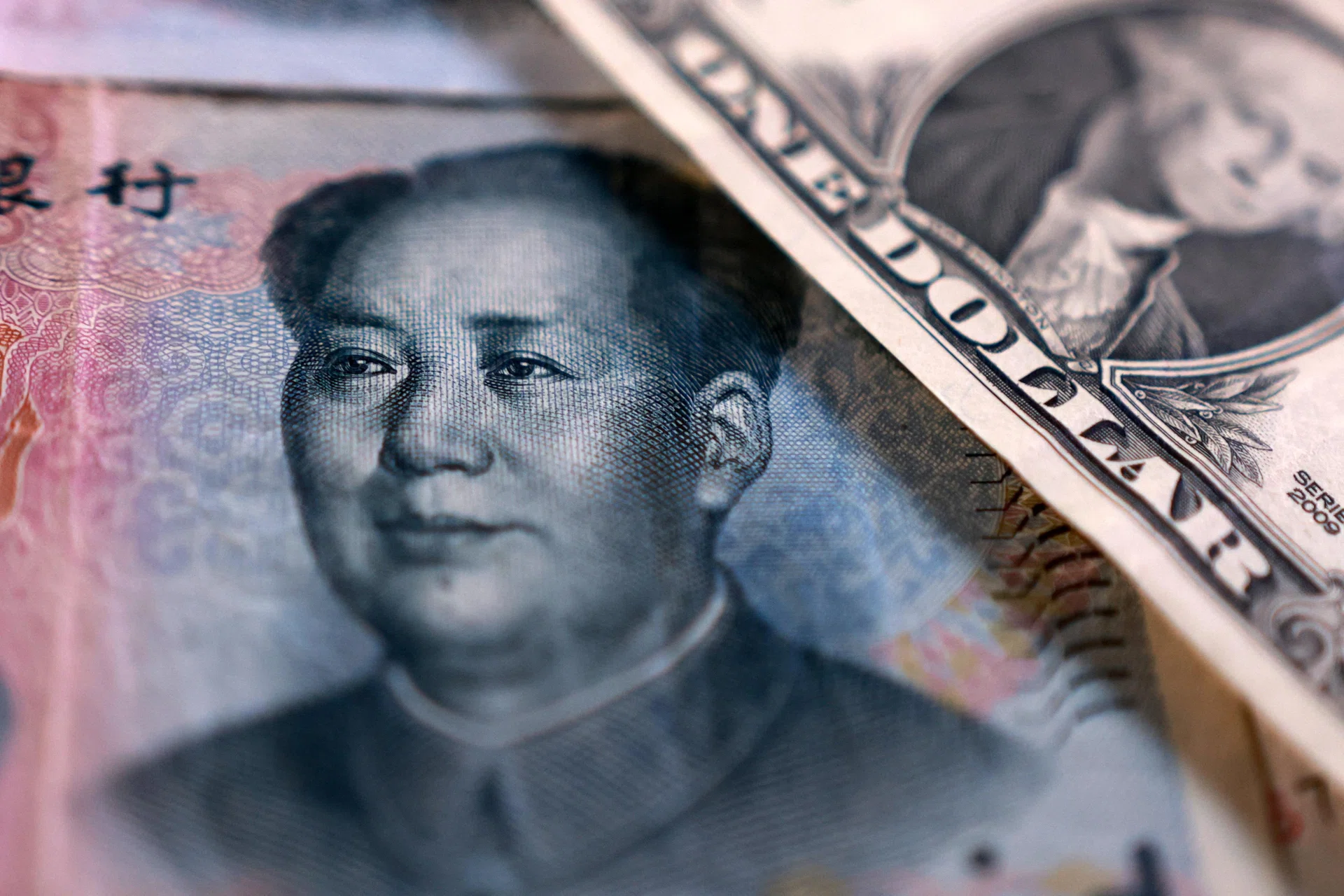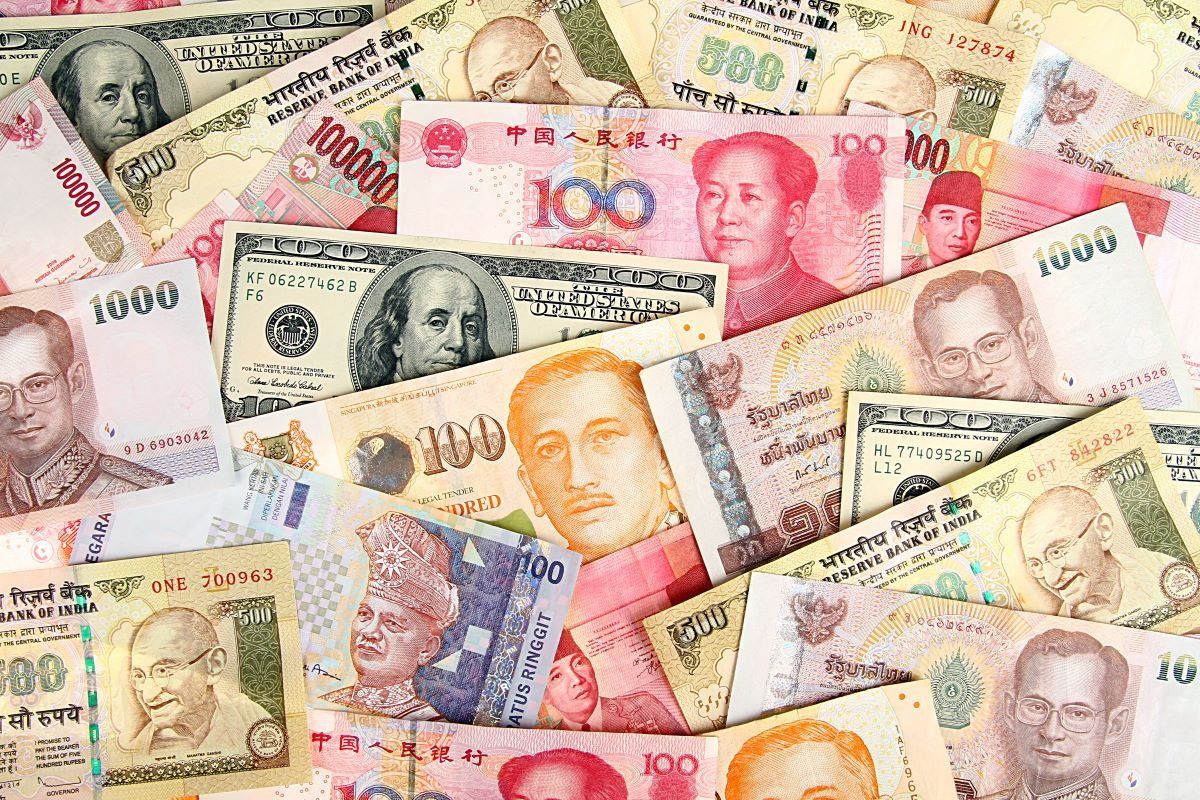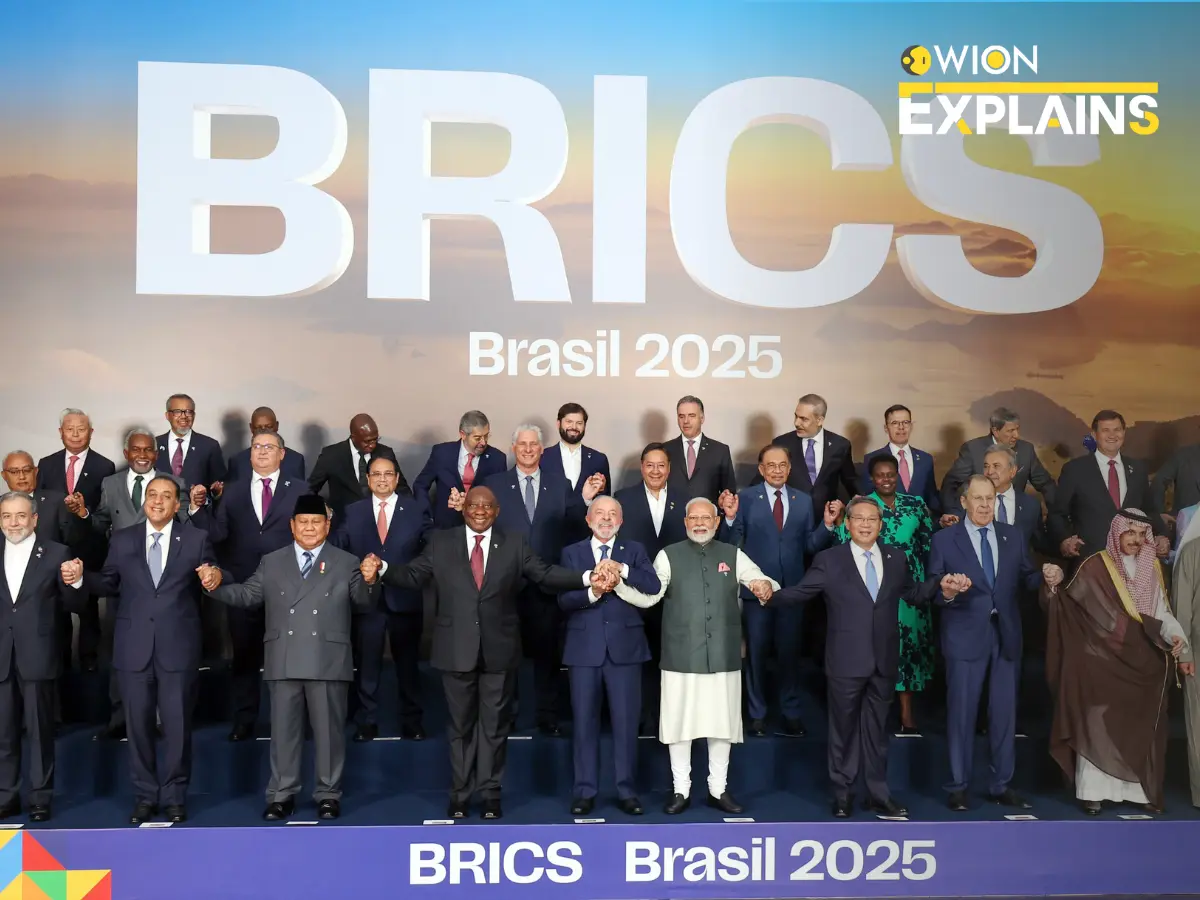
As India prepares to host the BRICS summit later this year, amid rumours of a “BRICS currency” to replace the US dollar, the focus is expected to be on a shared payment system that links national digital currencies. Here’s all you need to know about a BRICS payment system.
Not a currency, but a system
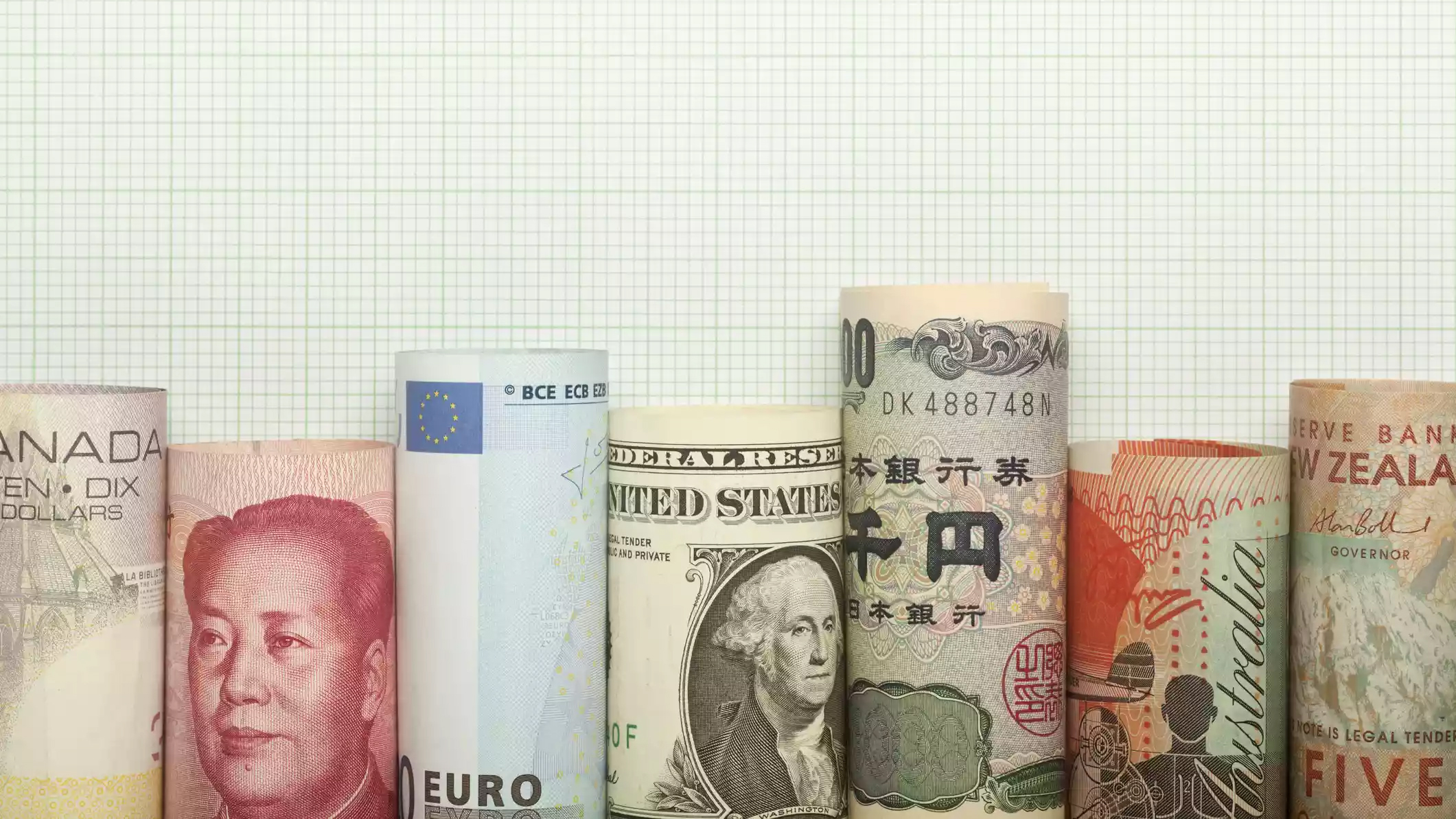
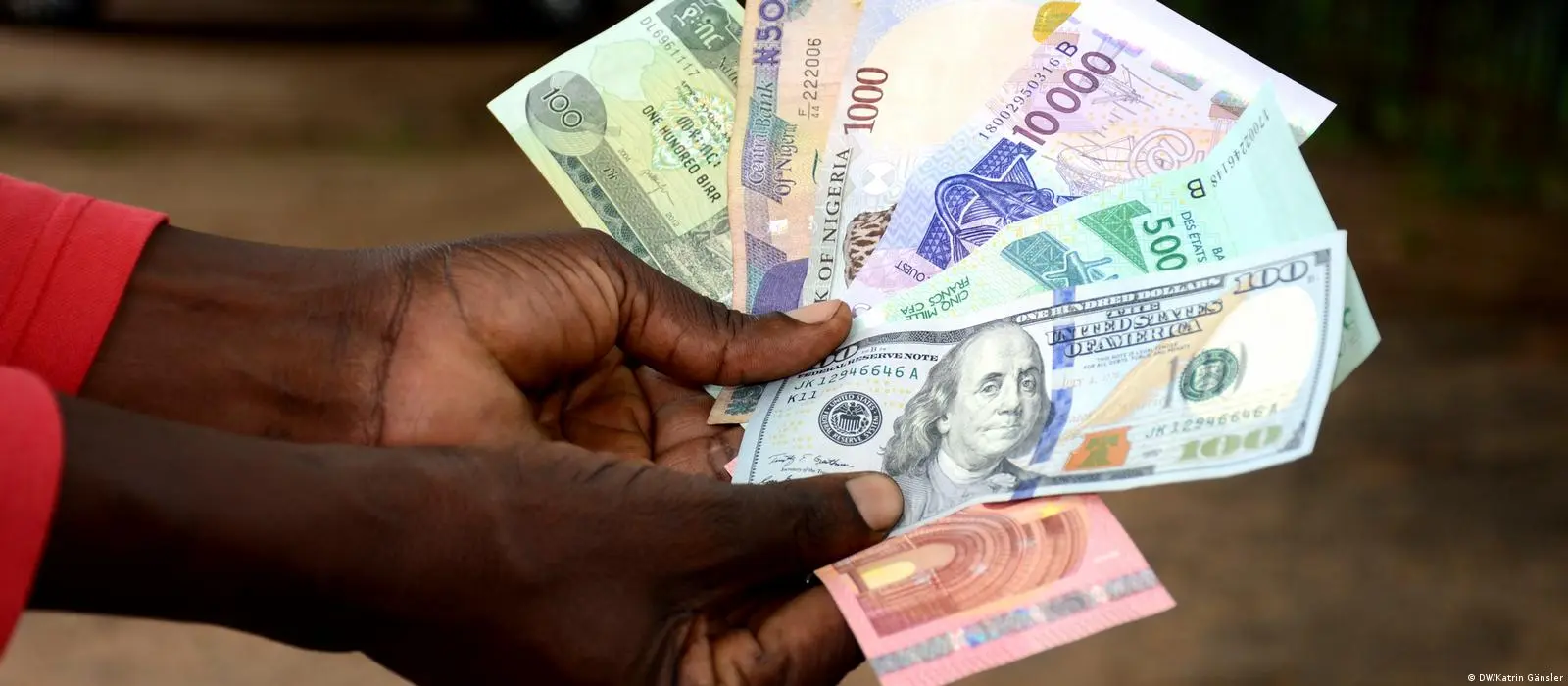
Previously, reports suggested the possible launch of a single BRICS currency that could potentially replace the US dollar. However, the proposals for a common currency ran into obvious problems: different inflation regimes, capital controls, and fears that China’s yuan would dominate any shared system. However, this new approach, a BRICS payment system built on interoperable central bank digital currencies (CBDCs), could avoid all of that.

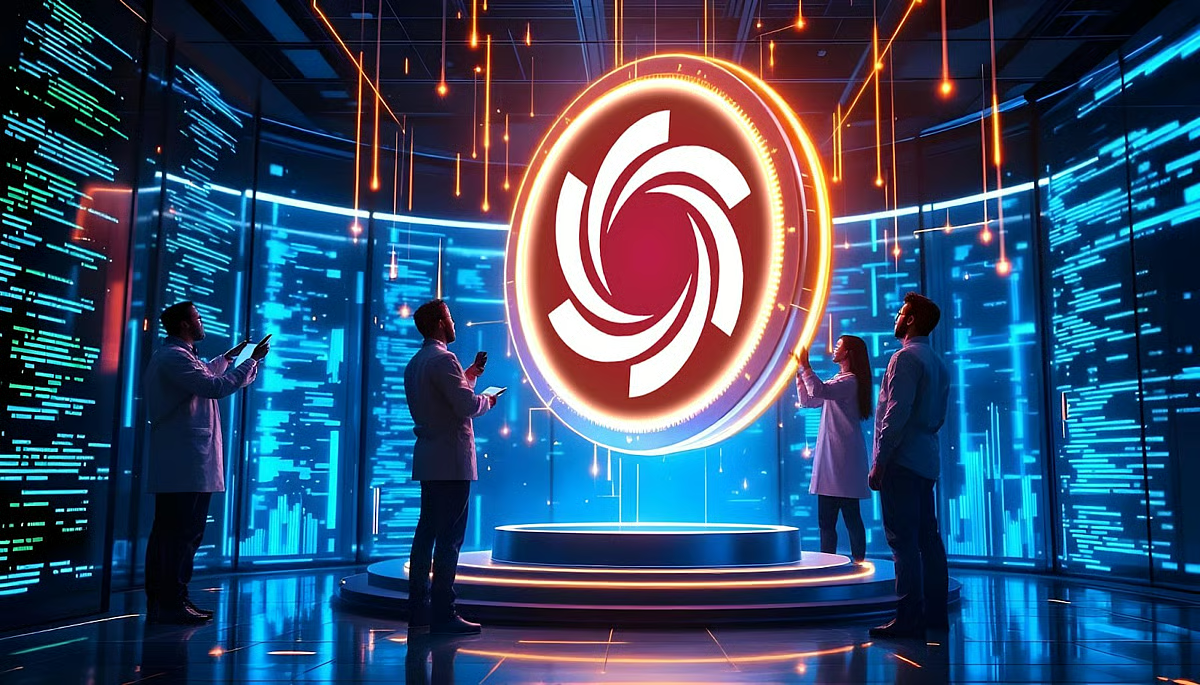
BRICS digital currency platform
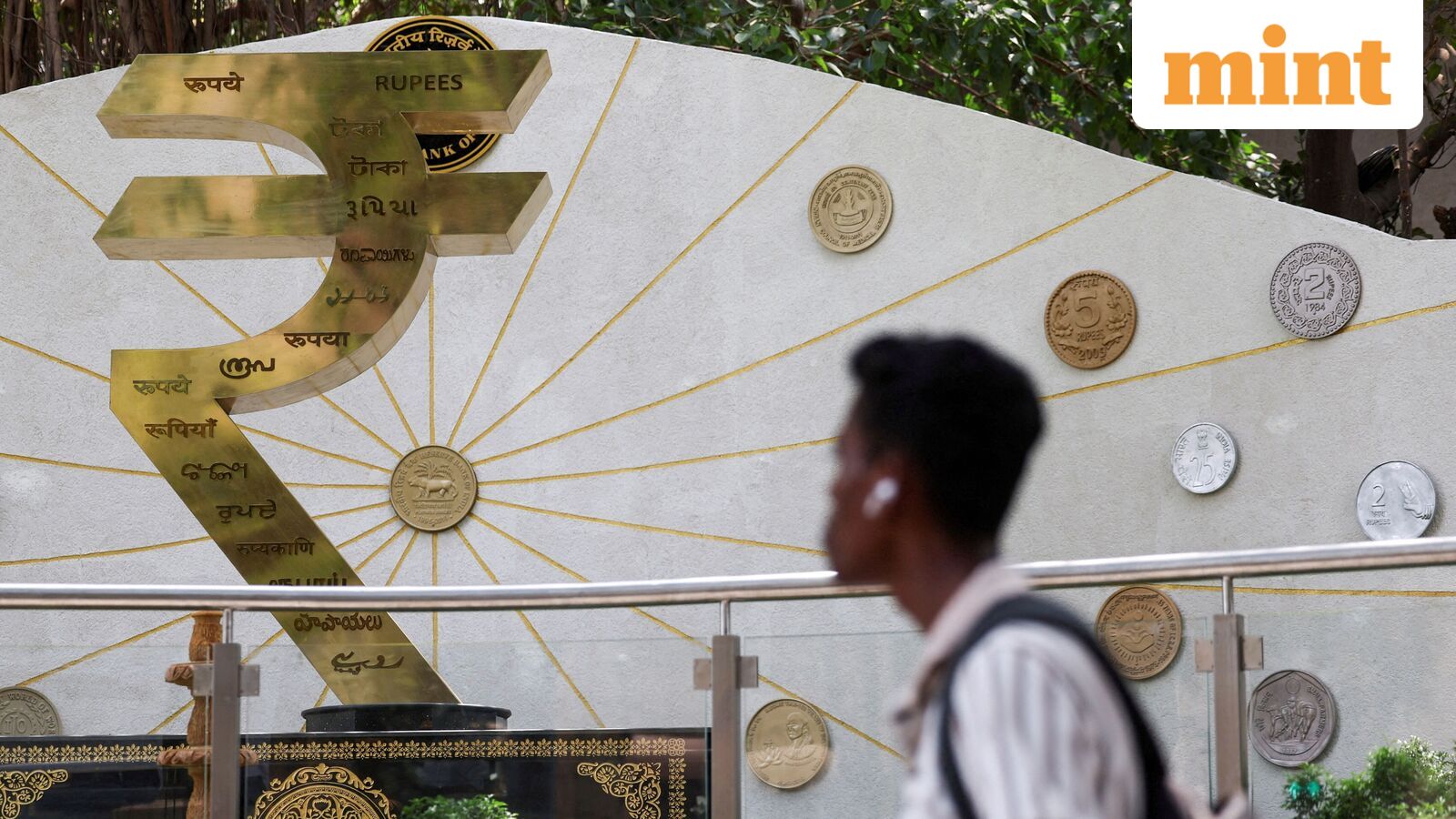
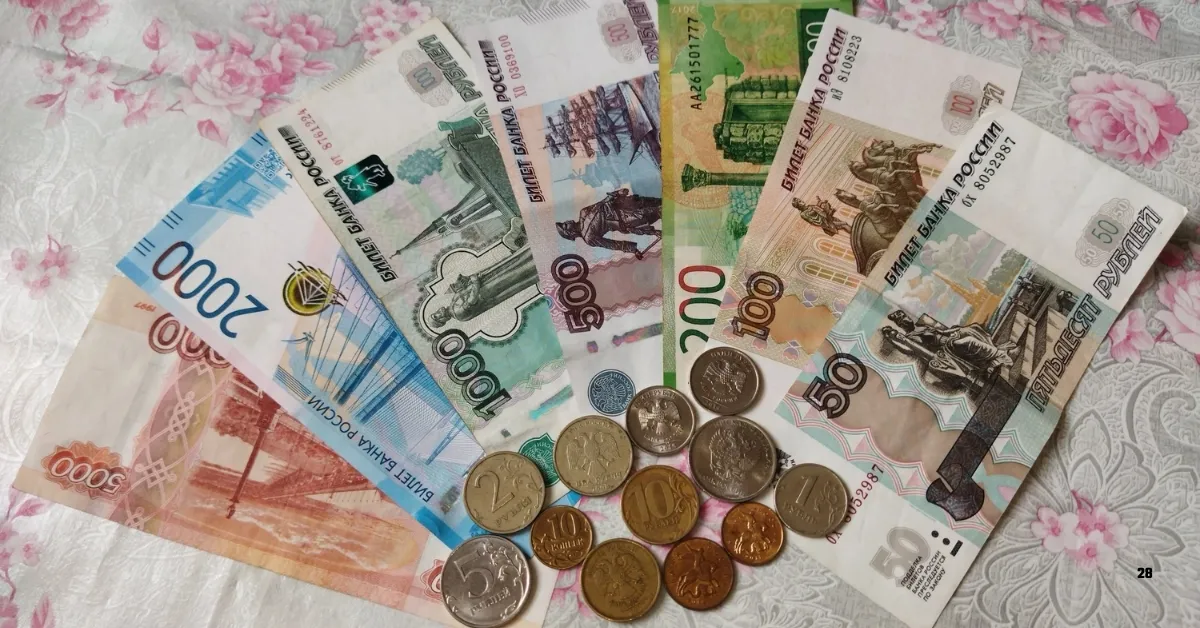
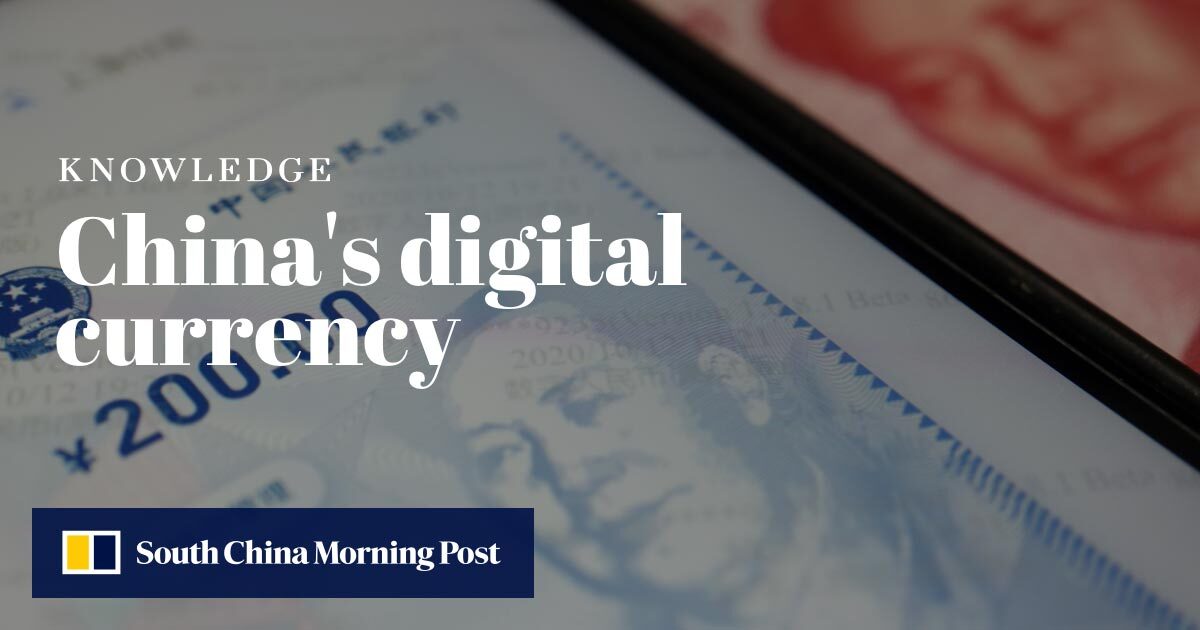
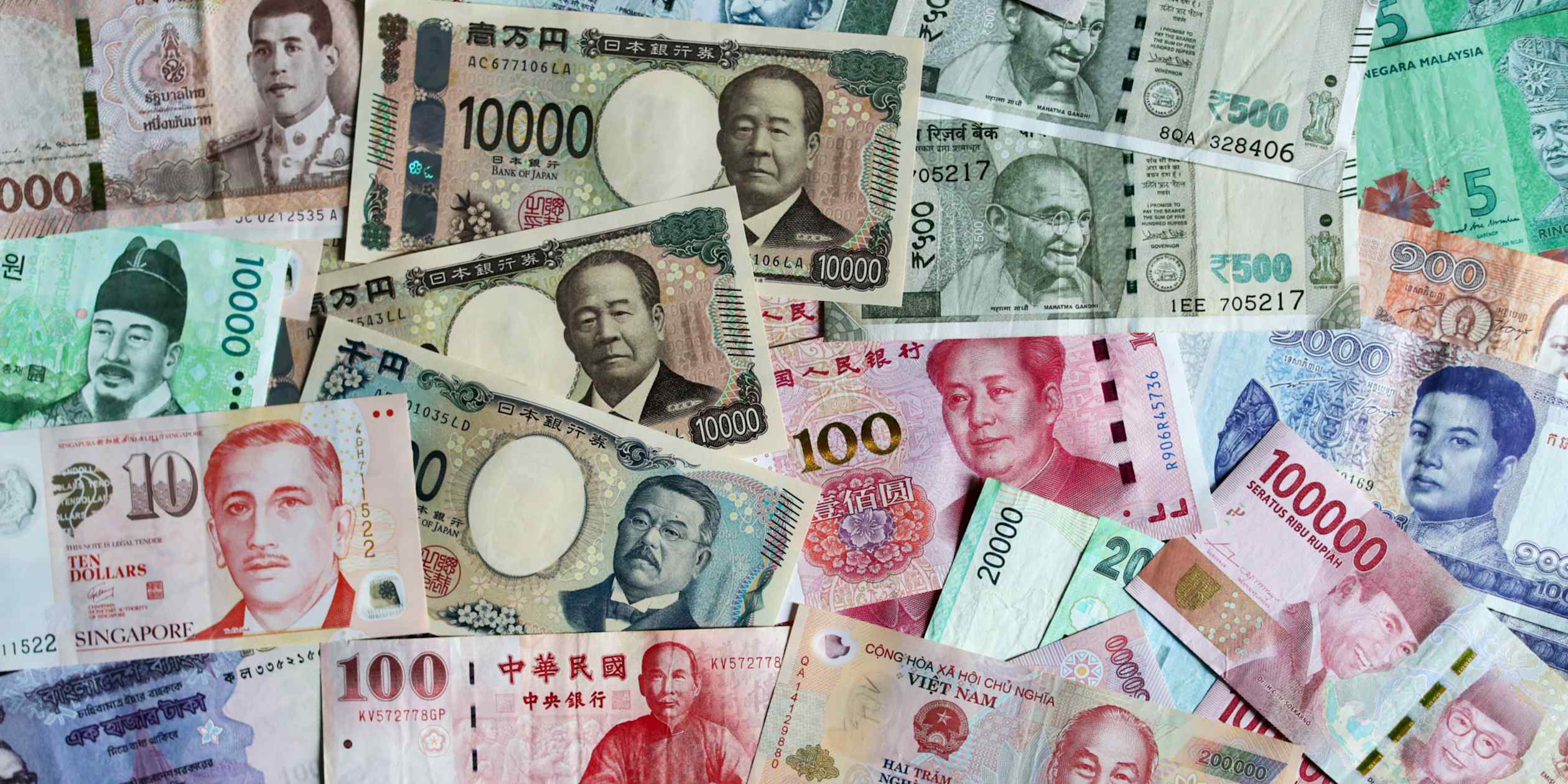
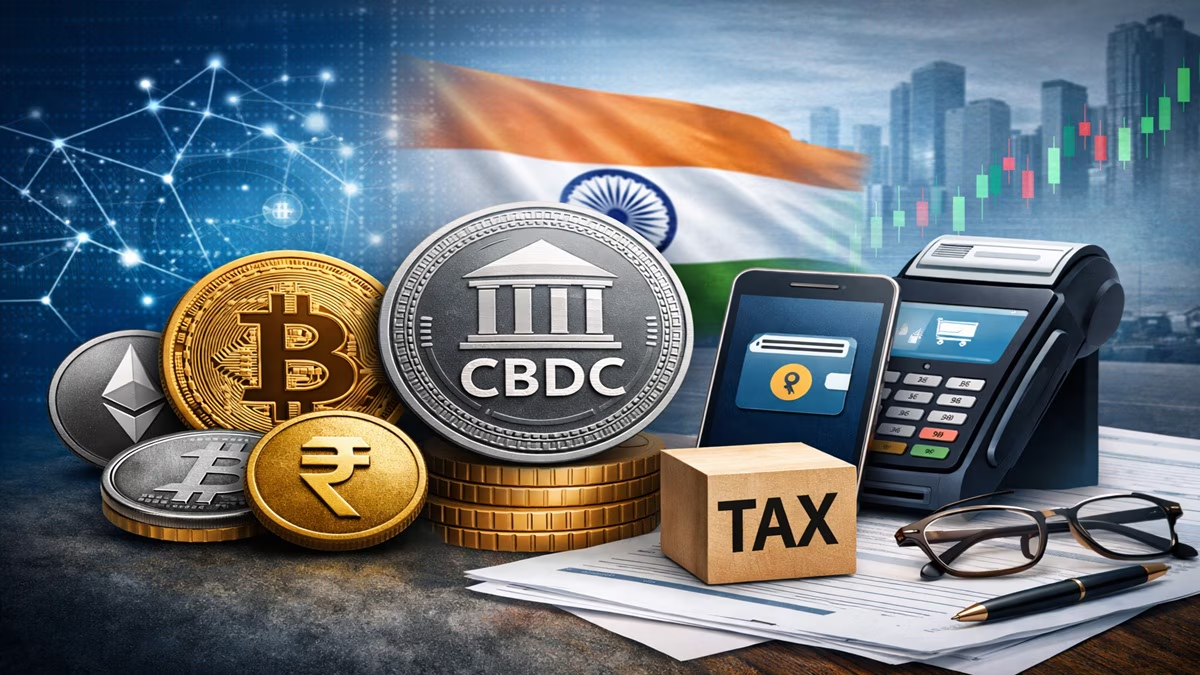
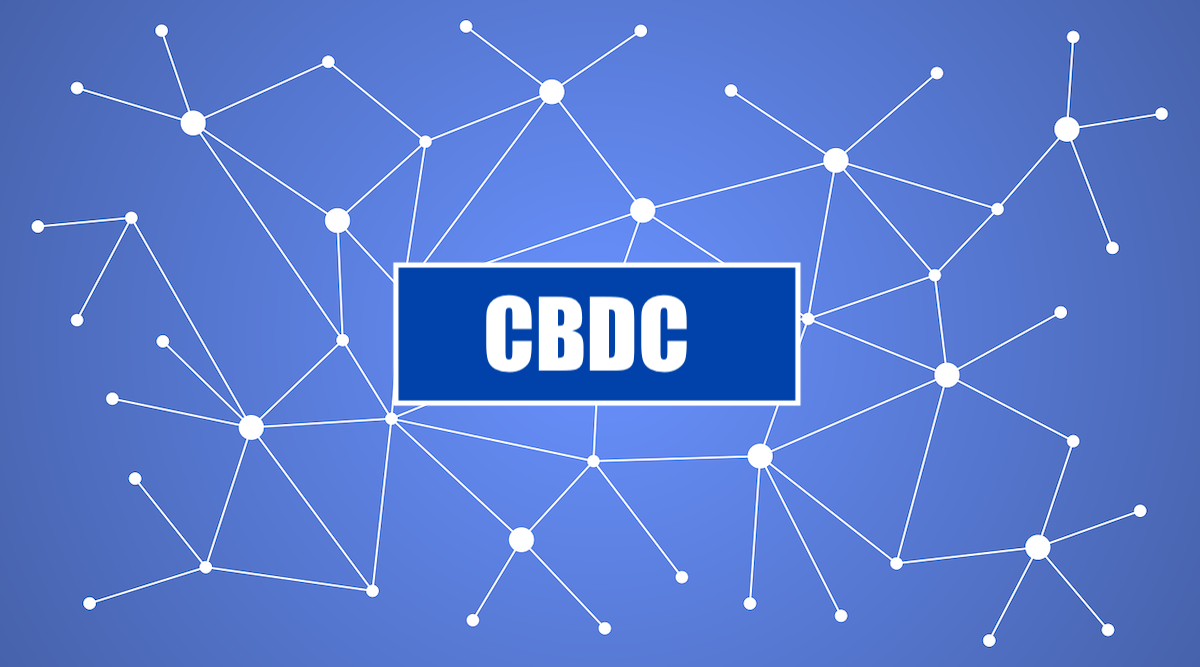
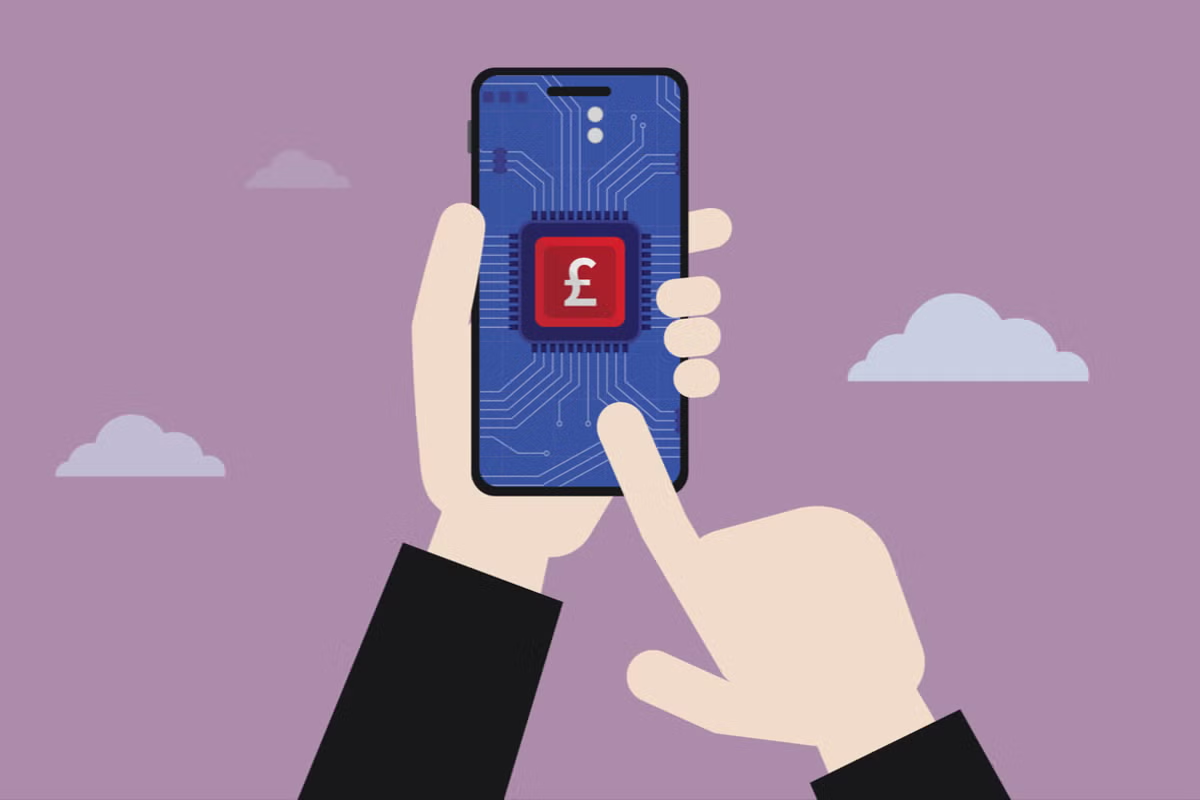
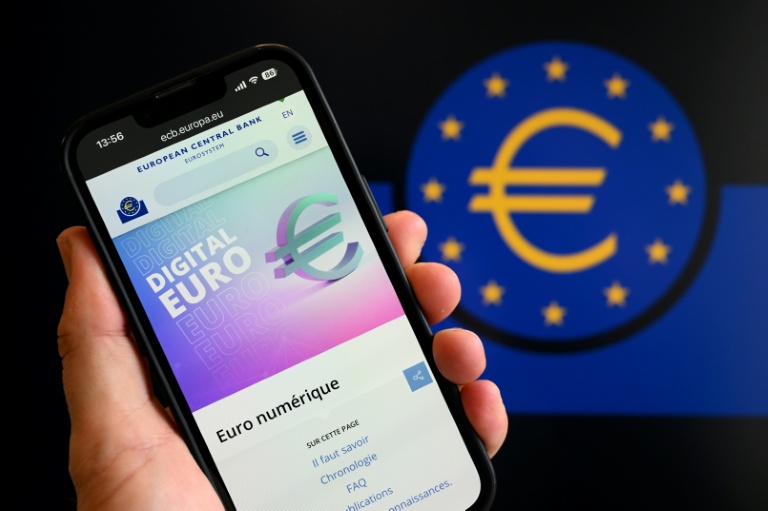
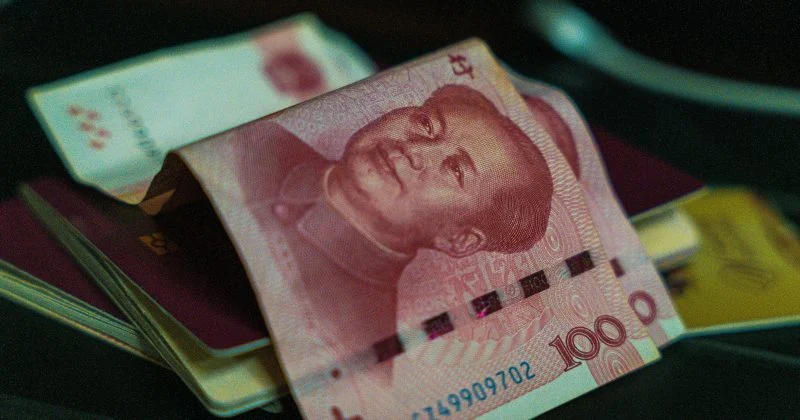
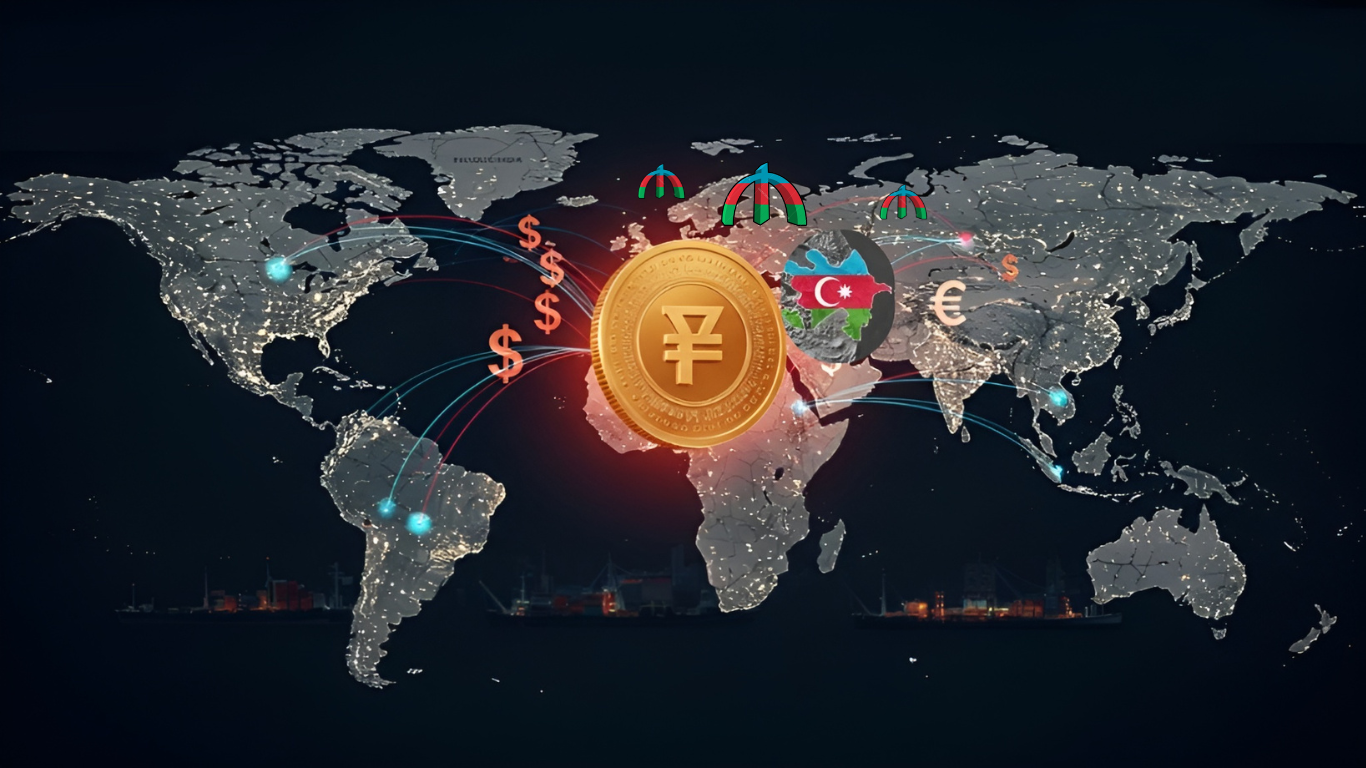
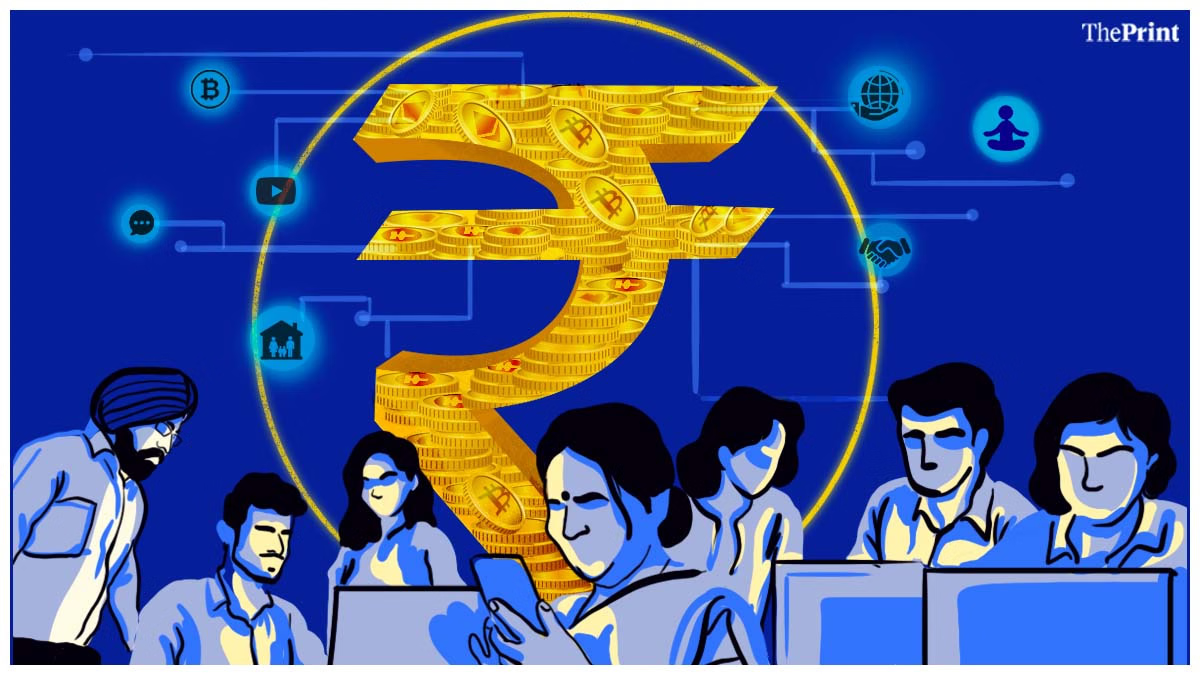
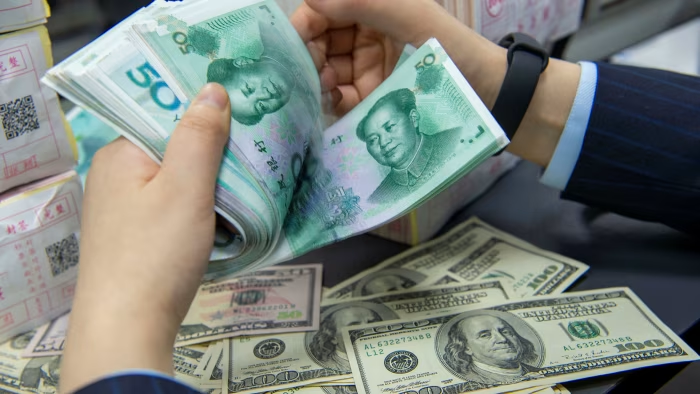
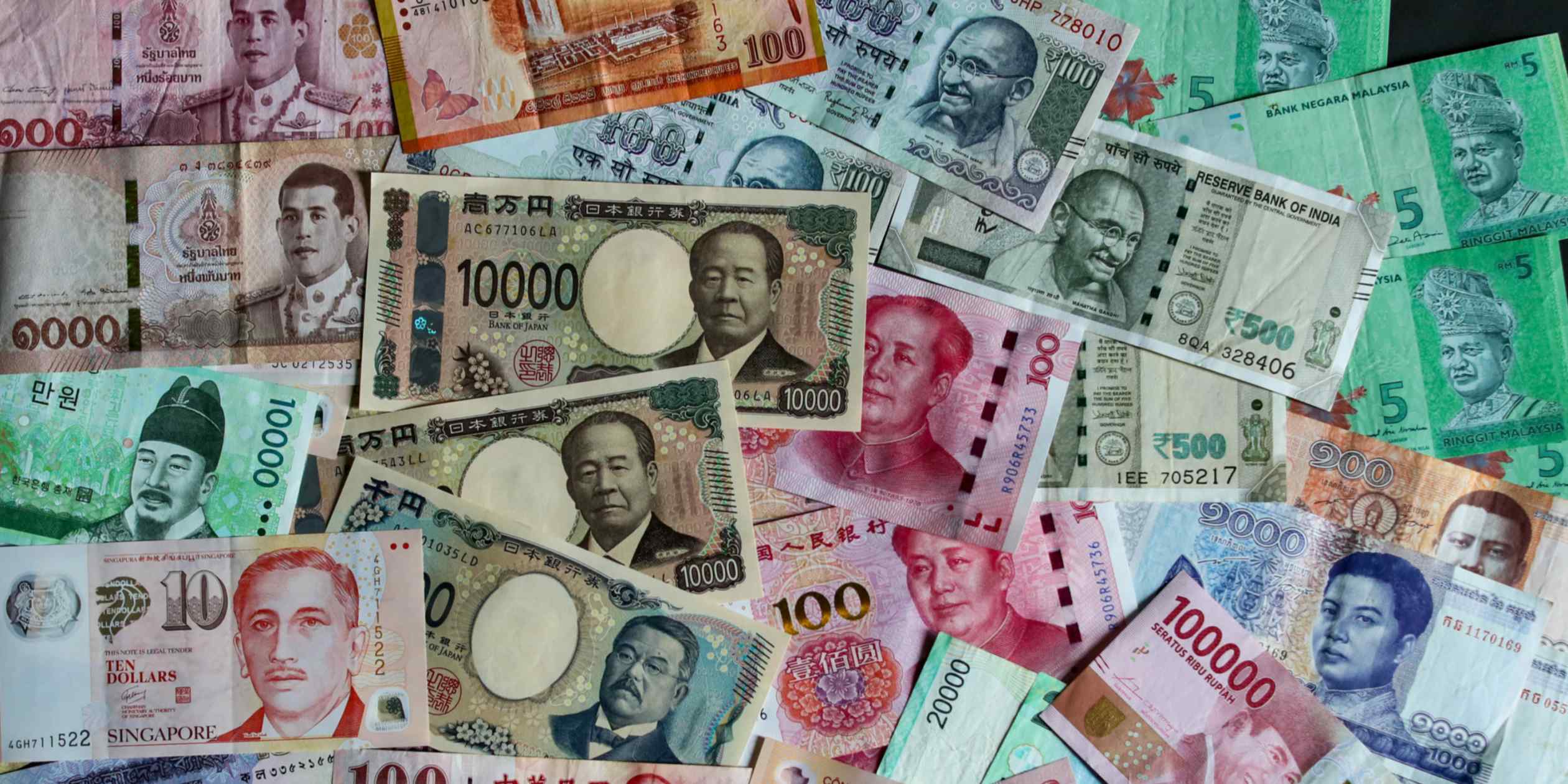
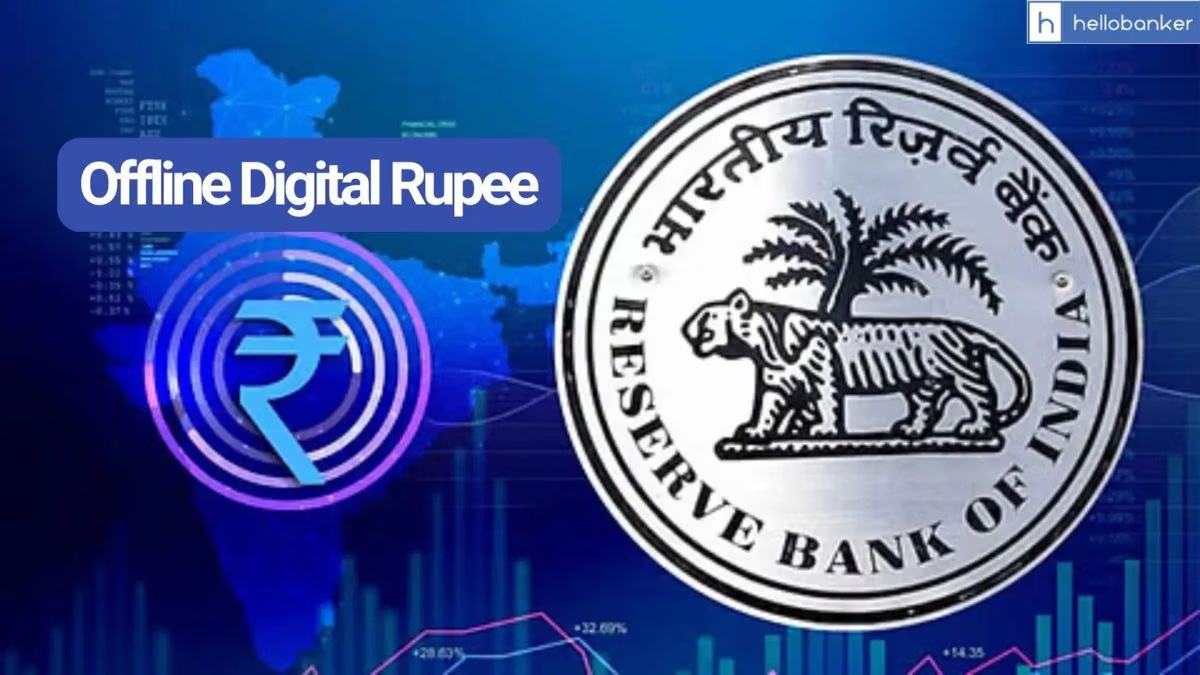
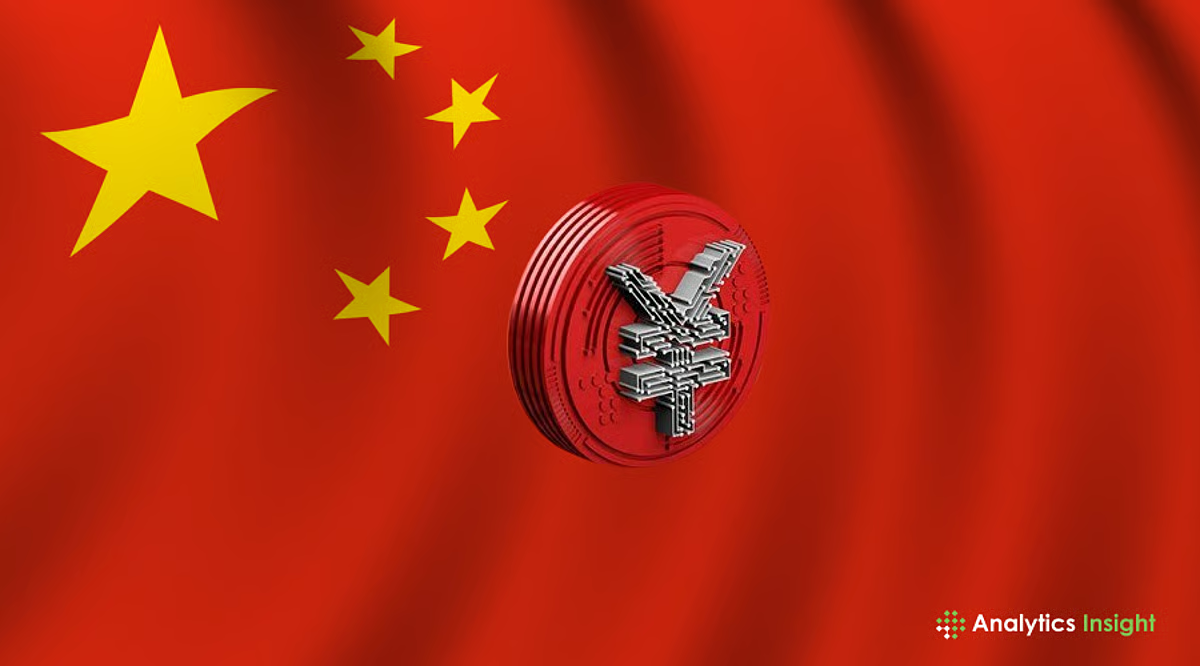
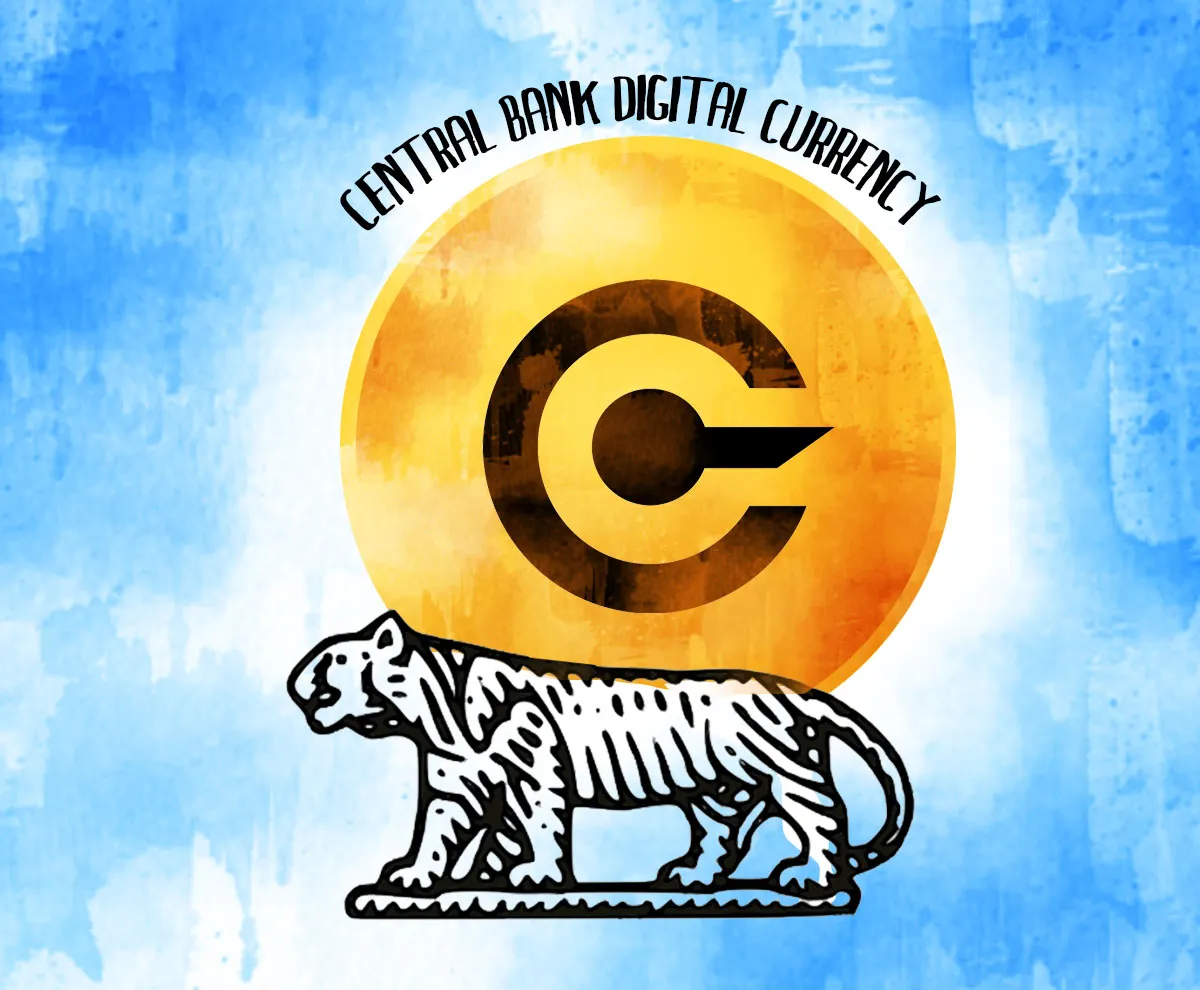
According to Asia Times, the idea is to connect existing central bank digital currencies, such as India’s digital rupee, China’s digital yuan and Russia’s digital ruble, through a common payment infrastructure. Each country keeps full control over its own currency. What changes is how these currencies interact.
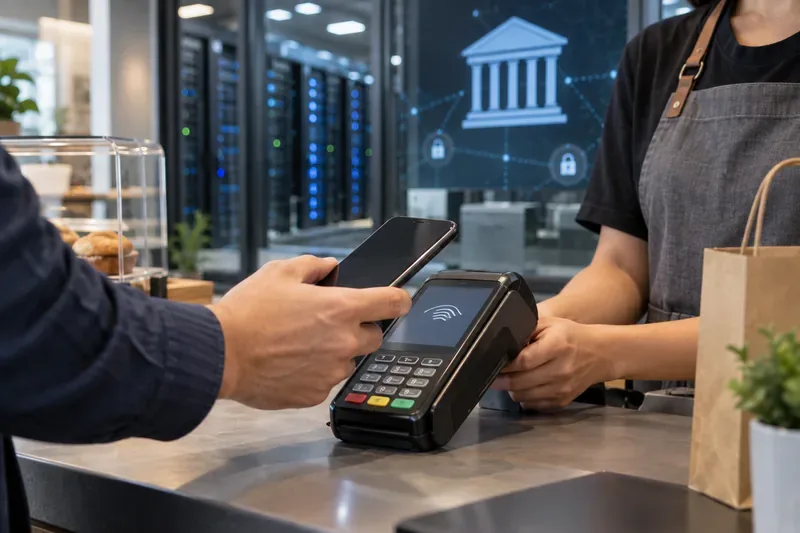
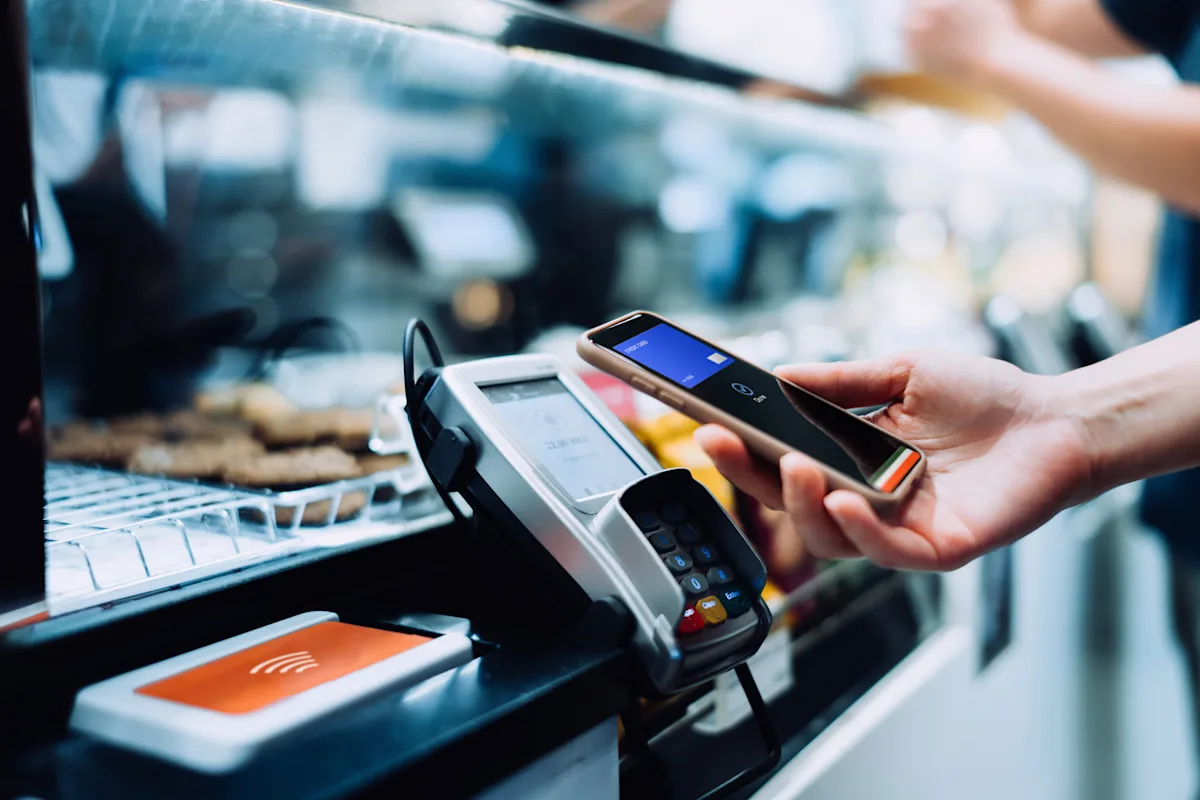
In simple terms, it would allow countries to settle trade directly in their own digital currencies, without routing payments through correspondent banks or the dollar-based SWIFT network.
Why India matters
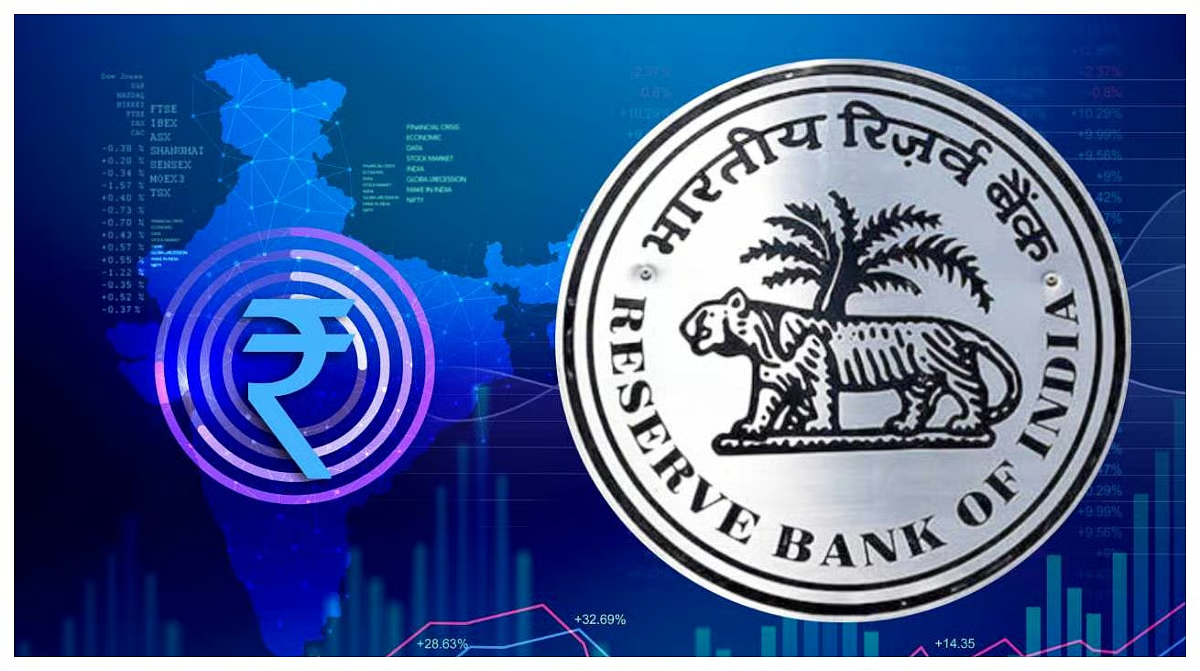
India is playing a central role in shaping this direction. Summit host New Delhi has consistently pushed for interoperability rather than monetary integration, a philosophy shaped by its own digital payments success at home through Unified Payments Interface (UPI). The emphasis is on building systems that talk to each other while preserving sovereignty.
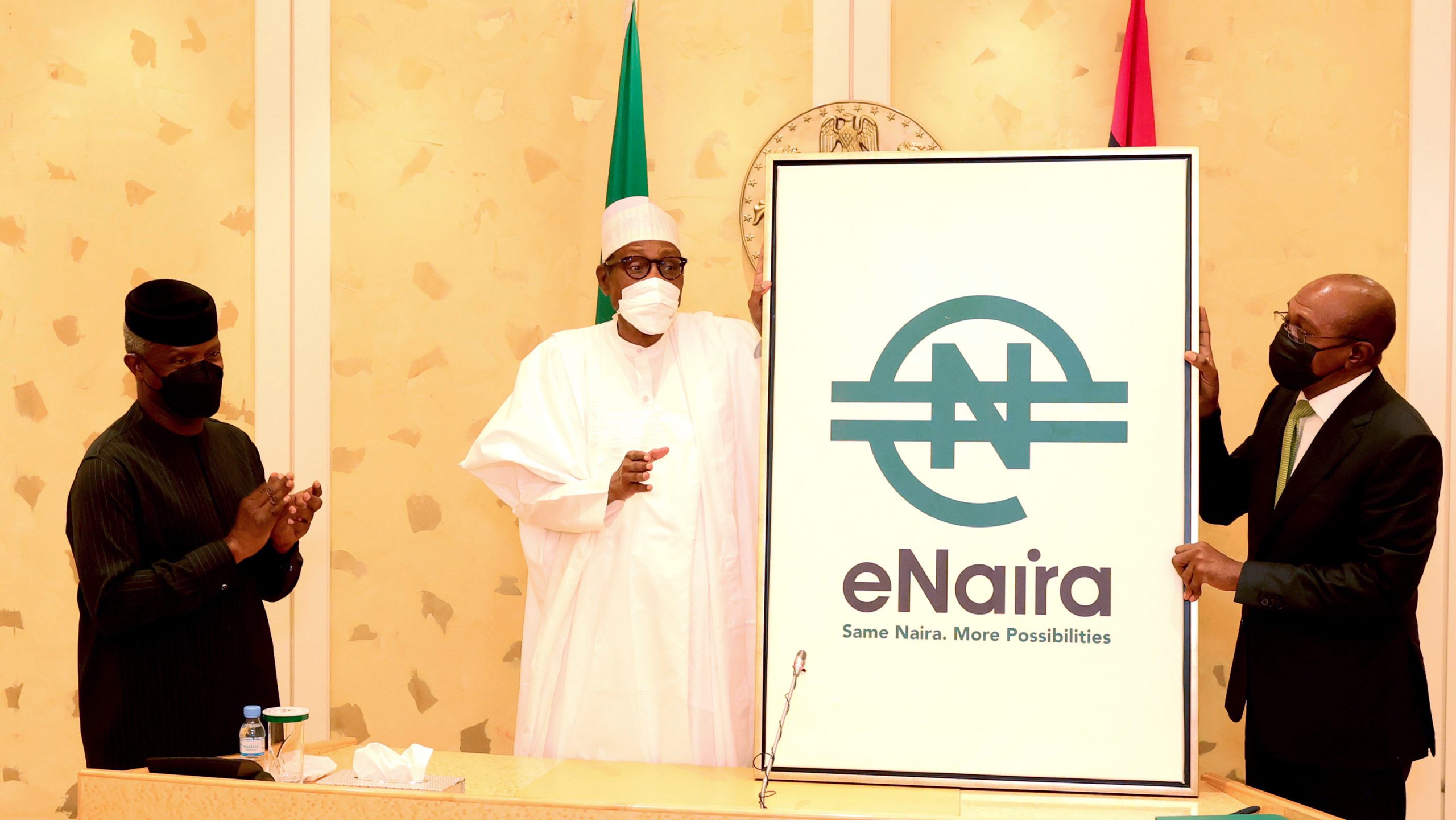
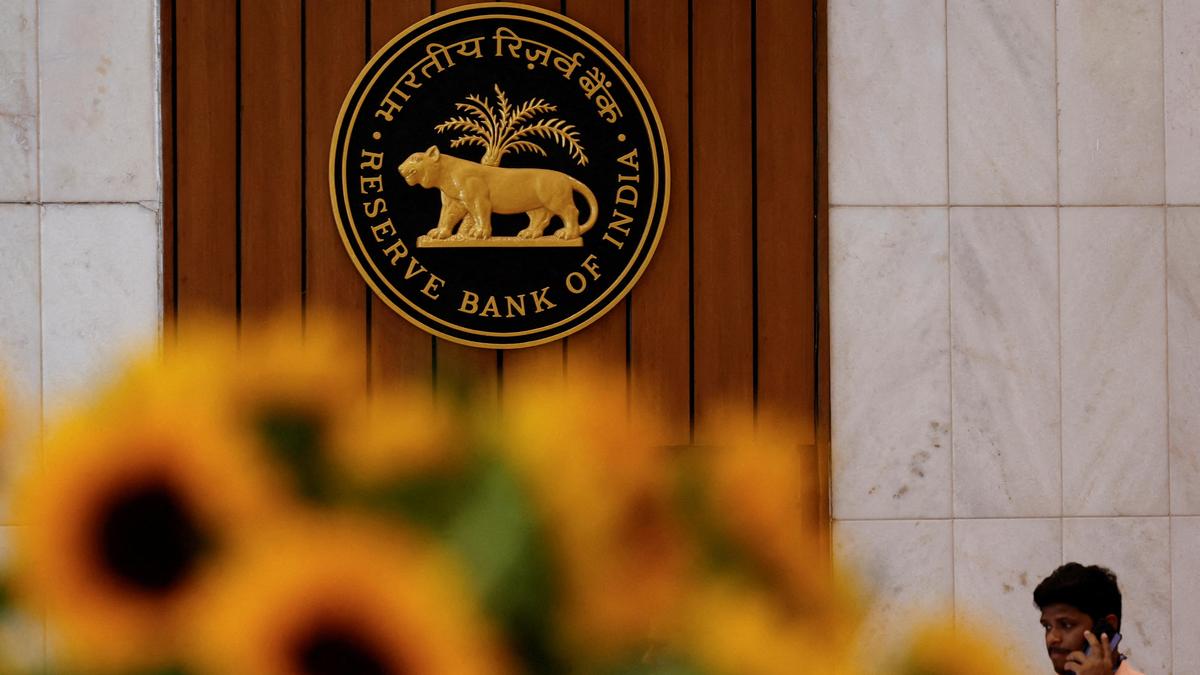
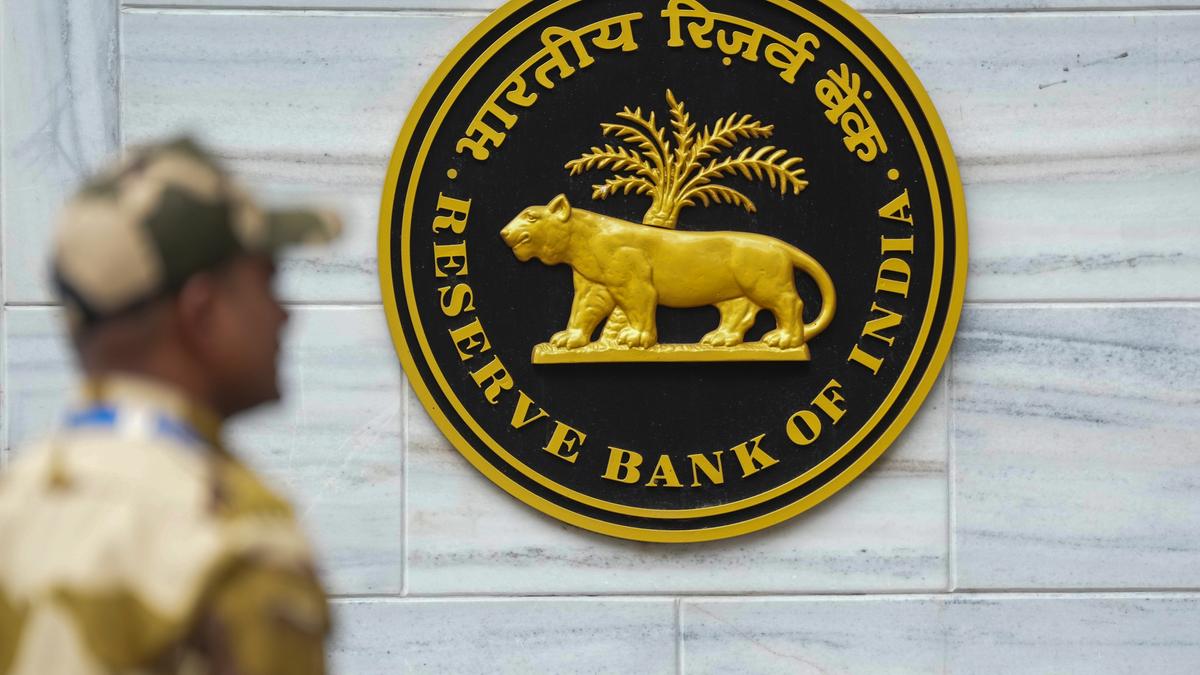
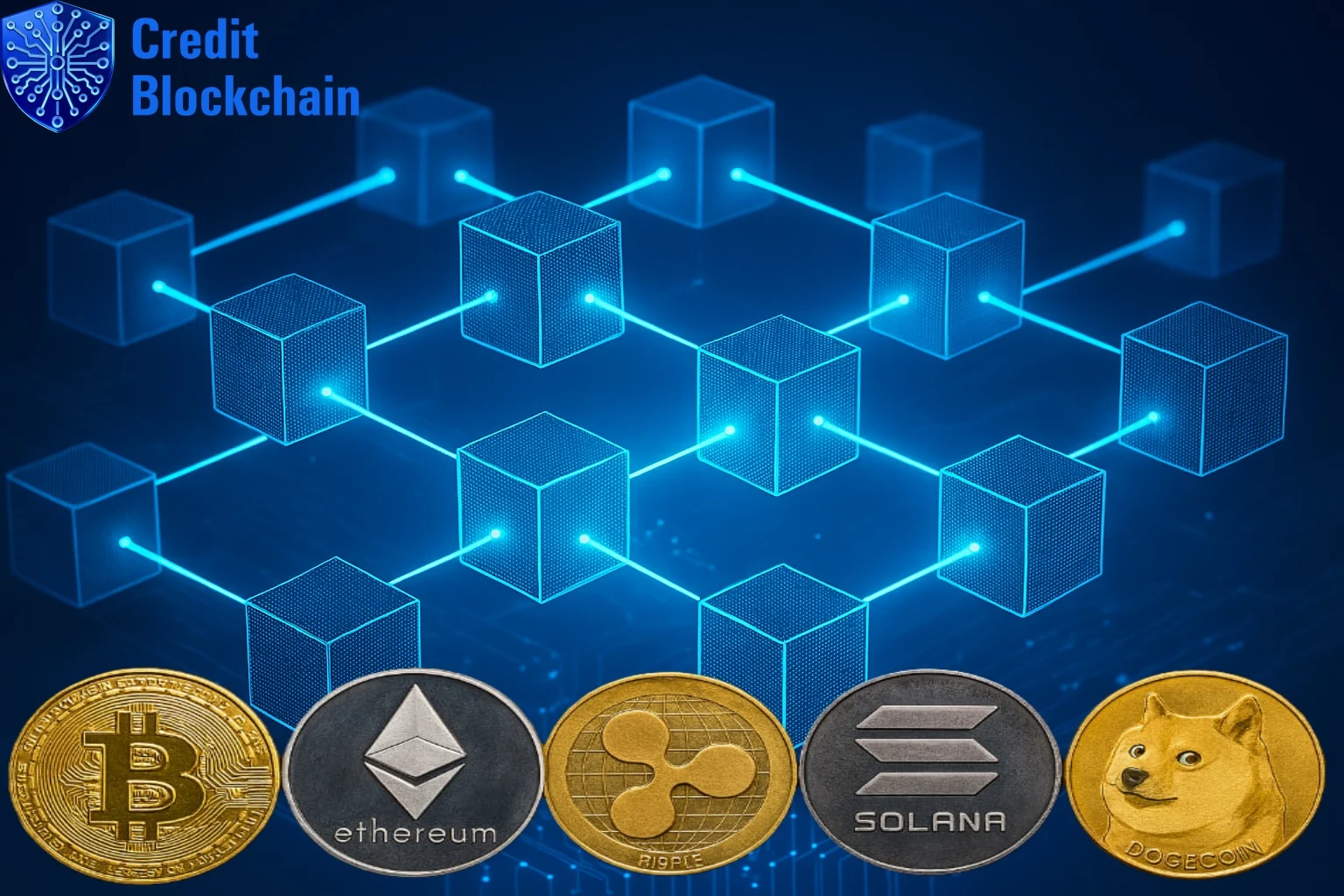
The Reserve Bank of India has been clear that the digital rupee is not a crypto asset and not a step toward a currency union. It is simply a digital version of sovereign money.
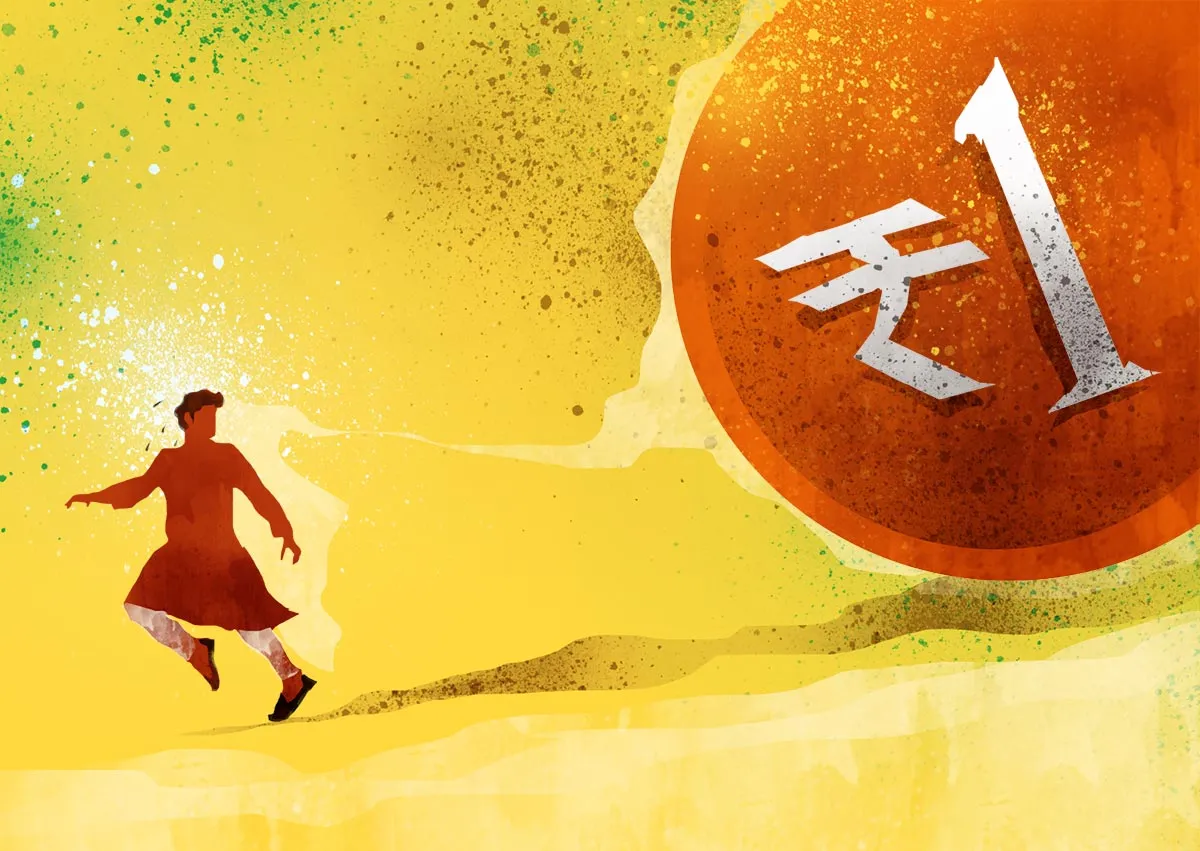
There is also a practical lesson behind this stance. Earlier trade settlements with Russia left Moscow holding large amounts of rupees it could not easily spend, the so-called “rupee trap”. A multilateral system, rather than bilateral deals, helps prevent currencies from piling up uselessly.
How the system would actually work
The proposed BRICS payment system rests on two technical ideas: settlement cycles and forex swap lines. Settlement cycles mean countries do not settle every transaction instantly. Instead, trade flows are netted out over a period. Only the final difference is transferred.
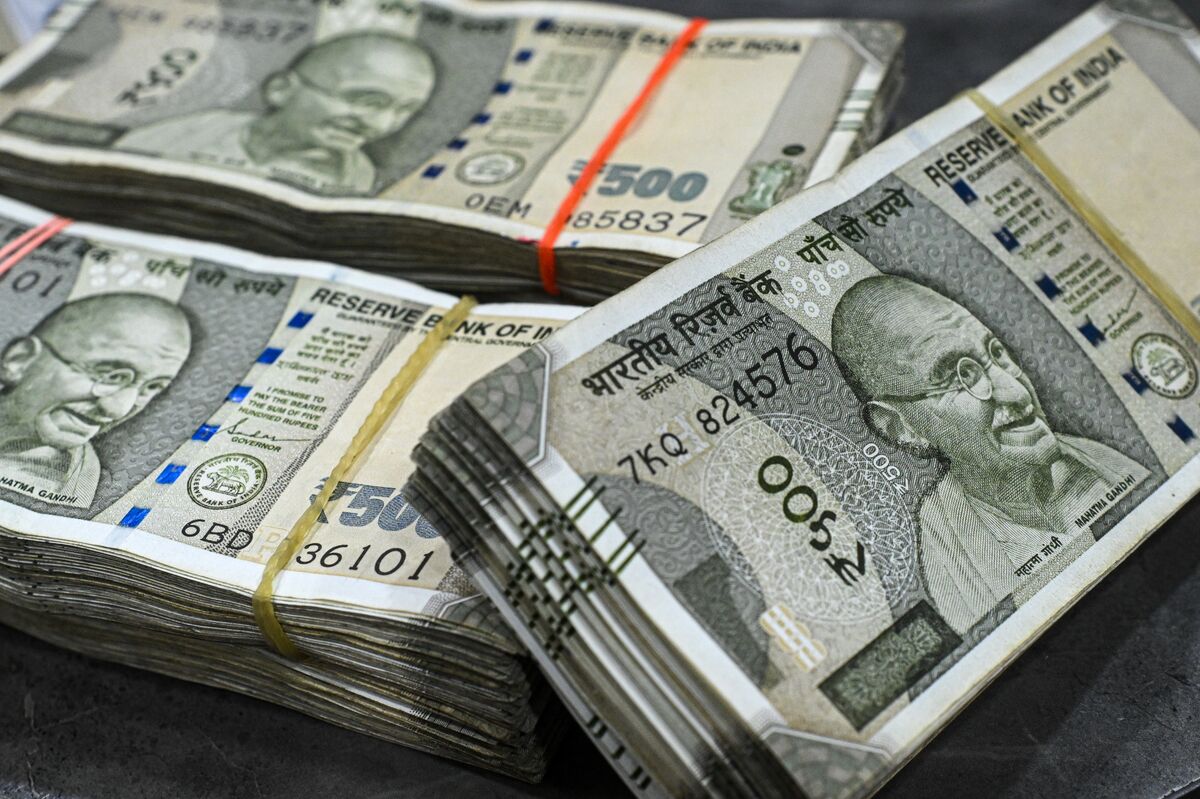
For example, if China imports 500 billion rupees worth of goods from India in a month and exports 450 billion, only the net 50 billion needs to be settled. That massively reduces liquidity needs and transaction costs.
Forex swap lines, meanwhile, act as a safety valve. If one country suddenly needs more of another’s currency to settle its balance, central banks can temporarily swap currencies to smooth things over.
This is not about killing the dollar
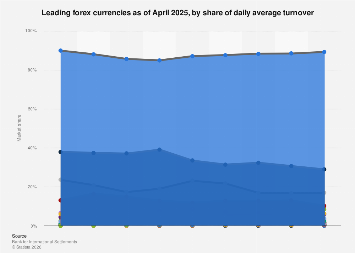
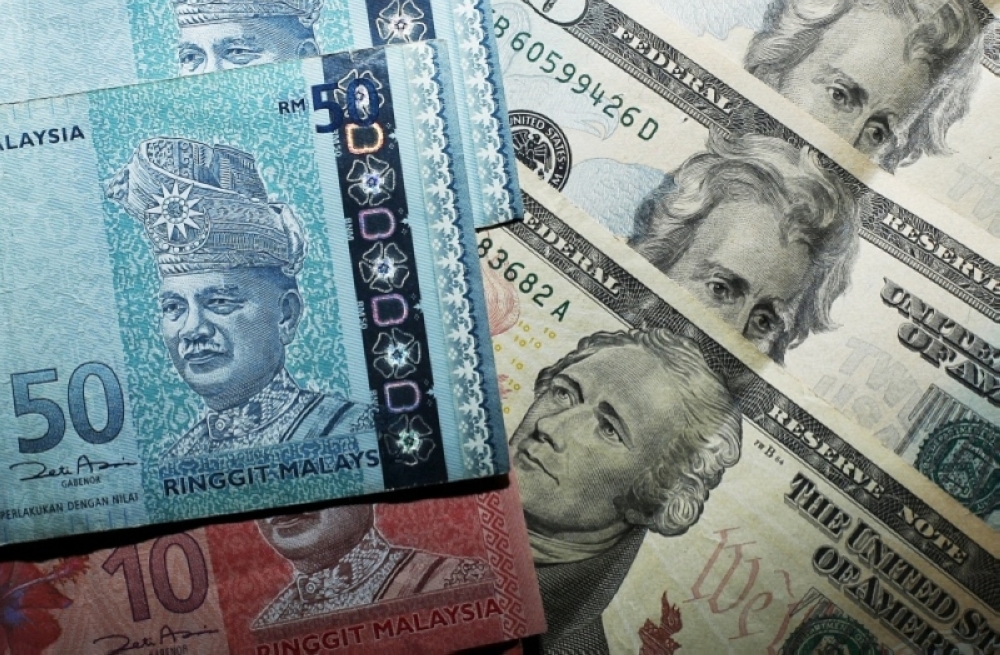
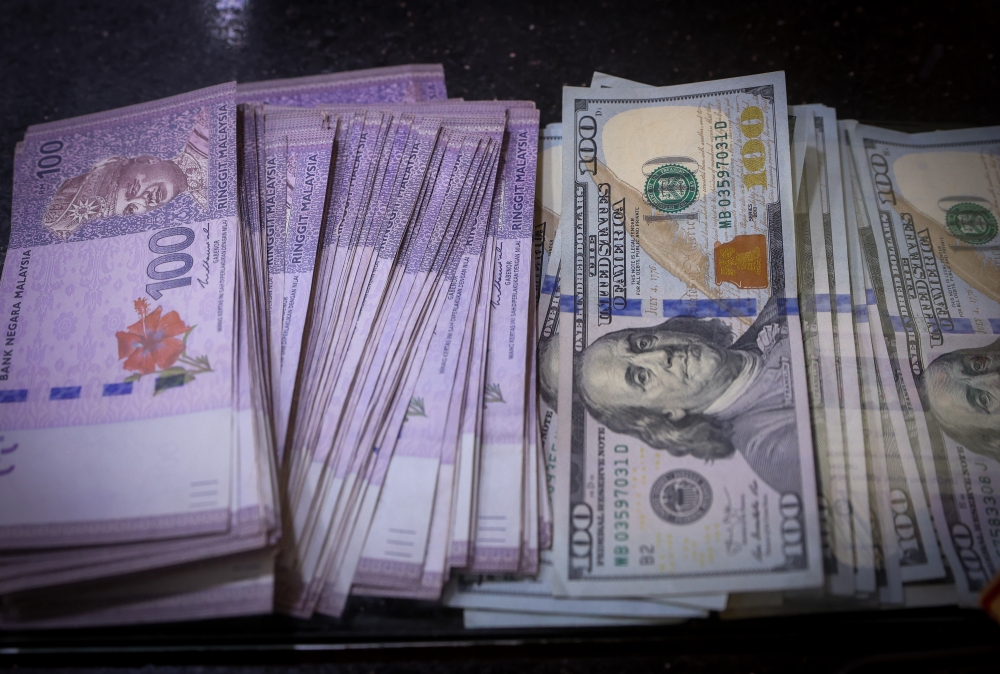
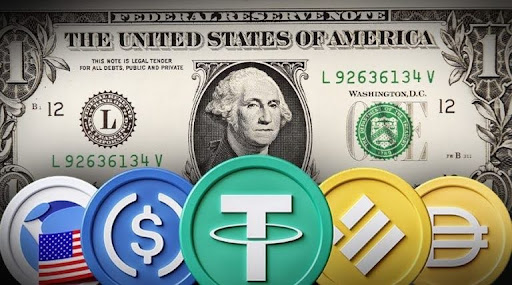
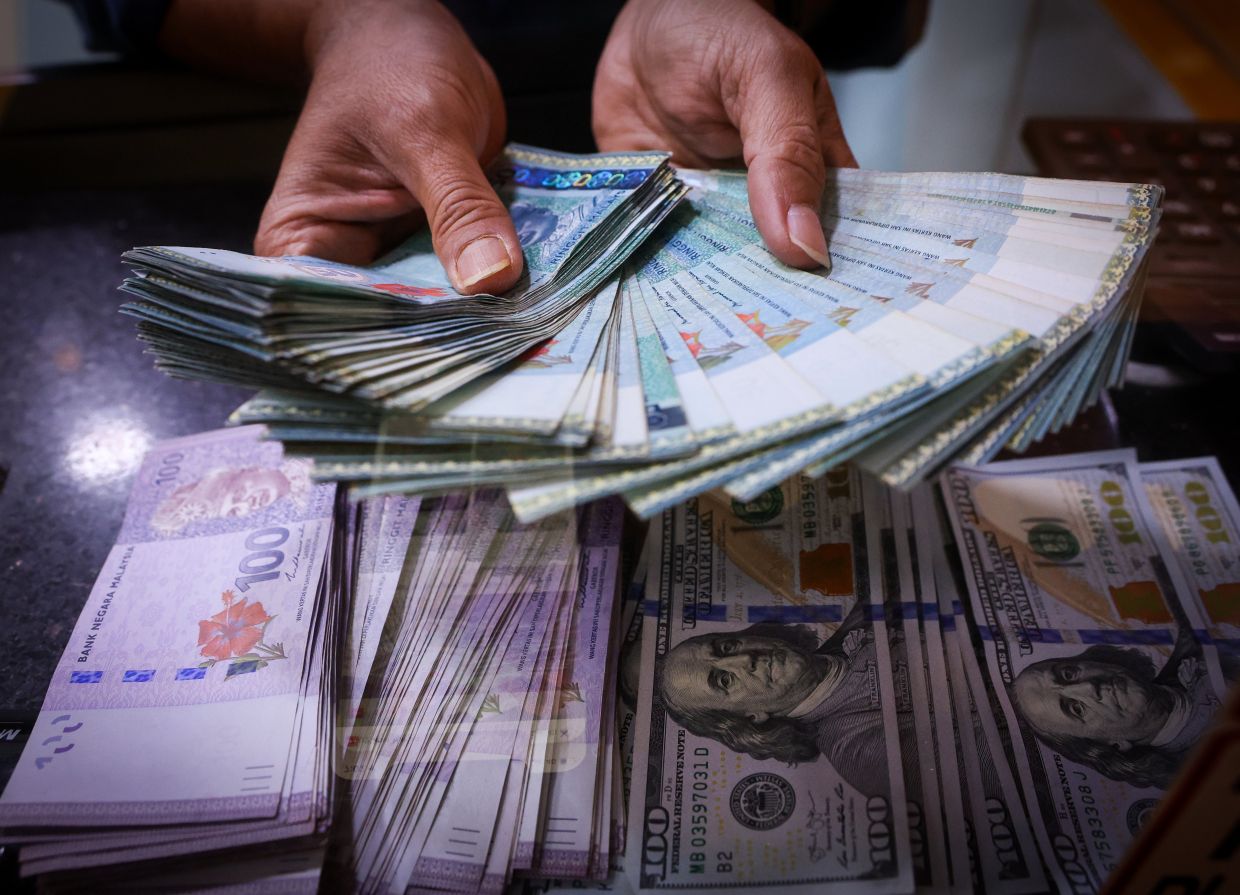
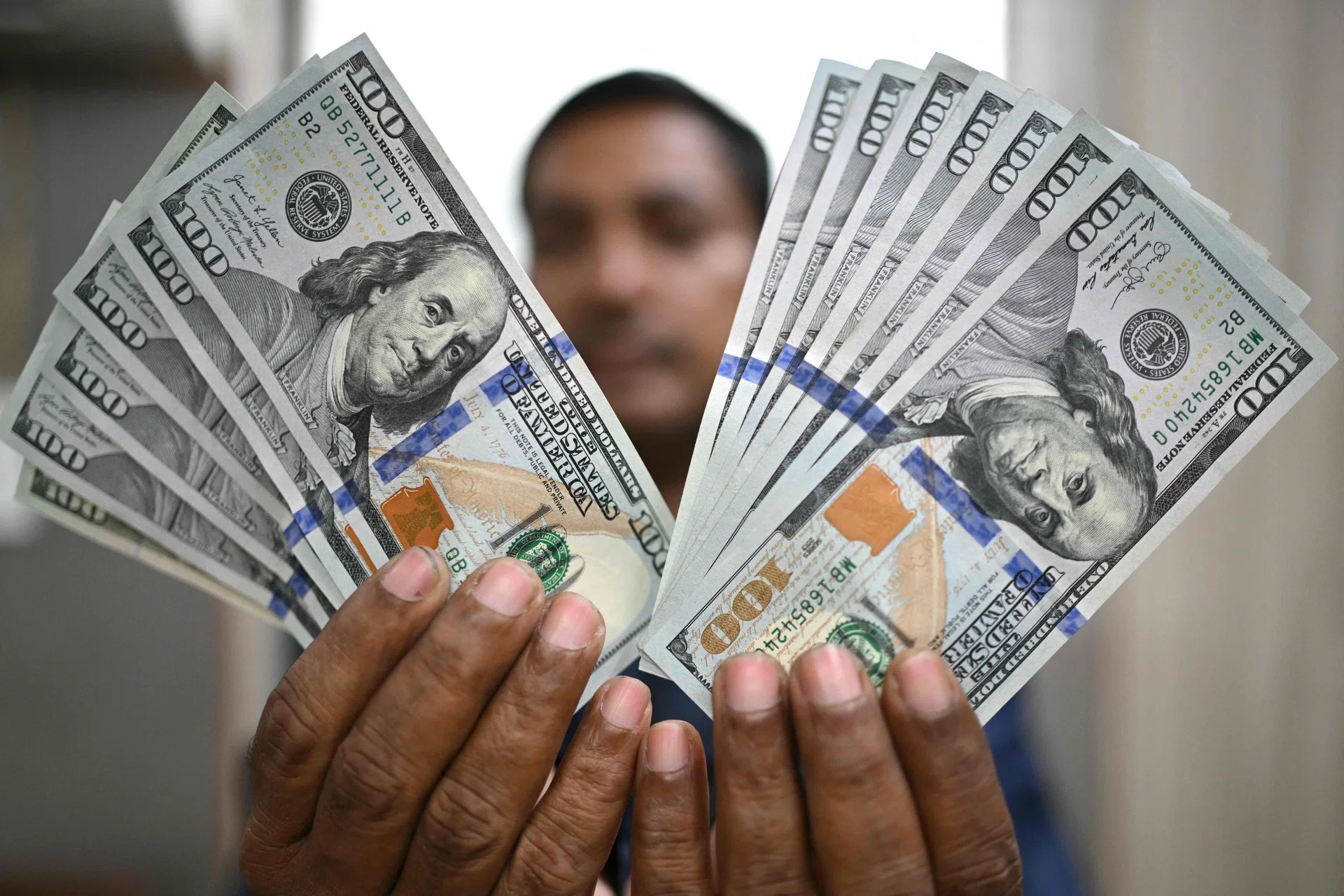
None of this replaces the dollar. The dollar still dominates global finance, making up around 59 per cent of global reserves and about 58 per cent of international payments. But there is growing anxiety about how fragile that system has become.
US national debt is nearing 39 trillion dollars. Global debt stands at around $315 trillion, 64 per cent of which is denominated in dollars. That means the entire world is exposed to US monetary policy and US political stability.
The risk is circular. If global demand for dollar assets weakens, US borrowing costs rise. That tightens financial conditions everywhere and can trigger cascading crises.
Why do countries want a backup
This is where geopolitics enters. The concerns about the dollar partly stem from Russia’s exclusion from SWIFT and the freezing of 300 billion dollars. While Iran, North Korea and Cuba have also faced similar measures before, Russia proved that even major economies are not immune.
With financial infrastructure emerging as a strategic weapon, the BRICS digital payment system could act as a shock absorber. A parallel system that keeps trade functioning if the main one breaks down.
When will the BRICS payment system be launched?
The BRICS payment system will take some time to come into practice as most CBDCs are still in pilot stages. Legal frameworks and technical standards also vary wildly among the BRICS countries.
The likely path is gradual – starting with bilateral links, then stitching them into a network. India, meanwhile, already offers a model. Its UPI is already interoperable with the UAE’s payment system, enabling fast cross-border transfers. Brazil’s PIX and China’s digital infrastructure could follow. Over time, this could evolve into a shared BRICS payment layer.