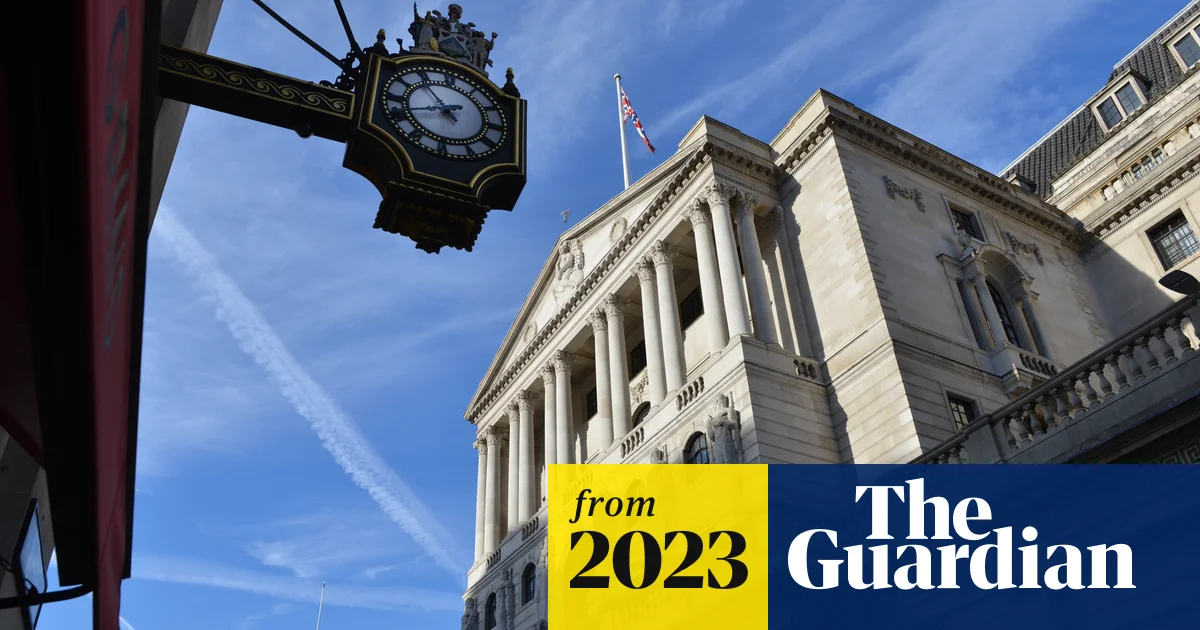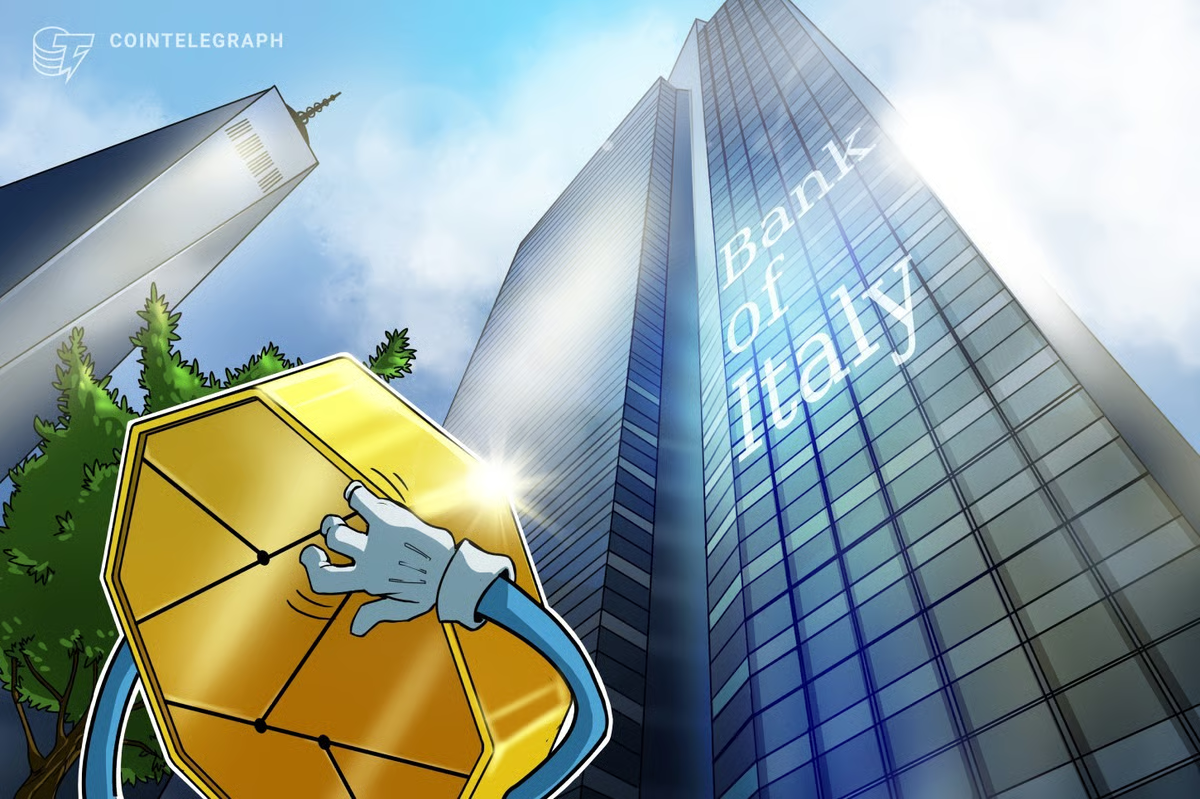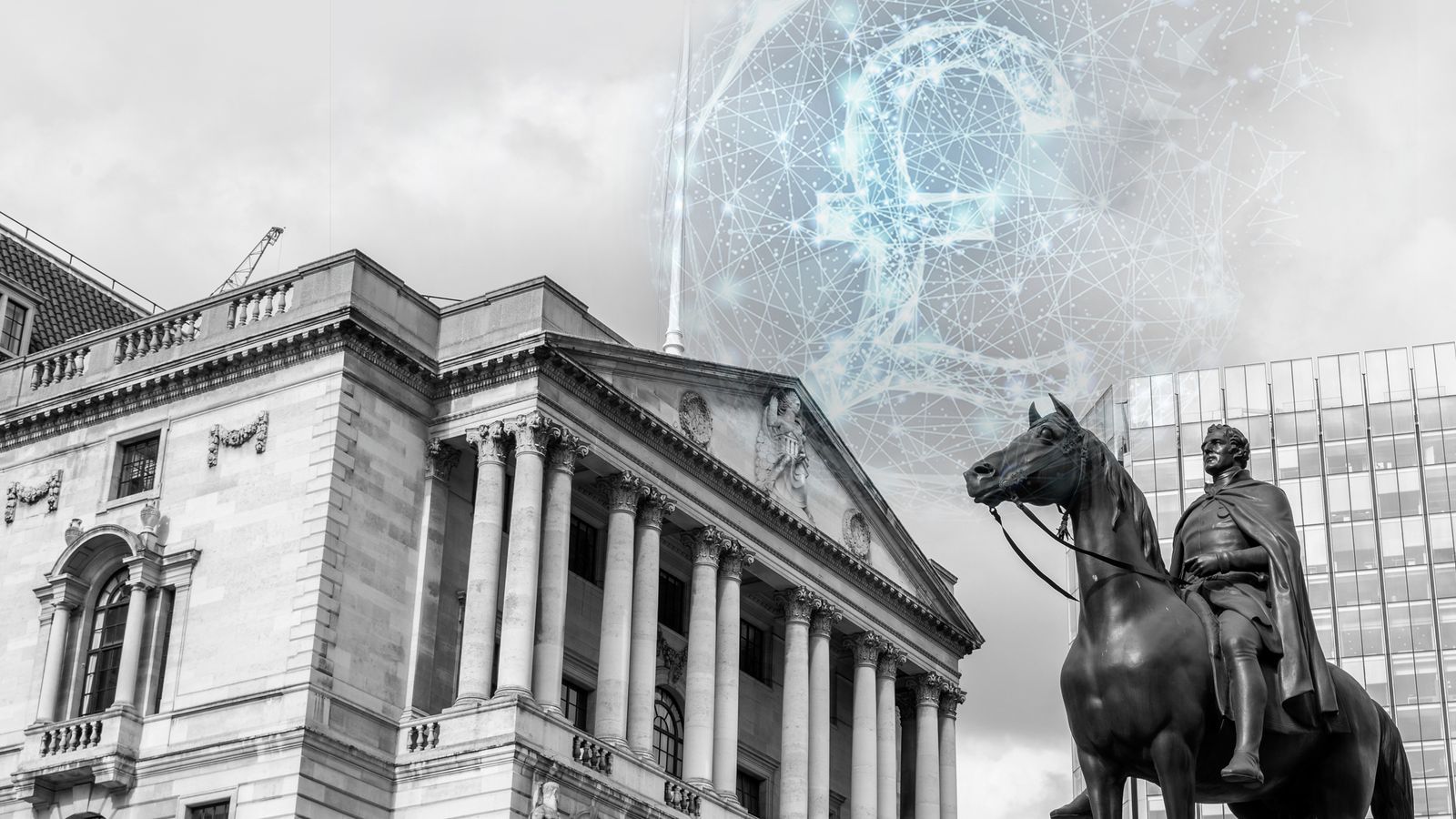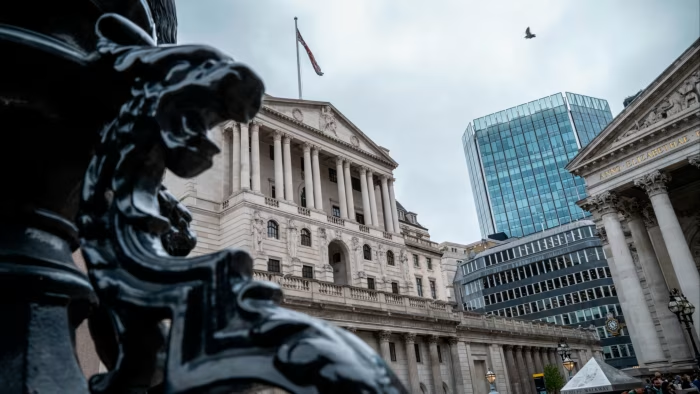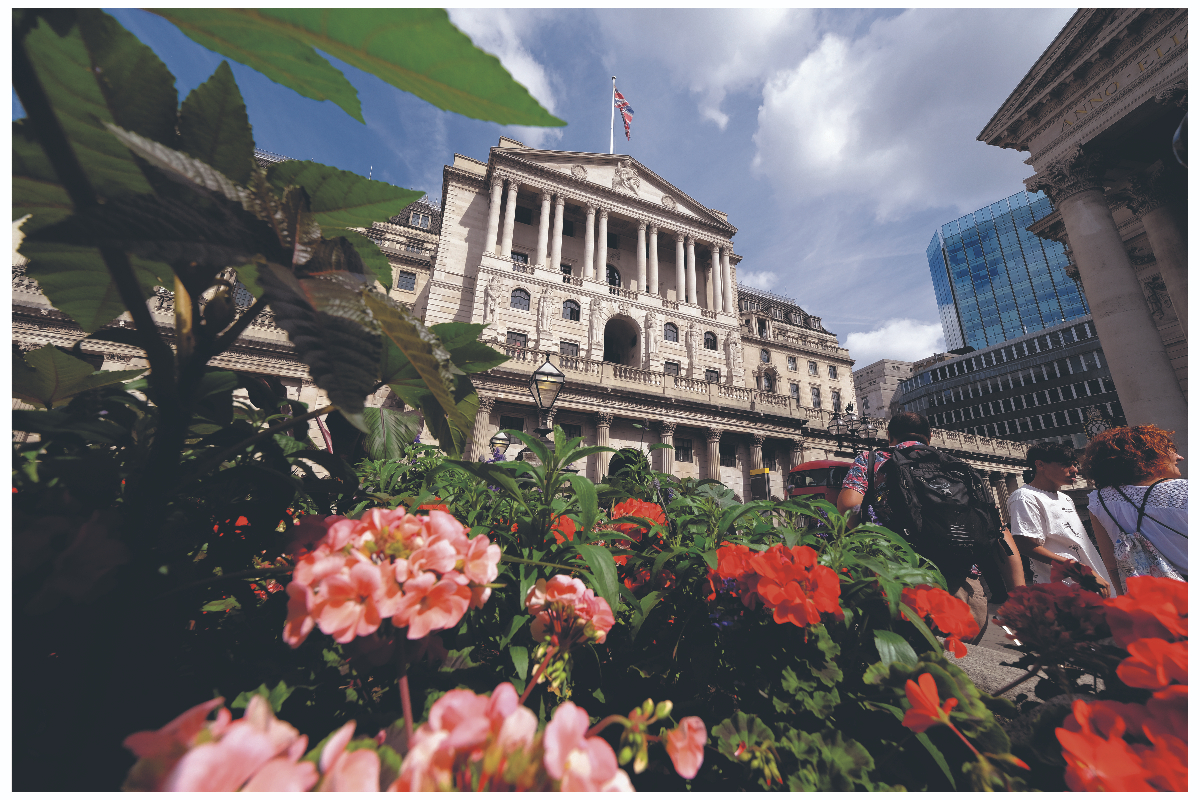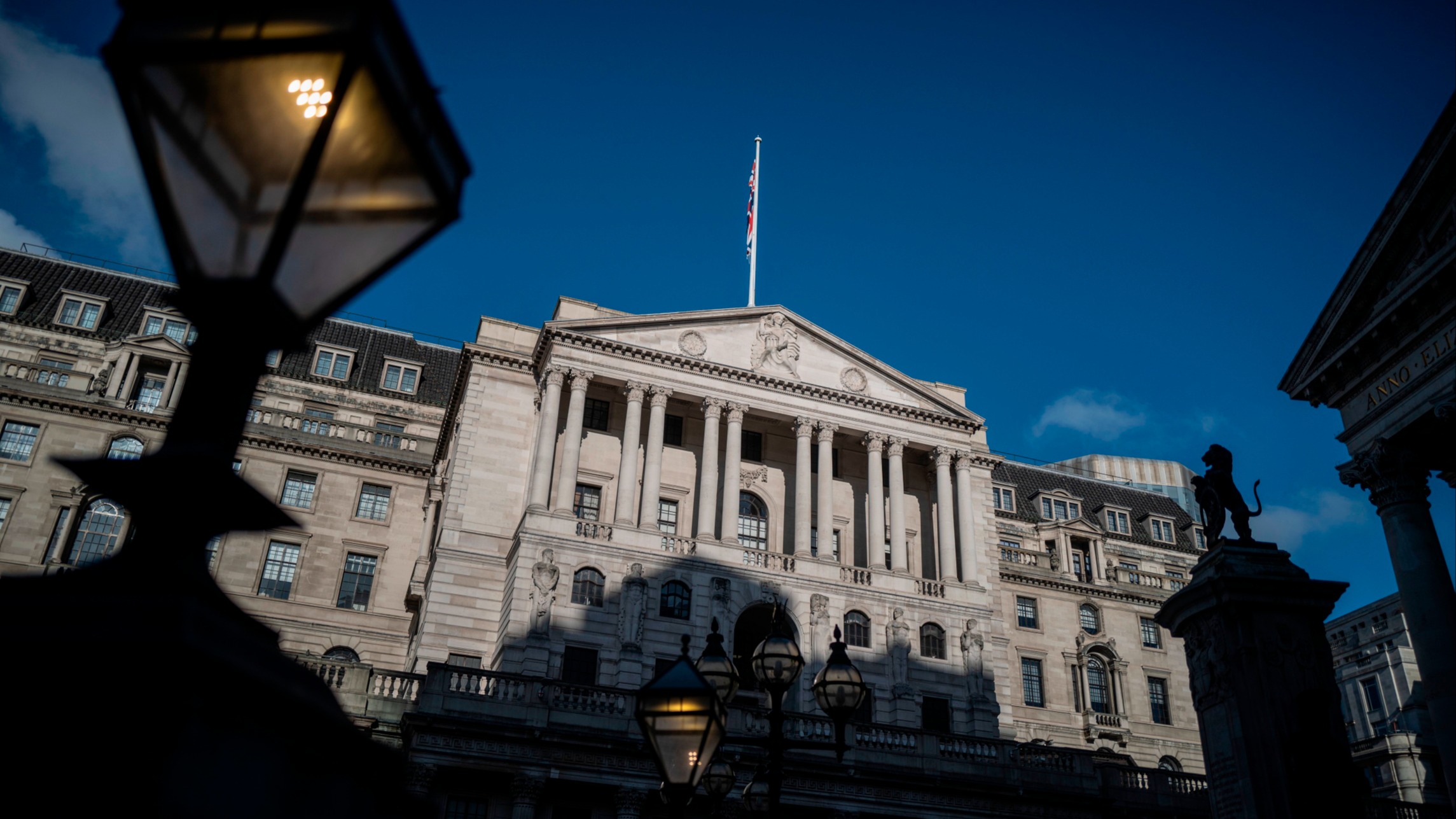
Almost two years on from the Bank of England’s first discussion paper on stablecoins, it has launched a consultation paper.
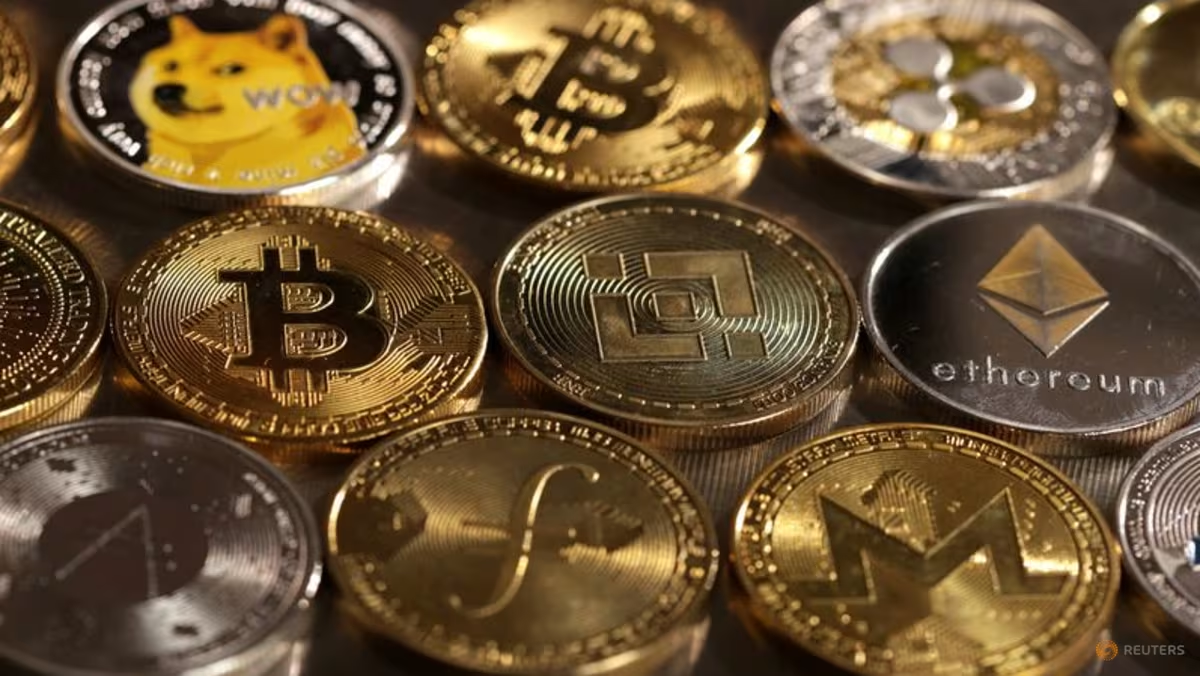
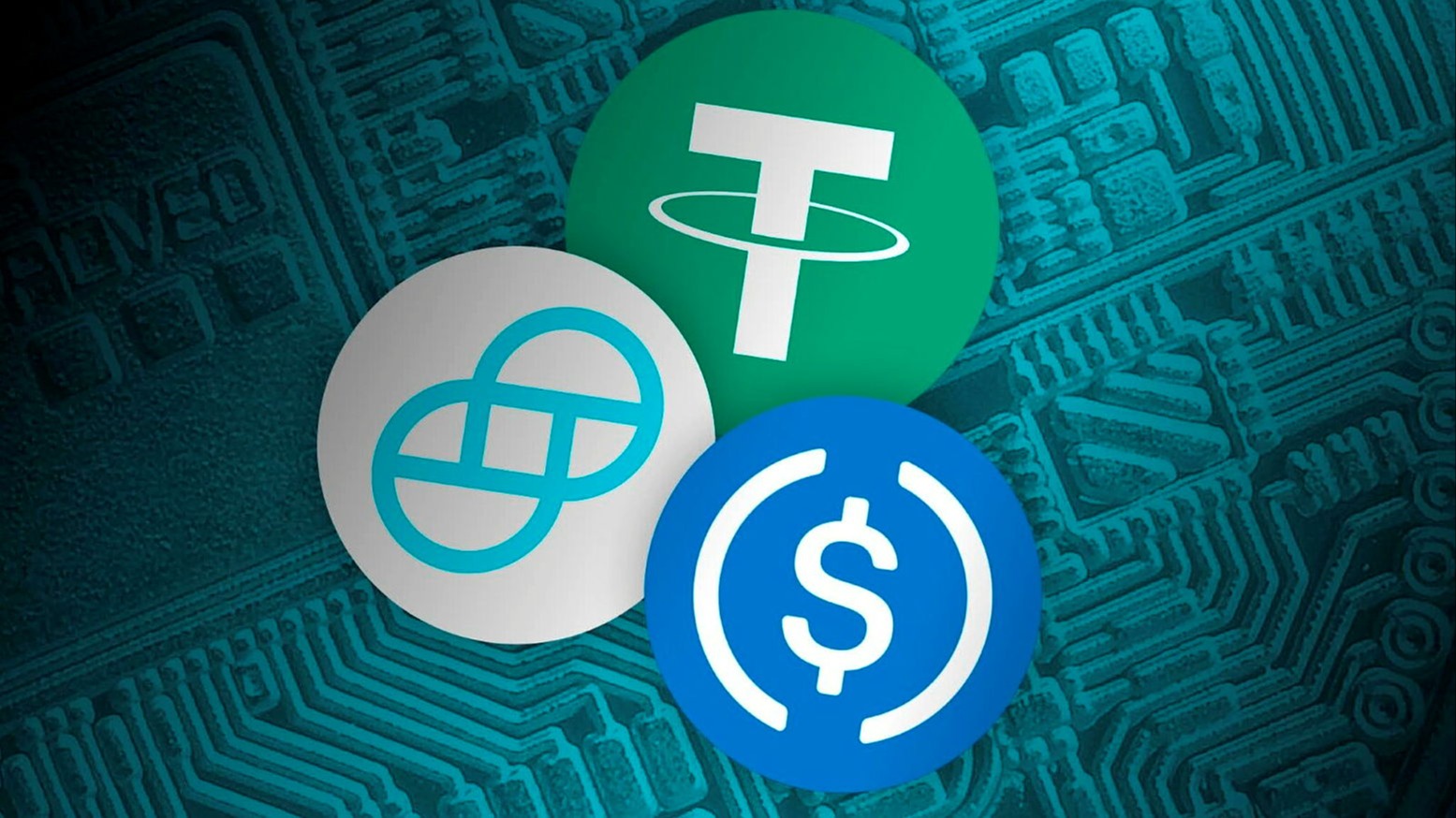
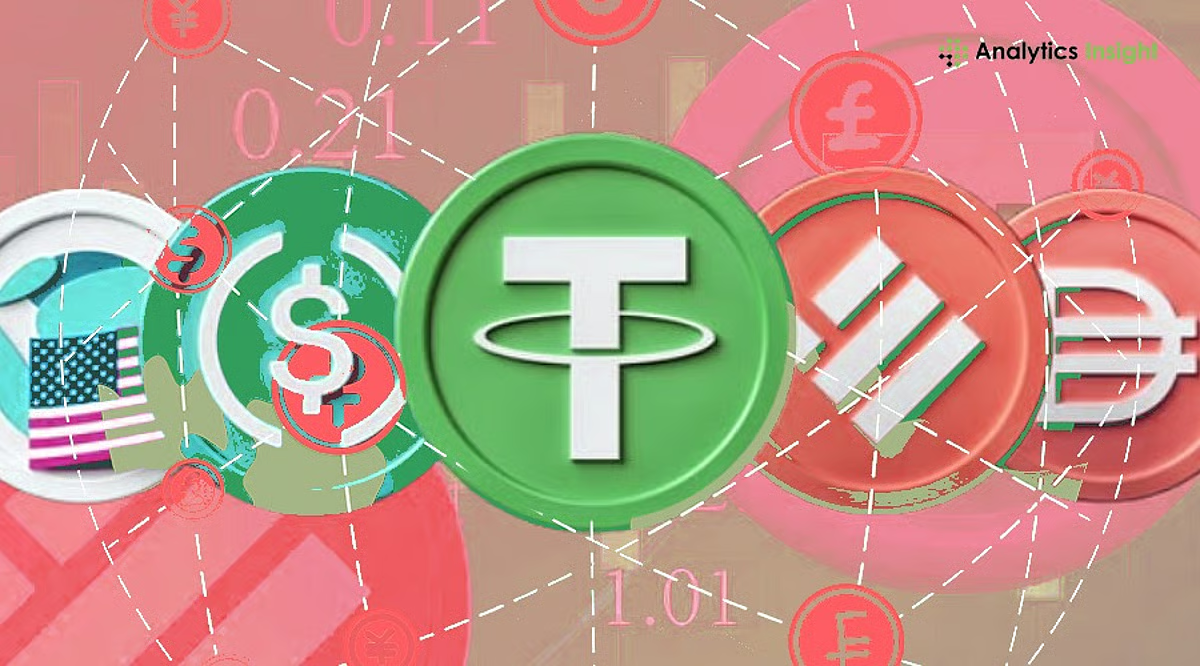
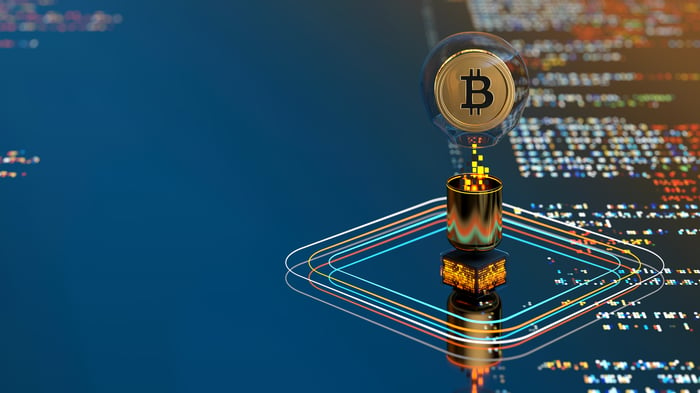
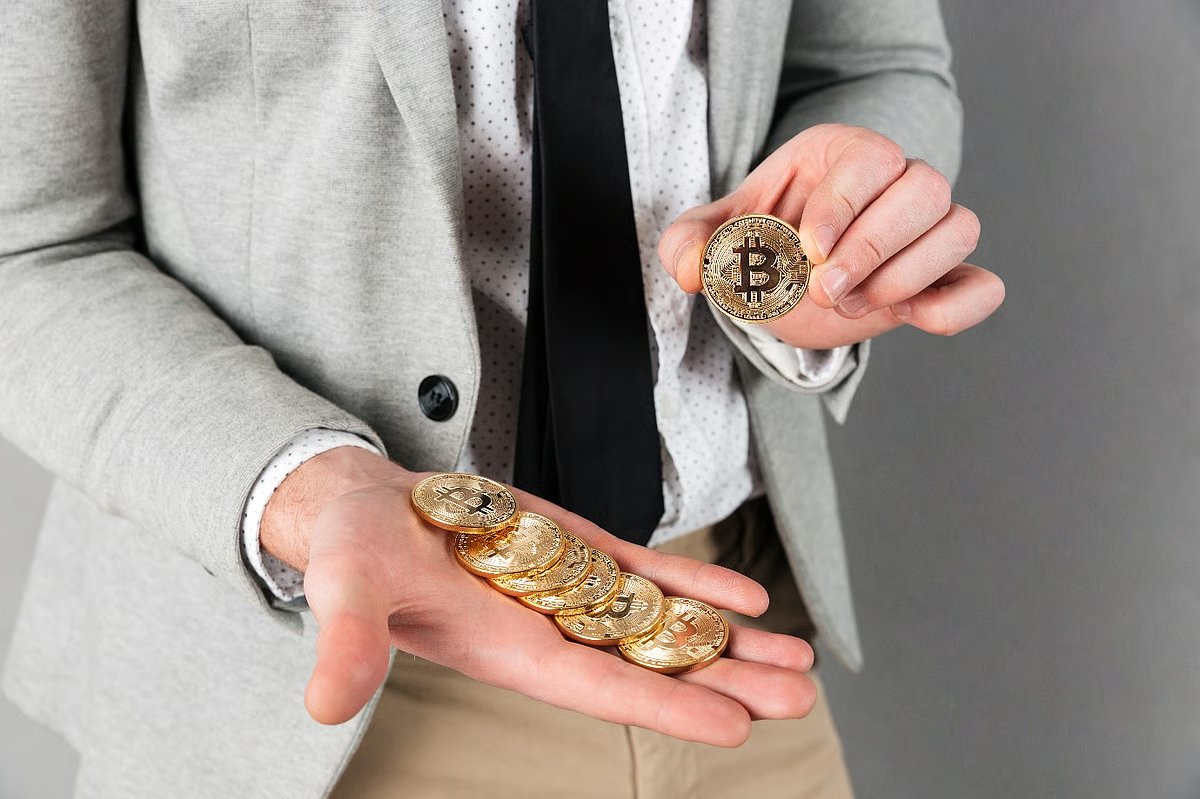
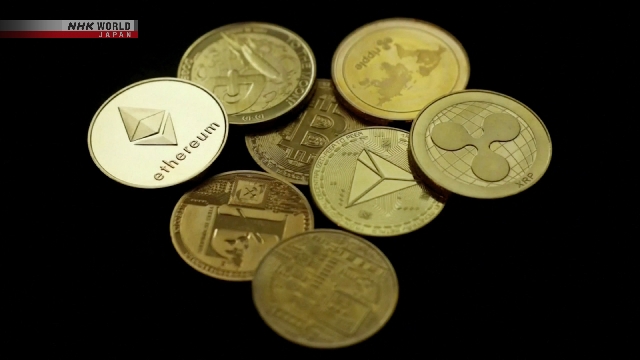
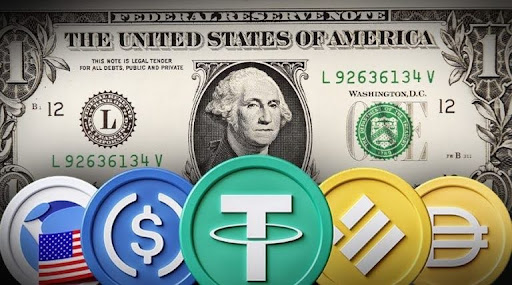
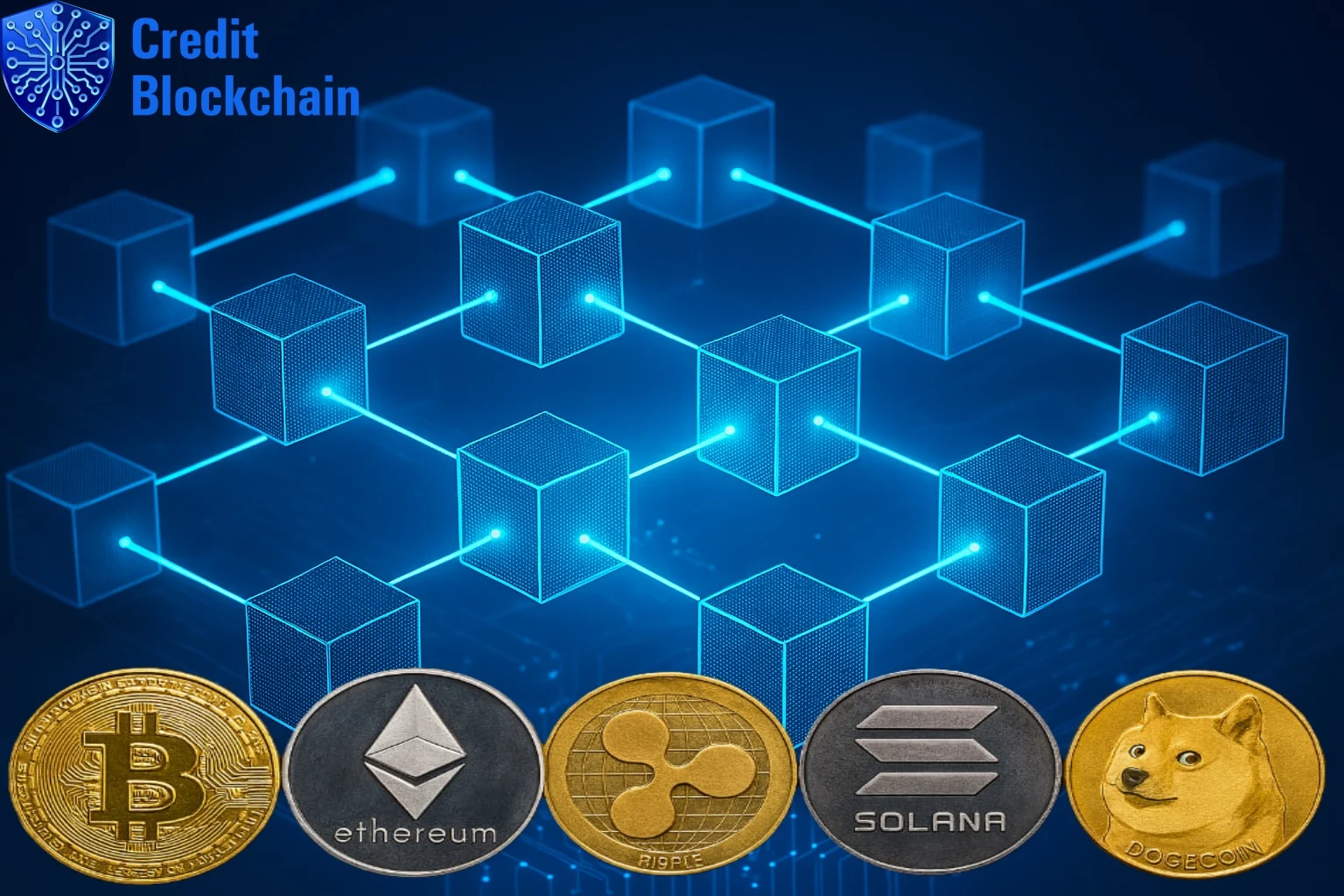
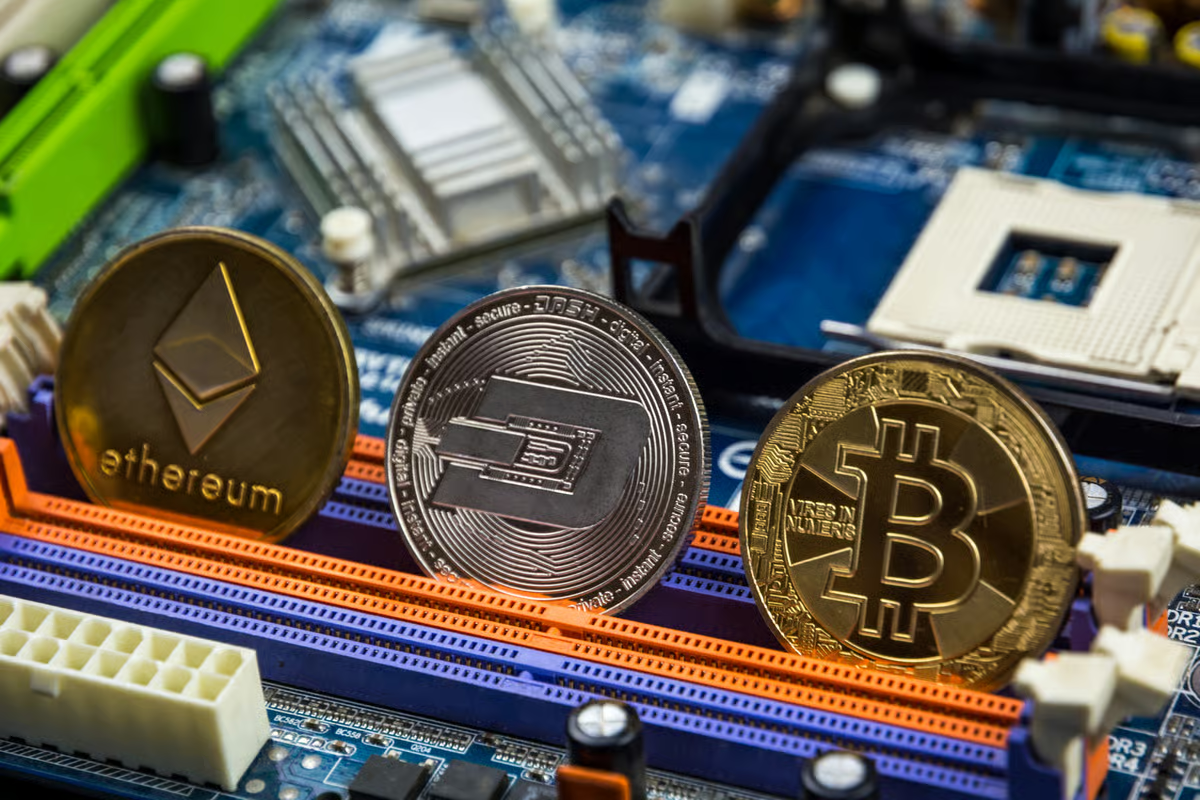
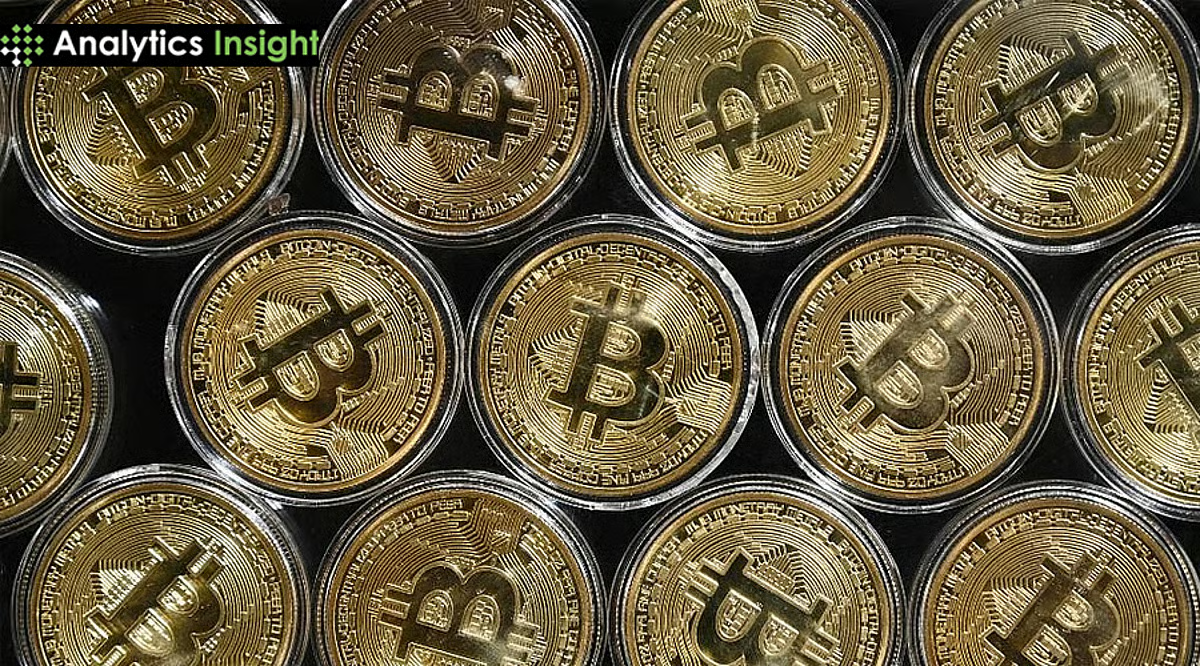
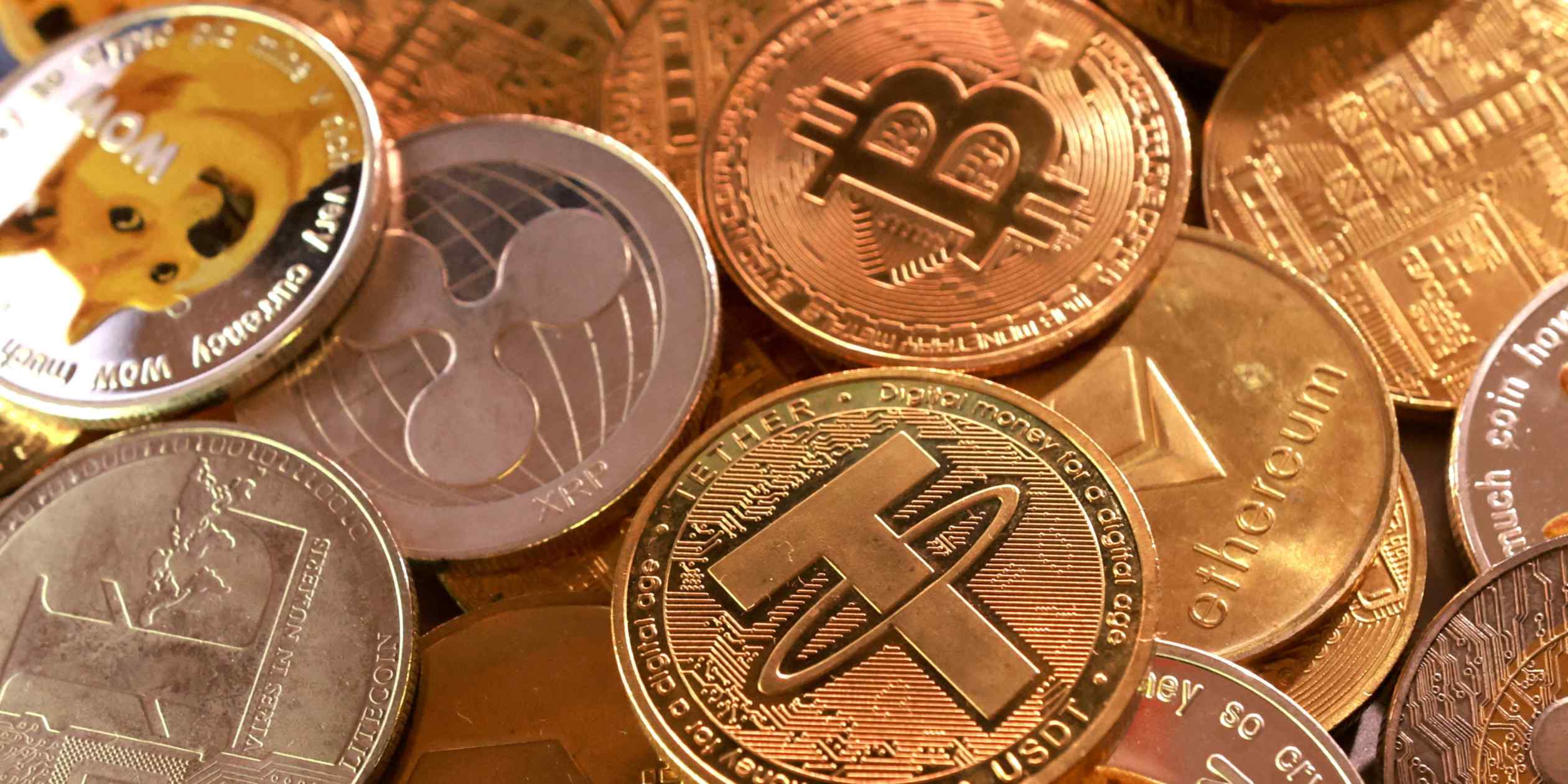
Stablecoins are digital assets whose value is pegged to another asset, such as currency or gold, to maintain a stable value.
The bank said it is designing a regulatory regime for the digital tokens which is “fit for the future”, with the rules expected to be finalised in 2026.
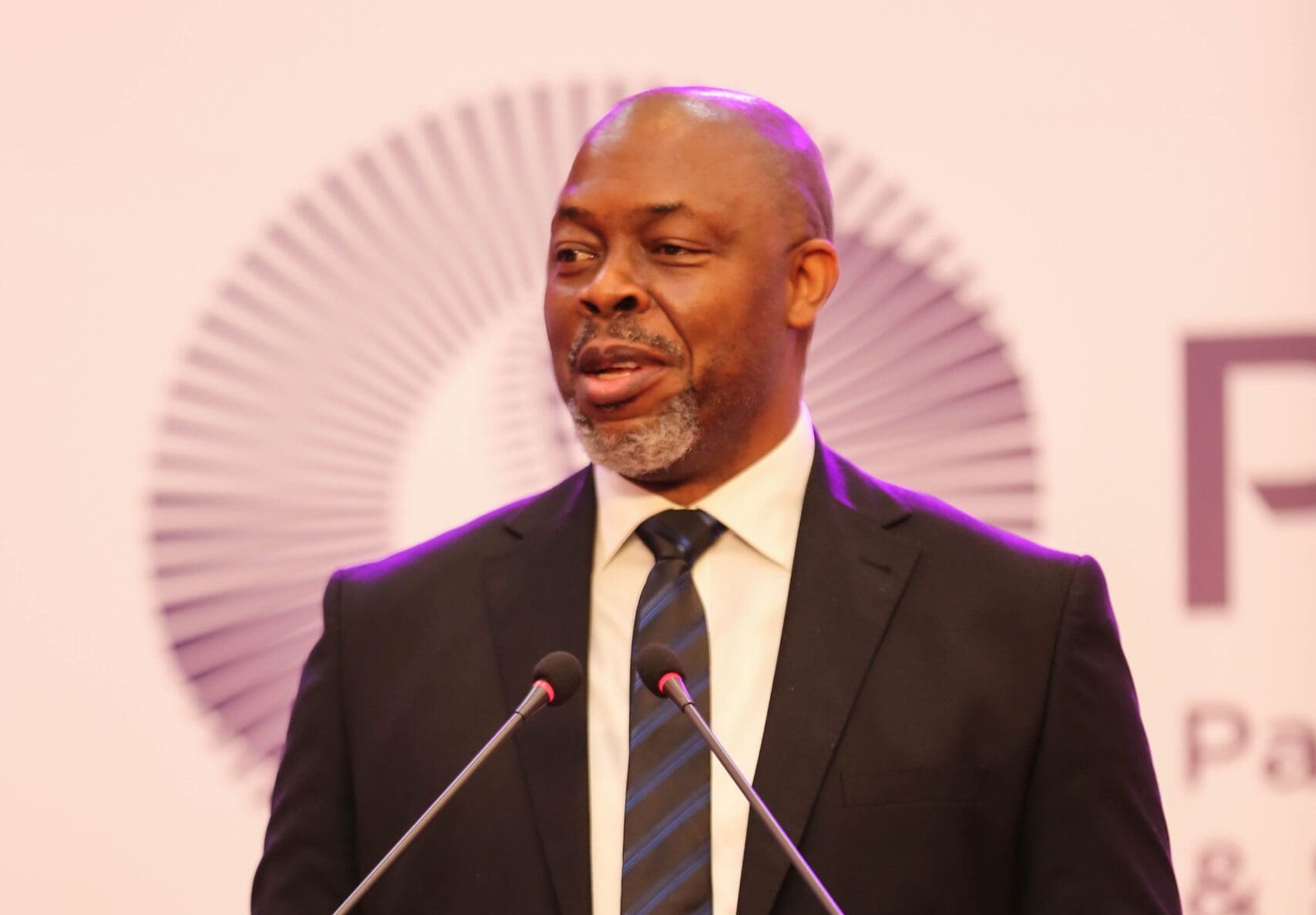
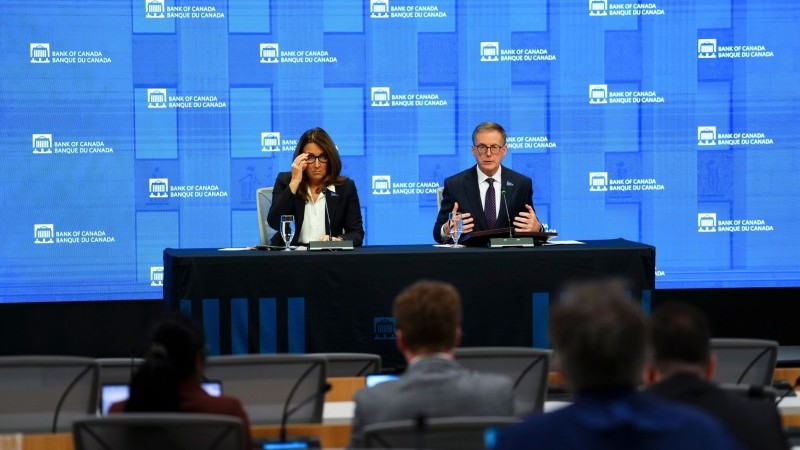
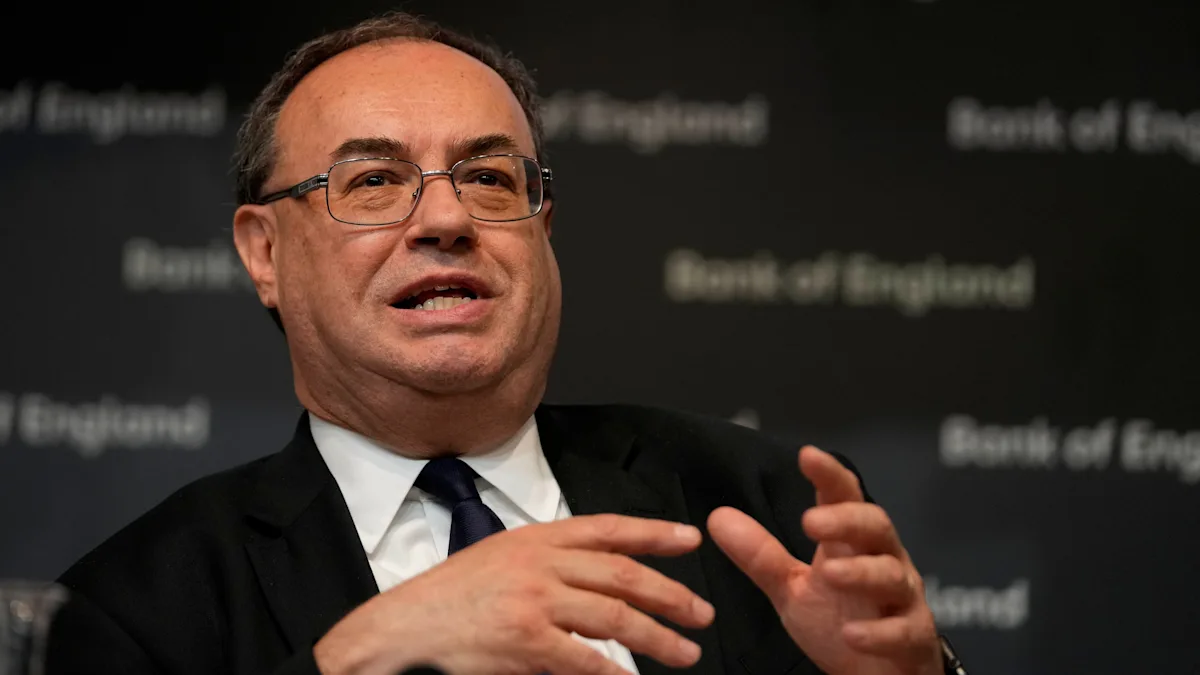
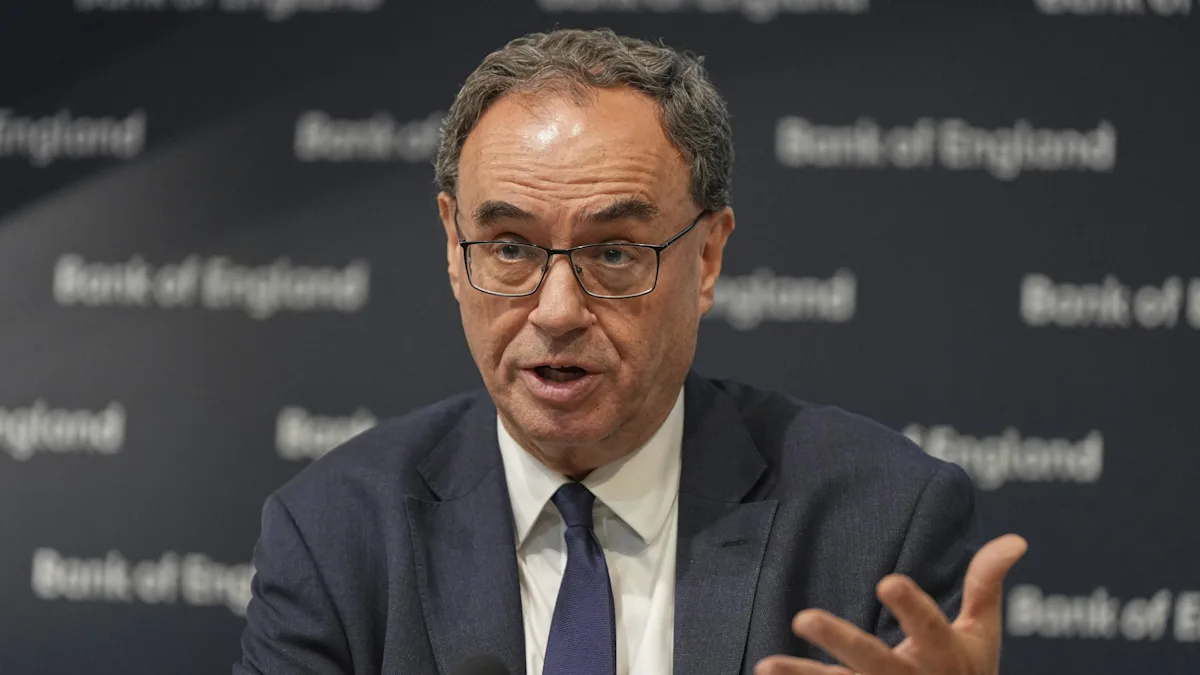
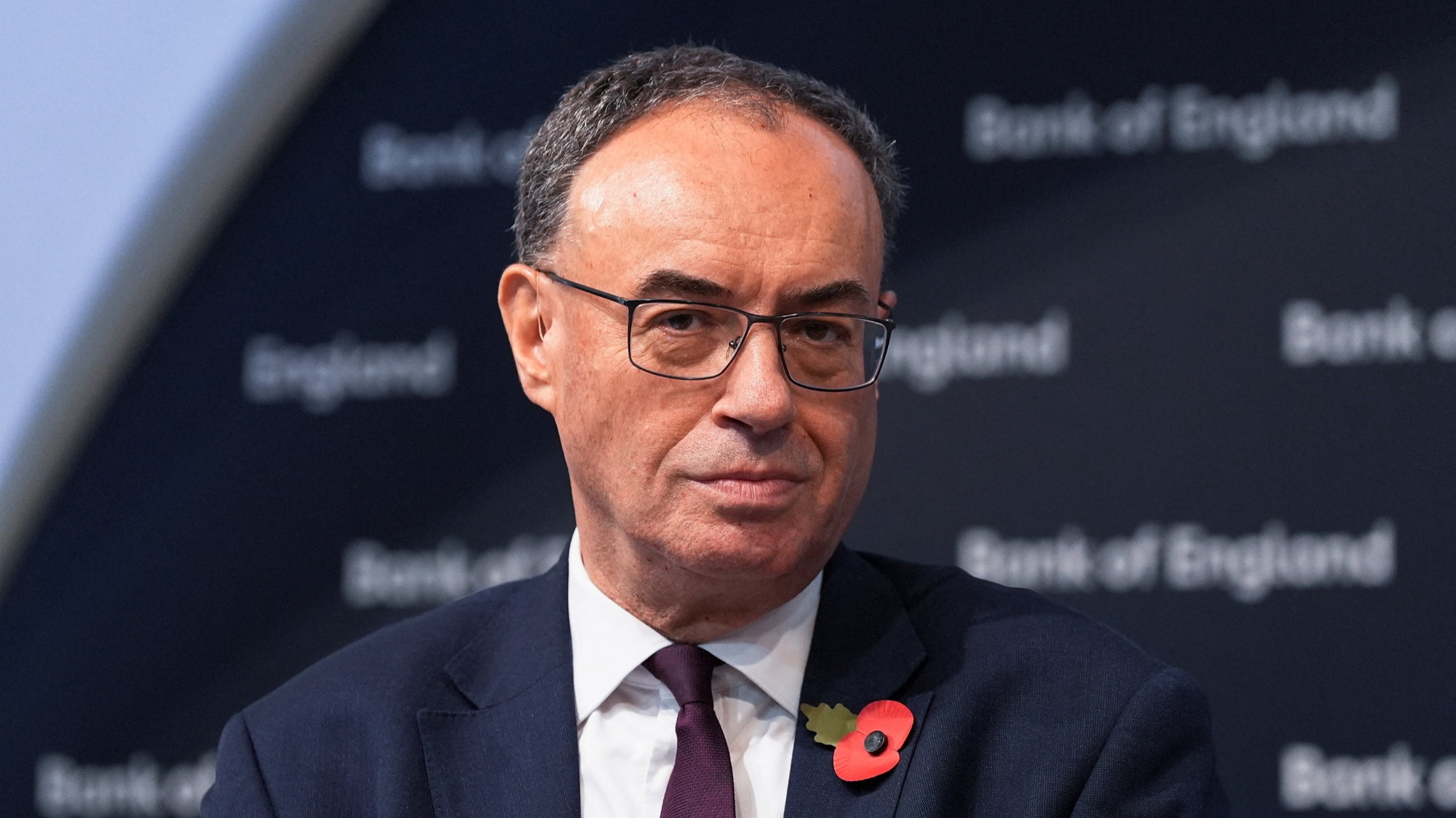
Andrew Bailey, governor of the Bank of England, said: “Our focus is on possible future use in real world payments and settlements, not their current use to buy and sell cryptoassets.
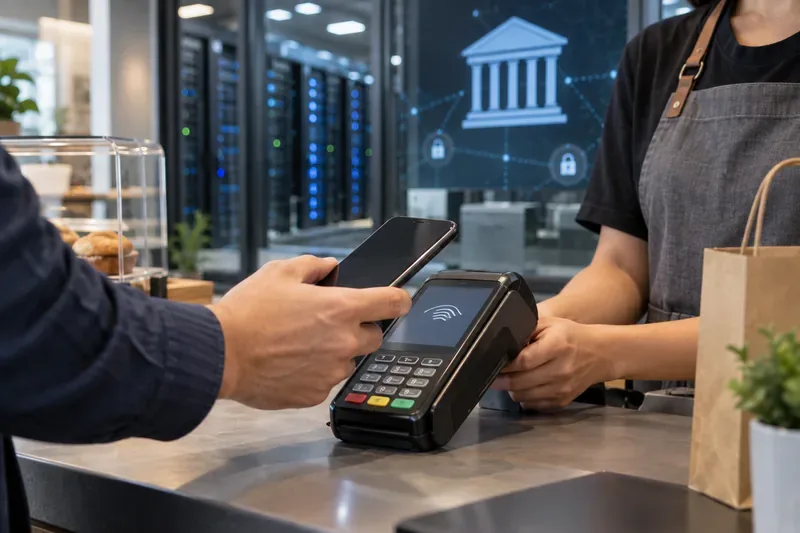
“Use of regulated stablecoins could lead to faster, cheaper retail and wholesale payments, with greater functionality, both at home and across borders.
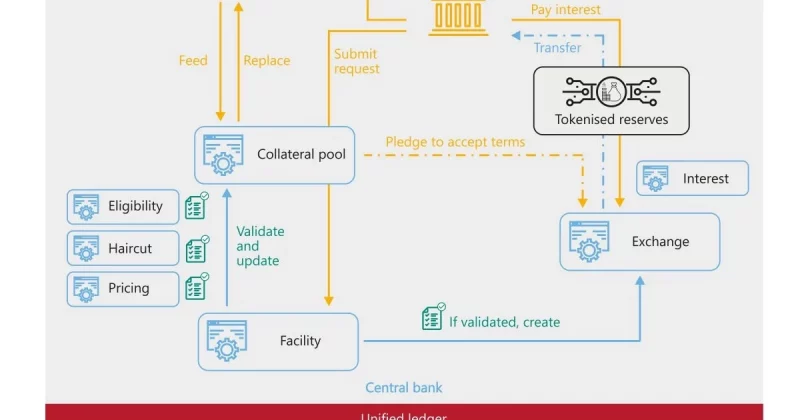
“We want to support such a role for stablecoins as part of a ‘multi-money’ system alongside commercial bank money (including tokenised bank deposits), all underpinned by the continued role of central bank money at the heart of the financial system.”
Hannah Meakin, partner at law firm Norton Rose Fulbright, welcomed the inclusion of wholesale use of stablecoins, which she said was given “limited attention” in the bank’s first discussion paper on the matter in 2023.
She said: “It’s encouraging to see the bank now clearly recognising the role stablecoins can play in both retail and wholesale payments, and taking steps to enable their use in real-world settlement systems.
“Crucially, the bank has acknowledged the need for interoperability between systemic stablecoins, tokenised bank deposits, and central bank money.
“That’s not just a technical detail — it’s a foundational step towards ensuring the UK remains competitive in the global race for digital financial infrastructure.”
Nick Jones, CEO of digital asset investing platform Zumo, said many in the industry worry that strict limits on stablecoin ownership would damage the UK’s competitiveness but said there are “encouraging signs” the BoE is taking this into consideration.
He said: “It’s talking about ‘temporary’ limits which will hopefully be removed once it is confident that digital assets can coexist with fiat currencies – and that digital assets are indeed now a viable part of the ‘real’ economy it speaks of protecting.”
The consultation paper also suggests it could exempt crypto exchanges and intermediaries serving retail customers from these restrictions.
Jones added: “It’s clear from the paper that policymakers are keen to work closely with the industry to make the most of the opportunities on offer; indeed, the Bank of England proposing to offer issuers direct accounts with the central bank – a step taken neither in the EU or US in developing its own regimes – is a bold and rather unique move that points to the closest enmeshing of private sector digital assets and public finance we have seen to date.”
tara.o’connor@ft.com
What’s your view?
Have your say in the comments section below or email us: ftadviser.newsdesk@ft.com