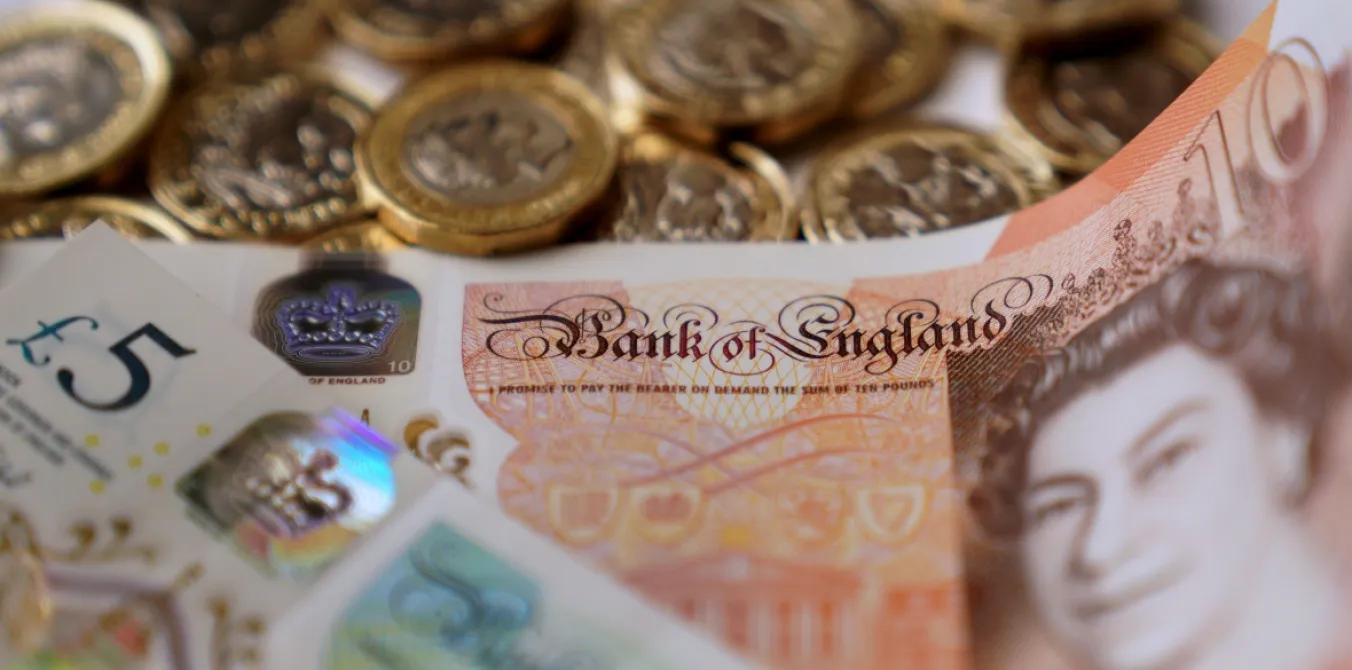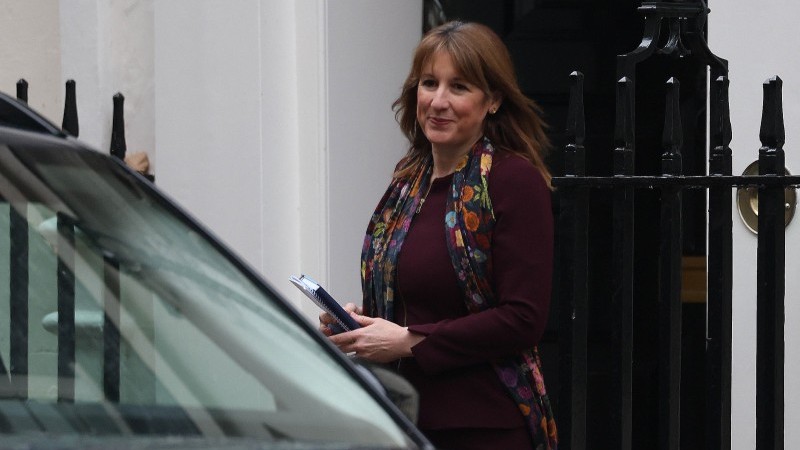
It’s a big day for the UK and the pound. Chancellor Rachel Reeves is expected to deliver her budget address at 12.30 GMT. Here’s our UK economist James Smith’s latest thoughts ahead of the big announcement:
The latest reports appear to confirm that the UK’s fiscal hole – which we put at £30bn/year after planned giveaways – will be filled through a combination of extending the planned freeze on tax thresholds and a raft of hikes to minor taxes. The outlines of the Budget look well-priced, but what’s less clear from the press is how much of the pain will be frontloaded in 2026.
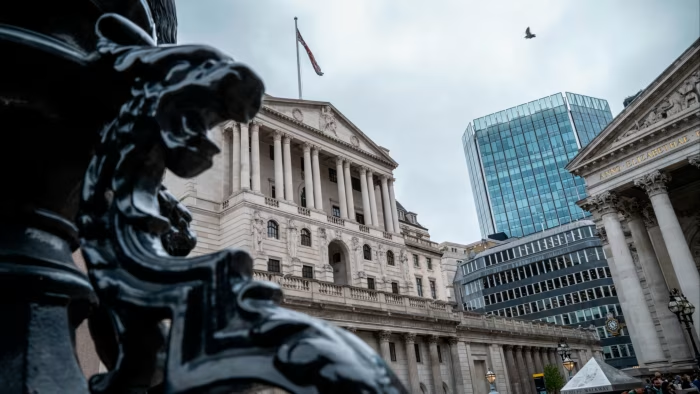
The more the Chancellor chooses to push back tough tax and spending decisions until later this decade, the less scope the Bank of England will have to cut rates in the near-term, and the more sceptical investors are likely to be about the UK’s commitment to debt sustainability.
On balance, we think a budget that confirms £10-15bn of upfront tax hikes, which the OBR judges to push down on inflation next year, would be worth a modest dovish BoE repricing and renewed fall in gilt yields. Remember, pretty much whatever happens, the UK’s deficit and gilt issuance will fall in 2026, owing to the freeze in tax brackets. But politics remains a major risk. Any sign that political pressure is building on Chancellor Reeves could prompt a renewed sell-off in gilts, if investors begin to price in the possibility of a more pro-borrowing successor.
From a currency perspective, sterling currently shows no signs of a material fiscal risk premium (calculated via EUR/GBP), and faces two different downside scenarios today:
- Our baseline – disinflationary fiscal tightening forces some premium to leave the gilt market, with yields declining, but the dovish repricing in rate expectations causes some moderate GBP depreciation. EUR/GBP rises to 0.880-0.8830
- A much worse scenario for GBP where budget announcements don’t convince markets that the fiscal path is sustainable. That could shape into an uncontrolled selloff in gilts and sterling.
We think the room for sterling to appreciate today is narrower, although a scenario where markets price out fiscal risk but aren’t convinced the BoE will be able to cut rates should send EUR/GBP moderately lower. All our scenarios with FX and rate implications are discussed here.
One final but important note. Last year’s announcement saw yields actually fall when the Chancellor was speaking, before ultimately rising once the OBR’s forecasts were released and the pro-inflation picture became clearer. This may well be the case again today.
EUR/GBP overnight volatility is at 13.5: high, but below some 2023 peaks and nowhere close to 2022 Mini-Budget 27 levels. The difference between 1-week implied and realised volatility has moderated from just above 3.0 yesterday to 2.2 this morning, therefore below multiple peaks of the past two years.
Francesco Pesole