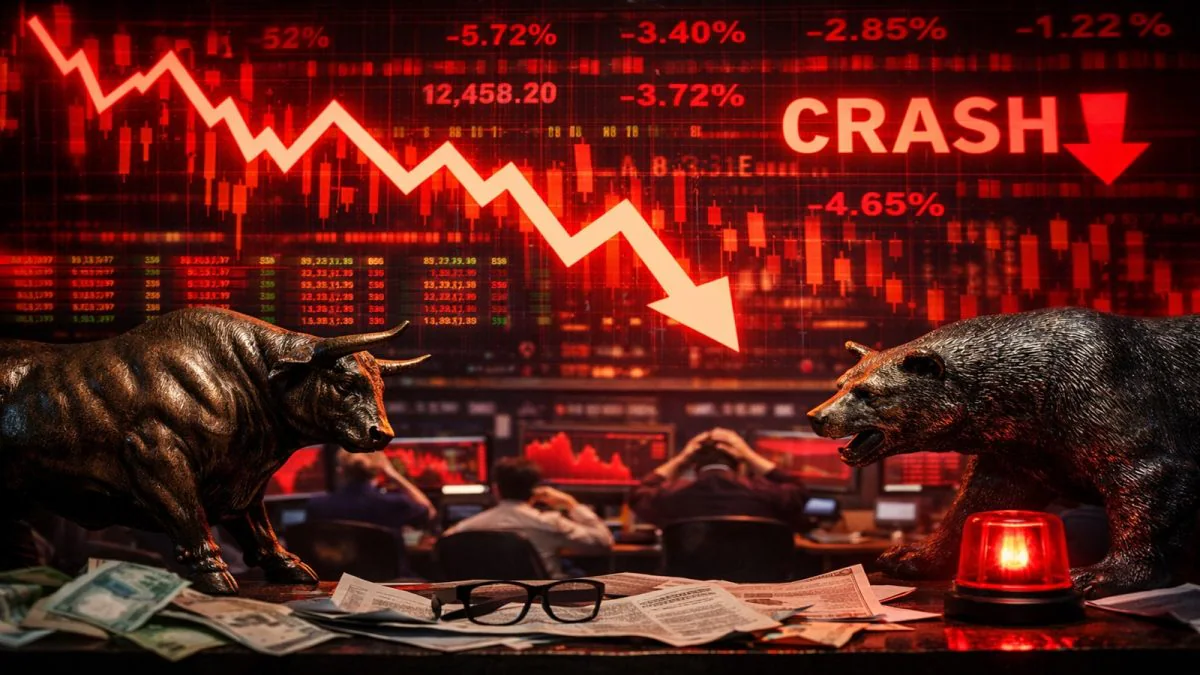

Alphabet CEO Sundar Pichai said in a BBC interview this week that no company will be immune if an artificial intelligence (AI) bubble causes a stock market crash. I disagree.
It might well be the case that share prices across the board will fall. But I think there are companies that could actually find themselves in a stronger position afterwards. These could be the best ones to consider buying, albeit that’s my personal view as ‘the best’ is very subjective.
When things get tough, companies that were in a strong position beforehand typically emerge even stronger on the other side. A good example is Ryanair during the pandemic.
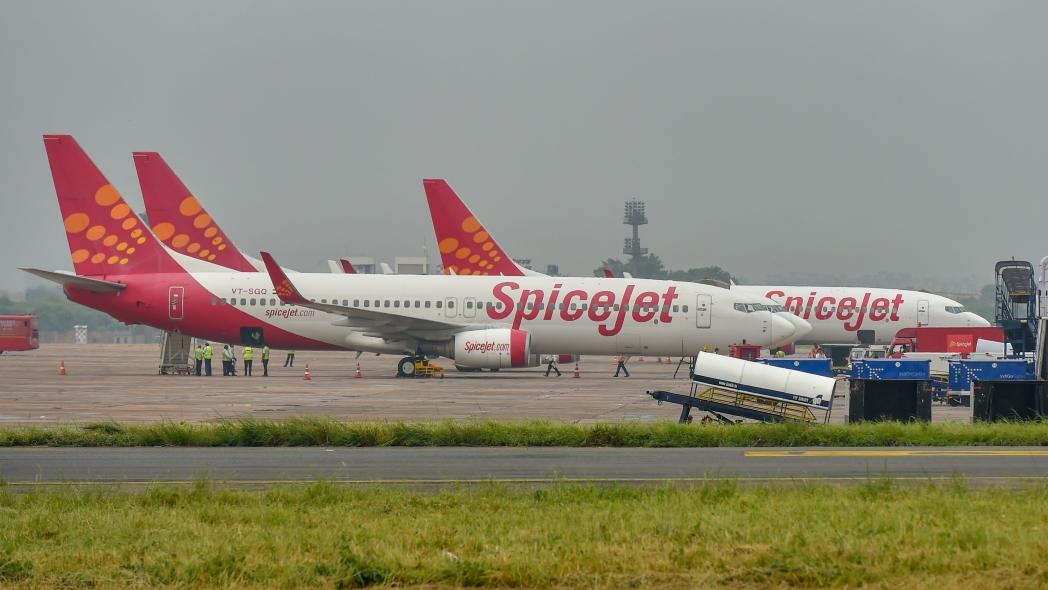
While most airlines were struggling to stay afloat, Ryanair was expanding. With Boeing struggling for sales, the airline was able to buy aircraft at a big discount.
The key to this was the firm’s strong balance sheet. That put the company in a position to take advantage of the situation – in other words, to be greedy when others were fearful.
So which companies might be able to take advantage if an AI bubble triggers a stock market crash? I have multiple ideas, but there are a few that stand out to me.
Microsoft (NASDAQ:MSFT) might not be an obvious choice for investors concerned about an AI bubble. The company is planning big investments in AI over the next few years.
That obviously is risky if things go wrong in the industry. But I think the firm’s financial strength means a crash might give it opportunities too.
OpenAI might be a good example. With a 27% stake in the business, Microsoft might be in a position to do a deal if Sam Altman’s company has problems with its spending commitments.
The firm has come through numerous crashes before now and emerged stronger. And I think its AAA credit rating and strong cash flows mean it’s worth considering ahead of the next one.
From the UK, Halma (LSE:HLMA) also has a record of being unusually good in a crisis. The firm is a serial acquirer of technology businesses with strong positions in niche markets.
This approach can be risky – dominant companies operating in niche markets don’t always have much room for growth. And this means there’s a danger of overpaying for acquisitions.
Importantly though, the firm is often in a position to do deals when prices are attractive. For example, it was active during Covid-19 when other potential buyers were more constrained.
If an AI crash presents Halma with some more opportunities, it could be ready to take advantage. And that’s why I think the stock is worth considering at today’s prices.