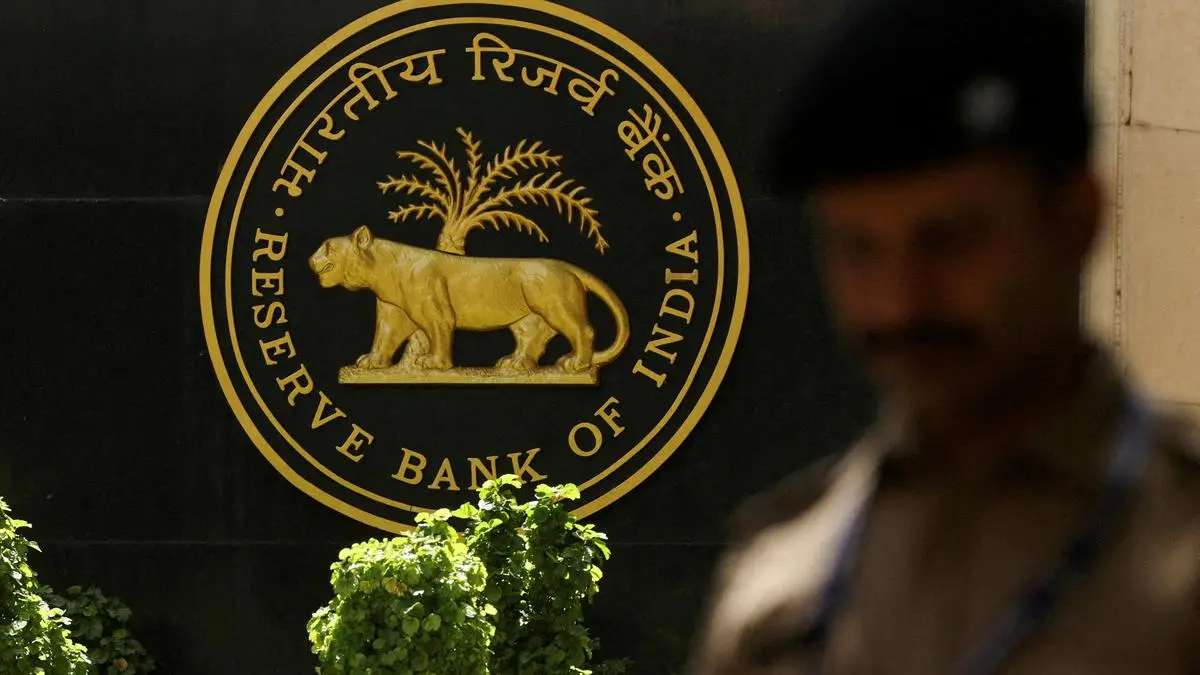
The regulator has amended the NCS Master Circular, mandating issuers to appoint an independent external reviewer to certify that green debt issuances meet regulatory definitions and disclosure standards. The reviewer must be independent of the issuer and its management, be remunerated in a conflict-free manner, and possess expertise in assessing ESG debt instruments.
SEBI circular stated, “The issuer shall appoint an independent third-party reviewer/certifier to ascertain that the issuance of green debt securities is in accordance with the definition specified under Regulation 2(1)(q) of the SEBI (Issue and Listing of Non-Convertible Securities) Regulations, 2021, including review/certification of the processes, including project evaluation and selection criteria, project categories eligible for financing by green debt security, etc.”
Also Read: New mutual fund classification rules introduced: How schemes will be structured
SEBI said the scope of such reviews must be disclosed in the offer document, and may include formats such as second-party opinions, verification, certification, or scoring and ratings, in line with global standards, including those recommended by the International Capital Market Association.
The move follows the regulator’s earlier expansion of sustainable finance norms to cover social, sustainability, and sustainability-linked bonds, collectively termed ESG debt securities. The revised rules will come into force with immediate effect.
ESG score, which stands for Environmental, Social, and Governance score, is a metric used to evaluate a company’s performance across three key areas. The environmental component assesses the company’s impact on nature, including carbon emissions, energy use, pollution, and waste management.
Also Read: Explained: What SEBI’s new mutual fund classification rules mean for investors
The social pillar examines how the company manages relationships with employees, customers, and communities, covering aspects such as diversity, labour practices, and customer welfare. Governance evaluates leadership quality and corporate conduct, including board structure, executive compensation, transparency, and ethical standards.
The core principle behind ESG is that businesses should look beyond profit and consider their responsibilities towards society. The Companies Act 2013 and the 2021 BRSR framework have mandated ESG disclosures for top listed firms.
First Published: Feb 27, 2026 11:54 PM IST