© Chip Somodevilla / Getty Images News via Getty Images
Most large cap growth ETFs hand you a market-cap-weighted slice of the same mega-cap names and call it a day. Fidelity Enhanced Large Cap Growth ETF (NYSEARCA:FELG) takes a different approach: it runs a quantitative investment process that balances both risk and return, favoring companies with improving fundamentals and reasonable valuations, with the explicit goal of beating its benchmark rather than simply tracking it.
That active tilt has produced a meaningful edge over the trailing year. FELG is up 21% over the past 12 months, ahead of the iShares Russell 1000 Growth ETF (NYSEARCA:IWF) at 20% and Vanguard Growth ETF (NYSEARCA:VUG) at 21%. The margin is narrow, but FELG is delivering it at an expense ratio of just 0.18%, keeping costs in line with passive peers. The near-term picture is less flattering on a year-to-date basis, but the one-year comparison reflects the fund’s core value proposition.
The fund holds $4.7 billion in total net assets and benchmarks itself against the Russell 1000 Growth Index, meaning its success is measured against the same universe of companies it is trying to beat. That benchmark shapes the portfolio in a predictable direction toward the largest beneficiaries of the AI buildout.
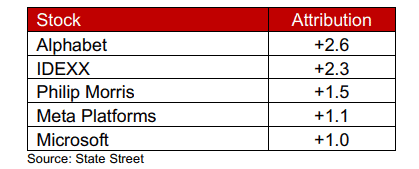
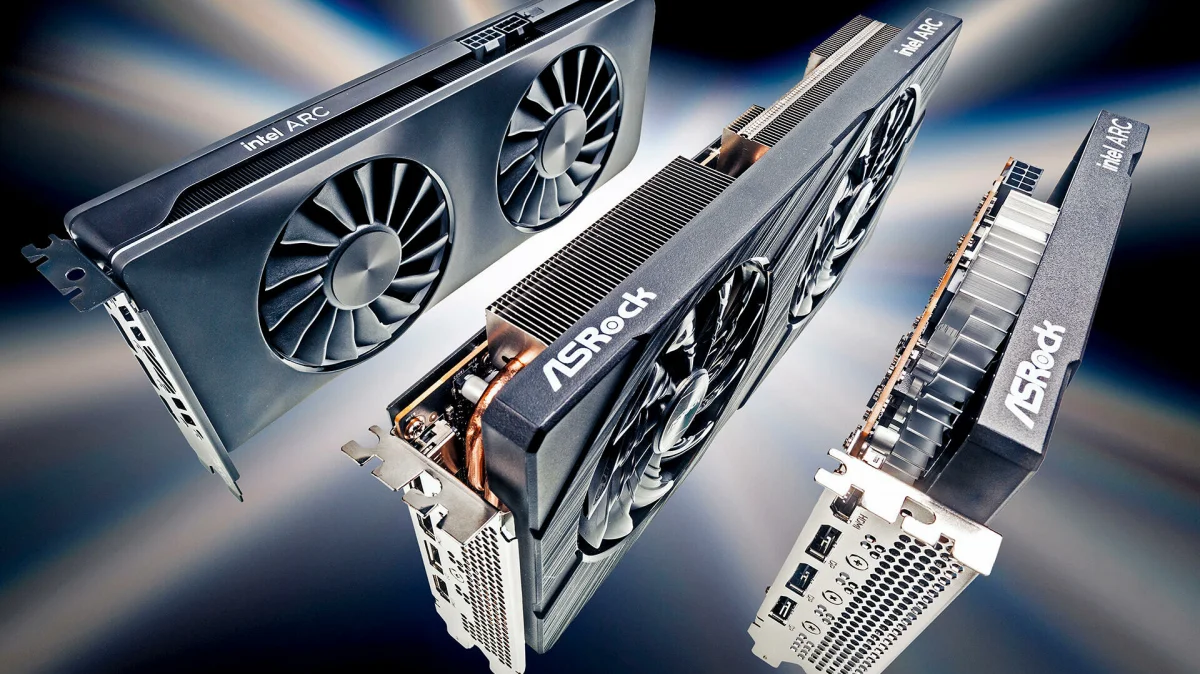
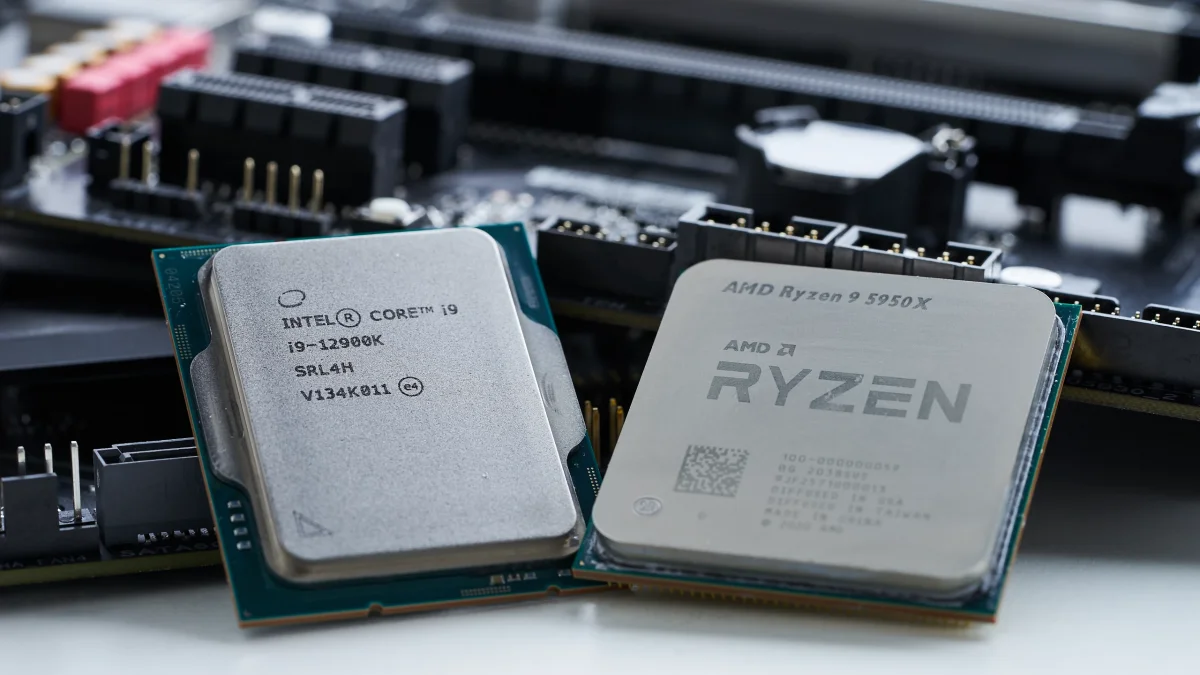
The quant model has concentrated its heaviest bets in semiconductor and device ecosystems — Nvidia at 12.6%, Apple at 11.5%, and Microsoft at 10.1% reflects the model’s conviction that chip infrastructure and device platforms remain the primary engines of AI capital spending, with Broadcom rounding out that technology core.
The Macro Factor That Will Drive Returns: AI Capex and the Tech Earnings Cycle
With over 50% of the portfolio in Information Technology and another 14% in Communication Services, FELG lives and dies by the health of large-cap technology earnings. The single biggest macro force shaping those earnings right now is the trajectory of artificial intelligence capital expenditure across hyperscalers and enterprise customers.
When the largest technology companies commit to spending hundreds of billions on AI infrastructure, it flows directly into revenue for the chipmakers, cloud platforms, and software vendors that dominate this fund. The reverse is equally true: any pullback in AI spending commitments, whether from margin pressure, regulatory friction, or a demand plateau, would hit FELG’s top holdings harder than a broader index would feel it.
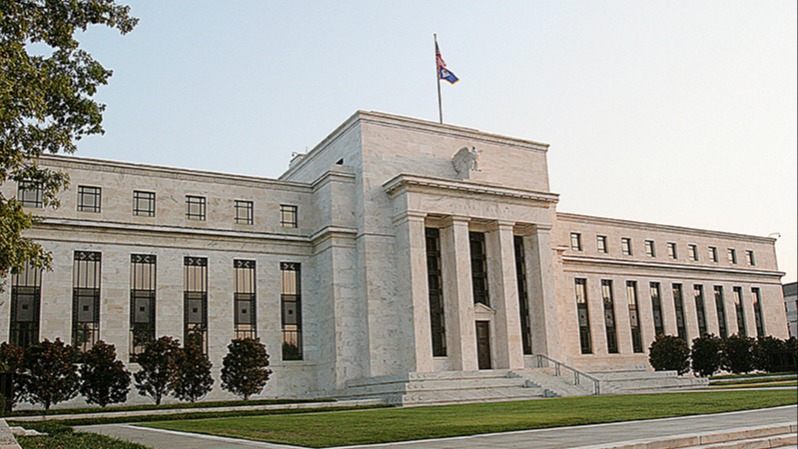
The clearest place to track this is quarterly earnings from the fund’s top holdings. Each earnings season, pay close attention to forward capital expenditure guidance from the major cloud providers. The BLS productivity reports and Federal Reserve commentary on business investment, released on a monthly and quarterly cadence respectively, offer early signals of whether corporate spending appetite is holding. A broad deceleration in tech earnings growth would pressure the fund’s NAV well before it shows up in economic headlines.
The Fund-Specific Factor: Whether the Quant Model Earns Its Keep
FELG’s entire rationale rests on its quantitative stock selection process. The fund is not designed to simply replicate the Russell 1000 Growth; it is built to tilt away from overvalued names and toward companies with improving fundamentals. That distinction matters most when the market is differentiating between winners and losers rather than lifting all growth stocks together.
In a rising tide environment, passive funds tend to keep pace or even lead because they hold more of whatever is running hottest. The quant model earns its fee in choppier conditions, when the ability to underweight deteriorating businesses and overweight improving ones actually separates performance. Watch the fund’s quarterly holdings disclosures, available through Fidelity’s fund page, for shifts in sector weights and position sizing. A meaningful reduction in any of the top five holdings would signal the model is making an active call worth understanding.
What to Watch Over the Next 12 Months
If AI capital expenditure continues expanding through mid-year earnings reports, the fund’s technology-heavy concentration would be directly exposed to those trends. The next quarterly holdings update would show whether the quant model is adjusting its positioning in the mega-cap names that have driven large-cap growth returns over the past year.