Discover why portfolio manager Darnel Bentz believes small- and mid-cap investing doesn’t have to be a wild ride. Learn how a focused, quality-first approach can tap into powerful growth while helping to keep volatility in check
Investing in small- and mid-cap companies is often seen as a high-risk, high-reward proposition. I see it differently. Working for a firm that has more than 30 years’ experience focusing on this space, we’ve developed investment strategies that seek to capture the growth potential of smaller companies while managing volatility in a disciplined, systematic way.
Our approach begins with focus. Rather than owning hundreds of names and diluting exposure across positions, we typically hold between 30 and 40 stocks in our small- and mid-cap portfolios. This concentrated approach requires that each company meets rigorous quantitative and qualitative standards. We are looking for businesses with high returns on invested capital, low debt, consistent earnings, and strong free cash flow. We also evaluate management teams carefully, ensuring they are aligned with shareholders and capable of making thoughtful strategic decisions that preserve long-term value.
We seek business models with sustainable characteristics, those with competitive advantages that allow growth to persist over extended periods. Interestingly, our small- and mid-cap portfolios often exhibit risk metrics like large-cap portfolios. We believe this approach demonstrates that high-quality small- and mid-cap investing, when executed thoughtfully, does not have to carry the extreme volatility often associated with these market segments.
The fundamentals we prioritize in smaller companies are like what we look for in large-cap investments. Management alignment, capital allocation, competitive protections, and strong free cash flow are essential regardless of size. What differs is our attention to leverage and debt structure. Smaller businesses often rely more on floating-rate or shorter-term debt, making it critical to ensure they can fund growth internally through free cash flow generation and withstand economic stress when debt markets tighten up and restrict growth of leveraged businesses.
We integrate small- and mid-cap exposure across client portfolios because, in our view, these segments provide a fertile opportunity for long-term growth. Recent years have presented a challenge: fewer small- and mid-cap companies are going public, and many stay private longer. When they do go public, they tend to debut at larger market caps, reducing the pool of new opportunities in traditional small-cap ranges. To address this, we pair private equity exposure with our small- and mid-cap investments. We believe this approach allows clients to still access innovative, high-growth businesses held in Private Equity portfolios while maintaining the quality and discipline of our portfolio.
We believe communicating performance and expectations is critical, especially during periods of market stress. Historically, high-quality small- and mid-cap companies have outperformed over the long term. We have also seen periods where momentum-driven, lower-quality names surge, such as during the rebound after the COVID lows and following the reduction in liberation day tariffs last year, but in our experience these episodes tend to be short-lived. As we see it, our focus on sustainability, consistent earnings, and cash flow allows clients to weather temporary headwinds.
We measure portfolio risk using annualized standard deviation, beta, and downside capture ratios, aiming to exceed our peer group benchmarks. Clients appreciate understanding both where the strategy shines and where challenges may occur. Our position sizes can range from three to ten percent per company, allowing us to balance concentration with risk management. Unlike many competitors who rely on hundreds of names to dilute risk, we concentrate on quality, giving each selection meaningful influence on outcomes.
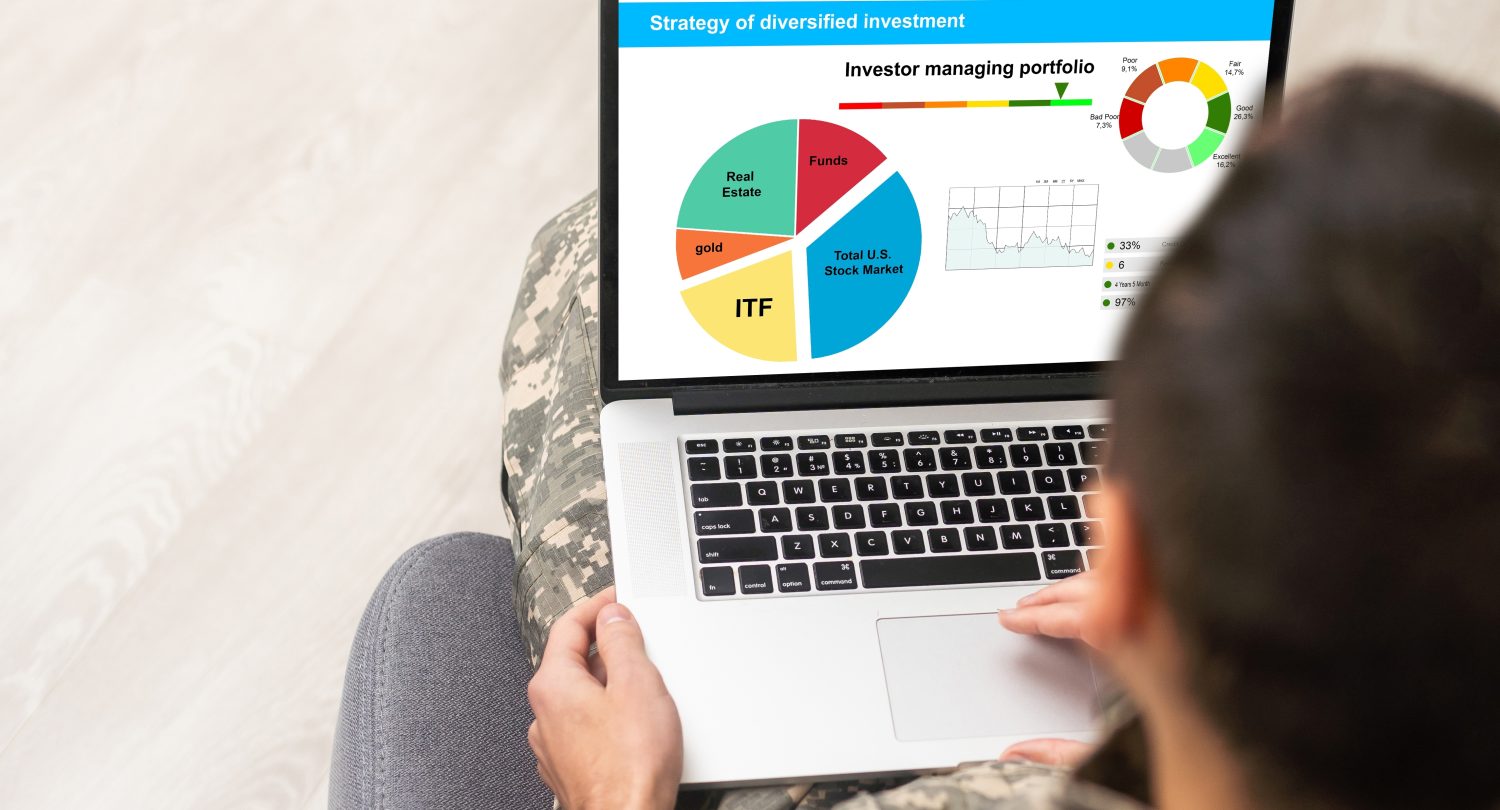
From our perspective, small- and mid-cap investing is about disciplined exposure to companies with sustainable growth and shareholder-aligned leadership. It is about pairing deep fundamental analysis with thoughtful portfolio construction. We maintain that over time, this approach has historically provided investors with meaningful returns while helping to manage volatility, demonstrating that high-quality small- and mid-cap investing is not just possible, but is essential for a diversified portfolio.