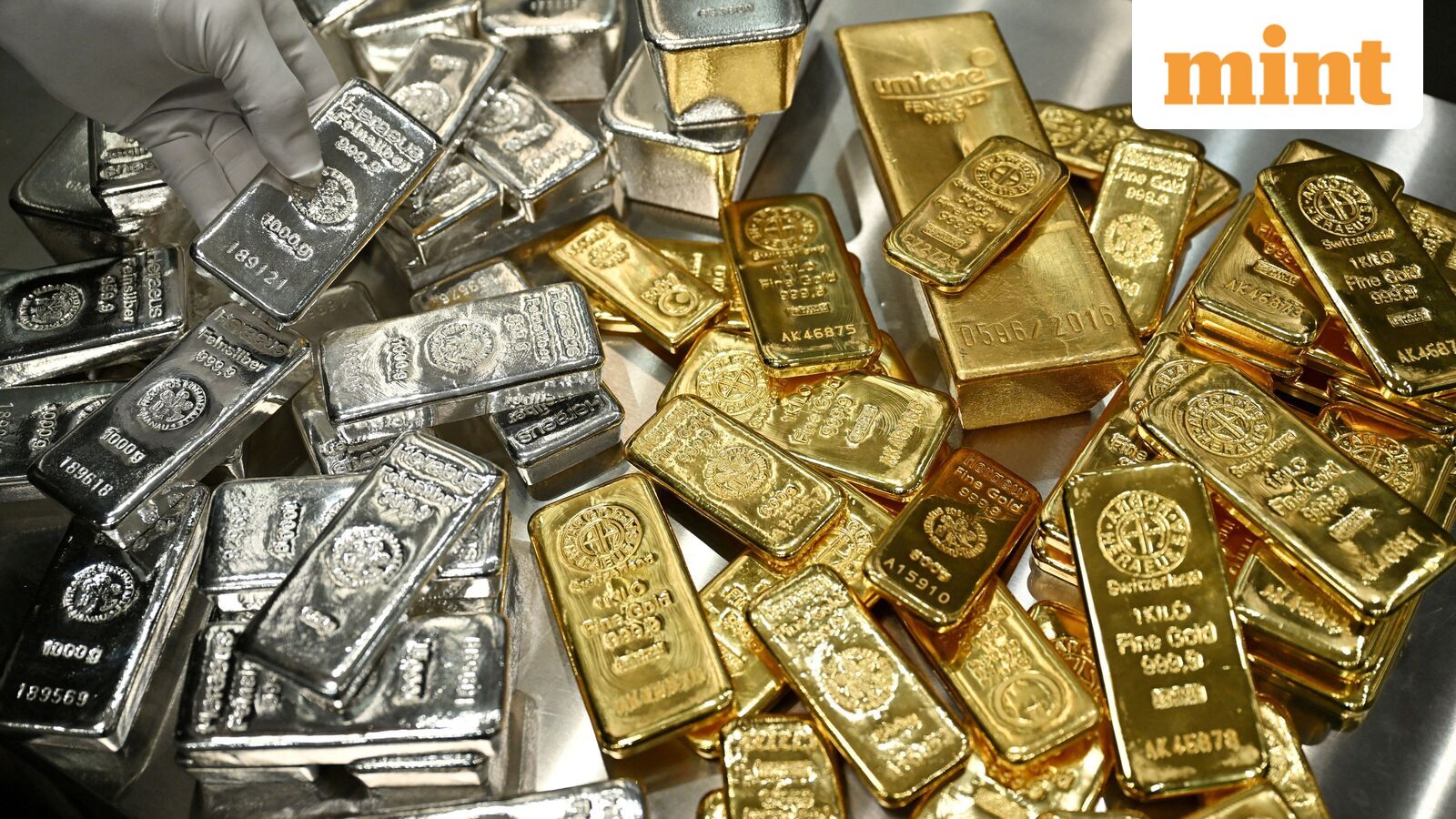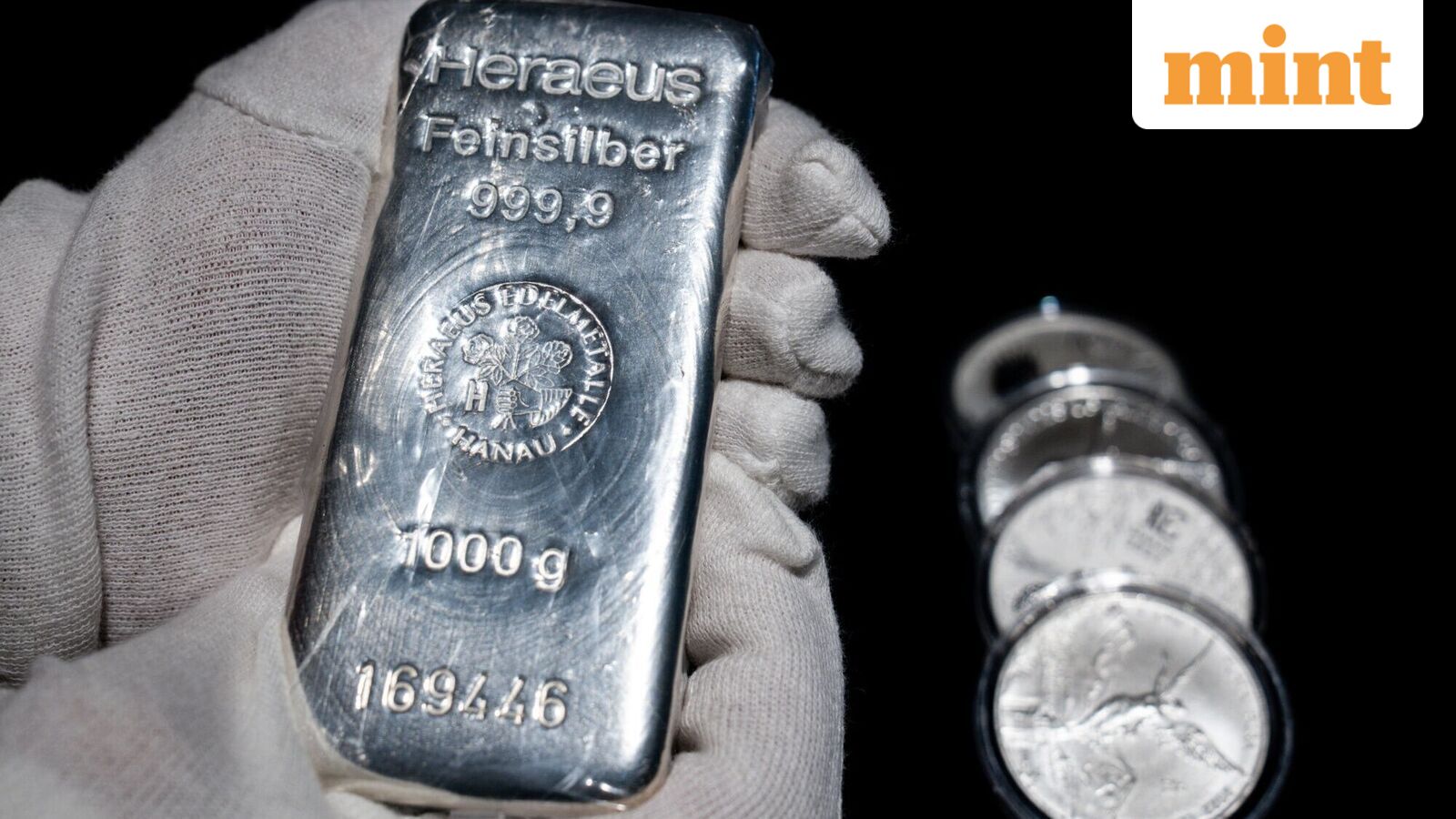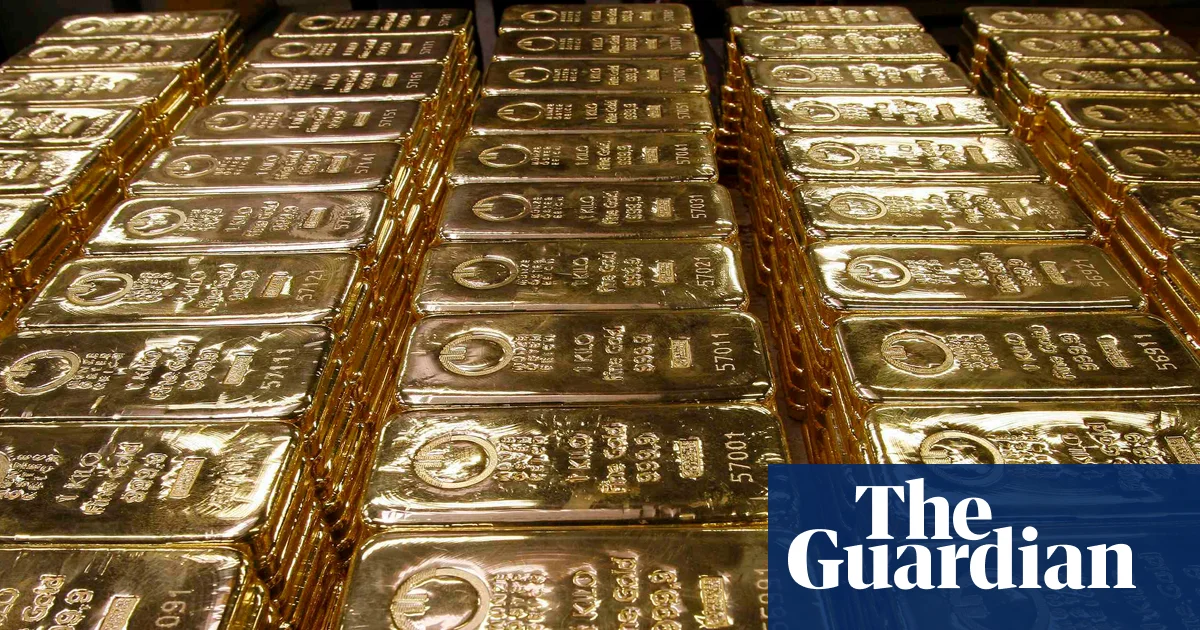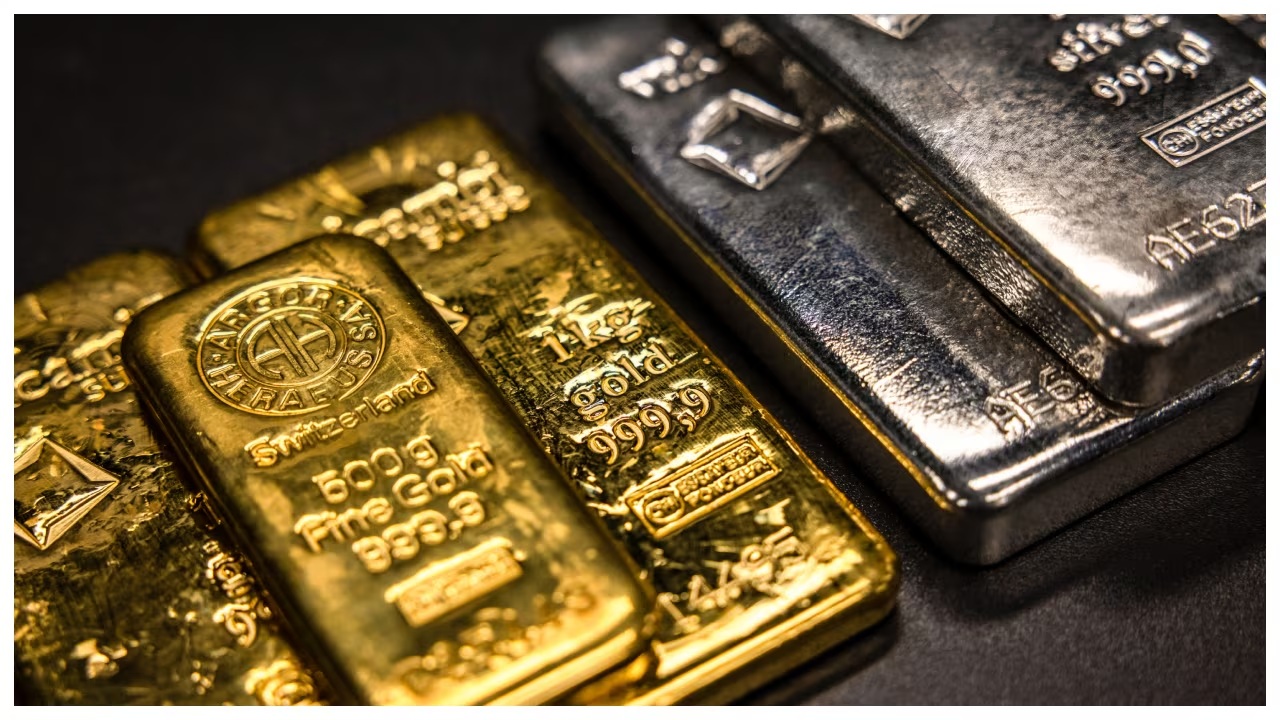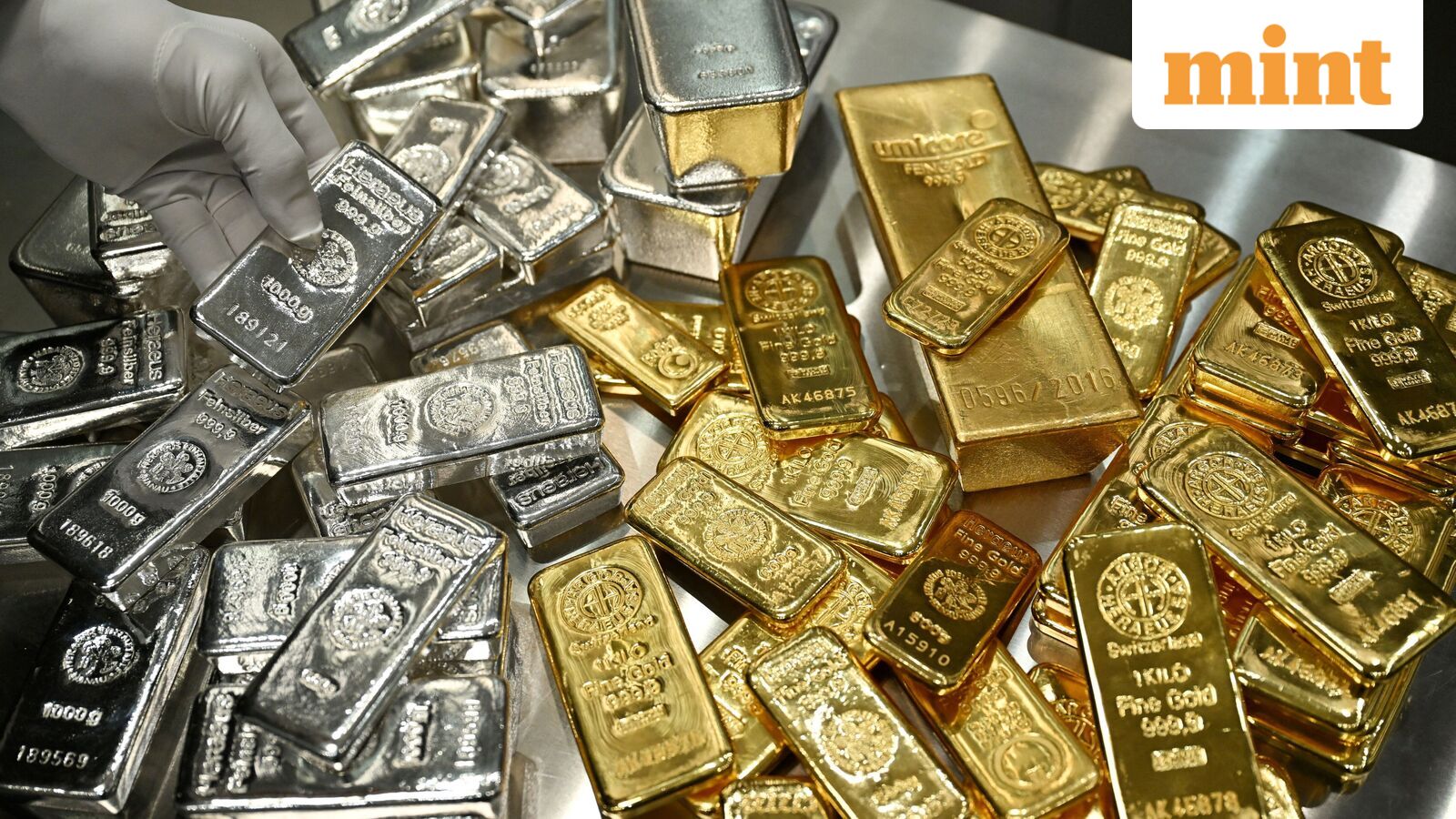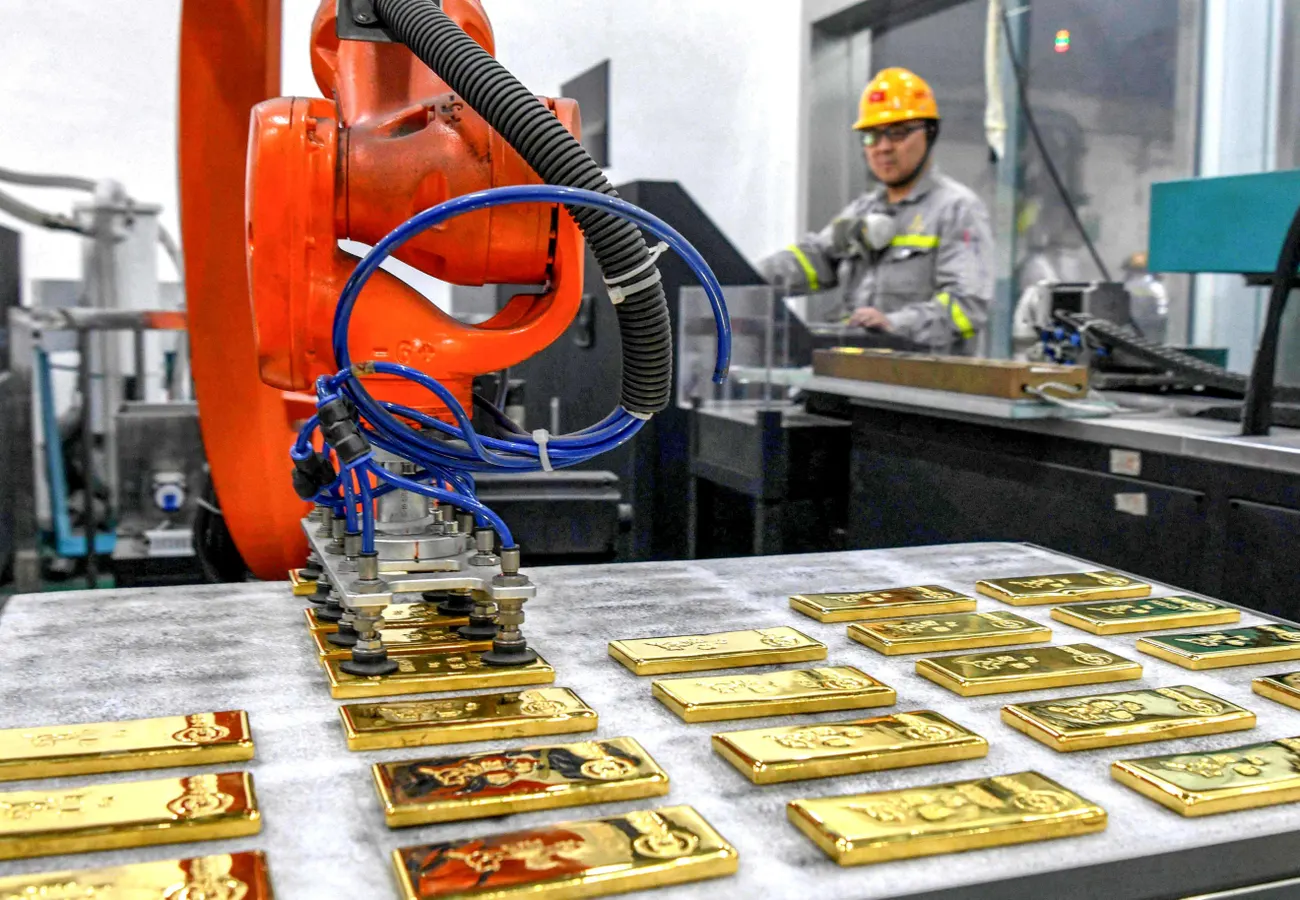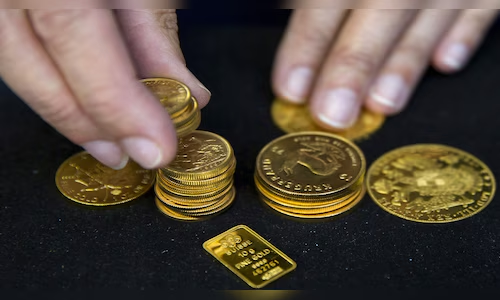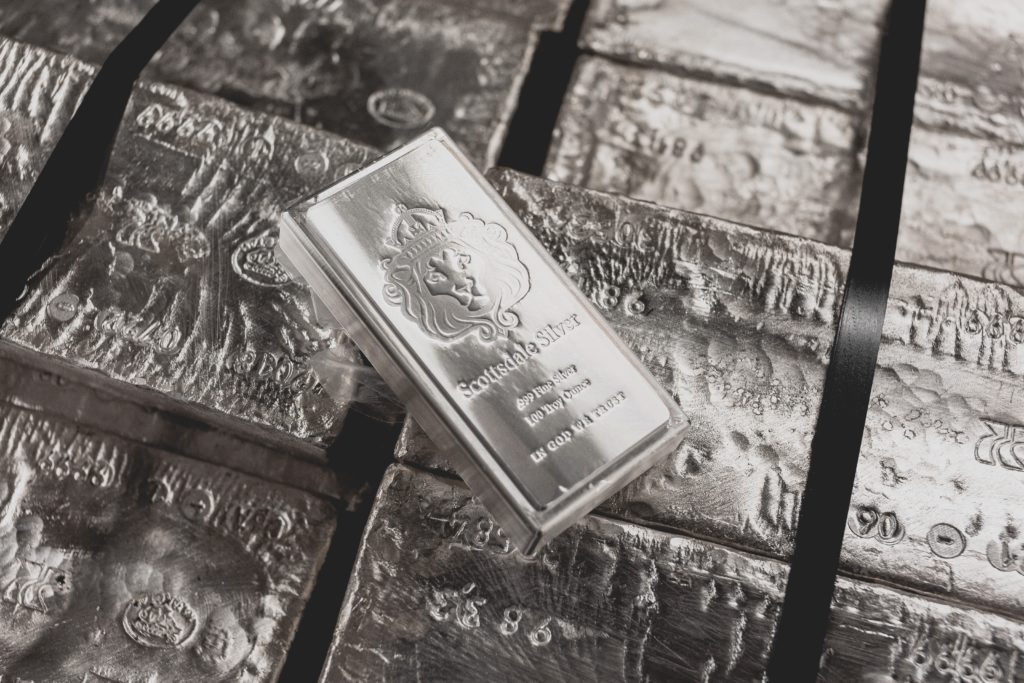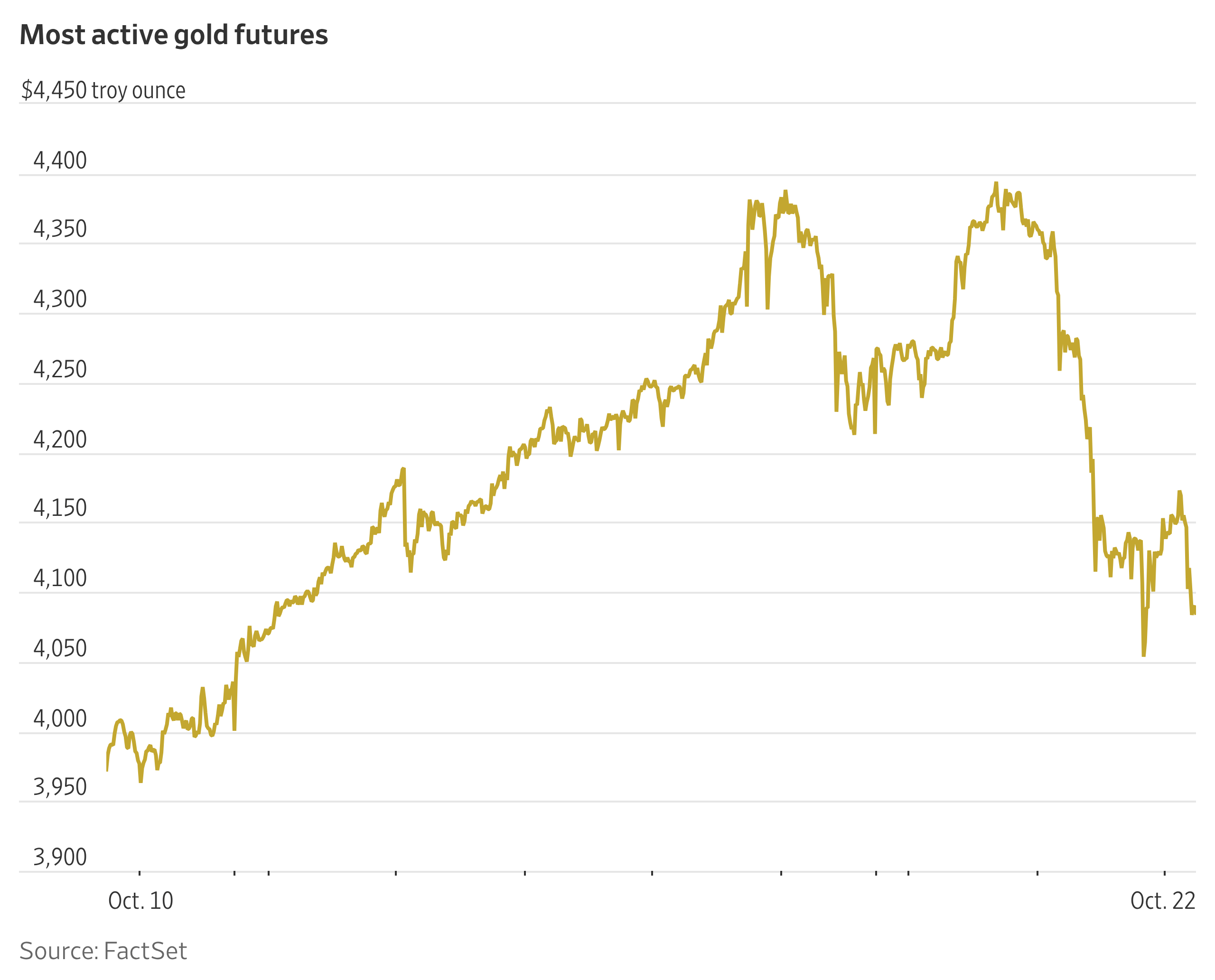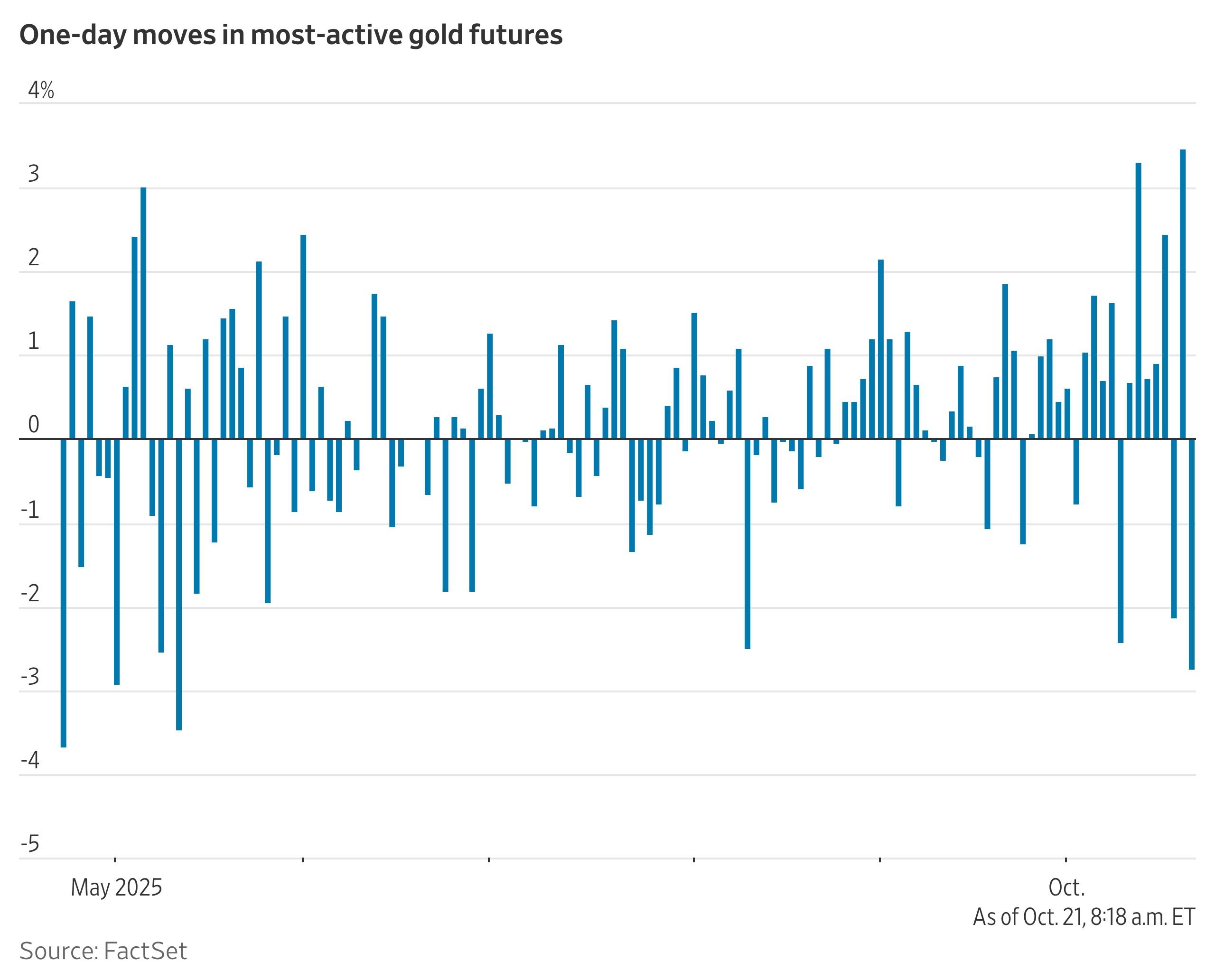
Gold is extending the recovery above the $5,200 barrier in Asian trades on Wednesday, as buyers appear hopeful heading into the US Consumer Price Index (CPI) data release for further upside traction.
Gold capitalizes on renewed Oil, USD weakness
Despite the escalating Middle East war, Gold has struggled to shine as a traditional store of value, as well as an inflation hedge.
However, the renewed selling in Oil prices, following a Reuters report that “the International Energy Agency (IEA) has proposed the largest release of oil reserves in its history to bring down crude prices, lifts risk sentiment and reduces the haven appeal of the US Dollar (USD). This, in turn, supports the extended rebound in Gold from near the $5,000 neighbourhood.
Markets are eagerly awaiting the US CPI inflation data for February to determine whether Federal Reserve (Fed) interest rate cuts remain on the table later this year. The inflation report could be the critical catalyst that gold buyers are yearning for to re-establish the uptrend.
The US core CPI is seen holding steady at 2.5% on an annual basis in February. The monthly core CPI is expected to rise by 0.2% in February after a 0.3% growth in January. Meanwhile, the headline annual CPI inflation is likely to remain at 2.4% in the same period.
The reaction to the US inflation data could be temporary and short-lived in the face of Middle East war updates and the volatility in Oil prices, which could overshadow investors’ sentiments.
Gold price technical analysis: Daily chart
The latest Relative Strength Index (RSI) reading near 57 stays comfortably above the 50 midline, indicating positive but not stretched momentum after the recent pullback from the late-May peak.
If the core annual and monthly CPI data surprise to the upside, it could price out potential Fed rate cuts for this year, reviving the US Dollar uptrend. In this case, Gold could fall back toward the $5,000 support area before unleashing additional downside toward the 50-day SMA at $4,915.
Conversely, Gold could sustain the recovery momentum if inflation slows at a faster rate than expected. This scenario would push Gold further toward the 78.6% Fibonacci resistance at $5,342 if the $5,250 psychological barrier is taken out decisively.
Economic Indicator
Core Personal Consumption Expenditures – Price Index (MoM)
The Core Personal Consumption Expenditures (PCE), released by the US Bureau of Economic Analysis on a monthly basis, measures the changes in the prices of goods and services purchased by consumers in the United States (US). The PCE Price Index is also the Federal Reserve’s (Fed) preferred gauge of inflation. The MoM figure compares the prices of goods in the reference month to the previous month.The core reading excludes the so-called more volatile food and energy components to give a more accurate measurement of price pressures. Generally, a high reading is bullish for the US Dollar (USD), while a low reading is bearish.
Fed FAQs
Monetary policy in the US is shaped by the Federal Reserve (Fed). The Fed has two mandates: to achieve price stability and foster full employment. Its primary tool to achieve these goals is by adjusting interest rates.
When prices are rising too quickly and inflation is above the Fed’s 2% target, it raises interest rates, increasing borrowing costs throughout the economy. This results in a stronger US Dollar (USD) as it makes the US a more attractive place for international investors to park their money.
When inflation falls below 2% or the Unemployment Rate is too high, the Fed may lower interest rates to encourage borrowing, which weighs on the Greenback.
The Federal Reserve (Fed) holds eight policy meetings a year, where the Federal Open Market Committee (FOMC) assesses economic conditions and makes monetary policy decisions.
The FOMC is attended by twelve Fed officials – the seven members of the Board of Governors, the president of the Federal Reserve Bank of New York, and four of the remaining eleven regional Reserve Bank presidents, who serve one-year terms on a rotating basis.
In extreme situations, the Federal Reserve may resort to a policy named Quantitative Easing (QE). QE is the process by which the Fed substantially increases the flow of credit in a stuck financial system.
It is a non-standard policy measure used during crises or when inflation is extremely low. It was the Fed’s weapon of choice during the Great Financial Crisis in 2008. It involves the Fed printing more Dollars and using them to buy high grade bonds from financial institutions. QE usually weakens the US Dollar.
Quantitative tightening (QT) is the reverse process of QE, whereby the Federal Reserve stops buying bonds from financial institutions and does not reinvest the principal from the bonds it holds maturing, to purchase new bonds. It is usually positive for the value of the US Dollar.