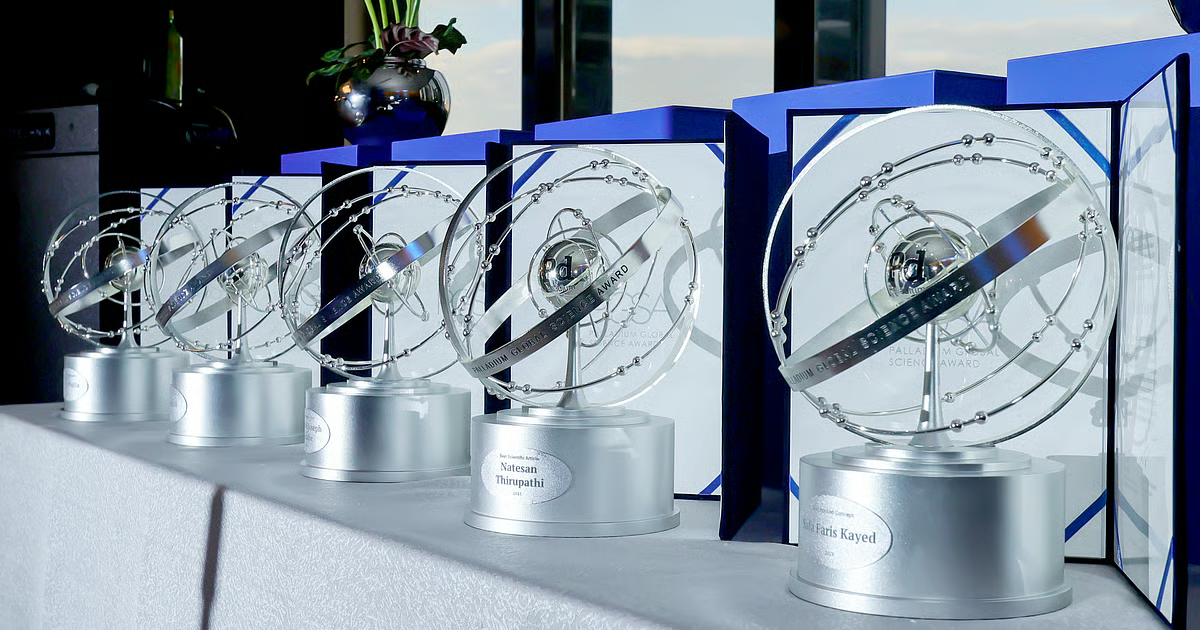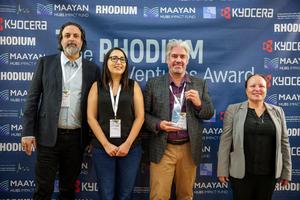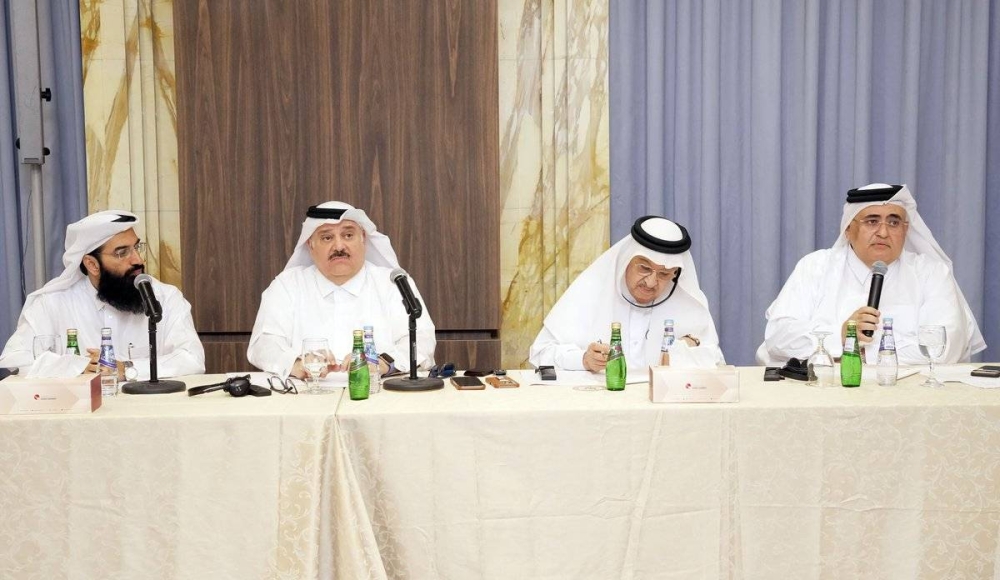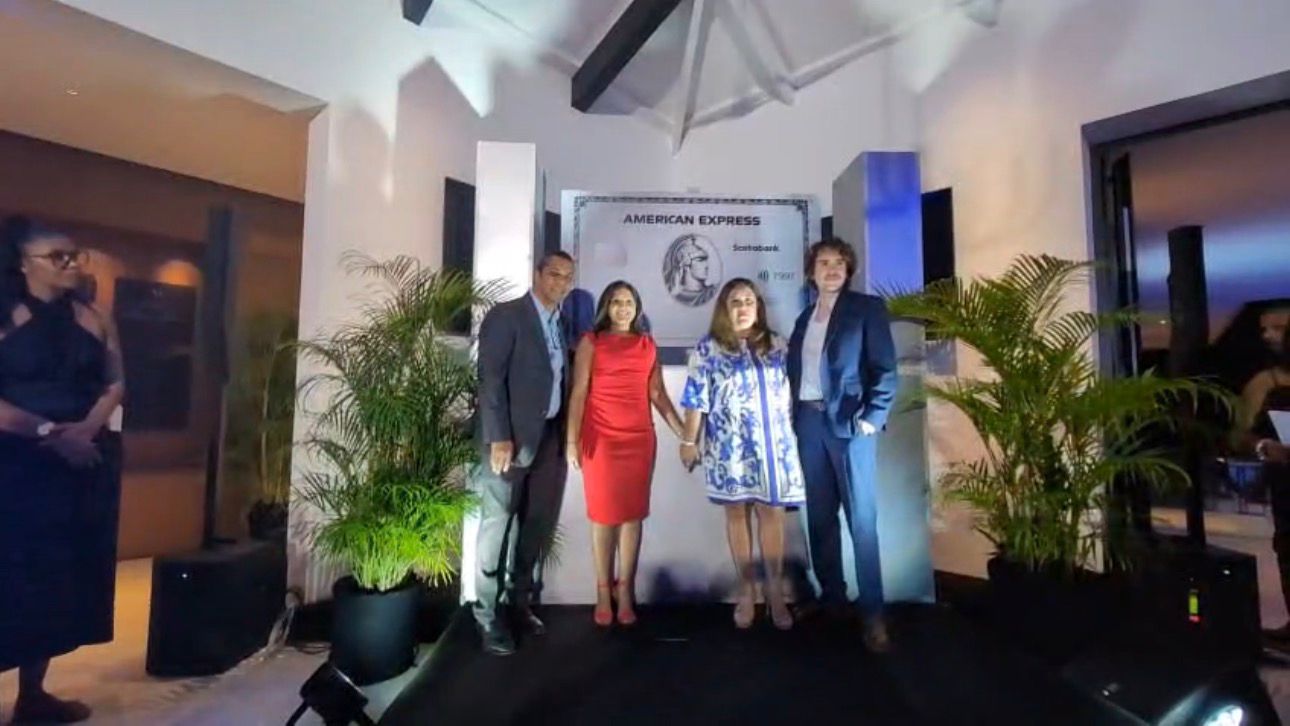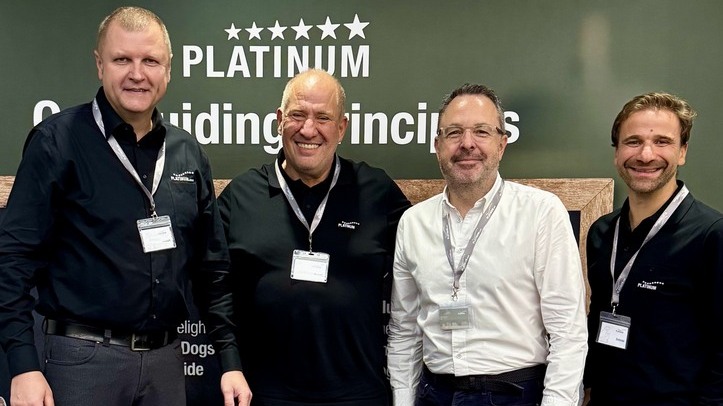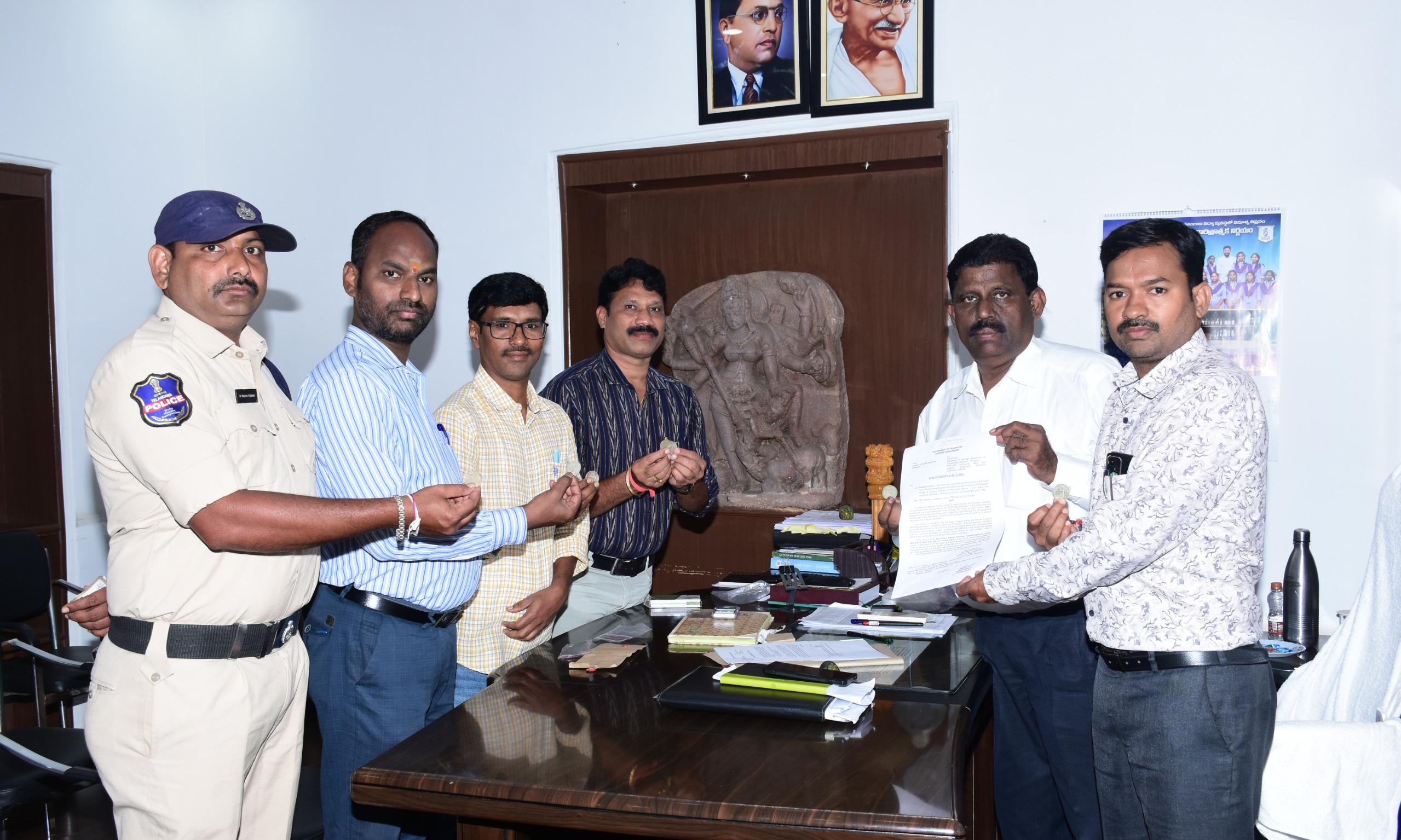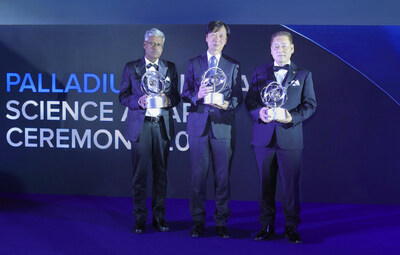
HONG KONG, Nov. 22, 2025 /PRNewswire/ — The inaugural Palladium Global Science Award ceremony was held in Hong Kong, celebrating the most advanced innovations in industrial palladium applications. Established in 2025, the international scientific competition aims to stimulate and promote groundbreaking research in new palladium-based technologies. Five scientists from Canada, Japan, India, the United States, and Saudi Arabia were named laureates, sharing a total prize fund of USD 350,000.

The ceremony brought together leading scientists, business representatives, government officials and international partners. Attendees witnessed the formal announcement of the winners and recognized the high level of innovation shaping the future of palladium applications. The event highlighted the global scope of the competition and its role in advancing cutting-edge palladium technologies.
In its first year, the competition received nearly 100 submissions from over 30 countries, covering fields such as traditional and alternative energy, metallurgy, chemistry, nanotechnology, medicine, electronics, and environmental technologies. The International Expert Council evaluated each entry based on scientific novelty, technological feasibility, and industrial applicability.
Winners were recognized in three nominations:
-
Best Scientific Developments in New Palladium Applications
-
Best Scientific Article in New Palladium Applications
-
Best Applied Concept in New Palladium Applications
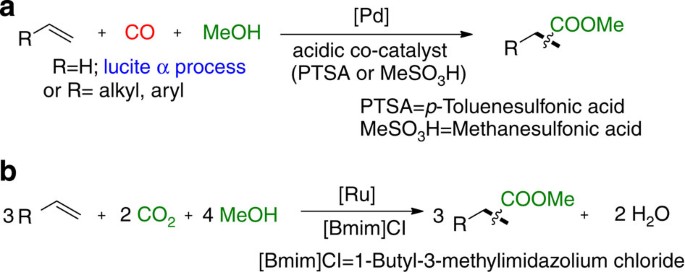
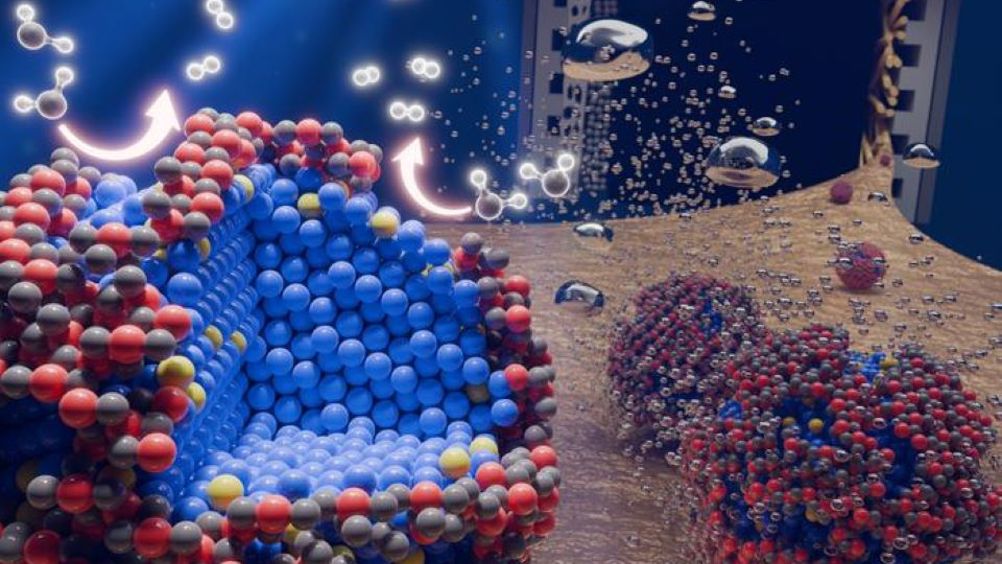
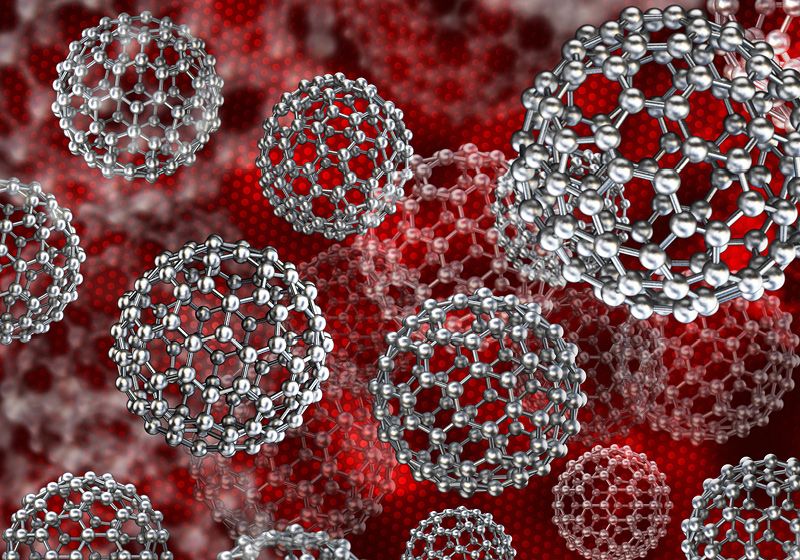
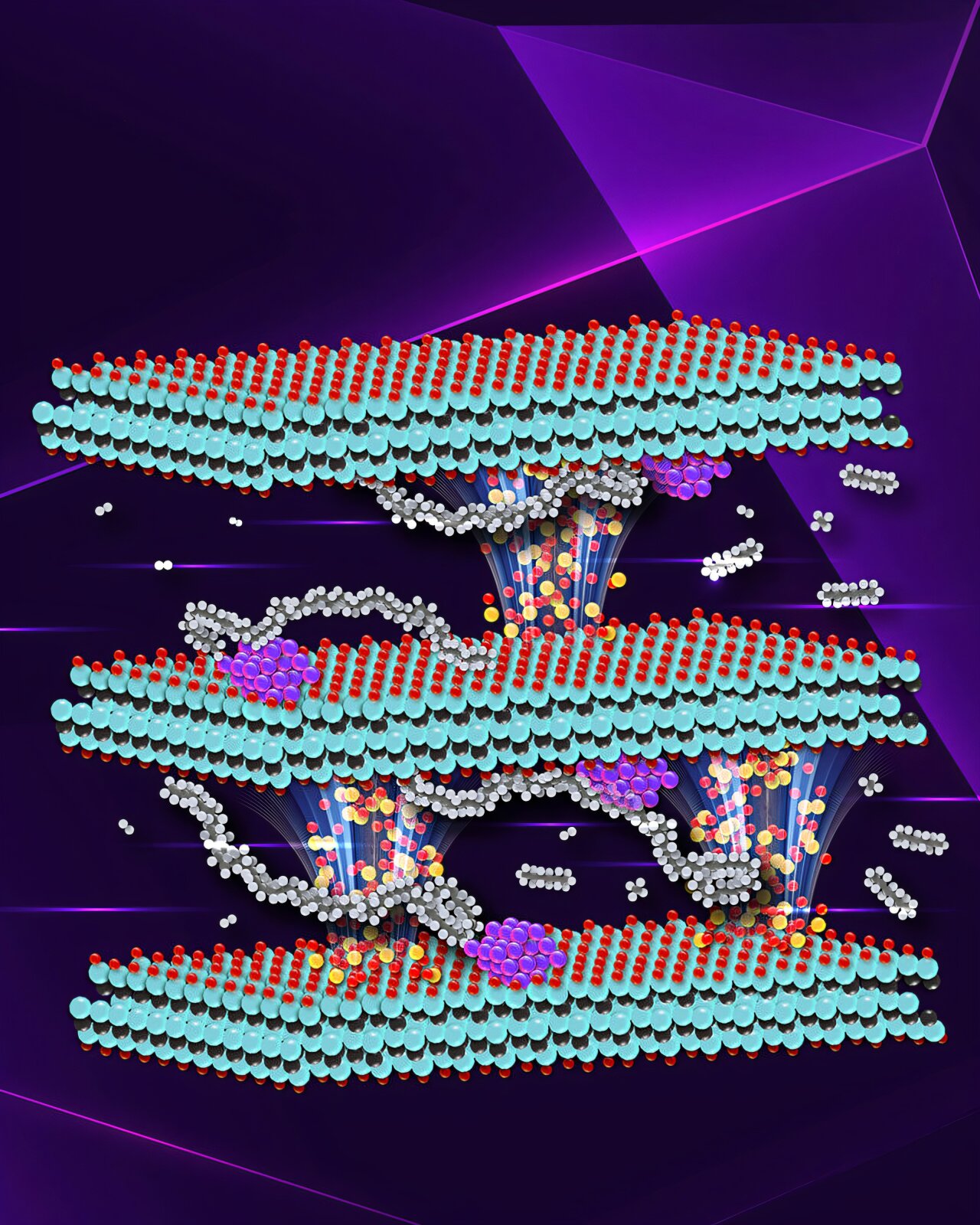
In the Best Scientific Developments nomination, Distinguished Professor Chao-Jun Li (McGill University, Canada) won first place with a palladium catalyst that converts methane and carbon dioxide into methanol, a key chemical feedstock. This technology reduces greenhouse gas emissions, makes better use of raw materials, and minimizes production waste, creating a more sustainable and environmentally friendly process. Second place went to Distinguished Professor Makoto Fujita (University of Tokyo and Institute for Molecular Science, Japan), who developed a novel method for constructing palladium nanostructures. His work opens the door to materials with unique properties for electronics, medicine, and advanced industrial technologies.
In the Best Scientific Article category, Senior Professor Natesan Thirupathi (Delhi University, India) won first place for his research in organopalladium chemistry that accelerates drug development and makes pharmaceutical production greener. Professor Michael Joseph Krische (University of Texas at Austin, USA) took second place for a method that uses palladium simultaneously for hydrogenation and coupling reactions, speeding up the synthesis of vital medical compounds.