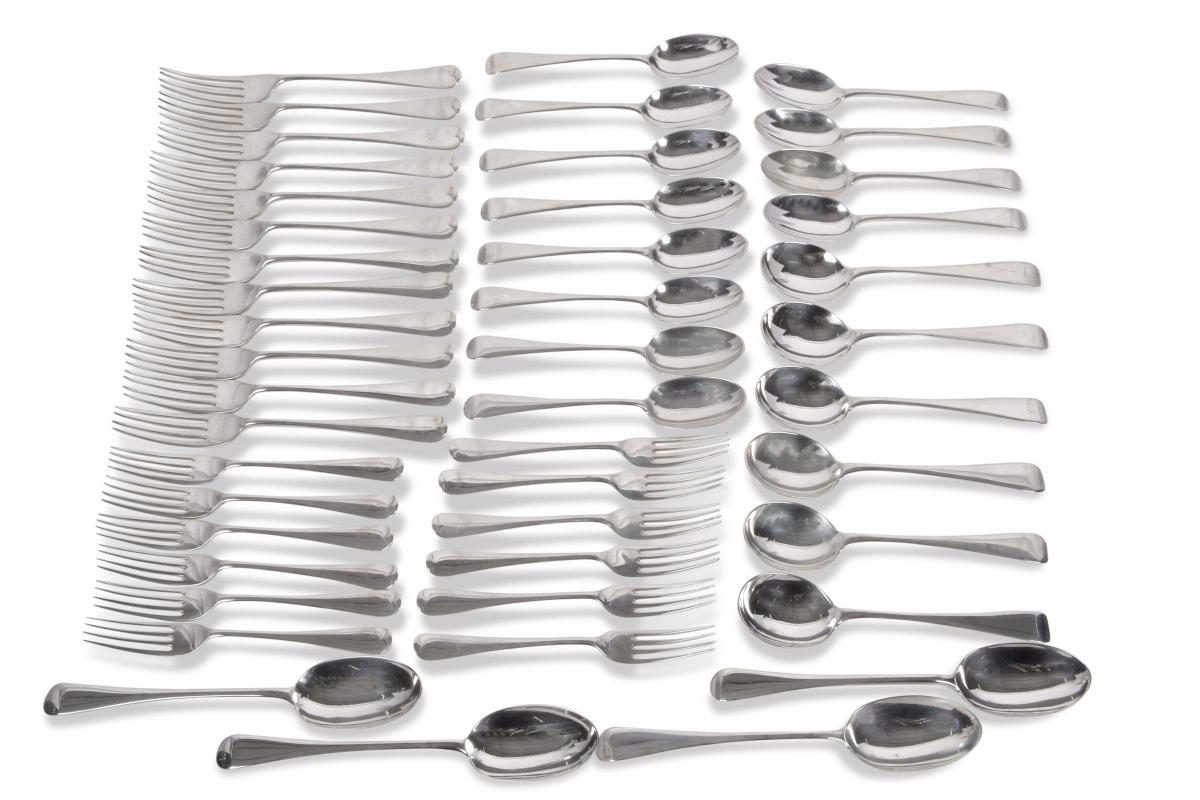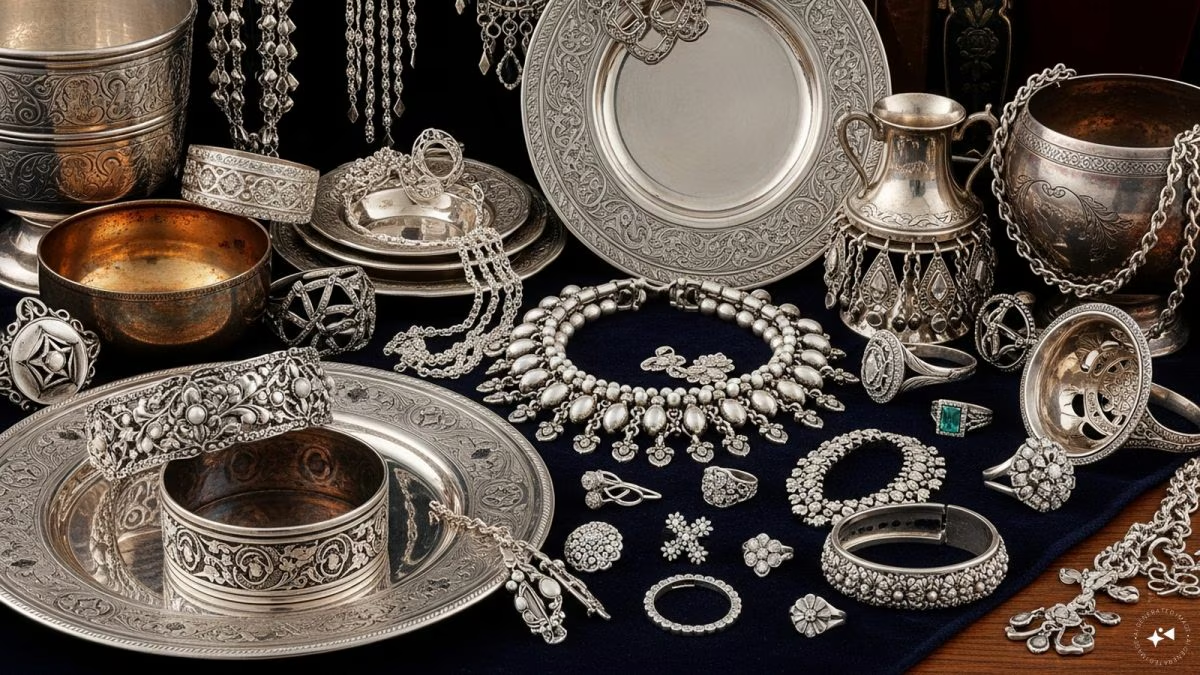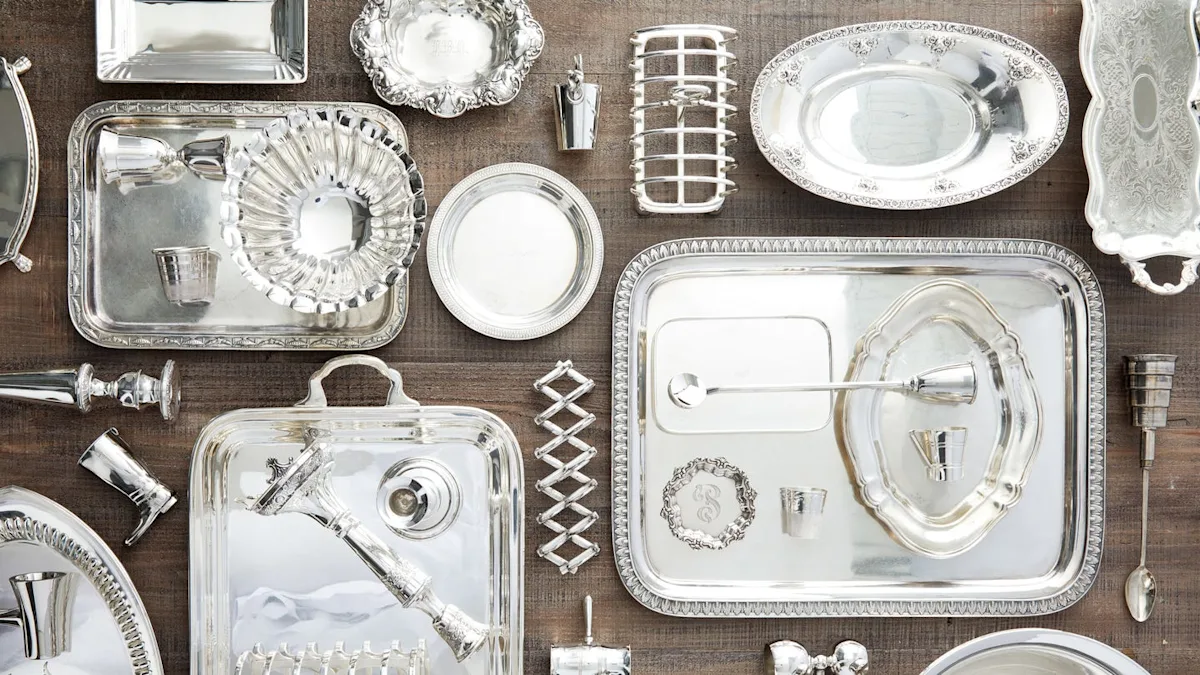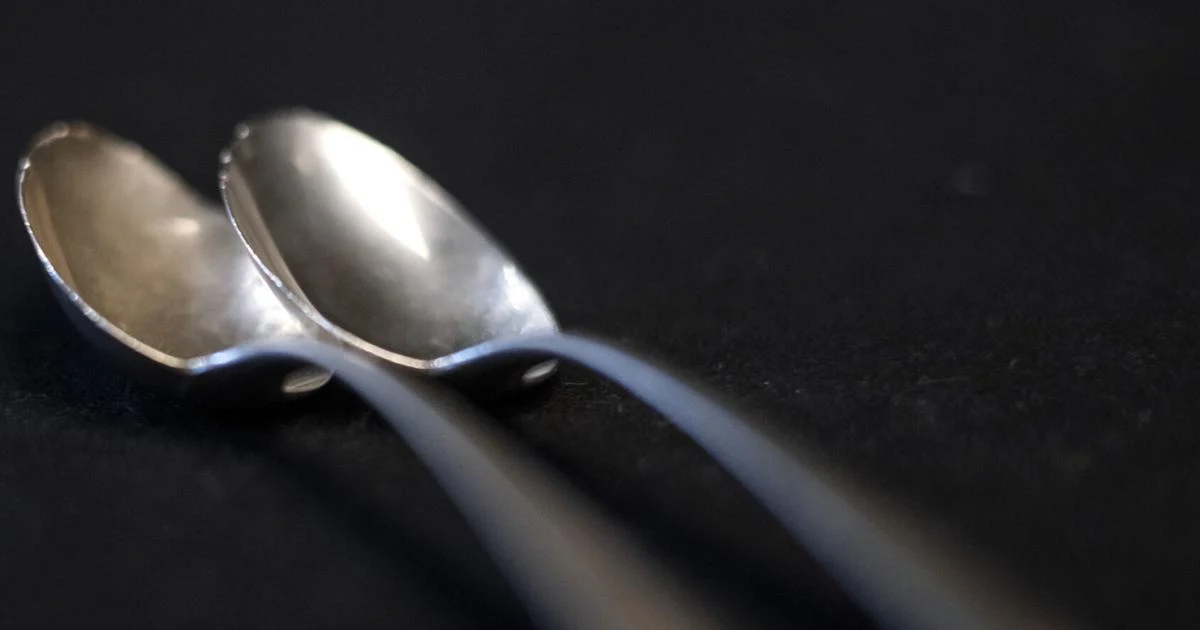
During the past week I was offered $91 for two old teaspoons, both of which had seen some damage from a garbage disposal and weren’t fit for dining purposes.
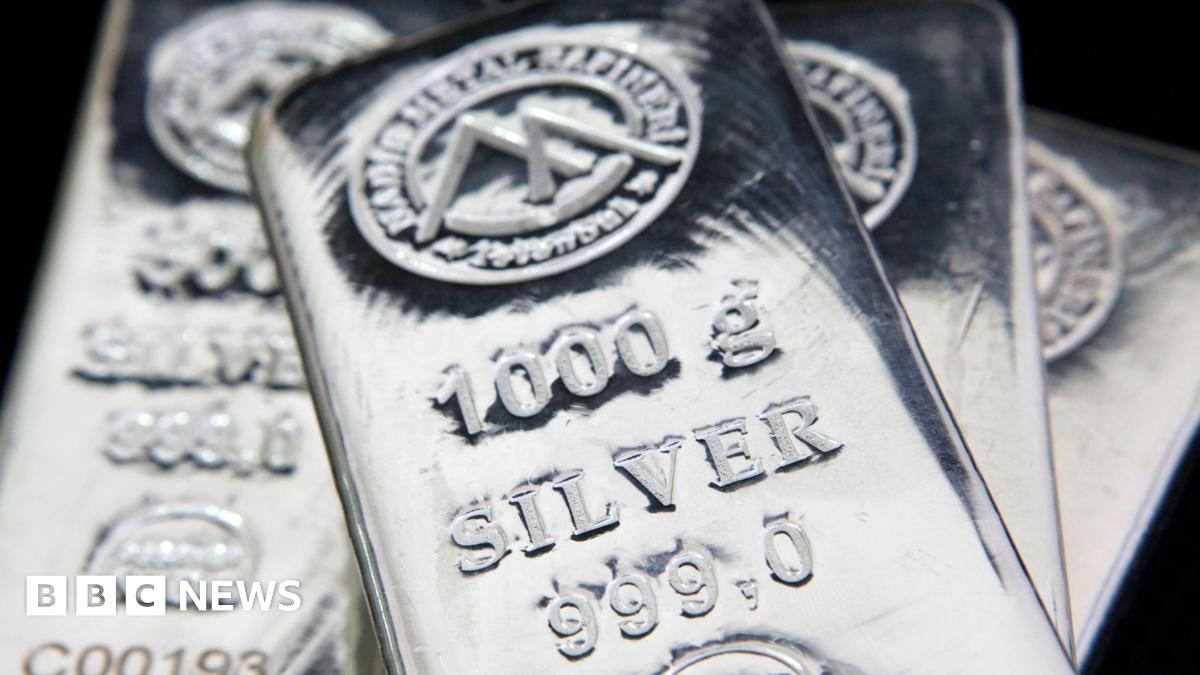
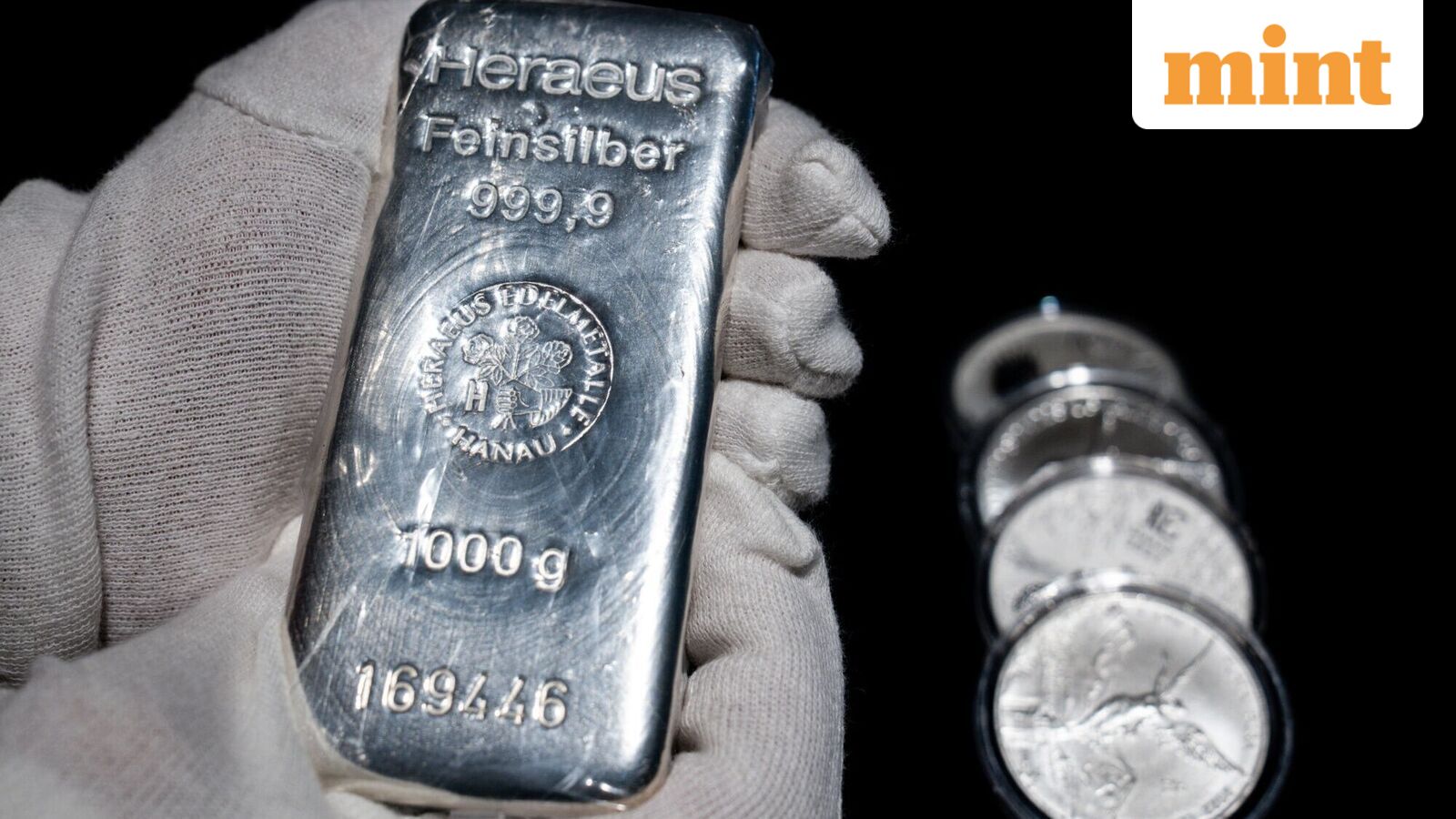
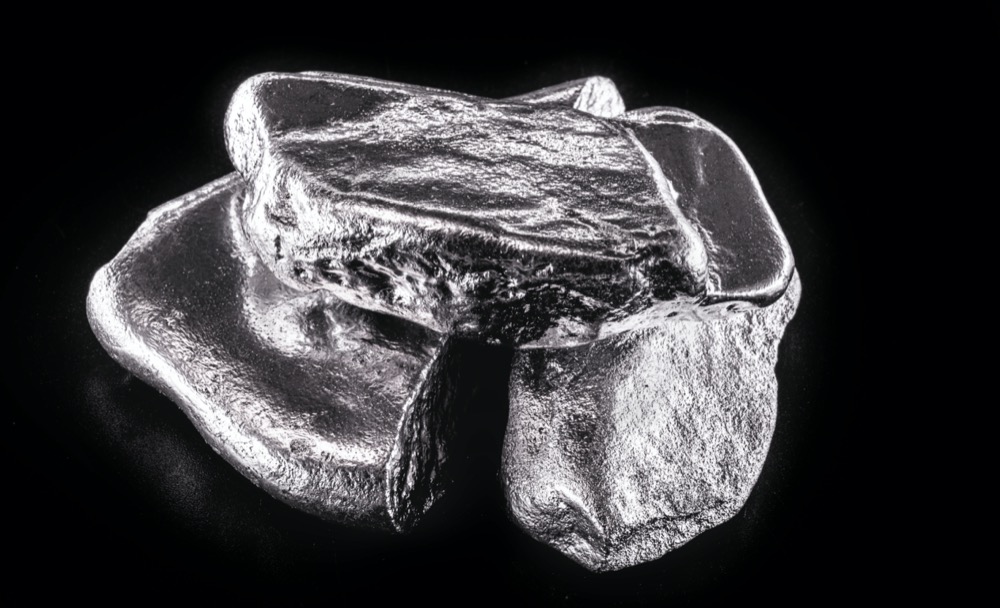
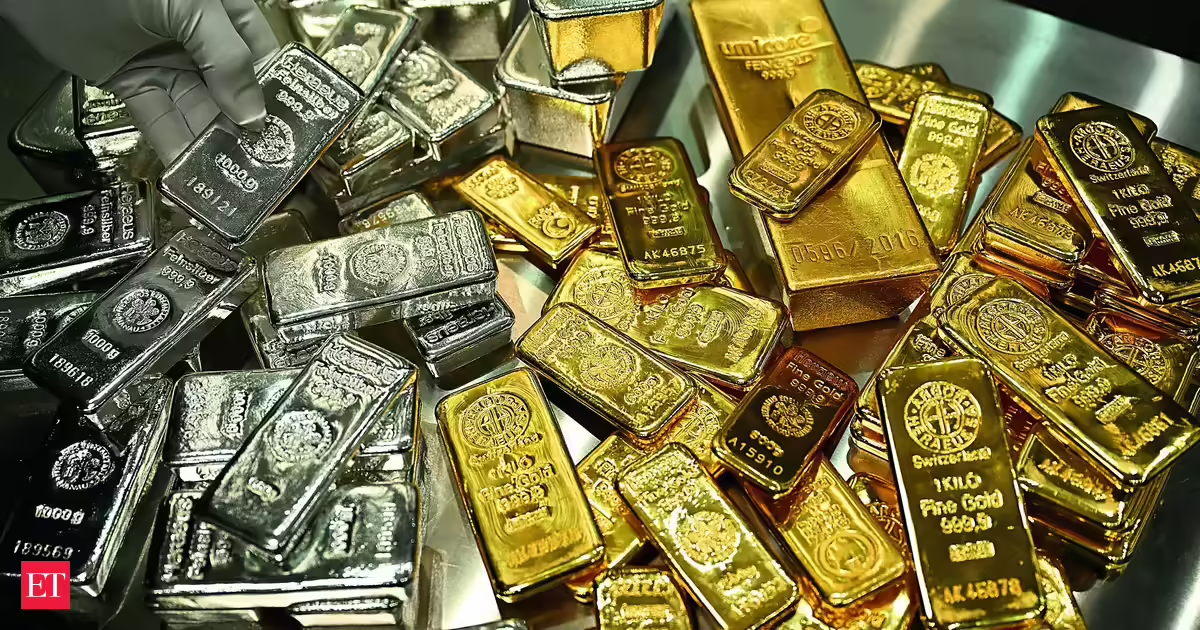
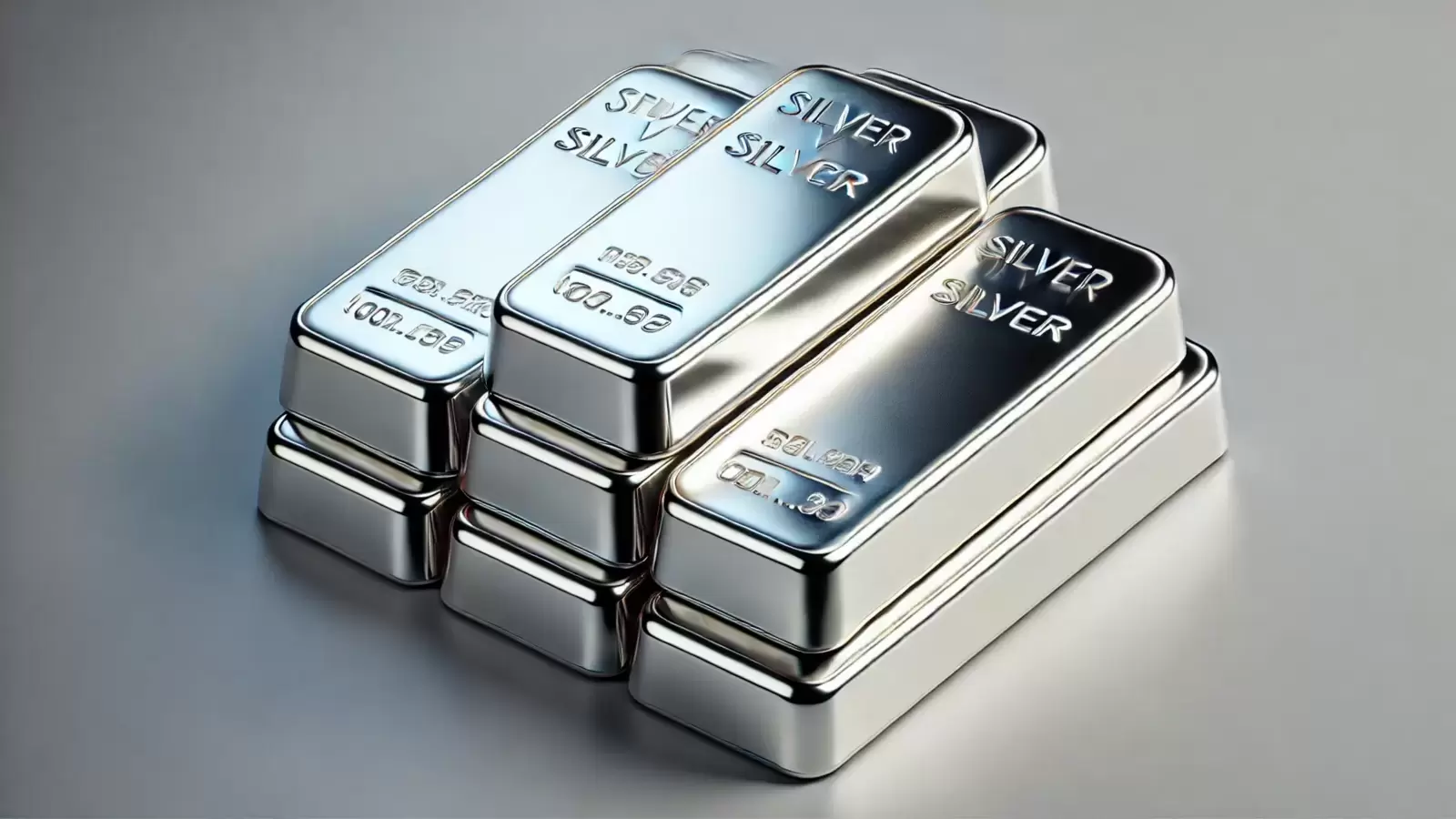
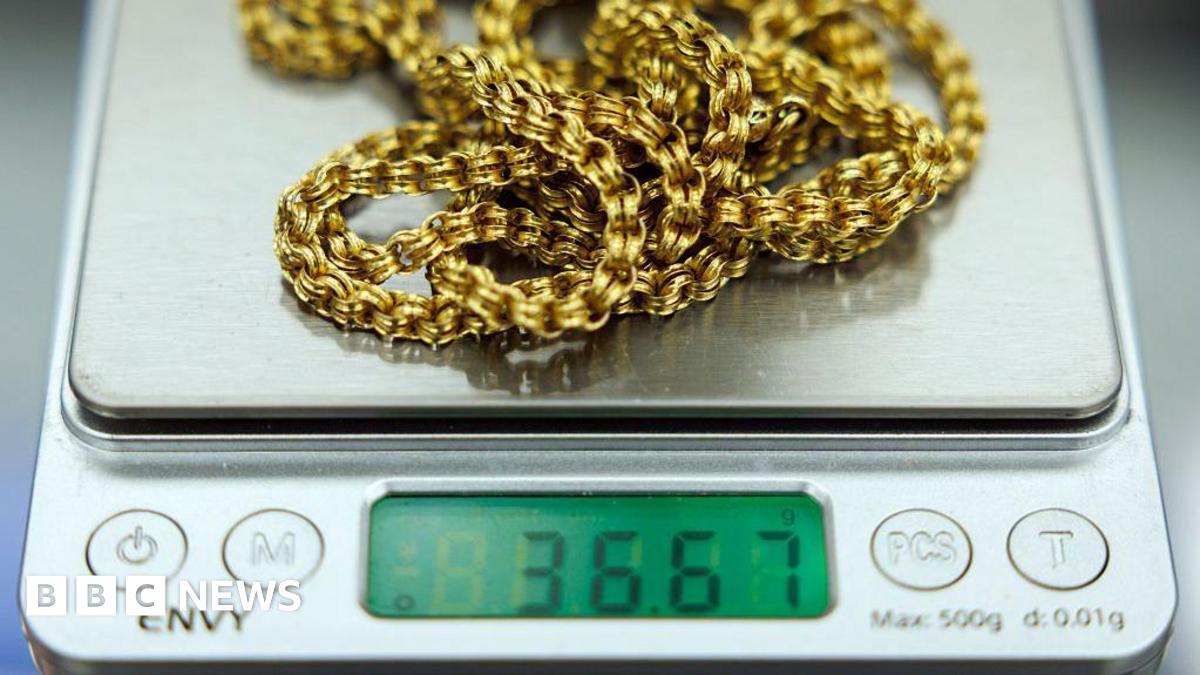
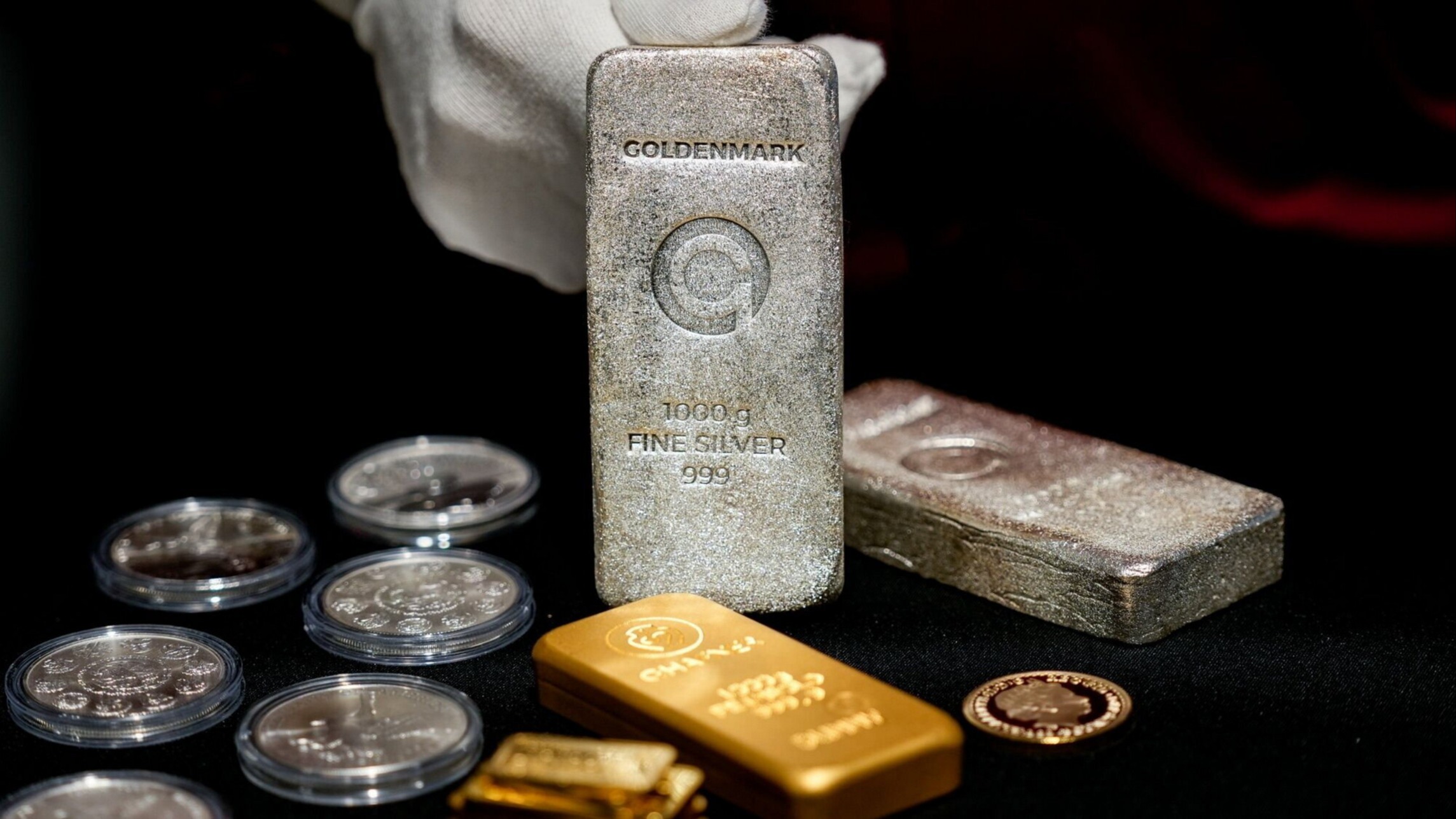
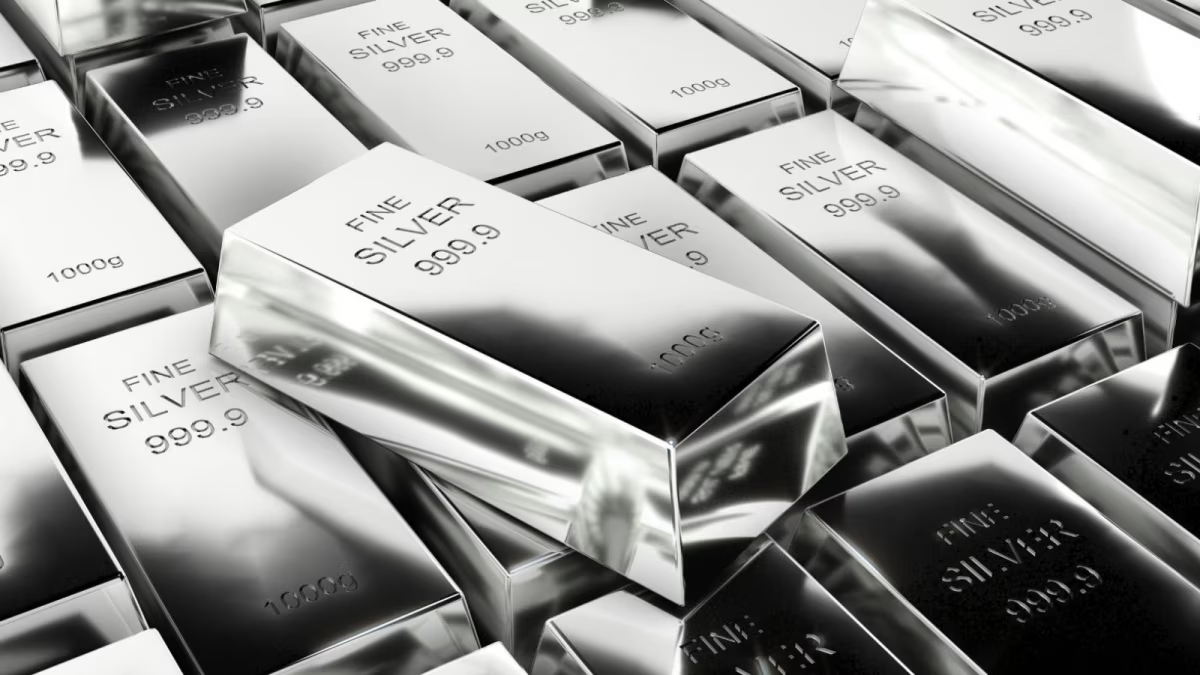
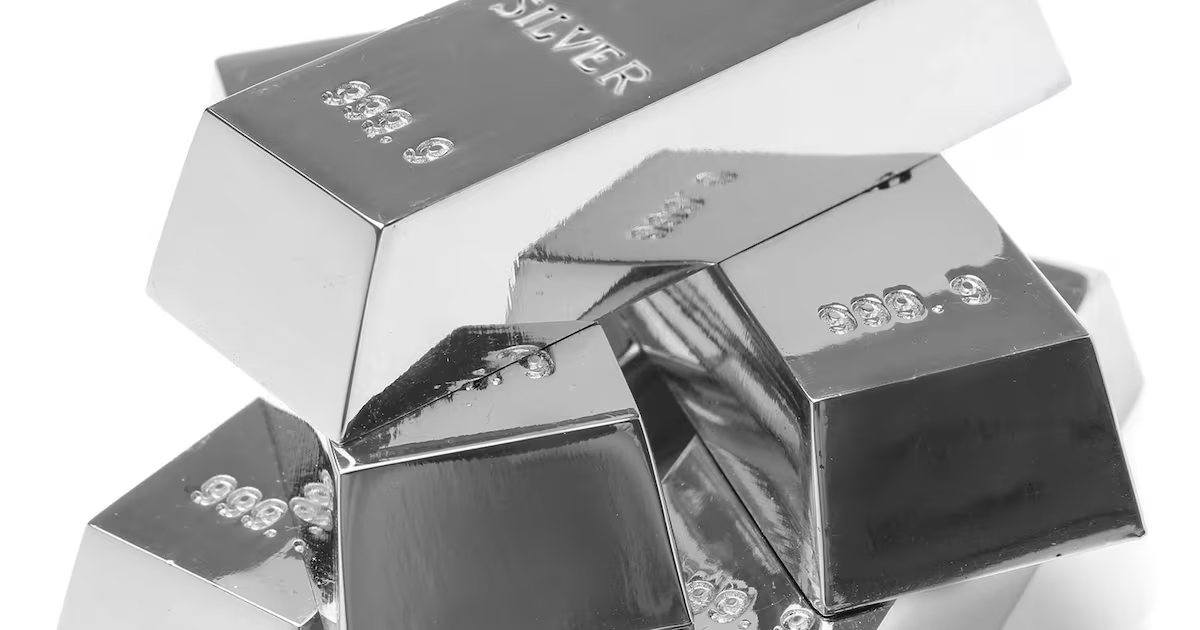
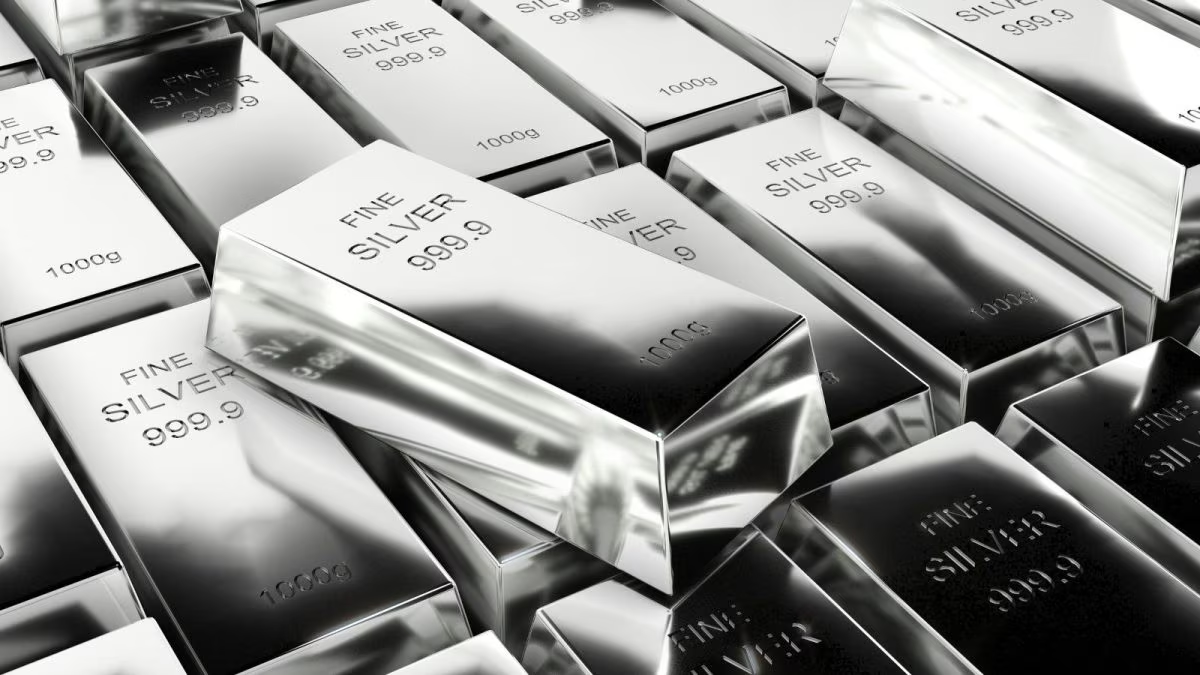
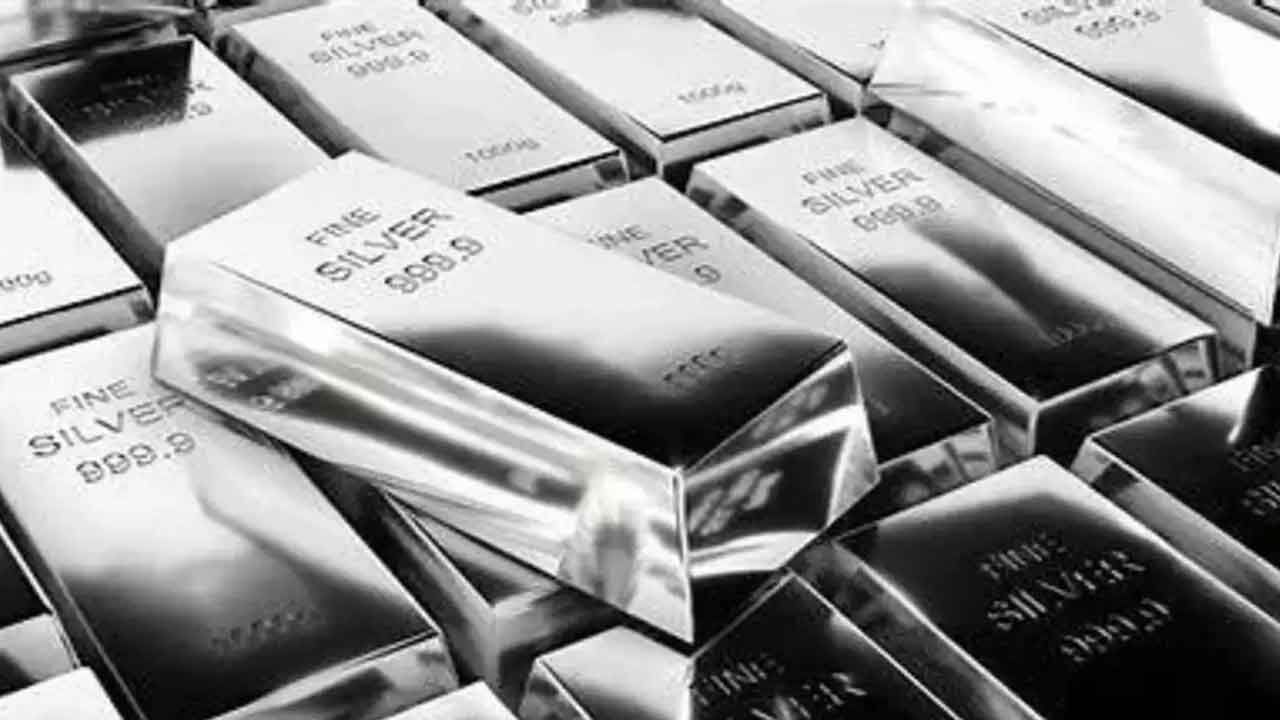
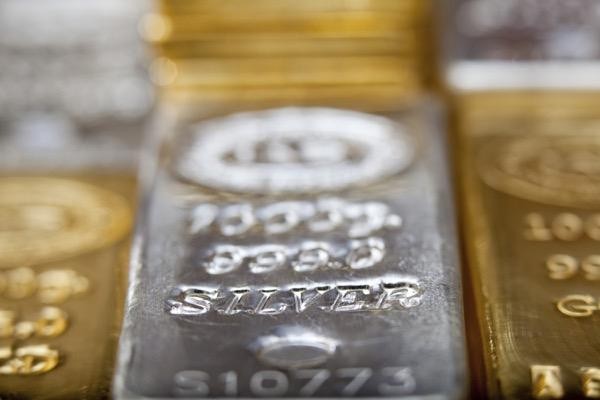
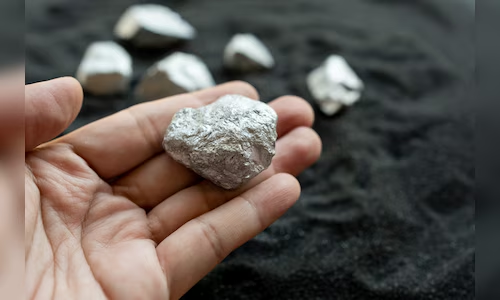
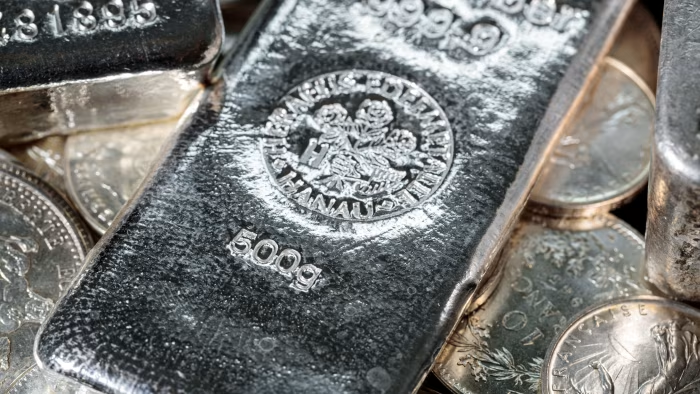
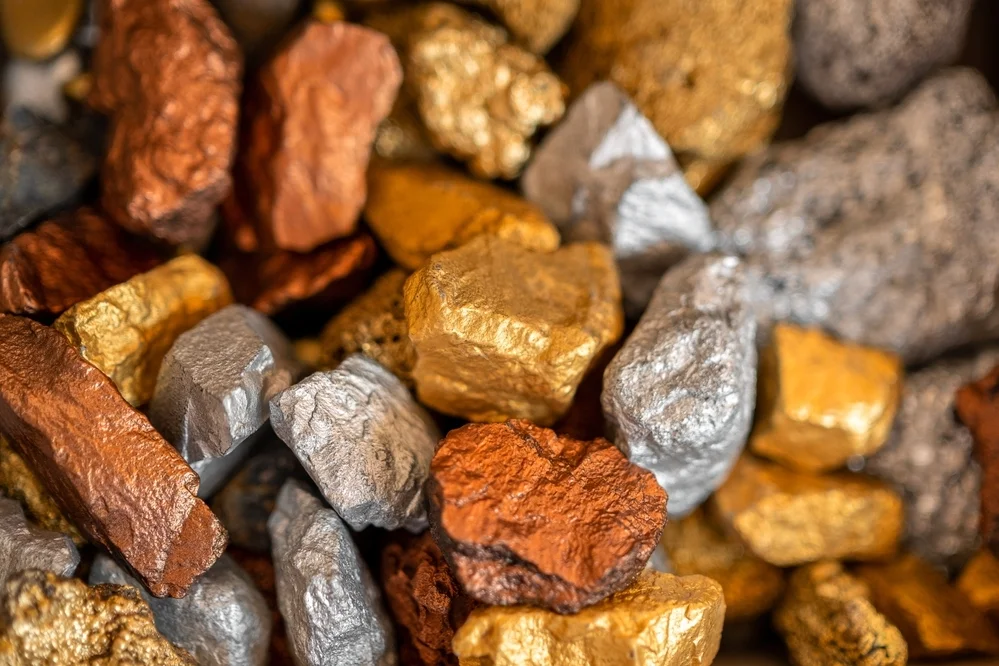
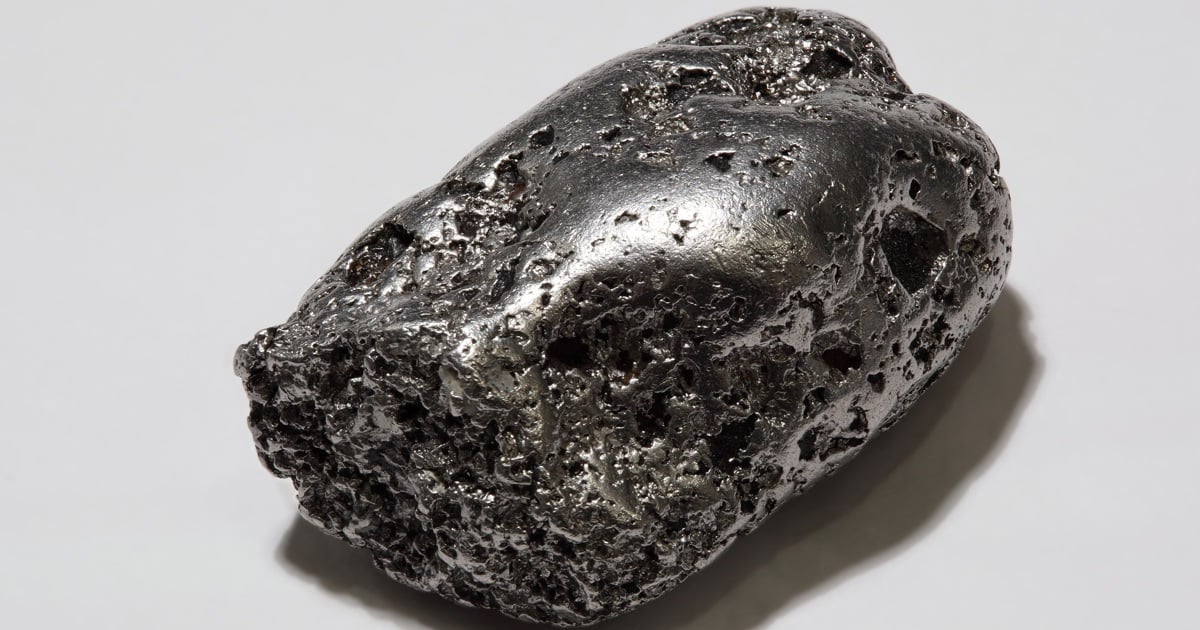
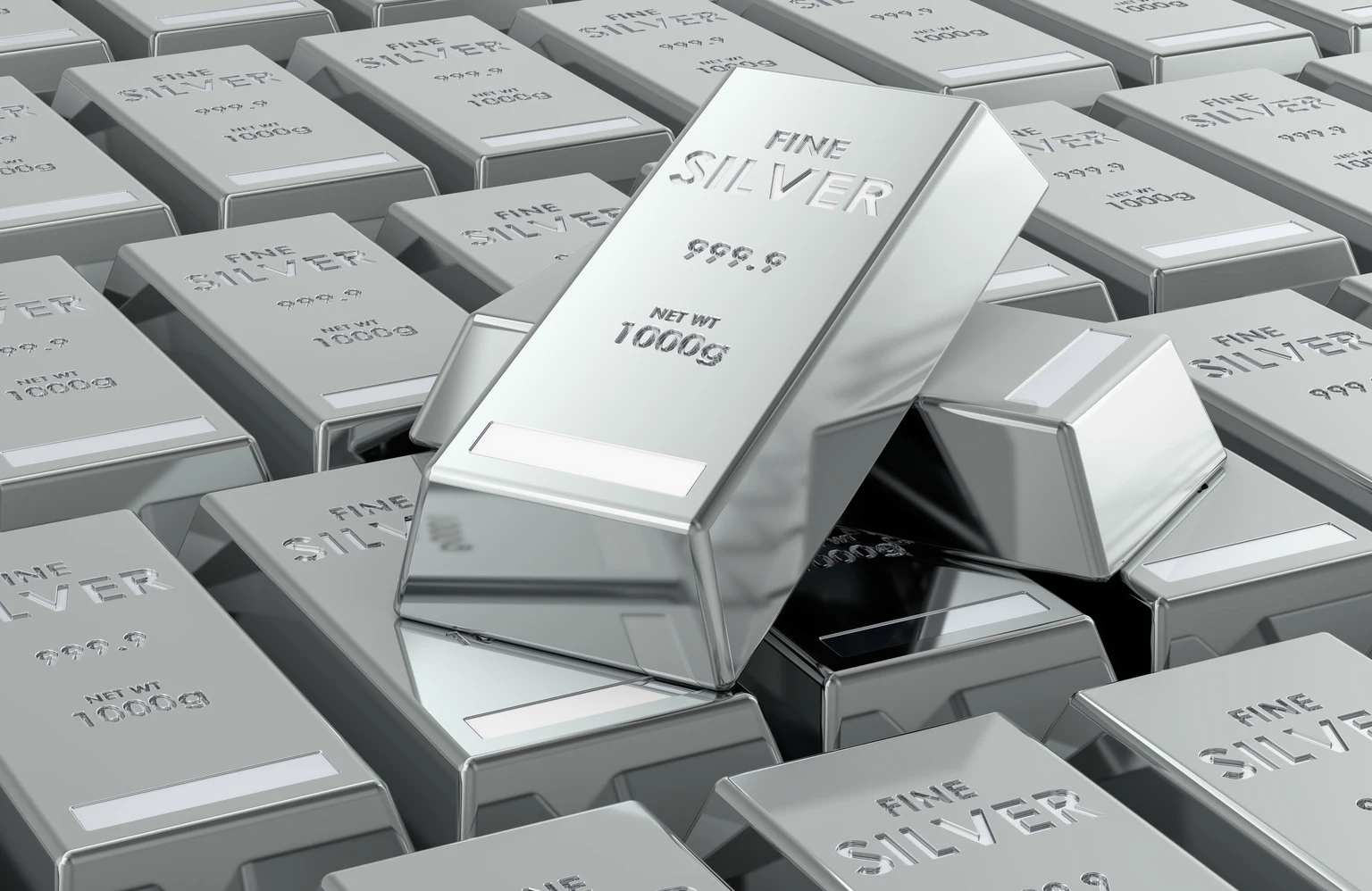
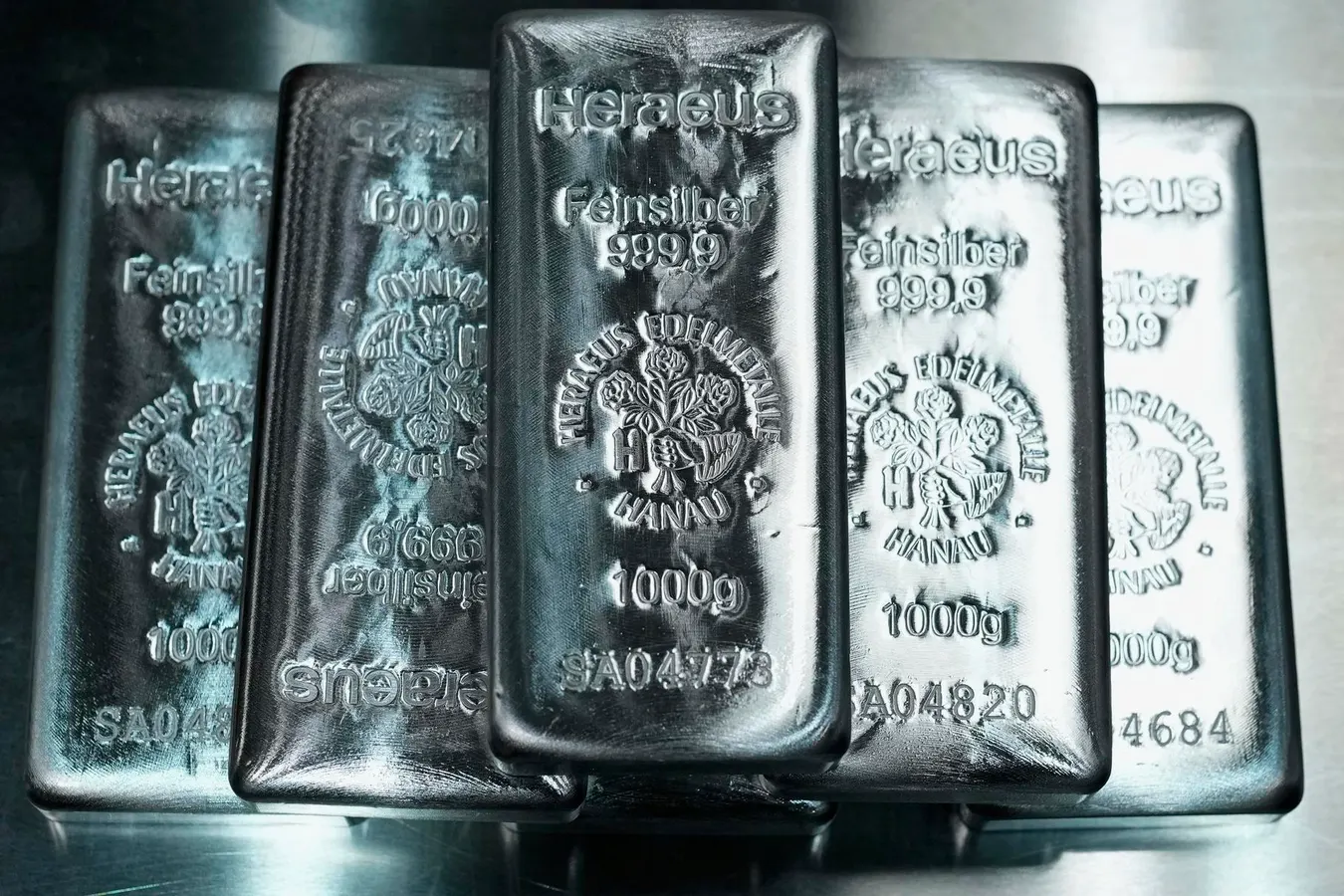
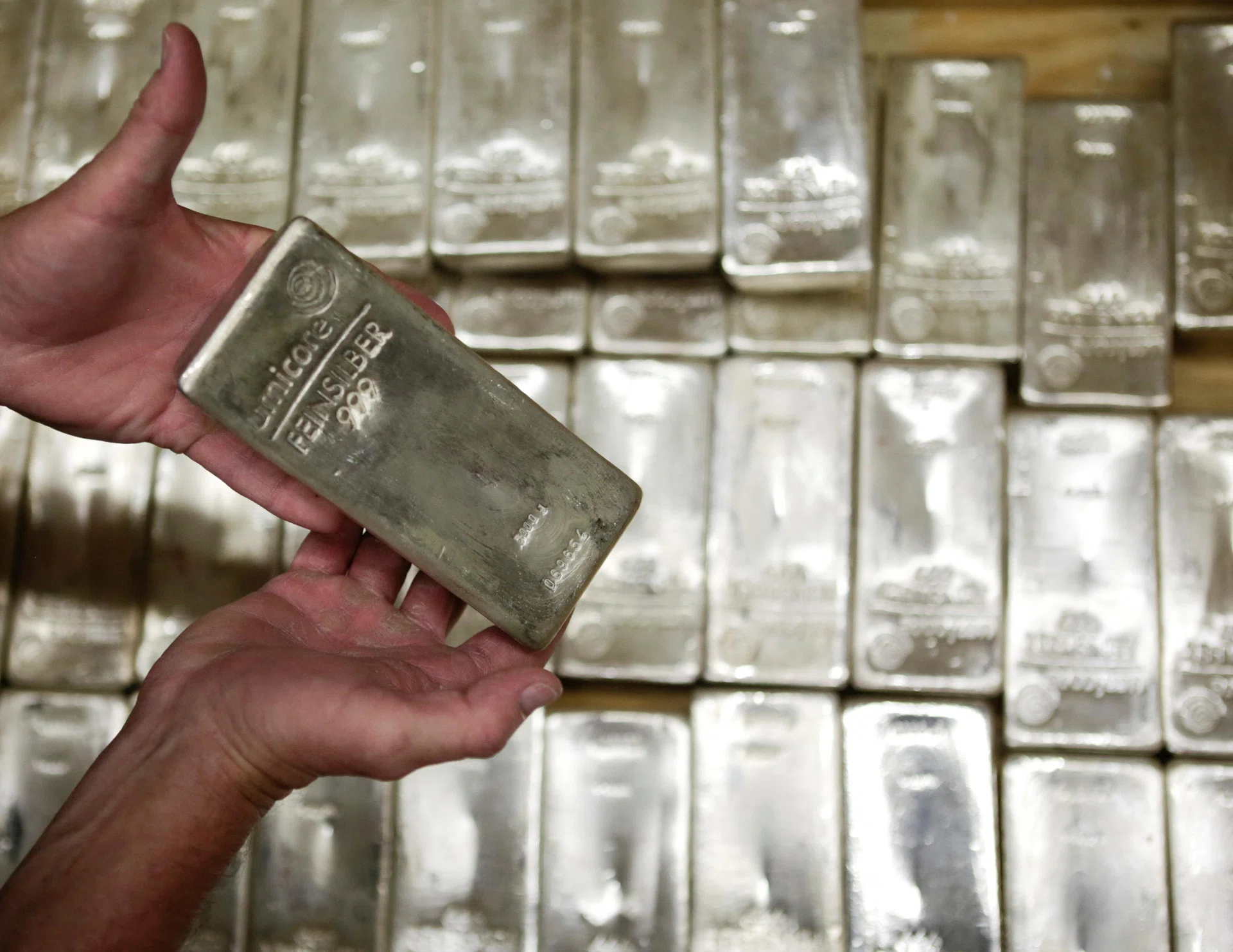
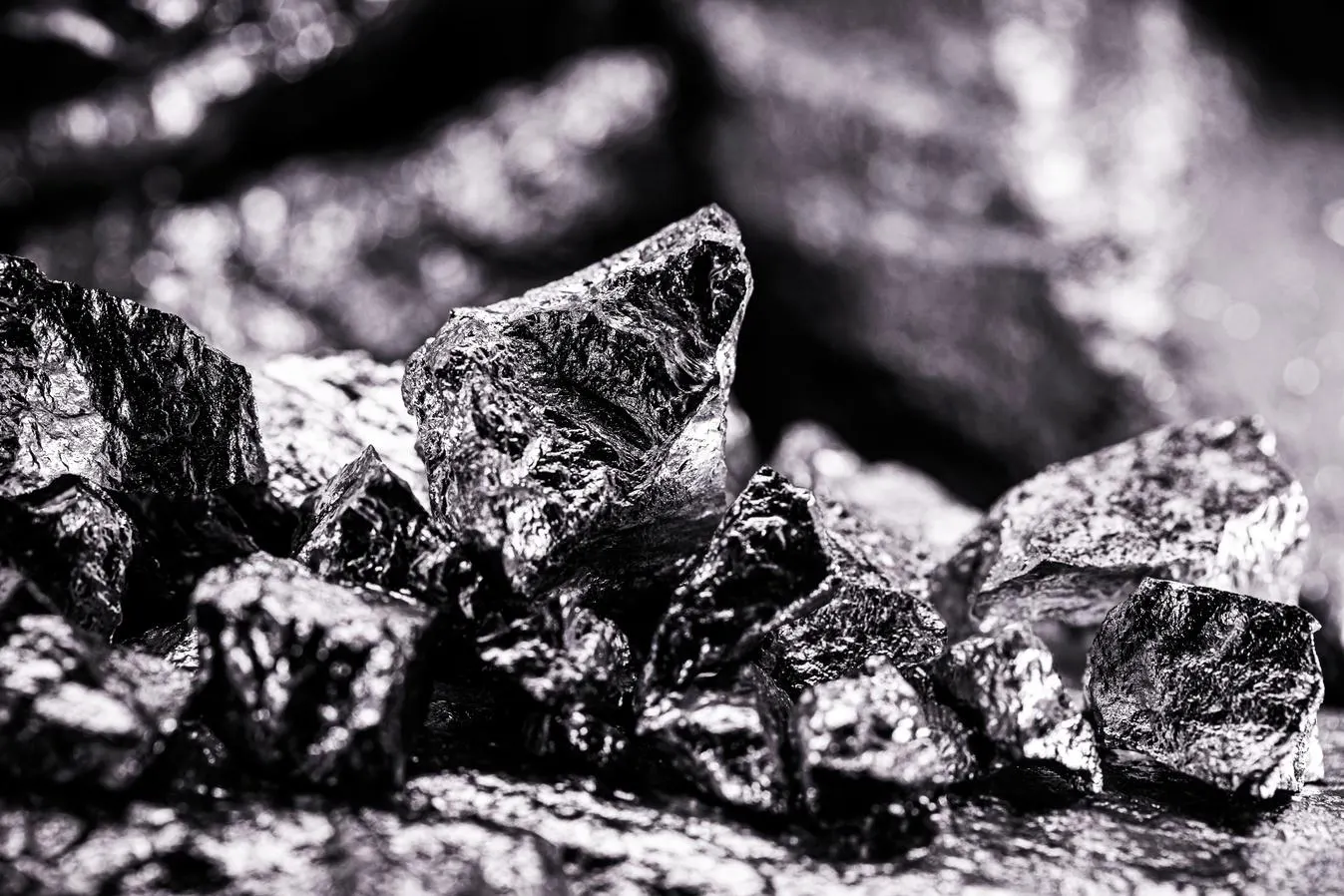
The potential purchaser was a Mount Pleasant store known for buying gold. To them, what I had weren’t spoons inherited from a relative, but about 1.6 troy ounces of sterling silver waiting to be melted down and resold. A troy ounce is 31.1035 grams.
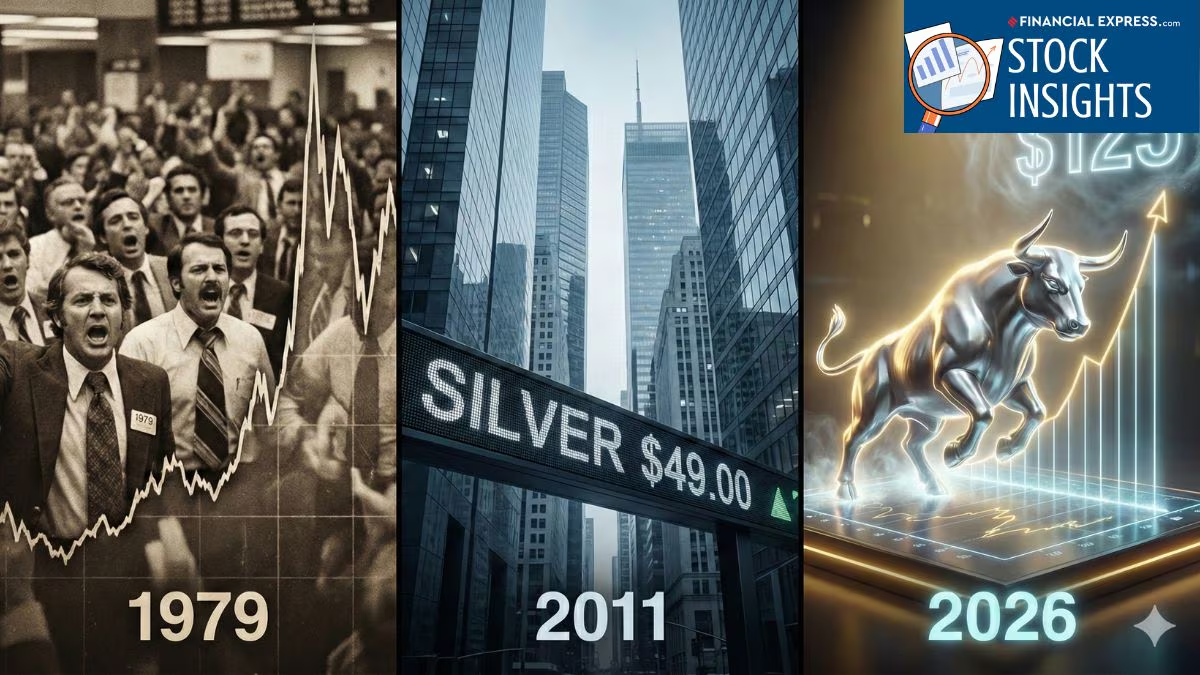
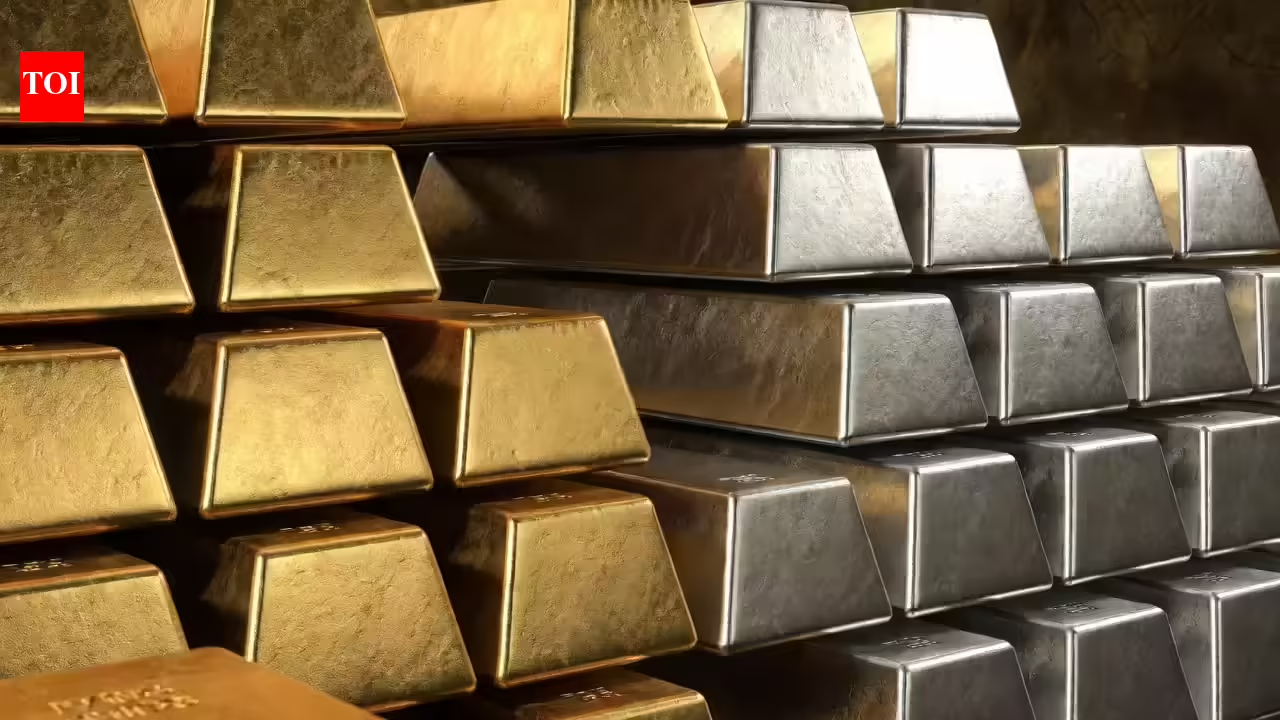
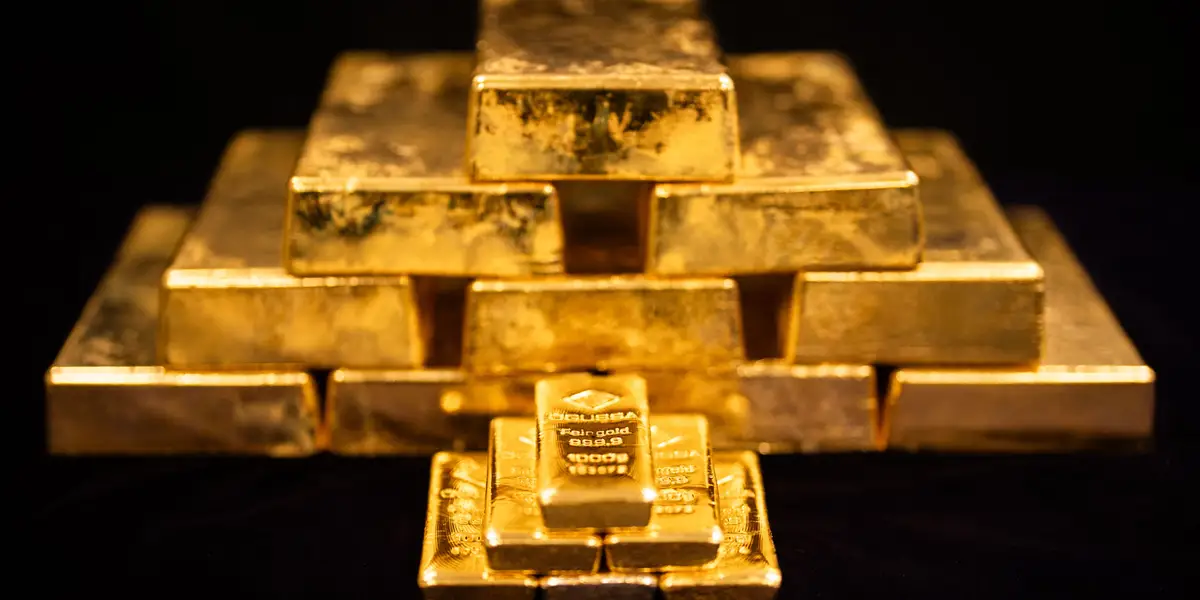
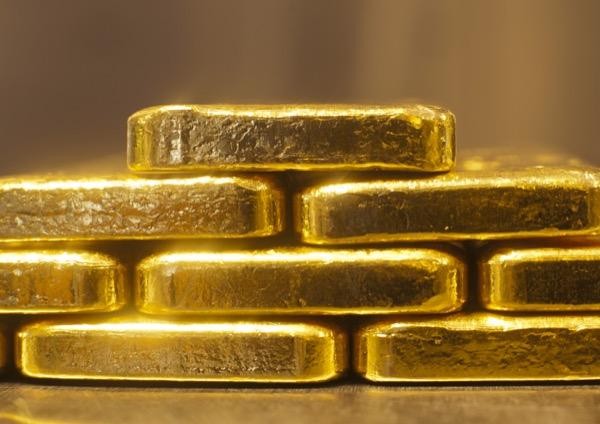
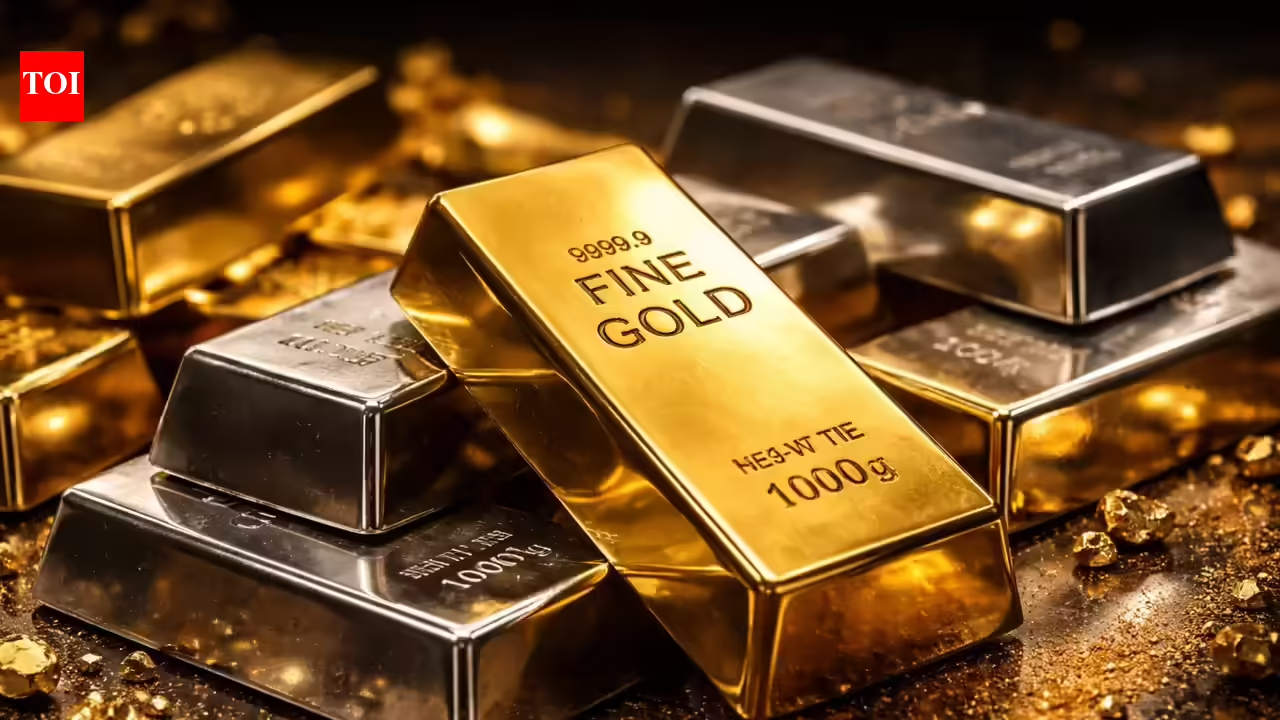
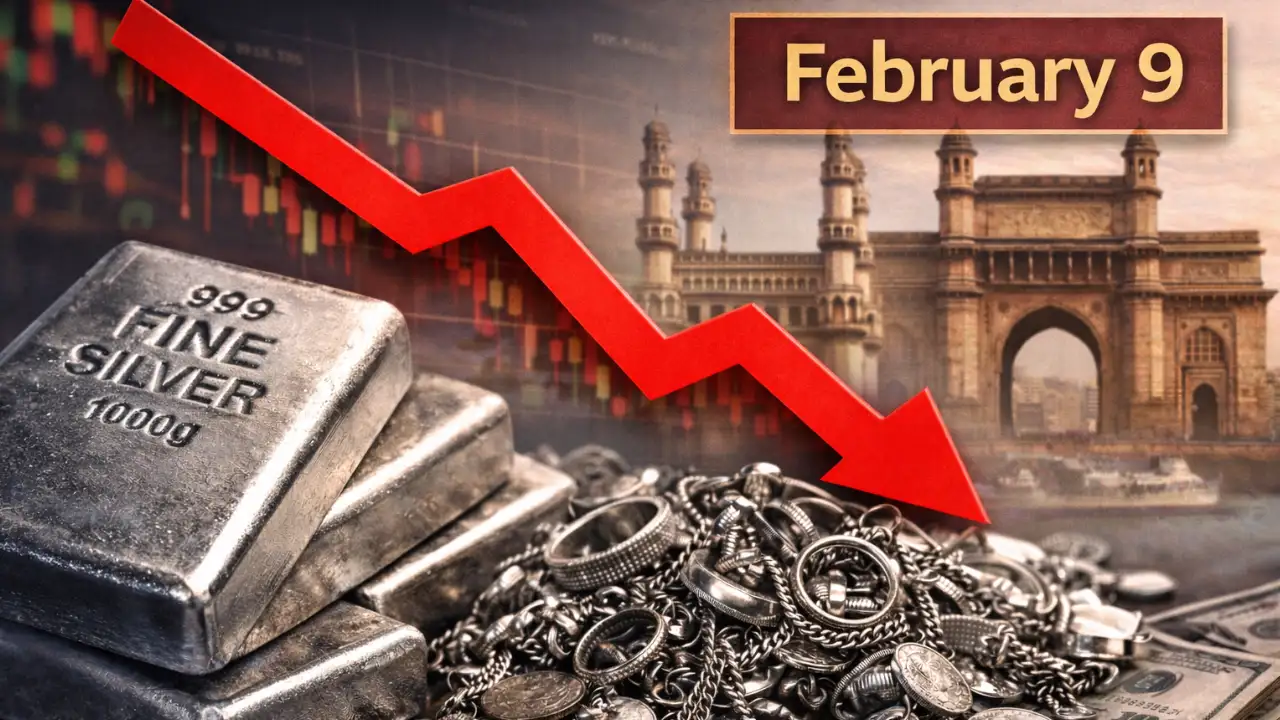
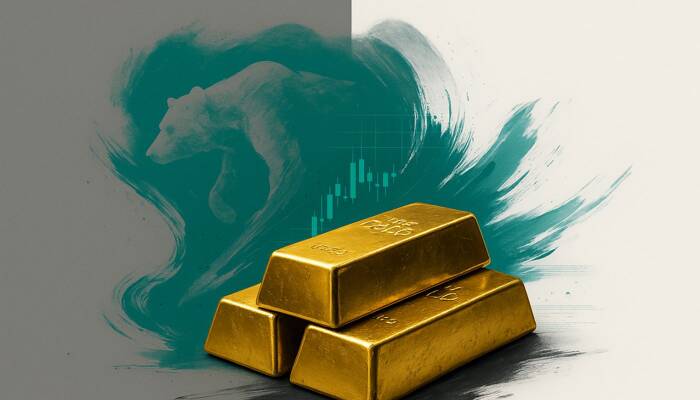
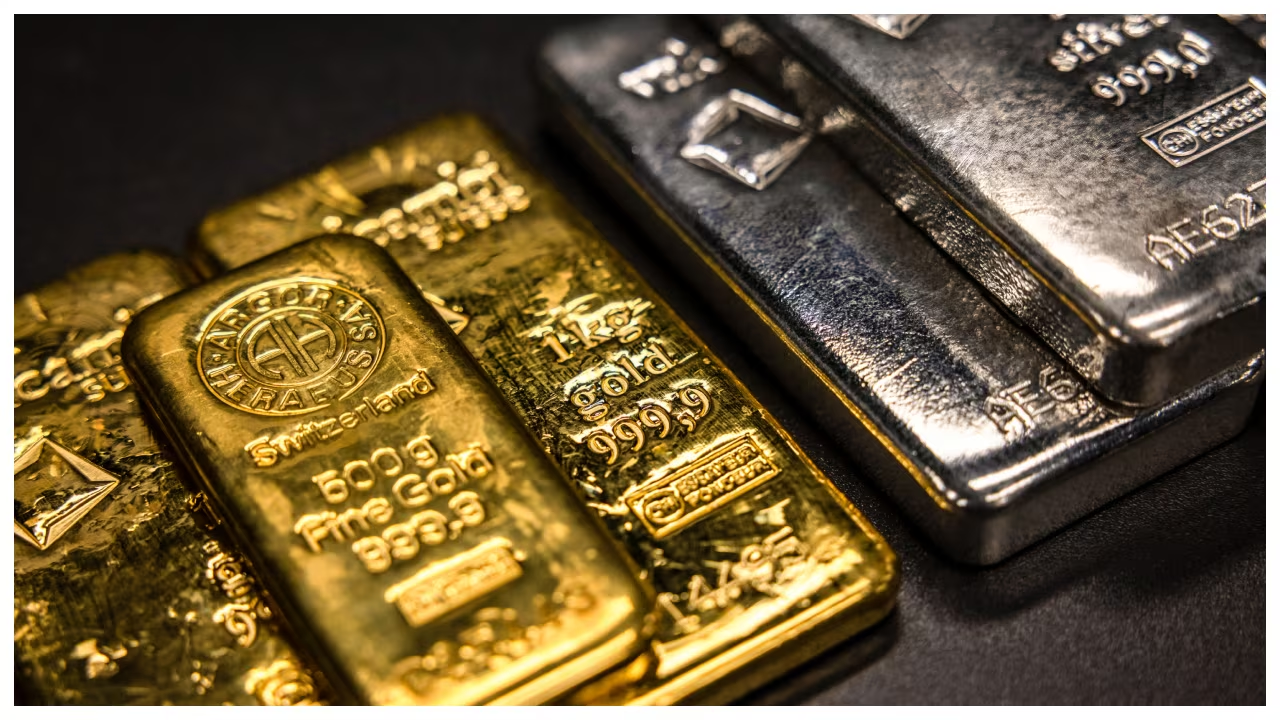
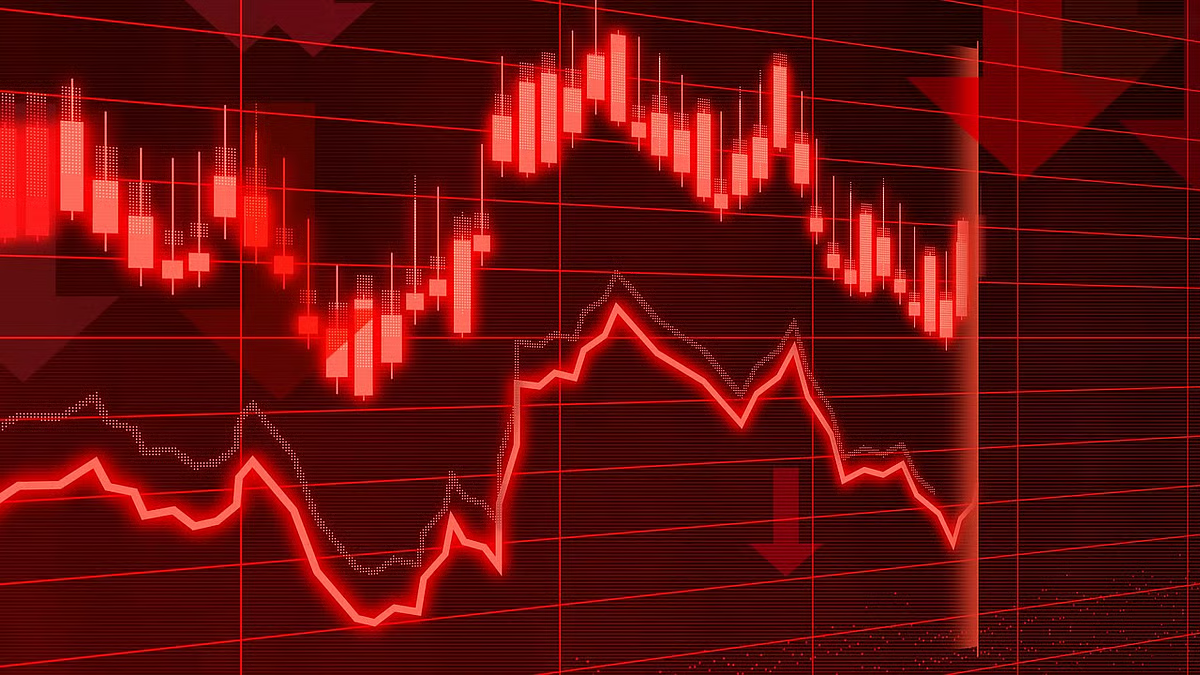
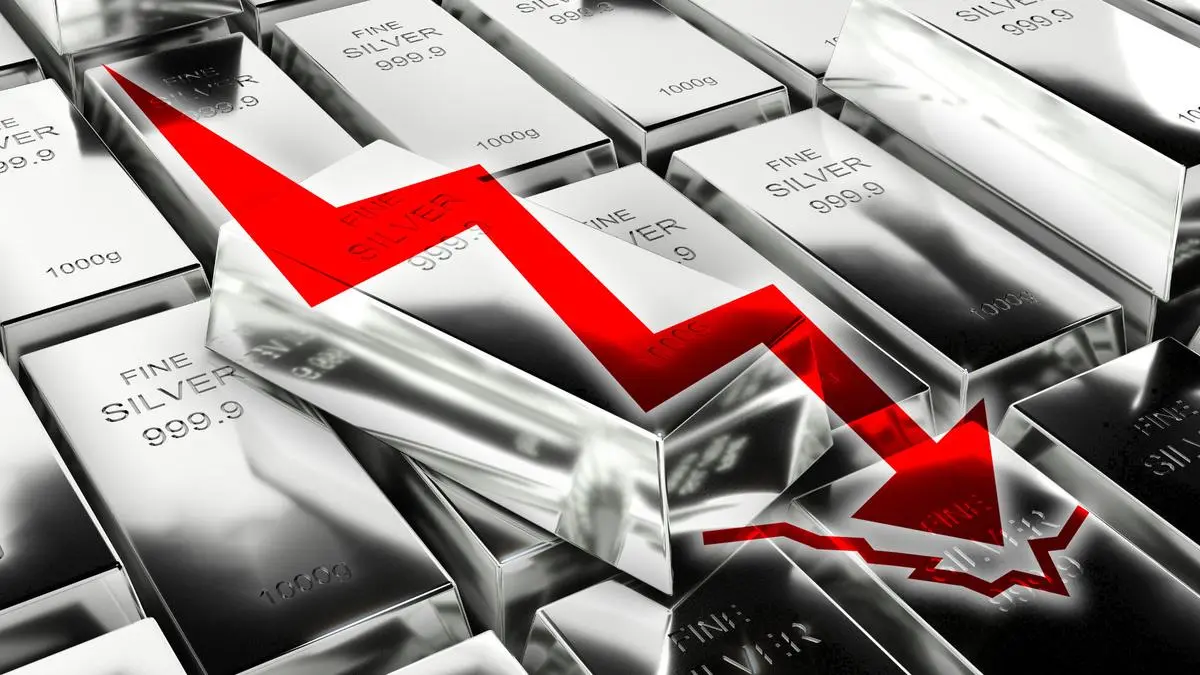
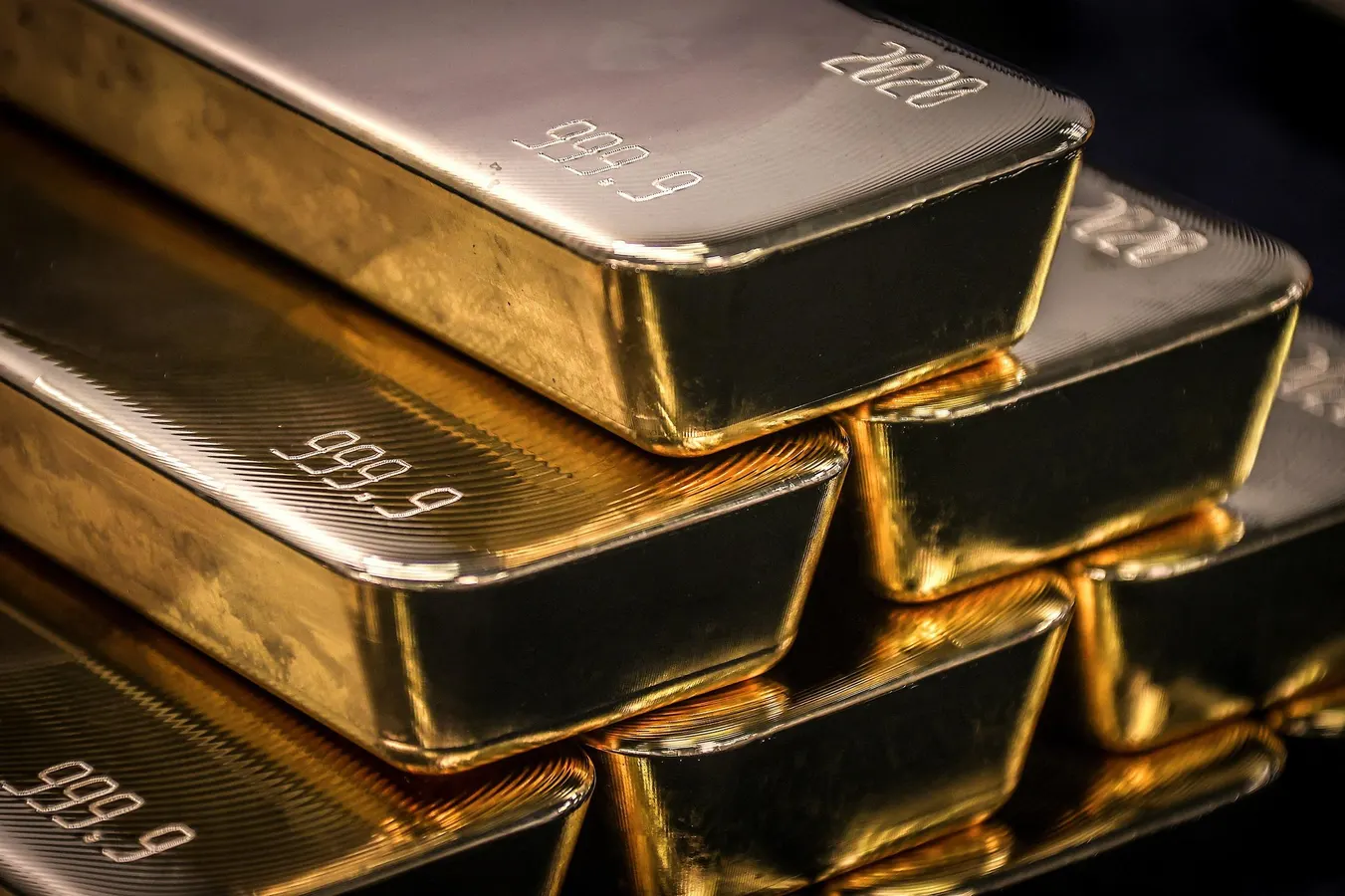
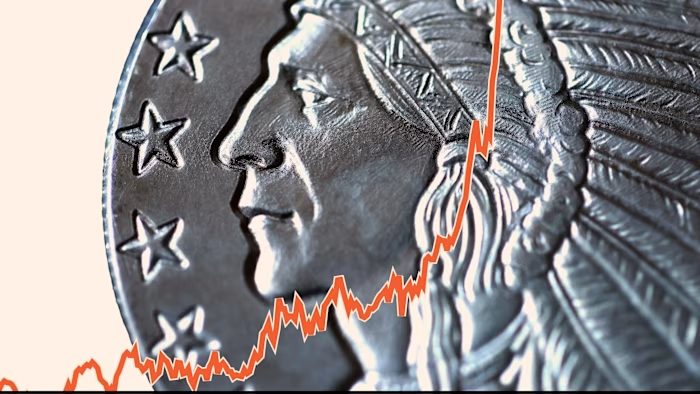
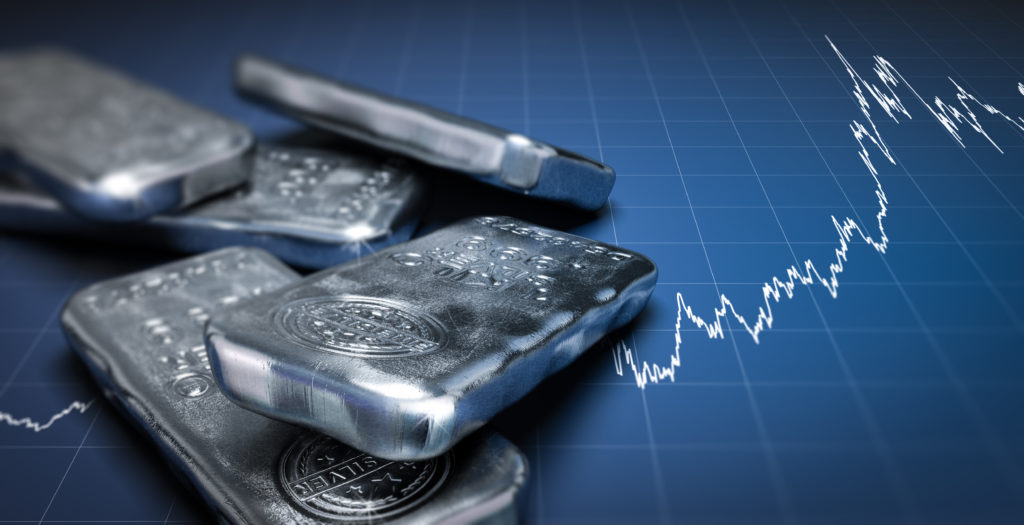
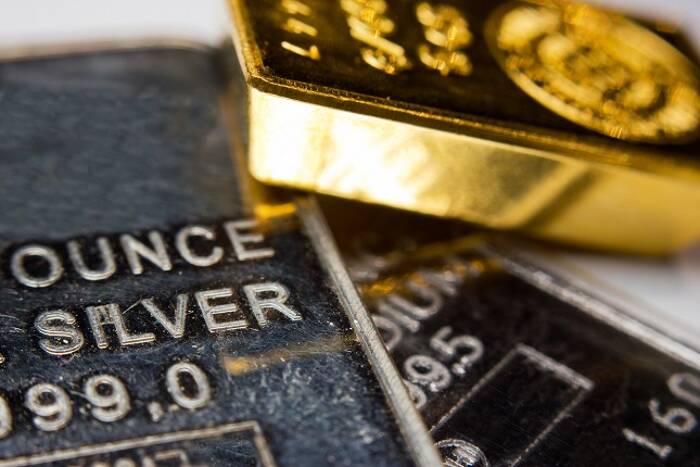
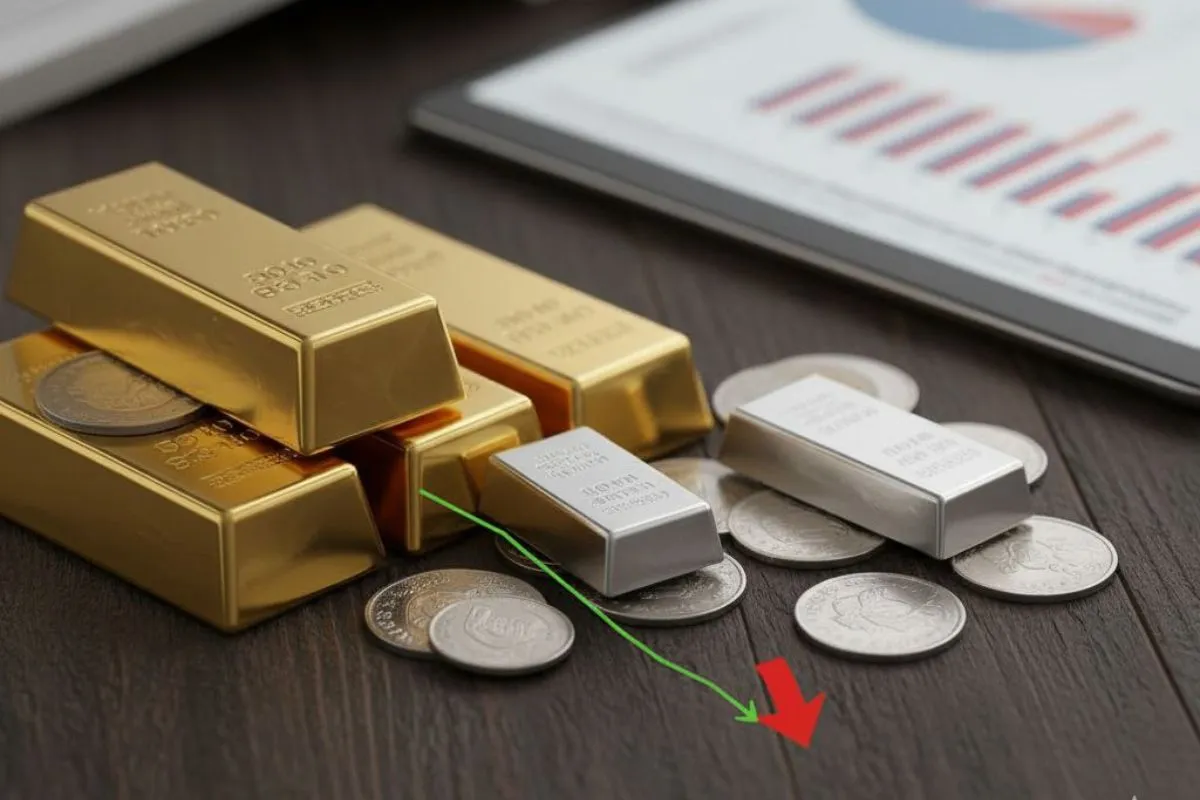
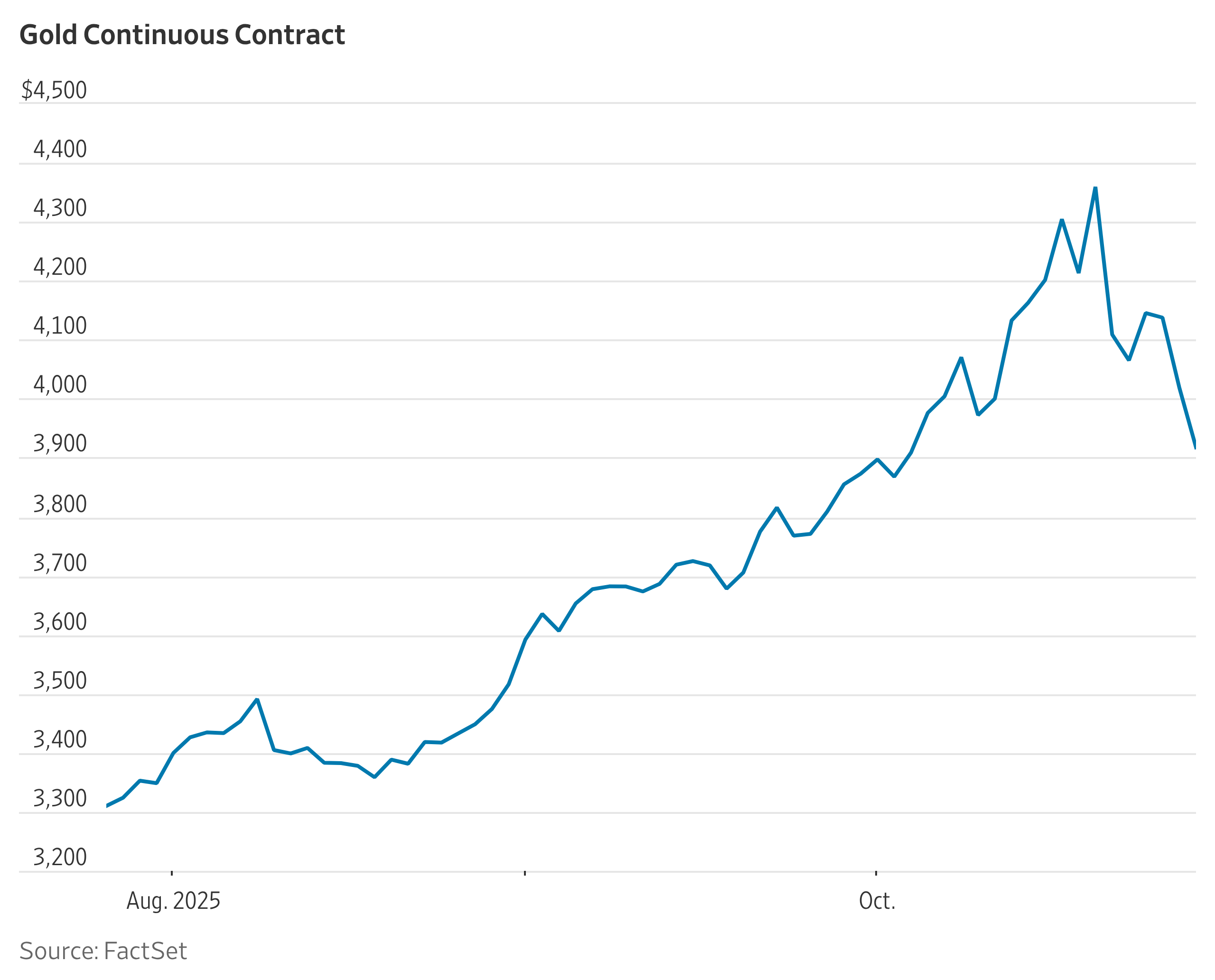
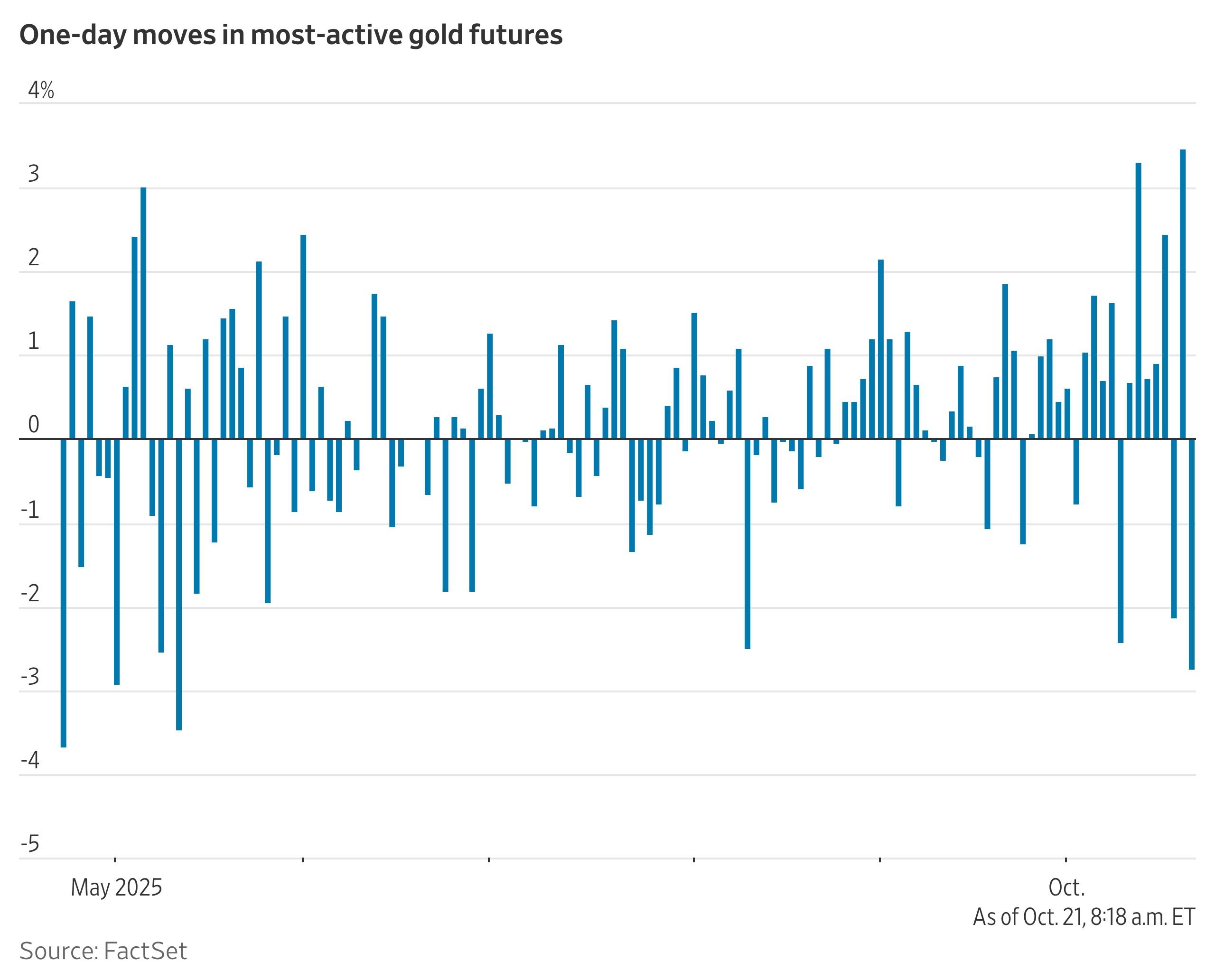
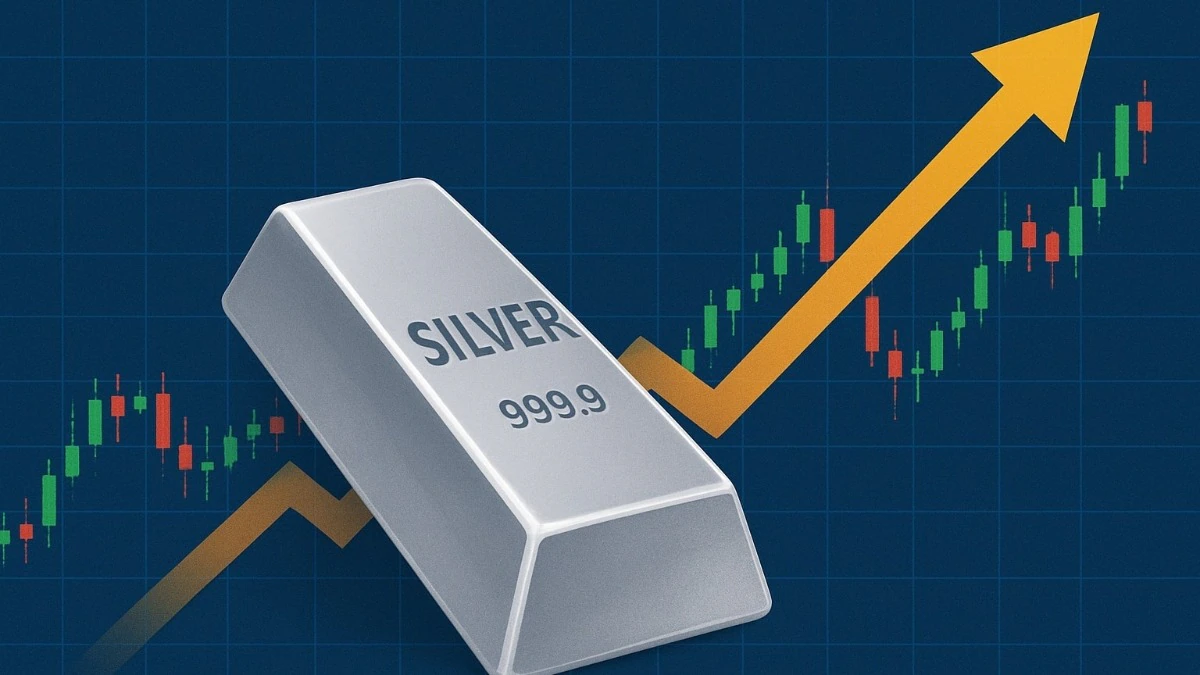
Two weeks earlier, the cash offer could have been a lot more, or a little less, depending on the timing. Gold and silver prices hit new peaks on Jan. 29 — $5,626 and $121 per troy ounce, respectively — then retreated significantly the following day.
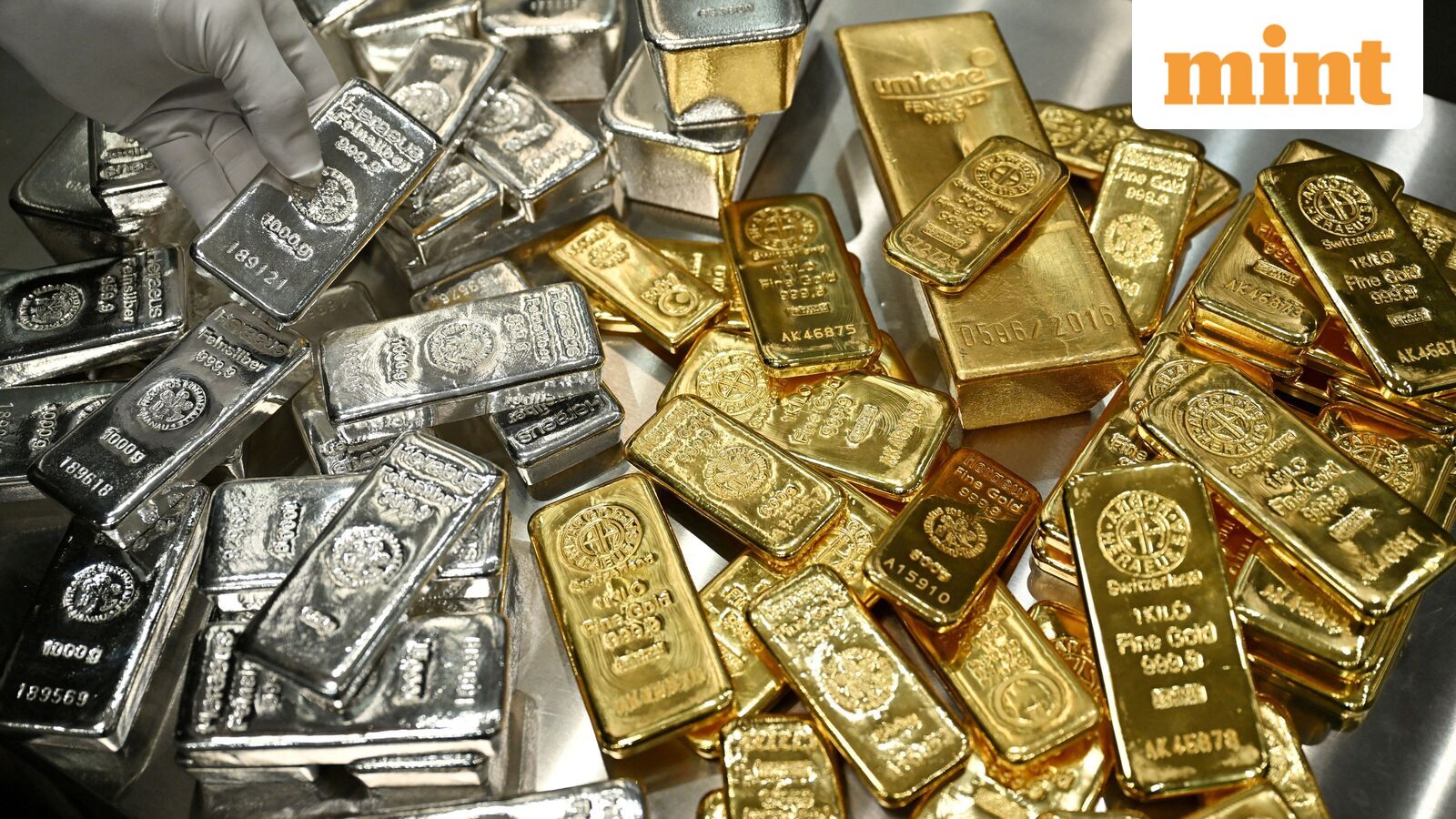
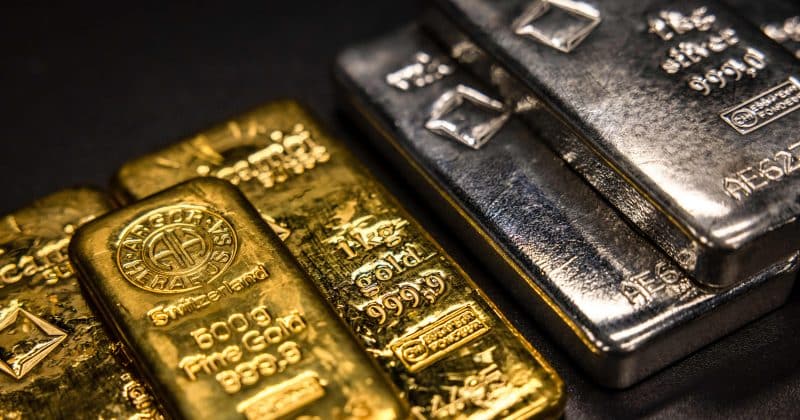
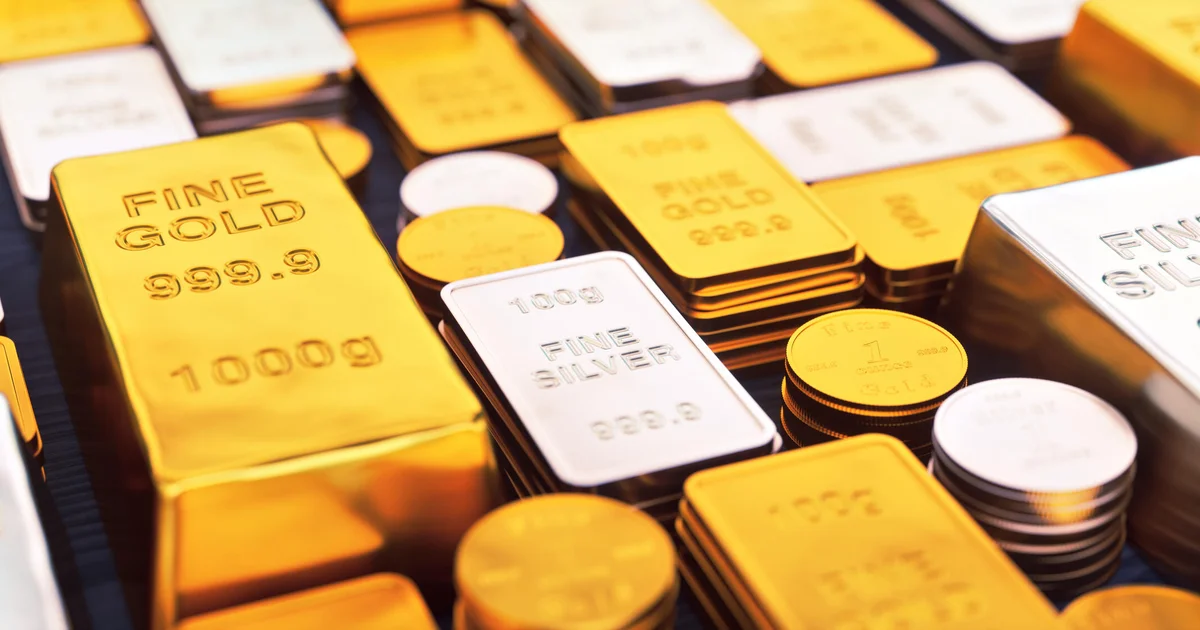
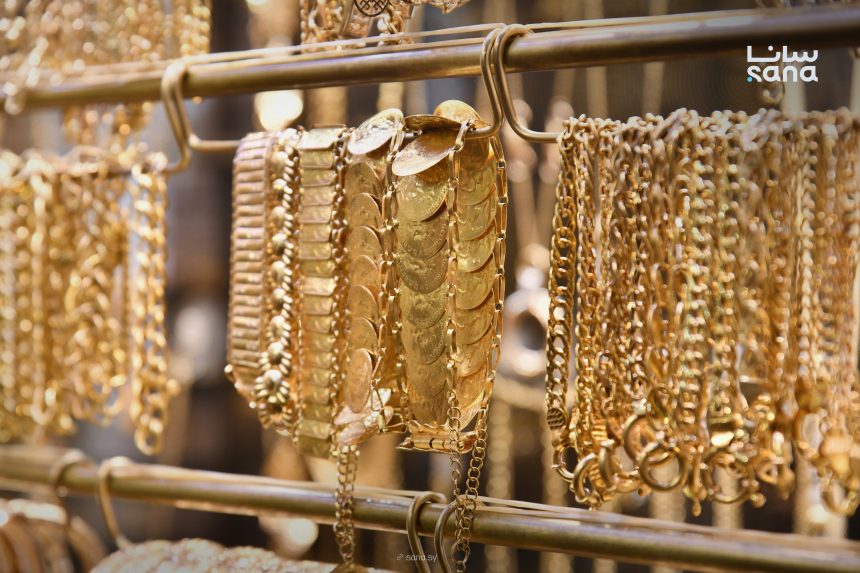
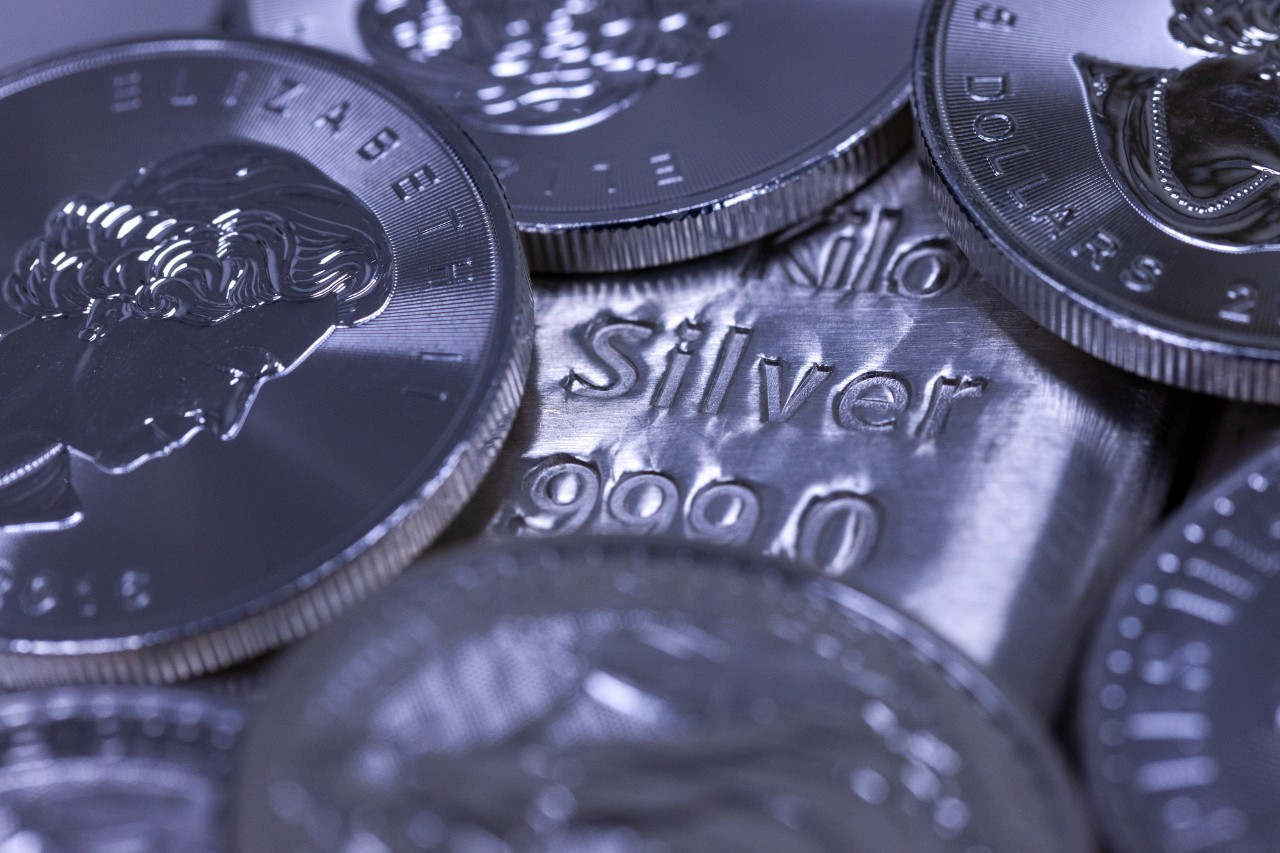
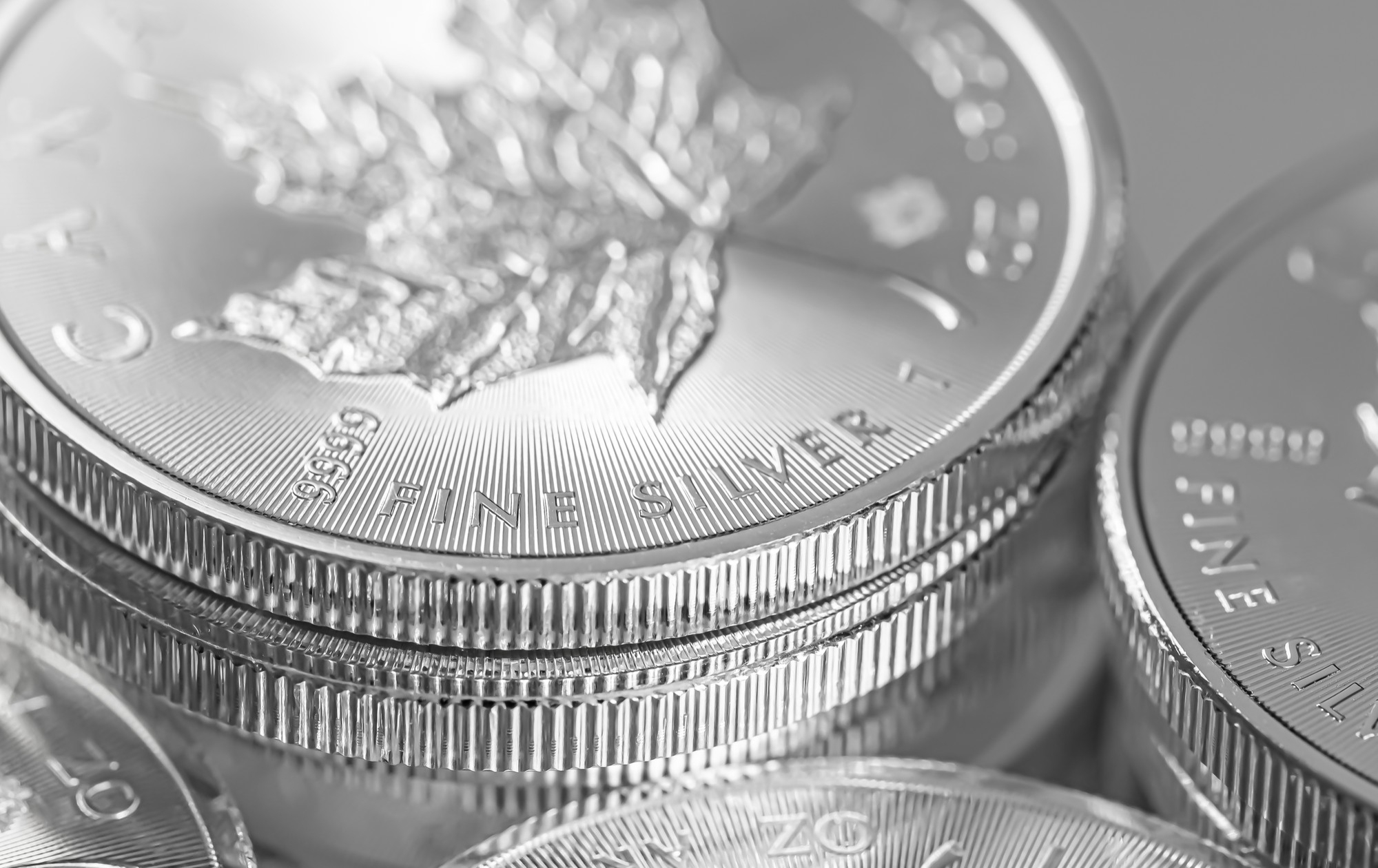
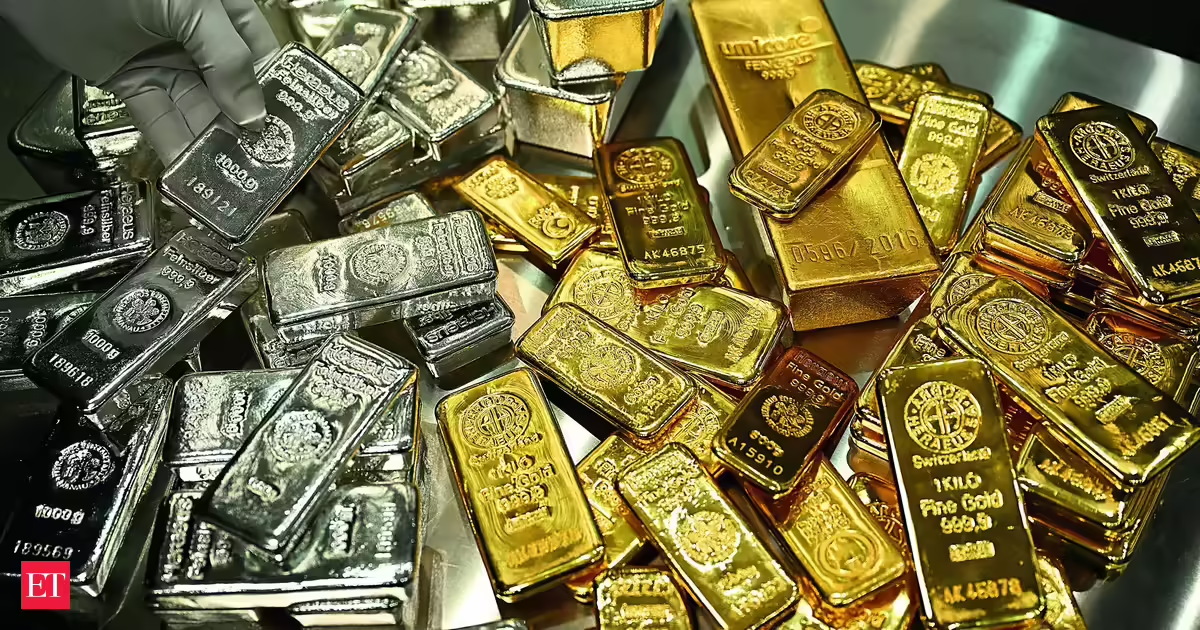
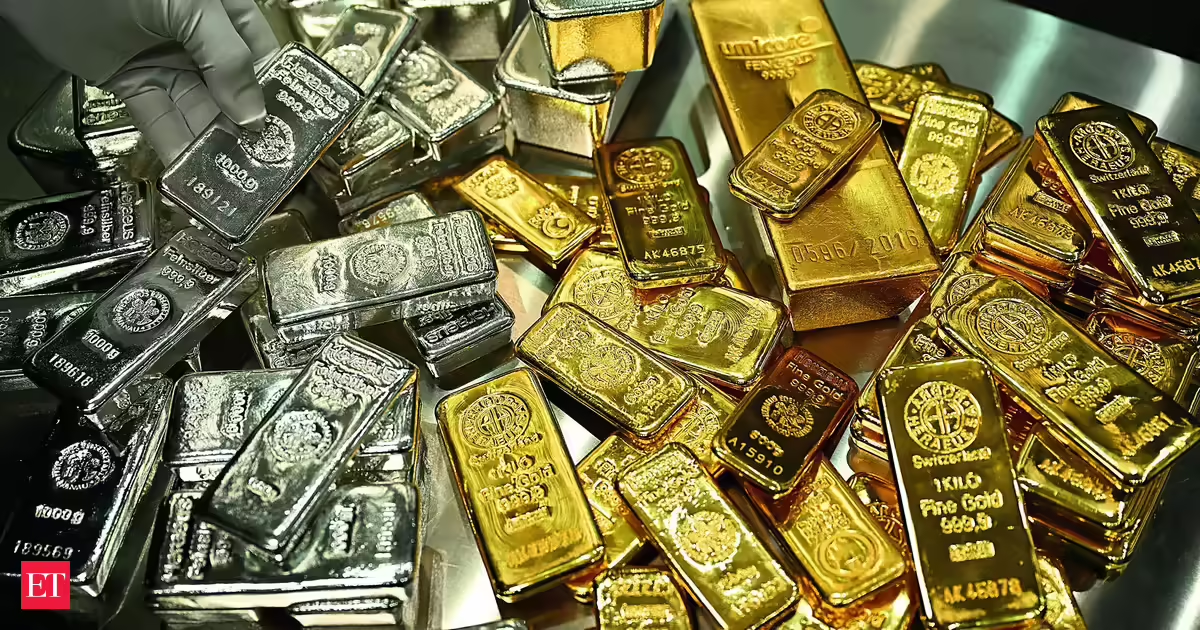
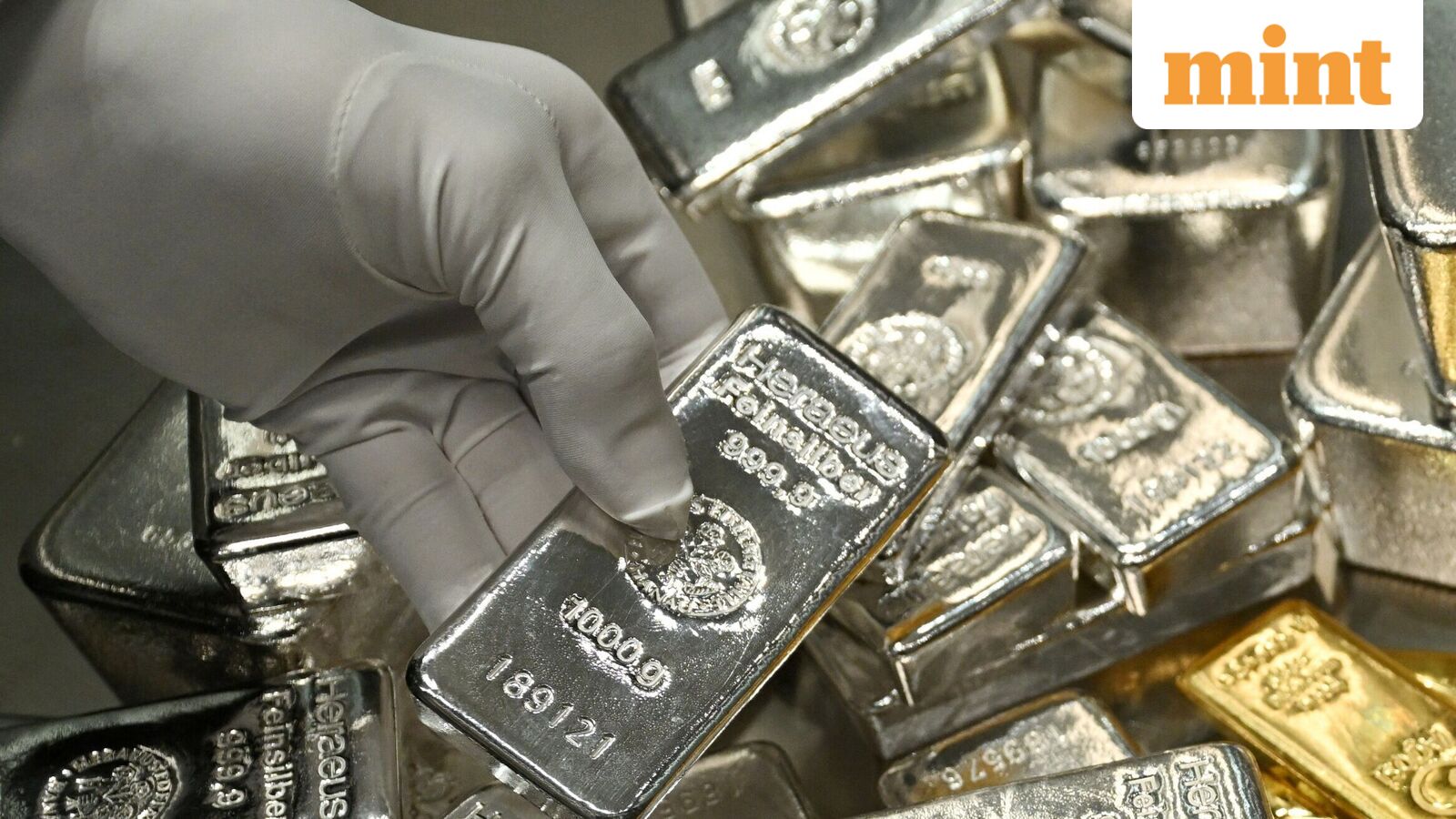
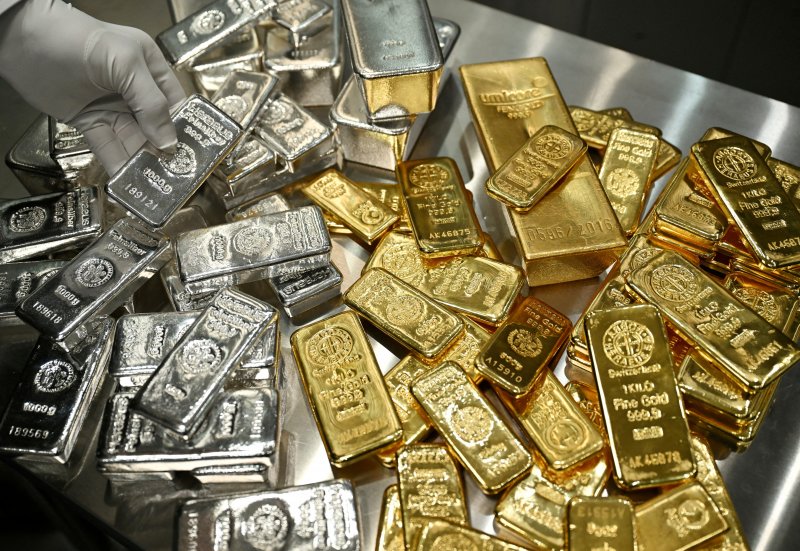
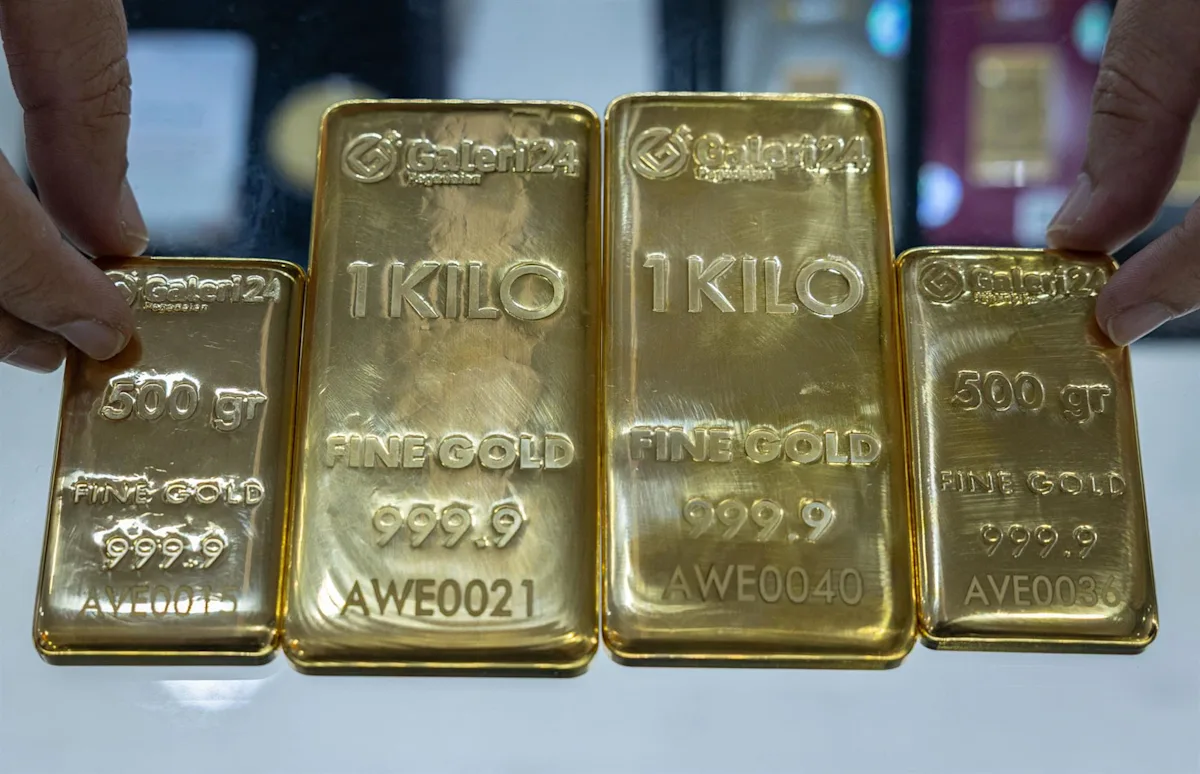
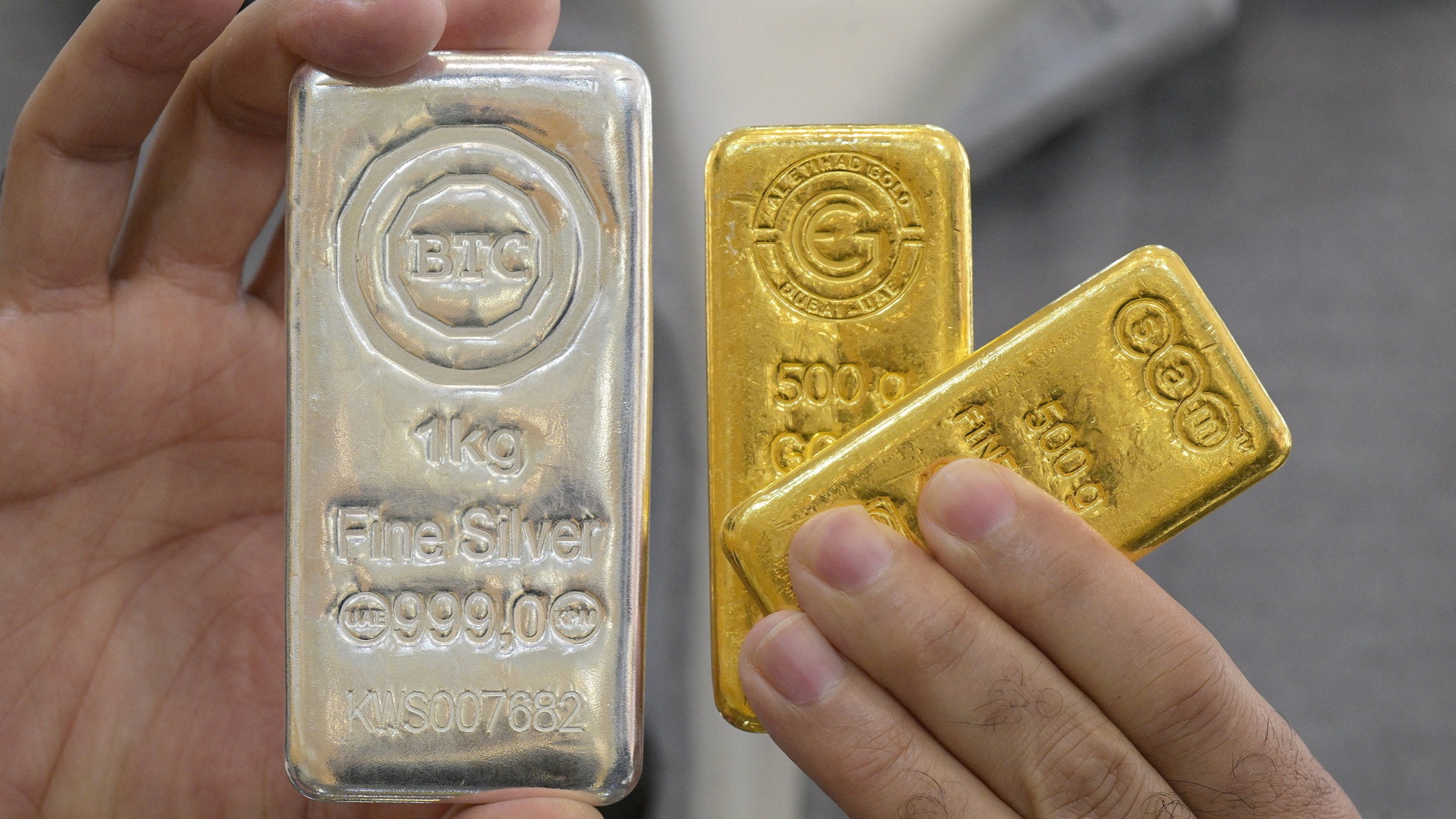
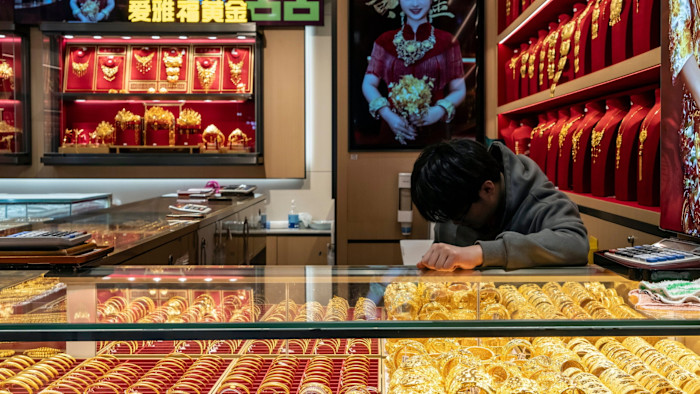
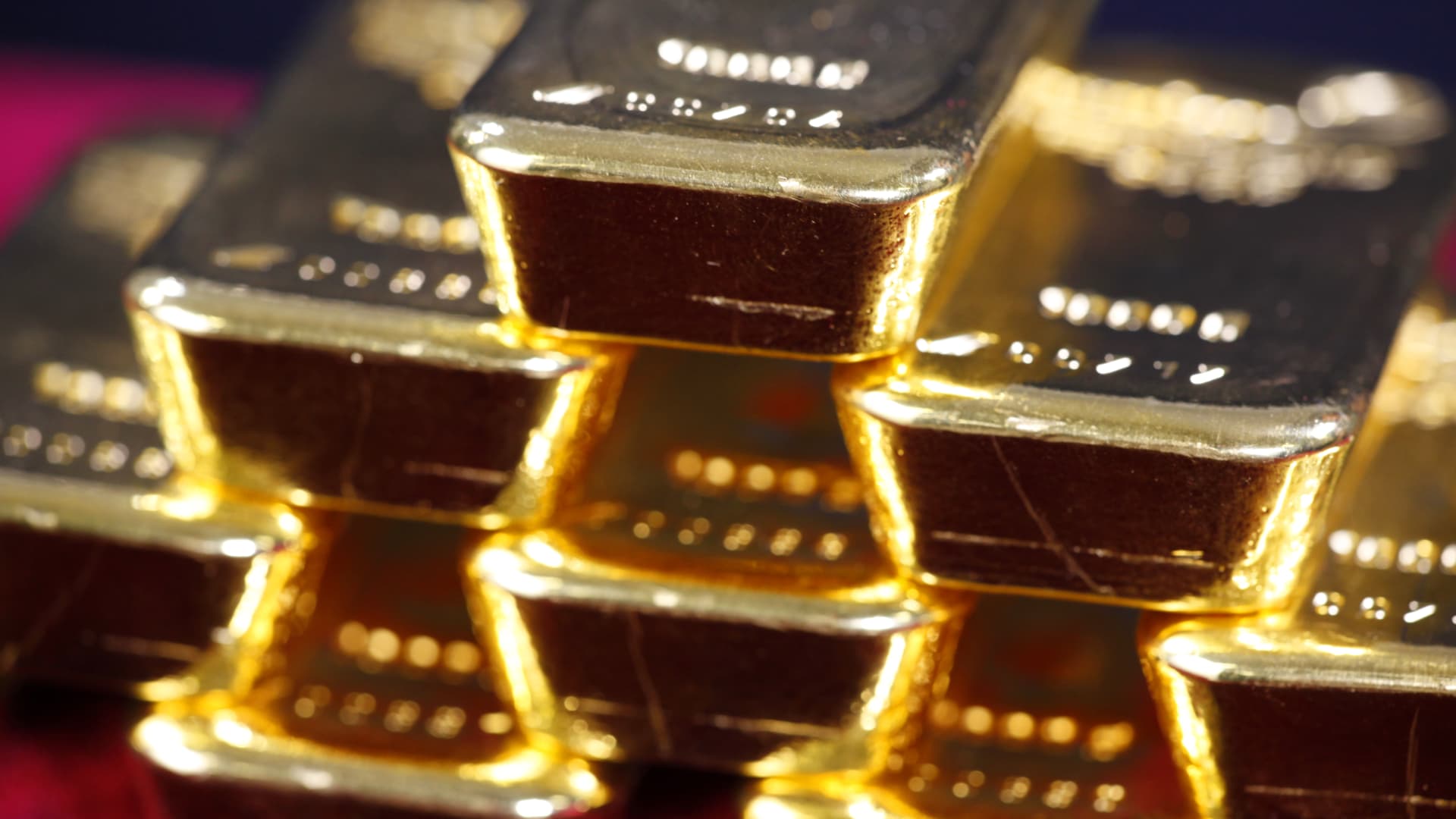
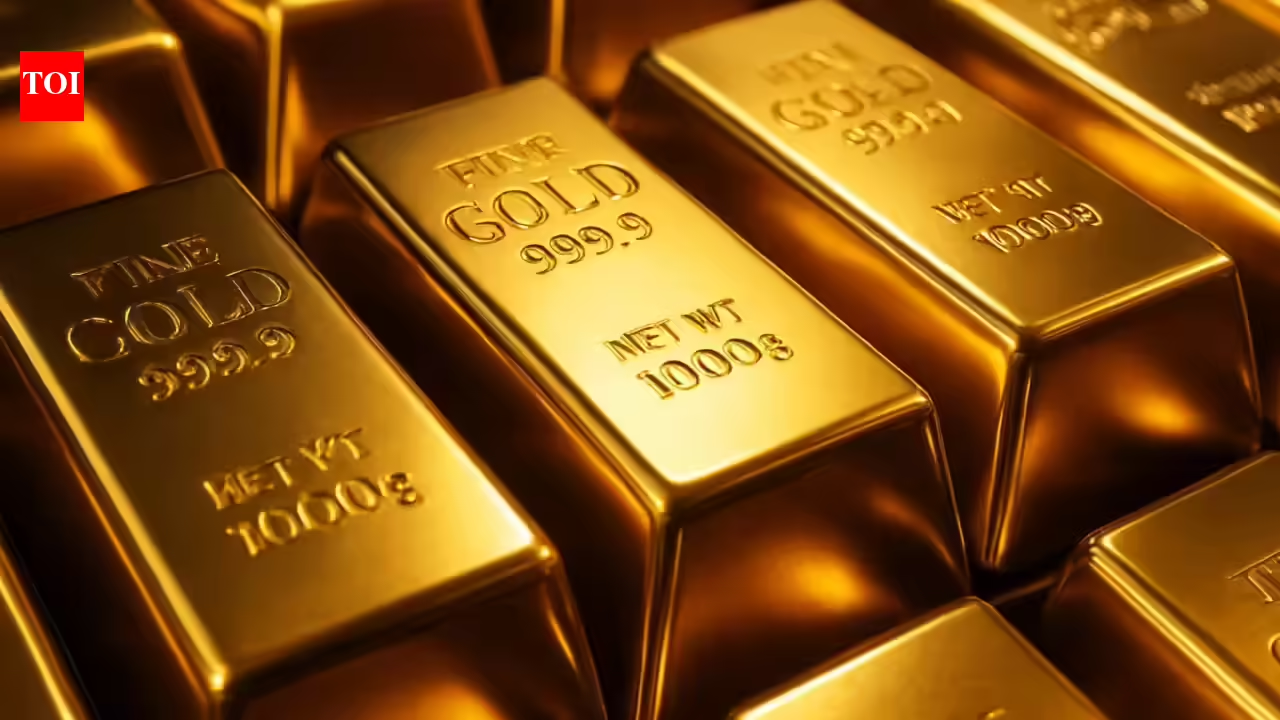
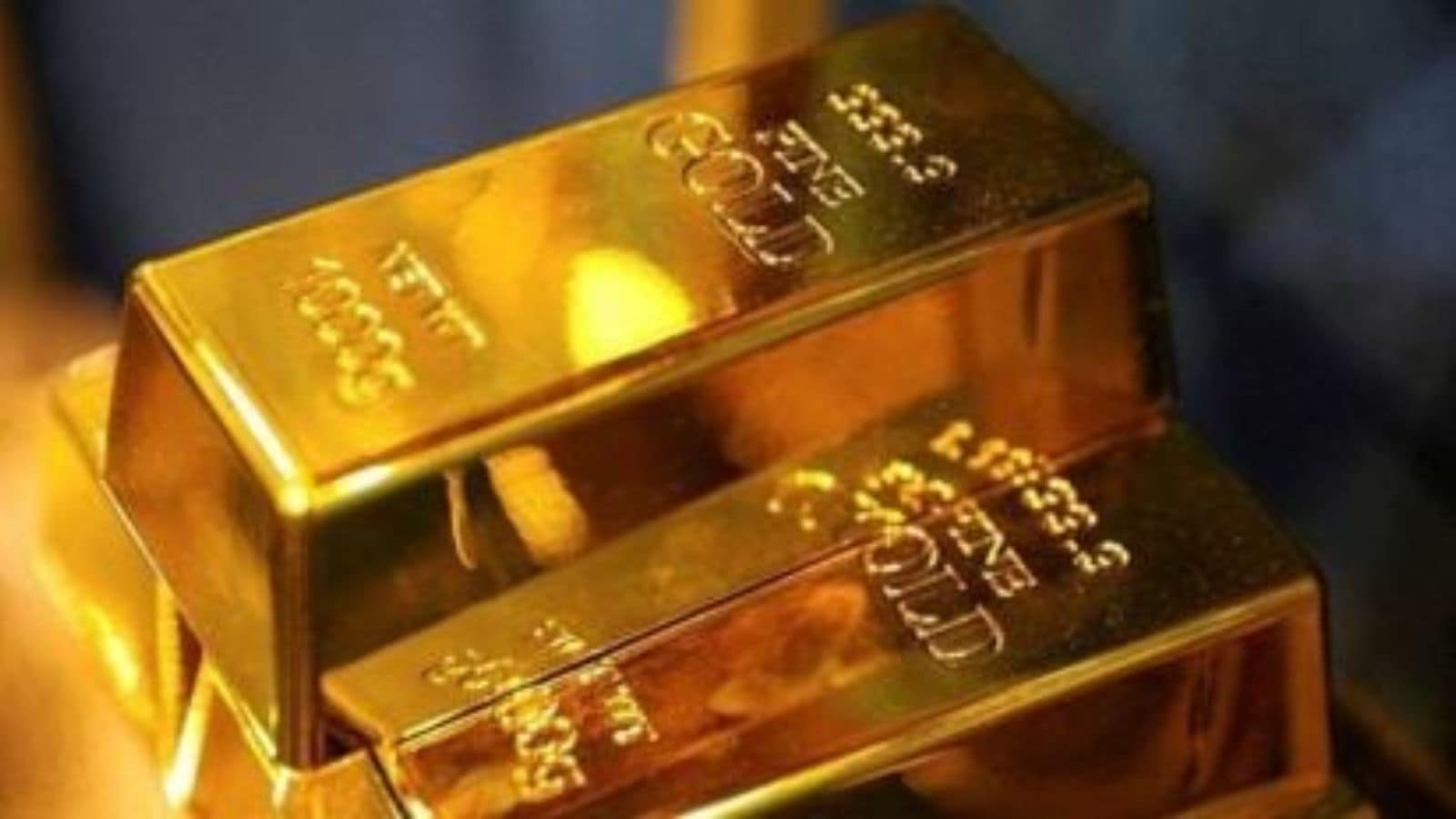
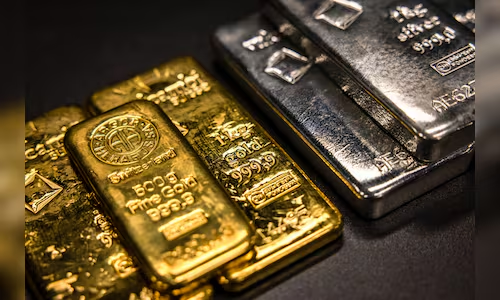
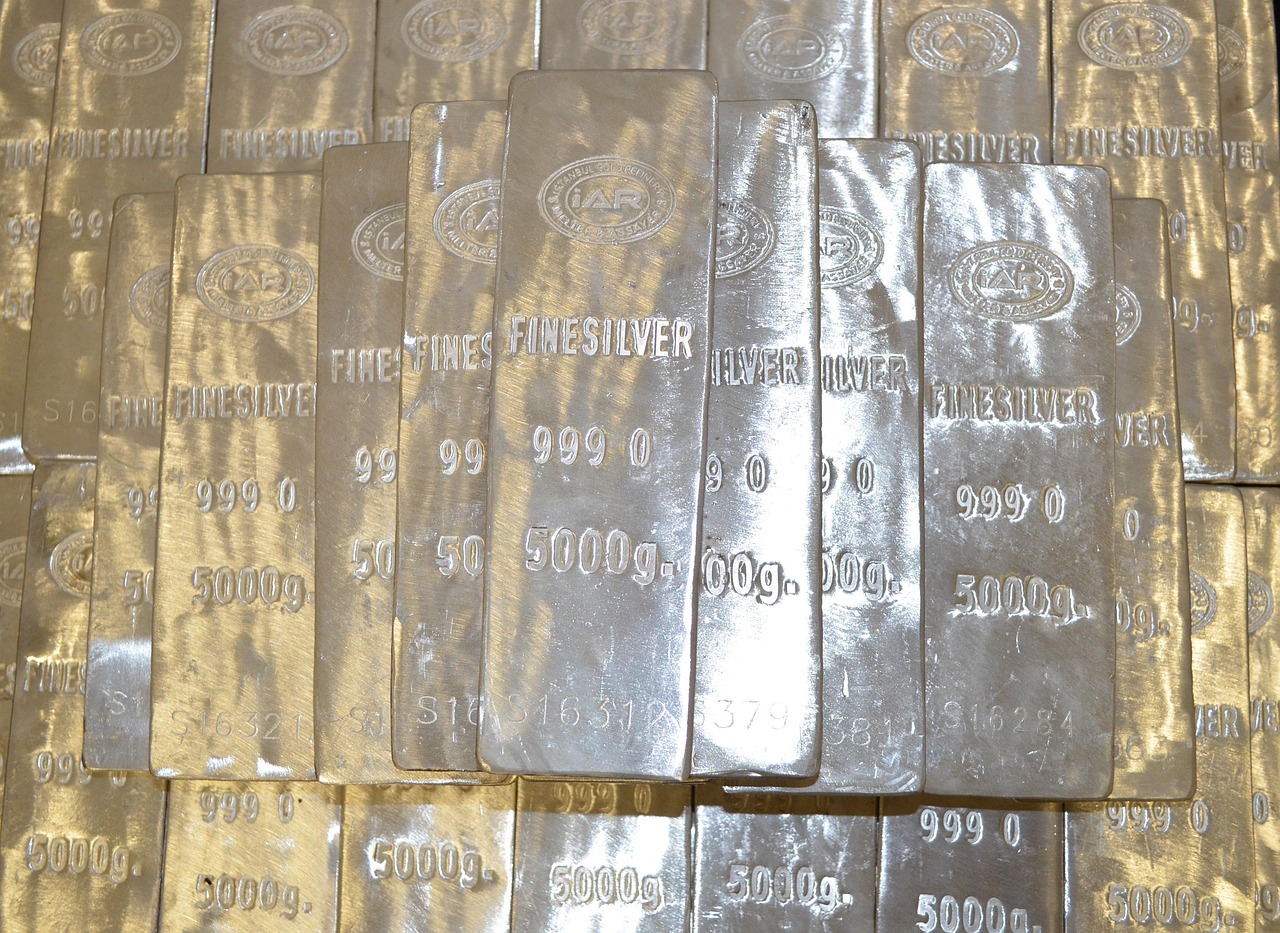
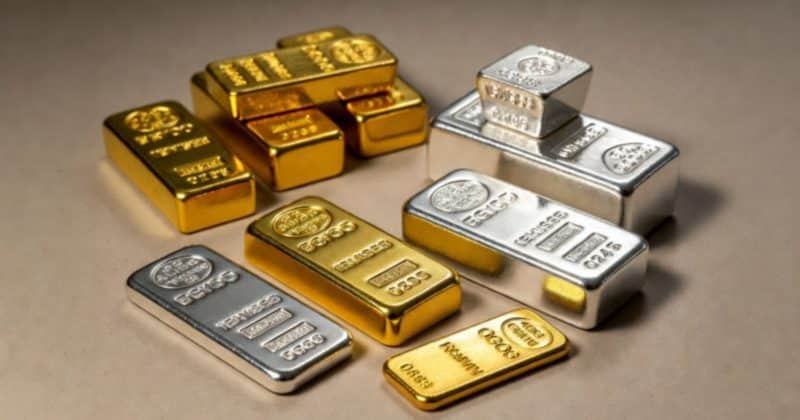
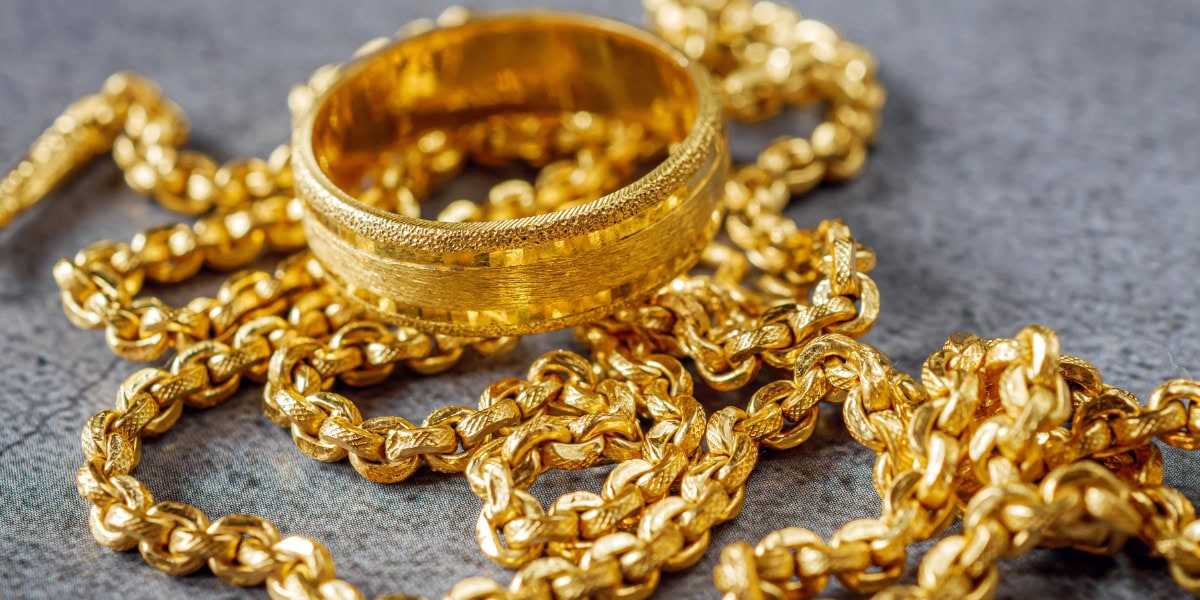
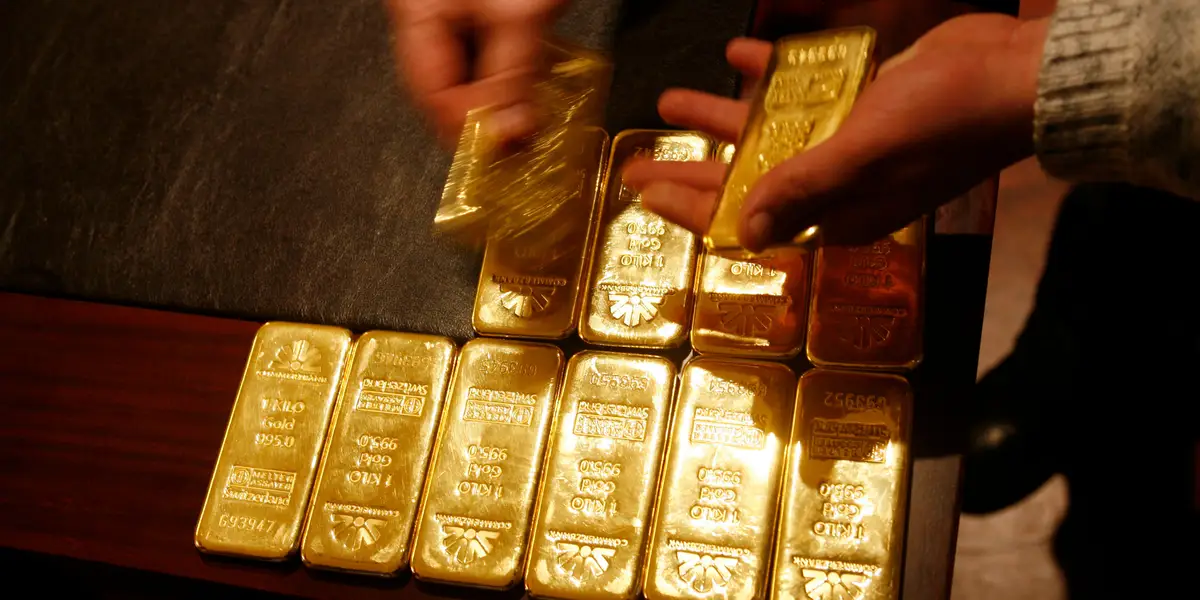
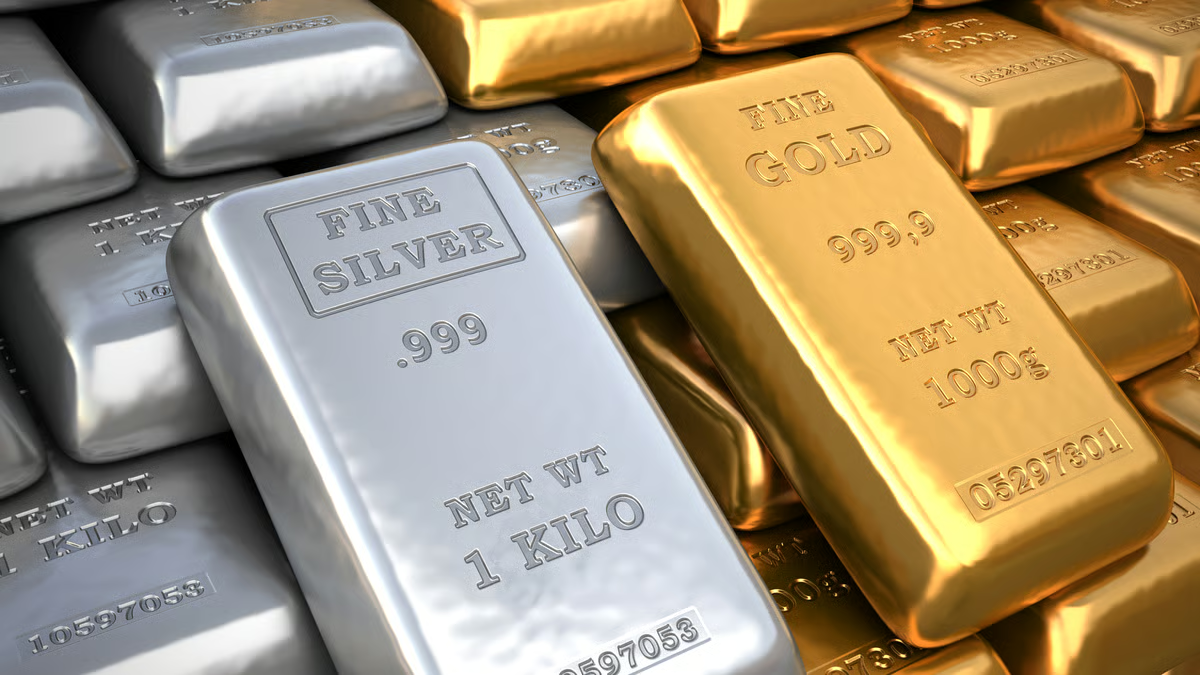
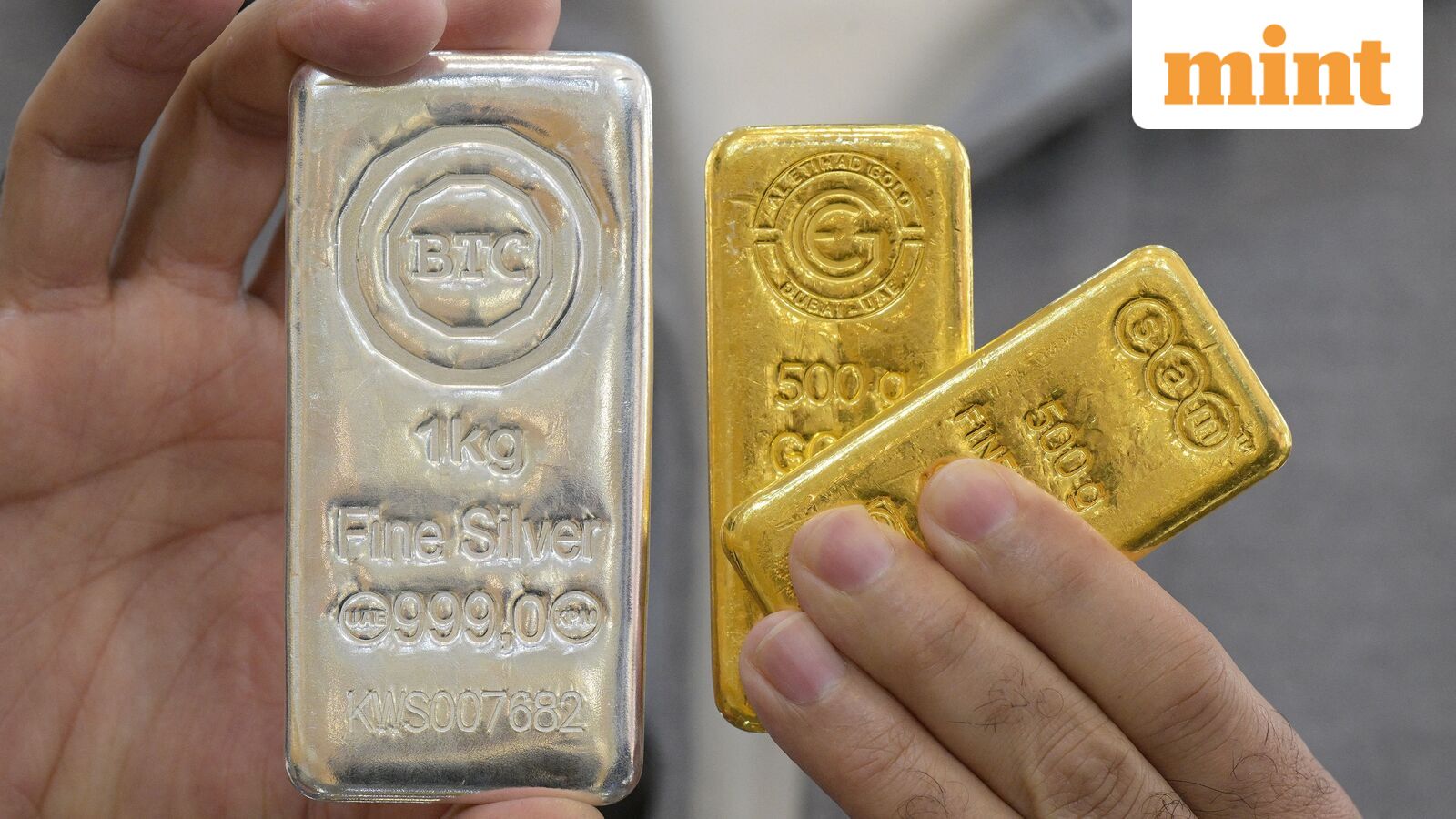
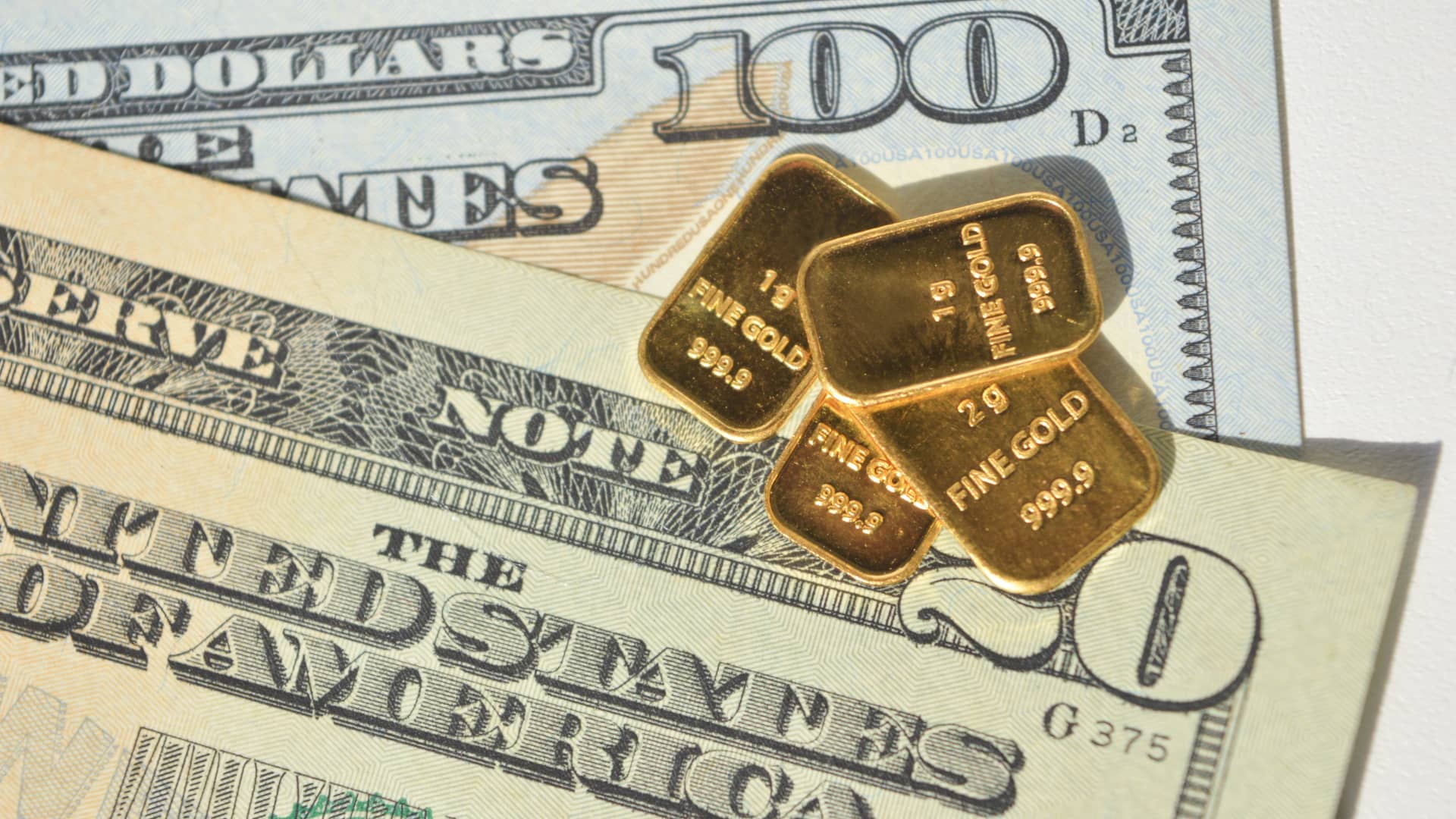
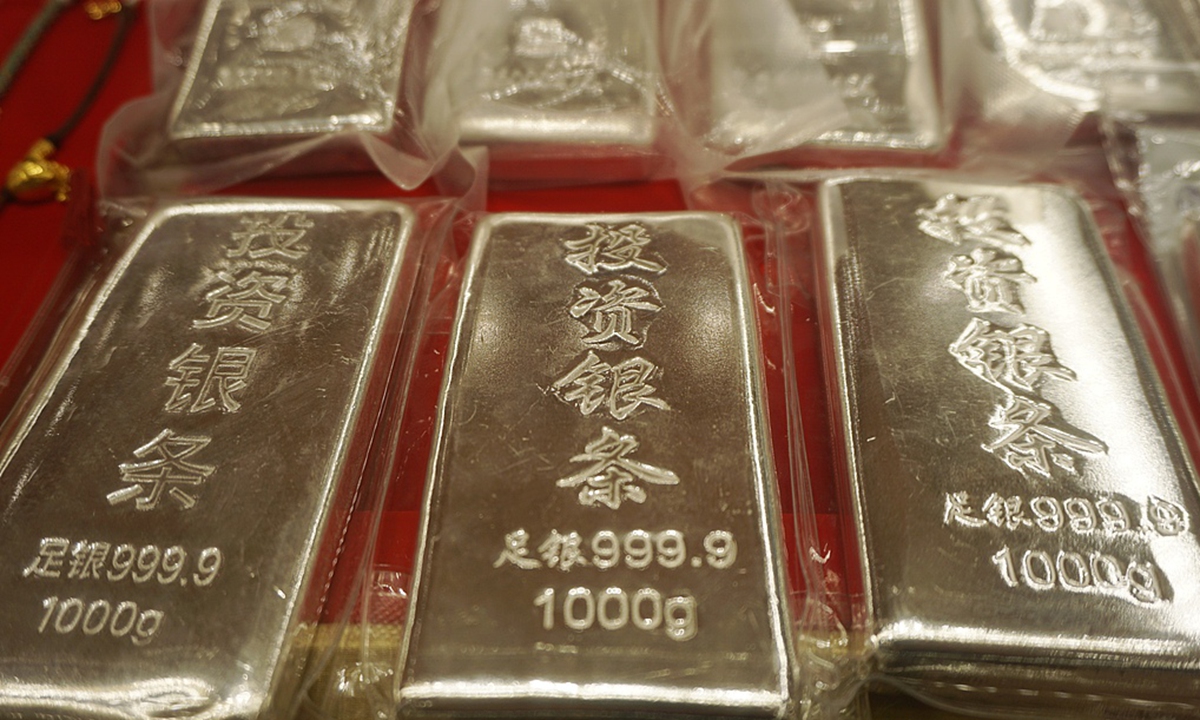
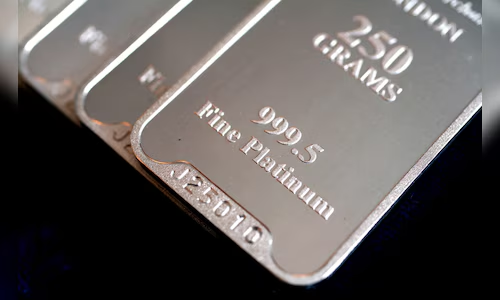
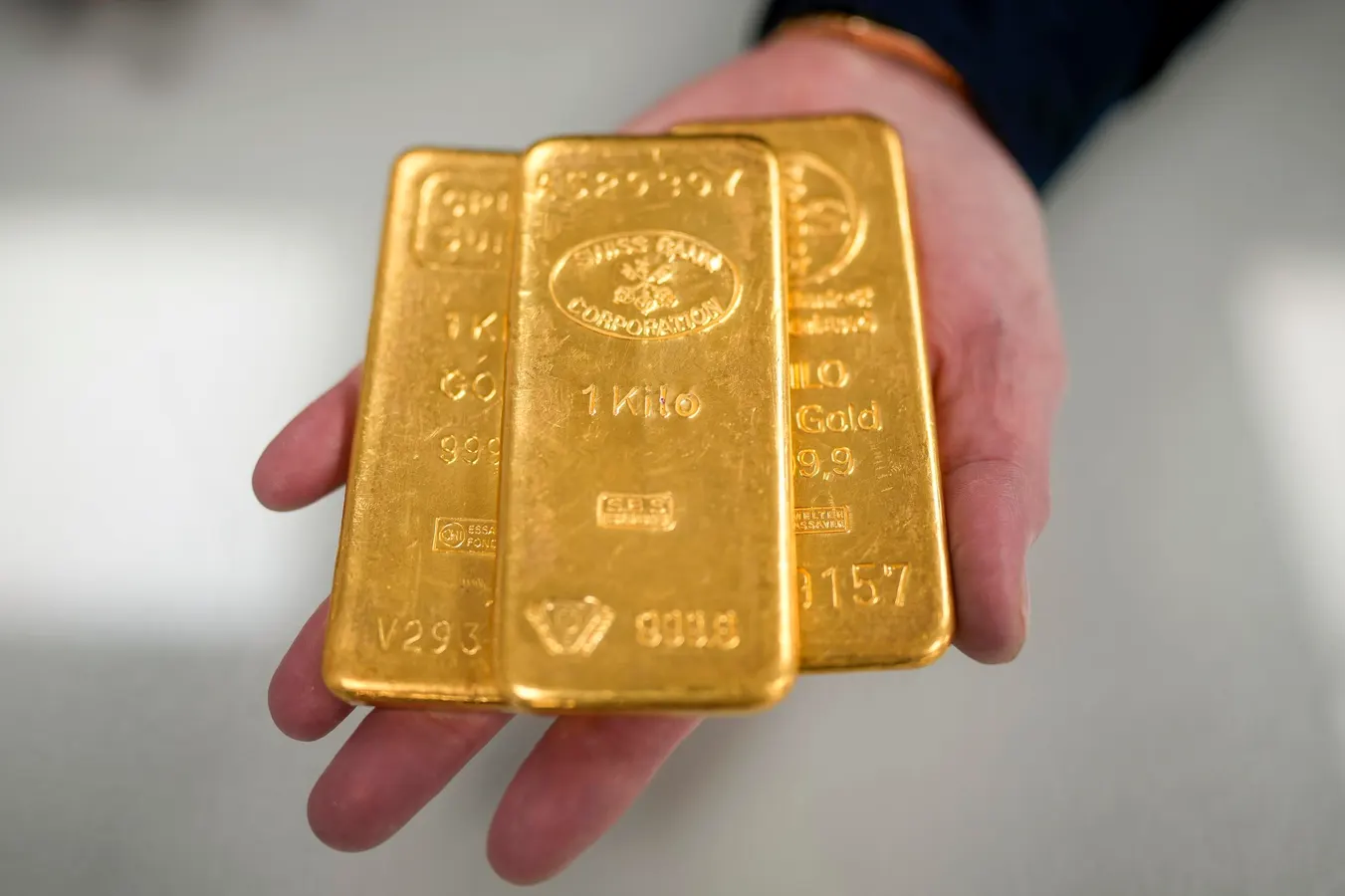
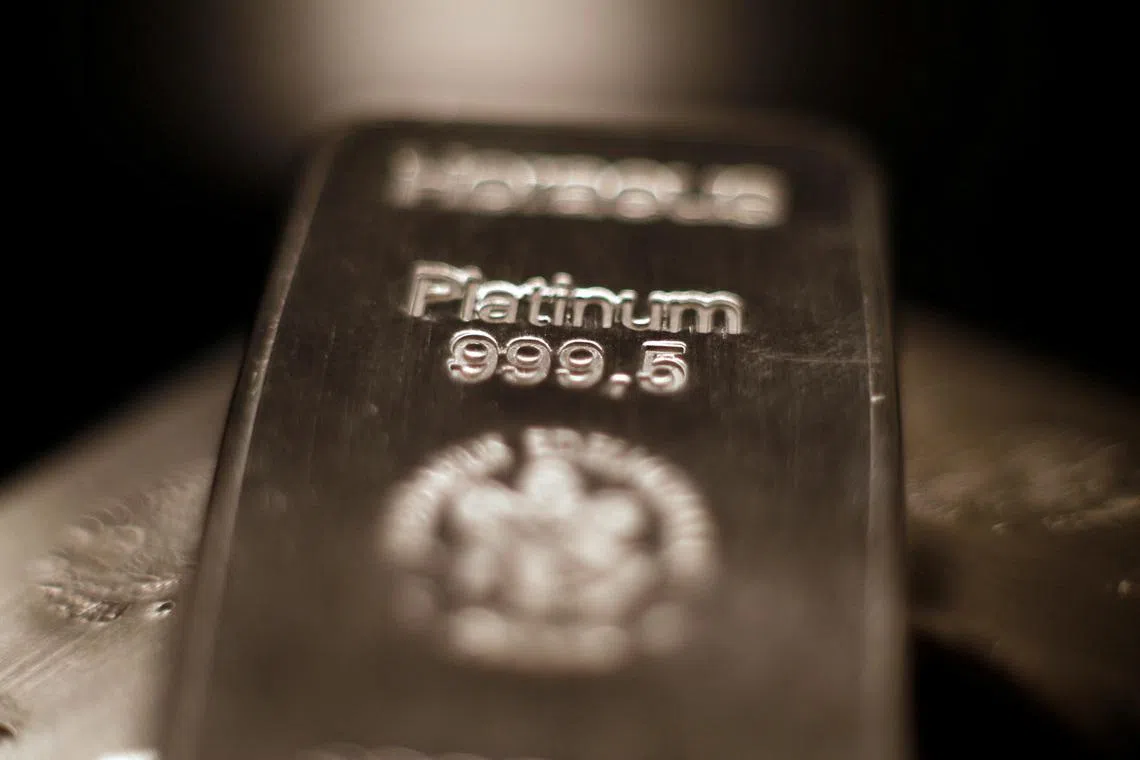
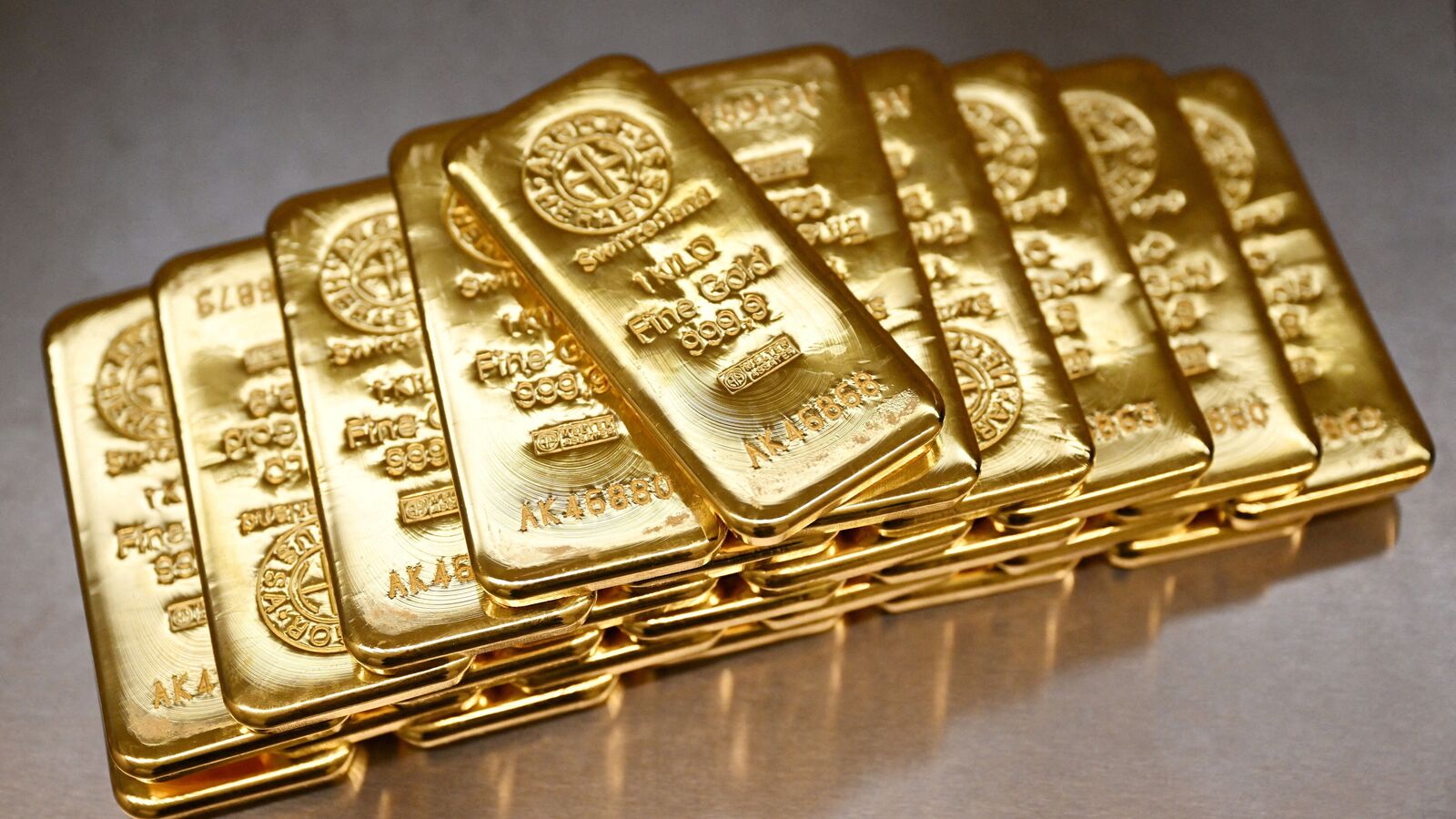
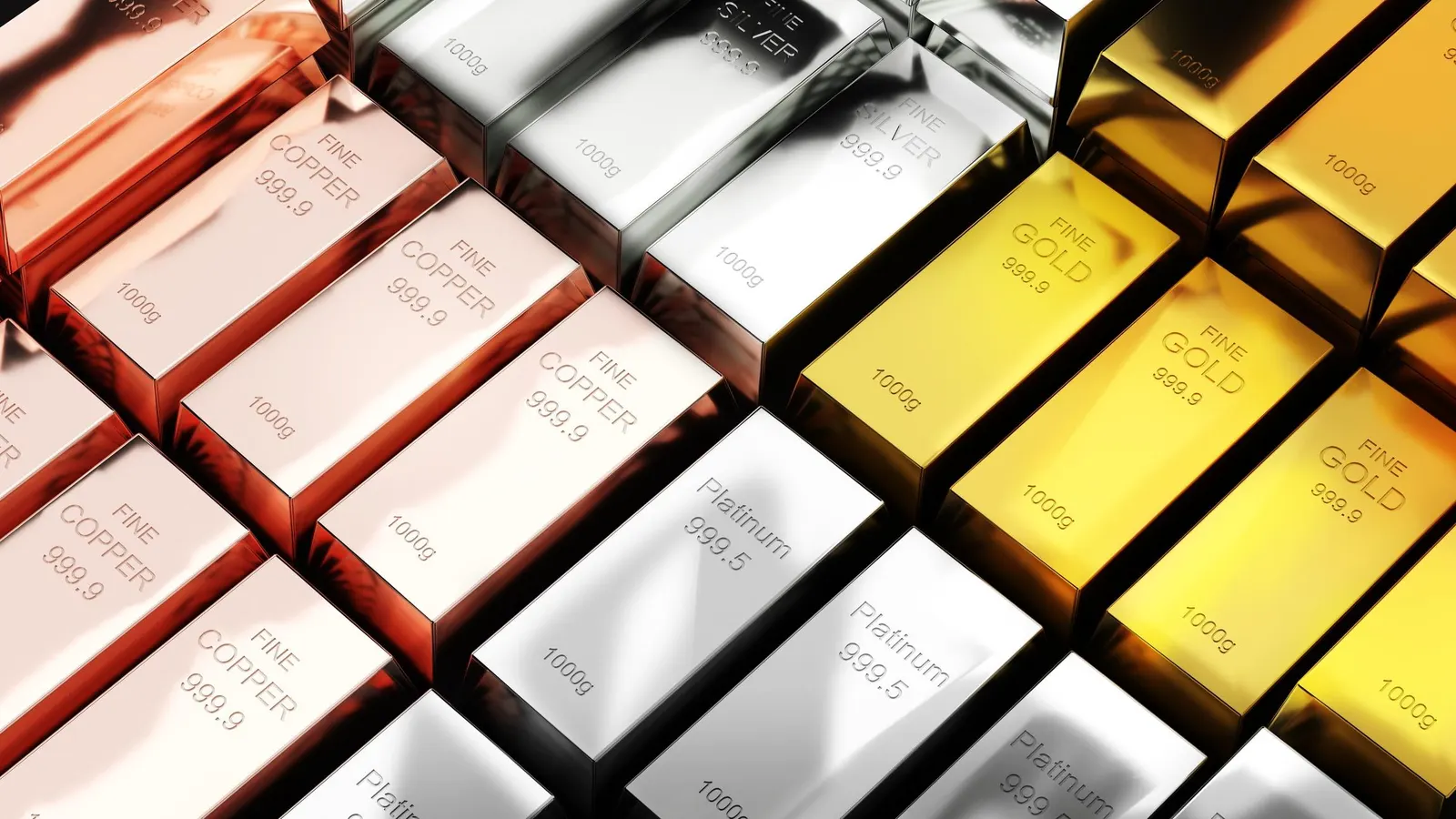
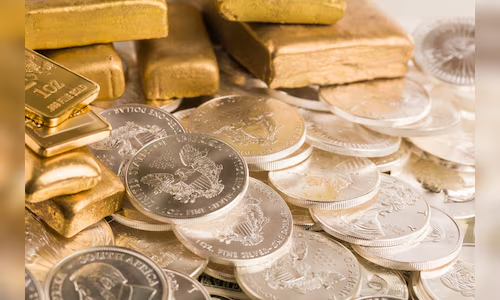
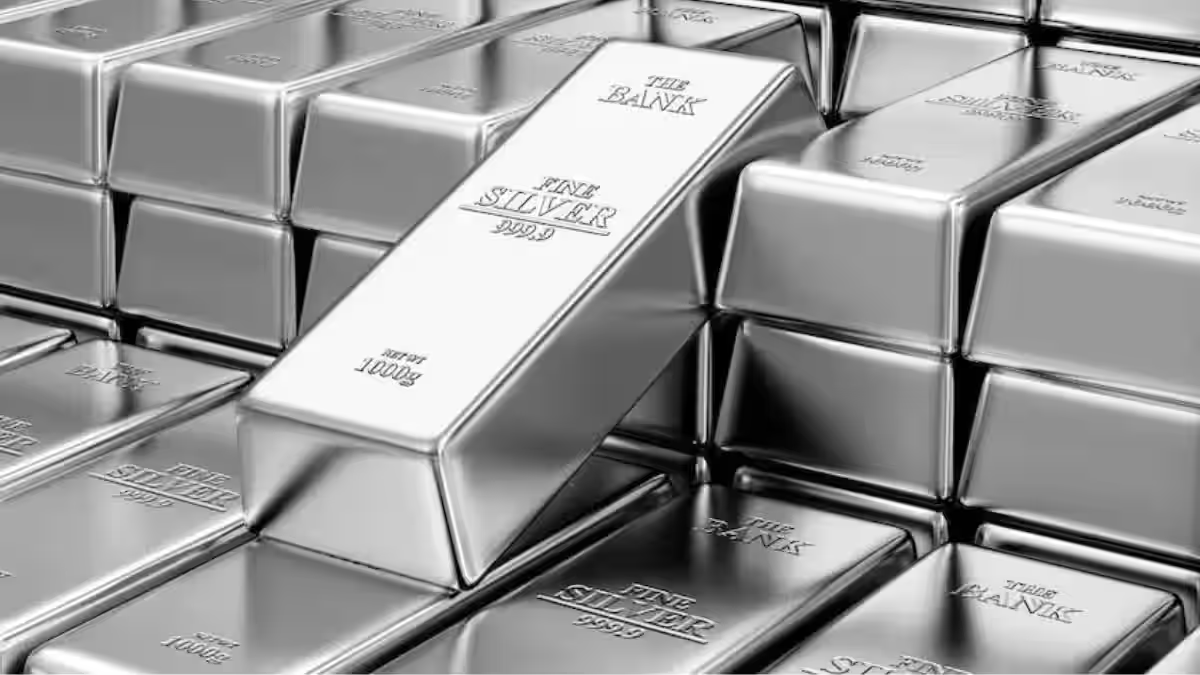
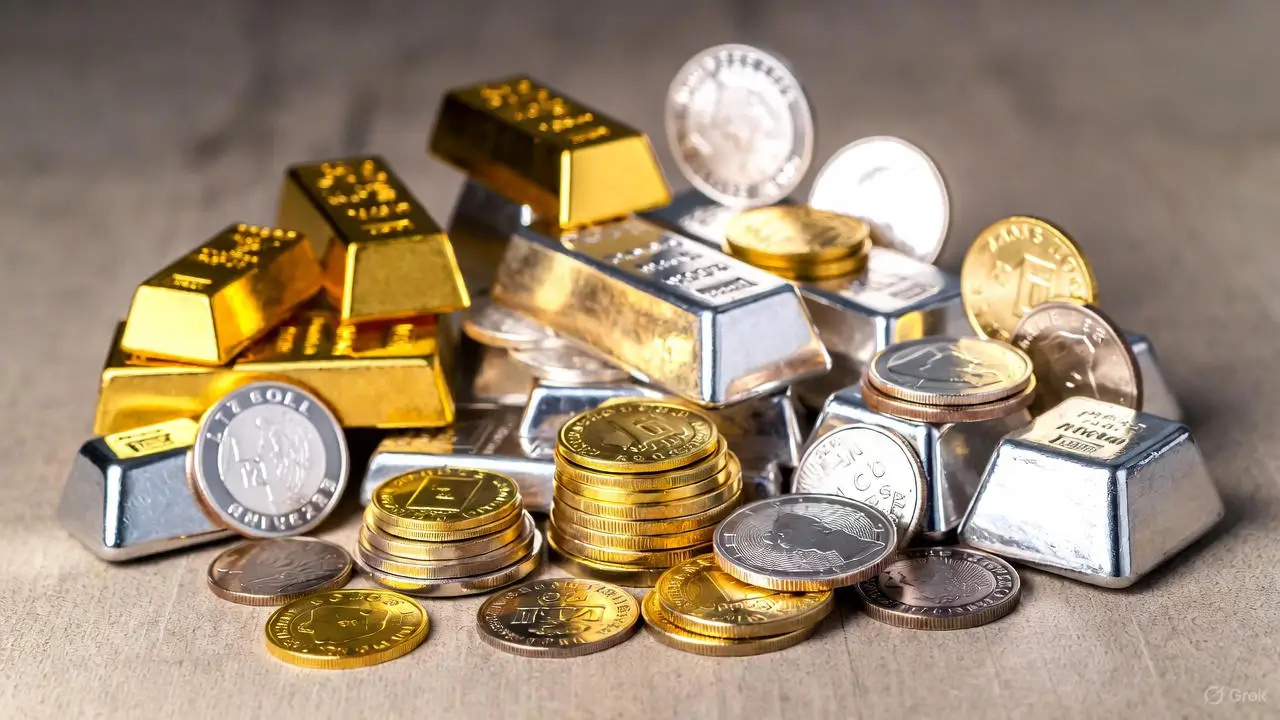
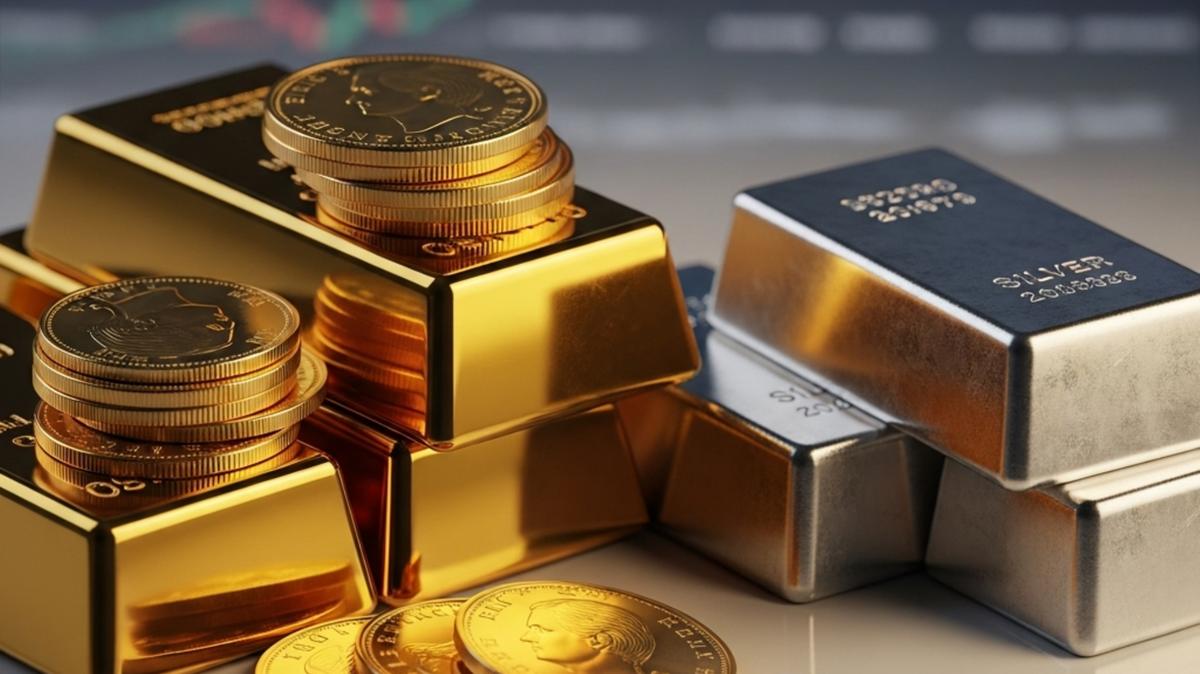
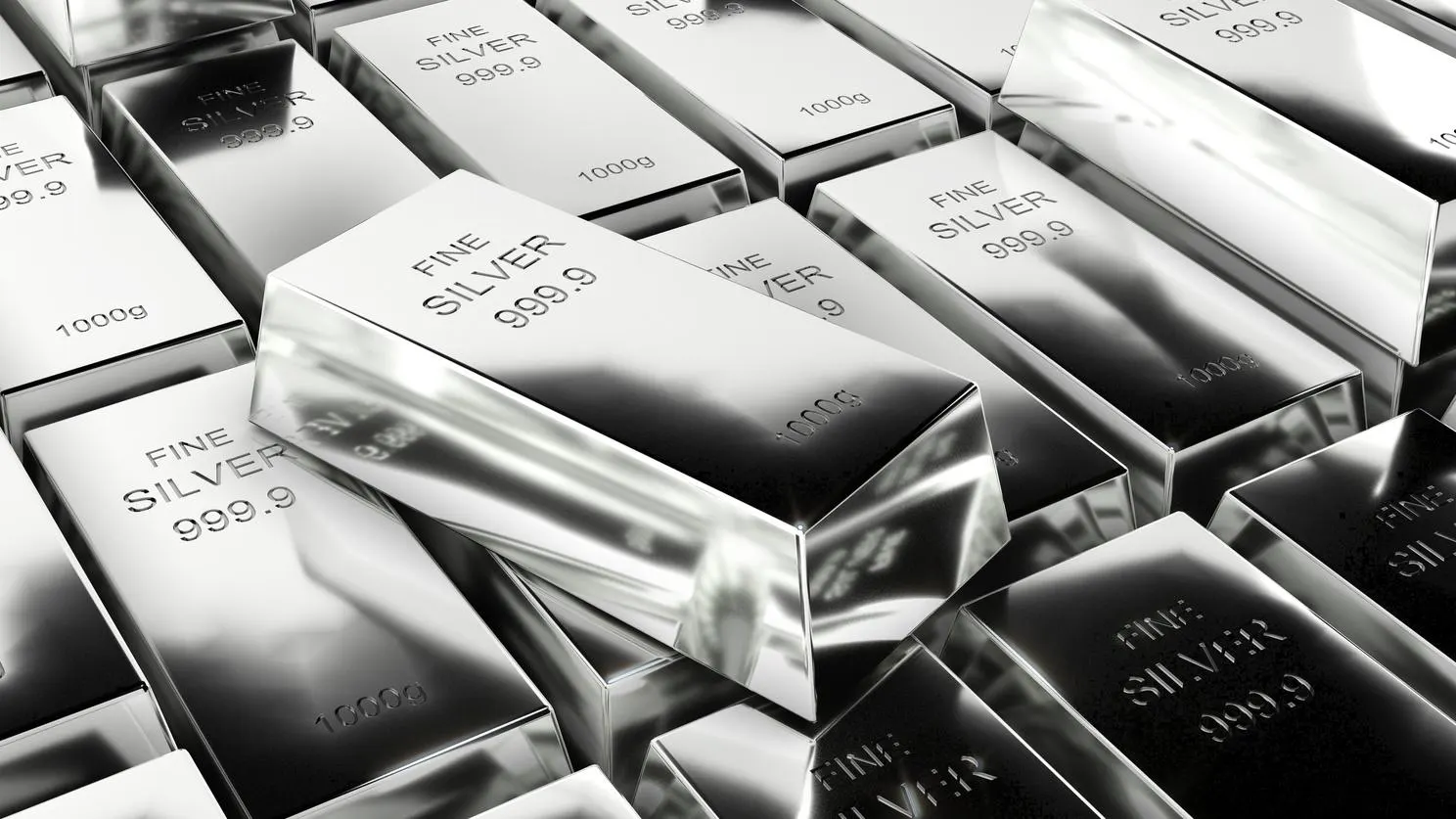
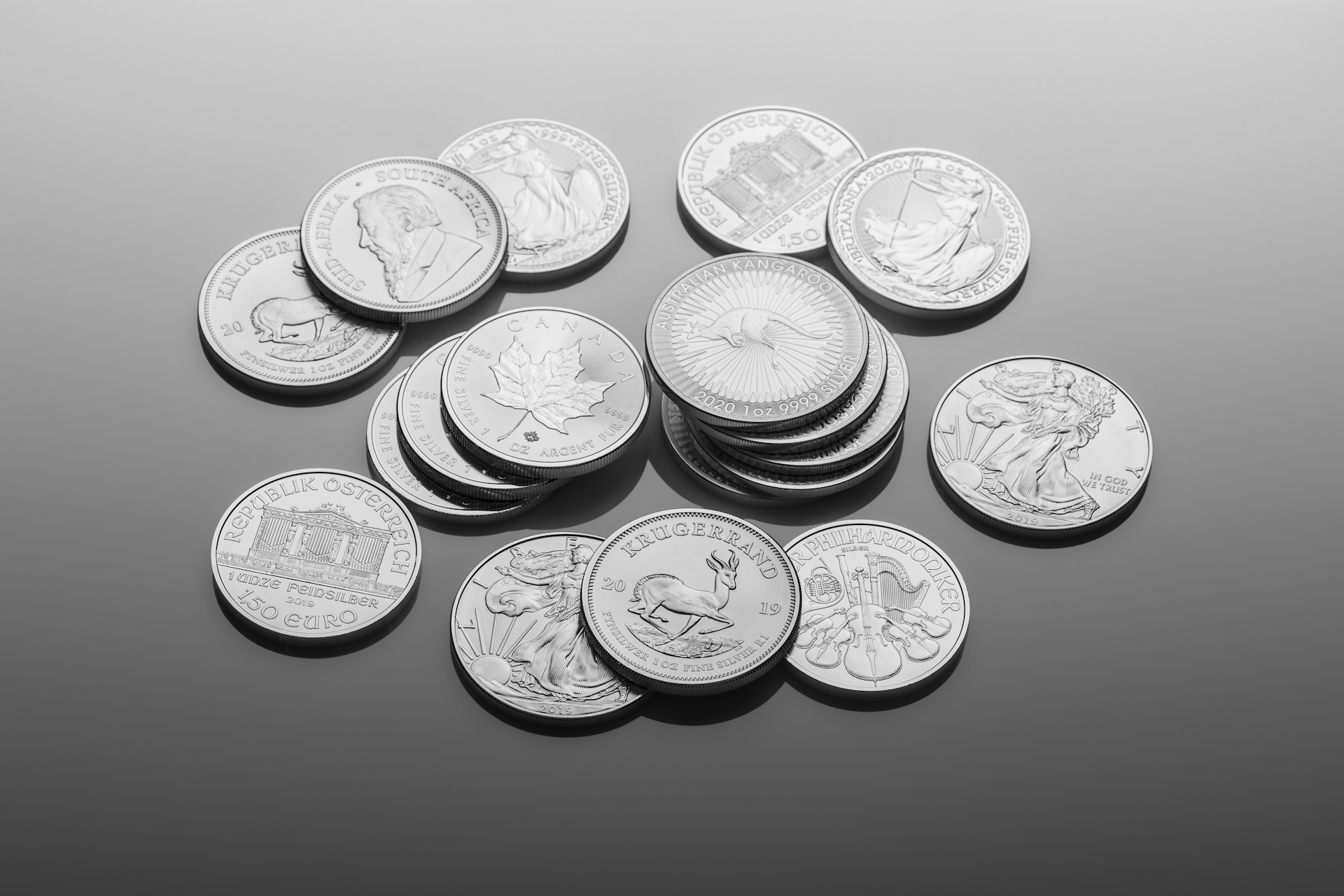
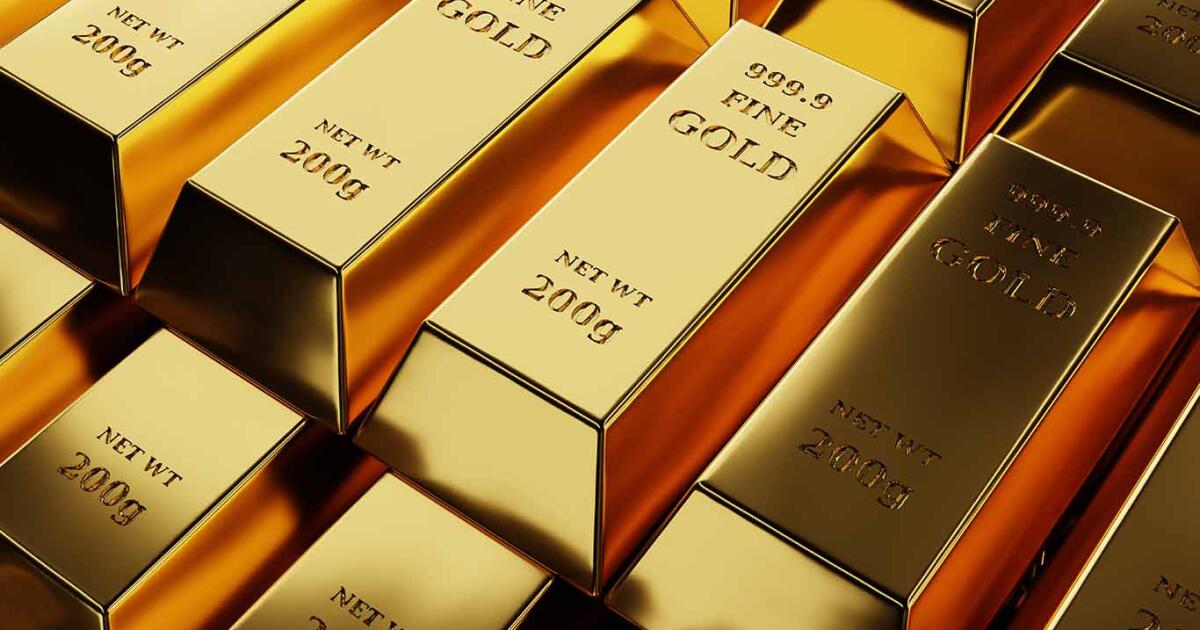
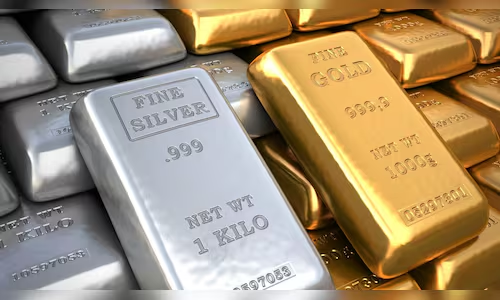
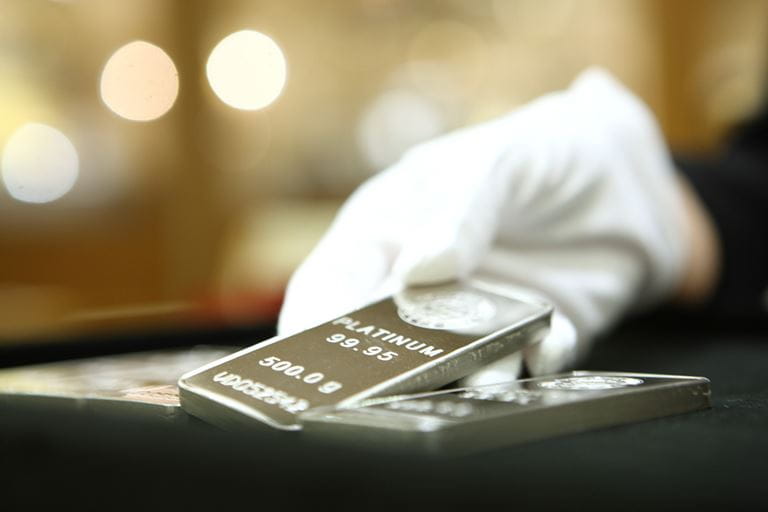
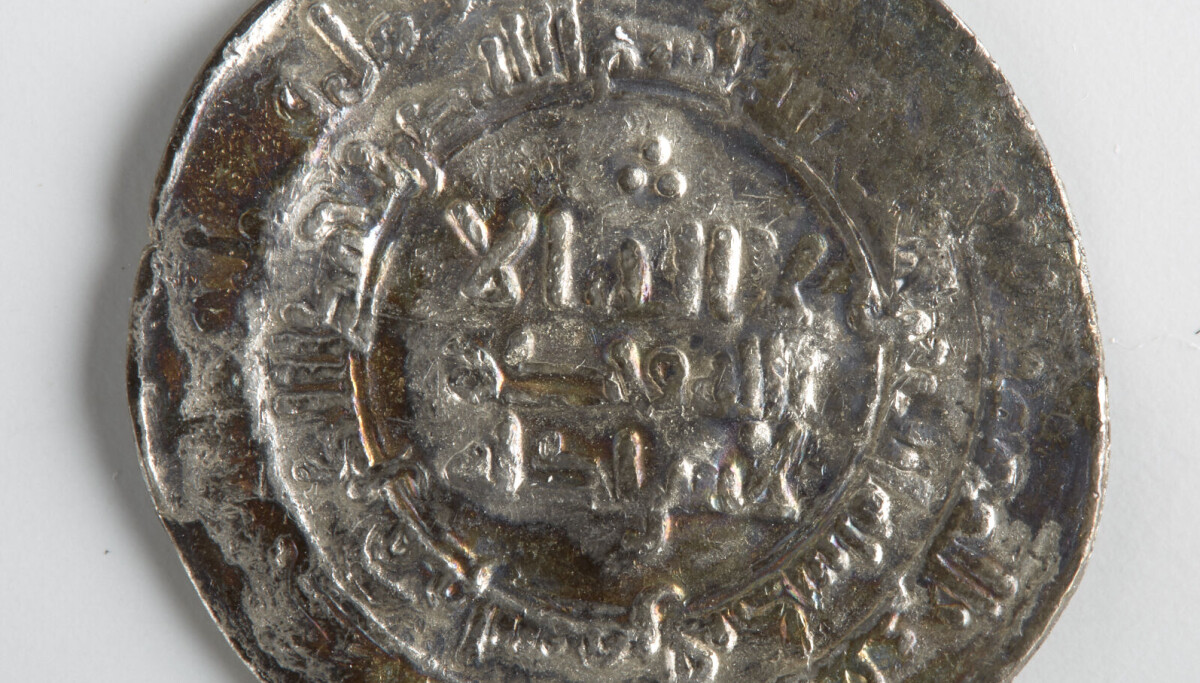
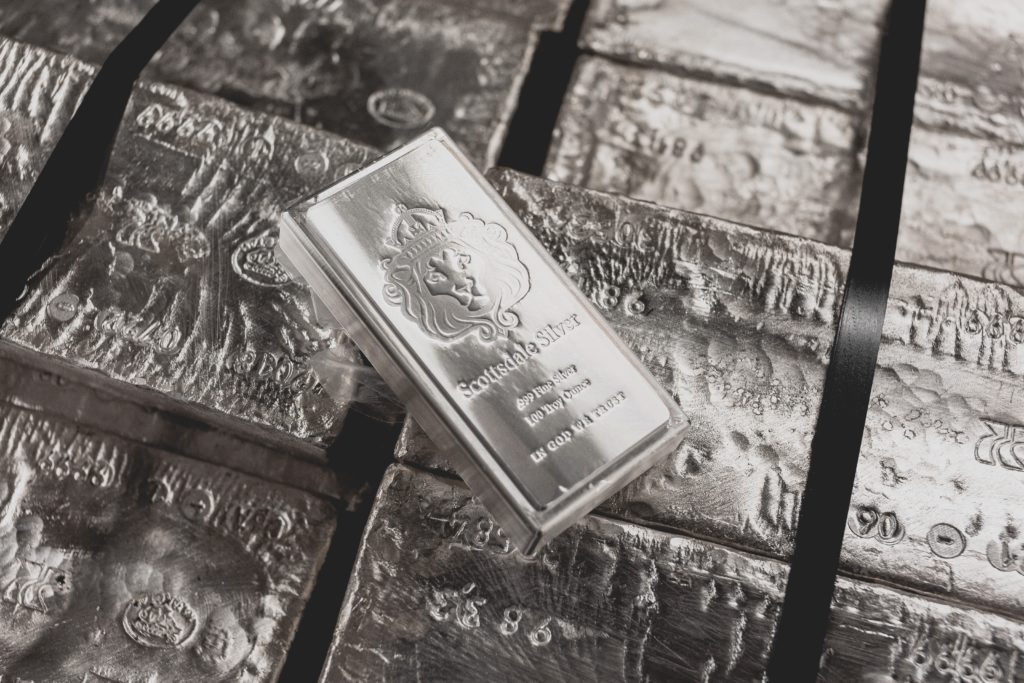
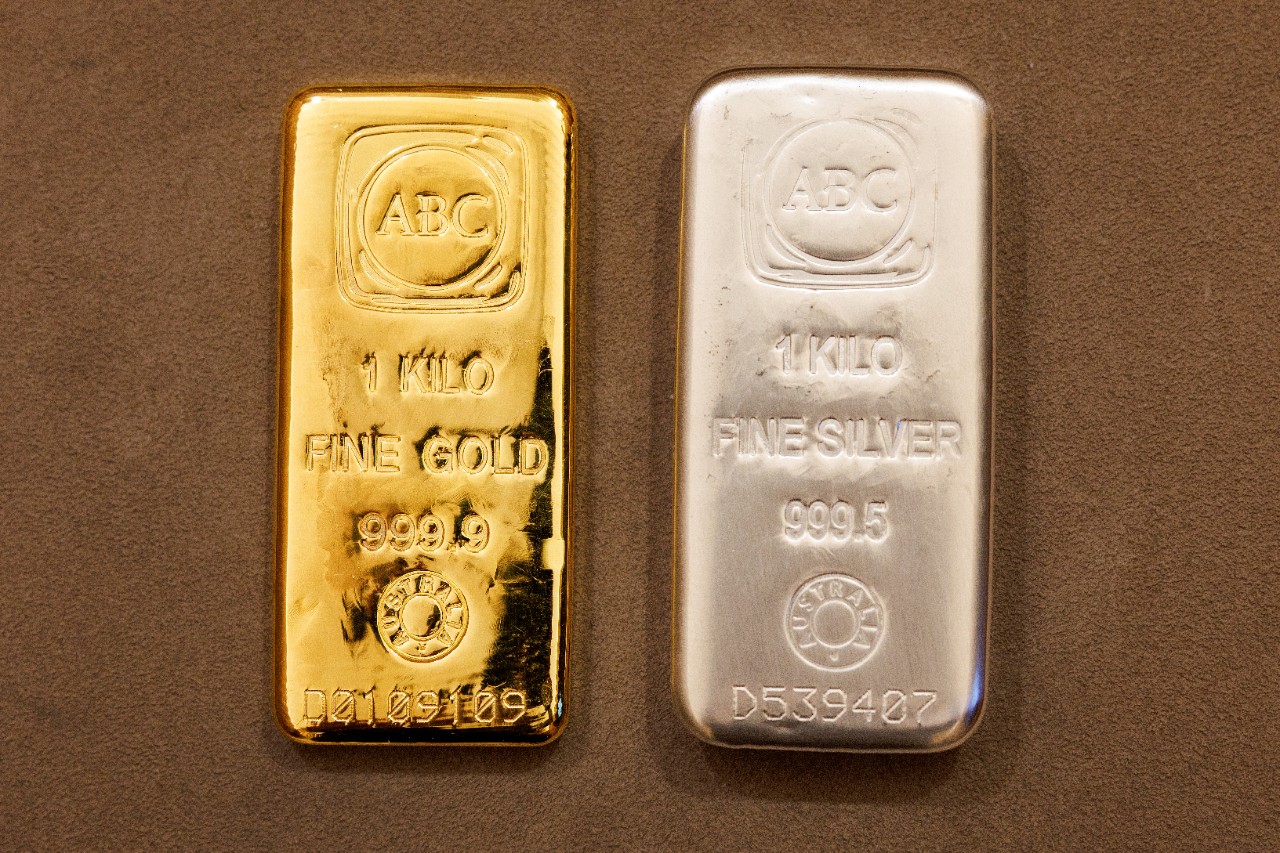
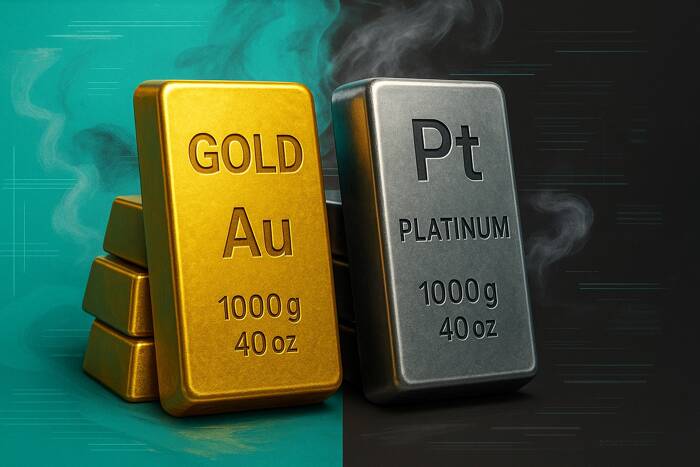
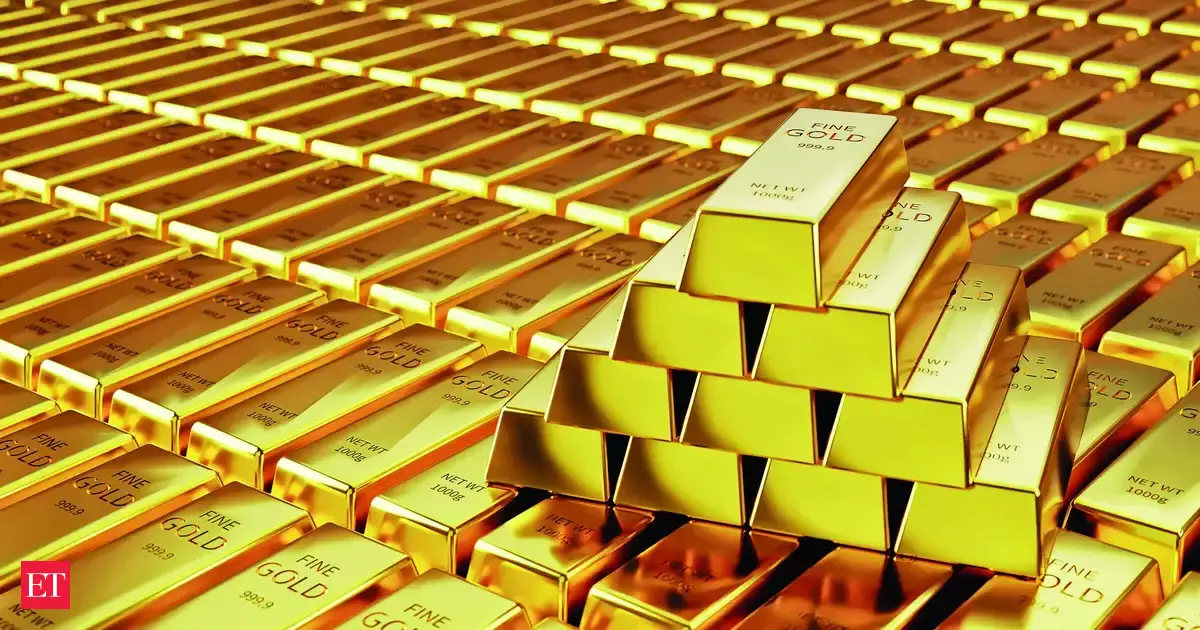
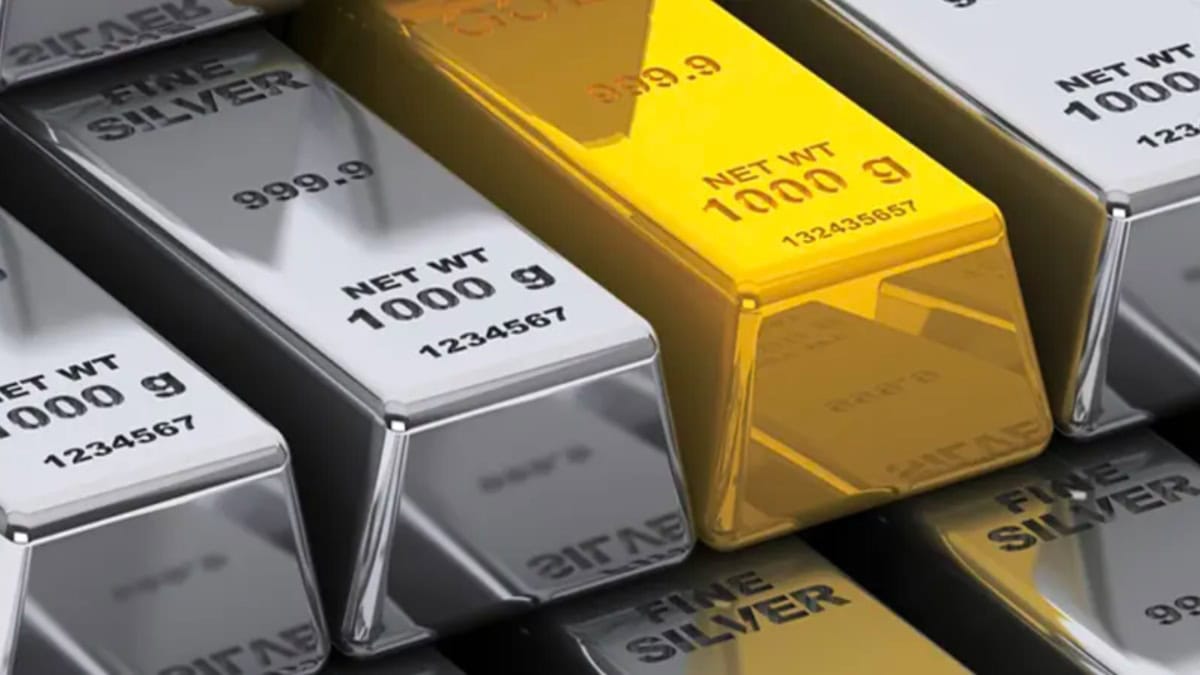
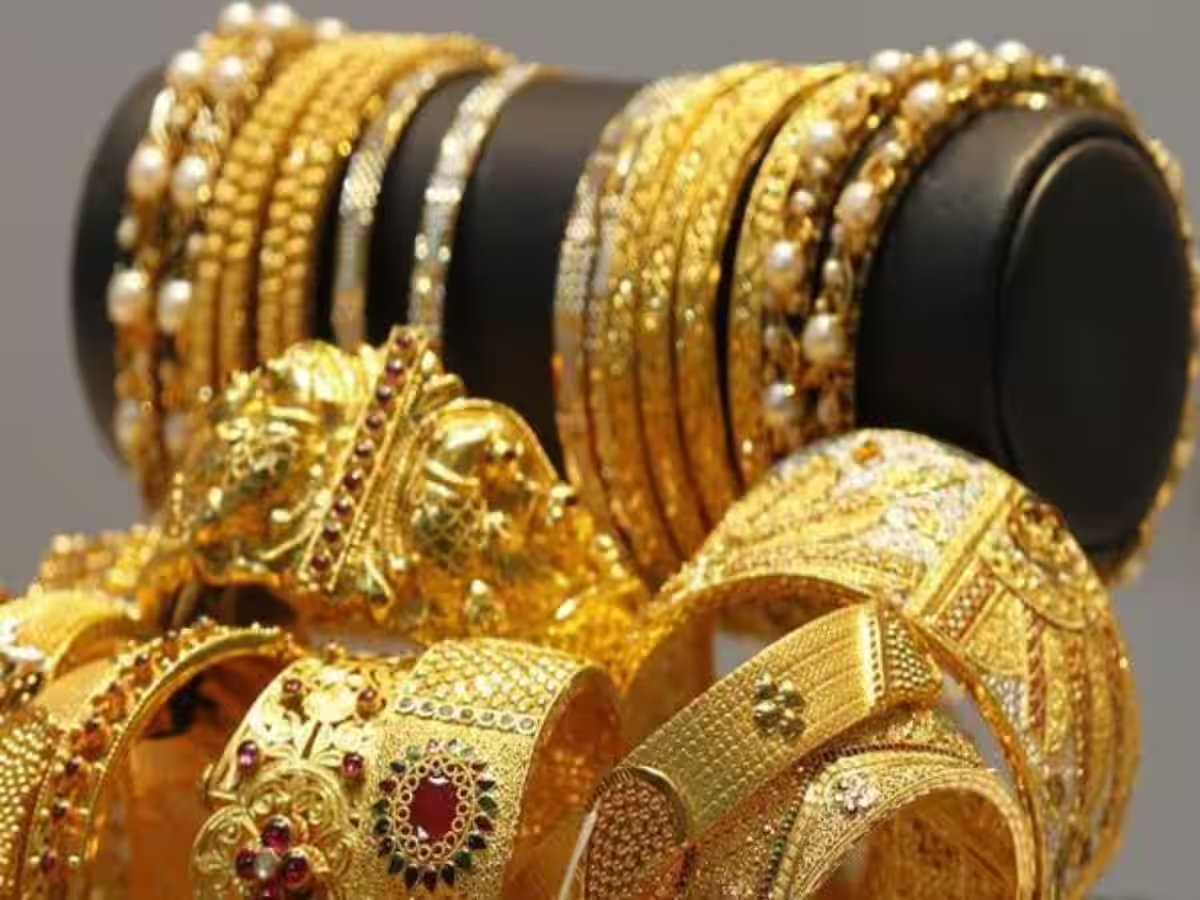
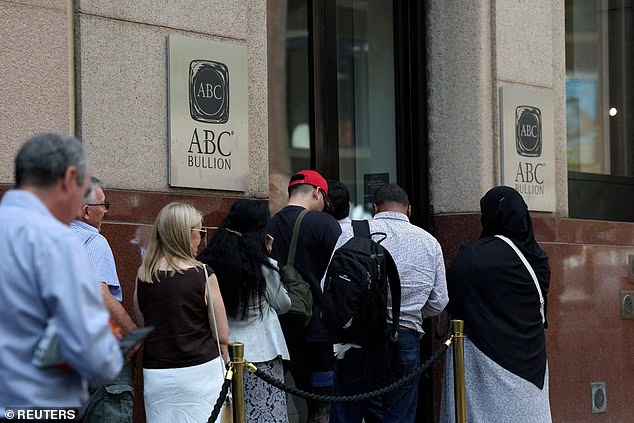
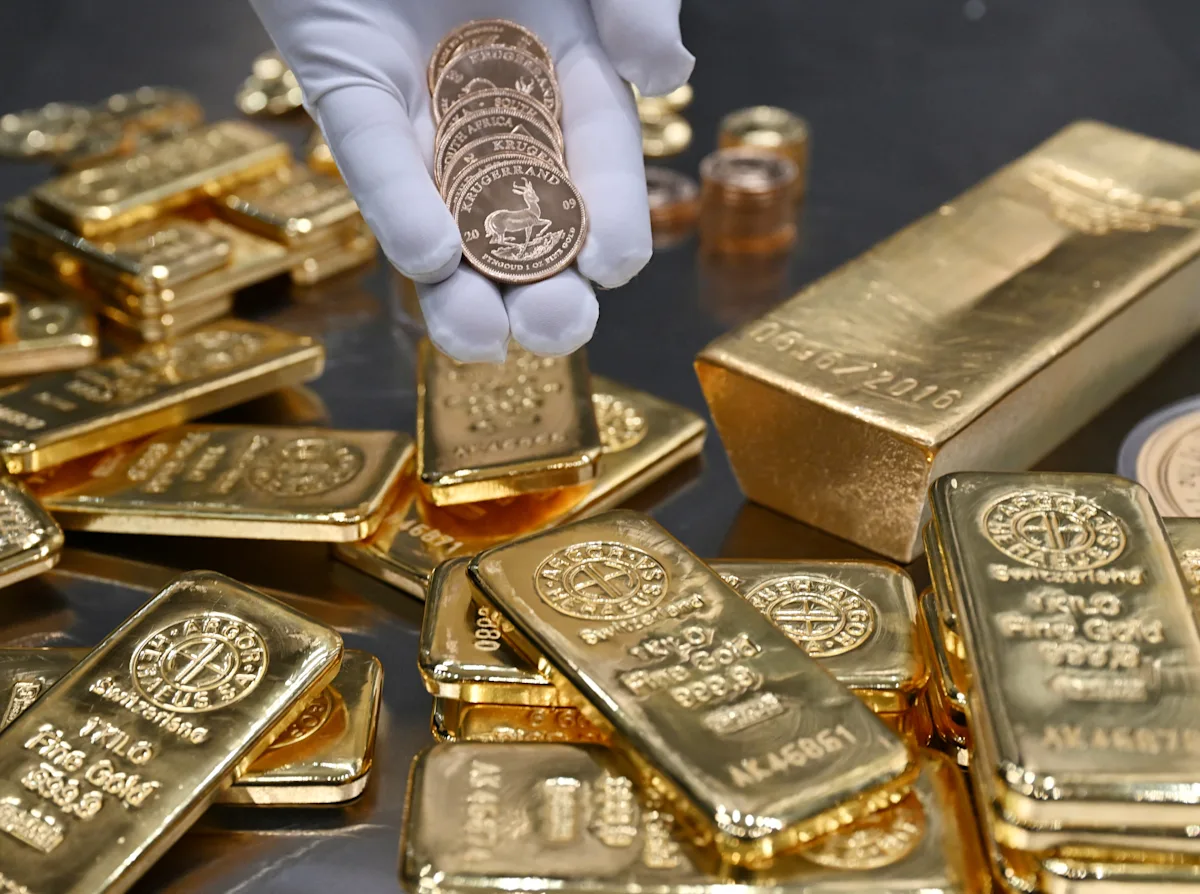
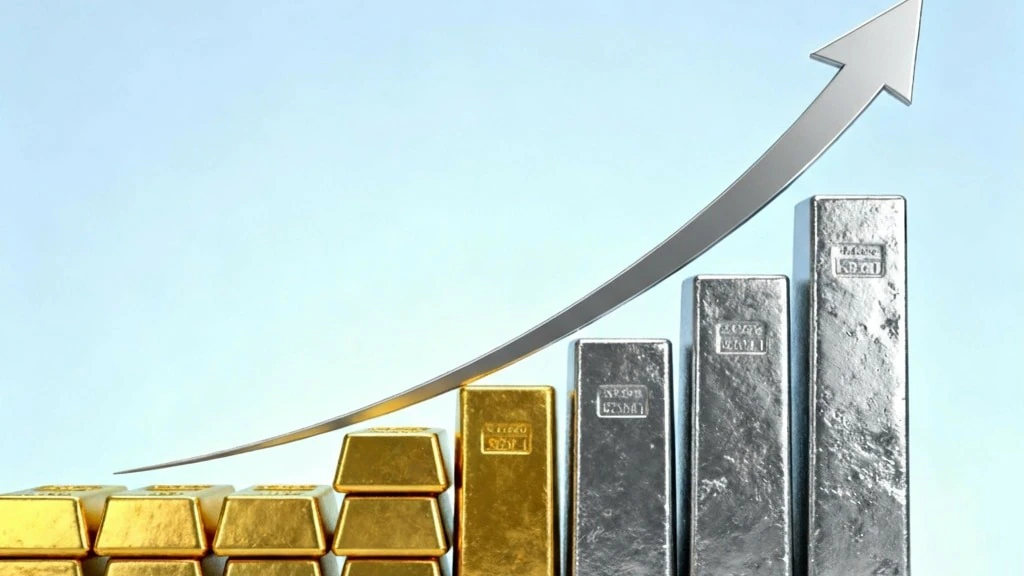
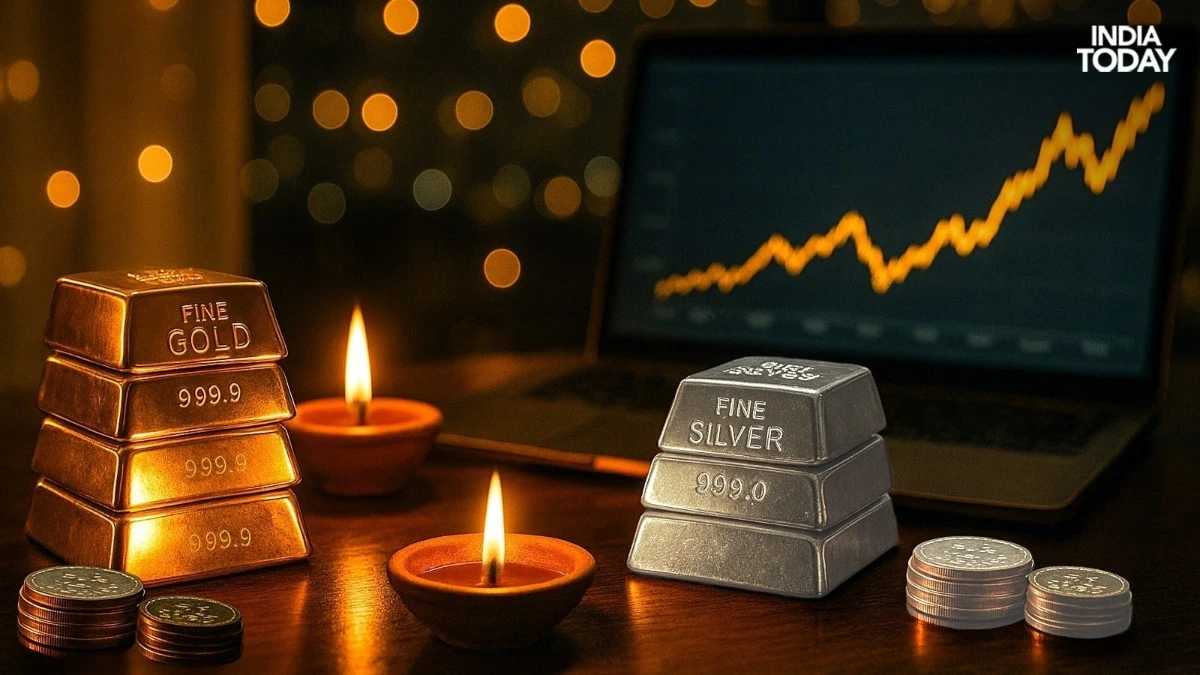
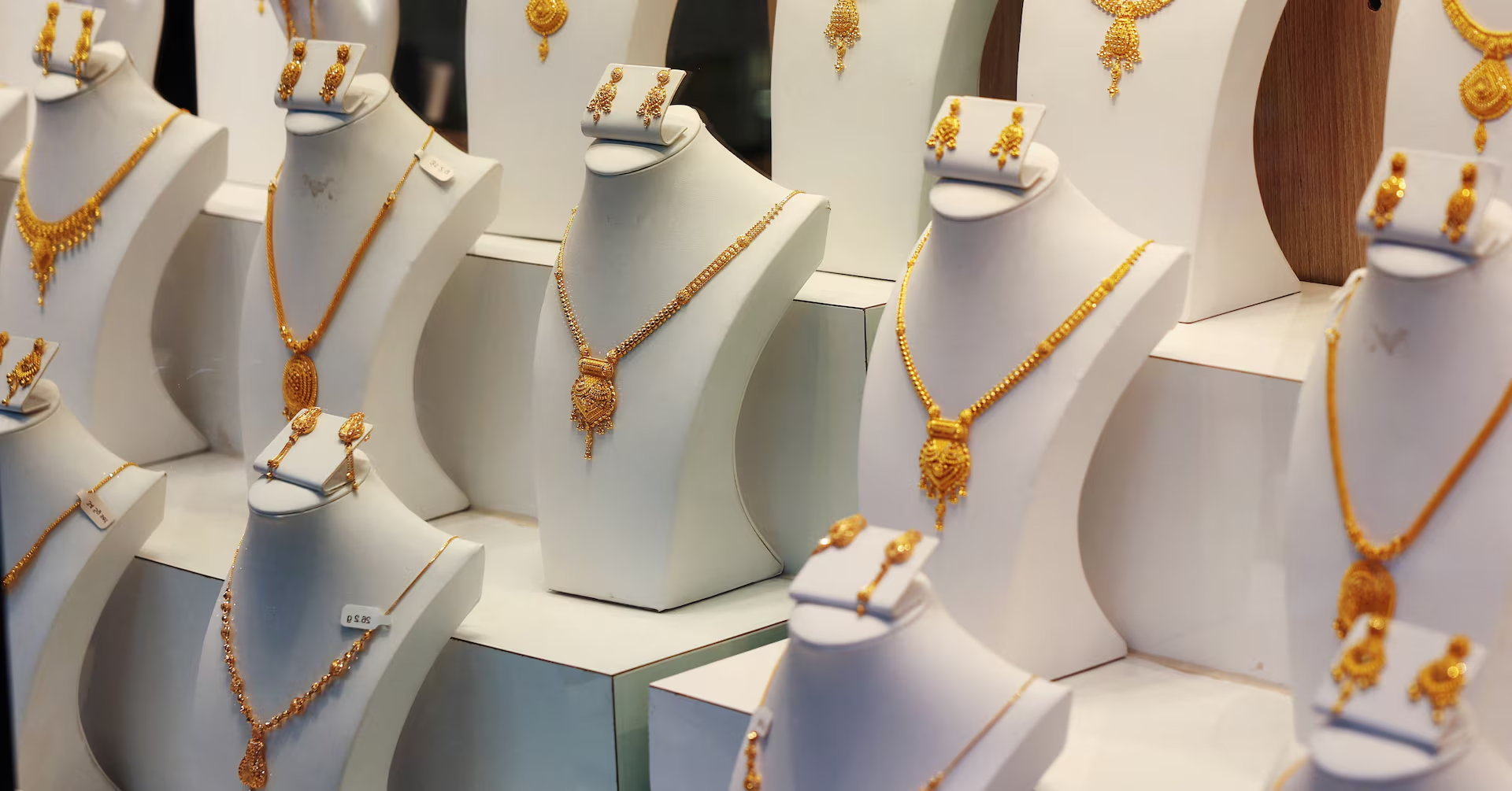
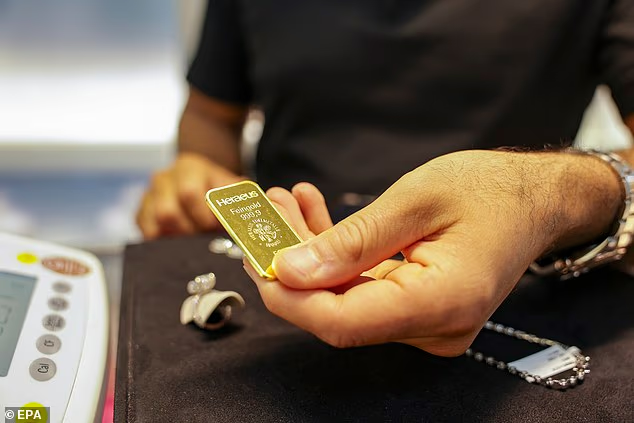
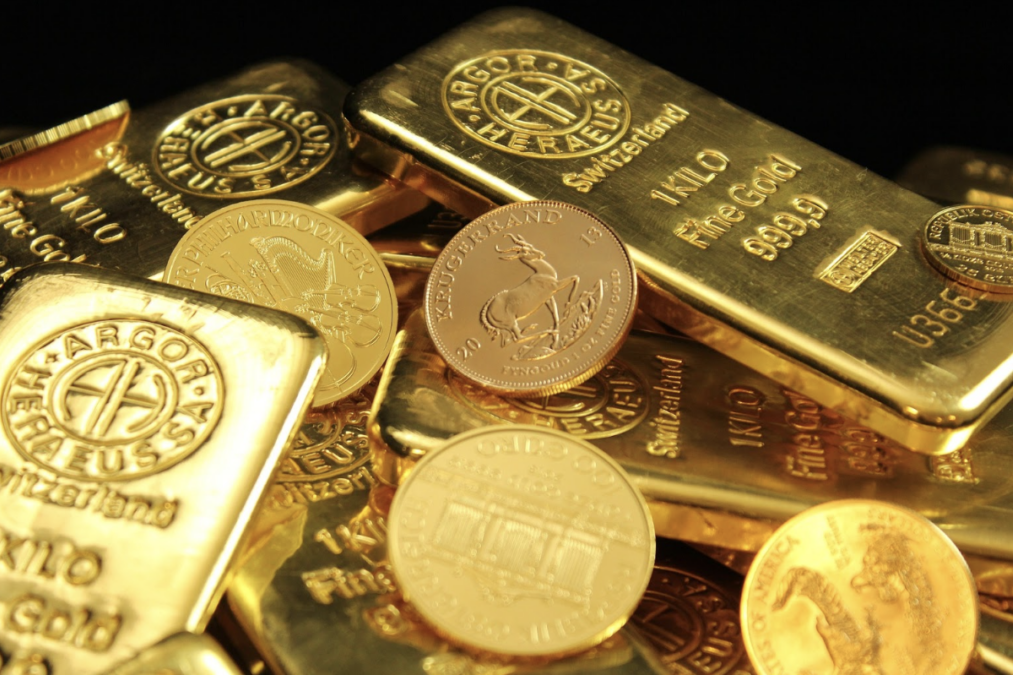
The soaring prices of gold and silver have prompted more people to sell their jewelry, coins and silverware. Others are fueling demand for precious metals by buying them as a hedge against the devaluing U.S. dollar and political instability.
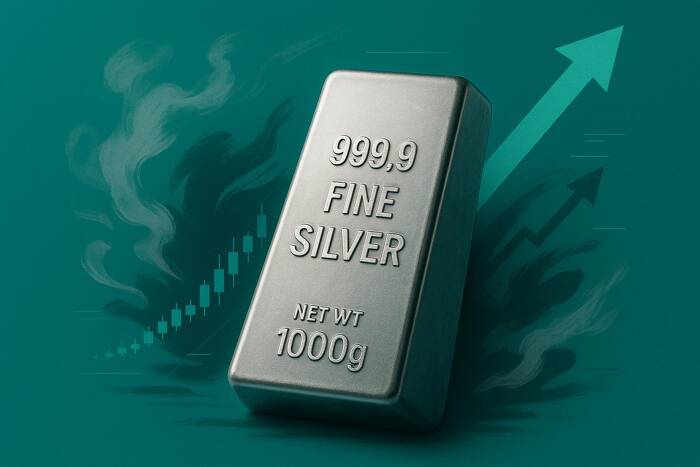
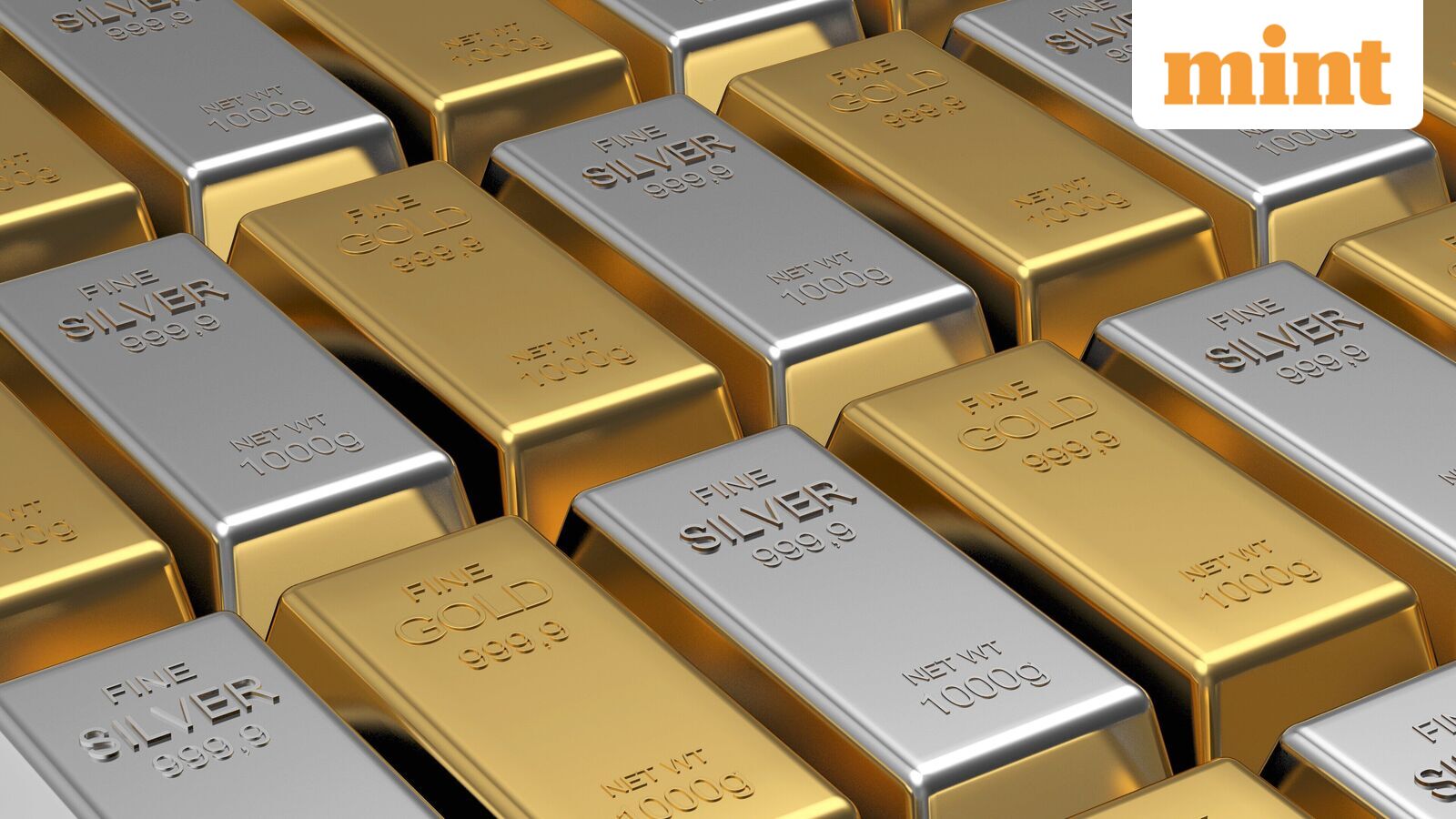
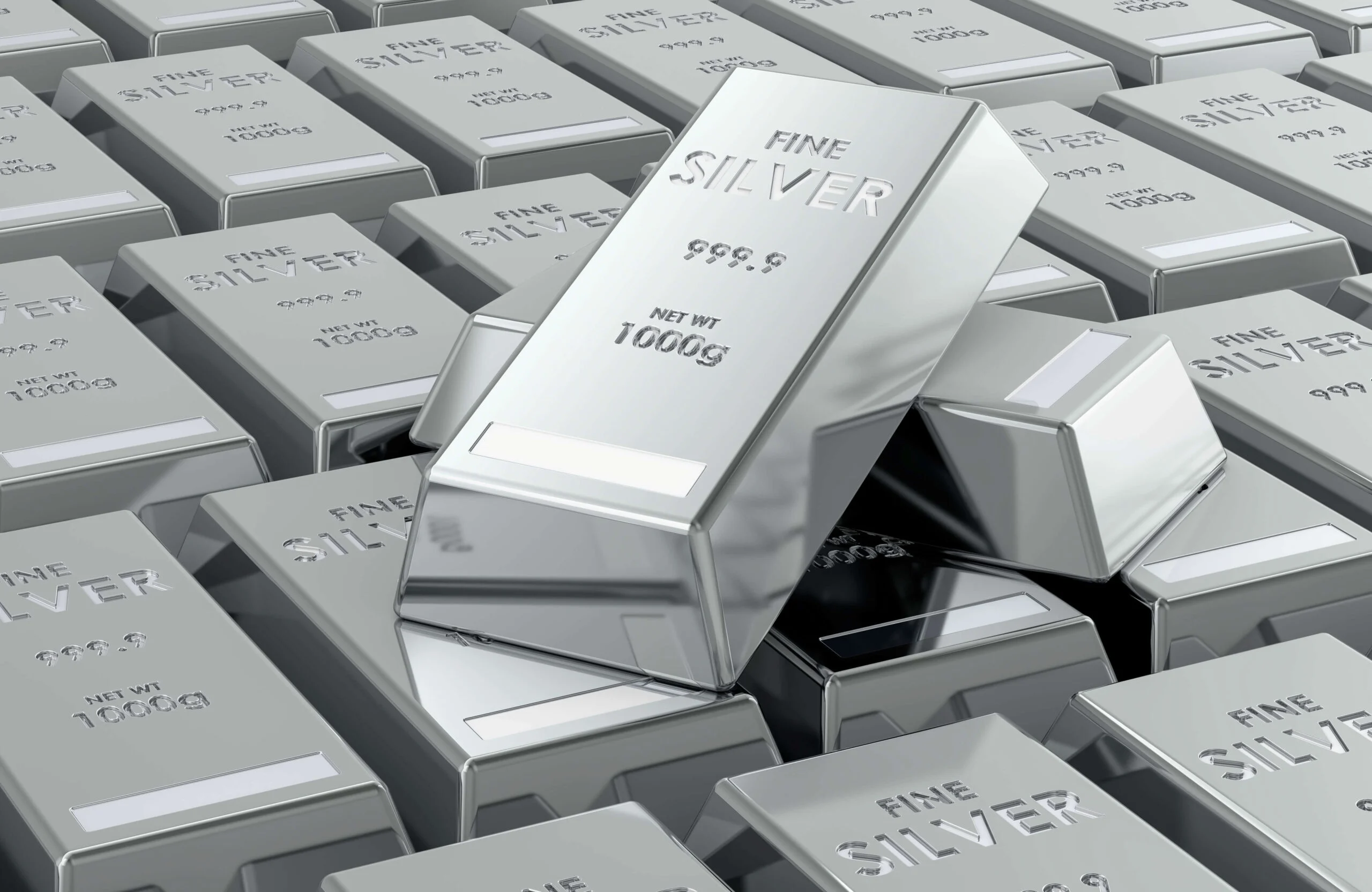
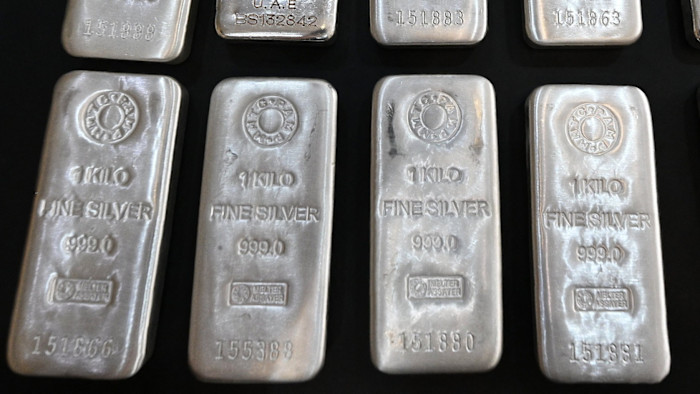
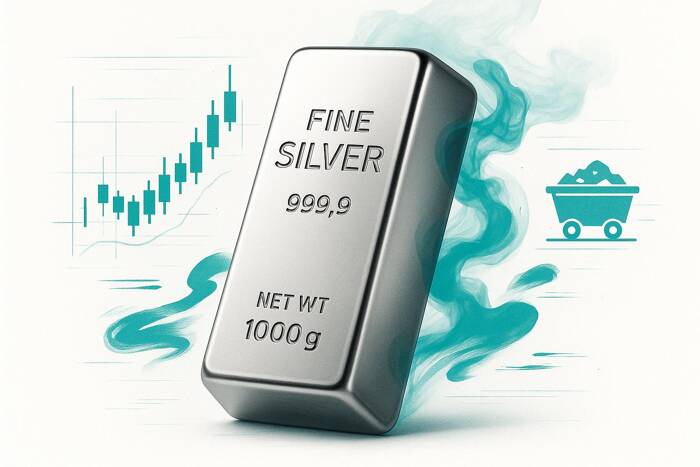
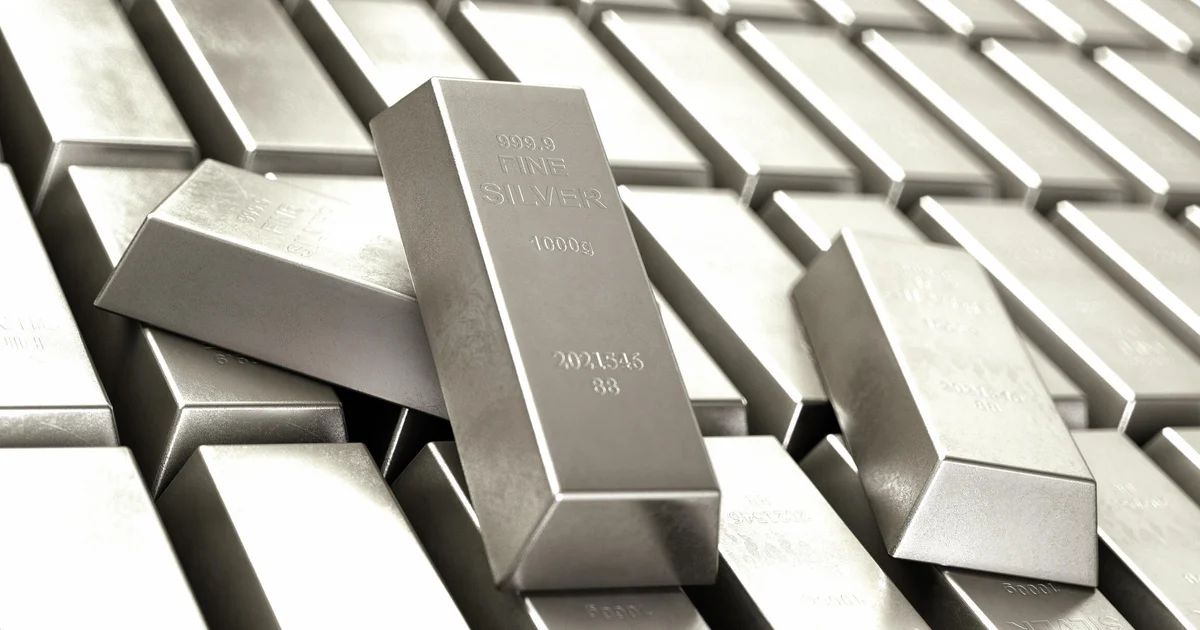
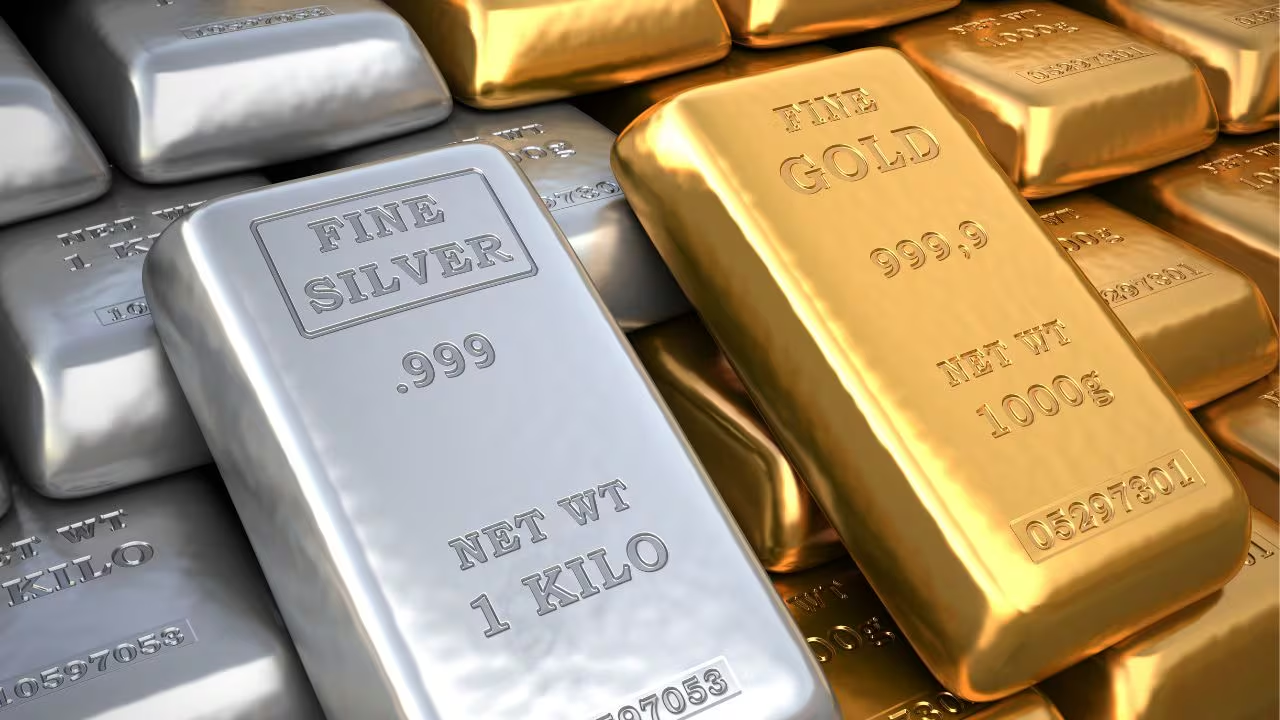
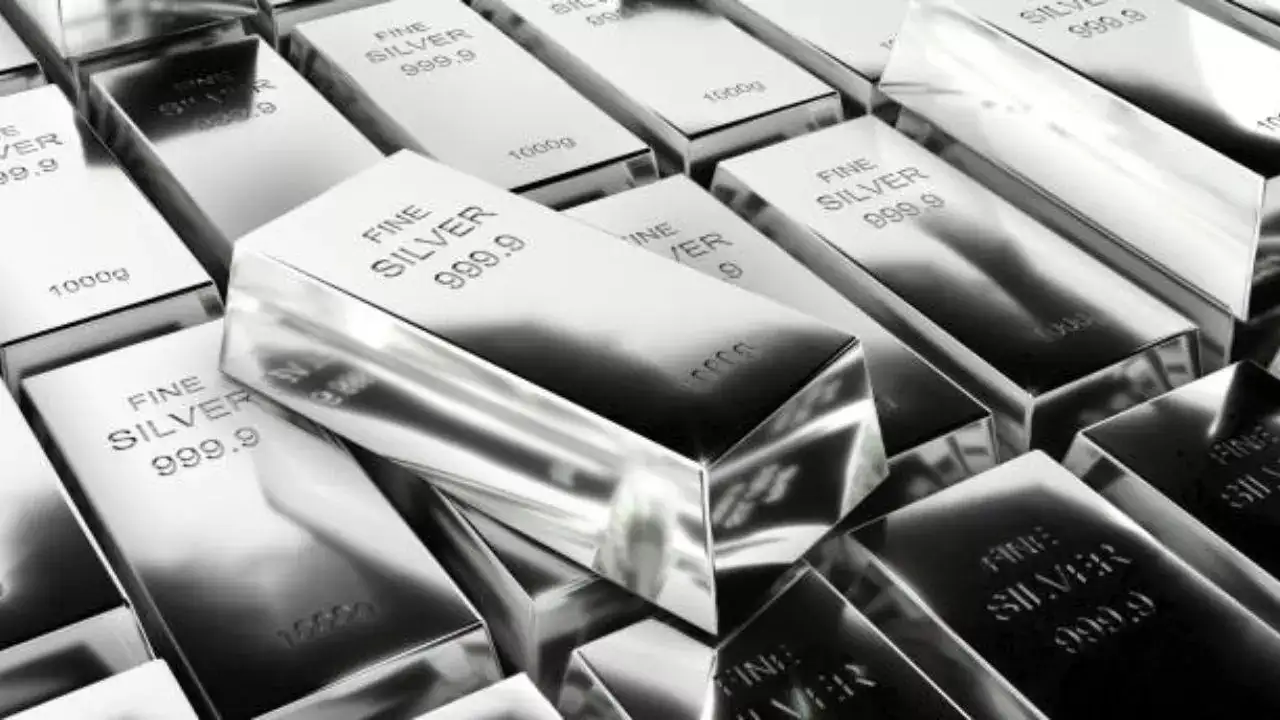
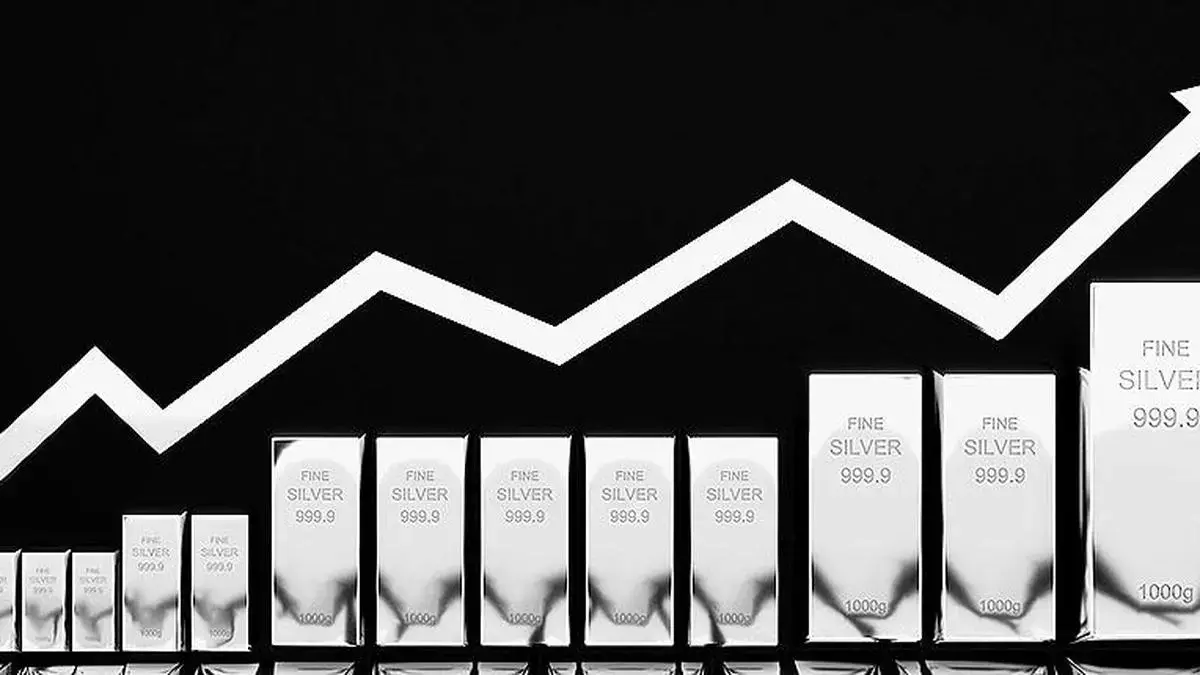
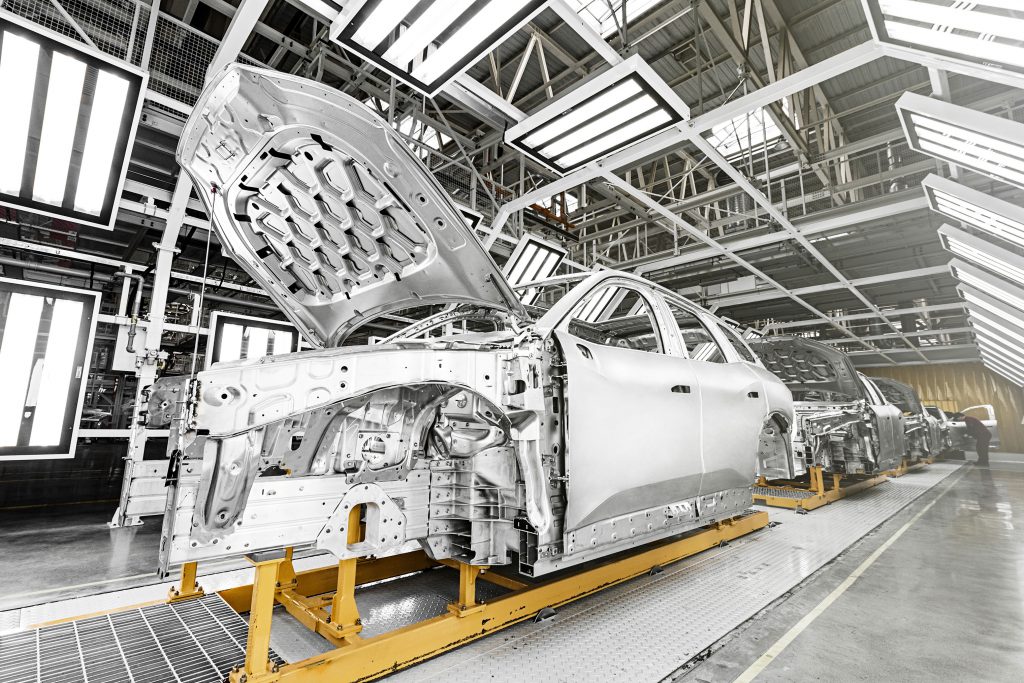
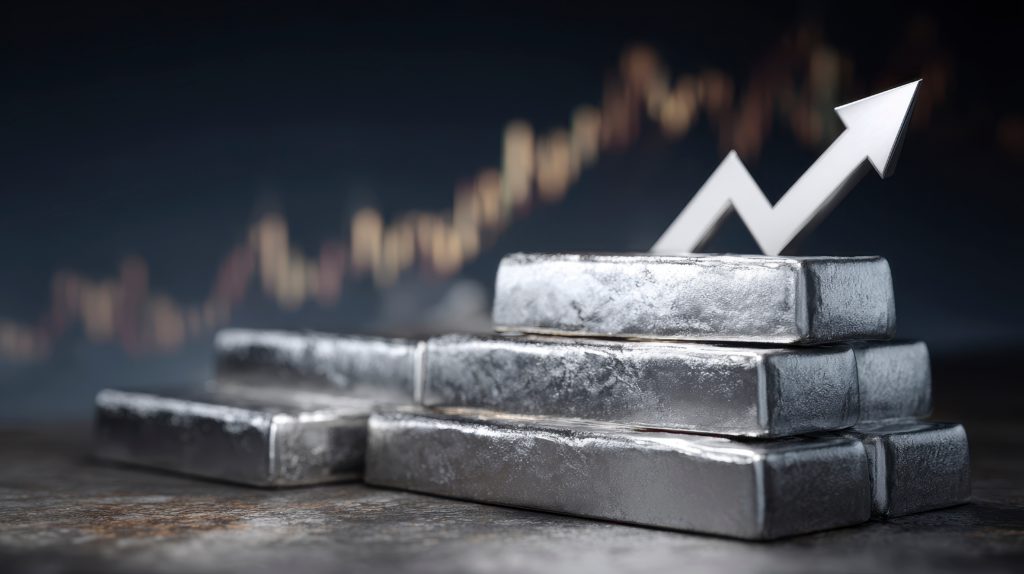
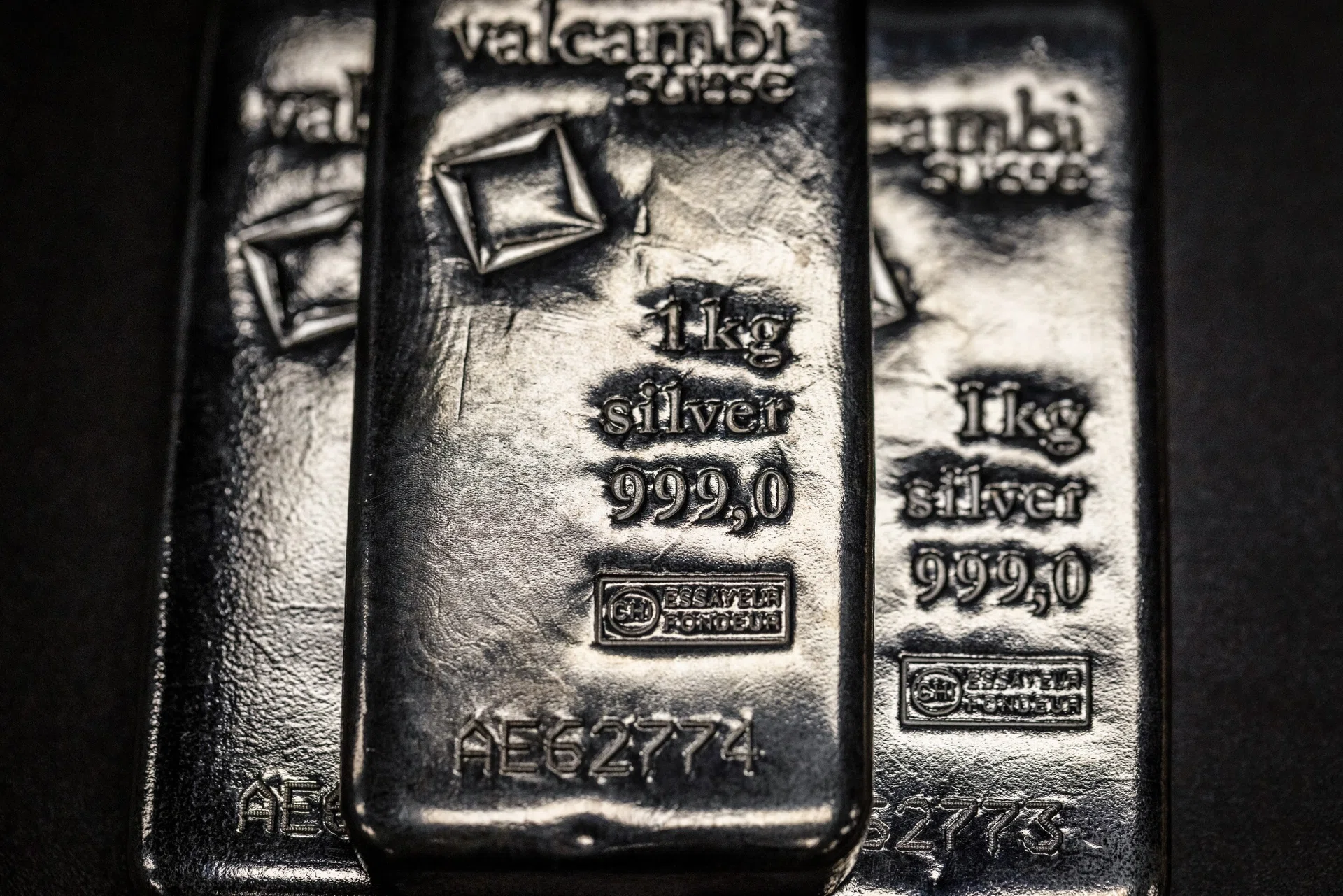
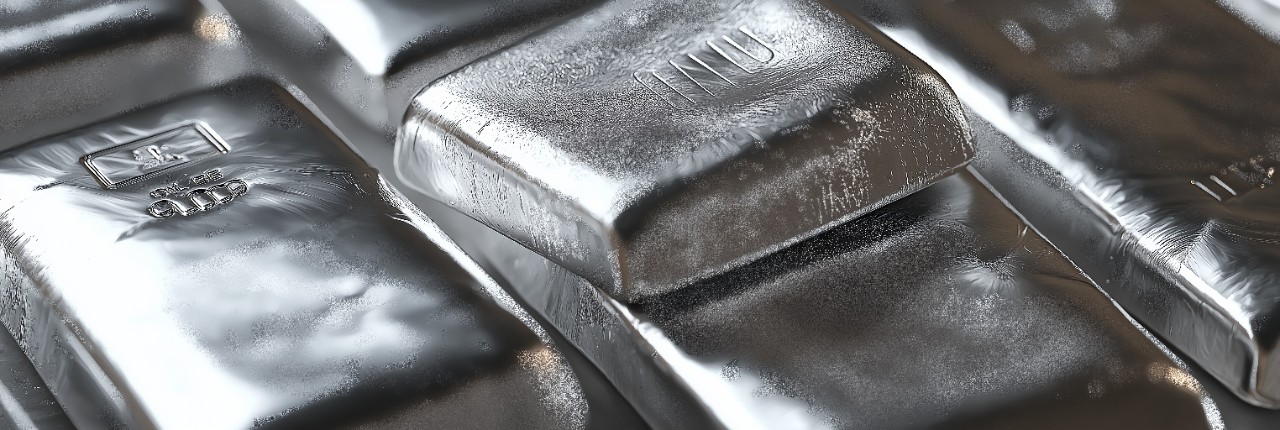
Silver has also benefited from high demand for industrial and manufacturing needs and relative scarcity. Over the past year, silver prices shot up nearly 160 percent versus gold’s roughly 75 percent rise, but the liftoff in gold prices began more than two years ago while silver didn’t catch fire until mid-2025.
From local jewelry stores to national outfits to pawn shops, there are many places to sell gold and silver, and some are better than others. Choosing the best time to sell is more uncertain now, with large changes in prices from day to day.

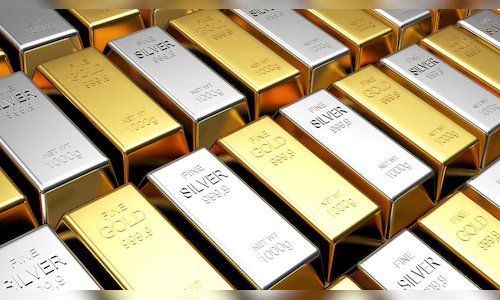
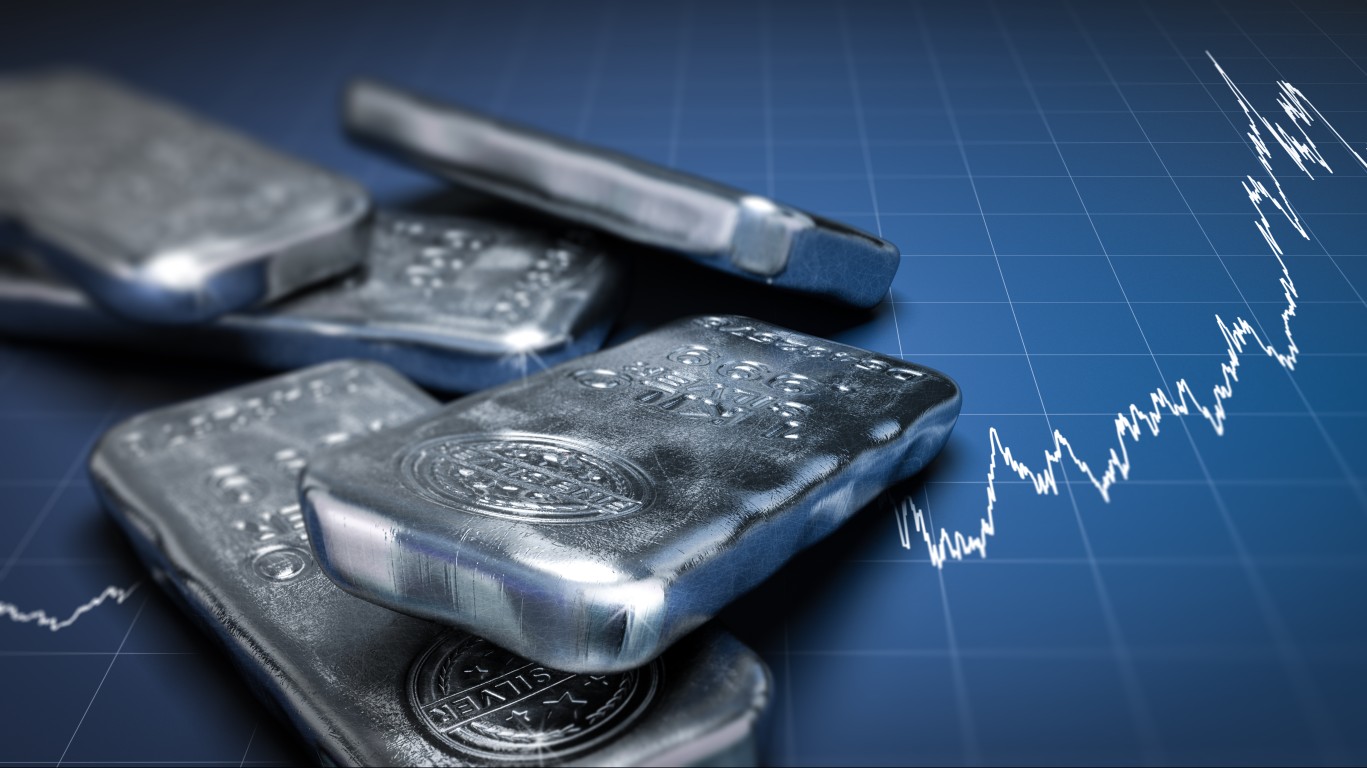
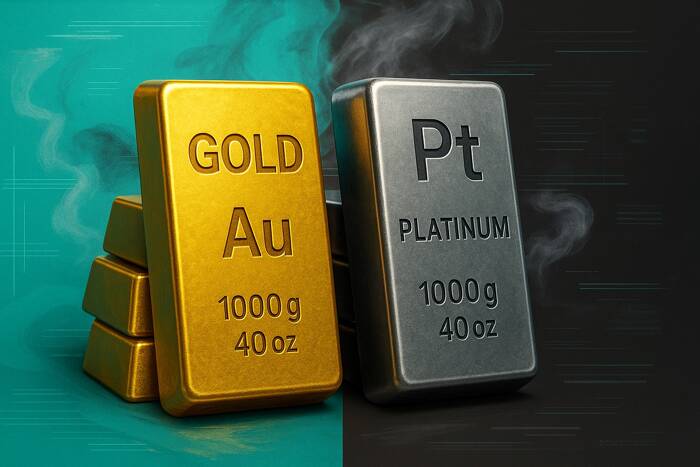
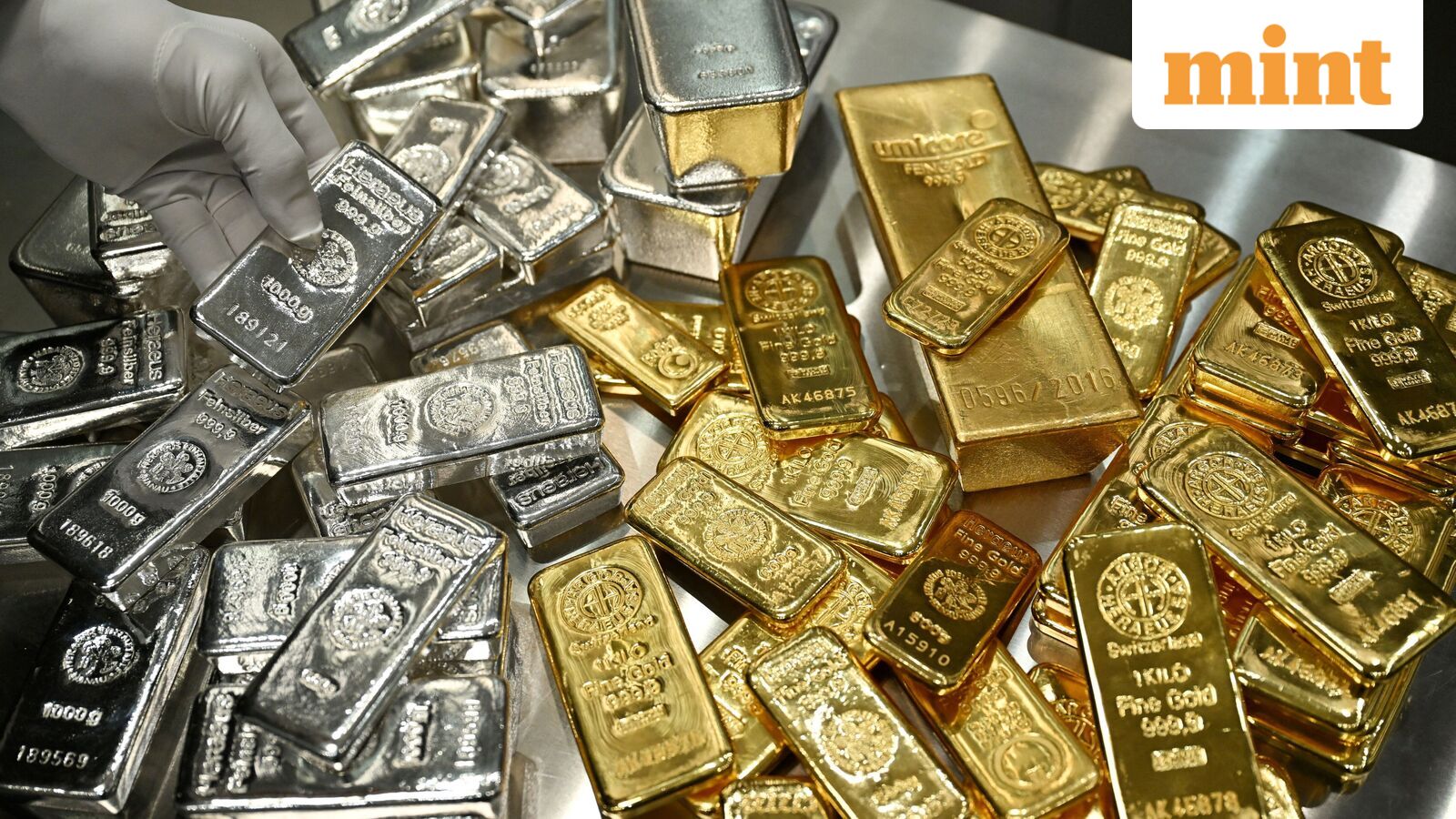
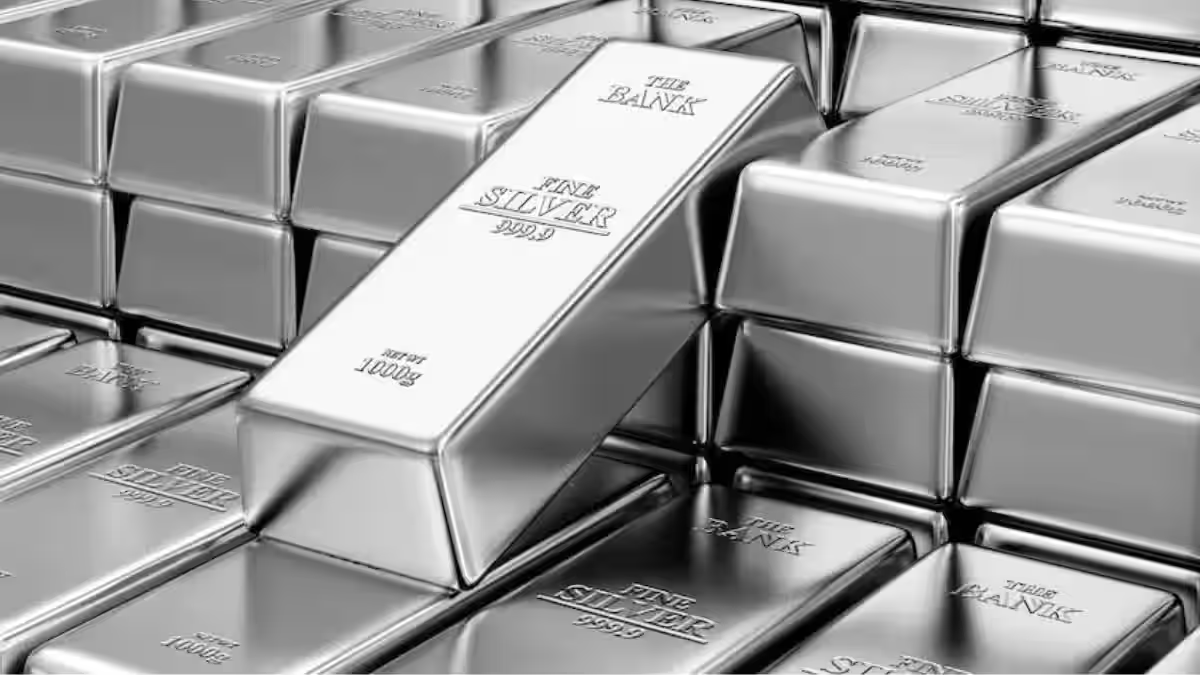
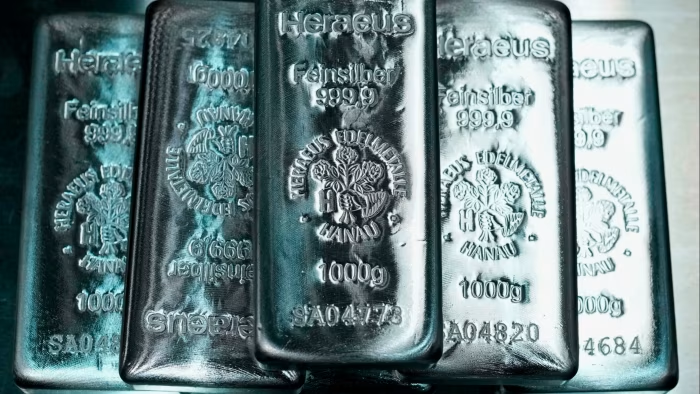
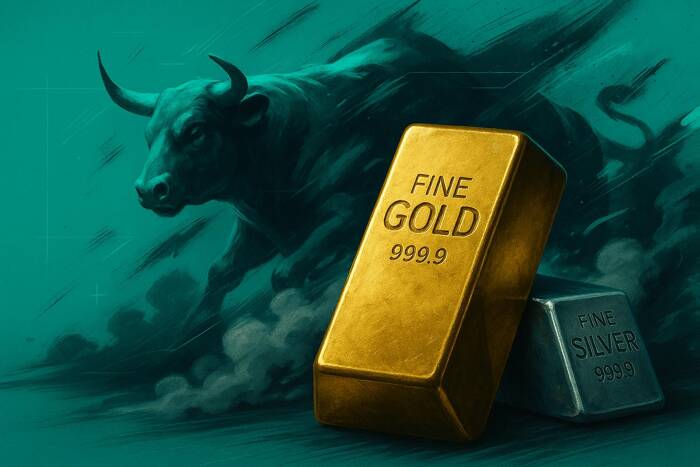
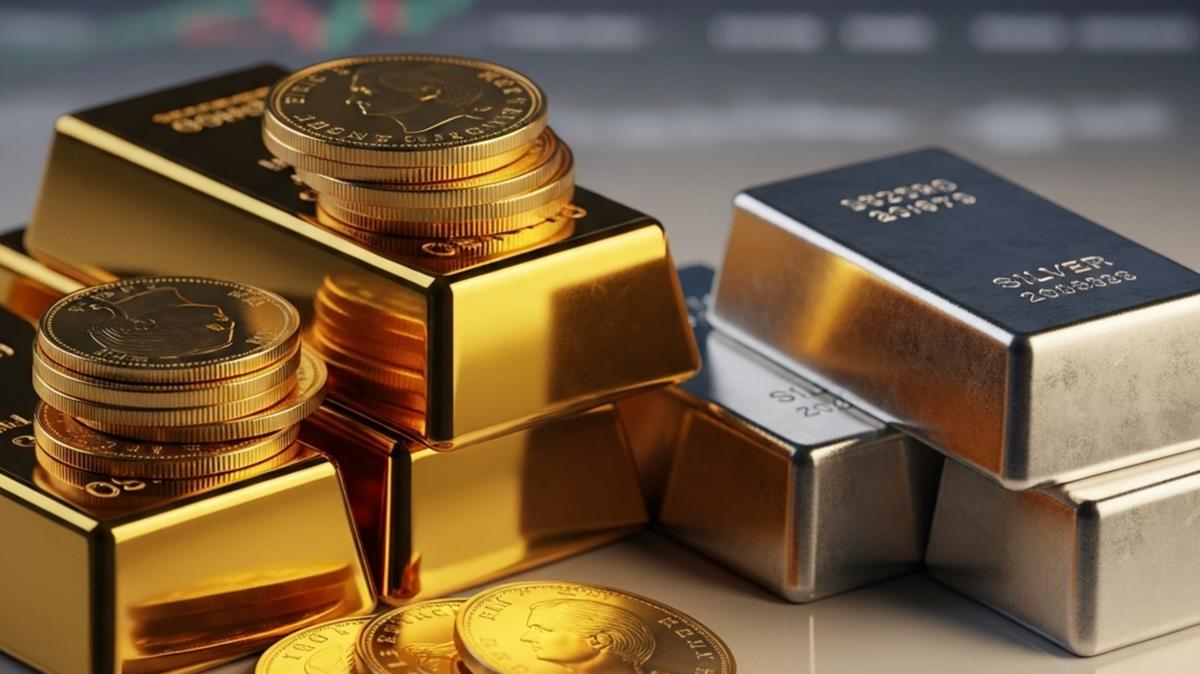
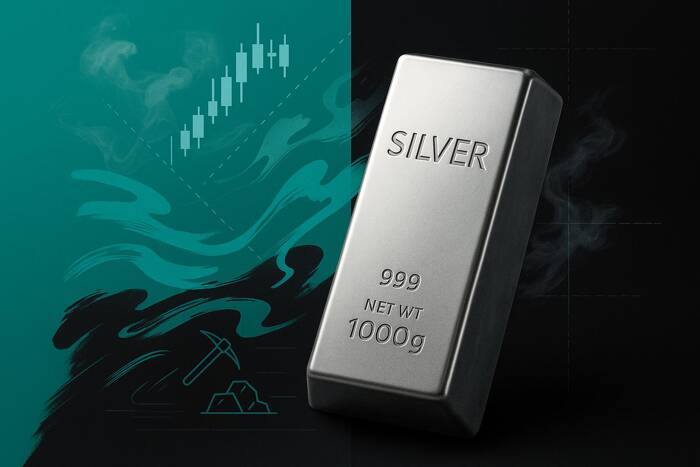
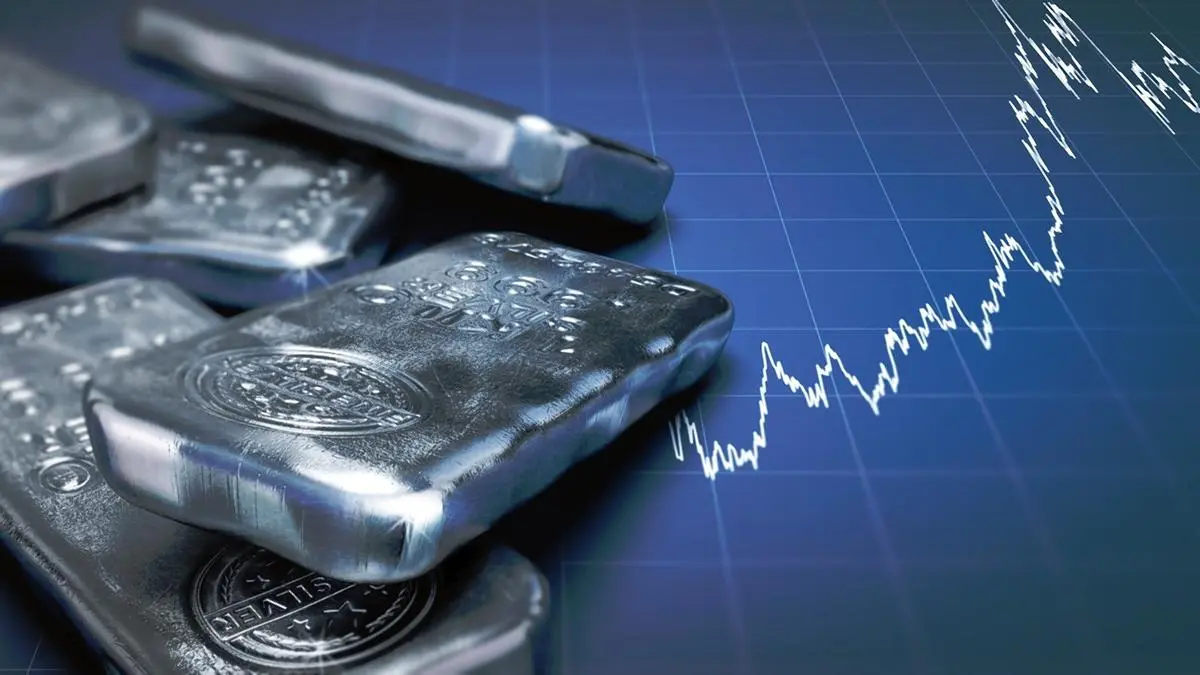
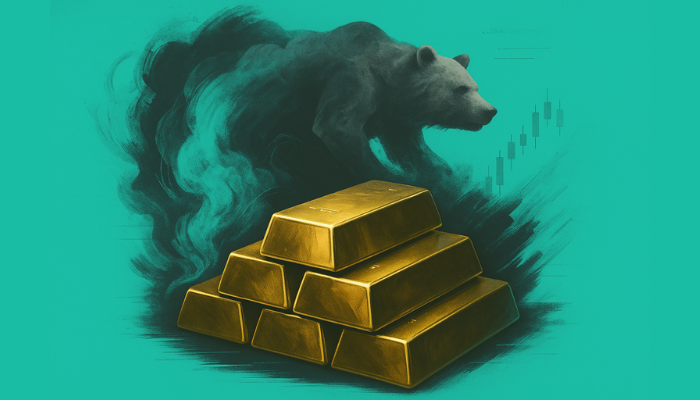
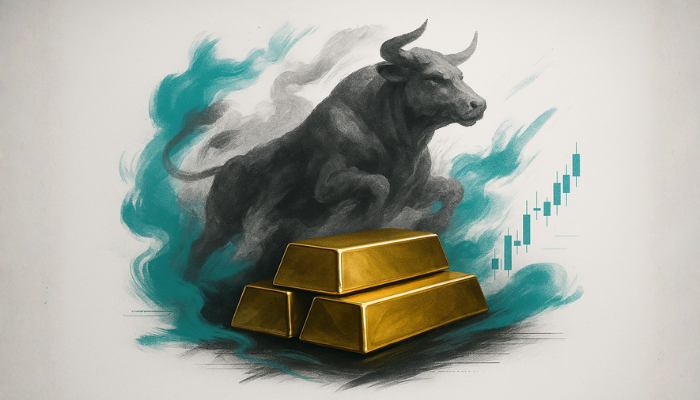
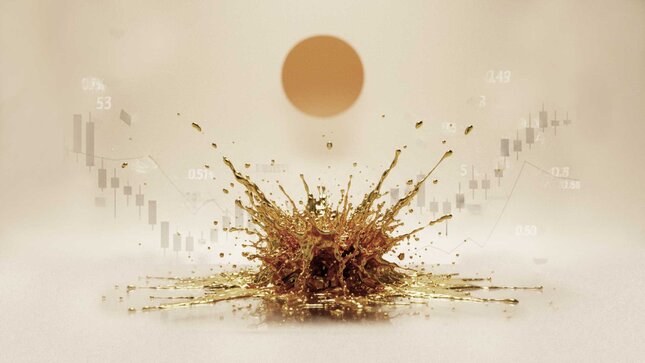
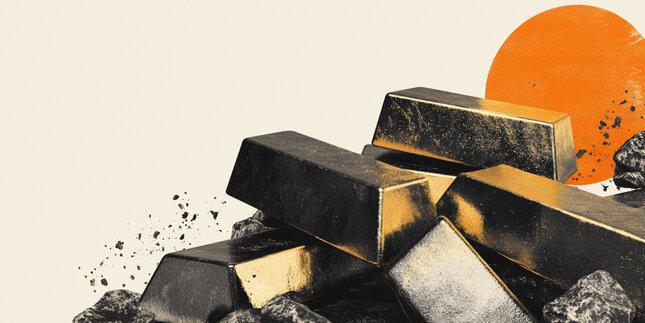
Investors are rushing into gold and silver, driving precious metal prices to all-time highs in 2026.
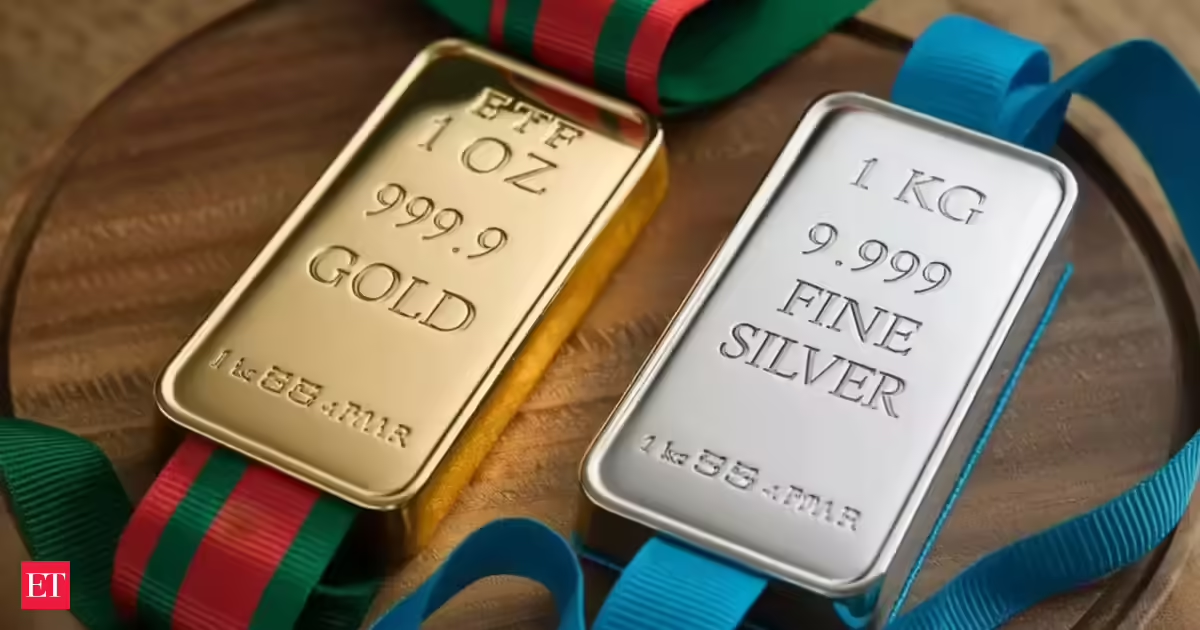
As of Feb. 12, a troy ounce of silver was worth about $75. Just the day before, it was as high as $86.
One immediate result of the whipsaw in prices is that the spread — the difference between the spot price and what a buyer will pay — quickly became larger, particularly for silver.
Some key things to know about selling gold and silver:
-
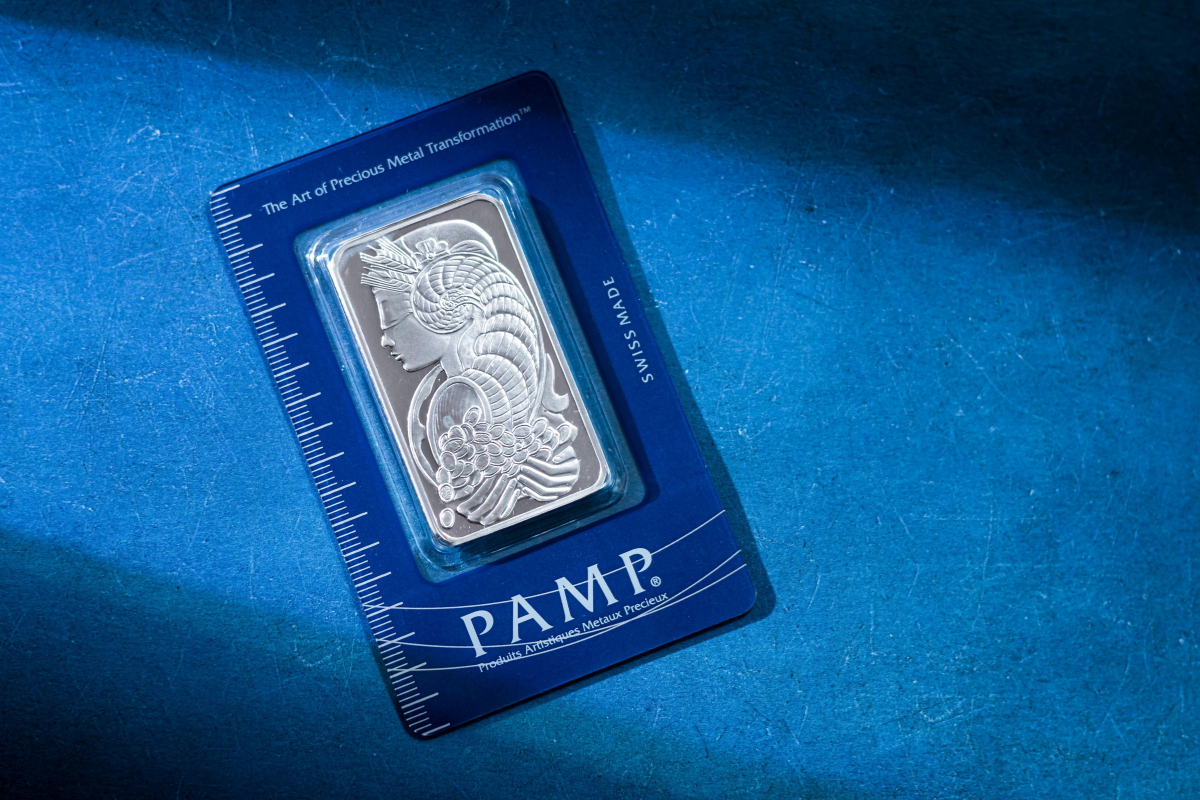
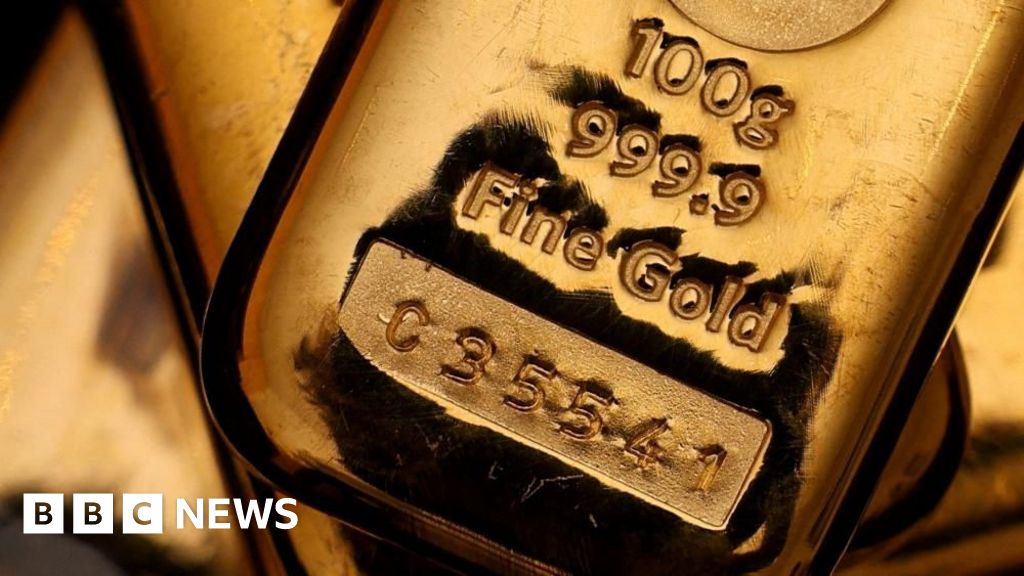
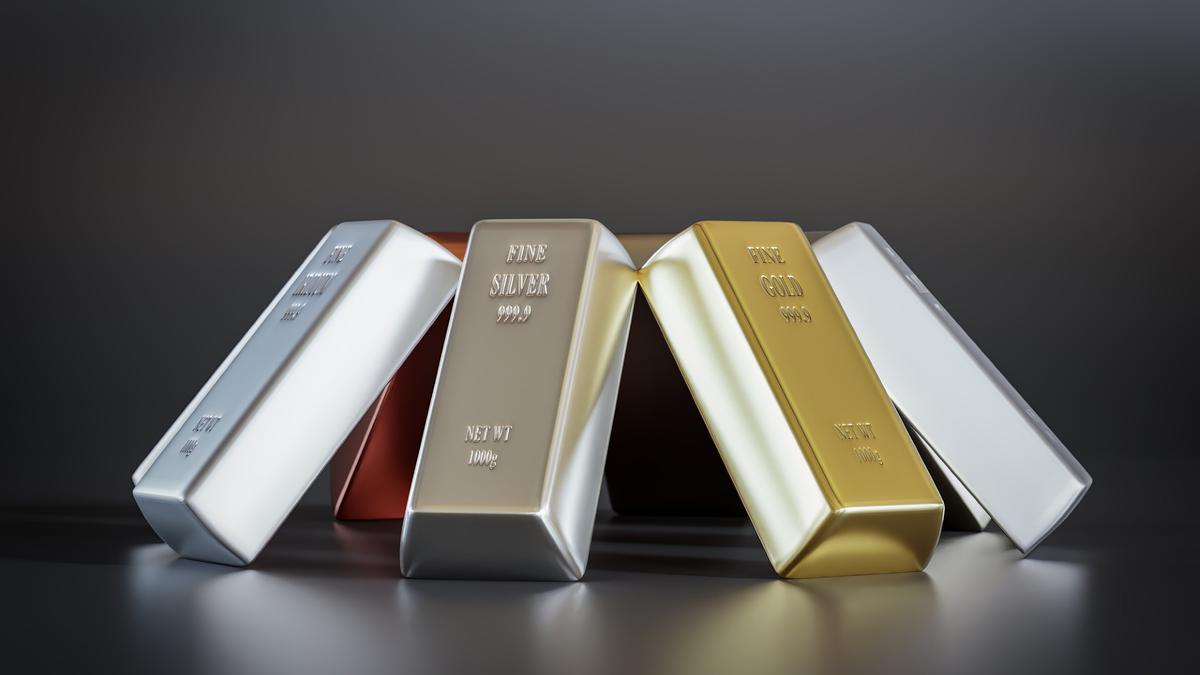
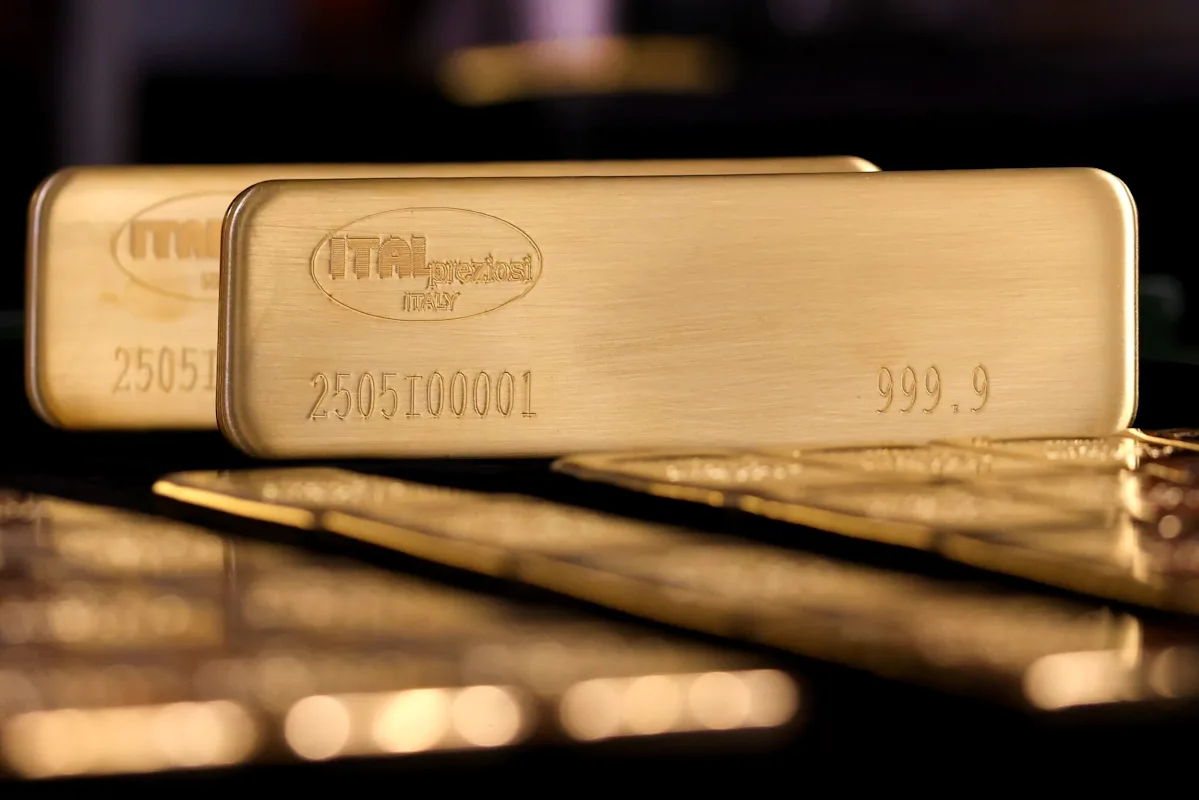
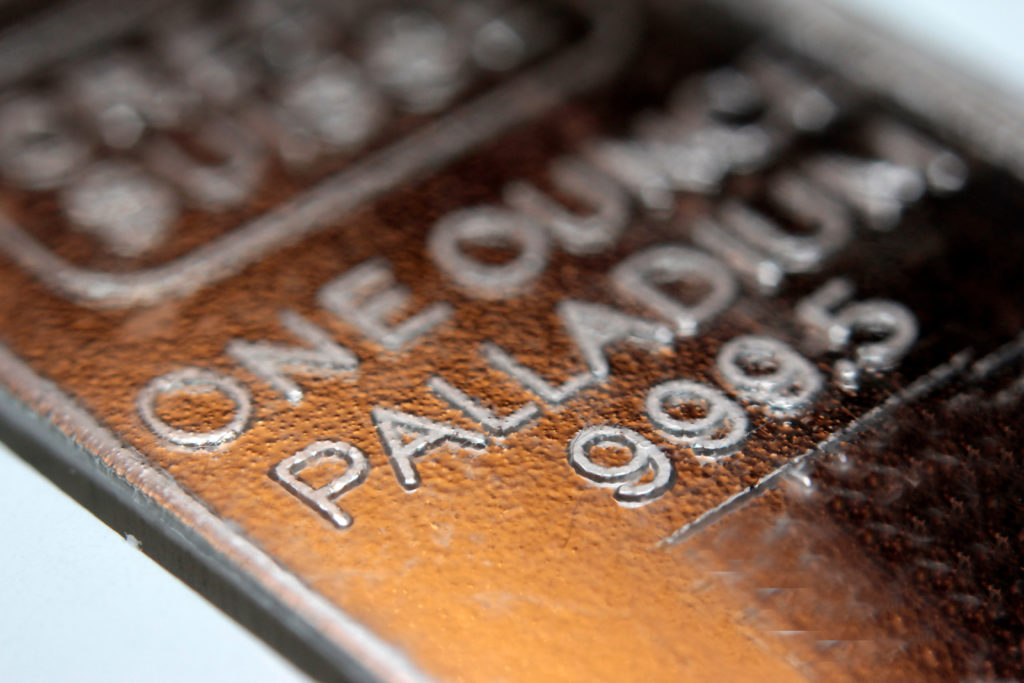
First, know what you have. Prices are based on pure gold and silver, which are usually not used in jewelry and currency because they are relatively soft metals. So if you have sterling silver (92.5 percent silver) or pre-1965 U.S. coins (mostly 90 percent silver), you would get a percentage of the price a buyer is offering per ounce. Likewise with gold. A piece of 18-karat gold jewelry is 75 percent gold, because 24-karat gold is 100 percent gold.
-
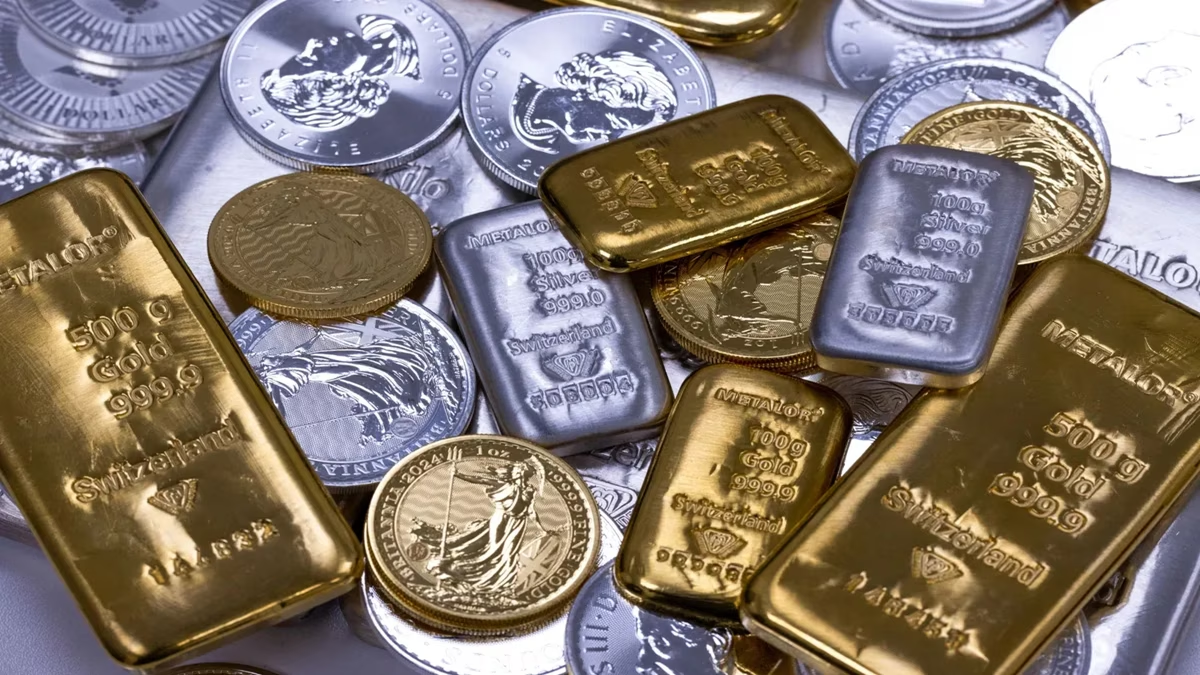
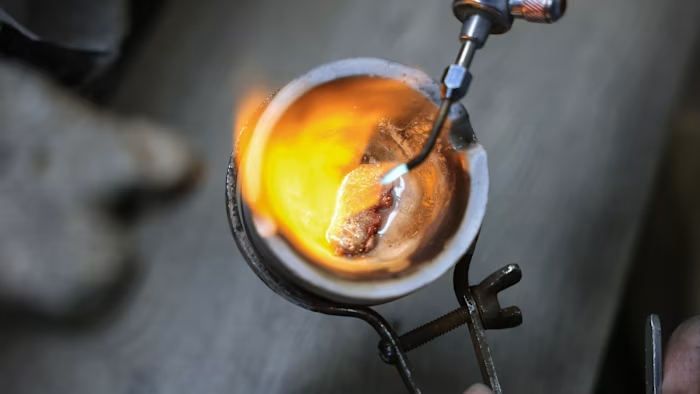
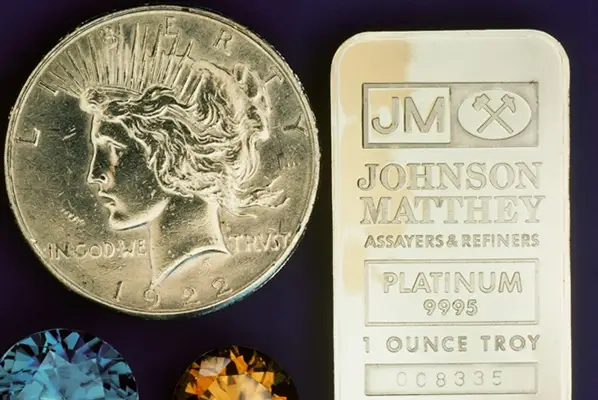
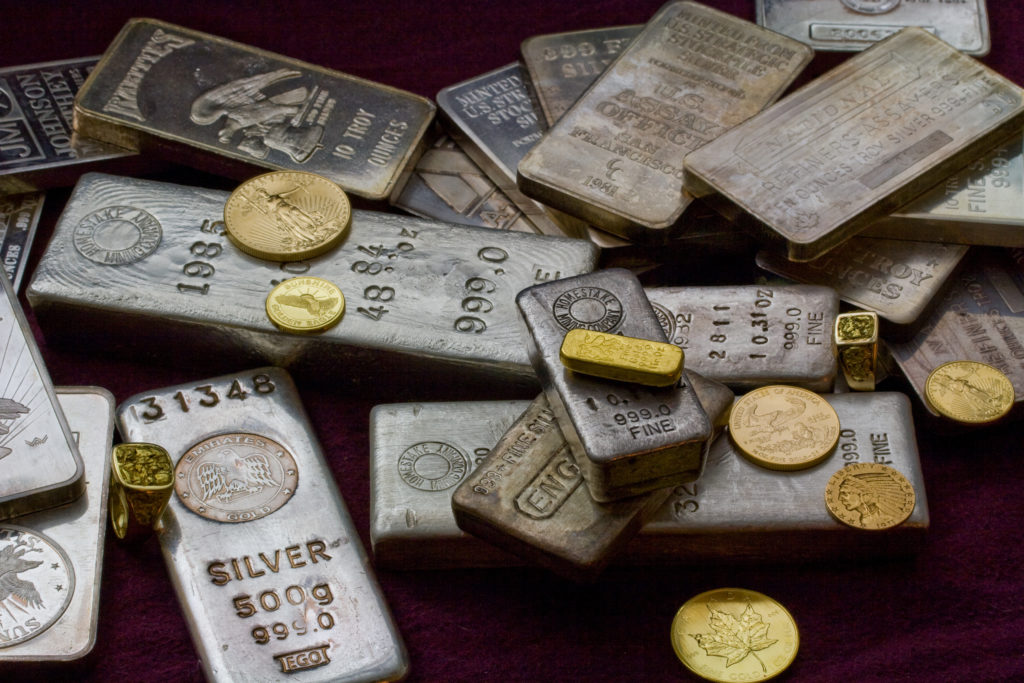
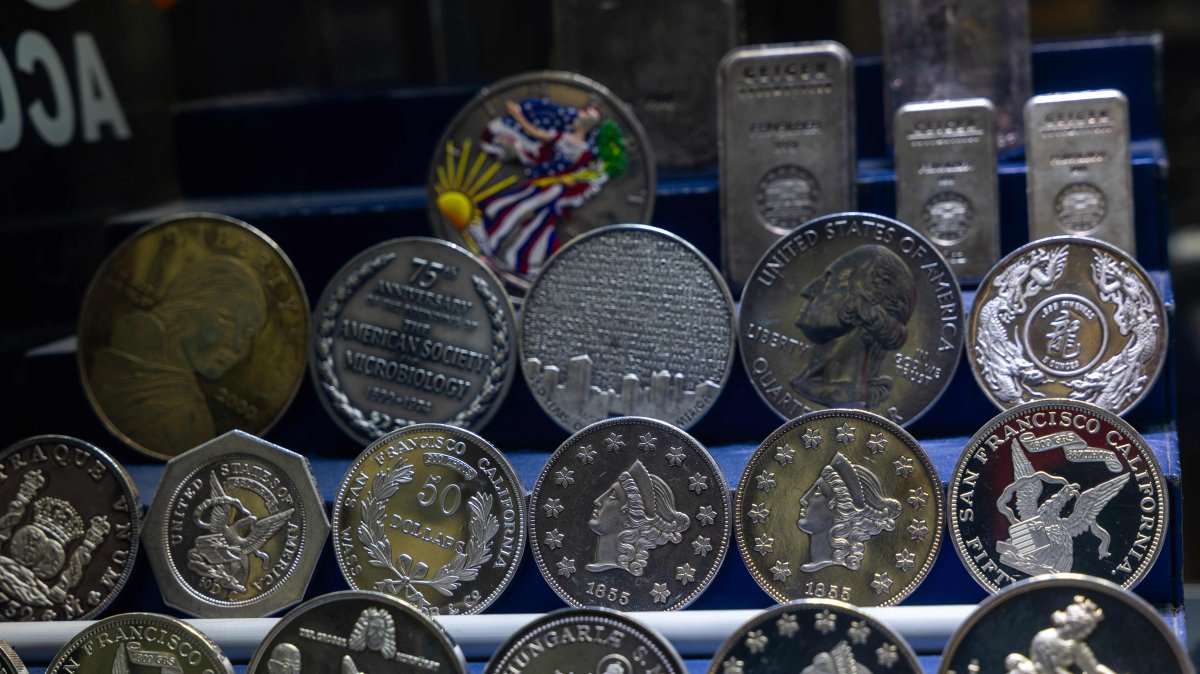
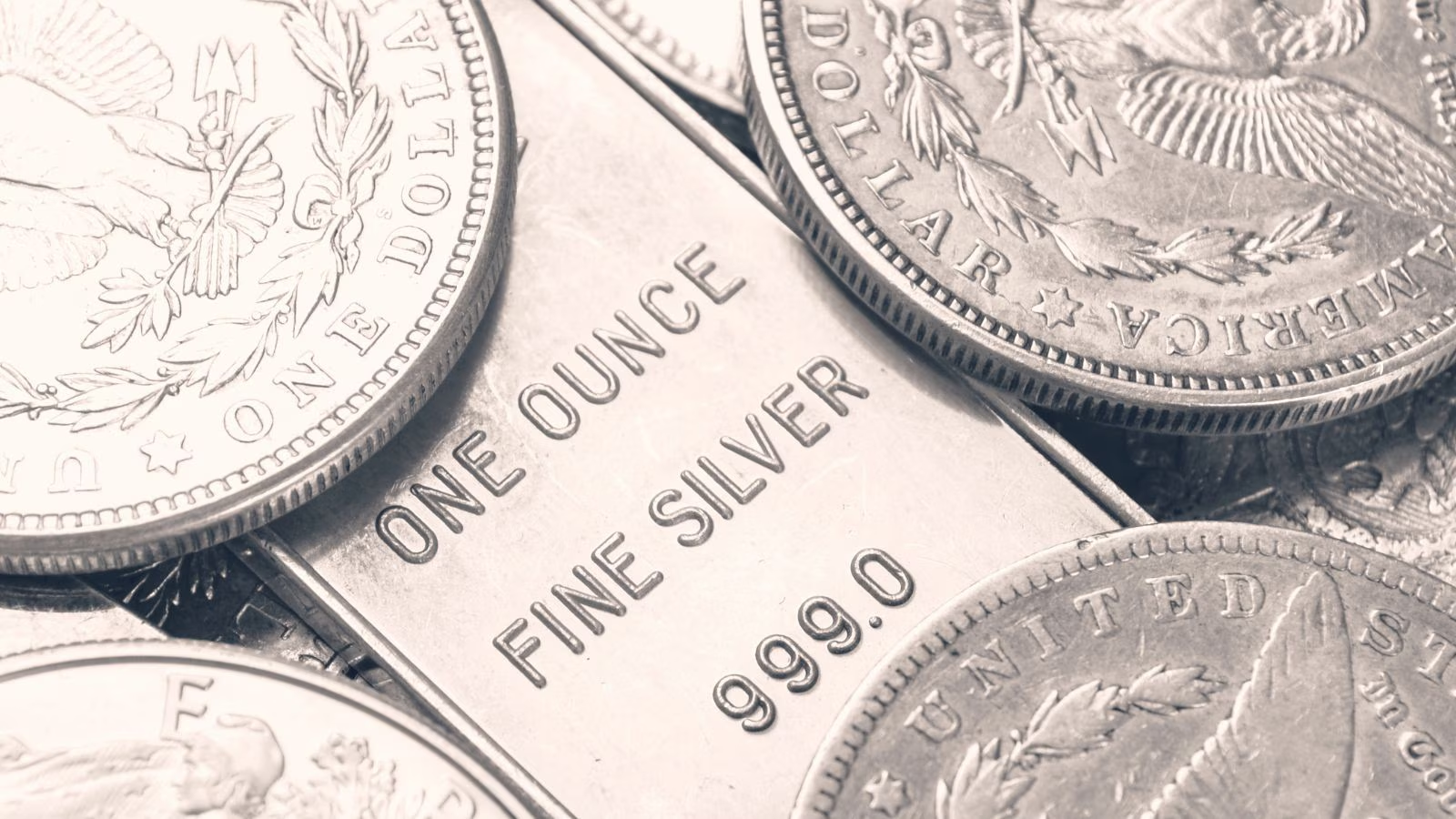
Items such as rare coins and estate jewelry might be worth more to collectors, but in most case gold and silver jewelry, coins and silverware are sold for the “melt” value because that will be their fate.
-
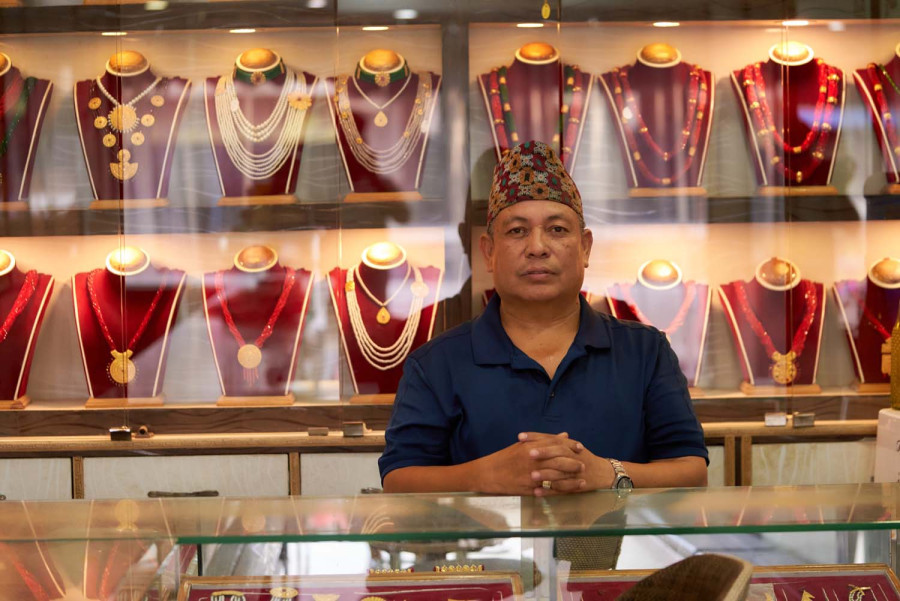
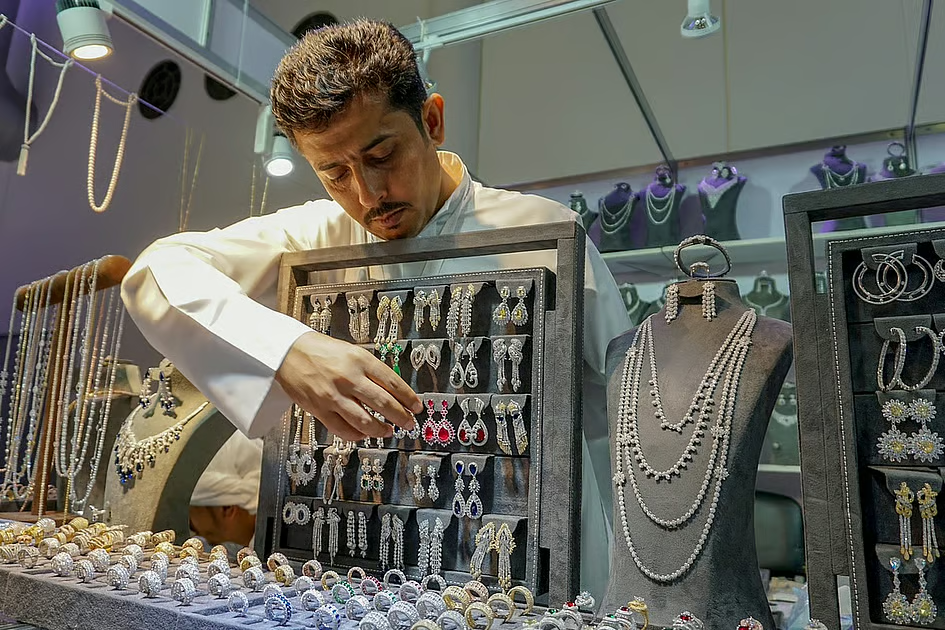
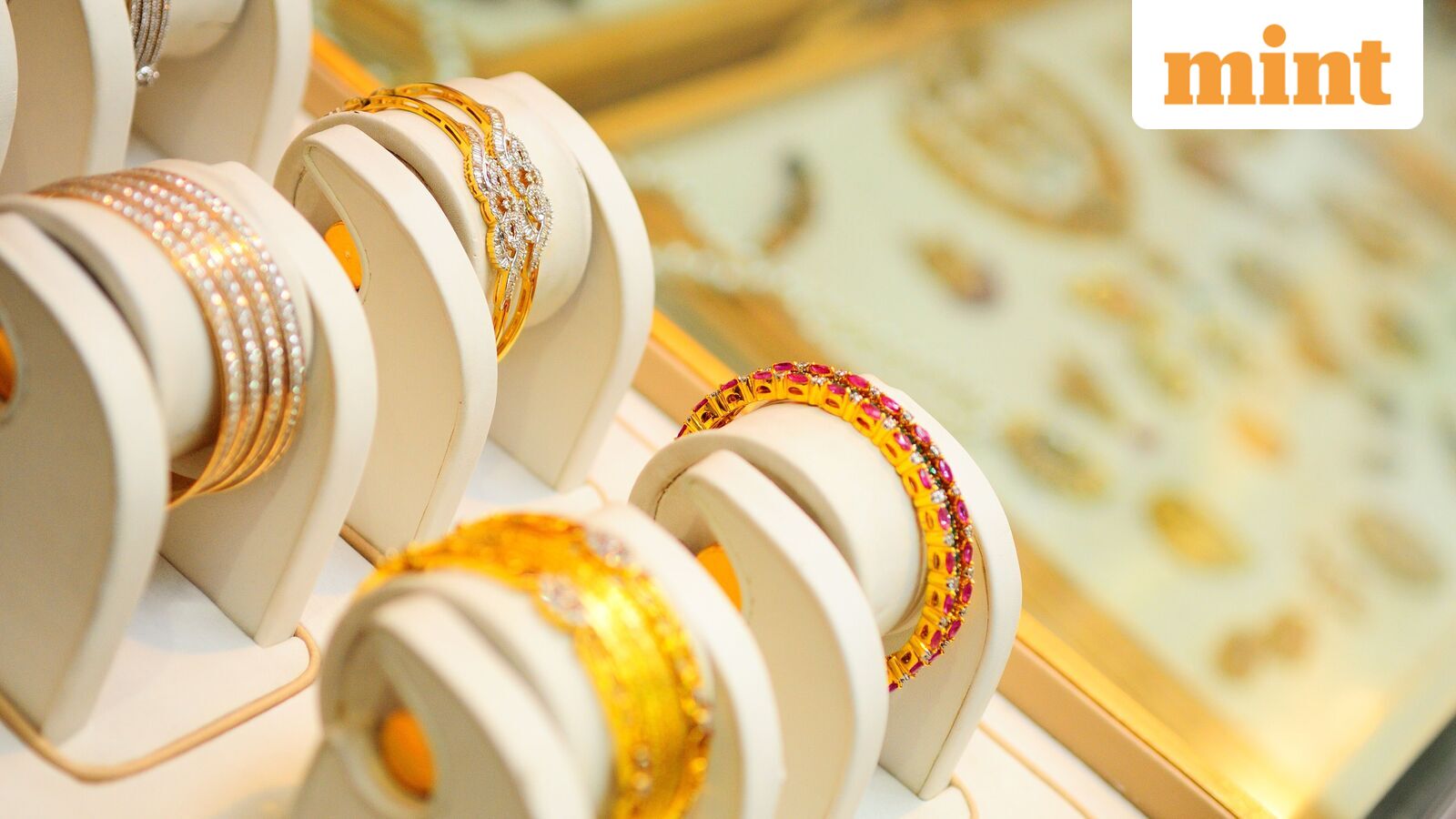
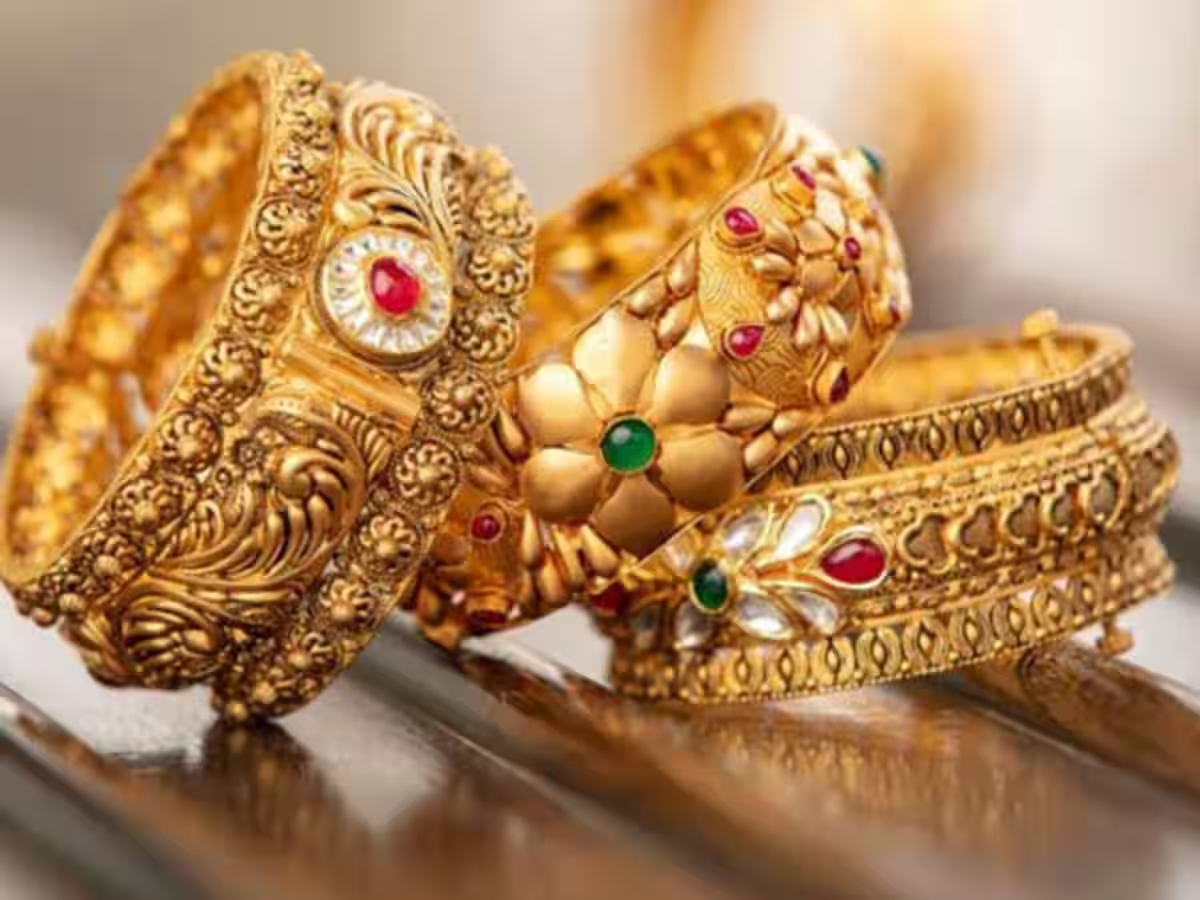
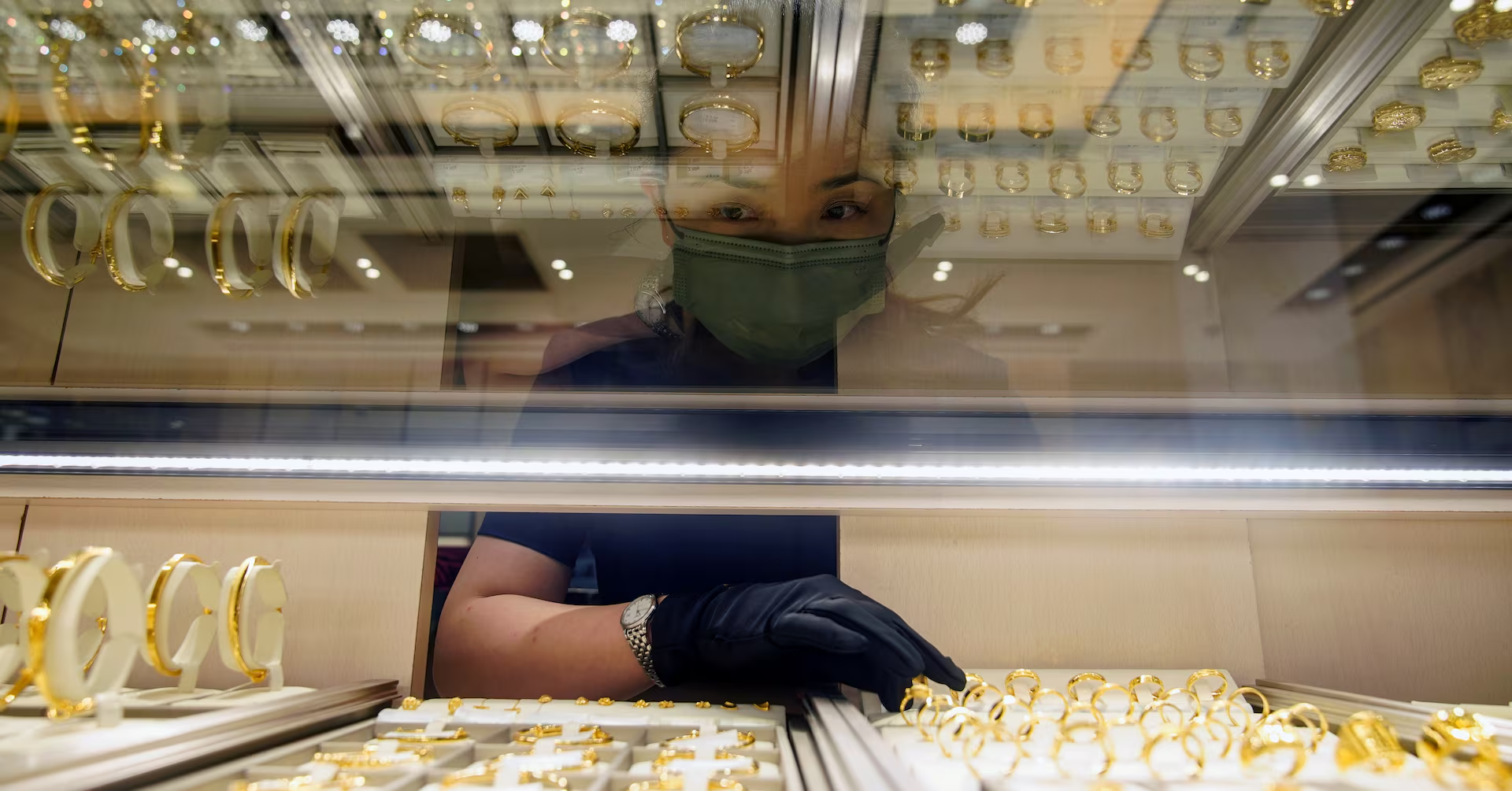
Some local jewelry stores will buy your metals for cash or store credit. Consider getting quotes from two or three. Pawn shops and pop-up “we buy gold” businesses also buy gold and often silver, but it would be unusual to find the best value there.
-
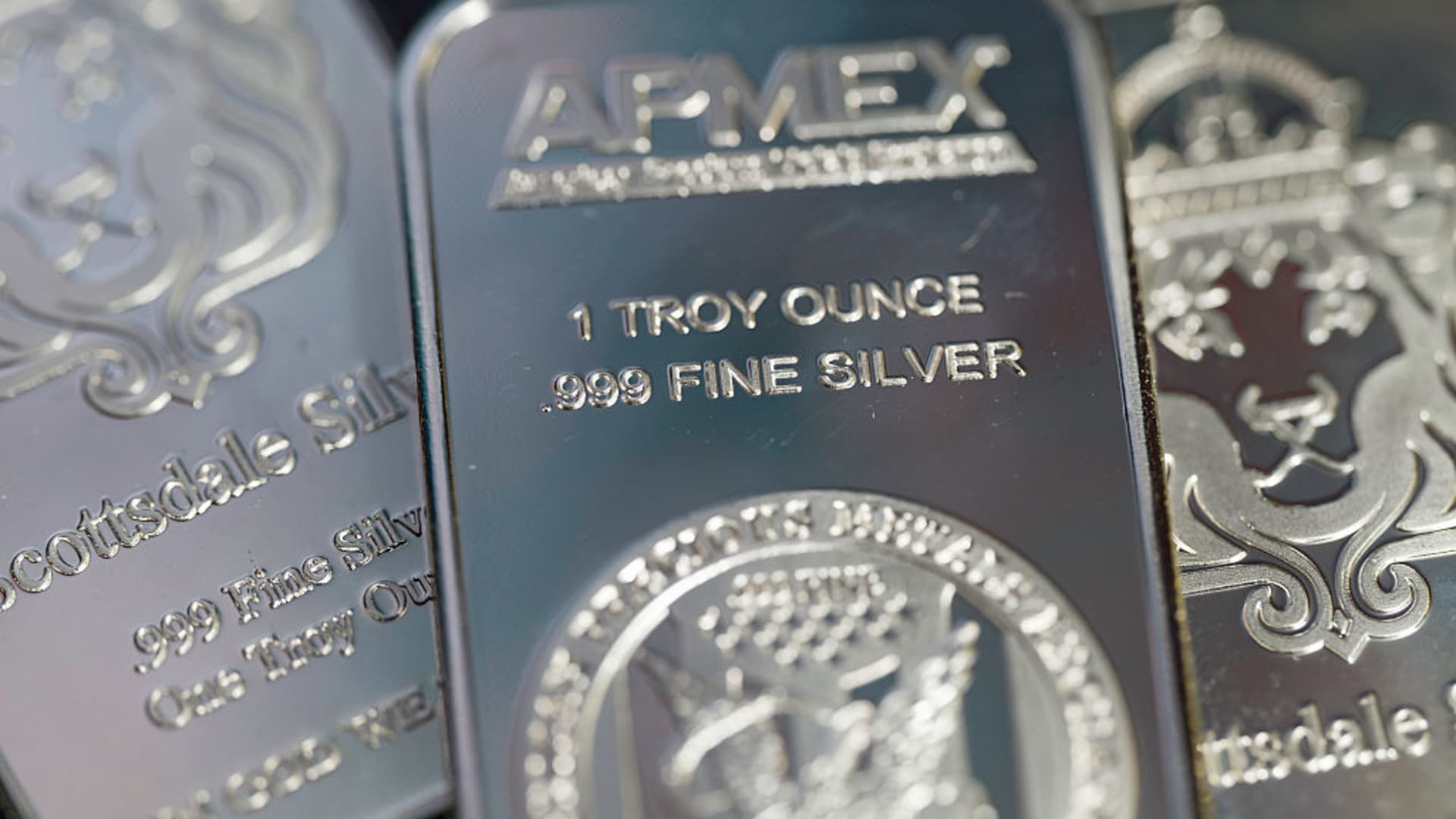
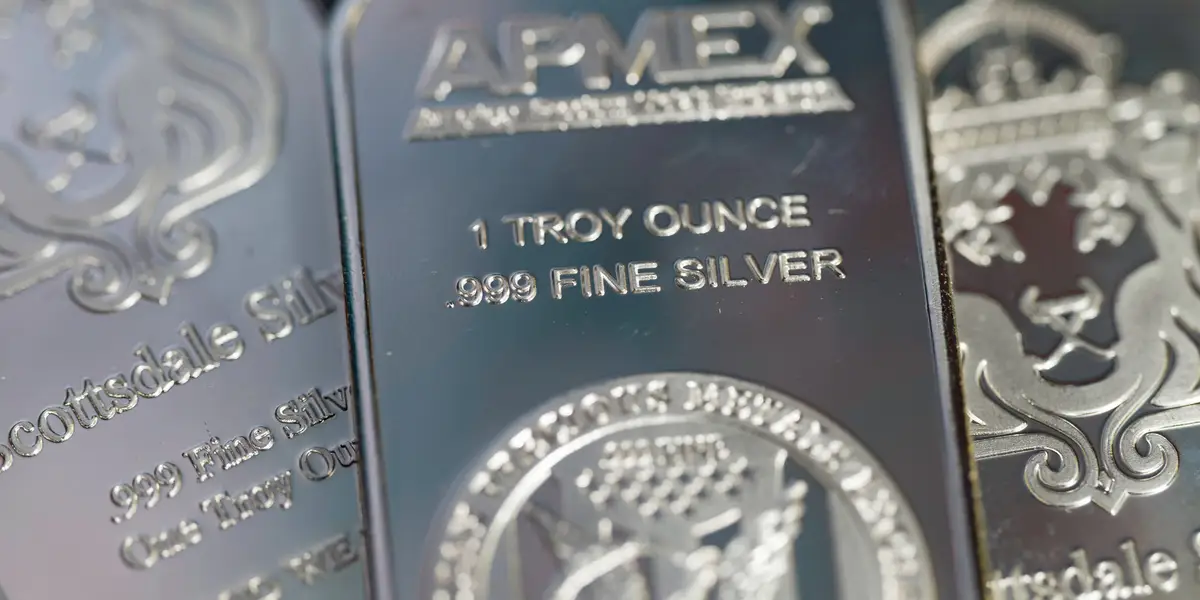
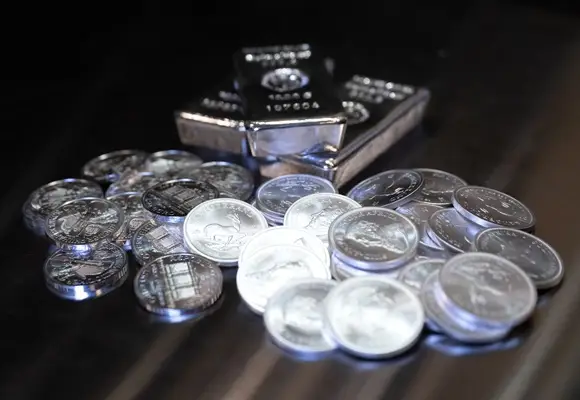
Reputable national sellers such as JM Bullion and APMEX operate on volume and low overhead, and may offer the best prices. The trade-off is having to mail the goods off in insured packages and wait for payment. With some items, you won’t know what the business will pay until they have them in hand for evaluation, and prices are changing daily.
Don’t be surprised by the eventual tax bill. Precious metals and coins are taxed as collectibles (unless they’ve been owned less than one year) at a 28 percent federal capital gains rate. If you can document what the items were worth when you acquired them, you would be taxed on the difference between the acquisition price and the proceeds.
The sweet spot here for consumers is an opportunity to sell things that are no longer useful — broken jewelry, damaged silverware, old coins that aren’t of interest to collectors — for good prices.