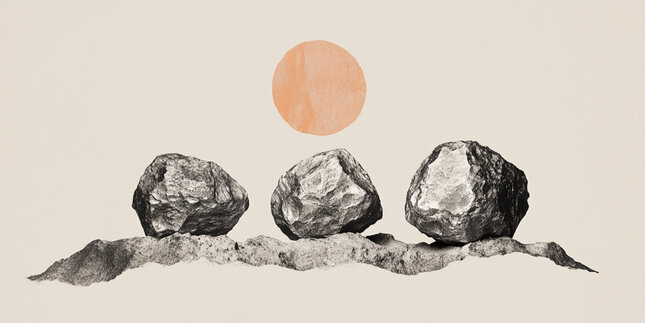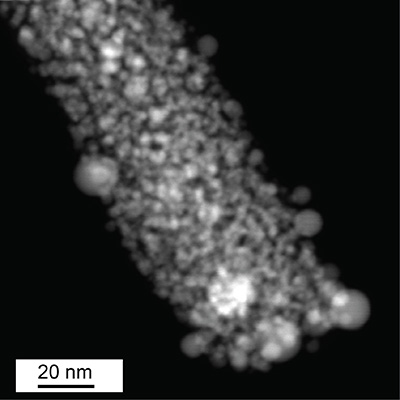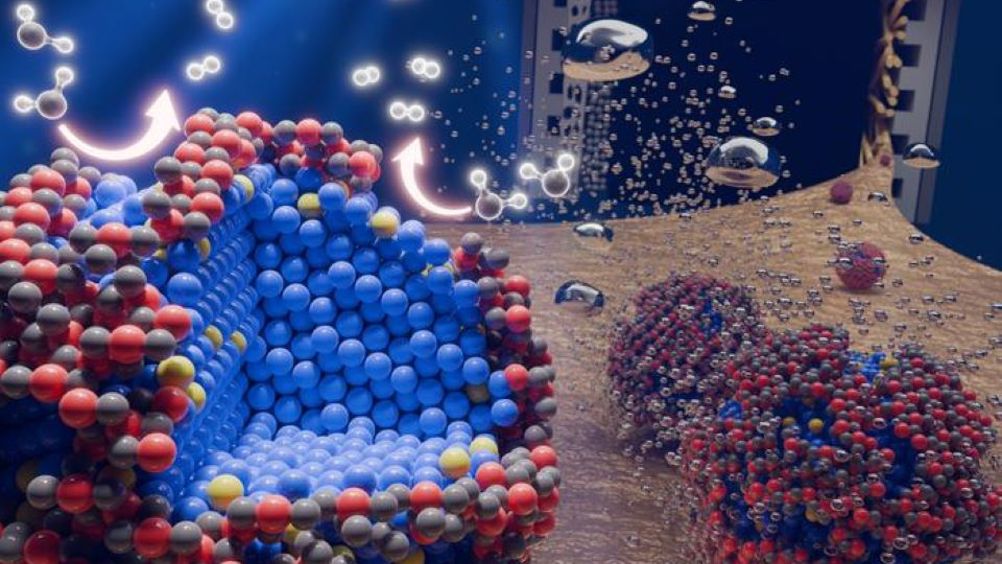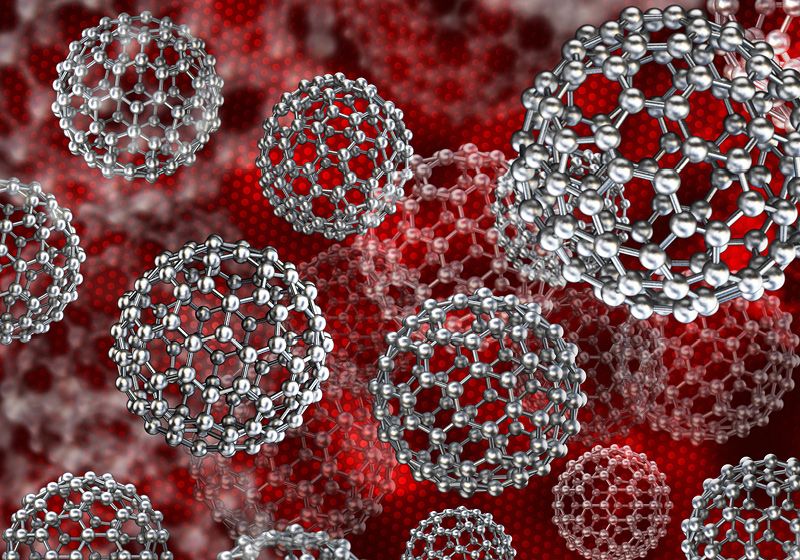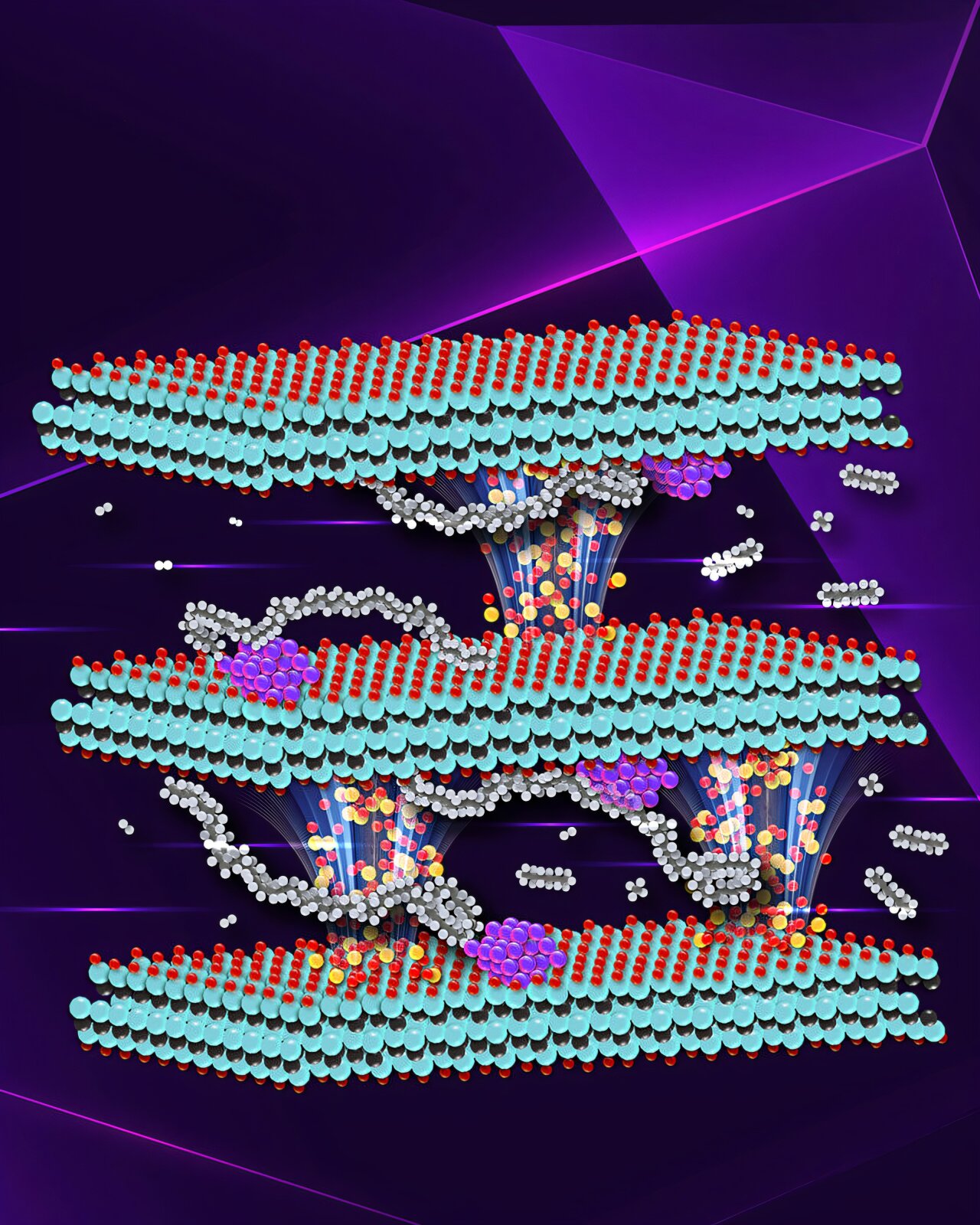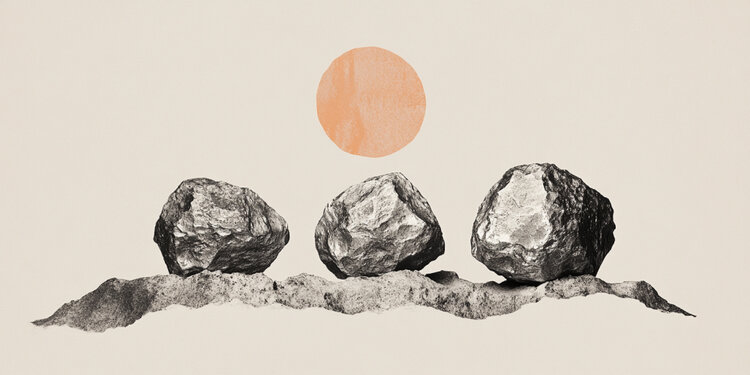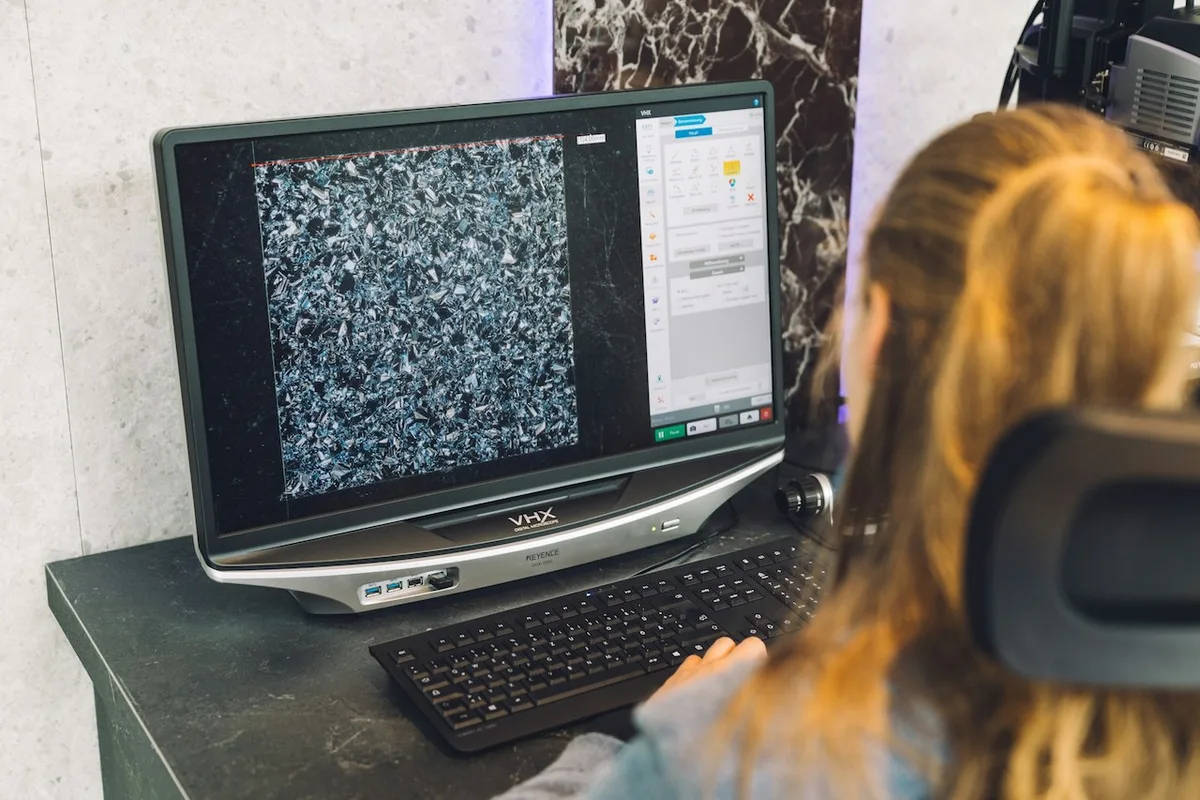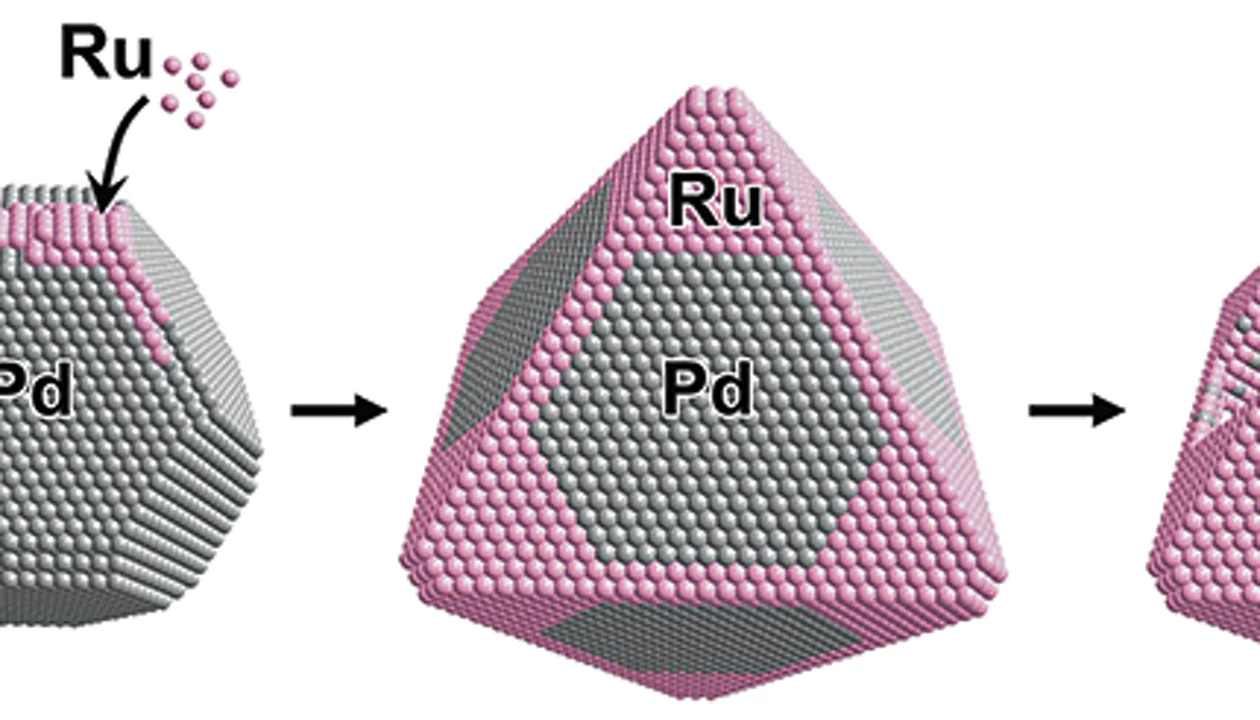
Deposition of ruthenium (pink) on a palladium nanocrystal seed (gray) followed by etching yields hollow ruthenium nanoframes. Credit:
Nano Lett.

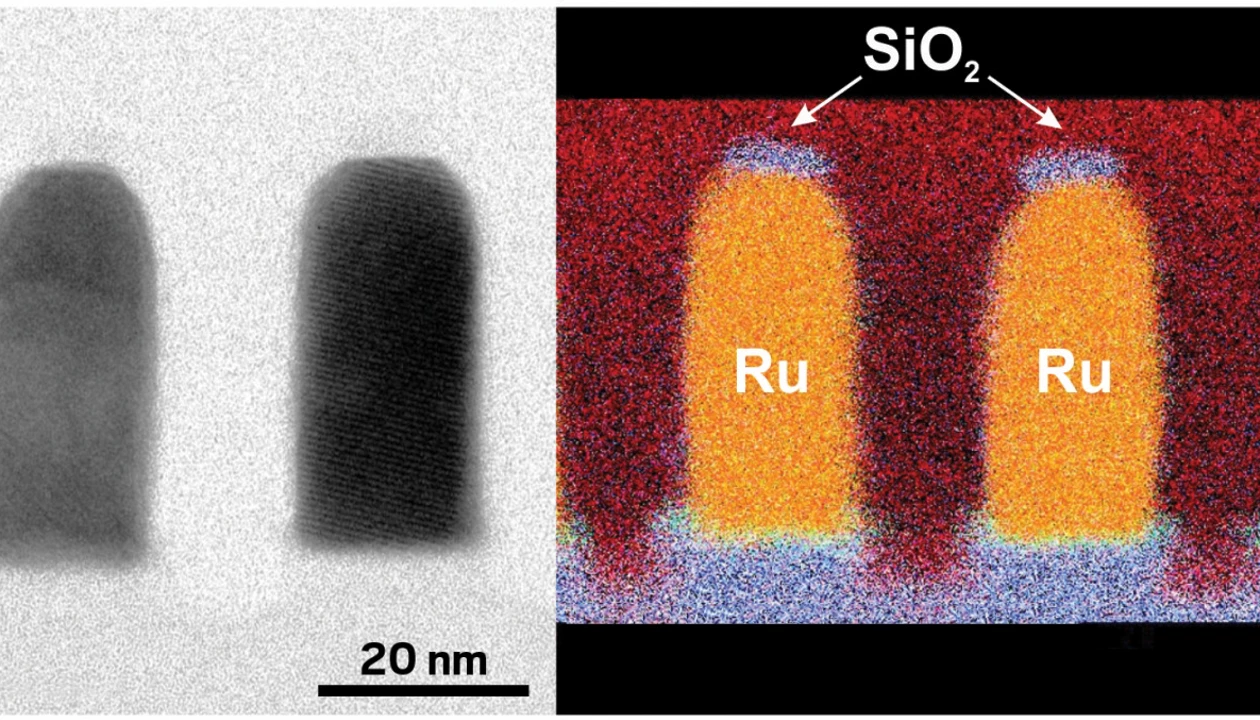
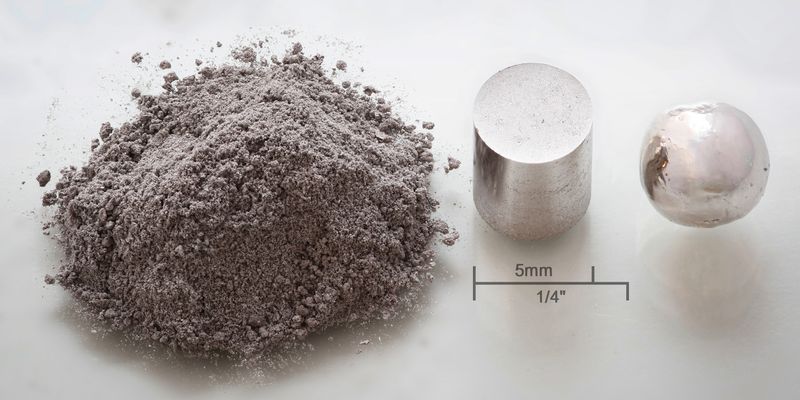
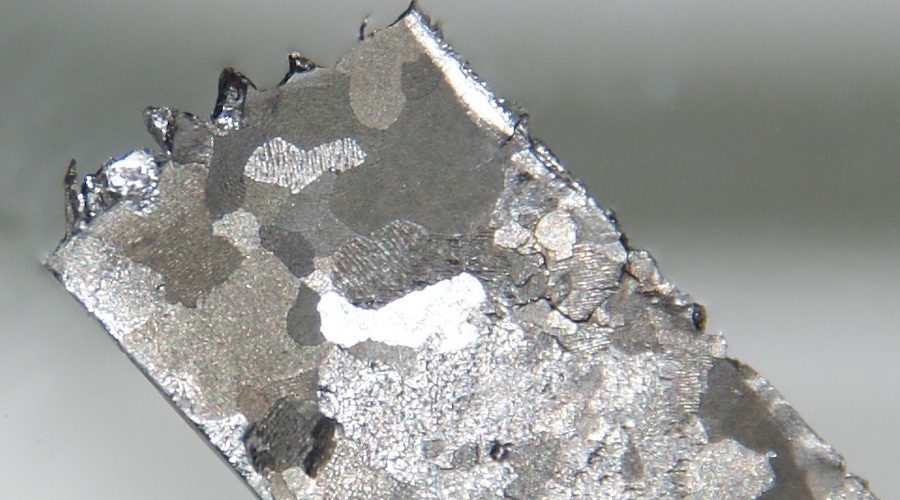
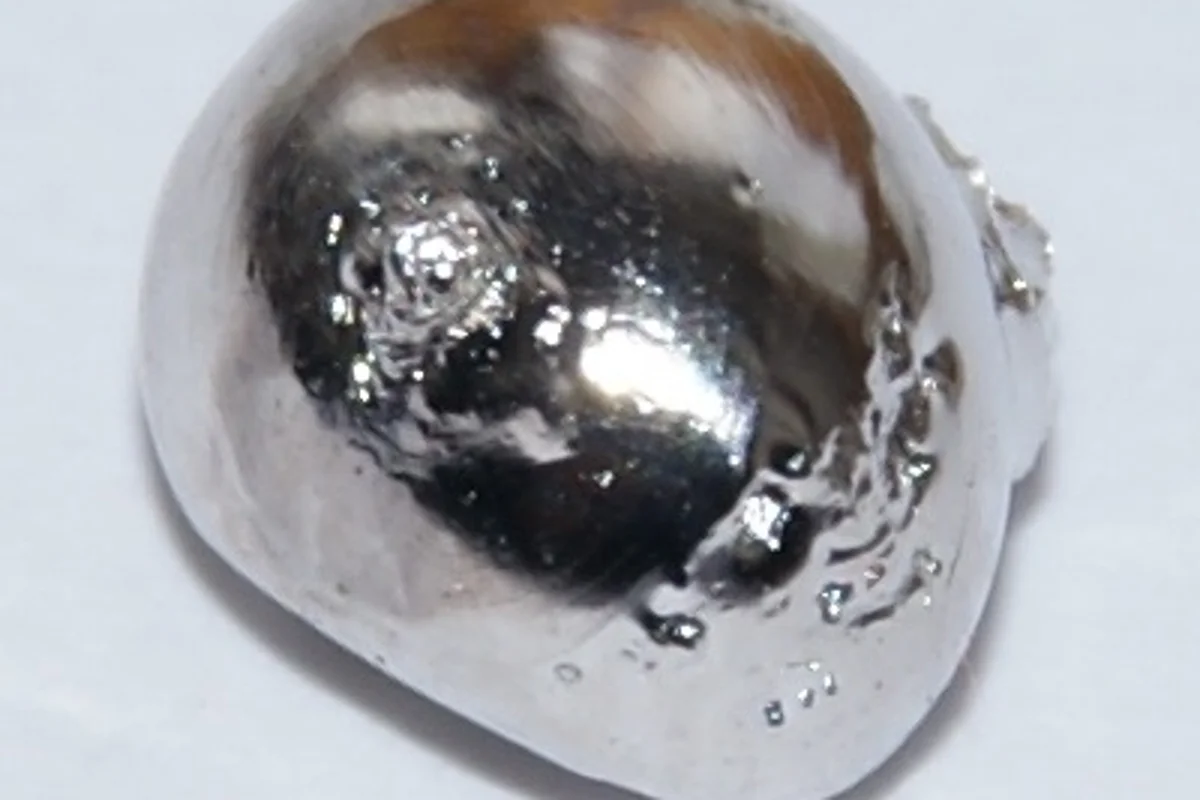
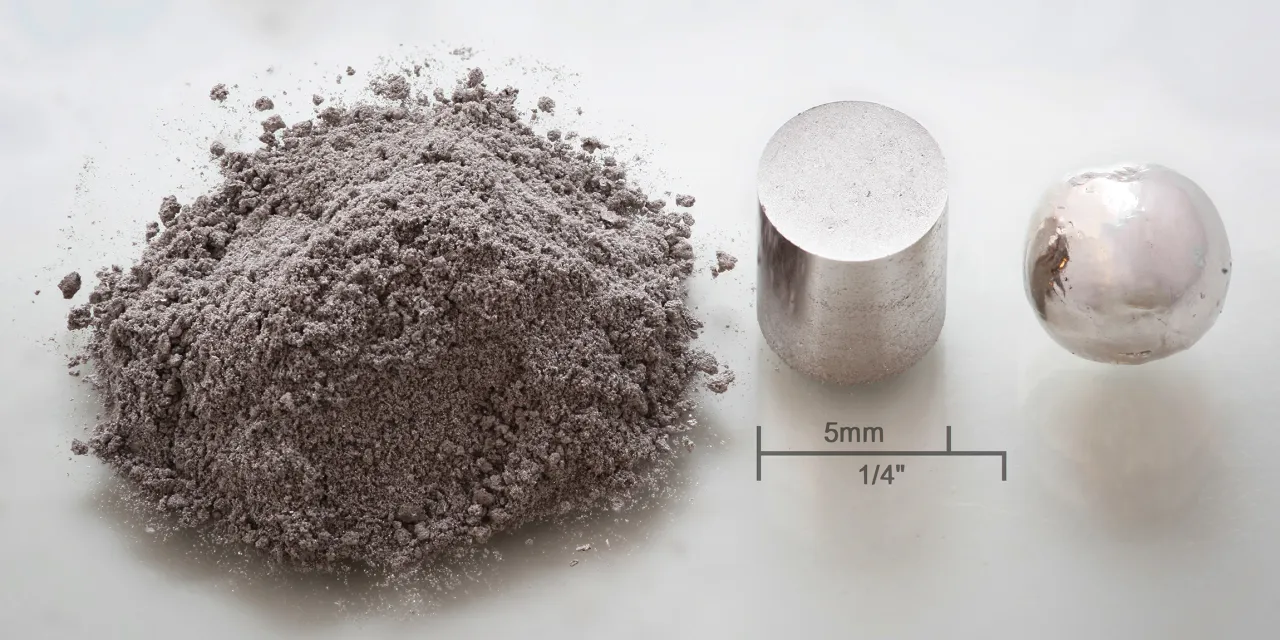
Noble metals in the form of hollow nanosized particles with holey walls, so-called nanoframes, have proven useful in catalysis, plasmonics, and nanomedicine. But until now, only a few types have been prepared, including, for example, ones made from gold, platinum, and palladium. The exclusive club just admitted a new member—ruthenium (Nano Lett. 2016, DOI: 10.1021/acs.nanolett.6b00607). Michigan Technological University chemists Xiaohu Xia and Haihang Ye, together with researchers at the University of Texas, Dallas, and elsewhere used a ruthenium chloride solution to preferentially deposit ruthenium on the edges and corners of nanosized palladium octahedral seed crystals. Then they removed the palladium via chemical etching, leaving 2-nm-thick hollow ruthenium octahedrons with numerous openings in the nanoframe walls. Unlike most ruthenium nanocrystals, which form a hexagonal close-packed (hcp) structure, the Ru nanoframes adopt a face-centered cubic (fcc) structure. Two types of catalysis tests—reduction of p-nitrophenol and dehydrogenation of ammonia borane—show that the fcc nanoframes are roughly two to four times as active as hcp Ru crystals of comparable size.

Mitch Jacoby is the executive editor for physical sciences at C&EN.
Chemical & Engineering News
ISSN 0009-2347
Copyright ©
2026 American Chemical Society