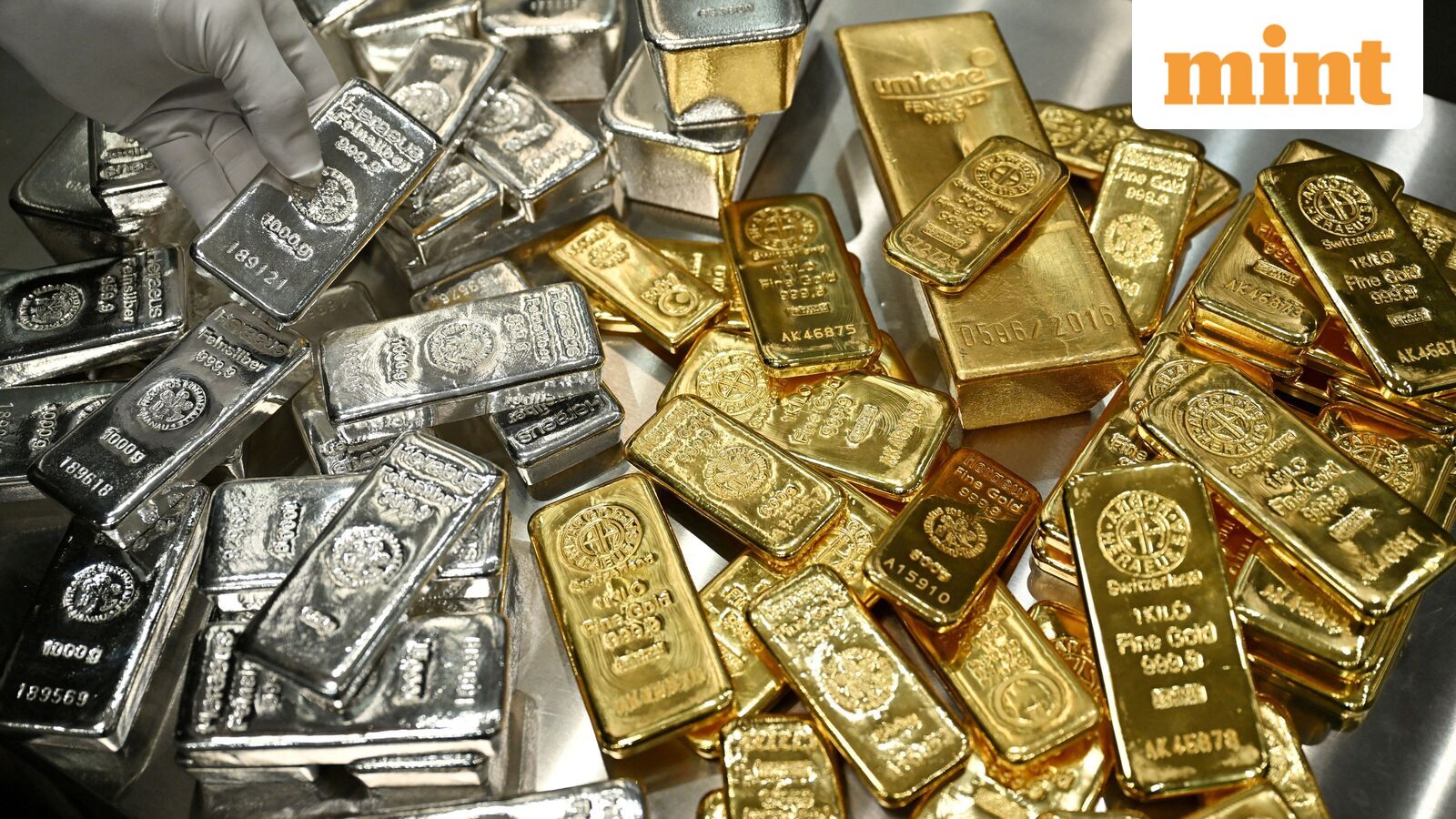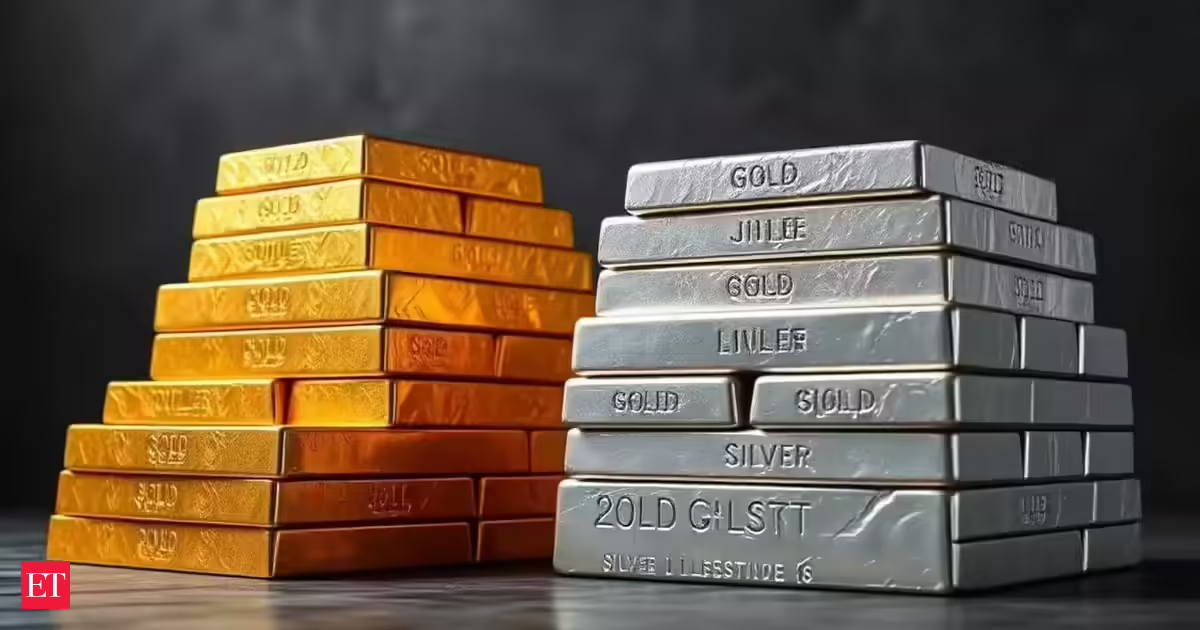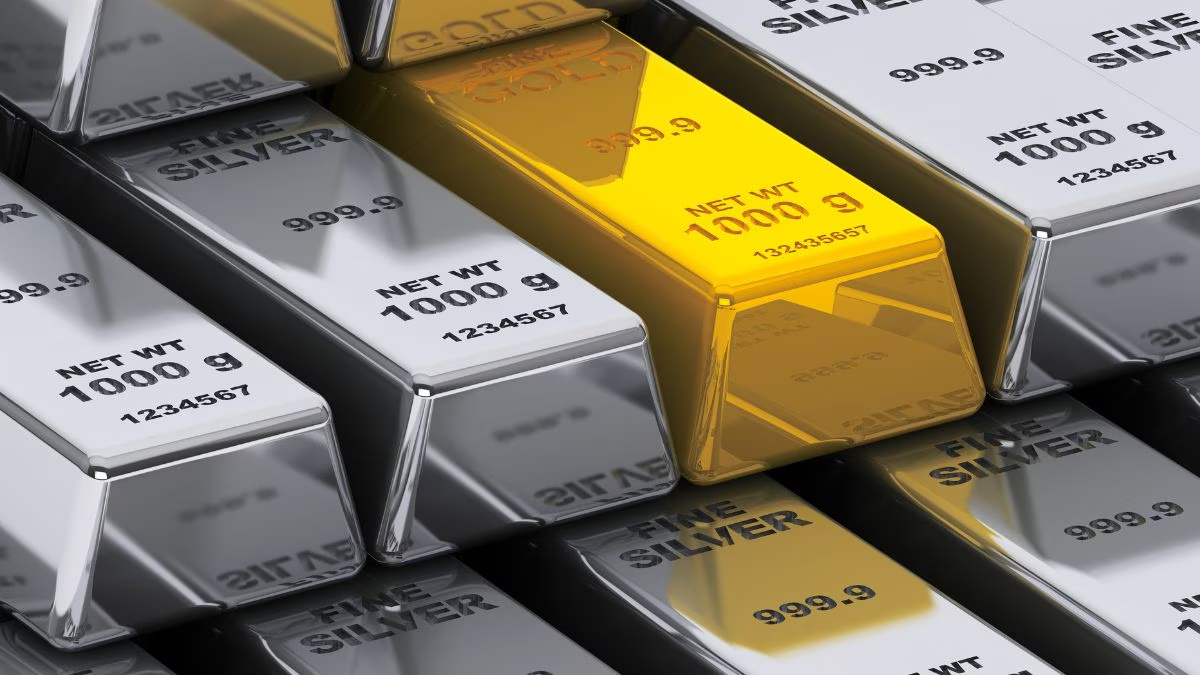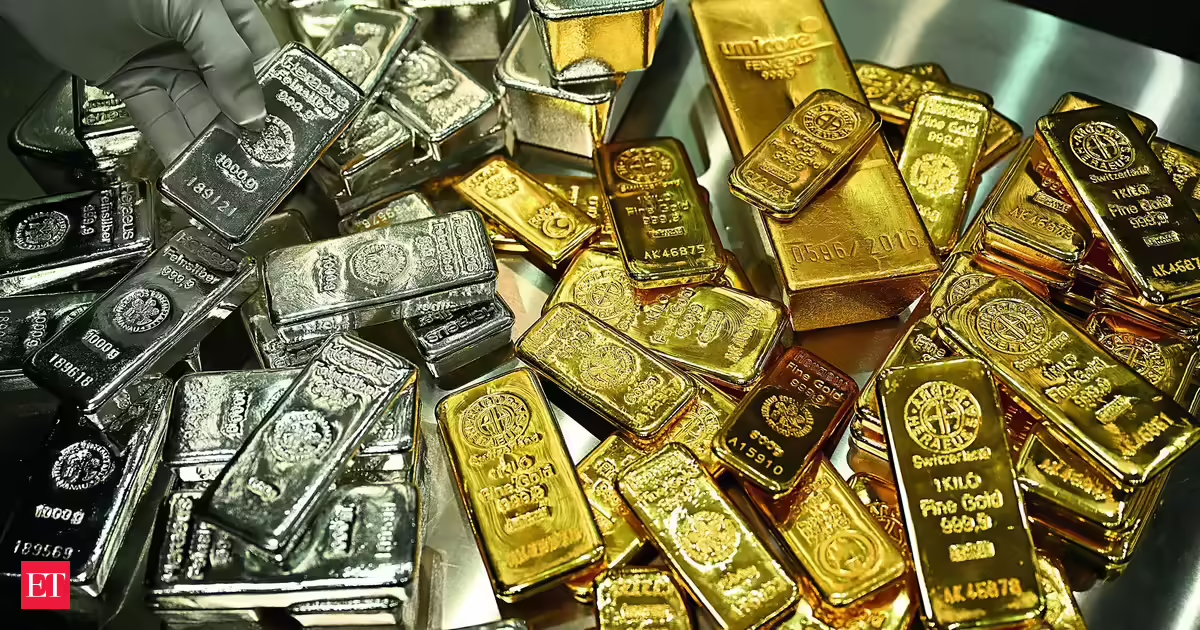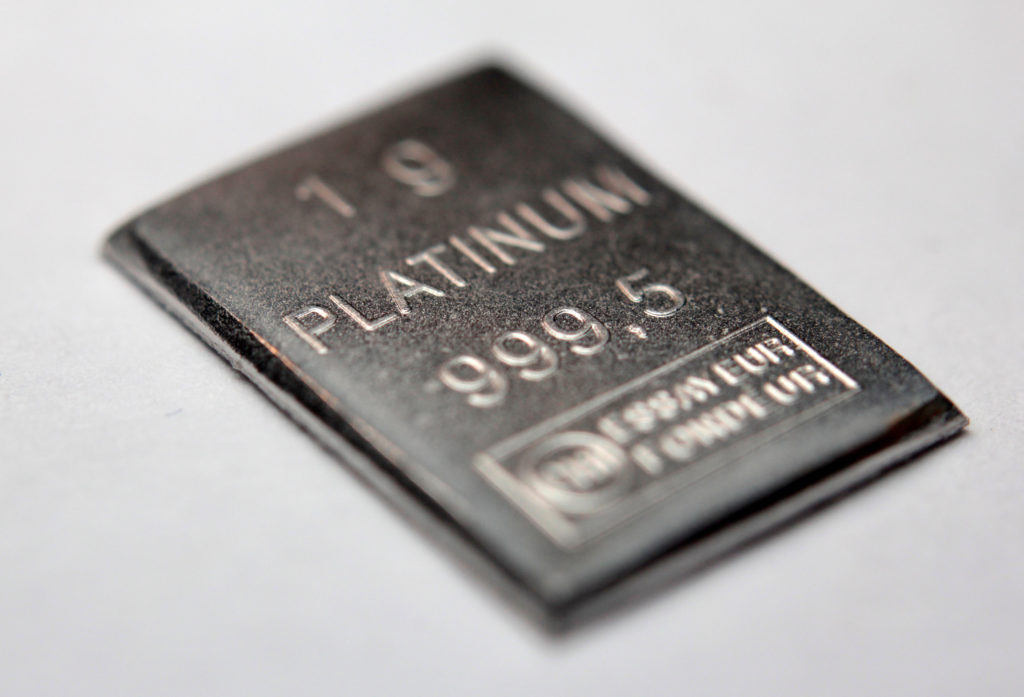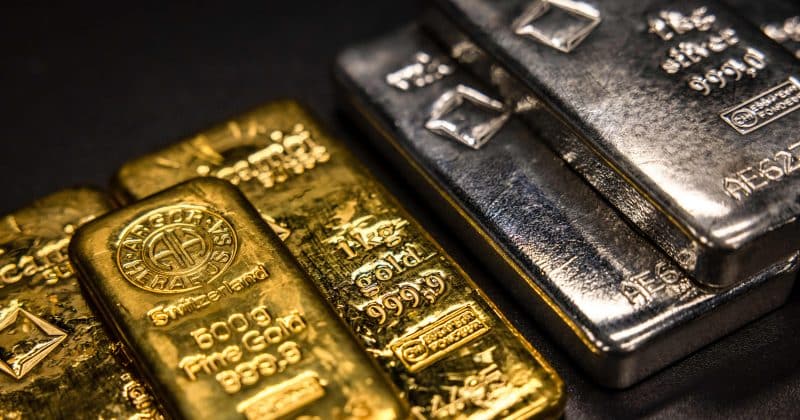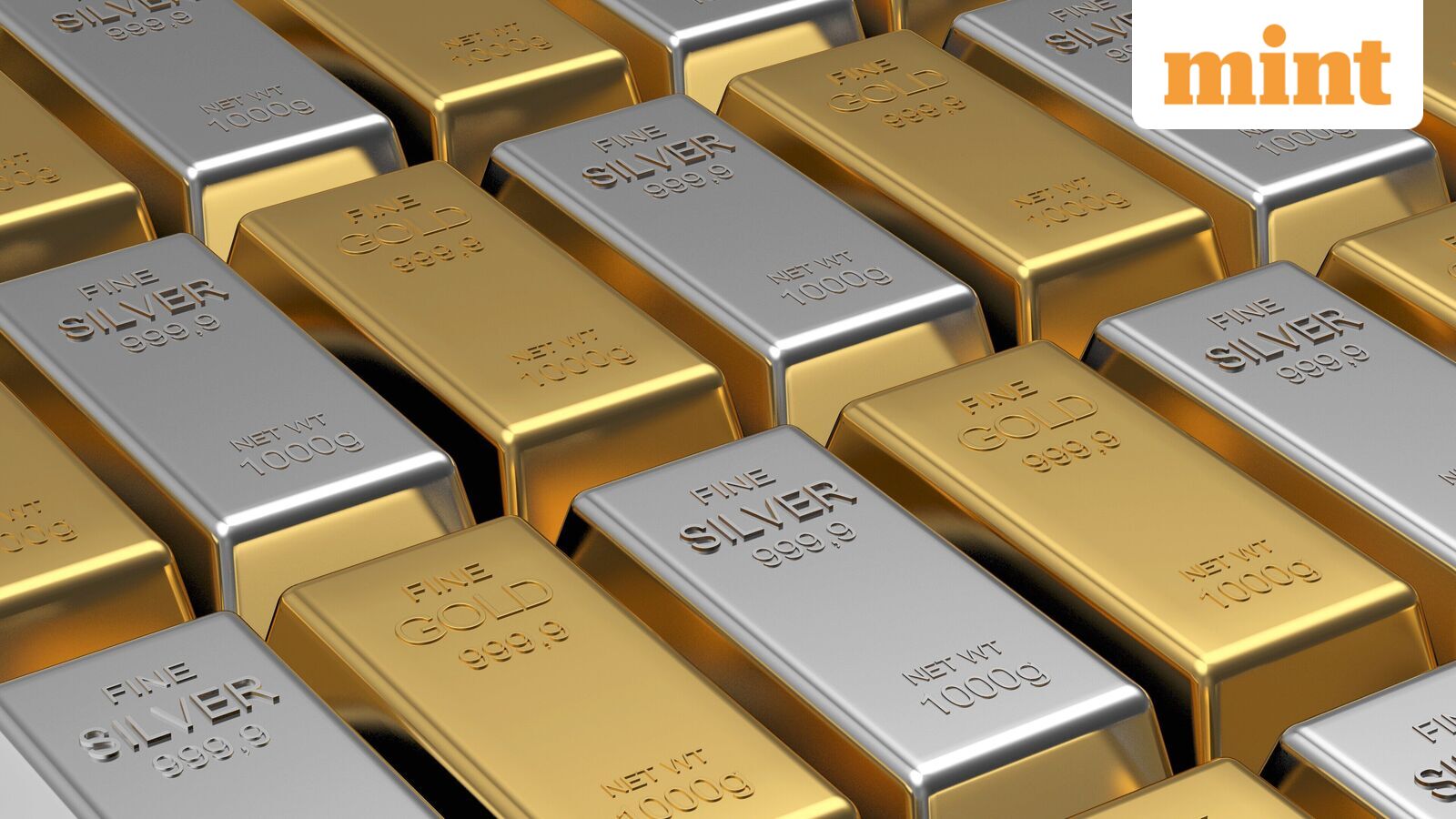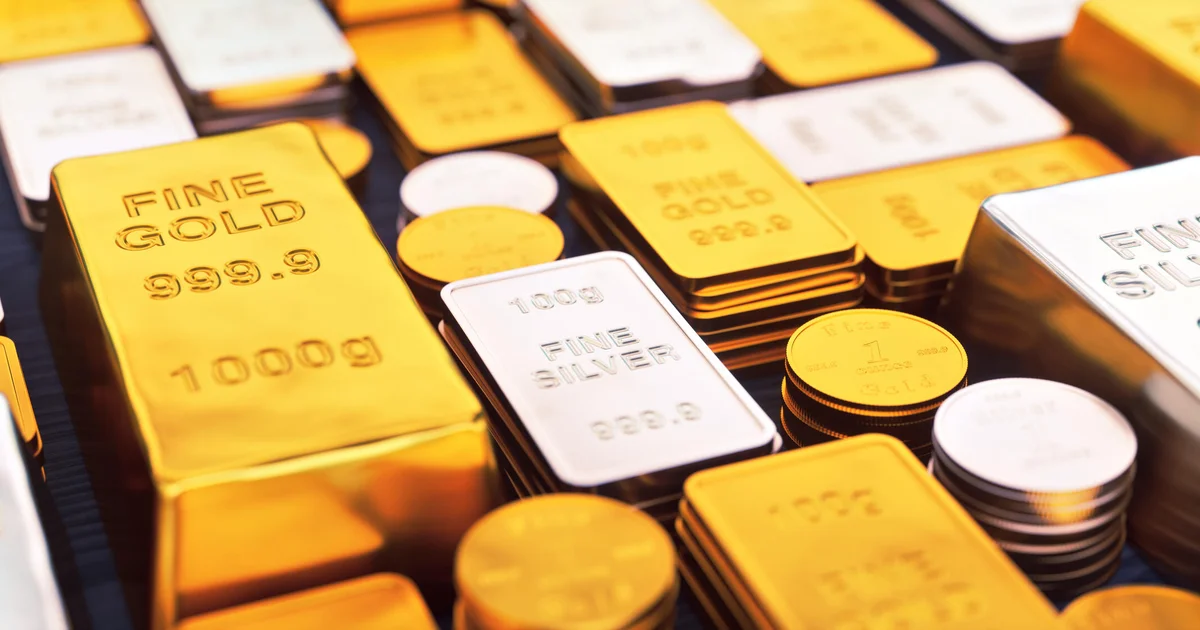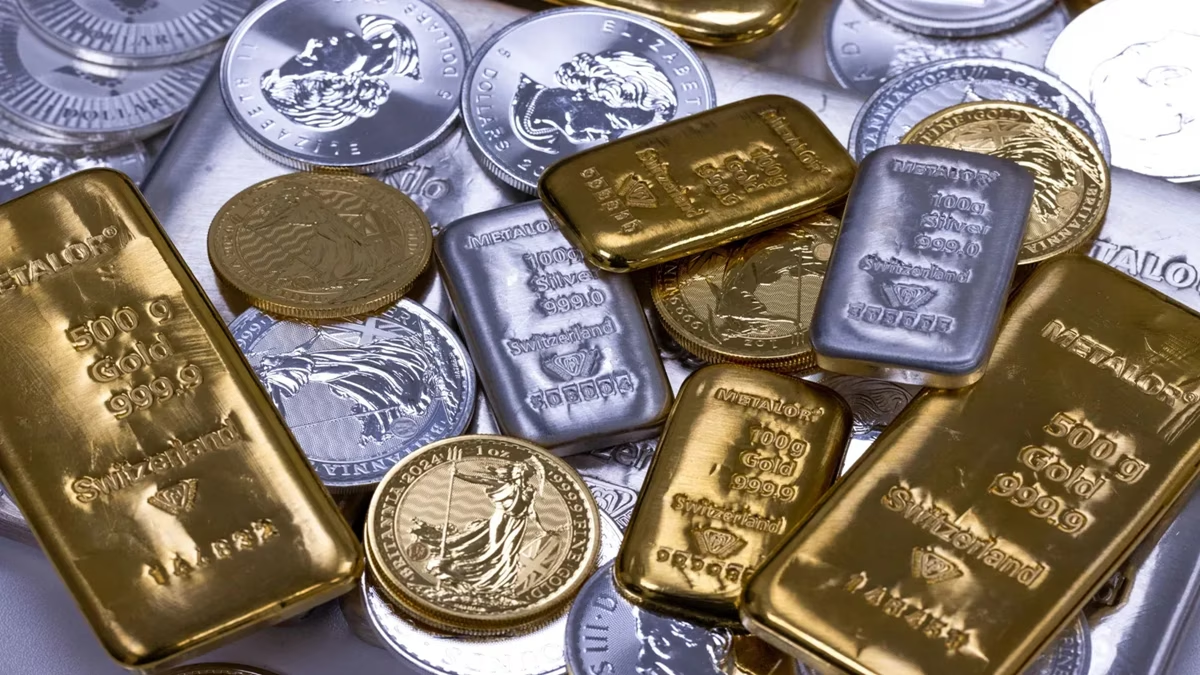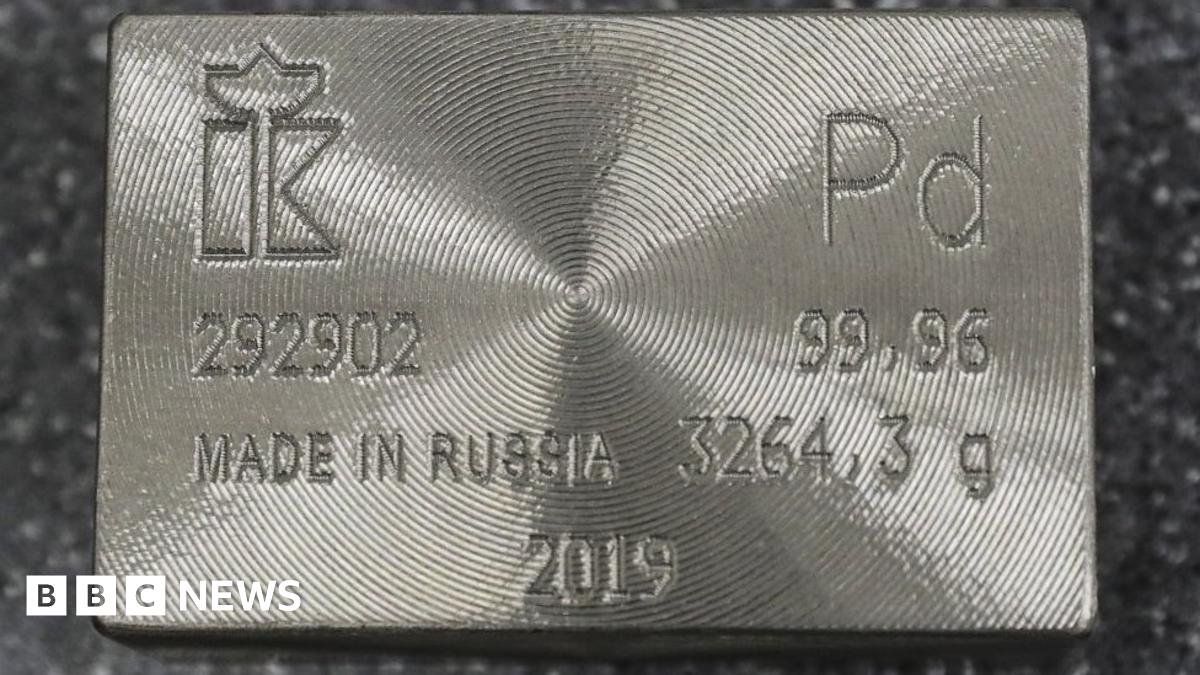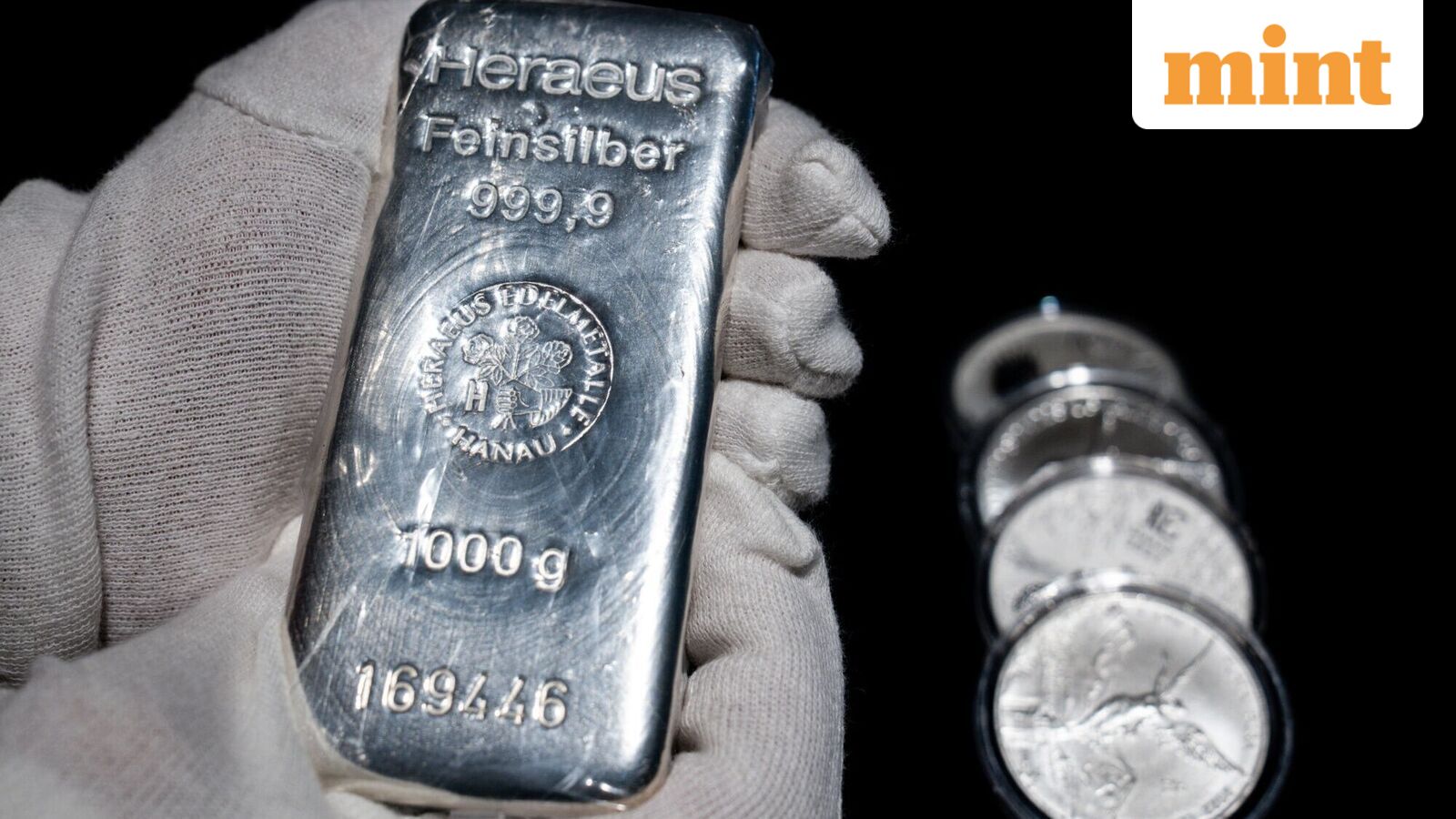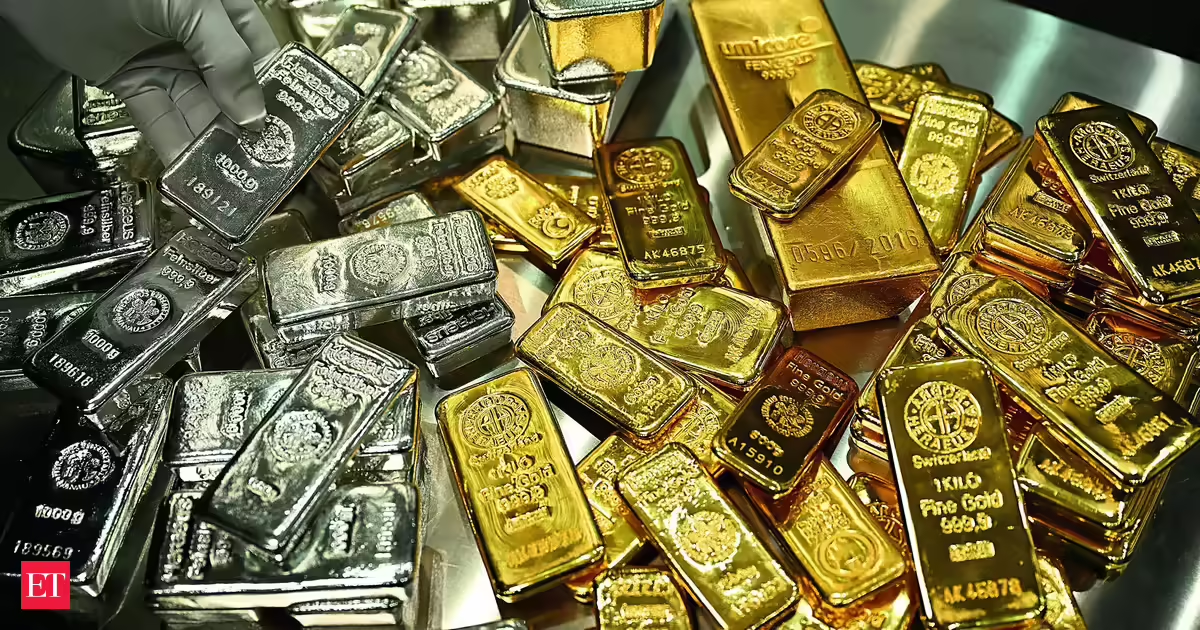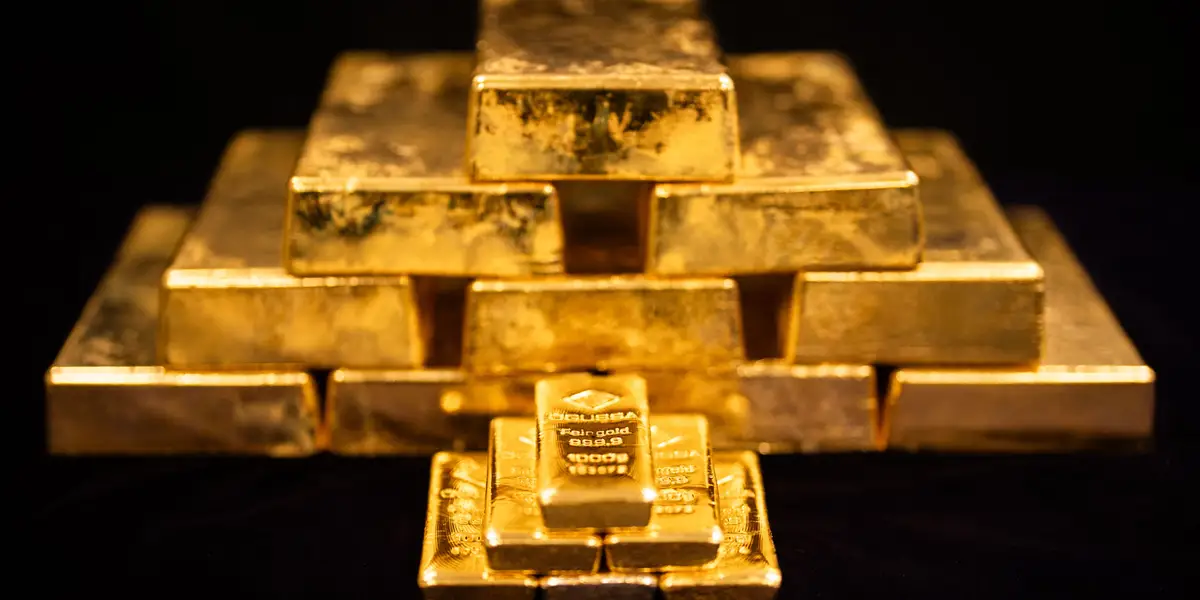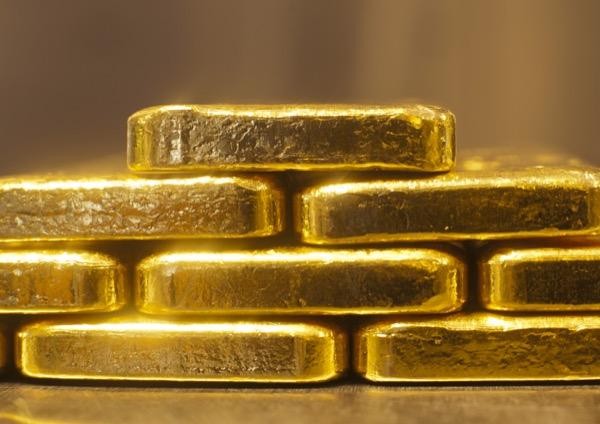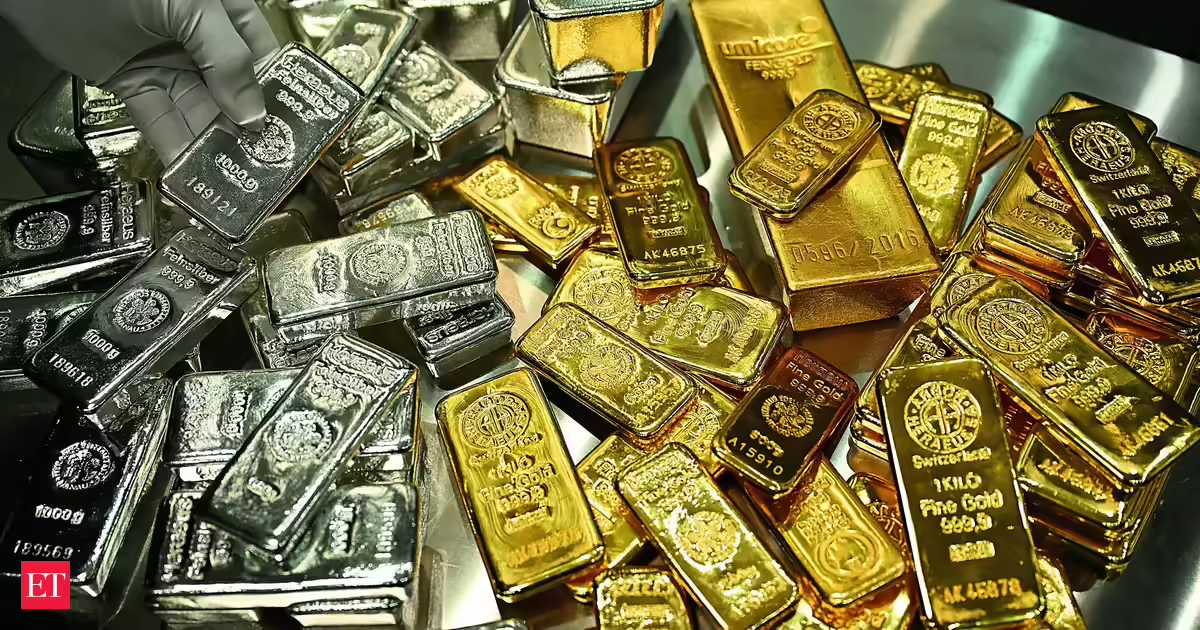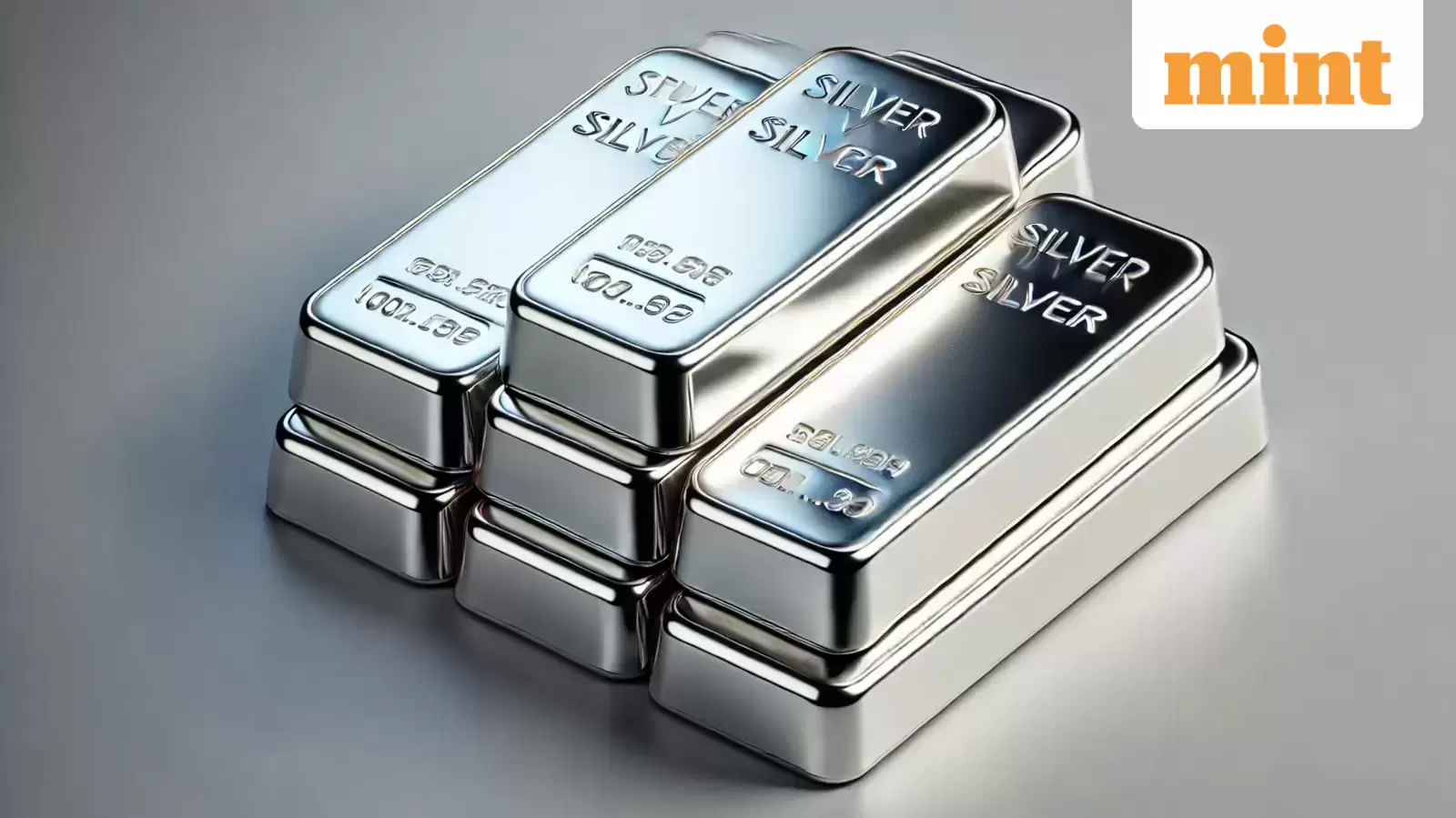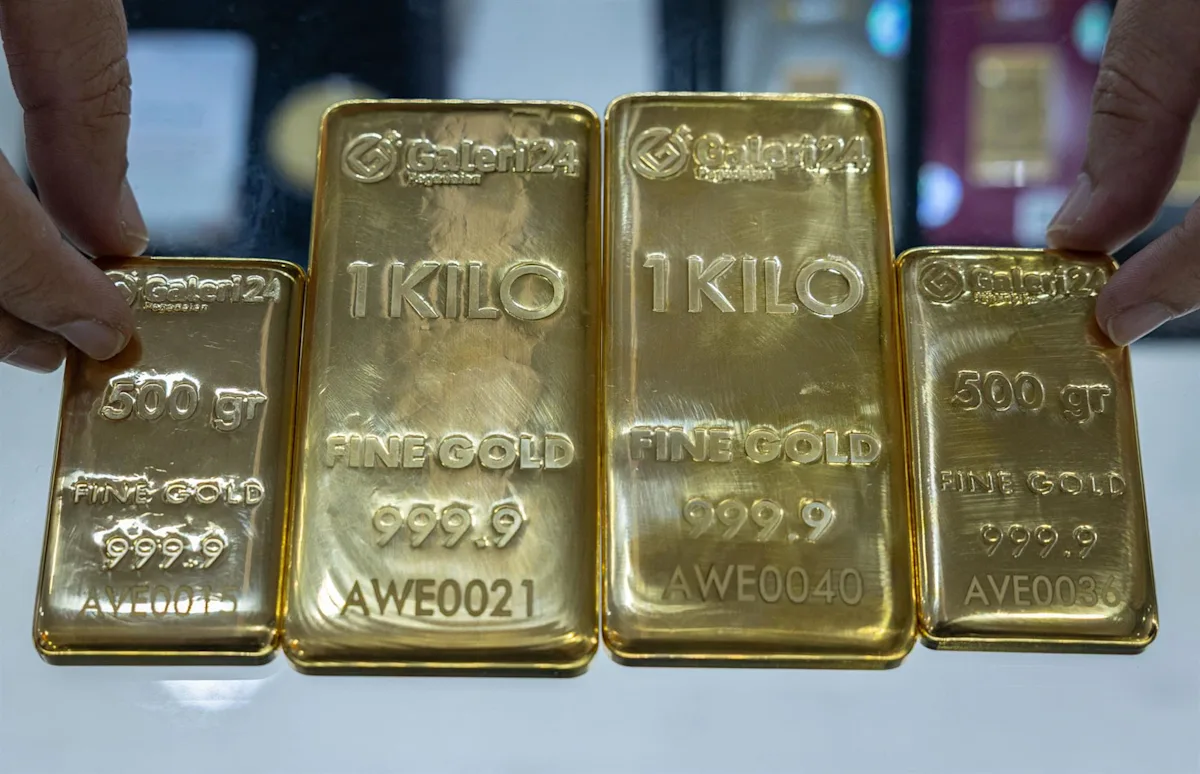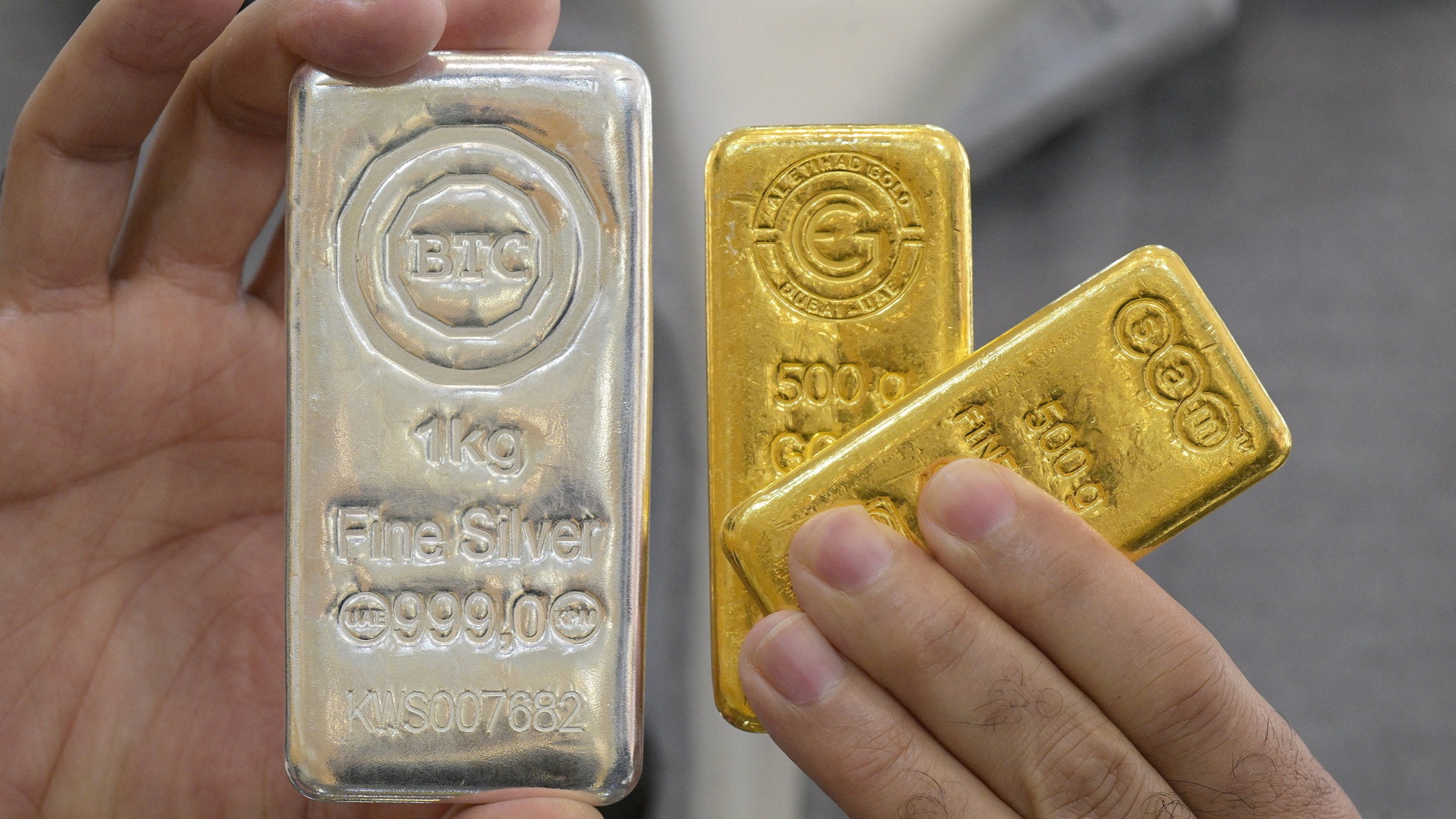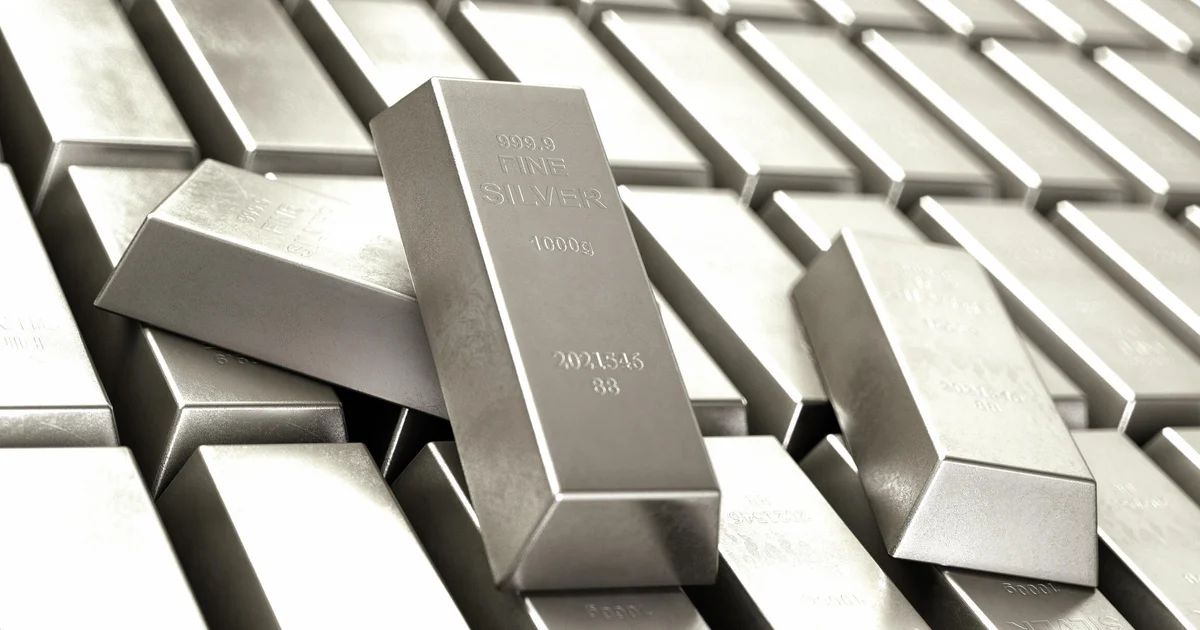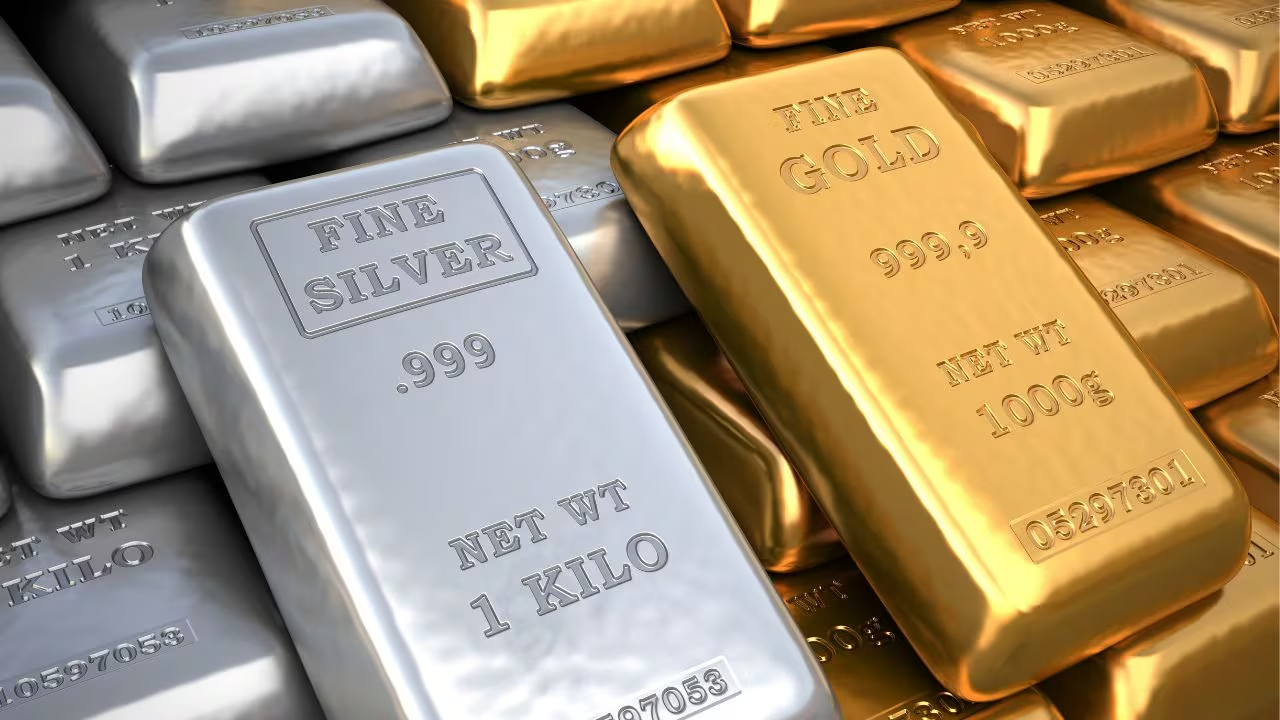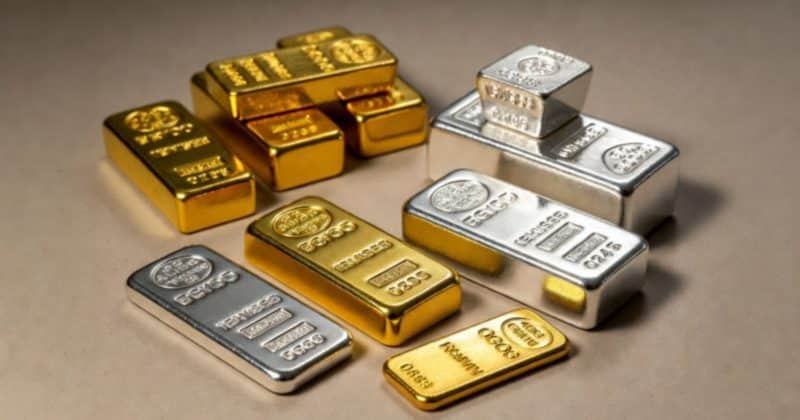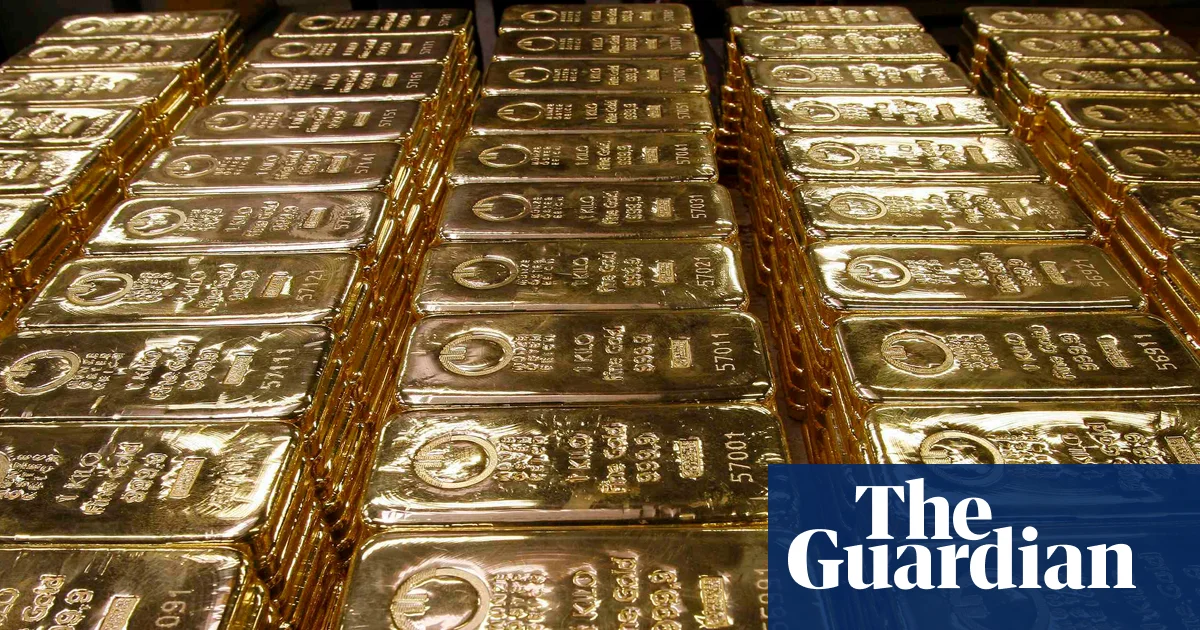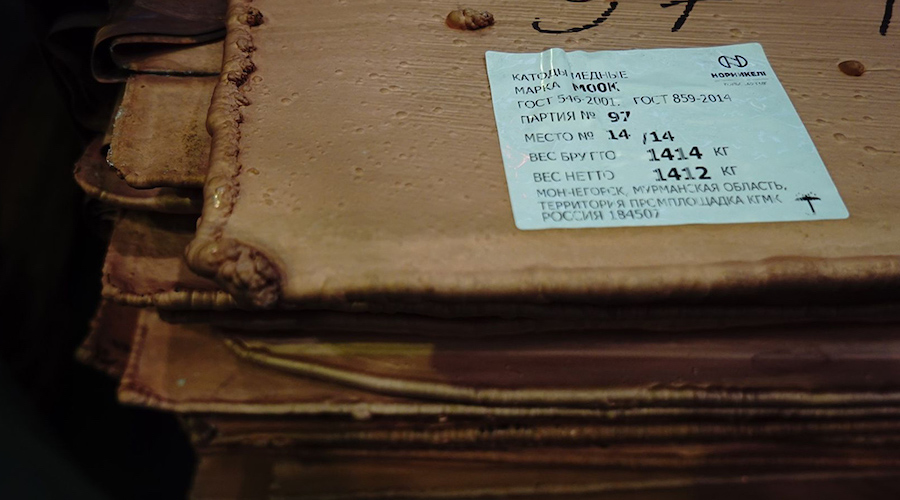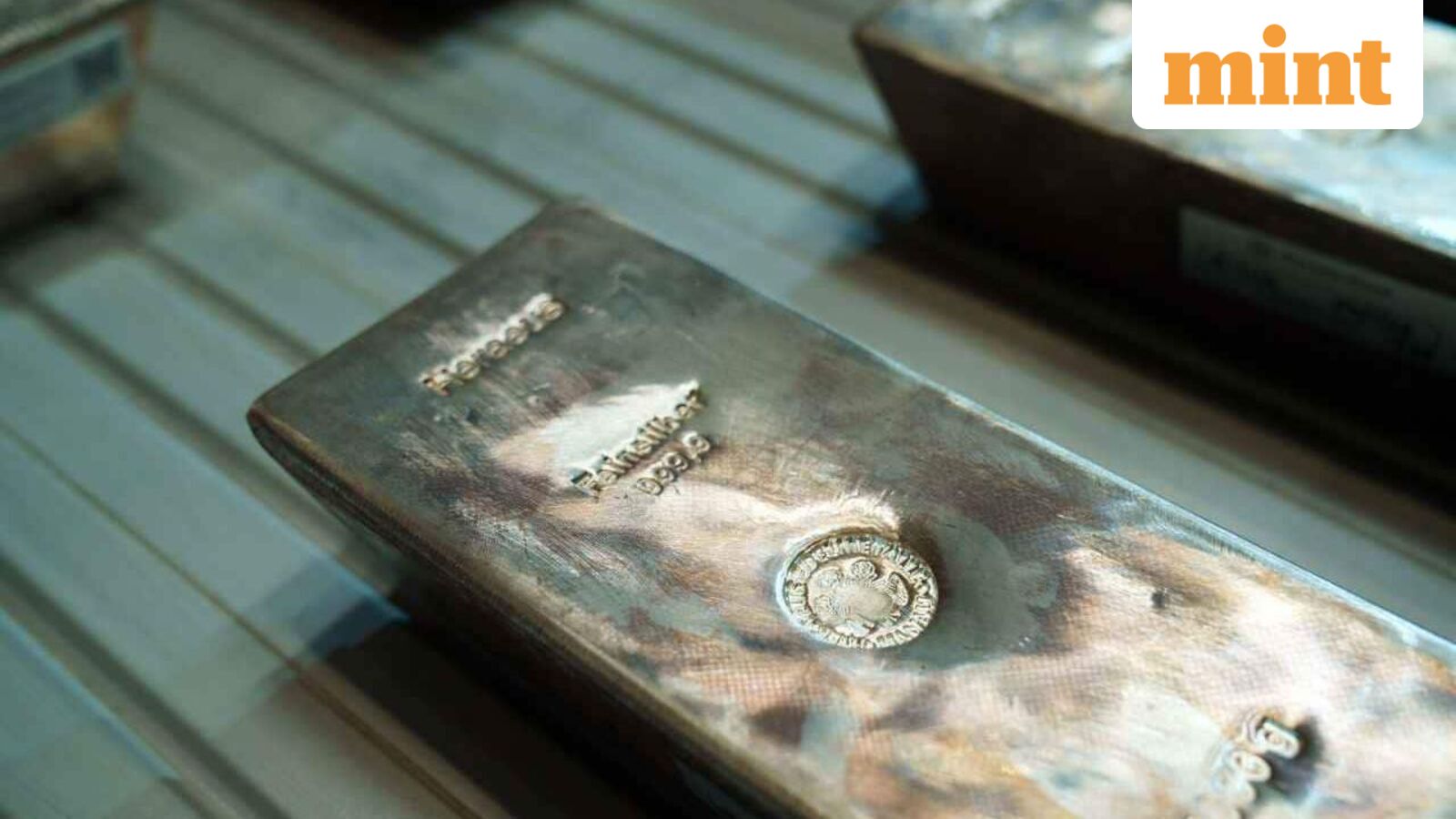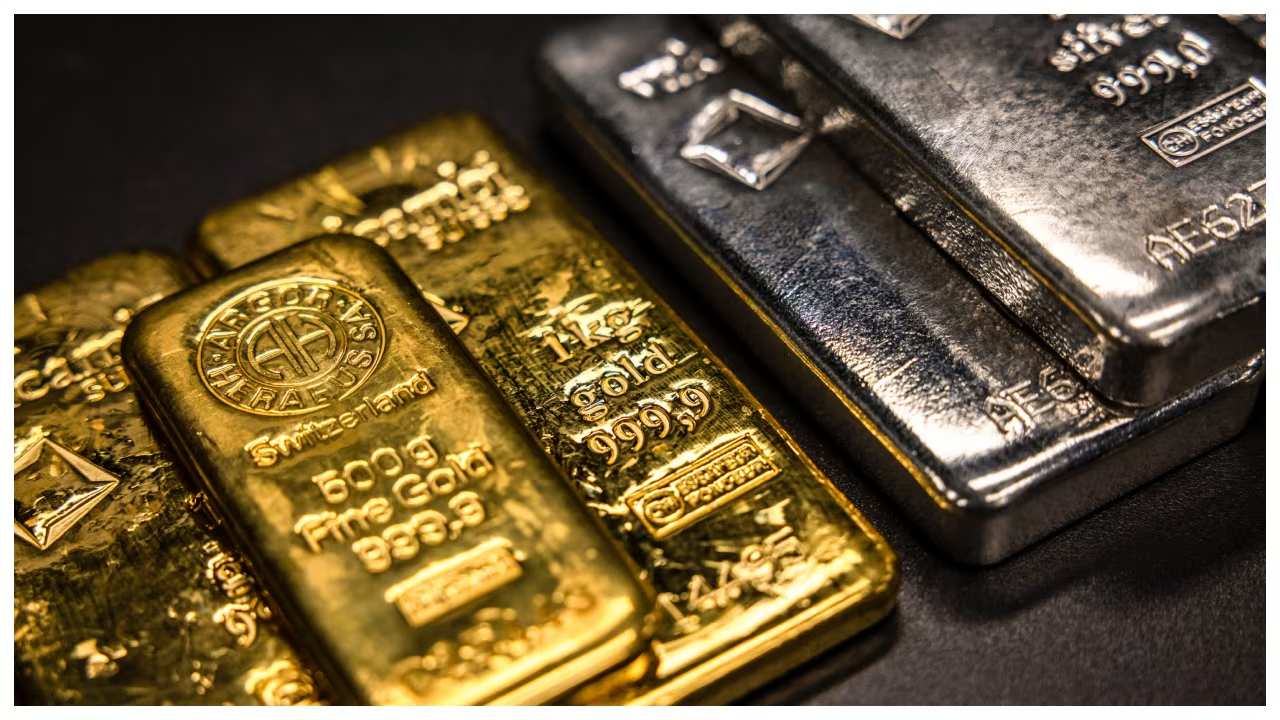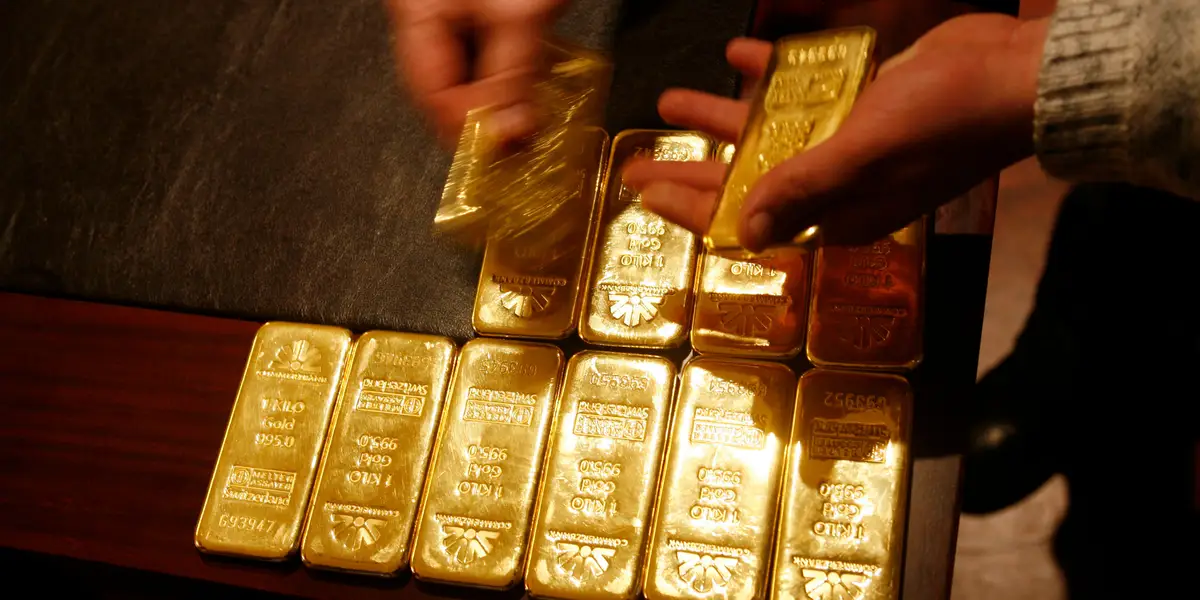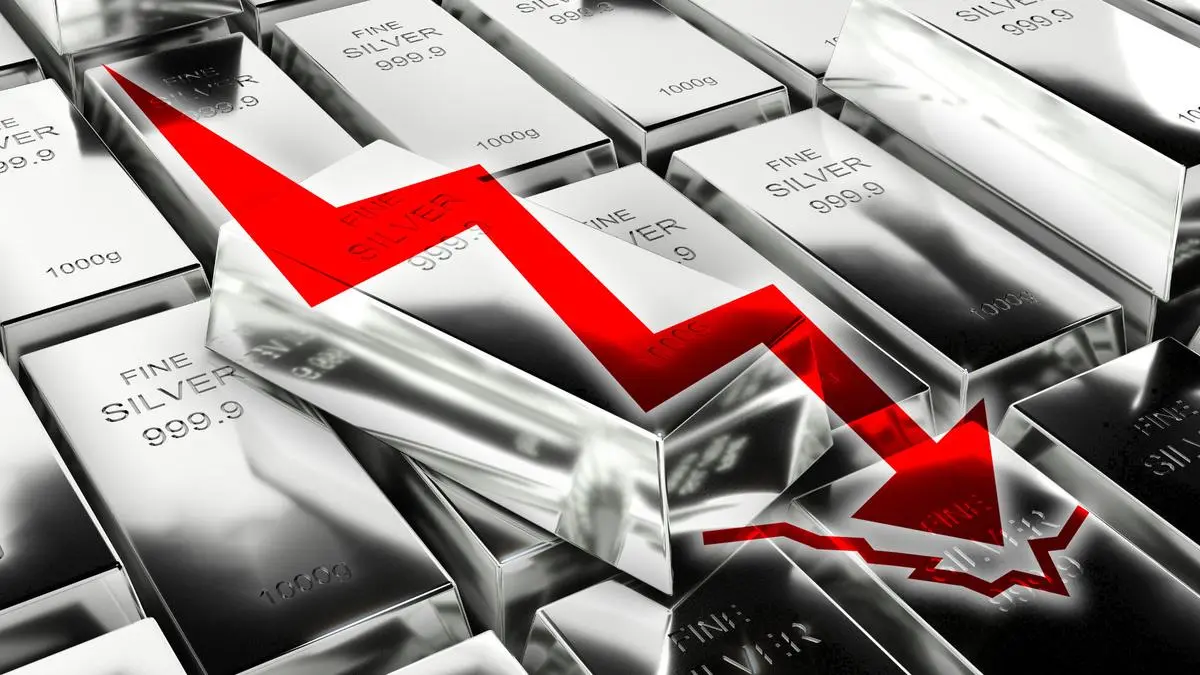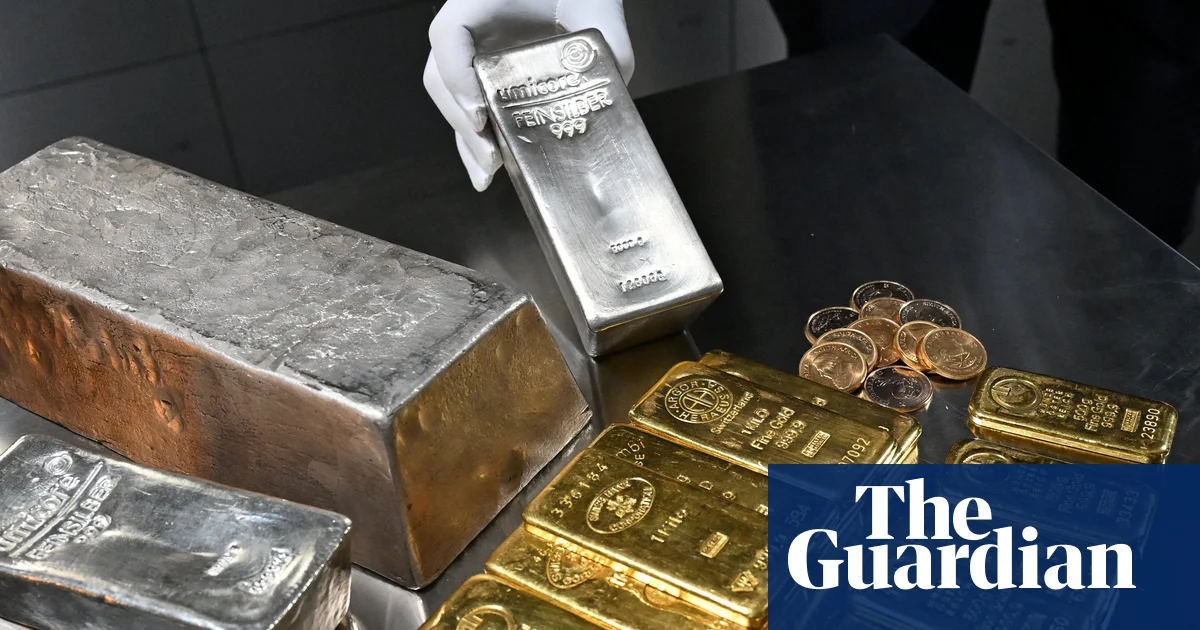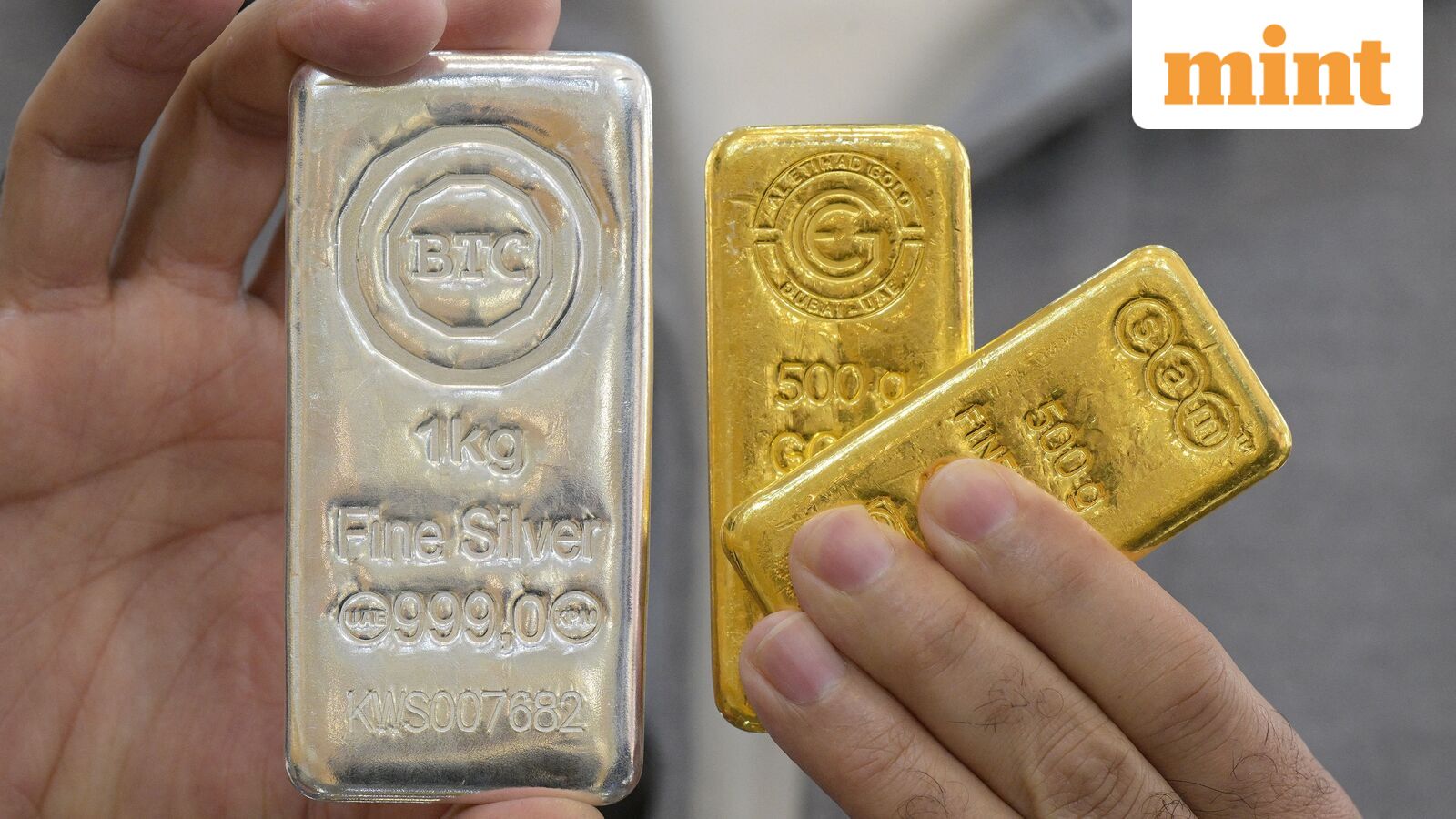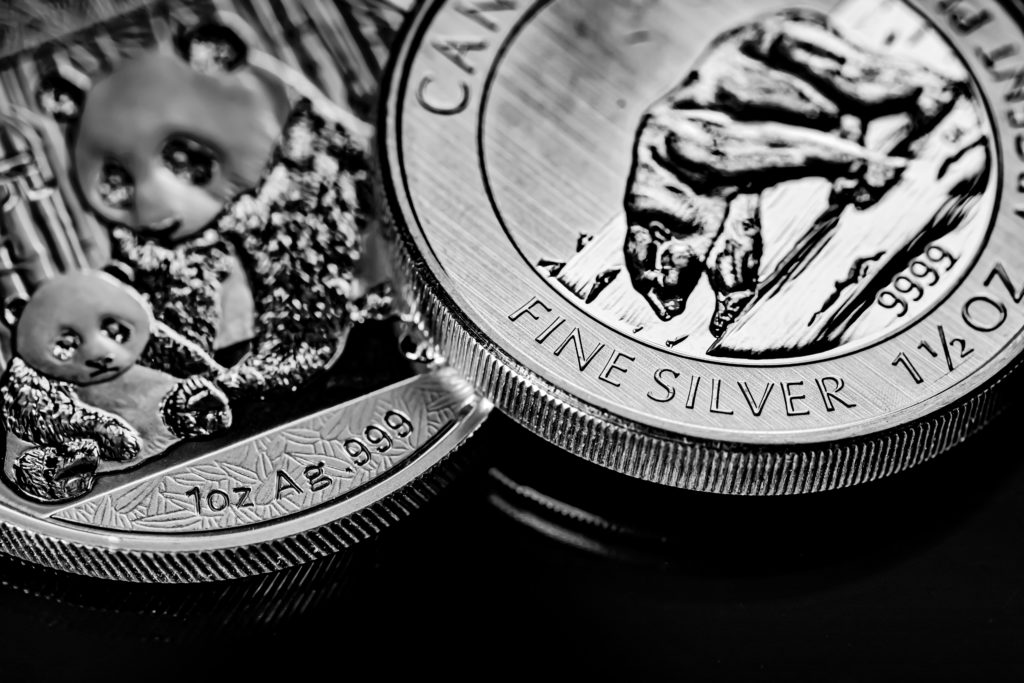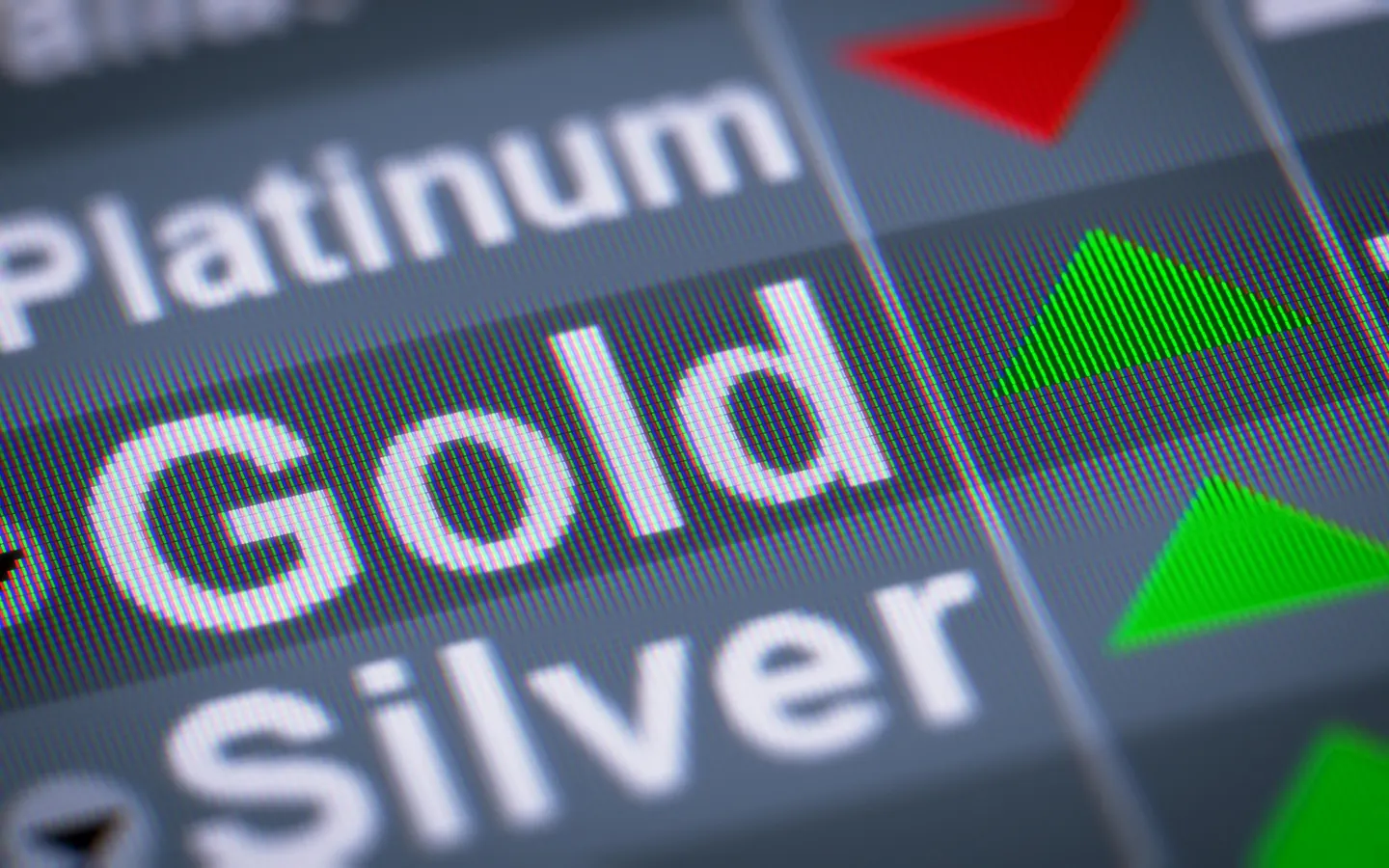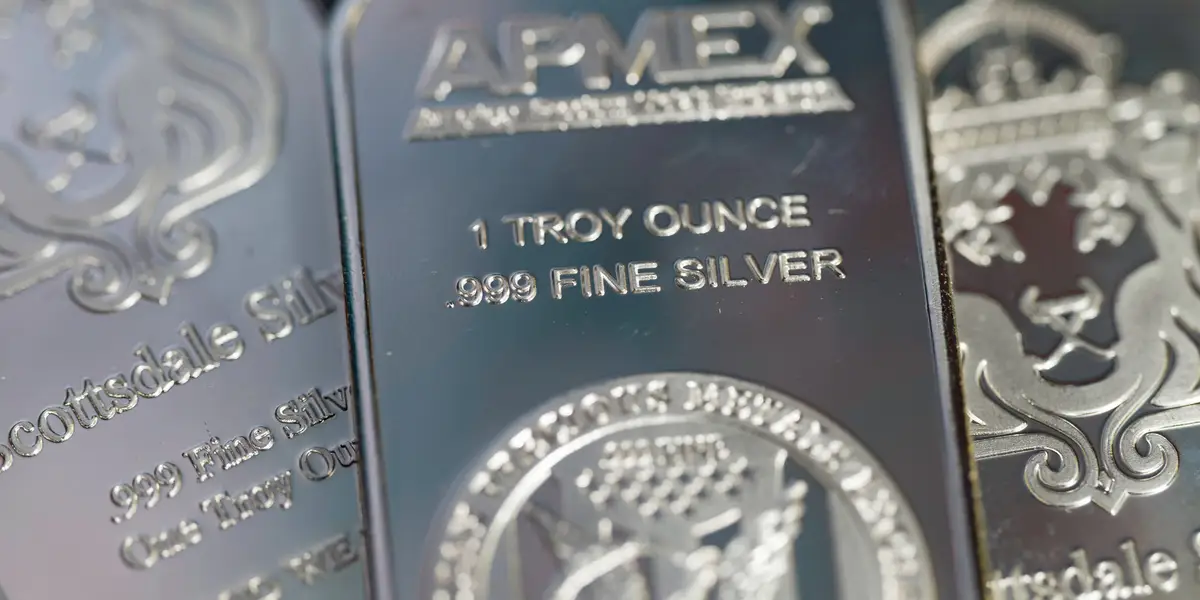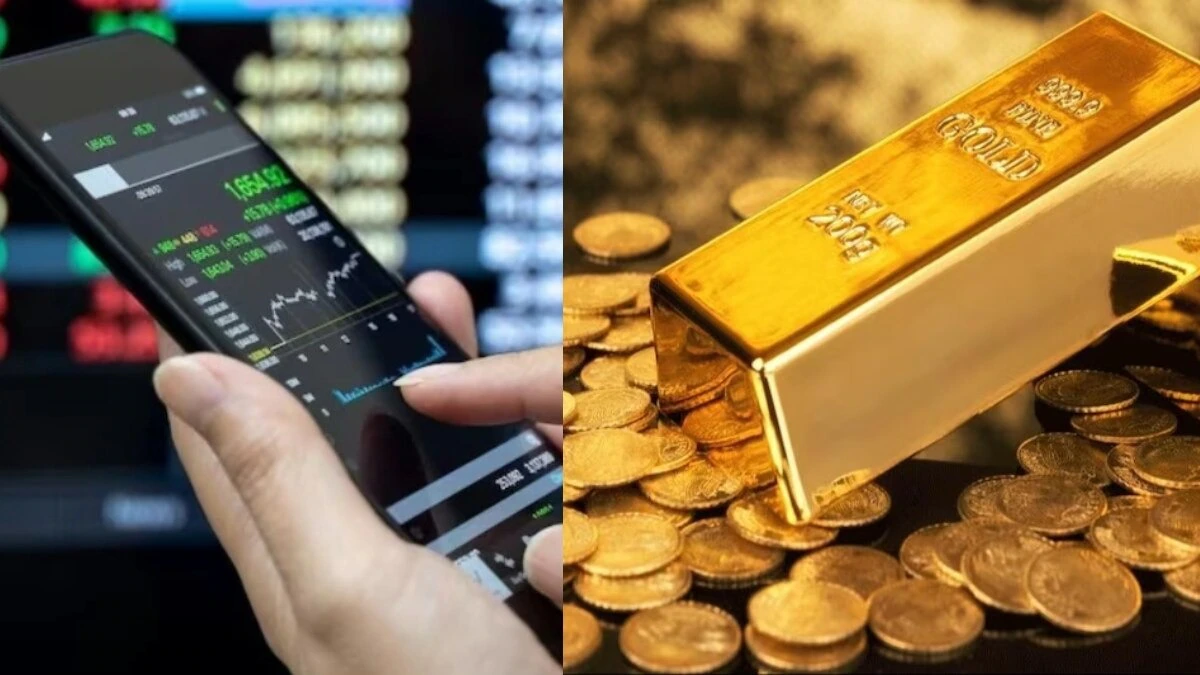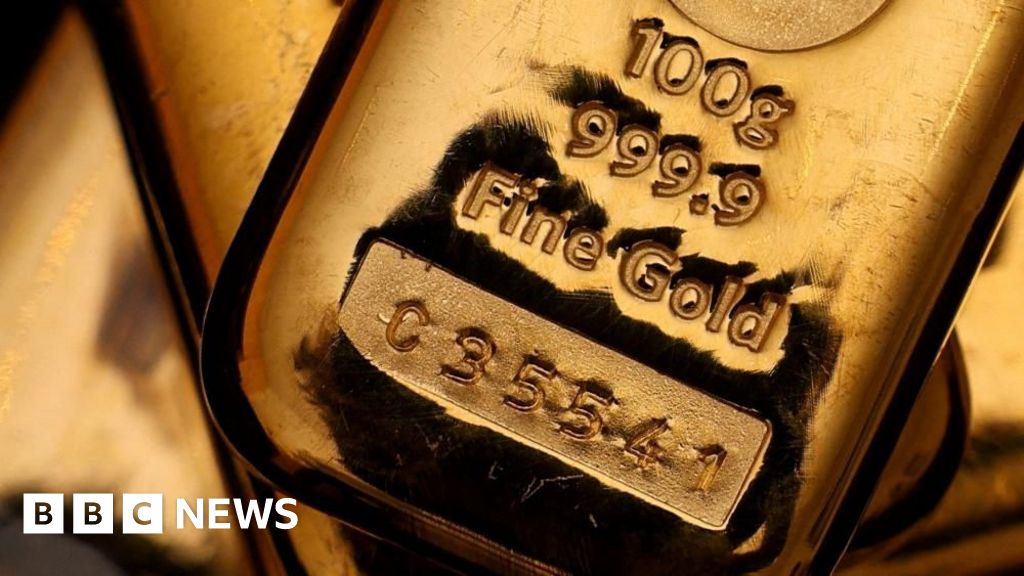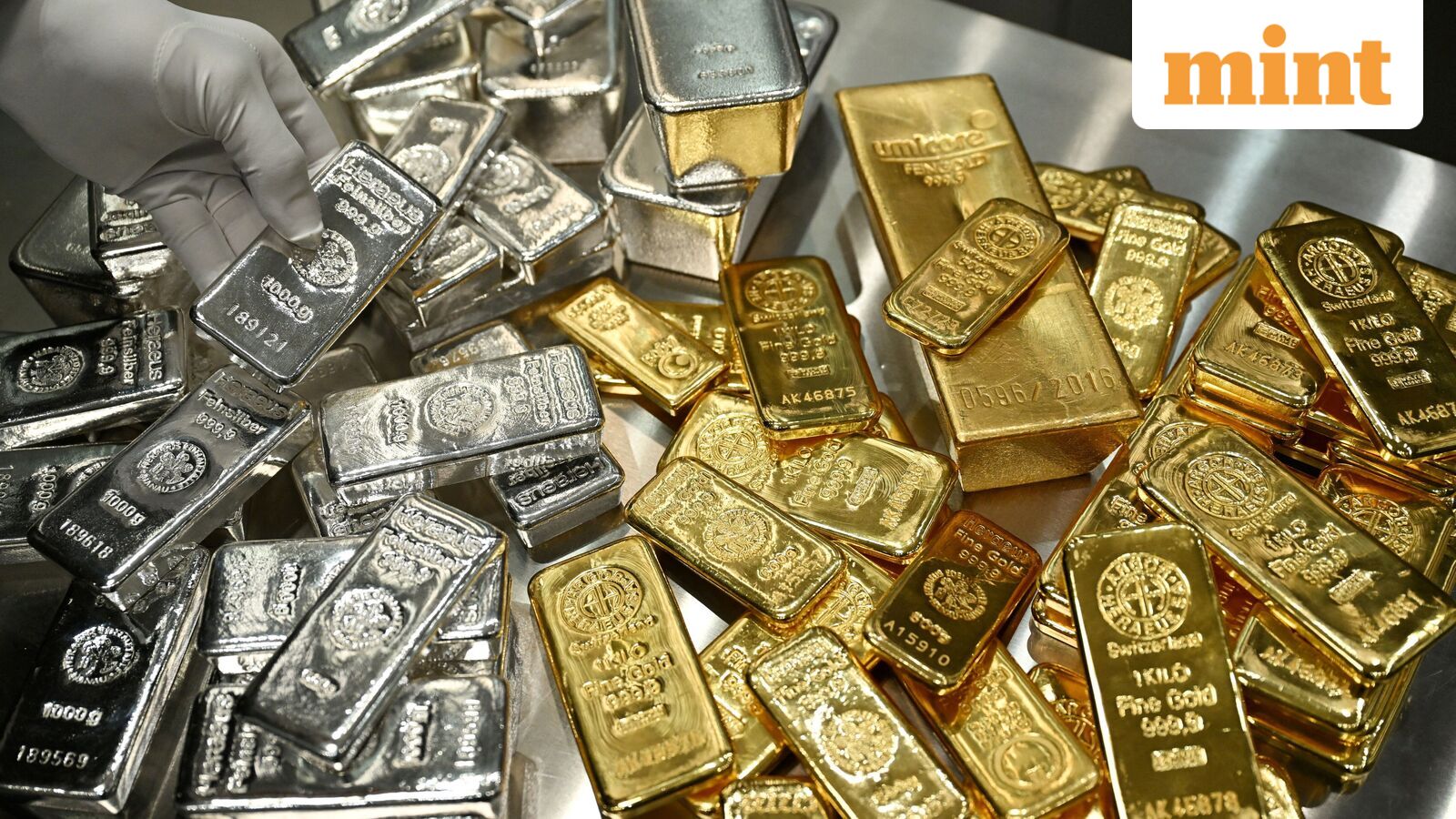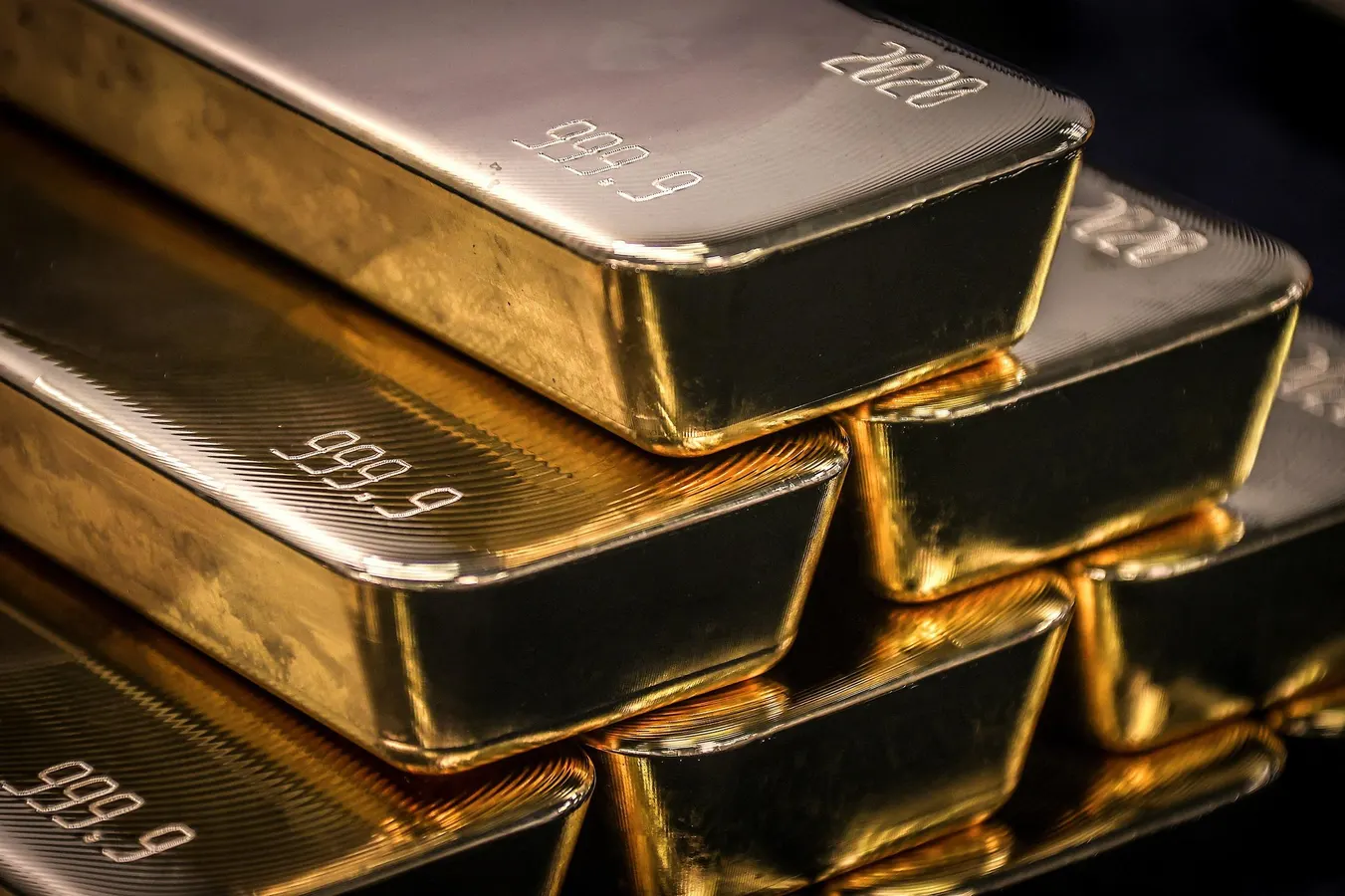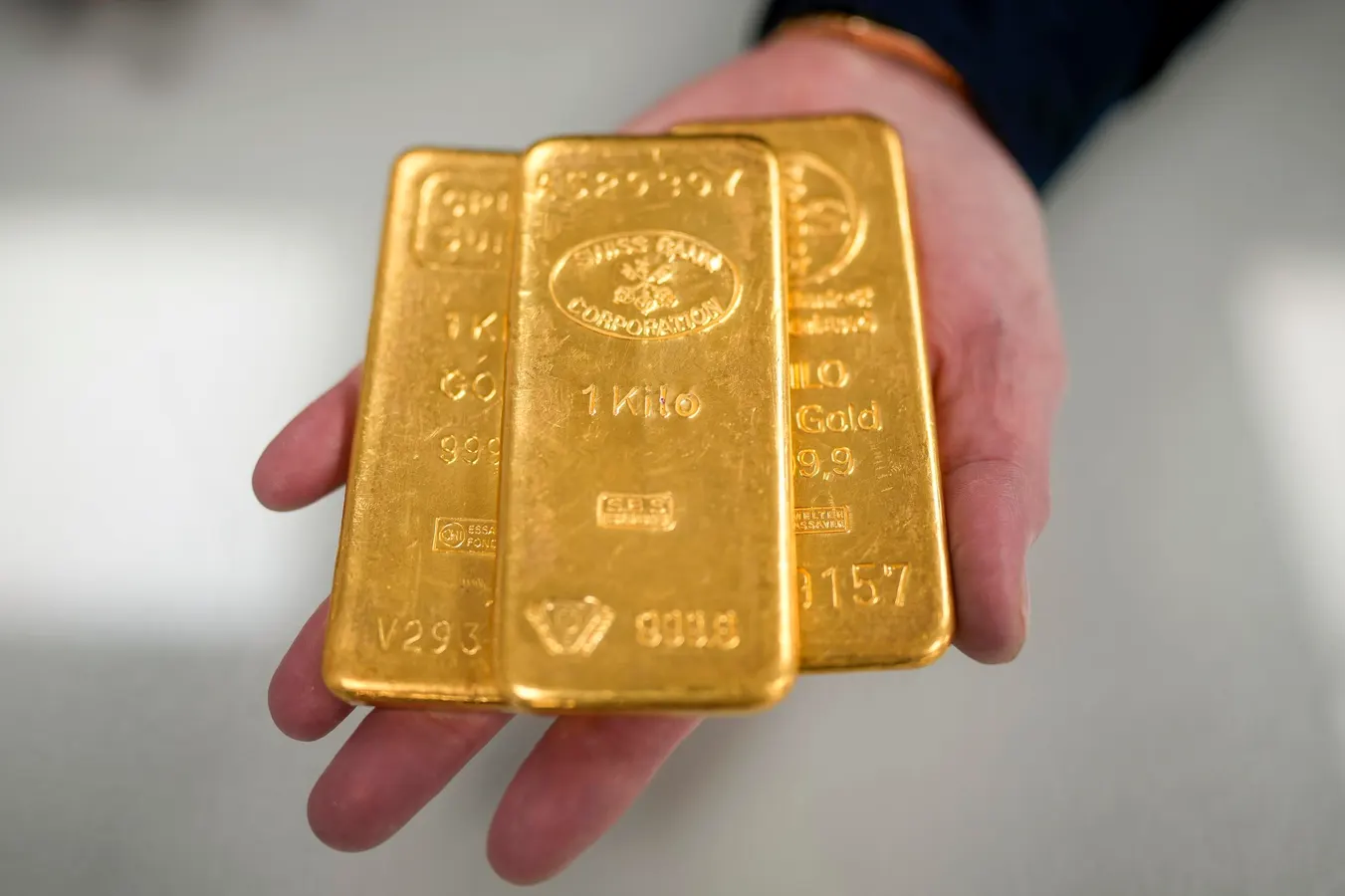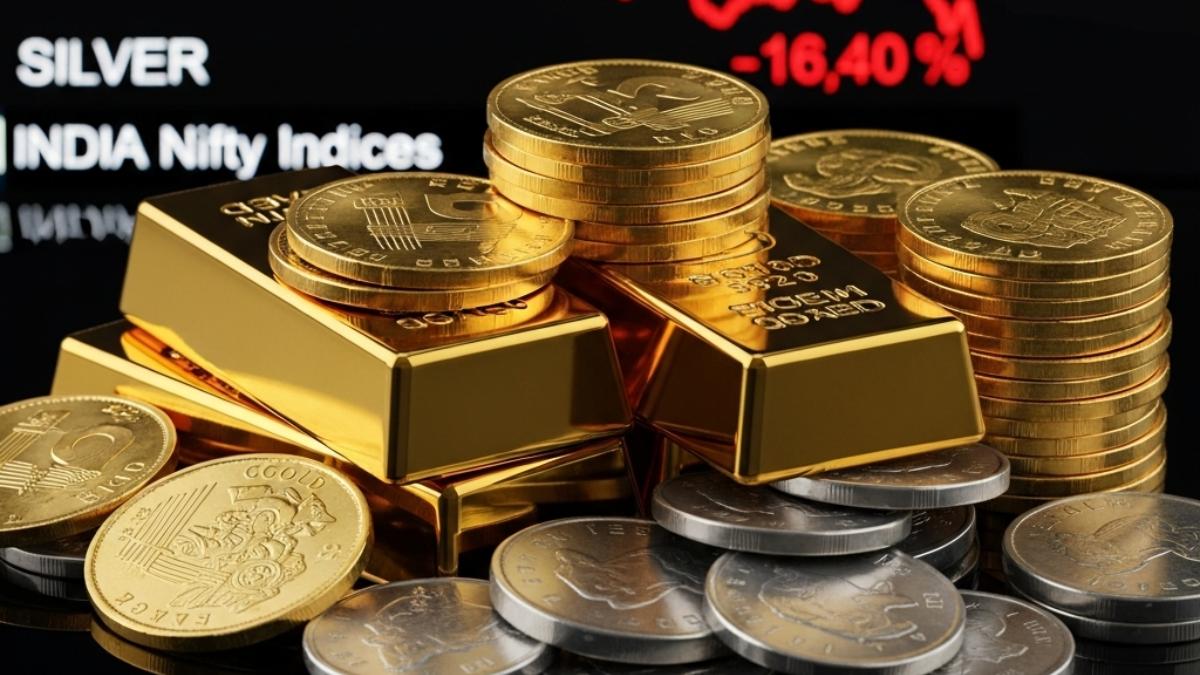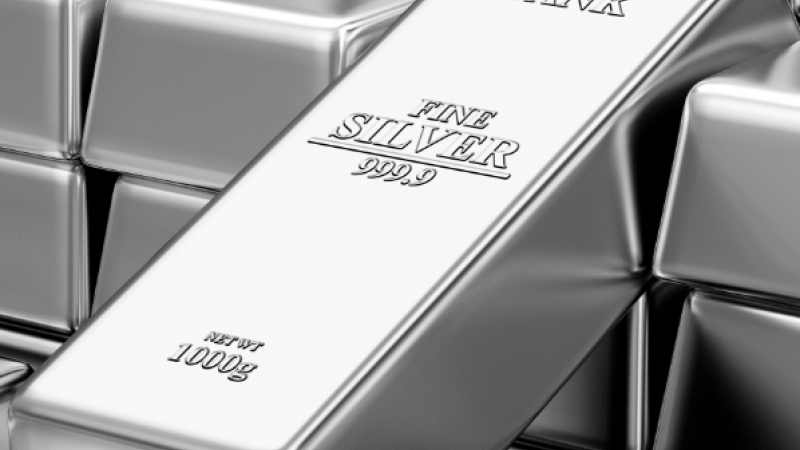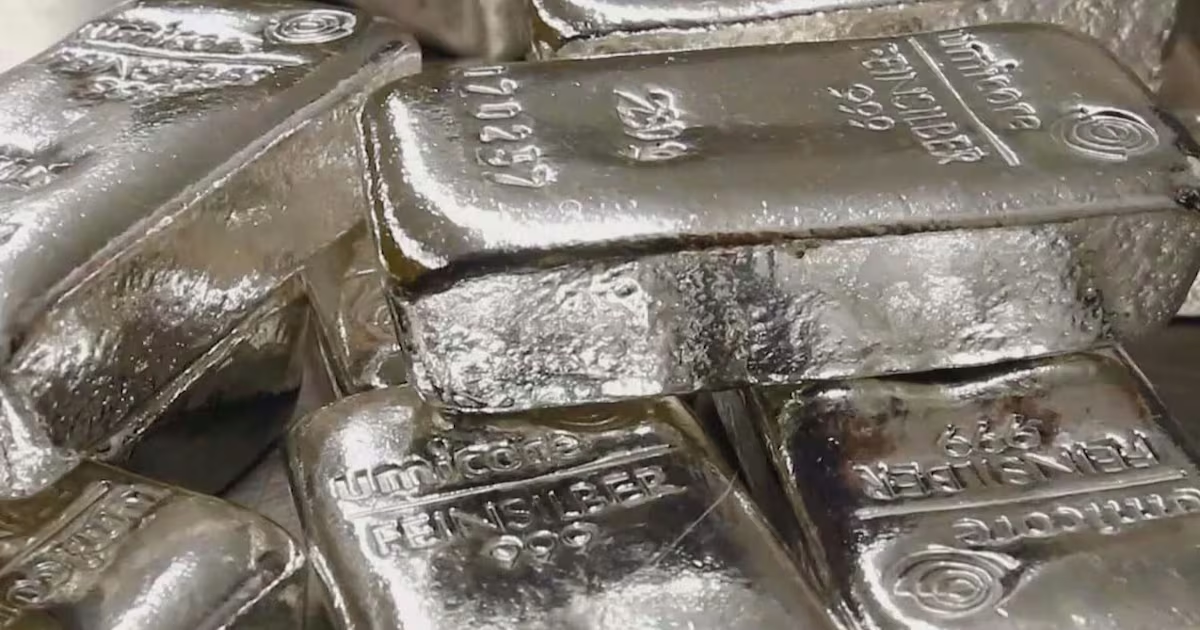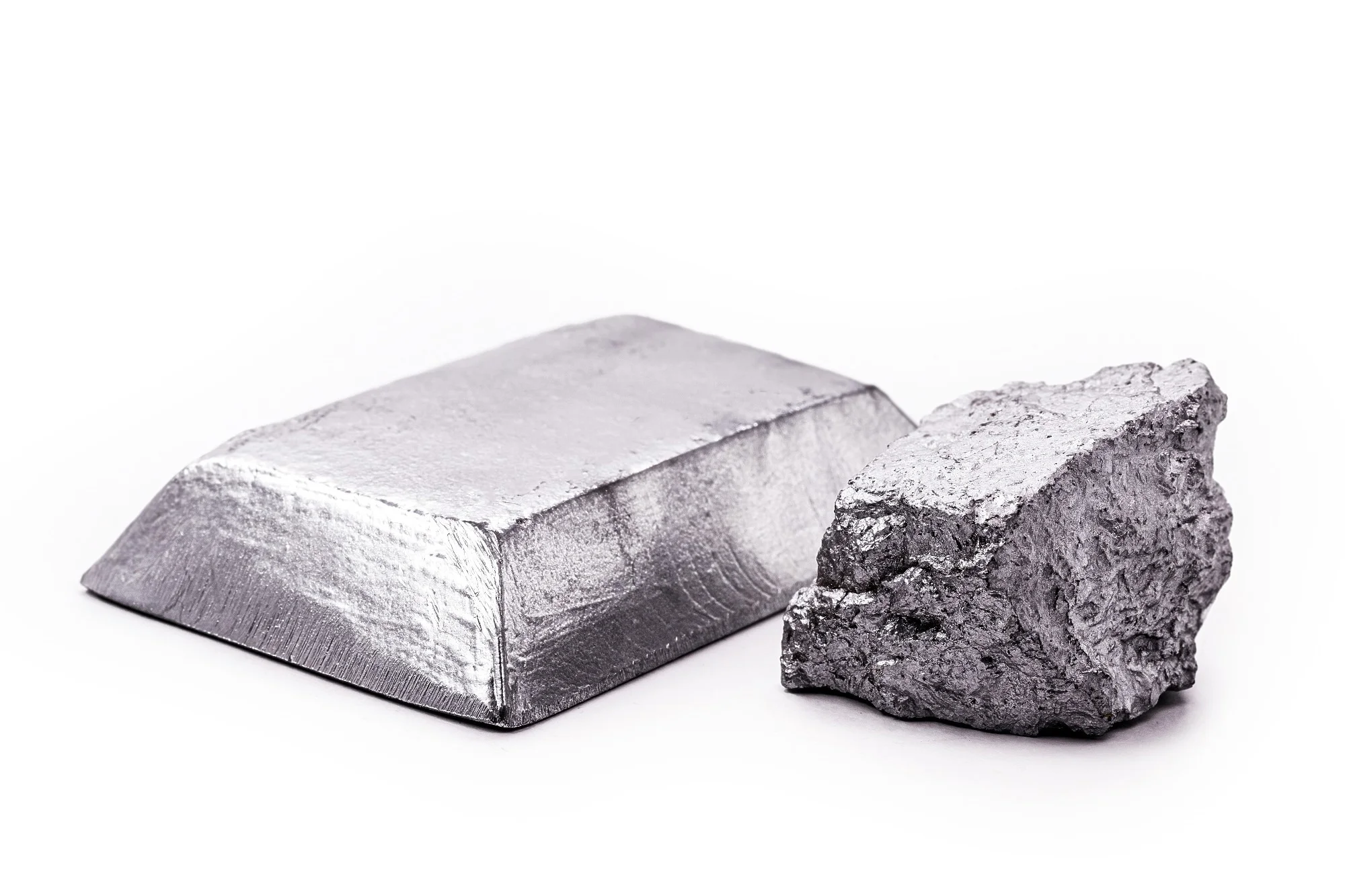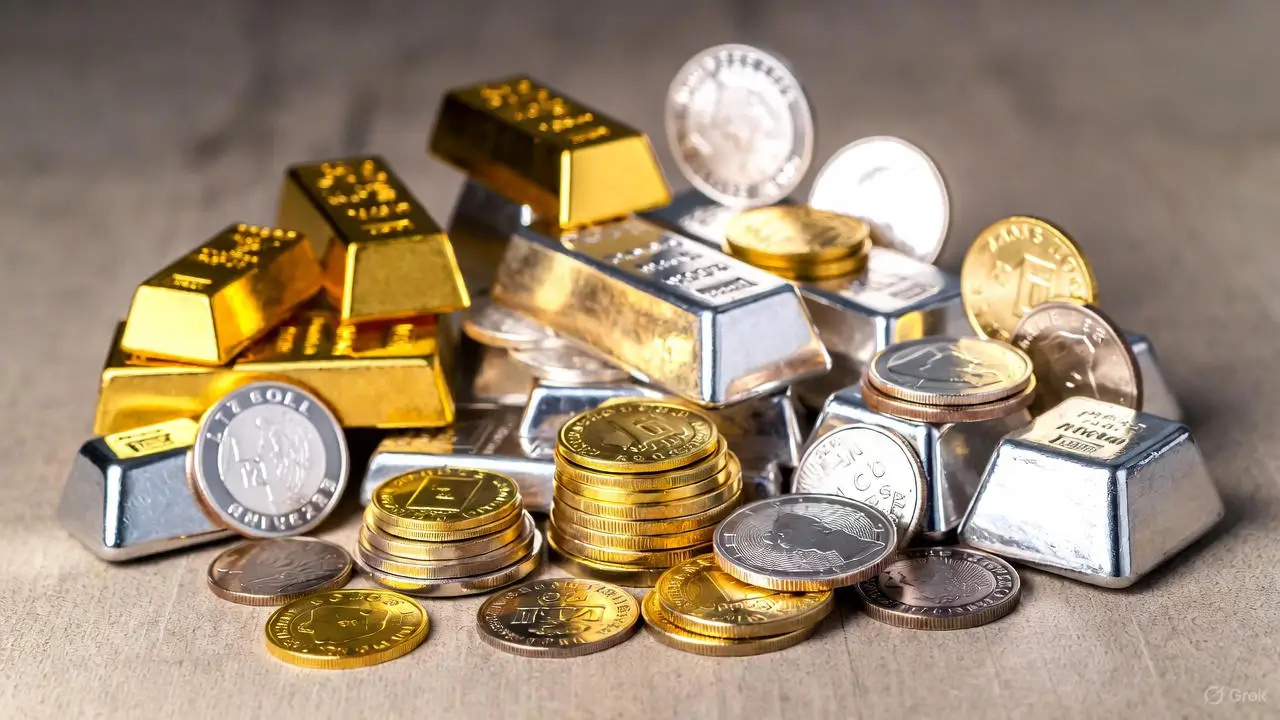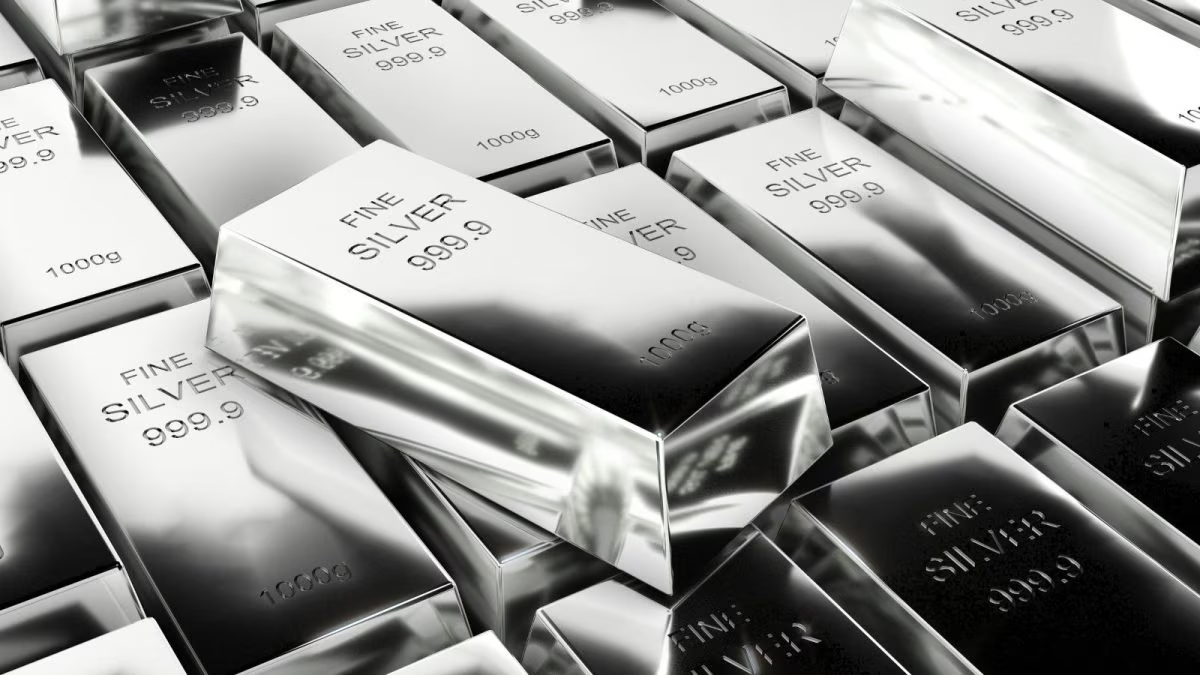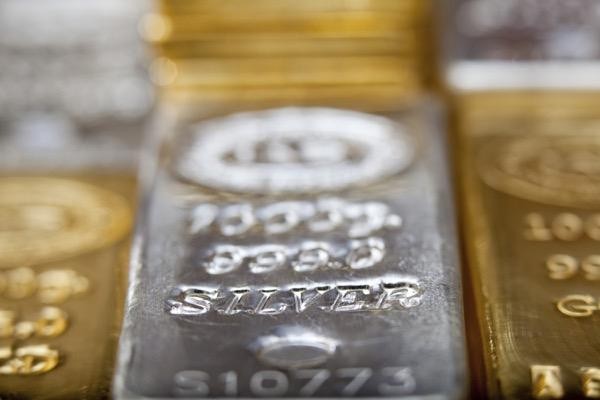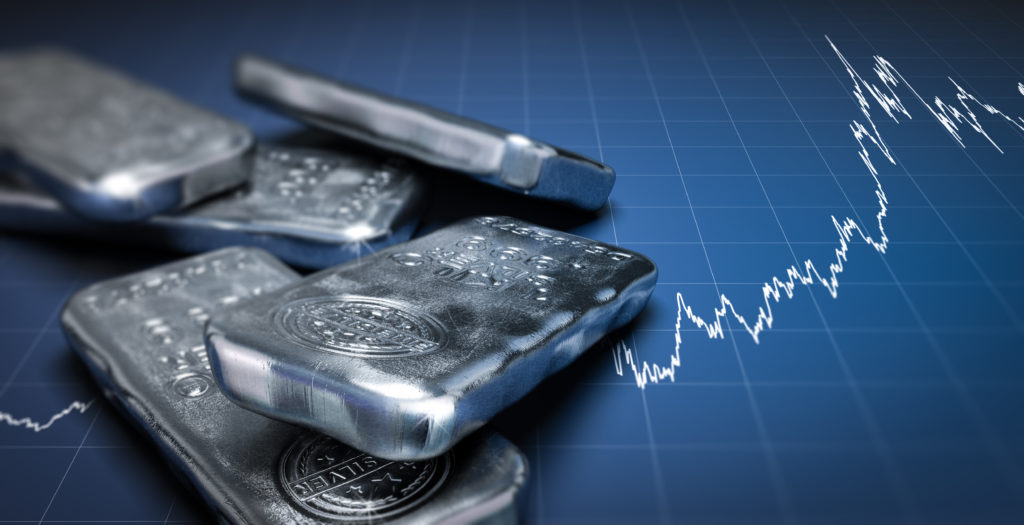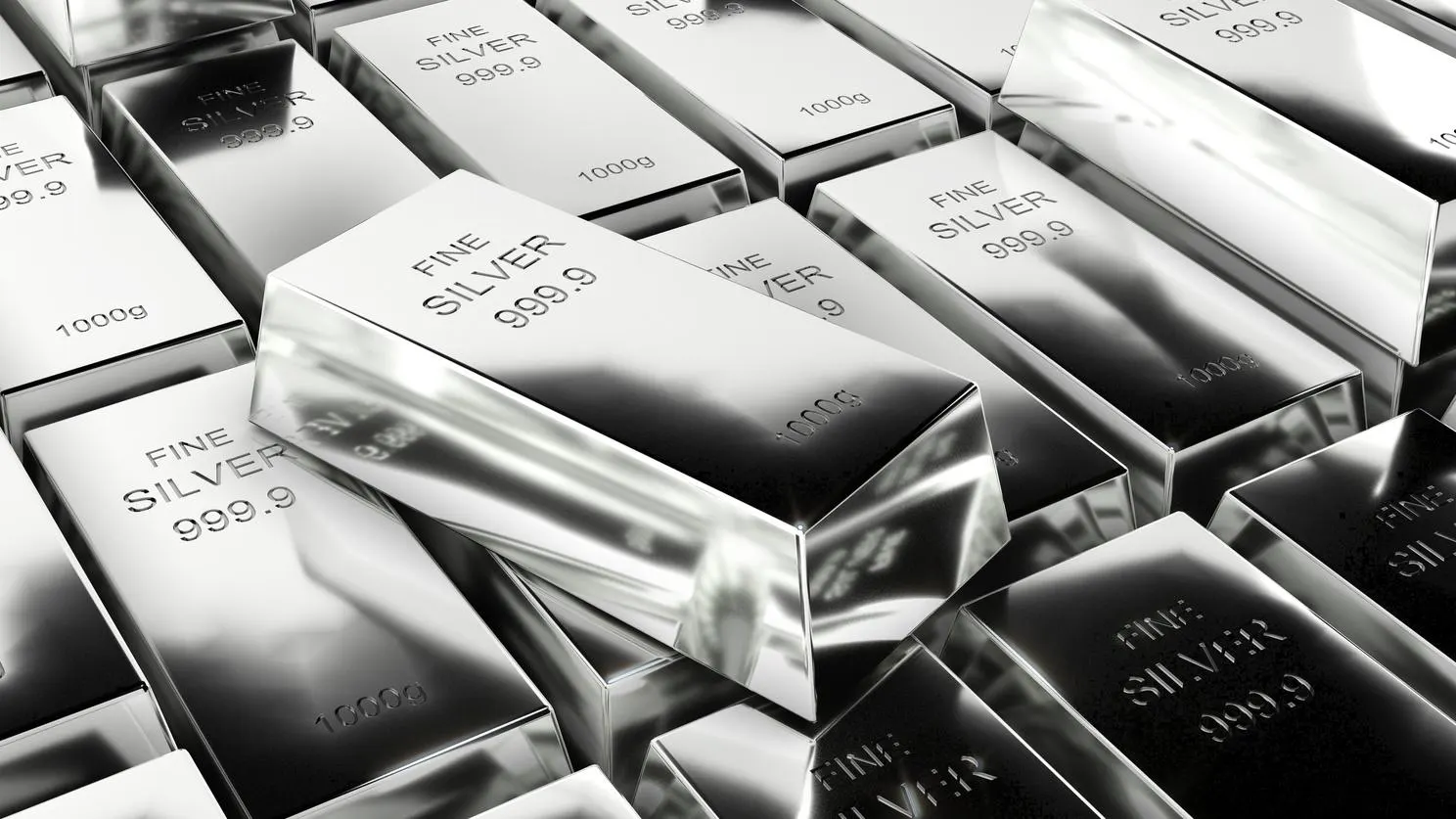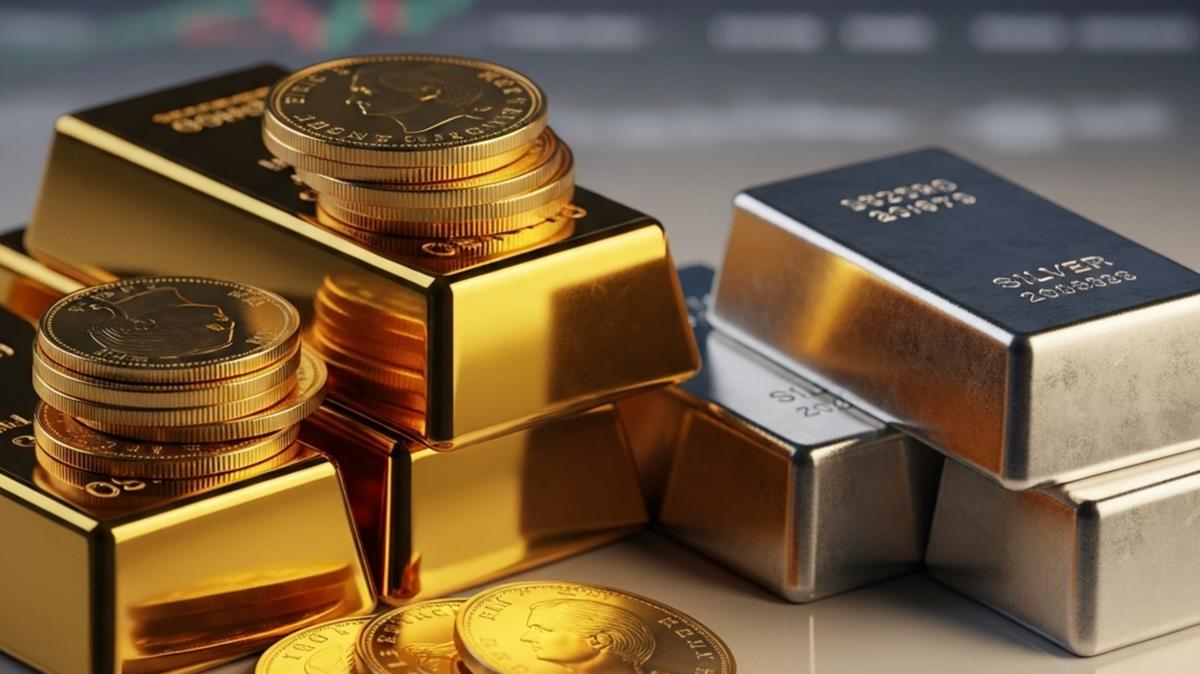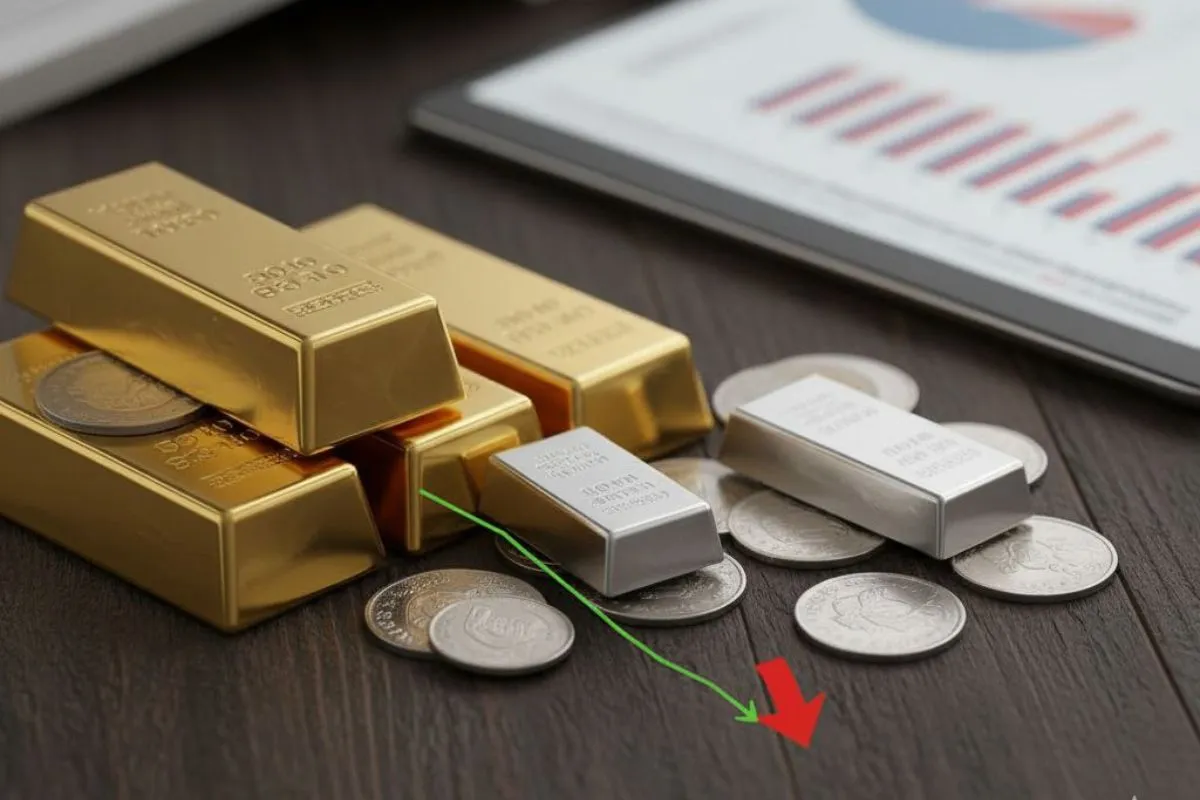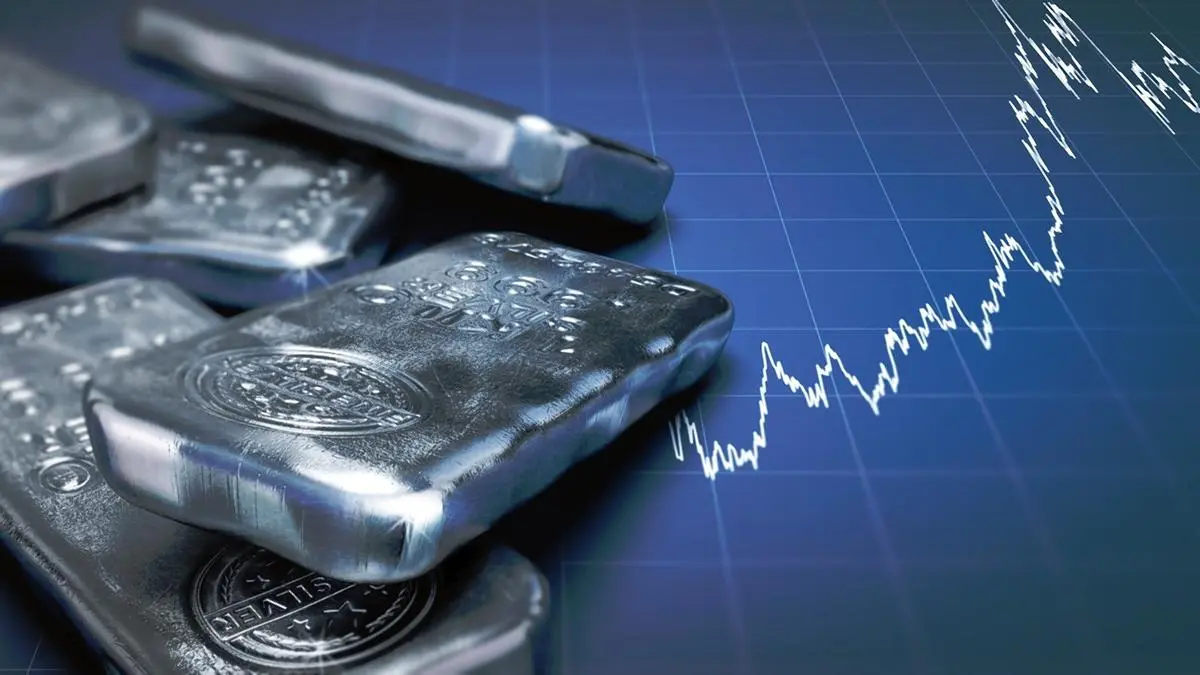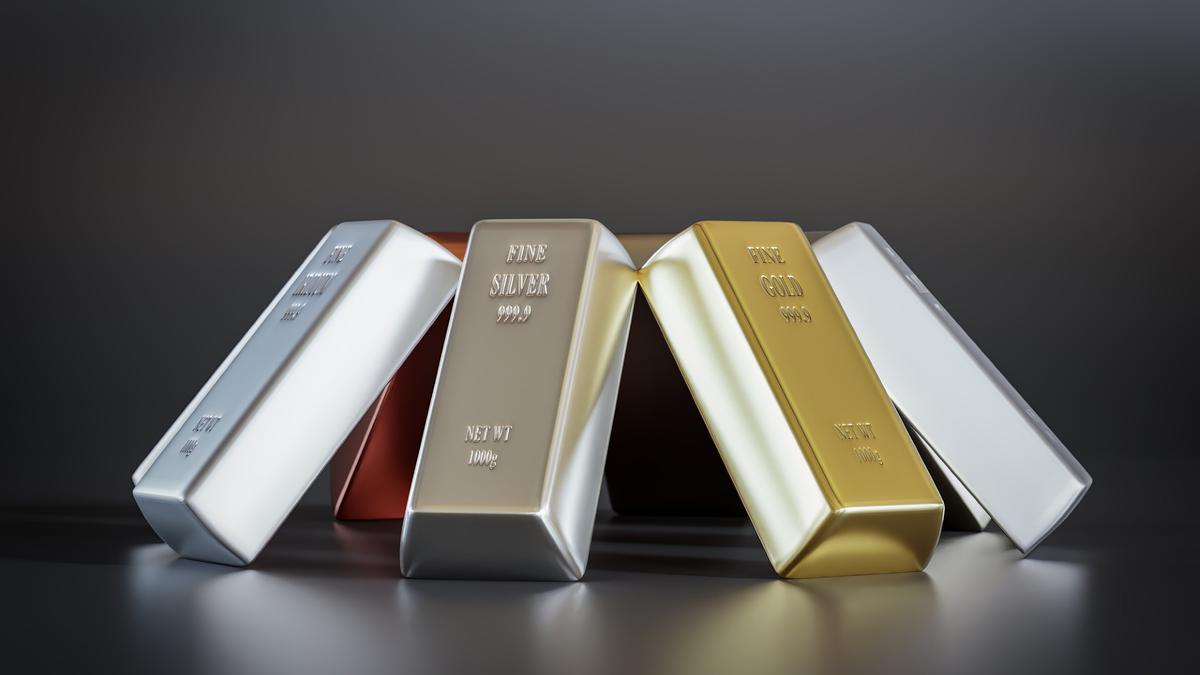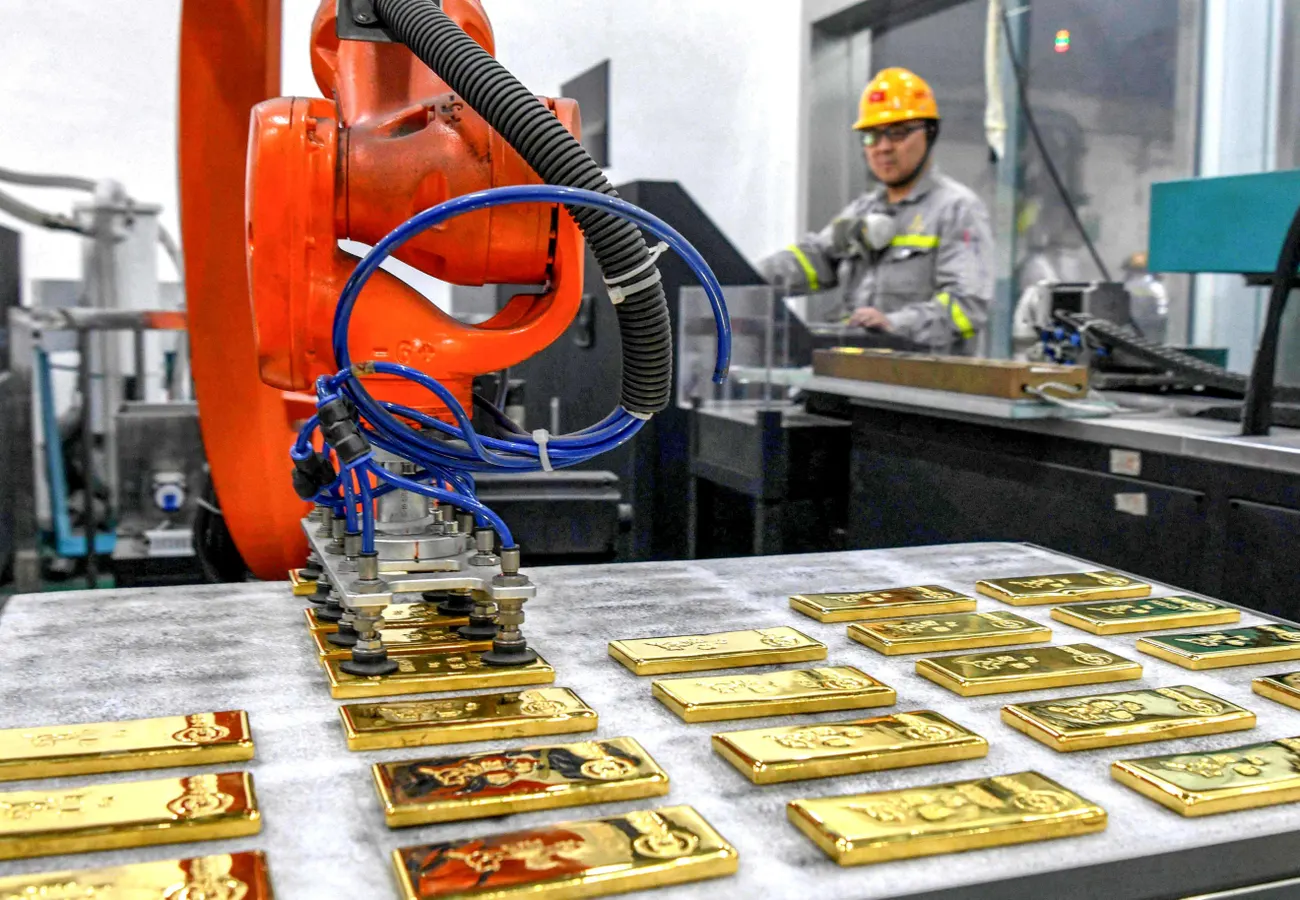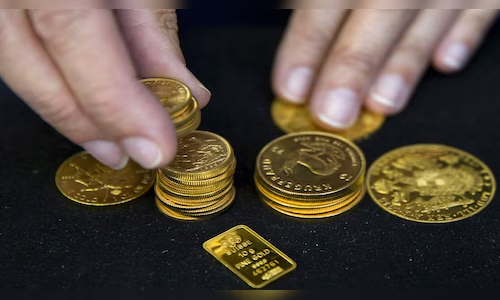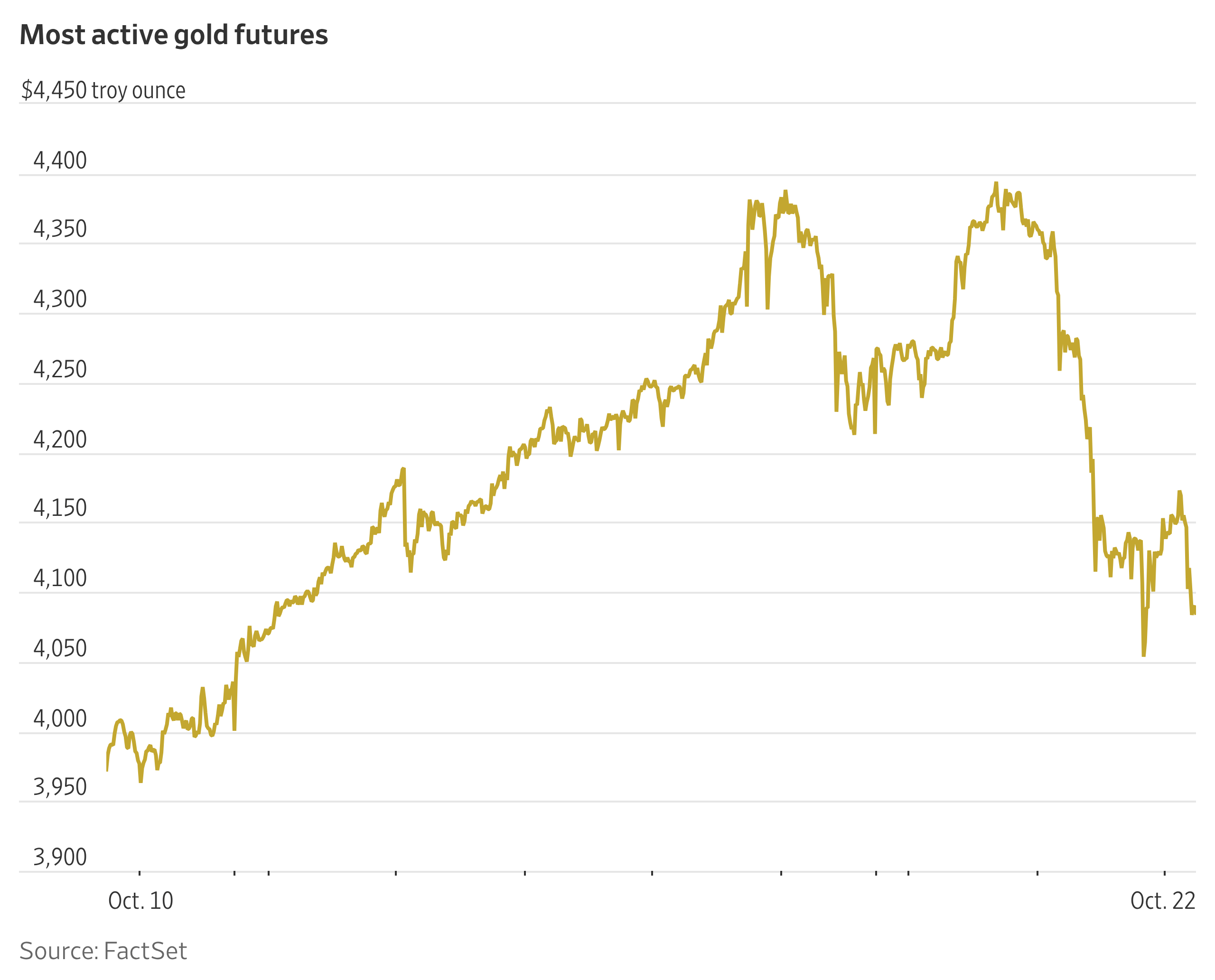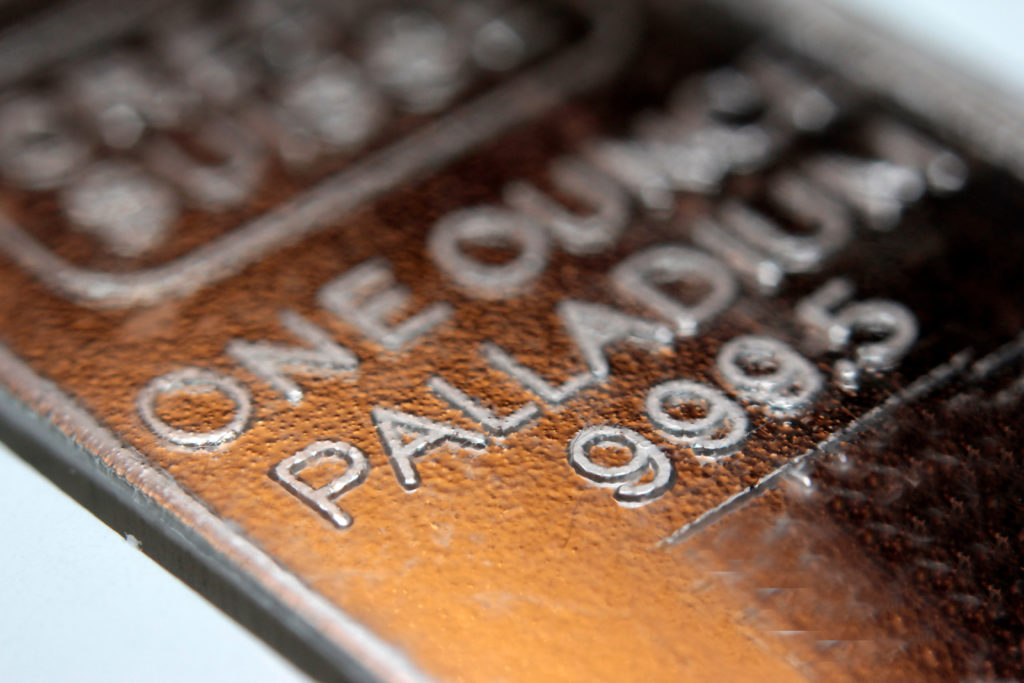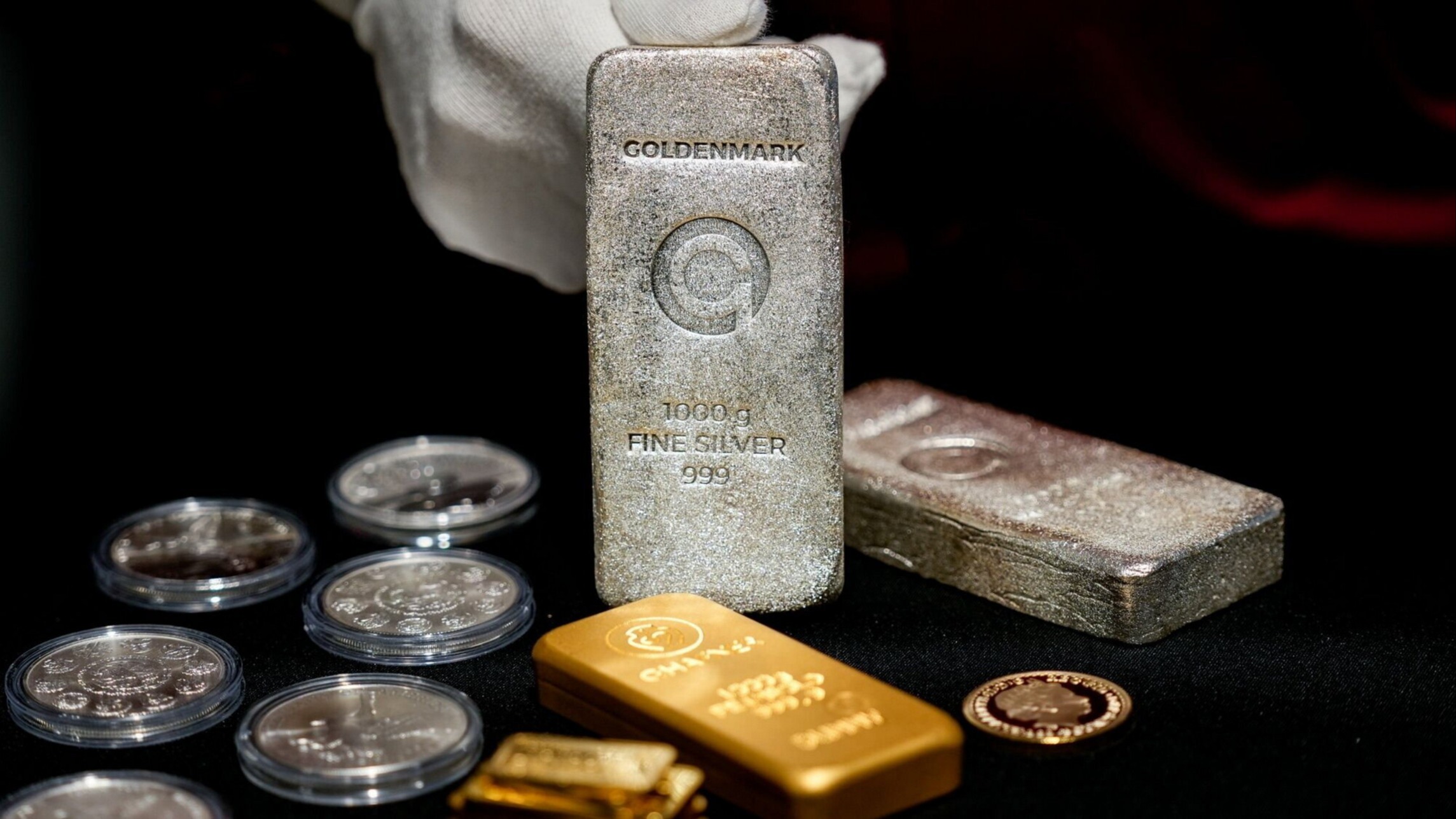
After a week of all-time highs for gold, silver and copper, prices started to come down on Friday morning (January 30).
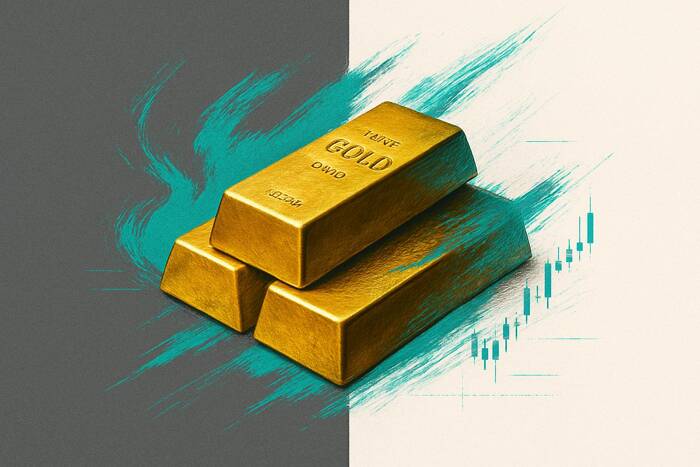
Gold prices had surged to all time highs this week amid geopolitical uncertainty.
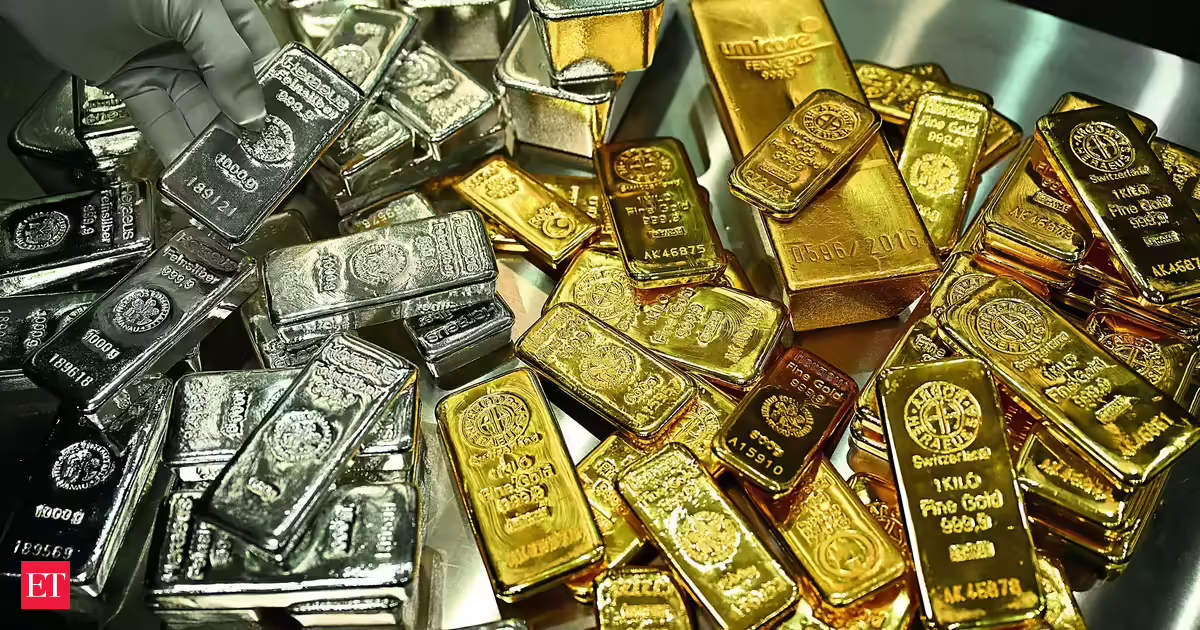
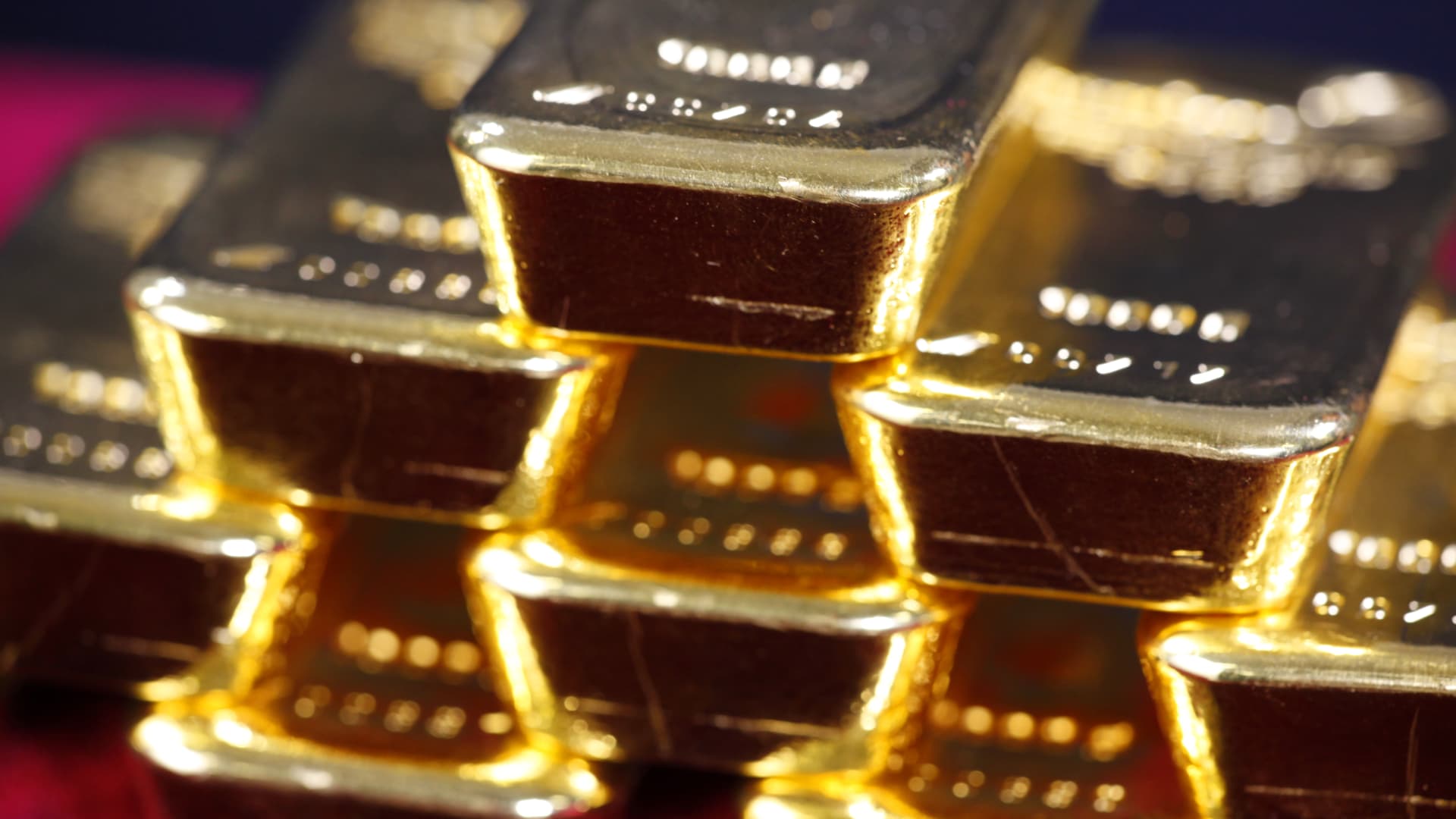
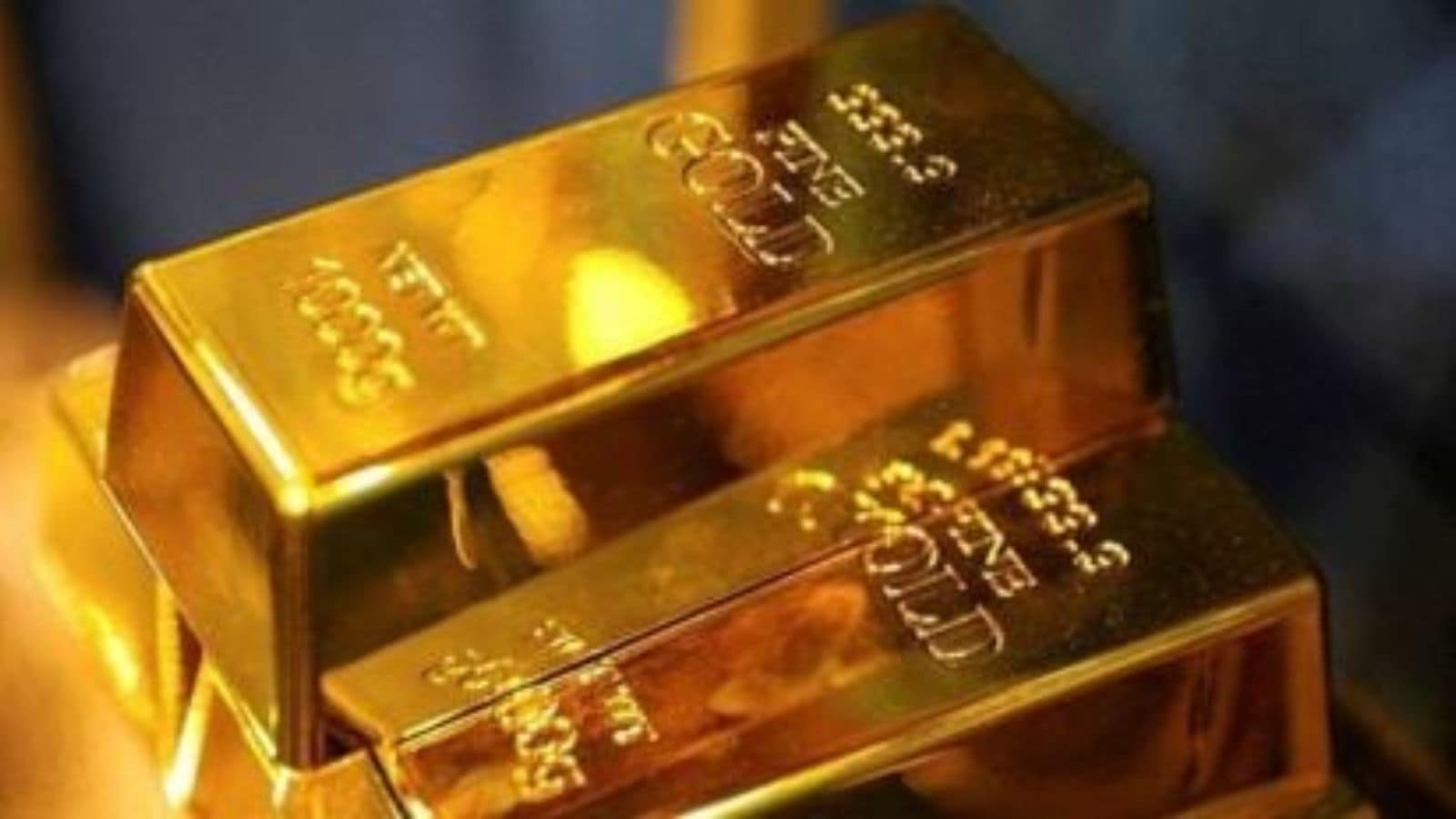
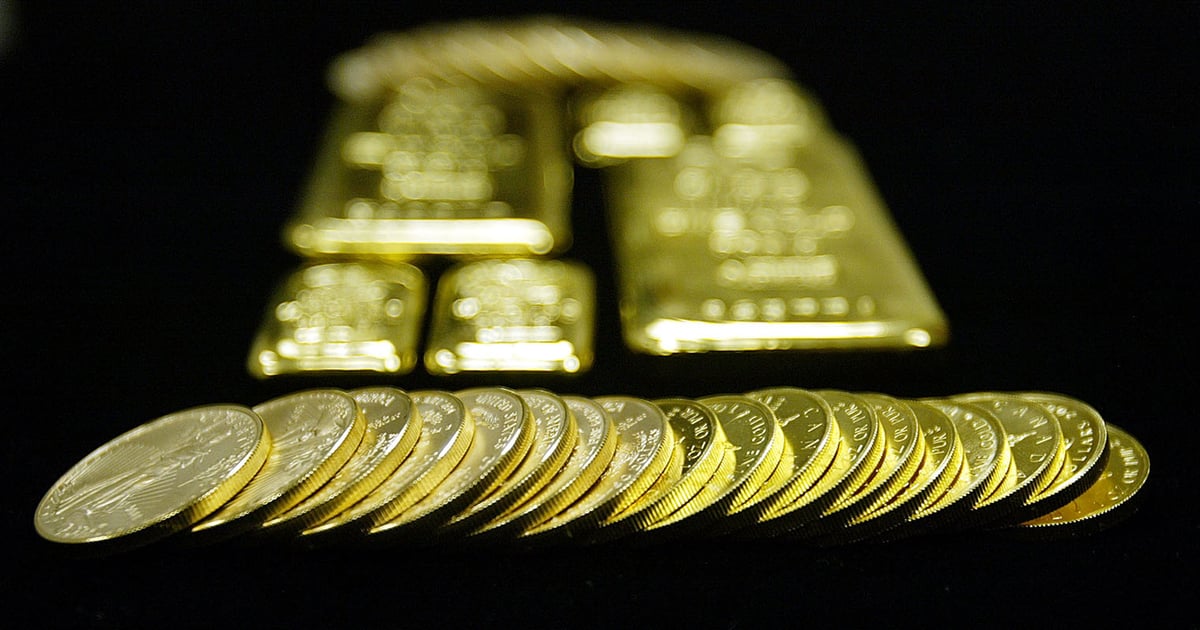
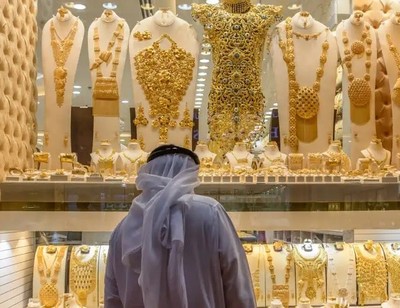
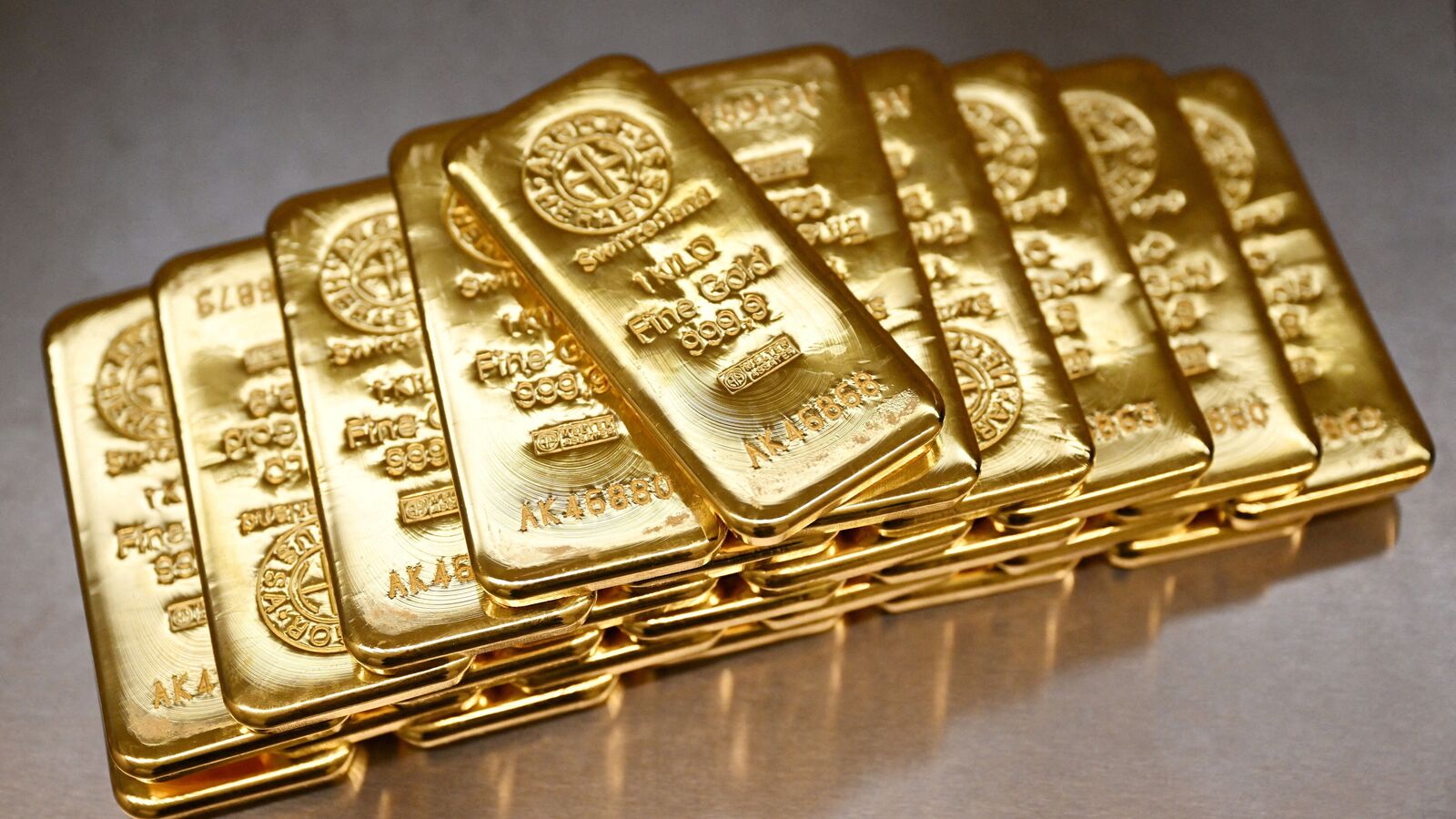
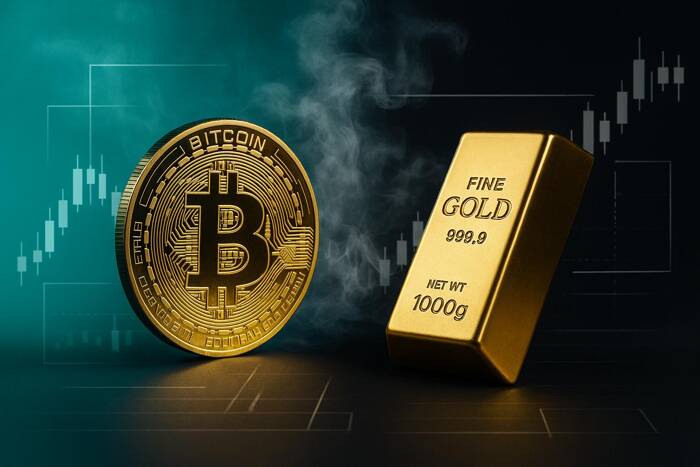
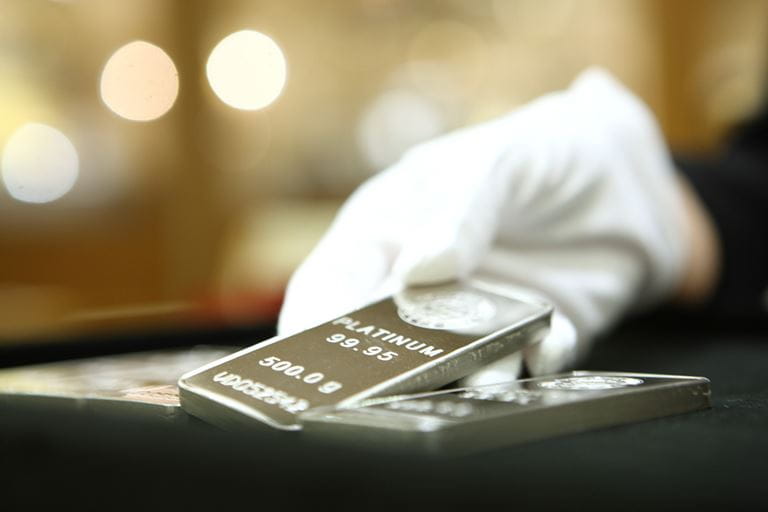
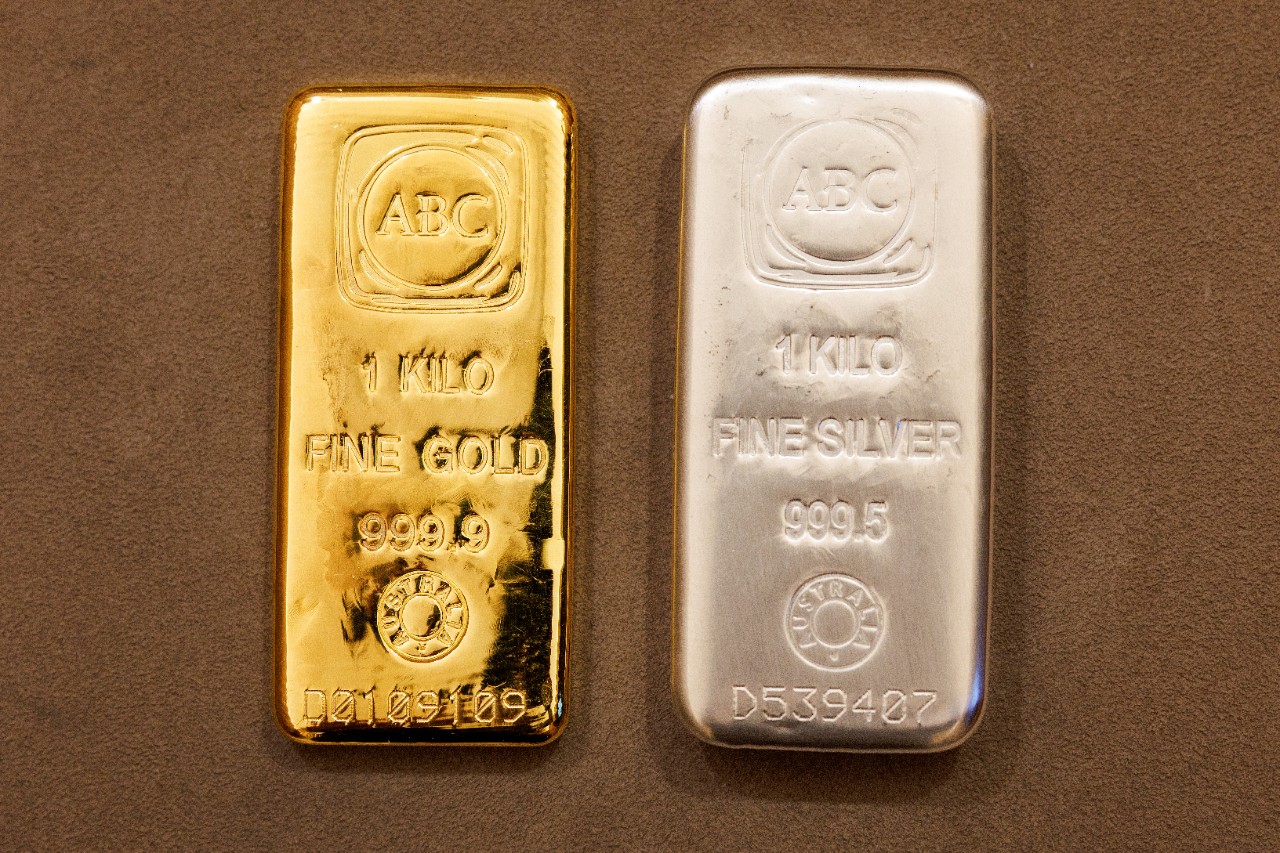
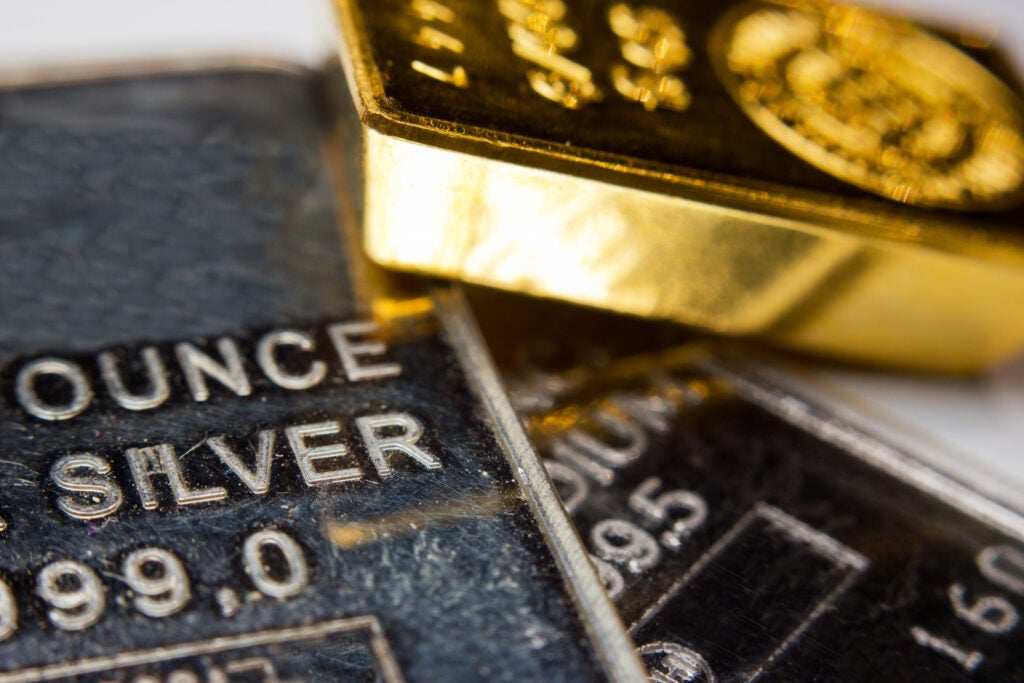
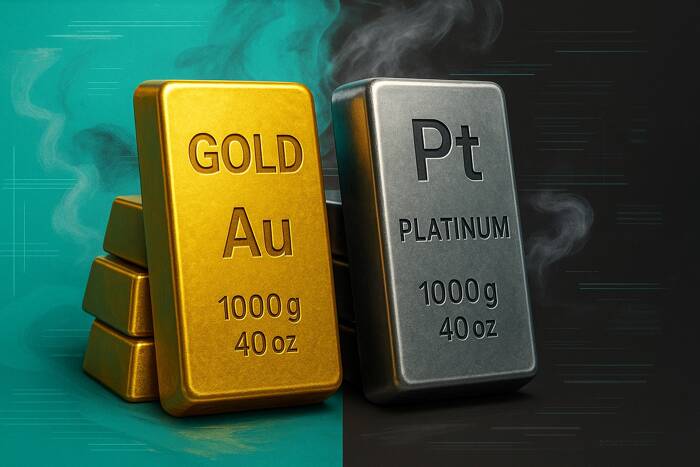
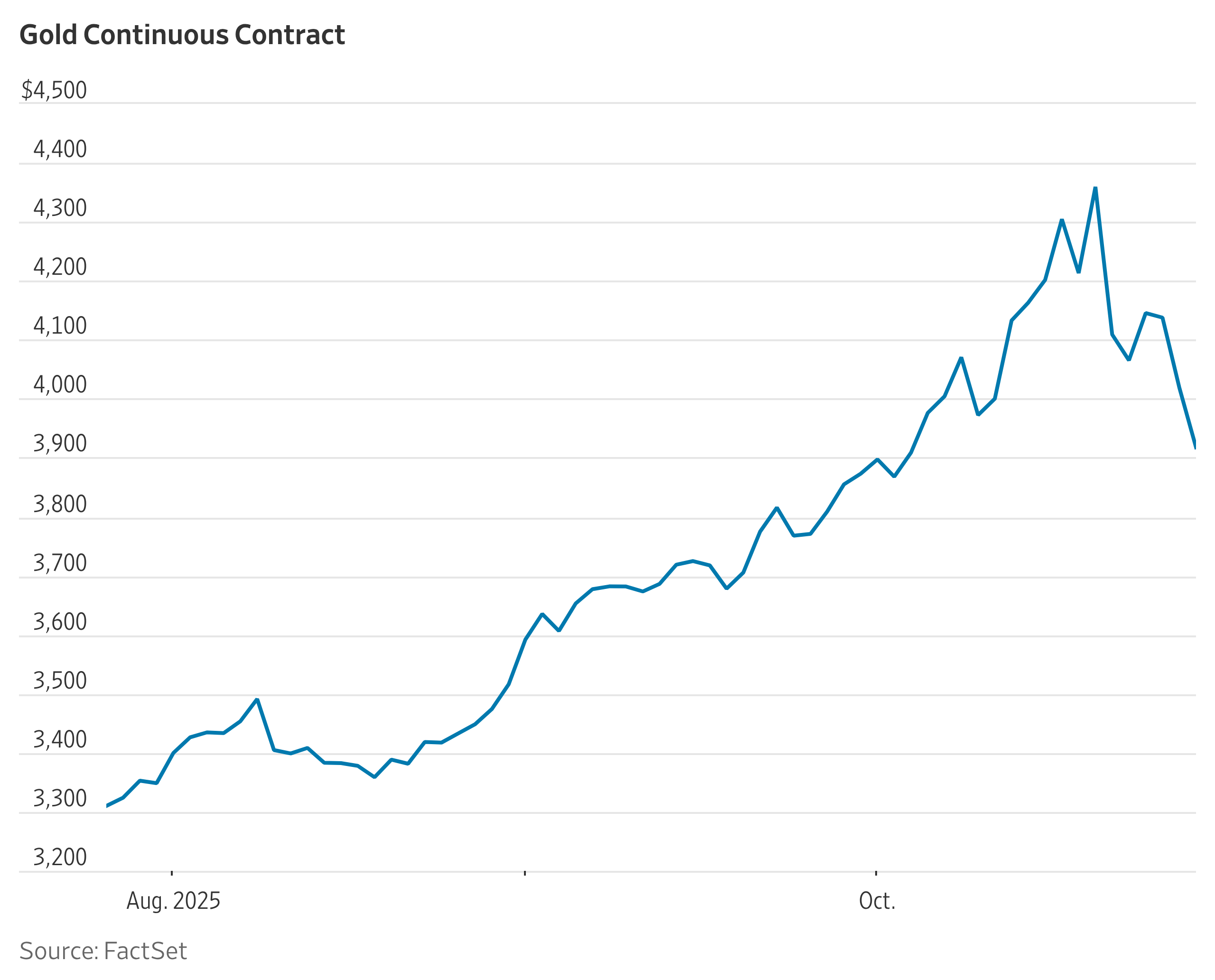
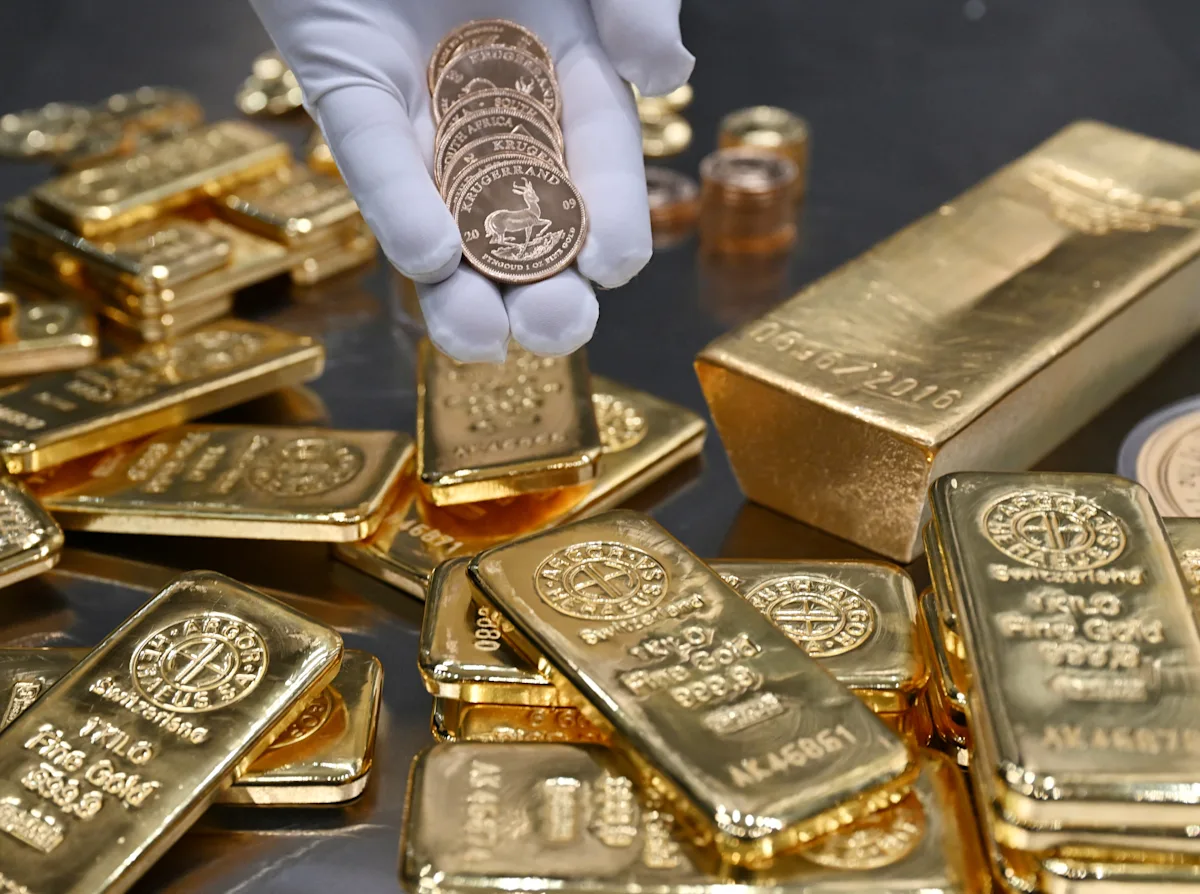
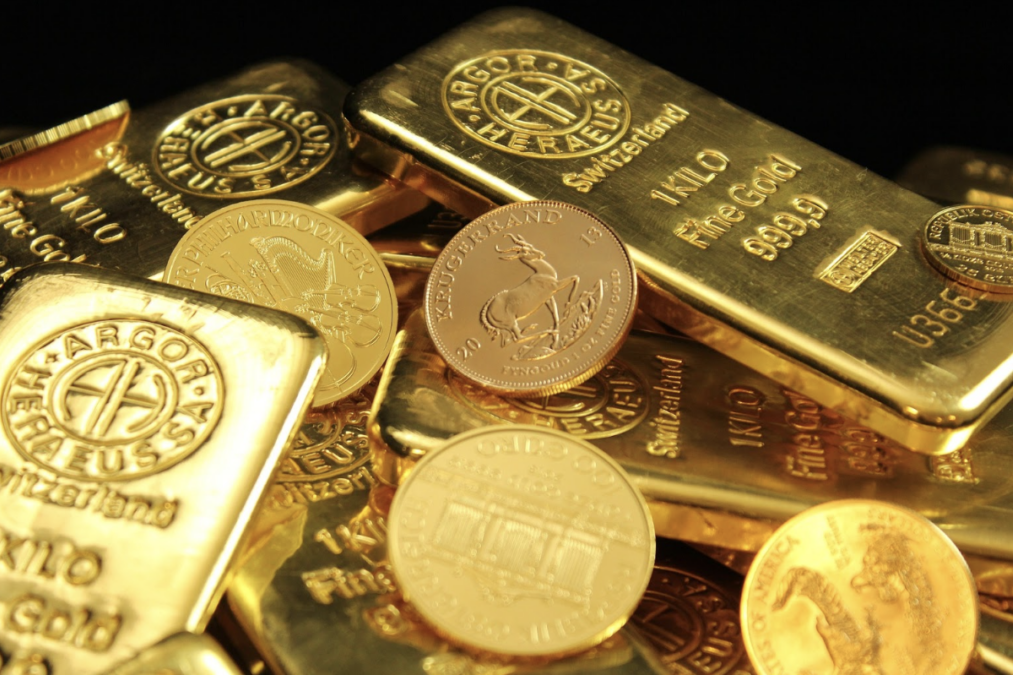
The asset, which is seen as a safe haven in times of volatility, reached more than $5,000 (£3,633) per ounce this week — the highest in history.
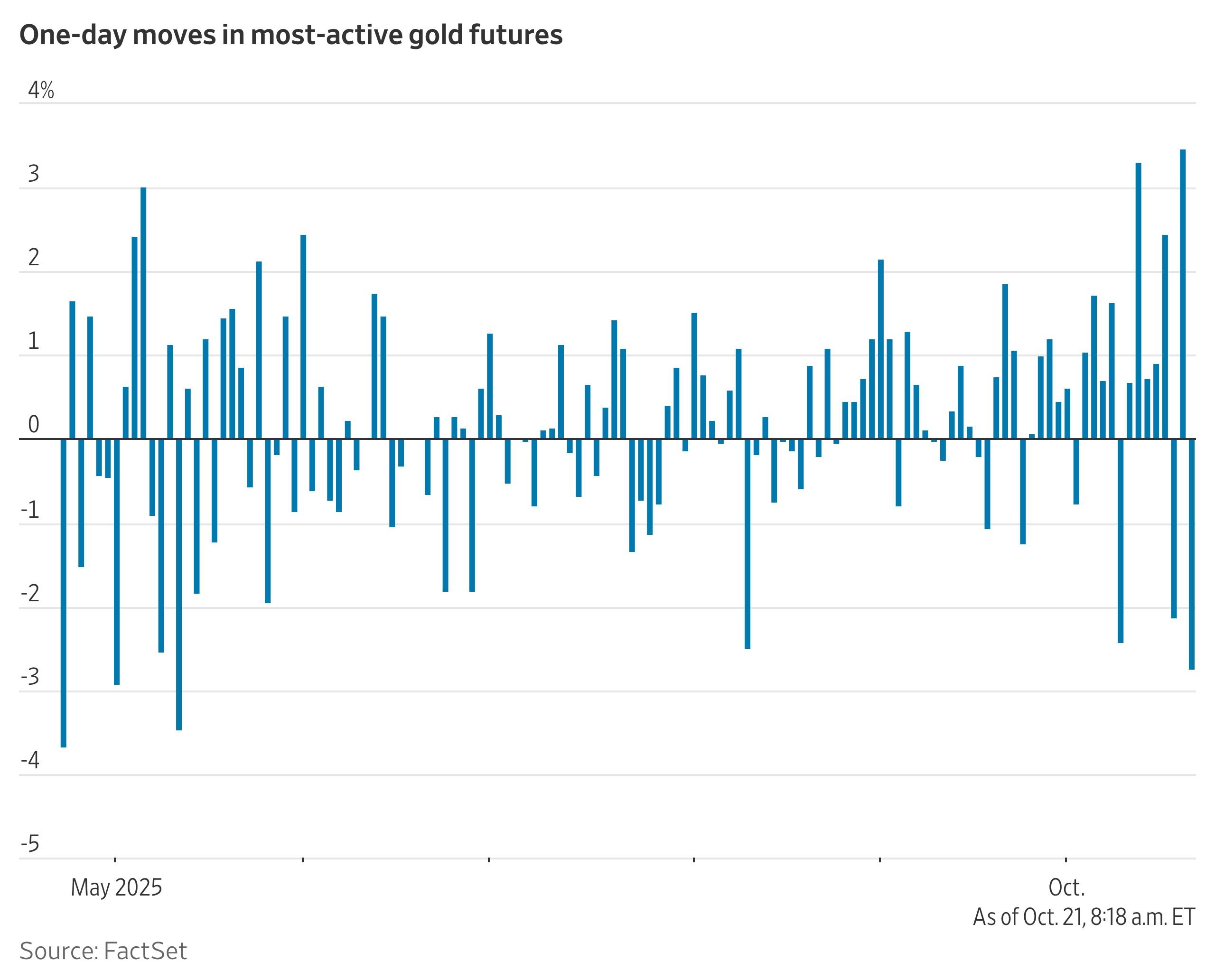
However, the gold price dropped more than 5 per cent by Friday morning (January 30) as investors sought to take profits from the metal.
It also came after news emerged that Donald Trump was likely to nominate Federal Reserve governor Kevin Warsh to replace Jay Powell as chair of the central bank which boosted the dollar.
Looking back at the week, experts put this rally down to the perfect storm of political tension, a weak US dollar and worries about inflation.
Susannah Streeter, chief investment strategist at Wealth Club, said: “The Footsie is heading up towards record levels, as geopolitical tensions make the defensive nature of the index more attractive.
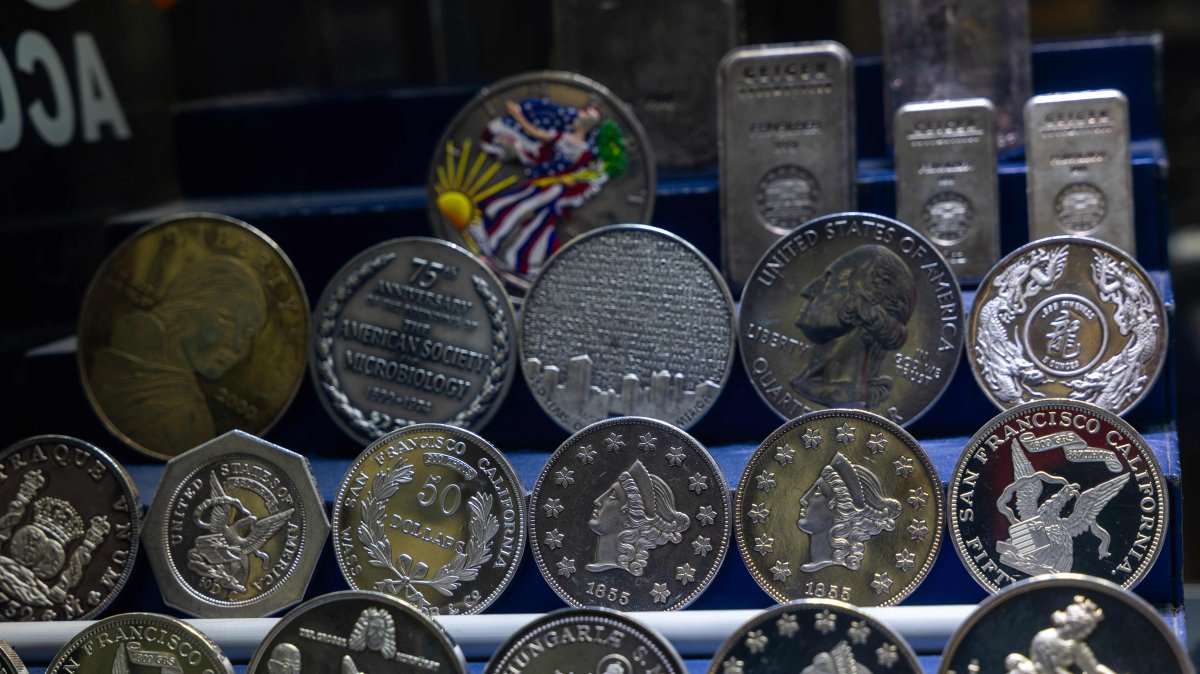
“The flight to safe havens is intensifying with gold and silver hitting fresh records, amid concerns about fresh conflict erupting. Mining companies have made fresh gains, amid the insatiable demand for precious metals.”
Research from AJ Bell showed over the past 10 years, gold has been the best performing safe haven, turning £10,000 into £30,904 in real terms.
Laith Khalaf, head of investment analysis at AJ Bell, said: “Gold is on an absolutely blistering run at the moment.
“It’s now cruised through the $5,000 mark when it was only trading at $2,000 an ounce just over two years ago.
“This raises two pertinent but divergent questions: how high can gold go, and is it close to its peak?”
Khalaf said these questions were difficult to answer because its price was driven by sentiment and unpredictable macroeconomic tides.
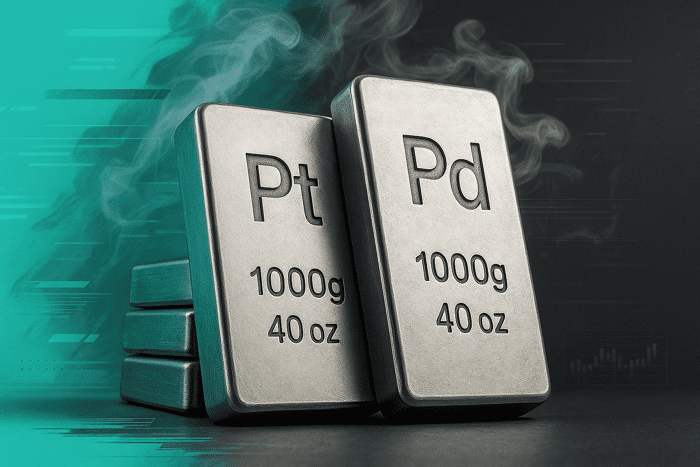
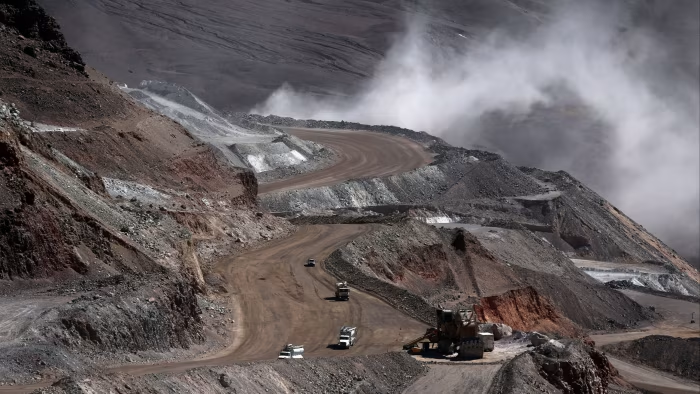
And gold has not been the only metal on the rise with copper and silver prices also on the rise this month.
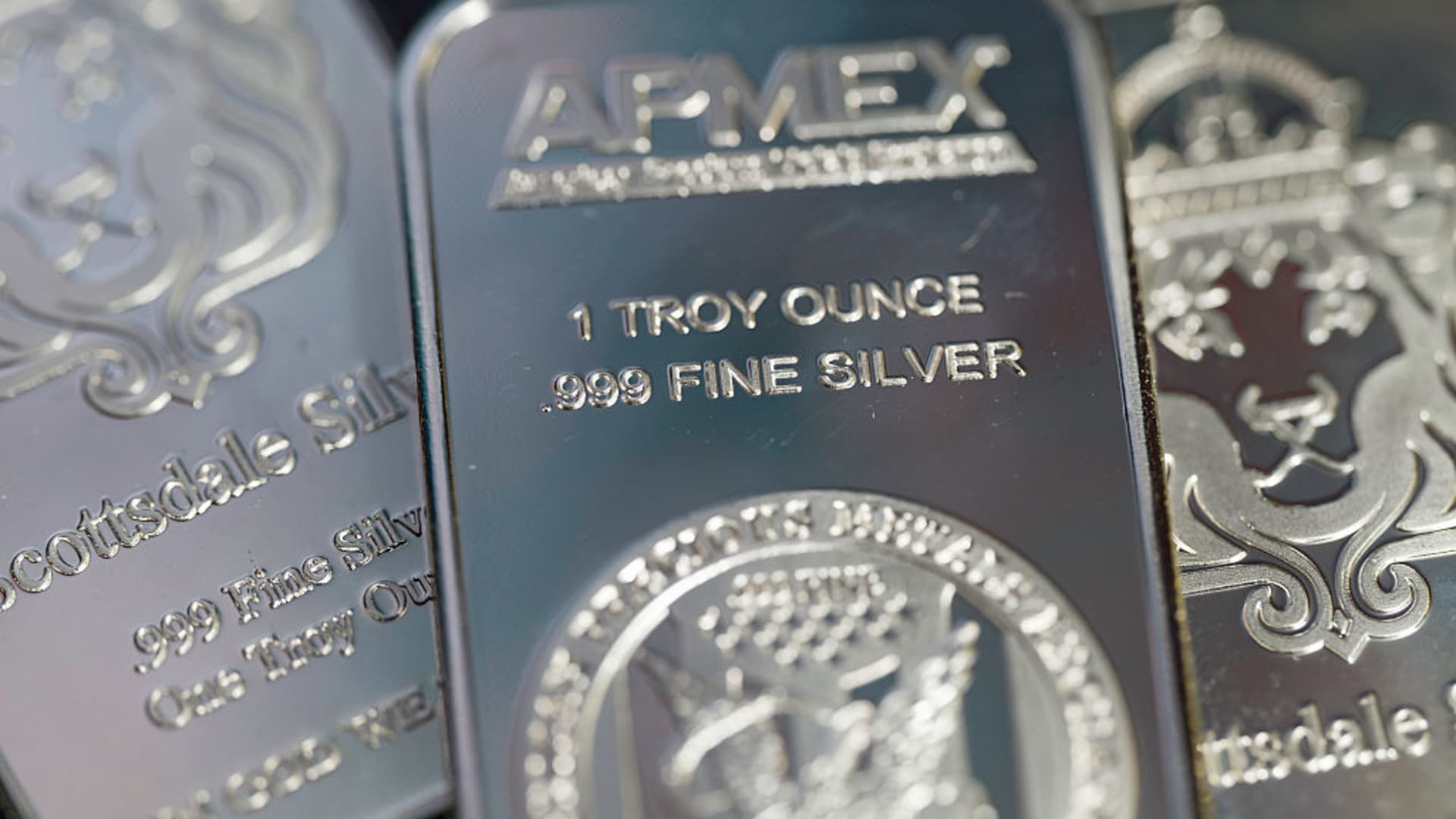
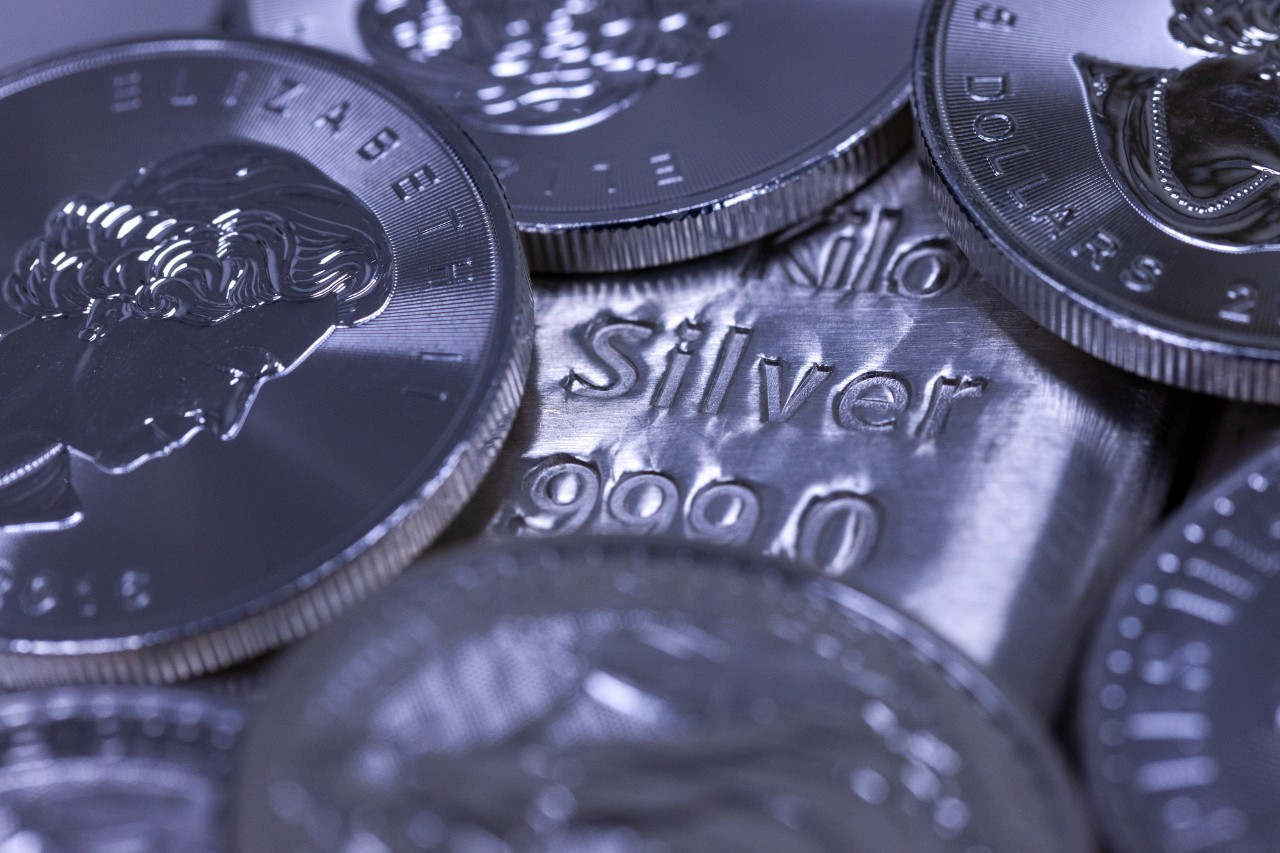
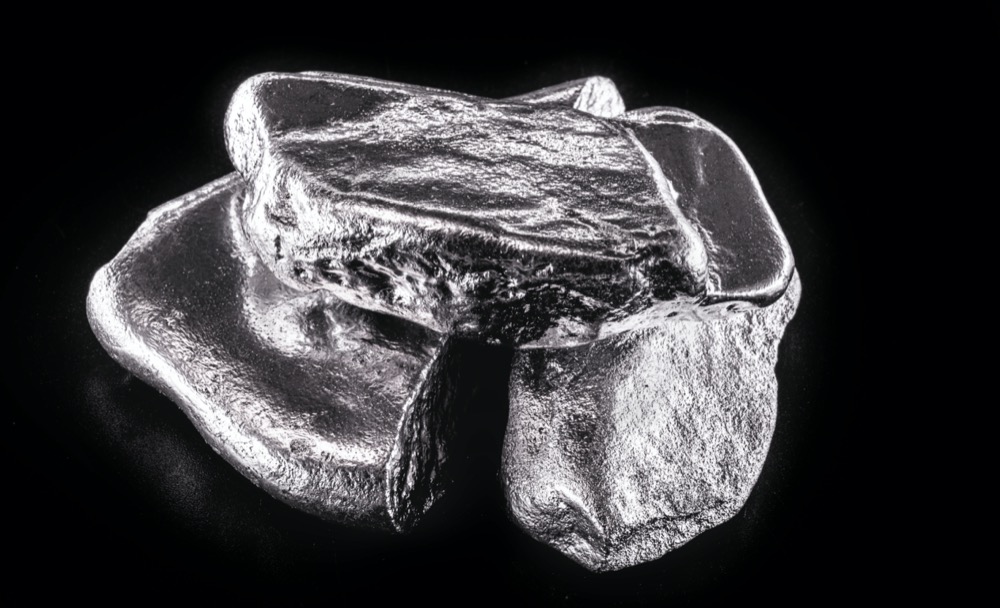
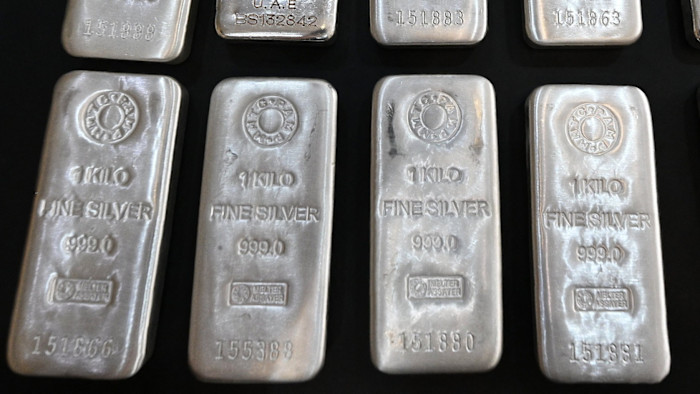
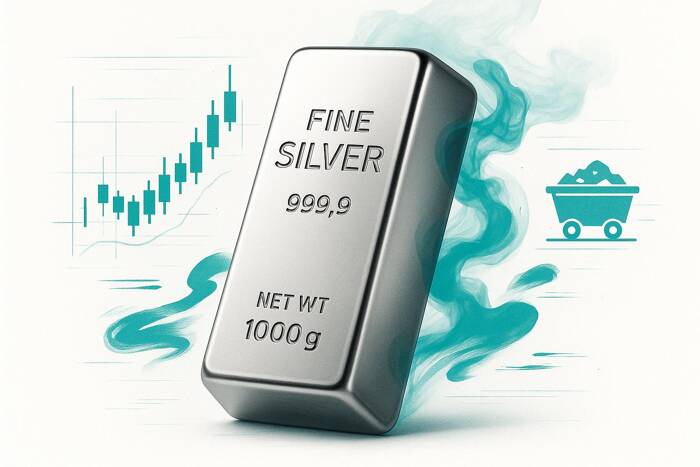
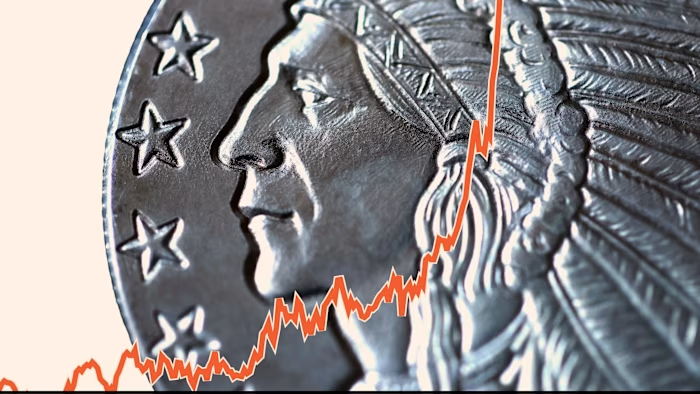
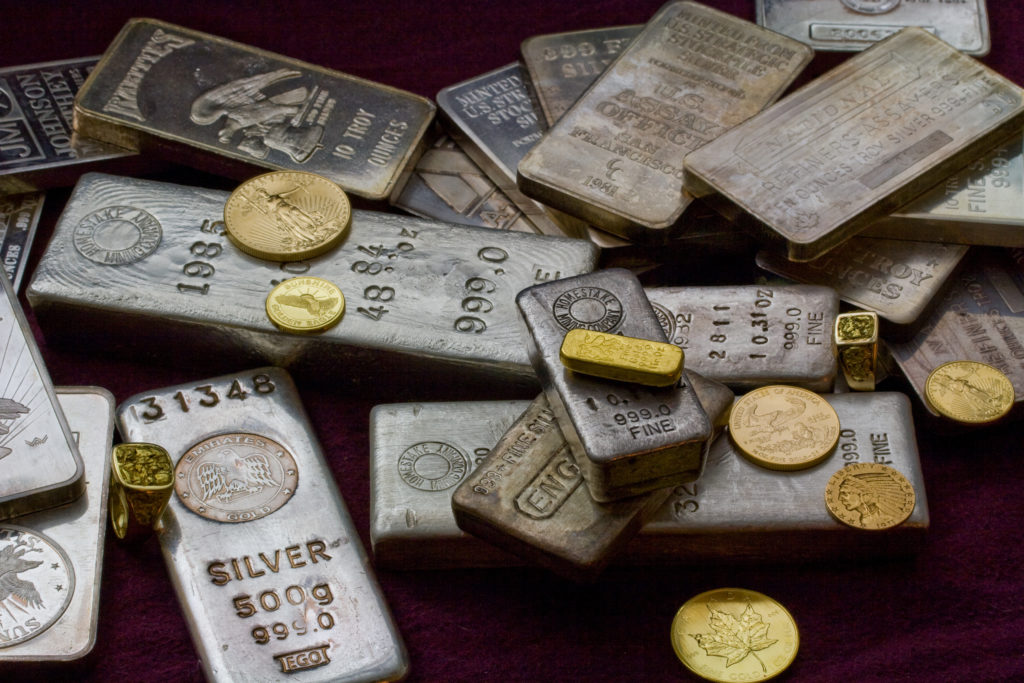
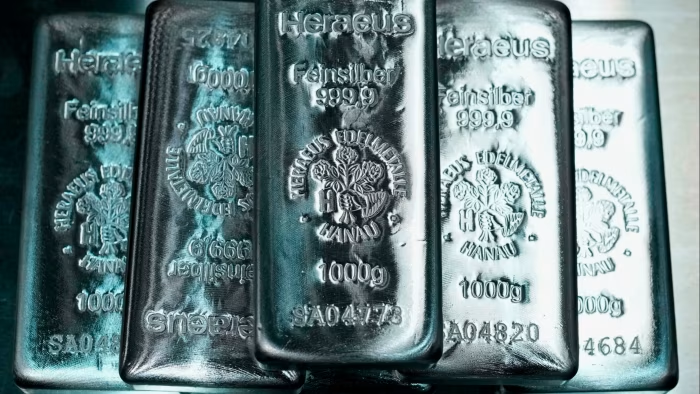
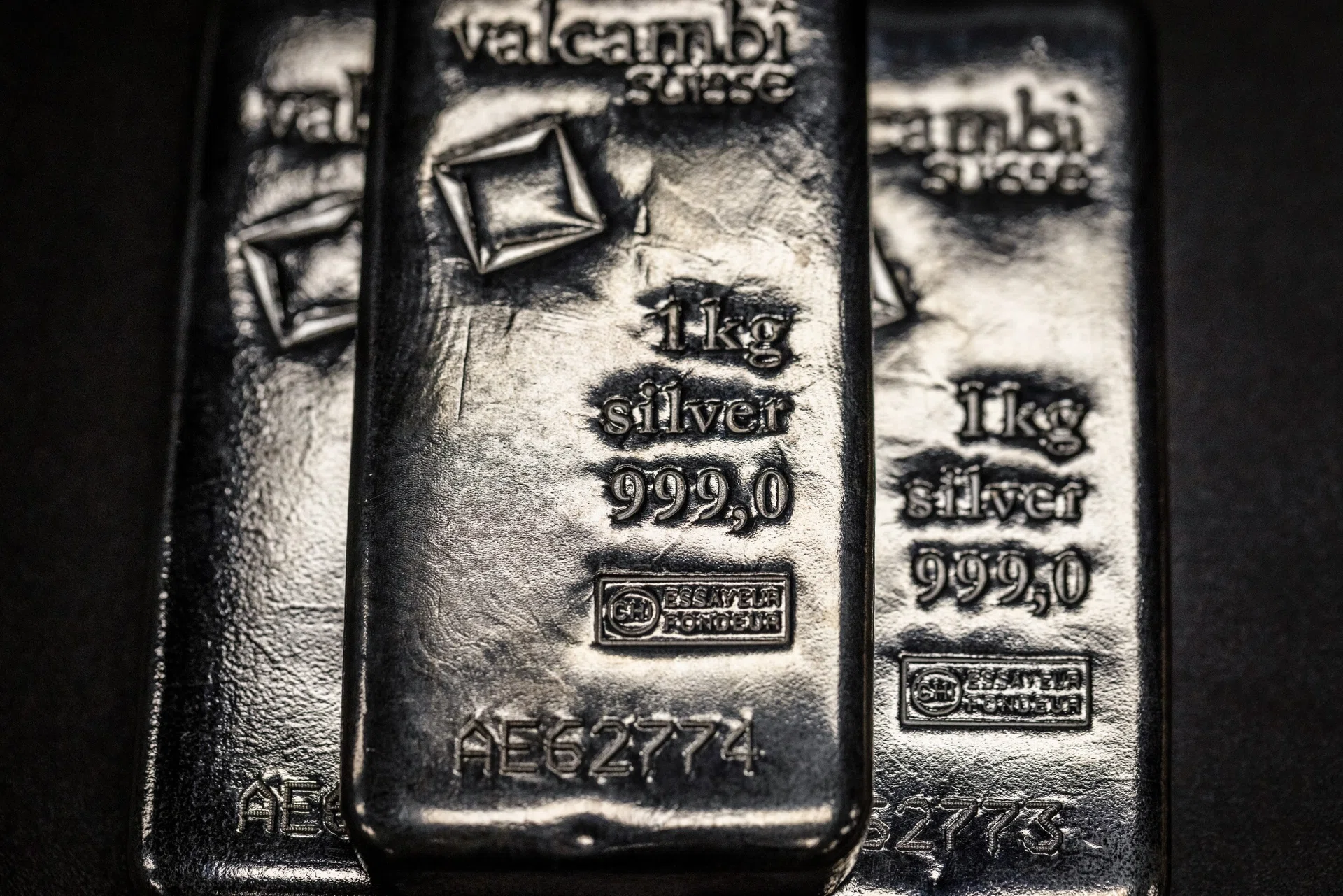
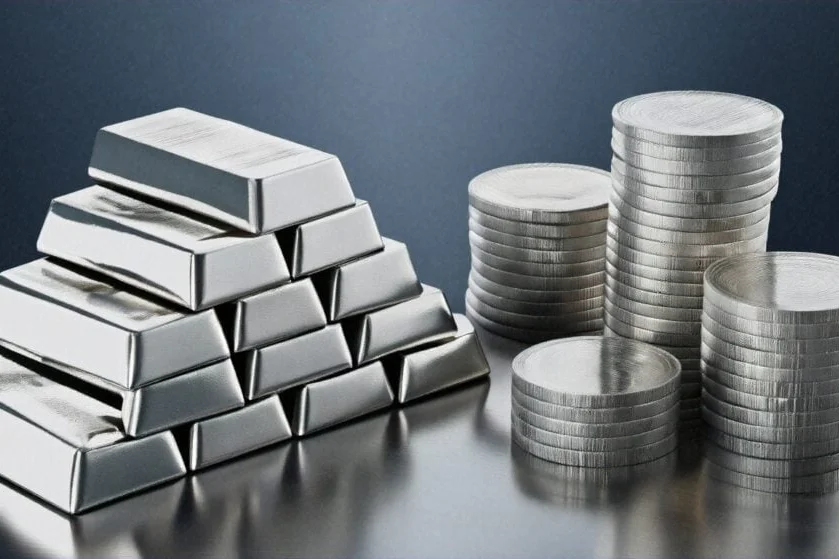
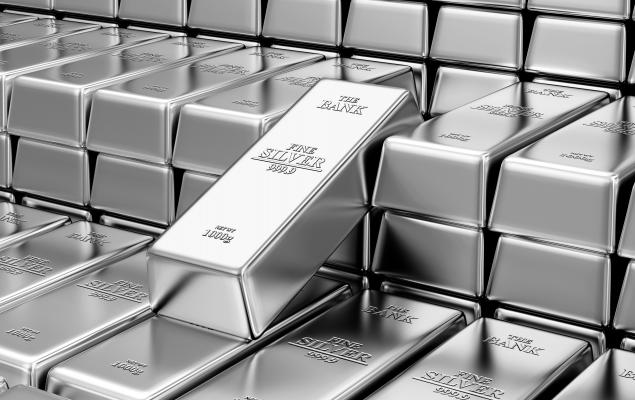
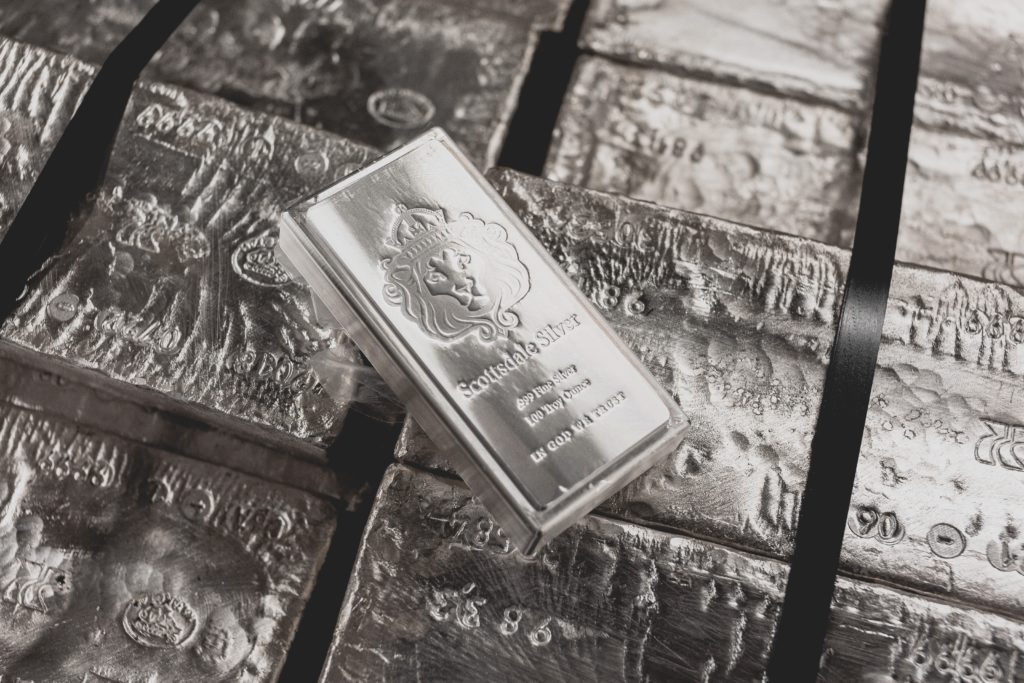
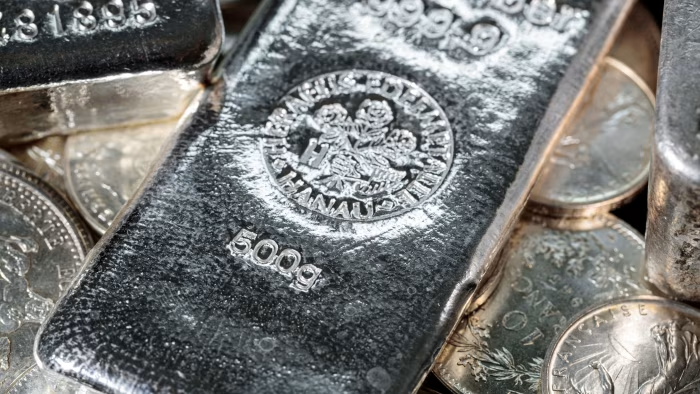
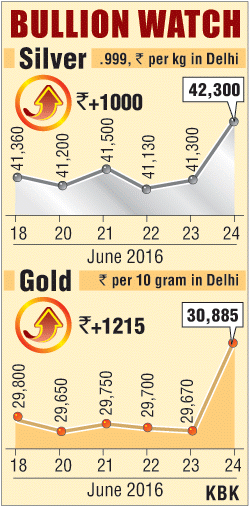
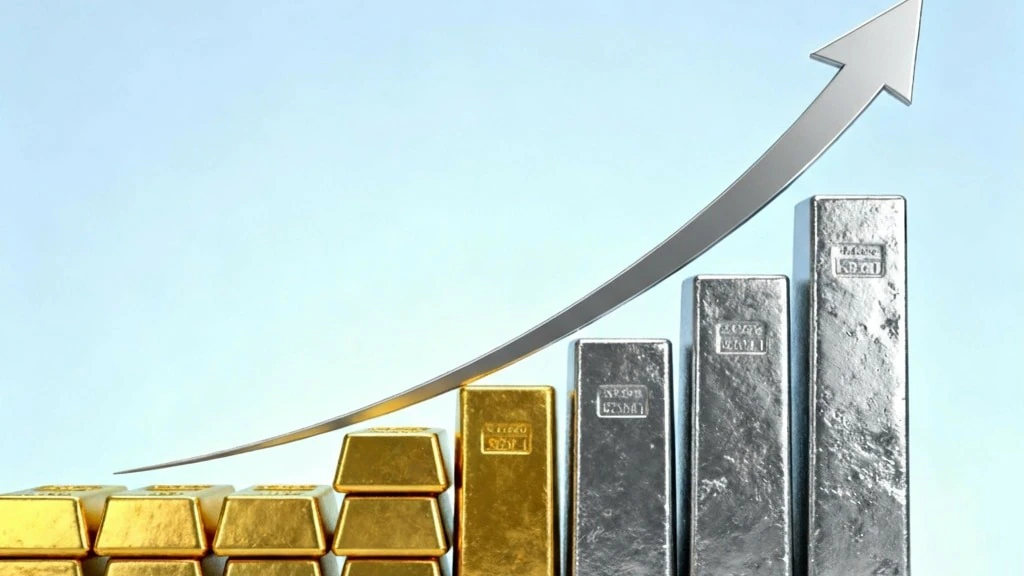
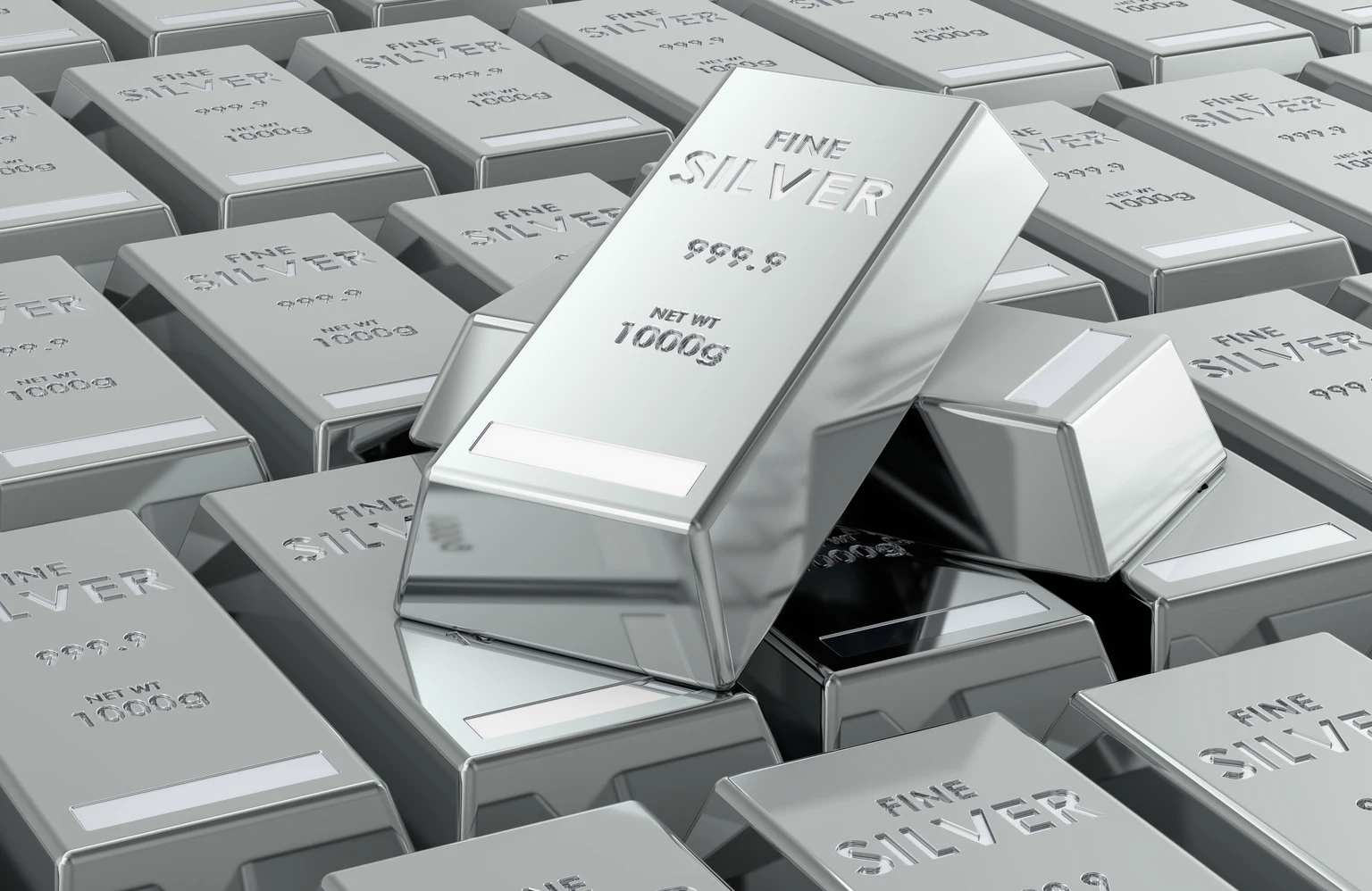
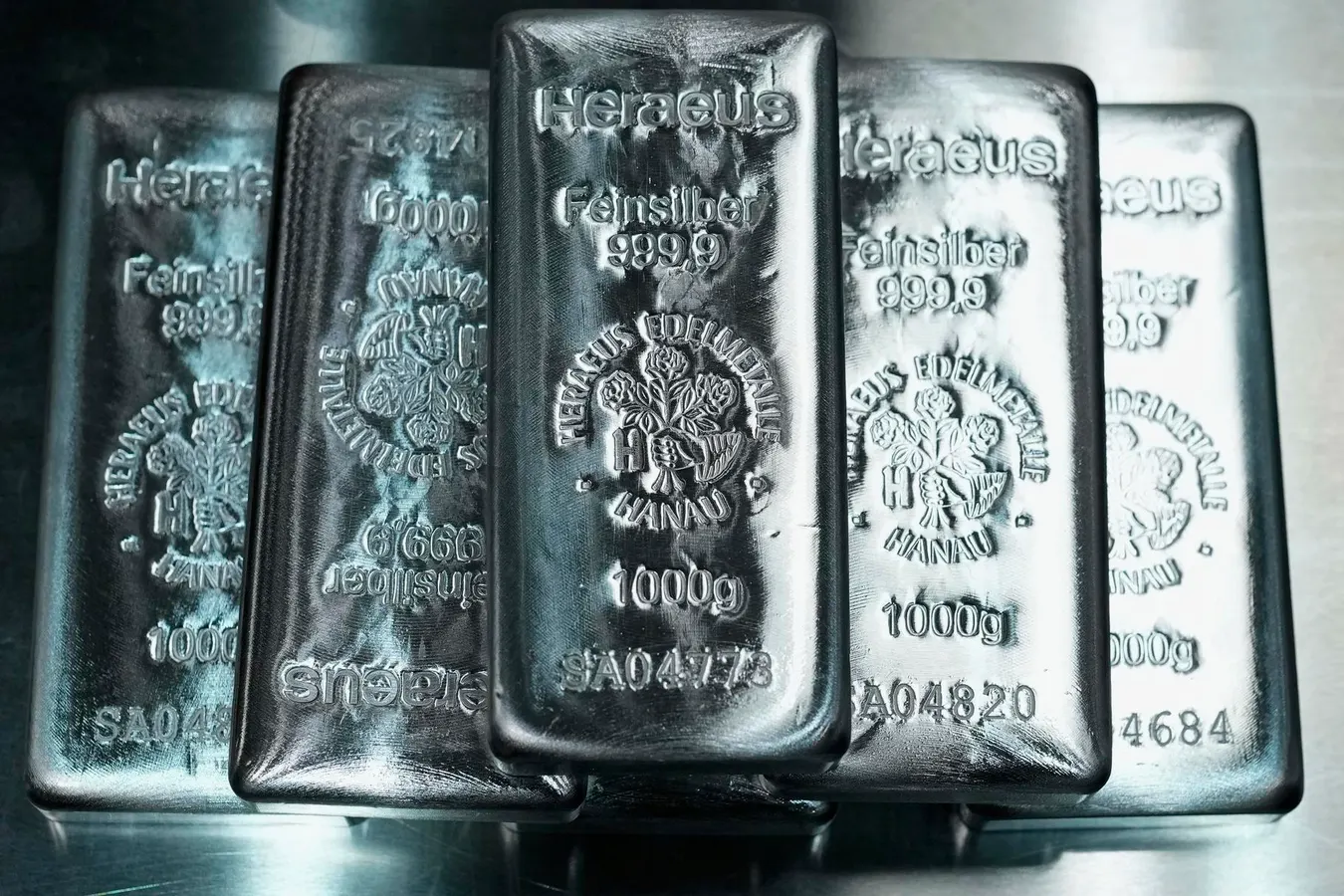
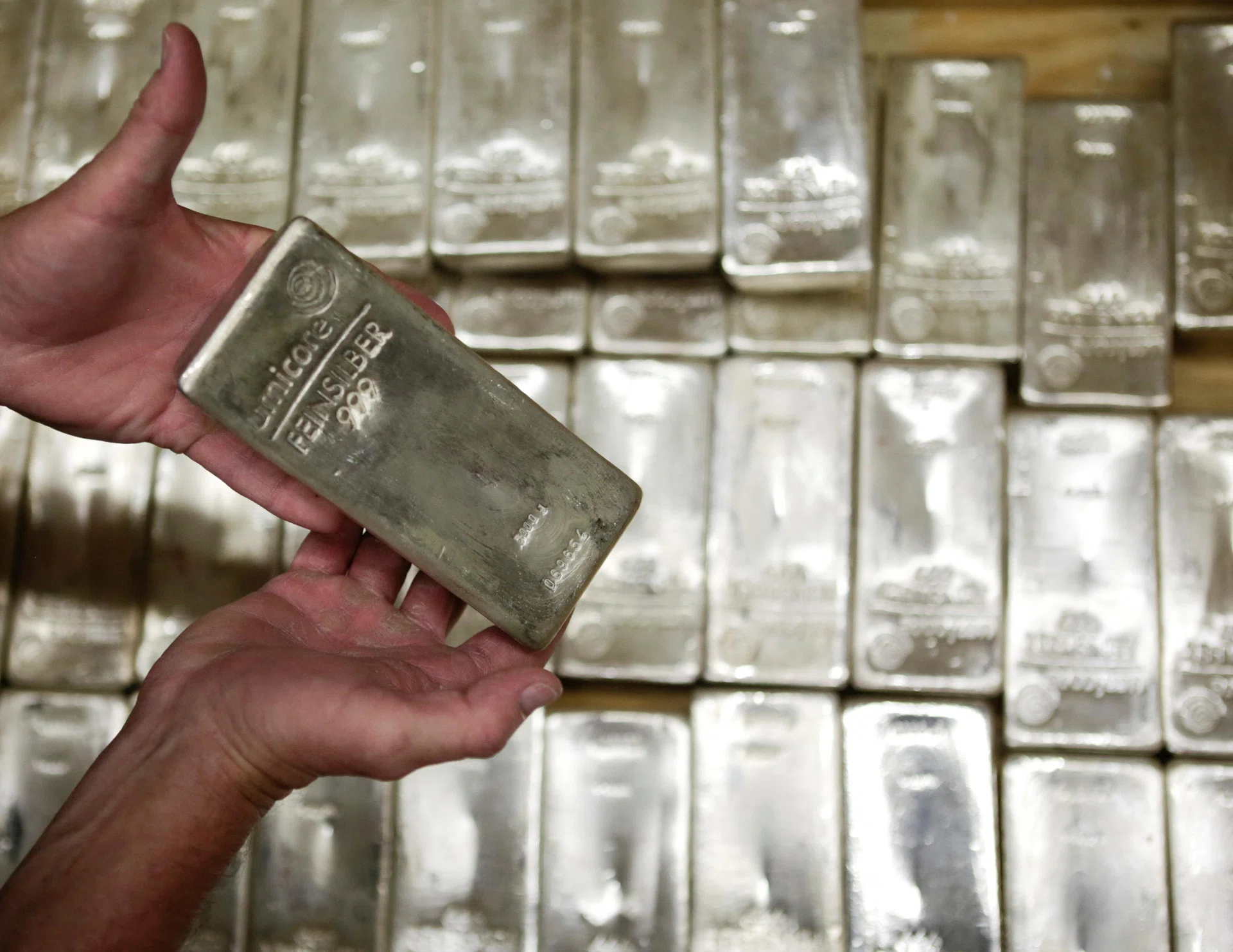
Silver has been growing at a faster rate than gold, rising around 60 per cent in January alone.
John Wyn-Evans, head of market analysis at Rathbones, said: “The market’s concerns can be seen in the rise of the two-year inflation breakeven rate, which is the expected rate of inflation that can be inferred from inflation-linked bond prices. That has risen from 2.3 to 2.75 per cent since the start of the year.
“The 10-year rate has risen more moderately from 2.25 to 2.35 per cent, suggesting that the market is not yet fearful that long-term inflation expectations are becoming unanchored.
“But the strong performance of, for example, gold and silver, as well as other metals, betrays investors’ worries and the desire to find portfolio hedges against potential currency debasement as a result of higher inflation.”
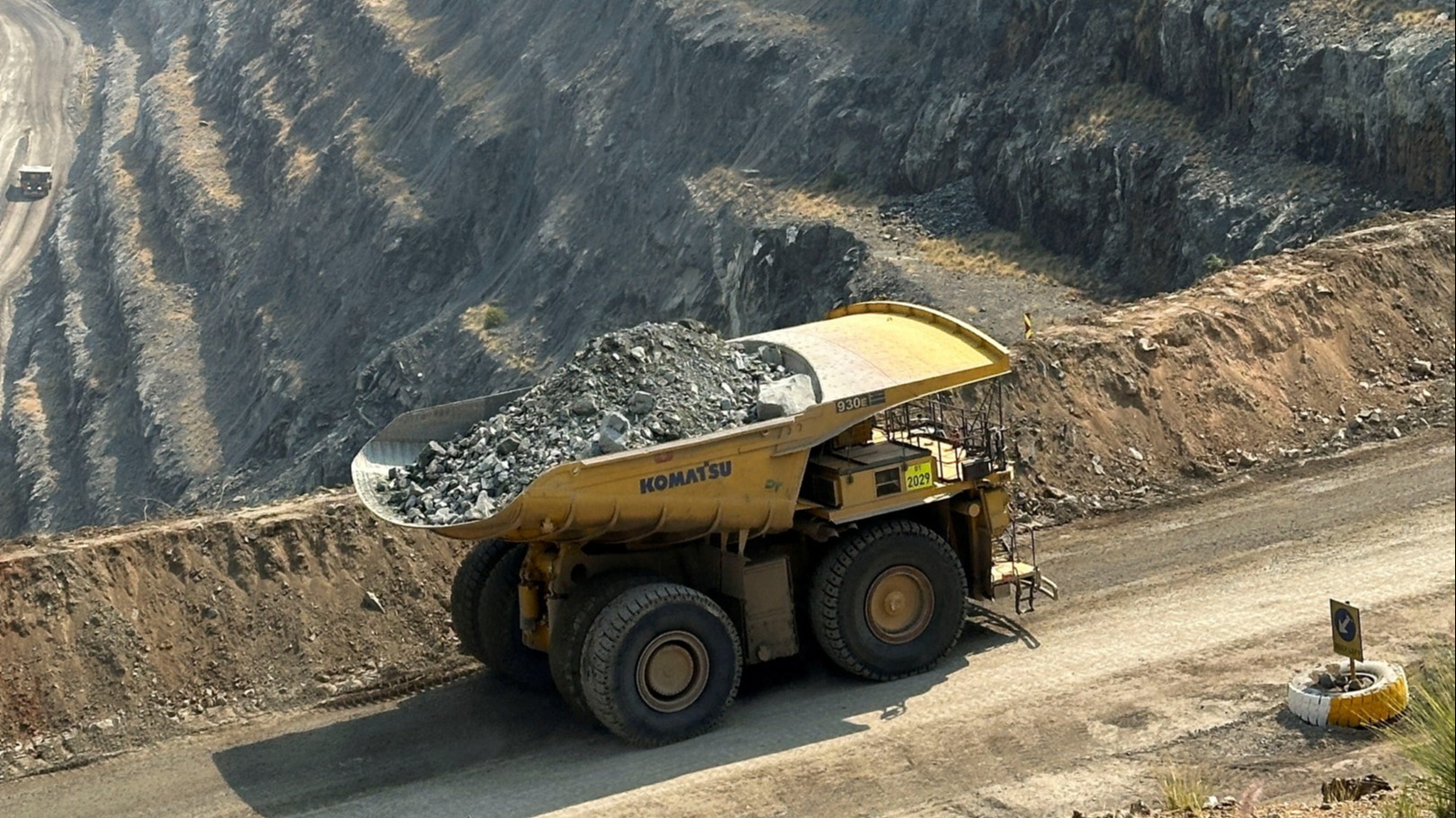
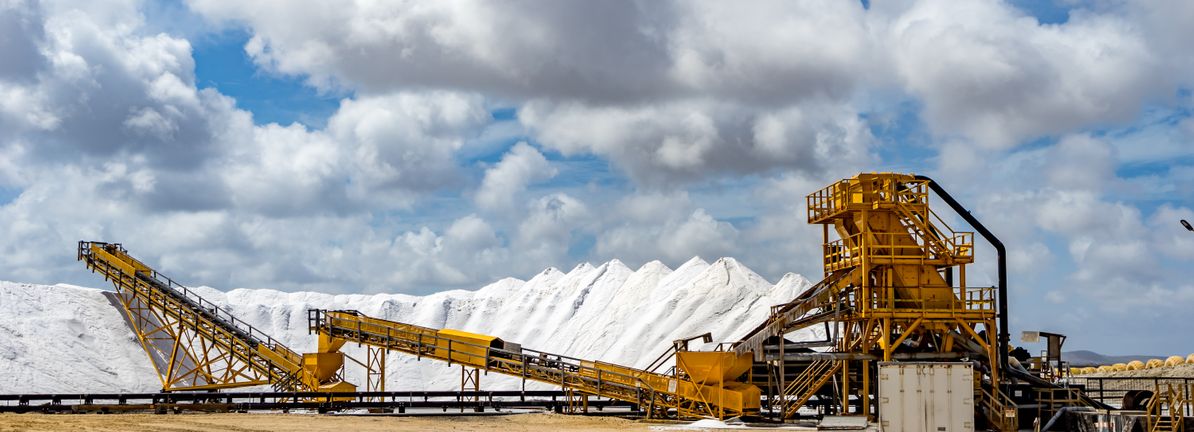
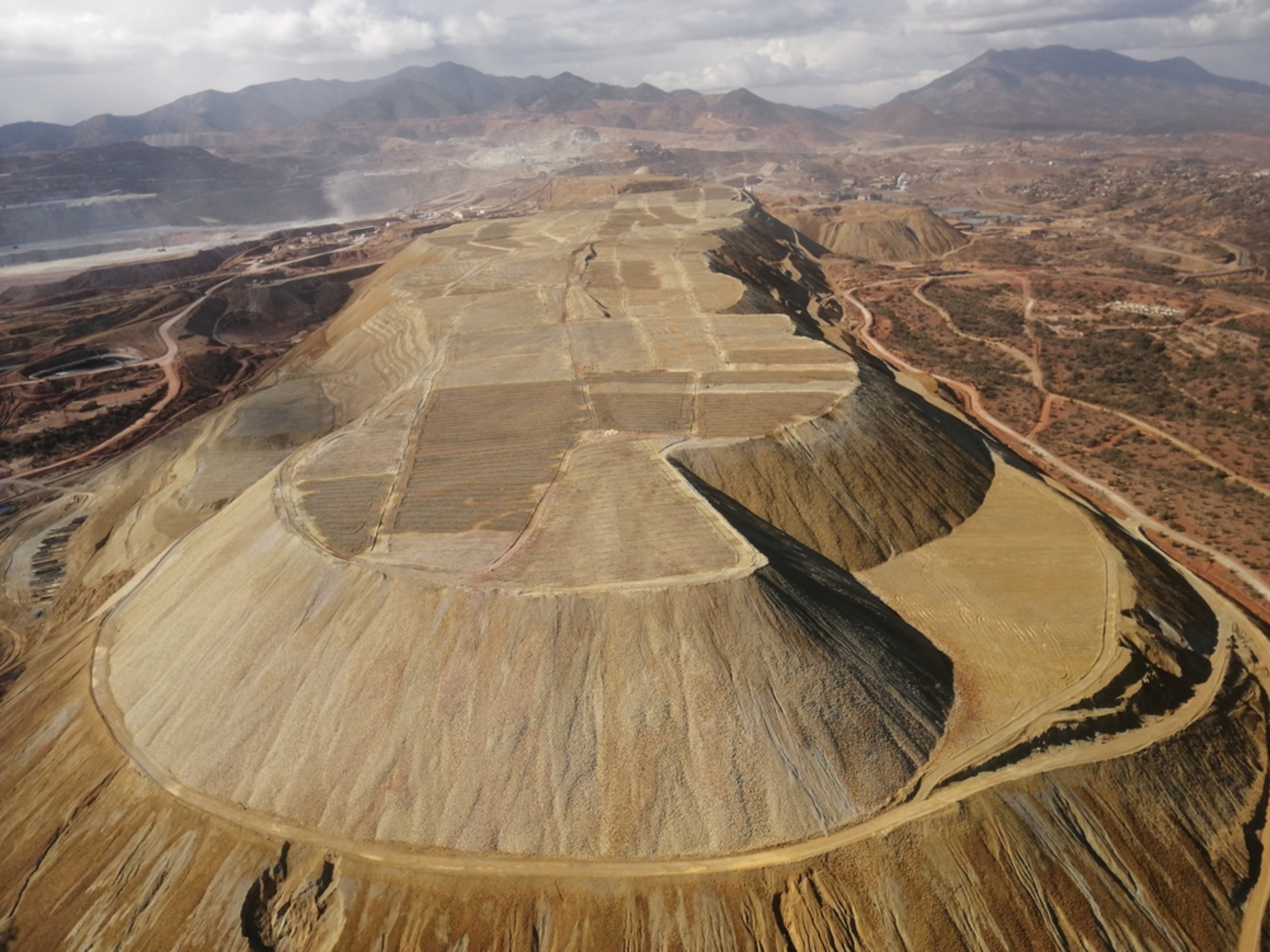
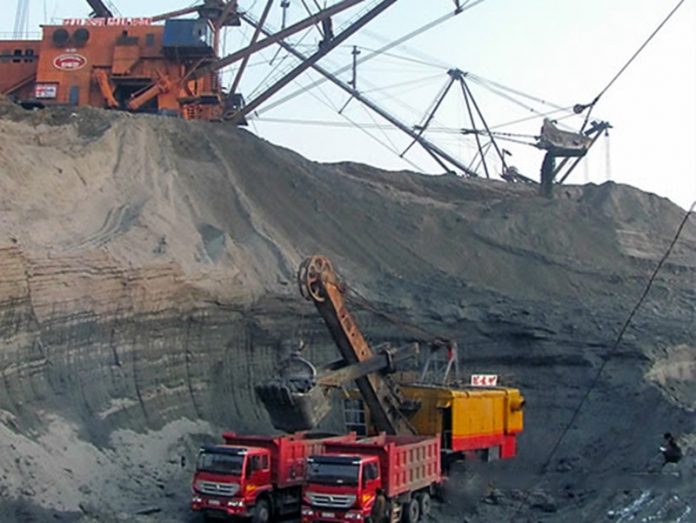
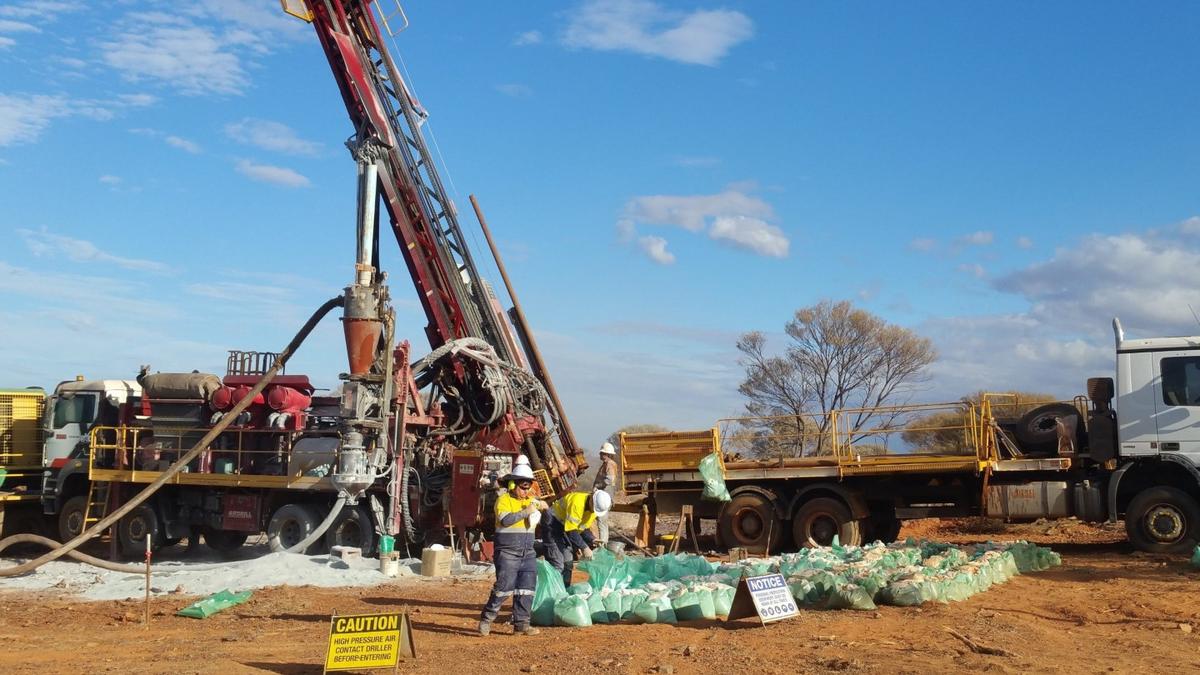
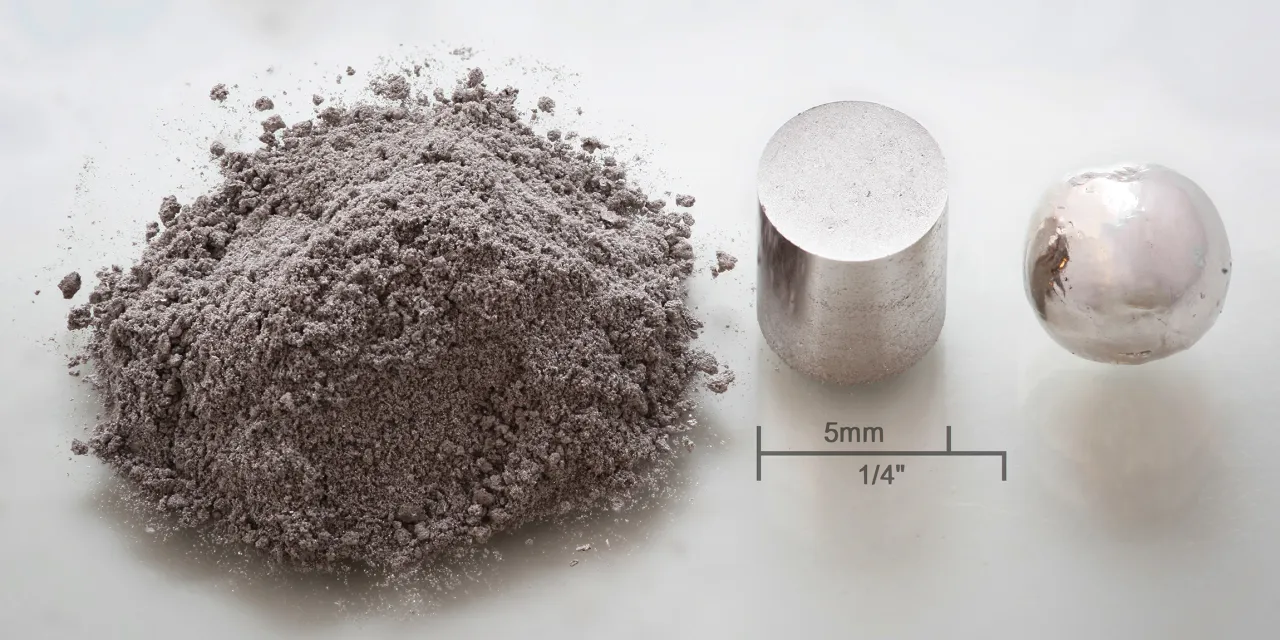
And copper has reached new highs of $14,000 (£10,174) per tonne for the first time.
Tom Bailey, head of ETF Research at HANetf, summed the demand up with the acronym GAIN: geopolitics, AI, industrialisation and net-zero.
With fears Trump could impose tariffs on the metal there have been rising inventories in the US, which Bailey said has led to tighter supply outside the US.
He added: “We are also starting to see strong investor inflows. So far this year, European investors have poured almost over $700mn (£508mn) into copper-related ETFs, far outpacing the roughly the roughly $400mn (£290mn) of investor flows across the whole of 2025.
“It is also interesting to note that in 2025, the entirety of those inflows was into copper mining ETFs, with copper ETCs experiencing outflows.
“In contrast, so far in 2026, we have seen both copper mining and copper ETCs seeing roughly similar inflows.”
Part of this push towards precious metals has been a hike in oil prices in recent months.
This week oil prices surged to their highest levels since September with Brent crude, the international benchmark, reaching more than $70 (£51) a barrel.
Streeter added: “The weaker dollar is also partly behind the move in crude rising higher, given that it’s denominated in the currency and so makes oil more attractive for buyers.”
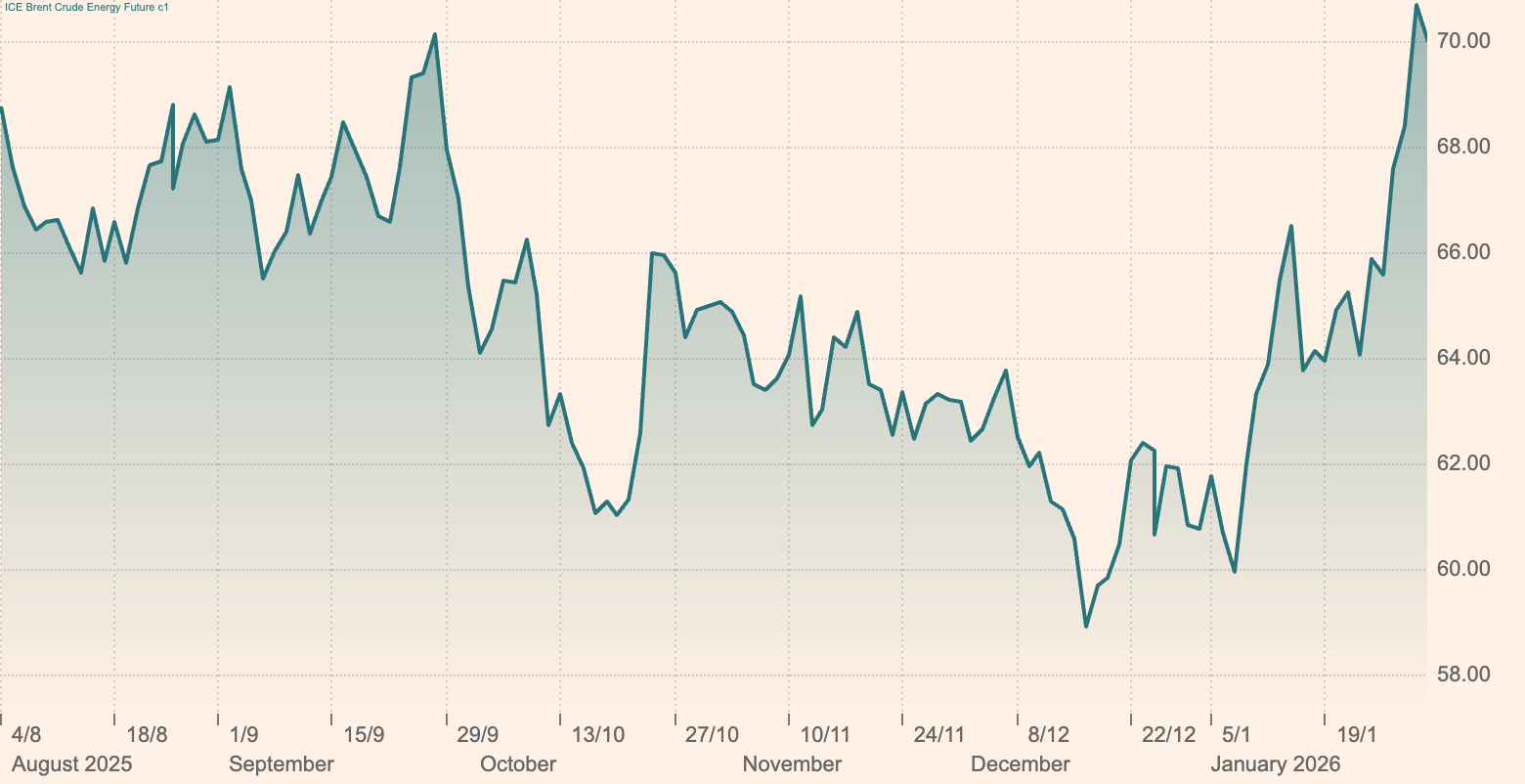
Brent Crude prices slightly slipped on Friday morning to $68 per barrel.
Aarin Chiekrie, equity analyst, Hargreaves Lansdown, added: “But the black stuff remains on track to record its best monthly gains since July 2023, amid rising geopolitical tensions in both Venezuela and Iran.
“US President Donald Trump has called for Iran to engage in nuclear talks, while Iran has threatened retaliation.
“If this spills over into military conflict, it could put further upward pressure on oil prices, not only to over 3mn barrels of daily oil production, but also disruption to tankers carrying oil and Liquid Natural Gas through the Strait of Hormuz.”
tara.o’connor@ft.com
What’s your view?
Have your say in the comments section below or email us: ftadviser.newsdesk@ft.com