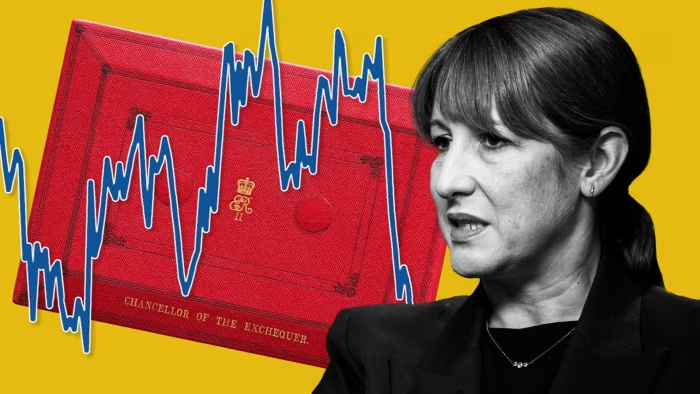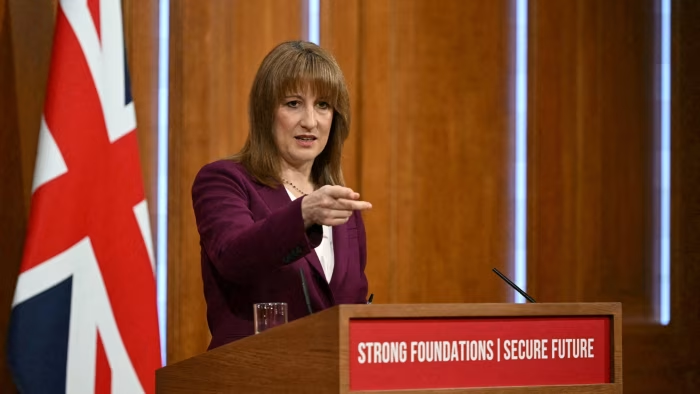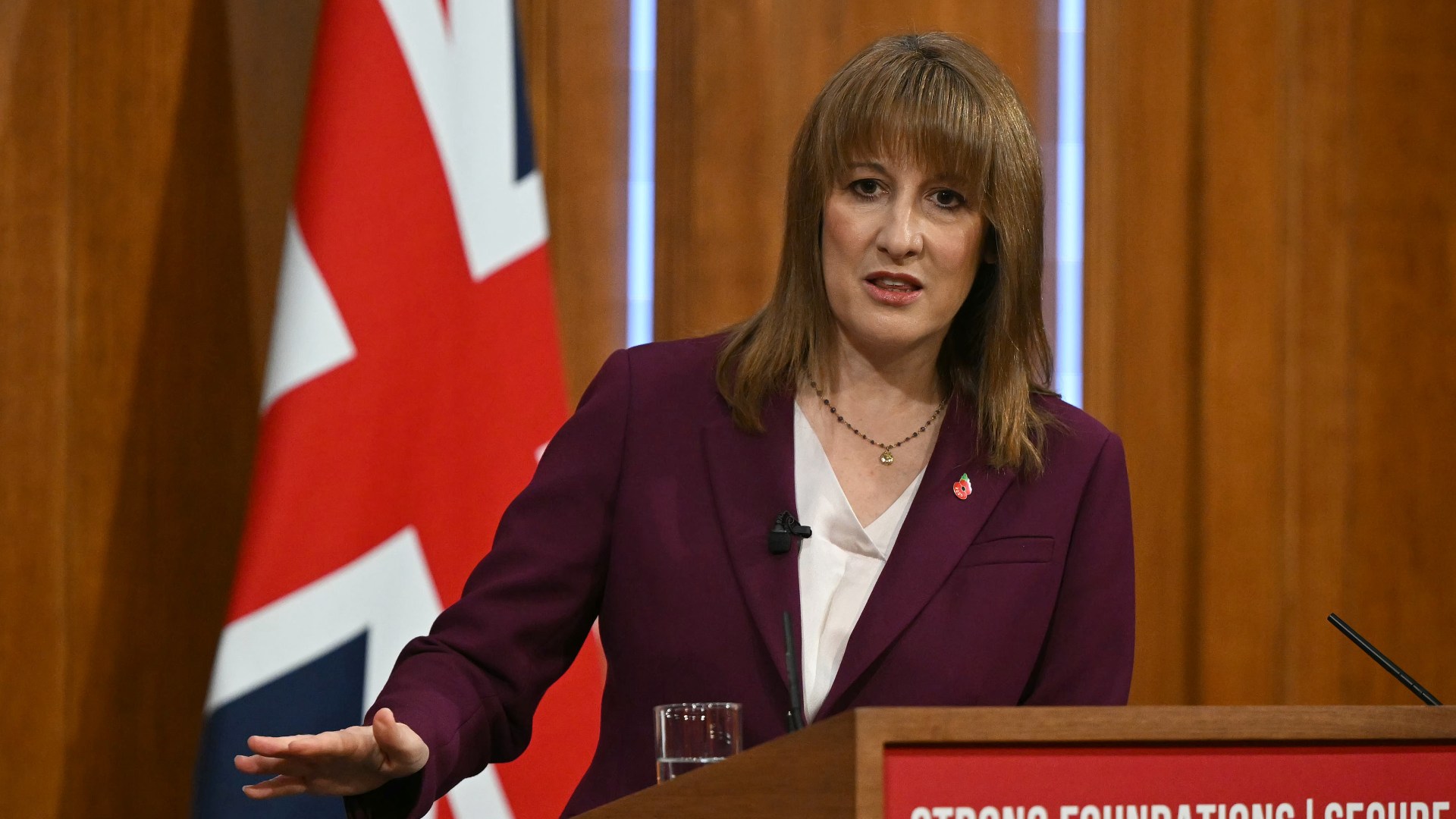
The latest UK Budget has led investors to paint a mixed picture on the outlook for UK sovereign debt, as the country’s chancellor of the Exchequer Rachel Reeves delivered her first full Budget speech on 26 November.
10-year gilt yield edged slightly down after the country’s independent Office for Budget Responsibility (OBR) leaked its views ahead of the actual Budget speech, before yo-yoying to end the day slightly down. However, the longer-term outlook for yields is not set in stone, according to those who commented on the event.
Peder Beck-Friis, economist at PIMCO, said: “By recommitting to her fiscal rules and meeting them with more headroom than expected, the chancellor did enough today to deliver a relief rally in gilts. The additional risk premium that was priced in after the income tax U-turn has now been largely priced out, and over the next few months markets can now re-focus on inflation, the labour market and the likelihood of renewed rate cuts from the Bank of England. Our view remains that a weakening labour market and softening inflation will result in a deeper rate cutting cycle than markets are pricing, and by helping to reduce inflationary pressures into next year the Budget has further reinforced those dynamics.”
Rupert Harrison, UK senior advisor at PIMCO, said: “Despite an immediate relief rally in gilts, the Budget has incrementally added to medium term concerns about this government’s ability to control spending and deliver the falling deficit path set out in the OBR forecasts. By adding to spending, loosening fiscal policy over the next three years, and back-loading the tax rises and spending restraint needed to hit the fiscal rules in 2029, the Chancellor is asking markets to trust her commitment to be fiscally prudent in the future, just not yet. Instead of relying on a five-year forecast, we think it increasingly makes sense to focus on actual delivery of the deficit reduction path without further slippage over the next two years – and especially proof that the UK can reach the crucial level of 3% which starts to stabilise the debt to GDP ratio.”
Martin Walker co-head of UK & European Equities at Invesco, noted: “Lots of pessimism and negative headlines going into the Budget today. Plenty to digest still, but the prospects for the UK economy, whilst not great, just aren’t as bad as some of the more bearish commentators out there would have you believe. The Bond Market – a key gauge to us – has reacted positively to this event – 10-year gilt yields have come down nicely. This is important as bond investors have worried about the unhealthy mix of low economic growth, high inflation, and budget pressures for some time. It’s another layer of complexity international investors have had to consider when assessing the outlook for UK equities too. Anything which can help investors – both bond and equities – get more comfortable is positive.
David Smith, portfolio manager at Henderson High Income, commented about the inflationary aspects of the Budget that: “The majority of tax rises are back end loaded , ie , the revenue increase from the freeze of tax thresholds won’t come in until the end of the forecast period. Ordinarily this would concern the bond market given the prolonged nature, however, in the short term there is less of an impact on short term economic growth from tax rises.
Also, none of the tax increases are inflationary and the chancellor has introduced disinflationary policies around lower energy bills and freezing train ticket prices. This should help lower inflation so the Bank of England can cut interest rates further. The fiscal buffer the chancellor has increased to £22bn over the forecast period also means that even if spending is slightly higher or economic growth slightly lower than forecasts in the short term, there is enough contingency that she won’t necessarily need to come back for more tax rises in the near future. This is important for consumer and business confidence and sentiment.
Higher yields to remain?
Mahmood Pradhan, head of Global Macro, Amundi Investment Institute, added: “The chancellor has built in a slightly larger-than-expected fiscal buffer, and with less debt issuance in the near term than markets expected. This bodes well for a relatively calm market reaction – bond yields are marginally lower – and further rate cuts from the Bank of England in 2026, as near term inflation pressures will likely be contained. We would expect the sizeable increase in the aggregate tax burden of £26 billion over the forecast horizon to weigh on demand and medium-term growth and inflation.”
“The markets will, however, worry about the larger-than-expected backloading of fiscal adjustment, together with the OBR’s growth downgrade and slightly higher inflation outlook. This will likely keep long yields relatively high for a while.”
Evangelia Gkeka, senior analyst for Fixed Income Strategies at Morningstar, commented: “Today’s Budget reinforces a cautious yet constructive outlook for fixed income investors. For gilt managers, gradual fiscal tightening aligns with expectations of disinflationary effects and slower economic growth, increasing the likelihood of interest rate cuts by the Bank of England.”
“UK government borrowing costs were little changed following the OBR’s premature release of economic and fiscal forecasts, with gilt yields showing modest movements in the grand scheme of things. This stability is positive for investors, reflecting a more predictable market environment and provides attractive entry points for long-term exposure to elevated real yields.
“For credit managers, stable policy and moderating inflation support corporate fundamentals, favouring financials and defensive sectors. However, slower economic momentum and challenges for cyclical sectors highlight the importance of selectivity and strong research discipline.
“While the Budget doesn’t materially shift the fixed income landscape, it reinforces the case for diversified bond exposure, with elevated Gilt yields offering attractive long-term opportunities despite expected volatility.”
Rate cuts ahead?
Caroline Shaw, multi asset portfolio manager at Fidelity International, said: “Today’s ‘bits and pieces’ budget doesn’t materially change the UK macro outlook. The restoration of more fiscal headroom should be enough to placate the bond markets for now.”
“With inflation continuing to ease, in addition to signals that the labour market is softening, we expect the BoE to resume rate cuts. This should be supportive for gilts, an area where fundamentals are already improving, although we are cautious on government bonds overall due to the impact of tariffs on inflation and fiscal issues.”
The overseas investor
According to figures cited in Q2 2025 by HM Treasury, the UK government department responsible for public sector finances, overseas investors accounted for around a third of the market according to Bank of England data to the end of September 2024. This was a ratio significantly higher than the average seen across other developed economies.