I said goodbye to my old friend Mark last week, who died at the horribly young age of 49.
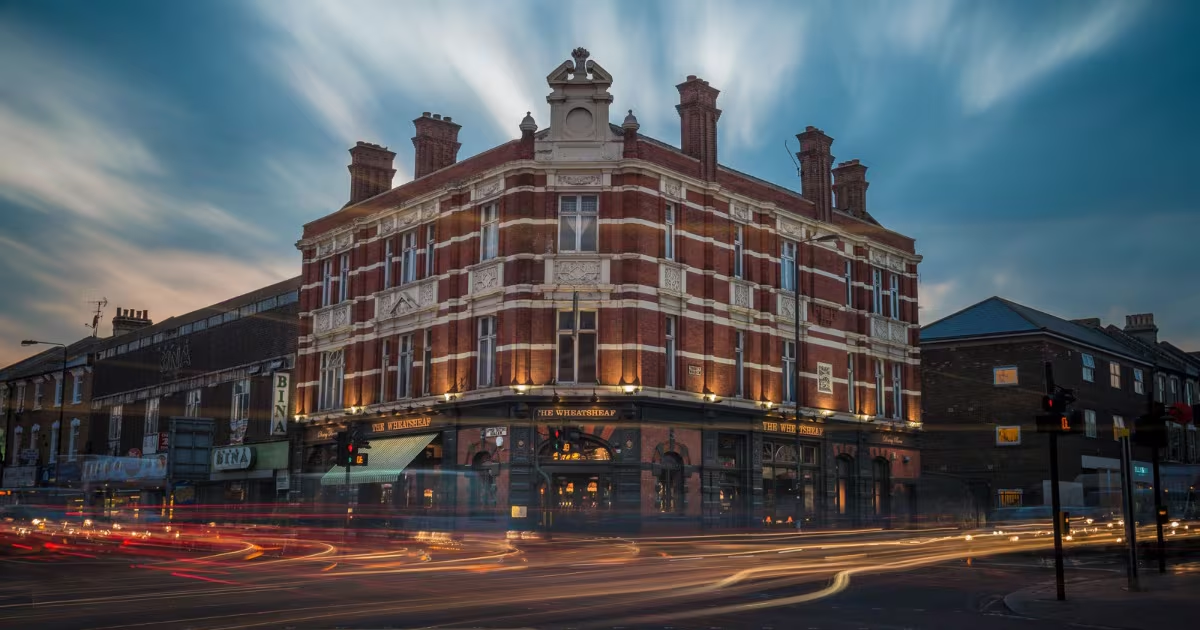
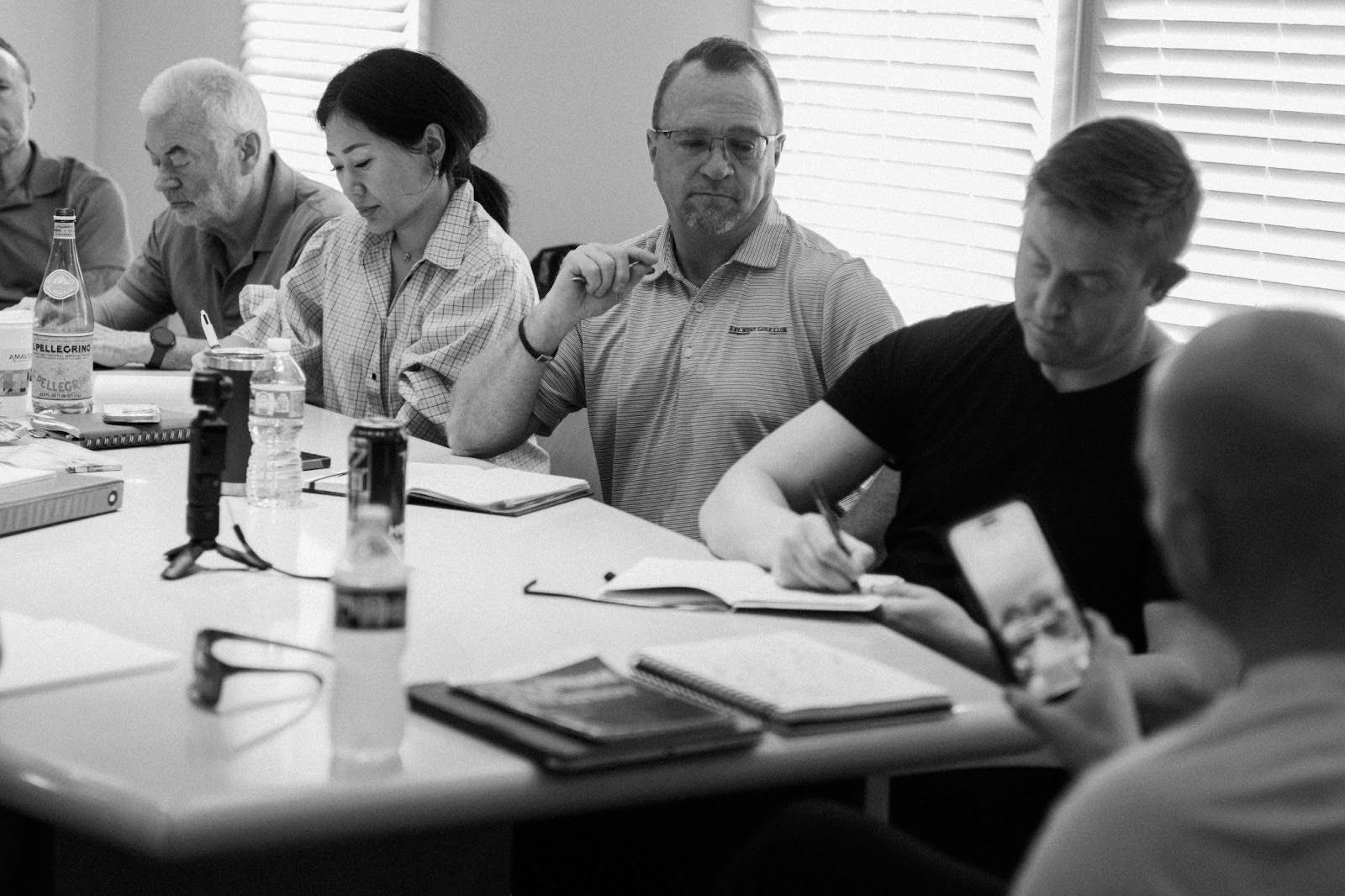
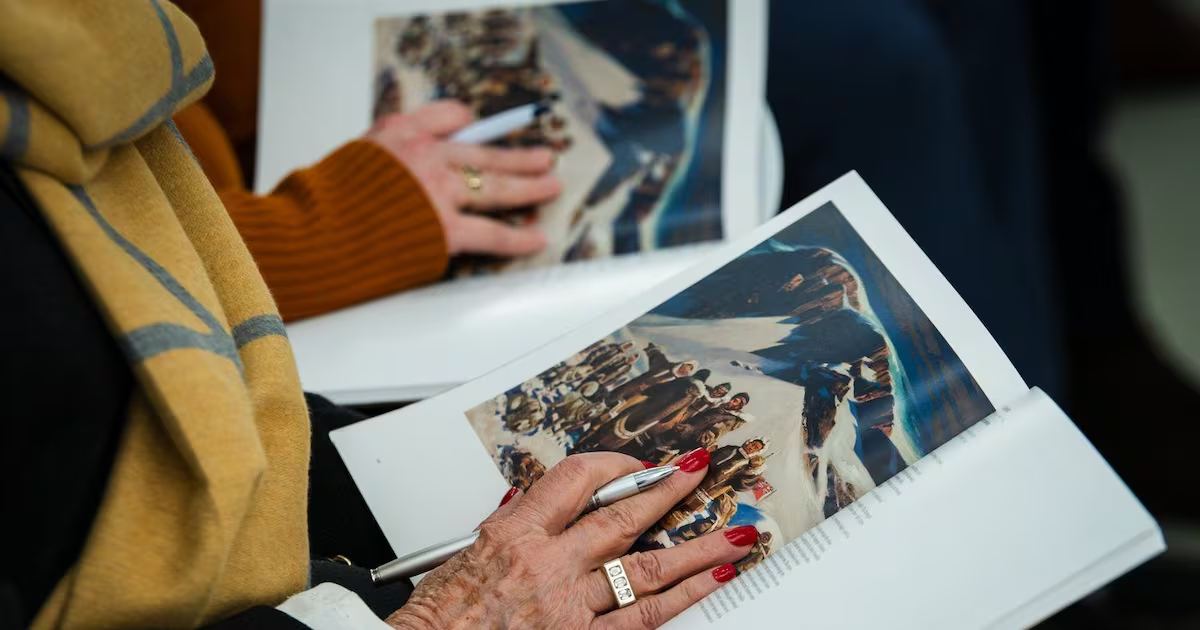
His many friends included a big group of journalists who started our careers on trade magazines, and have stayed in touch. We organised a final send-off in a City of London pub to celebrate his life.
A huge group of us gathered to pay tribute and share memories of happier times. Mark was diagnosed with a serious illness in his mid-40s, and its progress was devastatingly rapid. Hearing about everything he managed to pack into his short life made us all silently vow to make the most of being alive.
Thankfully, he was never one to put things off. He had travelled all over the world, and in later life, went to night school and retrained as a lawyer. He even wrote a novel. Yet he still found the time to stay in touch. Tragically, he was so sick in his later years, he was unable to talk or communicate. Death, when it came, was a merciful release.
The shock of seeing this happen to someone of my own age is a nasty reminder of my own mortality. If the curtain were to fall on my life now, what would I regret not having done? And what might I wish I had spent more of my time on earth doing?
I’m guessing the answers for everyone will have more to do with spending time with people than spending money. Mark was not a wealthy man, but his life was abundantly rich in friendships. The older we get, the more I think we come to value and appreciate how important good friends are to our happiness than other more worldly measures of success.
If anything, Mark was a terrible financial influence on me in our younger days. A lot of time and money was happily wasted in wine bars around Fleet Street, although I have zero regrets. But in our forties, his diagnosis had an indirect impact on my own financial choices.
Lawyers are very good at chivvying their clients to make wills and take out life insurance policies, but in my experience, they are often terrible at following their own advice. Thankfully, Mark had these in place. There’s never a good time to get round to it, but make time. Trying to sort out your affairs while you’re battling a serious illness is horribly stressful. Not having to worry about money is definitely worth the effort of getting protection in place. Seeing the difference this made for him prompted me to take out a critical illness policy some years ago and, more recently, to sort out my Lasting Power of Attorney.
Our friendships can influence our financial lives in all kinds of other ways, both good and bad. You don’t have to look far on YouTube to find shouty American wealth psychologists proclaiming that the people who you surround yourself with could be “keeping you broke”.
It’s true that those in your inner circle have an outsized influence on your money mindset. Peer pressure to spend more than you can afford, especially if your friends earn more than you do, can be hard to resist. But having friends who share similar financial goals and aspirations can encourage you to raise your gaze and follow their example.
In my 30s, my contemporaries in the FT newsroom inspired me to get into investing. They all did it, and talked about it openly. I remember having a valuable, early conversation in the canteen when my friend Lyndsey (10 years older than me) nearly choked when I said I was only paying the minimum into the FT pension fund. I soon learned about the magic of matched pension contributions (if you opt to pay in more, your employer may pay in more), stocks-and-shares Isas and the company Sharesave scheme.
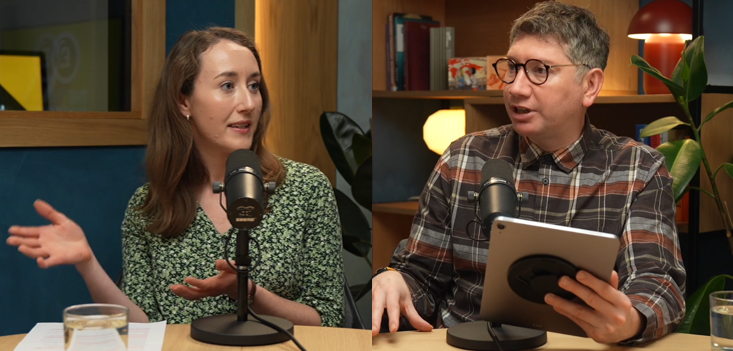
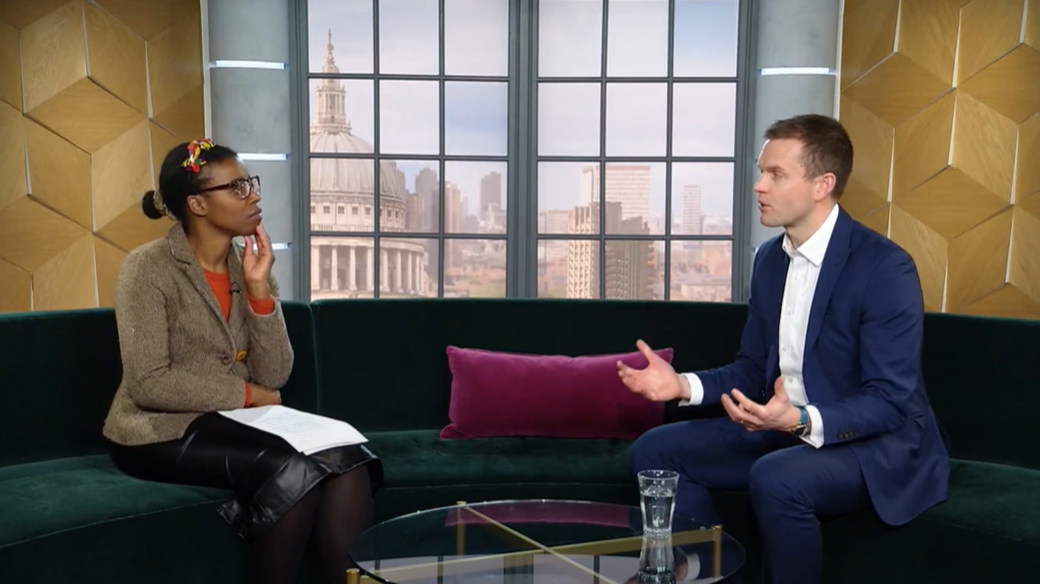
This is not uncommon. Stefan, a software engineer who we met on the last series of my Money Clinic podcast, started investing at the age of 30 when a colleague randomly started talking about index funds, and he asked: “What are they?” Now 45, he has used them to build up a six-figure portfolio.
Friends can also help you take a calculated risk — whether it’s investing, or starting your own business. Earlier this year, my best friend (who has a lot of property experience) encouraged me to buy the wonderful home I now live in. Naturally, she was our first guest!
But in the same way, friends can also help us deal with financial problems. At Mark’s memorial, one of our group confided that his marriage was ending and was immediately swooped upon by two of my divorced colleagues, who proudly exclaimed: “We can help with that!” There were similar conversations about looming threats of redundancy — sadly never far away in the media world — and potential mid-career pivots.
By the time last orders were called, some of us questioned whether we should have enjoyed ourselves quite so much. But I think Mark would have approved.
So, no matter how busy life gets, invest time in your friendships. Take a minute this weekend to make that call, reply to that message and look up an old pal. I might have one less friend I can do that with now, but I’ll always cherish the memories.
Claer Barrett is the FT’s consumer editor; claer.barrett@ft.com