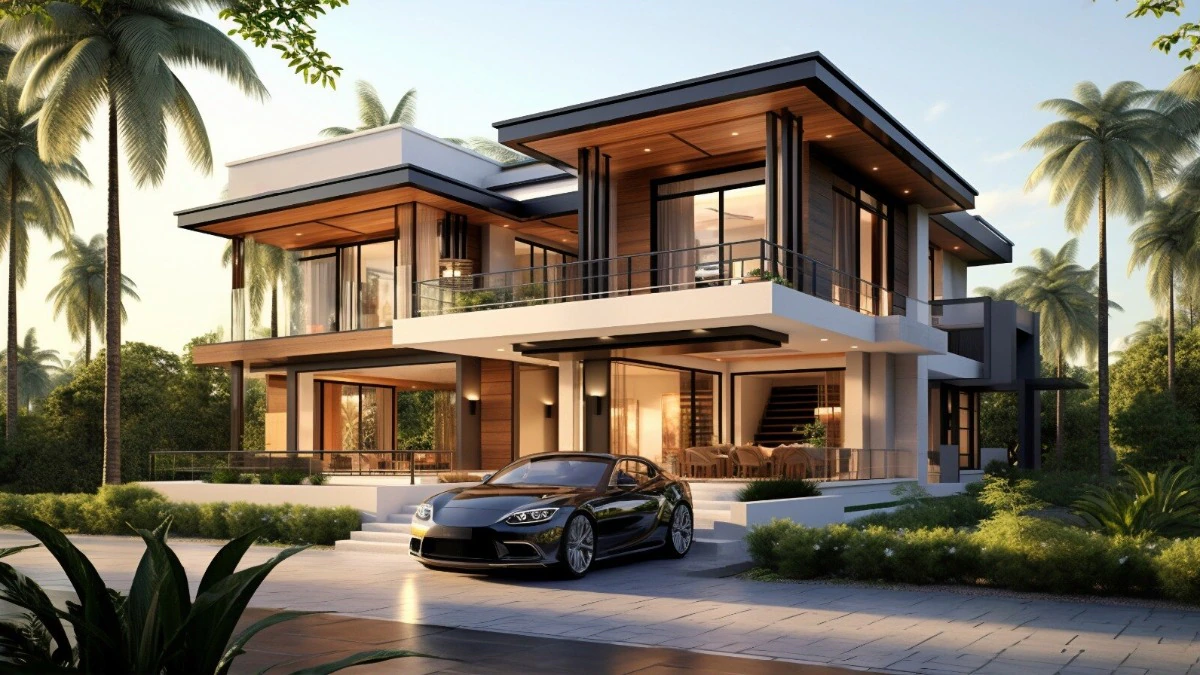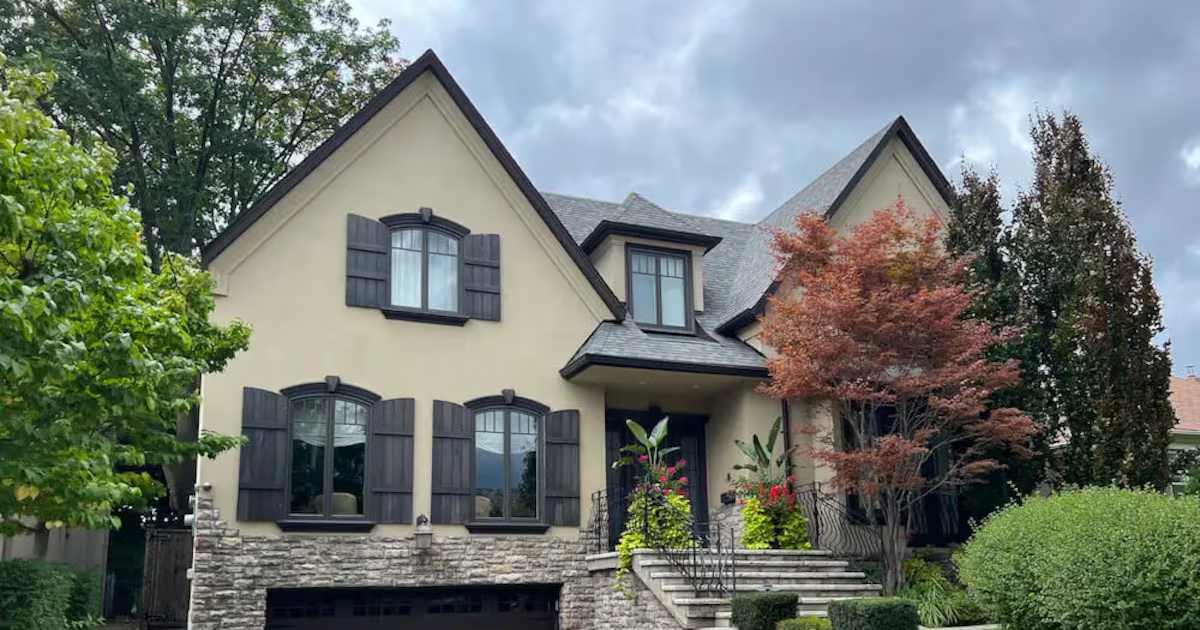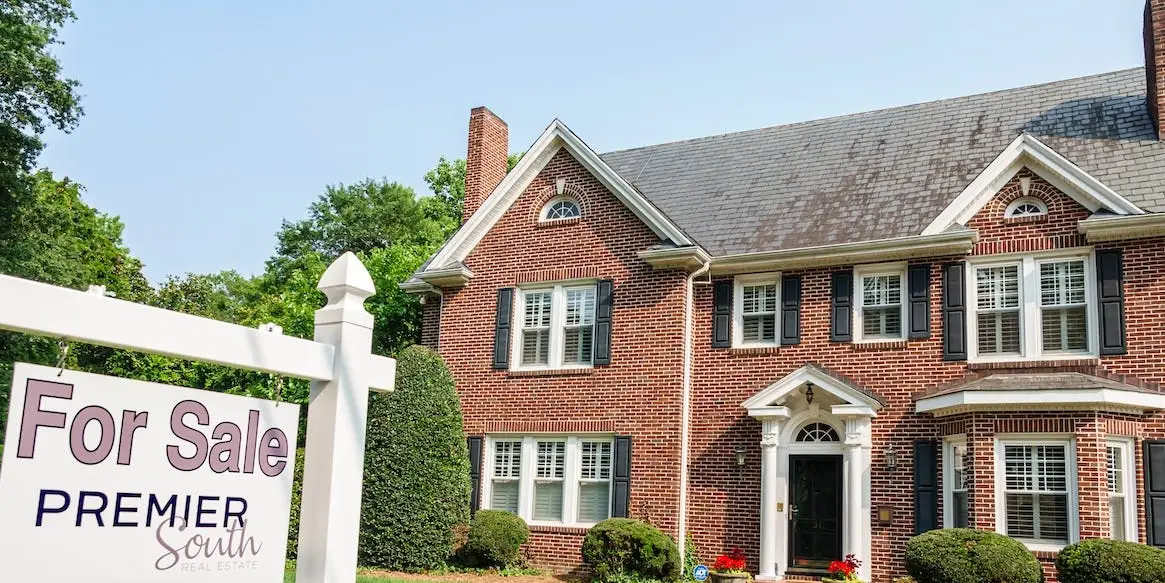

Luxury home sales are outpacing sales of traditional homes.
getty
While home sales in the traditional real estate market only increased by 1.7% from January through October 2025 (according to the National Association of Realtors), home sales in the luxury market increased by 2.9% during the same period. And that’s just one of the luxury real estate trends identified by the Coldwell Banker Luxury Trend Report
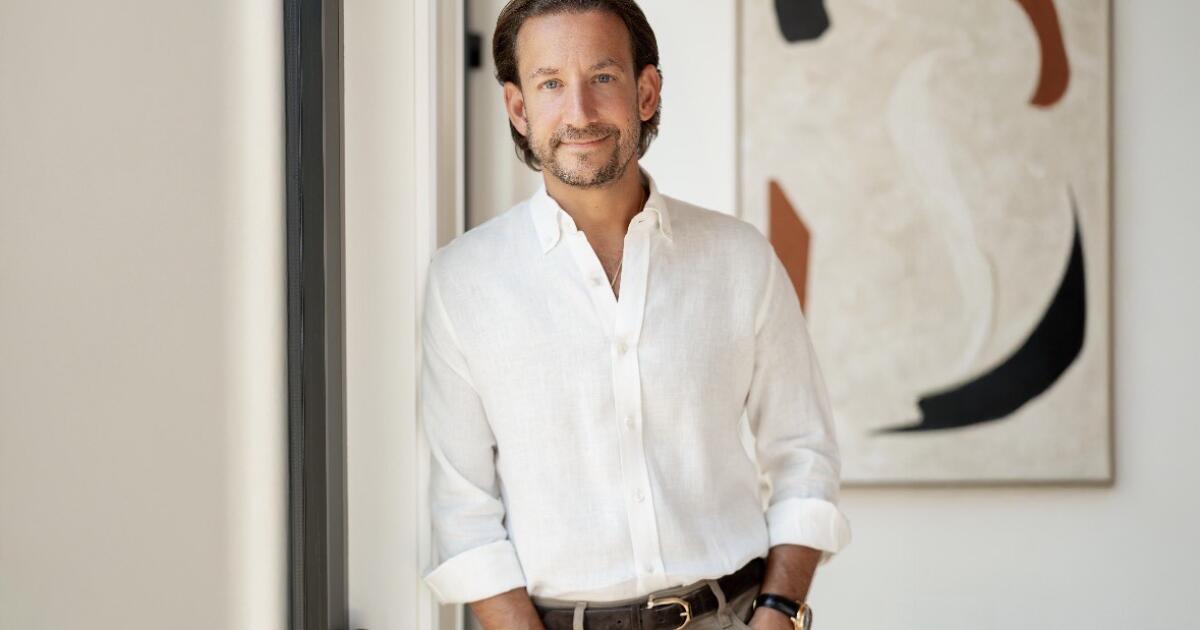
Michael Altneu, vice president of the Coldwell Banker Global Luxury Program, highlights some of the many interesting points in the report, and three Coldwell Banker Warburg real estate agents provide additional insight.
Altneu tells me that what really stood out to him about the report was how resilient luxury real estate has been — even in a higher-rate environment. In 2025, he says the luxury market broke away from the traditional market.
“The luxury housing market saw sales grow at nearly double that of the traditional market, and while much of the housing market has had to recalibrate, we’re still seeing steady pricing, sustained sales, and confidence at the high end,” Altneu says.
At the same time, he explains that the Great Wealth Transfer is starting to meaningfully shape what comes next — how buyers behave, how they think about homes, and how real estate fits into a broader wealth strategy. “That combination of near-term resilience and long-term structural change is what makes this moment so interesting,” Altneu adds.
Living Large Is Back
The average luxury single-family home is 4,250 square feet.
getty
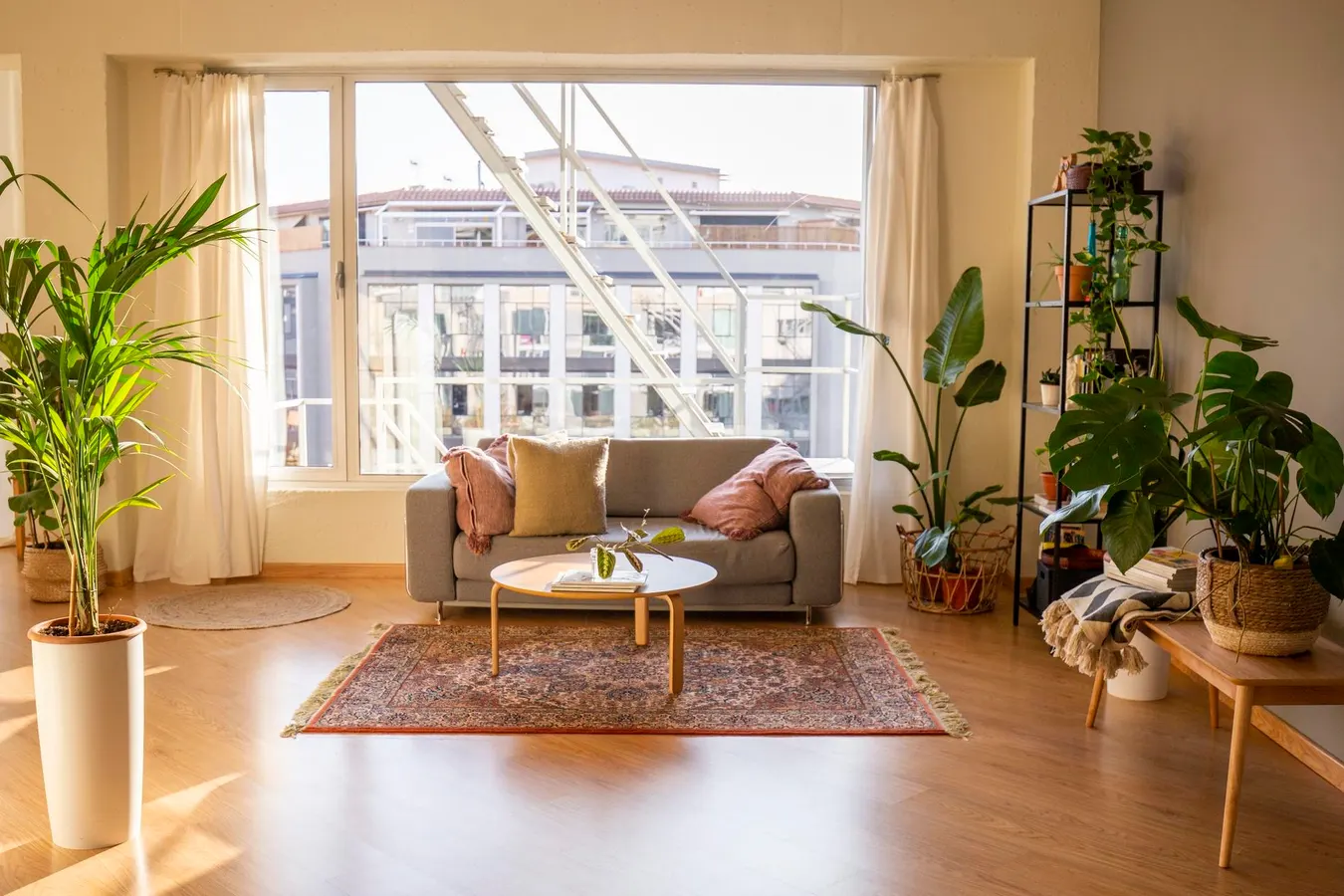
Living large is back, but maybe not in the way that you think. “Living large today is less about showing off, and more about showing who you are,” Altneu says. As buyers make longer-term decisions, he explains that homes have become a real expression of identity and lifestyle. “People want space that supports how they actually live — working, hosting, prioritizing wellness, and spending meaningful time with family.” As a result, he says there’s a strong demand for larger, more flexible homes. “They want everyday usability, personal expression, and long-term value, not just visual impact,” Altneu explains.
The report reveals that luxury buyers are increasingly looking for properties that afford them privacy, in addition to expansive surroundings, and the potential to either build or expand on the property – or preserve it as a legacy asset.
Square footage is another factor that separates luxury buyers from traditional buyers. The average luxury single-family home is 4,250 square feet, compared to 2,364 square feet for a traditional single-family home. Regarding attached properties, luxury homes averaged 2,450 square feet, compared to 1,800 square feet in a traditional attached property.
Bedrooms are another barometer. In single-family luxury homes, 5 or more bedrooms account for 63.7% of all inquiries, although 4 bedrooms are also popular. When considering non-negotiables, 37.4% of luxury buyers consider their minimum number of bedrooms and bathrooms to be a non-negotiable feature.
These are the top non-negotiables among luxury buyers:
37.4%: Minimum number of bedrooms/baths
21.6%: Views
11.5%: Architectural pedigree/design quality
10.1%: Privacy and security
9.4%: Outdoor living space
9.4%: Square footage/overall size
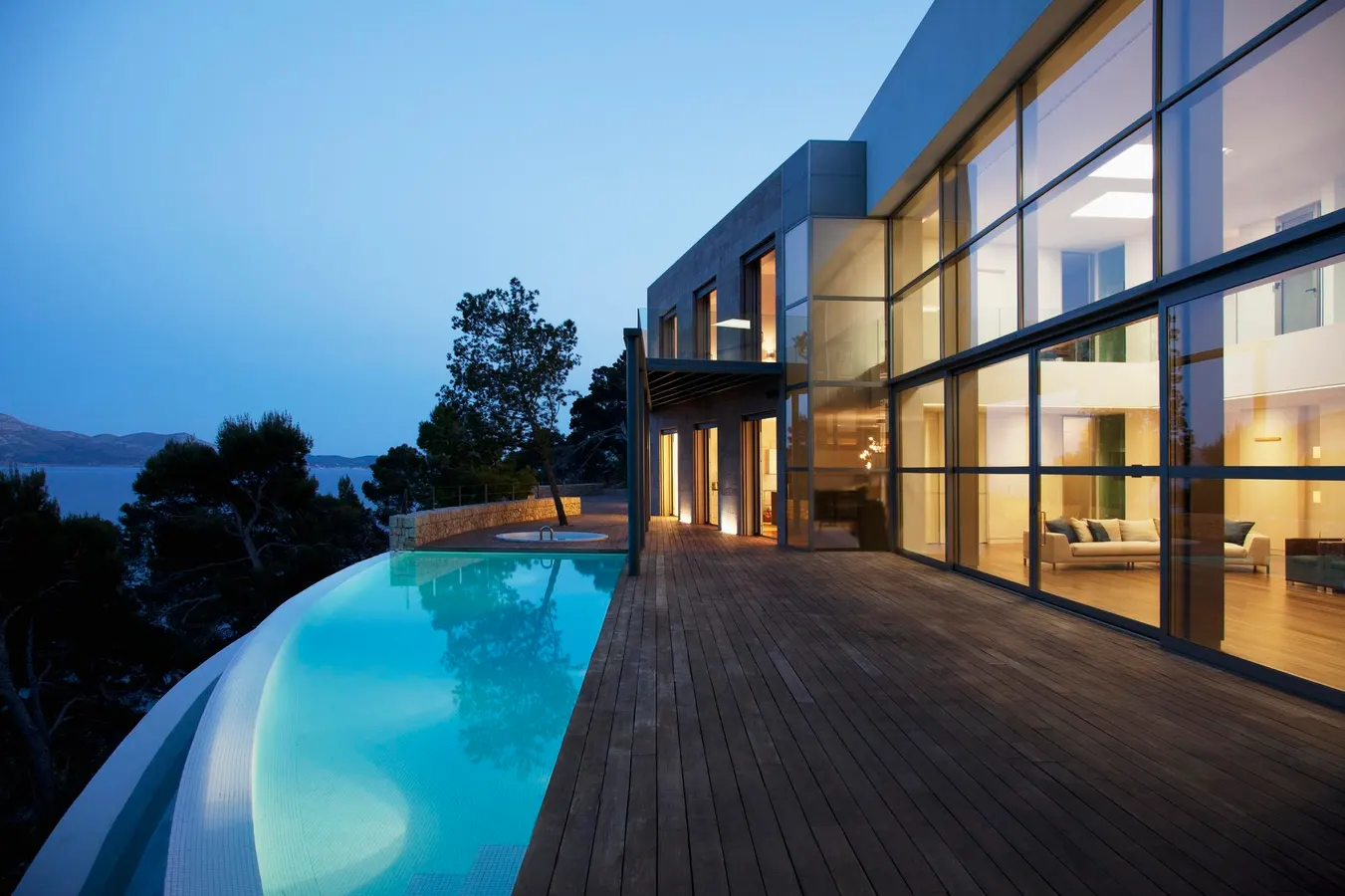
The report reveals that the modern luxury home blueprint includes the following: Gym/wellness center, home theater, 4 bedrooms with ensuites, primary suite, formal living room, gourmet kitchen, private office, family room, rec room with wet bar/wine storage, patio with outdoor kitchen, pool and spa, pickleball court, 3-car garage, garage storage, and a private space (guest, in-law suite, or art studio), along with 2 acres of yard/gardens, privacy, and views.
Photo courtesy of
Coldwell Banker Global Luxury program
“As luxury real estate becomes a longer-term commitment, buyers are prioritizing features that deliver value across multiple dimensions of daily life,” Altneu says. “Privacy, outdoor living, home offices, and wellness spaces have become foundational, not optional.” He explains that these features support quality of life today, while also protecting long-term value – and this reflects how intentionally today’s luxury buyers are approaching real estate.
“For many luxe buyers, going smaller was a necessity rather than a choice, so they could be in the specific, highly-desired neighborhoods they wanted in specific geographies,” says New York City-based Jules Garcia, real estate agent at Coldwell Banker Warburg, and managing director of the Waterview Advisory Group. “We see this a lot in parts of New York City, like Brooklyn Heights, Cobble Hill, The West Village, and a few others,” he tells me.
Garcia explains that some neighborhoods can limit property size availability due to hampered development under landmark laws – but says luxury buyers always favored a larger property when it was available, and that’s why they like townhomes or apartment complexes with units that can be combined.
The Rise Of Interest In Luxury Fixers
Many luxury buyers are open to making changes to a recently-purchased home.
getty
Luxury buyers tend to prefer turnkey homes that don’t need any work. The report reveals that move-in ready or new construction homes are the most sought-after properties. However, the supply of these types of homes has not kept up with demand. As a result, 58.3% of luxury property specialists say they’re seeing movement toward homes with “good bones” – if those properties are located in desirable locations.
“This trend is really about strategy: turnkey homes remain highly desirable, but they’re increasingly scarce and often command premiums,” Altneu explains. Some buyers—especially if they have longer time horizons — are willing to invest in properties with strong fundamentals in exceptional locations. “This approach allows them to customize a home to their needs while creating long-term value,” he notes.
And while Garcia admits that a turnkey property is still the prevailing favorite, he’s not surprised that interest could be increasing in luxury fixers. “The reality is that these trends are perennial, provided there is sufficient economic stability for this buyer profile.” He says there are many affluent buyers who are always willing to consider a fixer-upper, or at least a luxe property that needs some refreshing.
Garcia explains that there are luxury buyers who won’t consider anything that isn’t turnkey, and there are also buyers who are just using the property as a way station. “They’re fine not putting down roots in the move, or want to keep it super simple, because they have multiple homes and will only personalize with furniture — if that.”
Knocking down walls, adding built-ins, and refinishing floors are just some of the ways luxury buyers personalize a home.
getty
But even if the property is seemingly turnkey, Garcia says most other luxury or affluent buyers know they will likely invest in at least a few changes. “These include new countertops, floor refinishing, moving walls, adding built-ins, changing kitchen backsplashes, or even re-tiling a bathroom, for example,” he says.
“For certain markets, like specific neighborhoods in New York City, Los Angeles, Washington D.C., or Boston, even the luxe buyer needs to be flexible in their willingness to take on a fixer or pseudo-fixer to assure they get what they truly want,” Garcia says. And that’s because there’s not enough inventory in some of the top small neighborhoods in these cities for luxe buyers to be super-picky.
Ashley Reidy Quinn, real estate agent at Coldwell Banker Warburg in New York City, and co-founder of the Asset Advisory Team, agrees. She tells me that turnkey properties are still quite popular, but believes that interest in luxury fixers could be rising. “We are seeing increased interest among our clients in purchasing homes that require renovations, with renovation scopes ranging from selective updates, such as bathroom or closet upgrades, to complete gut renovations.”
And Quinn notes that this trend is particularly prevalent among those clients who plan to stay in the home for 5 or more years. “The opportunity to create a truly one-of-a-kind residence tailored precisely to a homeowner’s personal preference and lifestyle is highly compelling,” she explains. “This sense of ownership and emotional connection to a property often outweighs the appeal of a turnkey home designed for broad market appeal, rather than individual preferences.”
Renovating a luxury home can increase the selling price.
getty
Many luxury buyers also realize that renovating a home could result in a higher sales price when they decide to put the property back on the market. Jennifer Roberts, a real estate agent at Coldwell Banker Warburg in New York City, tells me that one of her clients has a property in a prestigious prewar building that has been sitting vacant for well over a year (they did have a deal, but the buyers backed out). “My sellers crunched the numbers, and rather than lowering the price, they decided to take the property off the market for now, renovate, and put it back on the market at a higher price of around $5 million.”
While the sellers are not changing the footprint, Roberts says the home will appeal to buyers on many levels and exude luxury must-haves. “It will have three bathrooms — two of which are windowed, an open concept kitchen with a large quartz island and top-tier appliances, prewar details including a wood-burning fireplace, two terraces, and four bedrooms.”
While representing this home, Roberts says she’s also noticed an increase in people who want to renovate so they can make the home their own without having to pay for someone else’s preferences. “By doing this, buyers hope to get a deep discount for a property that needs renovation — and that may make sense to some sellers, but in this case, my sellers felt the better return on investment would be to renovate the home themselves,” Roberts explains.
Nest Investing
Nest investing: creating a personalized sanctuary that builds wealth.
getty
Nest investing is another interesting trend in the report. “Nest investing reflects how affluent buyers are reallocating wealth toward the home,” Altneu explains. Instead of viewing real estate as a discretionary purchase, he says buyers are treating it as a core financial strategy alongside lifestyle value. “Home-related spending among ultra-high-net-worth households is projected to rise more than 18%, potentially outpacing spending on personal luxury goods.”
The home is increasingly viewed as both a personal sanctuary and a long-term wealth anchor, and Altneu says this idea actually gained steam during the pandemic, when it was necessary for homes to serve as a home office, classroom, social hub, and wellness retreat.
The Great Wealth Transfer
The luxury real estate market is being reinforced by generational wealth.
getty
According to Altneu, one of the most important takeaways from the report is that luxury real estate today is being shaped by structural forces, not short-term cycles. Over the next decade, Baby Boomers and older generations are expected to transfer trillions of dollars in assets to their heirs.
Of the projected $38.3 trillion, the United States will make up $17.3 trillion, and the rest of the world accounts for the remaining $21 trillion. “The Great Wealth Transfer, rising Gen X and Millennial wealth, and a renewed focus on resilience are fundamentally changing how buyers approach real estate,” he explains. “What we’re seeing is a luxury market that’s being reinforced by generational wealth, not disrupted by it, and buyers investing with intention.”
Shifting Wealth Havens
Global wealth migration is creating new wealth havens.
getty
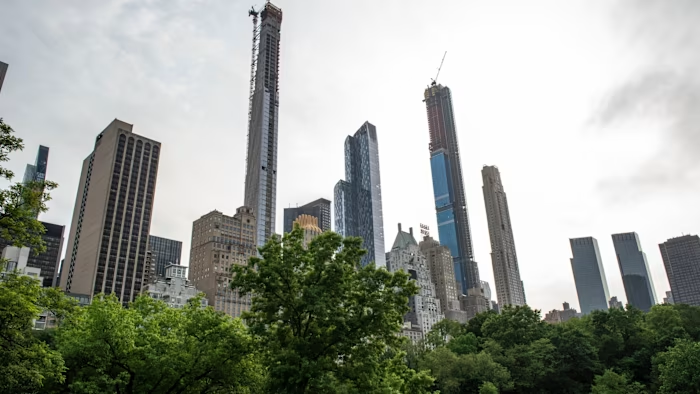
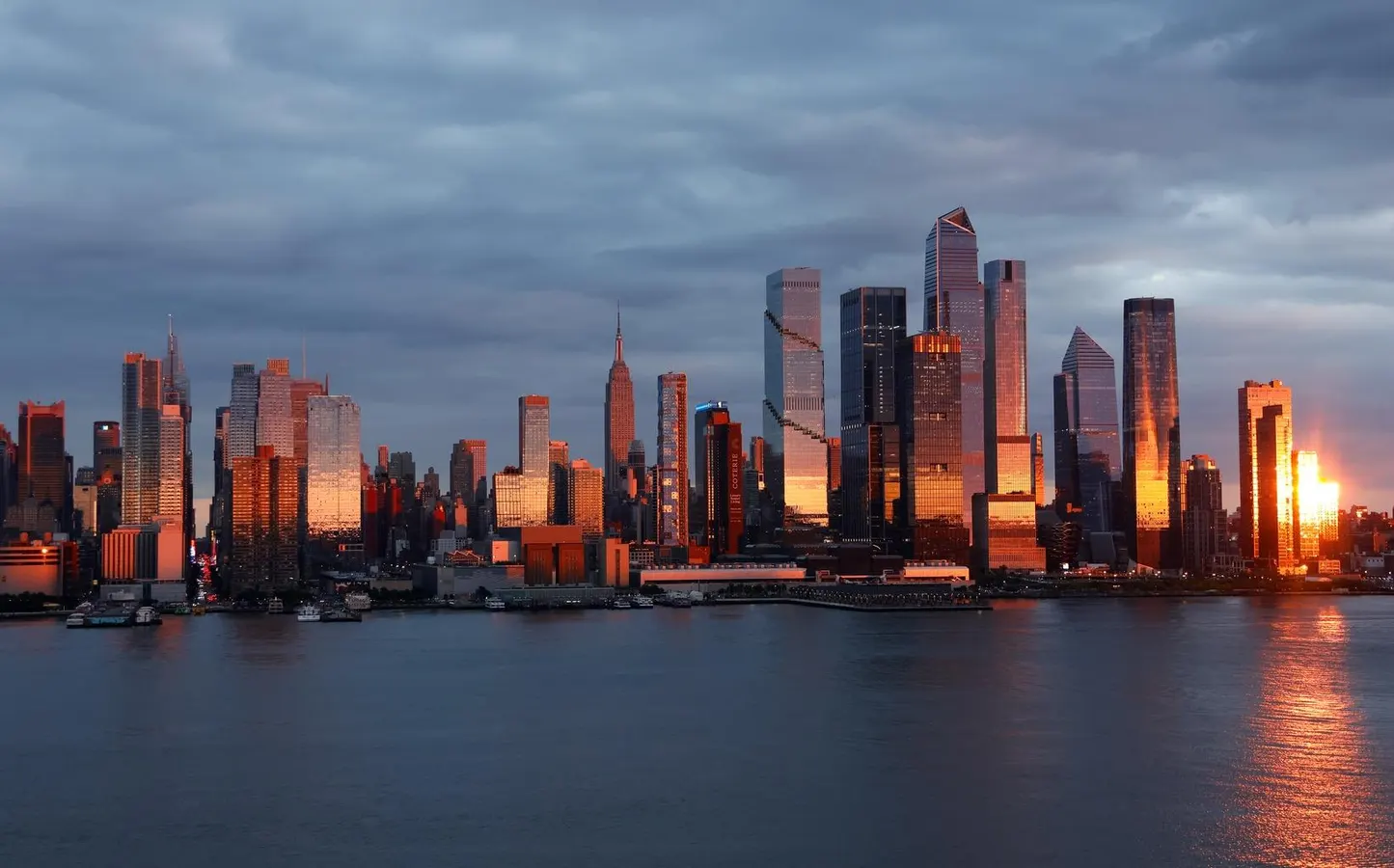
There’s also a shift in the location of wealth havens. The original wealth havens in the United States are New York City, the Hamptons, Los Angeles (Beverly Hills, Bel Air, Malibu), San Francisco, Aspen, Palm Beach, and Miami and Miami Beach.
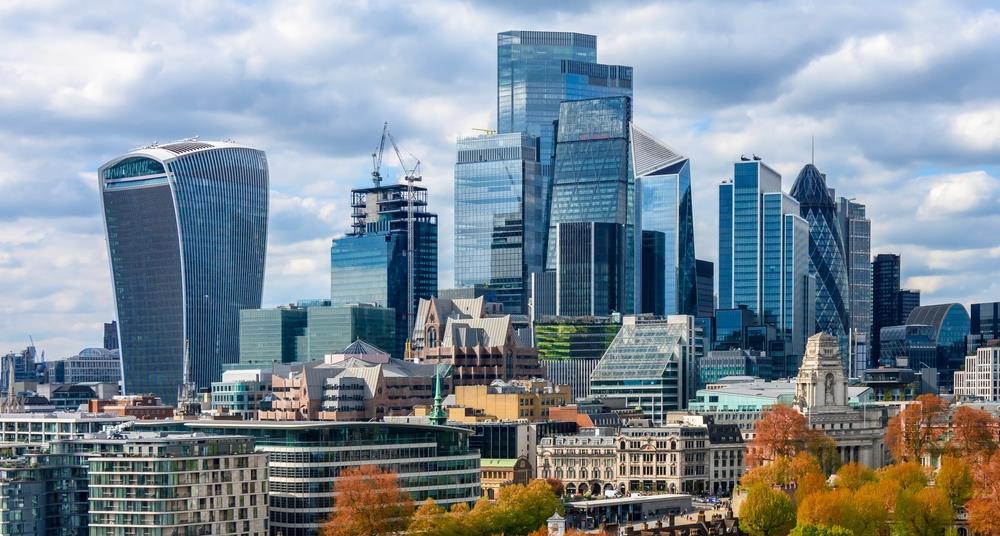
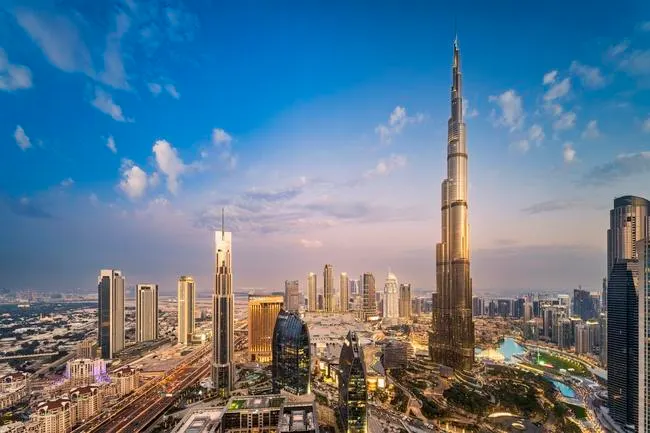
Internationally, the original wealth havens are London, Paris, Monaco, Dubai, Hong Kong, Singapore, and Sydney.
Altneu says these owners tend to reinforce long-term property values. “They hold property for longer, sell less often, and tend to buy more when conditions soften.”
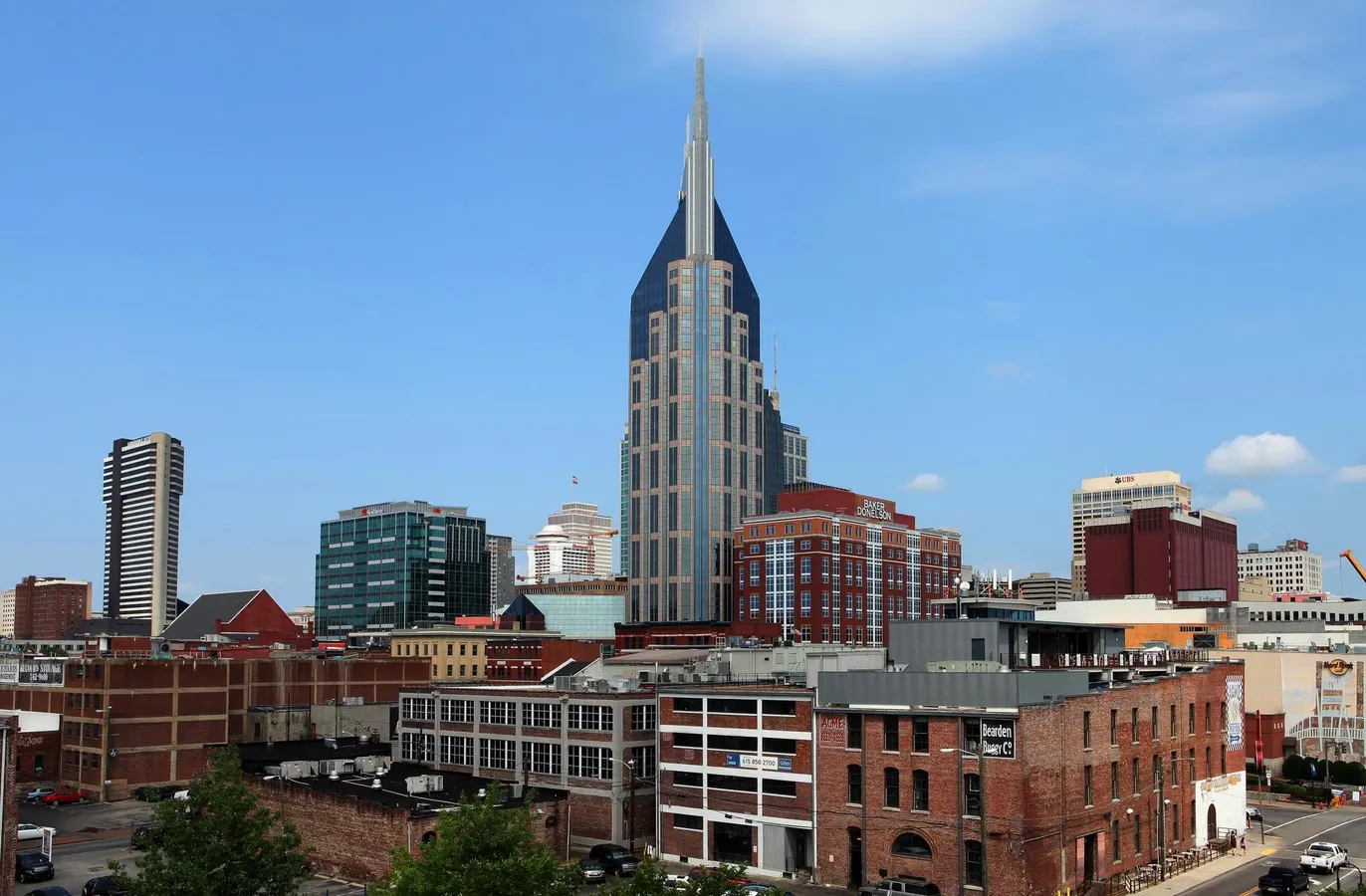
However, global wealth migration trends have resulted in a new set of wealth havens. Six that stand out in the United States include: Minneapolis/St. Paul, Greater Atlanta, Dallas, San Diego, Salt Lake City, and Nashville. The report also notes that Park City, Napa Valley, Silicon Valley, Denver, Scottsdale, Greenwich/Westport/New Haven, and Westfield NJ are other markets to watch.
Globally, the world’s fastest growing wealth markets (in order) are Montenegro, UAE, Malta, Poland, USA, China, Costa Rica, India, Latvia, and Panama.
“Wealth is flowing toward jurisdictions that combine stability, opportunity, and quality of life,” Altneu says. Prestige, cultural capital, and coastal glamor are important to affluent buyers; however, as Gen X, millennials, and Gen Z lead the next generation of luxury buyers, he says they’re setting new standards. “These buyers will be more likely to prioritize wellbeing, lifestyle-rich environments, and nature,” Altneu explains. In other words, clean air, sustainable infrastructure, and water security are some of the environmental resilience features that they’re looking for.
However, tax optimization, global mobility, wealth preservation, and personal security will remain important factors that drive tomorrow’s wealth havens.
Read more luxury real estate trends in the Coldwell Banker 2026 Luxury Trend Report