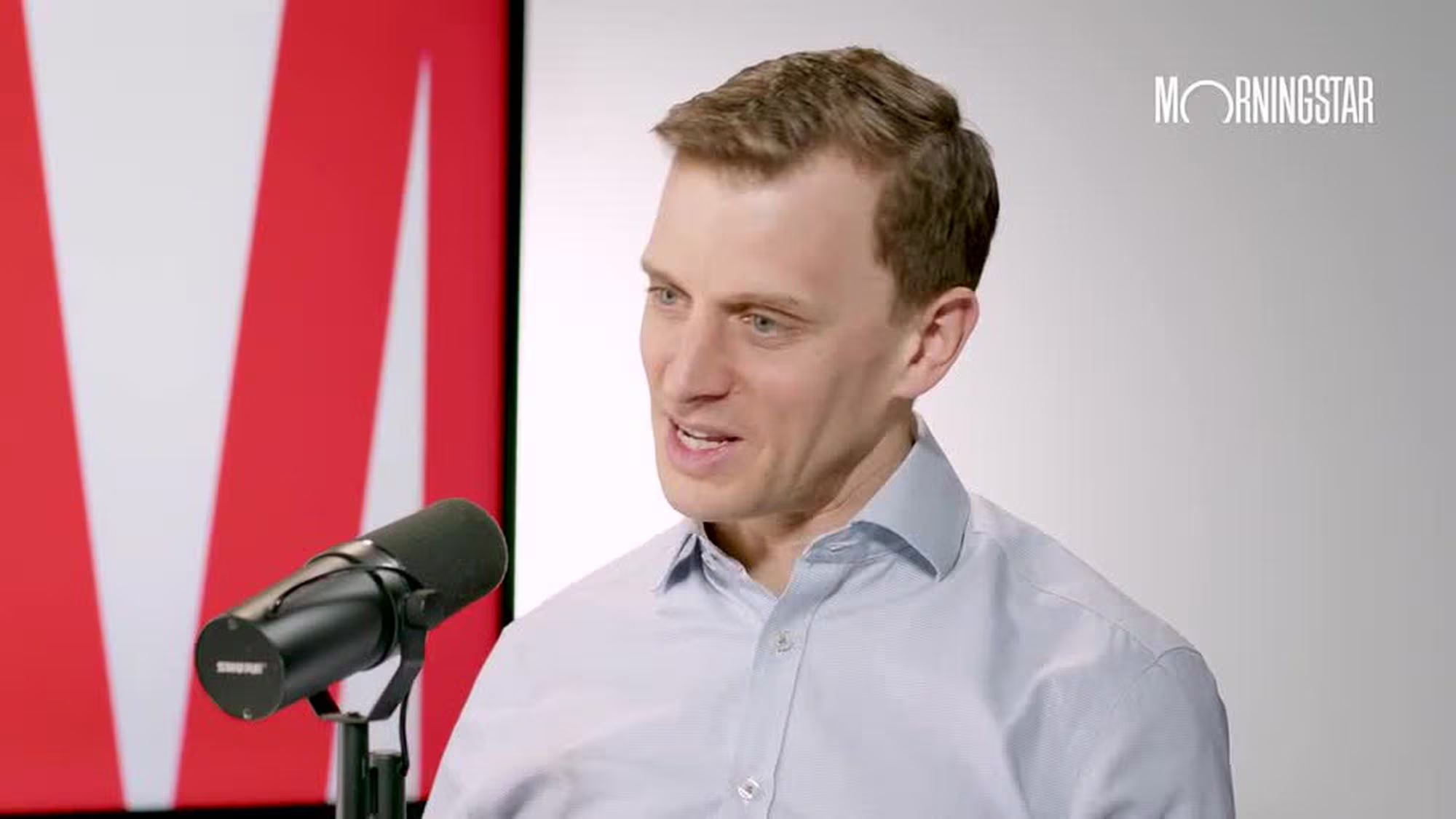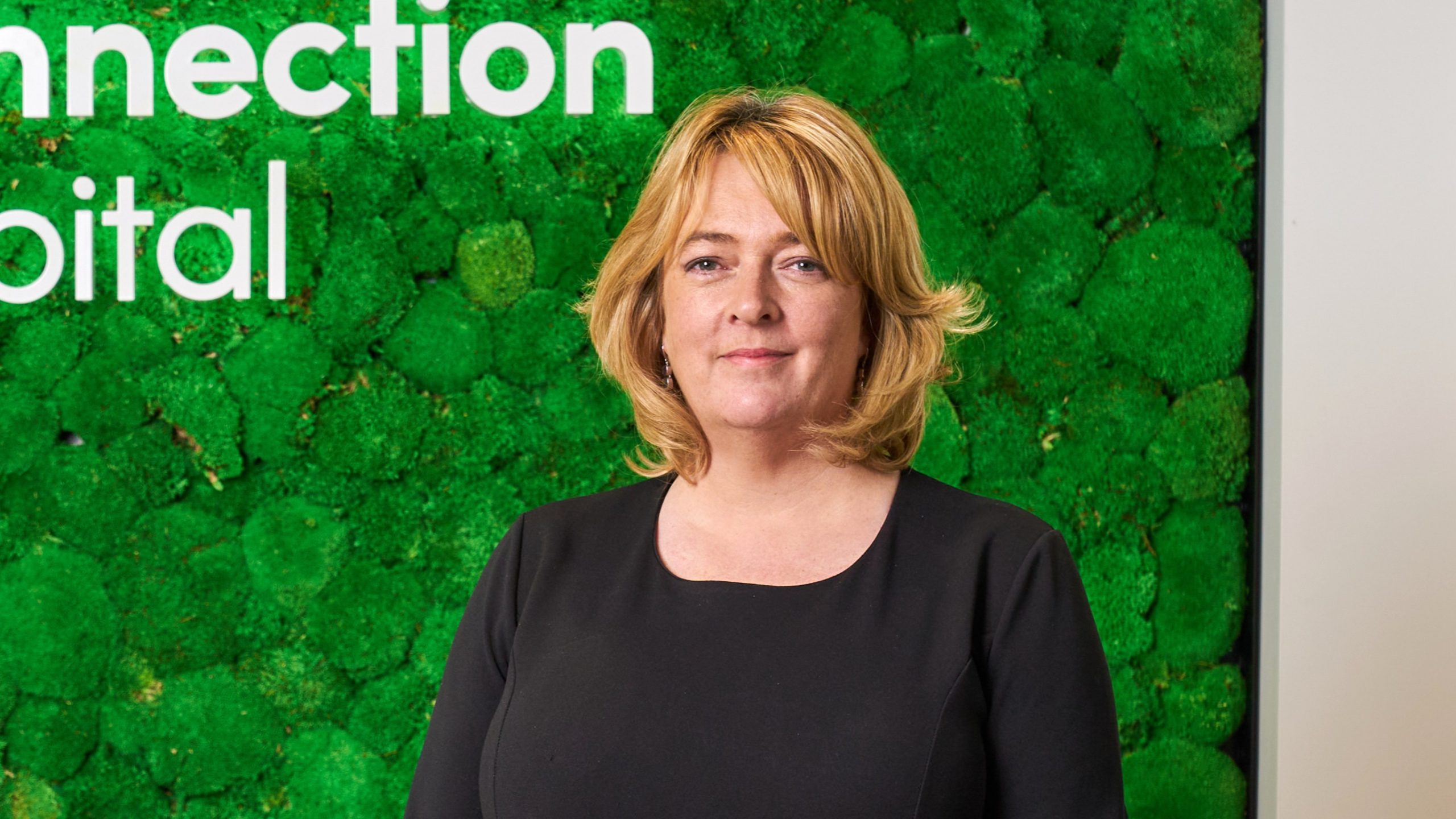
In her responses for the Hubbis Asian Private Wealth Investment Outlook 2026, Connie Sin, Head of Funds & Alternatives at Nomura International Wealth Management, outlines how private wealth portfolios should be positioned for a year shaped by US monetary policy uncertainty, shifting correlations, and growing demand for resilient income. She highlights a barbell approach that combines selective equity exposure in undervalued regions such as Japan, Europe, and parts of Asia, with diversified fixed income strategies designed to manage rate sensitivity while maintaining attractive yields. Connie also emphasises a meaningful increase in alternatives and real assets, including hedge funds, infrastructure, and real estate, as a way to strengthen diversification and reduce reliance on traditional 60/40 allocations. With gold regaining prominence as a tactical hedge and digital asset interest stabilising as clients wait for clearer regulation, she argues that 2026 will reward portfolios built for flexibility, true diversification, and multiple sources of return.
What are the key opportunities and risks you anticipate for major global and Asian equity and fixed-income markets in the coming year?
Looking ahead to 2026, we see opportunities across multiple asset classes despite ongoing monetary policy uncertainty in the US. Major developed markets have already announced expansionary fiscal policies heading into 2026. We see a transition from easy monetary to easy fiscal policy to support a sustainable global growth environment. We employ a barbell approach to portfolio construction. On equities, we particularly focus on undervalued regions where we’re seeing compelling opportunities in Japanese equities driven by corporate governance reforms, European large-cap value stocks with attractive valuations relative to US counterparts, and select Asian emerging markets including Taiwan, South Korea and Southeast Asia opportunities. We prefer defensive sectors with quality growth such as healthcare, infrastructure and dividend plays etc. To enhance portfolio diversification, we suggest to add uncorrelated strategies in the portfolio such multi-strategy, market neutral hedge funds to the portfolio as equity replacement solutions.
On the other hand, we continue to view income-generating assets as crucial portfolio stabilizers. Our approach emphasizes diversifying income sources while reducing U.S. market concentration. While credit spreads for both investment-grade and high-yield bonds are at historically tight levels, absolute yield levels remain appealing for income generation. We favor truly global unconstrained bond strategies that provide flexibility to sub sectors within fixed income markets with a tactical duration position that serve to mitigate rate sensitivity as market conditions evolve.
We also prefer to increase weighting in hard assets including hold, infrastructure and real estate that present compelling prospects for consistent income, lower beta play and potential capital gains, especially as we anticipate continued demand for tangible asset-backed strategies for income generation.
The primary risks center around liquidity concerns stemming from uncertain US monetary policy and potential spillover effects from private credit markets to other credit sectors. We’re also monitoring overconcentration risks, particularly in large US tech names, and the potential for correlation breakdowns during stress periods when traditional diversification may prove insufficient.
For a medium-risk private wealth client, how would you position portfolios across equities, fixed income, cash, and alternatives—and what regional tilts would you prioritise?
For medium-risk clients, we recommend a strategic allocation emphasizing true diversification with uncorrelated assets and avoiding overconcentration.
Asset Allocation:
- Alternatives: 25-30% – We recommend a 30% allocation to alternatives within client portfolios to improve portfolio health and find income sources beyond traditional bonds and equity dividends
- Equities: 30-35% – Maintaining core exposure while reducing concentration risk, particularly in large US tech names
- Fixed Income: 25-30% – Focus on diversified income sources beyond traditional credits, such as high-quality hybrid bonds, financial bonds, CLO, securitized and global unconstrained strategies
- Cash/Liquidity: 5-10% – Tactical positioning for opportunities
Regional Tilts: We prioritize geographic diversification with particular emphasis on Asia, leveraging Nomura’s deep regional expertise. This includes strategic allocations to Japanese equities, Asian equities as well as European dividend plays. The goal is reducing overreliance on traditional Western market exposures while capturing growth opportunities in Asian markets.
To what extent are you seeing increased client interest in private credit, private equity, real estate, infrastructure, hedge funds, or commodities—and are you proactively encouraging these allocations?
We’re experiencing substantial demand and growth in alternatives strategies, having onboarded 13 new Alternatives strategies in 2025 with plans for another 3-4 funds in 1Q2026.
- private markets opportunities, we see particularly strong demand for secondaries in private equity investments, where clients see clear exit pathways and greater visibility into underlying assets with second underwriting to ensure asset quality and likely result in shorter time-to-exit profiles (3-5 years versus traditional 10+ year commitments). We also seeing client increasing allocation to infrastructure and real assets to complement private credits for adding sources of uncorrelated incomes.
Among hedge funds, we maintain preference for multi-strategi, equity long-short, and relative value strategies as the core hedge fund allocations. These have proven valuable tools for clients to potentially benefit from, rather than simply weather, market volatility.
We are proactively encouraging these allocations – we’ve strategically increased alternative investment allocations to 25-30% of portfolios, as alternatives provide relatively more predictable returns, are less sensitive to global macroeconomics, and offer higher alpha potential.
How are you balancing active and passive strategies for 2026, and which structural themes (e.g., AI, energy transition, demographics) are shaping your positioning?
Our 2026 strategy emphasizes active management with flexible mandate strategies capable of dynamic market adaptation, moving away from traditional 60/40 portfolio construction approaches that may not provide adequate protection when correlations shift rapidly during stress periods.
Key Structural Themes:
AI and Technology: We’re taking a comprehensive, global approach to AI investments, recognizing opportunities across the ecosystem while managing concentration risks through diversification. Focusing on strategies that select investments with strong fundamentals and clear AI implementation strategies. This covers end-to-end ecosystem exposure from infrastructure to applications.
Infrastructure and Real Assets: Significant allocation to hard assets and infrastructure investments, particularly given their prospects for consistent income and potential capital gains.
Healthcare: Given the sector’s defensive characteristics, attractive valuations, and potential for innovation-driven growth
How are you approaching gold, other safe-haven assets, and digital assets—including tokenised products—within private wealth portfolios? Is client demand rising, stabilising, or shifting?
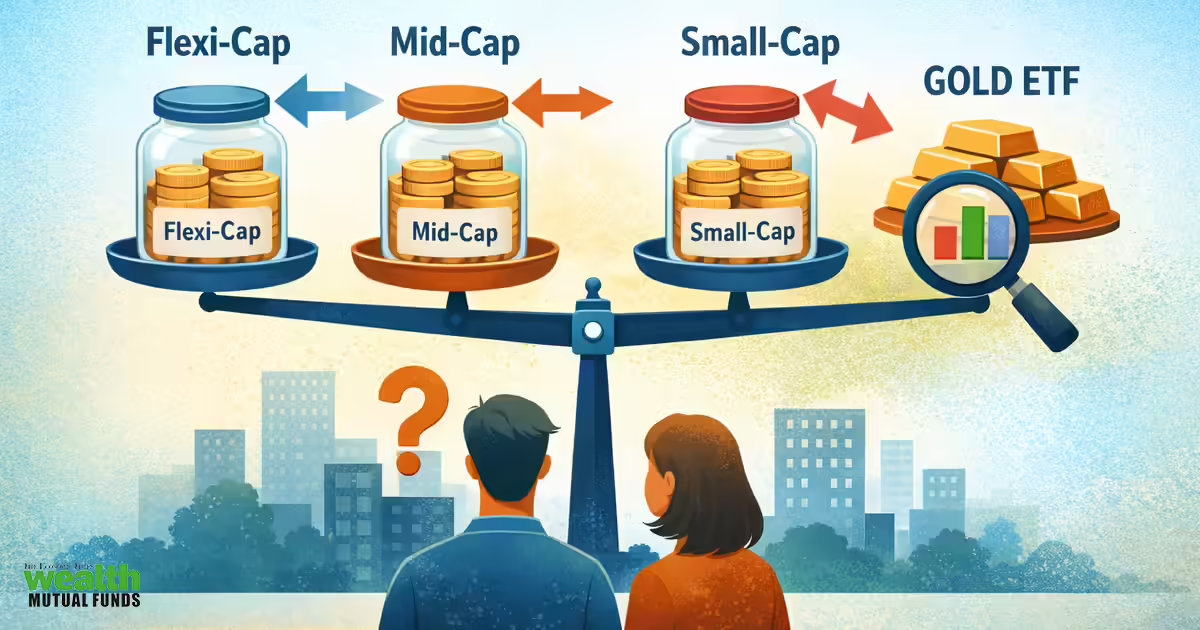
We’ve strengthened our tactical allocations to gold as an effective hedge against US dollar exposure and broader market uncertainty. Gold serves as a crucial portfolio stabilizer in our approach to managing geopolitical tensions and monetary policy uncertainty.
Our approach to digital assets remains cautious but monitoring. We expect more comprehensive regulatory frameworks to emerge globally in 2026, including requirements for model transparency, data privacy standards, and enhanced due diligence frameworks. We’re monitoring asset managers who demonstrate strong capabilities in integrating these regulatory considerations into their investment processes.
Overall, client demand for safe havens is rising, while digital asset interest is stabilizing pending regulatory clarity.