Mulki said a major factor behind the shift is the declining scope for consistent outperformance in the large-cap space, which has prompted investors to consider index-tracking products that remove the need to select active fund managers.
He also pointed to a sharp rise in awareness around passive investing, with investors increasingly understanding the differences between actively managed funds and index-based strategies. As a result, passive products are gradually becoming a core component in portfolio construction.
“Asset allocation is driving alpha generation rather than individual fund selection,” Mulki said, adding that passive funds are being used as building blocks for diversified portfolios.
Younger investors driving adoption
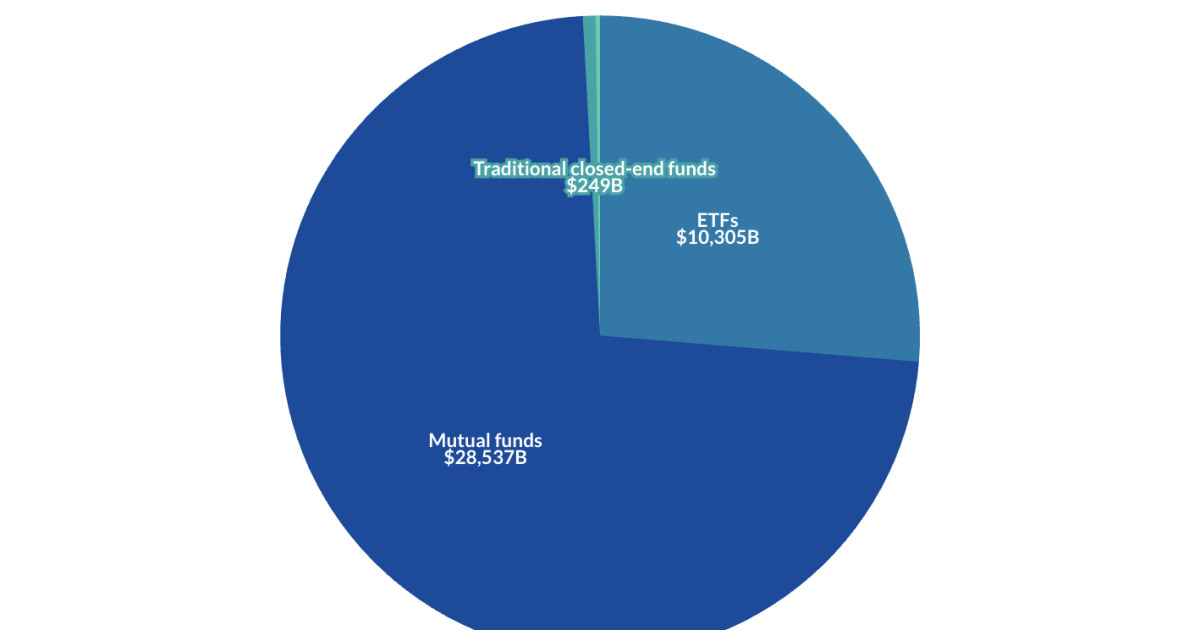
Mulki noted that first-time retail investors, particularly millennials and Gen Z, are showing stronger interest in passive products such as index funds and exchange-traded funds (ETFs). Greater exposure to global investing trends — especially in markets like the US where passive funds account for a significant share of assets — has contributed to this shift.
Another factor attracting new investors is the relative predictability of returns, as passive funds aim to mirror benchmark performance, subject to tracking differences.
Key considerations for investors
Mulki highlighted several aspects investors should keep in mind while evaluating passive strategies.
One common misconception is that active funds necessarily offer stronger downside protection during market downturns because managers can shift allocations or hold cash. While this flexibility may cushion short-term declines in some cases, he said it does not always translate into consistent long-term advantages.
Passive funds, on the other hand, move broadly in line with the market during corrections but benefit from automatic index rebalancing over time, where underperforming companies gradually exit and stronger businesses gain weight in the index.
Another concern often raised by investors relates to concentration in market-cap-weighted indices, where larger companies receive higher allocations. Mulki said this weighting reflects market performance and ensures that companies delivering stronger results receive greater representation.
Investors who prefer a more balanced exposure can consider equal-weighted indices, where each constituent carries the same allocation, he added.
Mulki said that despite rising passive adoption, active strategies are likely to remain relevant in segments such as mid-cap and small-cap stocks, where opportunities for alpha generation still exist.
ALSO READ | Bank of Baroda raises ₹10,000 crore through green infrastructure bonds