Industry figures say annuities are firmly back at the centre of retirement planning, as new data from the Association of British Insurers shows people are annuitising larger pension pots to secure long-term income certainty.
The ABI said the total value of premiums paid into individual pension annuities rose 4% to £7.4bn in 2025, the highest annual level since Pension Freedoms were introduced in 2014.
This came despite a 2% fall in the number of annuities sold, down to 87,600, highlighting a clear shift towards higher-value purchases rather than greater volumes.
Sales of annuities worth more than £250,000 rose 31% year on year, while sales above £500,000 surged 54%, pushing the average annuity size to £84,000, up 7% and above £80,000 for the first time.
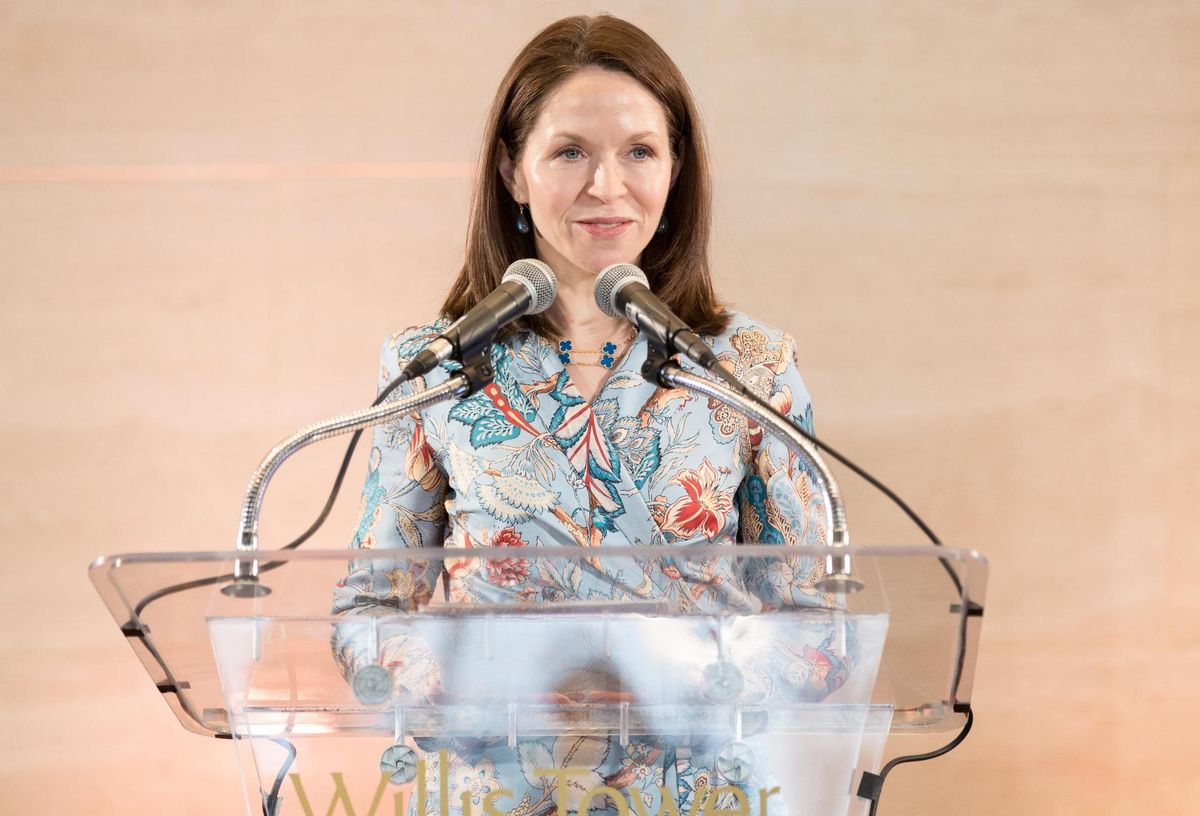
Carolyn Jones, retirement director at Scottish Widows, said the data reflects growing demand for certainty amid ongoing economic uncertainty.
“More people are choosing annuities because they want greater certainty in an unpredictable economic climate,” she said.
“A guaranteed income for life gives reassurance by removing worries about market movements or how long savings need to last.
“We’re seeing more customers put larger pension pots towards annuities as they look for long-term stability. With more people now depending on defined contribution pensions, guaranteed income is becoming a more central part of retirement planning.”
The data also shows an 8% increase in annuity purchases among people aged 70 and over, suggesting later-life retirees are locking in income while rates remain attractive.
Escalating annuities, which increase income annually, were one of the fastest-growing product types. Sales rose 10% to just over 18,000 in 2025, the highest level since 2013.
David Cooper, director at retirement specialist Just Group, said inflation protection is becoming a key driver.
“The total value of annuity premiums rose to another post-pension freedoms high in 2025, driven by retirees taking advantage of attractive rates,” he said.
“There is strong demand for guaranteed income products that increase payments annually to help protect against inflation eroding purchasing power.
“This is particularly evident among savers with larger defined contribution pots who are prioritising predictability and security.”
Pete Cowell, head of annuities at Standard Life, said annuities are now centre stage once again.
“When we include other individual annuity products such as fixed-term annuities, the total market in 2025 is closer to £8.5bn to £9bn,” he said.
“For many retirees, the question is no longer whether to annuitise, but when and by how much. A lifetime annuity can provide the income security most people want at the heart of their retirement planning.”
Cowell added that forthcoming inheritance tax changes affecting pensions are also acting as a tailwind among wealthier retirees.
Clare Moffat, pensions and tax expert at Royal London, said the data shows annuities are increasingly being reassessed, even by those who previously dismissed them.
“People often say they don’t want an annuity,” she said.
“But when asked what they want from a retirement income product, certainty, simplicity, income for life and protection for dependents, that sounds a lot like an annuity.”
Moffat said changes to inheritance tax treatment of pensions are prompting renewed interest among those approaching age 75.
“Annuities are increasingly being considered as part of inheritance tax planning,” she said.
“This can be especially relevant for couples who live together but are not married, as joint-life annuities are free from inheritance tax on first death.”
She added that escalating annuities have proved their value during recent inflation spikes.
“If you bought an annuity in 2021 that escalates with CPI or RPI, you will be pleased with how income has grown,” she said. “Without escalation, purchasing power would have fallen sharply.”
Moffat stressed that annuities are not a universal solution, but work best when combined with other options.
“Many people want flexibility, which explains the popularity of drawdown,” she said.
“But as people get older, some want guarantees. A common approach is to use an annuity to cover essential living costs, while leaving the rest invested for flexibility.”
With larger pension pots, favourable rates and increasing regulatory focus on sustainable retirement income, industry figures say annuities are no longer a niche option, but a core building block in modern retirement planning.