The past few years have been a reminder that markets rarely move in a straight line.
In 2026, global markets are once again navigating uncertainty—from war in the Middle East to rising commodity prices to central banks maintaining a cautious stance on interest rates.
Indian equities, despite their strong structural story, have also witnessed bouts of volatility as global risk sentiment fluctuates. For investors, such phases often create confusion.
Should you invest more? Stay invested? Or switch funds?
At a time when market narratives change quickly, relying on headlines or short-term returns could lead to poor investment decisions.
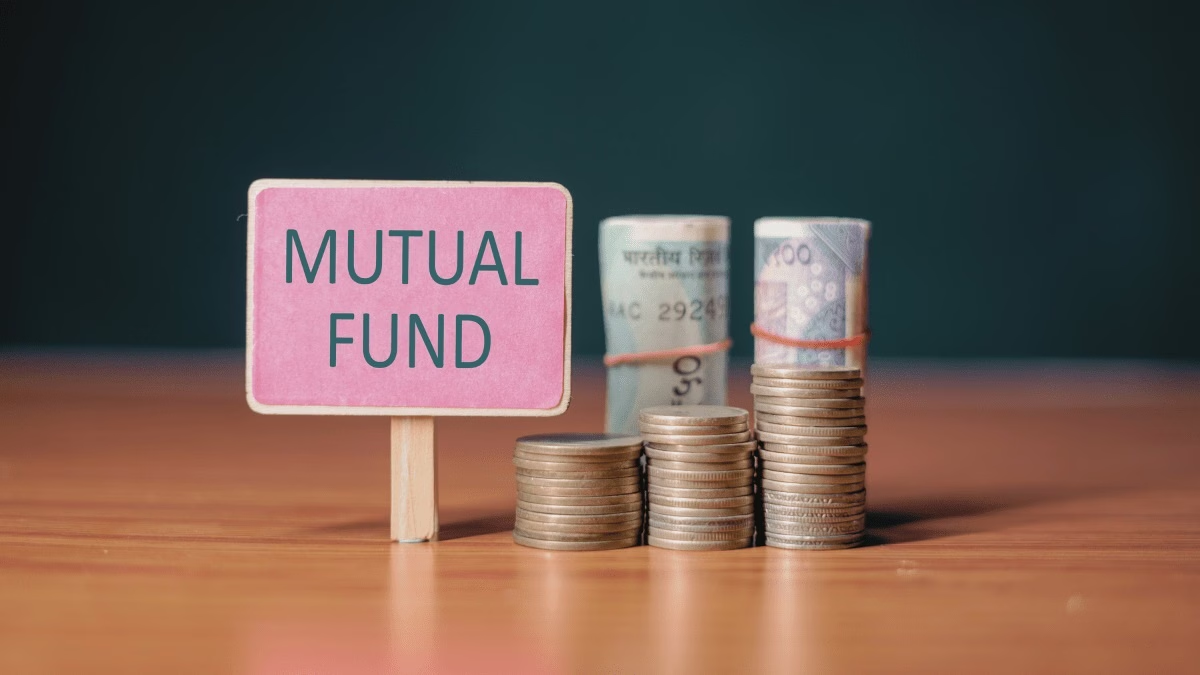
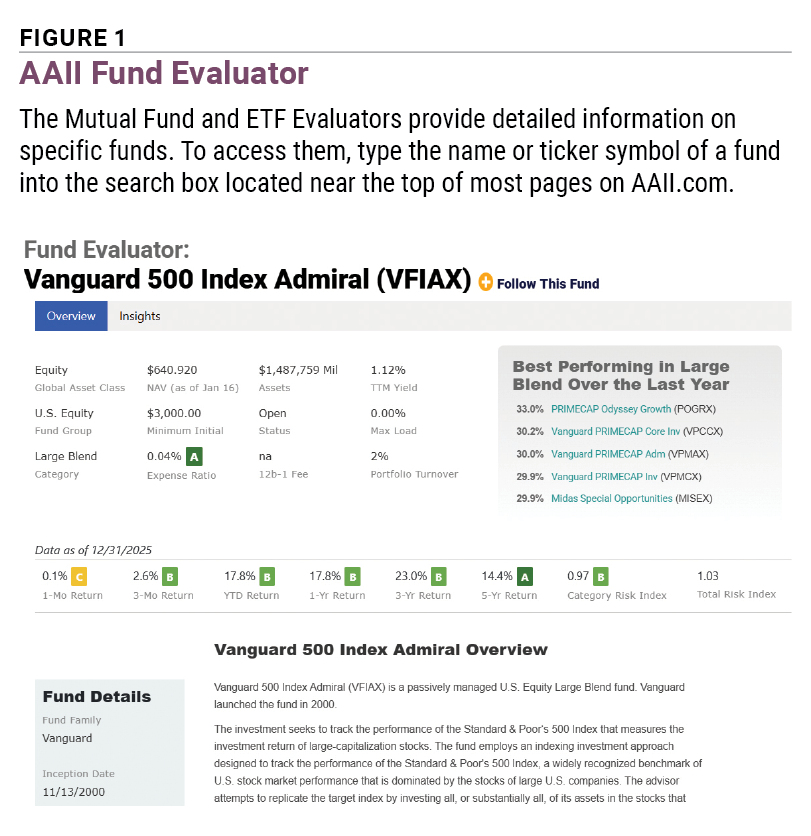
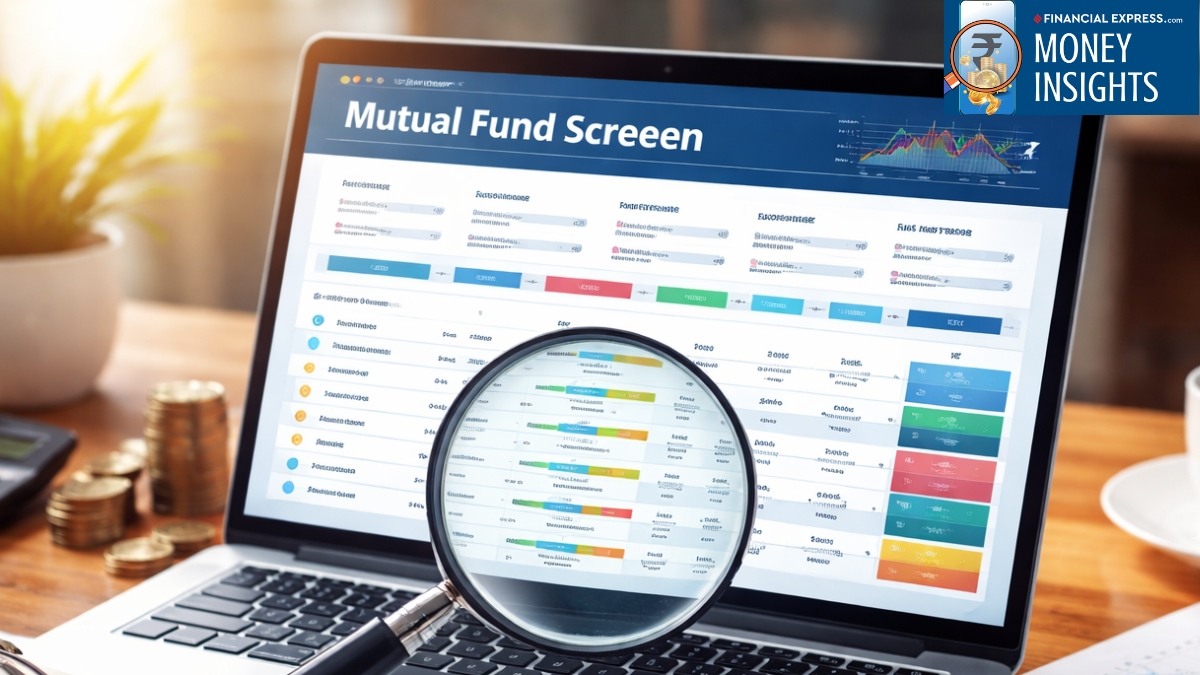
This is where a mutual fund screener becomes a powerful tool. A screener helps investors filter mutual funds by returns, risk metrics, expense ratios, and portfolio characteristics.
However, simply using a screener is not enough. The real value lies in choosing the right filters that help identify funds capable of performing across market cycles not just during bull runs.
If you are using a mutual fund screener to shortlist funds, here are seven important filters every investor should consider in 2026.
1. Long-Term Return Consistency
In volatile markets, short-term returns could be misleading. A fund that has performed well in the past year may simply be benefiting from sector momentum rather than strong investment strategy.
Instead of focusing only on recent performance, investors should filter funds based on consistent long-term returns, such as 5-year or 10-year CAGR. This helps identify funds that have delivered across different market conditions—bull markets, corrections, and sideways phases.
Consistency indicates that the fund manager has been able to navigate both favorable and challenging market environments. In 2026, when global uncertainties continue to affect investor sentiment, this factor becomes even more critical.
2. Rolling Returns Performance
Many investors make the mistake of relying only on point-to-point returns. However, these could vary significantly depending on the chosen time frame.
A more reliable measure is rolling returns, which evaluates performance across multiple overlapping periods. For example, a 5-year rolling return calculates returns for every possible 5-year period within the fund’s history.
This metric helps answer an important question: How consistently has the fund outperformed its benchmark or category over time?
Funds showing strong rolling returns tend to be more dependable during volatile markets because they indicate a disciplined investment process than temporary outperformance.
3. Risk-Adjusted Returns (Sharpe Ratio)
Returns alone do not tell the complete story. Two funds may generate similar returns, but one might have taken significantly higher risk to achieve them.
This is why investors should screen for risk-adjusted return metrics, such as the Sharpe Ratio.
The Sharpe Ratio measures how much excess return a fund generates for every unit of risk taken. A high Sharpe Ratio indicates the fund is delivering good returns relative to the volatility it experiences.
In an environment where risks from geopolitical tensions to inflation may trigger sudden market swings, funds with strong risk-adjusted performance may offer better stability for investors.
4. Expense Ratio
The expense ratio is one of the most overlooked yet important factors when selecting mutual funds.
Even a small difference in costs may significantly impact long-term returns. For example, a fund with a 1.8% expense ratio will reduce investor returns more than a fund charging 1%.
Over long investment horizons, especially for SIP investors, this difference compounds and could meaningfully affect wealth creation.
Using a screener to filter funds with reasonable or below-category-average expense ratios ensures that investors are not paying excessive costs for fund management.
5. Fund Manager Track Record
Behind every successful mutual fund is a disciplined investment process—and often an experienced fund manager.
Investors should look at the tenure and track record of the fund manager managing the scheme. A manager who has handled the fund for several years and successfully navigated multiple market cycles that provide greater confidence in the fund’s strategy.
This becomes particularly relevant during uncertain phases like the current global environment, where markets react quickly to geopolitical developments, commodity shocks, or policy changes.
An experienced fund manager is often better equipped to manage risk and identify opportunities during such periods.
6. Portfolio Diversification
Another important screener filter is portfolio diversification.
Funds with extremely concentrated portfolios may generate strong returns during certain phases but may also experience sharp corrections if a few stocks or sectors underperform.
In contrast, well-diversified portfolios spread investments across sectors and companies, reducing the impact of individual stock volatility.
Given the evolving global environment in 2026, where sectors such as energy, defense, technology, and commodities are witnessing rapid shifts diversification helps protect investor portfolios from excessive concentration risk.
7. Downside Protection
During market corrections, the true strength of a mutual fund becomes visible.
Investors should therefore screen for funds that have historically shown better downside protection—meaning they fall less than the market during corrections.
Metrics such as downside capture ratio or lower volatility relative to peers help identify such funds.
Funds that manage downside risk effectively allow investors to stay invested during turbulent periods without experiencing extreme drawdowns.
In volatile markets, protecting capital during downturns is often just as important as generating returns during rallies.
Why These Filters Matter in 2026
The Indian mutual fund industry has grown rapidly in recent years, with rising retail participation and record SIP inflows. While this expansion has increased investor access to financial markets, it has also led to a large number of schemes across categories.
In such an environment, investors need a structured approach to selecting funds rather than relying on short-term performance rankings or popular recommendations.
A mutual fund screener provides that structure. By applying thoughtful filters such as long-term returns, risk-adjusted performance, expenses, and portfolio diversification, investors may narrow down the vast universe of funds to a shortlist of high-quality options.
The Bottom Line
Market volatility is inevitable. Geopolitical tensions, economic cycles, and policy shifts will continue to influence global and domestic markets.
However, disciplined investors know that long-term wealth creation does not depend on predicting short-term market movements. It depends on choosing the right investment vehicles and staying invested through cycles.
And a mutual fund screener could be a valuable tool in this journey, provided it’s used wisely.
By focusing on these seven important filters, investors can identify funds that are better equipped to navigate uncertain markets and build wealth over time.
In a world where market noise is constant, data-driven fund selection is a smart strategy that investors should consider in 2026.
Invest wisely.
Disclaimer: This article is for information purposes only. It is not a stock recommendation and should not be treated as such. Learn more about our recommendation services here…
The website managers, its employee(s), and contributors/writers/authors of articles have or may have an outstanding buy or sell position or holding in the securities, options on securities or other related investments of issuers and/or companies discussed therein. The content of the articles and the interpretation of data are solely the personal views of the contributors/ writers/authors. Investors must make their own investment decisions based on their specific objectives, resources and only after consulting such independent advisors as may be necessary