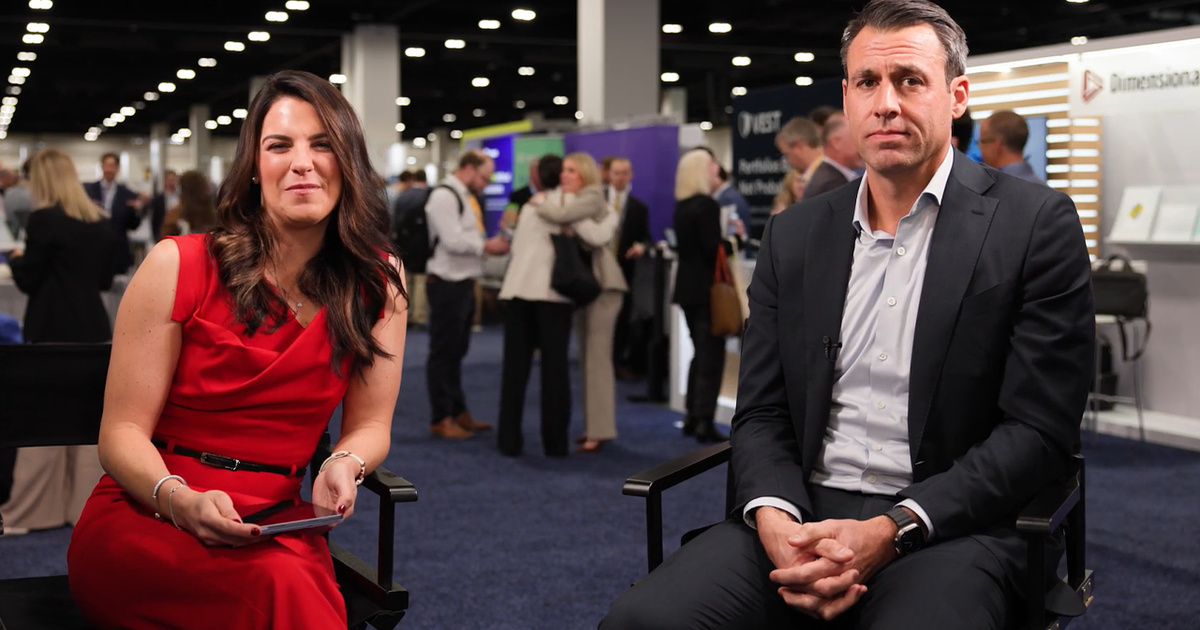

There are several risks that could challenge the ongoing resilience of bond markets this year, says Gino Di Censo, vice-president, global fixed income at CIBC Asset Management.
“One of the more prominent ones is a sharper than expected slowdown in the U.S. and Canadian labour markets, which could heighten recession risks,” he said in a Jan. 22 interview.
Listen to the full conversation on the Advisor To Go podcast, powered by CIBC Asset Management.
In the U.S., unemployment is reaching a four-year high, with fewer small business hirings and job cuts. The situation is similar in Canada, he said, with unemployment elevated at 7%, and job vacancy rates remaining high.
“Another factor to consider is persistent inflation, services inflation and wage pressures,” Di Censo said. “The changes to Canada’s immigration policy should help reduce some slack in the labour force, but at the same time, can have a negative impact on consumer spending, and might have a negative impact on wage inflation as well.”
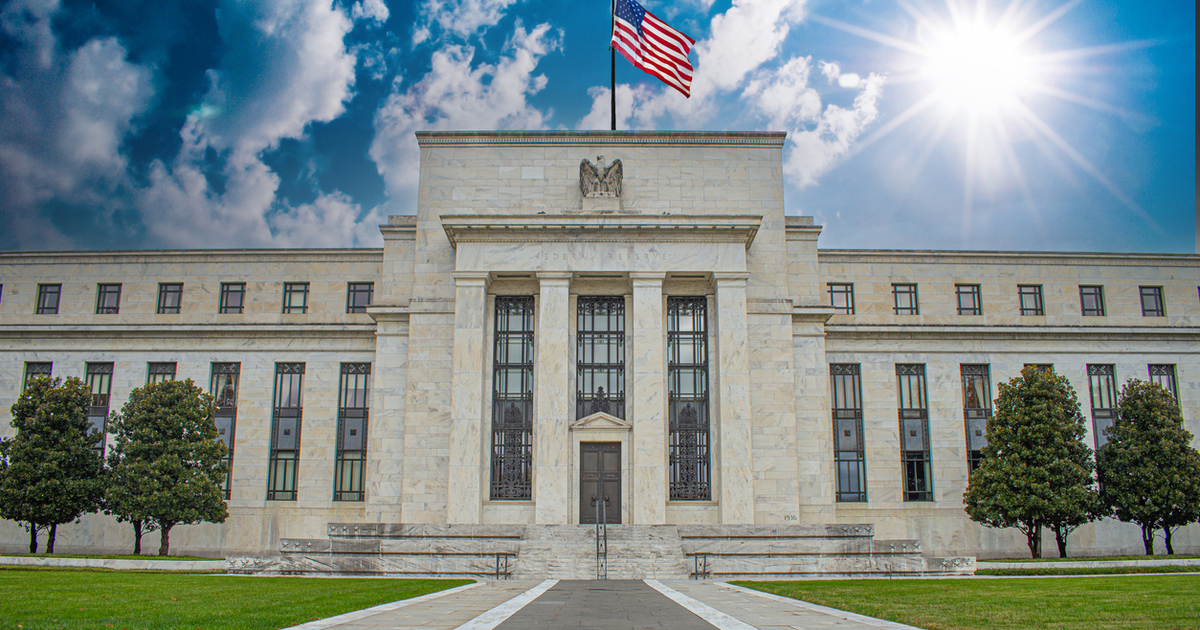
Di Censo said potential political interference in the U.S., particularly regarding central banks and their policymaking, remain a key concern. Interference — particularly with the upcoming Fed chair appointment — could undermine credibility and impact bond yields.
He also said a slowdown in AI-related capital expenditures represents another risk, particularly for sectors that have been reliant on technology infrastructure.
“The last thing I would say is renewed fiscal concerns or debt ceiling debates could lead to more elevated long-term yields, and then market volatility as well,” Di Censo said.
Despite these risks, Di Censo said credit spreads will be supported by anticipated Fed rate cuts, strong momentum and limited new issuance.
But should economic weakness persist or spreads widen further, he’s adding defensive corporate credit, alongside high-quality issuers with strong fundamentals to fixed-income portfolios. Corporate bond yields are attractive relative to historic norms, Di Censo said, and should provide a cushion against a hard landing, economic slowdown, or significant spread widening.
Di Censo is also adding long-duration positions, but said short-term credit can offer some defensive qualities and help mitigate the risk of spread widening.
Beyond investment-grade credit, he said hybrids, infrastructure debt and private credit are notable due to diversification benefits and stronger risk-adjusted returns.
“You have to be cautious on some of these more illiquid parts of the credit market and have to manage your exposures accordingly. But we do think there is value there if we think about diversification and potential for higher yields. And so we are positive on those areas of the credit market as well.”
Also, a persistent K-shaped economy in the U.S. — and Canada to a lesser extent — increases credit risk for lower-quality and consumer-facing issuers, Di Censo said, adding that it’s important to focus on sectors and issuers with robust balance sheets and less exposure to weaker consumer segments.
“Above all, we’re prioritizing diversification across regions, sectors and asset classes to help mitigate risk and capture opportunities as the cycle matures,” he said.
This article is part of the Advisor To Go program, sponsored by CIBC Asset Management. The article was written without input from the sponsor.

Source link