A judge has ruled legal fees in the Robinson-Huron Treaty annuities case should be substantially reduced.
Two of the 21 First Nations that benefited from the settlement launched a court challenge of the amount paid to the lawyers who achieved the final deal.
The chiefs of Garden River First Nation and Atikameksheng Anishnawbek argued that $510 million out of the $10 billion settlement was too much.
The Ontario Superior Court of Justice has sided with the First Nations, and ordered that the legal fees be dropped to $23 million, which is $487 million less than the original bill.
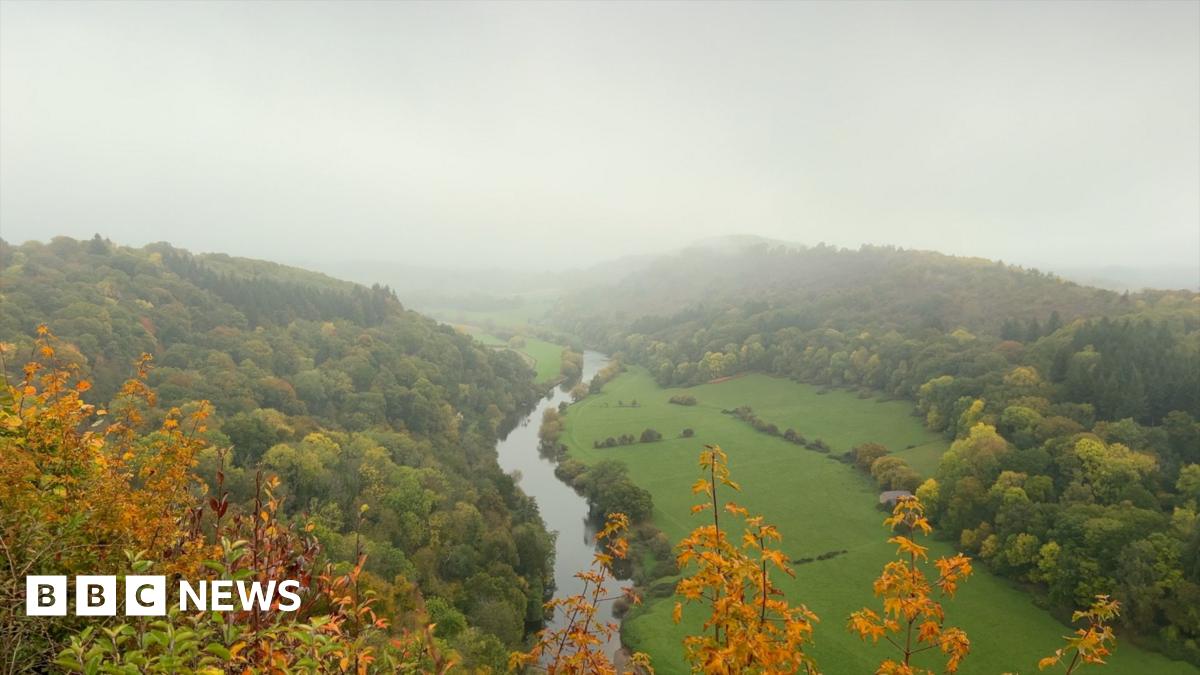
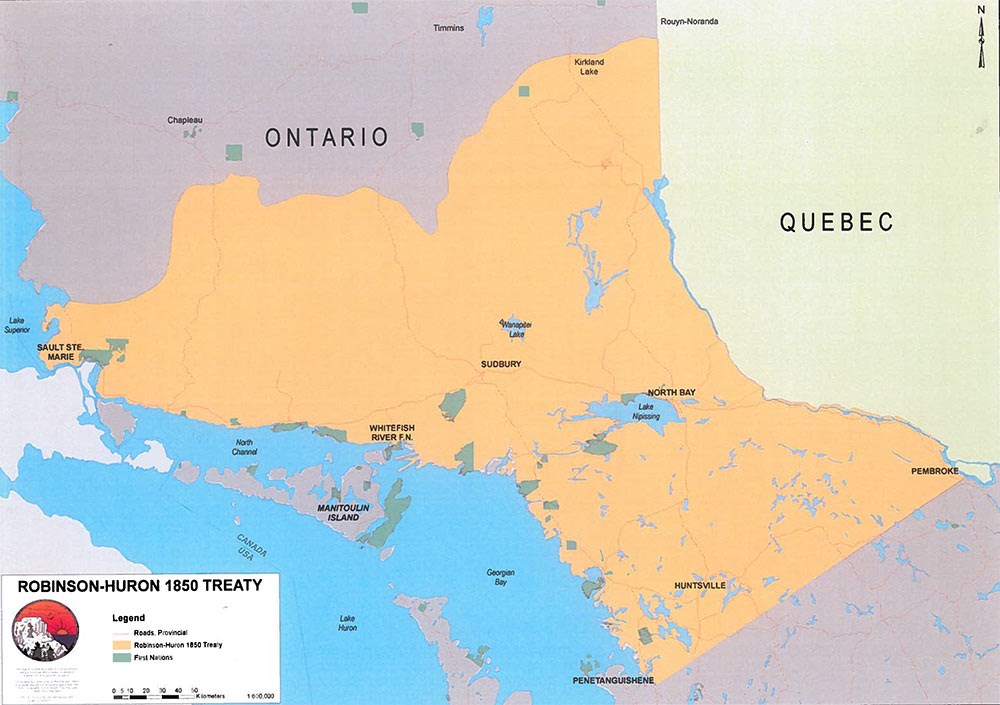
The annuities case itself involved the retroactive amount owed to the 21 Robinson-Huron Treaty First Nations for access to natural resources in the treaty territory., covering about 92,000 square kilometres to the north and east of Lake Huron.
Annual payments to treaty members has been set at $4 per person since 1874, despite promises to increase the annuity as the value of the land’s resources grew over time.
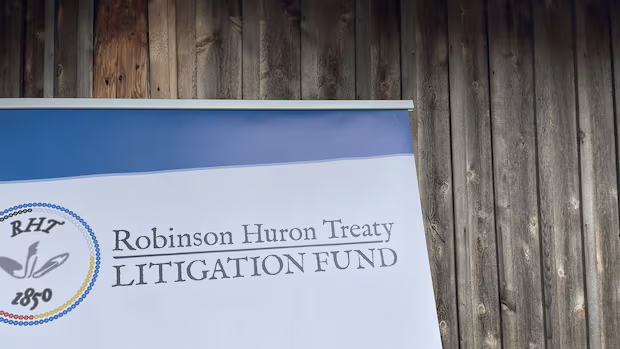
In 2023, the Robinson-Huron Treaty Litigation Fund reached a historic $10 billion settlement with the governments of Ontario and Canada to cover the underpayments of past annuities.

Dispute around fee agreement
According to the judge’s ruling, the dispute centres around a “partial contingency fee agreement” with the legal team.
As negotiations ensued, the judge found the legal team pushed back on the suggestion that its contingent fee should be between 3 per cent and 5 per cent.
According to the judge, one of the lawyers, David Nahwegahbow, said that if there was no agreement on an acceptable percentage recovery, the fund would need to find new counsel.
This occurred three years into the case.
An agreement was signed on June 17 , 2011 that paid the six members of the legal team at 50% of their normal rates plus the partial contingent success fee agreed.
However, Justice Fred Myers noted that the six main lawyers brought on juniors to assist them and they were billed at full rates, not half, raising the fees considerably.
The lawyers sent the treaty litigation fund a bill of $510 million “based on a strict application of the partial contingency fee agreement.”
In his decision, Myers said no one really knew how high the settlement would be and what the percentage meant for the lawyers.
“Of greatest significance, there was no discussion at all of the appropriateness or inappropriateness of the use of an uncapped percentage fee in a case thought to be worth at least hundreds of millions of dollars,” the decision reads.
“The Chiefs negotiated a request for 15% down to 5% and thought they had done rather well. No one told them that the request for a percentage piece of the recovery was itself problematic in a case with anticipated recoveries in the hundreds of millions of dollars let alone the possibility of settlement or judgment in the billions of dollars.”
Justice criticizes legal team
Justice Myers laid out why it is problematic to put a percentage of a settlement towards legal fees because “a lawyer’s professional retainer is not a lottery ticket.”
The judge said that a settlement or judgment in a lawsuit belongs to the clients and that awyers are not entitled to a percentage of the windfall in an amount that is unrelated to value of the professional services rendered.
“Lawyers charging excessive fees beyond what is fair and reasonable undermines the integrity of the legal profession,” wrote Myers.
While Myers praised the innovative and substantial work of the legal team in this case, he said a more appropriate fee would be an additional $23 million from settlement, for a total of $40 million for the entire lawsuit.
The judge also criticized the lawyers for bringing their personal interests and the 21 First Nations’ interests into conflict by charging the high fee, discouraging the First Nations from getting outside legal advice on their fee, and pressuring them to approve it.
The justice took aim at lawyers Dianne Corbiere and David Nahwegahbow specifically, who provided “simply incorrect” advice to their clients, discouraging independent, objective advice on the fees.
However, the judge said the lawyers did not act in bad faith.
“Even the most well-meaning among us is subject to the invisible creep of conflict of interest robbing us of the clarity of independent judgment,” wrote Myers in his decision.
CBC News has contacted the law firm of Nahwegahbow Corbiere for comment.
Justice Myers has ordered the lawyers to keep $23 million out of the $255 million they have already been paid and return $232 million to the Robinson-Huron Treaty Litigation Fund to be held with the remaining $255 million in trust pending discussion of fees and possible appeal.
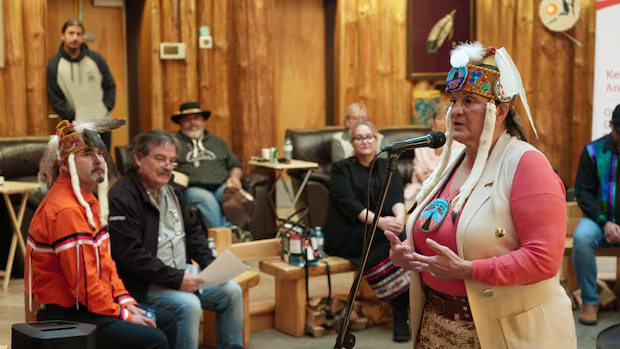
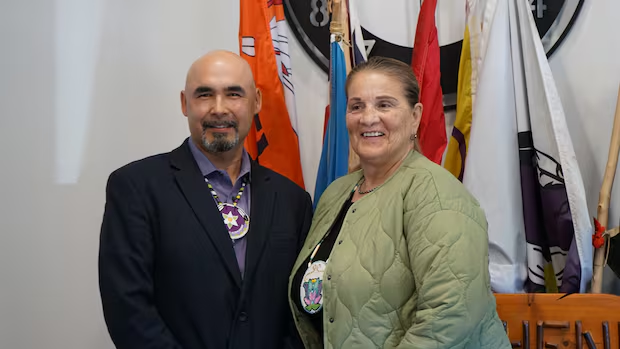
In a statement, Atikameksheng Chief Craig Nootchtai, one of leaders who pushed for a review of legal fees, said he was pleased with the judge’s decision.
“We are proud to receive this decision from the Court, which will transfer hundreds of millions of dollars from the hands of six lawyers to the 21 First Nations of the Robinson Huron Treaty,” he said
“We are confident that there will be no appeal from thelawyers as such an action would be unconscionable at this point.”
A news conference on this issue will be held in Garden River First Nation on Thursday.
Chief Karen Bell is the other First Nation leader who spearheaded the challenge.
“The return of these funds to the proper rights holders will have transformative impacts on our communities,” she said in a statement.